
Manali in January 2027: Snowfall, Weather, Road Conditions, Best Places and 4 Day Itinerary
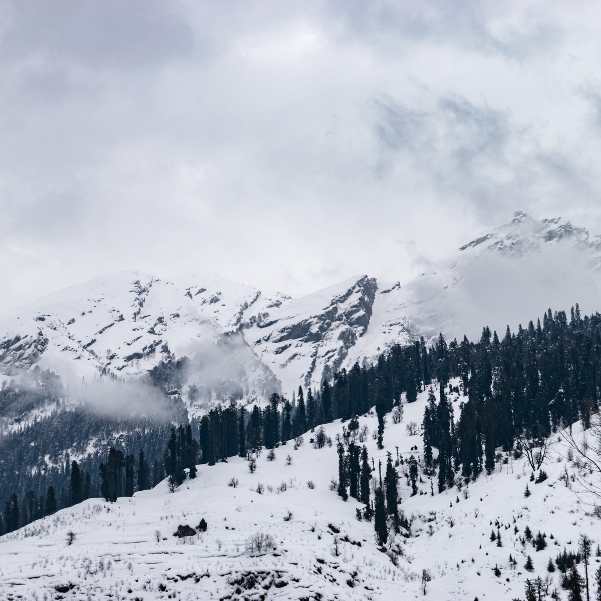
If you are planning Manali in January, here is the one thing you must accept before you book anything. January gives you a strong chance of snow, freezing nights and some of the best winter scenery in Himachal. But nobody can promise you snowfall on your exact dates.
We have sent hundreds of travellers to Manali in the deep winter months. The ones who had a great trip were the ones who planned around the weather, not against it.
This guide by Travel Coffee covers snowfall, temperature, road conditions, where to actually find snow, and a 4 day plan that bends when the roads close.
Quick Answer: Is Manali worth visiting in January 2027?
Yes, if you want real winter. January in Manali means freezing weather, a strong chance of snow and quiet, beautiful hills. Just do not book with the expectation that snow will fall on a fixed date.
Solang Valley and higher areas often hold snow even when Manali town is dry. So even a clear day in the town does not mean your trip is ruined.
Do not assume Rohtang Pass is open. And treat the Atal Tunnel and Sissu as places you check on the morning of travel, not places you can promise yourself in advance.
If you want the whole trip handled without the daily road-status stress, our Manali tour packages come with a local driver and a team that actually picks up the phone.
What is Manali weather like in January?
Daytime and nighttime temperatures
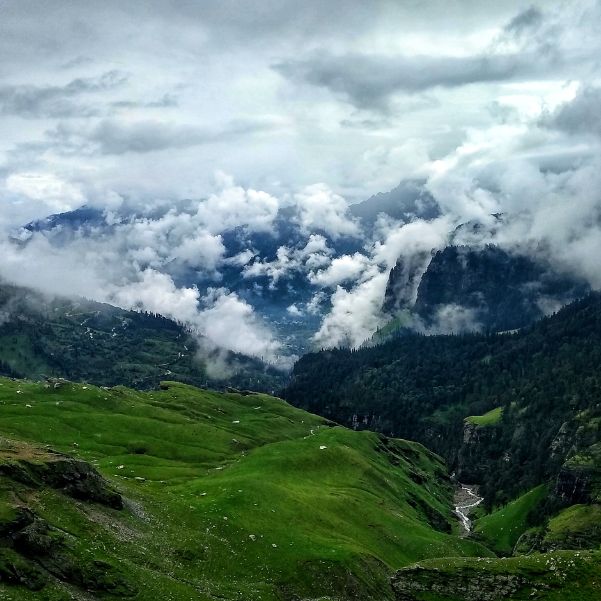
Use a planning range of roughly 0°C to 8°C during the day. Nights can fall to around −5°C or lower during cold spells.
Temperature figures published online vary. Some sources suggest January temperatures of around 3°C during the day and −6°C at night, while other winter guides give a daytime range of 0°C to 8°C and nighttime temperatures of −5°C or lower.
Check the IMD seven day forecast shortly before you leave home. That is the only number that matters for your actual dates.
What does the cold actually feel like?
A sunny January afternoon in Manali can feel almost pleasant. You will see people walking around Mall Road in just a jacket.
A snowfall day is a completely different animal. Shaded roads stay frozen, your shoes get damp and stay damp, and cold winds cut through cheap gloves.
Mornings after fresh snow are the coldest part of the trip. That is also when the roads are most slippery, so plan your movement accordingly.
Is early January or late January colder and snowier?
Late January often carries a strong chance of snow, but no single week can be guaranteed. Snow does not read a calendar.
Take January 2026 as an example. Manali had a long dry spell, and then a major snow spell arrived around January 23.
That is history, not a prediction. Do not book late January 2027 assuming the same pattern will repeat.
Does it snow in Manali in January?
Fresh snowfall versus snow already on the ground
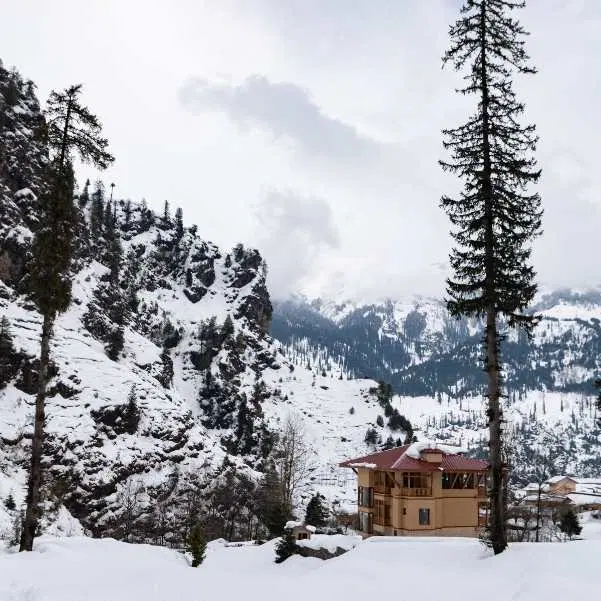
Watching snow fall and finding snow already settled are two different experiences. Most people want the first one but end up happy with the second.
You might reach Manali on a clear day and still find older snow up in Solang or another higher spot. So a dry town does not mean a snowless trip.
Is snowfall guaranteed?
No. Plainly, no.
Snow in Manali depends on active western disturbances, and it often arrives in short, intense bursts rather than steady daily flurries. Anyone promising you assured snow on fixed dates is selling you a story.
What January 2026 taught travellers
IMD's January 20, 2026 release forecast snow or rain for Manali, Solang Valley and Sissu on January 23, with heavy snow possible in higher Kullu and Lahaul-Spiti.
The delayed snow was followed by road disruption and a huge tourist rush. The lesson is simple. Build a flexible plan, because when the snow finally comes, so does the crowd.
Where can you find snow if Manali town is dry?
Solang Valley
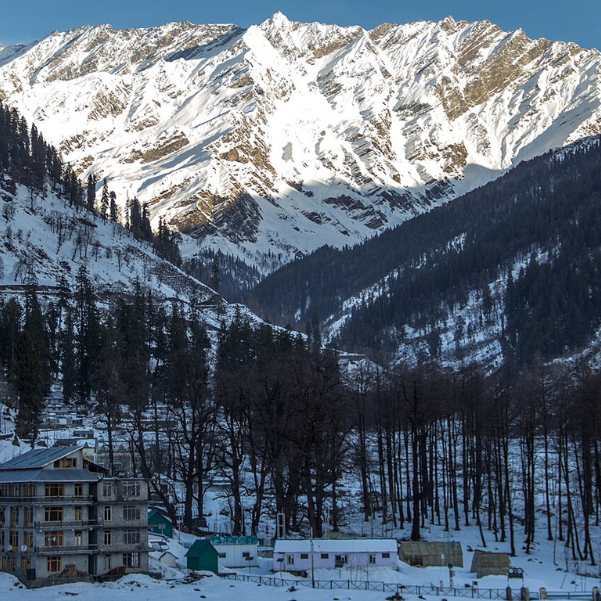
Himachal Tourism lists Solang Valley at about 13 kilometres from Manali. This is your first practical place to check for settled snow.
We cannot promise you snow cover or an open road on any given day. What we can tell you is that Solang holds snow longer than the town does.
Leave for Solang only after you confirm that tourist vehicles are being allowed up. Some mornings they are not.
Atal Tunnel approaches and Sissu
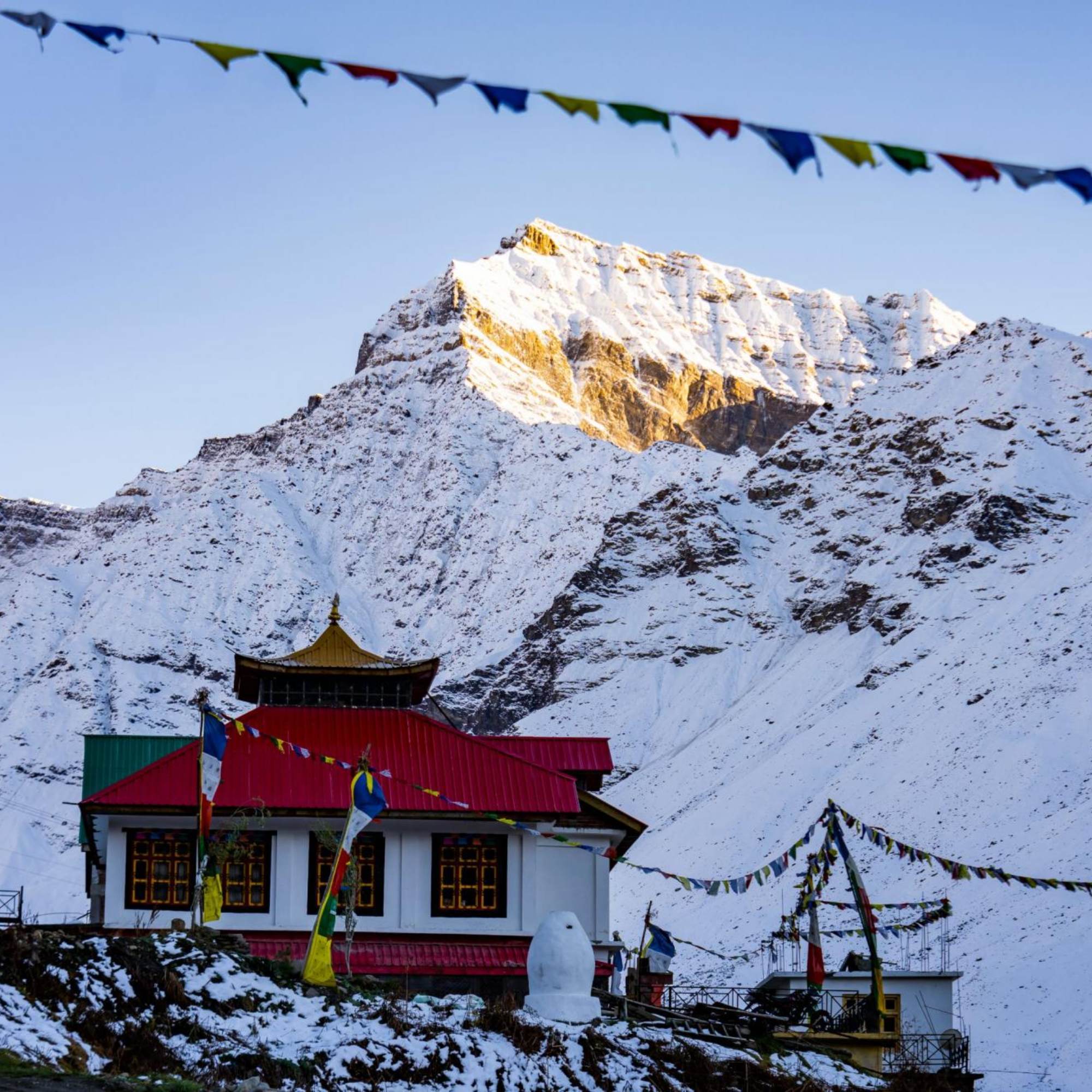
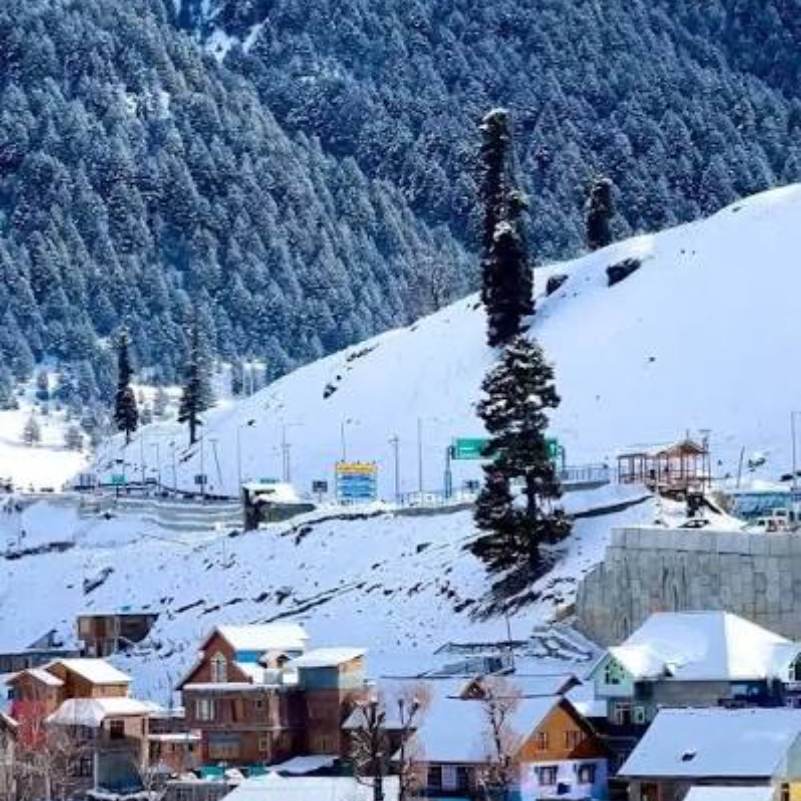
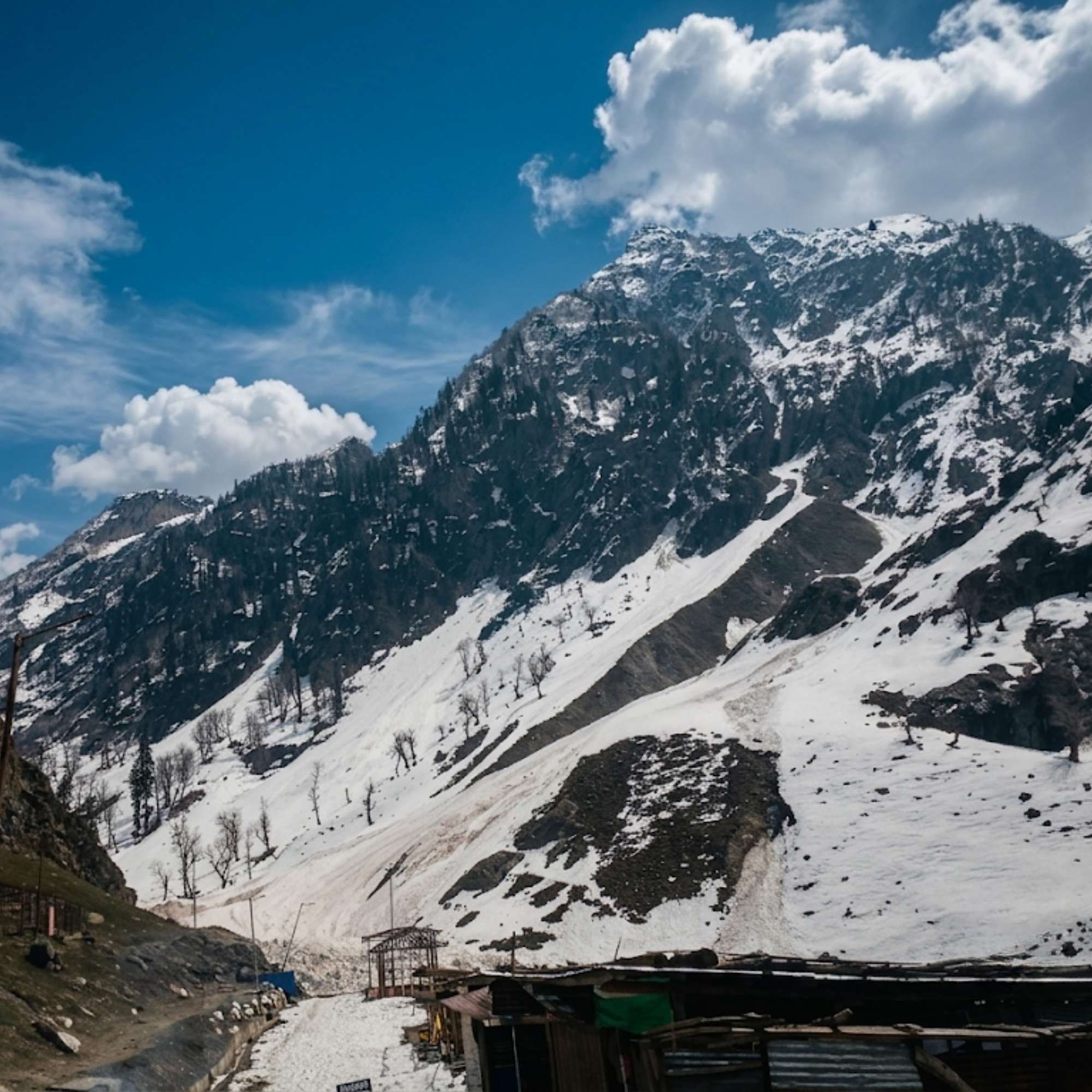
The Atal Tunnel side and Sissu can have snow when central Manali is dry and clear. That is the draw.
But tourist movement here gets stopped often. Fresh snow, avalanche risk, slippery approach roads or a simple police order can shut it in a moment.
If Sissu is on your wishlist and you want it handled properly, our Sissu tour packages are built around checking access before committing.
Sethan and the Hamta side
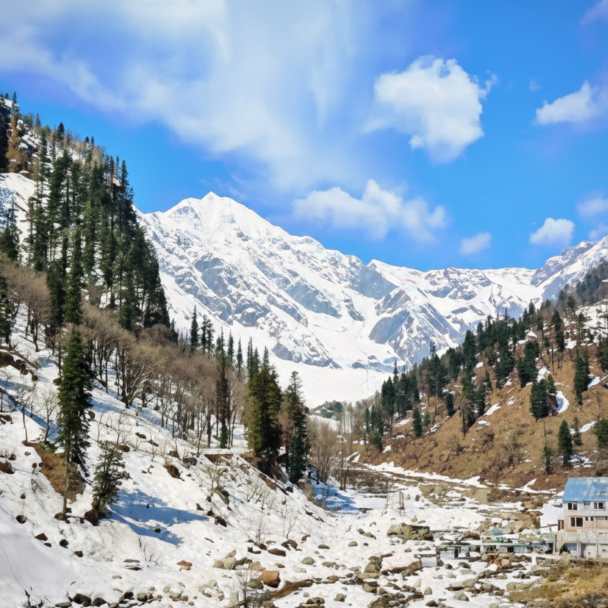
Sethan is a locally verified snow alternative that many tourists never hear about. It sits on the Hamta side and stays quieter than Solang.
The road and the kind of vehicle you need must be confirmed on the morning of the trip. Do not assume a normal car can reach it, because on many days it cannot.
Gulaba and the Rohtang approach
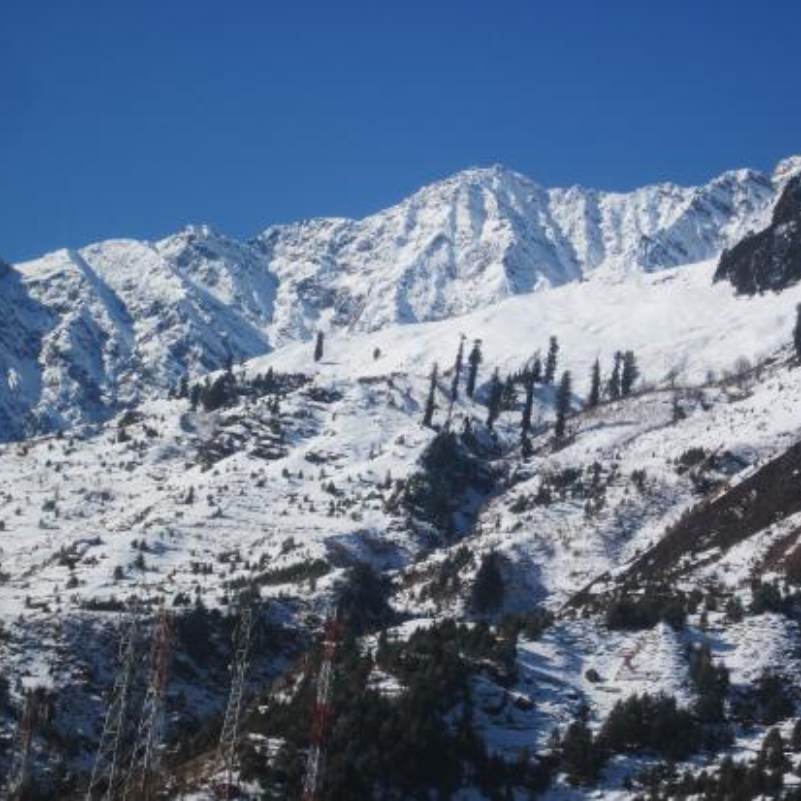
On the Rohtang road, tourists often get stopped well below the pass itself. Gulaba is frequently as far as you go.
The final accessible snow point keeps changing based on snow clearance, road grip and administration orders. What was open yesterday may be blocked today.
What are the road conditions in Manali in January?
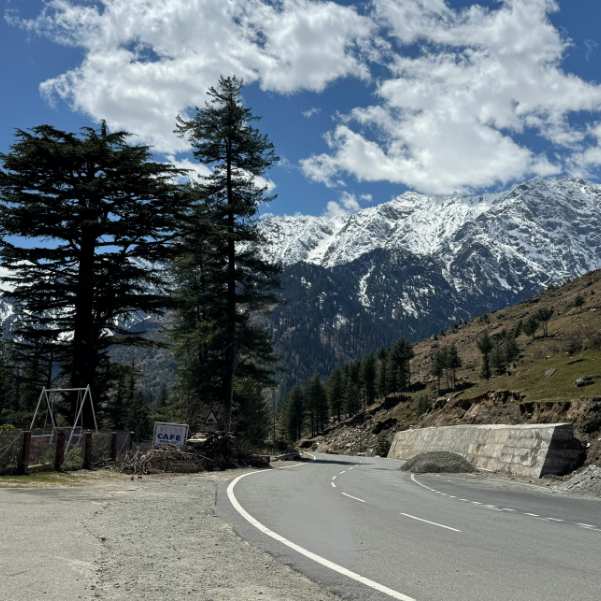
Delhi, Chandigarh, Mandi and Kullu to Manali
Manali is reached mainly by road. HRTC buses, private buses and hired taxis all run the route.
The main approach usually operates in January. But snow, black ice, congestion, accidents or temporary police controls can turn a normal drive into a long, cold wait.
We will not tell you the road is always open, because it is not. Some January nights, the Delhi to Manali stretch crawls for hours.
Manali to Solang Valley
This is the busiest winter sightseeing route from Manali. It also turns slippery and jammed within hours of fresh snow.
Police control movement on this road when conditions are bad. You may get turned back before you reach Solang, even with a full day planned.
Manali to Atal Tunnel and Sissu
An all-season tunnel does not mean tourists move freely through every snow spell. That is the biggest misunderstanding people have about the Atal Tunnel.
During one January 2026 spell, only 4x4 vehicles were allowed beyond Solang in slippery conditions. That was a temporary order for those days, not a permanent rule.
So do not assume a 4x4 is always mandatory, and do not assume your regular car will always be waved through. The requirement changes with the current orders.
Is Rohtang Pass open in January?
Straight answer. Do not build a January itinerary around Rohtang Pass.
Limited access unusually continued until January 2, 2026 during dry conditions, while a local road tracker reported formal winter closure from January 3. That gap shows how fast things flip.
Check the official Rohtang permit portal and the Kullu district administration for the latest permit status before you travel, as January access depends entirely on weather, snow clearance and government orders.
How do you check Manali roads on the same day?
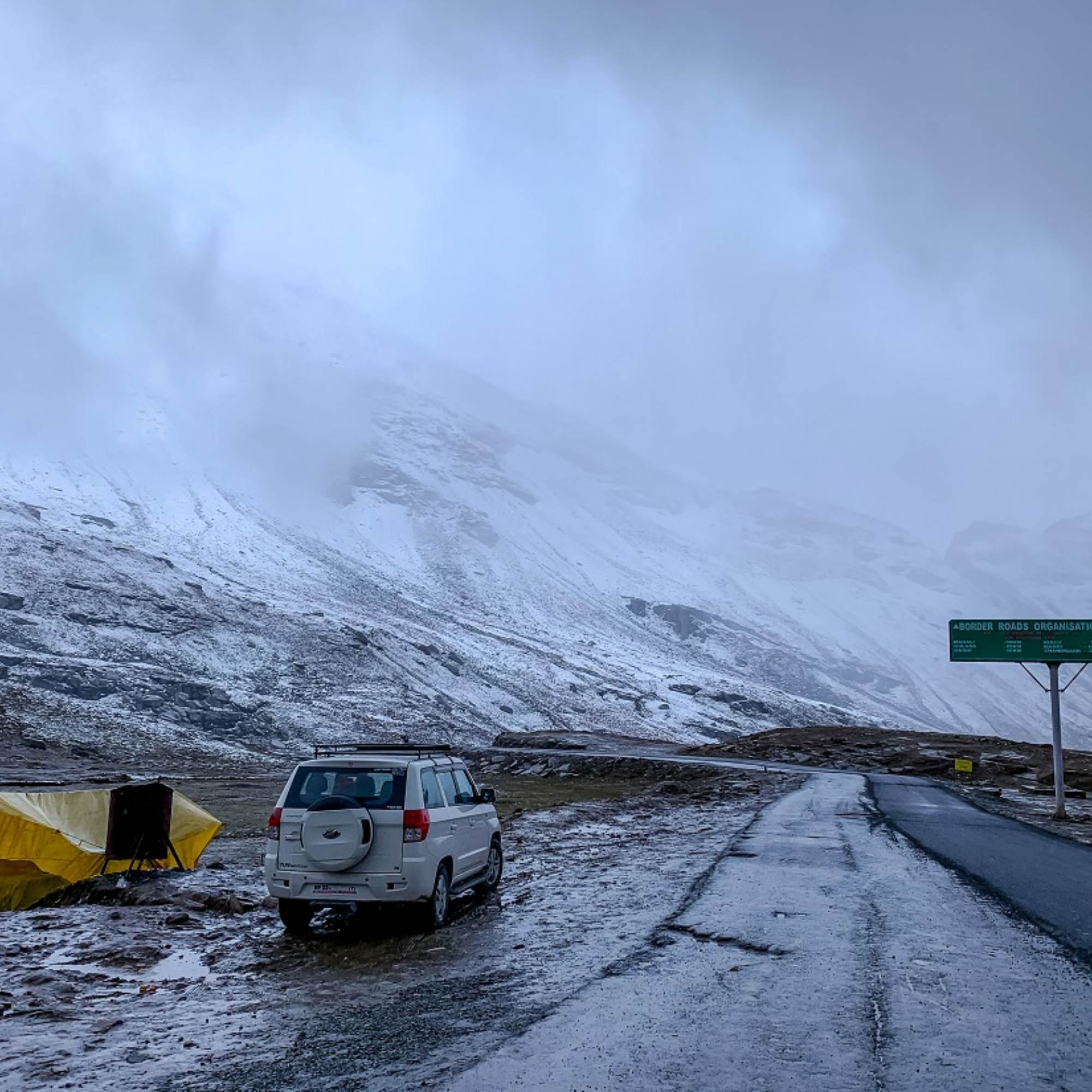
This is the section that saves your trip. Read it twice.
Check the IMD warning first
Review the IMD Meteorological Centre Shimla district warning, nowcast, tourist forecast and highway forecast. These are made for exactly this kind of decision.
A generic monthly weather page will not help you decide whether to drive to Solang tomorrow morning. You need the live district-level warning.
Check official road and police updates
Check the Lahaul and Spiti district Road Status page for the Manali to Keylong and Atal Tunnel side. Then check the latest update from Himachal Pradesh Traffic, Tourist and Railways Police.
Look at the date and time on every update. A post from yesterday evening tells you nothing about the road after an overnight snow spell.
Confirm with the hotel or local driver
Before you leave, ask your hotel or driver four specific things. Ask whether tourist vehicles are being allowed up to Solang, and whether they are being allowed beyond Solang toward Dhundi and the Atal Tunnel.
Then ask whether Sissu is open to tourists, and whether any vehicle restriction like local-taxi-only, snow chains or 4x4 is currently in force. Those four answers decide your whole day.
Do not rely only on Google Maps
Google Maps may show a route as open when there is police entry control, black ice or a vehicle-specific restriction on the ground. The app does not know about any of that.
We have seen travellers drive up confidently on a green Google route only to get stopped at a barrier. Trust the police update and your driver over the app.
Is it safe to drive to Manali in January?
When a self drive trip may be reasonable
A self-drive January trip can be reasonable if you are an experienced mountain driver, moving in daylight, with a suitable vehicle and good tyres, and no active snow warning in force.
Even then, we will not call any winter drive completely safe. Conditions change faster than most flatland drivers expect.
When a local driver is the better choice
After fresh snowfall, for upper Manali snow points, or when police restrictions are unclear, a local driver is the smarter call. They know which barrier is likely open and which detour actually works.
In our experience, the flexibility of a local winter driver matters more than saving a small amount on transport.
Black ice and night driving
Shaded bends, bridges and early morning stretches stay icy long after the sky clears. Black ice is nearly invisible and it is what causes most winter skids here.
Avoid unnecessary night driving. Come back from your snow points before the surfaces refreeze in the evening.
What are the best places to visit in Manali in January?
Hadimba Devi Temple and Dhungri forest
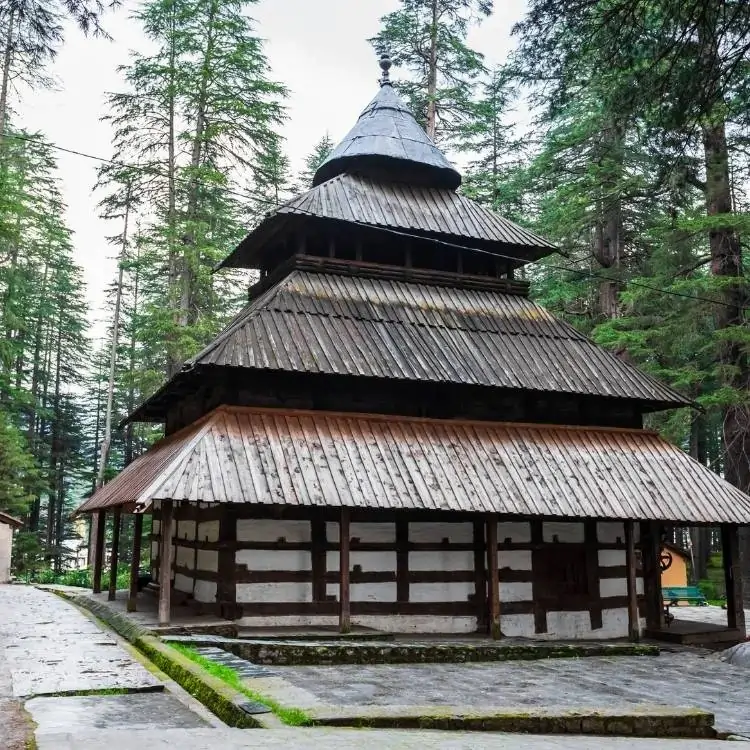
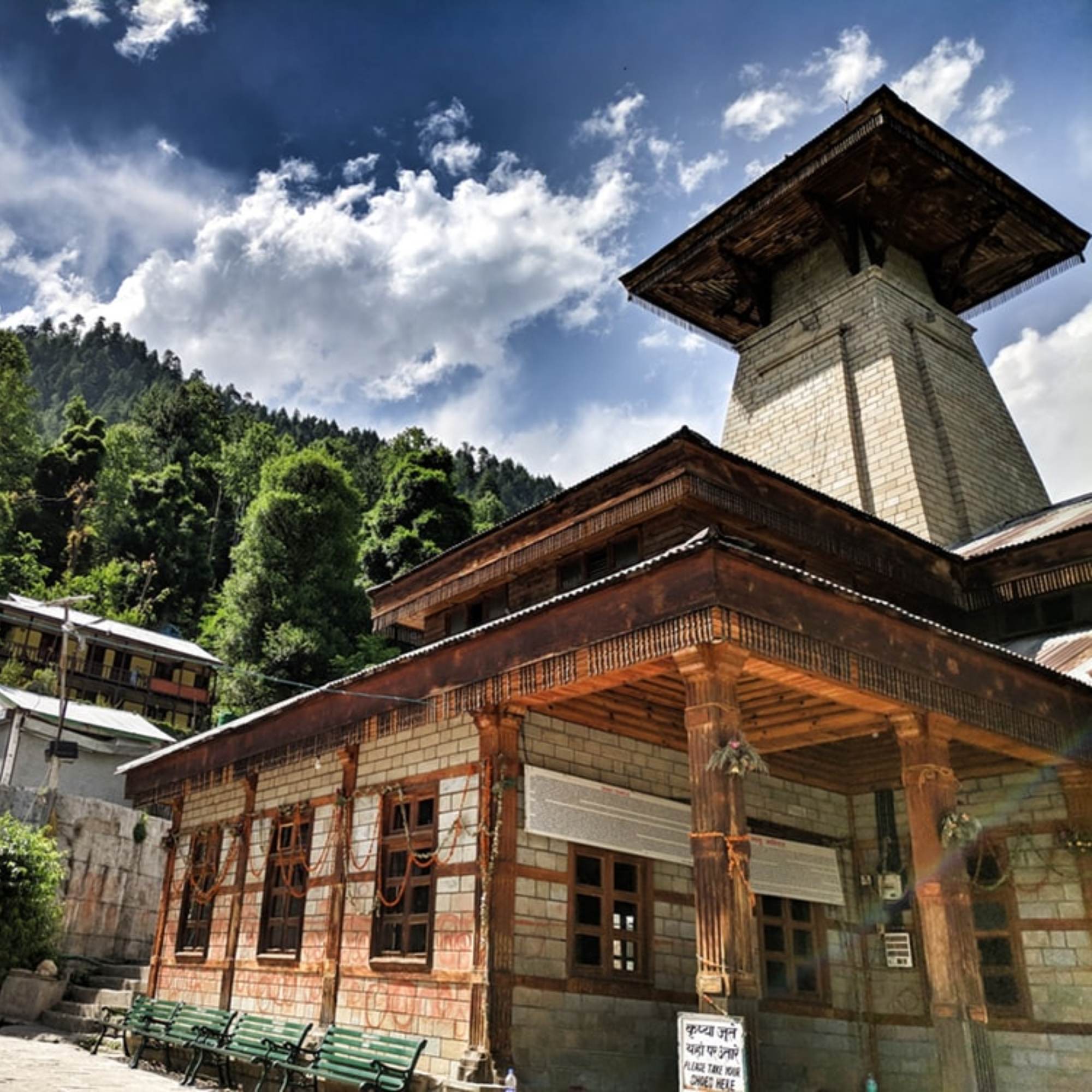
The Hadimba Devi Temple sits inside a tall cedar forest, and in January that forest can be dusted with snow. It is a short, easy stop that most travellers love.
It pairs perfectly with Old Manali, which is a short distance away. Do the temple, walk the Dhungri forest, then drift into Old Manali for food.
Old Manali
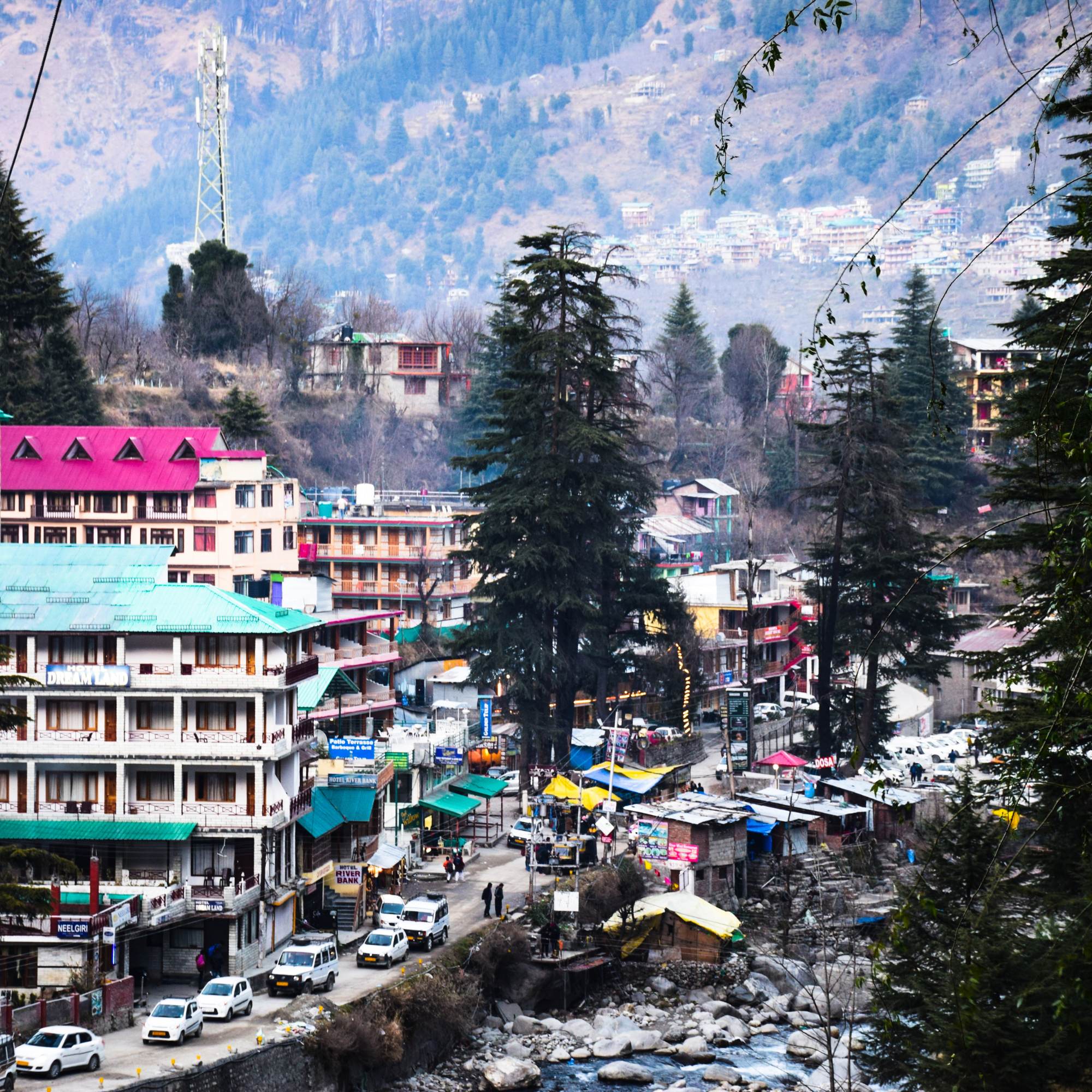
Old Manali in winter is quiet and moody, with cafés, slow walks and cheap warm food. It feels nothing like the summer crowd version.
Some seasonal businesses close or run limited hours in January. So do not lock your heart on a specific café being open. Wander and take what is running.
Mall Road and Van Vihar area
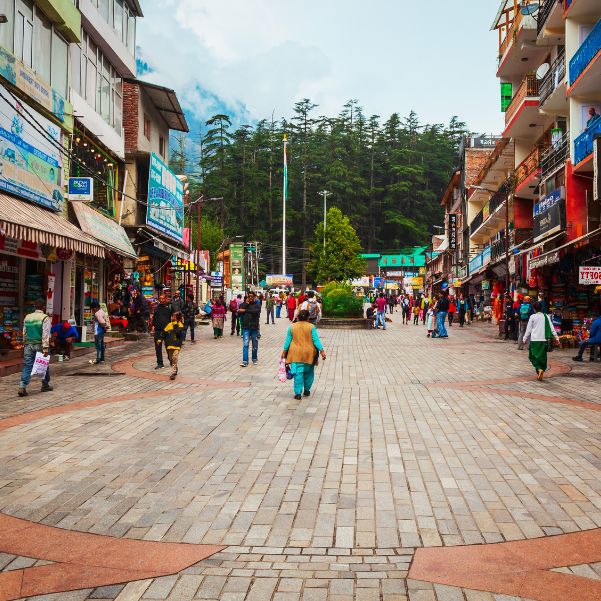
Mall Road is your reliable fallback when the higher roads shut down. It stays accessible on almost every January day.
You get food, shopping and an easy evening walk here, with Van Vihar right next to it for a gentle stroll. On a snowed-in day, this is where you spend your time without stress.
Vashisht village
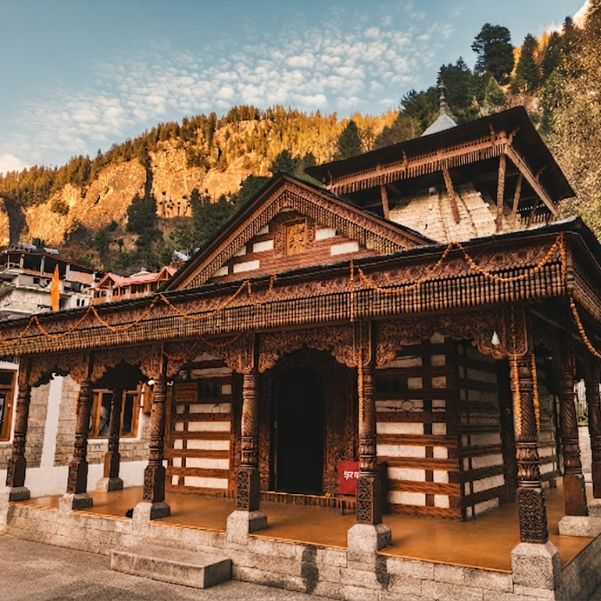
Himachal Tourism lists Vashisht at about 2 kilometres from Manali. It is close, and it has a well-known hot water area.
The lanes and stone steps here get slippery after snow, so walk carefully. It is an easy add-on when you cannot go higher.
Solang Valley
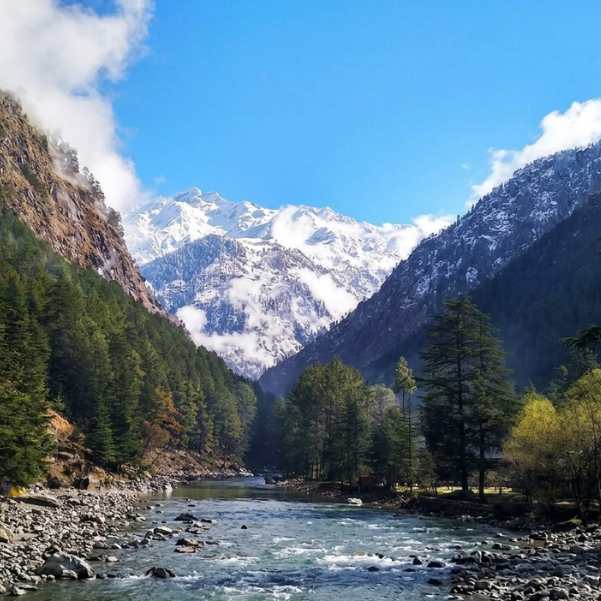
Solang Valley is the main hub for snow play and operator-led winter activities. When there is good snow, it comes alive.
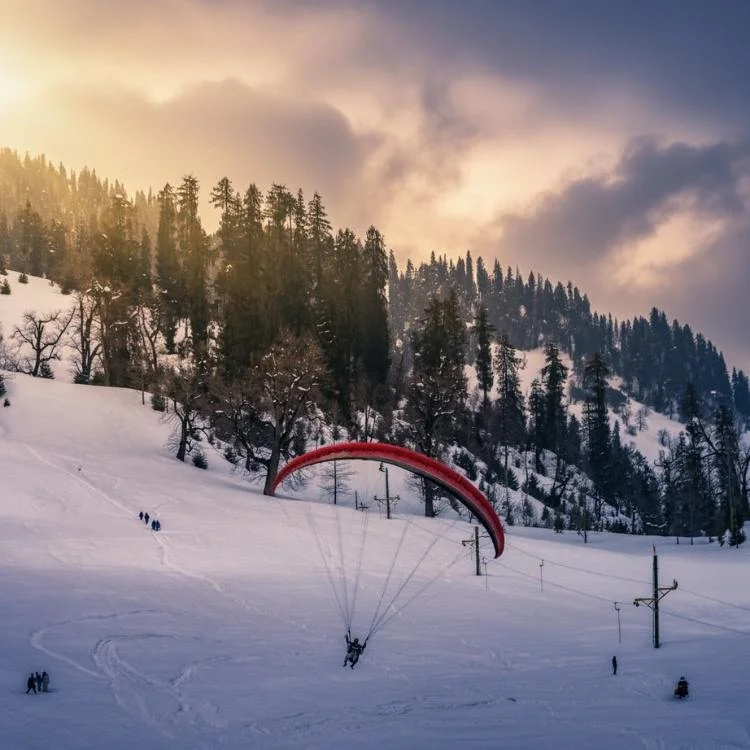
Skiing, ropeway rides, snowmobiles, paragliding and similar activities all depend on weather, snow depth, operator availability and safety clearance. None of them are guaranteed to run on your day.
For the full picture of what can run and when, read our guide to adventure activities in Manali.
Naggar
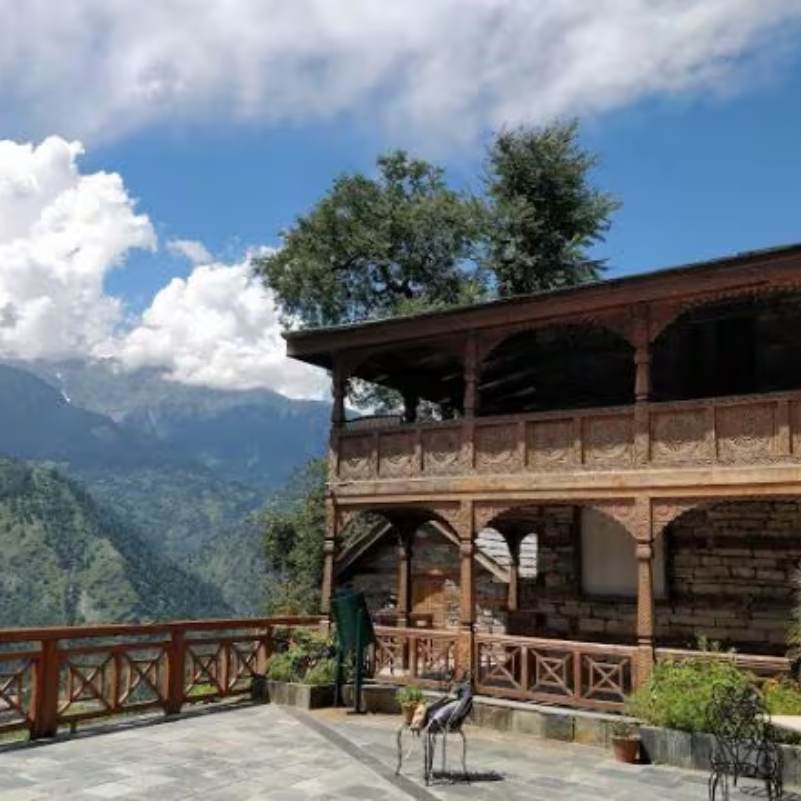
Naggar sits on a lower road and makes a great alternative when upper Manali sightseeing is shut. It rarely gets cut off the way Solang does.
You get traditional Himachali architecture, valley views and a slower, calmer day. It is the kind of place that rewards you for not rushing.
Atal Tunnel and Sissu
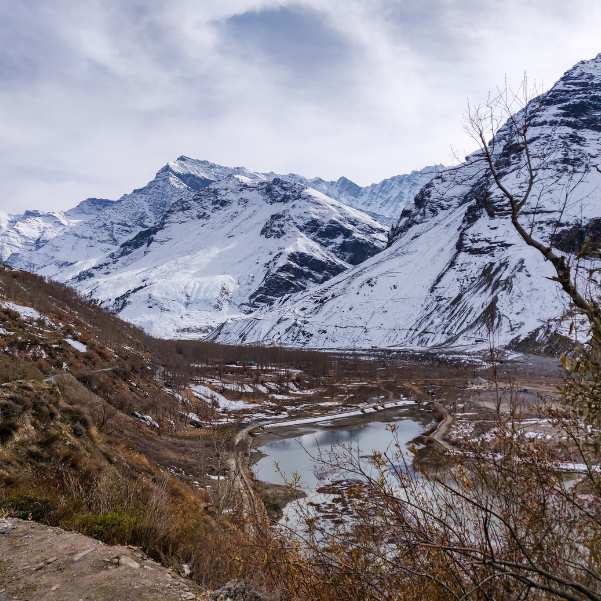
Treat the Atal Tunnel and Sissu as a conditional excursion, not a fixed part of your plan. On a good day, the drive through the tunnel into a snowy Sissu is unforgettable.
But the same-day access check applies here more than anywhere. Confirm both official and local status before you commit the day to it.
What should you skip or treat cautiously in January?
Leave Rohtang Pass, Hampta Pass, Bhrigu Lake, Beas Kund and other high altitude summer routes off your normal January sightseeing plan. These are not casual winter add-ons.
Do not attempt unguided winter trekking. The terrain that looks friendly in a photo can be deadly under snow.
Do not treat rafting, camping, paragliding or any snow sport as guaranteed to operate. They run only when weather and safety clearance allow.
Remember that a glowing social media photo may show a spot that is currently closed to normal tourist vehicles. The photo could be from a different week entirely.
Manali in January 4 day itinerary
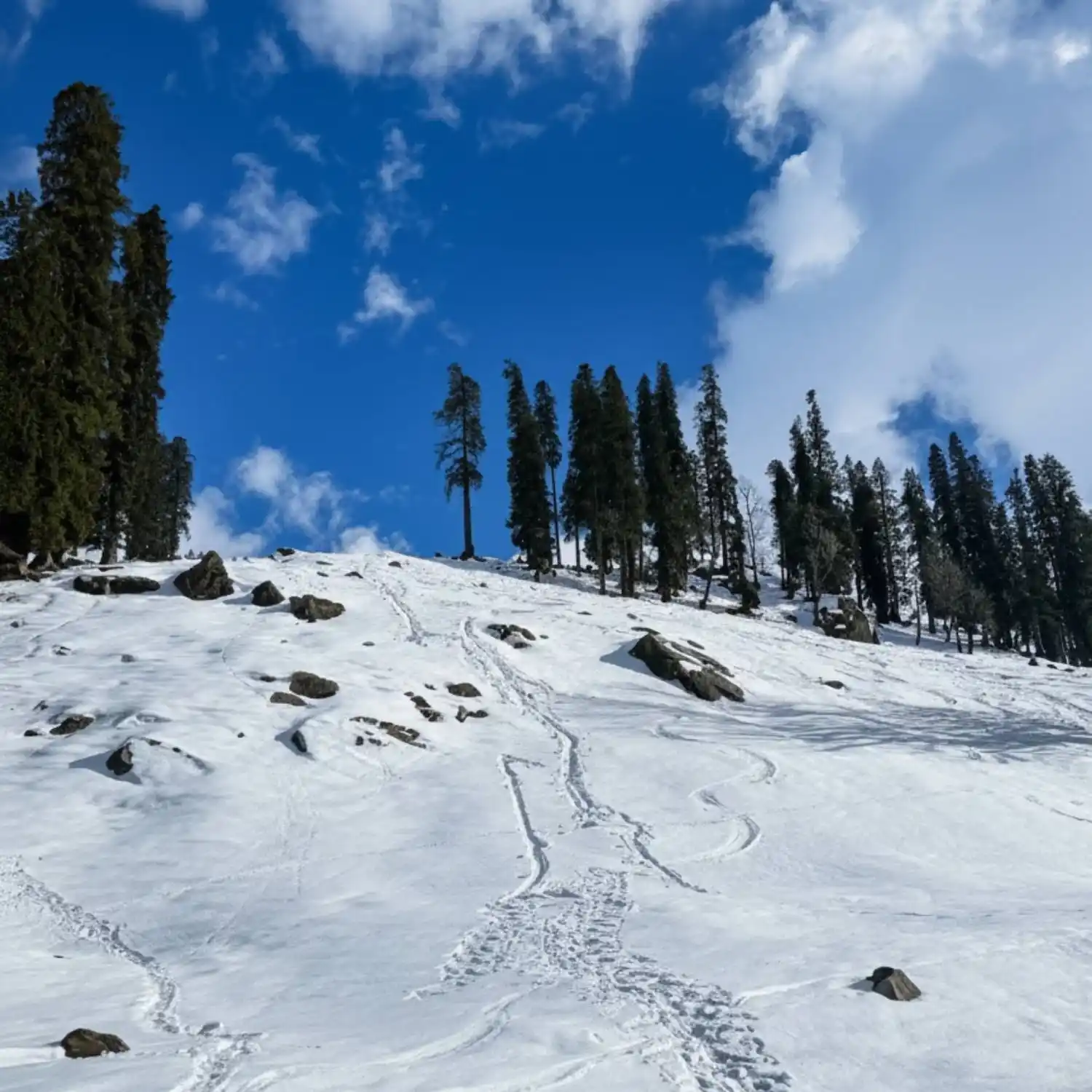
This plan is built to bend. If a road closes, you shift, you do not cancel.
Day 1: Arrival and local Manali
Check into a hotel with easy road access so you are not stuck if it snows. Keep this first day light, because winter road journeys often run late.
Depending on when you arrive, cover Hadimba Temple, the Dhungri forest, Old Manali and a Mall Road evening. That is a full, gentle first day.
Day 2: Solang Valley snow day
Check the weather and road status before breakfast, not after. That one habit decides your whole day.
Leave early only when tourist movement to Solang is allowed. Focus on snow play and whatever supervised activities are running that day.
Head back before late evening, when the roads refreeze and the traffic builds up. The return jam is worse than the drive up.
Day 3: Atal Tunnel and Sissu or a local fallback
Plan A is the Atal Tunnel and Sissu, but only after official and local confirmation that tourists are being allowed through.
Plan B is a lower-road day of Vashisht, Naggar or Mall Road when the tunnel direction is closed. Our team recommends keeping this day flexible instead of prepaying for a fixed snow point.
If you are thinking of stretching the trip, this is where people often add a Shimla or Kasol leg. Our Shimla tour packages and Kasol tour packages pair well with a Manali winter base.
Day 4: Buffer morning and departure
Keep the last morning free. Use it for a local attraction you missed, some café time, or an early start home.
A buffer matters because snow, traffic or bus delays are normal here in January. That spare morning is what keeps your journey home calm instead of frantic.
Where should you stay in Manali in January?
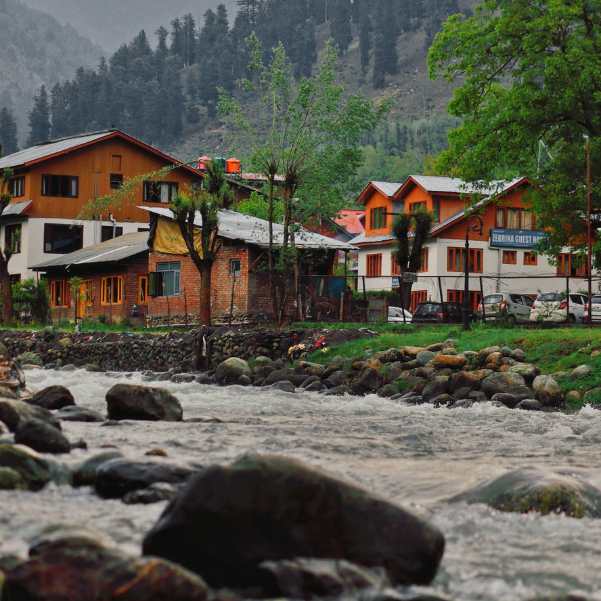
You are choosing between central Manali, Mall Road or Aleo, and Old Manali or the more secluded hillside stays. Each has a real trade-off.
Central areas make winter access simple. A remote view property may look dreamy in photos but have a steep, snow-affected final approach that a car cannot manage after fresh snow.
Before you book, confirm room heating, hot water, backup electricity, parking and the walking distance from the last motorable point. In January those five things matter more than the view.
What should you pack for Manali in January?
Layer up properly. Start with thermal base layers, add an insulating middle layer like fleece, and top it with a waterproof outer jacket that also blocks wind.
For your feet, carry waterproof shoes with real grip and pack spare socks, because wet feet ruin a snow day fast. Add gloves, a warm cap and something to protect your neck.
Also bring sunglasses, sunscreen and moisturiser, since the winter sun and dry air are harsher than you expect. Carry your personal medicines, a compact power bank and a waterproof pouch for documents.
One honest warning
Fashionable sneakers are not winter shoes. They will soak through and leave you cold and miserable within an hour of snow.
If you have a health condition affected by a severe cold, talk to your doctor before the trip. That is the one piece of medical advice we will give.
How much does a Manali trip cost in January?
We will not quote you a total package cost, taxi fare, ski price, snow suit rent or hotel rate here. Reliable January 2027 figures are not out yet, and a made-up number would not help you.
What changes your cost is real and predictable. Weekday versus weekend travel, New Year demand, hotel heating, the vehicle type you need, road restrictions, snow equipment rental and whether a special 4x4 becomes necessary.
Any prices added during later editing should be checked against current January rates from hotels, transport providers and activity operators before publication.
Who should visit Manali in January?
January suits couples, photographers, snow seekers, and families who are genuinely comfortable with cold and last-minute changes. If a shifted plan does not stress you, you will love it.
Be more careful with infants, senior citizens, travellers with restricted mobility and anyone whose medical condition worsens in a severe cold. We will not declare the trip safe or unsafe for a specific medical condition, but plan it with extra care and a doctor's input.
Final verdict: Is Manali in January right for you?
Here is the honest exchange. You get a deep winter atmosphere, real snow potential and quiet, beautiful scenery.
In return, you accept freezing nights, uncertain road access and sightseeing that shifts with the weather. That is the whole deal.
In our experience, a successful January trip is planned around conditions, not around a rigid checklist. The travellers who stay flexible almost always come home happy.
Explore Our Curated Manali Tour Packages
 6D/5N
6D/5NManali Solang Sissu Sethan Snow Adventure
1D Delhi•3D Manali+2
₹15,999₹21,999SAVE INR 6,000/ person 6D/5N
6D/5NManali Solang Sissu Sethan Snow Trip With Kasol
1D Delhi•3D Manali+2
₹25,999₹33,999SAVE INR 8,000/ person 7D/6N
7D/6NManali Kasol Jibhi Valley Trip
1D Delhi•2D Manali+3
₹25,799₹32,999SAVE INR 7,200/ person
Related topics
Frequently Asked Questions
Is January a good time to visit Manali?
Yes, if you want real winter and a strong chance of snow. Just come ready for freezing nights and flexible sightseeing. Travellers who accept last-minute changes love it. Those who want a fixed, guaranteed plan often feel let down.
Does it snow in Manali in January?
Often, yes. January is one of Manali's strongest snow-chance months. But you may also find older settled snow in higher spots like Solang while the town itself stays dry. Both count as a snowy trip.
Is snowfall guaranteed in January?
No. Nobody can promise snowfall on your exact dates. Snow depends on active western disturbances and can arrive in short, intense spells. Plan around a chance, not a certainty.
What is the temperature in Manali in January?
Use a planning range of roughly 0°C to 8°C by day and around −5°C or lower at night. Some shows about 3°C max and −6°C min. These sources differ, so treat them as rough guides. Check the live IMD forecast before you travel.
Are the Delhi to Manali roads open in January?
Usually yes, but not always smoothly. Snow, black ice, congestion or police controls can cause long delays. Check road and police updates on the morning of travel. Do not assume the drive will run to schedule.
Is the Atal Tunnel open in January?
The tunnel is all-season, but tourist movement through it can still be stopped during snow spells. Avalanche risk, slippery roads and police orders all close it at times. Confirm same-day access before planning your day around it. During one January 2026 spell, only 4x4 vehicles were allowed beyond Solang.
Is Rohtang Pass open in January?
Do not build your trip around Rohtang Pass in January. It is generally under winter closure. Limited access unusually lasted until January 2, 2026, with closure reported from January 3. That shows how quickly access can change.
Where can I see snow if Manali town is dry?
Check Solang Valley first, about 13 kilometres away, since it holds snow longer. The Atal Tunnel side and Sissu are other options when open. Sethan on the Hamta side is a quieter local alternative. Confirm road and vehicle requirements on the morning of the trip.
Is it safe to self drive to Manali in January?
It can be reasonable for experienced mountain drivers in daylight, with good tyres and no active snow warning. Even then, no winter drive is completely safe. After fresh snow or when restrictions are unclear, a local driver is the better choice. Their flexibility usually beats the small saving on transport.
How many days are enough for Manali in winter?
Four days and three nights works well. It gives you a local day, a Solang snow day, a conditional tunnel day and a departure buffer. That buffer is the important part. Snow and traffic delays are common, and the spare time keeps your trip calm.
What clothes and shoes should I pack?
Pack thermal base layers, a fleece middle layer and a waterproof outer jacket. Add gloves, a warm cap, neck protection and spare socks. For shoes, bring waterproof pairs with real grip. Fashionable sneakers will soak through in snow and leave you cold.
Is Manali suitable for children and senior citizens in January?
It can be, for families comfortable with cold and slower plans. Warm stays, careful movement and buffer time make it manageable. Take extra care with infants, senior citizens and anyone with a cold-sensitive medical condition. Consult a doctor before the trip if health is a concern.
More about Manali
 Manali
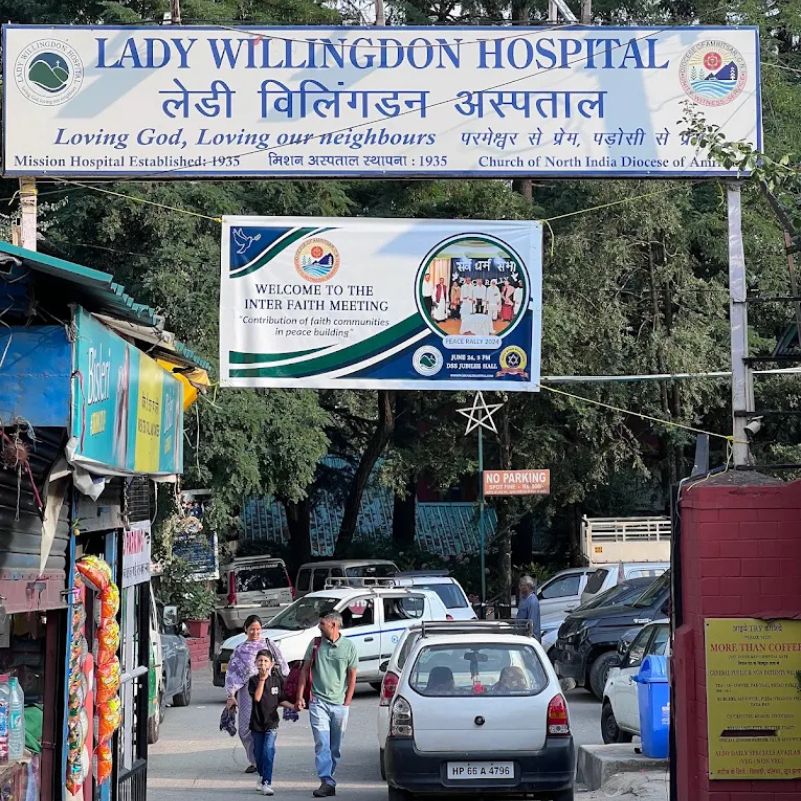
Medical Help in Manali for Tourists 2026: Hospitals, Pharmacies and Emergency Steps
Need medical help while travelling in Manali? This guide covers hospitals, pharmacies, emergency contacts and practical steps tourists should take during illness or injury. It also explains what to do in urgent situations, including breathing problems at higher altitudes.
- First-Time Travellers
- Altitude & Health
 Manali
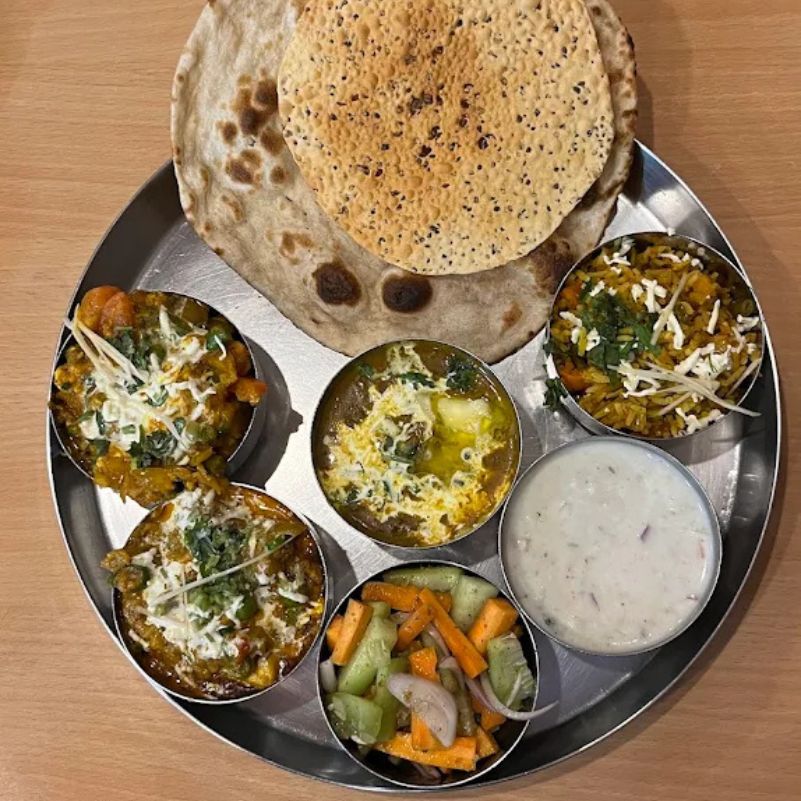
Vegetarian and Jain Food in Manali 2026: Where to Eat Without Guesswork
Looking for reliable vegetarian and Jain food in Manali? This guide covers pure veg restaurants, Jain-friendly places, no onion no garlic options, and practical tips on what to confirm before ordering in 2026.
- Things to Do
- Places to Visit
 Manali
Mobile Network, Internet, UPI and ATMs in Manali 2026: What Works Where
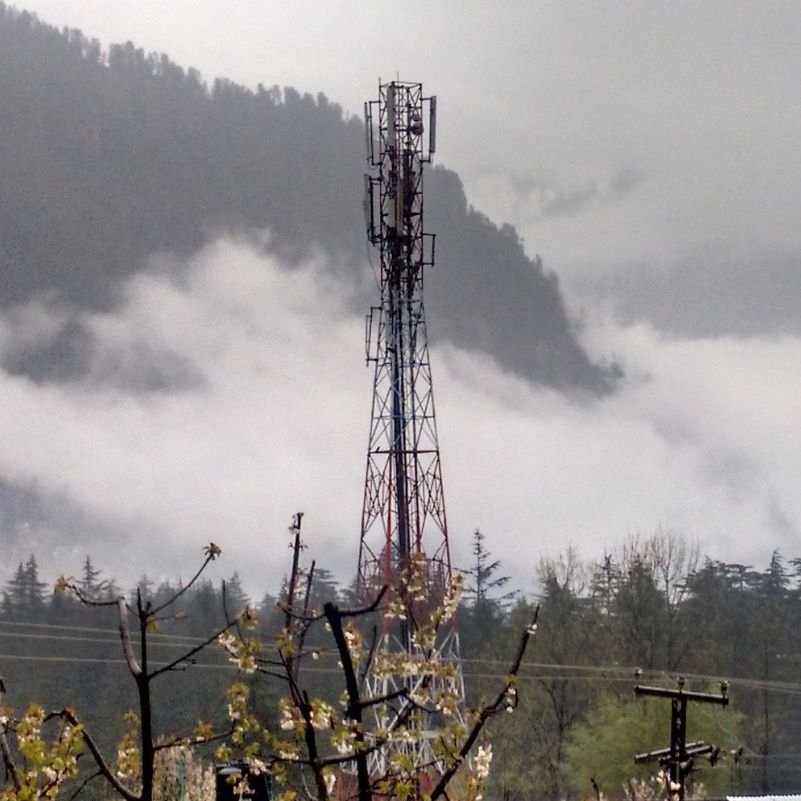
Planning a Manali trip in 2026? Know which mobile networks work, where internet may be weak, whether UPI is reliable, and where to find ATMs. This guide helps you stay connected and payment-ready during your Manali trip.
- First-Time Travellers