
Ladakh Family Trip 2026: Is Leh Ladakh Safe for Kids and Family Travel?
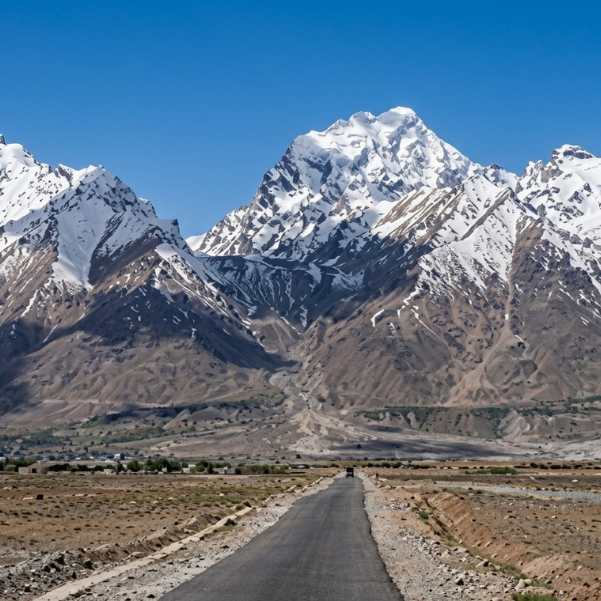
Ladakh is one of those trips that stays with a family for years. The mountains are huge, the roads feel adventurous, and even a simple drive can turn into a memory your kids will talk about long after the holiday ends.
If you are planning a Leh Ladakh family trip in 2026, the biggest thing to understand is that this is not a destination you should rush.
The views are incredible and the experience can be very rewarding, but the altitude, long travel days, and changing road conditions mean families need to plan with extra care.
Quick Answer
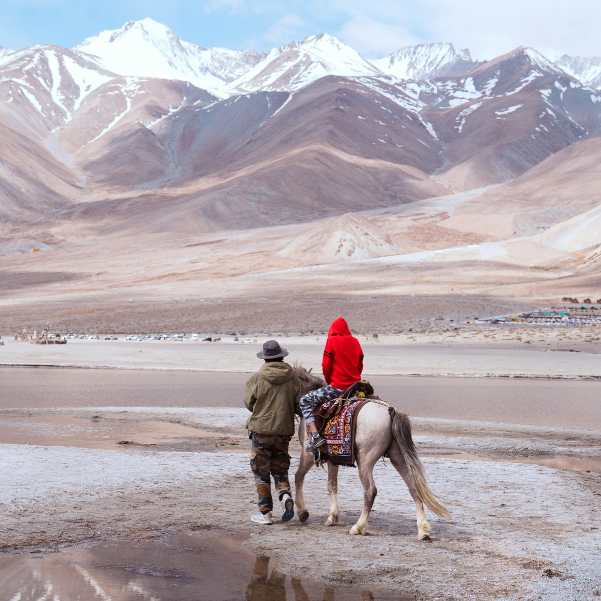
Yes, Ladakh can be a beautiful family trip, but only if you plan it slowly. The single most important rule is spending at least 48 hours resting in Leh before heading to any higher altitude spots like Pangong Lake or Nubra Valley.
Families with very young children, kids with a cardiac or respiratory history, or anyone hoping to do Leh, Nubra, and Pangong in under five days should think twice. The mountains are spectacular, but they do not reward rushing.
If your family is reasonably healthy, your children are old enough to tell you when their head hurts, and you are willing to build rest days into the plan, a Ladakh family trip can genuinely be one of the most memorable things you ever do together.
Is Ladakh Safe for Family Travel in 2026?
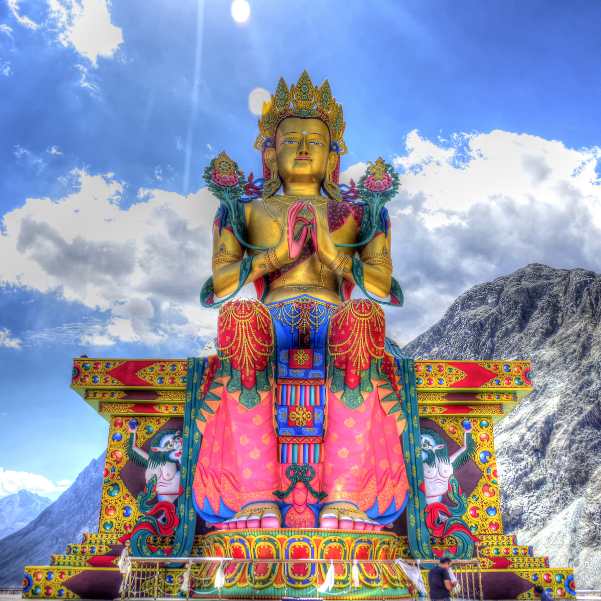
The main risk in Ladakh is not crime or infrastructure. It is altitude. Leh sits at roughly 3,500 metres, and places like Pangong and Khardung La push significantly higher. The body simply needs time to adjust, and for children and older adults, that process deserves extra patience.
The official UT Ladakh tourism advisory is clear on this. There should be no active physical exertion during the first two days after arriving in Leh.
Tourists should drink 2 to 3 litres of water per day, eat light on arrival, and watch for signs of Acute Mountain Sickness.
That means things like persistent headache, nausea, disturbed sleep, breathlessness, and loss of appetite.
The advisory also specifically says that road travel immediately after flying into Leh does not help with acclimatization and can make altitude stress worse.
So if your family lands in Leh, the right move is to check in, rest, and resist the urge to do anything exciting that afternoon.
General safety as a family, in terms of road support, local hospitality, and travel infrastructure, is solid during the peak season.
Roads do get tricky with weather, though. In late March 2026, avalanches at Zoji La blocked the Srinagar to Leh highway, which is a useful reminder that mountain conditions can shift fast even outside the harshest winter months.
Planning a family trip to Ladakh? Chat with our team on WhatsApp for a safe, well-paced itinerary with proper acclimatization.
👉 WhatsApp us for a well-paced, family-friendly Ladakh itinerary
Is Leh Ladakh Safe with Kids?
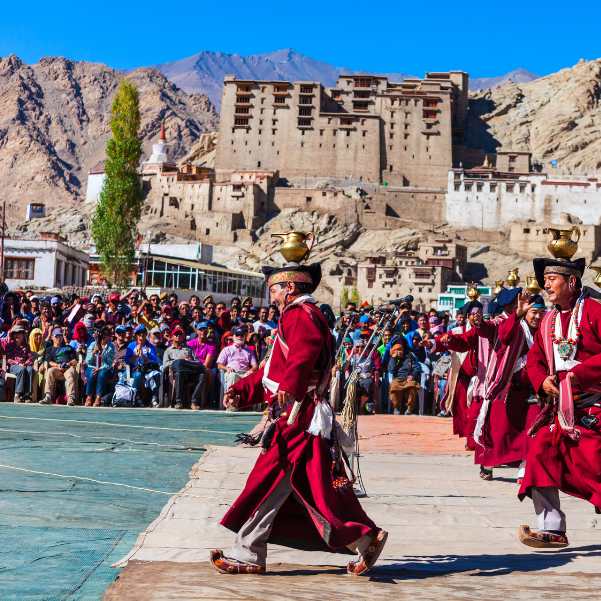
The honest answer is that it depends more on your specific child than on a general rule.
Children who can clearly tell you "my head hurts" or "I feel sick to my stomach" are much easier to monitor at altitude.
Some experienced Ladakh guides suggest that children above 5 years are more manageable for this reason. They can communicate symptoms before things get serious.
That said, there is no hard legal age cut off for travelling to Ladakh, and different medical professionals will give you different guidance.
Our strong advice: if your child is very young, has any history of respiratory problems, or has a cardiac condition, speak to your paediatrician before you book, not after. This is one trip where a 15 minute doctor's conversation can save a lot of worry.
For families with healthy school age children who travel reasonably well, Leh Ladakh with kids is absolutely doable. In our experience, children often love Ladakh more than the adults do.
The camels in Nubra Valley, the blue of Pangong, the monasteries perched on ridgelines. It is genuinely magical for young eyes.
Who Should Postpone or Rethink a Ladakh Family Trip?
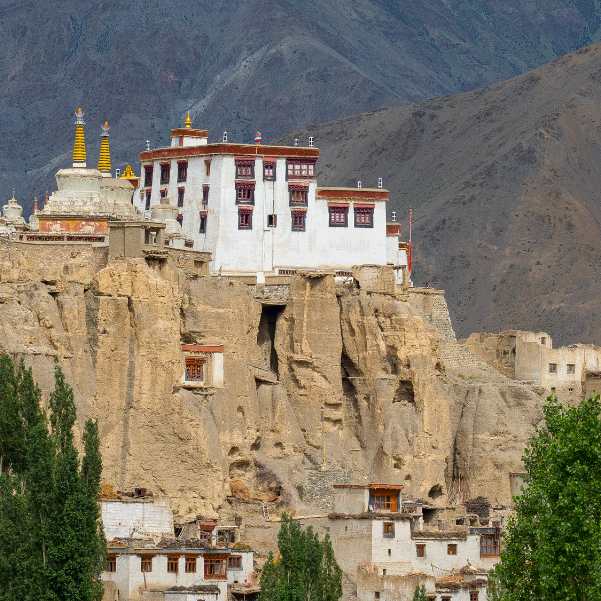
Some families should genuinely reconsider the timing or destination, and it is better to say this plainly.
If your baby or toddler's paediatrician is not comfortable with high altitude travel, that is the end of the conversation. No view is worth overriding medical advice for a very young child.
Travellers with unmanaged heart or lung conditions are explicitly flagged in the official tourism advisory. A doctor visit before booking is absolutely essential for them. Pregnant travellers who have been advised against sleeping above 10,000 feet should also hold off.
And honestly, families with only 4 or 5 days who want to squeeze Leh, Nubra Valley, and Pangong Lake into one trip are taking on real risk. Not because it is physically impossible, but because rushing at altitude with children in tow is where problems tend to happen.
What Does the Official Ladakh Advisory Say About Acclimatization?
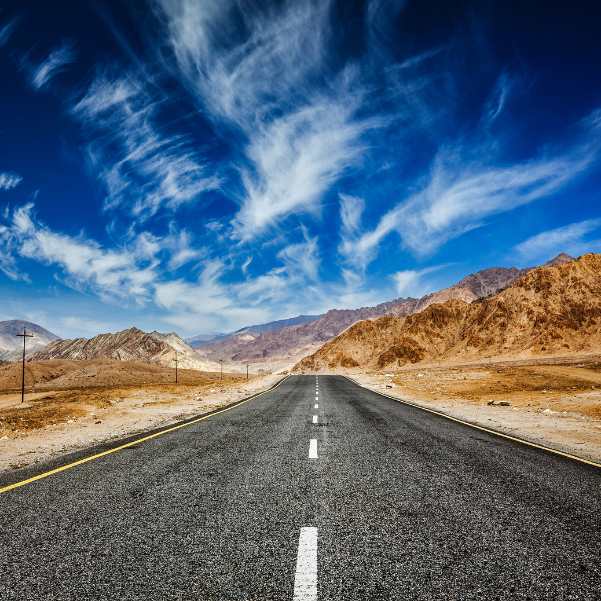
The official guidance is simple and worth taking seriously.
All tourists arriving in Leh must complete at least 48 hours of acclimatization before travelling to higher altitude areas. This is not a soft suggestion. It is the foundation of every safe Ladakh trip.
During those first two days, there should be no active physical exertion. That means no hikes, no long monastery climbs, no rushing around for sightseeing.
Short, slow walks are fine if everyone feels good. Rest, hydrate, eat lightly, and sleep.
The advisory also mentions Diamox at 125 to 250 mg twice daily as a potential altitude medication, but only in consultation with a doctor. Do not pick up Diamox on your own without a prescription or medical advice.
Practically for families, this means your Day 1 and Day 2 in Leh should look almost boring by design. Naps after lunch. Soup and light food. No drama. That boring foundation is what makes the rest of the trip wonderful.
What Is the Best Time to Visit Ladakh with Family?
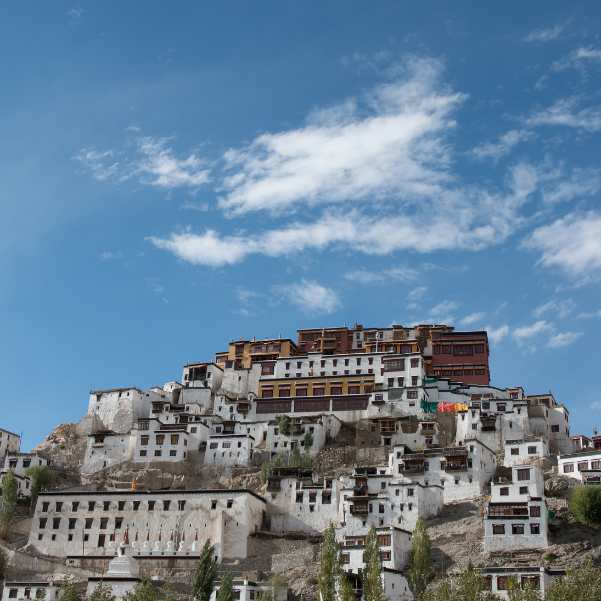
June to September is the most comfortable window for a first time family trip. The passes are open, temperatures are pleasant enough for children, and most hotels and services are fully running.
Broader guides often say May to September or even May to October, and that is reasonable for experienced travellers.
But for a family with kids, the early season months of May and even early June can still see unpredictable highway conditions, and October begins to get quite cold at night, especially at Pangong.
The late March 2026 Zoji La avalanche is a useful real world reminder that shoulder season travel in the mountains requires more flexibility and a closer eye on road updates.
The District Leh road status page shows the latest updates, though it is worth noting that the visible road table on that page still reflected data from 08/10/2025 as of the last check. So always verify live conditions directly before you travel.
Winter family travel is generally not recommended. Extreme cold, limited services, and road closures make it a very different kind of trip.
Should Families Go by Flight or Road to Ladakh?
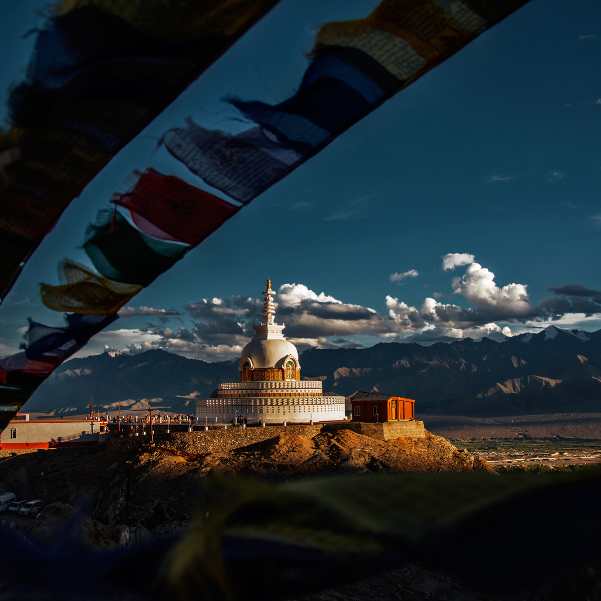
For most first time families, flying to Leh is the simpler, safer choice.
The road approach via Manali or Srinagar is beautiful and many families do it, but it is long, tiring, and crosses high passes. Arriving fatigued at altitude with tired kids is not a great starting point.
Flying lands you directly in Leh where you can start resting immediately. And as the official advisory specifically notes, road travel immediately after flying into Leh does not improve acclimatization.
So the logic works the other way too. Fly in, go straight to the hotel, and begin the rest protocol.
If your family is experienced with mountain travel and wants to do a road trip as part of the experience, that is a separate conversation and can be wonderful. But for a first family tour of Ladakh, the flight in approach is far less stressful.
For reference, if you are considering a combined Himachal route before or after, our pages on Manali and Sissu cover those options well.
How Many Days Are Enough for a Ladakh Family Trip?
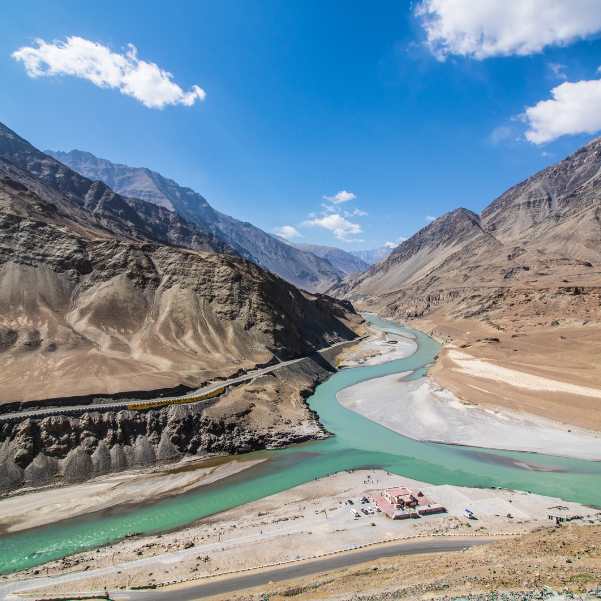
A minimum of 7 nights makes sense, and 8 to 10 days is even better for a relaxed first trip.
This is not about packing in more places. It is about not rushing. Two full rest days in Leh, a comfortable transfer to Nubra, a proper day at Pangong, and a buffer day back in Leh. That rhythm only works if you have enough days built in.
Many families try to do Ladakh in 5 days. It is technically possible, but it leaves almost no room for a slow acclimatization, and if any family member feels unwell, the entire itinerary collapses. Slower pacing matters far more than ticking every famous spot.
Which Ladakh Places Are Best for Families with Kids?
Not all of Ladakh is equal for family travel. Some places are easygoing and child friendly, others are genuinely demanding. Here is how to think about the main stops.
Leh Local Sightseeing

Leh town is your acclimatization base and it is genuinely enjoyable for families.
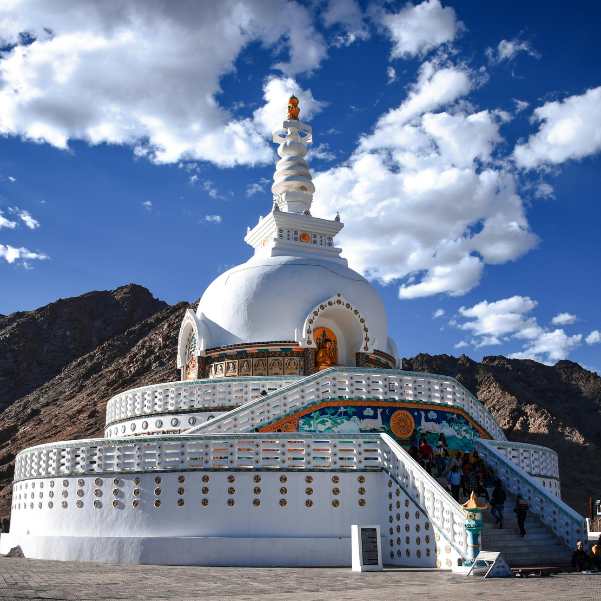
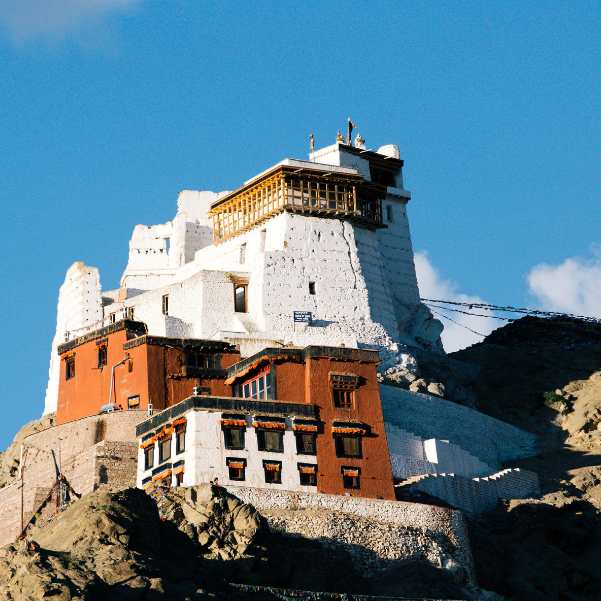
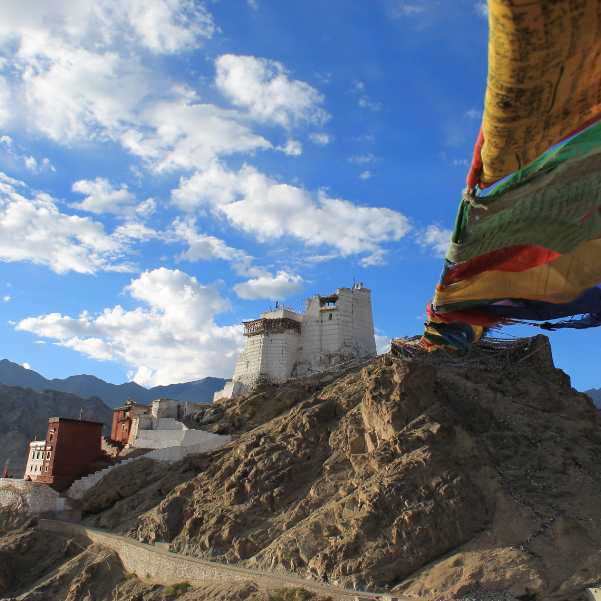
The main market area is walkable, colourful, and full of good food. Leh Palace, Shanti Stupa, and the Hall of Fame museum are the kind of stops that work well for kids. Interesting enough to hold attention, not physically demanding.
In our experience, the first two days in Leh are best kept very gentle. A slow stroll through the market in the evening, a good meal, and early sleep is the right approach. Save the monastery circuits for Day 3 once everyone has adjusted.
Nubra Valley
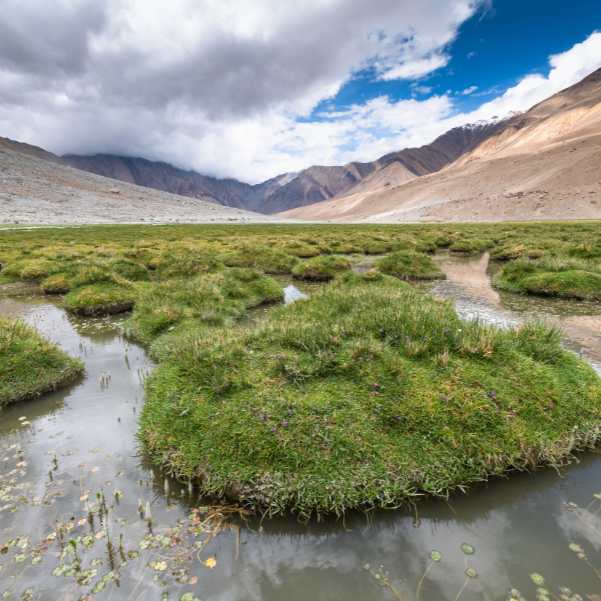
After acclimatization, Nubra Valley is probably the most family friendly excursion from Leh.
The famous double hump Bactrian camels at Hunder sand dunes are an absolute hit with children of almost any age. The landscape feels almost otherworldly. Dunes surrounded by mountains.
And the transfer from Leh via Khardung La (permit requirement) is memorable without being too exhausting.
Most families find Nubra easy to enjoy at a relaxed pace. An overnight in Nubra with a full day to explore makes more sense than a rushed day trip.
Pangong Lake
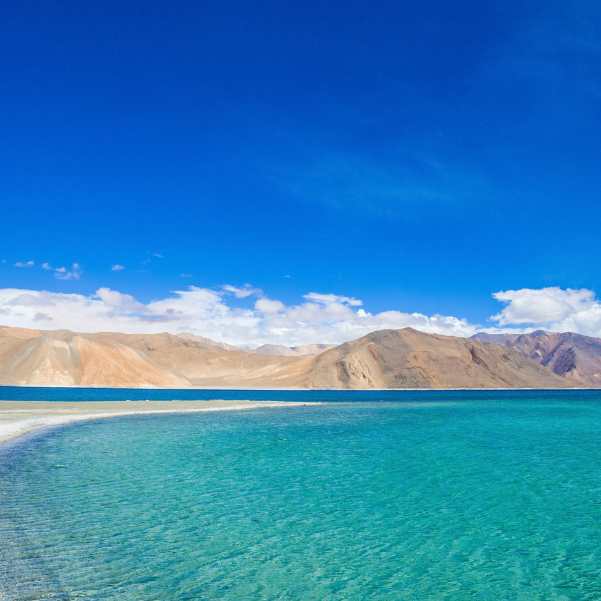
Pangong Lake is the most photographed spot in Ladakh and genuinely stunning in person. The blue is unlike anything else in India.
That said, Pangong sits higher and feels colder and harsher than Nubra, especially overnight. For families with older children and teenagers who are acclimatized and comfortable, an overnight at Pangong can be a highlight of the trip.
For younger children or first time high altitude travellers, this is worth thinking through carefully. We cover this in more detail in the next section.
Places to Skip on a First Family Trip
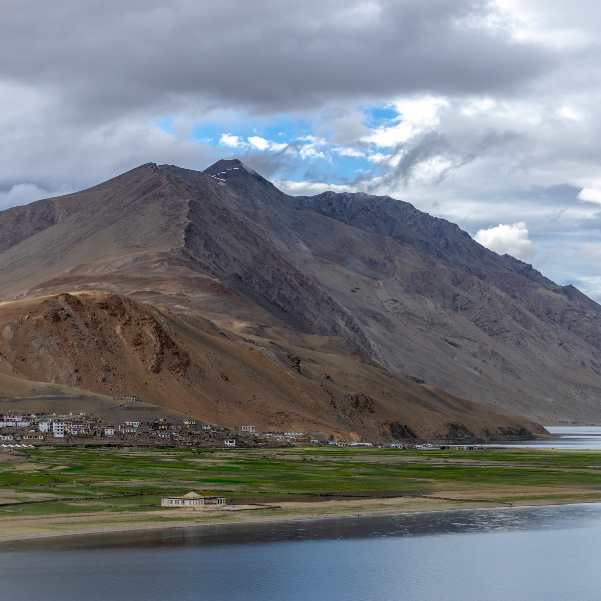
For a first Ladakh family trip, we recommend saving the more remote circuits for a return visit.
Hanle and Tso Moriri are beautiful, but they are genuinely remote, at higher altitudes, with fewer services and longer drives. They deserve a dedicated, slow trip, not a quick detour while your kids are already tired.
Our team recommends treating these as motivation for a second Ladakh visit rather than a first trip rush.
For something closer and very different in character, the Spiti Valley makes a great next adventure for families who fall in love with the high altitude landscape.
Is Pangong Lake Safe for Kids to Stay Overnight?
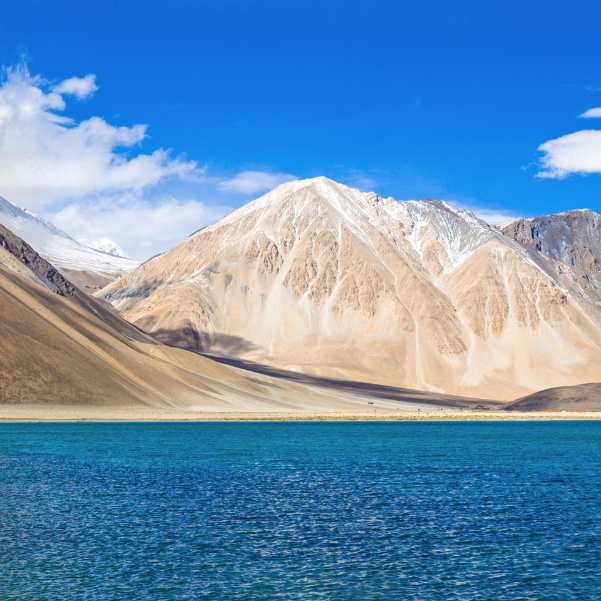
This is a fair question and there is no single blanket answer.
Whether an overnight at Pangong makes sense for your child depends on how the acclimatization has gone, your child's age and health, how comfortable they were in Nubra, and honestly, what the child wants.
A 10 year old who has had no headaches, slept well in Leh, and had a good day in Nubra is a very different case from a 4 year old who felt nauseous on Day 2.
What we suggest to every family: use Leh and Nubra as your indicator. If the whole family is comfortable, sleeping well, and symptom free, Pangong overnight is a reasonable next step.
If anyone is still adjusting, a long day visit followed by returning to Nubra or Leh is a perfectly fine choice and still gives you the views.
The campsite and hotel options at Pangong are cold at night. Carry warm layers for everyone.
Sample 7 Night Ladakh Family Itinerary That Feels Realistic
This is a route built for families, not for adventurers trying to set a record.
Day 1 and Day 2 in Leh
Arrival day is rest day, full stop. Check in, drink water, eat light, sleep early. No sightseeing, no monastery walks, no excitement. This is the most important investment of your entire trip.
Day 2 is still gentle. Sleep in, have a good breakfast, and if everyone feels okay by afternoon, a slow walk through Leh market or a short sit at a café is fine. Watch for any headache or nausea. These are normal at first but should start easing by evening. Keep checking in with the kids and each other.
Day 3: Easy Leh Sightseeing
Now you can start doing things. Shanti Stupa in the morning for views and a relatively gentle climb. Hall of Fame museum if the family is interested. Leh Palace for a slow walk through.
Keep the day unhurried. A long lunch, a rest after, and an evening market stroll is plenty for Day 3. The goal is gentle activity, not exhausting everyone before the bigger travel days.
Day 4 and Day 5: Nubra Valley
Day 4 is the transfer, over Khardung La and down into Nubra. The drive is long but the scenery is extraordinary. Arrive in Nubra by afternoon, rest and settle in.
Day 5 is your Nubra day. Sand dunes and camel rides at Hunder in the cooler morning hours. Lunch at the hotel. Explore Diskit Monastery if the family has energy. The pace here can be genuinely relaxed.
Day 6: Pangong Lake or a Flexible Day
This day depends entirely on how the family is doing.
If everyone has acclimatized well, comfortable nights in both Leh and Nubra, no lingering symptoms, the transfer to Pangong Lake and an overnight there is a wonderful experience. The first sight of that blue water is something you will not forget.
If anyone in the group is still adjusting or if road conditions are uncertain, spend Day 6 at a relaxed spot in or near Nubra or return to Leh early.
There is no shame in this. The flexibility is built into the plan for exactly this reason. Check live road conditions via the District Leh portal before committing.
Day 7: Back to Leh
A slower drive back, or if you did Pangong overnight, the transfer back to Leh. This day is intentionally kept light.
Buffer time is the gift of a 7 night itinerary. Use it. Do the shopping you did not get to, sit at a good Leh café, let the kids rest, buy the dried apricots and pashmina scarves. Do not add any new sightseeing here. Your body has worked hard at altitude.
Day 8: Fly Out
Fly out without stress. Morning departure, no last minute rushes. If your flight is evening, you still have a slow morning in Leh, which is a lovely way to end a trip.
This is the basic circuit we recommend on our Ladakh tour packages page. You can see the full options there.
Want this itinerary planned exactly for your dates? Send us your dates and group size on WhatsApp
👉 WhatsApp us your dates and group size for this exact itinerary
Explore Our Curated Leh Ladakh Tours
 6D/5N
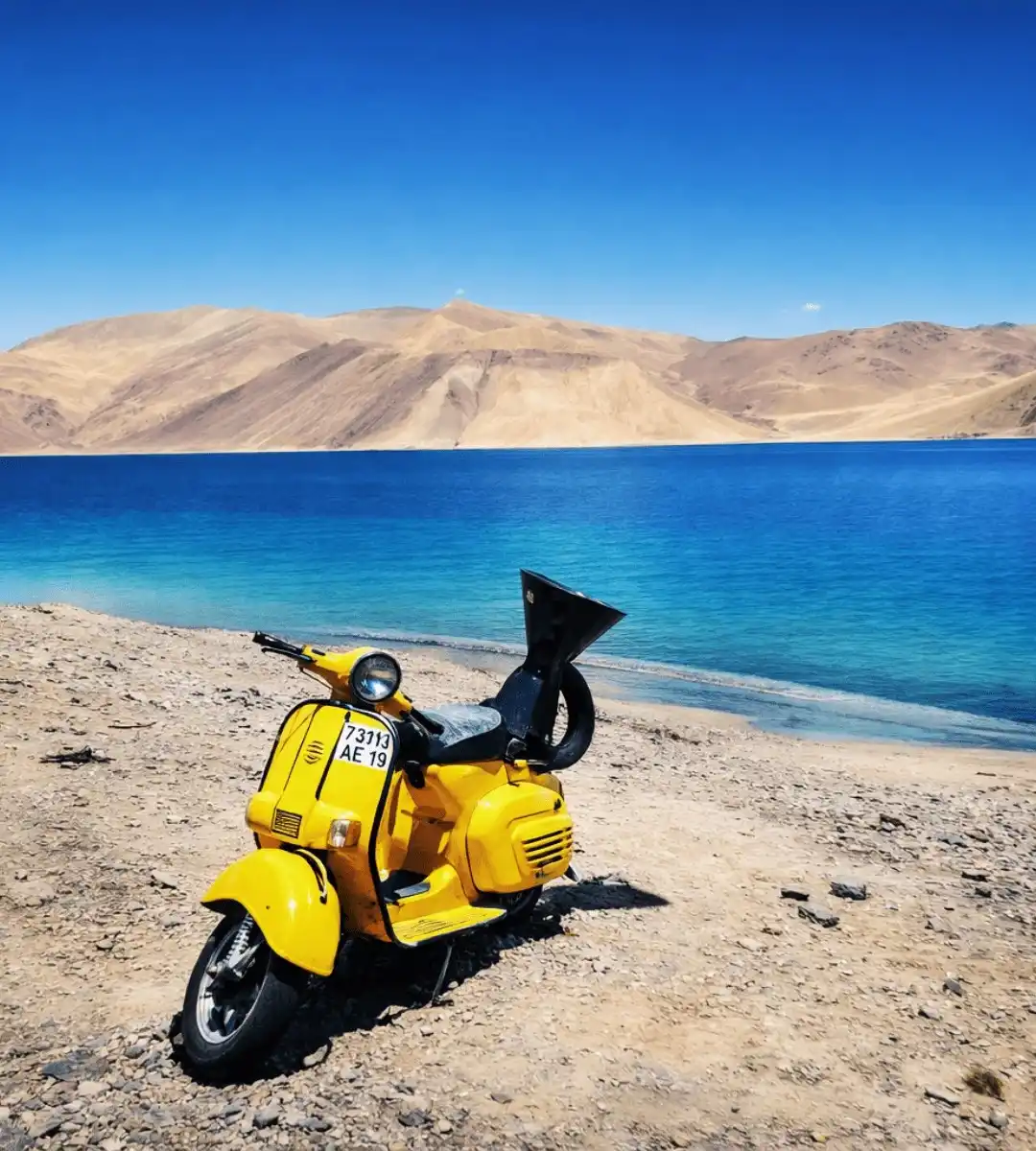
6D/5NBest Selling Leh Ladakh Tour With Nubra Valley and Pangong Lake
2D Leh•1D Nubra Valley+1
₹23,999₹28,599SAVE INR 4,600/ person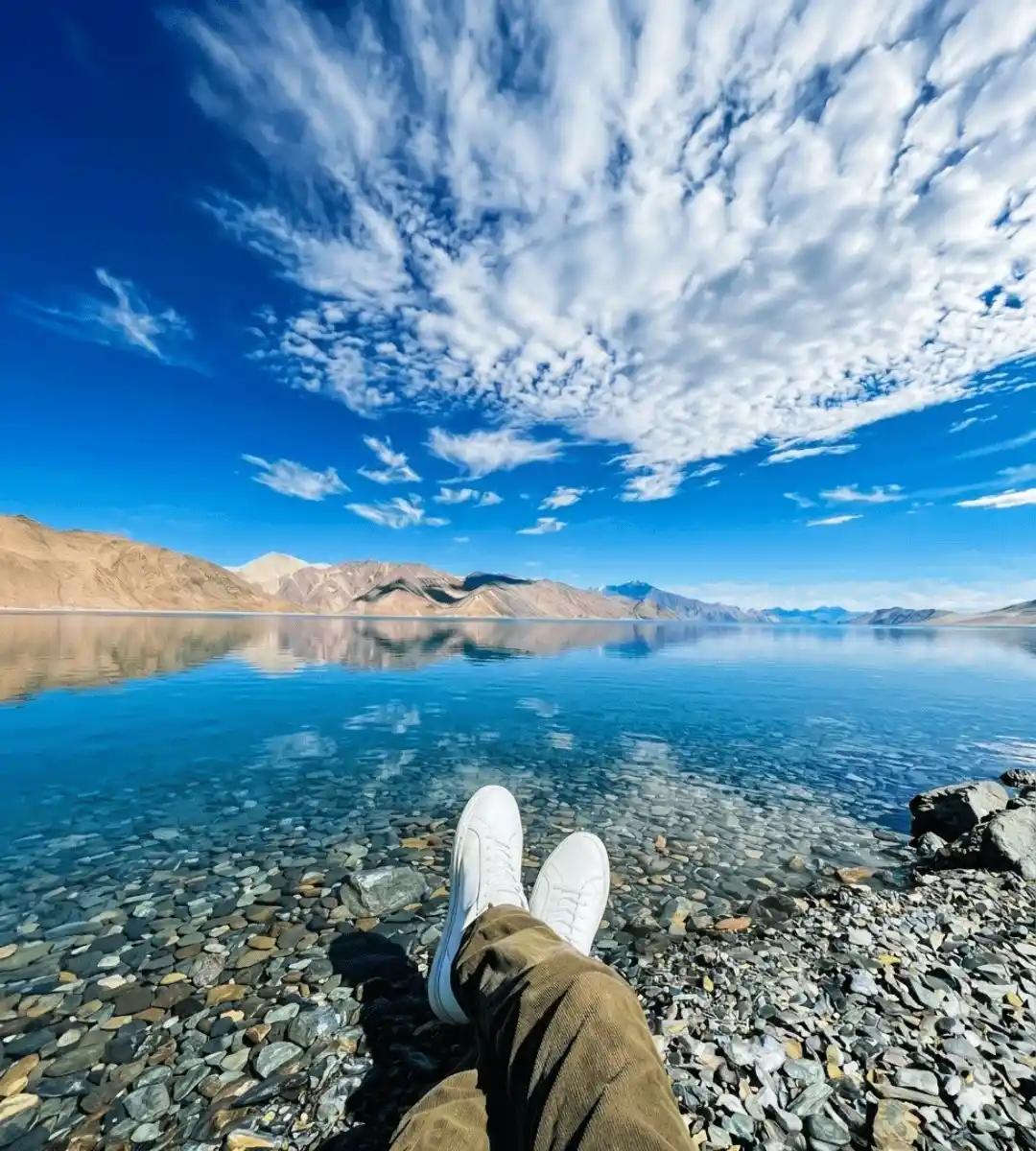 6D/5N
6D/5NUltimate Leh Ladakh Tour Package with Nubra Valley & Pangong Lake
2D Leh•1D Nubra Valley+1
₹28,999₹35,999SAVE INR 7,000/ person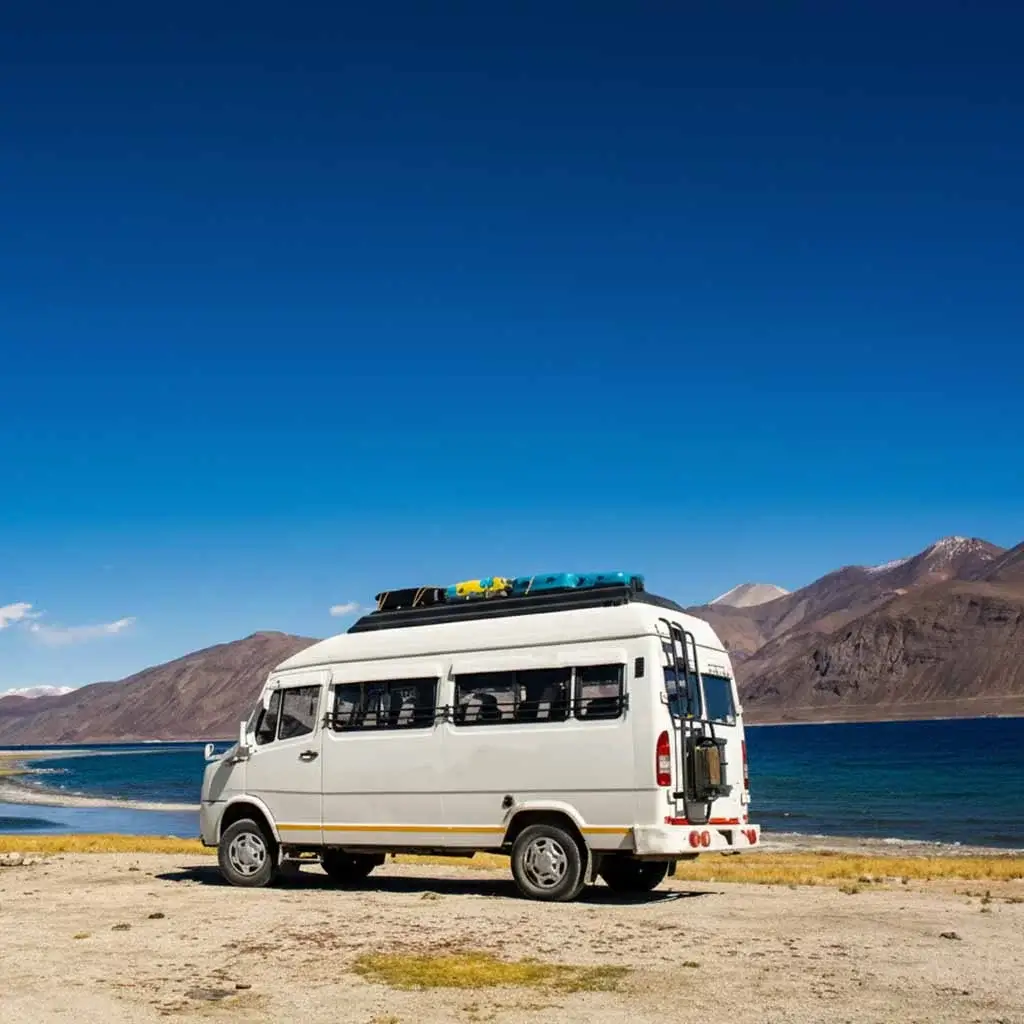 Group Tour6D/5N
Leh Ladakh Group Tour With Nubra Valley and Pangong Lake
2D Leh•1D Nubra Valley+1
₹18,999/ person
What to Pack for a Leh Ladakh Family Trip with Kids
Packing for altitude is mostly about layers and preparation for both cold and intense sun in the same day.
Base layers and thermals are essential, even in summer. Ladakh mornings and evenings are cold, especially at Pangong. Pack fleece jackets and windproof outer layers for every family member, including the children.
Warm gloves, woollen caps, and thick socks matter more than most first timers expect. Sunscreen with high SPF is essential because the UV intensity at altitude is very high. Lip balm prevents painful cracking in the dry mountain air. UV protection sunglasses for both adults and kids. This is not optional.
For children specifically, pack a full paediatric kit including any regular medications, fever reducers, ORS sachets, and any prescription medicine your doctor advises. If your doctor has recommended discussing Diamox, ensure you have that conversation before you travel and carry the prescription.
Reusable water bottles for the whole family make it much easier to track whether everyone is hitting the 2 to 3 litre daily target. Dry snacks like nuts, makhana, and energy bars are useful because sometimes meals at remote stops take longer than expected and a hungry child at altitude is not fun.
Power banks are important. Charging access in Nubra and at Pangong can be inconsistent. Wet wipes and tissues in good quantity. And a small first aid kit with bandages, antiseptic, and a basic medicine pouch makes every parent feel more prepared.
Permits, Documents, and Practical Planning for Families
Ladakh's permit system has been updated in recent years and the process has moved largely online.
The LAHDC Leh permit portal confirms that permit related fees can be paid online, which makes the process easier for families coordinating from home before departure.
Certain foreign nationals and some passport holders require a Protected Area Permit for places such as Pangong Lake, Nubra Valley, Khardung La, and Tso Moriri, according to the District Leh website.
For Indian families, the current Ladakh permit charges continue under the existing fee structure, which includes the environmental fee, wildlife fee, and Red Cross fund.
Children below 12 are generally shown as exempt from permit registration, but it is still wise to recheck the official LAHDC portal before travel.
Keep your family's Aadhaar cards, voter ID, or passports easily accessible during the trip. Checkpoints do verify documents.
If any of this sounds confusing, it is genuinely easier to have a local operator handle permits as part of a package. Our contact page has everything you need to reach the Travel Coffee team if you want someone to sort this out for you.
Family Budget for Ladakh: What Costs Usually Matter Most
There is no single "Ladakh family budget" because the range is genuinely wide, but these are the biggest cost drivers.
Flights
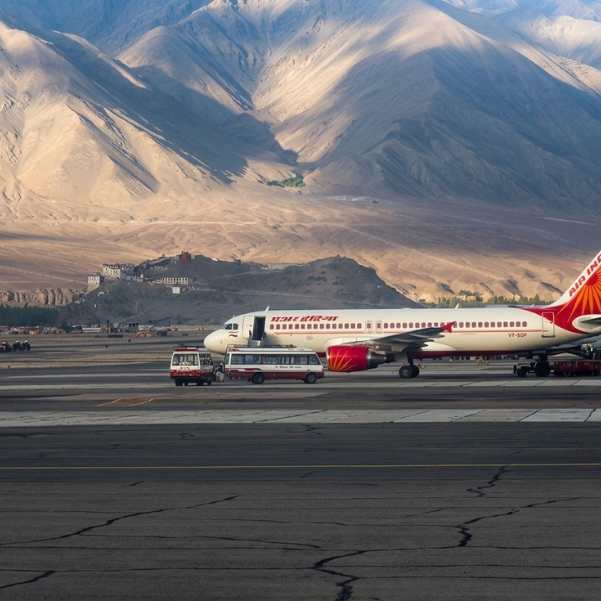
Flights are typically the single largest line item for most families, especially if you are a group of four or five. Booking early and being flexible with dates helps.
Private cab
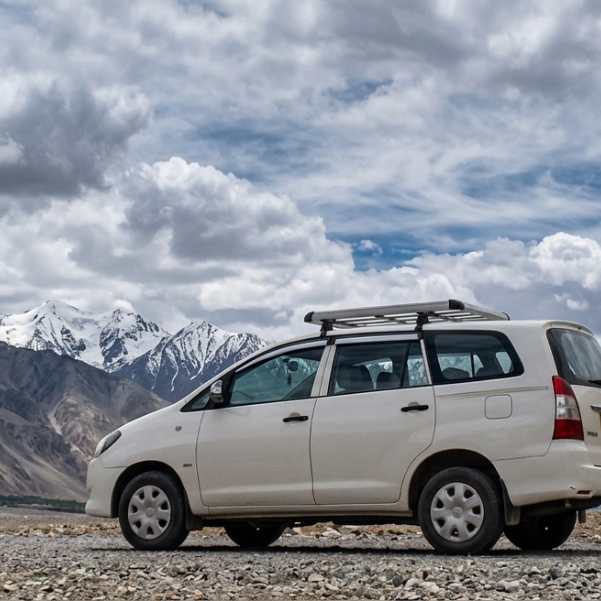
A private cab for family travel is almost always worth it over shared transport. The comfort, flexibility, and ability to stop when a child needs a break is significant. A private cab for the full circuit (Leh, Nubra, Pangong, Leh) is a core cost to plan for.
Hotel standard
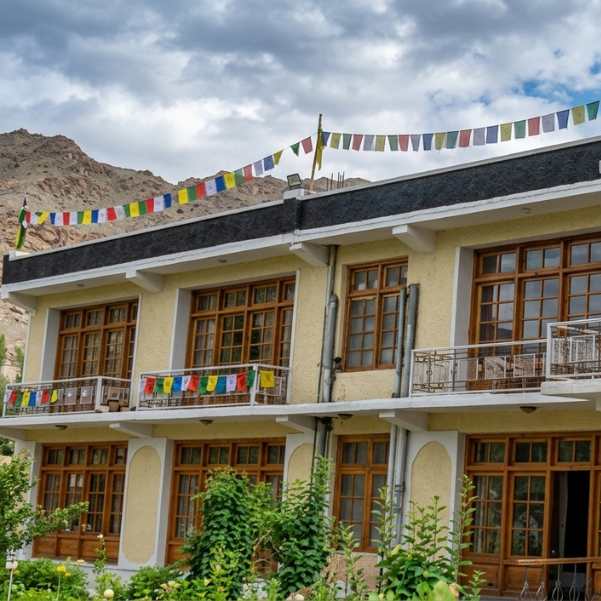
Hotel standard matters at altitude because comfortable beds and heating genuinely affect how well your family sleeps and acclimatizes. Midrange hotels with proper heating are worth the upgrade for families with children.
Adding remote sectors like Hanle or Tso Moriri increases both cost and travel time significantly. Our recommendation for first time families is to stick with the core Leh, Nubra, Pangong circuit and enjoy it slowly. This keeps the budget focused and the trip stress free.
Should You Book a Ladakh Family Package or Plan It Yourself?
Both approaches work, and the honest answer depends on how much time and energy you want to invest in logistics.
DIY Ladakh planning is rewarding for experienced mountain travellers who enjoy figuring out permits, cab bookings, hotel availability, and itinerary adjustments. If you love that process, go for it.
For families travelling to Ladakh for the first time, especially with children, a well designed Ladakh family tour package does something valuable: it removes the decision fatigue.
Permits handled, cabs sorted, hotels at the right altitude for the right nights, a pacing that has been tested with families before you.
When your child has a headache on Day 2 and you are not feeling great either, not having to simultaneously navigate logistics is a genuine relief.
At Travel Coffee, we build our Ladakh family packages around slow pacing and proper acclimatization buffers, not around cramming as many places as possible into the itinerary.
If you want help designing a trip that actually works for your family's age group and comfort level, take a look at our popular tours to get a sense of what we offer.
Our Recommended Ladakh Route for Families
The circuit we come back to again and again for first time families is simple: Leh, Nubra Valley, Pangong Lake, back to Leh.
This covers everything that makes Ladakh extraordinary. The monasteries and market energy of Leh, the surreal dunes and camels of Nubra, the unreal blue of Pangong. All without pushing the family into remote territory before they have found their altitude rhythm.
In our experience, families who try to add more on a first trip almost always wish they had more time in the places they did visit, rather than feeling glad they squeezed in the extras. Tso Moriri is stunning.
Hanle under the Milky Way is extraordinary. Both are better enjoyed when your family comes back, knows how their bodies respond to altitude, and can plan specifically for those destinations.
Our team recommends treating the Leh, Nubra, Pangong loop as the complete first chapter and everything else as the reason to return.
If you are planning a trip and want to talk through the right route for your family's specific situation, we would love to help. WhatsApp our Ladakh team and share your travel dates, family ages, and any medical considerations. We will put together a route that actually makes sense for you.
You can also explore our full range of Ladakh tour packages to see itineraries we have already built and tested for families.
👉 Find the Right Leh Ladakh Tour Package for Your Dates
Related topics
Frequently Asked Questions
Can I take a 2 year old to Ladakh?
Speak to your paediatrician first. Very young children need extra caution at high altitude, and if your doctor is unsure, it is better to choose a lower altitude destination.
Is Ladakh safe for a 5 year old?
Yes, many families travel with 5 year olds. The key is slow acclimatization, light activity in the first two days, and close monitoring for AMS symptoms.
Is Pangong overnight okay with kids?
It can be, but only if your child has acclimatized well and is feeling completely fine. If not, a day trip is the safer option.
Can senior citizens go to Ladakh?
Yes, many senior citizens visit Ladakh safely. A slow itinerary, doctor’s advice, and comfortable travel arrangements make a big difference.
How many acclimatization days are enough?
At least 48 hours in Leh is the basic rule. For families with kids or seniors, an extra rest day is often a smart idea.
Do children need permits?
Yes, children should be included in the permit process when required. Fee rules can vary, so check the latest details before travel.
What is the best month for a family trip?
June to September is the most comfortable family window. July and August are peak season with the warmest nights and most services running. June is lovely but check pass conditions early in the month. September is beautiful and less crowded, with slightly cooler nights.
Can we do Ladakh in 5 days?
Technically yes, but we do not recommend it for families with children. Five days leaves almost no margin for proper acclimatization plus both Nubra and Pangong. If any family member feels unwell, the whole plan falls apart.
Should we fly or go by road?
For most first time families, flying to Leh is the better option. It is quicker, easier, and less tiring than starting with a long road journey.
What if my child shows AMS symptoms?
Do not ignore it. Rest, keep them hydrated, avoid going higher, and get medical help if symptoms become serious.
Is Ladakh in winter okay for families?
Usually no. Winter brings extreme cold, fewer services, and more difficult travel conditions, which makes it less suitable for most families.
Which places should first time families skip?
It is better to avoid very remote places like Hanle and Tso Moriri on a first trip. Leh, Nubra, and Pangong are usually enough for a family itinerary.
More about Ladakh
 Ladakh
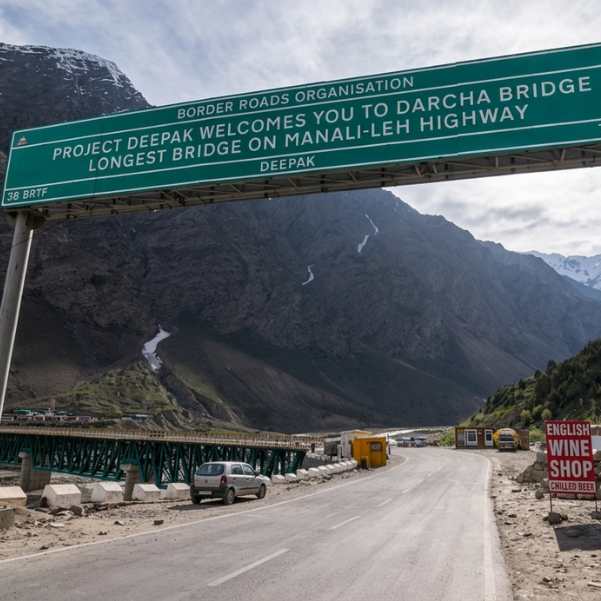
Manali to Leh Highway 2026: Every Pass, Stop and Distance
Plan your Manali to Leh Highway journey in 2026 with a complete guide to major mountain passes, overnight stops, route highlights, and distance. Discover key stops like Jispa, Sarchu, and Pang, along with famous passes including Baralacha La and Tanglang La.
- Road Trips
- How to Reach
 Ladakh
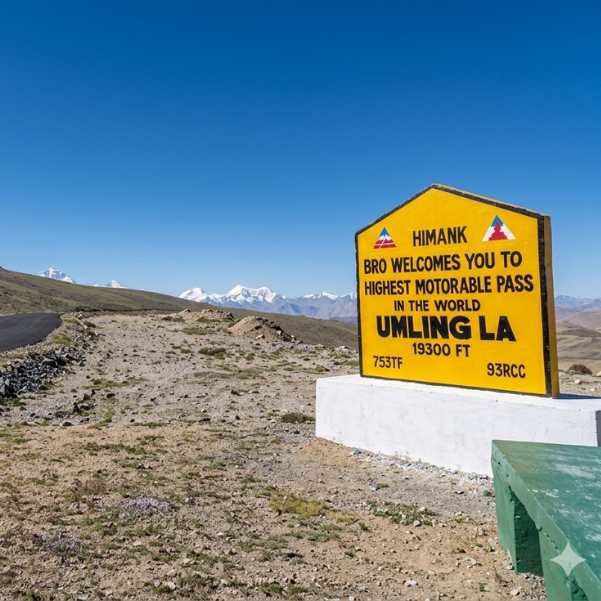
Umling La Ladakh Guide 2026: Route, Altitude, Permit, Safety & Reality Check
Planning to visit Umling La in 2026? This complete guide covers the route, altitude, permit requirements, road conditions, safety tips, and the realities of travelling to one of the world's highest motorable roads.
- Road Status
- Altitude & Health
 Ladakh
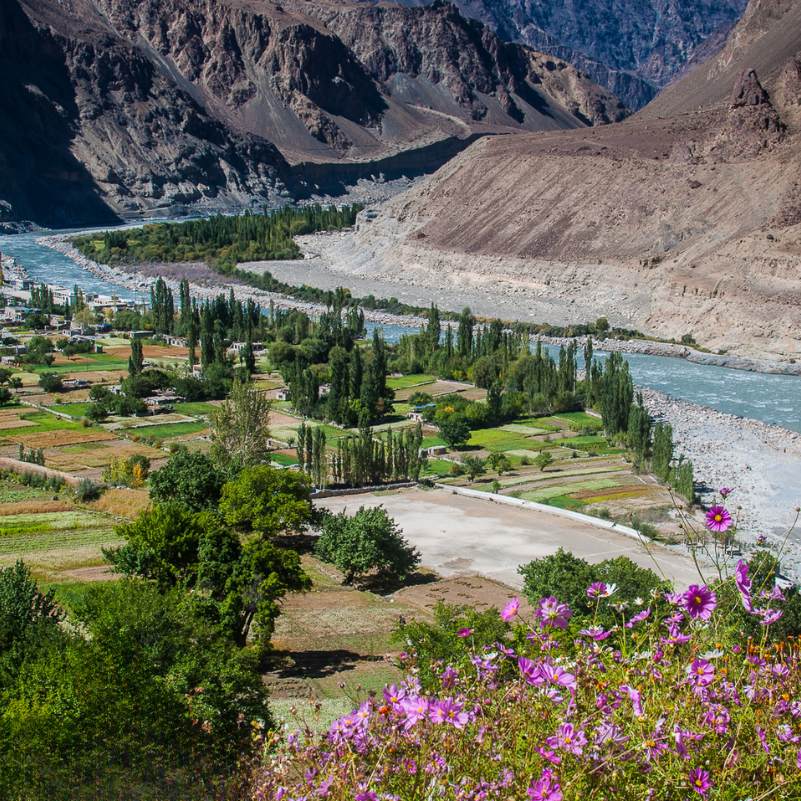
Turtuk Ladakh Travel Guide 2026: Balti Culture, Apricot Orchards and Why It Is Perfect for Families
Planning a trip to Turtuk? This 2026 travel guide explores the village's rich Balti culture, beautiful apricot orchards, top attractions, travel route, and why Turtuk is one of the best family-friendly destinations in Ladakh.
- Places to Visit
- Family Travel