
Kasol Weekend Trip from Delhi: Complete 3-Day Travel Plan for 2026
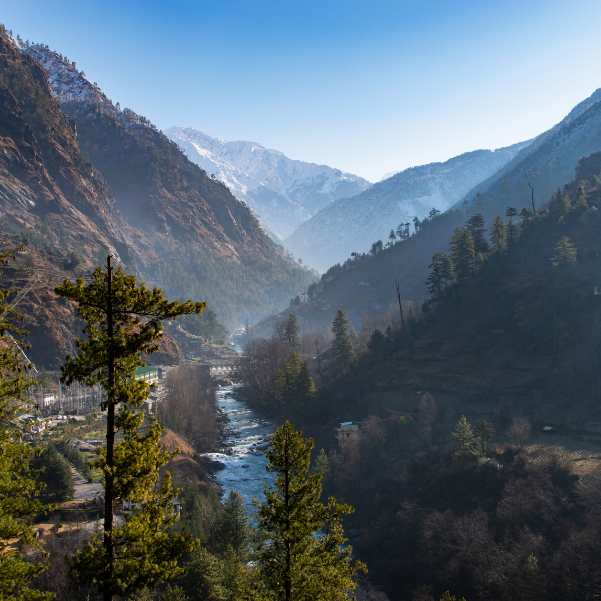
A Kasol weekend trip from Delhi works best if you stop trying to see everything. People pack Kasol, Tosh, Kheerganga, Malana and Manikaran into three days, then spend the whole trip in a car feeling carsick.
We have planned this route for office-goers, couples and all-girls groups for years. The ones who come back happy did less, not more.
This is the realistic 3-day plan. Real timings, real road updates for 2026, and an honest answer on what you should skip.
Quick Answer: Is a Kasol weekend trip from Delhi possible in 3 days?
Yes, a Kasol weekend trip from Delhi is doable over a long weekend. Leave Delhi on Friday evening or Thursday night by bus, spend around 1.5 to 2 days in Parvati Valley, and take an overnight bus back.
The realistic plan covers Kasol, the Chalal walk, Manikaran Sahib, and either a Tosh side trip or slow café time by the river.
Do not try to fit Kheerganga into a tight 3-day weekend. The trek alone needs a full day each way, and you will end up rushing both ends.
If you would rather hand the logistics to someone local, our Kasol tour packages come with stays, transfers and a team that picks up the phone when a road changes.
What is the best 3-day Kasol weekend itinerary from Delhi?
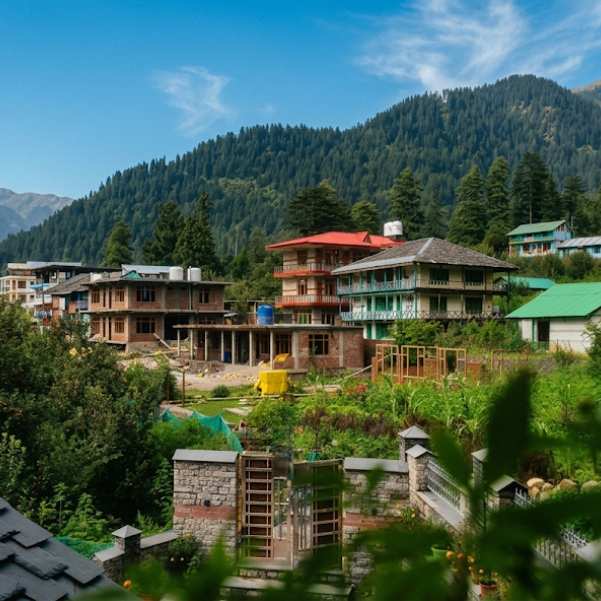
The trick is to treat the overnight bus as Day 0. That gives you a full Saturday and Sunday in the valley without burning a hotel night.
Here is the version we actually send people on.
Day 0 / Friday Night: Delhi to Kasol overnight journey
Leave Delhi on Friday evening by bus or private cab. Most operators board from Kashmiri Gate or Majnu Ka Tilla, so check your ticket for the exact point.
The journey runs around 12 to 13 hours in normal road conditions. You sleep through the boring highway stretch and wake up near the hills.
A Friday night departure saves you one hotel night and drops you into the valley by Saturday morning. That single move turns a stressful 2-day dash into a relaxed weekend.
Day 1: Kasol market, Parvati River, cafes, and Chalal walk
You will reach tired after the bus, so keep Day 1 slow. Check in, drop your bags, and get breakfast before doing anything else.
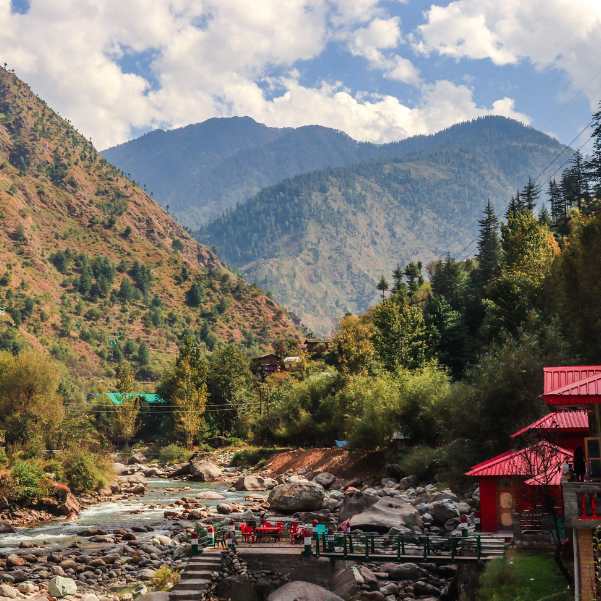
Walk down to the Parvati River first. The water is loud, cold and green, and the riverside benches are the best spot to shake off the night bus.
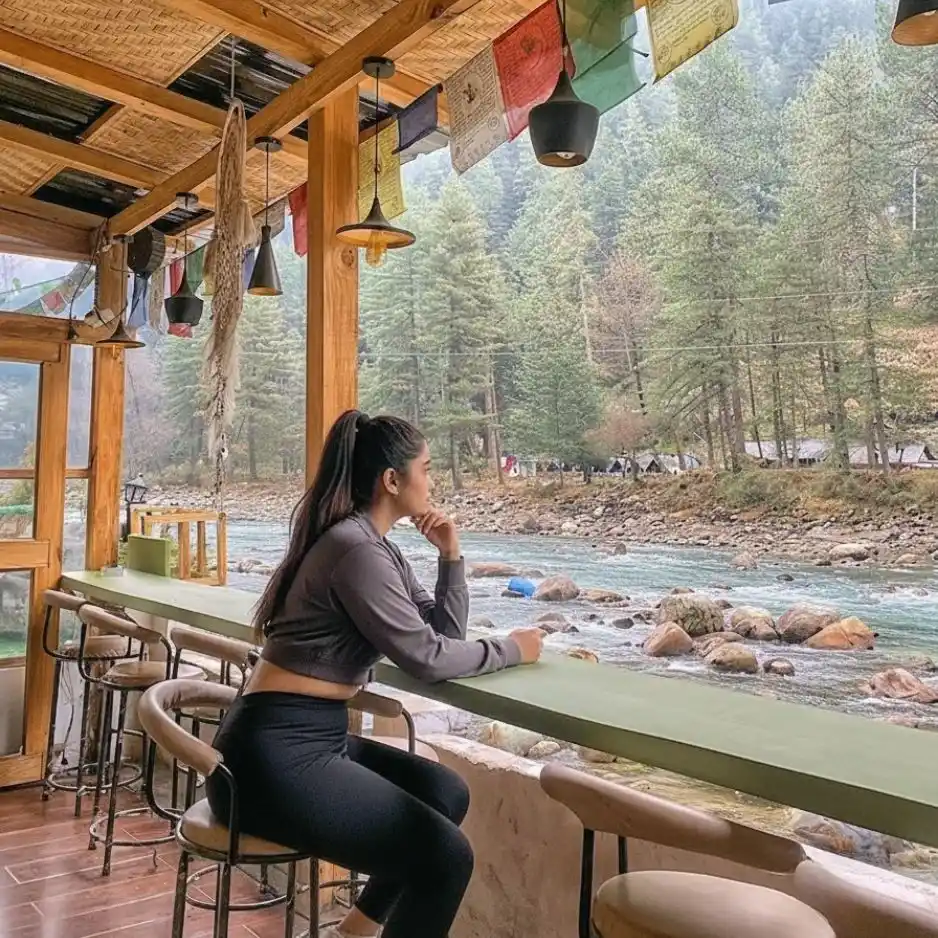
After that, wander through Kasol market. The Israeli café culture here is real, not a gimmick. You will find Israeli food, apple pie and proper coffee in cafés right above the river, and a slow lunch here is the right way to start the trip.
In the evening, walk to Chalal village. It is around 2 to 2.5 km from Kasol and takes 30 to 60 minutes depending on your pace.
The Chalal trail follows the river through pine forest. It is flat, easy, and the quietest you will feel all weekend.
One honest warning. Chalal has a reputation as a party-and-charas spot, and the police do check. Skip the substances, enjoy the walk and the cafés, and head back before it gets fully dark.
👉 Planning a Kasol weekend from Delhi? Chat with our team on WhatsApp.
Day 2: Manikaran Sahib and Tosh or Barshaini side trip
Start early on Day 2. Hit Manikaran Sahib first because it is close, only around 3.5 to 4 km from Kasol.
Manikaran is known for its hot springs, the Gurudwara, and Hindu temples. The langar here is free, the hot spring water is genuinely boiling, and the whole place fills up by mid-morning.
What most tourists get wrong is the timing. Reach Manikaran by 8 or 8.30 AM and you get the springs and Gurudwara almost to yourself. By 11, the day-trippers arrive and the lanes turn into a slow crowd.
After Manikaran, you can add Tosh or the Barshaini side only if roads, weather and your group's energy allow it.
Here is the catch for 2026. The Bhuntar Manikaran road has heavy-vehicle timing restrictions this year, and the Barshaini link road has landslide risk. Keep buffer time and do not commit to Tosh if the morning runs late.
If everything lines up, Tosh gives you village views and a slower evening. If it does not, a second lazy afternoon in Kasol is no loss at all.
Day 3: Return to Delhi and what to keep flexible
You have two return styles. The first is a Sunday night return bus that gets you to Delhi on Monday morning.
The second works if you have a true 3-day leave. Check out on Monday, travel back without rushing, and reach Delhi by night.
Do not schedule any important Monday morning work call. Mountain roads delay buses without warning, and a single landslide or traffic jam near Mandi can cost you two hours.
How do you reach Kasol from Delhi by bus, car, train, or flight?
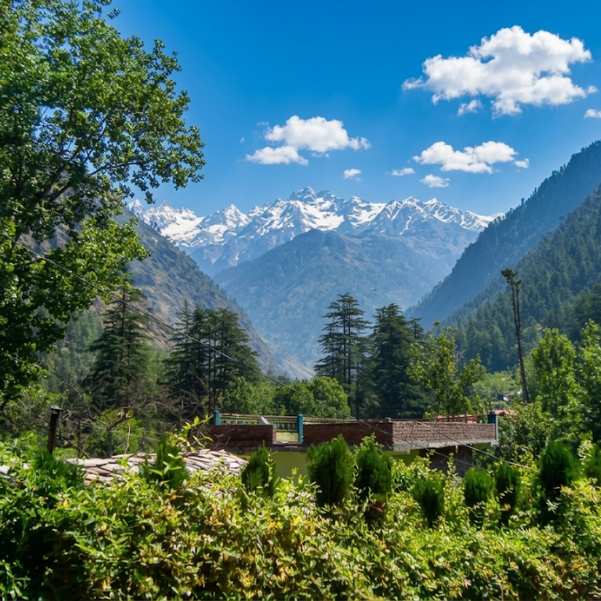
Bus is the most practical option for a weekend. The other modes still need a long road leg at the end, so they rarely save time.
Delhi to Kasol by bus
You get two kinds of buses. Direct private buses run all the way to Kasol, and other buses go to Bhuntar or Kullu where you switch to a local ride.
HRTC opens booking 60 days in advance, so grab seats early on a long weekend. HRTC Delhi to Kullu ordinary buses were seen around ₹795 to ₹820 onward, and the HRTC Himsuta Volvo around ₹1,568 to ₹1,594 onward.
Private Delhi to Kullu buses showed up around ₹598 to ₹1,370 onward in a sample listing. Direct Kashmiri Gate to Kasol buses listed a cheapest fare around ₹799 with an average duration of about 11h 41m.
Fares move with the season and the weekend rush, so verify live prices before you book.
Bhuntar to Kasol last mile
If your bus drops you at Bhuntar, you finish the last stretch by local bus or shared cab.
Budget around ₹50 to ₹100 for a local bus and keep ₹100 to ₹500 per seat for a shared cab depending on season and availability. Verify locally before boarding.
A money tip our drivers always share. A bus to Bhuntar plus a local bus to Kasol usually works out cheaper than a premium direct service, and on a clear day the time difference is small.
Delhi to Kasol by self-drive car
The route runs Delhi, Chandigarh, Bilaspur, Mandi, Aut, Bhuntar, then Kasol. Total distance is around 514 to 520 km.
In good conditions the drive takes around 12 to 13 hours. Weekend traffic, rain, landslides and hill driving can push that up fast, so do not plan tight around the lower number.
In our experience, the Mandi to Aut stretch is where weekend traffic piles up. Leave Delhi by late evening Friday and you cross it while it is empty.
Delhi to Kasol by train or flight
Train and flight are not ideal for a short weekend because the last mile is still by road. You spend money to land closer, then still sit in a car for hours.
The nearest practical airport is Kullu Manali Airport near Bhuntar. For Manikaran, the official Kullu page lists Kullu Manali Airport as 36 km away.
Joginder Nagar is listed as the nearest railway station to Manikaran at 148 km. That distance alone tells you why most people just take the bus.
How much does a Kasol weekend trip from Delhi cost in 2026?
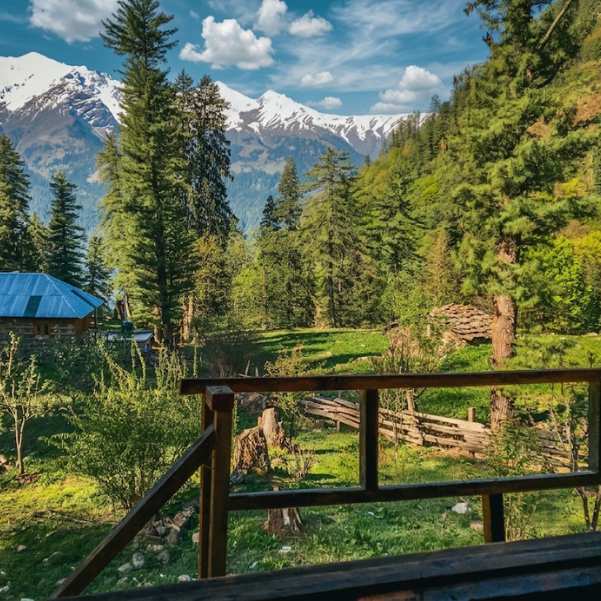
Your cost depends almost entirely on how you travel and where you sleep. Here is a practical breakdown.
Budget DIY trip cost
A self-planned weekend runs around ₹5,500 to ₹10,000 per person. That covers bus category, stay type, food, and local transfers.
This is a practical estimate built from available bus fares, hostel ranges, local transfers and a food buffer. For reference, dorm beds in Kasol were cited at ₹350 to ₹500 off-season and ₹800 to ₹1,200 in peak summer.
Mid-range couple or friends trip cost
If you want private rooms, better cafés, private cabs to Tosh or Barshaini, and a real delay buffer, expect this to go higher than the budget estimate.
You are paying for comfort and flexibility, not extra sightseeing. The actual route stays the same.
Group package cost from Delhi
Competitor group packages from Delhi were seen around ₹6,499 to ₹7,900 plus seasonal add-ons. Prices vary by operator, departure date, stay category, inclusions and weekend demand.
A package makes most sense when you do not want to chase bus tickets, last-mile cabs and stay bookings on a tight weekend.
Where should you stay on a short Kasol trip?
For a 3-day trip, your base decides how much time you waste in transfers. Pick the one that matches your group.
Stay in Kasol if it is your first trip
Kasol is the easiest base for first-timers. Cafés, the market, river walks, ATMs and return transport are all within reach, so you never have to plan a transfer just to get dinner.
If this is your first Parvati Valley trip, stay in Kasol and keep it simple.
Stay in Chalal if you want quiet but still want easy access
Chalal suits backpackers and couples who do not mind walking with bags. The walk from Kasol is around 30 to 60 minutes depending on pace.
You get a quieter, more local feel without losing access to Kasol. Just remember you carry your luggage on that trail.
Stay in Tosh only if you want village views and can handle extra transfer time
Tosh is scenic but not practical for a tight 3-day weekend. The transfers eat your time and the roads are rougher.
Tosh is a better base for a 4-day trip or for travellers who can handle bumpy roads and less predictable rides.
What are the best places to visit in Kasol in 3 days?
You do not need a long list. Five spots cover a weekend properly, and only three are must-do.
Parvati River and Kasol market
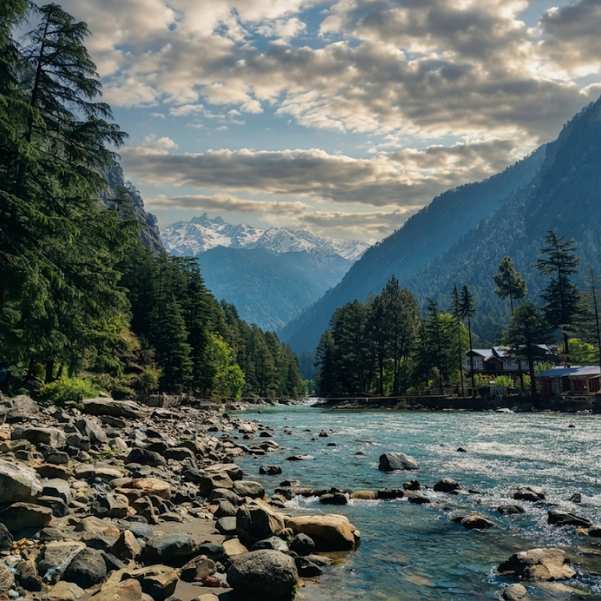
Start slow by the river. Take your photos, hit a café, do your shopping, and let the first evening stay easy after the night bus.
The riverside cafés are the heart of Kasol. A long, lazy meal here beats rushing off to a fourth village.
Chalal village
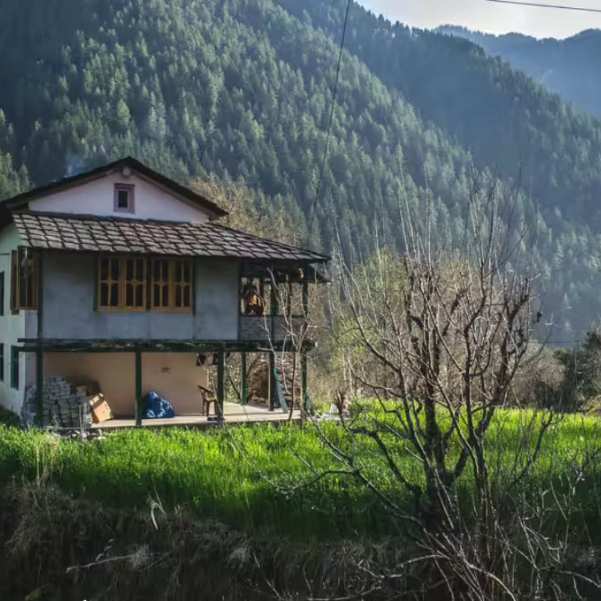
The walk is around 2 to 2.5 km and takes 30 to 60 minutes. It is flat, forested and quiet, easily the most relaxing thing you will do all weekend.
Go in the afternoon, grab a coffee in a Chalal café, and walk back before dark.
Manikaran Sahib
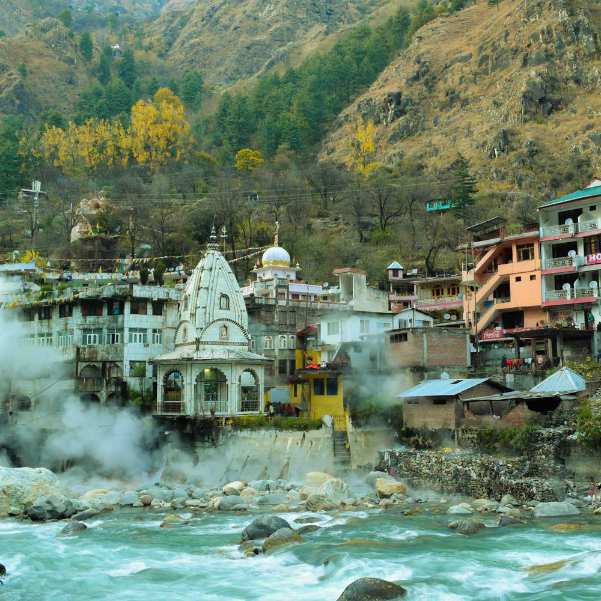
Manikaran sits at 1,829 m altitude and is around 40 km from Kullu per the official Kullu district page. The hot springs, Gurudwara and temples are the draw.
Visit in the morning before the crowds. Carry rice in a cloth if you want to try the spring-cooked langar tradition, and cover your head at the Gurudwara.
Tosh village and Barshaini
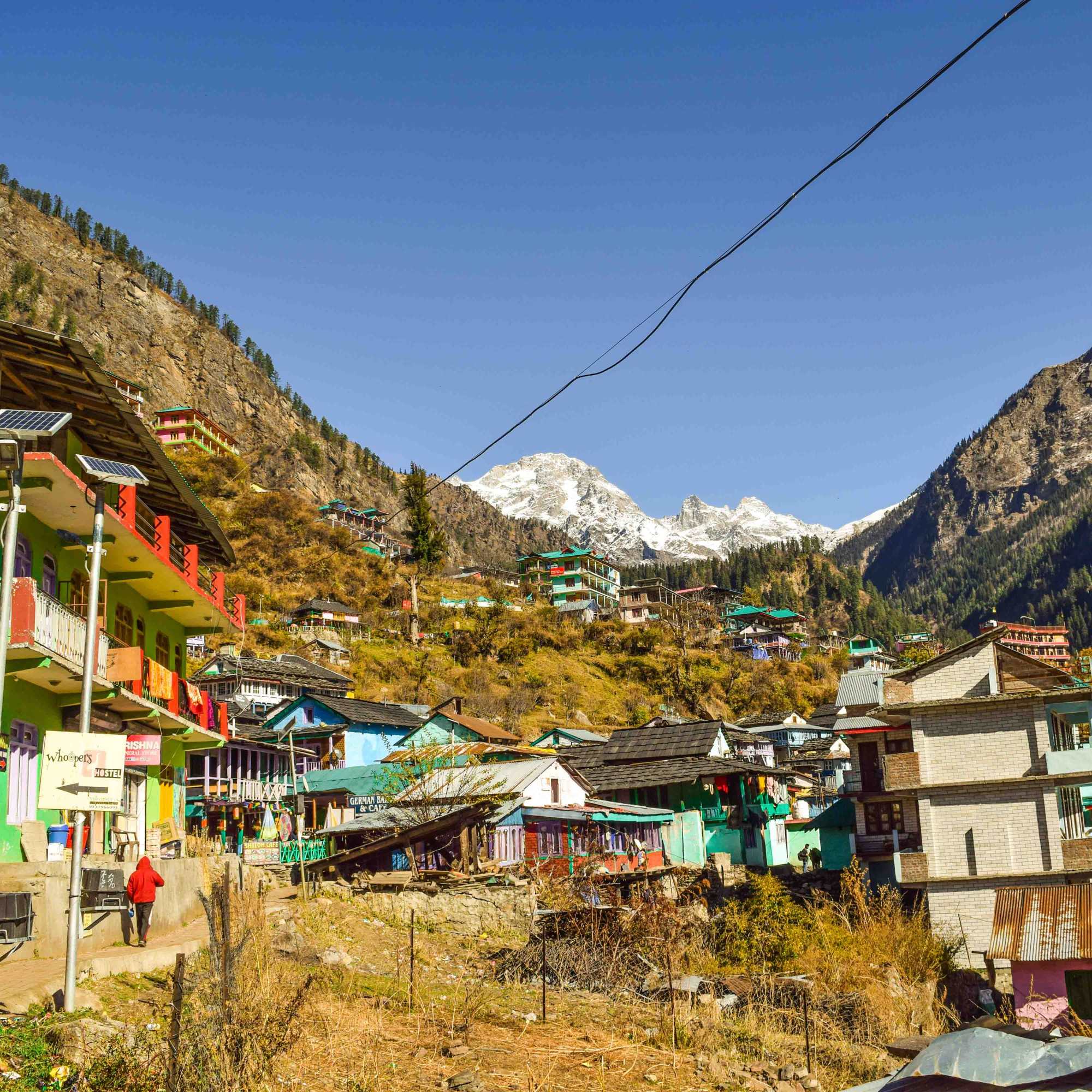
Treat Tosh and Barshaini as optional. The views are lovely, but check 2026 road and landslide conditions before you go.
If the morning Manikaran visit runs late, drop this without guilt. A rushed Tosh run in the dark is not worth it.
Kheerganga trek
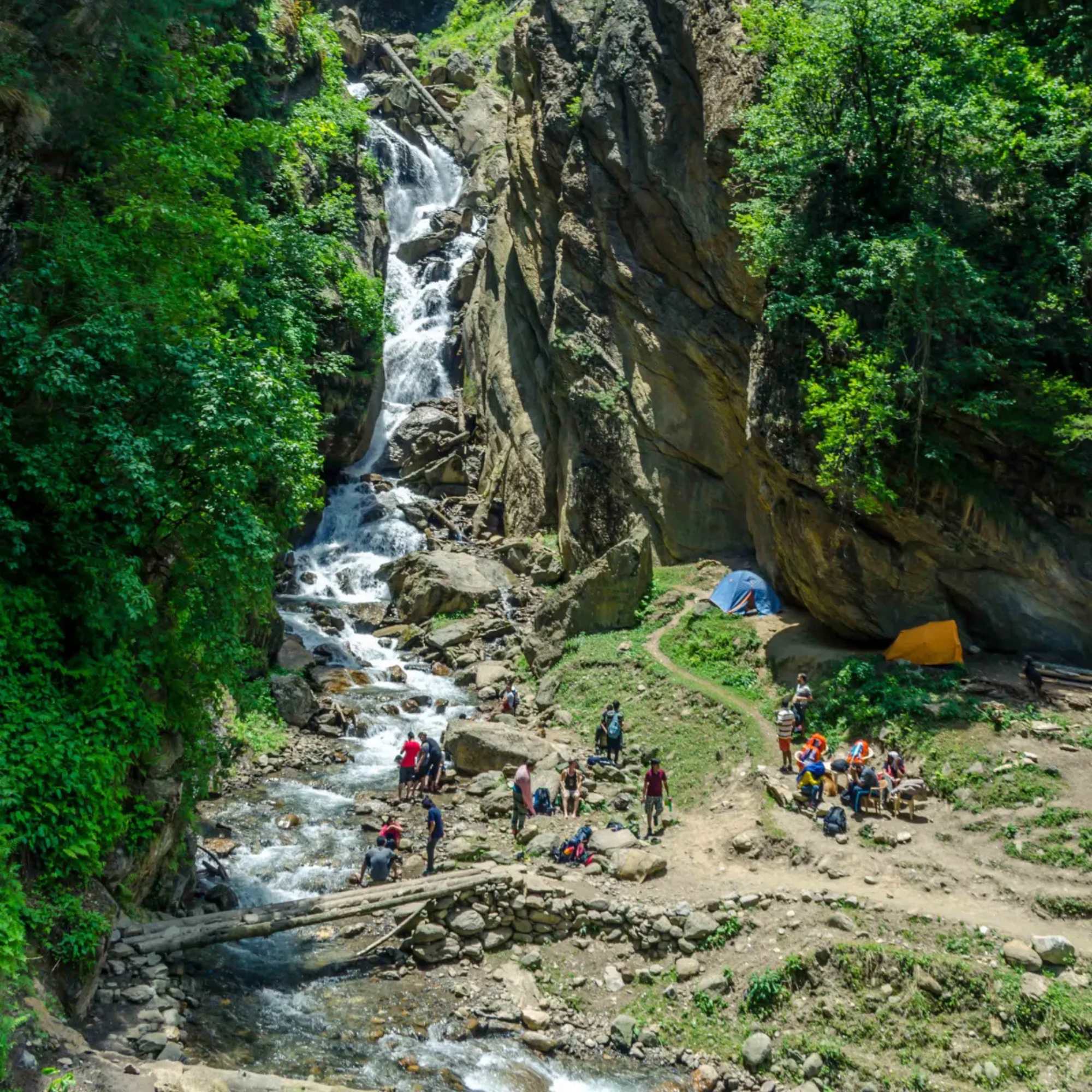
Kheerganga is beautiful, but it is not ideal for most 3-day weekend travellers. It sits at 2,960 m, and HPTDC lists it as a 2-day easy trek with the best season April to December.
Barshaini
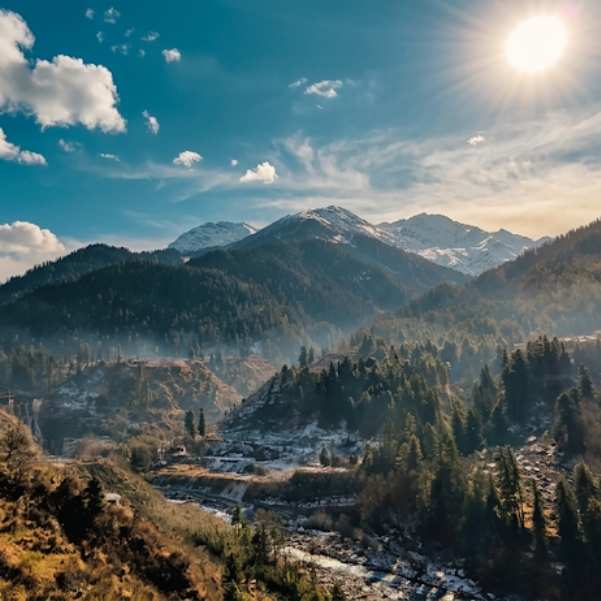
Barshaini is the last motorable point, and the walk from there takes around 4 hours. That is roughly a full day up and a full day down, which a tight weekend simply does not have.
Overnight camping rules at Kheerganga keep changing and sources conflict, so check the current rule before planning a night stay.
If you are still torn between Parvati Valley and a quieter base, we broke it down in our Jibhi or Kasol comparison.
What should you skip on a 3-day Kasol weekend trip?
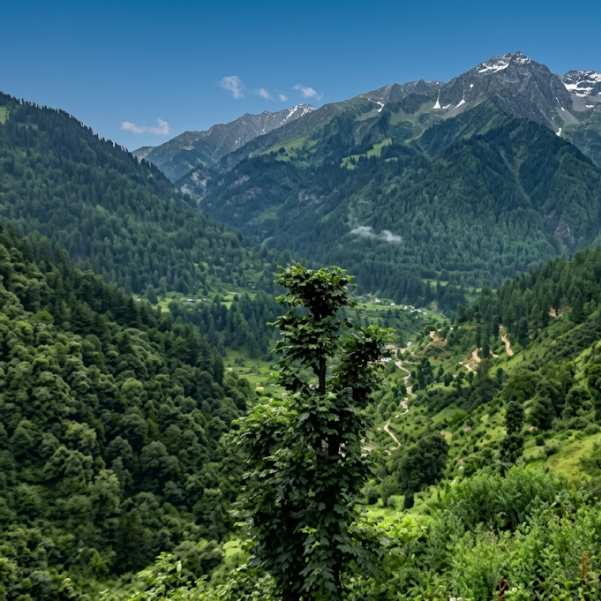
Skip Malana, Kheerganga, a side trip to Manali, and too many village hops. Each one adds hours of road time you do not have.
The best weekend trip is not about ticking every spot. It is about keeping road time and fatigue under control so you actually enjoy where you are.
What we tell our travellers is simple. Pick three places, do them well, and leave the rest for a longer trip. The people who try to see everything in three days remember the car, not the valley.
If you do want a longer Himachal plan that fits Manali in properly, look at our Manali tour packages instead of squeezing it into a Kasol weekend.
What is the best time for a Kasol weekend trip from Delhi?
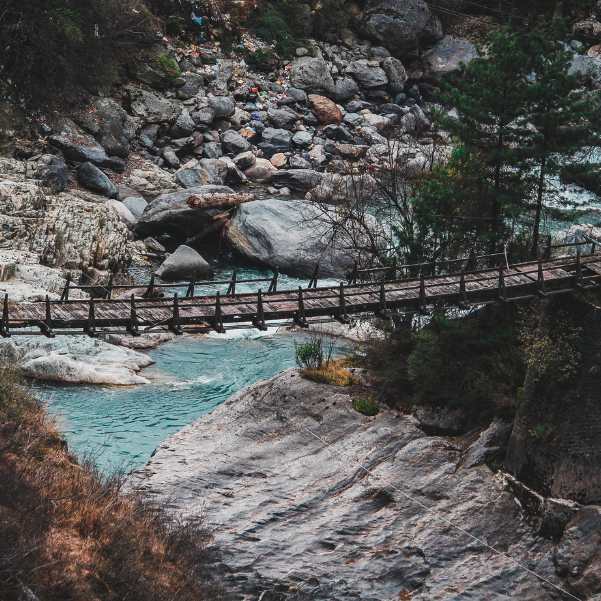
The best windows are March to June and September to November. Clear days, open roads, and comfortable café weather.
Monsoon months bring damp weather, landslide risk and road delays. The valley is green and pretty, but your weekend can get stuck behind a blocked road.
Winter is beautiful and cold. Trekking options shrink and the nights get harsh, so it suits travellers who want quiet over activity.
2026 road status, permits, and safety updates for Kasol
This is the part most blogs skip, and it matters most for 2026.
District Kullu issued a 2026 order regulating heavy vehicles and Volvo buses on the Bhuntar Manikaran Road from 14 April 2026 till the end of the tourist season.
The order allows heavy vehicles and Volvo buses on that road only between 8 PM and 8 AM. The reasons are tourist inflow, narrow road sections, landslide-affected stretches and congestion risk.
Emergency vehicles, fire tenders, ambulances, school buses and regular passenger buses are exempt. So your regular bus is fine, but a private Volvo may face daytime timing limits.
A February 2026 landslide blocked the Manikaran Barshaini link road at Ghatigarh. The area was reported as prone to frequent landslides and shooting stones, which is exactly why we keep Tosh and Barshaini flexible.
No specific Kasol permit showed up in official Kullu notices. Third-party guides say no permit is needed for Kasol or Parvati Valley, but carry a valid photo ID.
Save the Kullu District Emergency Operation Center numbers before you lose signal: 01902-225630 and 01902-225631.
👉 Need a quick road and safety check? Talk to our Himachal team on WhatsApp.
Is Kasol safe for couples, solo travellers, and all-girls groups?
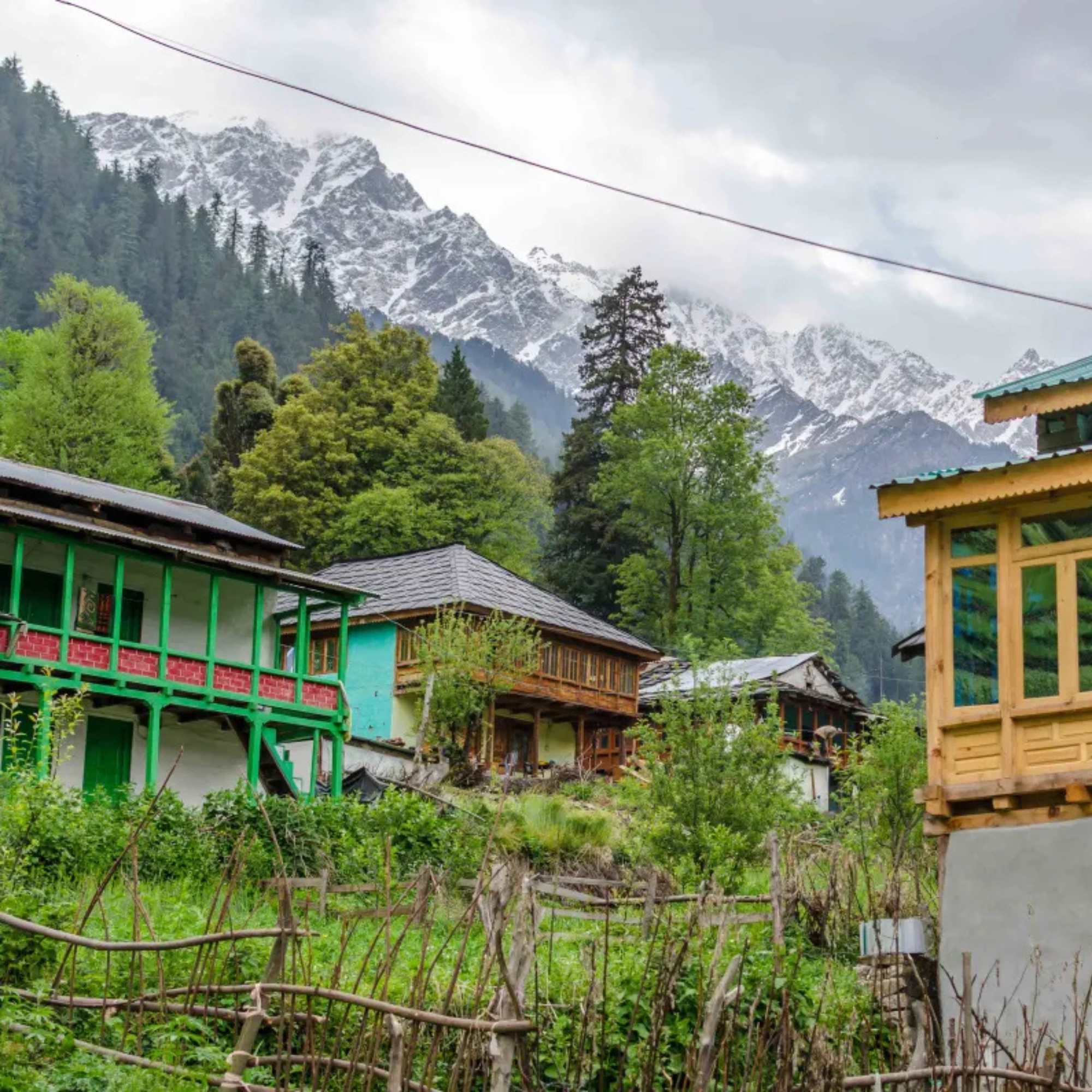
Kasol is commonly visited by couples, friends, backpackers and solo travellers. It is a friendly valley, but it still needs common sense.
Avoid isolated trails after dark. The Chalal and riverside paths are fine in daylight, less so once the cafés empty out.
Do not follow strangers into forest trails, and avoid illegal substances. The drug scene here gets people into real trouble, and the police do conduct checks.
Pick a central stay in Kasol for your first trip. Keep your driver's or hotel's number saved offline, because network drops the moment you leave the main market.
What should you pack for a 3-day Kasol trip?
Carry warm layers, a light rain jacket, comfortable walking shoes, a power bank, cash, your ID, basic medicines, sunscreen, a refillable bottle and a small backpack.
ATMs and network work better in Kasol than in the remote villages, but they can still be unreliable. Pull out enough cash in Bhuntar or Kasol before heading toward Tosh or Barshaini.
Who should book a custom Kasol weekend package instead of planning DIY?
A custom package suits first-time travellers, couples, all-girls groups, families and office-goers with fixed dates.
Local planning helps when roads change, when a stay turns out worse than its photos, and when your return bus matters for a Monday morning. We adjust the plan around live conditions instead of a fixed printout.
If you want us to handle it, look at our Kasol tour packages. And if you are weighing a calmer base, our Jibhi and Tirthan Valley trips are worth a look.
Explore Our Curated Kasol Tour Packages
 4D/3N
4D/3NPerfect Manikaran Kasol Tosh Weekend Getaway
1D Delhi•2D Kasol+1
₹15,999₹19,999SAVE INR 4,000/ person 7D/6N
7D/6NManali Kasol Jibhi Valley Trip
1D Delhi•2D Manali+3
₹25,799₹32,999SAVE INR 7,200/ person 8D/7N
8D/7NManali Kasol Bir Himalayan Explorer
1D Delhi•2D Bir+3
₹21,999₹27,999SAVE INR 6,000/ person
Related topics
Frequently Asked Questions
Is 2 days enough for Kasol?
Two days is tight but works for Kasol, the river, cafés and Chalal. You will not have time for Manikaran plus Tosh, so pick one.
How many days are enough for a Kasol weekend trip from Delhi?
Three days is the sweet spot. With the overnight bus as Day 0, you get a full Saturday and Sunday in the valley before heading back.
What is the best way to reach Kasol from Delhi?
Bus is the most practical. Take a direct bus to Kasol or a bus to Bhuntar, then a local bus or shared cab for the last stretch.
How much does a Kasol trip from Delhi cost?
A DIY weekend runs around ₹5,500 to ₹10,000 per person. Group packages from Delhi were seen around ₹6,499 to ₹7,900 plus seasonal add-ons.
Is Kasol safe for solo travellers and female travellers?
Yes, with common sense. Stay central, avoid isolated trails after dark, skip substances, and keep your hotel or driver contact saved offline.
What is the best time to visit Kasol?
March to June and September to November are the best windows. Monsoon brings landslide risk and road delays, and winter gets cold with limited trekking.
Can I visit Tosh and Manikaran in a 3-day Kasol trip?
Yes, on Day 2, but only if roads and weather allow. Do Manikaran first, then Tosh, and keep buffer time for 2026 road and landslide caution.
Is Kheerganga possible on a weekend trip from Delhi?
Not comfortably. It is a 2-day easy trek with a roughly 4-hour walk each way from Barshaini, which a tight 3-day weekend cannot fit well.
Do I need a permit to visit Kasol?
Third-party guides say no permit is needed for Kasol or Parvati Valley, but carry a valid photo ID.
What should I pack for a Kasol weekend trip?
Warm layers, a light rain jacket, walking shoes, a power bank, cash, ID, basic medicines, sunscreen and a refillable bottle.
Where should I stay: Kasol, Chalal, Tosh, or Kalga?
Stay in Kasol for your first trip. Pick Chalal for a quieter feel with easy access, and choose Tosh only on a longer trip with time for transfers.
Is there mobile network and ATM access in Kasol?
Yes, both work in Kasol but can be patchy. They get worse in remote villages, so carry cash and download offline maps before you head out.
More about Kasol
 Kasol
KasolBest Offbeat Places Near Kasol Most Tourists Miss in 2026
Escape the crowds and discover the hidden side of Kasol in 2026. From peaceful villages and untouched valleys to scenic trails and secret viewpoints, these offbeat places near Kasol offer authentic Himalayan experiences that most tourists completely miss.
- Places to Visit
- Things to Do
 Kasol
KasolRasol Village Trek From Kasol 2026: Route, Distance & What to Expect
Planning the Rasol Village Trek from Kasol in 2026? Explore the complete trekking route, distance, difficulty level, stay options, and essential travel tips to experience one of Parvati Valley’s most peaceful and offbeat Himalayan villages.
- Things to Do
 Kasol
KasolKalga, Pulga & Tulga Villages in 2026: The Offbeat Side of Parvati Valley
A Himachal Pradesh travel expert or experienced Parvati Valley trek guide with firsthand knowledge of Kalga, Pulga, and Tulga. The content should provide practical insights on trekking routes, homestays, local culture, seasonal travel, and hidden attractions, helping readers plan an authentic offbeat Himalayan experience with confidence.
- Places to Visit