
Kasol Itinerary for 4 Days in 2026: Tosh, Kheerganga, Manikaran and Chalal
If you are searching for a Kasol itinerary for 4 days, you have probably noticed that every blog packs in five villages, two treks and a Malana detour, then calls it relaxed.
It is not relaxed. We have sent enough travellers down the Parvati Valley to know what fits in four days and what just leaves you tired in a shared taxi.
This plan keeps it real. Kasol and Chalal on Day 1, the Kheerganga trek from Barshaini on Day 2, Tosh on Day 3, and Manikaran Sahib on Day 4 before you head out via Bhuntar.
It is enough to see the valley properly without rushing. And in 2026, with road work and restrictions in play, planning the right way matters more than ever.
Quick Answer: Best 4-Day Kasol Itinerary
The best Kasol itinerary for 4 days goes like this. Day 1 is Kasol and the short walk to Chalal. Day 2 is the Kheerganga trek starting from Barshaini. Day 3 is slow time in Tosh. Day 4 is Manikaran Sahib, then departure through Bhuntar.
This order builds up your energy for the trek, then winds down with views and a holy dip.
One thing for 2026. Check road and weather updates before you lock Tosh, Barshaini and Kheerganga, because the Manikaran-Barshaini stretch has seen blockages this season.
👉 Want a Kasol itinerary for your exact dates? Talk to our Himachal team on WhatsApp.
Is 4 Days Enough for Kasol, Tosh, Kheerganga, Manikaran and Chalal?
Yes, four days is enough. But only if you do not try to add Malana, Grahan or the Pulga and Kalga villages on top.
This plan is really a tight Parvati Valley itinerary. It links the valley's main stops in a loop that flows in one direction, so you are not backtracking on bad roads.
The moment you add those, something gets cut short, and usually it is your rest. Four days covers Kasol, Chalal, Kheerganga, Tosh and Manikaran at a sane pace.
The one part you cannot rush is Kheerganga. That trek needs a full active day. Treat it as a half-day up, time at the top, and a half-day down.
What most tourists get wrong is squeezing Kheerganga into a morning and still planning to reach Tosh by evening. You end up trekking down in fading light, which is the worst time to be on that trail.
If you are travelling with families, older parents or first-time trekkers, you can skip Kheerganga completely. You will still enjoy Kasol cafes, the Chalal walk, Tosh and Manikaran without the long climb.
In our experience, the travellers who enjoy this valley most are the ones who pick either the trek or the slow plan, not both crammed together.
Day 1: How Should You Spend Your First Day in Kasol and Chalal?
Most people arrive into the Bhuntar or Kasol side in the morning after an overnight bus, groggy and stiff. Do not plan anything heavy for Day 1.
Reach your stay, check in, drop your bags and get a proper meal first. Your body needs to settle before you do anything else.
Parvati River Walk and Kasol Market
Once you are fed and rested, walk down to the Parvati River. The water is loud, fast and cold, and the sound alone tells you that you have left the plains behind.
There are flat spots along the bank where people sit for hours doing nothing. On a first day, that is exactly what you want, since it lets your body register the altitude gently before any trekking.
Kasol sits at around 1,580 m (5,200 ft) in Kullu district, right in the Parvati Valley. It is small. You can walk most of the main stretch in under an hour.
The market is a string of cafes, gear shops and bakeries. Café hopping here is half the reason people come, so take it slow and pick a riverside spot for chai or coffee.
This is also the place to handle small jobs. Pick up any trek gear you forgot, grab snacks for tomorrow, and eat a heavy, proper meal while you can.
The cafe scene leans toward Israeli food, wood-fired pizzas and big breakfasts, with menus built for backpackers. Service runs slow and relaxed, so do not sit down hungry and in a rush.
The Walk to Chalal
Chalal is the perfect first-day walk because it is short and gentle. Being Himalayan describes it as around a 30-minute walk from Kasol, while another source calls it a 2 km, one-hour trek.
So plan for around 30 to 60 minutes depending on your pace. The trail runs along the river through pine forest, and it is flat enough for almost anyone.
Chalal is quieter than Kasol. Fewer cars, more trees, a few cafes and a calmer crowd. It is a good place to sit by the water before heading back for dinner.
Our team usually recommends doing Chalal in the late afternoon so you catch softer light on the river and miss the midday day-trippers.
If you would rather have your stays and transfers handled from the first morning, our Kasol tour packages come with a local driver and handpicked rooms.
Day 2: How to Do the Kheerganga Trek from Kasol?
Day 2 is the big one. You travel from Kasol to Barshaini first, because the Kheerganga trek starts from Barshaini, not from Kasol itself.
Get to Barshaini early. The earlier you start the climb, the more buffer you have for breaks, photos and weather.
How Long Is the Kheerganga Trek?
This is where blogs argue with each other. Sources put the trek at anywhere from 9 to 13 km depending on the route you take.
So plan for around 9 to 13 km one way depending on route. Do not anchor your day to a single number you read somewhere.
Multiple trek operators describe the climb as about 5 to 6 hours from Barshaini to the top. Add time for rest stops, and a full day disappears fast.
What to Carry and How to Prepare
Start early. Carry enough water, wear proper trekking shoes, and pack a rain layer even if the morning looks clear. Mountain weather flips without warning here.
Keep your bag light. A day pack with water, snacks, a warm layer and your rain jacket is all you need for the climb.
You do not need to be an athlete, but you need basic fitness. If you get winded on a normal flight of stairs, pace yourself and take this seriously.
Why People Make the Climb
Kheerganga is known for its natural hot springs and wide Himalayan views. After hours of climbing, sinking into a warm spring with mountains all around is the payoff.
The trail itself moves through forest, past small tea points and a few river crossings, then opens up as you near the top. Those tea points are where you refuel on Maggi, chai and rest, so do not skip them.
You will pass a junction where the trail splits into two routes to the same destination. One is gentler and longer, the other steeper and shorter, which is part of why distance figures online disagree so much.
Honest note. Kheerganga has become busy and the trail can feel crowded in peak weeks. If you want quiet, an early start is your only real defence.
What we always tell our travellers is to begin the descent with daylight to spare. Coming down tired on a dim trail is where most twisted ankles happen.
Day 3: Should You Stay in Tosh After Kheerganga?
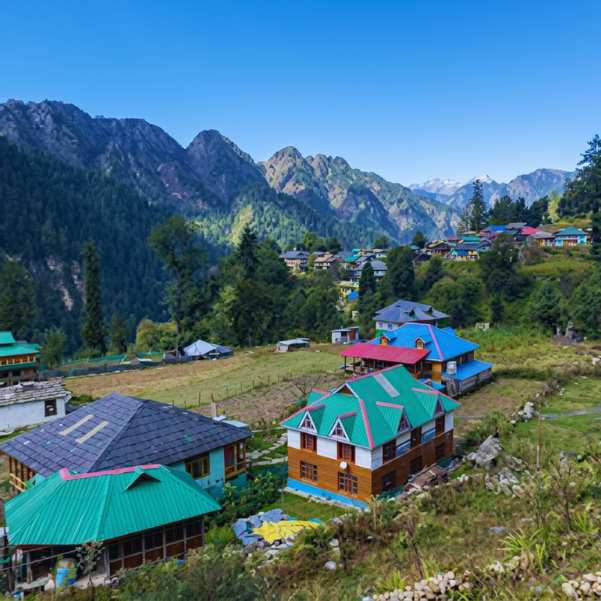
Yes, Tosh works beautifully as a Day 3 stop. After the effort of Kheerganga, the pace slows down and the views open up.
Tosh is a hillside village with cafes that hang over the valley. You do not need a packed plan here. Sit, eat, walk a little, and let your legs recover.
Spend the morning slow. Have a long breakfast at a cafe with a valley view, then wander the upper lanes of the village where the older houses sit.
This is the part of the trip couples and solo travellers tend to love most. There is no checklist, no rush, just the sound of the river far below and mountains stacked in every direction.
The short hike or walk up into Tosh village feels gentle compared to the longer trekking you have already done.
The distance from Barshaini to Tosh is usually described as around 3 to 5 km, depending on the route and starting point, so plan it as an easy final village walk rather than a serious trek.
A 2026 Warning About Reaching Tosh
Here is the honest catch. Tosh access depends entirely on the Barshaini side road, and that road has not been reliable in 2026.
Reports this season mentioned landslides and blockages around the Manikaran-Barshaini road, especially near Ghatigarh. A blocked stretch here can cut off both Tosh and Kheerganga.
So before you commit to Tosh or the trek, check current road status. Do not assume that an open Kasol means an open Barshaini road.
In our experience, the groups who skip this check are the ones who end up stranded at a road block, rearranging their whole trip on the spot.
If you would rather have the routing and stays sorted around the latest road news, look at our Manikaran, Kasol and Tosh weekend trip or message us your dates.
Day 4: How to Visit Manikaran Sahib Before Departure?
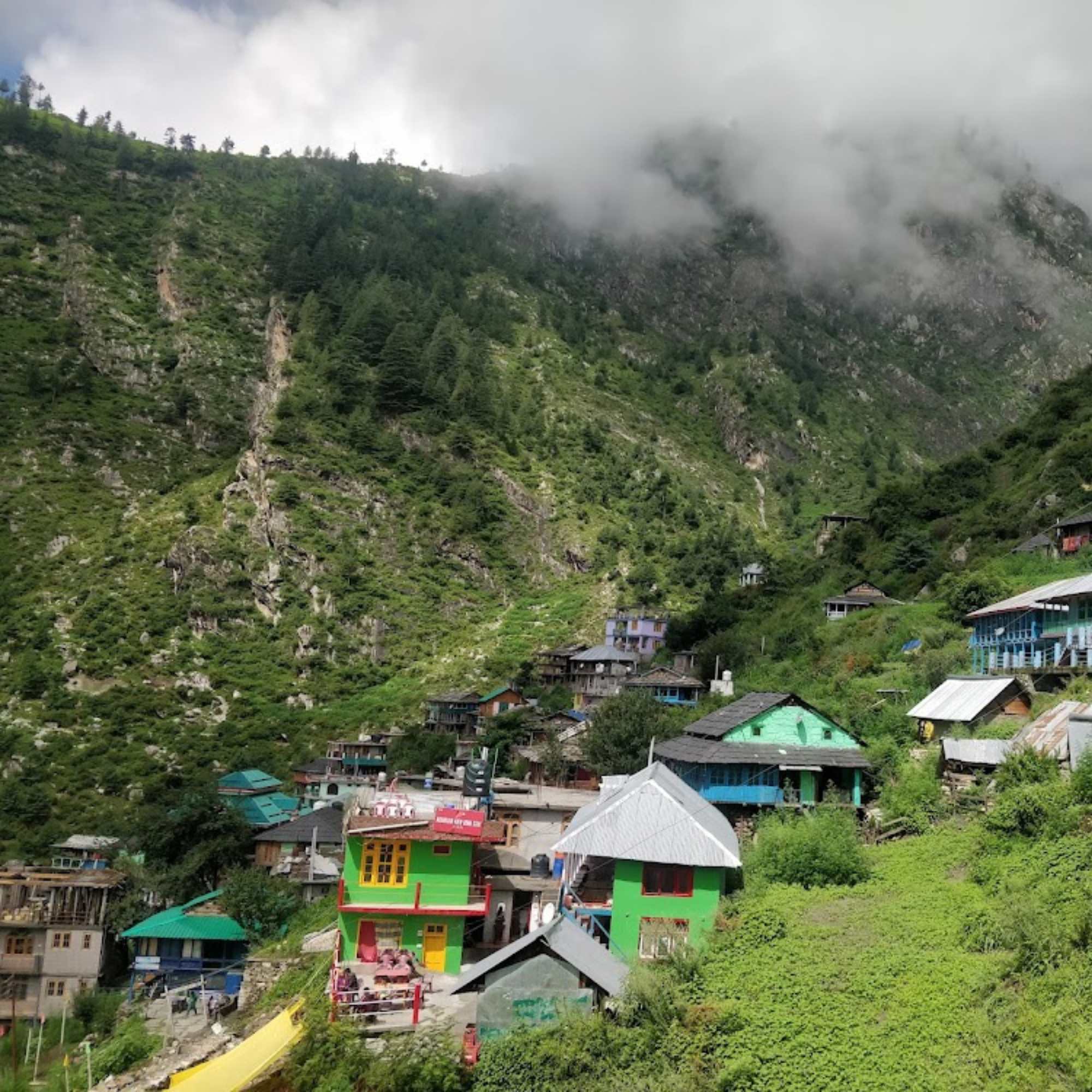
Day 4 is your wind-down and your exit. You travel in the morning from Tosh or Kasol to Manikaran Sahib, then head out through Bhuntar.
Manikaran is close. Sources put the Kasol to Manikaran distance anywhere from 3.5 to 5 km, so call it roughly 4 to 5 km.
The Hot Springs and the Gurudwara
Manikaran is famous for its natural hot springs. The water here is hot enough to cook in, and the steam rising near the river is part of the experience.
You will actually see langar rice and dal being cooked in the spring water, which is one of those small things that sticks with you. The contrast of boiling-hot springs next to the ice-cold Parvati River is what makes this spot strange and memorable.
The gurudwara is the heart of the place. It draws pilgrims all year, and the hot spring inside the complex is a holy dip for many visitors.
Langar Etiquette
If you eat at the langar, behave like a guest in a place of worship. Cover your head, remove your shoes, sit where you are shown and accept the food with both hands.
This is the most honest, warming meal you will have on the trip, and it costs nothing. Do not waste food, and do not treat it as a tourist photo stop.
Eat slowly and sit with it for a minute. After a few days of cafe food, a simple plate of langar dal and rice in a working gurudwara is a different kind of full.
Departure via Bhuntar
After Manikaran, you make your way to Bhuntar to catch your onward bus or transfer. Most exits from this valley run through Bhuntar.
One important 2026 note. District Kullu issued a tourist-season order regulating heavy vehicles and Volvo buses on the Bhuntar-Manikaran road from 14 April 2026 to 31 August 2026, because the road is narrow and tourist traffic is heavy.
Plan your departure timing with this in mind, since it can affect when larger buses move on that stretch.
Best Time to Follow This Kasol 4-Day Itinerary
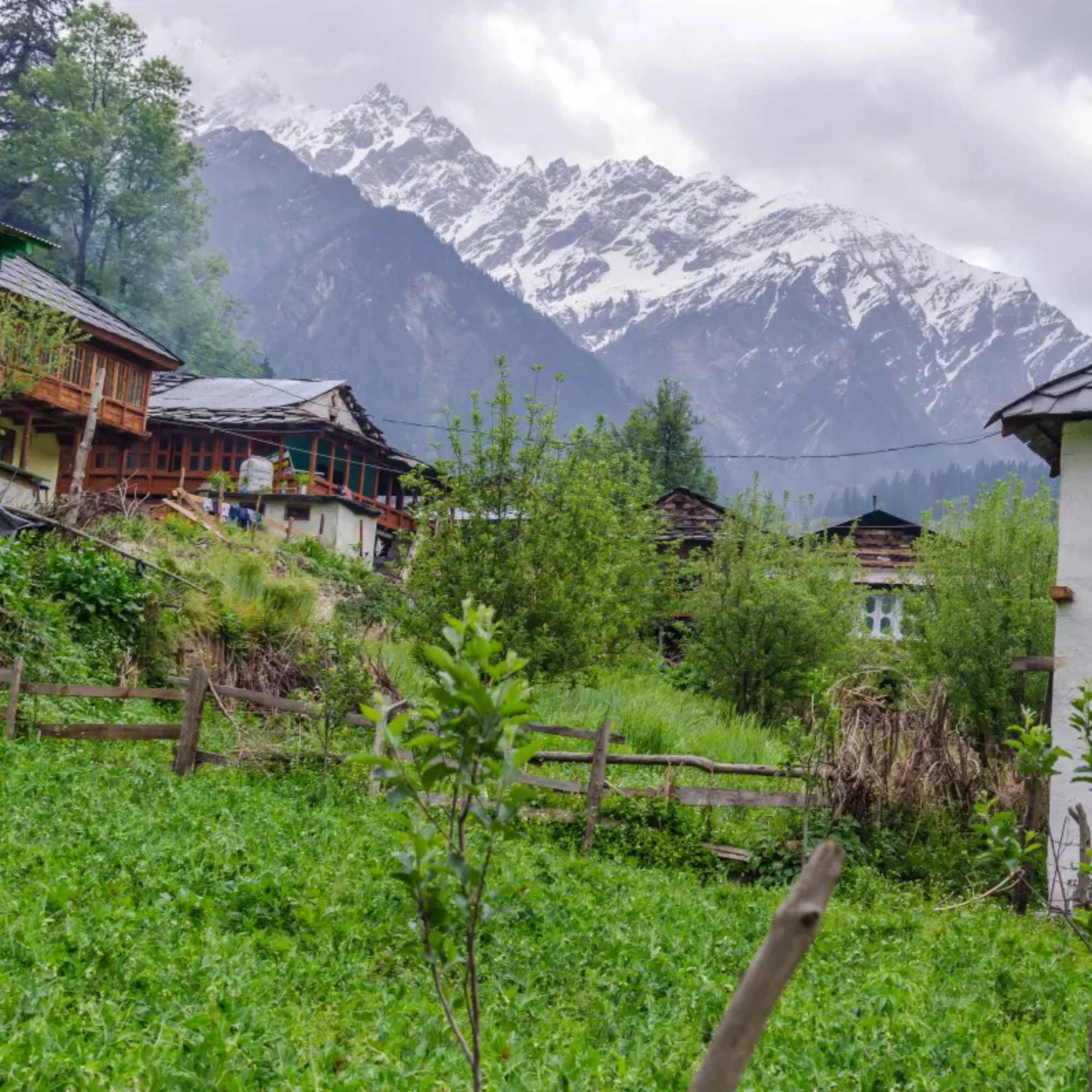
March to June is the window most travellers and guides recommend for pleasant weather. Days are comfortable, the valley is green, and the higher trails open up as snow clears.
September to November works as a practical post-monsoon window too, with clearer skies and thinner crowds.
Monsoon is the risky season. The region sees road blockages, mudslides and landslides, and a single bad day can shut your route for hours.
Winter can look stunning, with snow over the higher villages. But Tosh and Kheerganga access then depends on snow conditions and local advice, so do not plan that blind.
For first-timers doing this exact four-day plan, we usually point them at the late spring or early autumn windows for the steadiest roads.
If you only care about cafes, the river and an easy Chalal walk, almost any open-season month works. The trek and the Tosh leg are the parts that really depend on timing, weather and road status.
Kasol 4-Day Budget: What Should You Expect?
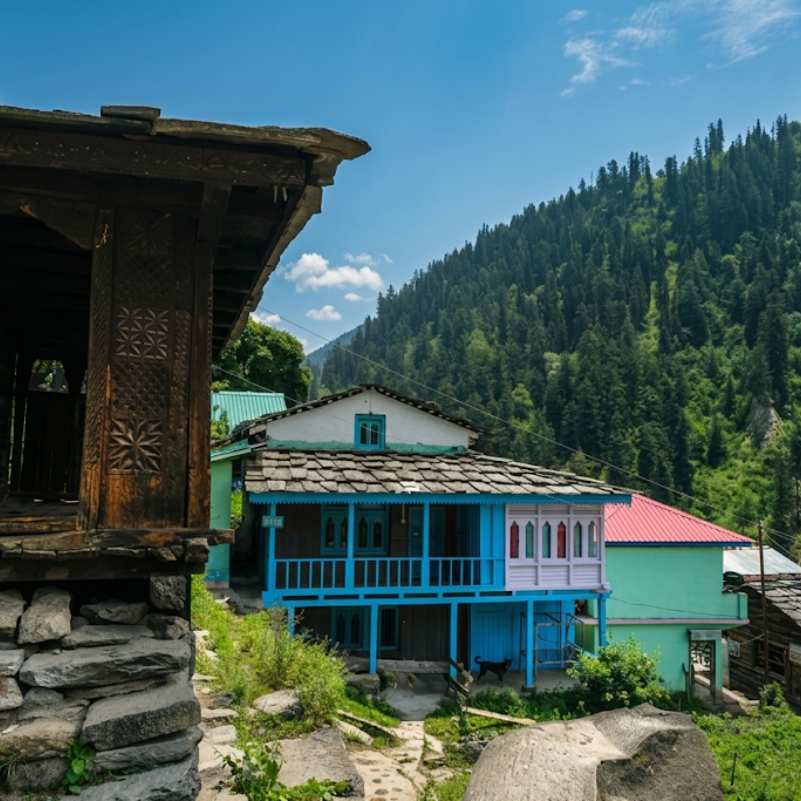
Let me give you real numbers instead of a made-up figure.
Our own package page shows ₹15,999 per person for a 3 Nights / 4 Days Manikaran, Kasol and Tosh weekend trip.
Your final cost depends on whether you take a bus or a private taxi, how many people share a room, the season, your meals, local transfers and any guide or permit charges.
The single biggest lever is room sharing. Going from double to quad sharing usually drops your per-person cost the most, which is why the figures above swing so much.
A self-planned budget trip with shared transport and cheaper rooms sits at the lower end. A private taxi, double room and guided trek pushes you toward the higher end.
Whatever route you pick, keep a cash cushion for the parts no package covers, like extra meals at trail tea points, local autos and small entry or parking fees.
Where Should You Stay: Kasol, Chalal, Tosh or Kheerganga?
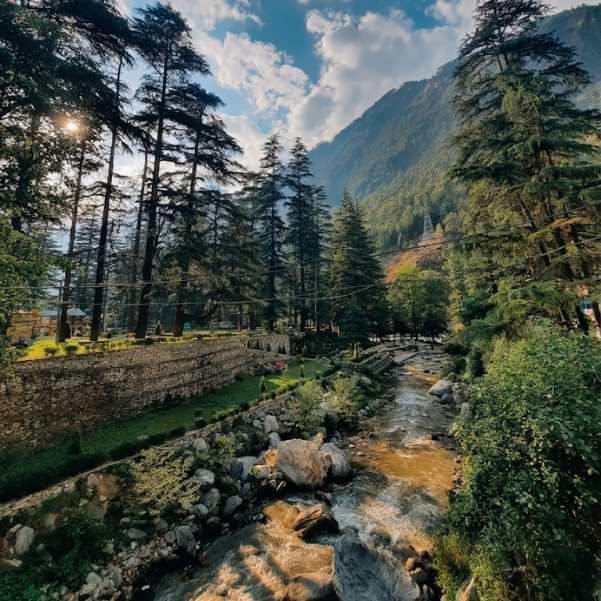
Each base gives you a different trip, so pick by what you actually want.
Kasol
Kasol is the easiest choice. You get the most cafes, the best transport links and the simplest early-morning transfers. If you want zero hassle, stay here.
Chalal
Chalal is quieter and greener, with a calmer crowd by the river. The trade-off is that it is less convenient for early transfers, since you have to walk back towards Kasol first.
Tosh
Tosh is the scenic, slow base with the best valley views. But staying here only makes sense if the Barshaini side road is open, so confirm that before booking.
Kheerganga
Kheerganga is for people who want the full trek-and-camp experience at the top. Weather, local rules and camping or permit arrangements all need checking before you leave, so do not treat a night up there as guaranteed.
In our experience, most four-day travellers are happiest basing in Kasol and using Tosh for one night, rather than shifting bags every single day.
A Quick Word for Couples and Solo Travellers
Couples tend to enjoy this plan most with a Tosh night built in, since the slow village pace and valley-view cafes suit a quieter trip. Pick a stay with a balcony and you have done the hard part.
Solo travellers fit in easily here too. The hostels and cafes make it simple to meet other people, and the Kheerganga trail is popular enough that you are rarely walking it completely alone.
How to Reach Kasol for This Itinerary
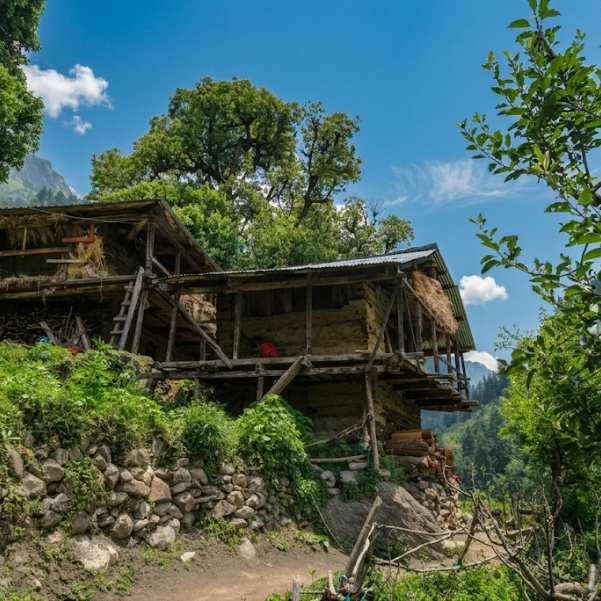
Most travellers reach this valley by overnight bus towards the Bhuntar and Kasol side, then continue by local taxi or bus into Kasol.
If you are coming from Delhi, the usual plan is an overnight bus that drops you near Bhuntar or Kasol by morning. You then make a short onward hop to Kasol itself, which fits this four-day plan well since Day 1 is light.
HRTC, the state bus service, allows advance booking on its official site for up to 60 days. Booking ahead is smart in peak months when seats fill fast.
I will not quote a fixed bus fare here, because rates shift by service and season.
Expect delays during peak tourist months and in bad weather. Roads in this region run slower than your map app promises, so build in buffer time on travel days.
For a Delhi to Kasol trip over four days, the overnight bus both ways is what saves you a full day of daylight travel at each end. It is tiring but efficient.
Important 2026 Road, Permit and Safety Notes
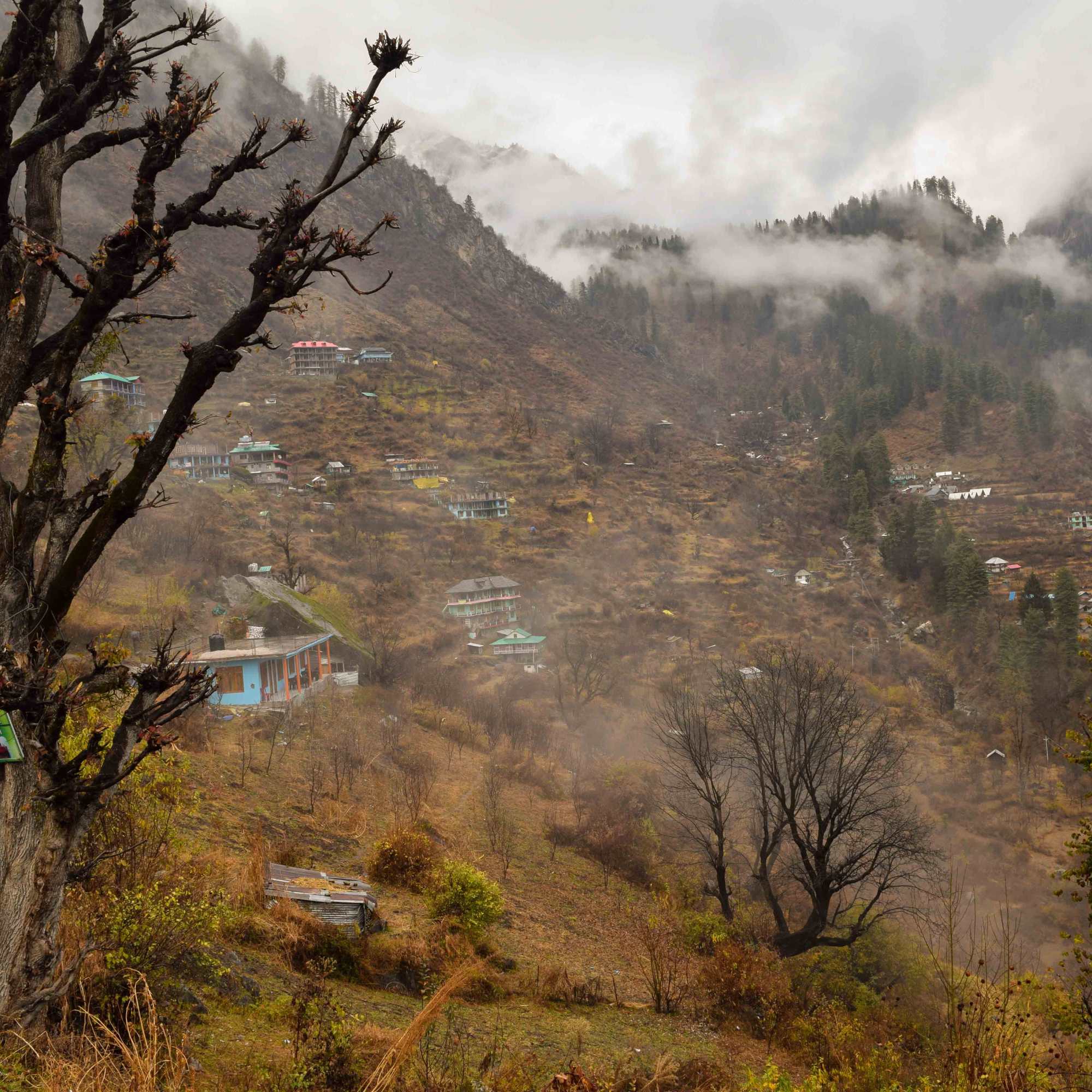
This is the section to read twice before you travel.
District Kullu's official 2026 order regulates heavy vehicles and Volvo buses on the Bhuntar-Manikaran road from 14 April 2026 to 31 August 2026, due to the narrow road and heavy tourist inflow. Factor this into your bus timing.
2026 reports also flagged landslides and blockages on the Manikaran-Barshaini road around Ghatigarh, plus disruptions on the Bhuntar-Manikaran stretch. Daily road status must be verified before you travel.
For permits, some Kheerganga trek operators include the forest permit or local entry charge in their package cost.
Since local rules and charges can change from season to season, confirm the latest amount with your operator before departure and carry a little extra cash for any on-ground payment.
Two more things that matter here. Do not carry or use any illegal substances, no matter what you hear about this valley, and do not litter the trails.
Carry cash. Kasol ATMs are not always reliable, so withdraw what you need in Bhuntar before you head up.
If you are still torn between this valley and a quieter alternative, our honest comparison on Jibhi or Kasol, which is better lays out the trade-offs.
What to Pack for Kasol, Tosh and Kheerganga
Pack light but smart. The weather here changes quickly, and nights feel cold even when the day was warm and sunny.
Bring proper trekking shoes with grip, a warm layer like a fleece, and a rain jacket. These three save your trip more than anything else you carry.
Add a power bank, since charging is patchy in the higher villages, and cash, because cards and UPI are unreliable beyond Kasol.
Carry your ID, a small kit of basic medicines for headaches, nausea and stomach trouble, sunscreen for the strong high-altitude sun, and a reusable water bottle.
Keep a light day bag for the Kheerganga climb so you are not hauling your full luggage up the trail.
If your stay has a luggage room, leave your main bag there on trek day and carry only what you need. Most Kasol and Barshaini stays will hold it for you while you are up at Kheerganga.
Who Should Avoid This Exact Itinerary?
Be honest with yourself before you book this plan.
If you have knee problems, low fitness or are travelling with small children, the Kheerganga trek will hurt more than it helps. Skip it.
If your return travel is very tight, do not gamble the whole trip on a long trek day where one road block can throw everything off.
For all these cases, swap Kheerganga for a slower plan. Do Kasol, Chalal, Manikaran and a relaxed night in Tosh instead, and you still get the best of the valley.
During heavy rain, decide on Barshaini, Tosh and Kheerganga only after checking local road conditions on the day. Do not pre-commit to them from your living room.
👉 Need help fine-tuning your itinerary? Chat with our Himachal team on WhatsApp.
For more valley options nearby, our guides on Jibhi and Tirthan Valley and Manali tour packages are worth a look.
Related topics
Frequently Asked Questions
Is 4 days enough for Kasol?
Yes, four days is enough for Kasol, Chalal, Kheerganga, Tosh and Manikaran, as long as you do not add Malana, Grahan or the Pulga and Kalga villages on top.
What is the best 4-day itinerary for Kasol?
Day 1 Kasol and Chalal, Day 2 the Kheerganga trek from Barshaini, Day 3 Tosh, and Day 4 Manikaran Sahib before departing via Bhuntar.
Can I cover Tosh, Kheerganga, Manikaran and Chalal in 4 days?
Yes. This four-day plan is built exactly for that, with one full day kept aside for the Kheerganga climb so nothing feels rushed.
How difficult is Kheerganga trek for beginners?
It is moderate. You do not need to be an athlete, but you do need basic fitness, good shoes and an early start. Pace yourself and take breaks.
How far is Manikaran from Kasol?
Sources vary, so plan for roughly 4 to 5 km. It is a short ride, and Manikaran is famous for its hot springs and gurudwara.
How far is Chalal from Kasol?
Around 30 to 60 minutes on foot depending on your pace. The trail runs along the river through pine forest and is gentle enough for most people.
How many hours does Kheerganga trek take?
Trek operators commonly describe it as about 5 to 6 hours from Barshaini to the top, before you add rest stops and your descent.
Is Kasol safe for solo travellers?
Yes, Kasol is generally fine for solo travellers. Carry cash from Bhuntar, avoid illegal substances completely, and check road status before heading to Barshaini, Tosh or Kheerganga.
What is the best time to visit Kasol and Tosh?
March to June is the most recommended window for pleasant weather. September to November also works as a post-monsoon option. Avoid monsoon for road risk.
Is Kheerganga open in 2026?
Access depends on the Barshaini side road and on weather. With 2026 reports of landslides near Ghatigarh, you must verify current road and trail status before planning it.
Are there road restrictions in Kasol in 2026?
Yes. District Kullu's 2026 order regulates heavy vehicles and Volvo buses on the Bhuntar-Manikaran road from 14 April 2026 to 31 August 2026 due to narrow roads and tourist inflow.
More about Kasol
 Kasol
KasolShimla Manali Kasol Itinerary 2026: 7, 8 and 9 Day Routes Without Rushing
Plan a relaxed Shimla Manali Kasol itinerary for 2026 with practical 7, 8 and 9 day routes covering Himachal’s key sights without rushing between destinations.
- Itinerary
- Places to Visit
- Kasol
Best Offbeat Places Near Kasol Most Tourists Miss in 2026
Escape the crowds and discover the hidden side of Kasol in 2026. From peaceful villages and untouched valleys to scenic trails and secret viewpoints, these offbeat places near Kasol offer authentic Himalayan experiences that most tourists completely miss.
- Places to Visit
- Things to Do
 Kasol
KasolRasol Village Trek From Kasol 2026: Route, Distance & What to Expect
Planning the Rasol Village Trek from Kasol in 2026? Explore the complete trekking route, distance, difficulty level, stay options, and essential travel tips to experience one of Parvati Valley’s most peaceful and offbeat Himalayan villages.
- Things to Do