
Kasol Itinerary for 3 Days in 2026: Cafés, Chalal, Manikaran & Tosh
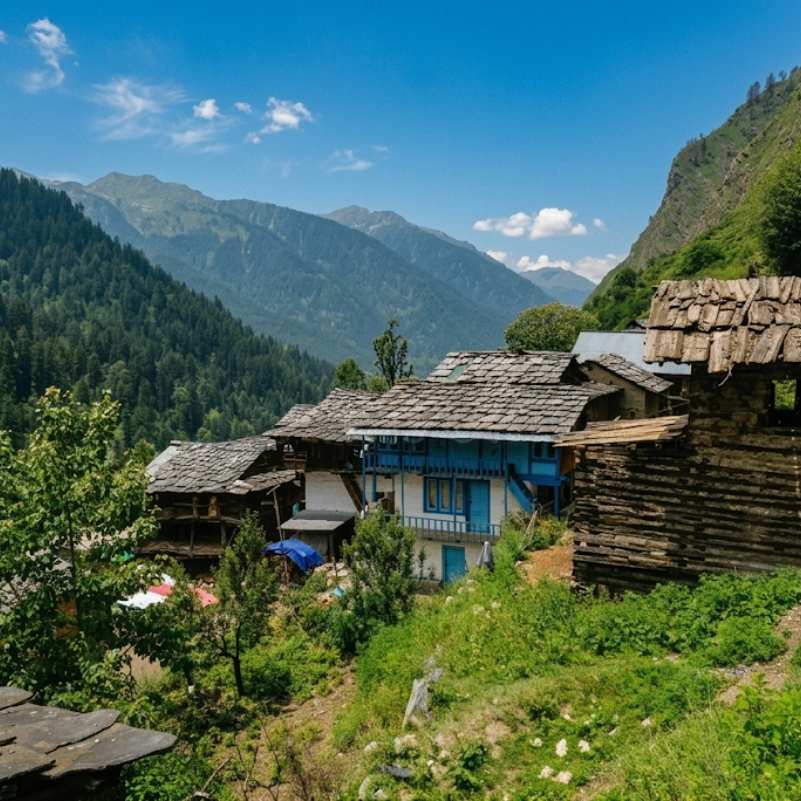
Most people who search for a Kasol itinerary for 3 days end up with a plan that tries to squeeze in Kheerganga, Malana, Tosh and every café in the valley into one weekend.
Then they spend two of those three days in a vehicle, exhausted, wondering why everyone online made it sound so easy.
The truth is, Kasol is not a place you rush through. It is a small hamlet in Parvati Valley, sitting at about 1,580 m on the banks of the Parvati River, and the best version of a 3-day trip here is one where you actually sit still long enough to feel the place.
We have sent hundreds of travellers to Kasol over the years. The ones who come back happiest are not the ones who covered the most ground. They are the ones who picked a few things, did them well, and left time for a second cup of coffee by the river.
This is the plan that works.
Quick Answer: Best 3 Day Kasol Itinerary
The best 3 day Kasol itinerary breaks down like this. Day 1 is for Kasol itself: café breakfast, a slow walk along the Parvati River, the main market, and the easy walk to Chalal.
Day 2 is for Manikaran Sahib in the morning and Tosh via Barshaini if the road and weather conditions allow. Day 3 is a relaxed café breakfast, some last-minute shopping, and departure via Bhuntar.
This plan covers the four places most first-timers want to see without turning the trip into a marathon. If you want to add Kheerganga or Malana, you need at least one extra day.
>>Want help planning your Kasol dates? Talk to our team on WhatsApp.
Is 3 Days Enough for Kasol?
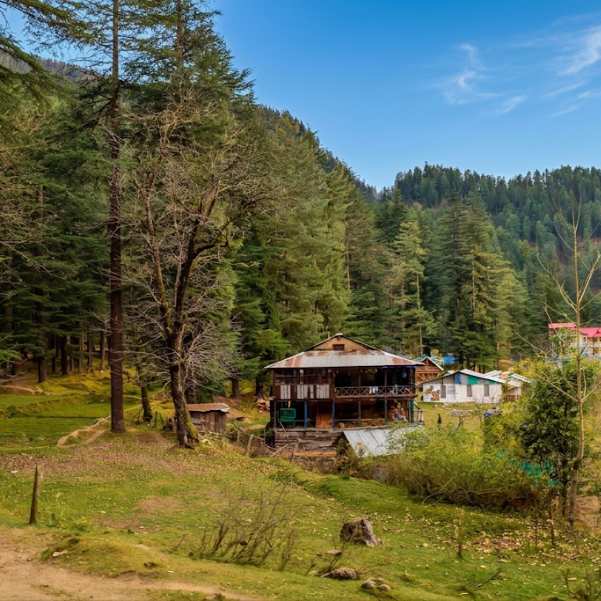
Three days is enough for Kasol, Chalal, Manikaran and Tosh if you do not try to do everything. You will have time to eat at a few good cafés, sit by the river, walk to Chalal, see the hot springs at Manikaran, and get up to Tosh for the views.
What 3 days is not enough for is Kheerganga, Malana, Kalga, Pulga and longer treks. Those need a 4 to 5 day window. Trying to cram them in means you spend your time in transit and do not actually enjoy any of it.
Our team always tells first-timers the same thing: Kasol rewards you for slowing down. Rush it and you will leave feeling like you missed the point.
Take it easy and you will understand why people keep coming back to this valley. If you want help building a trip that fits your pace, check out our Kasol tour packages.
Kasol 3 Day Itinerary at a Glance
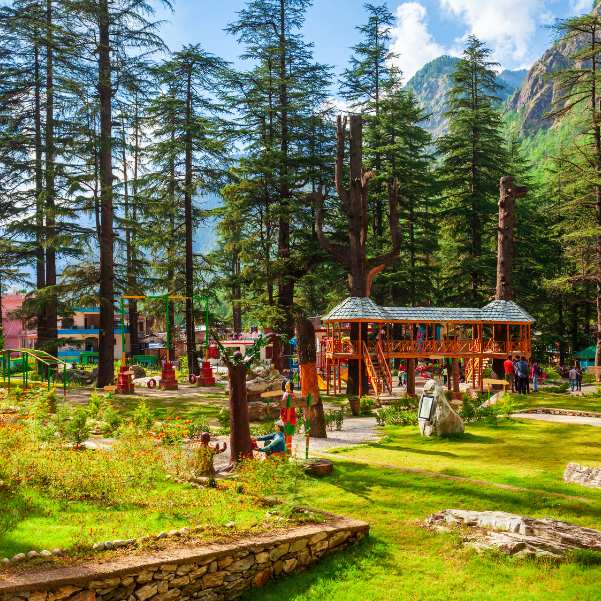
Day 1: Kasol Cafés, Parvati River, Market and Chalal
Arrive in Kasol by morning if you took an overnight bus from Delhi. Check into your hotel or guesthouse, drop your bags, and head straight to a café for a late breakfast.
Spend the rest of the morning along the Parvati River. The riverside stretch near the main bridge is where most travellers sit, read, and do nothing productive for hours.
After lunch, walk through the Kasol market. It is small, mostly one main stretch with clothing shops, jewellery stalls, and a few bookstores.
In the afternoon, take the easy walk to Chalal, which is about a 30-minute walk from Kasol along a riverside trail. Come back for dinner at another café.
Day 2: Manikaran Sahib, Barshaini and Tosh
Start early. Head to Manikaran Sahib first, which is about 3.5 to 5 km from Kasol. The hot springs and the gurudwara are worth an hour or two. After Manikaran, continue to Barshaini and then hike up to Tosh if road conditions are fine.
Check the road status before heading to Barshaini. A landslide was reported in 2026 on the Manikaran-Barshaini link road at Ghatigarh, so always verify the current situation before committing to this stretch.
Day 3: Café Breakfast, Shopping and Departure
No rush on the last morning. Have a slow breakfast at a café you missed on Day 1. Take one last walk along the river. Pick up anything you want from the market. Then head to Bhuntar for your return bus or onward travel.
How to Reach Kasol for a 3 Day Trip
Most travellers coming from Delhi take an overnight bus to Bhuntar. The distance is about 517 km and the journey usually takes 10 to 14 hours depending on traffic, weather, road conditions and bus type.
HRTC runs regular buses on this route, and they allow online advance booking up to 60 days in advance. Private Volvo and semi-sleeper buses also run nightly from Delhi.
Budget bus fares run around ₹1,500 to ₹1,900 round trip, while semi-sleeper and Volvo options cost around ₹3,000 to ₹4,000 round trip.
From Bhuntar, Kasol is about 31 km away. You can take a local HRTC bus, a shared taxi, or a private taxi. The local bus is the cheapest option and runs frequently through the day.
A shared taxi from Bhuntar to Kasol costs slightly more than a local bus, but it can save waiting time. For a budget round trip, keep around ₹200 to ₹500 per person if you are using local buses or shared transport. For a private cab, budget higher.
Local taxi estimates often start around ₹800 to ₹1,500 one way, while online cab platforms can show fares around ₹3,000 one way or more. So for a comfortable private option, keep a flexible budget and confirm the fare locally before starting.
One money-saving tip most travel blogs skip
The local bus from Bhuntar to Kasol costs a fraction of what taxi drivers at the bus stand will quote you. Drivers often ask ₹800 to ₹1,200 for a private run.
The HRTC bus does the same route for under ₹100 and drops you right in Kasol. Save that money for cafés.
Day 1 in Detail: Kasol Cafés, Market, River Walk and Chalal
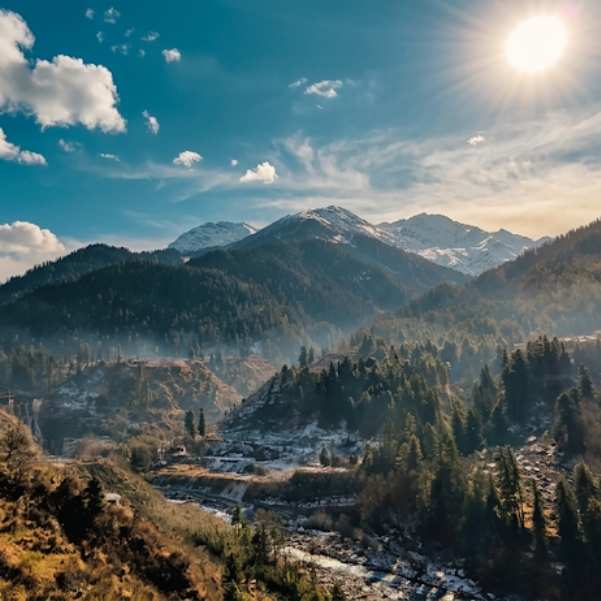
Your first day in Kasol should not have an agenda. That is the whole point. You have just spent 10-plus hours on a bus. Your body needs food, fresh air, and zero pressure.
Start with breakfast at one of the cafés near the main market. Order something slow — pancakes, a coffee, maybe shakshuka if the place does Israeli food. Sit for a while. The river is audible from most cafés and there is no reason to hurry.
After breakfast, walk down to the Parvati River. The stretch near the main bridge is the most popular spot, but walk a bit further in either direction and you will find quieter rocks to sit on. This is where most travellers end up spending more time than they planned, which is exactly the right approach.
What most tourists get wrong about Kasol is treating it like a checklist. They run from café to café, snap a photo at the bridge, and rush to Chalal before lunch. The valley does not reward that energy. Two to three cafés in a day is plenty. The rest of the time should be unstructured.
The Kasol market is a short, single-lane stretch with shops selling woollen clothes, Parvati Valley jewellery, hemp products, and books. You can walk the whole thing in 20 minutes. It is more interesting in the evening when stalls light up and the chai stands get busy.
In the afternoon, walk to Chalal. The trail starts near the main bridge and follows the river for about 30 minutes. It is flat, easy, and not a trek by any definition.
Chalal is a small village with a few guesthouses and cafés of its own. Walk in, have a tea, and walk back before it gets dark. The trail is not lit at night and not worth navigating after sunset.
For dinner, try a different café than your breakfast spot. Kasol has enough variety that you can eat at a new place every meal for 3 days and not repeat. Still trying to decide between Kasol and the quieter valleys? Our Jibhi or Kasol comparison breaks down the differences honestly.
Which Cafés Should You Try in Kasol?
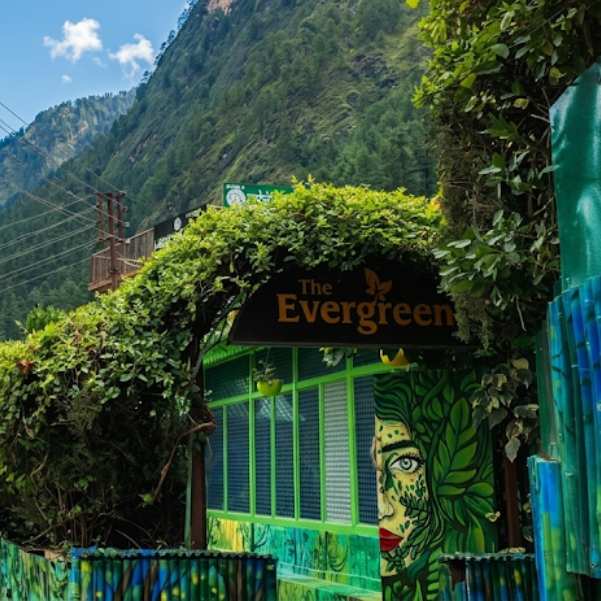
Kasol's café culture is a big part of why people come here. The food is a mix of Israeli, Italian, Tibetan and Indian, and most places have a laid-back vibe that encourages sitting for hours.
Evergreen Café
Evergreen Café is one of the most well-known spots, right on the main road. It has been around for years and the trout here gets recommended constantly.
Moon Dance Café
Moon Dance Café sits near the river and has the kind of view that makes you forget what time it is.
Jim Morrison Café
Jim Morrison Café is popular with backpackers and has a strong music-and-chill atmosphere.
Stone Garden
Stone Garden is a quieter option slightly away from the main market area, good for when you want less crowd and more conversation.
Buddha Place gets mentioned a lot for its baked goods and coffee. Freedom Café and Pink Floyd Café round out the list of places that most travellers end up at during a Kasol trip.
Here is the thing though: cafés in Kasol change timings, menus, and sometimes even names between seasons. A place that was open every day last summer might be shut on your visit.
Do not plan your entire day around a specific café. Walk around, see what is open, sit down where the vibe feels right.
Common café food includes shakshuka, hummus plates, wood-fired pizza, pasta, banana pancakes, brownies, hot chocolate, and good filter coffee. A single café meal usually costs around ₹300 to ₹800 per person, depending on what you order.
Skip the overpriced "special menu" items that some cafés push during peak season. The regular menu items are almost always better value and better quality.
If a café is charging more than ₹400 for a basic pasta or pizza, you are paying for the view, not the food. Walk 5 minutes in any direction and you will find the same dish for less.
Day 2 in Detail: Manikaran Sahib and Tosh
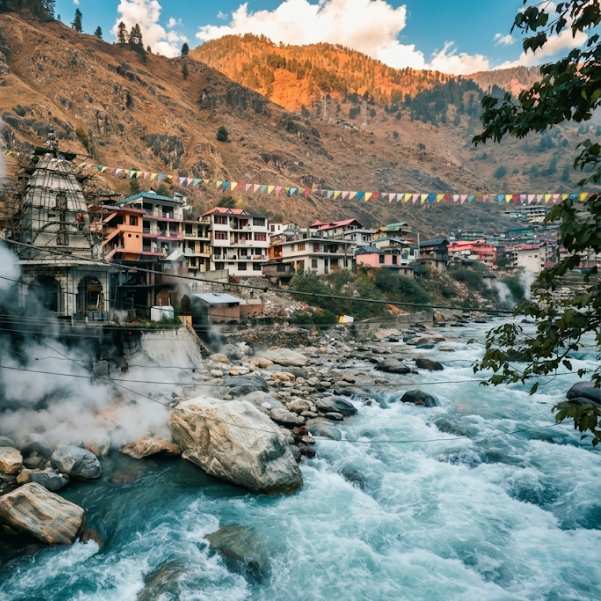
Day 2 is the most activity-heavy day in this itinerary, so start early. Have a quick chai and head out by 8 to 8:30 AM.
Manikaran Sahib
Manikaran is about 3.5 to 5 km from Kasol. You can walk it along the road in about 40 to 50 minutes, or take a shared auto for a few rupees. Walking is more enjoyable; the road follows the Parvati River and the morning air in the valley is worth the effort.
Manikaran is famous for its hot springs and the large Gurudwara Manikaran Sahib, which serves langar (community meals) to all visitors regardless of religion.
The hot springs are genuinely hot, locals cook rice and dal in the natural boiling water, and you can see this happening near the gurudwara.
In our experience, an hour to ninety minutes at Manikaran is enough for most travellers. See the hot springs, visit the gurudwara, have langar if you want, and move on. What we always tell our travellers: do not miss the langar at the gurudwara.
It is simple food: dal, rice, roti but eating a warm meal cooked with hot spring water in a centuries-old place is an experience that stays with you. And it is free, served to everyone.
Barshaini and Tosh
After Manikaran, continue towards Barshaini, which is at about 2,200 m and acts as the gateway to both Tosh and Kheerganga.
From Barshaini, Tosh is about a one-hour hike uphill. The village sits at about 2,400 m and the views from up there, the valley below, snow peaks above make the climb worth it.
But here is the important part: check the road status before heading to Barshaini. In 2026, a landslide was reported on the Manikaran-Barshaini link road at Ghatigarh.
We are not saying the road is closed right now, but conditions in this area change quickly and you should verify before committing to this stretch.
If the road is fine, the Manikaran to Barshaini drive takes about 30 to 40 minutes. If it is not, do not force it. Spend the extra time back in Kasol at another café or take a longer walk along the river. Tosh is beautiful, but it is not worth a dangerous road.
Reach Tosh by early afternoon if possible. The light is best before 3 PM and the village feels completely different when the afternoon sun hits the upper valley. Have lunch at one of the small cafés in Tosh, enjoy the views, and start heading back to Kasol by late afternoon.
>>Need a customized Kasol itinerary for your dates? Talk to our team on WhatsApp.
Should You Add Kheerganga or Malana to This 3 Day Kasol Itinerary?
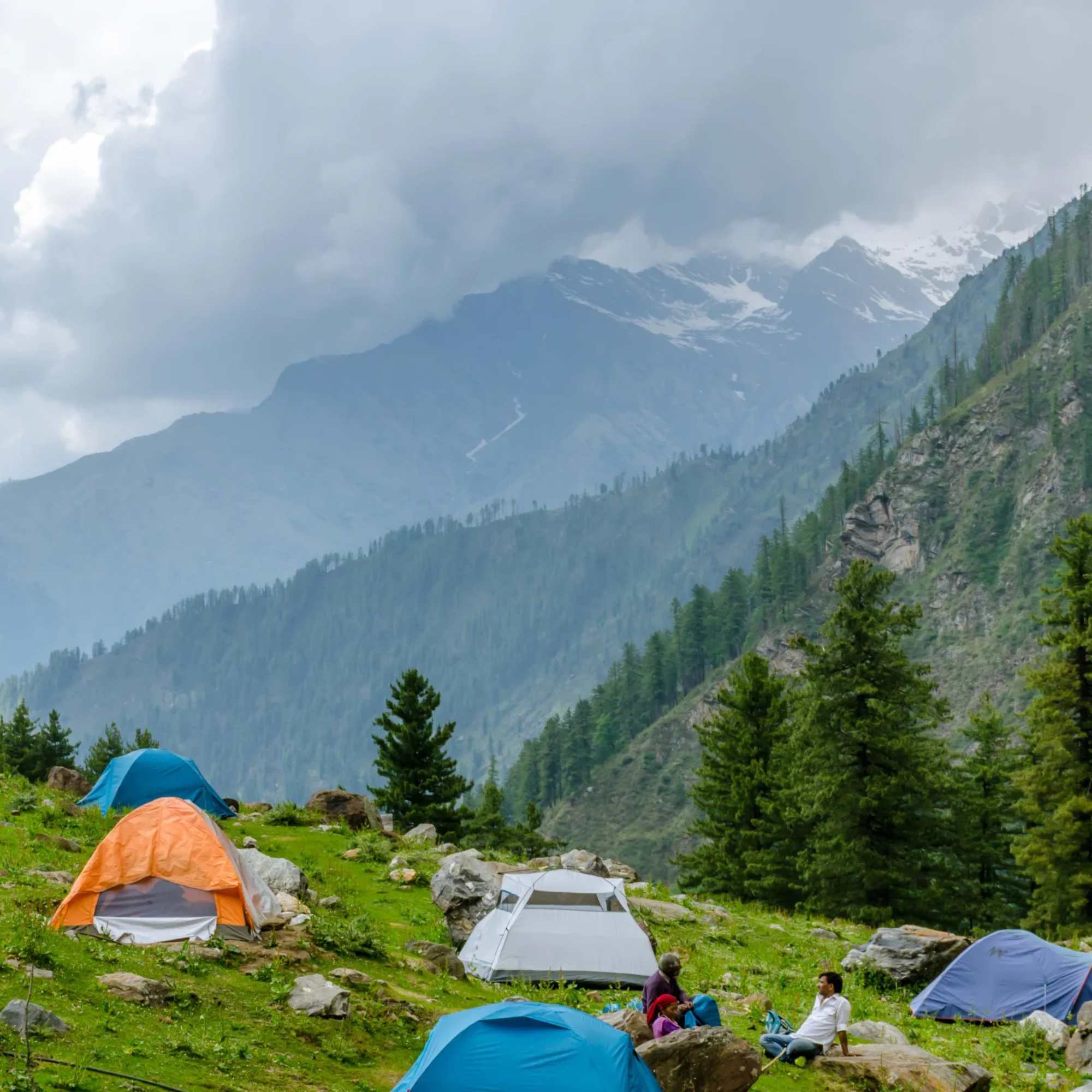
This is the question we get asked the most, and the honest answer is: not if you only have 3 days.
Kheerganga
Kheerganga is a proper trek. The trail from Barshaini takes about 4 to 5 hours one way, and you need to camp overnight at the top to do it justice.
That is a full day gone plus another half day for the return. Fitting that into a 3-day Kasol trip means either skipping Manikaran and Tosh entirely, or rushing through everything.
Malana
Malana is a separate detour and adds its own travel time. It is interesting, but it needs a dedicated day.
Our team recommends adding one extra day if Kheerganga is on your list. A 4-day plan gives you enough room to do Kasol, Chalal, Manikaran, and Kheerganga comfortably. A 5-day plan lets you add Tosh or Malana on top of that.
If you are already thinking about extending the trip, consider combining Kasol with Manali for a broader Himachal circuit. Our Manali tour packages work well as add-ons, and there are some great adventure activities in Manali if you want to balance café culture with something more active.
What Is the Best Time to Visit Kasol for This Itinerary?
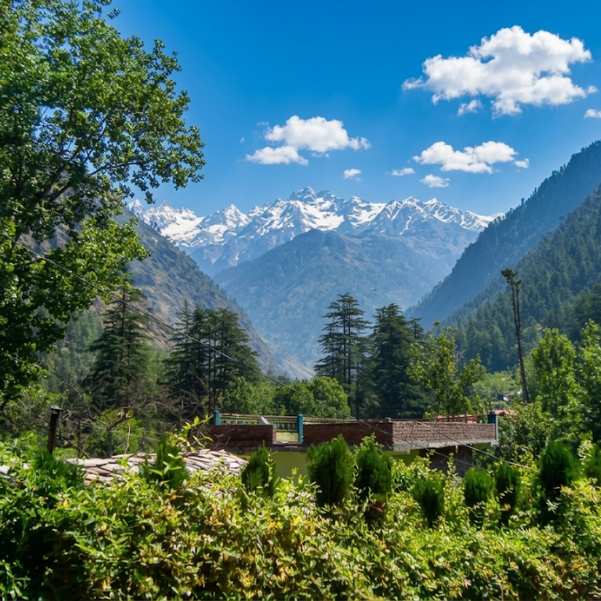
March to June and October to November
These are the easiest months for this itinerary. The cafés are open, the trails are dry, roads to Tosh and Barshaini are usually accessible, and the weather is comfortable during the day.
March and April bring a slight chill and some wildflowers. May and June are warm and the busiest months.
July to September
July to September is monsoon season and you need to be careful. Landslides can block the Bhuntar-Kasol road and the Manikaran-Barshaini stretch.
Parvati River swells and can be dangerous near the banks. It is still possible to visit, but carry rain gear and build flexibility into your plan.
December to February
December to February is cold and beautiful if you like winter mountains. Kasol itself stays accessible, but Tosh and upper villages may be cut off by snow or poor road conditions.
Café hours may be shorter and some places shut down entirely. Pack heavy woollens and do not count on Tosh being reachable.
The sweet spot for first-timers is late March to early May or October. Good weather, manageable crowds, and everything open.
Kasol Trip Cost for 3 Days in 2026
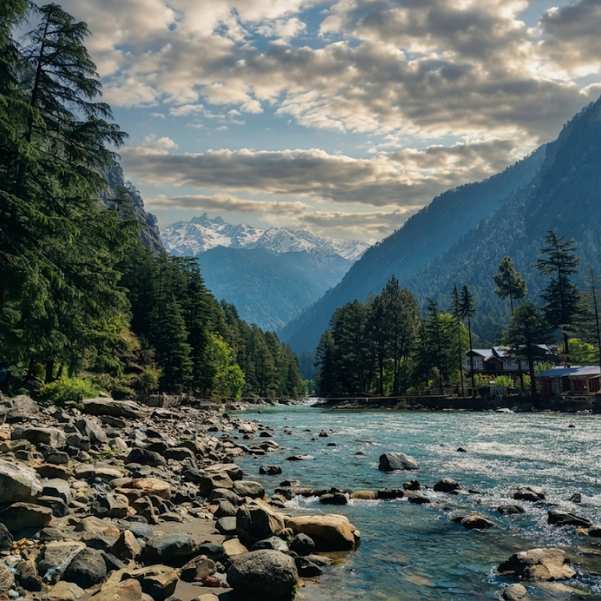
Here is what a 3 day Kasol trip costs in 2026, broken into budget and mid-range estimates.
A budget trip runs about ₹4,500 to ₹7,000 per person. That includes a Delhi to Bhuntar bus round trip at roughly ₹1,500 to ₹2,500, Bhuntar to Kasol round trip at about ₹200 to ₹500, accommodation for 2 nights at ₹1,000 to ₹2,500 in hostels or basic guesthouses, food for 3 days at ₹1,200 to ₹1,800 eating at a mix of dhabas and budget cafés, and local transport plus any entry fees at ₹300 to ₹700.
A mid-range trip runs about ₹10,000 to ₹18,500 per person. That means a better bus at ₹3,000 to ₹4,500 round trip, private or comfortable taxi from Bhuntar at ₹500 to ₹1,500, a decent hotel or riverside guesthouse for 2 nights at ₹3,000 to ₹6,000, eating at proper cafés all 3 days at ₹2,500 to ₹4,000, and comfortable local transport at ₹800 to ₹1,500.
These are estimates. Prices shift based on season, availability, and how many wood-fired pizzas you order at Jim Morrison Café. The biggest variable is accommodation — during peak season (May, June, and long weekends), room prices in Kasol can double overnight.
Where to Stay in Kasol for a 3 Day Itinerary?
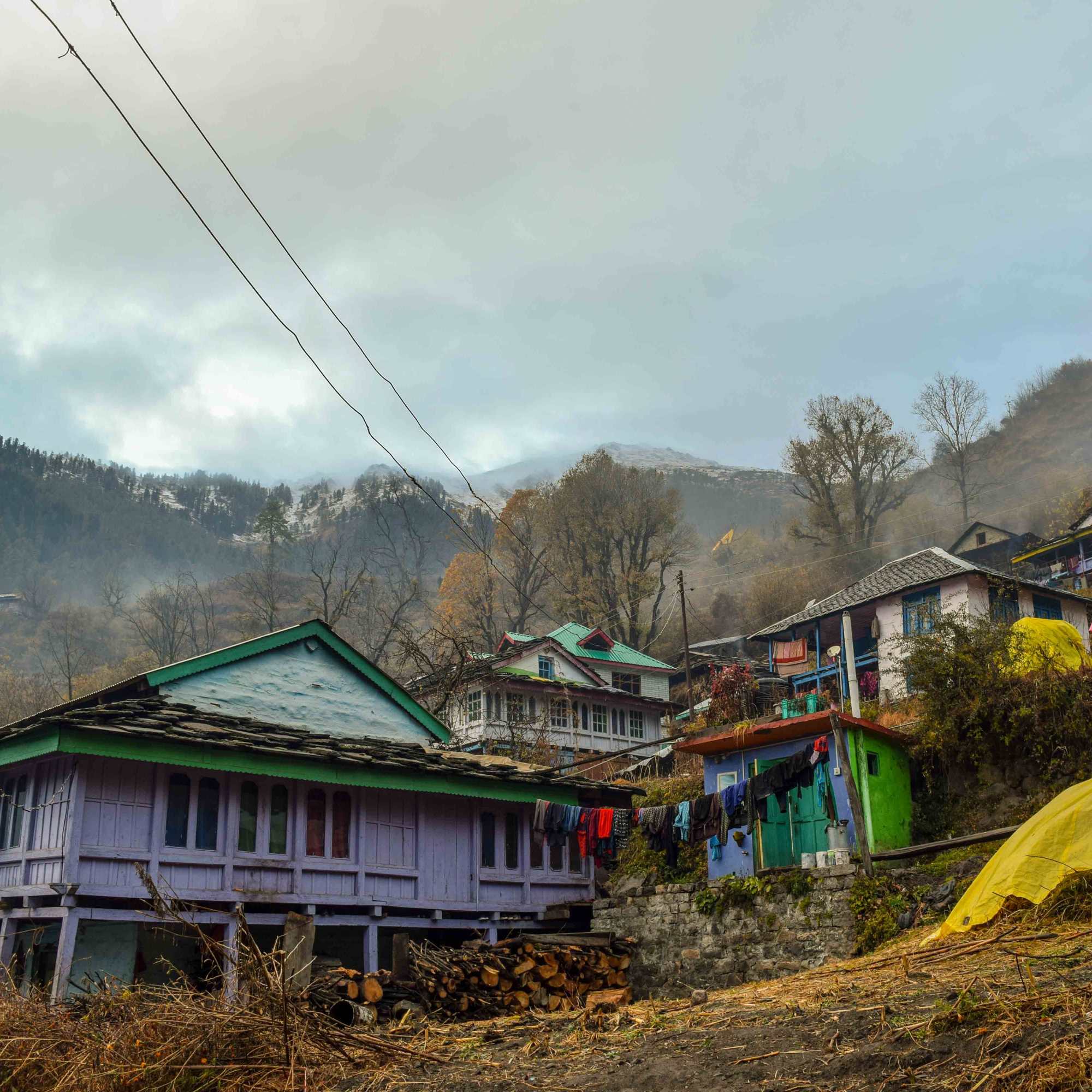
Your stay location shapes the entire trip, so pick based on what kind of experience you want.
Main Kasol
Main Kasol is the most convenient option. You are close to the market, the bus stop, the bridge, and most of the popular cafés. Families and couples who want easy access to everything should stay here. Hotels and guesthouses along the main road range from basic to comfortable.
Chalal and Katagla
Chalal and the Katagla side offer a quieter alternative. You are a short walk from Kasol but away from the crowd and noise.
Backpackers and solo travellers who want a more laid-back atmosphere prefer this side. Expect basic guesthouses and homestays with better views and less convenience.
Tosh
Tosh is an option if you want to stay overnight in the mountains and are comfortable with the hike from Barshaini plus the road and weather uncertainty.
Tosh has guesthouses and hostels with incredible valley views, but getting there depends on the road being open. Do not book Tosh accommodation for all 3 nights unless you are sure about access.
For a first-time 3-day trip, we usually recommend staying in main Kasol for both nights. It keeps logistics simple and lets you use Kasol as a base for everything else.
For quieter valleys with a similar feel but fewer crowds, take a look at Jibhi Tirthan Valley as an alternative.
Safety Tips for Kasol, Chalal, Manikaran and Tosh
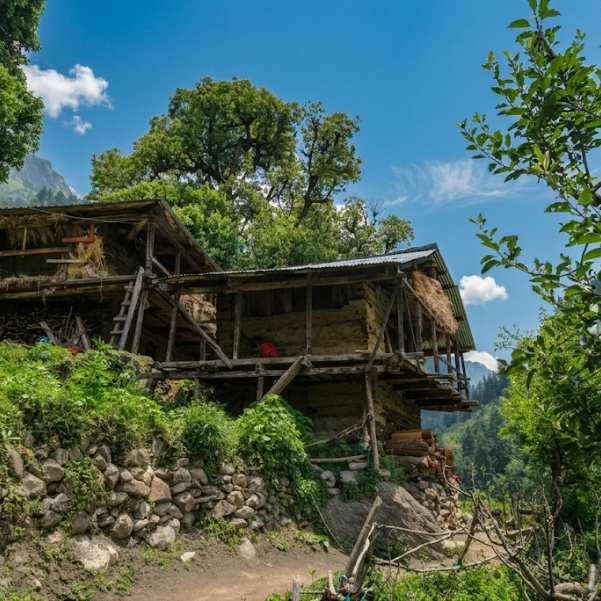
The Parvati River looks calm from the cafés but it is fast and unpredictable. Do not climb onto slippery rocks for photos near fast water. Every year, travellers underestimate the current. Stay on dry, stable ground near the banks.
Avoid solo walks on trails after dark. The path to Chalal is not lit and the terrain is uneven. Carry a torch or headlamp if you plan to be out past sunset.
Carry cash. ATMs in Kasol are unreliable and often out of order during peak season. UPI works at some cafés but not everywhere. Have enough cash for at least 2 days of expenses before you arrive.
Download offline maps before you lose signal. Network coverage in Parvati Valley is patchy, especially past Manikaran. Do not rely on live GPS for navigation to Tosh or Barshaini.
If you are visiting Tosh or Barshaini, check road status that same morning. Do not rely on what someone told you two days ago. Conditions in these hills change overnight.
Kasol has had ongoing waste-management issues. The valley is beautiful, but the amount of plastic and trash left behind by visitors is a real problem. Carry your waste back. Do not leave bottles, wrappers, or cigarette butts on trails or by the river.
What to Pack for 3 Days in Kasol
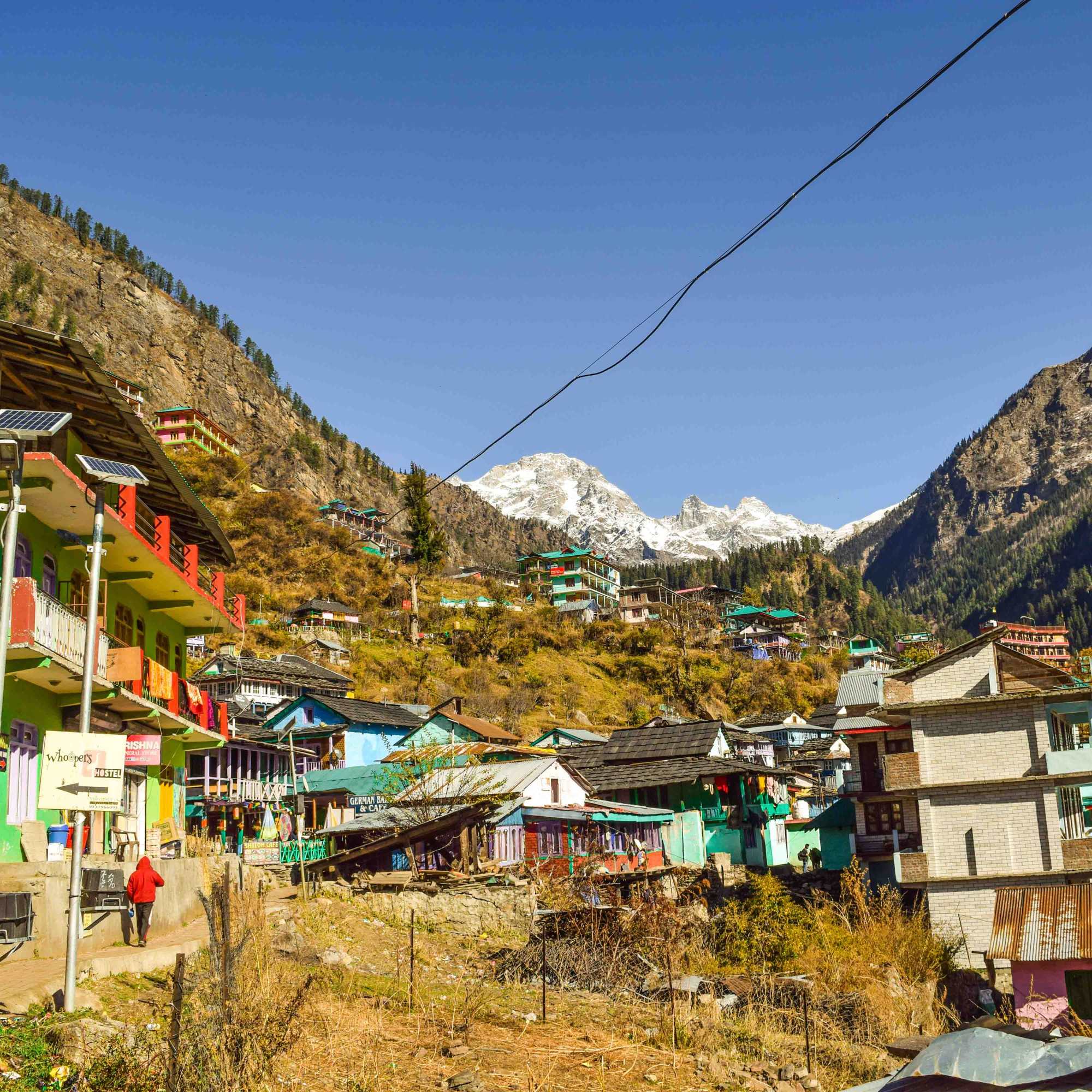
Comfortable walking shoes with some grip. You will be on uneven trails, river rocks, and village paths. Sandals are fine for the cafés but not for Chalal or Tosh.
In summer (March to June), carry light woollens for mornings and evenings. Days can be warm but the temperature drops fast after sunset. In monsoon, add a rain jacket or compact poncho. In winter (December to February), you need heavy woollens, thermals, and a proper jacket.
Bring a power bank. Charging points in budget stays are limited and you will be using your phone for maps and photos constantly.
Carry ID proof (Aadhaar or passport for foreign nationals), personal medicines including basic painkillers and anti-nausea tablets, sunscreen even in winter because the UV at altitude is strong, a reusable water bottle to avoid buying plastic bottles, and some cash in small denominations.
Do not overpack. Most travellers carry too many clothes and not enough practical items. You can buy cheap woollens in the Kasol market if you run cold.
Final Recommended 3 Day Plan by Travel Coffee
After years of sending travellers to Parvati Valley, the most balanced first-time plan we recommend is this.
Day 1 is for settling into Kasol: café breakfast, river walk, market, and the easy walk to Chalal.
Day 2 is for Manikaran Sahib in the morning and Tosh via Barshaini in the afternoon, provided road conditions are clear.
Day 3 is for a slow café breakfast, last riverside walk, any shopping you want to do, and departure via Bhuntar.
This plan gives you the highlights without the exhaustion. You eat well, walk at your own pace, and leave Kasol feeling like you actually experienced it instead of just ticking locations off a list.
Travel Coffee is based in Shimla. We run customised trips across Kasol, Manali, Jibhi, Spiti, and the rest of Himachal. If you want a trip planned around your dates, group size, and budget, you can WhatsApp us and we will put something together that actually works.
>>Tell us your travel dates on WhatsApp and our team will help you plan the trip.
Related topics
Frequently Asked Questions
Is 3 days enough for Kasol?
Yes, 3 days is enough to cover Kasol, Chalal, Manikaran and Tosh comfortably. If you want to add Kheerganga or Malana, plan for 4 to 5 days instead.
What is the best 3 day itinerary for Kasol?
Day 1 for Kasol cafés, Parvati River and Chalal walk. Day 2 for Manikaran Sahib and Tosh via Barshaini. Day 3 for a relaxed breakfast, shopping and departure. This covers the essentials without rushing.
Can I cover Kasol, Chalal, Manikaran and Tosh in 3 days?
Yes, if you start Day 2 early and the road to Barshaini is open. Chalal is a 30-minute walk from Kasol. Manikaran is about 3.5 to 5 km from Kasol. Tosh requires going via Barshaini plus an hour's hike.
How far is Manikaran from Kasol?
Manikaran is about 3.5 to 5 km from Kasol. You can walk it in about 40 to 50 minutes or take a shared auto.
Is Tosh worth visiting from Kasol?
Absolutely. Tosh sits at about 2,400 m and the views of the valley and snow peaks are worth the trip. But check road conditions before heading to Barshaini, especially after rain or in winter.
Do I need a permit to visit Kasol?
No special permit is generally required for a basic Kasol trip. If you extend to Manali and Rohtang, you will need a Rohtang permit, but that does not apply to a Kasol-only itinerary.
What is the best time to visit Kasol?
March to June and October to November are the easiest months. July to September is monsoon season with landslide risk on hill roads. Winter is beautiful but cold, and Tosh or upper areas may not be accessible.
How much does a 3 day Kasol trip cost in 2026?
A budget trip costs about ₹4,200 to ₹6,700 per person. A mid-range trip with better stays and full café meals costs about ₹9,800 to ₹16,500 per person. These are estimates and shift with season and demand.
Which cafés are best in Kasol?
Evergreen, Moon Dance, Jim Morrison, Stone Garden, Buddha Place, Freedom Café and Pink Floyd Café are commonly recommended. Cafés can change timings or close seasonally, so check what is open when you arrive.
Is Kasol safe for solo travellers?
Kasol is generally safe for solo travellers, including solo women. Avoid late-night solo walks on unlit trails, carry cash and offline maps, and stay aware near the river. The main Kasol area is well-visited and has a regular traveller community.
Should I add Kheerganga to a 3 day Kasol itinerary?
Not unless you are willing to skip either Manikaran or Tosh. Kheerganga is a full-day trek with an overnight camp. It is better as a separate day added to a 4 or 5 day plan.
Can I visit Kasol in winter?
Yes, Kasol itself stays accessible in winter. The market and cafés operate, though some may have shorter hours. However, Tosh and upper villages may be affected by snow or poor roads. Pack very warm clothing and do not rely on reaching higher areas.
More about Kasol
 Kasol
KasolShimla Manali Kasol Itinerary 2026: 7, 8 and 9 Day Routes Without Rushing
Plan a relaxed Shimla Manali Kasol itinerary for 2026 with practical 7, 8 and 9 day routes covering Himachal’s key sights without rushing between destinations.
- Itinerary
- Places to Visit
 Kasol
KasolBest Offbeat Places Near Kasol Most Tourists Miss in 2026
Escape the crowds and discover the hidden side of Kasol in 2026. From peaceful villages and untouched valleys to scenic trails and secret viewpoints, these offbeat places near Kasol offer authentic Himalayan experiences that most tourists completely miss.
- Places to Visit
- Things to Do
 Kasol
KasolRasol Village Trek From Kasol 2026: Route, Distance & What to Expect
Planning the Rasol Village Trek from Kasol in 2026? Explore the complete trekking route, distance, difficulty level, stay options, and essential travel tips to experience one of Parvati Valley’s most peaceful and offbeat Himalayan villages.
- Things to Do