
Kasol Itinerary for 2 Days in 2026: A Short Weekend Escape Plan
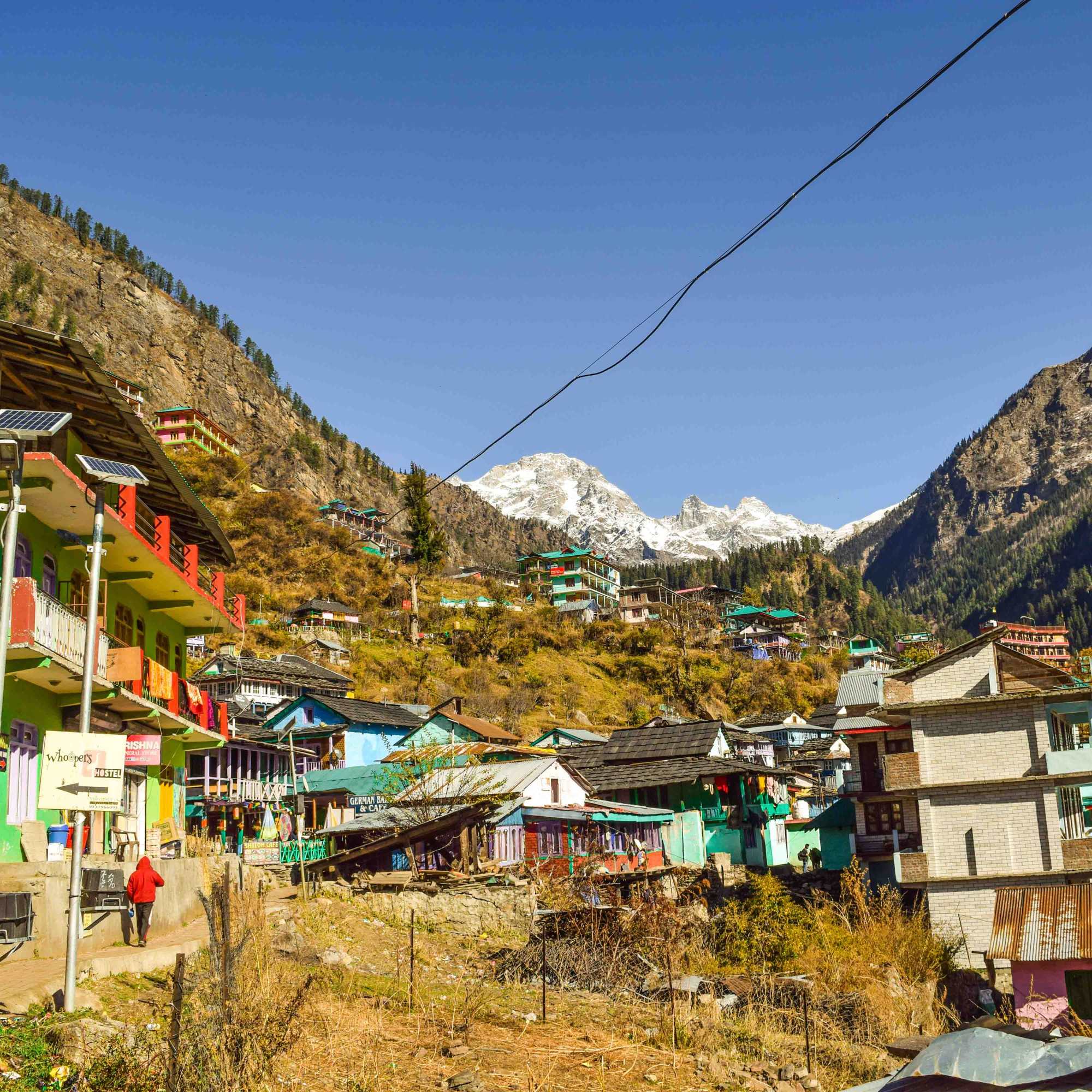
If you have one weekend free and you want pine forests, a loud river, and cafes that make you forget your phone, a Kasol itinerary 2 days long is one of the easiest Himachal escapes you can pull off.
You do not need a week. You do not need to trek to Kheerganga. Two full days cover Kasol, the Chalal walk, cafe hopping, and one nearby day trip without making you feel rushed.
We have sent hundreds of travellers into Parvati Valley over the years, and the ones who enjoy Kasol the most are the ones who slow down instead of trying to tick off five villages in 48 hours.
This guide is the exact 2 day plan we give them.
Quick Answer: Is 2 Days Enough for Kasol?
Yes. Two full days are enough for Kasol town, the Chalal walk, cafe hopping, Manikaran, and one short nearby village option like Tosh if roads are clear.
What does not fit is Kheerganga. That needs a full day of trekking on its own, so it does not belong in a relaxed 2 day Kasol itinerary.
If you are coming from Delhi, plan overnight travel on both sides. You sleep on the bus, you wake up in the mountains, and you do not waste daylight sitting in traffic.
Who Is This 2 Day Kasol Itinerary Best For?
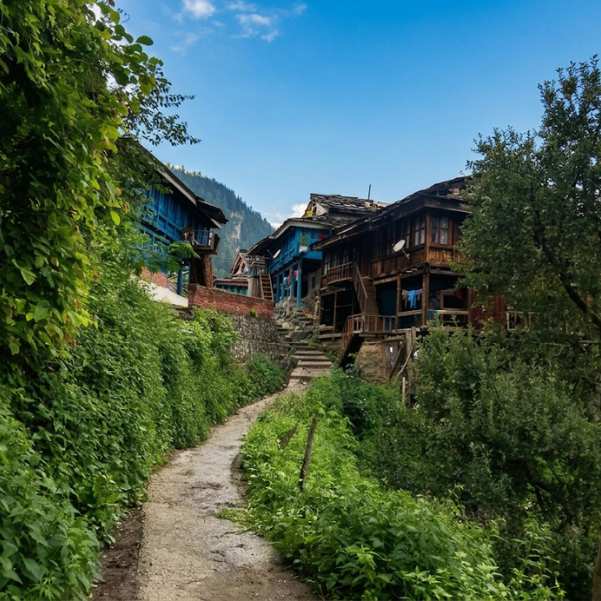
This plan works for couples, groups of friends, solo travellers, and anyone visiting Himachal for the first time. It is built for a calm weekend, not a hardcore trek. You walk, you eat well, you sit by the river, and you sleep early.
In our experience, this is the version most weekend travellers actually want, even the ones who say they want adventure.
If you are a serious trekker who wants Kheerganga, Sar Pass, or deep village stays, do not try to force it into two days. Stretch the trip to 3 or 4 days and do it properly.
How Should You Reach Kasol for a 2 Day Trip?
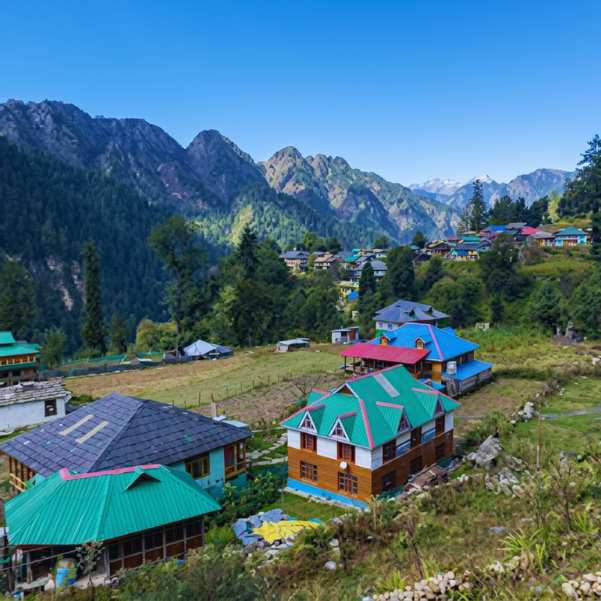
Kasol sits in Kullu district, in Parvati Valley, right on the Bhuntar to Manikaran route. So almost every approach funnels through Bhuntar first.
From Delhi
The Delhi to Kasol road distance is around 515 to 520 km, depending on which route your driver takes.
Most travellers take an overnight bus to Bhuntar and then continue to Kasol by local bus, shared cab, or taxi. Bhuntar to Kasol is around 30 to 31 km.
The Delhi to Bhuntar bus ride can take 10 to 14 hours, depending on the bus type and road conditions.
Here is a money tip most blogs skip. HRTC supports online booking with 60 day advance booking, so you can lock a good seat early instead of paying private operator rates last minute.
One thing to check before you pay. HRTC Delhi services can be affected by BS VI restrictions, so verify the latest timings before booking.
From Chandigarh
From Chandigarh the road logic is simple. You go via Mandi, then Aut, then Bhuntar, then Jari, and finally into Kasol.
It is an easier drive than Delhi because you are already closer. But you still need an early start to reach with daylight to spare.
From Manali
You can combine Manali and Kasol, and the two sit on the same general side of Himachal. But for only two days, adding Manali makes everything tight.
If Manali is your main plan and Kasol is a maybe, our Manali tour packages can help you balance both without burning all your time on the road.
Day 1 in Kasol: Arrival, River Walk, Chalal and Cafes
Morning: Reach Kasol and Check In
If you took the overnight bus, do not rush the moment you land. A long road journey plus a quick dash into activity is how people get tired and cranky on day one.
Have a slow breakfast, check in, freshen up, and reset.
If your room is not ready when you arrive, leave your luggage at the stay and step out light. Most places in Kasol are used to early arrivals and will hold your bags.
Late Morning: Parvati River Walk and Kasol Market
Kasol sits on the banks of the Parvati River, and the sound of that river is basically the soundtrack of the whole town.
Start with a slow walk along the river and through the Kasol market. You will find bakeries, small shops, river viewpoints, and easy flat paths.
Here is the honest negative nobody likes to say. Kasol town itself is small and touristy, and on busy weekends the main market can feel crowded and a little loud. Treat the town as a base, not the whole experience.
One safety note we repeat to every traveller. Do not walk close to the fast flowing river edges. The Parvati looks calm in photos but the current is strong and the rocks are slippery.
Afternoon: Walk to Chalal
The best easy add on for any 2 day Kasol trip is the walk to Chalal. It is usually described as a 20 to 30 minute walk from Kasol along the river.
Do it in daylight and at a slow pace. The trail is simple, shaded by trees, and you get the river next to you most of the way.
What most tourists get wrong is treating Chalal like a checklist photo stop. The point is the walk itself, not just arriving. Sit at a cafe there, have a drink, and walk back before the light fades.
Evening: Cafe Hopping in Kasol
Kasol cafe culture is the real reason a lot of people keep coming back. You will find Israeli food, Italian dishes, Indian meals, bakery items, coffee, and slow background music.
We will not promise you a fixed menu at any one place, because cafes here change owners and dishes season to season. Just walk in, read the board, and pick what feels right.
Budget wise, cafe meals usually range from ₹250 to ₹500 depending on the place and what you order. A coffee and a bite for two is easy and relaxed.
This is the perfect first evening. No agenda, no rush, just food and the river.
👉 Need a hassle-free trip? Let our team help on WhatsApp.
Day 2 Option A: Manikaran Sahib, Local Food and Slow Departure
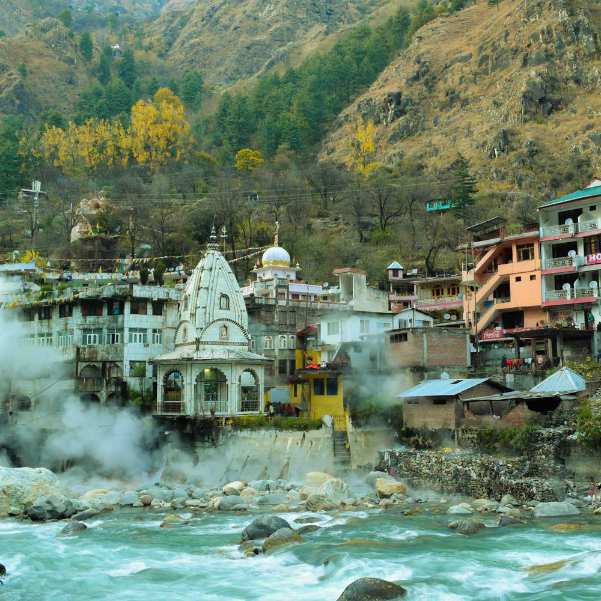
This is the relaxed option, and the one we recommend for most weekend travellers, especially families and couples.
Manikaran is around 4 km from Kasol and 40 km from Kullu, sitting at an altitude of 1,829 m. It is famous for its hot springs.
The water here is naturally hot enough that the langar at Manikaran Sahib uses it to cook food. Sitting down for that simple, warm meal is one of the most grounding things you can do in Parvati Valley, and it costs you nothing.
Visit the hot springs and the gurudwara respectfully, cover your head, and take your time. This is a spiritual place for many people, not just a tourist stop.
Build in buffer time for a proper lunch, a little market shopping, and a slow drive back before you start your journey home. This option suits anyone who does not want a rushed trek on the last day.
Day 2 Option B: Tosh Day Trip for Travellers Who Want Mountain Village Views
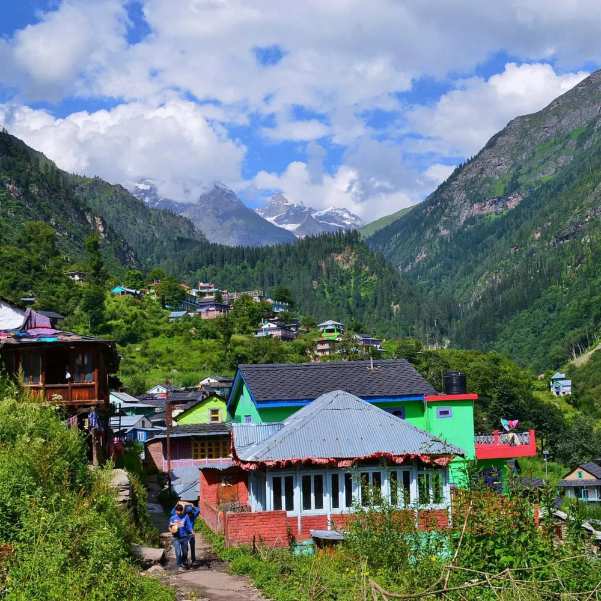
If you want bigger mountain views and a small village feel, Tosh is your day 2 pick. But only choose this if the road and weather are clearly good.
Here is the catch for 2026. The Manikaran to Barshaini road has seen landslide disruption near Ghatigarh, so you must check the same week's updates before committing to Tosh.
Tosh is a short uphill walk from the Barshaini side, and the distance varies depending on where exactly you start, so we will not quote a fixed number that you will see argued about online.
What you do need is an early start. The drive plus the walk plus time at the top plus the return adds up fast on a single day.
In our experience, Tosh on day 2 works beautifully when conditions cooperate and turns into a stressful scramble when they do not. So check first, then decide.
What Should You Skip in a 2 Day Kasol Trip?
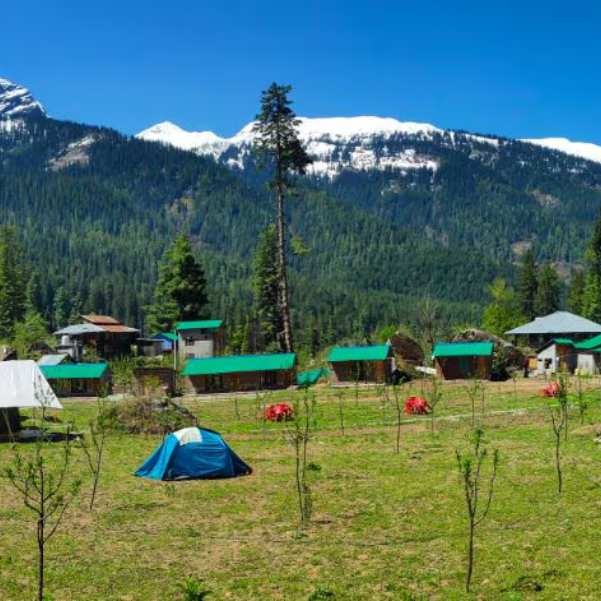
The biggest "skip this" for a short weekend is Kheerganga. It is a full day trek and it simply does not fit a relaxed 2 day plan.
Kheerganga camping is now banned in the fragile Kheerganga area. Day visitors have been advised to start early, reach before 10 am, and return before 2 pm, which only makes sense if your whole trip is built around it.
If Kheerganga is your real goal, stay overnight nearby at Nakthan, Barshaini, Kalga, or Tosh and give it the days it needs.
The same logic applies to Malana, Rasol, and Grahan. They are interesting, but each one eats a chunk of your limited time and leaves you doing everything badly instead of one thing well.
Our honest advice
Do not squeeze Kheerganga into a short weekend unless the whole trip is built around it. You will spend the trip exhausted and see less, not more.
How Much Does a 2 Day Kasol Trip Cost in 2026?
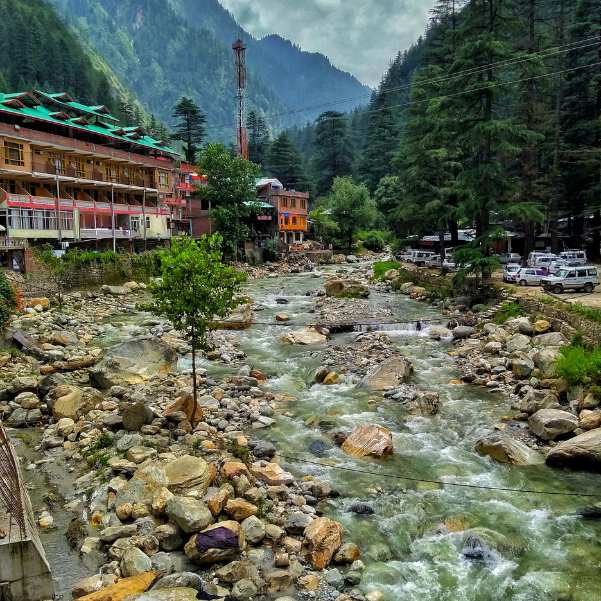
Costs swing a lot based on how you travel and where you sleep, so treat these as estimates, not fixed prices.
A budget weekend from Delhi can land around ₹4,200 to ₹6,700 per person, based on one source. A more comfortable mid range plan can run around ₹9,800 to ₹16,500 per person.
On the ground, local shared cab and bus rides around Kasol, Manikaran, and Bhuntar cost around ₹30 to ₹150 per ride. This is where a private taxi quietly drains your budget, so share rides when you can.
For food, budget local meals run around ₹100 to ₹150, and street snacks are around ₹40 to ₹80. Sit down cafe meals range from ₹250 to ₹500, depending on the place and your order.
For stays, hostel dorms run around ₹400 to ₹1,000 a night. Guesthouses and mid range stays range from around ₹1,000 to ₹3,000, depending on season and location.
Keep one thing in mind. Long weekends, summer rush, private taxis, and last minute room bookings all push these numbers up. Book early and you save real money.
Where Should You Stay in Kasol for Only 2 Days?
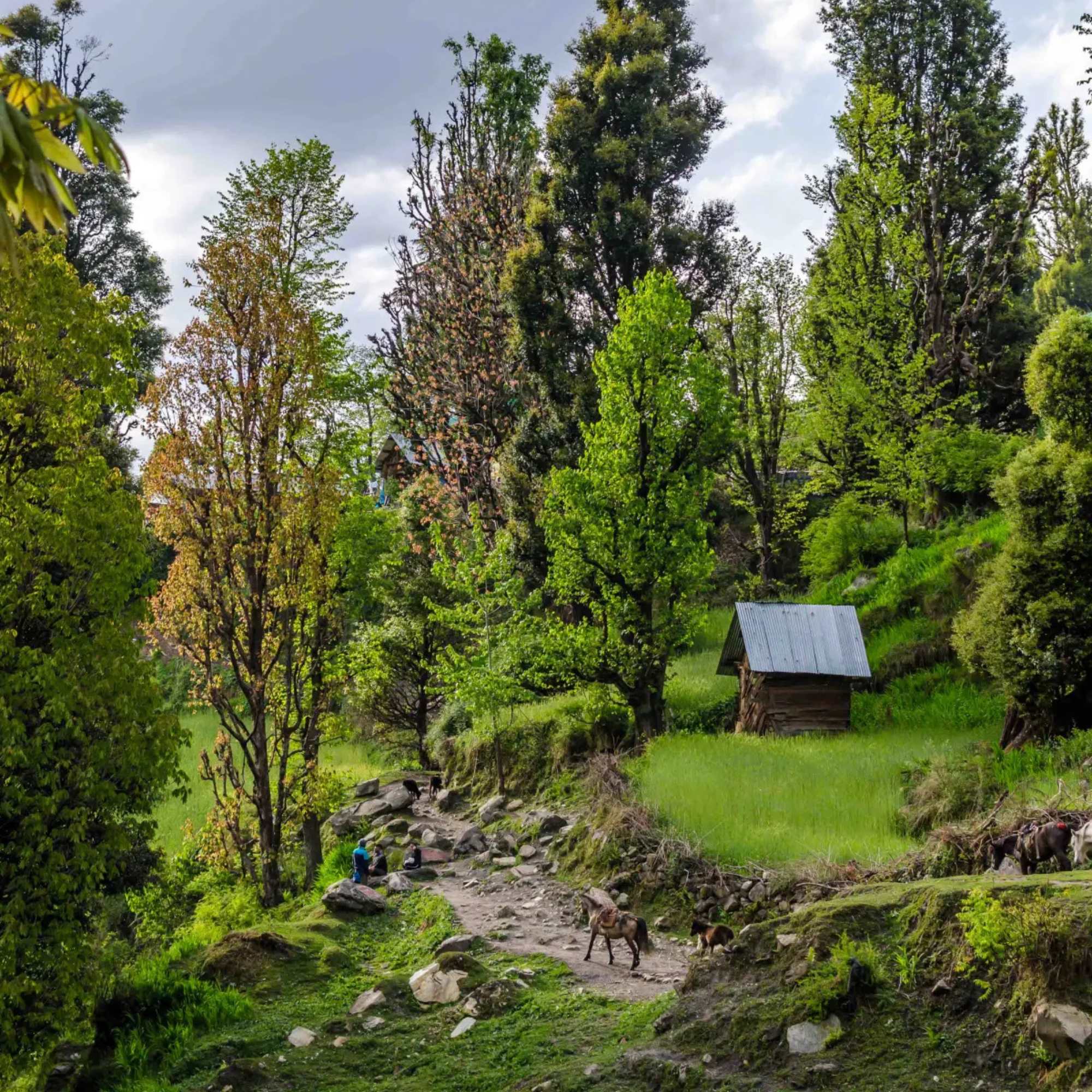
For a 2 day Kasol itinerary, location matters more than luxury. You want to step out and start your day without a long commute.
Main Kasol is the most convenient base, especially for first timers and anyone arriving late. You are close to the market, the cafes, and the morning transport.
Chalal and Katagla feel quieter and a little more peaceful. The trade off is that they are less convenient after dark, when you have to walk back along the trail or arrange a ride.
One practical heads up. Smaller villages can have weaker mobile network and may run more on cash than UPI, so plan for that before you book something remote.
For a calm first time weekend, we usually point people to main Kasol. If you want us to match a stay to your group and budget, our Kasol tour packages are built exactly for this.
Best Time to Follow This Kasol 2 Day Itinerary
March to June
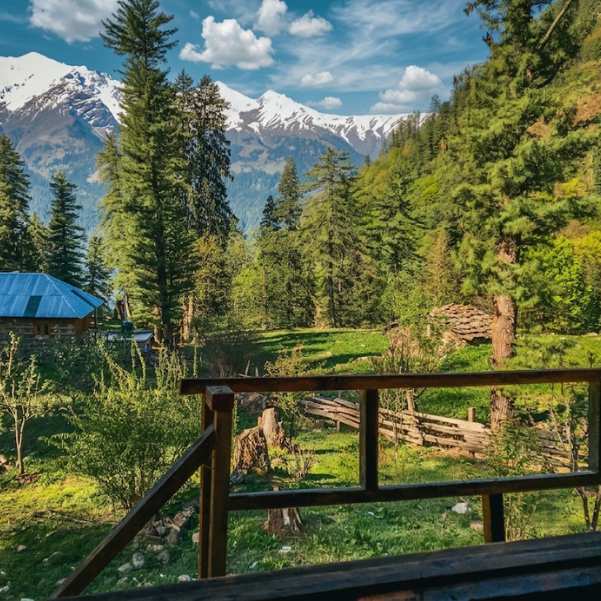
March to June is the popular window. The weather is pleasant, the roads are accessible, and it is the easiest season for a first trip.
September to November
September to November is quietly one of the best times. The views get clearer, the air feels cleaner, and there are fewer tourists than peak summer.
Monsoon
Monsoon is the season to be careful with. Parvati Valley gets landslides and slippery trails, so roads can close with little warning.
Winter
Winter is colder and much quieter. It can be lovely if you pack proper layers, but do not expect heavy snowfall in Kasol town itself.
2026 Travel Updates: Roads, Kheerganga Rules and Responsible Travel
A few things are worth knowing before you leave in 2026.
The Manikaran to Barshaini side has seen landslide disruptions, especially around Ghatigarh. If Tosh or Barshaini is in your plan, check the same week status.
Peak summer weekends bring heavy traffic towards Kasol and Manikaran. A drive that should take 20 minutes can crawl, so leave early and keep your expectations flexible.
There is also a real cleanliness problem. Kasol had a reported garbage management issue in 2026, including a ₹4.8 lakh penalty against SADA Manikaran.
So travel responsibly. Carry a reusable bottle, do not litter, bring back your snack wrappers, and never leave waste on forest trails. The valley stays beautiful only if visitors stop trashing it.
Before you leave, check the same week road updates with your hotel, your local driver, or our team. Conditions here change fast.
Local Tips from Our Himachal Team
A few things our drivers and planners repeat to every group.
Carry cash. Smaller places do not always rely on UPI, and you do not want to be stuck at a dhaba with a dead payment app.
Start early for Manikaran or Tosh. Mornings are calmer, the light is better, and you beat both the traffic and the crowds.
Always keep one backup plan. If Tosh road is shut, switch to Manikaran. A flexible traveller has a good trip even when the mountains say no.
Do not trek after dark, and do not stand too close to the river edges. Both are how avoidable accidents happen here.
What we tell our travellers most often is simple. Pick fewer places and enjoy them properly. A slow Kasol weekend beats a frantic one every single time.
👉 Get local guidance from a team that knows these roads well.
Suggested Add Ons If You Have One More Day
Got a third day? Now the options open up nicely.
You can do Tosh with far less rush, taking the morning slow and actually enjoying the village instead of racing the clock.
Kalga or Pulga are great quiet add ons if the roads are clear, with a slower, greener village feel.
Add Kheerganga only after you check the current rules, since camping is banned and day timings are strict. Or extend towards Manali as a separate leg if you want a change of scene.
Still deciding between valleys? Our Jibhi or Kasol comparison breaks down which one suits your kind of trip, and our Jibhi and Tirthan Valley packages are worth a look if you want something quieter than Kasol.
Related topics
Frequently Asked Questions
Is 2 days enough for Kasol?
Yes. Two full days comfortably cover Kasol town, the Chalal walk, cafe hopping, and one nearby day trip like Manikaran or Tosh.
How should I plan Kasol for 2 days?
Spend day one on the river walk, Chalal, and cafes. Use day two for either Manikaran for a relaxed plan, or Tosh if the roads and weather are good.
Can I cover Tosh in a 2 day Kasol itinerary?
Yes, but only with an early start and clear road conditions. Check for landslide updates near Ghatigarh before you commit to Tosh.
Can I cover Kheerganga in 2 days?
Not comfortably. Kheerganga is a full day trek with strict timings and a camping ban, so it does not fit a relaxed 2 day Kasol trip.
What is the best time to visit Kasol?
March to June is popular for pleasant weather. September to November gives clearer views and fewer crowds. Avoid monsoon for landslide risk.
How much does a 2 day Kasol trip cost?
A budget weekend from Delhi can be around ₹4,200 to ₹6,700 per person, while a more comfortable mid range plan can run around ₹9,800 to ₹16,500 per person.
How do I reach Kasol from Delhi?
Delhi to Kasol is around 515 to 520 km. Most people take an overnight bus to Bhuntar, around 10 to 14 hours, then continue the 30 to 31 km to Kasol.
Is Kasol safe for solo travellers?
Kasol is generally fine for solo travellers who use common sense. Avoid trekking after dark, stay back from the river edges, and keep someone informed of your plan.
Do I need a permit to visit Kasol?
No special permit is needed for Kasol town itself. Always check current local rules for restricted areas and treks before you go.
Which is better for day 2, Manikaran or Tosh?
Manikaran suits families and anyone wanting a relaxed last day. Tosh suits travellers who want mountain village views and do not mind an early, more active day.
Where should I stay in Kasol for a weekend?
Main Kasol is the most convenient base, especially for first timers and late arrivals. Chalal and Katagla are quieter but less handy after dark.
What should I pack for a 2 day Kasol trip?
Pack warm layers even in summer, comfortable walking shoes, a power bank, basic medicines, a reusable water bottle, and enough cash for places that do not take UPI.
More about Kasol
 Kasol
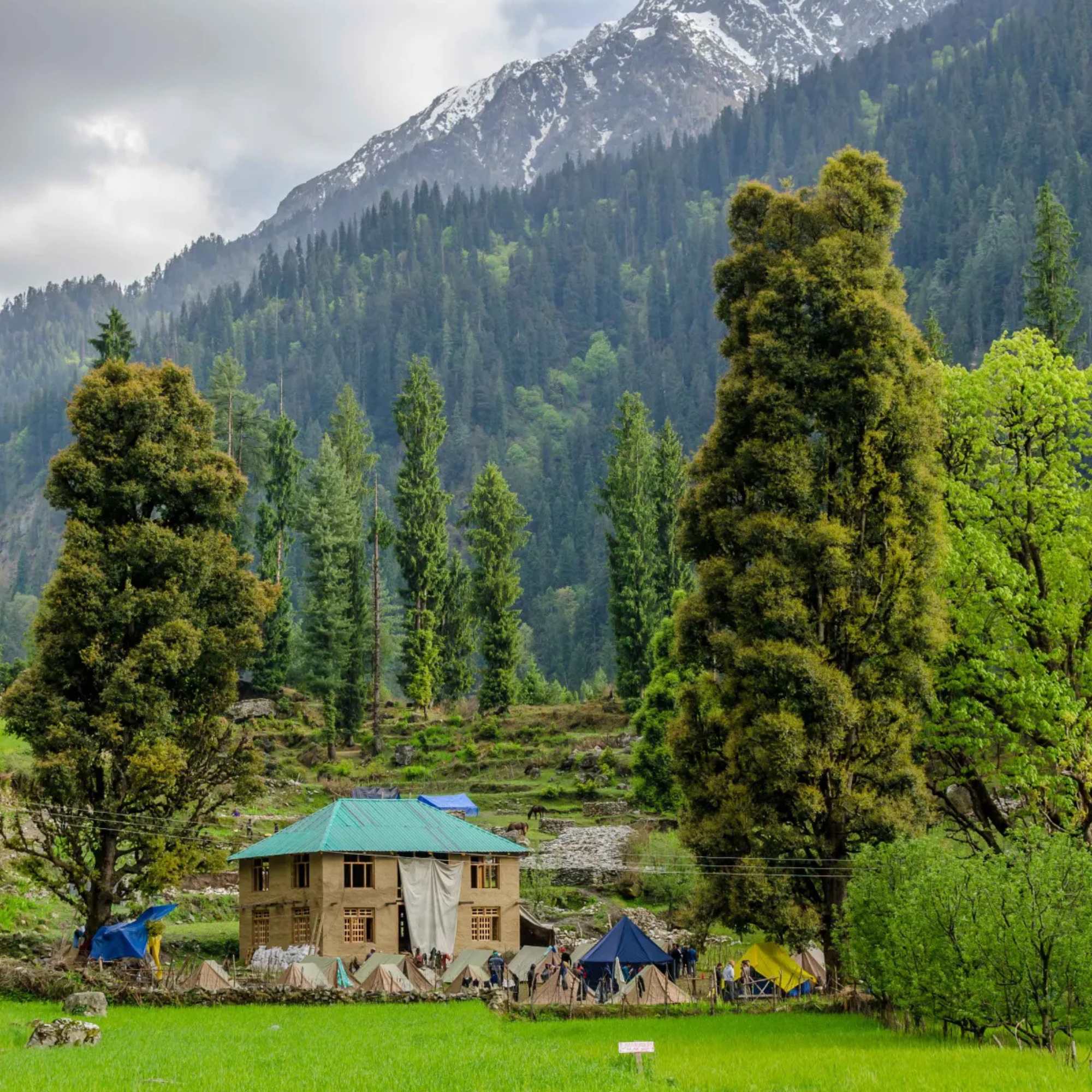
KasolBest Offbeat Places Near Kasol Most Tourists Miss in 2026
Escape the crowds and discover the hidden side of Kasol in 2026. From peaceful villages and untouched valleys to scenic trails and secret viewpoints, these offbeat places near Kasol offer authentic Himalayan experiences that most tourists completely miss.
- Places to Visit
- Things to Do
 Kasol
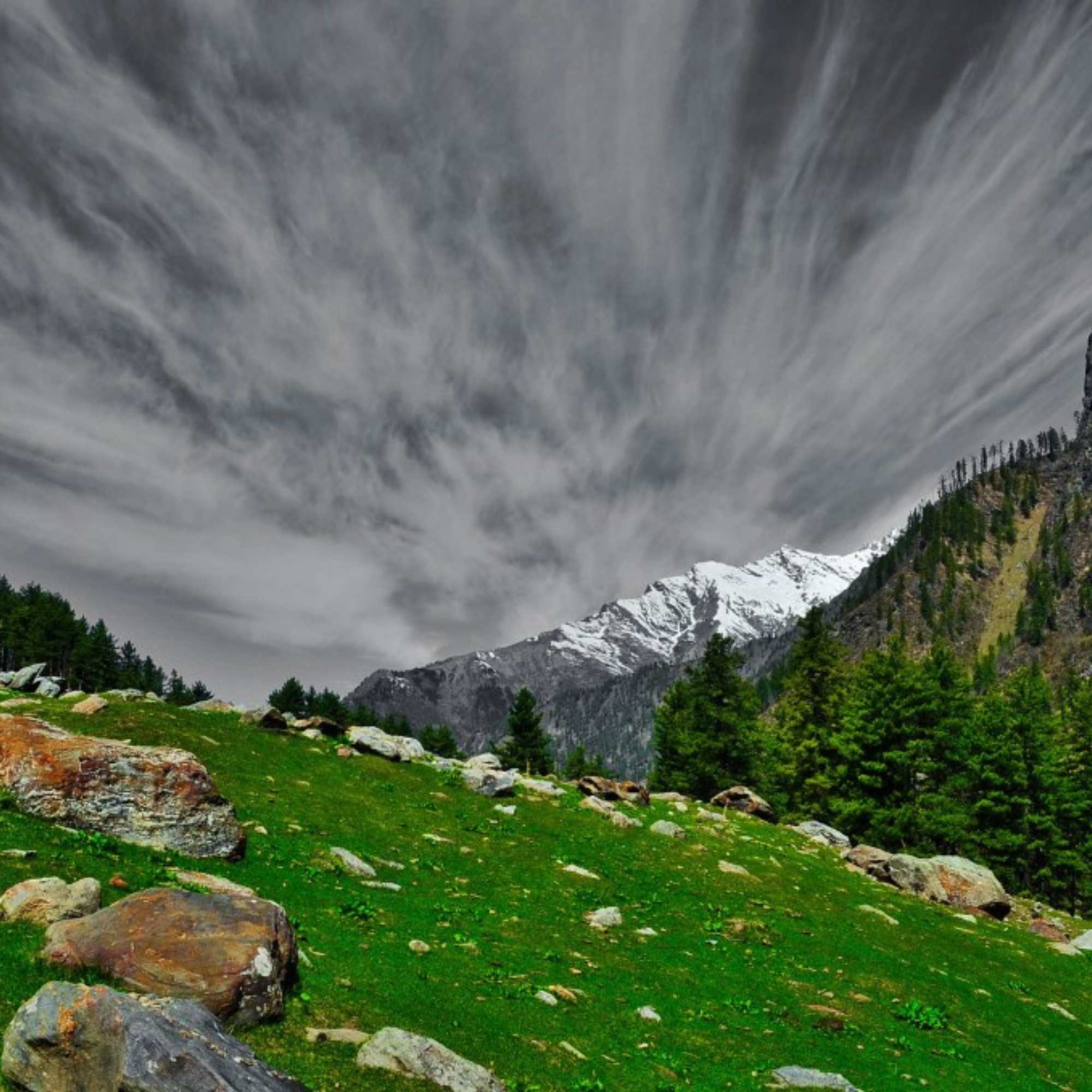
KasolRasol Village Trek From Kasol 2026: Route, Distance & What to Expect
Planning the Rasol Village Trek from Kasol in 2026? Explore the complete trekking route, distance, difficulty level, stay options, and essential travel tips to experience one of Parvati Valley’s most peaceful and offbeat Himalayan villages.
- Things to Do
 Kasol
KasolKalga, Pulga & Tulga Villages in 2026: The Offbeat Side of Parvati Valley
A Himachal Pradesh travel expert or experienced Parvati Valley trek guide with firsthand knowledge of Kalga, Pulga, and Tulga. The content should provide practical insights on trekking routes, homestays, local culture, seasonal travel, and hidden attractions, helping readers plan an authentic offbeat Himalayan experience with confidence.
- Places to Visit