
Kasol in September 2026: Weather, Green Valleys, Treks and Trip Plan
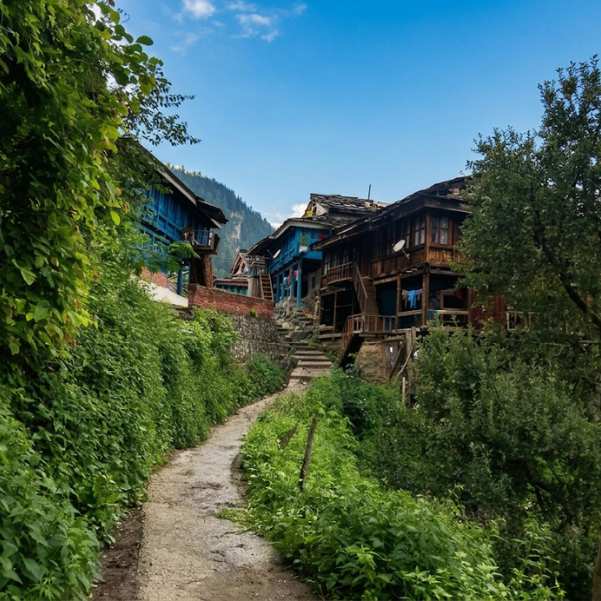
September is the month Kasol turns the deepest green you will ever see it, but it is also the month the weather refuses to commit to anything.
If you are planning Kasol in September, the honest truth is this: you are chasing the most beautiful version of the Parvati Valley while gambling a little on the rain.
We send travellers here every season, and the ones who plan September right always come back happiest. The ones who treat it like a fixed-schedule holiday usually leave frustrated by a roadblock.
So let me walk you through exactly how this month behaves, what to do, and how to plan around the one thing you cannot control: the sky.
Quick Answer: Is September a Good Time to Visit Kasol?
Yes, September is a beautiful time for Kasol, but it is weather-sensitive.
You get green valleys, cool weather, fewer crowds than peak summer, open cafés, and real trek possibilities once the rain backs off.
Early September can still behave like full monsoon, with rain spells and slippery trails. Late September is usually the better window, as long as the forecast and roads look clear.
If you want zero stress, build in one buffer day and stay flexible with your trek plans.
If you would rather have someone handle stays, transport, and timing for you, our Kasol tour packages are built around exactly this kind of weather-flexible planning.
What Is the Weather Like in Kasol in September?
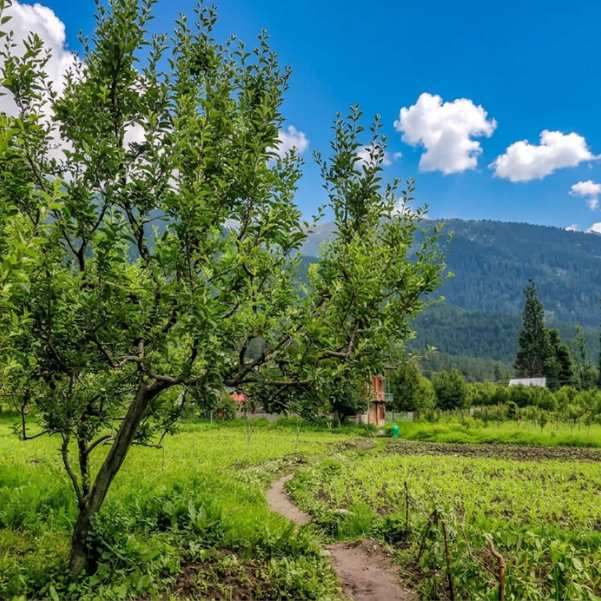
September sits right at the end of monsoon and the start of that early autumn feel. The air is fresh, the slopes are wet, and the valley smells of pine and rain.
Here is the catch most blogs hide: the weather data online does not agree with itself.
Some sources list September temperatures around 5°C to 15°C. Others give the late monsoon range as 10°C to 25°C. A few travel weather guides place September closer to 23°C in the day and 14°C at night, with around 10 rainy days.
So treat the exact numbers as a rough guide, not gospel.
What you can actually plan for is consistent: cool mornings, mild afternoons, humid air, slippery trails, and the chance of rain on any given day.
One useful planning point is that September usually gives you nearly 12 hours of daylight, which gives you plenty of room to plan walks and short hikes around the weather.
What most tourists get wrong is assuming September means guaranteed clear skies because monsoon is "ending." It is ending, not gone. Pack and plan like rain is still on the table.
👉 Not sure if your dates fall in the safer window? Talk to our team on WhatsApp.
Why Does Kasol Look So Green in September?
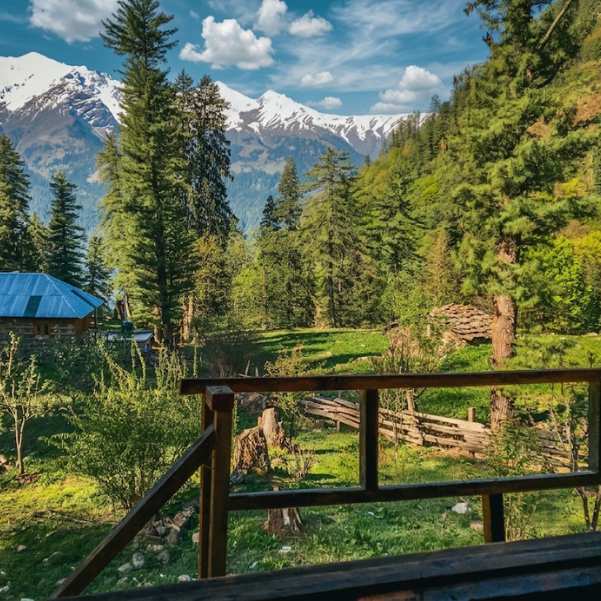
The whole Parvati Valley looks freshly washed after months of monsoon rain. This is the greenest you will catch it all year.
The pine forests are wet and dark, the slopes are thick green, and the mornings come with a soft mist that lifts slowly off the river.
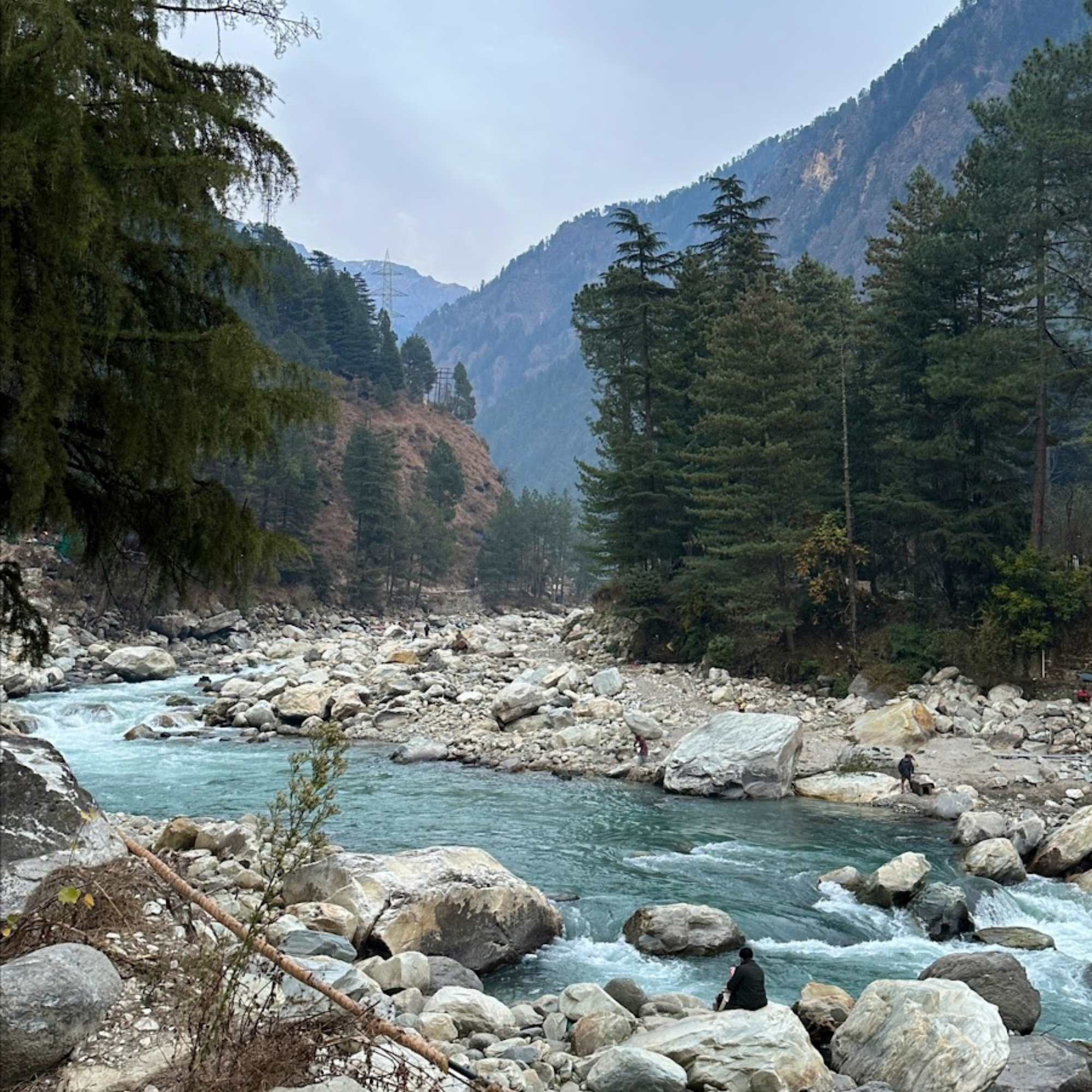
The Parvati River runs strong and loud this time of year, full from the rains. It looks stunning from the bank.
But here is an honest warning. The river is powerful in September, and the rocks along it stay slippery.
In our experience, the riverside is where careless travellers get into trouble. Enjoy the view from a safe distance and stay off the wet rocks near the water.
Is Kasol Safe in September 2026?
I will not tell you Kasol is "fully safe" in September, because that would be a lie.
Kasol can absolutely be visited in September when the weather and roads are clear. But the monsoon risks are real: landslides, roadblocks, cloudbursts, and slippery mountain roads.
These are not scare stories. A report from October 2025 noted a flash flood and mudslide blocking the Bhuntar to Manikaran road near Kasol. That shows you how quickly this stretch can shut down in bad weather.
Before you leave, check three things: the IMD Shimla forecast, Kullu district road notifications, and updates from local drivers who actually run the route that day.
There is a small bit of good news for 2026. IMD Shimla's monsoon outlook says most parts of Himachal Pradesh are likely to get below-normal June to September rainfall, under 92 percent of LPA.
For reference, Kullu district's normal southwest monsoon rainfall is 548 mm. A drier monsoon can mean fewer disruptions, but it is a forecast, not a promise.
Keep these emergency numbers saved before you travel. The Kullu District Emergency Operation Center can be reached at 01902-225630 and 01902-225631. These are emergency contacts, not tourist helplines, so use them only if you genuinely need help on the ground.
If you want us to keep an eye on conditions for your dates, reach out to Travel Coffee and we will share live road feedback from our drivers.
Early September vs Late September: Which Is Better?
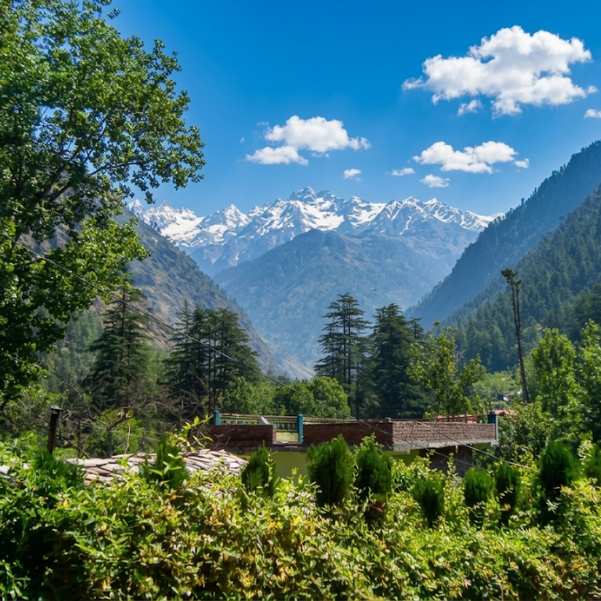
Both windows have a clear personality, and knowing the difference saves your trip.
Early September is greener and more dramatic, with mist and full forests. But it is riskier, because rain spells can still roll in for days at a time.
Late September is usually the better bet. The monsoon starts pulling back, trails dry out a little, and walking, cafés, and short hikes become far more reliable.
What we always tell travellers with fixed flights or limited office leaves is simple: keep one buffer day no matter which week you pick. A single buffer day is often the difference between catching the lake and missing it.
Best Places to Visit in Kasol in September
Parvati River and Kasol Market
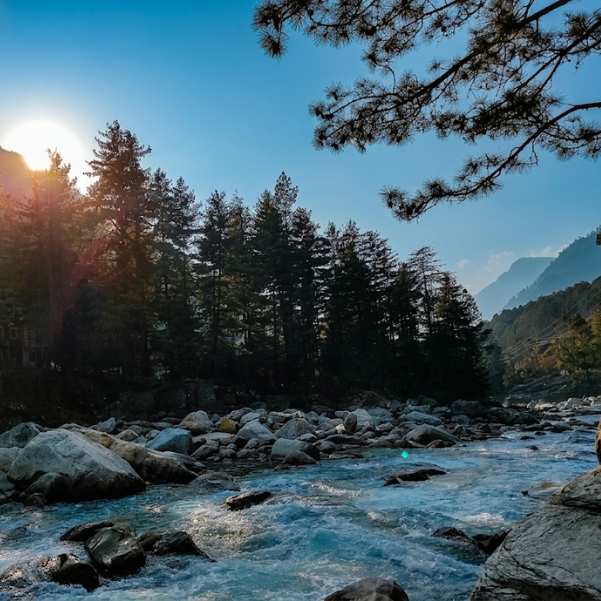
The heart of a Kasol trip is slow. Walk along the river, drift through the market, and let the cafés do their thing.
September evenings are cool and quiet, perfect for a warm meal and a hot drink while the valley goes misty around you.
The shopping here is laid-back, the food is good, and nobody is rushing you anywhere.
Just remember the river runs high this month. Skip the riverbanks when the water is up, and do not climb onto wet rocks for a photo.
Chalal Village Walk
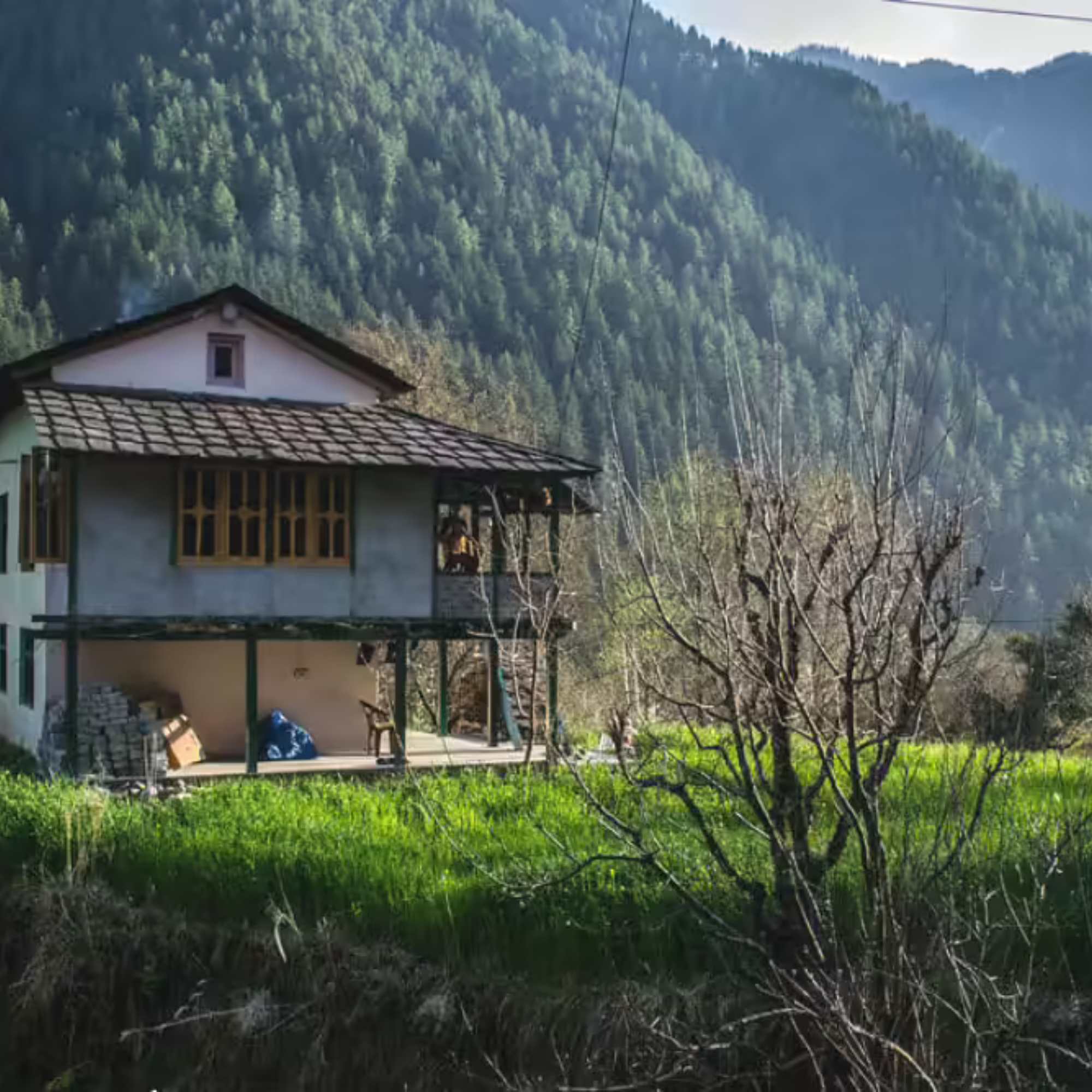
The short forest walk from Kasol toward Chalal is the perfect arrival-day activity. It is easy, it is pretty, and it does not demand much from your legs.
In our experience, this beats forcing a long trek on day one when your body is still adjusting and the trail might be wet.
Save the big hikes for later. Let day one be the gentle Chalal stroll through the pines.
Manikaran Sahib
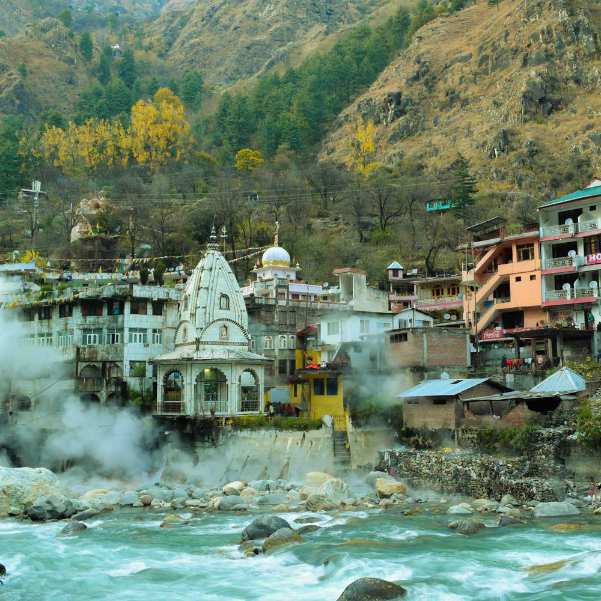
Manikaran is just 3.5 km from Kasol, an easy short trip.
The gurudwara here is a calm, moving place, and the natural hot springs are the main draw. Food is cooked using the spring's heat, and the langar is humbling.
Go with respect. Cover your head, move quietly, and follow the customs of the place.
Tosh, Kalga, Pulga and Barshaini
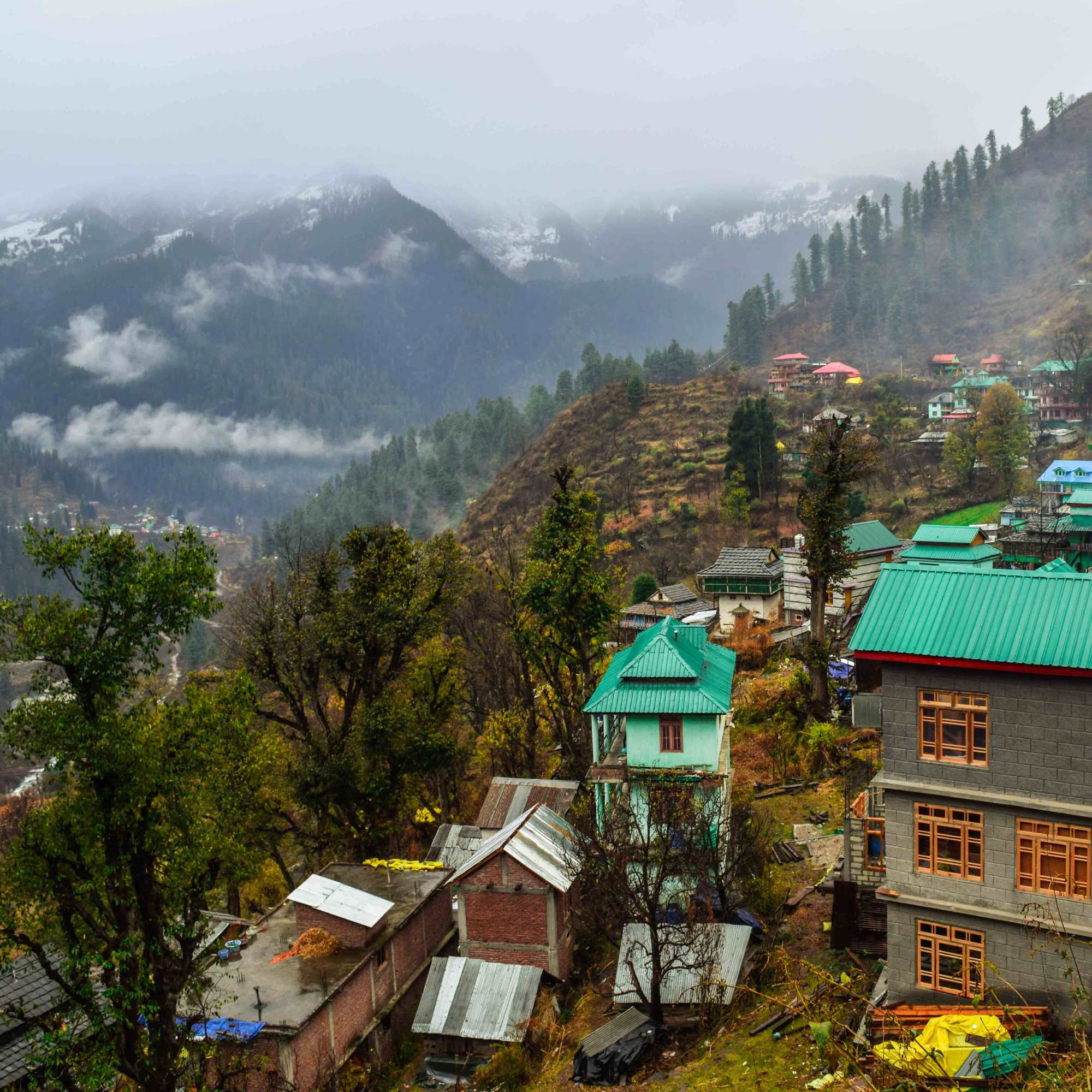
These higher villages are worth adding if the roads cooperate. Tosh, Kalga, Pulga, and Barshaini each have that quiet, end-of-the-road feel.
Wet weather can slow access to all of them, so keep these flexible.
Our honest advice is to treat these as a "if the morning is clear" plan rather than a fixed booking.
Malana
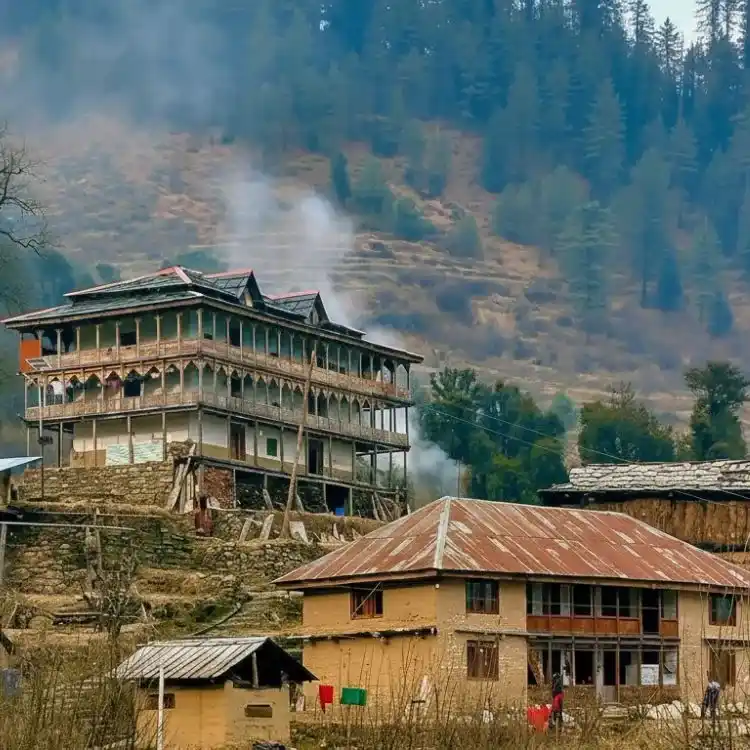
Malana comes with strict local rules, and they matter.
Do not touch the walls, belongings, or sacred structures in the village. The community has its own customs, and visitors are expected to respect them fully.
Skip Malana in heavy rain or poor visibility. The route is not worth the risk when the weather turns.
Best Treks Near Kasol in September
September can be a genuine trekking month here. Thrillophilia lists April to June and September to November as good trekking windows in Kasol. But "trekking month" and "trek today" are not the same thing in monsoon-tail weather.
Chalal Walk
For most travellers in September, the Chalal walk is the safest and easiest option.
It is short, low-altitude, and forgiving even when the trail is a little damp. If you only do one walk this trip, make it this one.
Kheerganga Trek
Kheerganga is the famous one, known for its hot springs, Himalayan views, and dense forest trekking. HPTDC places it in Kullu district, about 22 km from Manikaran.
The exact trek distance varies across sources and can change depending on the route you take, where you start counting from, and local trail conditions. Treat any distance figure as an approximate guide and confirm the latest route details locally before you begin.
Here is the real rule for September: check the local weather the morning you start, and do not attempt this trek right after heavy rain. The forest sections turn slick and miserable fast.
Sar Pass Trek
According to trek operators, Sar Pass starts and ends in Kasol, and some list September to October as a post-monsoon trekking window.
Some operators run this trek mainly between April and June, so September availability depends on the operator, weather and local trail conditions. Do not build your full trip around it without confirming the latest schedule and route status before booking.
Altitude is listed around 4,200 m, since sources vary slightly. This is not a casual walk, so go guided and go prepared.
What Treks Should Beginners Avoid After Rain?
If it has just rained, skip the hard stuff. Avoid solo hikes, forest routes with leeches and mud, river crossings, steep descents, and long treks on fresh wet ground.
In September, we strongly push first-timers toward guided treks. A good guide reads the trail and the sky better than any app, and that judgement is what keeps you safe.
3-Day Kasol Trip Plan for September
Day 1: Reach Kasol, Café Time and Chalal Walk
Keep arrival day slow. Check in, eat a proper hot meal, wander the market, and catch the river view from a safe spot.
If the weather holds, do the easy Chalal walk in the afternoon. If it is pouring, stay in the cafés and let your body settle into the altitude.
Day 2: Manikaran, Tosh or Kheerganga Depending on Weather
This is your weather-decision day, and you plan it two ways.
If the morning is clear, do Manikaran and then push on to Tosh, or start a planned trek with a guide.
If it rains, keep it simple. Manikaran, a few cafés, and short walks near town make for a lovely low-risk day.
Day 3: Slow Morning, Kasol Market and Return
Take a relaxed morning, do one last loop of the market, and head out.
Do not book a tight return, especially after any trek. Mountain weather causes road delays, and a rushed exit is how people miss buses and flights.
👉 Want a flexible Kasol plan for September? Chat with our team on WhatsApp.
4-Day Kasol Itinerary for Trekkers
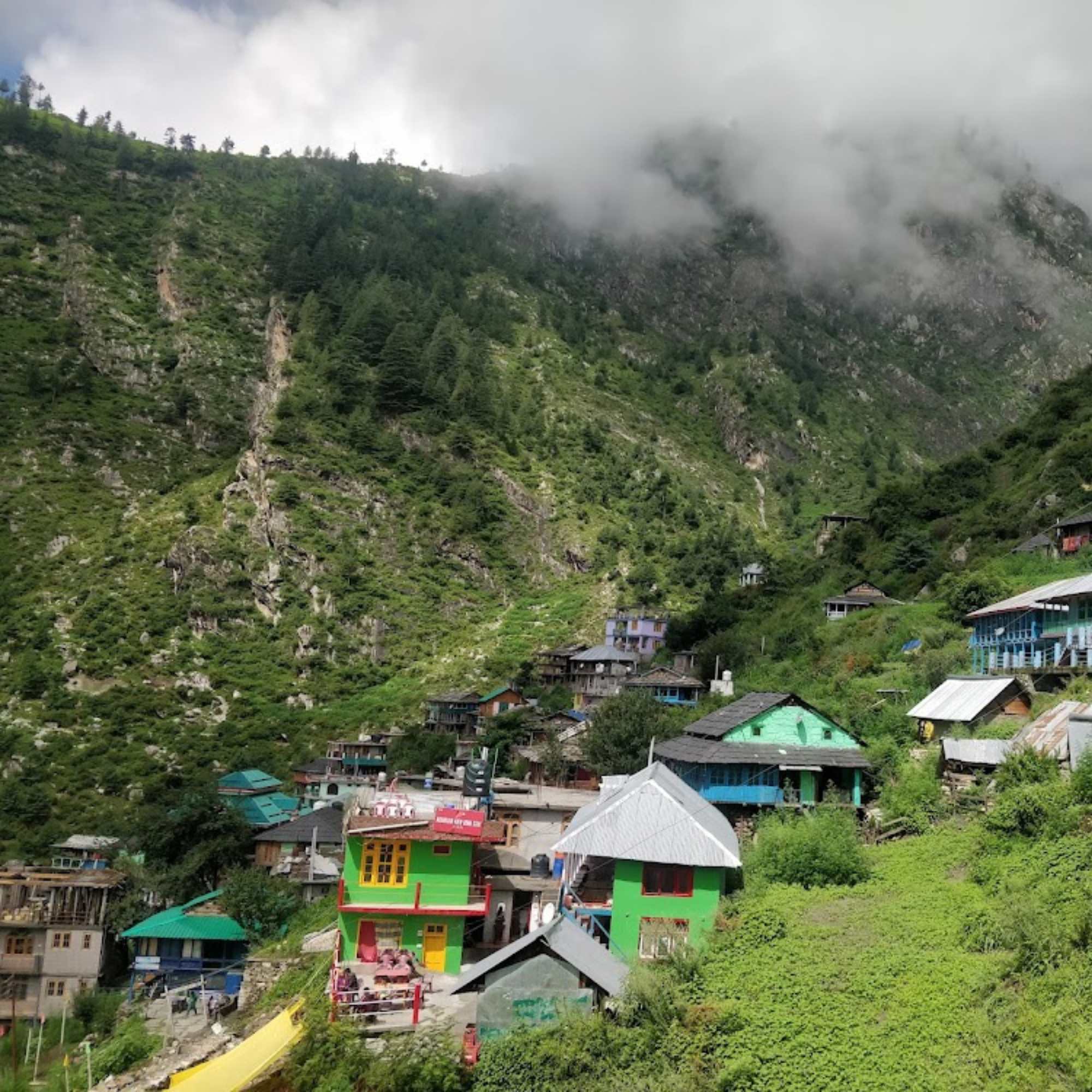
If you have four days, you get breathing room, which is exactly what September rewards.
Day 1 is your easy arrival: Kasol, cafés, and the Chalal walk if the weather is good.
Day 2 takes you to Manikaran, then on to Tosh or Barshaini if the roads are clear and dry.
Day 3 is your Kheerganga day, but only if the weather is genuinely clear. If the sky looks bad, swap it for a relaxed valley day instead.
Day 4 is your return, kept unhurried so road delays do not stress you out.
The one rule that ties this all together: never force a trek in heavy rain. The mountain will still be here next season. You want to be too.
How to Reach Kasol in September
Kasol is about 30 km from Bhuntar, 36 km from Kullu, and Bhuntar Airport sits about 31 km away. For trains, Joginder Nagar railway station is about 144 km out, and Chandigarh Airport is roughly 260 km from Kasol, so most people come by road.
For buses, HRTC allows 60 days advance booking, which is genuinely useful in a busy travel season. Book early and you skip a lot of stress.
For Delhi to Kasol, sources put the road distance somewhere between 529 and 531 km, and travel time anywhere from around 10.5 to 13.75 hours.
Once you reach Bhuntar, a taxi to Kasol usually costs around ₹1,200 to ₹1,500, while the local bus is much cheaper and may cost around ₹150. Treat these as planning estimates because fares can change with season, demand and availability, so confirm the latest price before you commit.
Here is a money tip our team gives constantly
The local bus from Bhuntar to Kasol costs a fraction of a taxi. If you are travelling light and not in a rush, that ₹150 bus saves you over a thousand rupees for the same short ride.
If you are stretching this into a bigger Himachal loop, our Manali tour packages pair well with a few days in Parvati Valley.
What to Pack for Kasol in September

Pack for a month that cannot make up its mind.
Start with a proper waterproof jacket and a rain cover for your bag, because September rain arrives without much warning. Add trekking shoes with strong grip, since this is the single most underrated item people skip.
Carry light woollens for the cool mornings and evenings, plus quick-dry clothes that handle damp air better than cotton. Warm socks make a bigger difference than you would think when your feet get wet.
Round it off with a power bank, enough cash, your basic medicines, and a reusable bottle.
One honest warning from us: normal sneakers slip badly on wet trails here. We have seen too many travellers turn a fun walk into a fall because their shoes had no grip. Do not cheap out on footwear.
Budget for Kasol in September 2026
Kasol stays kind to your wallet, which is half its charm.
For stays, hostel dorms run about ₹400 to ₹700 a night, budget guesthouses around ₹1,000 to ₹2,000, and riverside camps roughly ₹1,500 to ₹2,500. Simple food works out to about ₹600 to ₹800 per day if you eat at local spots.
For transport, that Bhuntar to Kasol taxi sits at ₹1,200 to ₹1,500, while the local bus is around ₹150.
Treat all of these as planning numbers only. Prices swing with the weekend, the weather, room quality, and how late you book. Lock your stay early and you usually pay the lower end.
Kasol in September vs October: Which Is Better?
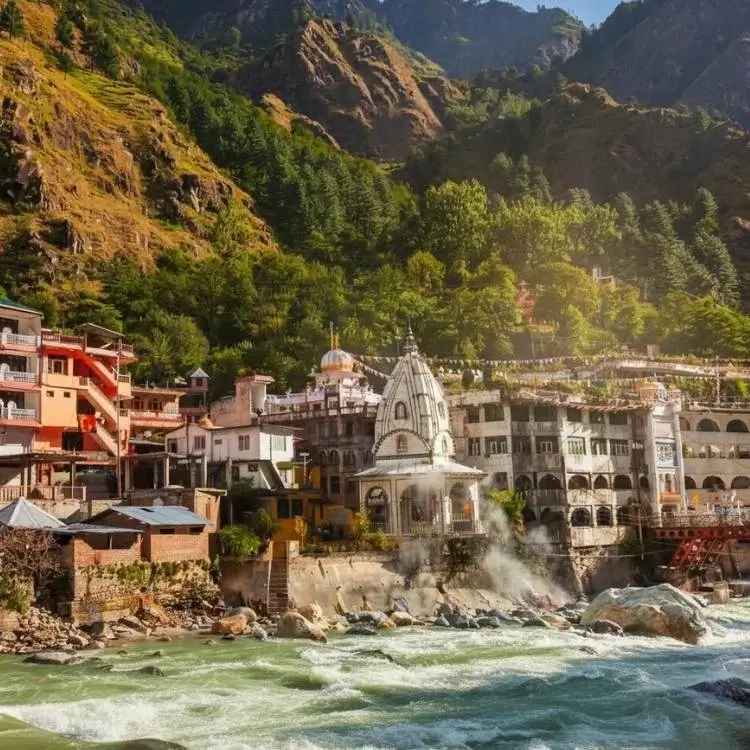
This comes down to what you value more: greenery or certainty.
September wins on greenery, mist, low crowds, and that backpacker budget feel. The valley looks its richest, and the cafés are calm.
October wins on clear skies, safer trail conditions, and more predictable movement. The weather risk drops noticeably.
Our honest recommendation
Pick September if you are flexible and chasing the green, misty Parvati. Pick October if you are travelling with family or simply want lower weather risk and smoother roads.
If you are still torn between valleys altogether, read our take in Jibhi or Kasol, which is better, and check our Jibhi and Tirthan Valley packages if a quieter valley sounds more your speed.
Who Should Visit Kasol in September and Who Should Avoid It?
September Kasol is made for backpackers, couples, photographers, café-hoppers, and flexible groups who do not mind shifting plans around a forecast.
It is not the right month for travellers with zero buffer days, first-timers who need guaranteed trek conditions, families with very young kids during rain spells, or anyone who gets stressed by delays.
If a single roadblock would ruin your week, push your trip to October instead. Be honest with yourself about that before you book.
👉 Want us to fine-tune this plan for your dates? Chat with our Himachal team on WhatsApp.
Explore Our Curated Kasol Tour Packages
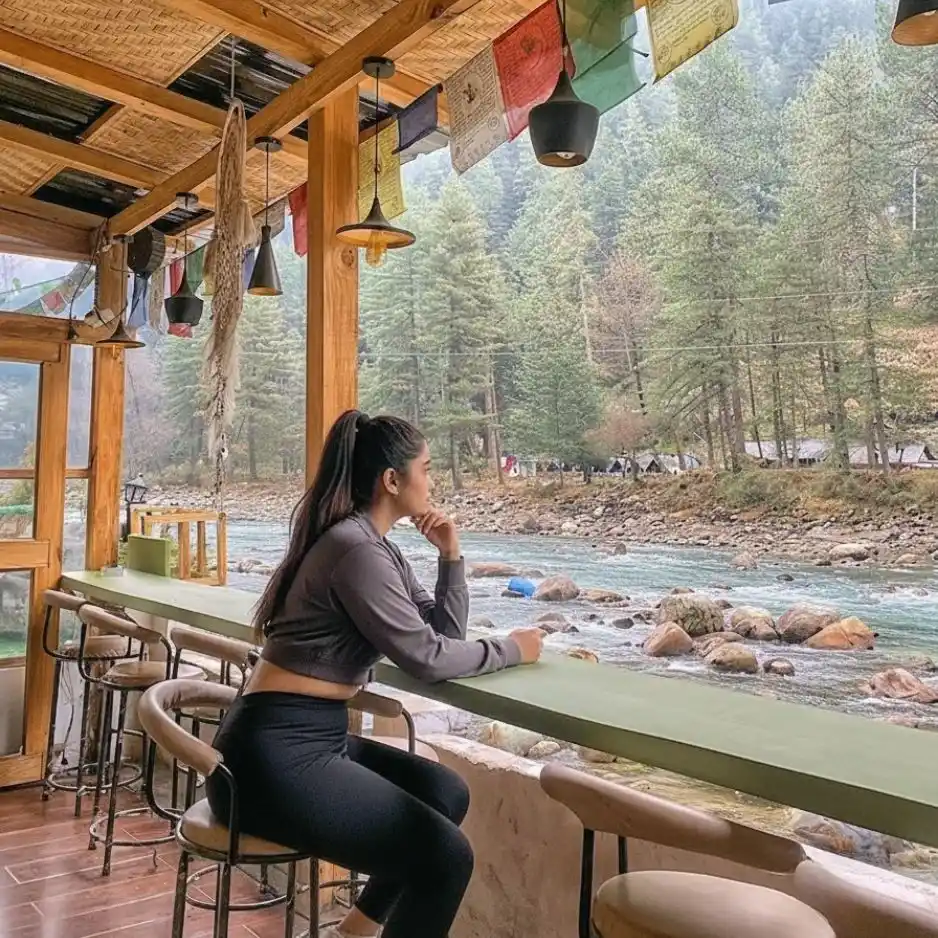 4D/3N
4D/3NPerfect Manikaran Kasol Tosh Weekend Getaway
1D Delhi•2D Kasol+1
₹15,999₹19,999SAVE INR 4,000/ person 7D/6N
7D/6NManali Kasol Jibhi Valley Trip
1D Delhi•2D Manali+3
₹25,799₹32,999SAVE INR 7,200/ person 8D/7N
8D/7NManali Kasol Bir Himalayan Explorer
1D Delhi•2D Bir+3
₹21,999₹27,999SAVE INR 6,000/ person
Related topics
Frequently Asked Questions
Is September a good time to visit Kasol?
Yes, especially late September. You get green valleys, cool weather, and fewer crowds, as long as you stay flexible with the rain.
How is the weather in Kasol in September?
Cool mornings, mild afternoons, humid air, and the chance of rain. Sources differ on exact temperatures, so treat numbers as a rough guide.
Does it rain in Kasol in September?
Yes, it can. September is the tail of monsoon, so early September especially can still see rain spells and slippery trails.
Is Kasol safe in September?
It can be, when roads and weather are clear. But landslides, roadblocks, and cloudbursts are real monsoon risks, so check forecasts and road updates first.
Is Kheerganga trek open in September?
It is generally a post-monsoon trekking window, but you should check local weather before starting and avoid the trek right after heavy rain.
Can I visit Tosh in September?
Yes, if road conditions allow. Wet weather can slow access, so keep this part of your plan flexible.
Can I visit Malana in September?
Yes, but follow local rules strictly and do not touch walls or belongings. Skip it during heavy rain or poor visibility.
What should I wear in Kasol in September?
Layers. A waterproof jacket, light woollens, quick-dry clothes, and trekking shoes with strong grip for wet trails.
How many days are enough for Kasol?
Three days work for a relaxed trip. Four days are better if you want to fit in a trek with weather buffers.
How do I reach Kasol from Delhi?
Mostly by an overnight road journey, with the distance around 529 to 531 km. Exact travel time varies, so treat it as a long road trip and book buses early.
Is September better than October for Kasol?
September is better for greenery and budget vibes. October is better for clearer skies and lower weather risk.
Can I see snow in Kasol in September?
No. Kasol sits at about 1,580 m, and September is far too early for snow at this elevation.
More about Kasol
- Kasol
Best Offbeat Places Near Kasol Most Tourists Miss in 2026
Escape the crowds and discover the hidden side of Kasol in 2026. From peaceful villages and untouched valleys to scenic trails and secret viewpoints, these offbeat places near Kasol offer authentic Himalayan experiences that most tourists completely miss.
- Places to Visit
- Things to Do
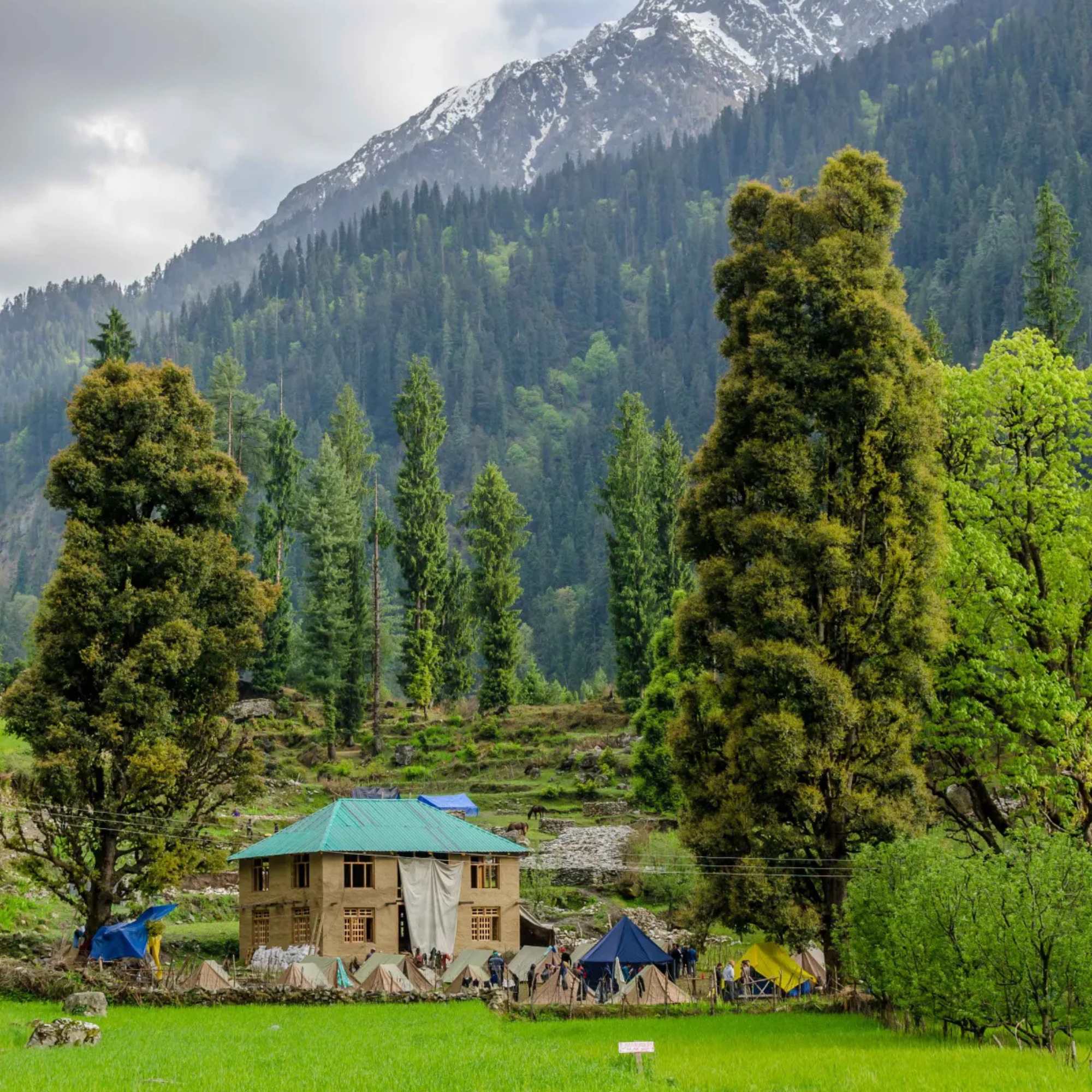 Kasol
KasolRasol Village Trek From Kasol 2026: Route, Distance & What to Expect
Planning the Rasol Village Trek from Kasol in 2026? Explore the complete trekking route, distance, difficulty level, stay options, and essential travel tips to experience one of Parvati Valley’s most peaceful and offbeat Himalayan villages.
- Things to Do
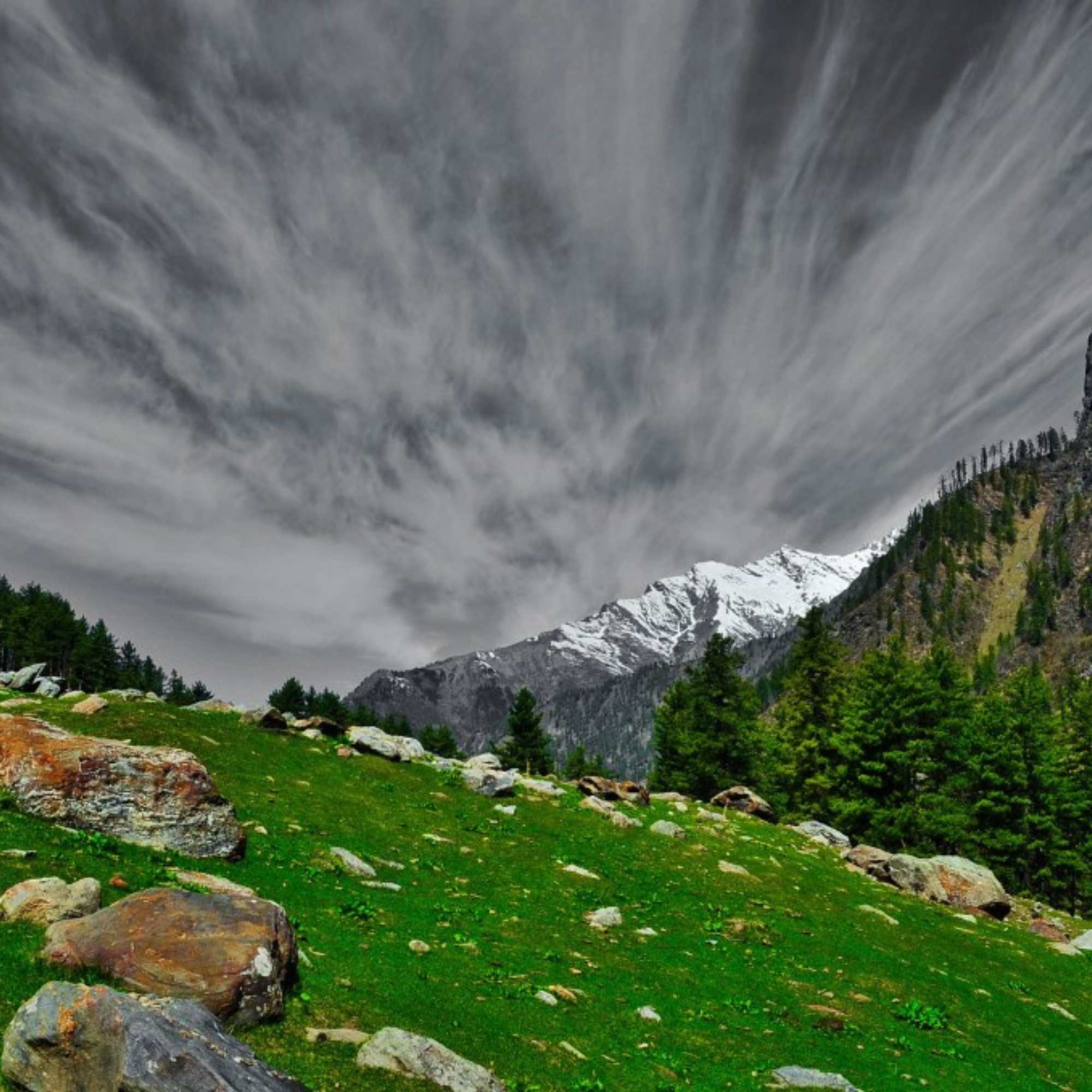 Kasol
KasolKalga, Pulga & Tulga Villages in 2026: The Offbeat Side of Parvati Valley
A Himachal Pradesh travel expert or experienced Parvati Valley trek guide with firsthand knowledge of Kalga, Pulga, and Tulga. The content should provide practical insights on trekking routes, homestays, local culture, seasonal travel, and hidden attractions, helping readers plan an authentic offbeat Himalayan experience with confidence.
- Places to Visit