
Kasol in October 2026: Weather, Autumn Views, Treks & Complete Travel Guide
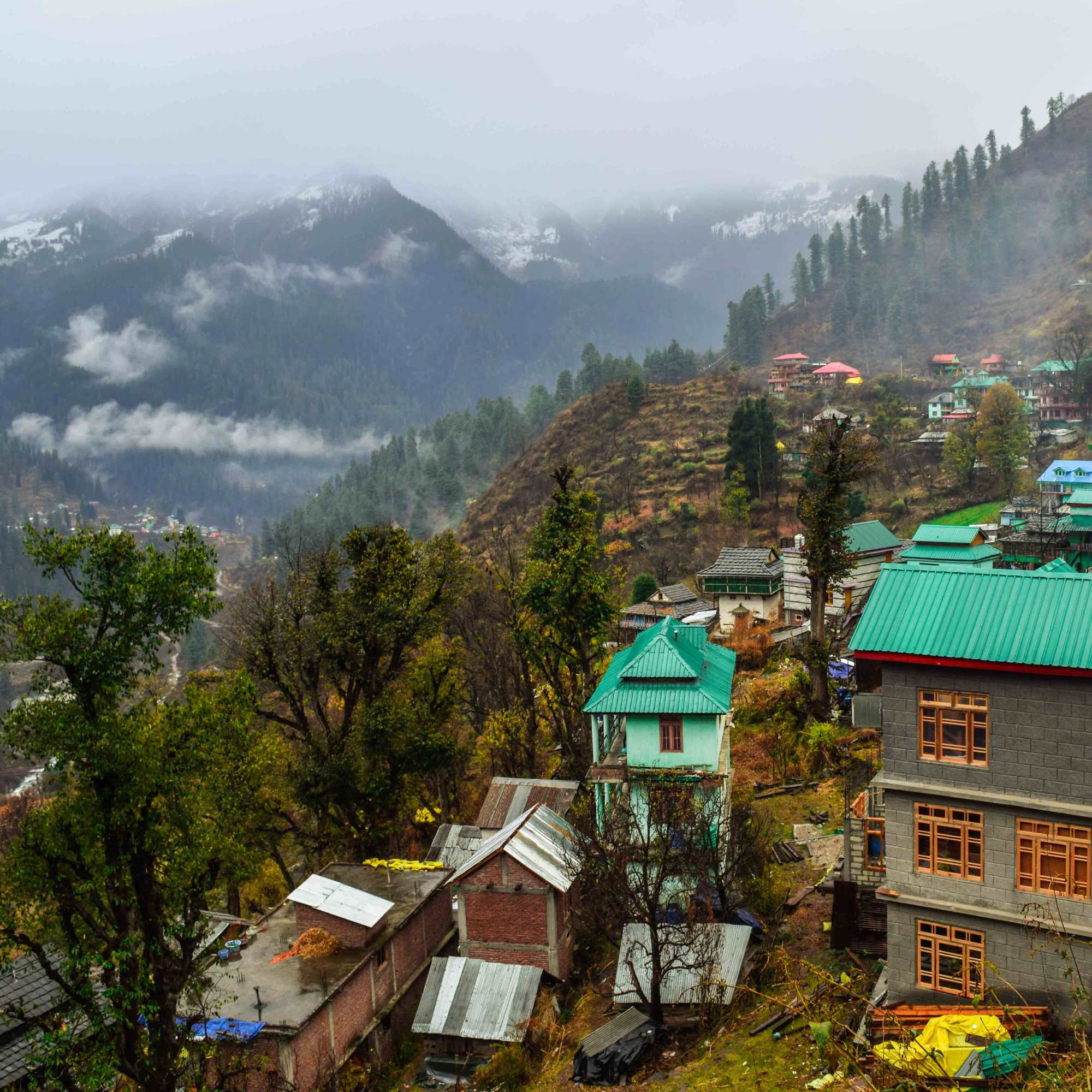
Kasol in October is that sweet spot most people miss. The monsoon has packed up, the river runs clear, the cafés are still buzzing, and you get mountain light that photographers wait all year for.
The catch nobody warns you about: the afternoons trick you. You will sit by the Parvati River in a t-shirt at 2 PM feeling like it is summer, and by 8 PM you will be hunting for an extra layer you did not pack.
We run trips through Parvati Valley every season, and October is the month our travellers send us the most photos from. Here is everything you need to plan it right.
Quick Answer: Is October a Good Time to Visit Kasol?
Yes, October is one of the best months for Kasol.
You get clear skies, fresh post-monsoon air, easy café evenings, slow riverside walks, and dry trails for beginner treks. Days feel pleasant in the sun.
Nights are a different story. They get cold fast, especially in late October and around higher villages like Tosh and Grahan.
Do not come expecting snow in Kasol town in October. That almost never happens this early.
What Is the Weather Like in Kasol in October?
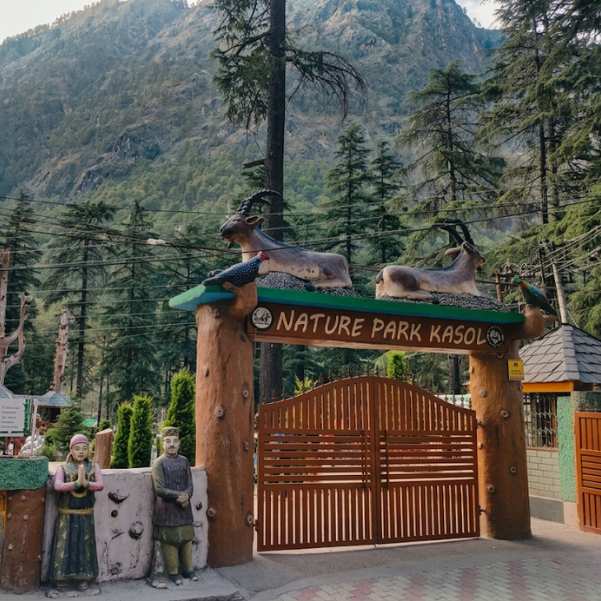
October weather in Kasol is cool, mostly dry, and clear after the monsoon. Daytime temperatures usually stay around 9°C to 12°C, while nights can drop close to 0°C or below.
You also get around 11 hours of daylight, making it a good month for walks, cafés, short hikes, and mountain views.
Some travel blogs describe daytime as feeling like 8°C to 20°C in the sun, but treat that as a comfort range, not a forecast.
So plan for warm middays and genuinely cold nights. The gap between the two surprises most first-timers.
Early October vs Late October
Early October is the gentler half. The air is mild, daytime walks feel comfortable, and café evenings need only a light jacket.
Late October flips the mood. Nights bite harder, mornings are frosty, and trek routes around Tosh, Kalga, and Grahan need proper woollens.
In our experience, couples who want easy weather book early October, while travellers chasing that quiet, end-of-season feel pick the last week.
Does It Rain or Snow in Kasol in October?
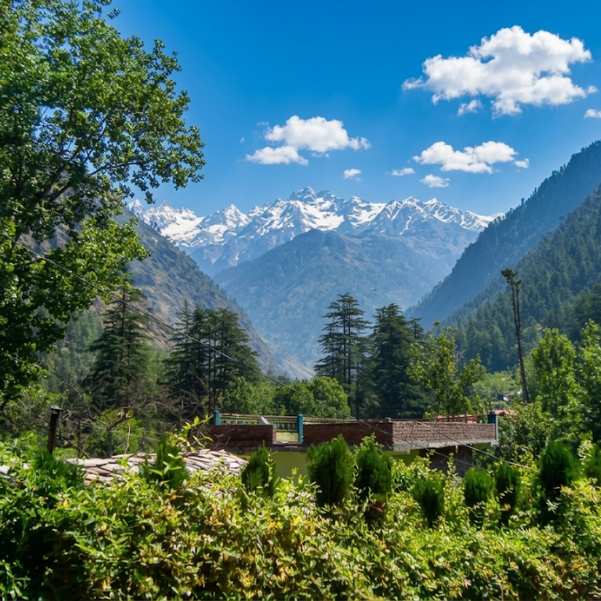
October is much drier than the monsoon months. Climate-Data lists about 29 mm of rainfall across roughly 4 rainy days for the month.
That is a big drop from July and August, which is exactly why the trails firm up and the river clears.
Do not expect snow in Kasol town in October. The town sits too low for that this early in the season.
Higher ridges around the valley can look dusted with white after a sudden weather change, but treat any fresh snow as a maybe, not a plan.
What Do Autumn Views Look Like in Kasol in October?
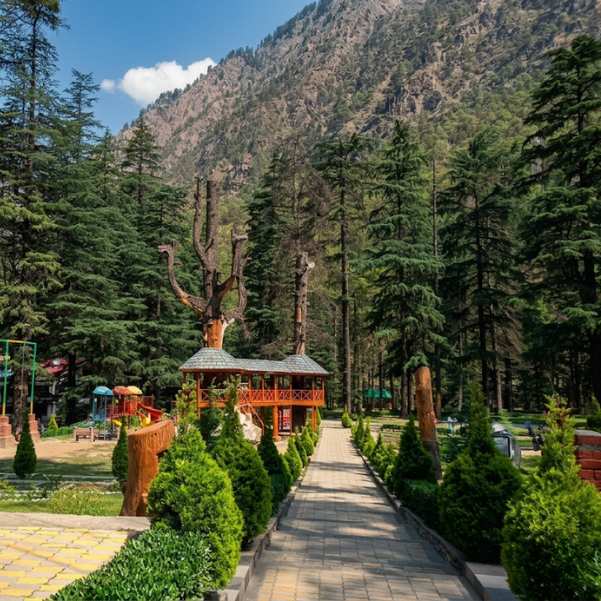
This is where October earns its reputation. The haze of monsoon lifts and the mountains turn sharp and close.
The Parvati River runs clearer than in the wet months, and you can actually see the far ridges instead of a wall of cloud.
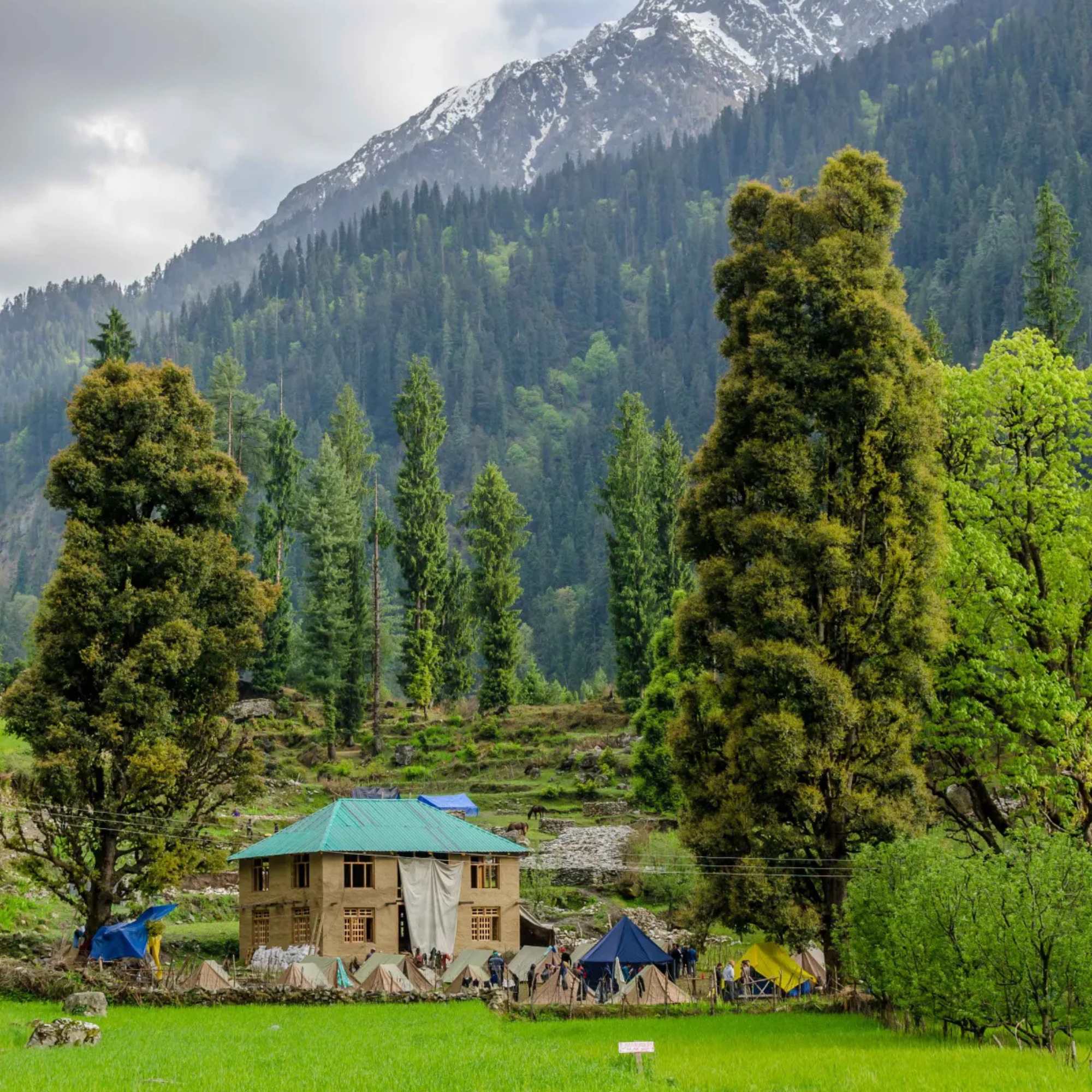
Around the villages, you get golden and brown patches where the season is turning, set against deep green pine.
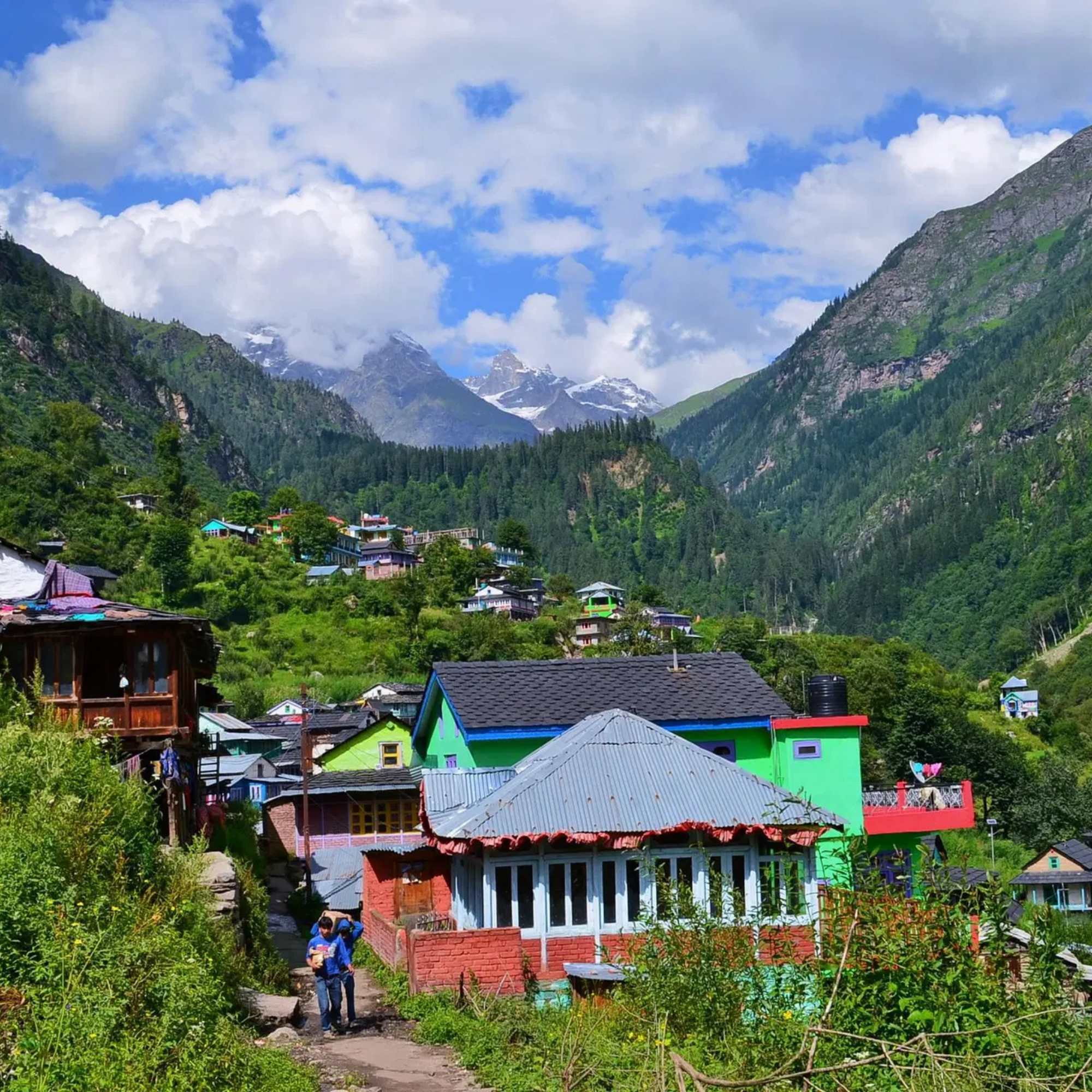
For photos, the standouts are the river stretch near Kasol, the walk to Chalal, the village views at Tosh, the orchards around Kalga and Pulga, and the forest light on the Grahan trail.
One thing most tourists get wrong: they shoot everything at midday when the light is flat. Go out at sunrise or in the last hour before sunset and the same spots look completely different.
Best Things to Do in Kasol in October
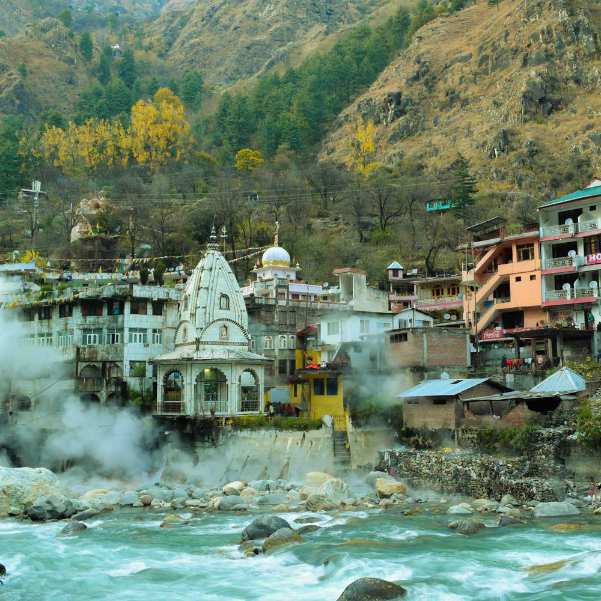
You do not need a packed schedule here. Kasol rewards a slow plan.
Start with the riverside. A morning walk along the Parvati, with a coffee in hand, is the thing our travellers remember most.
Café hopping is the other big draw. The Kasol and Chalal cafés stay open through October and the cold weather makes them cosier.
A visit to Manikaran Sahib is a must. The gurudwara, the hot springs, and the free langar are all worth your time, and the langar is genuinely good hot food at zero cost.
Spend an unhurried hour in the local market, do a short hike to Chalal or a nearby viewpoint, and book at least one night in a village stay for the quiet.
If you want someone to handle stays, transport, and routing for you, our customized Kasol tour package is built around exactly this kind of slow, local trip.
Which Treks Are Best Near Kasol in October?
October is a strong trekking month around Kasol. The trails are drier than in monsoon and the visibility is better, so you actually see the peaks you came for.
Always check local weather and road updates before you set off. Mountain conditions here change week to week, and a clear morning in Kasol does not promise a clear afternoon higher up.
Chalal Trek
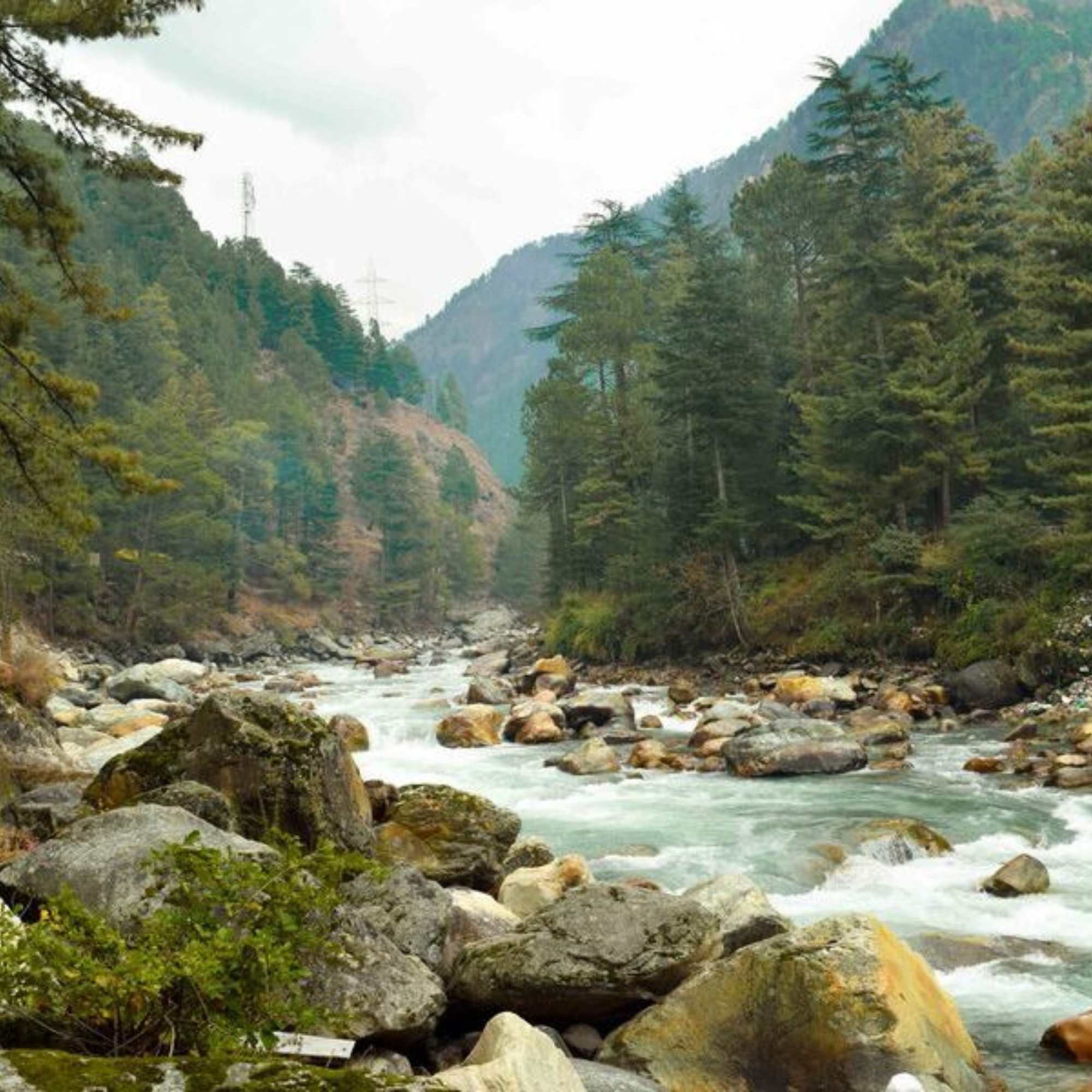
The Chalal trek is the easiest one and the one we suggest first to nervous walkers.
It is a short, flat forest walk from the Kasol side, with river views most of the way and cafés waiting at the other end.
It suits first-timers, couples, and anyone who wants a relaxed half-day plan without committing to a real climb.
Grahan Trek
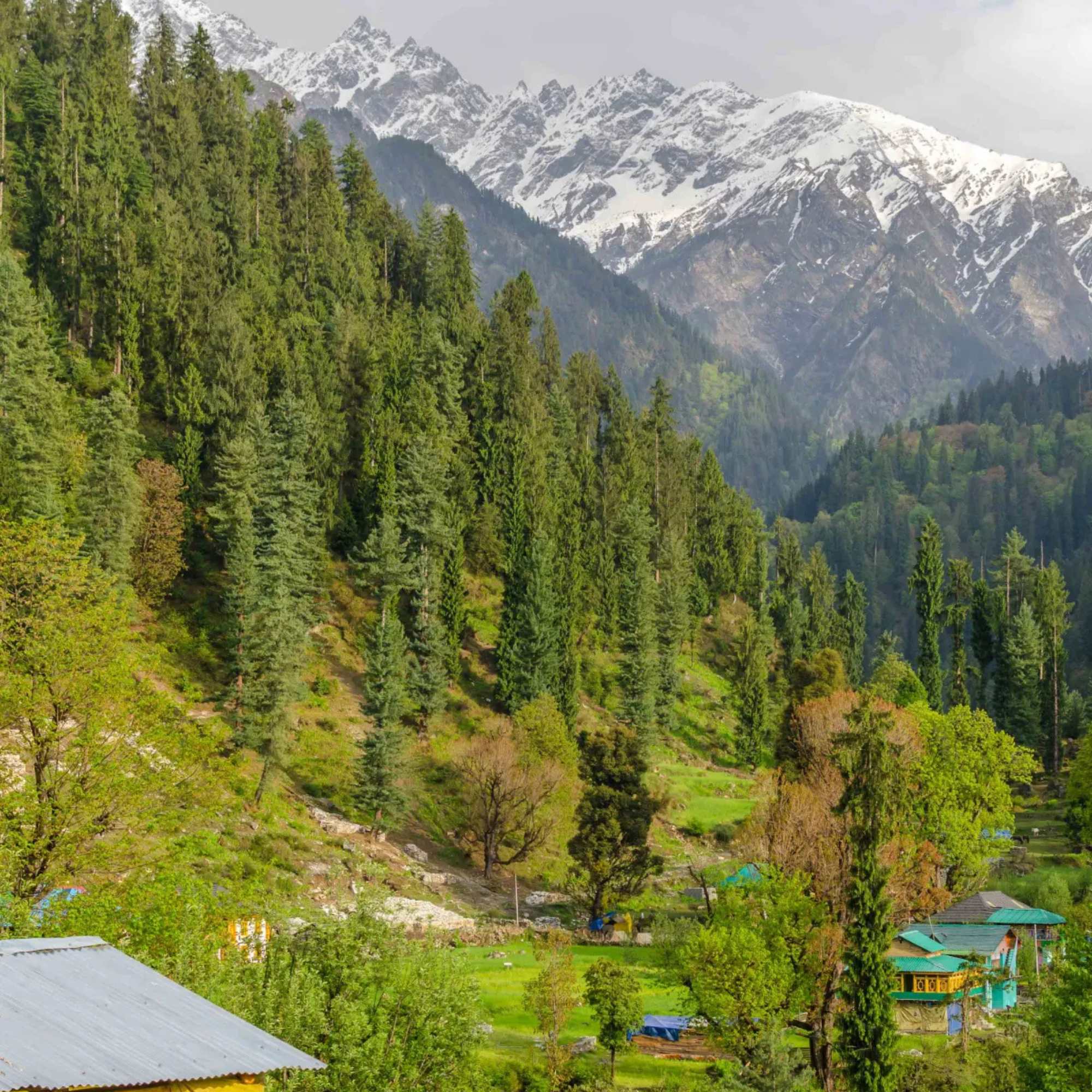
Grahan is quieter and asks for a bit more effort. It is a moderate forest route that keeps the crowds away.
Start early, because the days are short in October and you do not want to be coming down in the dark.
Carry enough water, some snacks, and a light jacket even if the morning feels warm.
Tosh, Kalga and Pulga
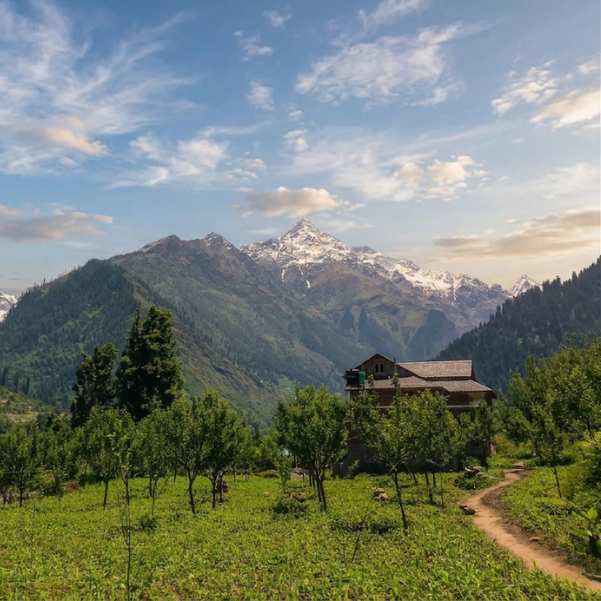
These villages sit on the Barshaini side and give you the slow autumn experience rather than a hard trek.
You get apple-village atmosphere, easy walks, and great places to just sit and stare at the valley.
They also work as a base for an early Kheerganga start, but only if the trail rules and road status check out that week.
Kheerganga Trek in October
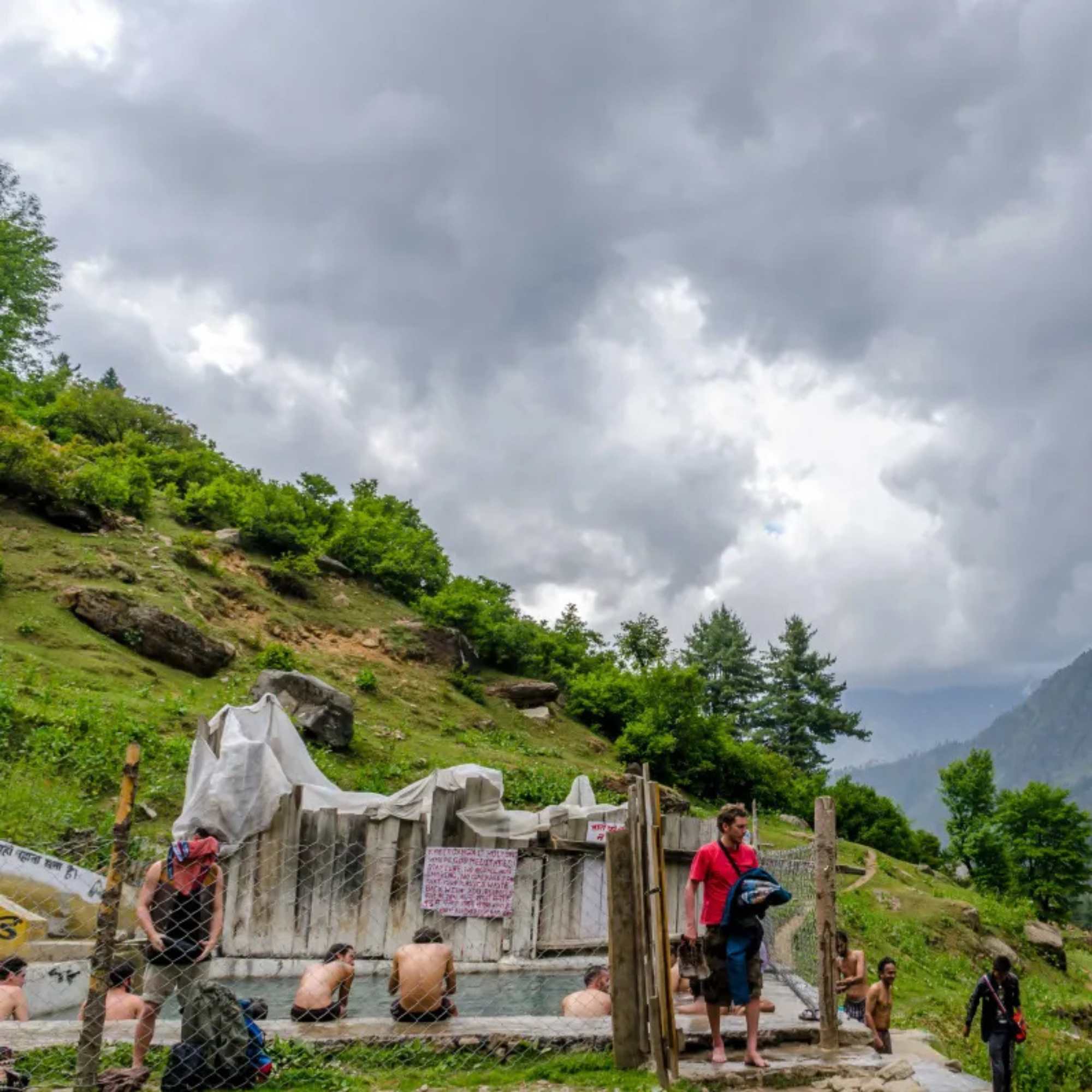
Kheerganga is the famous one. HPTDC lists the height as 2,960 m, the route as Manikaran to Barshaini to Kheerganga, the duration as 2 days, the best season as April to December, and the difficulty as easy.
HPTDC says Barshaini is the last motorable point, and the walk from Barshaini to Kheerganga takes around 4 hours.
The reward at the top is the natural hot springs, surrounded by open mountain views. A hot soak at that altitude after a long walk is hard to beat.
HPTDC recommends hiring a guide, and we agree, especially if it is your first time on this trail.
>>Need a reality check on trek conditions? Chat with our team on WhatsApp.
Is Kheerganga Camping Allowed in 2026?
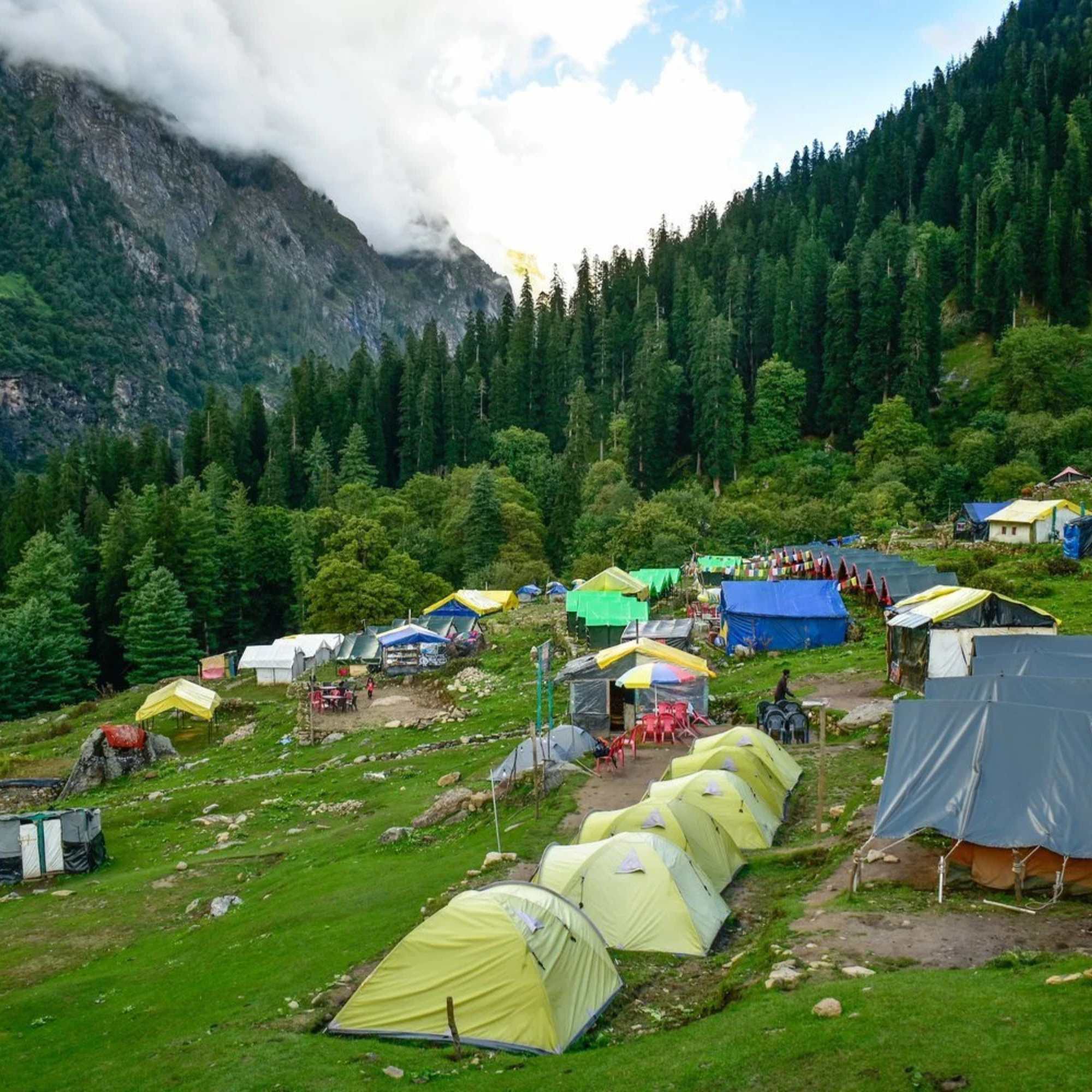
This is where you need to be careful, because the information is genuinely mixed.
HPTDC's public page still mentions trekking and camping at Kheerganga.
But newer travel updates claim overnight camping at Kheerganga has been banned since July 2024, with only day visits allowed, entry before 10 AM, and descent by 2 PM.
Treat this as conflicting, verify locally before you plan any overnight stay. Do not assume the camps are running just because an old page says so.
What we tell our travellers is simple: plan to sleep at Barshaini, Kalga, Pulga, or Tosh, and treat Kheerganga as a day walk unless overnight stays are confirmed for your dates.
How Many Days Are Enough for Kasol in October?
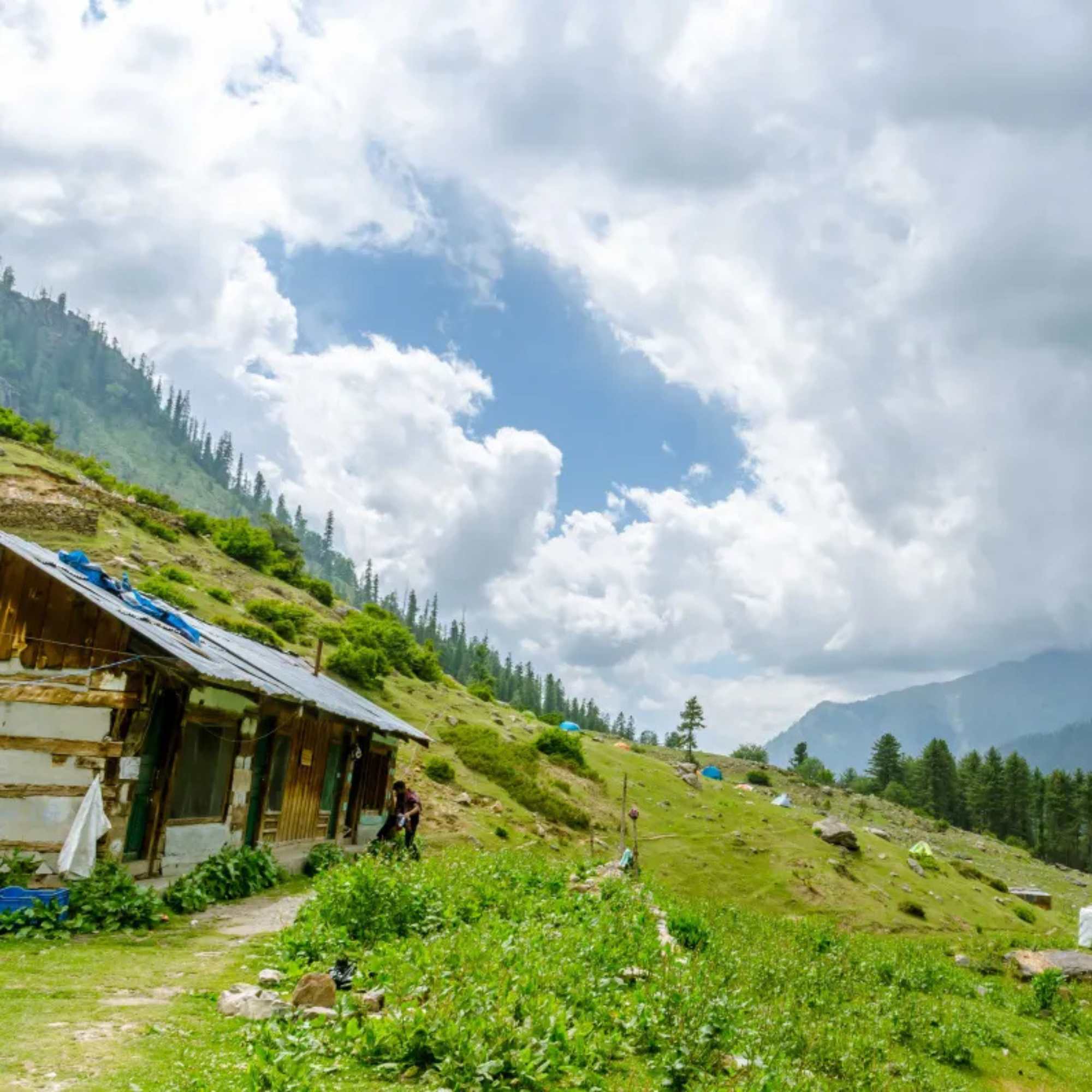
Three days is enough for the core. That covers Kasol itself, the Chalal walk, Manikaran Sahib, and one village side trip.
Four to five days is better if you want to add Grahan, Tosh, Kalga, Pulga, or Kheerganga.
Kheerganga in particular needs an early start, and you should keep a buffer day in case the road or trail status is uncertain.
In our experience, the travellers who try to cram all of this into three days are the ones who go home tired instead of relaxed.
How to Reach Kasol in October
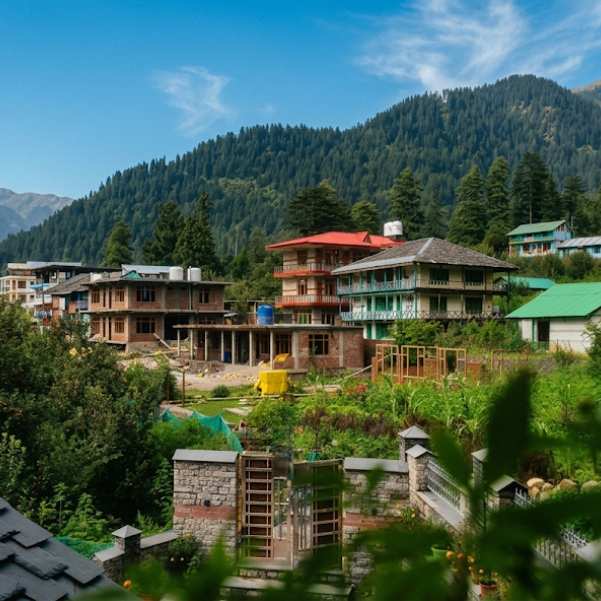
The Kullu district is well connected by both road and air, so getting to the Parvati Valley side is straightforward in October once the monsoon is over.
HRTC runs frequent buses from Kullu and Manali to major cities, and the official HRTC site allows advance booking up to 60 days ahead. Book early on weekends and around festival dates.
The airport for this side is Kullu-Manali Airport at Bhuntar. The Kullu district lists Bhuntar as 10 km from Kullu and 50 km from Manali.
Delhi to Kasol
Most Delhi travellers take an overnight bus. The journey runs around 12 to 14 hours, but treat that as a rough blog estimate, not a fixed time.
The usual pattern is an overnight bus to the Bhuntar or Kasol side, then a local cab or bus onward depending on your operator.
Chandigarh to Kasol
From Chandigarh, the drive is shorter, around 7 to 8 hours.
Chandigarh works well if you fly or take a train first and then continue by road into the valley.
Nearest Airport and Railway Station
Competitors commonly list Bhuntar Airport to Kasol as around 31 km and Joginder Nagar railway station to Kasol as around 144 km. Treat both as rough figures.
Road Conditions, Safety and 2026 Travel Checks
October falls after the monsoon, so the roads are usually more manageable than they are in July and August. That said, mountain roads here can still throw surprises.
A February 2026 report flagged a landslide that blocked the Manikaran to Barshaini link road at Ghatigarh, with the area seeing frequent landslides and shooting stones.
So before you head towards Barshaini, Tosh, Kalga, Pulga, or Kheerganga, verify the same-week road status. Do not rely on a forecast from a month ago.
Save these official emergency contacts before you lose signal. The Kullu District Emergency Operation Center numbers are 01902-225630 and 01902-225631.
What to Pack for Kasol in October

Layering is the whole game here. Carry thermals, a fleece, and a warm jacket for the evenings and mornings.
Add warm socks, a beanie, and gloves if you are travelling in late October or heading to higher villages.
Pack proper trekking shoes with grip, a light rain shell just in case, a torch, a power bank, basic medicines, cash for places that do not take cards, and a reusable bottle.
The mistake we see most is people packing for the sunny afternoons they imagine. The cold comes at night and early morning, and that is what catches travellers off guard.
Where to Stay in Kasol in October
Where you stay should match the trip you want.
The Kasol main market suits first-timers who want cafés, easy food, and people around. It is convenient but it is also the busiest and most commercial part of the valley.
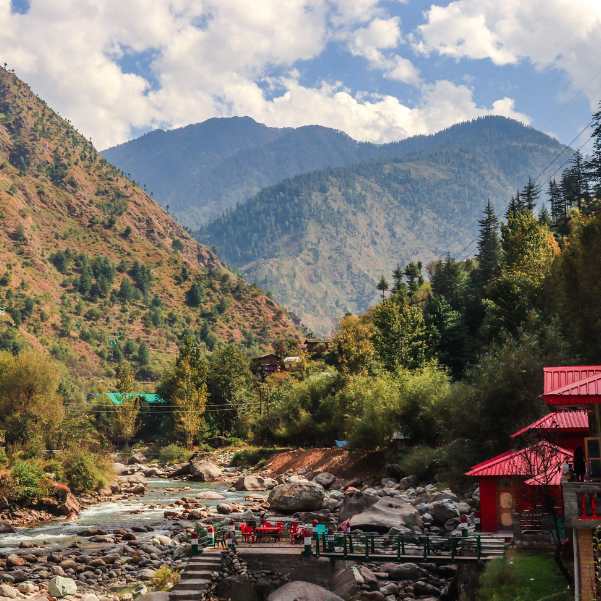
Chalal is the quieter riverside option, a short walk from town but a completely different mood.
Tosh, Kalga, and Pulga give you the proper village atmosphere, with apple orchards and big valley views.
The Barshaini side makes sense only if you want an early Kheerganga start, since it puts you closest to the trailhead.
Still torn between this valley and another? We compared them honestly in our guide on Jibhi or Kasol, which is better.
What Is the Budget for a Kasol Trip in October?
Costs vary a lot depending on how you travel, so treat these as practical planning estimates.
For a 3 day, 2 night Kasol trip in October, a budget traveller can plan around ₹4,000 to ₹6,000 per person if using buses, hostels or basic stays, and simple food options.
A mid-range trip usually falls around ₹8,000 to ₹12,000 per person with better stays, café meals and more comfortable local transport.
A premium or luxury-style trip can go above ₹15,000 per person, especially with private cabs, boutique stays or riverside properties.
Hotel, cab and bus prices move with season, weekends and demand, so always confirm current rates before you lock anything in.
Kasol in October Itinerary: 3 Days and 5 Days
Here is how we usually shape these trips for our travellers.
For three days, spend Day 1 arriving in Kasol, settling in, and easing into the place with a riverside walk, café time, and the short hike across to Chalal.
On Day 2, pick between Tosh for a slow village day or Grahan for a moderate forest trek, depending on your fitness and what you are in the mood for.
Keep Day 3 for Manikaran Sahib, some unhurried market time, and your journey back.
For five days, slow the whole thing down. Add a night or two in Kalga or Pulga for the orchard quiet, do the Grahan trek with no rush, and keep the optional Kheerganga day only after you verify camping, trail, and road status locally.
The extra two days are what turn a quick getaway into a real Parvati Valley trip.
Should You Combine Kasol with Manali, Jibhi or Kullu Dussehra?
October opens up some good combinations if you have the time.
Kullu Dussehra 2026 is listed for 15 October 2026 at Dhalpur Maidan in the Kullu Valley, with no ticket listed. It is a huge, colourful festival, but it also means crowds and heavy traffic.
Add it only if you are comfortable with festival chaos. If you want quiet mountains, the dates around Dussehra are not the time for it.
For a wider plan, pair Kasol with a Manali tour package, check out the top adventure activities in Manali if you want some thrill, or swing across to Jibhi and Tirthan Valley for a softer, greener change of pace.
Responsible Travel Tips for Kasol in October
Kasol has had real waste-management problems, with concerns reported through 2025. The valley stays beautiful only if travellers do their part.
Carry your waste back with you, especially on the trails where there are no bins. Do not litter, and keep plastic away from the river.
Respect village rules in places like Tosh and Malana, where local customs matter more than your photo.
Stay away from risky river edges, the Parvati runs fast and cold, and avoid isolated hikes after dark when the temperature drops and help is far away.
One honest word: do not treat Malana as a casual day trip. The village has strict local rules about touching homes and people, and a careless visit there does more harm than good.
Final Verdict: Who Should Visit Kasol in October?
October is made for couples, groups of friends, photographers, first-time backpackers, and anyone who wants clear skies paired with cold café evenings.
It is the version of Kasol with the best light, the cleanest river views, and trails that are dry enough to actually enjoy.
It is not the trip for you if you are expecting guaranteed snow in Kasol town, or if your whole plan depends on overnight camping at Kheerganga, which is still unconfirmed for 2026.
We have sent plenty of travellers here in October and the feedback is almost always the same: they wish they had stayed a day or two longer.
>>Not sure if October is the right fit for your trip? Talk to our team on WhatsApp.
Explore Our Curated Kasol Tour Packages
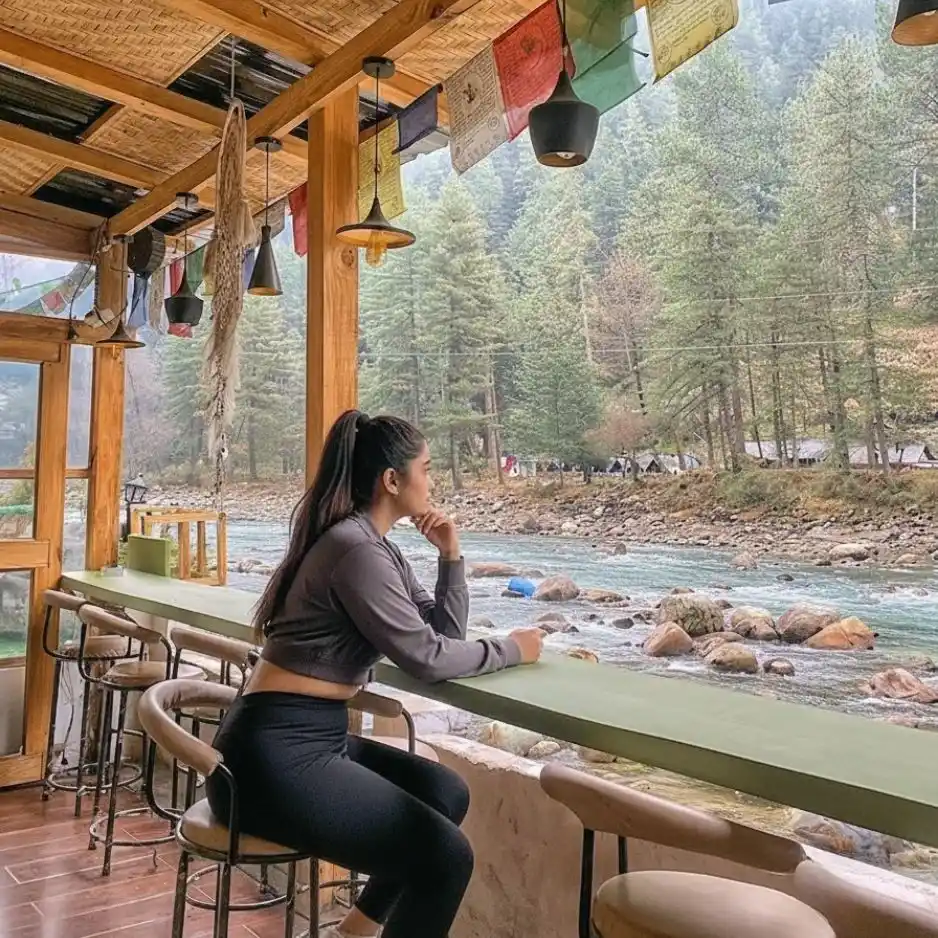 4D/3N
4D/3NPerfect Manikaran Kasol Tosh Weekend Getaway
1D Delhi•2D Kasol+1
₹15,999₹19,999SAVE INR 4,000/ person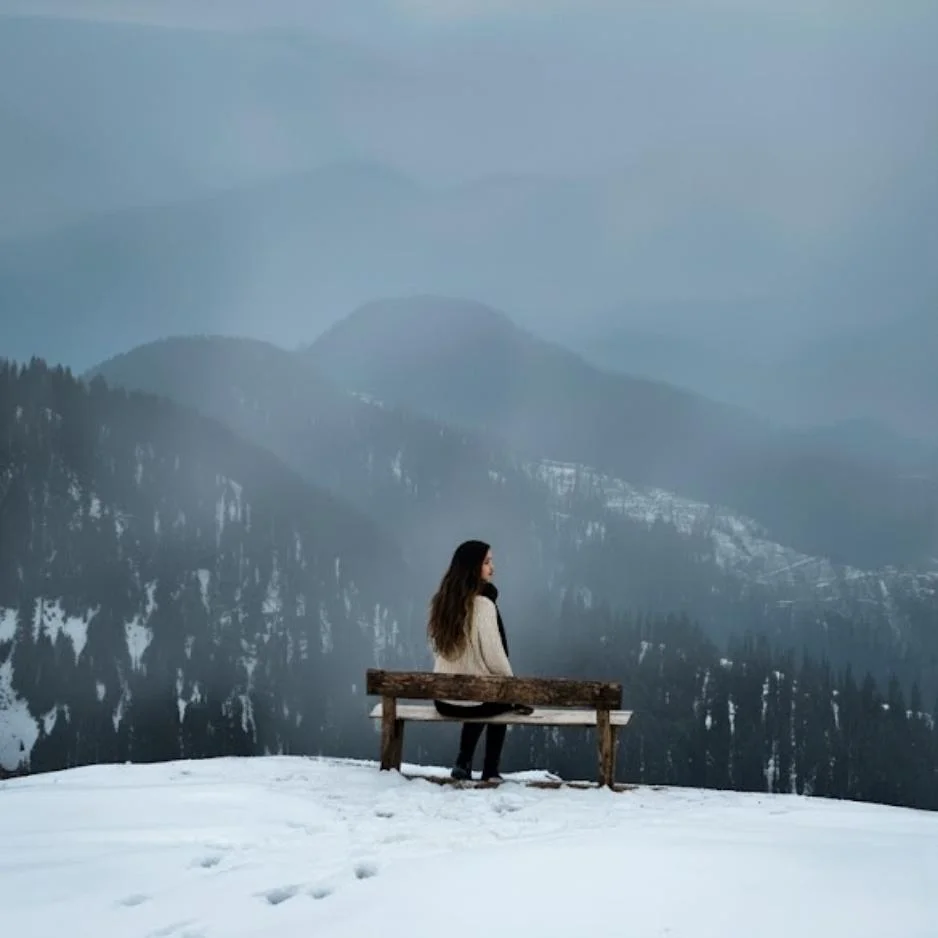 7D/6N
7D/6NManali Kasol Jibhi Valley Trip
1D Delhi•2D Manali+3
₹25,799₹32,999SAVE INR 7,200/ person 8D/7N
8D/7NManali Kasol Bir Himalayan Explorer
1D Delhi•2D Bir+3
₹21,999₹27,999SAVE INR 6,000/ person
Related topics
Frequently Asked Questions
Is October a good time to visit Kasol?
Yes. You get clear skies, dry trails, fresh post-monsoon air, and cosy café evenings. Days are pleasant and nights are cold.
What is the temperature in Kasol in October?
Climate-Data lists around a 12.1°C maximum and a -1.6°C minimum, with an average near 5.5°C. Expect warm middays and cold nights.
Does Kasol get snow in October?
Snow in Kasol town is very unlikely in October. Higher ridges may occasionally look white after a weather change, but do not plan around it.
Is Kheerganga trek open in October?
Yes, HPTDC lists the season as April to December, so October falls within it. Verify the same-week road and trail status before you go.
Is camping allowed at Kheerganga in 2026?
This is conflicting. The HPTDC page still mentions camping, but newer updates claim overnight camping was banned from July 2024. Verify locally and plan to stay at Barshaini, Kalga, Pulga, or Tosh otherwise.
What clothes should I pack for Kasol in October?
Layers. Thermals, fleece, a warm jacket, warm socks, a beanie, gloves for late October, a rain shell, and trekking shoes. Sunny afternoons are misleading, so pack for cold nights.
Is Kasol safe for couples in October?
Yes, it is one of the more popular couple destinations in Himachal. Stick to known stays, avoid isolated trails after dark, and keep to safe river spots.
Is Kasol safe for solo travellers in October?
Generally yes, including for solo travellers. Keep someone informed of your plan, avoid lonely hikes after dark, and save the Kullu emergency numbers before you lose signal.
How many days are enough for Kasol in October?
Three days covers Kasol, Chalal, Manikaran, and one village trip. Four to five days is better if you add Grahan, Tosh, Kalga, Pulga, or Kheerganga.
Which treks are best near Kasol in October?
Chalal for an easy walk, Grahan for a quieter moderate route, and Kheerganga for the famous hot-springs trek. Tosh, Kalga, and Pulga are great for slow village stays.
How much does a Kasol trip cost in October?
A budget 3 day trip runs around ₹4,000 to ₹6,000, mid-range around ₹8,000 to ₹12,000, and luxury ₹15,000 and above. These are estimates and change with season.
Can I combine Kasol with Kullu Dussehra in 2026?
Yes. Kullu Dussehra 2026 is listed for 15 October at Dhalpur Maidan, Kullu Valley. Add it only if you are okay with festival crowds and heavy traffic.
More about Kasol
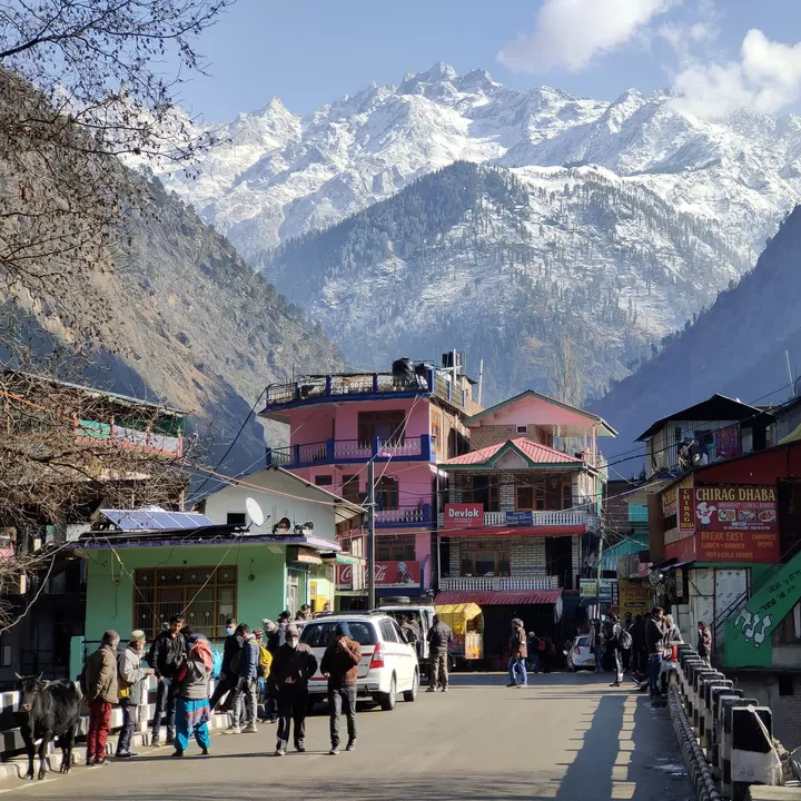 Kasol
KasolShimla Manali Kasol Itinerary 2026: 7, 8 and 9 Day Routes Without Rushing
Plan a relaxed Shimla Manali Kasol itinerary for 2026 with practical 7, 8 and 9 day routes covering Himachal’s key sights without rushing between destinations.
- Itinerary
- Places to Visit
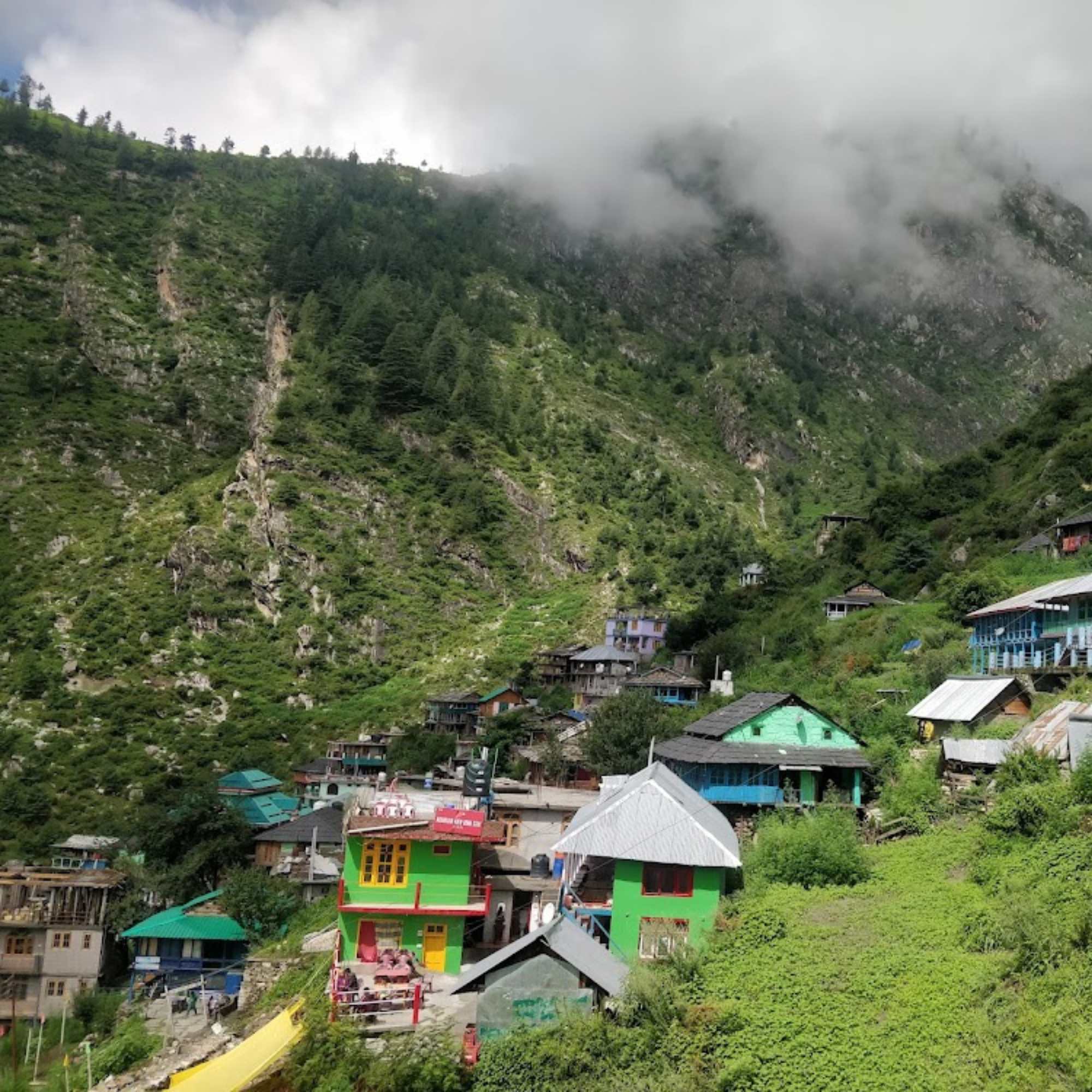 Kasol
KasolBest Offbeat Places Near Kasol Most Tourists Miss in 2026
Escape the crowds and discover the hidden side of Kasol in 2026. From peaceful villages and untouched valleys to scenic trails and secret viewpoints, these offbeat places near Kasol offer authentic Himalayan experiences that most tourists completely miss.
- Places to Visit
- Things to Do
 Kasol
KasolRasol Village Trek From Kasol 2026: Route, Distance & What to Expect
Planning the Rasol Village Trek from Kasol in 2026? Explore the complete trekking route, distance, difficulty level, stay options, and essential travel tips to experience one of Parvati Valley’s most peaceful and offbeat Himalayan villages.
- Things to Do