
Kasol in August 2026: Monsoon Travel, Road Safety and Itinerary Tips
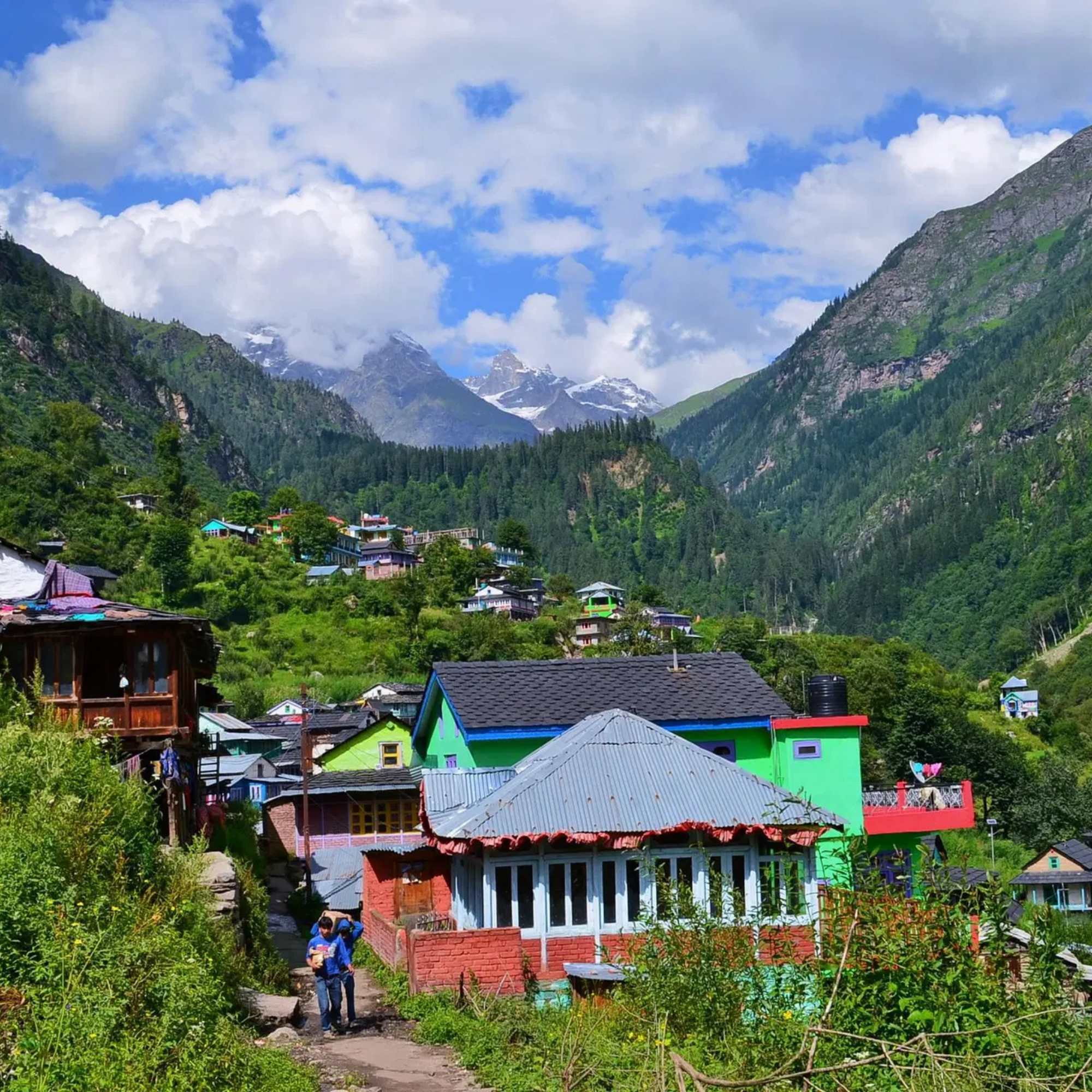
Kasol in August is green, misty, and quiet in a way you will not see the rest of the year. The crowds thin out, stays get cheaper, and the whole Parvati Valley smells of wet pine.
But this is also peak monsoon. Rain, landslides, slippery trails, and road delays are all real here in August.
Quick Answer: Is Kasol Worth Visiting in August 2026?
Yes, if you travel slow and stay flexible. August gives you a green, misty, low-crowd Kasol with cheaper rooms and a relaxed pace.
But it is monsoon. Expect rain, possible landslides, slippery treks, and roads that can shut for hours.
We recommend August Kasol for slow travellers and café lovers, not for tight weekend trips or hard treks. Always check live road and weather conditions before you start your drive.
>>Not sure if your August dates are a good fit? Chat with our team on WhatsApp.
What Is Kasol Like in August?
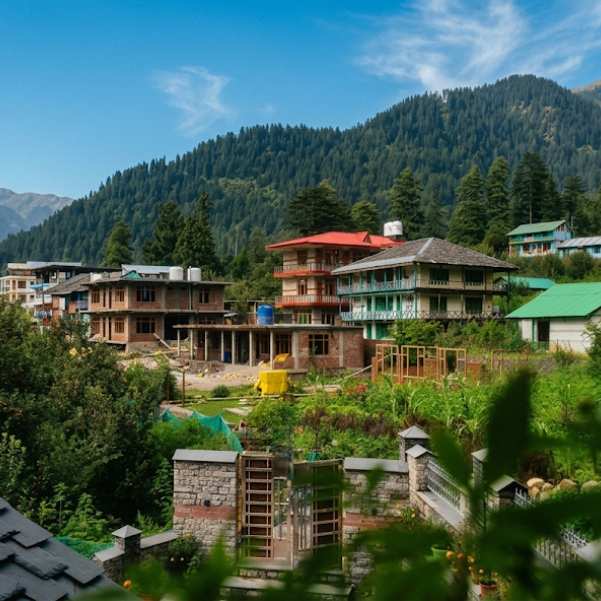
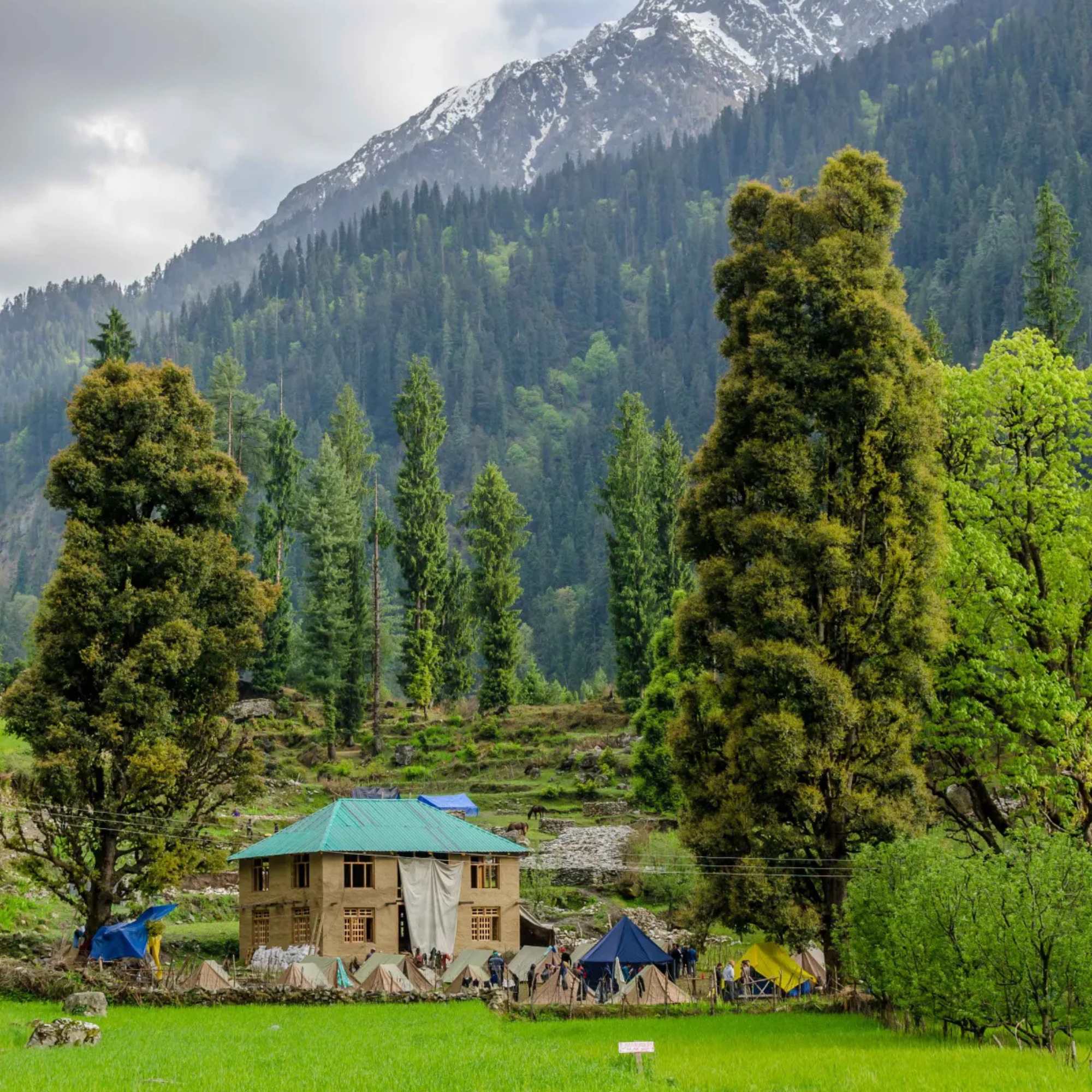
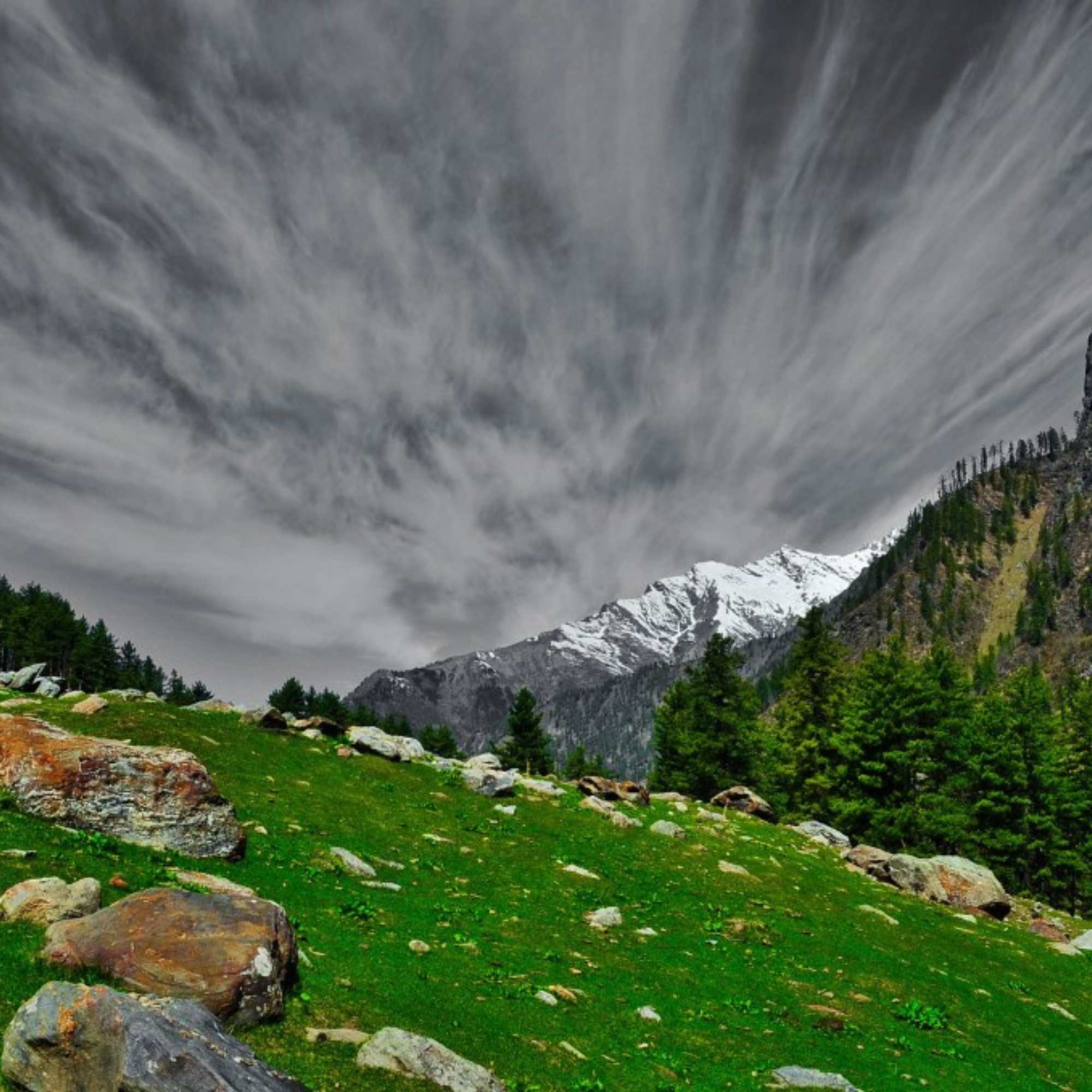
August Kasol feels washed clean. The pine forests drip, the river runs full and loud, and mist sits low over the valley most mornings.
Cafes are half empty. You can grab a riverside table without waiting, and the whole place moves slower.
The catch is the weather. It changes fast in monsoon. A bright morning can turn into heavy rain by afternoon with no warning.
August is monsoon season in Kasol, so rain is the rule, not the exception.
Reported August temperatures change a lot depending on the source. Some list it cool, around 10°C to 17°C, others put it warmer, closer to 18°C to 27°C.
We will not pretend one number is the truth. Pack for cool to pleasant days with rain, and you will be fine.
The pattern most travellers notice is bright mornings and wet afternoons. The rain often holds off till midday, then rolls in.
This is why our drivers always push for early starts on travel days. You cover the risky road stretches before the afternoon rain arrives.
In our experience running trips here, the people who enjoy August Kasol the most are the ones who came to do nothing. They sit, read, eat, walk a little, and let the rain decide their day.
Here is what most tourists get wrong. They treat August Kasol like a fixed checklist of treks and villages and then get stuck when a road closes. The valley does not work like that in monsoon.
Is Kasol Safe in August During Monsoon?
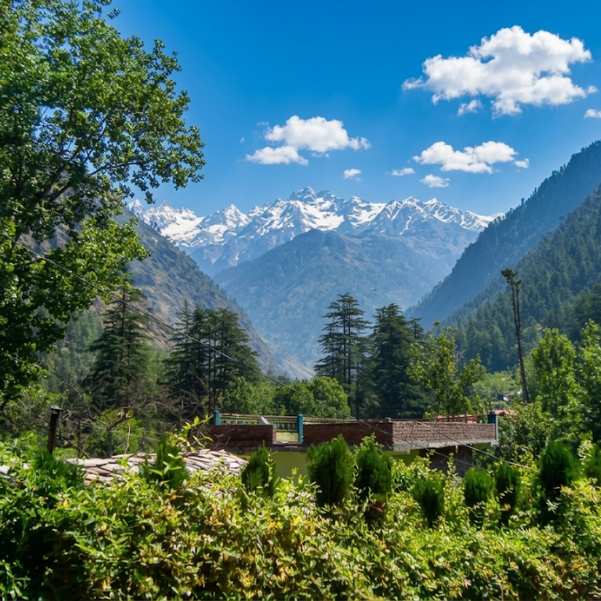
Honest answer: it depends on the day.
On a clear-weather day, with a flexible plan and good local advice, Kasol is safe in August. You can walk the market, sit by the river from a safe distance, and do short outings.
It becomes unsafe during heavy rain alerts, landslide warnings, flash flood risk, or when roads are already blocked.
The real dangers are slippery trails, poor visibility on the road, falling stones on the hill stretches, and streams that swell fast after rain.
A small dry stream you crossed in the morning can become a strong, dangerous flow by evening. We have seen it happen many times.
In our experience, the safest August trips to Kasol are slow trips, not checklist trips. The travellers who push to cover everything in two days are the ones who run into trouble.
How Bad Are the Roads to Kasol in August?
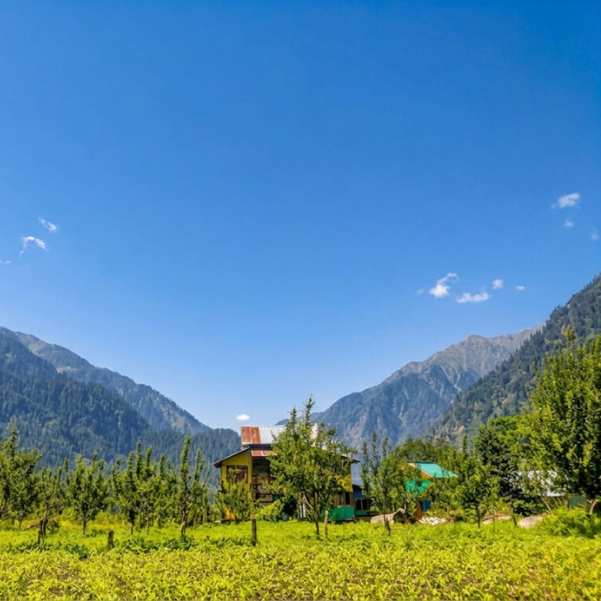
Let me break the route down simply.
Most travellers come from Delhi or Chandigarh towards Bhuntar. From Bhuntar, you take the side road towards Kasol and Manikaran.
Bhuntar to Kasol is around 30 to 31 km. It is a narrow valley road that runs along the Parvati River.
Delhi to Kasol is roughly 520 km. One HRTC booking source lists Delhi to Bhuntar at around 555 km, so the exact distance depends on your route and start point.
The Road Stretch That Needs Respect
The Bhuntar to Manikaran road has a history of rain-triggered blockages.
In October 2025, a flash flood and mudslide blocked this road near Chhani Khod, close to Kasol, and at Jachhni near Bhuntar.
I am sharing this as history, not as a current closure. But it tells you exactly which stretch gets hit when it rains hard.
To put the monsoon scale in numbers, on August 16, 2025, Himachal reported 313 roads closed across the state, including 64 in Kullu district.
A week later, on August 24, 2025, that number jumped to 484 roads closed statewide, with 102 in Kullu alone.
That is how fast things change here in August. A road open in the morning can shut by night.
Practical Road Safety for August
Travel only in daylight. Mountain roads in Kasol are risky enough in good light, and night driving in monsoon is a bad idea.
Do not park under loose slopes or cliffs. Falling stones are common after rain.
Keep your fuel above half a tank, carry water and snacks, and always keep at least one buffer day in your plan.
Check Kullu district alerts and the local weather before you leave. If you want, our team checks live road status for travellers every season.
If you want the full picture on stays and routing, our Kasol tour packages cover the logistics with a local driver who knows this road.
Should You Drive, Take a Volvo, or Book a Cab?
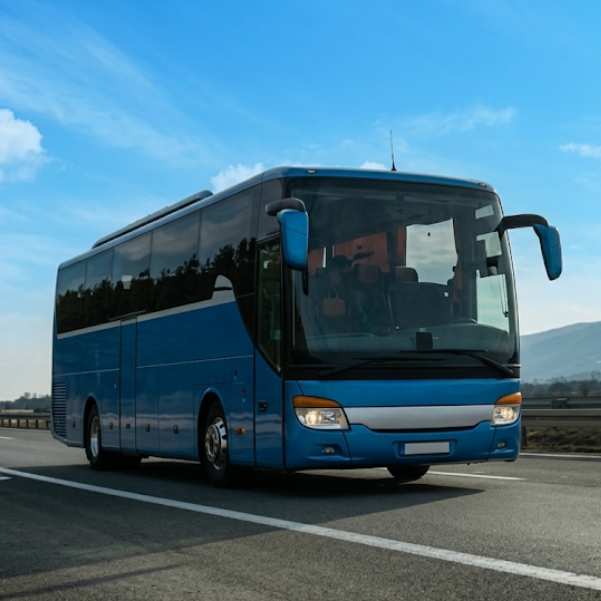
Three options, three very different experiences in August.
Self-Drive
Self-drive gives you freedom and the chance to stop wherever you like. But we do not recommend it for first-time mountain drivers in August.
Wet roads, blind curves, and sudden blockages need experience. If you have not driven hill roads in rain before, this is not the month to learn.
Volvo or HRTC Bus
A Volvo or HRTC bus to Bhuntar is the easiest choice for budget travellers. You skip the stress of driving.
HRTC allows advance booking for 60 days, so you can lock seats early in peak season.
HRTC Delhi to Bhuntar fares are listed from ₹770 to ₹1,545, but fares change, so confirm before booking.
The one thing to remember is that the bus drops you at Bhuntar. You still need a local transfer for the last 30 to 31 km to Kasol.
Private Cab
A private cab with an experienced hill driver is the most comfortable option for families and groups in monsoon.
You get door-to-door service, someone who reads the road, and the flexibility to wait out a blockage safely.
Here is a money tip most travellers miss. At Bhuntar, taxi drivers will quote a high flat rate to Kasol when they see luggage and tired faces.
The local Bhuntar to Kasol bus runs at about ₹50 to ₹100, and a shared cab is around ₹100 to ₹250. If you are on a budget, the local bus or a shared cab saves you a lot over a private airport-style quote.
Can You Do Kheerganga Trek in August?
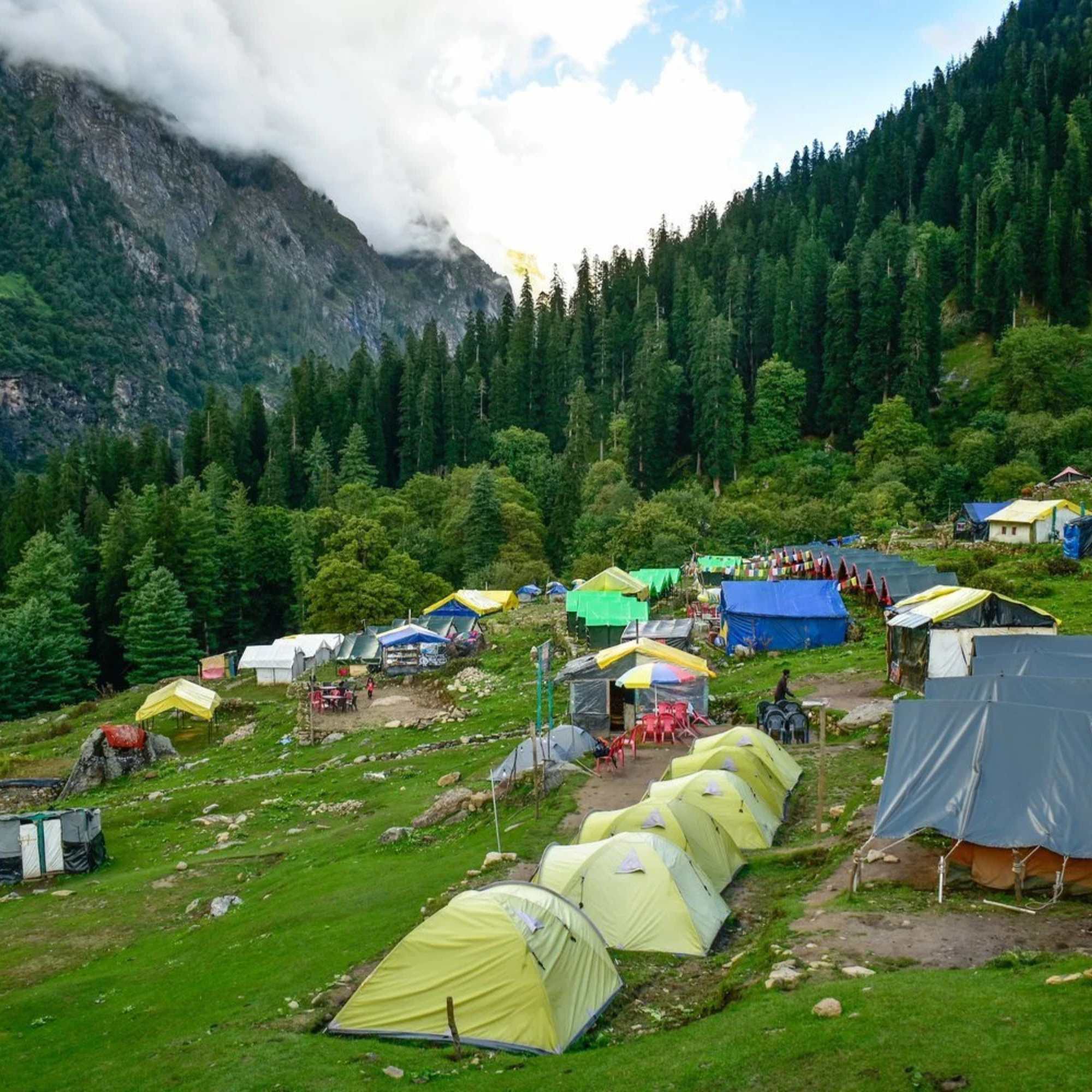
Cautious answer. We will not just push you to do it.
Here are the facts. Kheerganga sits at 2,960 m. HPTDC lists the trek duration as 2 days and the difficulty as easy, with the best season running April to December.
Barshaini is the last motorable point, and the walk from Barshaini takes about 4 hours. HPTDC also recommends hiring a guide.
Now the honest part. August rain makes even an easy trail slippery and risky. Mud, loose rock, and low visibility change the whole game.
Avoid Kheerganga during active rain, heavy cloud cover, or landslide warnings, and skip it if local guides tell you not to go.
Our team recommends keeping Kheerganga optional in August, not fixed. Plan it only if you get a clear, dry window and the guides give a green signal. Do not pre-book it as a must-do.
Which Places Are Safe to Visit Near Kasol in August?
Kasol Market and Cafes
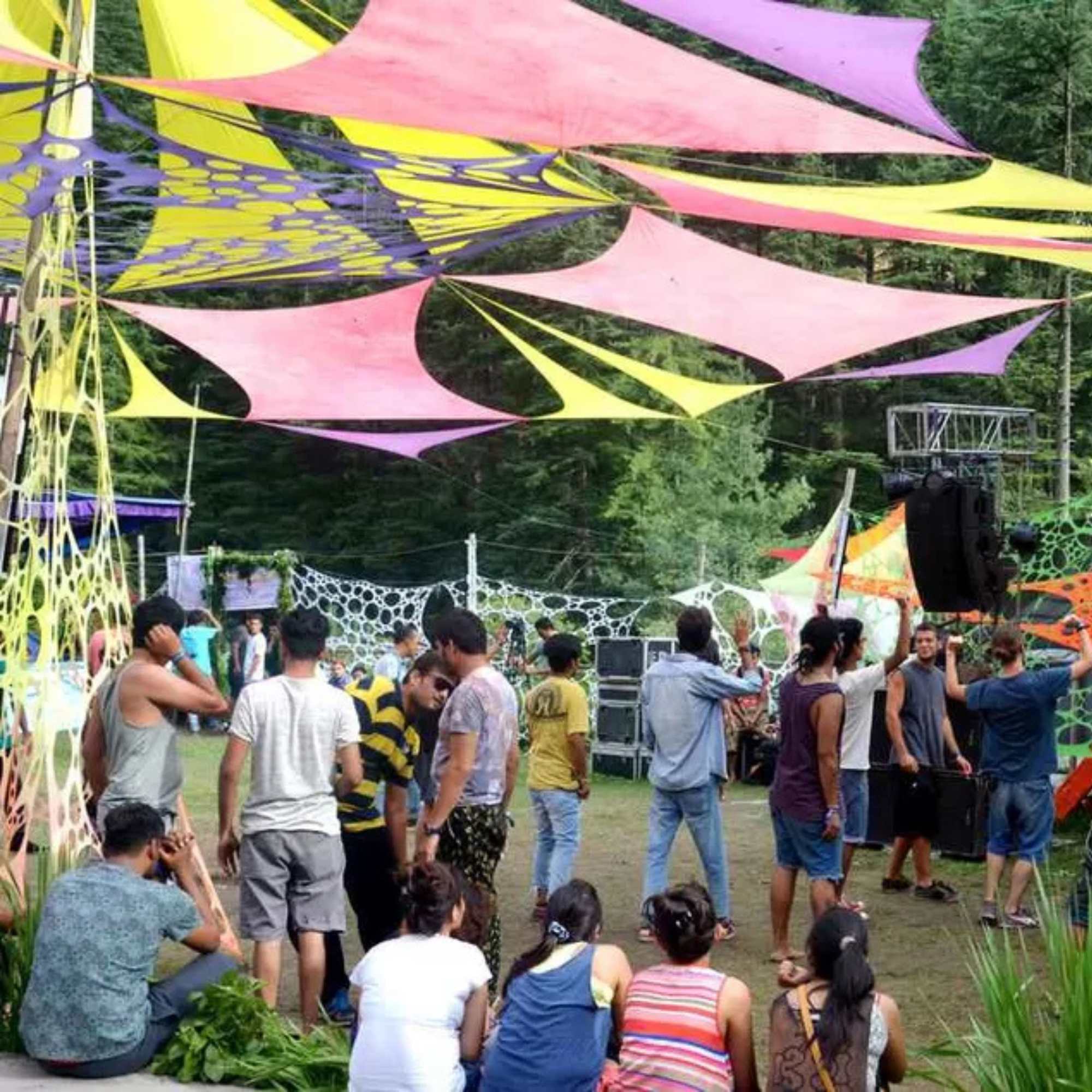
The most sensible August plan is the simplest one. Café time, slow market walks, and river views from a safe distance.
Kasol is known for its Israeli and Italian food, and August is the perfect month to sit in a warm café while it rains outside.
You will not need to fight for a table or rush a meal. This alone is worth the trip for a lot of people.
Chalal Village
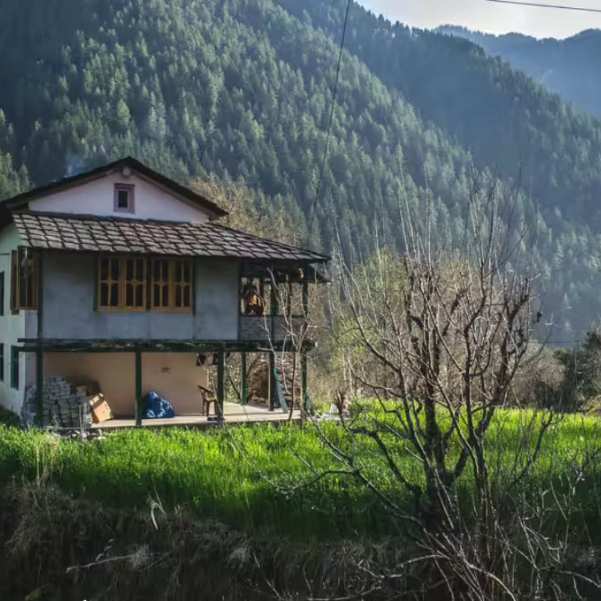
Chalal is a short walk from Kasol along the river. Treat it as an option only when the trail is dry and locals confirm it is safe.
Do not walk to Chalal in heavy rain, after dark, or when the river is rising. The path runs close to the water in places.
Manikaran Sahib
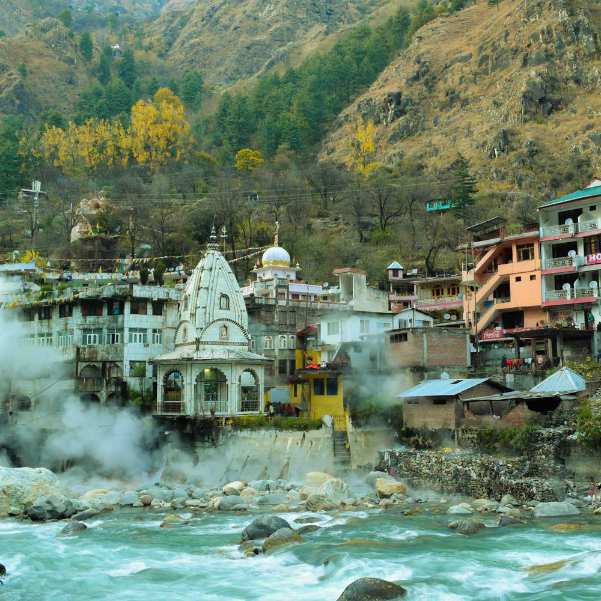
Manikaran is famous for its hot springs and sits at 1,829 m, around 40 km from Kullu. It is a pilgrimage place for both Hindus and Sikhs.
This is usually one of the easiest day visits from Kasol. The road is short and the place itself is at a lower altitude.
Here is a food and money tip in one. The gurudwara at Manikaran Sahib runs a free langar, and the food cooked using the natural hot springs is one of the most memorable meals you will have in the valley. It costs nothing and it is open to everyone.
Still, check road and rain conditions before you go in August. The same Bhuntar to Manikaran stretch is the one that blocks during heavy rain.
Tosh, Kalga and Pulga
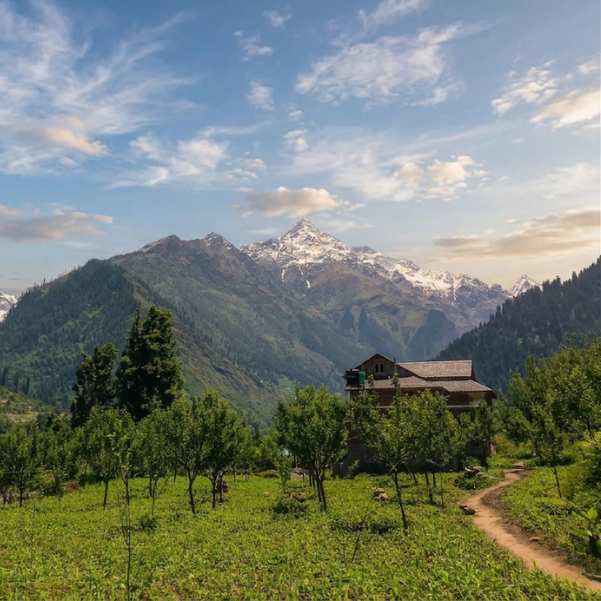
Tosh, Kalga, and Pulga are beautiful in monsoon, but treat them as weather-dependent day trips only.
Leave early and return well before evening. Do not plan late returns from these villages in August.
Skip them entirely if visibility is low, rain is heavy, or taxis are refusing the route. When local drivers say no, there is always a reason.
If you are still deciding between this valley and a calmer one, our Jibhi or Kasol comparison lays out the honest differences.
What Should You Avoid in Kasol in August?
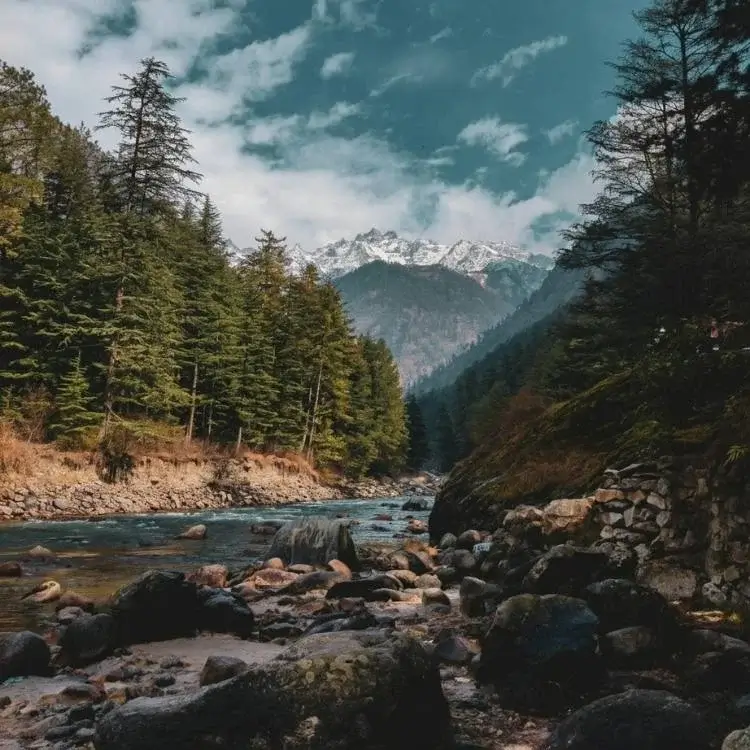
Avoid riverside camping during rain. The Parvati River rises fast and quietly, and riverside camps are the first to flood.
Do not sit too close to the river, do not cross streams on foot, and do not trek during heavy rain.
Skip night driving completely. Skip parking under cliffs or loose slopes. And never take unknown shortcuts that a stranger or an app suggests.
Here is the thing about a "skip this" in monsoon. Skip any heavily marketed riverside camping package in August. The view looks great in photos, but a swollen river next to your tent at 2 AM is not the experience you booked.
August is not the month to prove your adventure skills. The mountains do not care how fit you are when a slope gives way.
Best 3-Day Kasol Itinerary for August
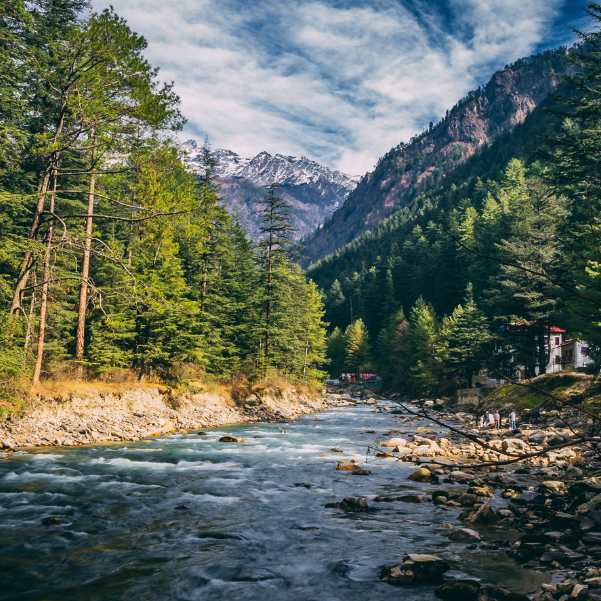
A realistic plan that respects the weather.
Day 1: Arrive in Kasol and Keep It Slow
Reach Kasol, check in, and rest. Do not pack the arrival day.
Spend the evening on café time, a short market walk, and a Parvati River viewpoint from a safe distance.
Have an early dinner and sleep well. The drive in tires most people out more than they expect.
Day 2: Manikaran and Chalal
Visit Manikaran in the morning if the road is open and the weather is stable. Try the langar at the gurudwara.
Return to Kasol for lunch. In the afternoon, do Chalal only if the trail is dry and there is no rain warning.
If it is raining, drop Chalal without a second thought and head back to a café instead.
Day 3: Buffer Day or Short Village Visit
Keep Day 3 flexible. This is your safety net.
If rain is heavy, stay in Kasol and enjoy the cafes. There is no shame in a slow rainy day here.
If the weather is clear and locals confirm the roads are safe, consider Tosh or Kalga as a short day trip. Leave early and return before evening.
>>Want a safe and realistic August plan? Chat with our team on WhatsApp.
Best 4-Day Kasol Itinerary for August
A more relaxed plan, and the one we usually suggest for August.
Day 1 is arrival and rest. Take it easy and adjust to the valley.
Day 2 is Manikaran in the morning and cafes in the afternoon.
Day 3 is Chalal or Tosh, depending entirely on the weather that morning.
Day 4 is your buffer. Use it for café hopping, last-minute village visits, or simply to absorb a road delay before your journey home.
The buffer day matters more in monsoon than in any other season. One landslide or one heavy rain spell can block the road for hours, and that extra day is what keeps you from missing your train or flight back.
What to Pack for Kasol in August?

Pack for rain first, everything else second.
Carry a proper rain jacket, waterproof shoes or shoes with good grip, and quick-dry clothes that will not stay wet all day.
Bring a light jacket for cool evenings, your regular medicines, a power bank, and a torch for power cuts.
Add a waterproof cover or bag for your backpack, your ID, enough cash, and offline maps since network is patchy.
One small tip. An umbrella is fine for walking around town, but a rain jacket is far better when you are walking trails or waiting at a viewpoint with both hands busy.
How Much Does a Kasol Trip Cost in August?
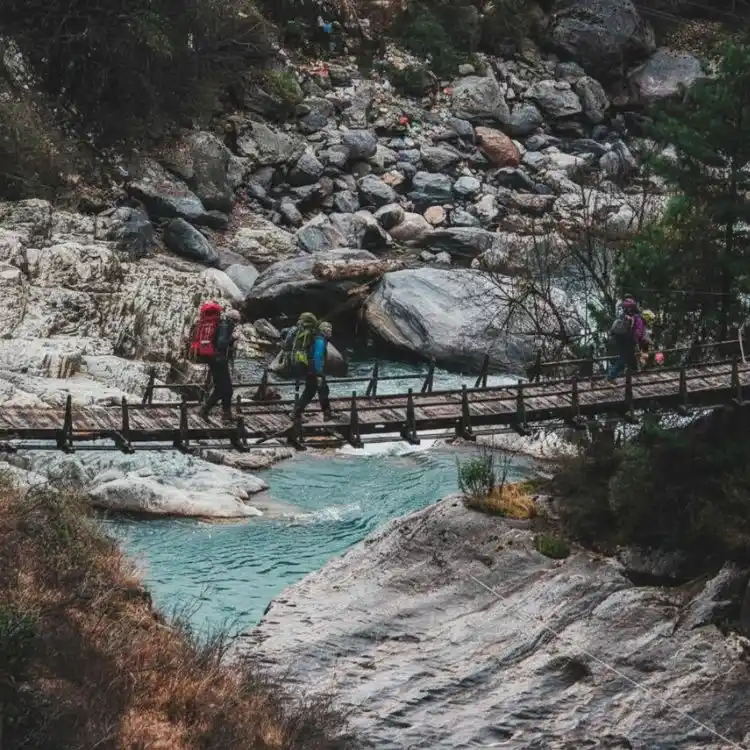
Let me give you only the numbers we can stand behind.
The HRTC Delhi to Bhuntar fare is listed at ₹770 to ₹1,545.
A 4 to 5 day Kasol trip budget is listed at ₹5,000 to ₹18,500 per person by a 2026 backpacker guide. The wide range depends on how you travel and where you stay.
For local transfers, the Bhuntar to Kasol bus is around ₹50 to ₹100 and a shared cab is ₹100 to ₹250.
Stays are often cheaper in monsoon because it is off season. But you must check exact hotel pricing for your dates, since rates move with demand and weather.
One more thing on cost. A private cab for a 3 to 4 day trip will be your biggest single expense, so if you are watching your budget, a Volvo to Bhuntar plus a local bus or shared cab to Kasol is the cheapest sensible combination. You trade a little comfort for a lot of savings.
Who Should Visit Kasol in August and Who Should Avoid It?
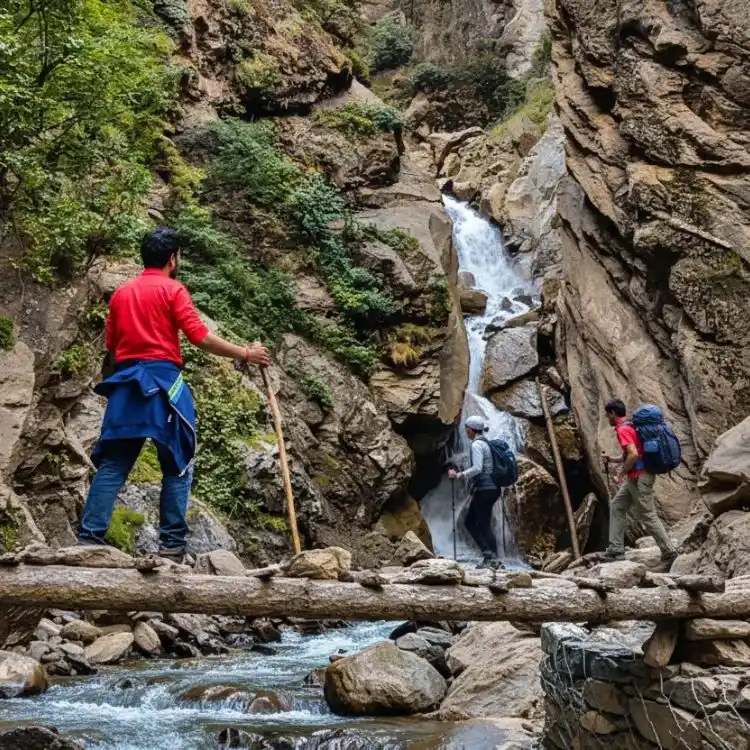
August Kasol suits slow travellers, couples, workation guests, café lovers, and flexible backpackers. If your idea of a good trip is a warm drink and a book while it rains, this is your month.
It does not suit first-time hill drivers, tight weekend travellers, or anyone planning hard treks on a fixed date.
It is also not ideal for families with very young children during heavy rain alerts, or for anyone who cannot handle a few hours of road delay without stress.
If you want a more reliable hill option with easier driving, look at our Manali tour packages, but only after a fresh road and weather check.
Better Monsoon Alternatives Near Kasol
If August Kasol feels too risky for your group, you have calmer options.
Jibhi and Tirthan
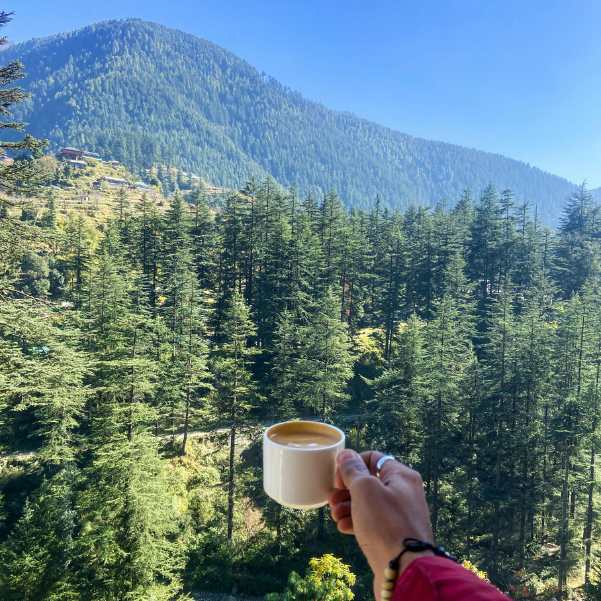
Jibhi and Tirthan give you the same green-valley mood with a quieter, gentler feel and shorter, safer walks. Our Jibhi Tirthan Valley packages cover this well.
Shimla
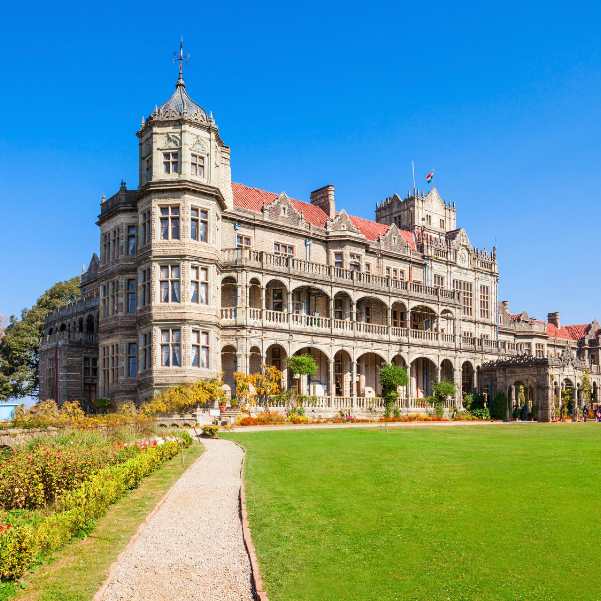
Shimla is the easiest to reach and the most forgiving in monsoon. If road risk worries you, our Shimla tour packages are a safer bet for a relaxed break.
Manali
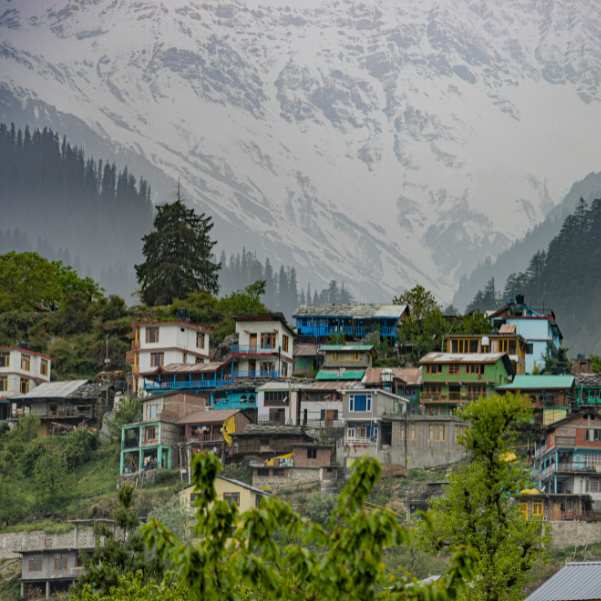
Manali is good too, but only after you check the road and weather conditions close to your dates.
The honest truth is there is no single best monsoon destination. It depends on the live weather and how comfortable you are with road risk.
Final Local Advice Before Booking Kasol in August
August Kasol can be magical. Green, misty, quiet, cheap, and slow in the best way.
But it only works if you treat the mountains with respect.
Check the weather before you leave and again in the morning you travel. Keep buffer time in your plan.
Stay off risky trails, stay away from river edges, and travel only in daylight.
Save these numbers before you go. The Kullu District Emergency Operation Center is 01902-225630 and 225631, and HP SDMA is at 0177 2880331 and 0177 2880320.
And speak to a Himachal-based team before locking your plan. We drive these roads every season and would rather help you time it right than watch you get stuck.
>>Need a flexible Kasol plan for August? Talk to our team on WhatsApp.
Explore Our Curated Kasol Tour Packages
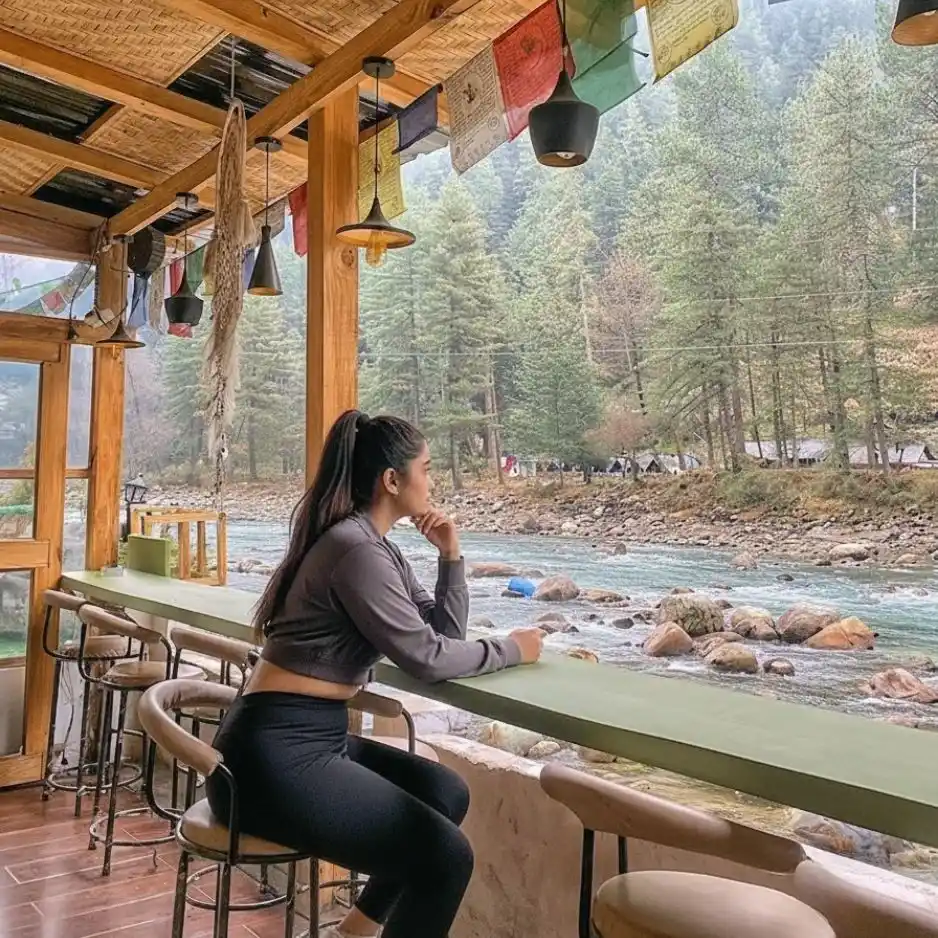 4D/3N
4D/3NPerfect Manikaran Kasol Tosh Weekend Getaway
1D Delhi•2D Kasol+1
₹15,999₹19,999SAVE INR 4,000/ person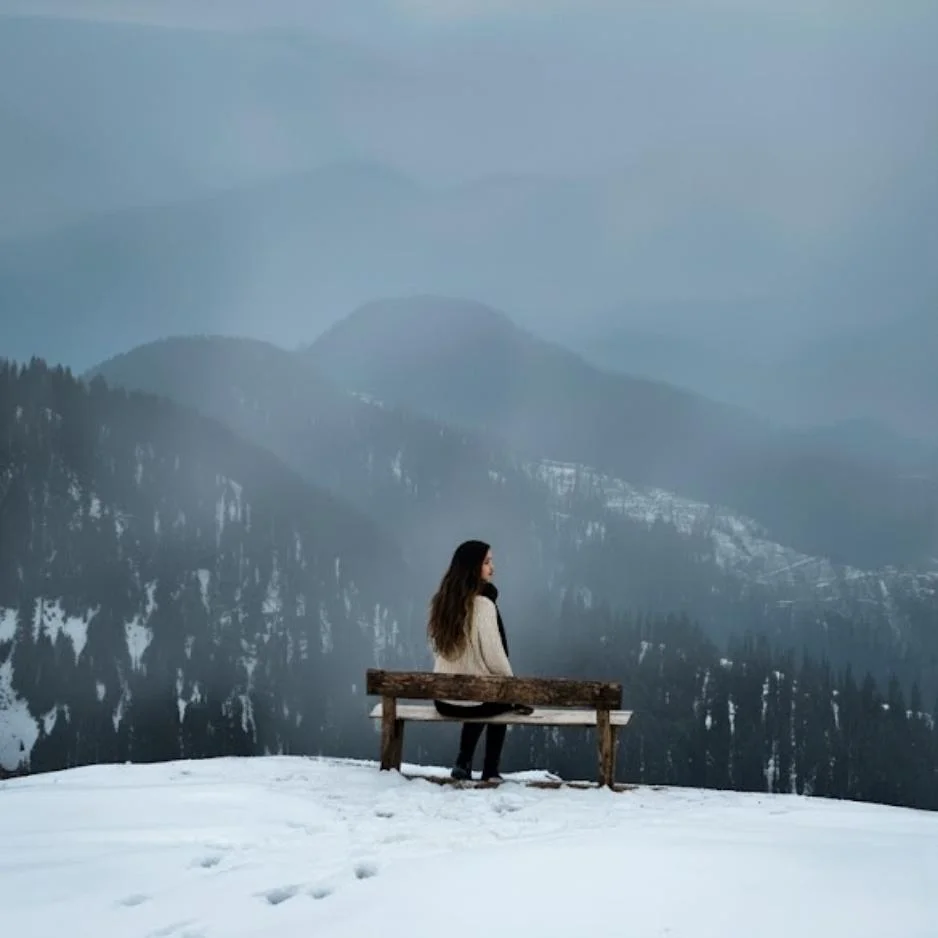 7D/6N
7D/6NManali Kasol Jibhi Valley Trip
1D Delhi•2D Manali+3
₹25,799₹32,999SAVE INR 7,200/ person 8D/7N
8D/7NManali Kasol Bir Himalayan Explorer
1D Delhi•2D Bir+3
₹21,999₹27,999SAVE INR 6,000/ person
Related topics
Frequently Asked Questions
Is Kasol safe in August?
It is safe on clear-weather days with a flexible plan and local advice. It turns risky during heavy rain, landslide warnings, or active roadblocks.
Is August good for Kasol?
Yes, for slow travellers who want green views, fewer crowds, and cheaper stays. No, for tight schedules or hard treks.
Does it rain a lot in Kasol in August?
Yes. August is peak monsoon in Kasol, so expect frequent rain and quick weather changes through the day.
Are Kasol roads open in August?
Usually, but they can close suddenly after heavy rain. In August 2025, over 100 roads were shut in Kullu district on some days. Always check live status.
Can I drive to Kasol in August?
You can, but we do not recommend self-drive for first-time hill drivers in monsoon. A private cab with an experienced driver is safer.
Can I do Kheerganga trek in August?
Only in a clear, dry window and with a guide's go-ahead. Skip it during rain, heavy clouds, or landslide warnings. Keep it optional, not fixed.
Is Manikaran open in August?
Usually yes. Manikaran is a short, low-altitude day trip from Kasol, but check the Bhuntar to Manikaran road condition first since it blocks during heavy rain.
Is Tosh safe in August?
It can be on a dry, clear day. Treat it as a weather-dependent day trip, leave early, and return before evening. Skip it if rain is heavy or taxis refuse.
How many days are enough for Kasol in August?
Three days work, but four are better in monsoon. The extra buffer day covers road delays and bad weather without ruining your trip.
What clothes should I carry for Kasol in August?
A rain jacket, waterproof or good-grip shoes, quick-dry clothes, a light jacket for evenings, and a waterproof cover for your bag.
Is Kasol crowded in August?
No. August is off season, so cafes, stays, and trails are much quieter than in peak summer months.
Do I need a permit for Kasol?
No permit is listed as needed for Indian or foreign travellers to visit Kasol. But temporary restrictions and trekking rules can change, so confirm locally.
More about Kasol
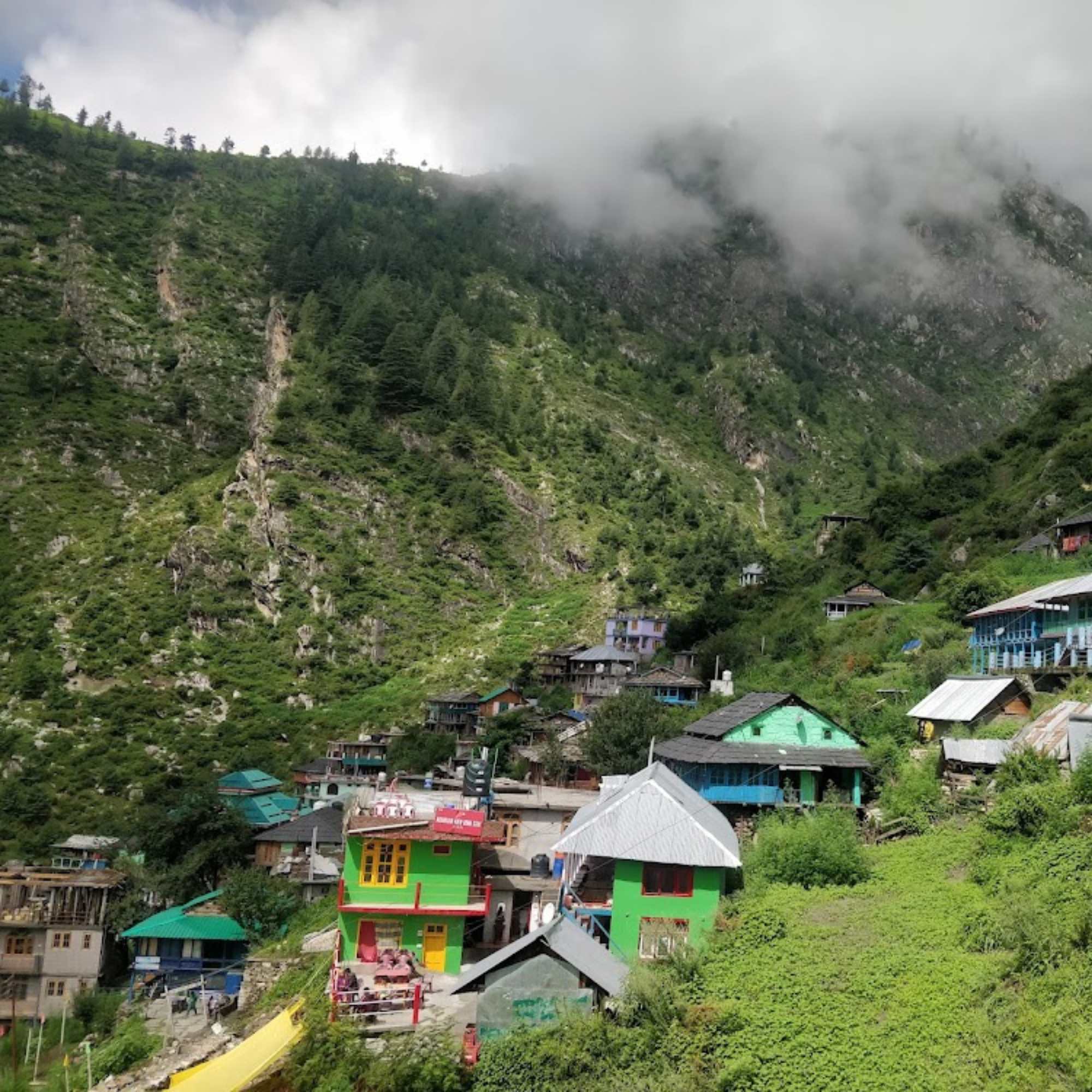 Kasol
KasolBest Offbeat Places Near Kasol Most Tourists Miss in 2026
Escape the crowds and discover the hidden side of Kasol in 2026. From peaceful villages and untouched valleys to scenic trails and secret viewpoints, these offbeat places near Kasol offer authentic Himalayan experiences that most tourists completely miss.
- Places to Visit
- Things to Do
 Kasol
KasolRasol Village Trek From Kasol 2026: Route, Distance & What to Expect
Planning the Rasol Village Trek from Kasol in 2026? Explore the complete trekking route, distance, difficulty level, stay options, and essential travel tips to experience one of Parvati Valley’s most peaceful and offbeat Himalayan villages.
- Things to Do
 Kasol
KasolKalga, Pulga & Tulga Villages in 2026: The Offbeat Side of Parvati Valley
A Himachal Pradesh travel expert or experienced Parvati Valley trek guide with firsthand knowledge of Kalga, Pulga, and Tulga. The content should provide practical insights on trekking routes, homestays, local culture, seasonal travel, and hidden attractions, helping readers plan an authentic offbeat Himalayan experience with confidence.
- Places to Visit