
Jispa in September 2026: Weather, Road Status, Snow and Travel Guide
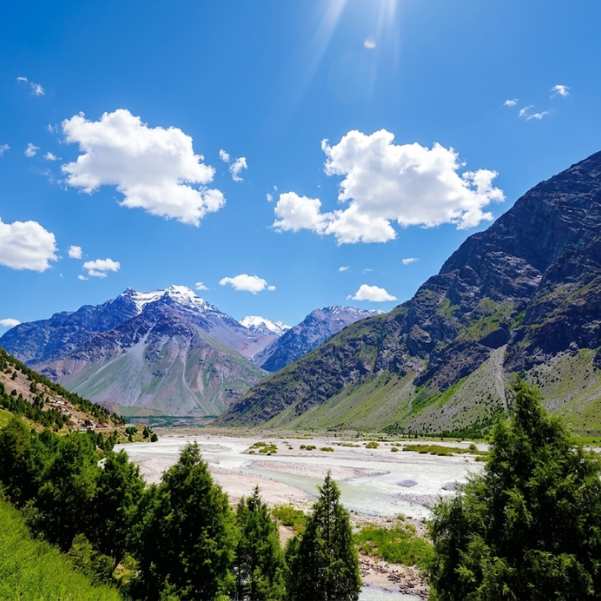
Planning a trip to Jispa in September 2026 is a great choice if you want pleasant daytime weather, clearer mountain roads and beautiful views before the colder season begins.
September generally offers more comfortable travel conditions, but temperatures can still drop quickly and early snowfall is possible at higher elevations.
This guide by Travel Coffee covers Jispa weather, road status, snow conditions and essential travel tips to help you plan your trip better.
Quick Answer: Is Jispa Worth Visiting in September 2026?
Jispa in September can be a very good pick if you want quiet mountains, empty roads, and a slow riverside stay in Lahaul. Days feel mild in the sun, but nights turn cold and can drop close to freezing later in the month.
Fresh snow is possible but never certain, so do not plan your whole trip around it.
Before you lock your dates, check the official district road status, the live e-Aagman rule, whether your camp or hotel is actually open, and the short-range weather forecast.
We say this on every Lahaul call. A September plan works best with a buffer day and no rush to any high pass.
Is September a Good Time to Visit Jispa?
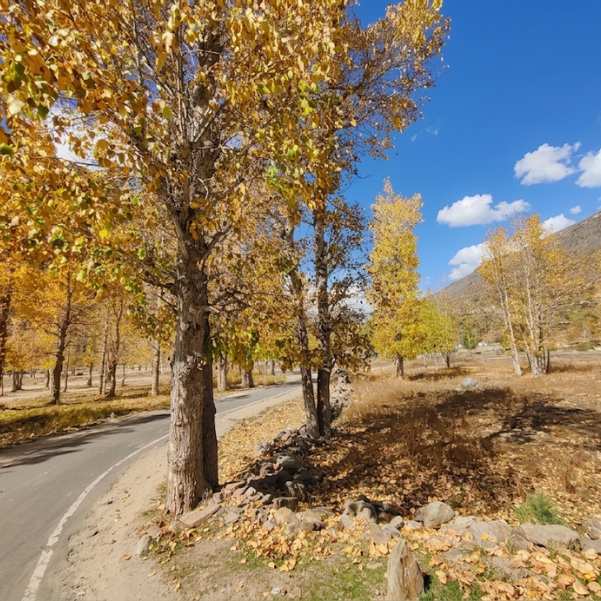
For photographers, couples, and road trippers, yes. The crowds thin out after peak season, the valley looks clean and open, and the drive through Lahaul is calmer than in July.
It also works well if you are pairing Lahaul with Ladakh, since Jispa sits on the Manali to Leh line and makes a sensible overnight halt before the higher sections.
Here is what most tourists get wrong about September. They read one blog that quotes a single neat temperature range and pack for that alone.
Then a cloudy evening or an early cold spell catches them with no warm layer. September in Lahaul is not one fixed number.
The other thing to be honest about is rain. Lahaul sits in a rain shadow, so it stays fairly dry, but your approach through Mandi, Kullu, and Manali can still see rain, landslides, or a flash flood that shuts the road for a while.
So September is not the month if you want guaranteed snow, warm nights, or a rigid plan with no spare day. If you can stay flexible, it rewards you.
What Is Jispa Weather Like in September?
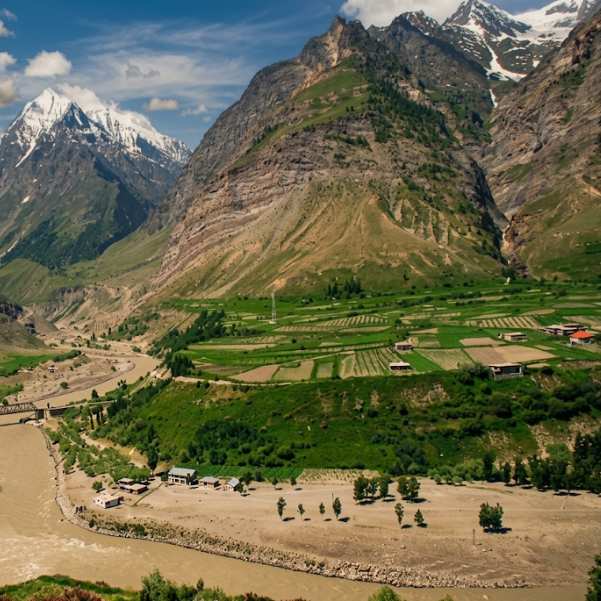
Jispa in September swings between mild, sunny afternoons and genuinely cold nights, and the honest truth is that the numbers you find online are messy.
Why Do Jispa Temperature Figures Differ So Much?
There is no official weather station inside Jispa village. The nearest official climate proxy is Keylong, about 22 km away, and even that is not exact Jispa weather.
Search around and you will see travel pages fighting each other. One puts September near 10 to 18 degrees Celsius. Another says roughly 15 and 10 degrees Celsius.
A third gives an average close to 15 degrees Celsius. A fourth drops to about 16 and 0 degrees Celsius.
We do not pick one of these and call it settled, because they cannot all be right. Elevation, sun, cloud, wind, and whether you go early or late in the month change how the same September feels.
For a rough historical feel, official Keylong data for September (IMD 1971 to 2000 records) shows a mean daily minimum near 1.3 degrees Celsius and a mean daily maximum near 25.6 degrees Celsius.
That same record shows about 31.2 mm of rain over roughly 1.9 rainy days. Treat all of this as a Keylong proxy, not a Jispa forecast.
Year to year swings are large. IMD's Keylong summary shows September 2025 with monthly rain of 142.0 mm and a single day of 50 mm on 2 September.
Compare that with September 2024, which saw only 10.5 mm, and September 2023, which saw just 5.9 mm. Same month, wildly different rain.
What Is Early September Usually Like?
Early September often gives a useful balance. The season is still open, and the daytime cold is usually manageable. That is a general pattern, not a promise.
A provisional forecast we pulled on 19 August 2026 showed about 7 degrees Celsius by day and 1 degree Celsius at night for 1 and 2 September, with cloudy skies.
Leftover monsoon systems can still disrupt the approach road even in early September, so keep watching the Mandi to Manali stretch.
What Changes by Mid-September?
Mornings and evenings get colder, daylight gets shorter, and some seasonal camps start winding down or changing how they run. Call ahead and reconfirm whatever service you are counting on.
Pack in layers and keep your plan flexible. We are not going to invent a mid-month number, because the swing between a sunny afternoon and a cold night is real.
What Should Travellers Expect in Late September?
Nights can come close to or fall below freezing by late September, since there is no reliable village station.
Snow on the higher passes becomes more likely, and seasonal camps may begin closing or shifting operations. If you feel the cold easily, book a fixed room rather than a tent.
Put simply, early September leans mild by day with cold nights, mid September brings sharper mornings and shorter light, and late September gets properly cold after dark with a better chance of high-pass snow. None of it is fixed, which is exactly why a spare day helps.
Does It Snow in Jispa in September?
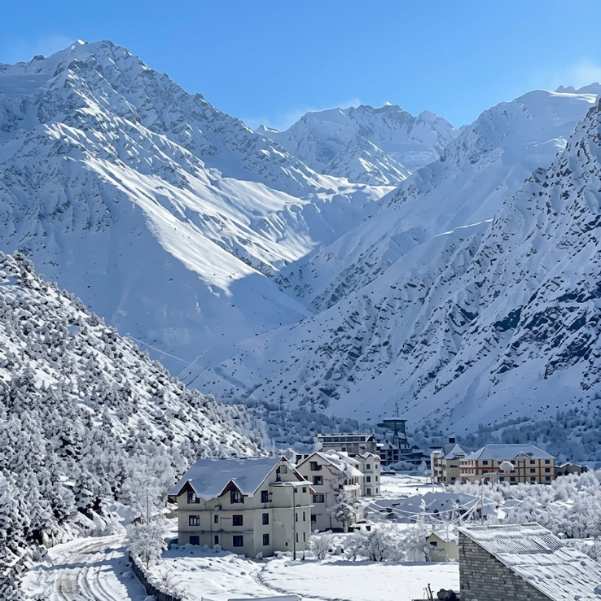
Three things get mixed up here, so let us separate them. There is active snowfall in the village, there is old snow already sitting on the peaks, and there is fresh snow on the higher passes.
They are not the same thing. Fresh snowfall in Jispa village during September is possible but hard to predict.
The higher sections like Baralacha La can get snow before the village does, more so later in the month.
If you are planning a high-pass drive, check a 48 to 72 hour forecast and the same-day road update before you commit. Snow up top can close or slow a road even when Jispa itself looks clear.
Is the Manali to Jispa Road Open in September 2026?
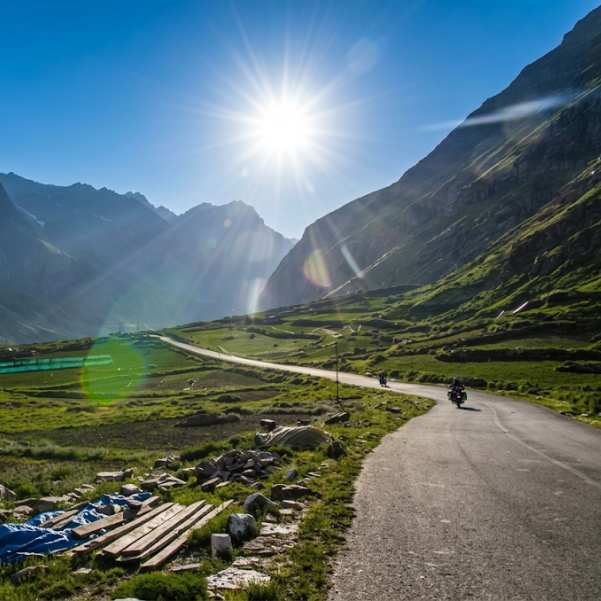
What Does the Latest Official Road Update Say?
The most recent official district update we captured is dated 6 August 2026. On that day it showed Delhi to Manali open, Manali to Keylong open, Keylong to Leh open, and Keylong to Kaza closed.
Read that carefully. It describes 6 August only. It is not a guarantee for any day in September.
Our team recommends checking the official district road page on the evening before you travel, and again on the morning of departure. Road status here changes fast.
What Do the 2026 Disruptions Tell Travellers?
Earlier in the season, a flash flood near Jispa blocked the Manali to Leh highway on 29 June 2026. The road reopened on 1 July 2026 after clearance work, and reports said crews evacuated around 1,000 vehicles with no casualties.
Then on 13 August 2026, reports listed 209 roads blocked across Himachal Pradesh, including two in Lahaul and Spiti, with flash flood damage around Tinno, Kolang, and Jahlma.
Not all of those were on the Jispa route, so do not read it that way. The point is simpler. A road that is open for the season can still shut for a day or two without warning.
This is why we push for at least one buffer day when your trip connects to a fixed flight or train. Missing a Leh or Delhi flight over a half-day closure is a bad way to end a holiday.
Does an Open Jispa Road Mean Baralacha La Is Open?
No, and this trips up a lot of people. Reaching Jispa, reaching Darcha, and crossing or visiting Baralacha La are three separate road-status questions.
You can often reach Jispa comfortably while a higher road is closed, restricted, or simply unsafe after bad weather. One being open does not mean the other is.
So do not lock a Baralacha La or Suraj Tal excursion into your plan without same-day confirmation. Keep it as an "only if conditions allow" add-on.
If you would rather not track all of this yourself, our Manali tour packages come with a local driver who reads these updates daily and a team that actually answers the phone.
And if you want to break the drive with a night lower down, our Sissu tour packages sit right on the same Atal Tunnel route and make an easy first stop before Jispa.
Not sure your dates line up with the road window?
Do You Need an e-Aagman Pass or Permit for Jispa?
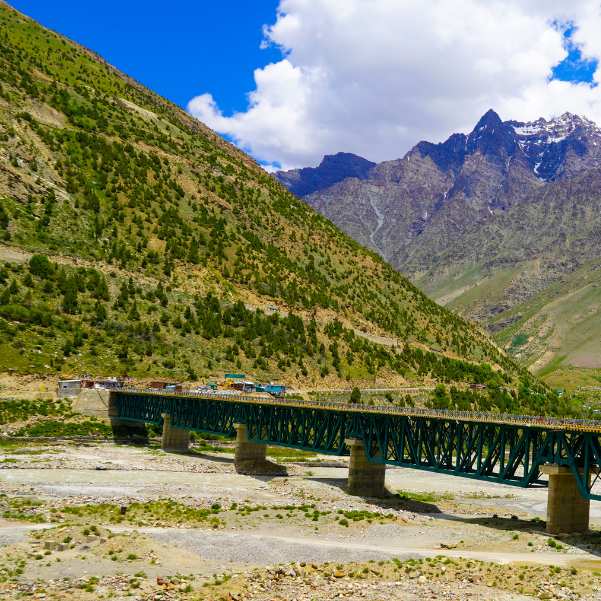
The official e-Aagman guidance says vehicles entering Lahaul and Spiti must apply for an e-pass. So yes, plan for it.
The portal splits things into two kinds. There is an e-permit for the Atal Tunnel, Rohtang, Koksar, and Chandratal circuit, and an e-ticket for other places.
For a normal Jispa trip, the safest move is to open the live portal, enter your actual route and destination, and follow the category it shows you. The likely one is the "other places" e-ticket, but treat that as our reading, not gospel.
We are not going to invent a fee, document list, validity, or approval time for e-Aagman. Those change, and the portal is the only source that matters on your travel day.
One common mix-up worth flagging. The Rohtang tourism permit is a separate thing.
It only matters if you deliberately plan to visit or use the old Rohtang Pass route, which a normal Atal Tunnel trip to Jispa does not need.
This is where people waste money. If you are just driving through the Atal Tunnel to Jispa, you do not need the Rohtang permit at all, so do not buy one you will never use.
Only if Rohtang is genuinely part of your plan, the official portal currently shows a permit fee of ₹500 per vehicle, plus a congestion charge of ₹50 for a car, jeep, or MUV and ₹100 for a bus or HMV.
It also lists quotas of 800 petrol and 400 diesel vehicles, release times of 10:00 and 16:00, a limit of three permits per vehicle per week, and booking open for the next two days. Recheck these, because portal rules shift.
How Do You Reach Jispa from Manali?
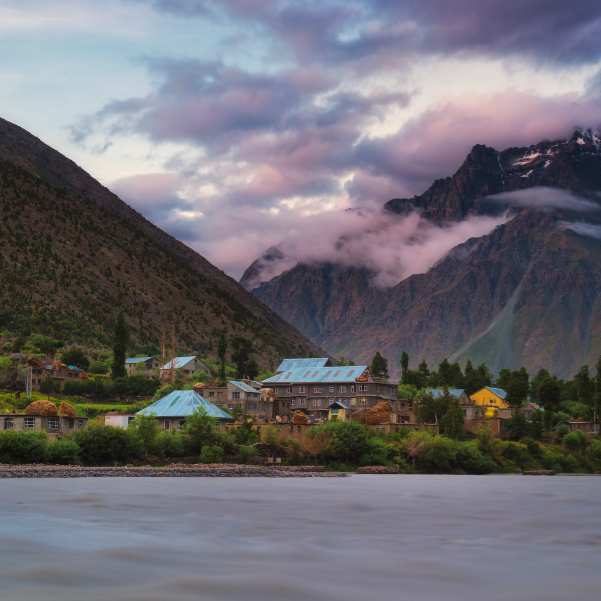
What Is the Normal Atal Tunnel Route?
The normal route runs Manali, Atal Tunnel, Sissu, Tandi, Keylong, and Jispa. That is the one you want.
Do not assume the old Rohtang road. The Atal Tunnel is the standard way into Lahaul now, and the district route description calls it a year-round access route.
Year-round does not mean never interrupted. Weather, flash floods, maintenance, or traffic control can still hold you up for a while, so keep the road page handy.
Is Self-Drive or a Private Taxi Better?
The route is commonly put at around 100 km via the Atal Tunnel. A private drive is usually quoted at about 3 to 4 hours, though weather, road work, and photo stops can stretch that.
Whichever you choose, travel in daylight and keep the schedule relaxed. Do not reach Jispa and immediately push up toward Baralacha La the same day.
Leave Manali early enough to reach Jispa with daylight to spare. Driving these roads after dark, on unfamiliar ground, is not worth the risk.
Can You Reach Jispa by Bus?
Buses and shared transport do run, but schedules change, so check for your exact date. We are not going to print a departure time or fare that might be wrong by the time you travel.
For live bus information, the official HRTC Keylong bus stand number is 01900-222245. A quick call the day before saves a lot of guessing.
If you have a spare day in Manali before you head up, we listed the ones worth your time in our guide to adventure activities in Manali.
How Many Days Are Enough for Jispa?
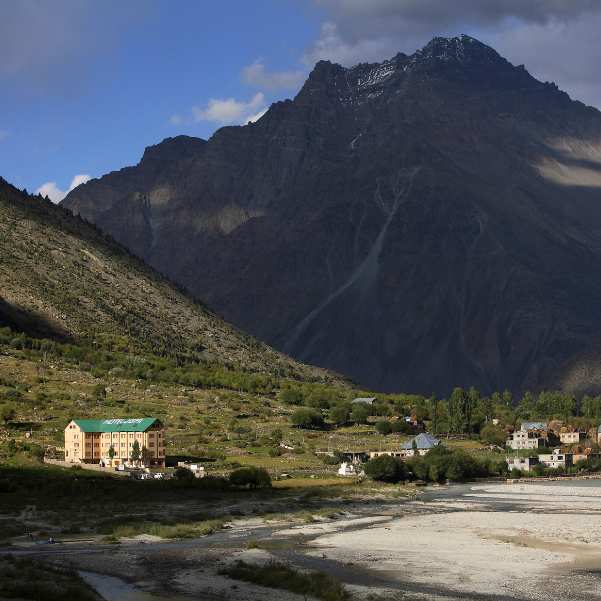
Two-Day, One-Night Jispa Plan
For a quick trip, day one is the drive: Manali, Atal Tunnel, Sissu, Tandi, Keylong, and Jispa, with stops as you like.
Keep the first evening slow. Jispa sits at around 3,200 metres, and the jump in sleeping altitude from lower areas is real. Rest, eat light, and let your body settle.
Day two, do a calm village walk, or a short hop to Gemur or Darcha, then start back. Do not try to squeeze a high-pass run into this short plan.
Three-Day, Two-Night Jispa Plan
With an extra day, you can consider Deepak Tal, Suraj Tal, or Baralacha La, but only when the road is confirmed open, the weather is right, and everyone in your group feels well.
If the higher road is shut, do not force it. A slow day around Jispa, Gemur, or Darcha is a fine trade.
In our experience, a weather buffer beats an overpacked itinerary every time. The mountains decide the plan here, not your spreadsheet.
And since Jispa sits on the way to Ladakh, our Leh Ladakh tour packages fold this stretch into a longer run if you are heading further north.
What Are the Best Places to Visit Near Jispa?
What Can You See Without a High-Pass Drive?
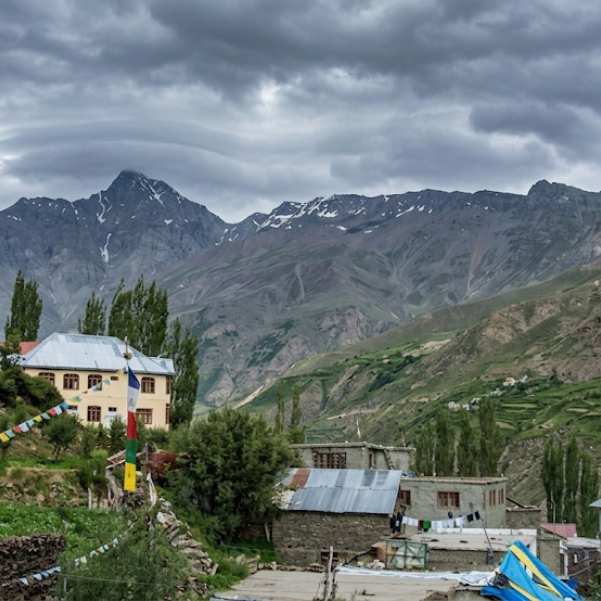
Plenty, even on a calm day. The Bhaga River landscape runs right through, a slow Jispa village walk is easy on the lungs, and Gemur and Darcha are short, low-effort trips.
For orientation, Jispa is about 22 km from Keylong and roughly 4 km beyond Gemur. Darcha is around 7 km from Jispa according to one commercial guide.
Darcha sits at about 3,500 metres, and the official tourism page describes it as an acclimatisation base for expeditions. It is a good, gentle place to feel the altitude before going higher.
One honest caution. Do not walk up to a swollen river or an unstable bank right after rain. Water levels here move fast and the edges give way.
Can You Visit Deepak Tal, Suraj Tal, and Baralacha La?
Treat these as weather-dependent high-altitude excursions, not guaranteed stops. Some days they are open and glorious, other days the road says no.
One commercial guide places Deepak Tal around 27 km from Jispa and the Suraj Tal or Baralacha area around 50 to 55 km away. Distances vary by source, so confirm on a live map.
The official district tourism page puts Suraj Tal a little below 16,000 feet and warns that you should not assume shops or dhabas at the lake itself.
So carry water and some snacks for this stretch. That does not mean food is impossible everywhere on the route, just that the lake is not the place to count on it.
Where Should You Stay in Jispa in September?
Camps Versus Guesthouses and Hotels
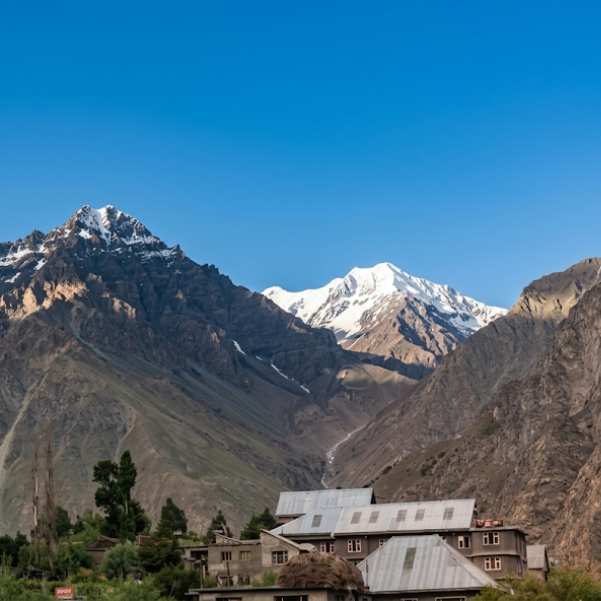
Camps give you that open-air, right-by-the-river feeling, and in good weather they are lovely. The catch is cold. A tent at this altitude gets much colder at night than a room with walls.
We usually recommend a fixed room instead of a camp for children, senior travellers, anyone who feels the cold, or anyone worried about late-season wind. A warm night makes the whole trip better.
Before you book anything, ask exactly what the price includes: meals, blankets, electricity, hot water, an attached washroom, parking, taxes, and the cancellation rule. Get it in writing.
What Should You Check for a Late-September Stay?
Call the property and confirm it will actually be open on your exact date. Late September is when some places quietly shut for the season.
Ask about extra blankets or heating, but do not assume heating comes standard. Many stays here do not have it.
The official district page lists a PWD Rest House at Jispa, with the booking contact 01900-222276. We will not quote a tariff or promise a room.
For a sense of the online market, a dynamic snapshot updated on 18 August 2026 showed Jispa listings running from about ₹1,680 to ₹10,230. That is a broad market view, not a guaranteed September rate or a nod to any one property.
One dynamic camp listing showed ₹2,418 plus ₹397 taxes. Read that as a single example, not a normal or expected price for your dates.
How Much Does a Jispa Trip Cost?
Your total depends on the travel date, your starting city, group size, vehicle, room category, meal plan, and whether you need a high-altitude sightseeing vehicle for the passes. There is no single price.
A simple way to think about it: transport plus room or camp plus meals plus local excursion plus a contingency buffer. Build it up from those parts.
On taxis, published figures fight each other. Some sedan listings sit near ₹3,100, others climb to ₹4,500, ₹4,655, or more depending on the supplier and vehicle.
Agree the fare before you sit in the car. When quotes swing this widely, fixing the price up front is how you avoid a nasty surprise at the end.
Carry some cash too. Mobile data and UPI can drop out up here, and a card or phone is useless when there is no signal.
What Should You Pack for Jispa in September?
Start with layers, because that is what actually keeps you comfortable here. A thermal or moisture-wicking base layer, a fleece in the middle, and an insulated outer layer handle the swing between sunny afternoons and cold nights.
Add a windproof and water-resistant shell for the top, a warm cap, light gloves, warm socks, and comfortable closed shoes. The wind is the part people underestimate.
For everything else, pack sunglasses, sunscreen, a reusable water bottle, your personal medicines, a simple first-aid kit, a power bank, offline maps, your ID, your e-Aagman confirmation, and some emergency cash.
Early and late September can feel like different seasons, so no single clothing combo covers every date. Pack for cold nights even if the forecast looks mild.
How Should You Handle Jispa's Altitude?
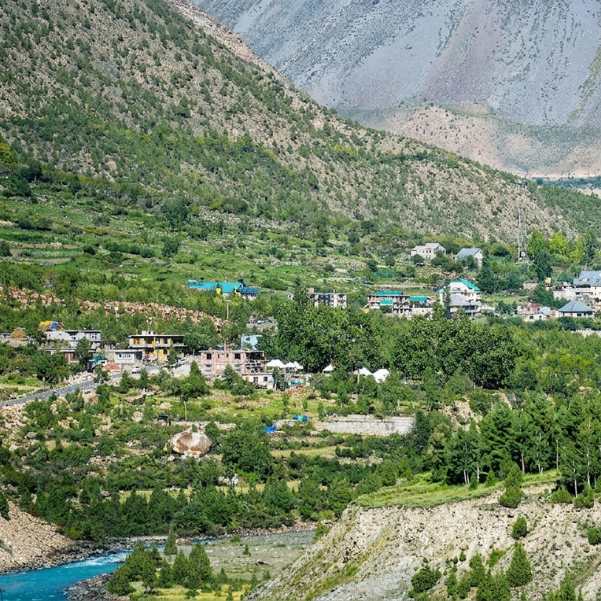
Jispa sits at around 3,200 metres, or about 10,500 feet. That is high enough to take seriously, even though it is lower than Sarchu or the passes.
CDC guidance says unacclimatised travellers sleeping at or above about 2,450 metres can develop altitude illness. Jispa is well above that line.
Where you can, avoid going straight from low altitude to sleeping above about 2,750 metres in a single day. Breaking the climb helps your body keep up.
Above about 3,000 metres, CDC guidance suggests keeping each night's sleeping-altitude gain to around 500 metres, and adding an acclimatisation day for every extra 1,000 metres you climb.
For the first 48 hours, skip alcohol and heavy exercise. Both make altitude adjustment harder.
Watch for the warning signs. Headache, unusual tiredness, loss of appetite, nausea, vomiting, and dizziness can all point to acute mountain sickness.
If any of those show up, do not keep climbing. Stay put or come down. If symptoms get worse even while you are resting, descend and get medical help.
Confusion, poor coordination, or breathlessness at rest is serious. That needs an urgent descent and emergency care, not a wait-and-see.
We are not going to recommend acetazolamide or any other medicine. If you want to consider preventive medication, talk to a qualified doctor first.
And if you have heart or lung disease, are pregnant, have had serious altitude illness before, or carry any major health concern, get individual medical advice before this trip.
If you are thinking of extending deeper into the region, our Spiti Valley tour packages cover the wider Lahaul and Spiti circuit at a pace that respects the altitude.
What Are the Fuel, ATM, Mobile Network and Emergency Realities?
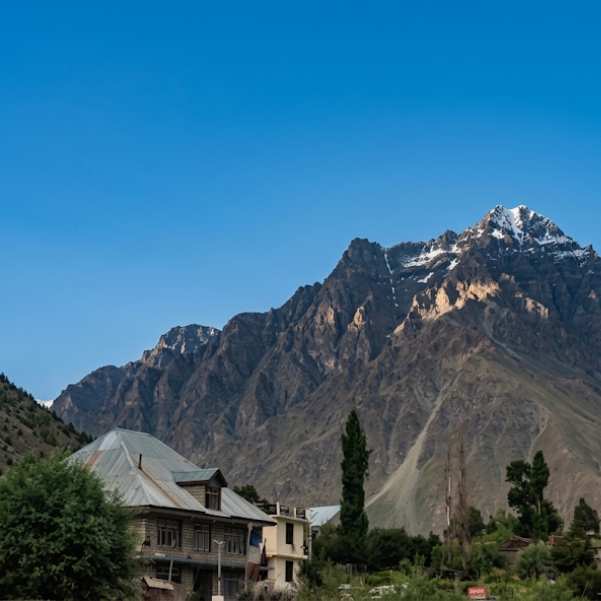
Do not count on finding an ATM or a fuel pump in Jispa itself. Sort both out before you get there.
Official district listings confirm SBI and PNB facilities in Keylong, so that is your realistic stop for cash on this route.
For fuel, the official district petrol-pump page lists Tandi and Kaza, while newer commercial information disagrees on the latest situation around Keylong and the exact distance from Jispa. Refuel before Jispa and check locally for the current Tandi or Keylong outlet status.
While you are topping up fuel and cash in the bigger stops like Sissu or Keylong, eat a proper hot meal there too, because options get thin the further up you go.
On mobile networks, BSNL is commonly the most dependable around Jispa, while Airtel and Jio can be patchy. That is a practical observation from the ground, not a coverage guarantee, so download your offline maps in advance.
Keep a few numbers saved before you lose signal. Civil Hospital Keylong OPD is 01900-202255 and its emergency line is 01900-202211. The Keylong Police Station is 01900-222223, and the Superintendent of Police is 01900-222226.
For emergencies, district rescue and relief is 1077, the citizen call centre is 155300, and the HRTC Keylong bus stand is 01900-222245. There are also officially listed facilities at PHC Gemur and Civil Dispensary Darcha nearby.
Is Jispa Suitable for Children, Parents and Senior Travellers?
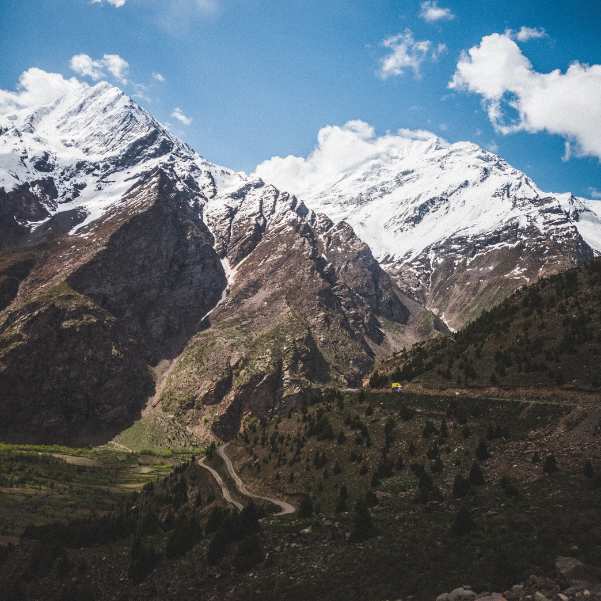
There is no blanket yes or no here, and anyone who gives you one is guessing. It depends on health, acclimatisation, how warm your room is, your travel pace, the road conditions, and how far you are from medical care.
What helps is a warm fixed room, a slow first evening, and no rushed drive to a high pass. Get those three right and the trip gets a lot friendlier for a mixed-age group.
Remember that children can get altitude illness just like adults. With kids, it often shows up as irritability, unusual tiredness, vomiting, less appetite, or simply less interest in playing.
If anyone in your group carries a significant health condition, get personalised medical advice before you go. This is one place where a doctor's call beats a blog's opinion.
Jispa Versus Sarchu: Which Is Better for an Overnight Halt?
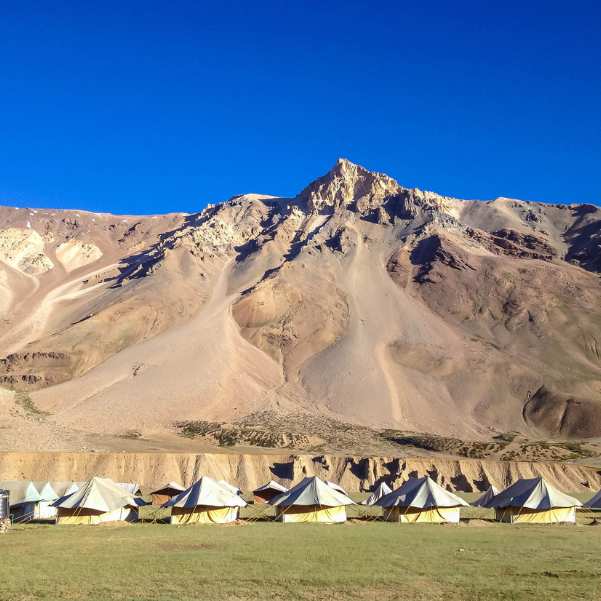
Jispa is lower and generally has more permanent facilities than Sarchu. That usually makes it the easier place to spend a night.
Sarchu sits higher, more exposed, and for many travellers coming up from Manali it is a harder first high-altitude overnight stop. The cold and the altitude hit harder there.
Do not read this as Jispa being altitude-safe. At around 3,200 metres, it can still cause symptoms, so the acclimatisation advice still applies.
For most people driving up from Manali, we lean toward Jispa as the more comfortable halt, though your full route and health profile should make the final call.
What Common September Mistakes Should You Avoid?
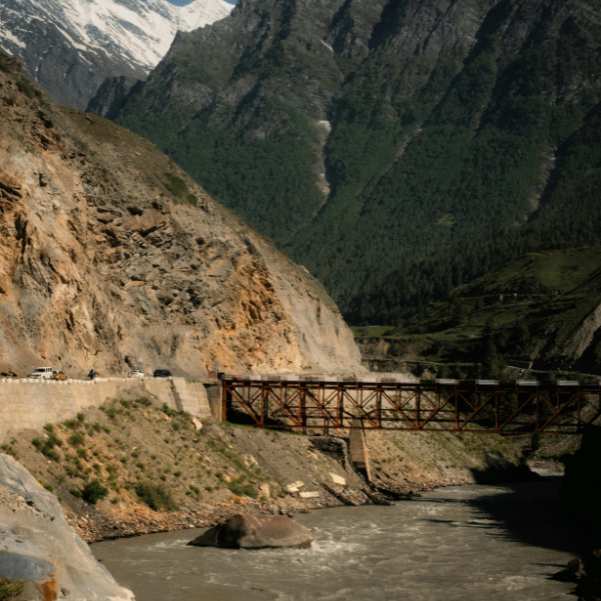
The biggest one is trusting a single generic monthly temperature and packing for it. September in Lahaul is not one number, and a cold evening will punish that assumption.
Close behind is assuming an open highway cannot close. It can, and it does, often at short notice after rain or a flash flood.
Do not leave zero buffer before a flight or train. One half-day closure can cost you a booking you cannot get back.
Do not drive late on an unfamiliar mountain route, and do not treat reaching Jispa as proof that Baralacha La is open. Those are separate questions.
Do not rely only on UPI, do not expect guaranteed snowfall, and do not skip the e-Aagman step. And above all, do not keep climbing when altitude symptoms show up. Stop, rest, and come down if they get worse.
How Can You Travel Responsibly in Jispa?
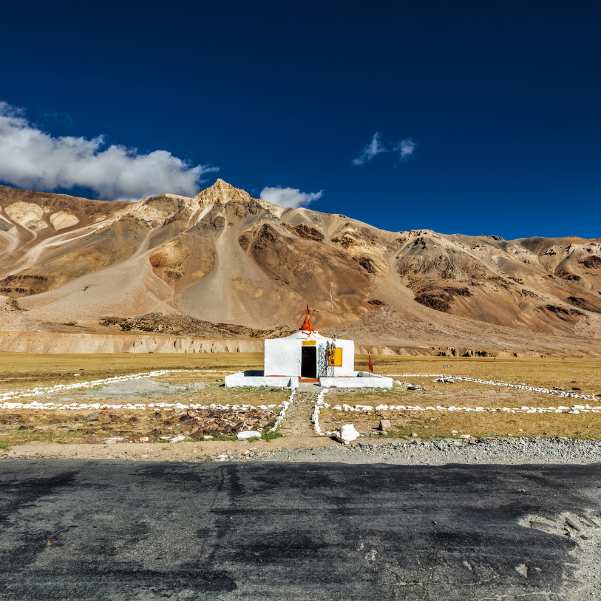
Carry your waste back to a proper disposal point and cut down on single-use plastic. Lahaul is remote, and whatever you leave behind tends to stay.
Stay well back from the river during and after heavy rain. A calm-looking bank can be undercut and unstable.
Respect homes, farmland, monasteries, local quiet hours, and wildlife. You are a guest in a small, close community here.
Skip the loud music, the careless off-road driving, and the littering. The quiet is the whole point of a place like this, so help keep it that way.
Final Verdict on Visiting Jispa in September 2026
Here is where we land. Jispa in September is a strong choice for flexible travellers who value quiet scenery and a slower high-altitude journey through Lahaul.
If you are travelling with children, parents, or senior guests, or you feel the cold easily, pick a fixed room and build a gradual itinerary with a buffer day. That one change fixes most of the discomfort people report.
Make the final call close to your dates, not now. Let the short-range weather forecast, the official district road update, the e-Aagman portal, and your confirmed accommodation status decide the go or no-go.
Do that, and September gives you one of the calmer, more rewarding versions of Lahaul you can get.
Explore Our Curated Jispa Tour Packages
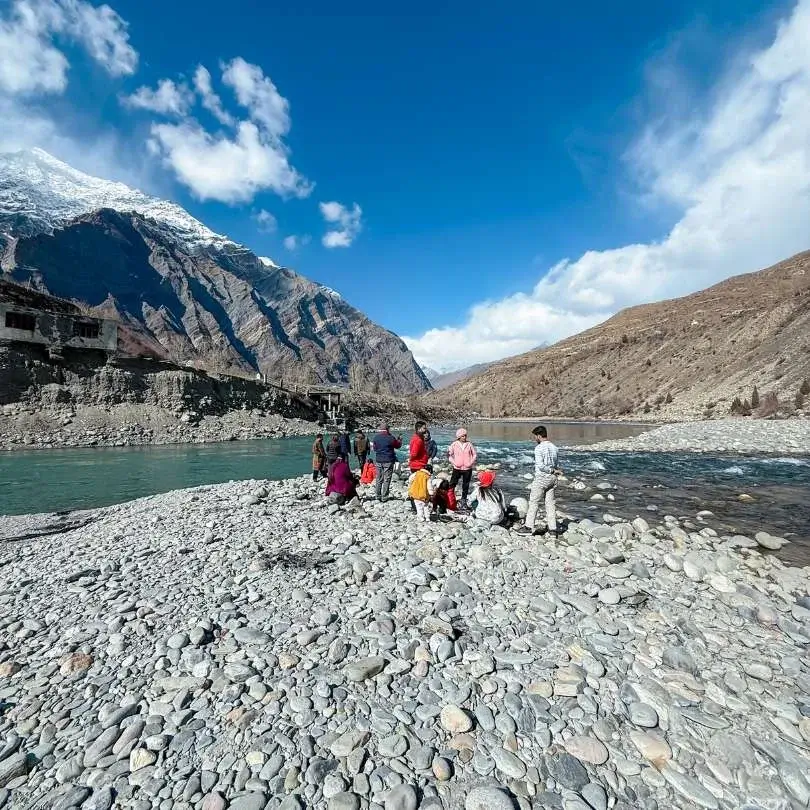 6D/5N
6D/5NMost Loved Sissu Valley Escape With Jispa Riverside Stay
2D Sissu•1D Jispa
₹15,999₹19,999SAVE INR 4,000/ person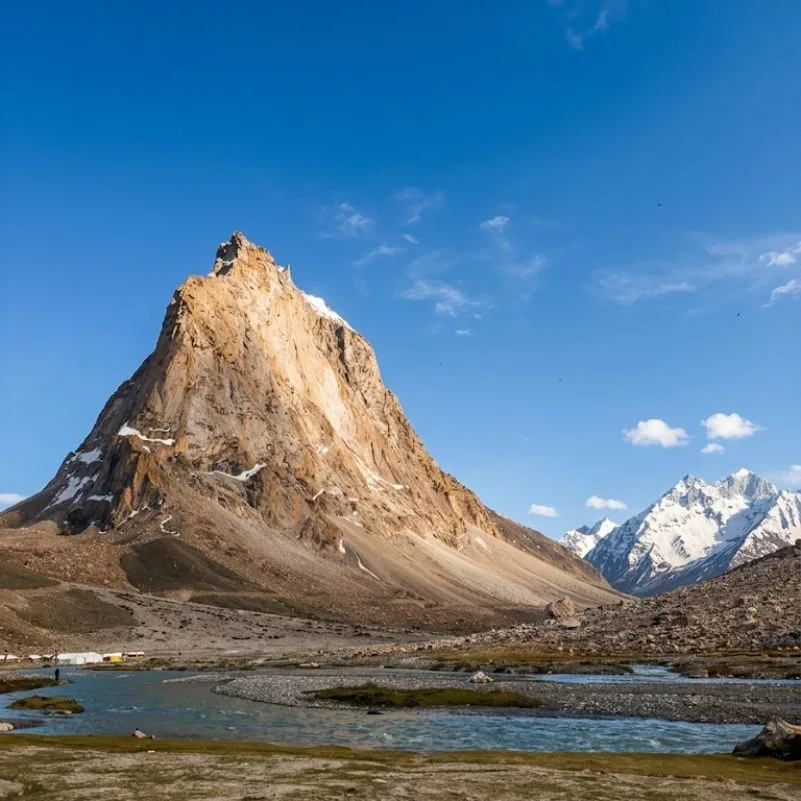 Group Tour8D/7N
Zanskar Valley Group Tour With Phugtal Gonbo Rangjon and Baralacha La
1D Manali•1D Purne / Kargyak / Gonbo Rangjon Side+2
₹20,999/ person 8D/7N
8D/7NPrivate Zanskar Valley Tour With Phugtal Gonbo Rangjon and Baralacha La
1D Manali•1D Purne / Kargyak / Gonbo Rangjon Side+2
₹29,999/ person
Related topics
Frequently Asked Questions
Is September a good time to visit Jispa?
Yes, September is a good time for quieter roads, clear scenery and a relaxed Lahaul trip. Days can be pleasant, but nights get cold, especially later in the month.
What is the temperature in Jispa in September?
Jispa generally has mild sunny days and cold nights in September. Exact temperatures vary, so treat online figures as rough estimates and pack warm layers.
Does it snow in Jispa in September?
Fresh snowfall is possible but not guaranteed. Higher areas such as Baralacha La may receive snow earlier, while Jispa village often remains snow free.
Is the Manali to Jispa road open in September 2026?
The route is usually open in September, but temporary closures can happen after rain, landslides or flash floods. Check the official road status before travelling.
Is Jispa to Baralacha La and Suraj Tal open in September?
Often yes, but access depends on weather and road conditions at higher elevations. Confirm the road status on the same day before visiting Suraj Tal or Baralacha La.
Do I need an e-Aagman pass or permit for Jispa?
Yes, vehicles entering Lahaul and Spiti should check the current e Aagman requirements. Select the appropriate e pass, e permit or e ticket based on your actual route.
How far is Jispa from Manali and how long does the drive take?
Jispa is roughly 100 km from Manali via the Atal Tunnel. The drive usually takes around 3 to 4 hours, though traffic, weather and road work can increase the travel time.
How many days are enough for Jispa?
Two days and one night are enough for a quick Jispa trip. Three days and two nights are better if you want to explore Darcha, Deepak Tal, Suraj Tal or Baralacha La.
Can I camp in Jispa in late September?
Yes, some camps remain open, but operations may start winding down in late September. Confirm availability directly and be prepared for very cold nights.
What clothes should I carry for Jispa in September?
Carry thermals, a fleece, a warm jacket and a windproof or water resistant outer layer. Also pack gloves, a woollen cap, warm socks, closed shoes, sunglasses and sunscreen.
Is Jispa safe for children, parents and senior travellers?
It can be suitable with slow acclimatisation, warm accommodation and a relaxed itinerary. Avoid rushing to higher passes, and seek medical advice for travellers with significant health conditions.
Are mobile network, ATM and fuel available in Jispa?
Do not depend completely on these facilities in Jispa. Carry cash, refuel before reaching Jispa, download offline maps and expect mobile connectivity to be limited or patchy.
More about Jispa
- Jispa
Jispa in November 2026: Weather, Snow, Road Status and Travel Guide
Planning a trip to Jispa in November 2026? Discover expected weather, snowfall chances, temperatures, road conditions, travel safety tips, and everything you need to know before visiting Jispa in early winter.
- Road Status
- Snow Travel
 Jispa
JispaDarcha 2026: The Base for Baralacha La and Shinkula Pass (Stay, Fuel & Route)
Planning to use Darcha as your base in 2026? This guide covers where to stay, fuel options, route details and how Darcha connects travellers to Baralacha La, Shinkula Pass and the road toward Zanskar.
- How to Reach
- Road Status
- Jispa
Jispa in December 2026: Snowfall, Temperature, Road Status and Travel Guide
Planning a trip to Jispa in December 2026? This guide covers expected snowfall, temperatures, road conditions, winter accessibility and practical travel tips to help you plan a safer visit.
- Road Status
- Snow Travel