
Jispa In June 2026: Weather, Snow & Road Status
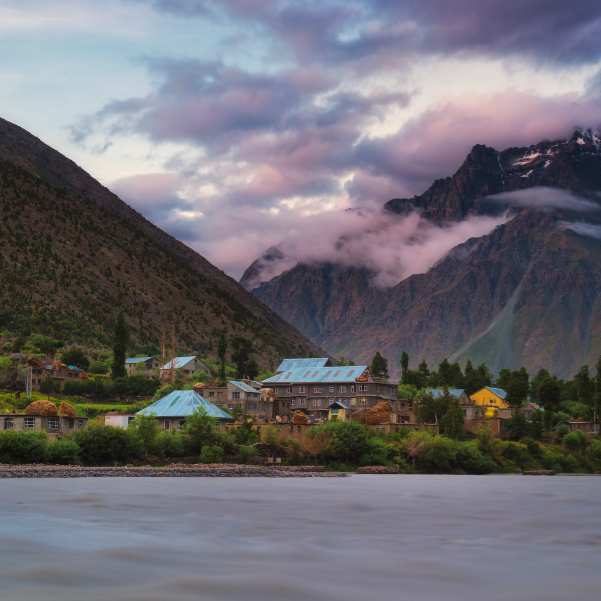
If you are planning Jispa in June 2026, here is the truth most blogs skip: June is one of the best months to go, but only if the road from Manali holds up that week.
We run trips through Lahaul every season, and June is when the valley finally wakes up. The snow walls melt, the Bhaga River runs full, and Jispa turns into that quiet riverside stop everyone heading to Ladakh falls in love with.
But June in the high Himalayas is not the June you know from the plains. Days can be lovely. Nights still bite. And the snow you came chasing is usually higher up, not in the village itself.
Let us walk you through exactly what to expect, what to pack, and how to time it right.
Quick Answer: Is Jispa Good In June 2026?
Yes, Jispa in June is excellent if the roads stay open. It is one of the best windows of the year.
Days are usually cool to pleasant. Nights stay cold, sometimes near freezing.
Fresh snow inside Jispa village is unlikely. You are more likely to see snow near higher stretches like Baralacha, Deepak Tal, Suraj Tal, or shaded pass areas, and only if those sections are open.
Check road and weather status 24 to 48 hours before you leave Manali. This region changes overnight, and that one check saves a lot of stress.
A good trip depends more on road timing and local planning than rushing through an itinerary. Our Sissu Tour Packages help you travel the region comfortably.
What Is The Weather Like In Jispa In June?
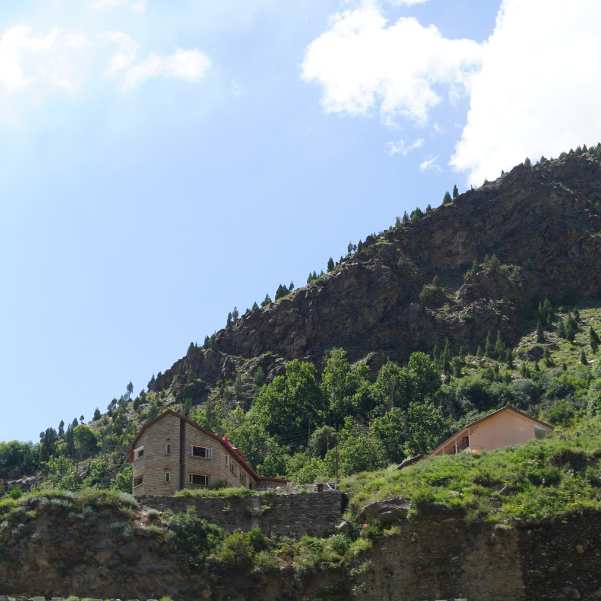
Jispa sits at around 3,200 m (10,500 ft). At that height, the weather flips fast.
One minute the sun is out and you are in a t-shirt. Half an hour later a cloud rolls in and you reach for your jacket.
We will be honest with you about temperature. Different sources report different numbers, and they do not agree.
Several travel sources place June conditions roughly between cold nights and mild daytime weather, with ranges reported from about 7°C to 25°C depending on the source, the date, and the exact spot.
Nearby Keylong IMD June records show cold lows and mild to warm daytime highs. But Keylong is only a nearby reference, not exact Jispa data, so treat it as a rough guide.
What most tourists get wrong here is trusting a single weather app reading. They pack for "summer" and freeze the first night. Plan for both warmth and cold in the same day and you will be fine.
Early June vs Late June Weather
Early June can feel raw. Winter has just let go, and you may still spot snow higher up.
The wind can cut through a cheap jacket like it is not even there.
Late June usually feels more settled and easier to plan around. But even then, afternoon clouds, wind, sudden showers, and a quick drop in temperature can show up without warning.
In our experience, mid to late June is the sweeter window for first-timers who want fewer surprises.
What Clothes Should You Carry?
Carry a thermal layer for the night, a fleece, and a windproof jacket. Add a waterproof outer layer on top.
Bikers, bring proper gloves. Everyone, bring warm socks, sunglasses, sunscreen, and a cap.
Packing only cotton summer clothes for Jispa is a mistake we see every single season. Do not do it.
If you want someone to handle the route, stays, and a local driver for you, our Manali tour packages cover the full Lahaul side and a team that actually picks up the phone.
Will You See Snow In Jispa In June 2026?
Let us not oversell this. Fresh snowfall inside Jispa village in June is not guaranteed.
We will not promise you snow, because the weather does not take orders.
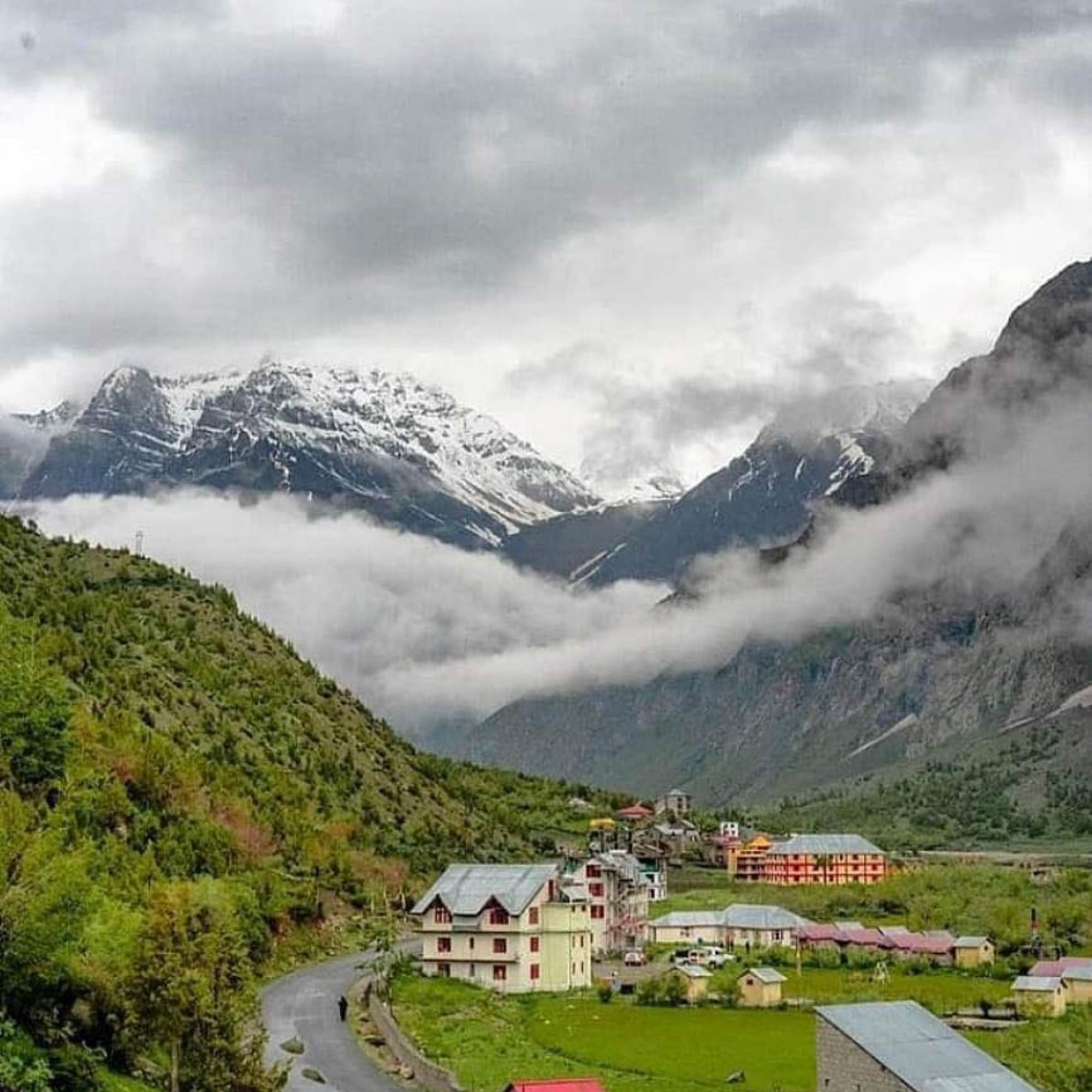
What you can see is old snow patches or snow walls toward the higher sections, near Baralacha La, Suraj Tal, the Deepak Tal side, or shaded pass areas, but only if the road up there is open.
Snow In Jispa Village
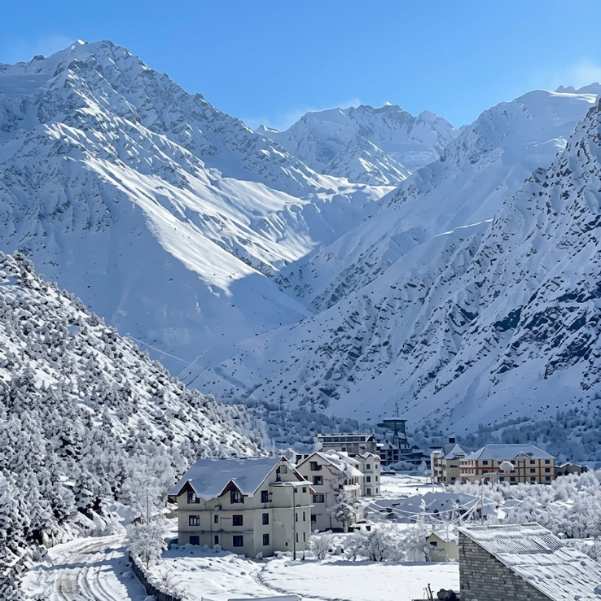
By June, Jispa village usually opens into a dry, green and brown Lahaul landscape. Think bare brown mountains, green river flats, and big open sky, not a snow field.
A rare weather spell can dump surprise snow in the higher regions. It happens. But do not plan a June trip only to find fresh snowfall in the village itself, because most years that does not happen.
Snow Near Baralacha, Deepak Tal And Suraj Tal
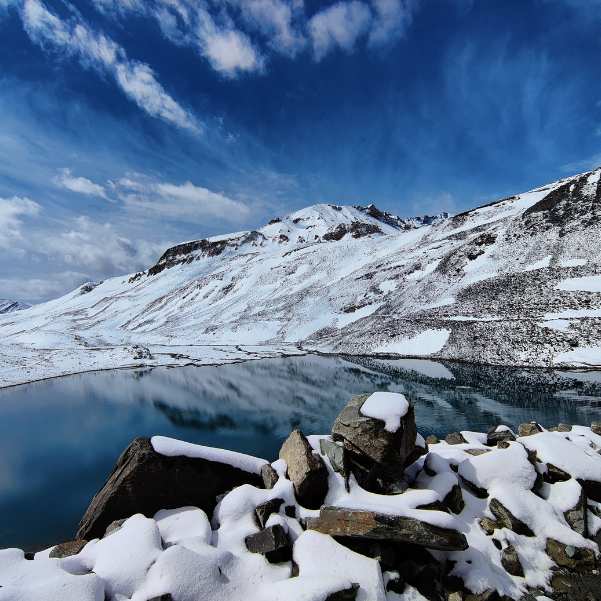
Deepak Tal is about 20 km from Jispa and about 43 km from Keylong. This is your most realistic snow-and-ice stop if the road is clear.
The Baralacha side depends entirely on the road opening, police permissions, and weather on the day.
Here is a real safety line we tell every group: do not cross barricades or chase snow beyond the permitted points. People get stuck, vehicles get damaged, and rescue at that altitude is slow and risky.
We covered how unpredictable these high passes get in early season in our Rohtang Pass in May guide if you want the full picture before you go higher.
Is The Manali To Jispa Road Open In June 2026?
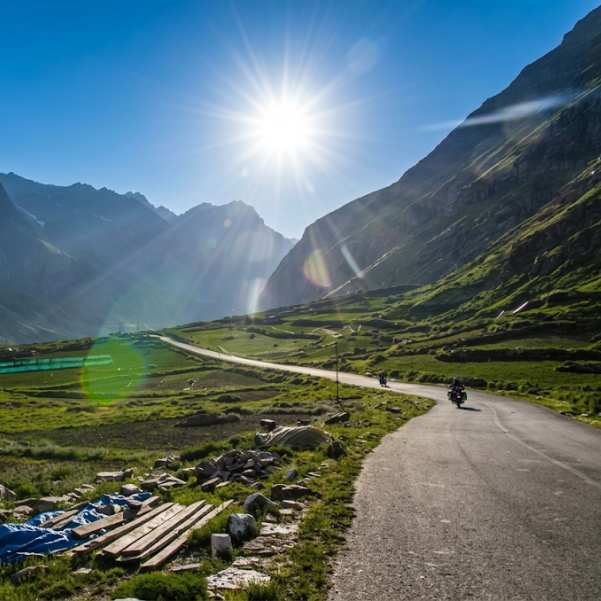
Good news for June. The route is usually in solid shape by now.
The official Lahaul-Spiti road status, last updated 20 March 2026, listed Delhi to Manali open, Manali to Keylong open, Keylong to Leh open, and Keylong to Kaza closed.
BRO reopened the Manali-Leh highway on 12 May 2026, after about five months of winter closure.
By 14 May 2026, the Darcha-Sarchu stretch via Baralacha La was reported open for light motor vehicles, with heavy vehicle movement expected if conditions stayed smooth.
So by June, the main artery to Jispa is normally running.
But the mountains do not behave. Temporary closures still happen because of snow, rain, landslides, water crossings, BRO repair work, and traffic control.
Rain and light snowfall were reported in Himachal on 22 May 2026, and Rohtang saw a snowstorm disruption. So always verify the same-week status, not last month's news.
>>WhatsApp Travel Coffee for real-time Jispa weather, snowfall updates, and safe travel guidance.
Route From Manali To Jispa
The route is simple to picture. You leave Manali, pass the Solang side, and go through the Atal Tunnel.
You come out at Sissu, continue to Tandi, then Keylong, and finally Jispa sits a little further along the Bhaga River.
The Atal Tunnel is 9.02 km long and connects Manali to Lahaul-Spiti through the Rohtang region. It is the reason this drive is now so much easier than the old Rohtang Pass slog.
Road Condition From Atal Tunnel To Jispa
June is far better than winter on this road. But the Himalayas do not run like city highways.
Expect delays, roadwork, slush after rain, rough patches, and traffic near popular snow points.
A money tip from our drivers: the snow-point crowds near the tunnel exit cause the worst jams. Cross that early in the morning and you skip the queue completely, which saves you both time and fuel idling in traffic.
If you want a slower trip and a base lower down first, our Sissu tour packages make a comfortable halt before pushing on to Jispa.
Do You Need A Permit For Jispa In June?
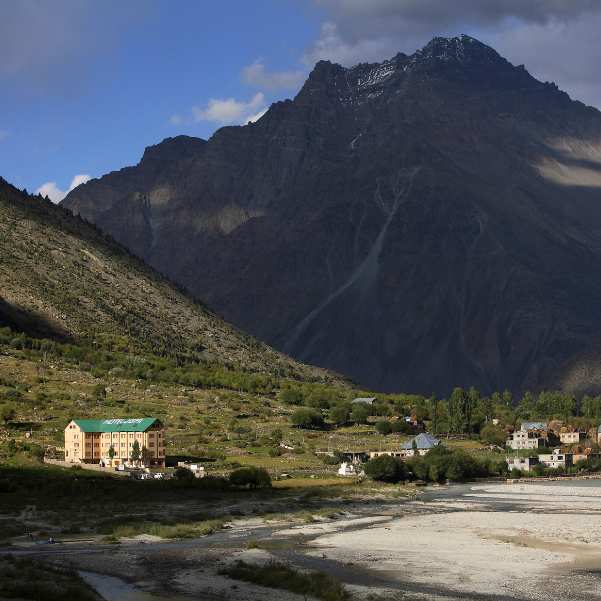
Permits confuse almost everyone, and most blogs mix them all up. Let us keep this clean.
Official e-Aagman rules state that vehicles entering District Lahaul and Spiti have to apply for an e-pass. An e-permit is required for the Atal Tunnel Rohtang-Koksar-Chandertal circuit. An e-ticket is required for other places.
Rules change, so check the official portal before you travel rather than trusting an old screenshot.
Atal Tunnel, e-Aagman And Vehicle Entry
If you are driving your own vehicle, keep your papers ready. That means vehicle registration, driving licence, ID proofs, and your e-Aagman or e-ticket requirement sorted before you start.
Sorting this in Manali, with network and time on your side, is far easier than fumbling at a checkpoint with cars piling up behind you.
Rohtang Pass Permit vs Beyond Rohtang
The official Rohtang permit portal lists options for Rohtang Pass, Special Rohtang Pass, Beyond Rohtang, Hamta Pass, and Green Tax.
This matters because the permit flow is different depending on what you are doing. If you only want Rohtang for sightseeing, that is one process.
How To Reach Jispa In June
You can come from Manali, Delhi, or Chandigarh. But do not rush.
Do not try to drive from Delhi straight to Jispa in one go unless you are experienced and have a driver rotation. That is a long, tiring haul that ends at high altitude, which is a bad combination.
Break the journey at Manali. Your body and your trip both benefit.
Manali To Jispa
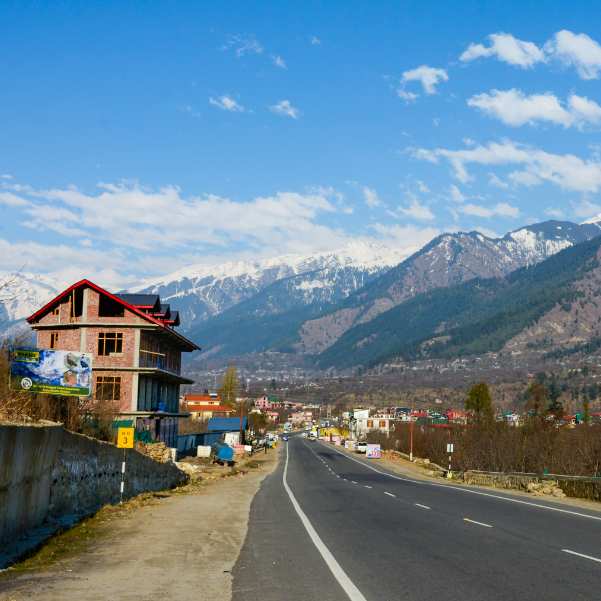
For most travellers in June, this is the easiest route. You go through the Atal Tunnel and into Lahaul, and the road is usually in good shape.
We will not invent a drive time, because honestly it varies a lot. Traffic, tunnel queues, police checks, roadwork, and photo stops all stretch it out. Plan for a relaxed half-day rather than a fixed clock.
Delhi Or Chandigarh To Jispa
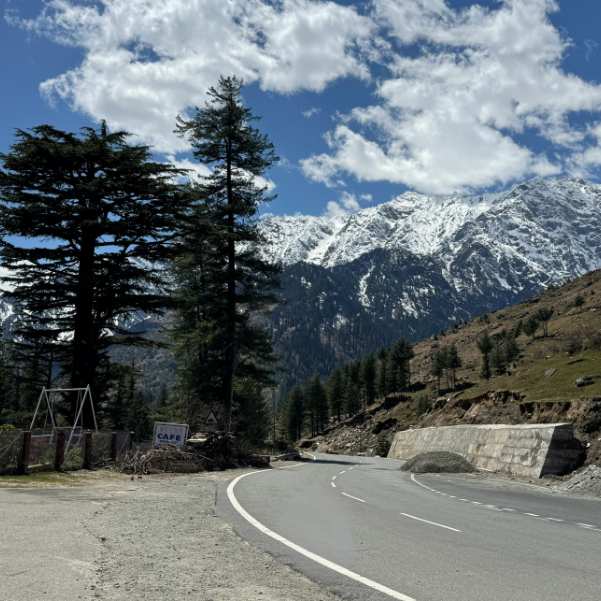
Add a night halt in Manali. We say this to every group and we mean it.
Jispa works far better when you plan it slowly. Altitude and road fatigue are real, and they hit harder when you have driven a long way before climbing.
Best Jispa Itinerary For June 2026
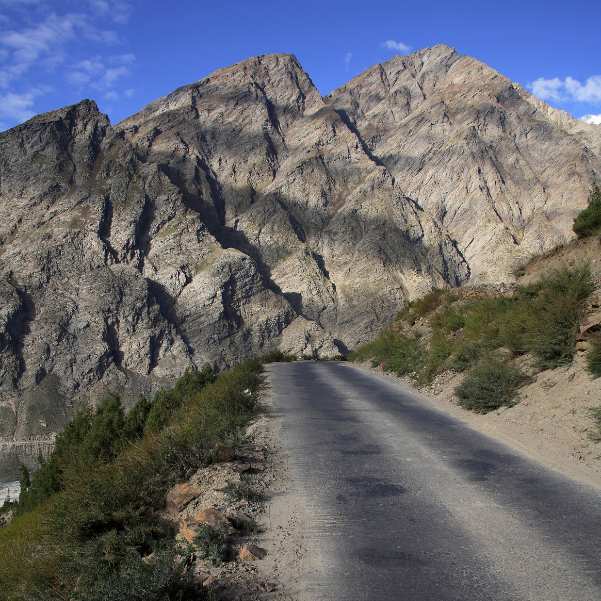
Here are two practical plans we actually use.
2 Day Jispa Plan
Day 1 is Manali to Jispa via the Atal Tunnel, Sissu, Tandi, and Keylong. Keep it relaxed. Stop for photos, grab a tea, and end the day with a slow riverside evening in Jispa.
The sound of the Bhaga River at night, with the cold air and nothing else around, is the part people remember most.
Day 2 can cover Jispa village, the Bhaga River, Darcha, and Deepak Tal if it is open. After that you either return or continue, depending on the road status that day.
3 Day Jispa Plan
Day 1 is Manali to Jispa, taken slowly so your body adjusts.
Day 2 is Darcha, Deepak Tal, and the Baralacha side, but only if the road is open and you have the permissions. Do not force this leg.
Day 3 is your choice based on road status. Continue toward Ladakh, head back to Manali, or shift to another Lahaul plan if the high road is shut.
If Ladakh is calling you, our Ladakh road trip packages pick up naturally from Jispa once Manali-Leh is fully open.
Best Places To Visit Near Jispa In June
Jispa is not a checklist destination. It is more about slow mountain time.
Bhaga River
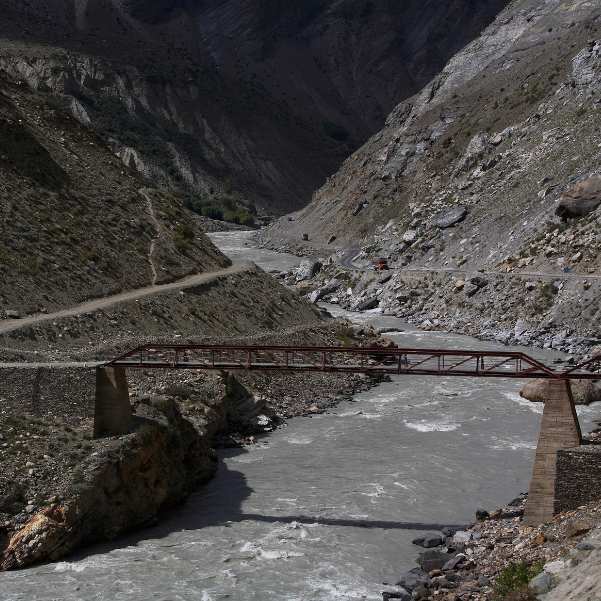
The Bhaga River is the heart of it. Walk along it, sit by it, and let the evening pass. Jispa village walks are quiet and easy, with prayer flags and old homes.
Darcha
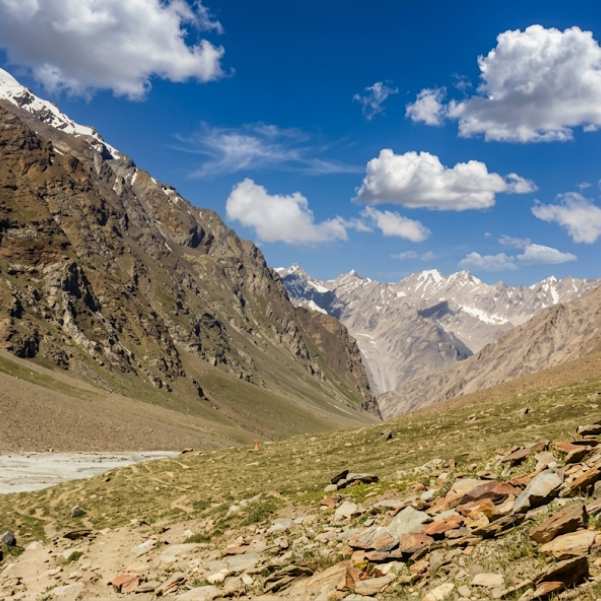
Darcha is just about 7 km away and marks where serious treks and the onward Ladakh route begin. Keylong, around 20 km back, is the bigger town for supplies. Tandi is your fuel and river-confluence stop. Sissu on the way has its waterfall and lake.
Deepak Tal
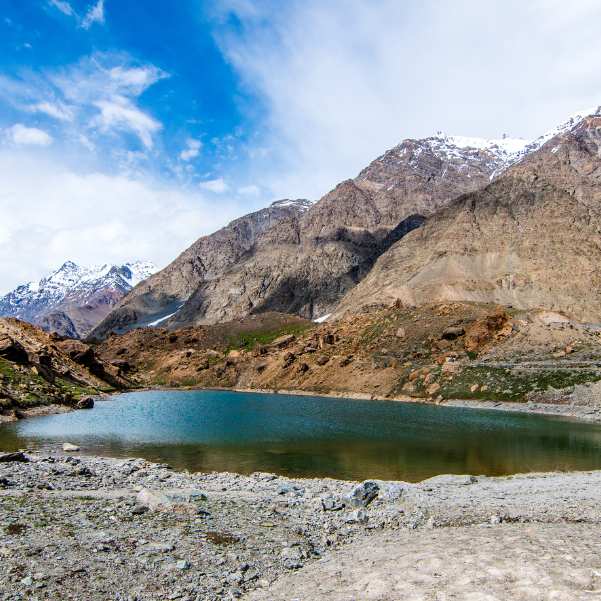
Deepak Tal, about 20 km from Jispa, is the closest high lake worth a look if open. Keep Suraj Tal and the Baralacha side as conditional, road-dependent extras, never as guaranteed stops.
One honest negative
If you are after big attractions and packed sightseeing, Jispa may feel empty to you. There is not much "to do" in the usual sense. The reward here is stillness, not activity. Come for that or you will leave disappointed.
Where To Stay In Jispa In June
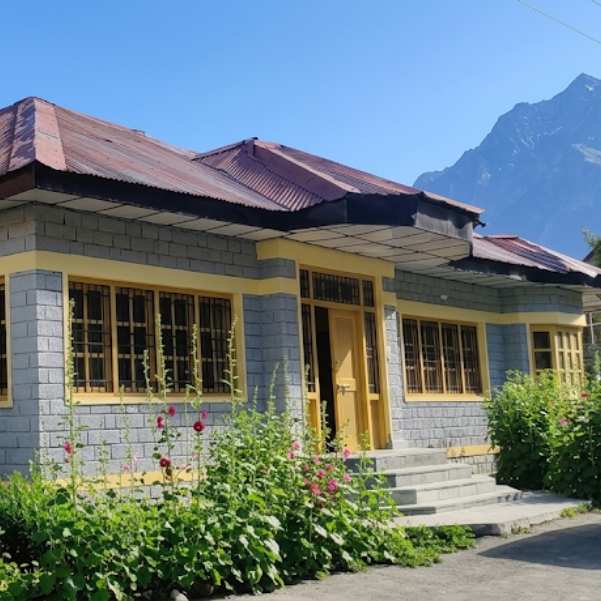
You have a few options. Camps along the river, homestays, basic guesthouses, and government rest house options.
The official Lahaul-Spiti district accommodation page lists PWD Rest Houses in Lahaul, including Jispa.
June is peak season, so book ahead. The good riverside camps fill up fast on weekends and around holidays.
We are not quoting prices here because current camp and homestay rates are not verified, and we would rather you confirm than trust a guess. A quick local check gives you real numbers for your dates.
Is Jispa Safe In June For Families, Couples And Bikers?
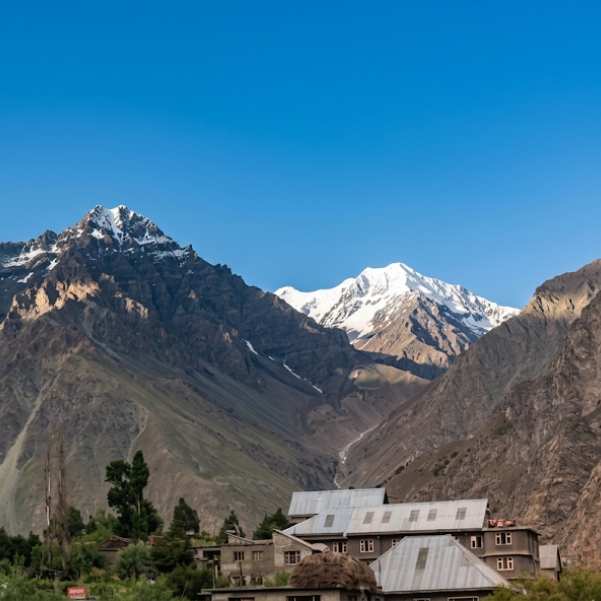
Jispa is generally manageable in June when the roads are open. It is one of the gentler high-altitude stops.
But it is still high altitude, so respect it. Nights are cold, and altitude fatigue is real.
Drink plenty of water. Eat simple food. Skip alcohol on your arrival night, however tempting that riverside beer looks. And do not do risky night drives on these roads.
For bikers, the basics matter more here. Carry proper gloves and a waterproof layer. Clean your helmet visor often because dust and glare are brutal. Start early, and plan your fuel before you run low.
What we always tell our travellers is to take the first afternoon easy. Arrive, rest, walk a little, sleep well. Push hard the next day, not the first.
Jispa vs Sarchu: Where Should You Stay Overnight?
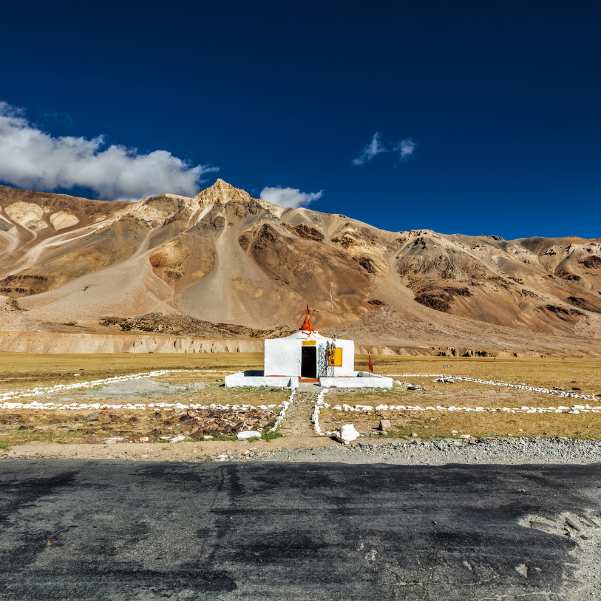
This comes up constantly with Ladakh-bound travellers. Our answer is usually Jispa.
Many people prefer Jispa over Sarchu for the first night because Jispa is lower and usually easier on the body. Jispa to Sarchu is about 55 km, but those kilometres climb hard.
We will keep the medical side cautious here, since everyone reacts to altitude differently. But the general pattern we see is simple: people who sleep at Jispa first tend to handle the higher nights better.
If you are heading to Leh, do not treat Jispa as a race checkpoint. A proper night here is one of the smartest acclimatisation moves on the whole route.
What To Pack For Jispa In June
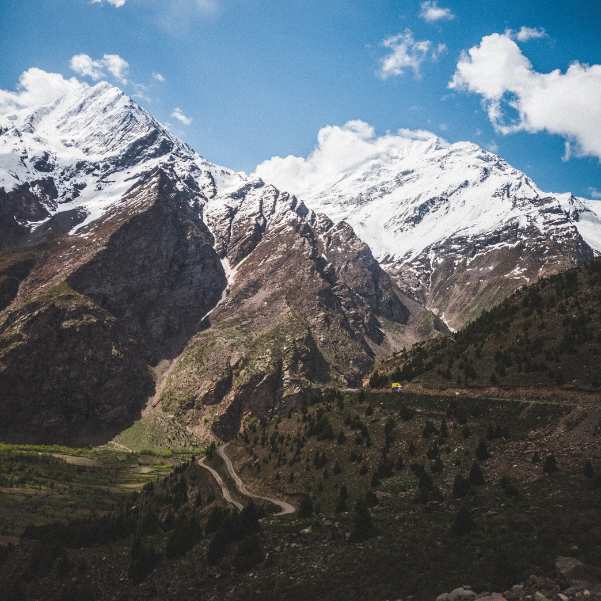
Keep it warm and practical.
Bring warm layers, a windproof jacket, and waterproof shoes. Add sunglasses and sunscreen, because the high-altitude sun burns faster than you expect.
Carry cash, a power bank, your personal medicines, and offline maps. Network is patchy out here, so do not rely on live GPS.
Keep your vehicle papers handy and plan your fuel carefully. Tandi and Keylong are key fuel points before the long remote stretch toward Ladakh, so fill up before you go beyond them. There is nothing reliable after that for a long way.
Can You Combine Jispa With Spiti, Ladakh Or Chandratal?
Yes, with the right conditions.
Ladakh
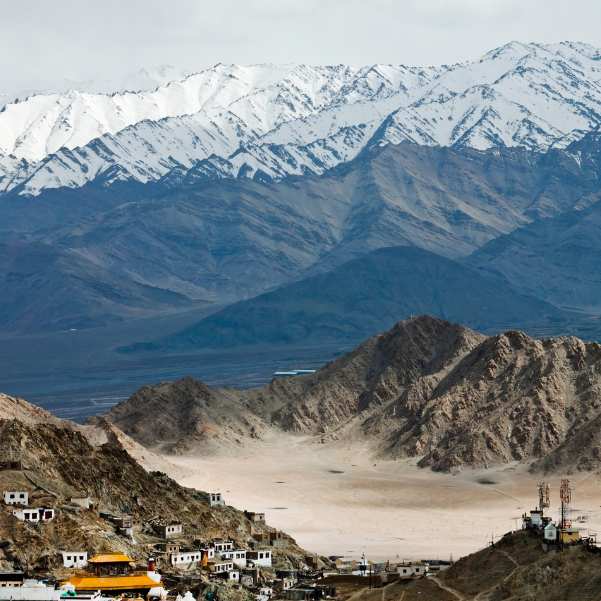
Ladakh is the classic onward route when Manali-Leh is open, and June is usually a good time for it. Jispa flows straight into that journey.
Spiti
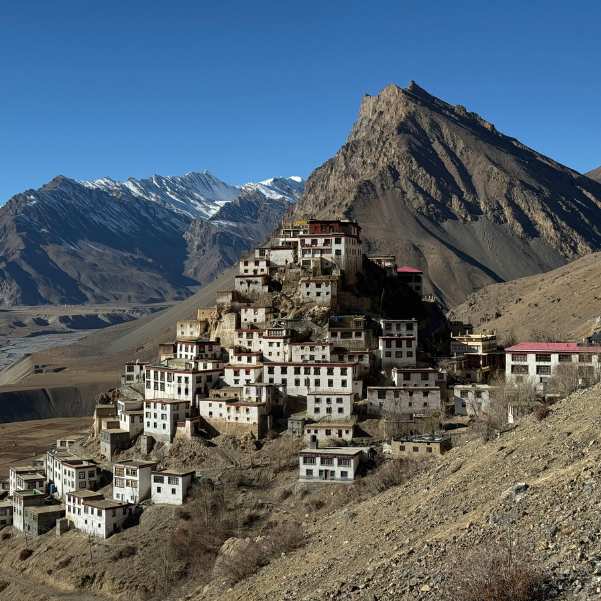
Spiti via the Keylong-Kaza side depends on Kunzum Pass and the official road status. In the update we checked, Keylong-Kaza was closed, so do not assume that link is open without confirming.
Chandratal
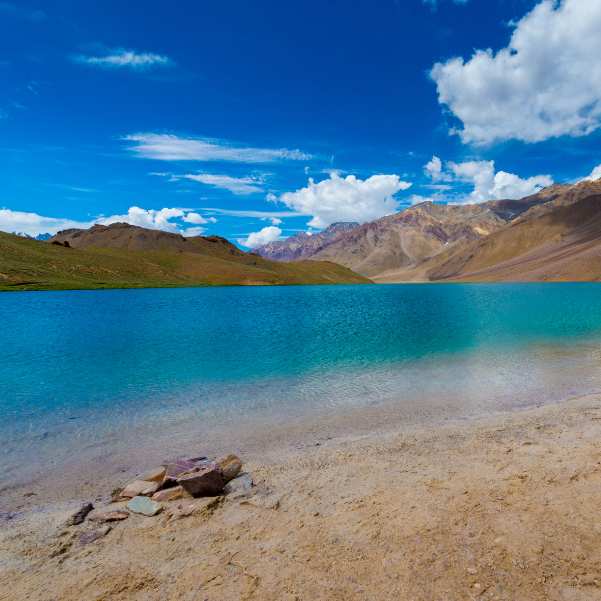
Chandratal is best treated as a separate, conditional extension based on whether its own route has opened. The Spiti circuit and Chandratal access are two different things, and they do not always line up. We broke down the timing in our Chandratal opening guide 2026.
If you want the bigger picture for the high valley, our Spiti Valley packages lay out the routes with proper acclimatisation built in.
Final Local Advice For Jispa In June 2026
June is a strong month for Jispa. The roads usually improve, the valley opens up, and the higher sections may still show off some snow.
It is the window we recommend to most people who want Lahaul without the deep-winter risk.
But here is the one rule that beats everything else. Your final decision should always come down to the road and weather updates close to your travel day, not a blog written months earlier.
Check the status, keep a buffer day, pack warmer than you think, and Jispa will treat you well.
Related topics
Frequently Asked Questions
Is Jispa worth visiting in June?
Yes. June is one of the best months, with the valley open and the river full. Just go for stillness and scenery, not packed sightseeing.
Is there snow in Jispa in June?
Fresh snow in the village is not guaranteed. You are more likely to see old snow or snow walls near higher passes like Baralacha or Deepak Tal if those roads are open.
Is the road to Jispa open in June 2026?
Usually yes. The Manali-Leh highway reopened on 12 May 2026, and Manali to Keylong was open in the official status. Always check the same-week update before leaving.
Can we go from Manali to Jispa in June?
Yes, this is the easiest route. You go through the Atal Tunnel via Sissu, Tandi, and Keylong, and the road is normally in good June shape.
What is the temperature in Jispa in June?
It varies a lot by source and day, with reports roughly between cold nights and mild days. Pack for both warm sun and near-freezing nights, and check the forecast close to your trip.
Do I need a permit to visit Jispa?
Vehicles entering Lahaul and Spiti district must apply via e-Aagman, with an e-pass and an e-ticket for general places. Check the official portal before travel, as rules change.
Is Manali-Leh Highway open in June 2026?
BRO reopened it on 12 May 2026 after about five months of winter closure, so June is usually open. Confirm same-week status before you commit.
Can I visit Baralacha Pass from Jispa in June?
Sometimes. It depends on the road opening, police permissions, and weather that day. Never cross barricades or push beyond permitted points.
How many days are enough for Jispa?
Two days work for a relaxed riverside visit. Three days suit you if you want to add Darcha, Deepak Tal, and the Baralacha side, conditions permitting.
Is Jispa safe for families and kids in June?
Generally yes when roads are open, but it is high altitude. Keep things slow, stay hydrated, eat simple food, and avoid night drives.
Which is better for overnight stay, Jispa or Sarchu?
Jispa, for most people. It is lower than Sarchu and usually easier on the body, which makes it a smarter first night on the Leh route.
What clothes should I carry for Jispa in June?
Thermals, a fleece, a windproof jacket, and a waterproof outer layer. Add warm socks, gloves, sunglasses, sunscreen, and a cap. Skip cotton-only summer packing.
More about Jispa
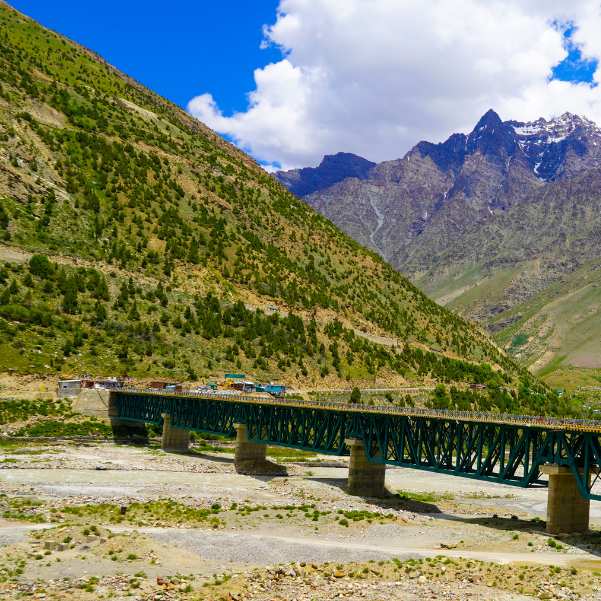 Jispa
JispaJispa in November 2026: Weather, Snow, Road Status and Travel Guide
Planning a trip to Jispa in November 2026? Discover expected weather, snowfall chances, temperatures, road conditions, travel safety tips, and everything you need to know before visiting Jispa in early winter.
- Road Status
- Snow Travel
- Jispa
Darcha 2026: The Base for Baralacha La and Shinkula Pass (Stay, Fuel & Route)
Planning to use Darcha as your base in 2026? This guide covers where to stay, fuel options, route details and how Darcha connects travellers to Baralacha La, Shinkula Pass and the road toward Zanskar.
- How to Reach
- Road Status
 Jispa
JispaJispa in December 2026: Snowfall, Temperature, Road Status and Travel Guide
Planning a trip to Jispa in December 2026? This guide covers expected snowfall, temperatures, road conditions, winter accessibility and practical travel tips to help you plan a safer visit.
- Road Status
- Snow Travel