
What to Pack for Jibhi in April (2026): Complete Checklist for Couples, Families & Treks
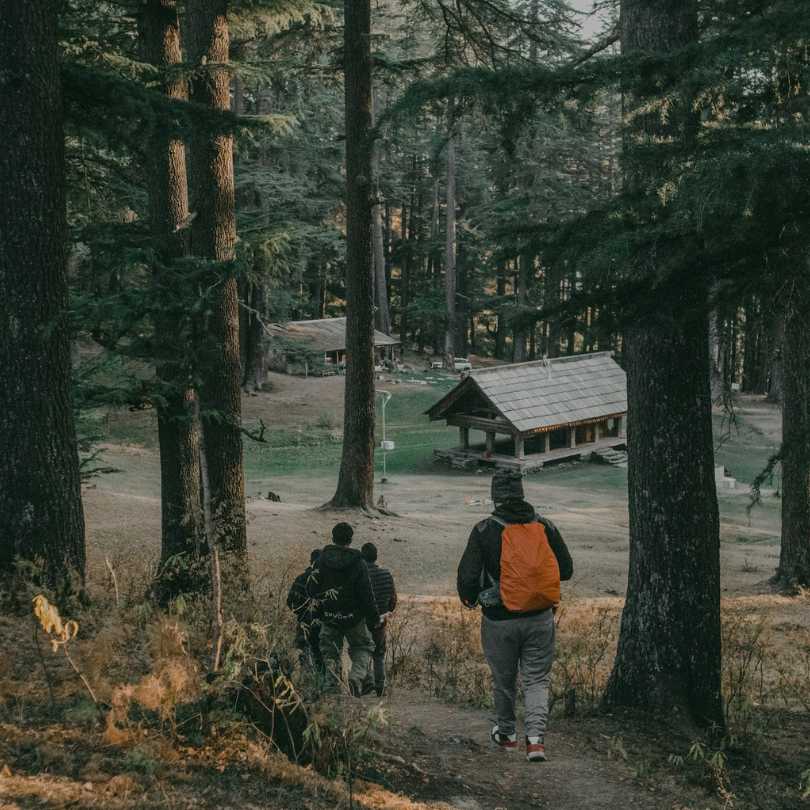
Many visitors who travel to Jibhi in April tend to pack too lightly for the cold nights and too heavily for the hot days. They tend to picture "spring in the Himalayas" as nothing but sunshine and hiking through forests all day long. However, when they spend that first night there, it quickly becomes apparent how chilly it actually gets.
This blog is a packing guide used by previous travelers. Because each section is based on real experiences, it provides you with exactly what works:
- Clothing: A list of things that will work during the daytime versus the nighttime.
- Shoes: The type of footwear that you'll actually need.
- Kids: Things not to forget if you're traveling with children.
- Essentials: Those small items that will help you avoid 90% of travel friction (including fixes for potential power outages, lack of cellphone reception, unexpected stomach issues, and blisters after a couple of days).
Make sure you use this as your last checklist before closing your bag and leaving.
What to Pack for Jibhi in April?
Make sure to pack your layers for a visit to Jibhi in the month of April (Cotton t-shirt, fleece, lightweight insulated jacket), one pair of high-traction trekking shoes, packable rain gear, and warm sleeping clothes (track pants, long-sleeve top).
If you are going to be doing Jalori Pass or hiking to Serolsar Lake in the early morning, feel free to add gloves and a beanie to your packing list.
The following items should also be included on your list: 10,000 mAh Power Bank, basic medications (cold, allergy, digestive), and a small 15-20L day pack for hiking the forest trails.
Jibhi Weather in April
What the Day Feels Like
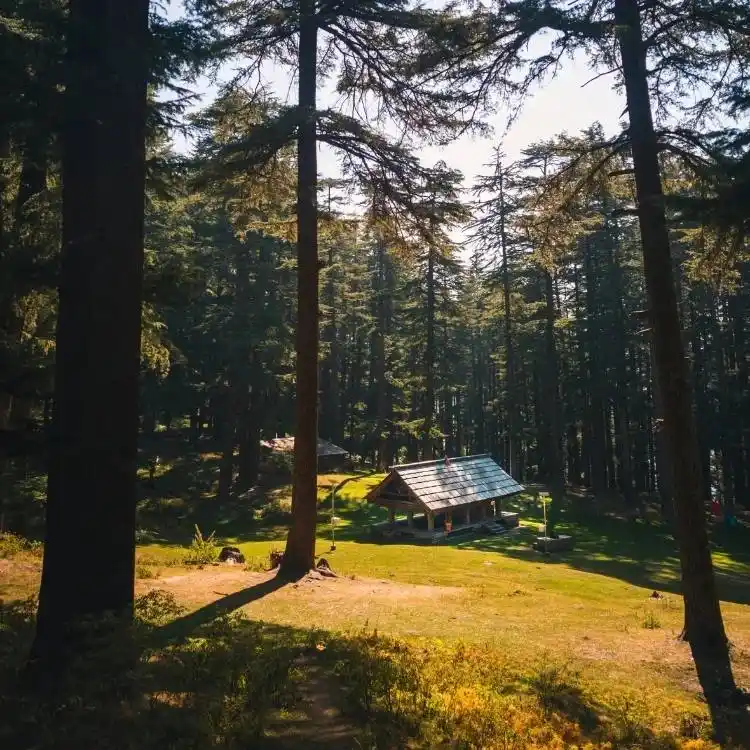
April afternoons in Jibhi are usually 18-22°c once the sun comes out; you could wear a T-shirt during the afternoon while sitting at the café by the river in Ghiyagi or while strolling the village lanes.
But keep in mind, no matter how much sunshine it was when you started your hike, forests don't care about sunshine. As soon as you enter a dense stand of pine trees (the trail to Chehni Kothi or the trail to Jibhi Waterfall) the temperature drops dramatically; therefore, a fleece will be mandatory by that time.
What Nights Feel Like
After 7 PM, the temperature in Jibhi can quickly drop to 8–12°C. Wooden cottages (most accommodations) allow for cold airflow through the cracks between planks.
There's a saying in Jibhi: "April nights are still like winter nights, but with longer evenings."
Be sure to pack:
- long-sleeve shirts or light sweaters
- warm pajamas and/or track pants
- thick socks (not ankle socks)
Where It Gets Colder (Important)
Shoja side: 3 to 4°C colder than Jibhi Village—extra layer will be needed if you'll be around Shoja or going there in the morning.
Jalori Pass: The wind speed will increase at the Jalori Pass making it feel like it's closer to 5 to 8 degrees (even if it is planned for 15°C) due to the wind chill.
Serolsar Lake trail: The temperature near the start of the Serolsar Lake trail will remain cool all day due to the amount of tree cover; after noon, if/when clouds roll in, it will become windy and wet, so if you wear cotton you should be prepared to be very sorry.
The Core Packing Checklist
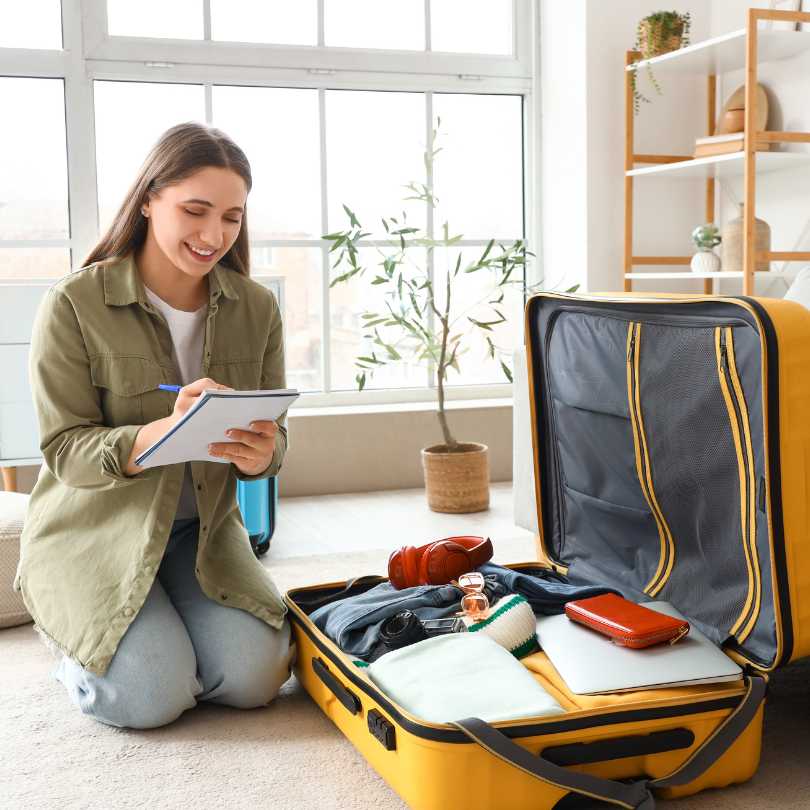
Clothes
Forget the bulky coat. April in Jibhi is about smart layering, not thickness.
Base layer:
- 2–3 breathable cotton or moisture-wicking T-shirts
Mid-layer:
- 1–2 full-sleeve cotton tops or lightweight shirts
- 1 fleece jacket or hoodie (this is your everyday companion)
Outer layer:
- 1 light insulated jacket or windproof jacket (for mornings, evenings, Jalori visits)
- 1 packable rain jacket or poncho (April sees occasional showers—sudden, short, annoying)
Bottoms:
- 2 comfortable trek pants or jeans (quick-dry fabric works best)
- 1 track pant or joggers for night & lounging
Socks & inners:
- 3–4 pairs of socks (include 1 thicker pair for treks)
- Undergarments for 4–5 days
Why this works: You can mix and match. T-shirt & fleece for the day. Add a jacket for early morning. Swap to track pants at night. One outfit can handle 3 different temperature zones.
Footwear
I've watched travellers attempt the Serolsar trek in Vans. It doesn't end well.
Must-have:
- 1 pair of grippy walking or light trek shoes (Woodland, Decathlon, Quechua—anything with ankle support and rubber sole)
Use these for:
- Serolsar Lake trek
- Jalori Pass visit
- Any forest trail (Chehni Kothi, Jibhi Waterfall, Raghupur Fort)
Nice-to-have:
- 1 casual shoe or sandal for village strolls, café hopping, or just sitting by the river
Pro tip: If your trekking shoes are new, break them in at home first. Blisters on Day 1 will ruin your Serolsar experience. Also, carry a small waterproof spray—April trails can get muddy after light rain, and wet shoes mean cold feet, which in turn means a miserable trek.
Accessories

Sunglasses
April sun at 1,500–2,000 metres feels sharper than the plains. Especially on the road from Aut to Jibhi—glare off the Tirthan river can be blinding.
Cap or hat
Useful during midday treks and when you're out exploring between 11 AM–3 PM.
Light gloves & beanie
Only if you're doing Jalori Pass or starting Serolsar trek before 8 AM. Otherwise, skip.
Small umbrella (optional)
Better than a poncho if you're just walking around the village. Easier to pack, doubles as sun protection.
Packing for Jalori Pass & Serolsar Lake
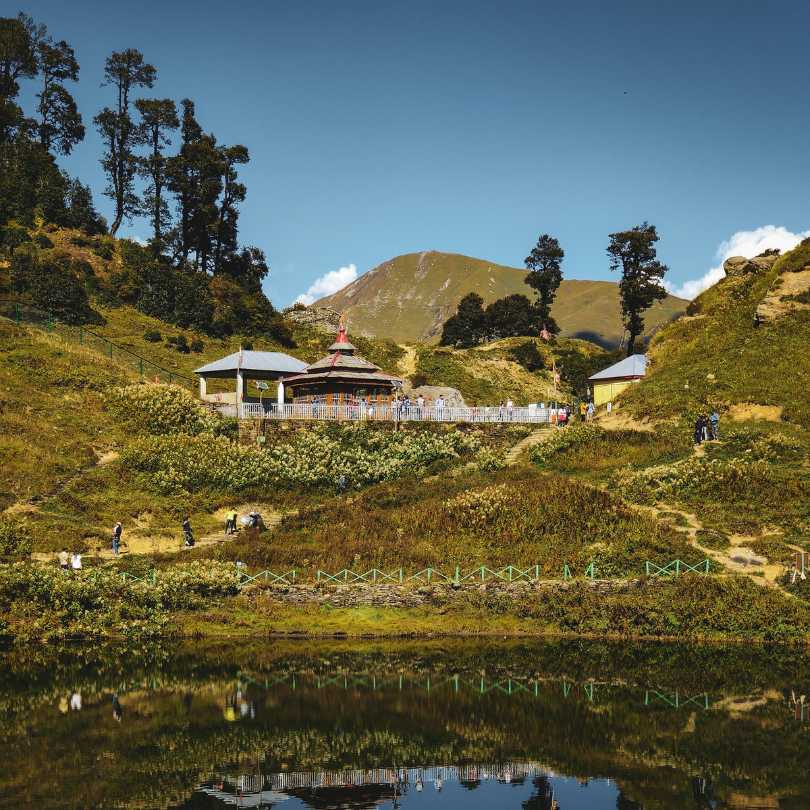
If you’re visiting Jalori Pass, keep this in mind: it sits at 3,120 metres, so even in April, the mornings can still feel like late winter—cold, crisp, and windy.
What to add:
- Windproof layer (your rain jacket works, or a thin windcheater)
- Gloves & beanie for early starts (7–9 AM)
- Snacks (Maggi point is there, but it's better to carry energy bars or trail mix)
- Water bottle (at least 1 litre)
Insider note: The best light at Jalori is between 8–10 AM when fog lifts and you can see the Pir Panjal range clearly. That's also when it's coldest. By 11 AM, it warms up, but clouds start gathering.
If You're Doing Serolsar Lake Trek
This is a 5 km forest trail (10 km round trip), moderate difficulty, takes 4–5 hours total.
Your trek daypack should have:
- Small 15–20L daypack (don't carry your main luggage)
- 1.5–2 litres of water
- Electrolyte powder or ORS (optional, but helps if you sweat)
- Energy snacks (dates, nuts, chocolate, bananas)
- Tissue paper or wet wipes (no toilets on the trail)
- Basic first aid kit (band-aids, pain relief spray, antiseptic)
- Sunscreen & lip balm
- One extra layer (fleece or light jacket—if clouds come in, temperature drops fast)
Optional but helpful:
- Trekking pole (helps on the descent, especially if it rained the night before)
- Small towel or handkerchief (you'll sweat on the climb)
What NOT to carry:
Heavy jackets (you'll heat up within 20 minutes of walking)
Brand-new shoes (blister guarantee)
Too much camera gear (enjoy the forest, not the lens)
Packing for Couples
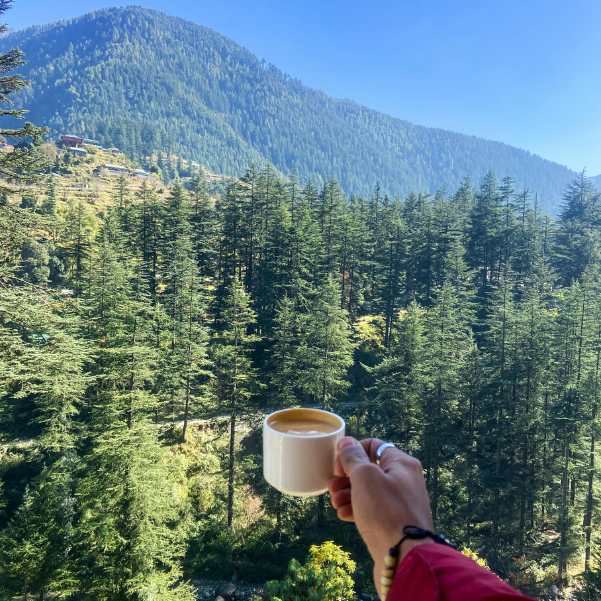
Let's be honest—you're not just going to trek. You're going to sit at Jibhi Café, take photos near the wooden bridge, spend mornings on your cottage balcony with coffee.
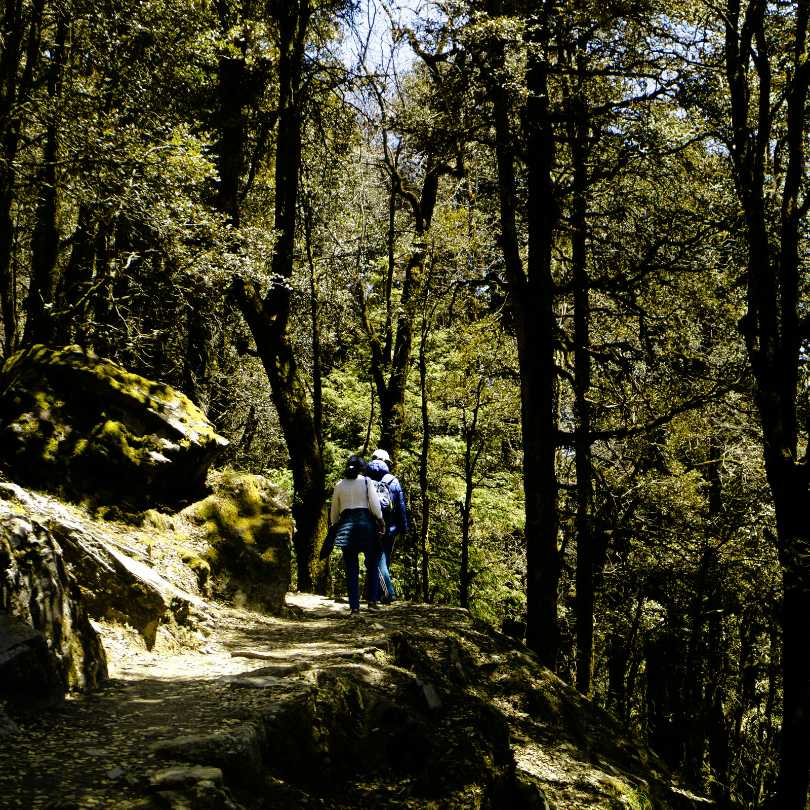
Add these to your core list:
- 1 nicer outfit for photos/café time (nothing heavy—a clean kurta, linen shirt, or simple co-ord set works)
- Thermals or light innerwear for night (especially if you get cold easily—wooden cottages in April aren't insulated)
- Skincare essentials: Moisturiser & lip balm (mountain air dries your skin and lips faster than you think. By Day 2, everyone's asking for Vaseline.)
- Mini fragrance or deo stick (freshness matters on 6-hour travel days)
Couple-specific tip: Carry one shared power bank (20,000 mAh) instead of two 10,000 mAh ones. More efficient, less bulk.
Packing for Families with Kids
Travelling with kids to Jibhi in April is beautiful—but only if you pack for unpredictability.
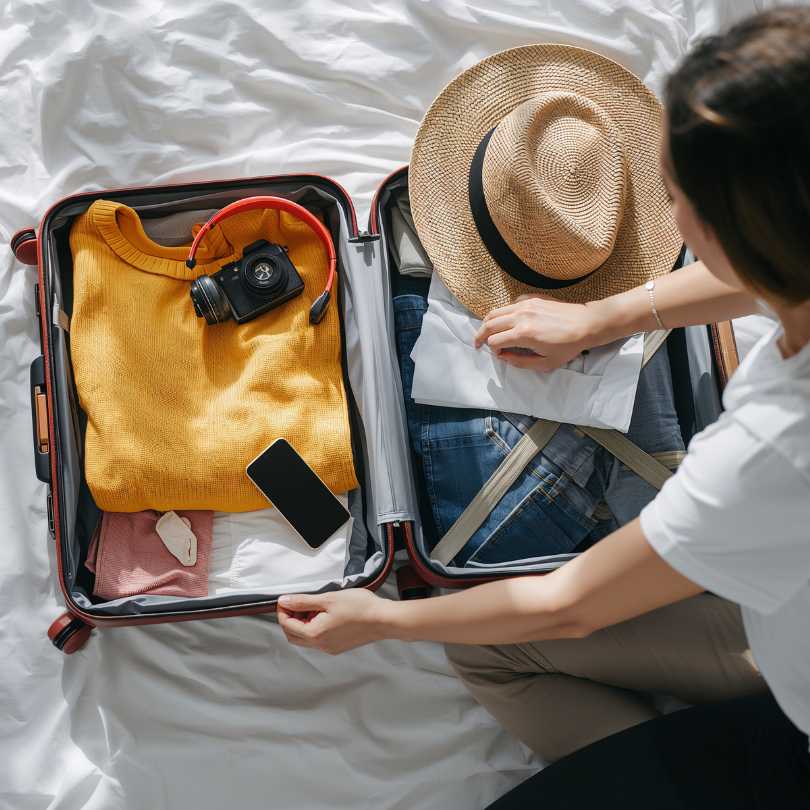
Kid Essentials
- One extra warm layer than adults (kids feel cold faster, especially in mornings and evenings)
- Extra socks & 1 backup pair of shoes (wet socks = cranky kids)
- Basic cold/cough/fever meds (consult your paediatrician before the trip—keep paracetamol, cold syrup, allergy tablets)
- Simple snacks (biscuits, chips, dry fruits, chocolates—local shops have limited variety)
- Small blanket or hoodie for travel naps (the drive from Aut to Jibhi is winding—kids often doze off)
Convenience Items
- Wet wipes & hand sanitizer (non-negotiable)
- Thermos with warm water (useful for making instant noodles or just warm sips)
- ORS sachets (if your kid gets dehydrated or has mild stomach upset)
Parent pro tip: Pack a small emergency kit with band-aids, antiseptic cream, and mosquito repellent. April brings out insects near riverside areas, especially post-sunset.
Workation / Remote Work Packing
Jibhi's become a digital nomad favourite, but infrastructure is still catching up.
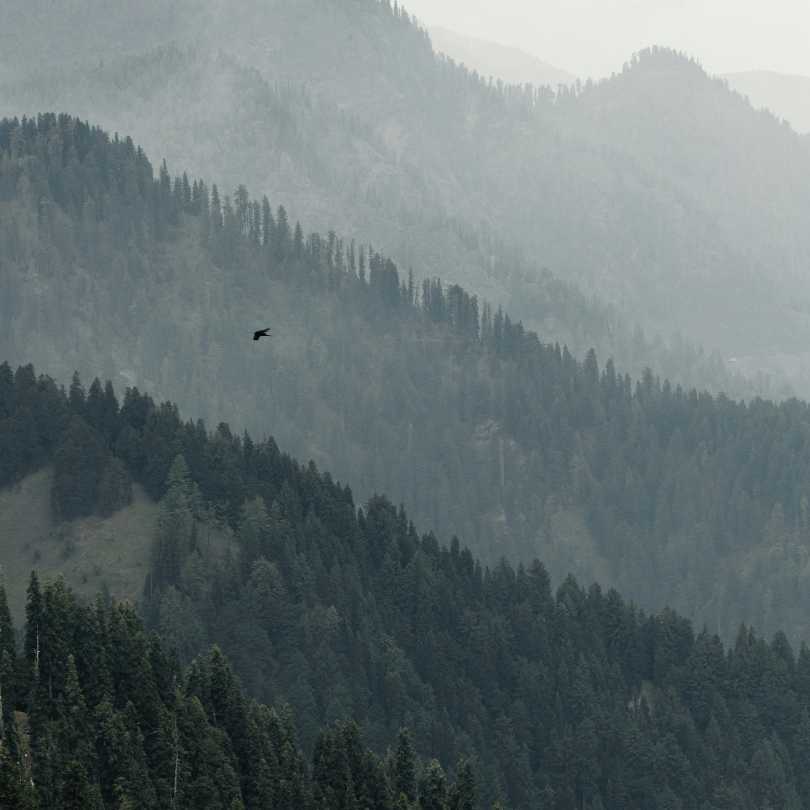
What you absolutely need:
- Power bank (minimum 10,000 mAh, ideally 20,000 mAh) (Power cuts happen. Not daily, but when they do, they last 1–2 hours.)
- Extension board with 3–4 plugs (most homestays have limited charging points)
- Backup mobile hotspot or secondary SIM (Jio works best; Airtel is patchy in some pockets)
- Earphones with mic (for calls—WiFi might support video, but voice calls drop on weak network)
- Offline downloads before you enter valleys: Maps, music, work docs, PDFs—anything you might need
Network reality check:
Jibhi village has decent 4G. But Mini Thailand, Jibhi Waterfall, parts of Ghiyagi? Spotty. Serolsar and Jalori? Forget it.
Workation tip: Stay closer to Jibhi main village (near the bridge area) if stable internet is critical. Shoja-side stays are prettier but less reliable for work.
Hygiene & Medicines
Essentials
- Basic personal meds & prescription copies (especially if you're on regular medication)
- Pain relief spray or balm (for muscle soreness post-trek or long drives)
- Anti-allergy tablets (April blooms = pollen in the air—if you're sensitive, carry cetirizine or equivalent)
- Motion sickness tablets (the road from Aut to Jibhi has 40& hairpin bends—some people handle it fine, others don't)
- Digestion tablets (Digene, Pudin Hara—local food is great but richer than usual)
- Hand sanitizer & wet wipes (always in your daypack)
If You Have Sensitive Skin
- Sunscreen (SPF 30&): Even in hills, UV exposure is higher at altitude
- Moisturiser & lip balm: Reapply 2–3 times a day—seriously, the air is dry
- Basic skincare routine: Cleanser, moisturiser, sunscreen. Keep it minimal.
Camera / Content Creator Packing
If you're creating content—whether for Instagram, YouTube, or just memories—Jibhi in April is gorgeous. But you need to pack smart.
Gear essentials:
- Phone mount or mini tripod (for stable shots near waterfalls, cafés, forest trails)
- Extra storage (SSD or memory cards) (you'll shoot more than you think)
- Lens cloth (forest mist & fingerprints = blurry photos)
- Power bank & extra charging cable (your phone will die faster with constant camera use)
- Gimbal (optional): Only if you're serious about video—adds weight but smoothens footage
Content creator tip: Golden hour in Jibhi is 6:30–7:30 AM and 5:30–6:30 PM. Mornings have mist, evenings have warm light cutting through pines. Plan your shoots around these windows.
What People Commonly Forget
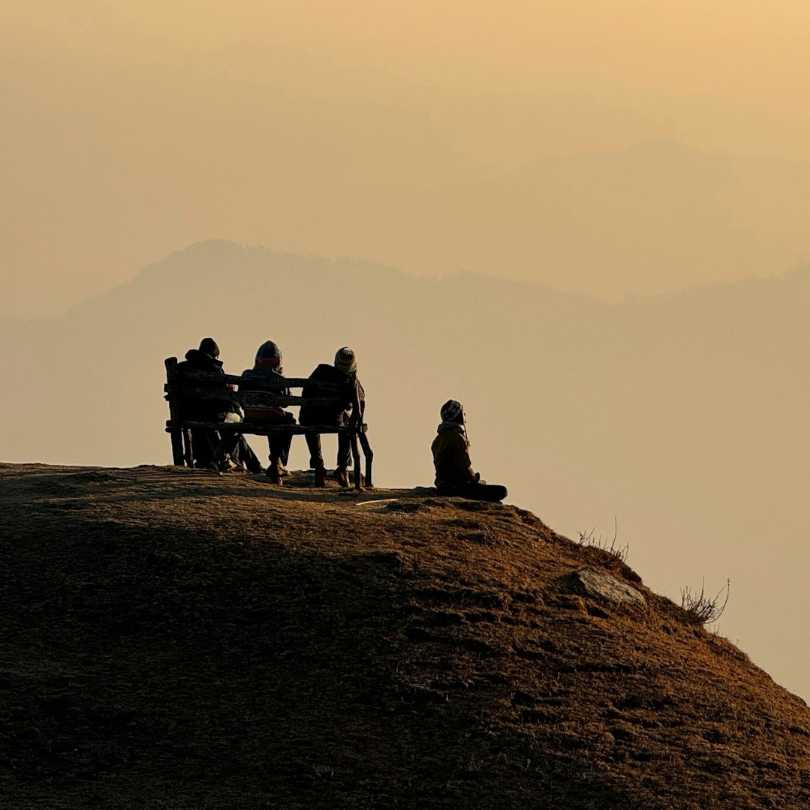
I ask every traveller I meet in Jibhi: "What did you wish you'd packed?"
Same answers, every time:
- Warm nightwear (April nights surprise everyone)
- Thick socks (wooden cottages & cold floors = cold feet)
- Rain layer (even a light drizzle without a jacket ruins forest walks)
- Power bank (phone dies faster in cold & you're using maps, camera, offline music)
Proper shoes for Serolsar (sneakers slip on wet pine needles—saw someone fall twice last April)
Planning Jibhi in April? Send “APRIL & CITY & PAX” on WhatsApp and we’ll share a complete 3-day or 4-day plan with stay options, Jalori/Serolsar feasibility, and a clean quote.
WhatsApp now: Chat on WhatsApp
Related topics
Frequently Asked Questions
What should I wear in Jibhi in April?
Wear breathable layers during the day—T-shirt & fleece & light jacket. Afternoons are pleasant (18–22°C), but mornings, evenings, and forest trails stay cool. Add warm track pants and full-sleeve tops for night when temperatures drop to 8–12°C.
Do I need a jacket for Jibhi in April?
Yes, carry a light insulated or windproof jacket. You'll need it for early mornings, evenings, and if you visit Jalori Pass or trek to Serolsar Lake.
Is it cold at night in Jibhi in April?
Yes, nights in Jibhi during April are cold—temperatures range between 8–12°C.
Do I need gloves/beanie for Jalori Pass in April?
Yes, if you're visiting Jalori Pass early in the morning (before 10 AM). At 3,120 metres, mornings feel like 5–8°C, and wind makes it colder.
Which shoes are best for the Serolsar Lake trek in April?
Wear grippy walking or light trek shoes with ankle support and rubber soles (brands like Woodland, Decathlon, Quechua work well). Avoid sneakers or casual shoes.
Should I carry thermals for Jibhi in April?
Not necessary unless you get very cold at night or are trekking early in the morning. A fleece & light jacket combination works for most people. However, if you're someone who feels cold easily or stays in non-heated wooden cottages, lightweight thermals add comfort.
Does it rain in Jibhi in April—should I pack rainwear?
Yes, April sees occasional light showers—sudden, short, but enough to get you wet. Carry a packable rain jacket or poncho. It's also useful as a windbreaker at Jalori Pass or during forest treks when clouds roll in unexpectedly.
What to pack for a Jibhi trip for couples in April?
Couples should pack the core list (layers, fleece, jacket, trek shoes, rain layer) plus one nicer outfit for café photos, skincare (moisturiser & lip balm), thermals or light innerwear for cold nights, and a shared 20,000 mAh power bank for convenience.
What to pack for kids for Jibhi in April?
For kids, pack one extra warm layer than adults, extra socks, backup shoes, basic medicines (cold, fever, allergy), simple snacks, wet wipes, hand sanitizer, a small blanket for travel naps, and ORS sachets. Kids feel cold faster, so prioritise warm nightwear and thick socks.
What are the most important things to carry for a 3-day Jibhi trip?
For a 3-day trip, prioritise: grippy trek shoes, layered clothing (T-shirt & fleece & jacket), warm nightwear, rain jacket, 10,000 mAh power bank, basic medicines (cold, allergy, digestion), toiletries, sunscreen, and a small daypack if you're trekking to Serolsar or visiting Jalori Pass.
More about Jibhi
 Jibhi
JibhiJibhi in December 2026: Snowfall, Weather, Road Status and Winter Guide
Planning a trip to Jibhi in December 2026? Discover the latest updates on snowfall, weather, temperature, and road conditions. Find out when to expect snow, what to pack, and whether the roads to Jibhi are safe for a memorable winter getaway.
- Best Time to Visit
- Snow Travel
 Jibhi
JibhiJibhi in October 2026: Weather, Road Conditions, Places and Trip Plan
Planning a trip to Jibhi in October 2026? Expect cool autumn weather with temperatures between 8°C and 20°C, clear skies, colorful forests, and comfortable trekking conditions. Roads are generally in good condition after the monsoon, making it an excellent time to explore Jalori Pass, Serolsar Lake, Chehni Kothi, and Tirthan Valley. Discover the latest weather, road updates, travel tips, and a perfect 2–3 day itinerary for an unforgettable Jibhi getaway.
- Best Time to Visit
 Jibhi
JibhiJibhi in August 2026: Weather, Road Safety, Itinerary and Honest Advice
Planning a trip to Jibhi in August 2026? Discover the latest weather conditions, road safety tips, suggested itinerary, places to visit, and practical travel advice. This guide will help you decide whether August is the right time to experience Jibhi's lush monsoon beauty while traveling safely.
- Best Time to Visit
- Monsoon Travel