
How to Travel Within Shimla in 2026: Local Transport Guide
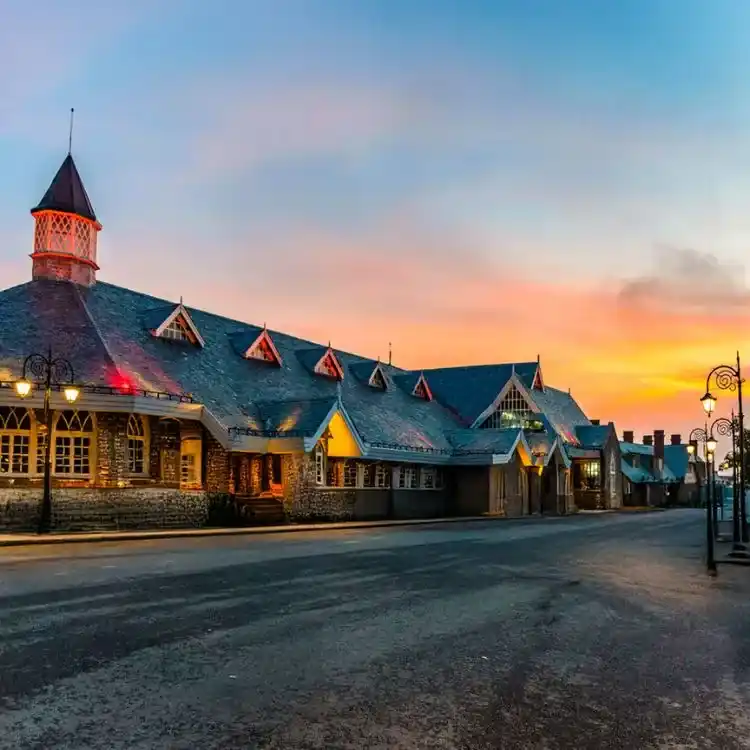
A hotel, café or attraction in Shimla may look close on your phone, yet the real route can include a steep climb, a long staircase, a restricted road or a pickup point on another level.
This is the first thing you need to understand before deciding how to travel within Shimla.
What most tourists get wrong is assuming that every central road connects directly to Mall Road. Shimla rises in layers. A vehicle may stop below your hotel, while the entrance sits above the pedestrian zone.
This guide by Travel Coffee explains when to walk, where local buses help, when a taxi saves effort, how the lifts work, when to use the Jakhu ropeway, and whether the toy train fits local sightseeing.
Quick Answer: What Is the Best Way to Travel Within Shimla?
For most first time visitors, the answer to how to travel within Shimla combines walking, local buses, taxis and the Cart Road lift.
Walk around Mall Road and the Ridge, use buses along the Ring Road, and keep taxis for luggage or outer attractions. Ordinary tourist vehicles cannot normally enter the pedestrian heritage core.
You can also check our Shimla tour packages when you need help with hotel access, sightseeing transport and a planned route.
Why Is Getting Around Shimla Different From Other Hill Stations?
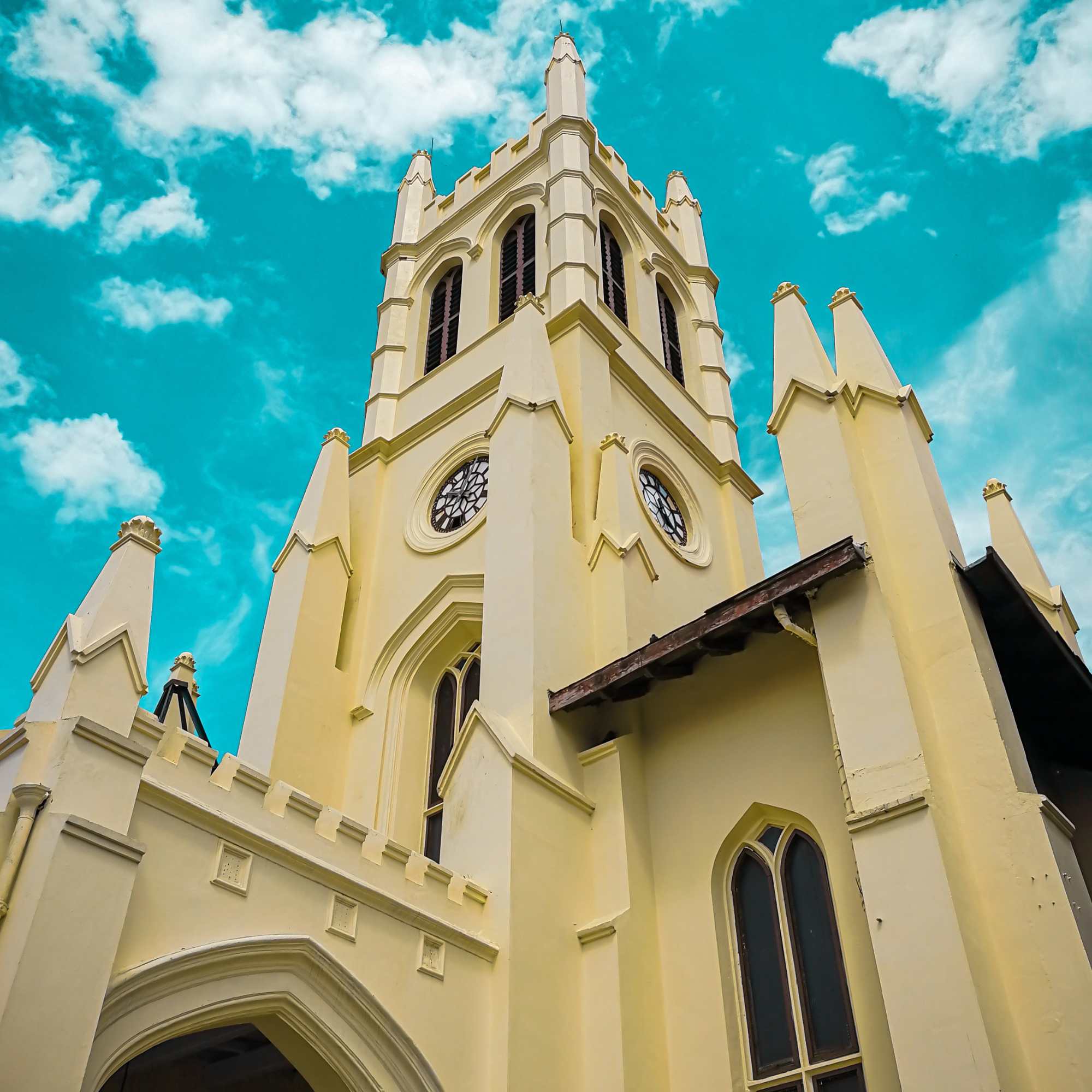
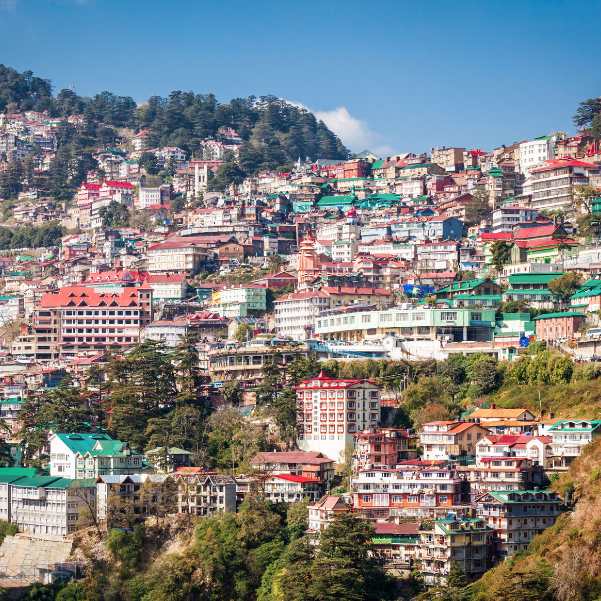
Shimla has a vertical layout. Upper Shimla, lower Shimla, Cart Road and the Ring Road sit on different levels, so a short map line may hide a steep climb or a road that vehicles cannot use.
Mall Road and the Ridge form part of a protected, pedestrian oriented heritage area. Once you reach the upper central zone, walking becomes the normal way to move between the main sights.
Cart Road works as a lower access line around the central hill. The Ring Road carries much of the bus and vehicle movement around the city. A hotel can sit near Mall Road in name but still require a climb from Cart Road or a short walk from a legal vehicle drop point.
Our Shimla team usually recommends asking one direct question before you book any central hotel: “What is the nearest legal taxi drop point, and how much walking remains from there?” That answer matters more than a vague “near Mall Road” description.
Also ask whether the property has stairs, porter help, lift access and a pickup point on another road level. Families, senior travellers and anyone carrying large bags should confirm these details before paying.
For a chai break during the central walk, choose a well located café on or near Mall Road around Scandal Point so you can stop without adding a major detour to your sightseeing route.
Which Transport Options Are Available Within Shimla?
Walking
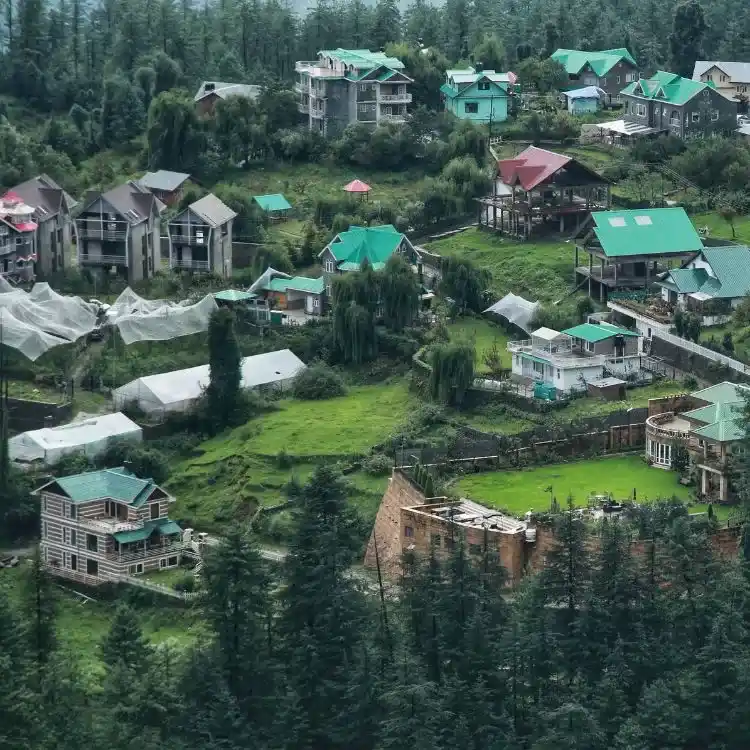
Walking is the normal choice for Mall Road, the Ridge, Christ Church, Scandal Point, Kali Bari and Lakkar Bazaar after you reach the upper central area.
You should wear shoes with good grip. Steep approaches, uneven sections and steps can make ordinary sandals uncomfortable, especially in rain or winter.
You cannot avoid walking completely in the central heritage zone. Even when you use a taxi, bus or lift, the final section often requires some movement on foot.
In our experience, the easiest plan keeps the upper sights in one continuous walking block. Repeatedly dropping to Cart Road and climbing back wastes energy.
A practical money saving tip is to use a local bus to reach the correct side of central Shimla, then walk the heritage area. Paying for a full day taxi adds little value when your plan only covers Mall Road, the Ridge, Christ Church, Scandal Point and Lakkar Bazaar.
Local buses
The district administration lists Shimla local buses as running frequently from 7 AM to 9 PM. These buses mainly use the Ring Road and connect many residential, transport and sightseeing areas.
Named bus served points include Main Bus Stand, Lift, Chhota Shimla, Kasumpti, Sanjauli, Mehli, Lakkar Bazaar Bus Stand, Victory Tunnel, Boileauganj, Totu, Summer Hill and Tutikandi.
Shimla local bus fares depend on the destination. You generally pay after boarding, so tell the conductor where you want to get off and confirm the correct stop.
Shimla public transport works well for budget travel during the day. It works less smoothly with large suitcases, young children, senior citizens or reduced mobility.
Local taxis and government taxi services
You can find local taxis across Shimla for hotel transfers, station pickups and sightseeing.
The district administration lists government owned taxi services from Bus Stand, Sanjauli, Summer Hill, New Shimla and Kasumpti towards the CTO and Lakkar Bazaar areas.
A taxi does not receive automatic access to pedestrian or permit controlled roads. The driver may need to stop at the closest legal point, even when your hotel or attraction appears nearby.
Agree on the fare, route, waiting time and parking charges before you start. Also ask whether the quote covers only a drop or includes return pickup and waiting.
Do not rely on one old online rate for Shimla sightseeing taxi service. Taxi fares can vary by route, vehicle type, waiting time, parking and season, so ask for a current written quote before booking.
We have found that route clarity prevents more arguments than price comparison alone. Tell the driver every planned stop, ask where the vehicle will wait, and confirm what happens if traffic or weather delays the day.
Uber and app based rides
Uber currently lists Uber Go and on demand ride services in Shimla Urban.
This confirms app coverage, but it does not guarantee that a driver will wait near you, accept a steep pickup or reach a difficult road level.
Keep a local taxi number or hotel transfer as a backup. This becomes especially useful when you arrive after dark or need a pickup from a location with restricted vehicle access.
The source brief does not verify Ola or Rapido, so this article makes no claim about either platform.
HPTDC tourist buses
The Shimla District Administration lists daily HPTDC tourist buses for local sightseeing.
It lists booking at the Tourist Information Centre on the Mall. This can suit travellers who want a shared sightseeing plan without arranging a private cab.
You still need to reconfirm the route, operating date, fare and seat availability. Tourist bus services may change with the season, demand or road conditions.
Tourist lifts and the Jakhu ropeway
Shimla has more than one lift related facility, and visitors often confuse them.
The HP Tourism lift connects Cart Road with Mall Road. It helps you avoid the full uphill approach from the lower road to the upper pedestrian zone.
The HP Tourism lift connects Cart Road with Mall Road. Ticket prices and operating hours can change, so check the current fare and timings before travelling.
A newer lift connects Middle Bazaar with Mall Road. Opening reports listed a charge of ₹10 per user, a ticket validity of 12 hours and a capacity of eight people.
A newer lift connects Middle Bazaar with Mall Road. Opening reports listed a charge of ₹10 per user, but the current fare may differ, so check the displayed ticket price before using it.
The Jakhu ropeway serves a different purpose. It is a paid cable car that helps travellers reach Jakhu Temple without completing the full uphill walk.
The verified one way fare stands at ₹252 for adults and ₹200 for children aged 3 to 12. The return fare stands at ₹467 for adults and ₹381 for children aged 3 to 12.
The operator adds 5 percent GST. Children below three years travel free.
The listed operating time runs from 9:30 AM to sunset, and weather can change the closing time.
This creates a useful timing rule. Do not reach the terminal expecting a fixed evening closing hour. Plan the ropeway earlier in the day and treat sunset and weather as real limits.
Toy train for short local journeys
Railway services can sometimes help you reach places such as Summer Hill and Tara Devi when the timetable matches your plan.
The train works better as a scenic experience than as the most flexible answer for getting around Shimla.
Verify the operating train, departure time and available seats before you plan a day around a short railway journey.
How Do You Reach Mall Road and the Ridge?
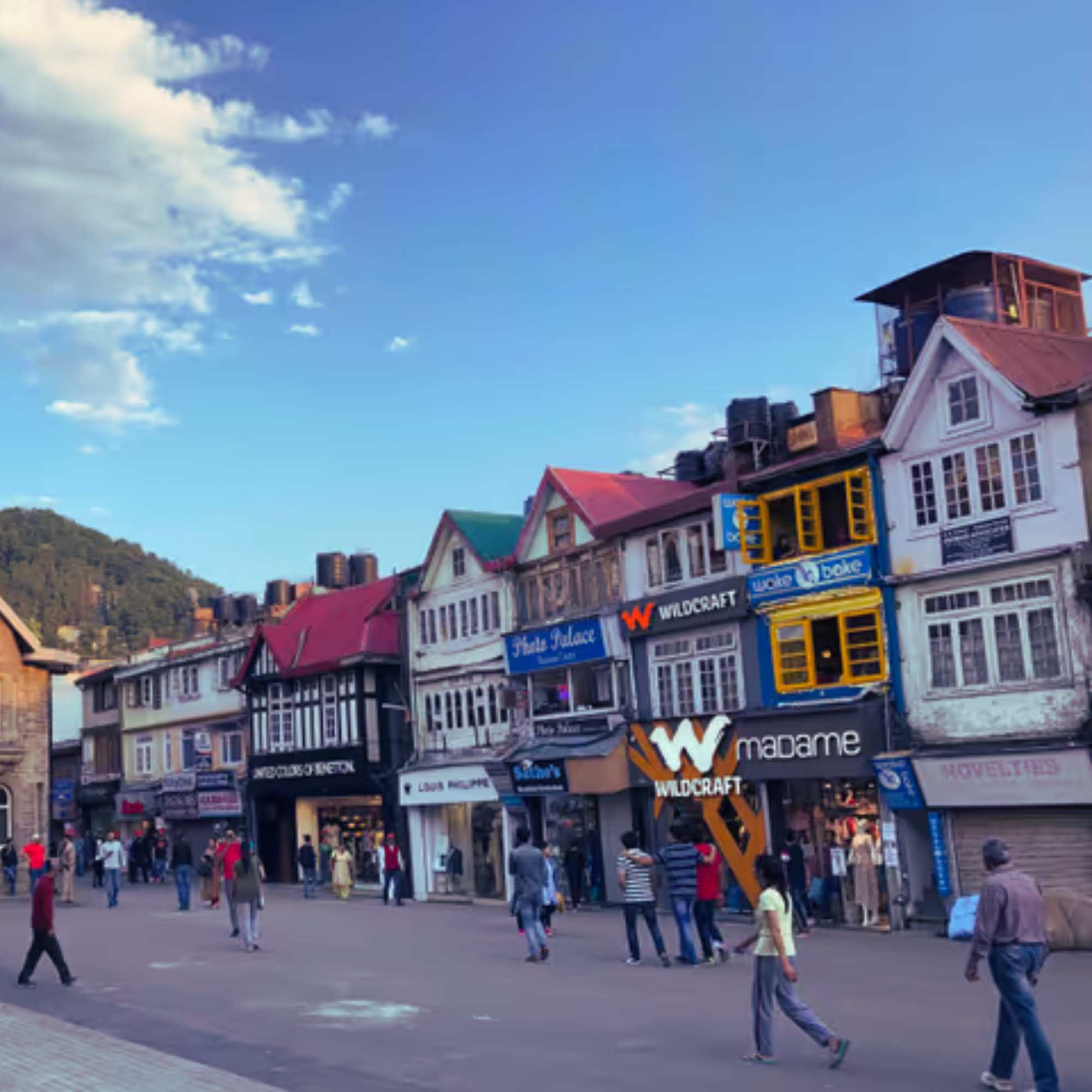
From ISBT Tutikandi
The district administration places ISBT Tutikandi about 4 kilometres from the main city.
Local buses and taxis connect the ISBT with the town. The practical route usually takes you towards Cart Road, the Lift or the nearest legal drop point for your hotel.
Travellers with large luggage, children or a late arrival will usually find a taxi or pre-arranged transfer easier than a crowded bus.
From Shimla Railway Station
From Shimla Railway Station, you can take a taxi or suitable local transport towards Cart Road, the Lift or your hotel’s approved drop point.
A vehicle may not reach the hotel entrance when the property sits inside or above the pedestrian area.
Contact the hotel before arrival and ask for porter instructions. Also ask whether someone can meet you at the legal drop point.
From Old Bus Stand or Victory Tunnel
Old Bus Stand and Victory Tunnel sit closer to the lower central transport network than ISBT Tutikandi.
From here, identify whether you need the Lift, Cart Road, another local bus or a taxi pickup.
Do not rely only on straight line distance. The correct road level decides whether the final stretch feels easy or turns into a steep climb.
From Lift parking on Cart Road
The HP Tourism lift reduces the steep uphill approach from Cart Road to Mall Road.
Queues can be built during weekends, summer holidays and festival periods. Keep buffer time when you have a train, bus or fixed pickup later.
Check the current HP Tourism Lift ticket price and operating hours before travelling, as fares and timings can change during the year.
>>Not sure how to reach Mall Road from your hotel? WhatsApp us and we’ll guide you.
How Should You Reach Shimla’s Main Attractions?
Mall Road, the Ridge, Christ Church and Scandal Point
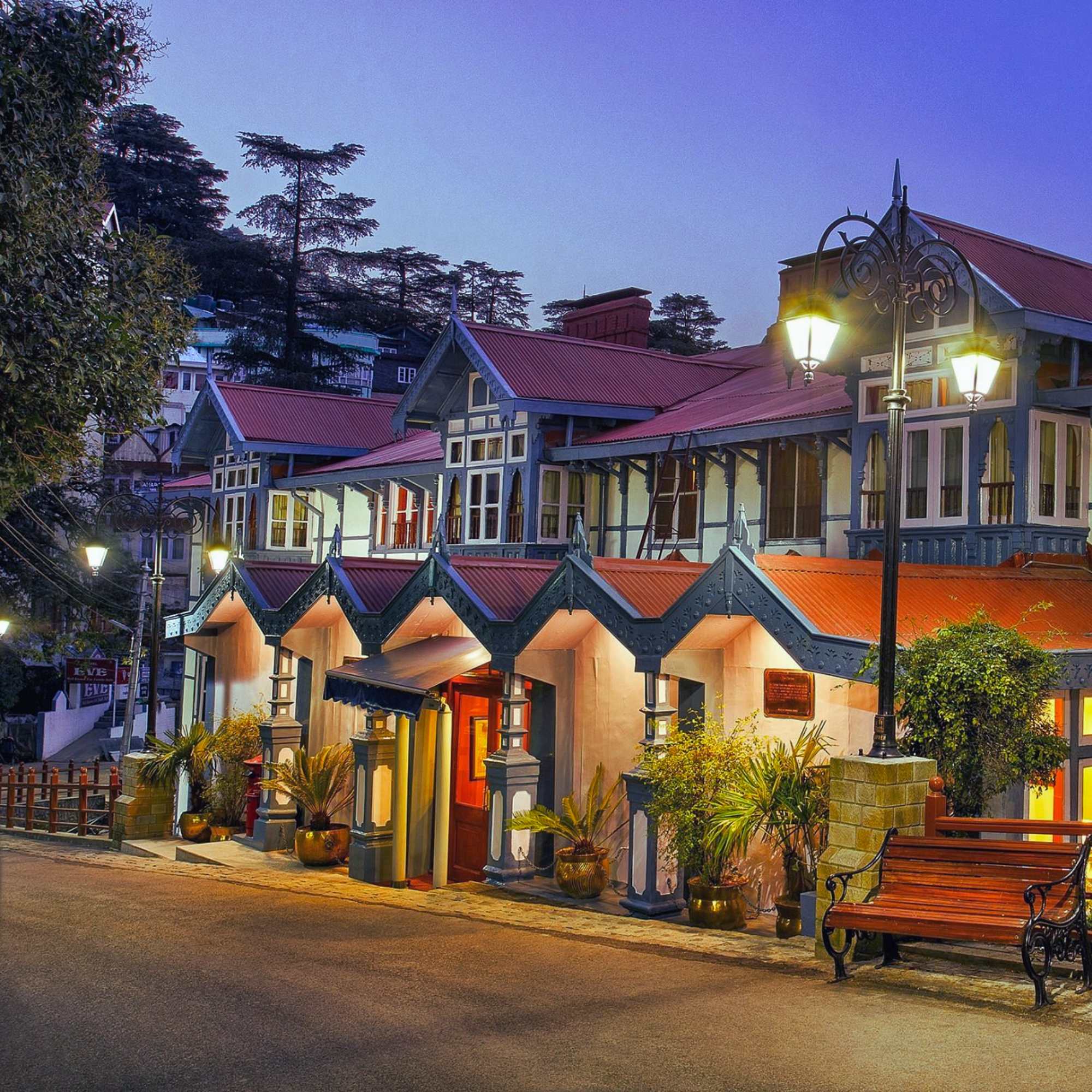
Combine Mall Road, the Ridge, Christ Church and Scandal Point into one walking circuit.
Once you reach the upper central zone, walking becomes the main transport method. A cab cannot improve this part of the day.
Add Lakkar Bazaar or Kali Bari according to your interest and energy. Keep the central sights together instead of descending to Cart Road between them.
Skip the expense of a full day sightseeing taxi when these central sights form your whole plan. The vehicle will wait below while you walk through the heritage zone anyway.
Jakhu Temple
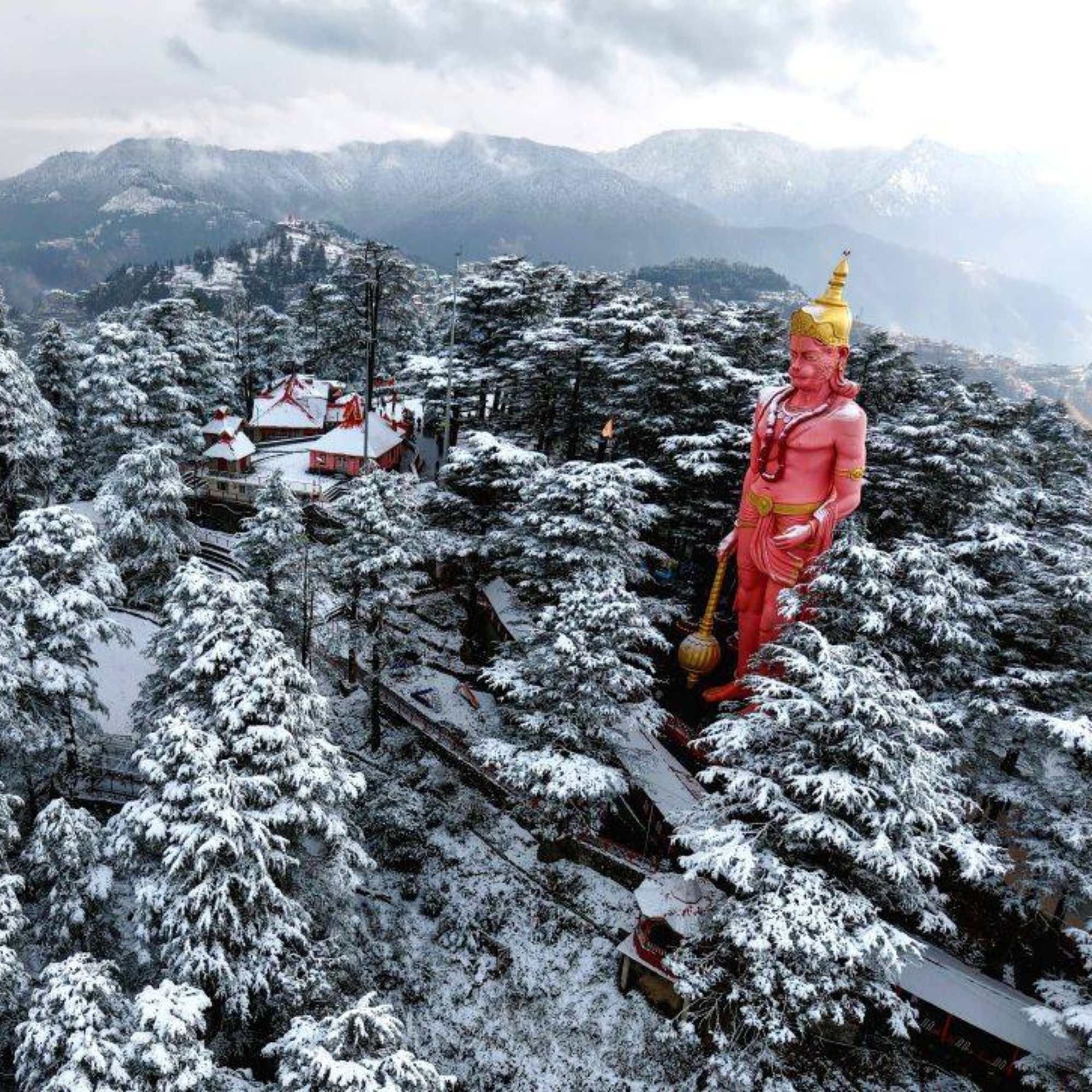
You have three practical options for Jakhu Temple: walk uphill, use the Jakhu ropeway or arrange an authorised road transfer to an appropriate access point.
The ropeway charges ₹252 one way for adults and ₹200 one way for children aged 3 to 12. Return tickets cost ₹467 for adults and ₹381 for children aged 3 to 12, with 5 percent GST extra.
Children below three years travel free. The listed operating time runs from 9:30 AM to sunset, depending on weather.
The ropeway can reduce the uphill effort for families and senior travellers. You should still expect some walking around the terminals and temple area.
An authorised road transfer may suit travellers who cannot manage the climb, but confirm the legal access point and remaining walking before you book.
Viceregal Lodge and Summer Hill
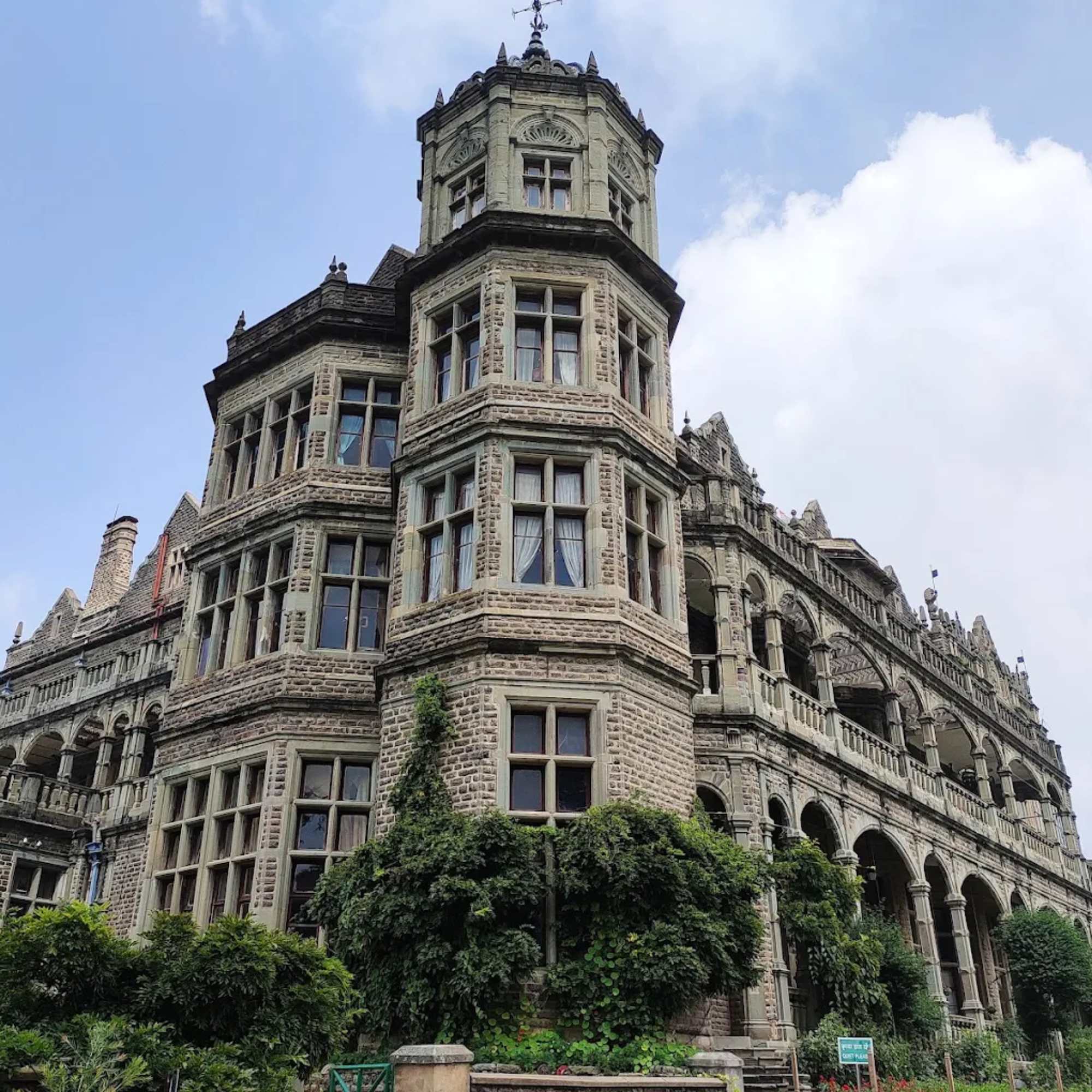
Use a suitable local bus or taxi for the Viceregal Lodge and Summer Hill side of Shimla.
A toy train may work when the timetable matches your route, but it gives you less flexibility than road transport.
Group Summer Hill with the Viceregal Lodge side to avoid unnecessary backtracking.
Our team recommends choosing one western side cluster for the afternoon rather than crossing through central Shimla several times.
Annadale and the State Museum
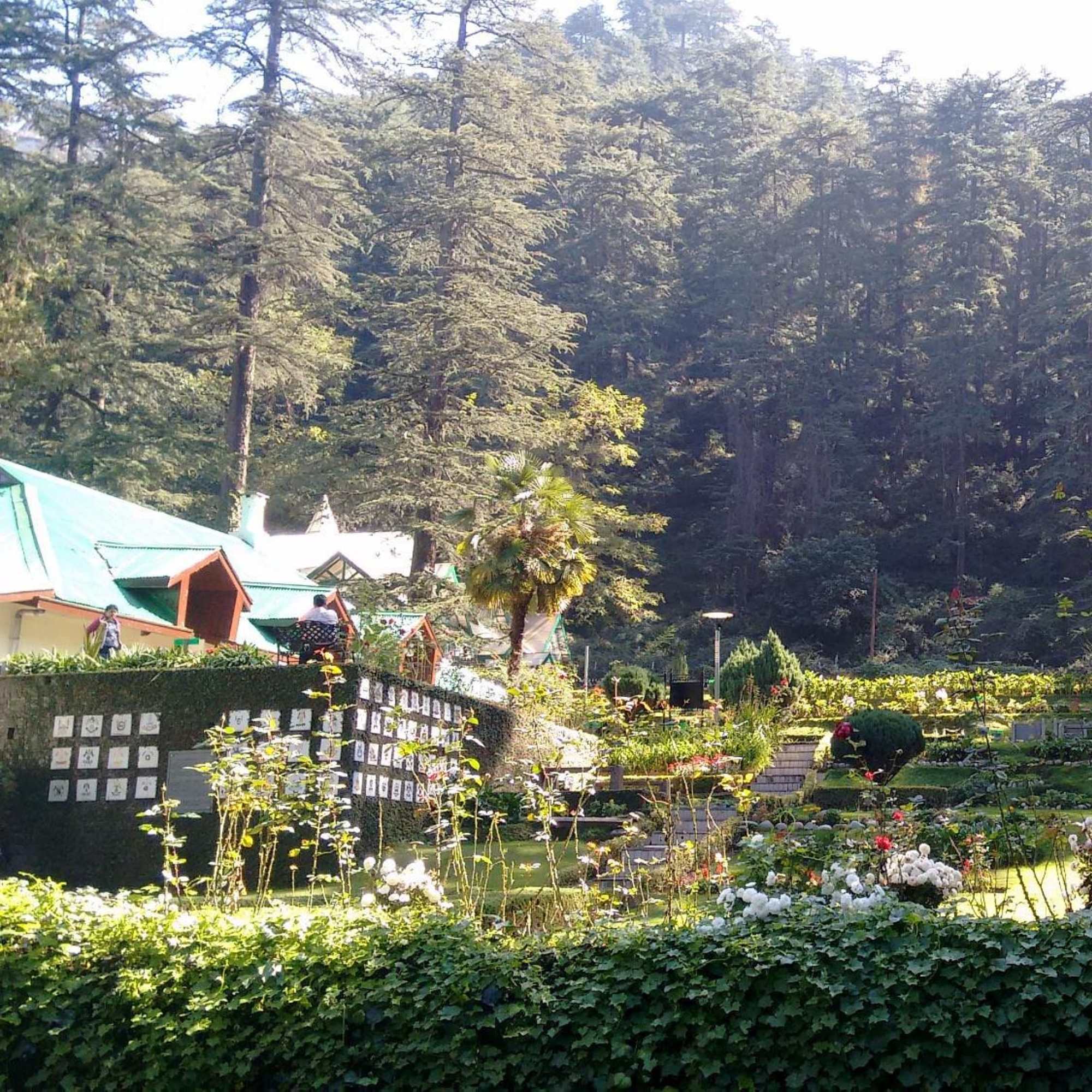
Check for an appropriate local bus or use a taxi for Annadale and the State Museum.
These stops make more sense together than between repeated trips to the eastern side of Shimla.
The source brief does not provide distances, entry fees or exact journey times, so confirm them separately before publication.
Kufri, Green Valley and Fagu
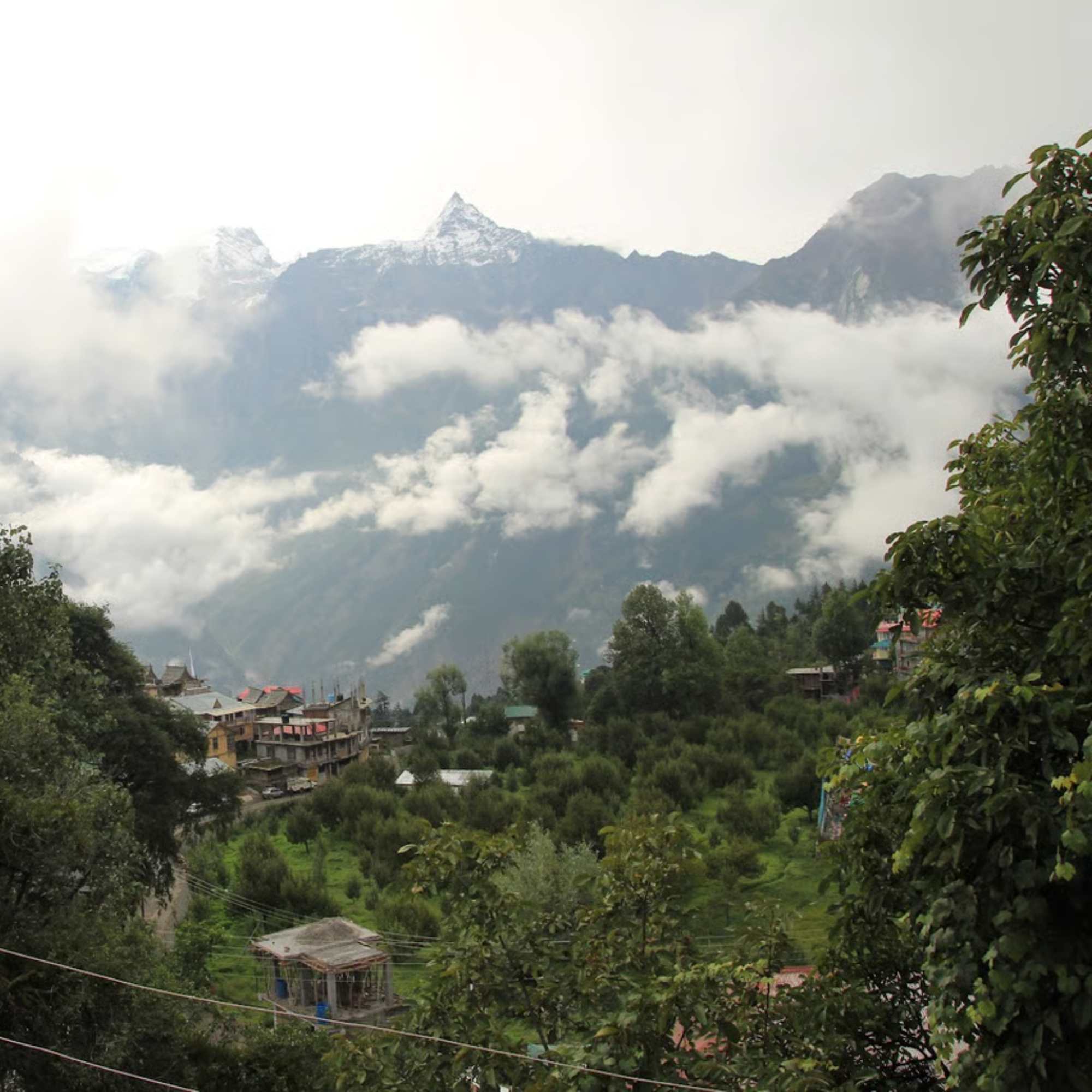
Kufri sits about 15 kilometres from Shimla. Kufri, Green Valley and Fagu work as outer excursions, not walkable city centre attractions.
Budget travellers can investigate a Shimla to Kufri local bus. Confirm the route, stop and return option before leaving.
A taxi gives families and groups more control over photo stops, waiting time and the return journey.
Do not use an unverified Kufri taxi package price. Ask for a current quote and confirm whether parking and waiting sit inside the fare.
Snowfall and heavy rain can change the road. Check the same day road and weather condition before starting.
Mashobra and Naldehra
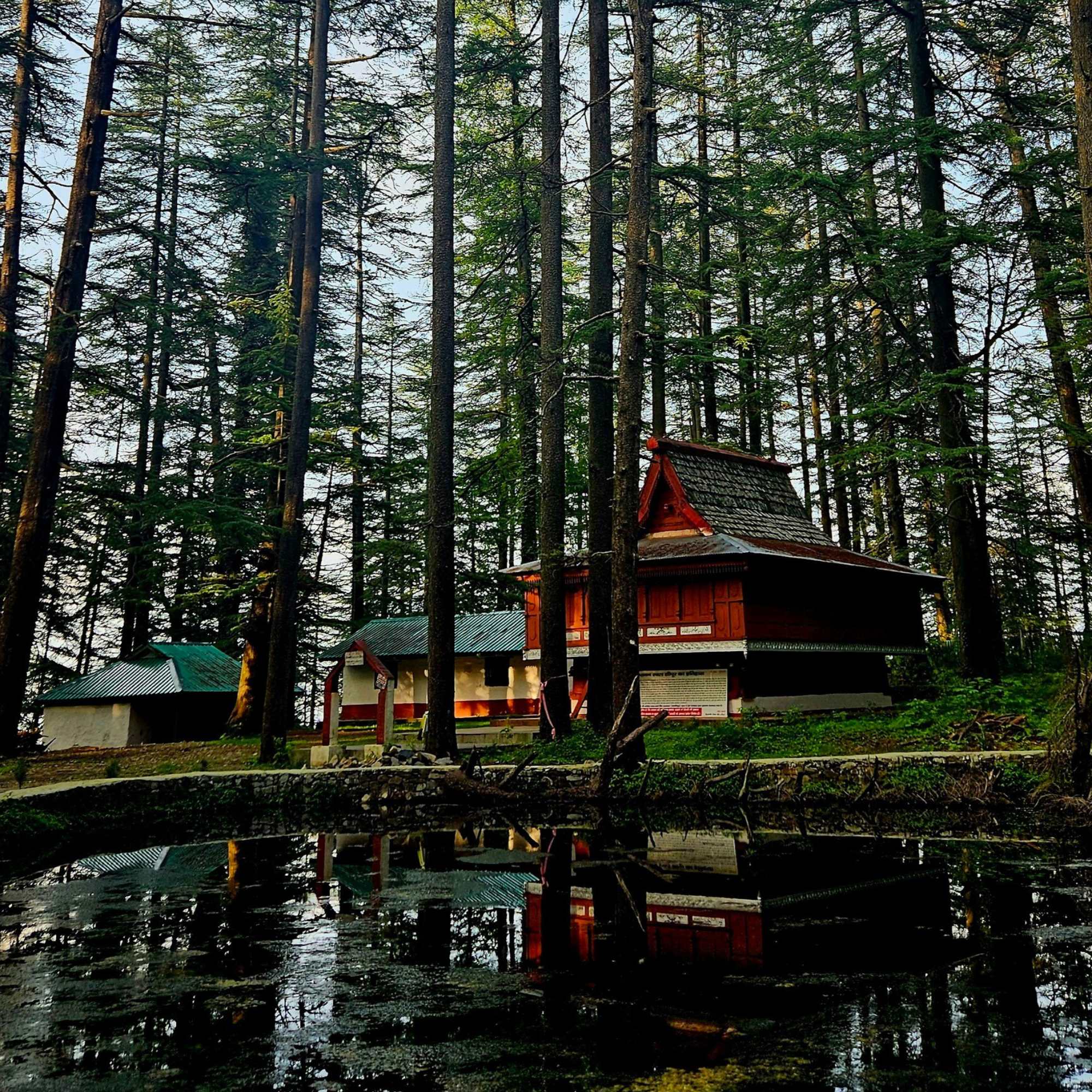
Local buses may suit travellers with flexible schedules for Mashobra and Naldehra.
A taxi usually feels easier when you want to combine several outer points in one day.
Do not invent distances, fares or driving times. Ask for a route specific quote and confirm the return plan.
Is Shimla Easy to Explore Without a Car?

A simple plan for how to travel within Shimla without a car works well for most central sightseeing. You can combine walking, Shimla local transport, the Cart Road lift, occasional taxis and the Jakhu ropeway.
A private vehicle gives you little advantage inside the pedestrian heritage area. You still need to park below and walk.
For a one night stay, focus on the upper central circuit and use one transfer for arrival or departure. Avoid spending half the visit searching for parking or crossing town.
For a three night stay, use one day for central Shimla, one for a western side cluster and one for an outer excursion such as Kufri or another route that suits the weather.
A taxi becomes more useful for outer attractions, senior citizens, young children and hotels away from the main bus corridor.
We tell our travellers to spend money where it removes real effort. Use buses and walking for simple central movement, then pay for a taxi where luggage, road levels or multiple outer stops make the day harder.
Should You Bring Your Own Car to Shimla?
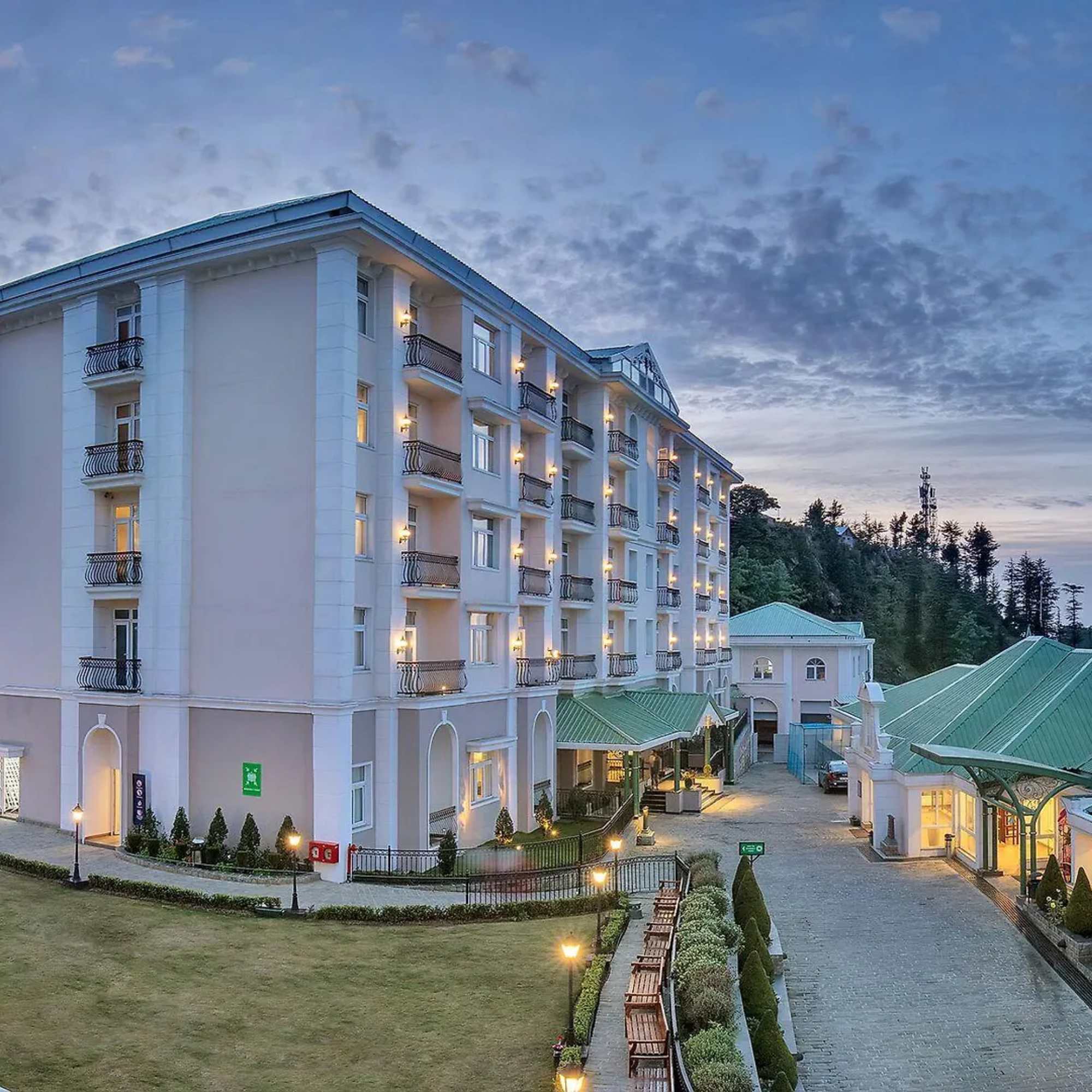
You can bring your own car, but parking and controlled roads require careful planning.
Authorities prohibit roadside parking on Cart Road. Do not stop there simply because your hotel or the Lift looks close.
Officially listed parking areas include ISBT parking, parking near the Lift, parking near the High Court, Railway Station Godown parking near Victory Tunnel, Old Bus Stand parking, Chhota Shimla parking and Sanjauli parking.
A sealed road has tighter vehicle controls. A restricted road also limits entry, but its rules differ from a sealed road. Ordinary tourists should not assume that a hotel booking, navigation route or taxi instruction grants access.
Reported 2026 penalties reach ₹10,000 for unauthorised vehicle use on a sealed road and ₹5,000 for unauthorised vehicle use on a restricted road.
July 2026 reports list annual private vehicle charges of ₹8,000 per sealed road and ₹3,000 per restricted road.
The reported six month options cost ₹4,500 per sealed road and ₹2,000 per restricted road.
These longer passes generally matter more to residents and regular users than ordinary tourists.
Daily tourist permit charges can vary by road category and current local rules, so confirm the applicable fee with the district administration or traffic authorities before entering a sealed or restricted road.
Never enter a controlled road because a navigation app directs you there. Follow the barrier, sign, police instruction and current permit rule.
What Does Local Transport in Shimla Cost in 2026?
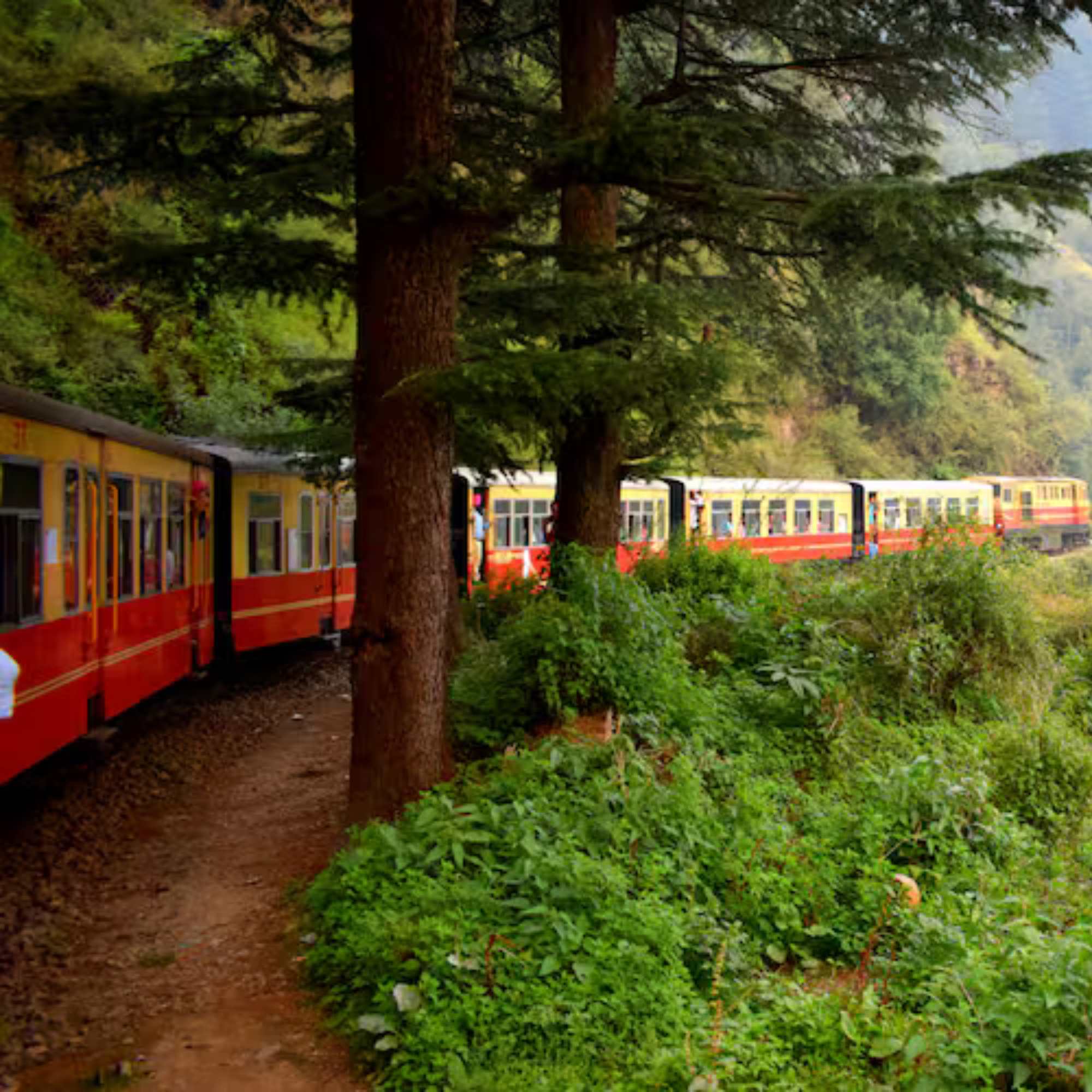
Shimla local bus fares depend on the destination. Ask the conductor after boarding and confirm the correct stop.
The Jakhu ropeway costs ₹252 one way for adults and ₹200 one way for children aged 3 to 12.
Return tickets cost ₹467 for adults and ₹381 for children aged 3 to 12. The operator adds 5 percent GST, while children below three years travel free.
Reports placed the Middle Bazaar lift at ₹10 per user, with a 12 hour ticket and an eight person capacity. The current fare may differ, so check the displayed ticket price before using the lift.
For the main HP Tourism Cart Road lift, check the current ticket price and operating timings before travelling, as both can change.
For local taxis, request a current quote and agree on the route, waiting, parking and return pickup before starting.
Do not use the outdated online range of ₹800 to ₹1,500 for full day sightseeing. Peak season demand, waiting time, parking and outer sightseeing routes can change the quotation.
Which Transport Is Best for Your Type of Trip?
Budget and solo travellers
Walking and local buses make the most sense for daytime movement.
Keep money aside for an occasional taxi when you arrive late, carry luggage or return from a poorly connected point.
Couples
Explore central Shimla on foot and use a cab or organised transfer for outer sightseeing.
The walking circuit around Mall Road and the Ridge gives you more freedom than a waiting taxi.
Families with children
Reduce repeated uphill walks by using the lift, ropeway and taxis strategically.
Senior citizens and travellers with reduced mobility
Shimla’s slopes and pedestrian zones make hotel selection critical.
Confirm the exact drop point, lift access, stairs and remaining walking distance before booking.
Private transfers and the Jakhu ropeway can reduce physical effort, but you cannot assume a fully step free experience.
For senior travellers, our Shimla team usually recommends a central hotel with clearly explained access rather than a cheaper room that requires a difficult climb.
Travellers carrying heavy luggage
Arrange the final hotel transfer before arrival.
Ask whether the hotel has direct vehicle access, porter support, stairs or a pickup point on another road level.
Large suitcases can be difficult on crowded local buses, and a short map distance can still include a steep climb.
How Does the Season Affect Local Travel?
Summer and holiday weekends
Reports counted about 15 lakh vehicles entering Shimla between 1 May and 15 June 2026.
This figure explains why visitors should start early, avoid unnecessary vehicle movement and keep buffer time during peak periods.
It does not mean every summer day has the same congestion. Weekends, holidays and events can feel different from quieter dates.
Walking often beats moving a car between central points. Park once, finish the upper circuit and avoid repeated descents.
Monsoon
Heavy rain can bring landslide risk, temporary road disruption and railway cancellations.
A late July 2026 government advisory urged people to avoid unnecessary travel during severe monsoon conditions.
Authorities temporarily suspended four Kalka to Shimla narrow gauge services through 5 August 2026 because of rainfall and landslide risk.
This information can change quickly during the monsoon. Check the latest Kalka to Shimla train services and current road conditions before publication and again on the day of travel.
Do not treat the temporary suspension as a permanent closure. Railway and road conditions may improve or worsen within hours.
Winter and snowfall
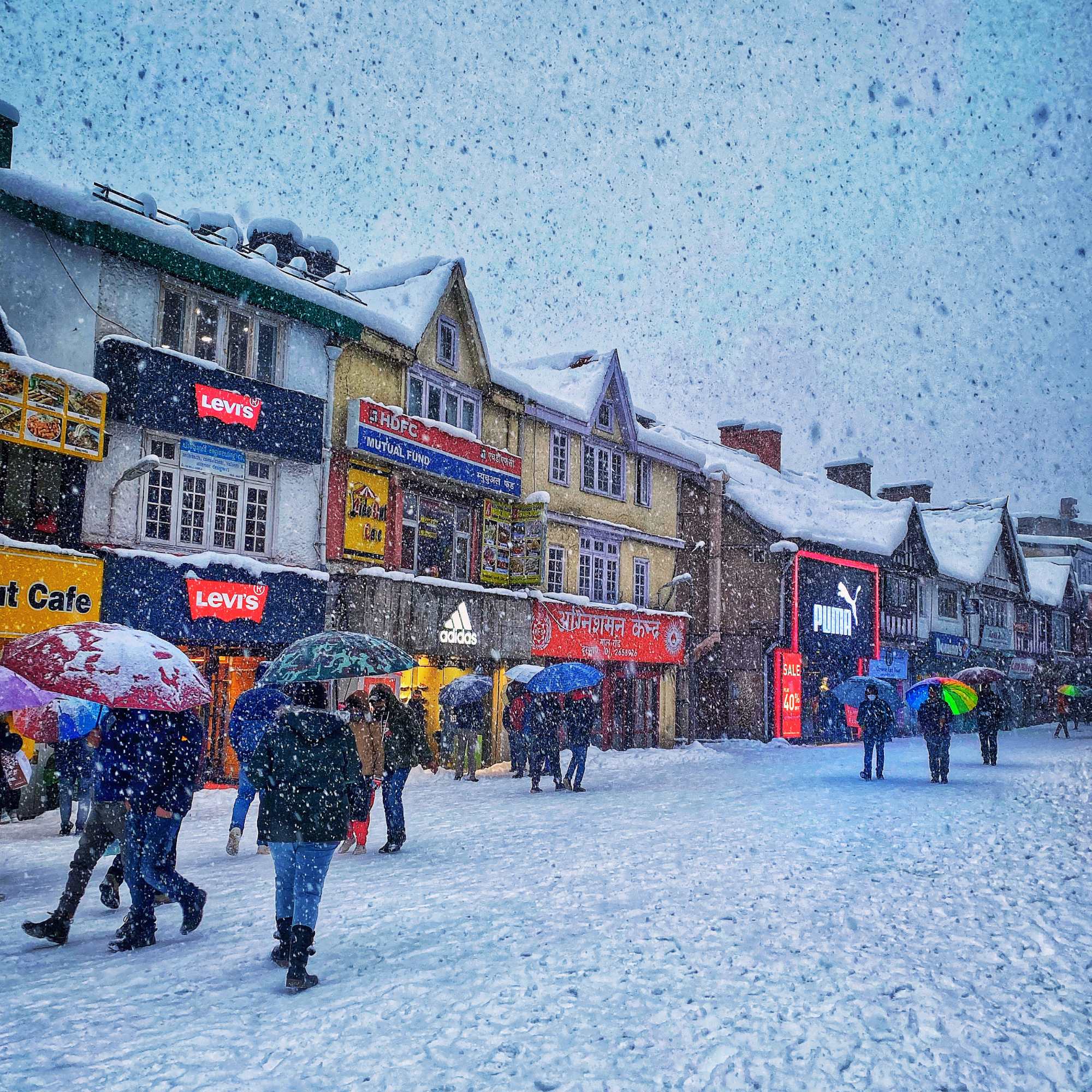
Snow and ice can slow buses, close outer roads for a time and make self driving harder.
Choose a local hill driver when you lack experience with snow or mountain roads.
Do not assume that Kufri, Fagu or another high point will remain accessible on a particular winter day.
A Practical One Day Transport Plan for Shimla
Begin around Cart Road or the Lift and move up to the pedestrian heritage zone.
Explore Mall Road, the Ridge, Christ Church, Scandal Point and Lakkar Bazaar together on foot. Add Kali Bari only when it fits your energy and route.
Visit Jakhu Temple by walking or ropeway according to your fitness and budget. Remember that the ropeway runs from 9:30 AM to sunset, depending on weather.
For the afternoon, choose one western side attraction or one nearby cluster and use a suitable local bus or taxi.
In our experience, a slower circuit works much better than crossing Shimla repeatedly.
Do not attempt central Shimla, Kufri and Naldehra in one rushed day. The route creates too much travel, weakens the experience at each stop and increases the chance of delays.
Common Local Transport Mistakes to Avoid
The first mistake is assuming that every Mall Road hotel has doorstep taxi access. Ask for the exact legal drop point and remaining climb.
The second mistake is following map navigation onto a restricted or sealed road. The app does not replace local signs, barriers, permits or police instructions.
Another common mistake is depending entirely on one app based taxi for a late night pickup. Keep a hotel transfer or local taxi backup.
Large suitcases create trouble on crowded Shimla local buses. A low fare may not justify the struggle when you still need to climb after the stop.
Travellers also lose time by mixing attractions from opposite sides of town. Group the central heritage walk, the western side and outer excursions separately.
Old online taxi, lift and parking prices can mislead you. Reconfirm each current charge and ask what the quote includes.
Where Can You Travel After Shimla?
Our Manali tour packages help you connect Shimla with another major hill destination.
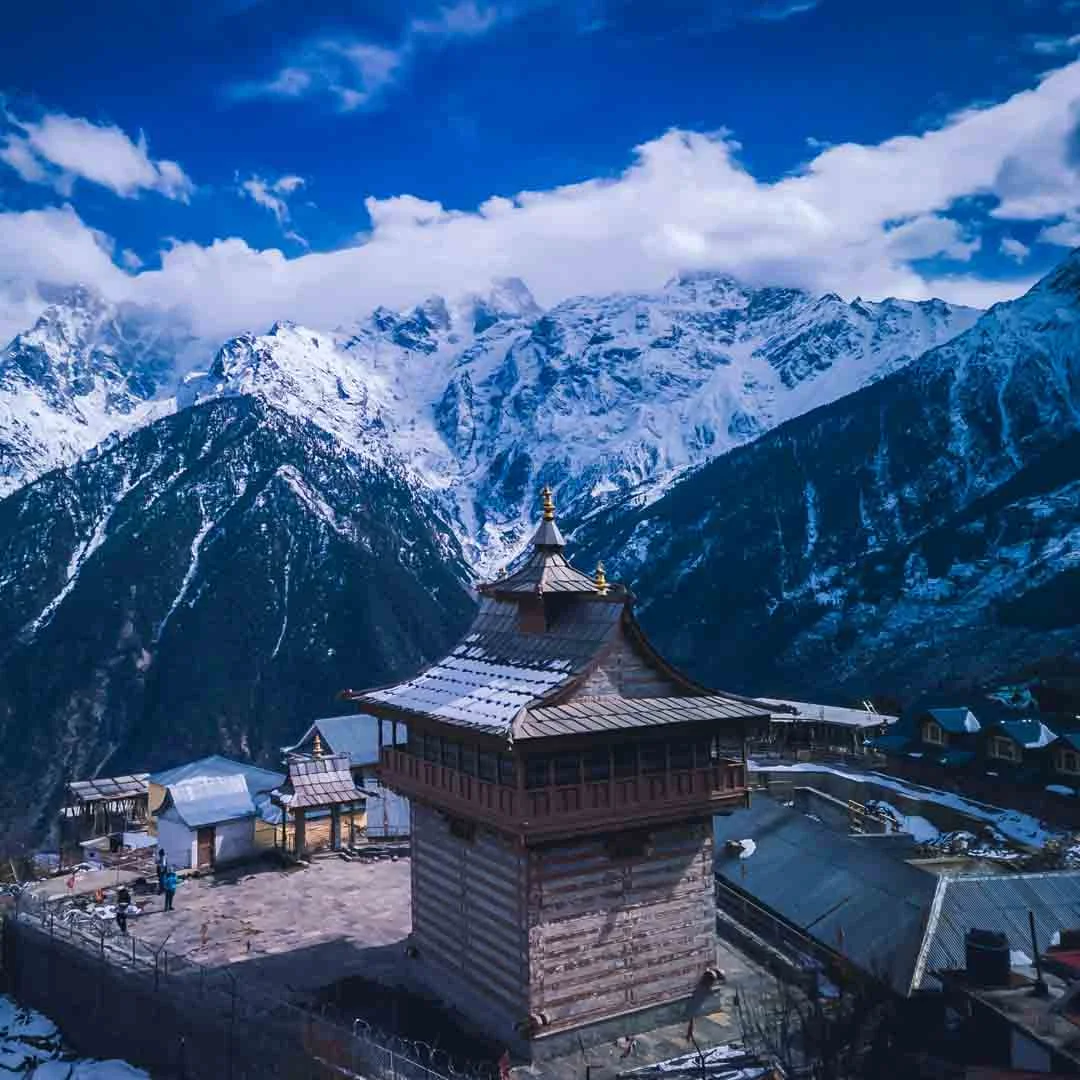
For the eastern mountain route, compare our Kinnaur tour packages.
A longer high altitude plan may suit the Spiti Valley tour packages.
You can also use our Dharamshala travel guide to plan a different Himachal side after Shimla.
2026 Transport Updates Travellers Should Check
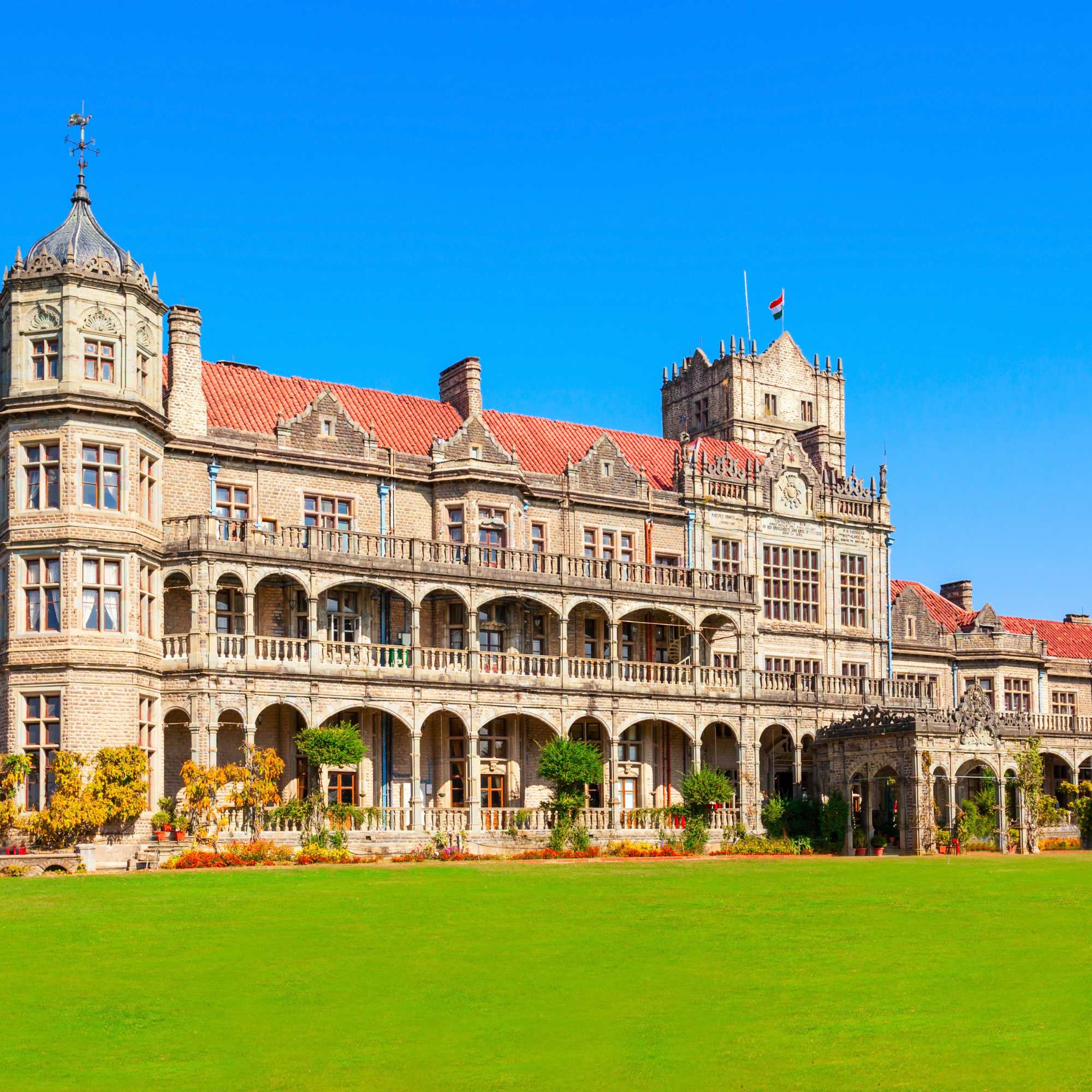
The 2026 road rules raised the reported penalty to ₹10,000 for unauthorised sealed road use and ₹5,000 for unauthorised restricted road use.
Pass charges changed more than once. July reports list annual and six month fees, while daily tourist pricing still conflicts across sources.
Peak season traffic makes walking and public transport more useful in the central area. Driving between nearby central points can waste more time than it saves.
Monsoon train and road status can change within hours. Check district administration, railway and local weather advisories on the day of travel.
The temporary suspension through 5 August 2026 did not create a permanent railway closure. Check the latest Kalka to Shimla train services and current road conditions whenever this article is published or updated.
The Practical Way to Move Around Shimla
Once you understand how to travel within Shimla, the simplest answer combines walking for the centre, buses for low cost Ring Road travel, taxis for luggage and outer attractions, and lifts or the ropeway for steep climbs.
On the travel day, check the weather, road condition, railway status and any controlled road rule that affects your route.
>>Want the easiest way to get around Shimla? WhatsApp us for local transport and sightseeing advice.
Explore Our Curated Shimla Tour Packages
 6D/5N
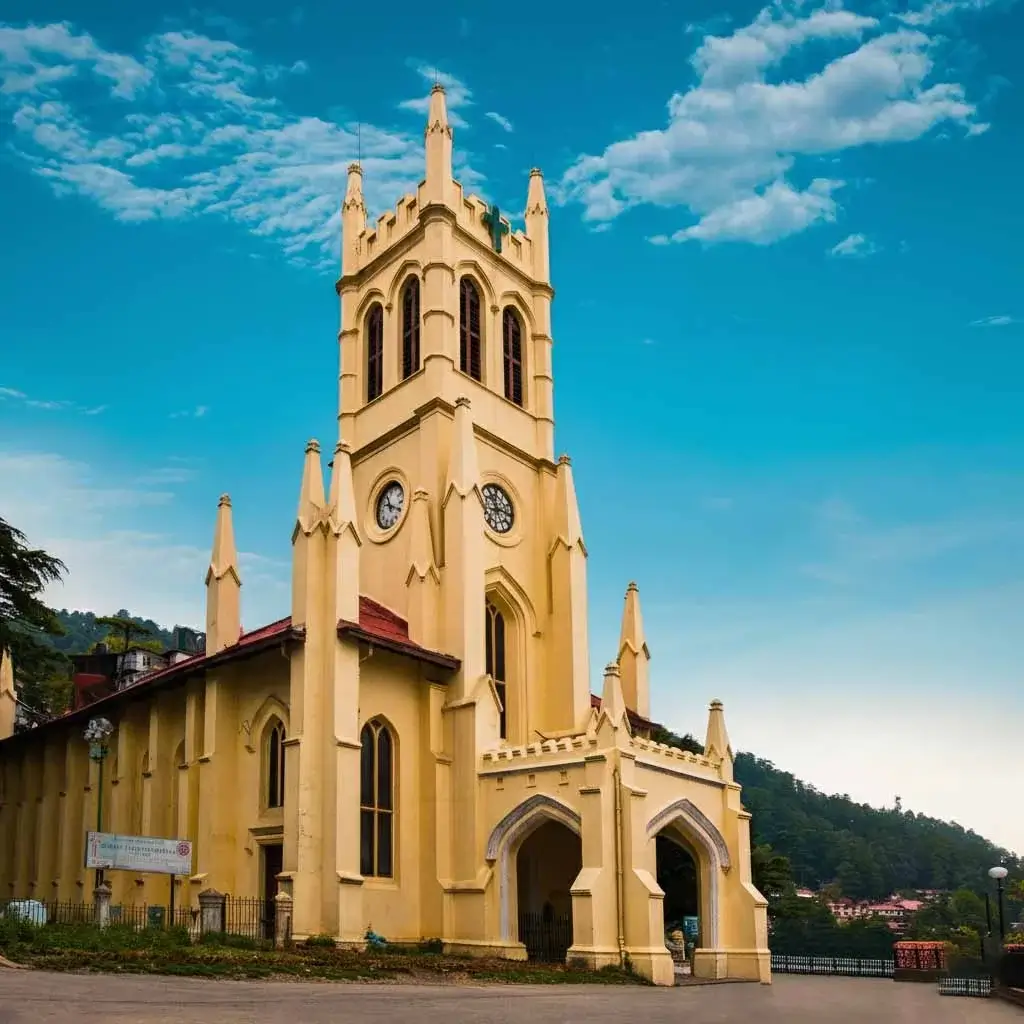
6D/5NClassic Shimla Kufri Mashobra Narkanda Experience
1D Delhi•3D Shimla+2
₹12,999₹18,999SAVE INR 6,000/ person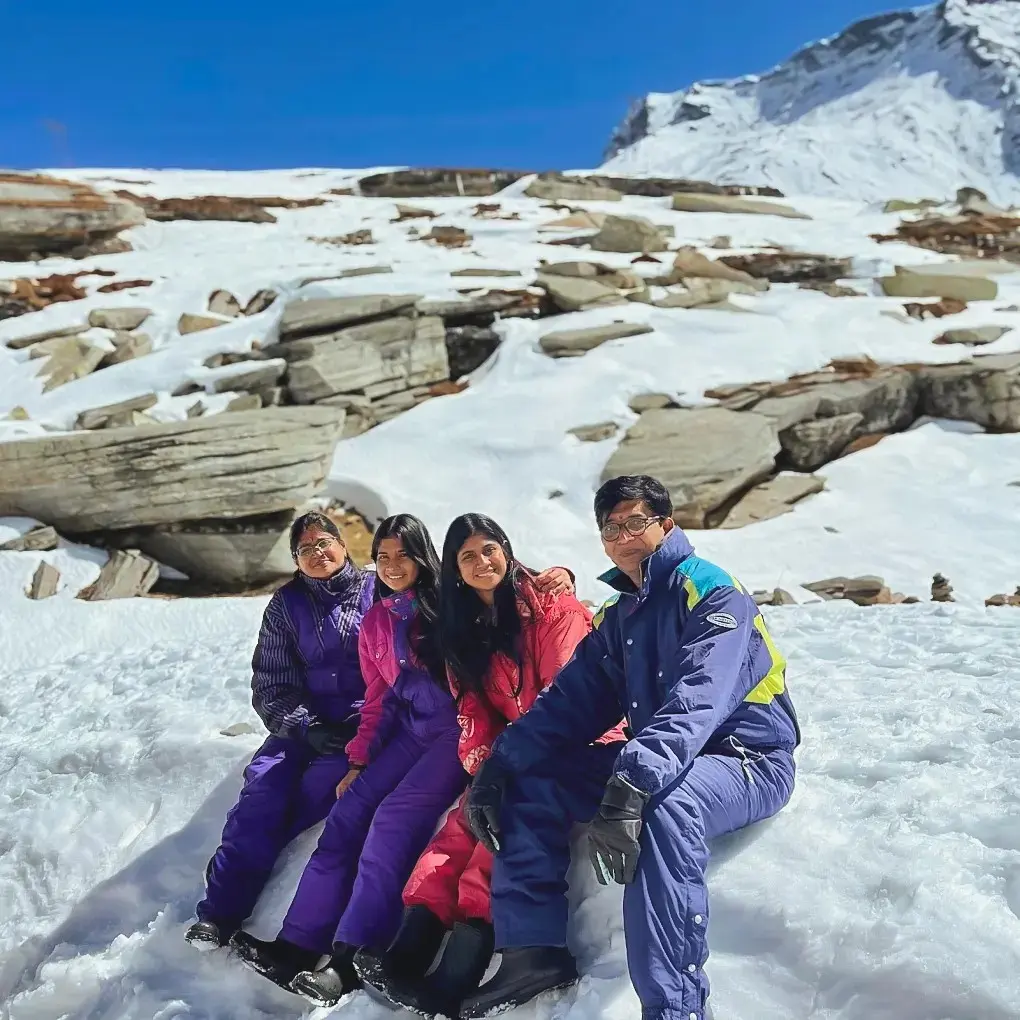 7D/6N
7D/6NComplete Shimla Manali Volvo Package with Rohtang Pass
2D Shimla•2D Manali
₹15,999₹19,499SAVE INR 3,500/ person 7D/6N
7D/6NClassic Shimla Kufri Chail Narkanda Pine Valley Experience
1D Delhi•2D Shimla+3
₹17,600₹23,999SAVE INR 6,399/ person
Related topics
Frequently Asked Questions
What is the best way to travel within Shimla?
Walk through central Shimla, use local buses along the Ring Road, keep taxis for luggage and outer attractions, and use the lift or ropeway for steep climbs.
Is Shimla easy to explore without a car?
Yes. Most central sights work well with walking, buses, the Cart Road lift, occasional taxis and the Jakhu ropeway.
Are local buses available in Shimla?
Yes. Shimla local bus routes serve points such as Tutikandi, Lift, Victory Tunnel, Sanjauli, Summer Hill, Chhota Shimla and Lakkar Bazaar Bus Stand.
What are the timings of local buses in Shimla?
The district administration lists local buses as running frequently from 7 AM to 9 PM. Confirm the route and last useful connection for your stop.
How do I reach Mall Road from ISBT Tutikandi?
Take a local bus or taxi towards Cart Road, the Lift or your hotel’s nearest legal drop point. ISBT Tutikandi sits about 4 kilometres from the main city.
Can taxis or private cars enter Mall Road?
Ordinary tourist vehicles cannot normally enter the pedestrian heritage core. Taxis and private cars must use legal drop points and controlled road rules.
Is Uber available in Shimla?
Uber lists Uber Go and on demand service in Shimla Urban. Driver supply and pickup acceptance can still vary by location, weather and time.
Are auto rickshaws available in Shimla?
Conventional auto rickshaws do not work as a dependable mainstream transport option in central Shimla. Use buses, taxis, walking and lifts instead.
How can senior citizens reach Mall Road?
Use a taxi to the closest legal point and the HP Tourism lift from Cart Road where suitable. Confirm the remaining walk and hotel access before booking.
How do I reach Jakhu Temple from the Ridge?
Walk uphill, take the Jakhu ropeway or arrange an authorised road transfer to an appropriate access point. Some walking may remain in every option.
Can I travel from Shimla to Kufri by local bus?
You can investigate local bus options for Kufri, which sits about 15 kilometres from Shimla. Confirm the route, stop and return service before leaving.
Where should I park when visiting Mall Road?
Check parking near the Lift, ISBT, High Court, Victory Tunnel, Old Bus Stand, Chhota Shimla or Sanjauli. Do not park on Cart Road, and do not assume space.
More about Shimla
 Shimla
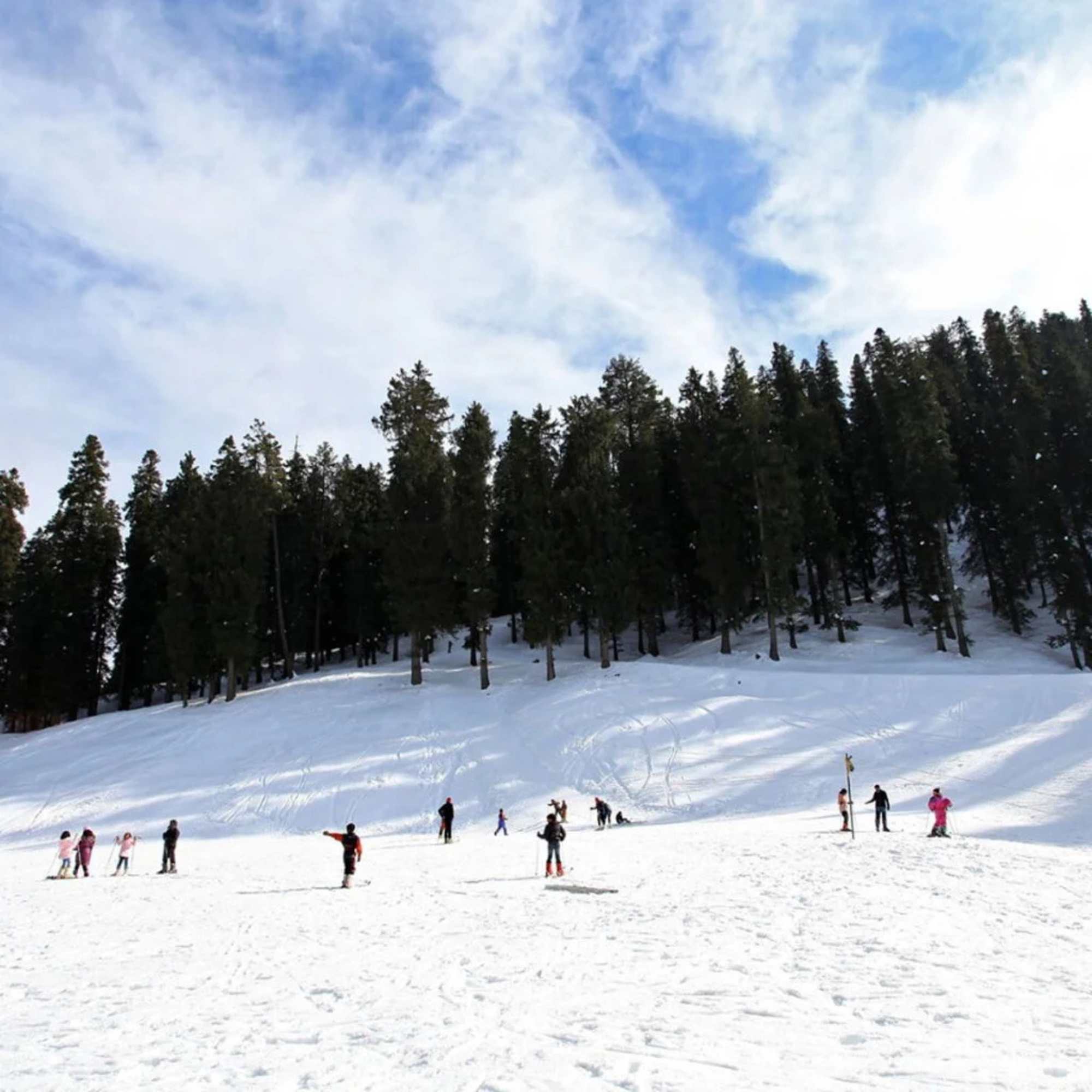
Shimla Snow Trip 2026: Best Time, Itinerary, Cost and Local Tips
Plan your Shimla Snow Trip 2026 with this complete guide to the best time for snowfall, estimated trip cost, winter itinerary, top snow spots, Kufri visit, and useful travel tips.
- Snow Travel
- Best Time to Visit
 Shimla
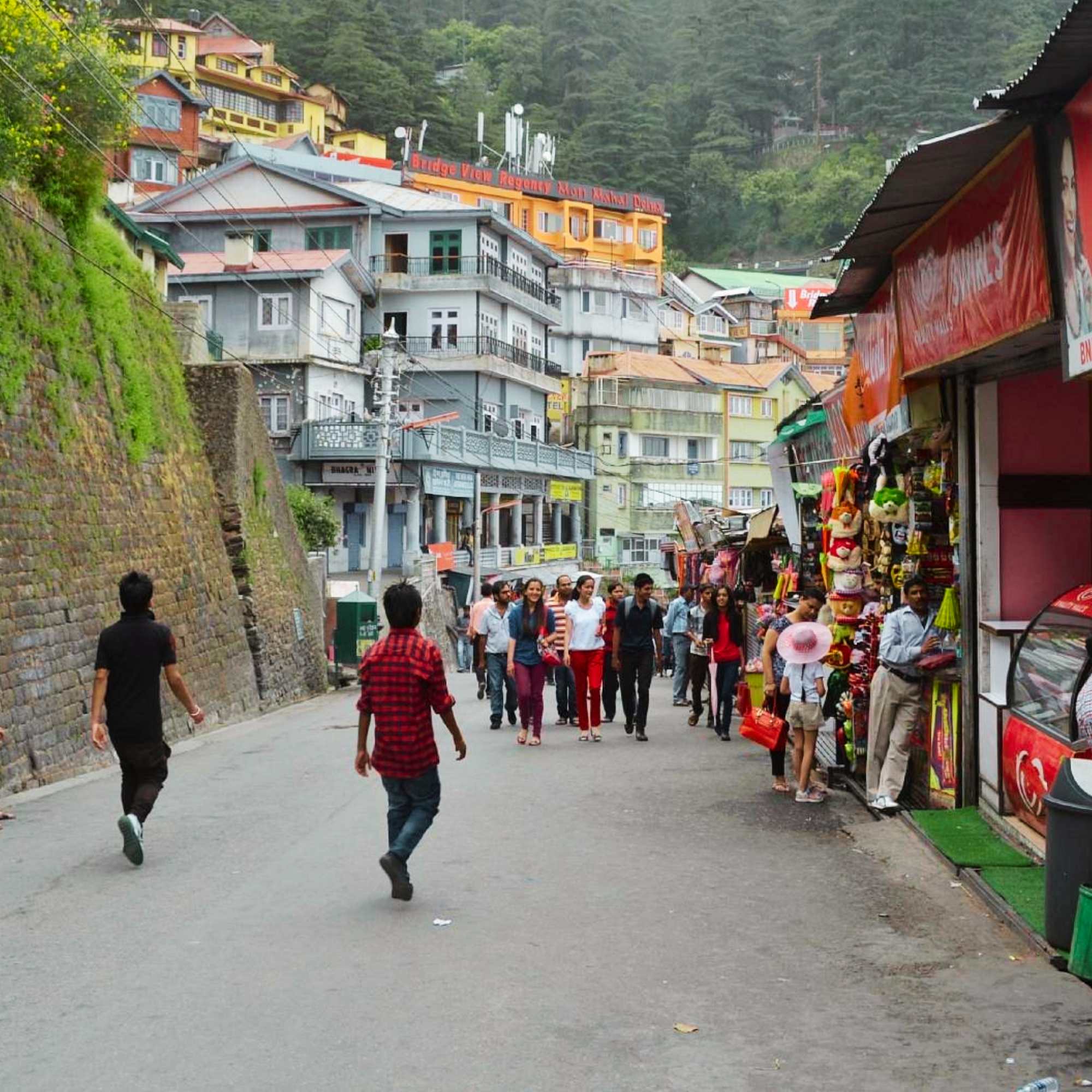
Shimla in February 2027: Weather, Snowfall, Itinerary and Travel Tips
Planning a trip to Shimla in February 2027? Discover typical February temperatures, chances of snowfall, what the weather is usually like, the best places to enjoy snow, what to pack, and practical tips for planning a memorable winter trip to Shimla.
- Best Time to Visit
- Snow Travel
 Shimla
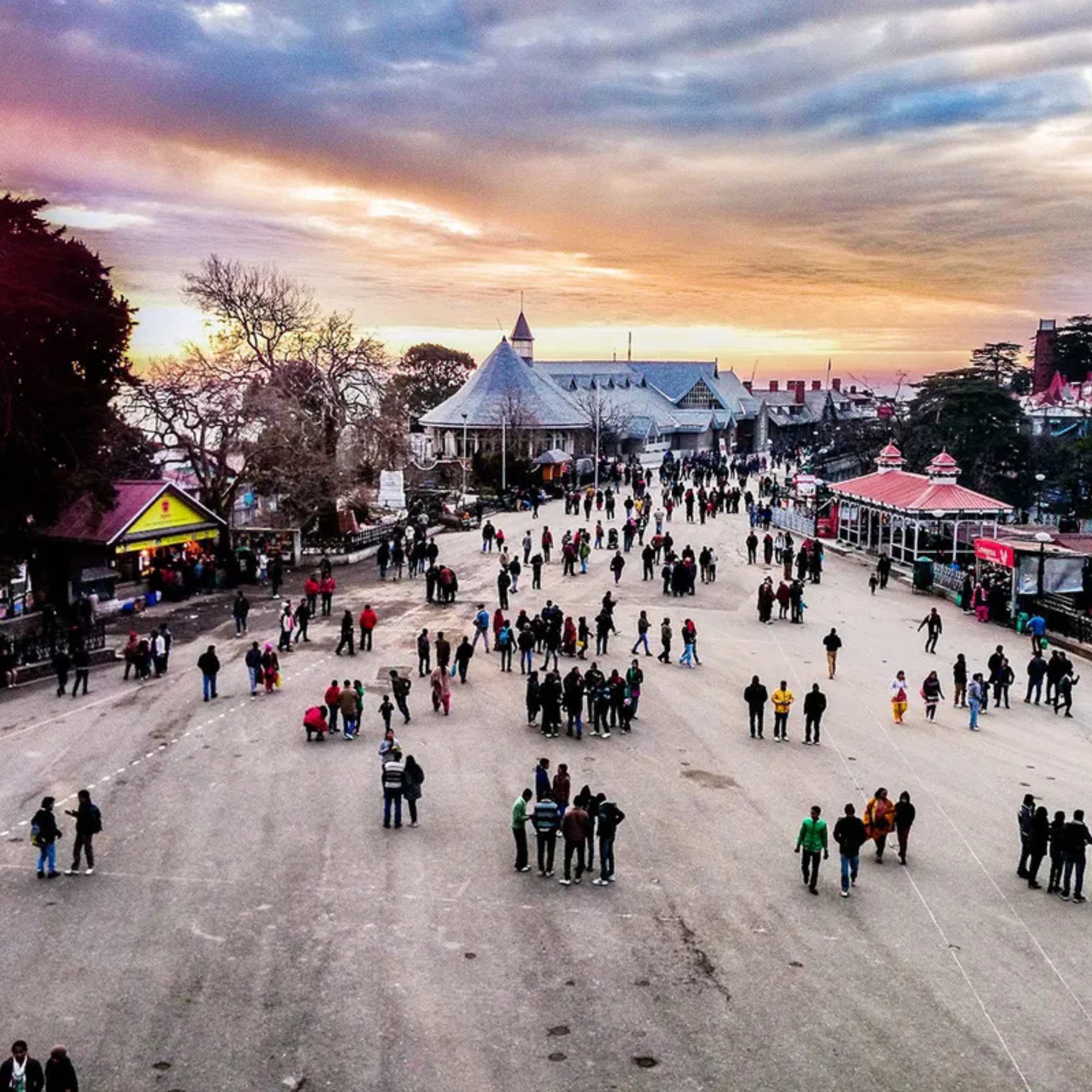
Snow Point Near Shimla in 2026: Kufri, Fagu, Narkanda and the Best Places to Find Snow
Discover the best snow points near Shimla in 2026, including Kufri, Fagu and Narkanda. Find out where to see snow, the best time to visit, and the top winter destinations near Shimla.
- Snow Travel
- Places to Visit