
How to Plan a Chandratal Trip from Manali: A Complete Local Guide
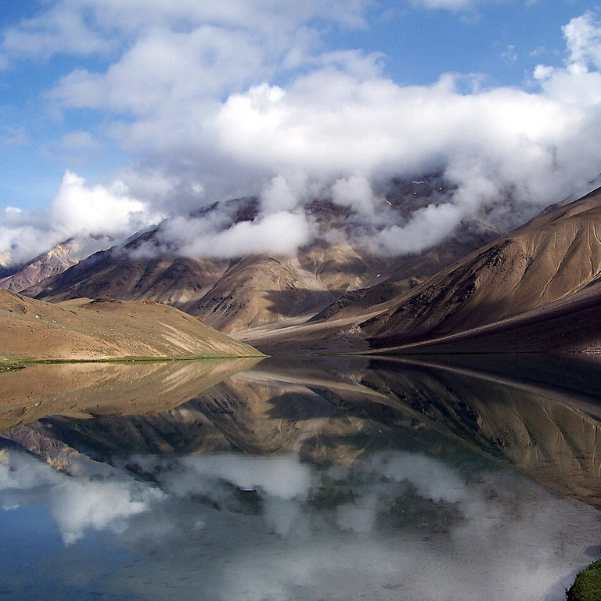
The road from Manali to Chandratal is one of those routes that looks simple on Google Maps but feels entirely different once you are actually on it.
You cross the Atal Tunnel, climb through Koksar and Sissu, push past Batal over broken roads, and eventually reach a high-altitude lake sitting at over 4,300 metres.
It is quiet, cold, and genuinely stunning. But it is not a casual day trip, and planning it properly makes all the difference between a great experience and a miserable one.
We have helped hundreds of travellers plan this exact route over the years. This guide puts everything you need into one place so you can plan your Chandratal trip from Manali with clarity and confidence.
Quick Answer: Can You Plan a Chandratal Trip from Manali?
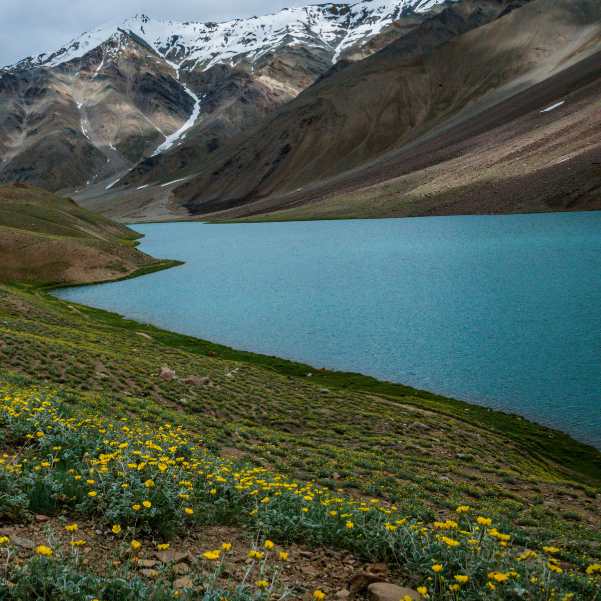
Yes. Manali is the most common and practical starting point for reaching Chandratal Lake. The usual route goes through the Atal Tunnel, continues via Sissu, Koksar, and Batal, and then takes a diversion towards the lake before Kunzum Pass.
A 2-day trip from Manali is possible but tight. A 3-day trip is far more comfortable and what we usually suggest for most travellers. You will need a high-clearance vehicle, an early start, and the right season.
The route is generally open from mid-June to early October, though this varies each year depending on snowfall and road clearing.
Where Is Chandratal and Why Do People Plan It from Manali?
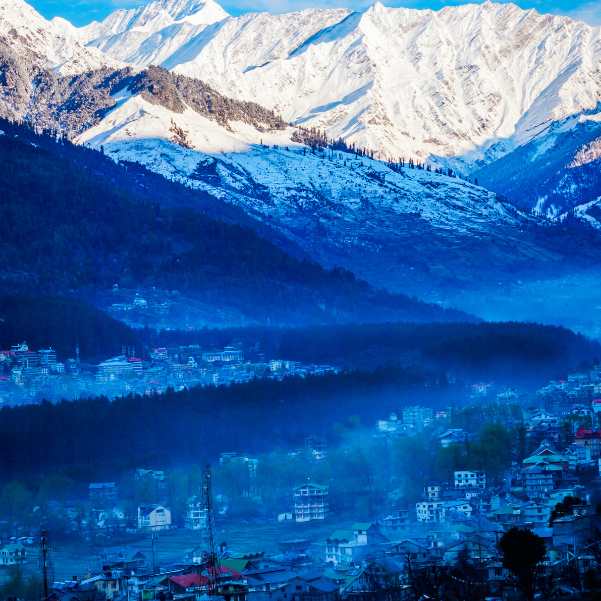
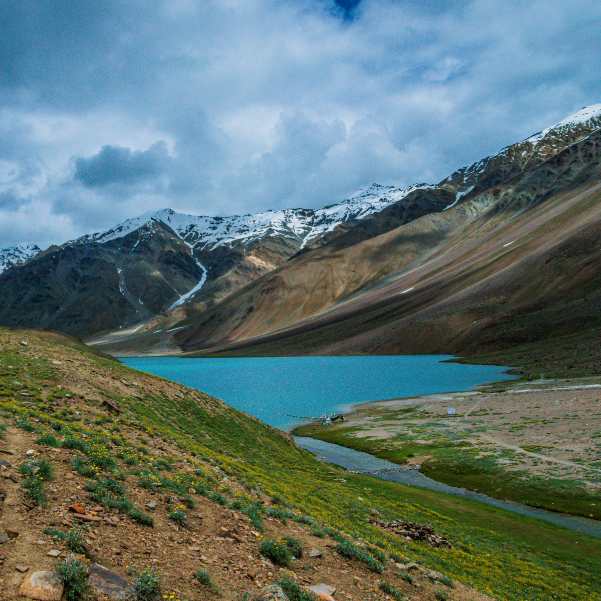
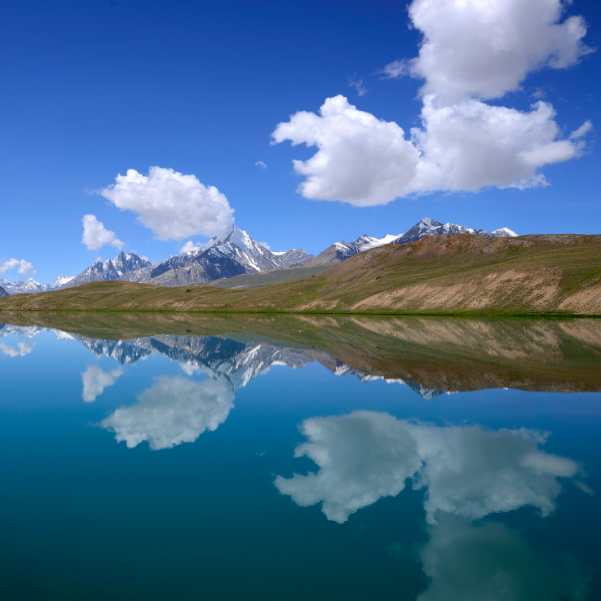
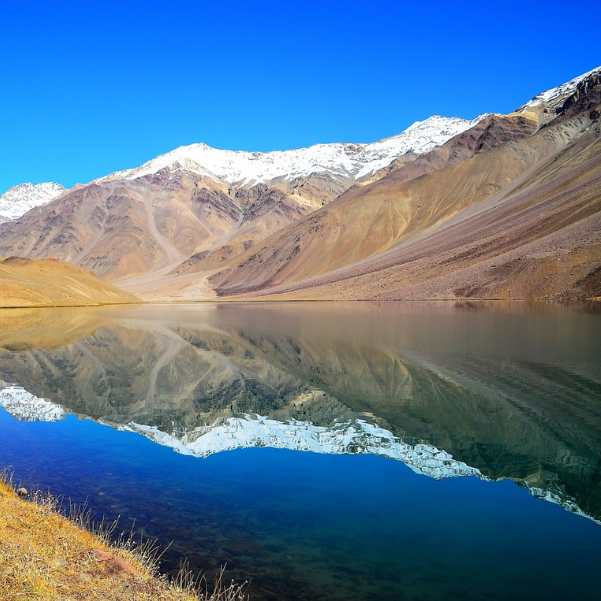
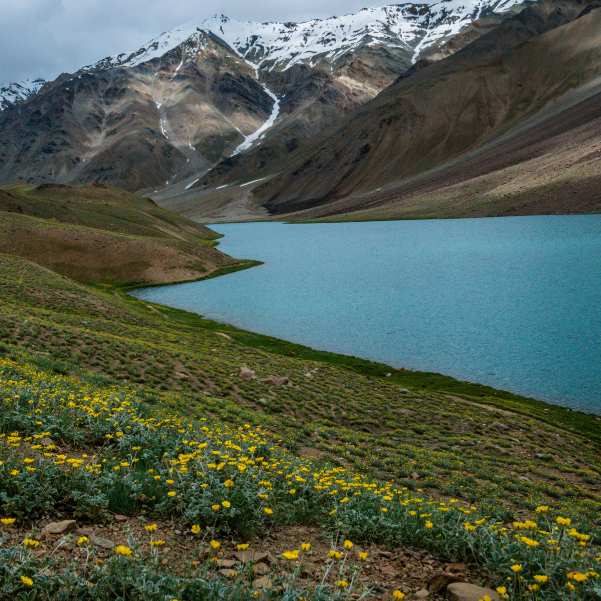
Chandratal Lake sits at approximately 4,300 metres in the Spiti Valley region of Himachal Pradesh. The name translates to "Moon Lake" because of its crescent shape.
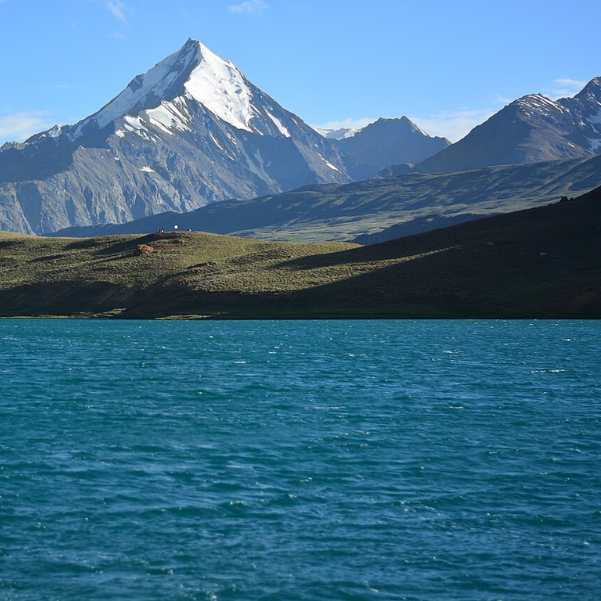
The lake is surrounded by barren mountains and sits in a cold, treeless landscape that feels completely different from the green valleys most travellers are used to.
It is one of the most beautiful high-altitude lakes in India, and one of the very few you can actually drive close to.
Manali works as the starting point because it is the nearest well-connected town with proper accommodation, fuel, medical facilities, and supplies.
The Spiti Valley route from Manali also passes close to Chandratal, making it a natural stop or a standalone trip.
Most travellers either plan Chandratal as a side trip during a Manali to Spiti road trip or as a focused 2 to 3 day trip from Manali.
Is Chandratal Open? What to Check Before You Plan
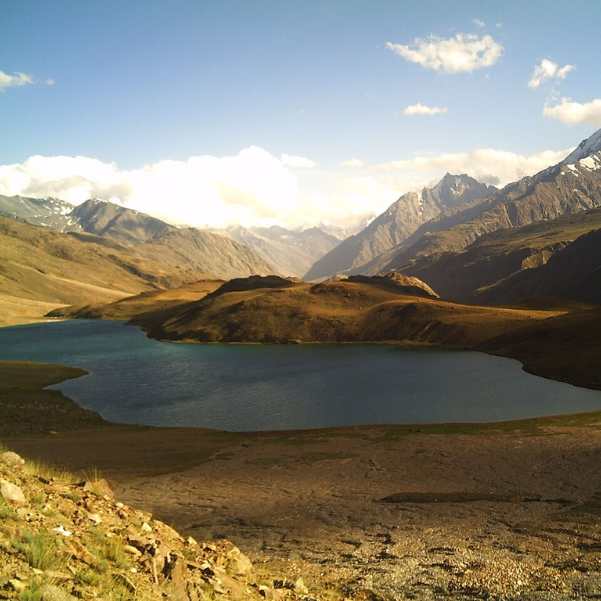
Chandratal is a seasonal destination. The lake and the roads leading to it are snow-covered for most of the year.
The route typically opens sometime between mid-June and early July, depending on how fast the Border Roads Organisation (BRO) clears the roads. It usually stays accessible until early to mid-October, after which snowfall makes the route dangerous and eventually impassable.
Before finalising your travel dates, check these things:
- Current Chandratal road status, especially the stretch between Batal and the lake
- Whether Kunzum Pass is open (this affects the route significantly)
- Any local advisories related to weather, landslides, or road closures
- Rules around permits, vehicle entry, and camps, which can change by season
Road status can change quickly in this region. A sunny morning can turn into a washout by afternoon. It is best to check the latest local update before departure, either through a local tour operator or through recent traveller reports.
👉 WhatsApp us today to know the current Chandratal road status
Best Time to Plan a Chandratal Trip from Manali
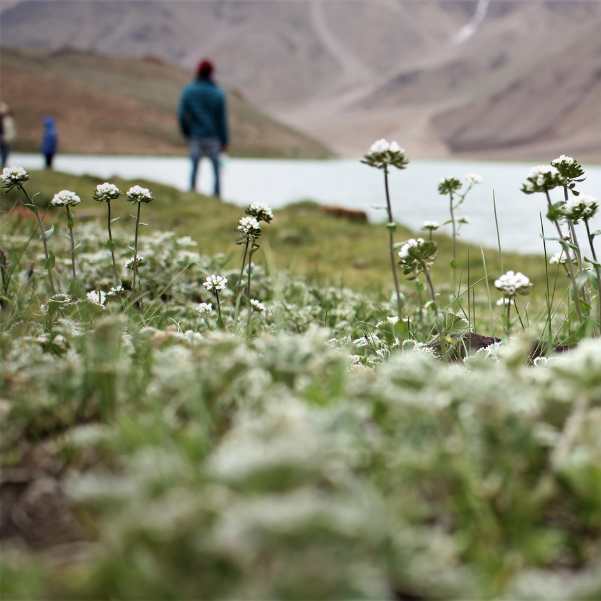
The best time to visit Chandratal from Manali is between late June and September.
Late June to mid-July
It is when the route opens. Snow patches may still be visible around the lake. Roads can be rough because fresh clearing is still underway. But the landscape is dramatic and the crowds are thin.
July to August
brings the monsoon. This sounds worrying, but the Spiti side of the mountains is in a rain shadow, so it gets far less rain than Manali. However, the stretch between Manali and Batal can be affected by landslides and water crossings. This is also when Chandratal camping is at its busiest.
September to early October
is often the most stable window. Roads are at their best, the weather is crisp, and the lake reflects beautifully under clear skies. Nights get seriously cold though.
If this is your first high-altitude road trip, September is a strong choice.
Manali to Chandratal Route Explained Simply
Here is the route broken down into segments so you know exactly what to expect.
Manali to Sissu (via Atal Tunnel)
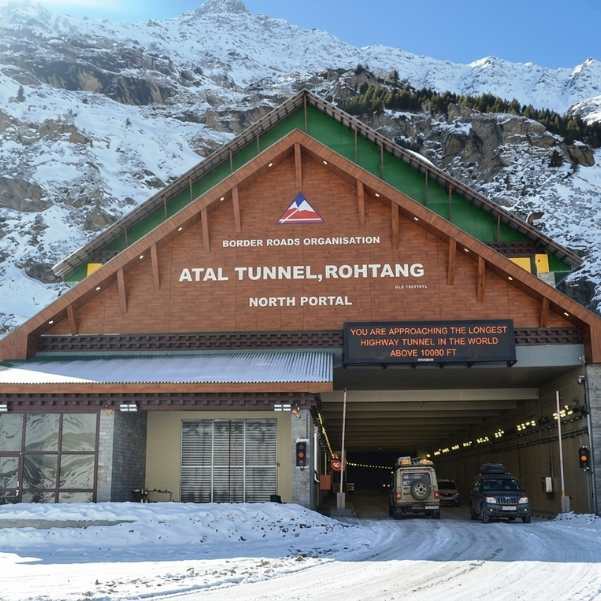
This is the easiest section. You enter the Atal Tunnel from the Manali side and come out in Sissu in the Lahaul Valley. The tunnel has cut hours off the old Rohtang Pass route. From Manali to Sissu, it takes roughly 1.5 to 2 hours.
The road is smooth, and Sissu is a good place for a tea stop. You will find small dhabas, fuel (sometimes), and mobile network.
Sissu to Koksar to Batal
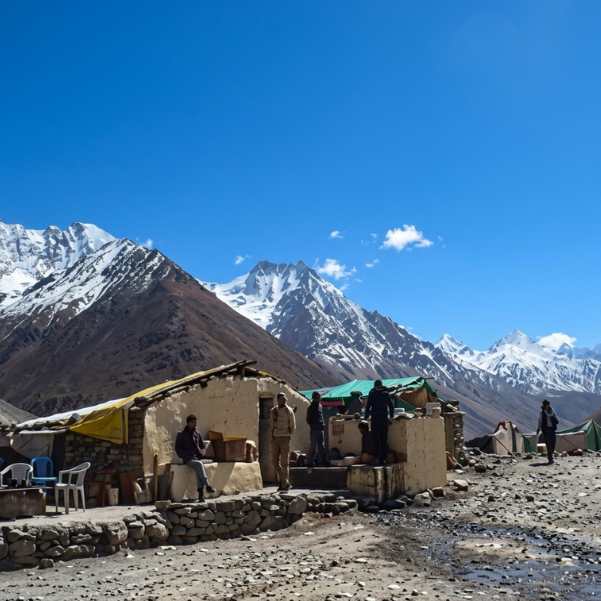
From Sissu, you continue along the Chandra River through Koksar, Tandi, and eventually reach the stretch towards Batal. This section is paved in parts but starts getting rough as you approach Batal.
Koksar has a checkpoint and a few eateries. Batal is a very basic stop with a couple of tin-roof dhabas. Do not expect anything comfortable here.
This stretch usually takes around 3 to 4 hours depending on road conditions.
Batal to Chandratal Lake
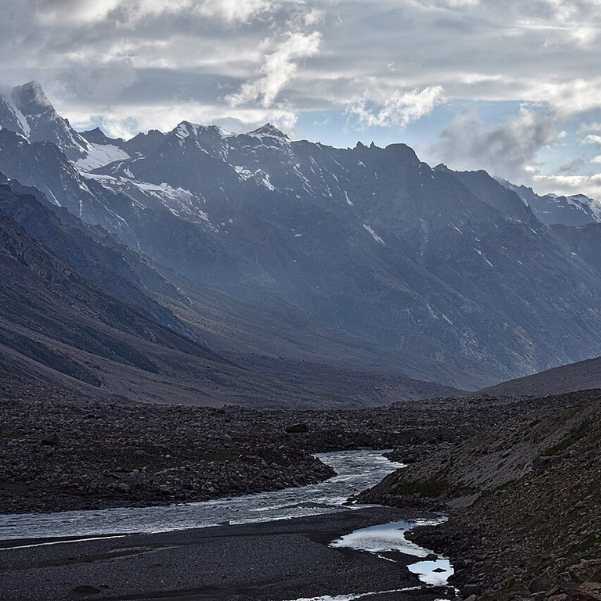
This is where the Manali to Chandratal route gets real.
From Batal, a narrow, unpaved, and often broken road diverts towards Chandratal Lake. This stretch is about 14 kilometres but can easily take 1.5 to 2 hours because of the road quality. Potholes, loose gravel, water crossings, and sharp turns are standard.
After driving as far as the road allows, you walk the last 1 to 2 kilometres to the lake itself.
The Alternate Route via Kunzum Pass
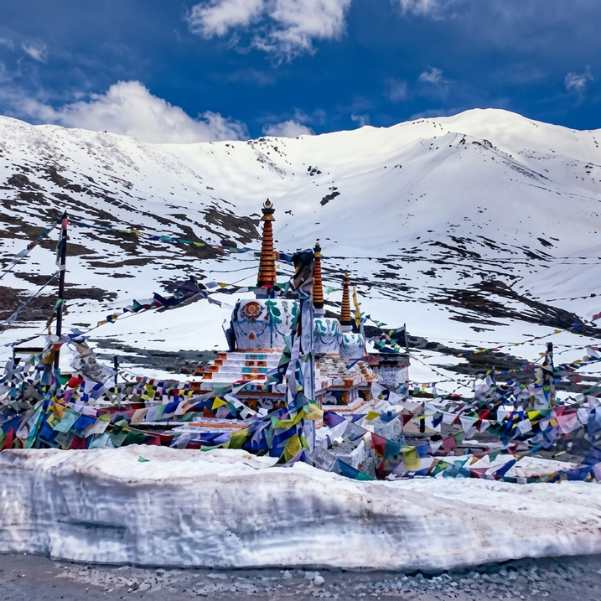
Some travellers continue past Batal towards Kunzum Pass and take the diversion to Chandratal from that side. The distance is slightly longer, but the view from Kunzum is worth it if the pass is open.
The Kunzum route is also used by travellers who are continuing their journey into Spiti Valley after visiting the lake.
Distance and Travel Time from Manali to Chandratal
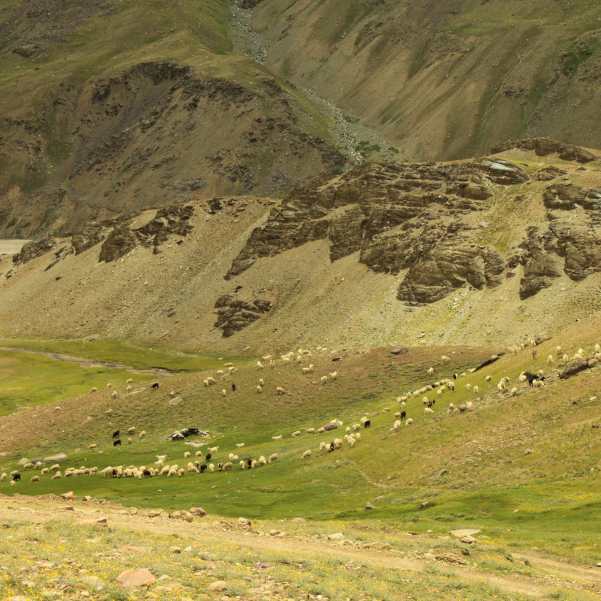
The Manali to Chandratal distance is roughly 130 to 140 kilometres depending on which diversion you take.
On paper, that sounds manageable. In reality, this is a full day of driving.
Expect 7 to 9 hours of actual travel time, not including stops. The first section through the Atal Tunnel is fast. Everything after Koksar slows down significantly. The Batal to Chandratal stretch alone eats up a disproportionate amount of time for its distance.
This is where many travellers misjudge the trip. The kilometres are short, but the roads are slow. Plan for the time, not the distance.
How Many Days Do You Really Need?
Chandratal from Manali in 2 Days
A 2-day trip is technically possible. Day 1 involves driving from Manali to Chandratal, spending the evening at a campsite near the lake, and Day 2 is the return drive.
This works if you start very early (5 to 6 AM from Manali), have a reliable vehicle, and are comfortable with long hours on rough roads. But it leaves almost no buffer for bad weather, road delays, or simply resting at the lake.
We usually suggest this only for experienced road trippers who are short on time.
Chandratal from Manali in 3 Days
This is the version that actually feels good.
Day 1
Manali to Chhatru or Batal. Drive at a steady pace, stop for tea and photos, and stay overnight at Chhatru (which has better camping options than Batal).
Day 2
Chhatru or Batal to Chandratal. Reach the lake, spend time there, camp overnight near the lake.
Day 3
Chandratal back to Manali. Early start, return via the same route.
This version gives you real time at the lake, proper rest, and a manageable pace.
The More Comfortable 4 to 5 Day Version
If you are combining Chandratal with a wider Spiti Valley itinerary, you can visit the lake as part of a longer loop. This is what many of our Spiti tour packages include, and it gives you the most relaxed experience with proper acclimatisation.
Explore Our Curated Spiti Chandratal Tours
 Group Tour10D/9N
Full Spiti Valley Circuit With Chandratal
1D Narkanda•1D Sangla+5
₹29,999₹32,999SAVE INR 3,000/ person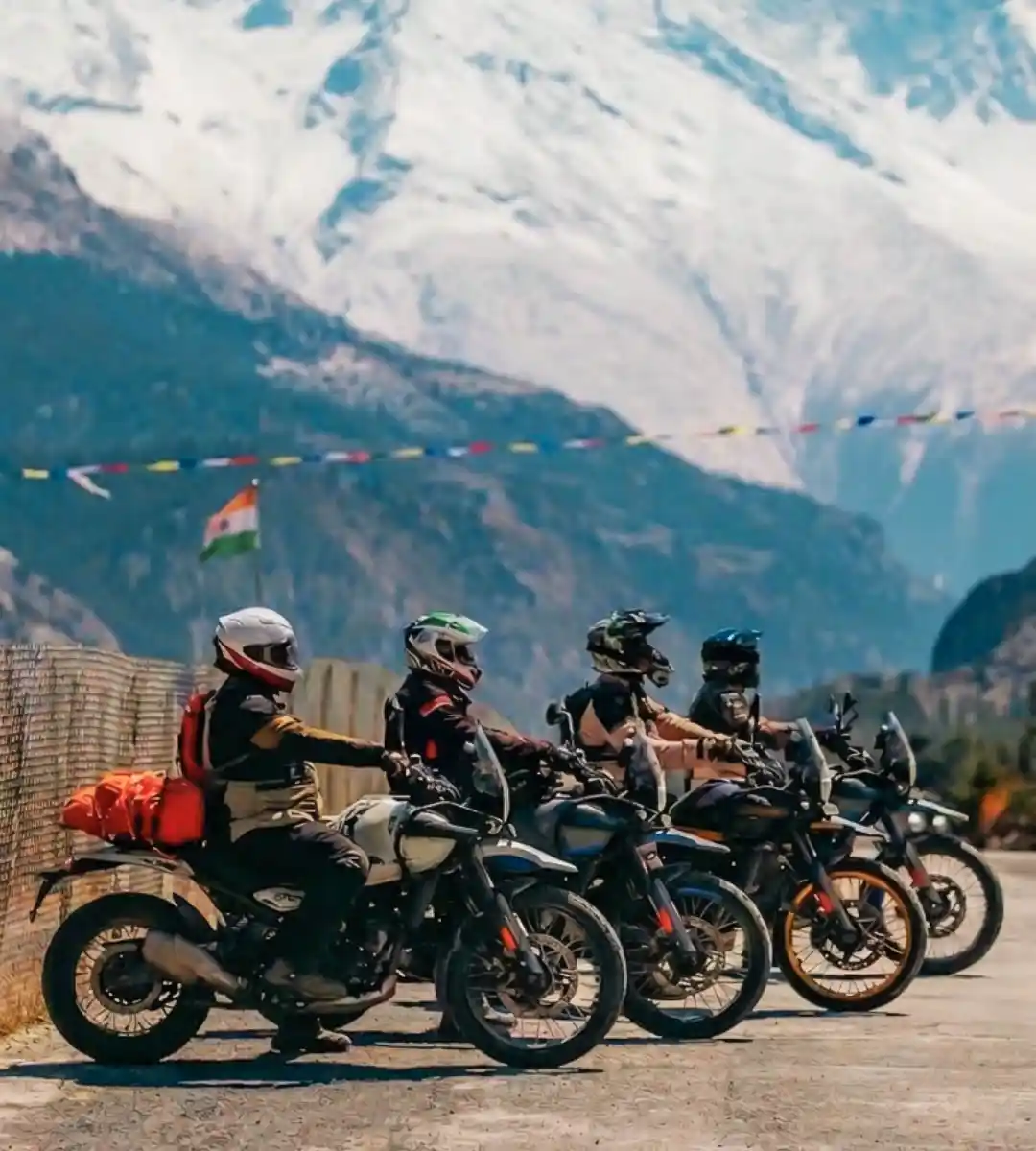 Group Tour10D/9N
Most Loved Spiti Valley Bike Expedition With Chandratal
1D Jibhi•1D Sangla+4
₹34,999₹41,999SAVE INR 7,000/ person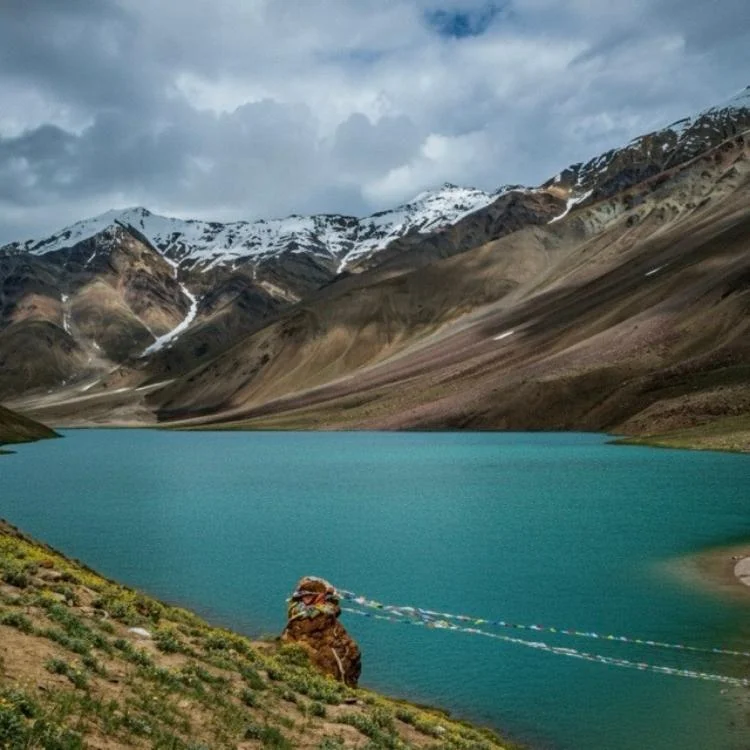 10D/9N
Shimla Spiti Manali Circuit With Chandratal
1D Narkanda•1D Sangla+5
₹45,999₹52,499SAVE INR 6,500/ person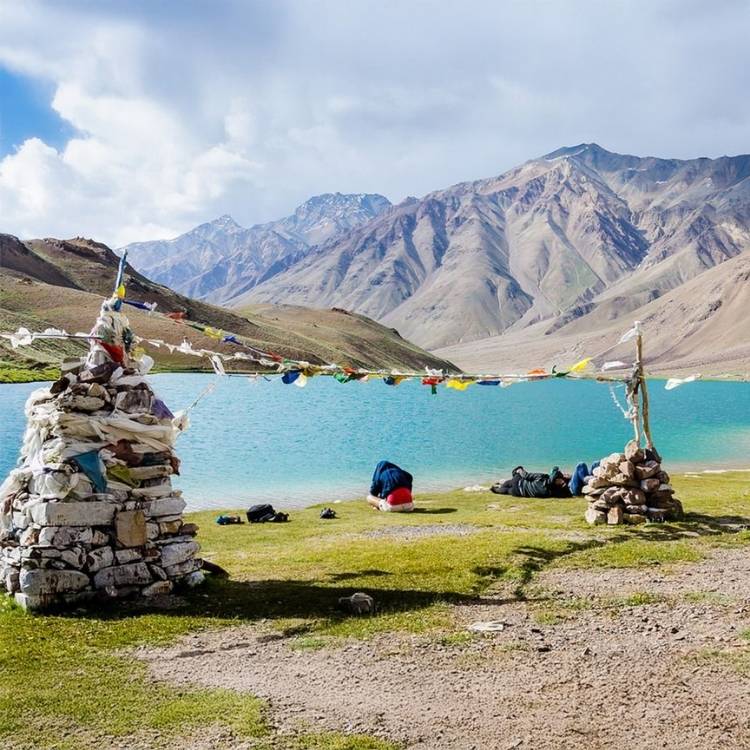 10D/9N
Summer Spiti Circuit With Chandratal
1D Narkanda•1D Sangla+5
₹29,999₹38,999SAVE INR 9,000/ person
Where to Stay During a Chandratal Trip from Manali
There are no hotels near Chandratal. Your options are camping or very basic roadside stays at places like Batal and Chhatru.
Chandratal Campsites
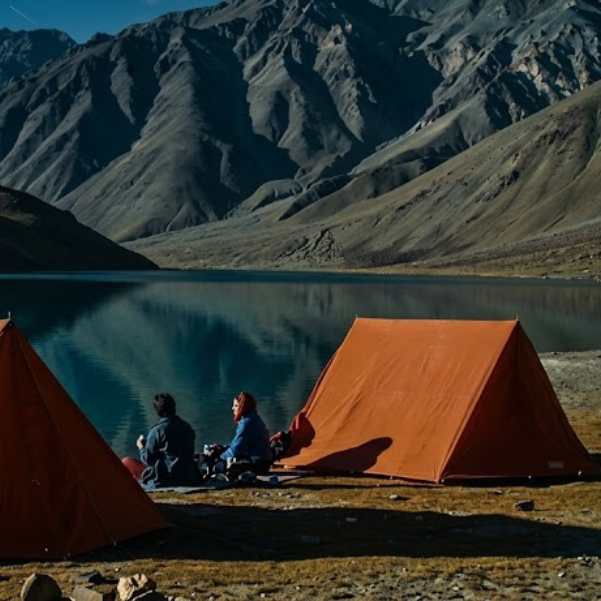
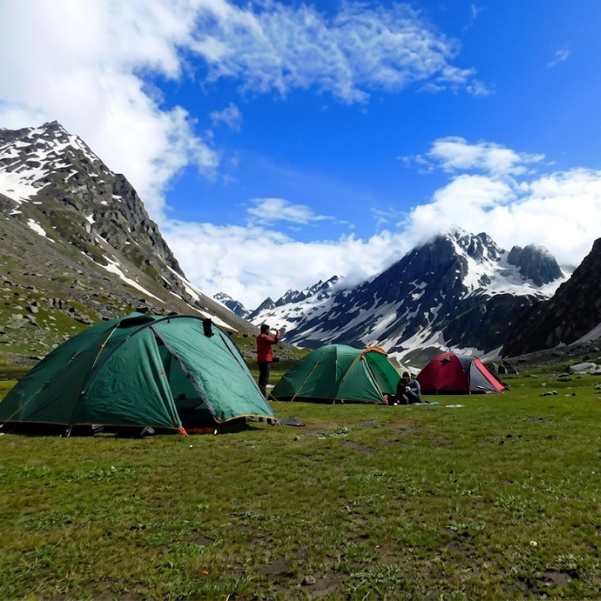
Several seasonal campsites operate near the lake during the open months. These are typically tent setups with basic bedding, shared meals, and minimal facilities. Some are well-run, others are rough. Quality varies year to year.
Booking ahead is a good idea during peak season (July and August). If you are going with a Chandratal tour package, your operator will usually arrange this.
Chhatru
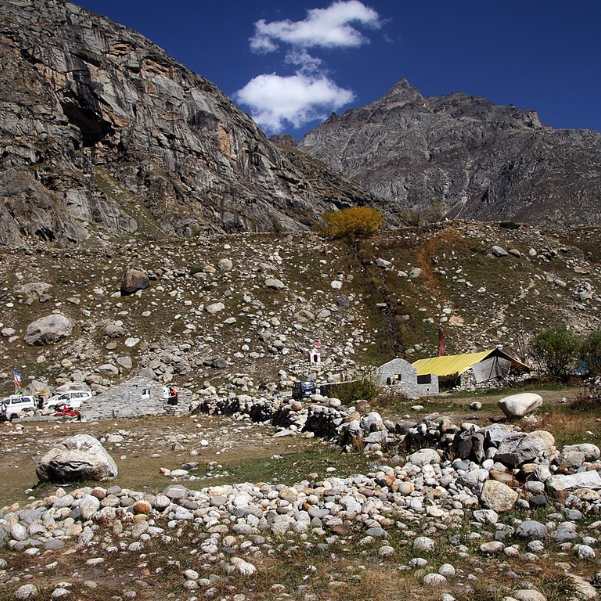
Chhatru is a campsite stop between Batal and Chandratal. It sits along the river and offers basic tents and food. Many travellers prefer to break the journey here on Day 1 of a 3-day trip.
It is quieter than the Chandratal campsites and feels a bit more spacious.
Batal
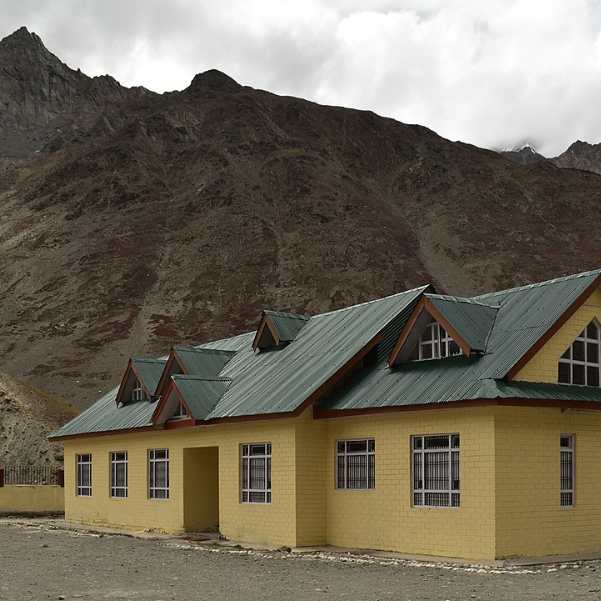
Batal has a couple of very basic dhabas where you can get food and limited shelter. It is not a place you stay at for comfort. Think of it as a fuel-and-food stop, not an overnight destination unless you have no other option.
Sissu and Koksar
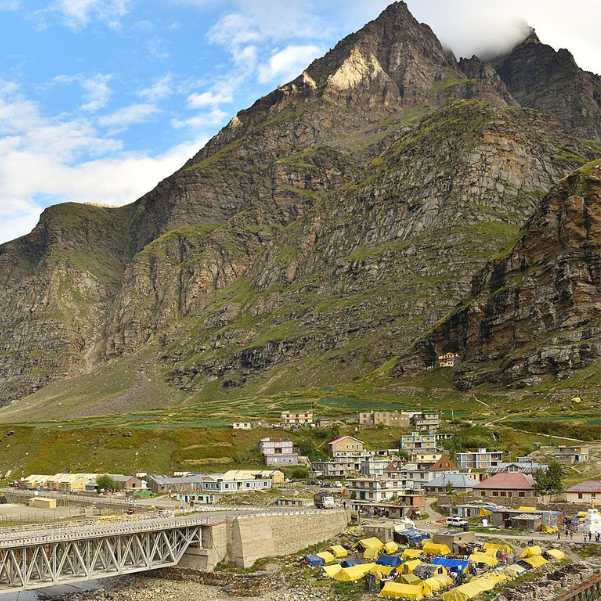
If you prefer a proper room with a bed, Sissu has guesthouses and homestays. Koksar has a few options too. You will not be close to the lake, but you will be comfortable. This works well as a night halt on the way back.
Camping Reality and Rules Travellers Should Know
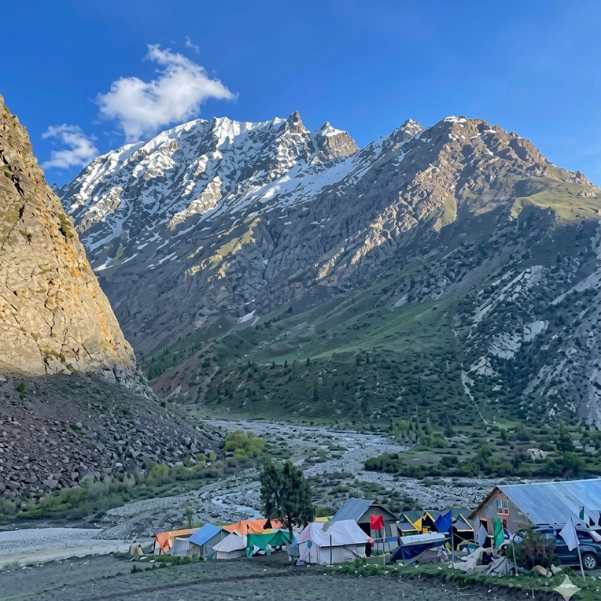
Chandratal camping is part of the experience. But it comes with rules and realities you should know.
Camping right next to the lake shore is restricted. The campsites are set up at a designated distance from the lake to protect the fragile ecosystem. Do not pitch a tent on your own near the water.
Garbage management is a serious concern at this altitude. If you are camping independently, carry your waste back with you. Do not burn or bury it.
Night temperatures near the lake can drop below zero even in July and August. Proper sleeping bags rated for sub-zero conditions are essential.
Rules around permits, camping zones, and environmental fees can change by season. Check the latest guidelines before your trip.
Cost of a Chandratal Trip from Manali
The Chandratal trip cost from Manali varies depending on how you travel.
Self-drive or bike trip
If you already have a suitable vehicle, your main costs are fuel, food at dhabas, and camping fees. A rough budget would be around INR 3,000 to 5,000 per person for a 2 to 3 day trip, excluding vehicle costs.
Renting a vehicle in Manali
A suitable SUV (like a Bolero or Thar) with driver typically costs between INR 4,000 to 7,000 per day. For a 3-day trip, this adds up.
Organised tour or package
A Chandratal trip package from Manali with transport, camping, meals, and a guide usually ranges from INR 6,000 to 12,000 per person depending on the operator and inclusions. This is the most hassle-free option, especially for first-time visitors.
These are approximate figures. Costs change each season, so it is best to check current rates with your operator.
How to Reach Chandratal from Manali Without Your Own Vehicle
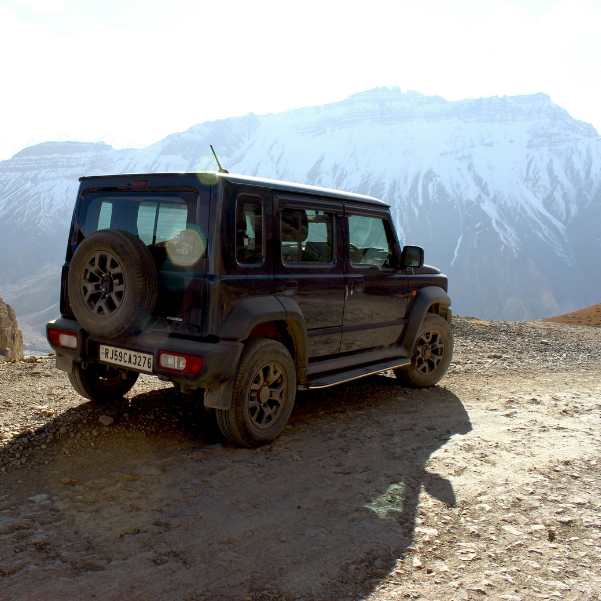
There is no public bus to Chandratal Lake.
Your realistic options are:
Hire a private SUV with driver from Manali
This is the most common choice. Make sure the driver knows the route well and the vehicle is suited for it.
Join a group tour or package
Several operators, including Travel Coffee, run Chandratal trips that include transport, stays, and meals.
Share a vehicle with other travellers
During peak season, it is sometimes possible to find shared rides from Manali. Ask around at local travel agencies or online groups.
Bikes are an option if you are an experienced rider
But riding to Chandratal on a rented motorcycle requires serious confidence on bad roads at high altitude. More on this below.
Which Vehicle Is Best for This Route?
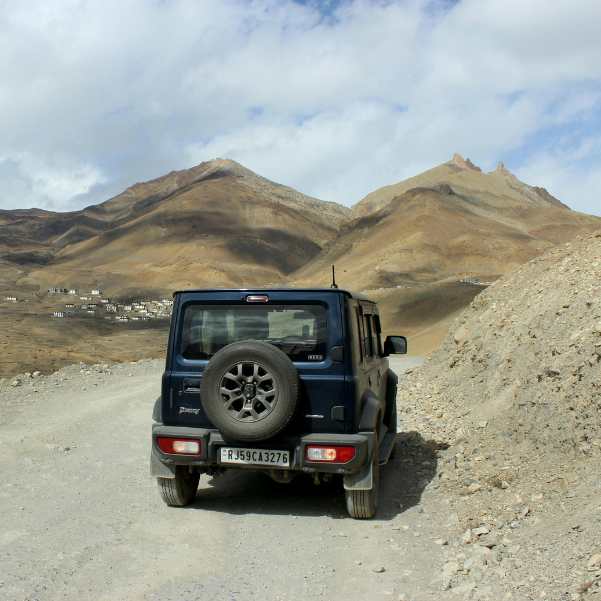
The Manali to Chandratal route, especially the Batal to Chandratal stretch, demands a high-clearance vehicle with good ground clearance and sturdy tyres.
Best choices
Mahindra Thar, Bolero, Force Gurkha, Toyota Fortuner, or any capable 4x4 SUV.
Chandratal by car (sedan or hatchback)
Not recommended. A sedan or an Innova can reach Batal with some difficulty, but the last stretch to the lake is genuinely rough and risky for low-clearance vehicles.
Chandratal by bike
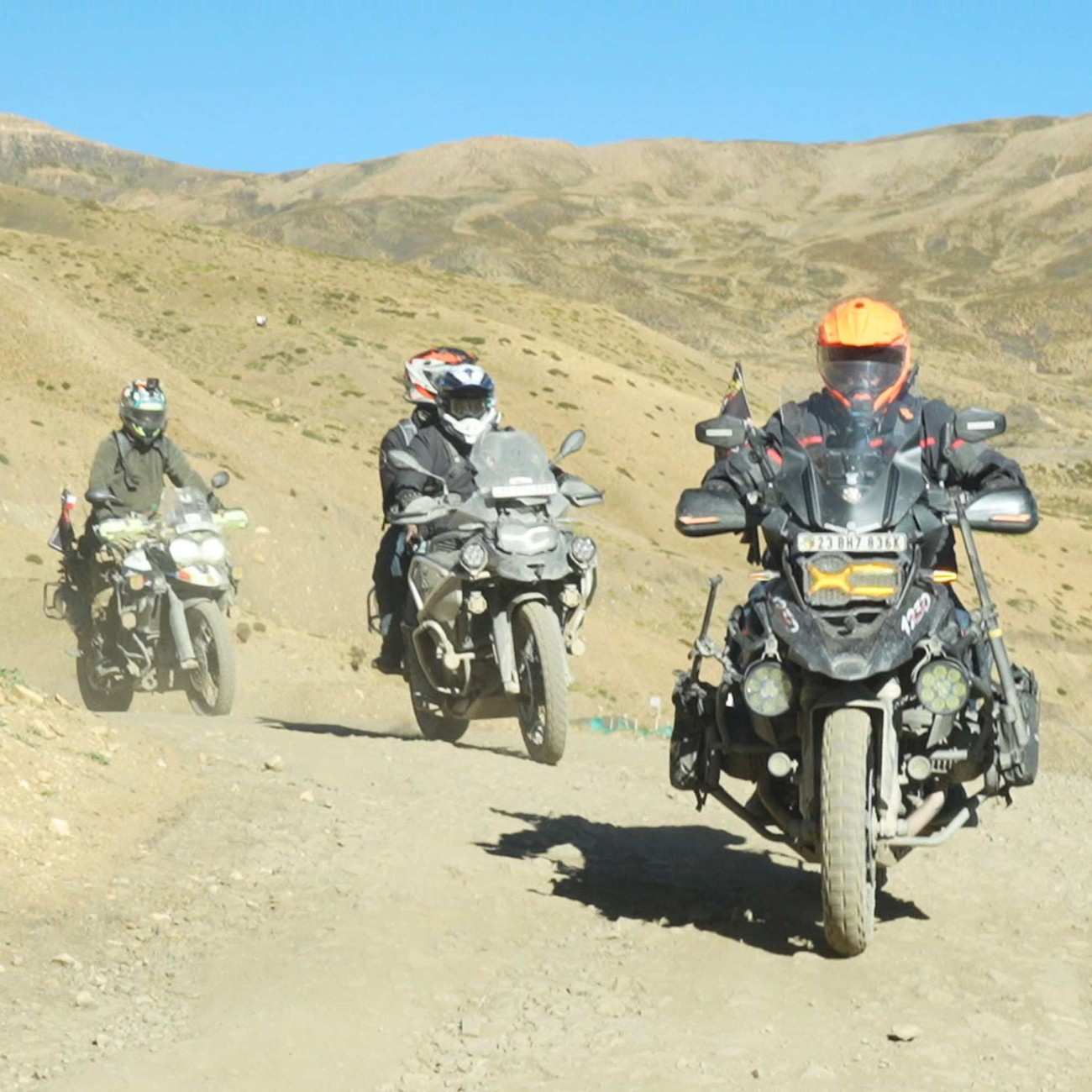
Popular among motorcycle travellers, especially those on Royal Enfields. The route is doable on a bike, but the gravel, water crossings, and altitude make it physically demanding. Only attempt this if you are comfortable riding on broken mountain roads for extended hours.
From our experience, the single most common mistake people make is underestimating what the road demands. It is not about speed. It is about the vehicle being able to handle the terrain.
Altitude, Acclimatisation, and Safety Advice
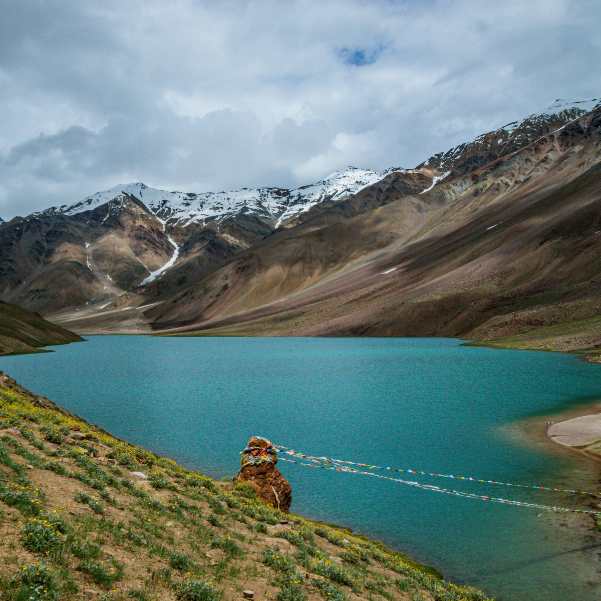
Chandratal sits at over 4,300 metres. That is high enough for altitude sickness to affect anyone, regardless of fitness level.
Common symptoms include headache, nausea, breathlessness, and dizziness. Most people handle it fine if they do not rush the ascent. But here is the thing: if you drive from Manali (which is at about 2,000 metres) to Chandratal in a single day, you are gaining over 2,000 metres of altitude very quickly.
This is why a 3-day trip with a night at Chhatru or Batal helps. It gives your body a few hours to adjust before climbing further.
Some practical safety tips:
- Stay well hydrated throughout the trip. Drink more water than you normally would.
- Avoid alcohol and heavy meals the night before you reach the lake.
- Carry a basic medical kit with medications for headache, nausea, and stomach issues.
- If someone in your group develops severe symptoms like confusion, persistent vomiting, or difficulty breathing, descend immediately. Do not wait.
- There is no medical facility at Chandratal. The nearest help is back towards Manali.
- Mobile network is absent or extremely patchy near the lake. Inform someone about your plan before you go.
Local Operator Tips That Actually Help
After years of running this route, here is what we always tell travellers.
Start early from Manali
The Atal Tunnel can get crowded later in the morning, and you want maximum daylight for the rough sections. A 5:30 to 6:00 AM departure is ideal.
Fill your fuel tank in Manali
There is no reliable fuel station between Manali and Chandratal. Carry extra fuel if possible.
Carry cash
ATMs do not exist on this route. Dhabas and campsites often do not accept UPI or cards.
Pack warm layers even if you are going in July
Evenings and nights at the lake are genuinely cold. Think thermals, fleece, and a windproof jacket.
Do not rely on Google Maps for time estimates
The app does not account for road quality, water crossings, or the general unpredictability of mountain roads.
Check the road and weather update on the morning of your departure
Conditions in this region change overnight. A landslide at one spot can block the route for hours.
What to Pack for a Chandratal Trip from Manali
Keep your packing light but smart.
- Warm layers: thermals, a fleece, a windproof and waterproof jacket
- Sturdy shoes with grip (not sandals)
- Sunscreen with high SPF and sunglasses (UV is strong at this altitude)
- A good headlamp or torch
- Basic medicines: paracetamol, ORS, anti-nausea, band-aids
- Water bottle and some dry snacks
- Power bank (no charging at campsites)
- Plastic bags for waste (carry everything back)
- Cash in small denominations
- A sleeping bag if your campsite does not provide one (confirm beforehand)
Do not overpack. Space in vehicles is limited, and you will need to carry things on your walk to the lake.
Common Mistakes Travellers Make on a Chandratal Trip
Treating it like a day trip
Chandratal is not a drive-there-take-a-photo-and-come-back kind of place. The distance and altitude demand respect.
Not starting early enough from Manali
Leaving at 9 or 10 AM means you reach the rough sections as daylight starts fading. That is a bad situation.
Ignoring altitude sickness
Many young, fit travellers assume they are immune. They are not. Altitude affects everyone differently.
Taking an unsuitable vehicle
A sedan on the Batal to Chandratal road is a recipe for damage and stress.
Not carrying enough cash or fuel
There is nothing out there. Plan for self-sufficiency.
Skipping weather checks
A beautiful forecast in Manali means nothing for conditions near Batal or Kunzum Pass.
Littering
This should not need saying, but it does. Chandratal's environment is fragile. Carry your waste back.
Plan Your Chandratal Trip the Right Way
A Chandratal trip from Manali is one of the most rewarding short trips you can do in the Indian Himalayas. The lake is extraordinary, the landscape feels otherworldly, and the journey itself is an experience worth having.
But it needs proper planning. The right vehicle, the right season, enough days, and realistic expectations about the road and altitude.
If you want help putting this together, or if you are looking at combining Chandratal with a Spiti Valley trip, the team at Travel Coffee can help you plan a trip that fits your pace, your budget, and your comfort level.
We know this route well. We drive it every season. And we would rather help you plan it right than see you struggle with something avoidable.
>> Get in Touch for your Travel Package , and we will help you sort out the details.
>> Find the Right Chandratal Package for Your Travel Dates
Related topics
Frequently Asked Questions
Can I visit Chandratal from Manali in 2 days?
Yes, but it is tight. You will spend most of both days driving, with limited time at the lake. A 3-day itinerary is much more enjoyable and gives you buffer for unexpected delays.
What is the distance from Manali to Chandratal?
The Manali to Chandratal distance is approximately 130 to 140 kilometres one way, depending on the exact route and diversion point.
How many hours does it take from Manali to Chandratal?
Expect 7 to 9 hours of actual driving time, plus stops. The Manali to Chandratal travel time is longer than you would expect because of poor road conditions beyond Koksar.
What is the best month to visit Chandratal from Manali?
September is often the best month for most travellers. The roads are at their most stable, the weather is clear, and the crowds thin out after August. Late June and July are also good if you do not mind rougher roads.
Is Chandratal safe for families?
Chandratal can be visited by families, but it is important to understand the altitude, road conditions, and lack of medical facilities. Families with small children or elderly members should plan a slower itinerary with an extra day of acclimatisation.
Can I go to Chandratal in a sedan or Innova?
A sedan is not suitable for the Batal to Chandratal stretch. An Innova may manage with an experienced driver, but it is not ideal. A high-clearance SUV is strongly recommended.
Do I need a permit for Chandratal from Manali?
Permit requirements can change by season. Some years require environmental or entry permits for the Chandratal area. It is best to confirm the latest rules through a local operator before your trip.
Can I camp at Chandratal Lake?
Yes, Chandratal camping is a major part of the experience. However, you must camp at designated sites, not right next to the shore. Organised campsites operate during the season with basic facilities.
Is there mobile network near Chandratal?
No. Mobile network is practically non-existent near the lake. You may get intermittent signal near Batal or on certain networks, but do not count on it. Inform family or friends about your plans before you lose signal.
Can I reach Chandratal without my own vehicle?
Yes. You can hire a private SUV with driver from Manali, join a group tour, or book a Chandratal trip package that handles transport, camping, and meals.
More about Chandratal
 Chandratal
Chandratal by Bike Safety in 2026: Road Difficulty, Timing & Pillion Tips
Planning to ride to Chandratal by bike in 2026? This complete guide covers road difficulty, riding conditions, the best time to visit, safety precautions, water crossings, and pillion tips to help you enjoy one of Himachal Pradesh's most iconic high-altitude rides with confidence.
- Bike Trips
- Altitude & Health
- +1
 Chandratal
Where to Stay If Chandratal Camps Are Not Available in 2026
If Chandratal camps are not available in 2026, stay at nearby alternatives like Batal, Losar, or Kaza. Since camping is not allowed at the lake itself and designated camps operate a few kilometers away, these villages are the safest backup options for travelers planning a Spiti Valley trip.
- Itinerary
- Best Time to Visit
 Chandratal
Is Chandratal Crowded in June 2026? Honest Crowd, Road and Camp Guide
Planning Chandratal in June 2026? Here’s an honest guide to crowds, road opening chances, campsite availability, lake access, and the best time to visit without chaos.
- Best Time to Visit