
Festivals in Dharamshala in 2026: Best Cultural Events, Dates, and Travel Tips
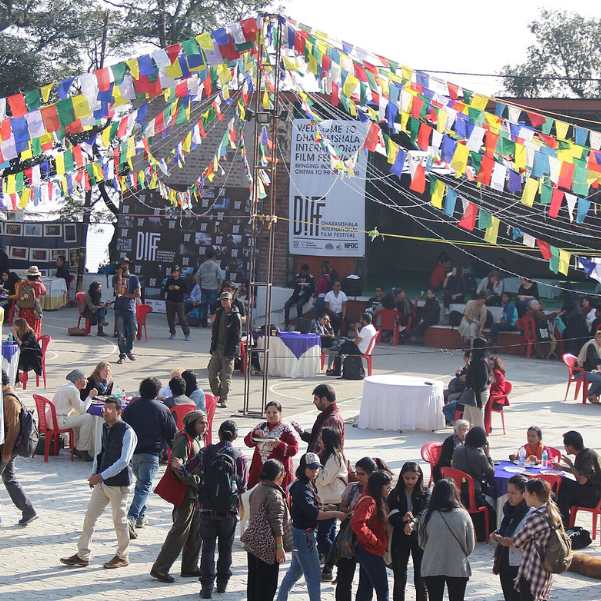
Dharamshala feels very different during festival time, when the town becomes more colourful, cultural, and full of energy.
Festivals in Dharamshala are not just events on a calendar, they shape the mood of the town and the kind of experience you have.
In this guide, Travel Coffee breaks down the most important festivals in Dharamshala so you can plan your trip at the right time.
Quick Answer
The biggest festivals in Dharamshala that actually matter for trip planning are Losar (Tibetan New Year), the International Himalayan Festival, the TIPA or Tibetan Shoton Festival, and the Dharamshala International Film Festival (DIFF). These four are the ones worth building a trip around.
Losar 2026 starts on 18 February 2026, with celebrations in McLeod Ganj running from 18 to 20 February. The other major festival dates for 2026 are not officially announced yet, but we know the general windows from past years.
Dharamshala's festival calendar is unlike any other hill station in India. You get Tibetan Buddhist celebrations, Himachali local fairs, and national Indian festivals all layered on top of each other in one small town. That mix is what makes this place special.
If you are planning a trip around a specific festival, lock your hotels early. Dharamshala is a small town and good rooms disappear fast during festival weeks.
Why Dharamshala Has Such a Unique Festival Culture
Most Indian hill stations celebrate Diwali, Holi, and maybe a local mela. Dharamshala does all of that plus an entire parallel calendar of Tibetan Buddhist festivals that you will not find anywhere else in India except maybe Bylakuppe in Karnataka.
The reason is simple. McLeod Ganj is the seat of the Tibetan government-in-exile and home to the Dalai Lama. Thousands of Tibetans live here.
Their monasteries, cultural institutions, and community centres run a full year of observances, performances, and celebrations.
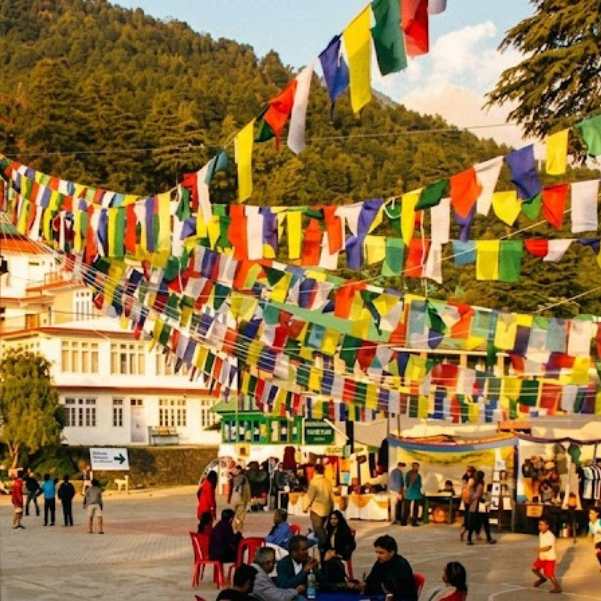
Walk through McLeod Ganj during Losar and you will see prayer flags freshly strung across every lane, monks in ceremonial dress, and the smell of Tibetan butter tea drifting out of every home.
Walk through lower Dharamshala during a Himachali fair and you will hear folk music, see local wrestlers competing, and eat rajma chawal from a roadside stall.
This dual identity is what makes festivals in Dharamshala feel genuinely different. You are not watching a cultural show put on for tourists. You are walking through a town where two living cultures celebrate side by side.
If you want a full breakdown of what to see and do beyond the festivals, our guide to the best places to visit in Dharamshala and McLeodganj covers everything area by area.
Which Are the Most Famous Festivals in Dharamshala?
Losar Festival
Losar is the Tibetan New Year and the single most important festival in Dharamshala's Tibetan community. Losar 2026 falls on 18 February 2026, and celebrations in McLeod Ganj run from 18 to 20 February 2026.
Here is what most tourists get wrong about Losar. They expect a big public carnival with stages and performances. Losar is actually a family and community celebration.
Tibetans visit monasteries, pray, exchange gifts, and eat together at home. The energy in McLeod Ganj is warm and festive, but it is not a street fair.
Some shops and restaurants in McLeod Ganj may close for a few days because many Tibetan business owners celebrate with family and temple visits.
If you are planning to eat out during Losar, check ahead. Your usual momos spot might be shut.
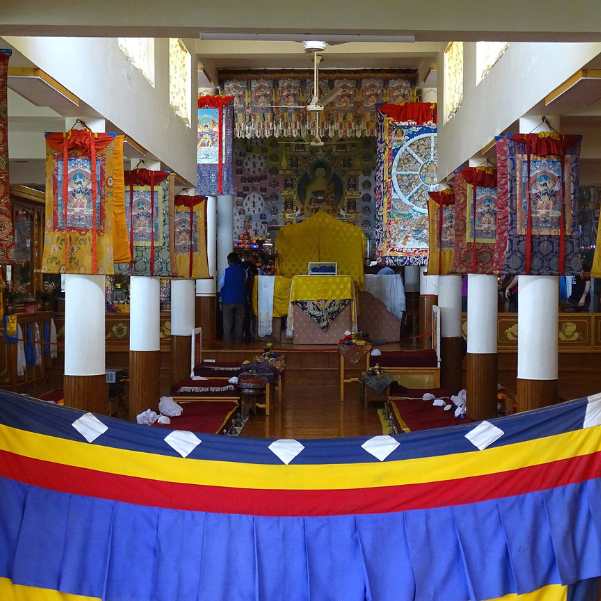
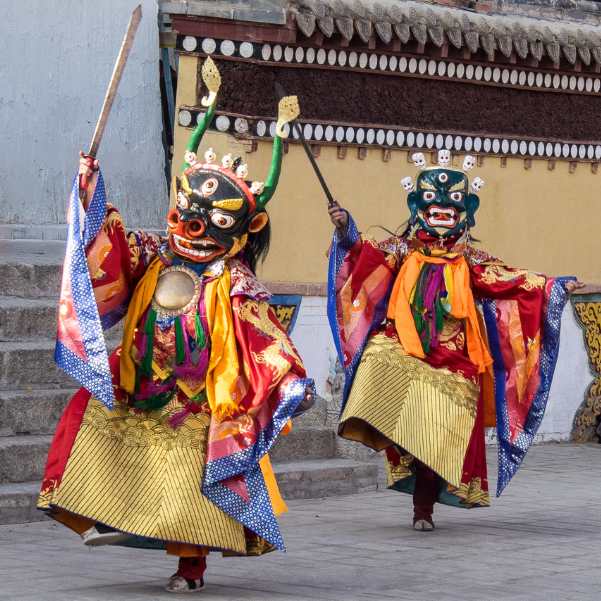
What you will see as a visitor is prayer ceremonies at Tsuglagkhang (the main temple), monks performing rituals, colourful decorations across the town, and a general atmosphere of quiet celebration.
If you are lucky, you might catch traditional Tibetan dance and music at community gatherings.
The 15 Days of Miracles after Losar continue until 3 March 2026. During this period, the spiritual atmosphere in McLeod Ganj stays elevated. Monasteries hold special prayers and the town feels more contemplative than usual.
In our experience, Losar is best for travellers who want something real, not performed. You will not get a Bollywood-style festival. You will get a genuine glimpse of how a displaced community keeps its culture alive thousands of kilometres from home.
International Himalayan Festival
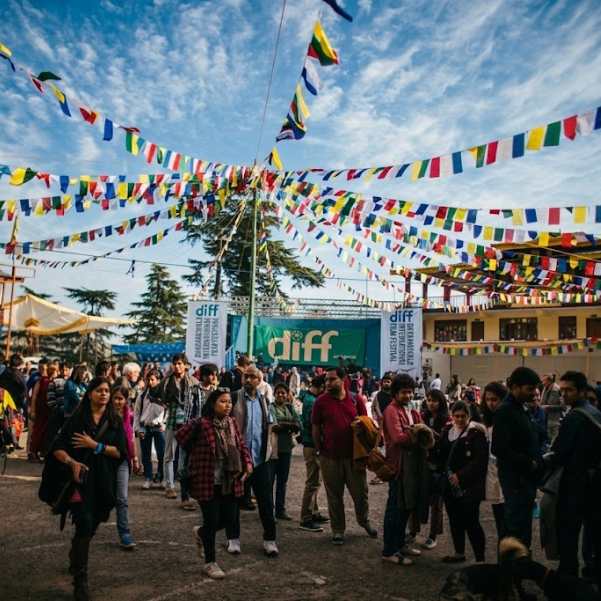
This is a 3-day cultural celebration held every December in McLeod Ganj, linked to the Dalai Lama's Nobel Peace Prize commemoration.
The exact 2026 dates and final duration are not clearly announced yet, but it typically falls in the first or second week of December.
The festival brings together Tibetan and Indian performers, food stalls, handicraft exhibitions, and cultural programmes. You will see traditional Tibetan opera, Himachali folk dances, and sometimes contemporary music acts sharing the same stage.
What makes this festival work for tourists is that it is designed to be public and accessible. Unlike Losar, which is community-focused, the International Himalayan Festival actively invites participation.
You can walk around, eat, watch performances, and browse stalls without feeling like you are intruding.
December in Dharamshala is cold. Really cold. Nights drop to 2 to 5°C, and the festival venues are mostly outdoors. Carry a proper jacket, not a hoodie.
Our team always tells December visitors to combine this festival with a day trip to Dharamkot or Naddi for mountain views. The winter light on the Dhauladhar range in December is some of the cleanest you will see all year.
TIPA or Tibetan Shoton Festival
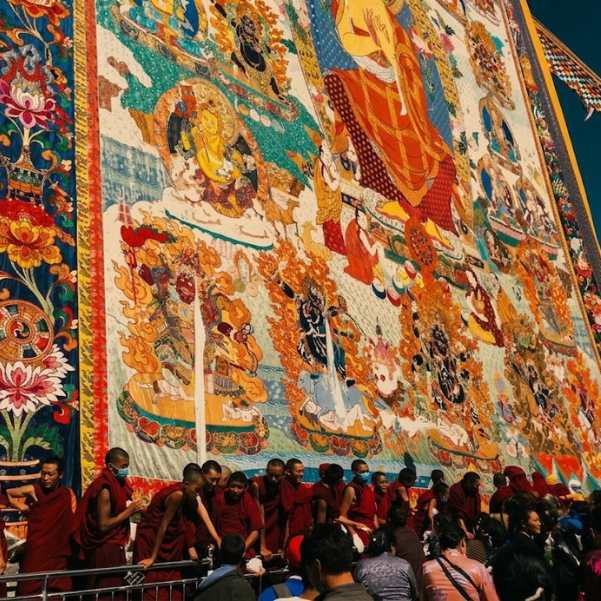
TIPA stands for the Tibetan Institute of Performing Arts, and the Shoton Festival is their big annual event. The most recent confirmed edition, the 28th Annual Tibetan Shoton Festival, ran from 7 to 19 May 2025.
This is the festival for anyone interested in Tibetan performing arts. Think traditional Tibetan opera (called Lhamo), dance performances, and theatre. TIPA is located in McLeod Ganj and the performances happen on their campus.
The Shoton Festival originally started as a yoghurt festival in Tibet. The version in Dharamshala has evolved into a full-scale arts event, but the cultural roots are deep.
Performances are in Tibetan with enough visual storytelling that non-Tibetan speakers can follow and enjoy.
If you visit during Shoton, block at least two evenings for performances. The opera pieces can run long, but they are unlike anything you will see elsewhere in India. We have sent travellers here who came for a quick look and stayed for the entire run.
One honest note. TIPA performances are not slickly produced Bollywood-level shows. They are community cultural events with basic staging. If you go expecting that and appreciate it for what it is, you will love it.
Dharamshala International Film Festival
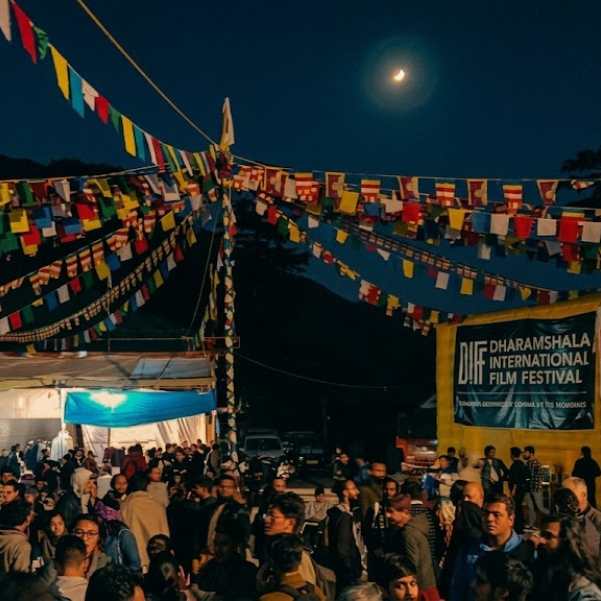
DIFF is one of India's most respected independent film festivals and it happens right here in Dharamshala.
The official site lists the 14th edition from 30 October to 2 November 2025 at the Tibetan Children's Village in Upper Dharamshala. The 2026 dates are not clearly announced yet, but it typically falls in late October or early November.
DIFF screens independent and international films, hosts panel discussions, and brings filmmakers and cinema lovers to a tiny hill town for four days.
The contrast of watching world cinema in a monastery town at 6,000 feet is part of the appeal.
Skip the popular screenings if you hate crowds. The smaller discussion sessions and short film blocks are where the real conversations happen and where you actually get to talk to filmmakers.
Our travellers who have attended DIFF always say the same thing: go for the discussions, not just the screenings.
Tickets and passes go on sale before the festival. Check the official DIFF website early because popular screenings sell out.
>> WhatsApp us for a Dharamshala plan with local recommendations
Month-Wise Festival Calendar in Dharamshala
January
January is quiet on the festival front. The town is cold, tourist numbers are low, and no major cultural event typically falls in this month.
But this is actually a good time for budget travellers. Hotel rates drop, cafes are empty, and you get McLeod Ganj almost to yourself.
If you happen to visit in late January, you might catch the buildup to Losar preparations. Tibetan households begin cleaning, shopping, and cooking for the New Year weeks in advance.
February to March
This is Losar season. Losar 2026 starts on 18 February, with McLeod Ganj celebrations running until 20 February. The 15 Days of Miracles continue until 3 March 2026.
Holi and Shivratri also fall in this window depending on the year. Shivratri is significant in the Kangra Valley. The Bhagsunath Temple near McLeod Ganj sees large gatherings during Shivratri.
Weather in February is cold but clear. March starts warming up and the town begins to feel alive again after winter.
April to May
Spring brings two things to Dharamshala: cherry blossoms and the Shoton Festival window. The TIPA Shoton Festival has historically fallen in April or May.
Buddha Purnima typically falls in May and is observed across all monasteries in McLeod Ganj. You will see prayer ceremonies, processions, and a genuinely spiritual atmosphere.
Saka Dawa, the most sacred month in the Tibetan Buddhist calendar, often begins in May. During Saka Dawa, many Tibetans do kora (circumambulation) around the Tsuglagkhang complex. The energy in McLeod Ganj during this month is noticeably different.
This is also when the weather is at its most comfortable. Days are warm, nights are cool, and the rhododendrons are blooming on the trails above Dharamkot.
August to September
This is monsoon season, so expect rain. But two things happen in this window worth knowing about.
The Dal Fair is sometimes held in August or September on the banks of Dal Lake, which is about 11 km from main Dharamshala town and about 2 to 3 km from McLeod Ganj bazaar. The lake sits at about 1,775 metres above sea level, and entry is free.
One honest warning. As of early 2026, Dal Lake may have low water levels or dry conditions. Do not picture a Kashmir-style lake. It is a small, seasonal water body surrounded by deodar trees.
The fair itself, when it happens, is a local Himachali affair with food stalls, games, and folk performances. Dates are not fixed and depend on local administration announcements.
Drukpa Teshi, a Buddhist observance marking the Buddha's first teaching, also falls around July or August. Monasteries hold special prayers.
The Kangra Valley Summer Festival sometimes features folk performances and cultural events in the broader Kangra district.
October to November
This is DIFF season. The Dharamshala International Film Festival typically happens in late October or early November. The weather in October is excellent. Clear skies, comfortable days, cold but manageable nights.
Dussehra is celebrated in the Kangra Valley with its own local flavour. The Kangra Dussehra is smaller and less famous than the Kullu one, but it has its own processions and temple celebrations.
Diwali follows, and McLeod Ganj lights up. The Tibetan community does not traditionally celebrate Diwali, but the Indian residents and shopkeepers do, creating an interesting mixed atmosphere.
December
December belongs to the International Himalayan Festival. The exact 2026 dates are, but it is consistently held in early to mid-December.
The Dalai Lama's birthday is on 6 July, not December, but the Nobel Prize commemoration that anchors the International Himalayan Festival is in December. Some sources mix these up.
December is cold. Pack thermals. But the festival energy, combined with Christmas celebrations in the churches around Dharamshala and McLeod Ganj, makes this a surprisingly vibrant month.
What Is the Best Festival in Dharamshala for First-Time Visitors?
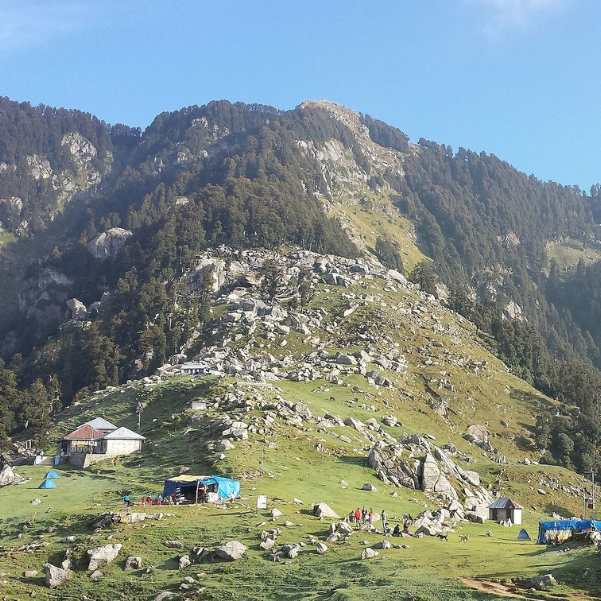
It depends on what you care about.
If you want a spiritual experience, visit during Losar in February. You will see Tibetan Buddhist culture at its most authentic. The town is quieter, the celebrations are intimate, and you get a window into something most tourists never see.
If you want cultural performances and colour, the International Himalayan Festival in December is the most accessible option.
It is designed for public attendance, the performances are varied, and the December weather, while cold, gives you clear mountain views.
If you love independent cinema and arts conversations, DIFF in October or November is hard to beat. The setting alone, watching films in a Tibetan school in the Himalayas, is worth the trip.
If you are interested in traditional performing arts, the TIPA Shoton Festival in April or May is the most culturally rich option. But be aware that it is a niche. You need genuine interest in Tibetan opera and theatre to appreciate it fully.
For most first-time visitors, we recommend the International Himalayan Festival in December. It has the widest appeal, the easiest access, and it pairs well with a general Dharamshala sightseeing trip.
Can Tourists Attend Festivals in Dharamshala Respectfully?
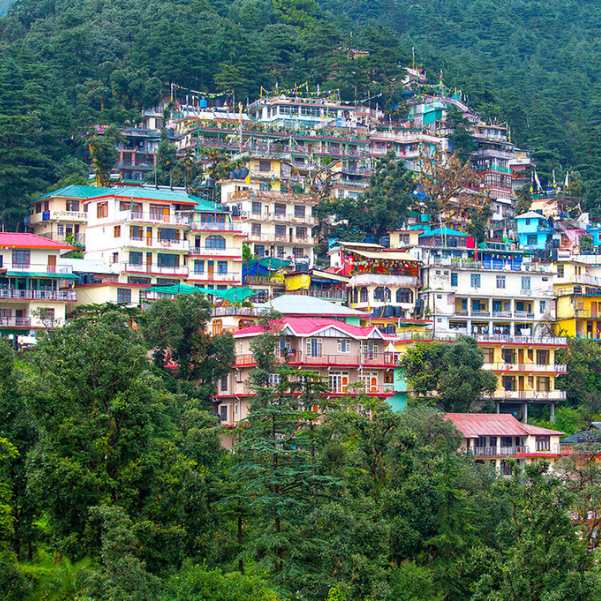
Yes, absolutely. Dharamshala is one of the most welcoming places in India for travellers during festivals. But a few things matter.
Dress modestly when visiting monasteries during festivals. Cover your shoulders and knees. This is not a beach town rule for show. Monks and devotees notice, and dressing respectfully shows you take their space seriously.
Ask before photographing people during religious ceremonies. Most Tibetans are friendly and will say yes, but asking first is basic respect. Never photograph monks during active prayer without permission.
Remove your shoes before entering any monastery or temple. This sounds obvious but we have seen tourists walk right in with shoes on during festival crowds. Do not be that person.
If you attend a prayer ceremony, sit quietly at the back. You are welcome to observe, but do not talk, take phone calls, or move around during prayers. Treat it the way you would treat being in any place of worship during a service.
One money-saving tip that most guides miss: during Losar, some monasteries distribute free butter tea and food to visitors as part of the celebrations. Accept it graciously if offered. It is a gesture of goodwill, not a transaction.
Festival Planning Tips for Dharamshala in 2026
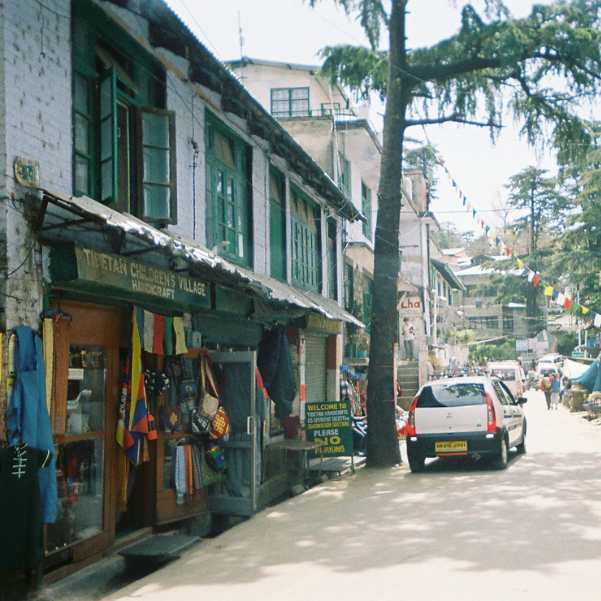
Book hotels at least 3 to 4 weeks early during Losar, DIFF, and the International Himalayan Festival. McLeod Ganj has limited good rooms and prices spike during festival weeks.
During DIFF especially, the better guesthouses fill up with filmmakers and festival delegates well before general tourists start booking.
Local transport gets busier during festivals. The road from Lower Dharamshala to McLeod Ganj is narrow, and during peak festival days, traffic jams are real.
If you are staying in Lower Dharamshala, leave extra time or walk up if you are fit enough. The walk takes about 45 minutes uphill.
Weather varies wildly depending on which festival you are targeting. Losar in February means cold, clear days and freezing nights. Shoton in April or May means pleasant weather.
DIFF in October is cool and comfortable. The International Himalayan Festival in December is properly cold. Pack for the specific month, not just for "Dharamshala."
Here is something important. Many festival dates in Dharamshala follow the Tibetan lunar calendar. This means exact dates shift every year and are often announced only a few weeks or months before.
If you are planning around a specific festival, keep your travel dates slightly flexible or check with a local operator close to the time.
If you want us to handle the logistics so you can focus on the experience, our Dharamshala tour packages are built by people who live in Himachal and know the festival calendar firsthand.
Where Should You Stay in Dharamshala During Festival Season?
McLeod Ganj
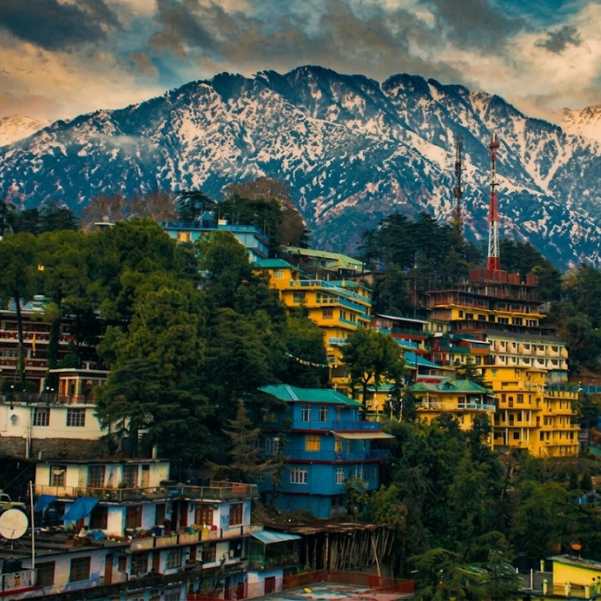
McLeod Ganj is the obvious choice. You are walking distance from monasteries, TIPA, the main temple, cafes, and most festival venues.
The downside is that rooms are smaller, noisier, and pricier during festivals. If you book early, you get decent options. If you book late, you get whatever is left.
Lower Dharamshala
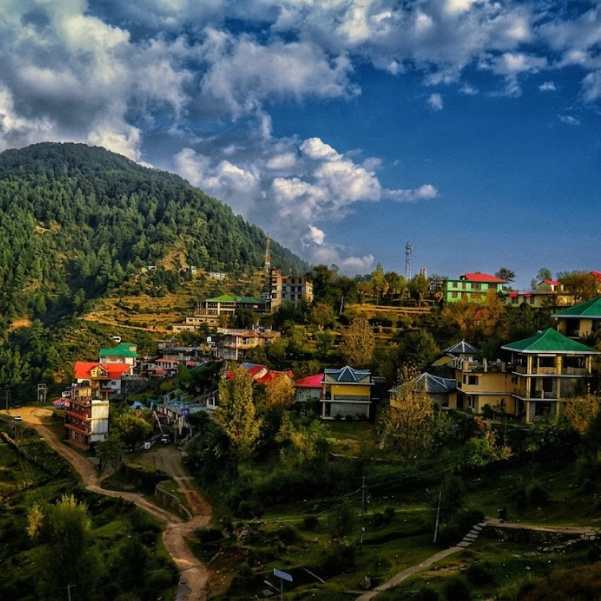
Lower Dharamshala is cheaper and quieter but you will need to commute up to McLeod Ganj for every festival event. The auto ride costs about ₹200 to ₹300 and takes 20 to 30 minutes depending on traffic.
Dharamkot
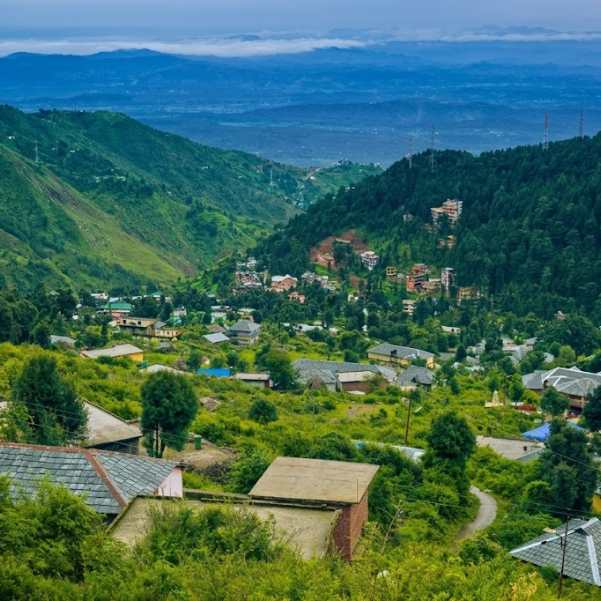
Dharamkot is above McLeod Ganj and perfect if you want peace after a day of festival crowds. The walk down to McLeod Ganj takes about 20 minutes.
Stays here tend to be homestays and small guesthouses with better views and less noise.
Naddi
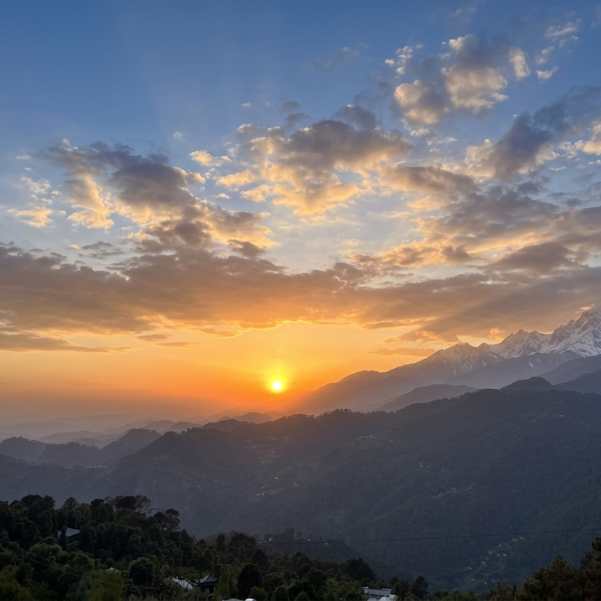
Naddi is the quietest option. It sits on a ridge above McLeod Ganj with direct views of the Dhauladhar range. But it is a bit isolated for festival hopping. You will need an auto or taxi every time you want to go down.
Our recommendation for festival trips is McLeod Ganj if you can book early, Dharamkot if you want a quieter base with easy access.
Sample 2-Day Festival Trip Plan for Dharamshala
Day 1
Reach Dharamshala by morning. If you are coming from Delhi, the overnight Volvo bus drops you in Lower Dharamshala by 6 to 7 AM.
Take a shared auto up to McLeod Ganj. Check into your hotel, freshen up, and head to the Tsuglagkhang complex by 9 AM.
Spend the morning at the main temple and the Tibet Museum. If a festival is underway, you will likely see prayer ceremonies or cultural programmes here.
Lunch at Lung Ta or Carpe Diem in McLeod Ganj. Both serve good food and are within walking distance of the main square.
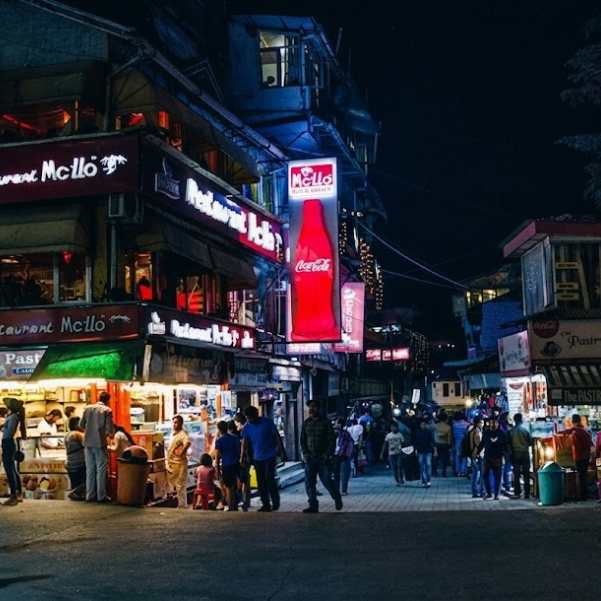
Afternoon: walk through the Jogiwara Road market and the lanes around the temple. During festivals, you will find stalls selling Tibetan crafts, prayer beads, and handmade jewellery. The best time to browse is between 2 and 4 PM when the post-lunch crowd is thin.
Evening: if there are cultural performances (common during Himalayan Festival or Shoton), attend one. Otherwise, grab dinner at a rooftop cafe. Nick's Italian Kitchen does solid pizzas, and the view of the valley at sunset is worth the slightly higher prices.
Day 2
Start early. Walk up to Dharamkot by 7 AM for sunrise views. The trail from McLeod Ganj takes about 25 minutes and the morning light on the mountains is completely different from what you see at midday.
Come back down for breakfast. Visit TIPA if performances are scheduled. Even outside festival dates, TIPA sometimes has smaller events or rehearsals that visitors can watch.
If you have time, take a short walk to Dal Lake. It is about 2 to 3 km from McLeod Ganj bazaar. Entry is free. But manage your expectations. The lake may have low water levels or dry conditions as of 2026. The walk itself through the deodar forest is the real reward.
Afternoon: head back to McLeod Ganj for a final round of the festival area, pick up any souvenirs, and pack up. The evening Volvo buses to Delhi leave from Lower Dharamshala between 5 and 7 PM.
Two days is tight but works for a focused festival trip. If you can stretch it to three days, add a visit to Bhagsunath waterfall and the cafes in Bhagsu.
Talk to our team on WhatsApp to plan a smooth and well-paced Dharamshala trip.
>> WhatsApp us to plan a smooth and well-paced Dharamshala trip
Festivals Near Dharamshala That You Can Combine with Your Trip
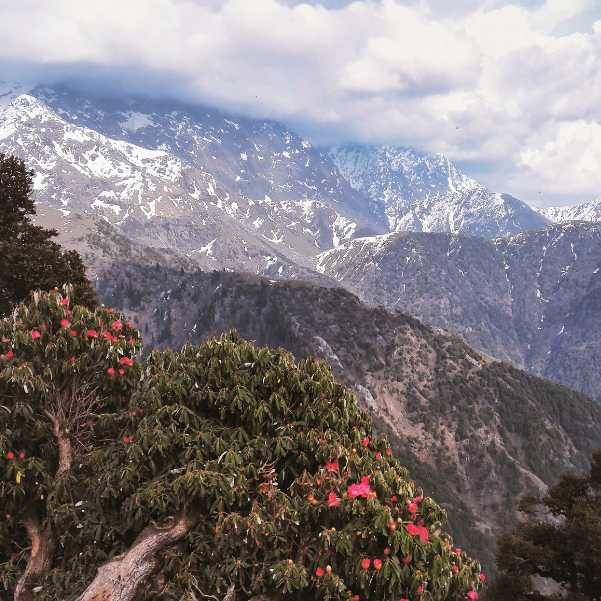
If your trip is longer than 2 to 3 days, you can combine Dharamshala festivals with nearby destinations that have their own cultural scenes.
Kangra is 18 km from Dharamshala and has its own temples and local fairs. The Kangra Dussehra celebrations are worth a half-day trip if your dates overlap.
Palampur, about 35 km away, hosts the Sauji Fair and other local Himachali events. The drive through tea gardens is pleasant and the town is far less crowded than McLeod Ganj.
If you are extending your Himachal trip beyond Dharamshala, consider adding Shimla, Manali, or the Jibhi and Tirthan Valley for a mix of culture and nature. Our popular tours page has itineraries that combine multiple Himachal destinations.
You can also explore our Manali packages or Jibhi and Tirthan Valley packages if you want a longer trip.
Explore Our Curated Dharamshala Tours
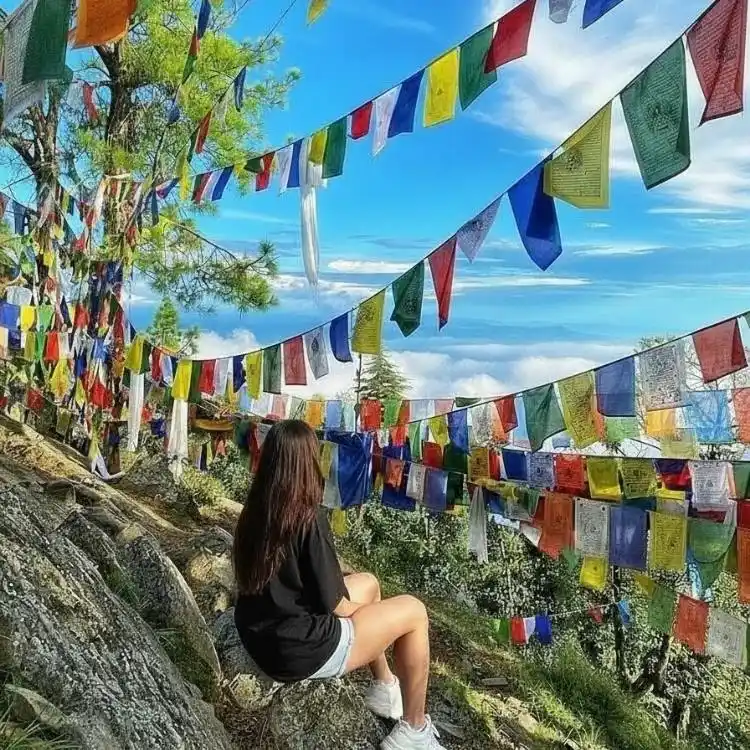 3D/2N
3D/2NDharamshala & McLeodganj Weekend Tour
1D Delhi•2D Dharamshala / McLeodganj
₹8,799₹17,880SAVE INR 9,081/ person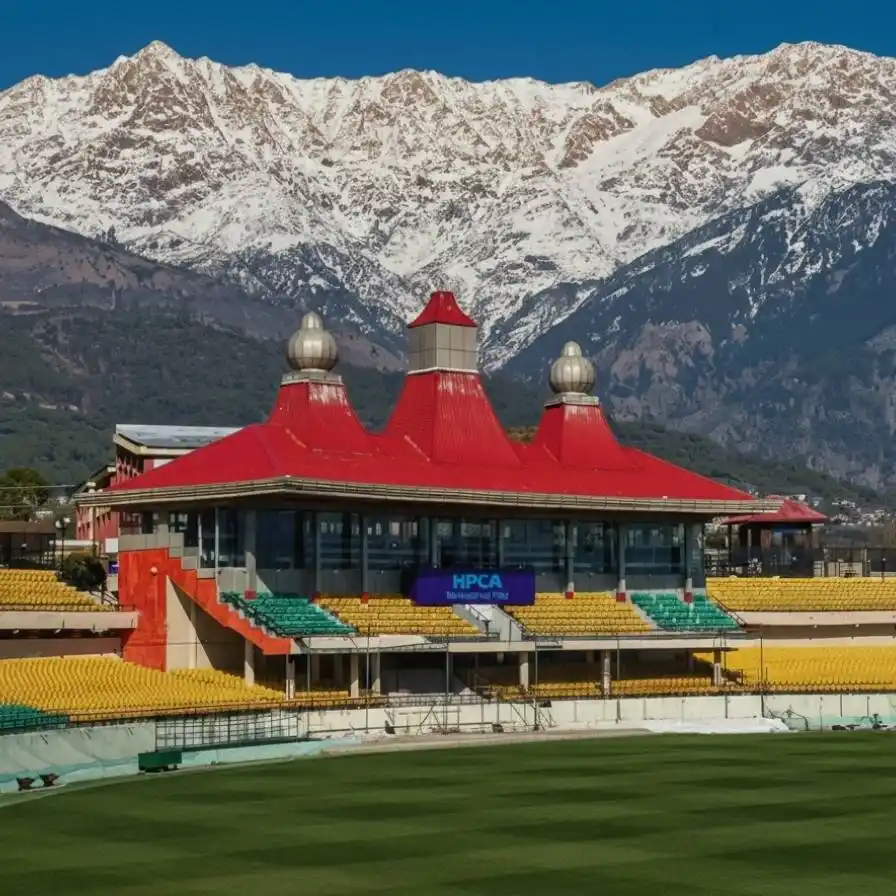 6D/5N
6D/5NDharamshala Dalhousie Khajjiar Himalayan Retreat
1D Delhi•2D McLeodganj+1
₹25,999₹32,999SAVE INR 7,000/ person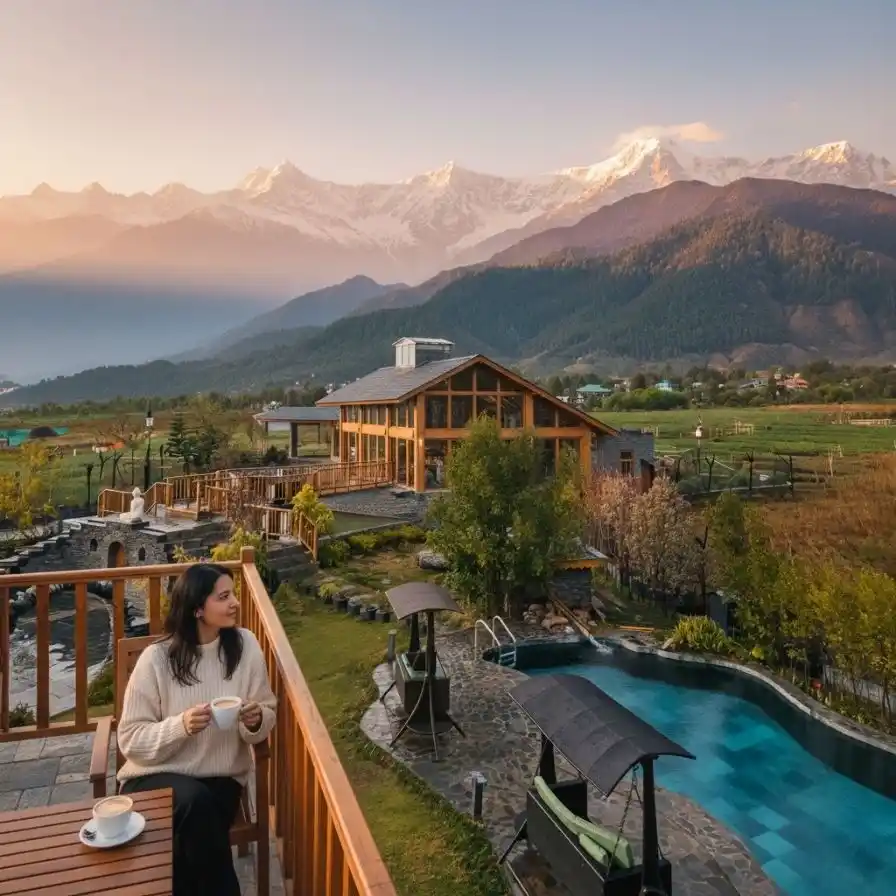 3D/2N
3D/2NDharamshala & McLeodganj Luxury Hideaway
1D Delhi•2D Dharamshala / McLeodganj
₹23,799₹29,999SAVE INR 6,200/ person 7D/6N
7D/6NDharamshala–McLeod Ganj, Dalhousie & Khajjiar With Amritsar
1D Delhi•2D McLeod Ganj / Dharamshala+3
₹23,999₹28,999SAVE INR 5,000/ person
Related topics
Frequently Asked Questions
What are the main festivals in Dharamshala?
The four biggest ones for travellers are Losar (Tibetan New Year), the International Himalayan Festival in December, the TIPA Shoton Festival in spring, and the Dharamshala International Film Festival in autumn. Beyond these, you have Buddha Purnima, Saka Dawa, local Himachali fairs, and national celebrations like Holi, Dussehra, and Diwali.
When is Losar in Dharamshala in 2026?
Losar 2026 starts on 18 February 2026. Celebrations in McLeod Ganj run from 18 to 20 February. The 15 Days of Miracles after Losar continue until 3 March 2026.
Which festival is best for tourists in McLeod Ganj?
The International Himalayan Festival in December is the most tourist-friendly because it is designed for public participation. Losar is more intimate and community-focused. DIFF is ideal for cinema lovers. Choose based on what interests you.
Is DIFF held every year in Dharamshala?
Yes, DIFF has been held annually since 2012. The 14th edition ran from 30 October to 2 November 2025. The 2026 dates are not clearly announced yet, but it typically falls in late October or early November.
What is the International Himalayan Festival?
It is a 3-day cultural festival held in December in McLeod Ganj, linked to the Dalai Lama's Nobel Peace Prize commemoration. It features performances, food stalls, crafts, and Indo-Tibetan cultural programmes.
Is there a fair at Dal Lake Dharamshala?
A Dal Fair is sometimes held in August or September on the banks of Dal Lake. The lake is about 11 km from main Dharamshala and about 2 to 3 km from McLeod Ganj bazaar. Entry is free. But as of early 2026, the lake may have low water levels, so do not expect a full lake experience.
Can non-Buddhists attend monastery festivals?
Yes. Monasteries in McLeod Ganj welcome visitors of all backgrounds during festivals. Dress modestly, remove shoes before entering, and ask before photographing people during prayers. You are a guest, so behave like one.
Which month has the most cultural events in Dharamshala?
December and February to March tend to have the highest concentration. December brings the International Himalayan Festival, and February to March covers Losar and the 15 Days of Miracles. April to May also has the Shoton Festival and Buddha Purnima.
Are shops closed during Losar?
Some shops and restaurants in McLeod Ganj close for a few days during Losar because Tibetan owners celebrate with family and temple visits. Indian-run establishments usually stay open. Plan your meals accordingly.
How many days are enough for a festival trip to Dharamshala?
Two days work for a focused festival visit. Three days give you breathing room to explore the town, visit Dharamkot, and catch multiple festival events. If you want to add nearby attractions like Kangra Fort or Palampur, plan four to five days.
Is December a good time for festivals in Dharamshala?
Yes. The International Himalayan Festival makes December one of the best months for cultural events. The weather is cold, with nights dropping to 2 to 5°C, but the skies are clear and the mountain views are stunning. Pack thermals and a proper jacket.
Are festival dates in Dharamshala fixed every year?
No. Most Tibetan festivals follow the lunar calendar, so dates shift annually. Losar, Buddha Purnima, and Saka Dawa all move from year to year. DIFF and the International Himalayan Festival follow roughly the same window each year but exact dates are announced closer to the event.
More about Dharamshala
 Dharamshala
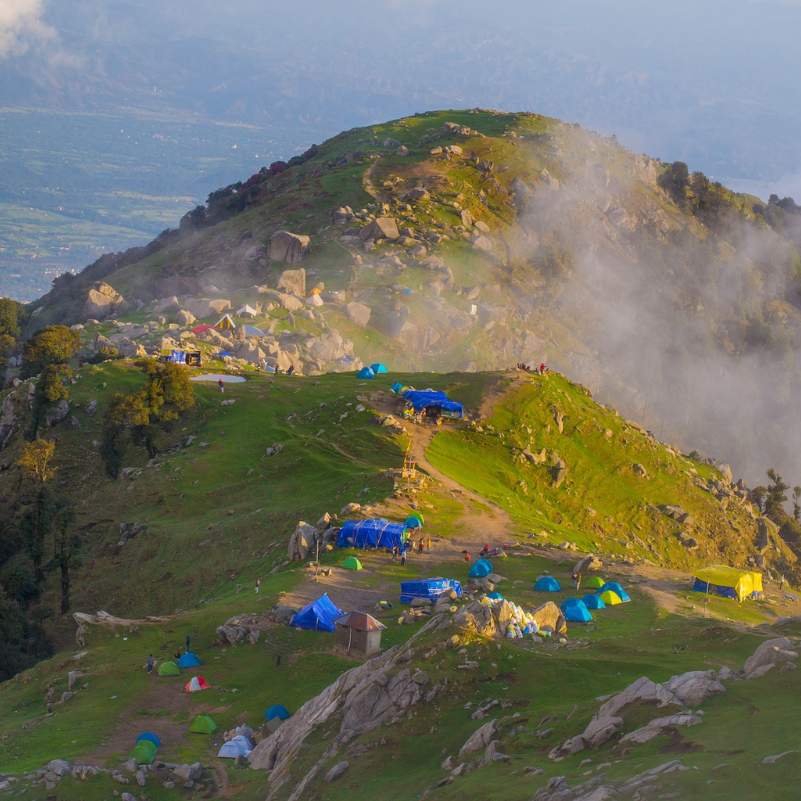
Trekking in Dharamshala: Every Major Trek Ranked (2026 Guide)
Planning to go trekking in Dharamshala in 2026? This complete guide ranks the region's best treks by difficulty, scenery, and experience, while covering ideal seasons, trail highlights, and practical planning tips for every type of trekker.
- Things to Do
 Dharamshala
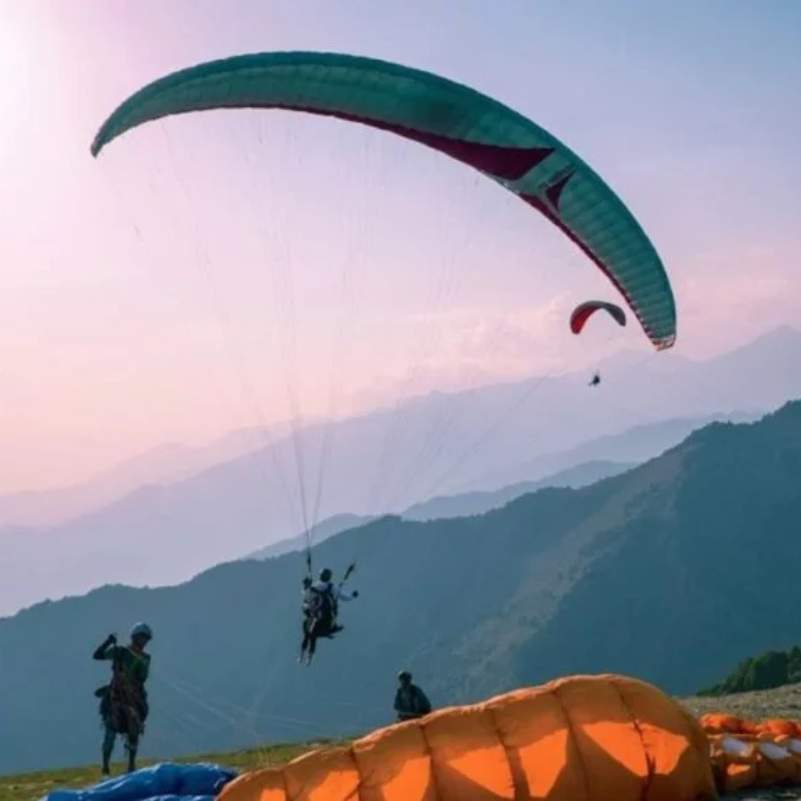
Bir Billing Paragliding 2026: Complete Guide and How to Reach from Dharamshala
Planning to experience Bir Billing paragliding in 2026? This complete guide covers flight options, costs, the best season to fly, safety tips, and how to reach Bir Billing from Dharamshala for one of Himachal Pradesh's most iconic adventure experiences.
- Things to Do
- How to Reach
 Dharamshala
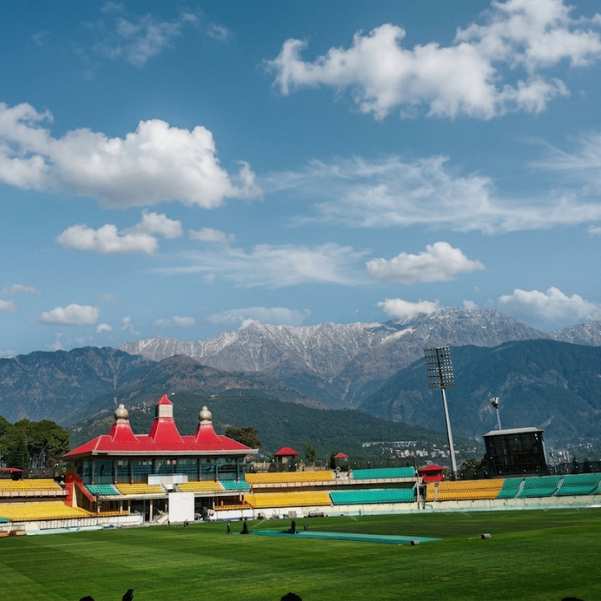
5 Days in Dharamshala and McLeodganj: A Slow Travel Itinerary for 2026
Planning 5 days in Dharamshala and McLeodganj in 2026? This slow travel itinerary combines iconic attractions, hidden local experiences, cafés, nature walks, and cultural stops to help you experience the region at a relaxed pace without rushing from one sight to another.
- Itinerary
- Things to Do