
Dharamshala vs Dalhousie in 2026: Which Hill Station Is Better for Your Trip?
Most travellers picking between Dharamshala and Dalhousie make the mistake of treating them as interchangeable hill stations. They are not. These two places are about 120 km apart, roughly 3 to 4-hour drive, and they feel like completely different holidays.
One is loud, cultural, full of cafés and monasteries and backpackers arguing about the best thukpa. The other is quiet, green, full of pine forests and old churches and families walking at their own pace.
Choosing between Dharamshala vs Dalhousie comes down to what kind of trip you actually want and here is a complete detailed guide by Travel Coffee to help you decide the right one.
Quick Answer
If you want culture, food, cafés, treks, and energy, go to Dharamshala. If you want silence, scenic walks, forest viewpoints, and a slower pace, go to Dalhousie.
Dharamshala suits solo travellers, backpackers, café lovers, and anyone interested in Tibetan culture, monasteries, and the Triund trek.
Dalhousie suits families with kids, older travellers, couples looking for calm, and anyone who just wants to sit with a view and do nothing for two days.
If this is your first time in Himachal and you want the most variety in the shortest time, Dharamshala gives you more to do per day.
Dharamshala vs Dalhousie at a Glance
The biggest difference is energy. Dharamshala, especially the McLeodganj area, feels alive.
There are monks in maroon robes, Tibetan prayer flags across every lane, travellers from everywhere, live music at cafés, and a constant low hum of activity. It is a place where things happen.
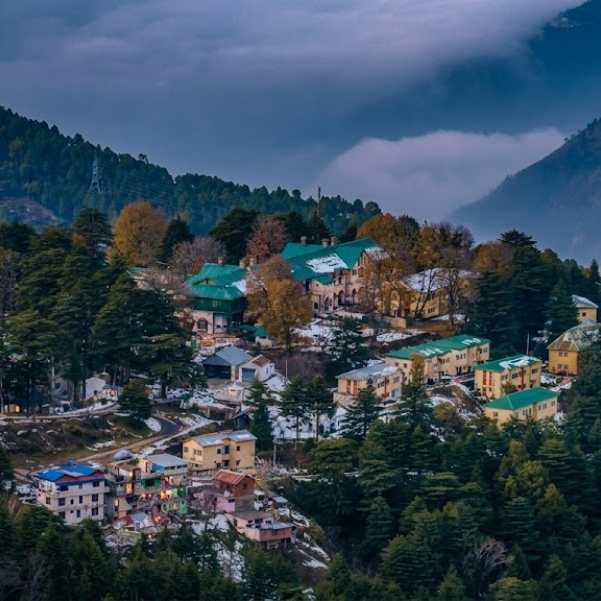
Dalhousie is the opposite. It feels like a hill station from 30 years ago. Colonial buildings, pine-lined roads, families strolling after dinner, and shops that close early. Nothing is rushed. Nothing is loud.
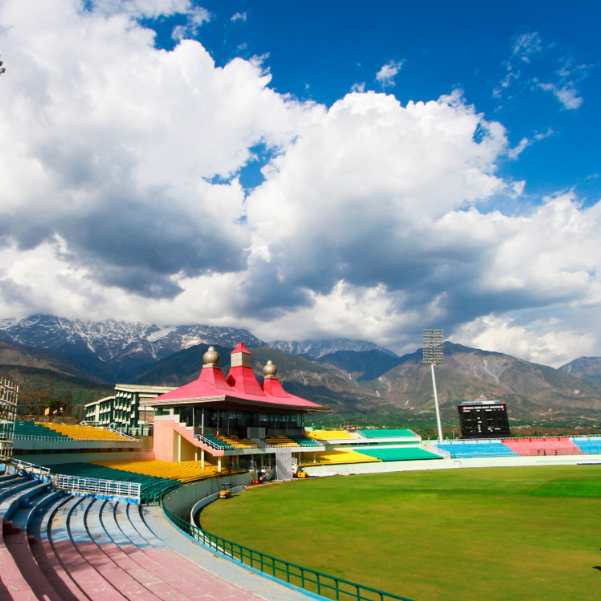
One thing most people get confused about is the difference between Dharamshala and McLeodganj. Dharamshala is the lower town at 1,457 m with the HPCA cricket stadium, government offices, and local markets.
McLeodganj sits higher, about 10 km uphill, and that is where most tourists actually stay and spend their time. When people say "I went to Dharamshala," they usually mean McLeodganj. Our guide to the best places in Dharamshala and McLeodganj breaks this down in detail.
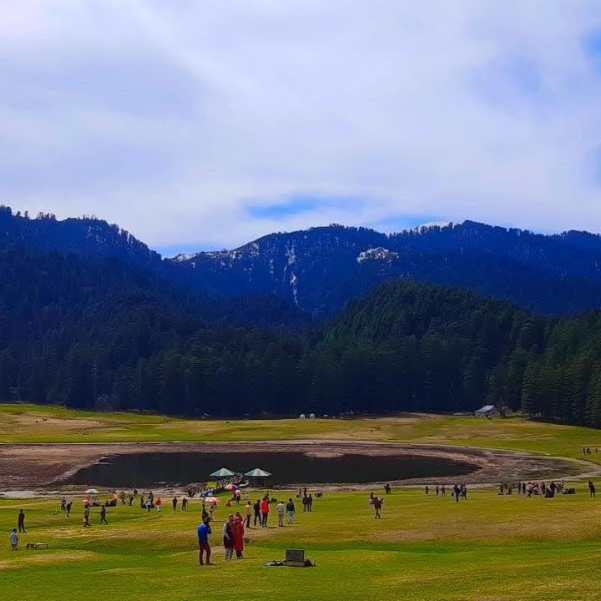
Dalhousie is usually experienced together with Khajjiar (about 24 km away, at around 6,500 feet) and Kalatop Wildlife Sanctuary. The town itself is spread across five hills, and the sightseeing loops out to these nearby spots.
Which Is Better for Different Types of Travellers?
For Families
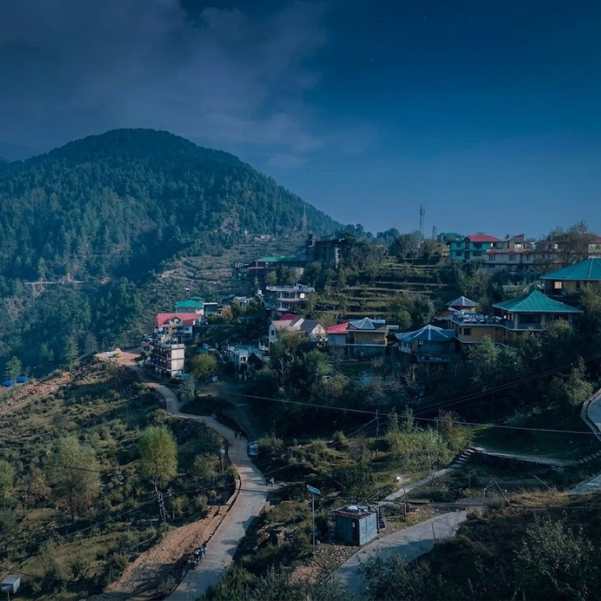
In our experience sending families to both places, Dalhousie wins for a relaxed family trip. The pace is slower. The roads inside town are easier. Kids do not need to climb steep lanes the way they do in McLeodganj.
And Khajjiar gives families a flat, grassy meadow where children can run around while parents sit with chai.
Dharamshala gives families more variety, but it also asks more from them. The steep lanes of McLeodganj, the crowded market area, and the walking required to get anywhere can tire out younger kids and older family members quickly.
If your family wants activity and variety, pick Dharamshala. If your family wants a calm, low-effort break, pick Dalhousie.
For Couples and Honeymooners
Dalhousie feels more romantic. The quiet pine-forest walks, fewer crowds, and peaceful evenings give couples space that McLeodganj does not always offer.
Dharamshala gives couples more to do together. Café hopping, monastery visits, the Bhagsu waterfall walk, sunset viewpoints. It is more lively, and couples who get bored easily tend to enjoy it more.
Our honest take: if you want to talk and be together, Dalhousie. If you want to explore and experience things together, Dharamshala.
For Solo Travellers and Backpackers
Dharamshala wins this easily. McLeodganj and Dharamkot have a proper backpacker scene with hostels, shared dorms, budget cafés, meditation centres, and the Triund trek right there. You will meet other solo travellers within hours.
Dalhousie does not have that infrastructure. It is more of a family destination. Solo travellers can enjoy it, but they often feel like the odd one out.
For Senior Citizens
Dalhousie is easier on the body. The main town areas are relatively flat, and sightseeing can happen from a car. The walking distances are short.
McLeodganj has steep lanes, uneven paths, and a lot of uphill walking. It wears out even fit young travellers. Seniors who are active and comfortable on hills can enjoy it, but for most, Dalhousie is the safer pick.
What Is the Vibe of Dharamshala and Dalhousie Really Like?
Dharamshala Vibe
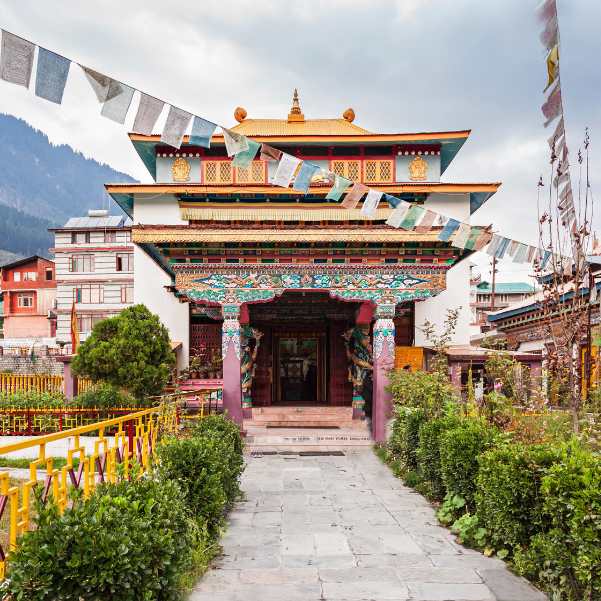
Walk through McLeodganj on any evening and you will pass a Tibetan monastery, a Korean café, a bookshop selling second-hand novels, a yoga studio, and a group of travellers sharing a hookah on a rooftop.
The smell of momos and thukpa follows you everywhere. Prayer wheels spin at the Dalai Lama Temple complex.
The Dharamshala Skyway ropeway connects Dharamshala to McLeodganj and usually operates around daytime hours, often running 10 AM to 6 PM, though timings can vary by season.
The crowd here skews younger. You will see more backpackers, digital nomads, and couples in their 20s than families with toddlers. The energy is social, cultural, and slightly chaotic in the best way.
Dalhousie Vibe
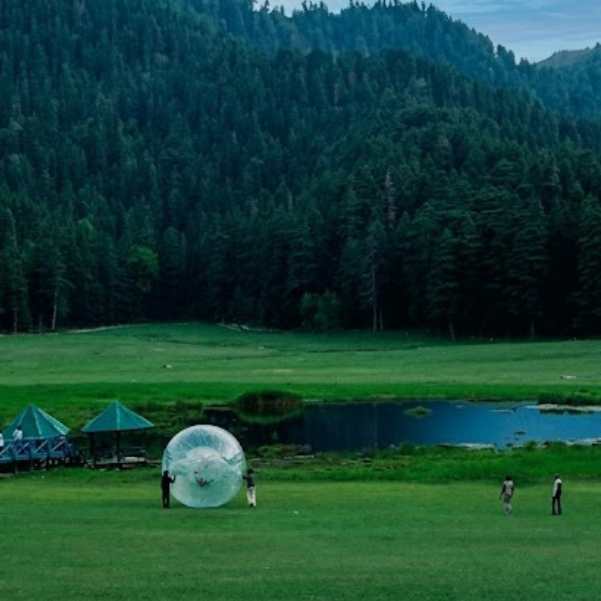
Dalhousie feels like it belongs to a different era. Old stone churches, British-era bungalows, wide roads lined with deodar and pine, and a town centre where the most exciting evening activity is eating maggi at a bench with a view.
What most tourists get wrong about Dalhousie is expecting McLeodganj-level activity. Dalhousie does not have that. And that is the whole point.
If you go expecting Instagram-worthy nightlife and come back complaining it was "boring," you chose the wrong destination. The beauty of Dalhousie is in its slowness.
Which Place Has Better Sightseeing?
Top Places in Dharamshala
McLeodganj is the main base. From here, you visit the Dalai Lama Temple area (also called Tsuglagkhang Complex), which is the spiritual headquarters of the Tibetan government-in-exile and one of the most important Tibetan Buddhist sites outside Tibet.
Walk 2 km further and you reach Bhagsu, with its waterfall and the famous Shiva Café above it.
Dharamkot sits above McLeodganj and is where the trekking and yoga crowd hangs out. Dal Lake in Dharamshala is small and quiet, not the Kashmir version.
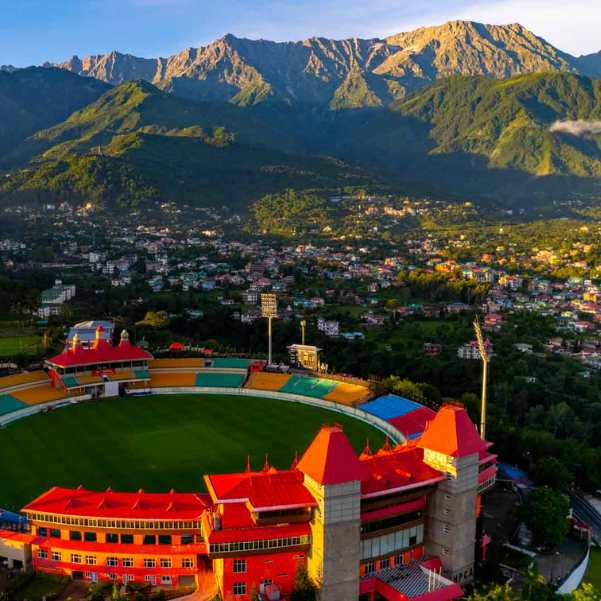
St John in the Wilderness is a beautiful stone church surrounded by deodar trees. The HPCA Stadium in lower Dharamshala is one of the most scenic cricket grounds in the world.
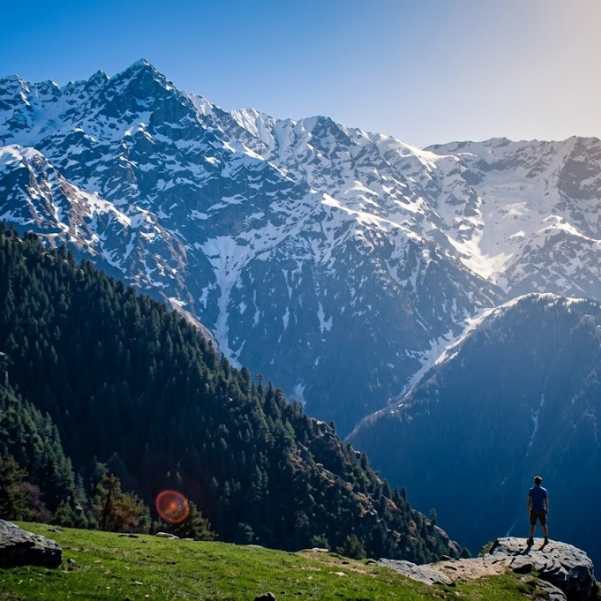
And then there is Triund. The trek starts from McLeodganj (about 9 km one way, or roughly 6 km from Galu) and takes you to 2,828 m.
The view from the top, with the Dhauladhar range right in your face, is worth every drop of sweat. Trek season runs March to June and September to November.
Recent Himachal government guidance supports an entry fee of ₹100 per person per day and a ₹550 tenting fee for a 2-person tent, but check the latest local rules before publishing, because camping rules can change.
Dharamshala gives you more variety. Culture, nature, treks, cafés, and viewpoints, all in one trip.
Top Places in Dalhousie
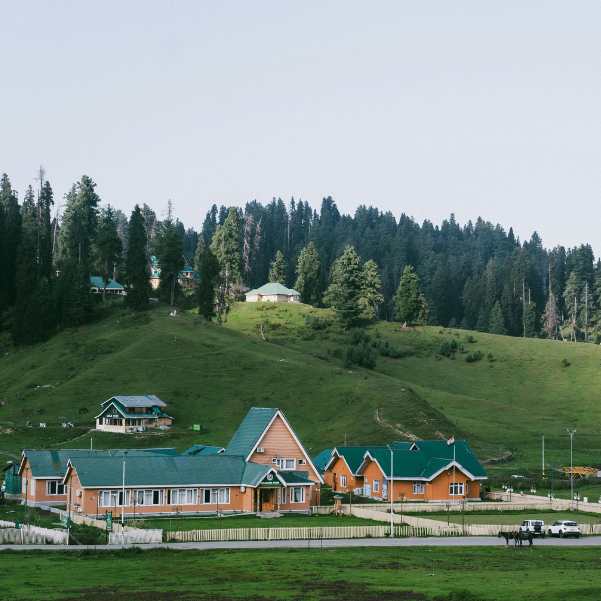
Khajjiar is the headline act. A flat meadow surrounded by dense forest at altitude, the main meadow area is generally free to access, while rides and adventure activities are charged separately. Our drivers call it the best picnic spot in this part of Himachal.
Dainkund Peak is the highest point near Dalhousie and offers a panoramic view on clear days. Kalatop Wildlife Sanctuary has a beautiful forest trail with entry at ₹250 per person and hours of 8 AM to 6 PM [approximately].
Panchpula has a small waterfall and a memorial. Gandhi Chowk and Subhash Chowk are the two main market areas, connected by the Mall Road.
Dalhousie sightseeing is simpler. Fewer stops, more scenery, less walking. You will not have the same cultural variety, but you will have peaceful forest roads and mountain views that don't require a trek to reach.
Dharamshala vs Dalhousie for Weather and Best Time to Visit
Summer
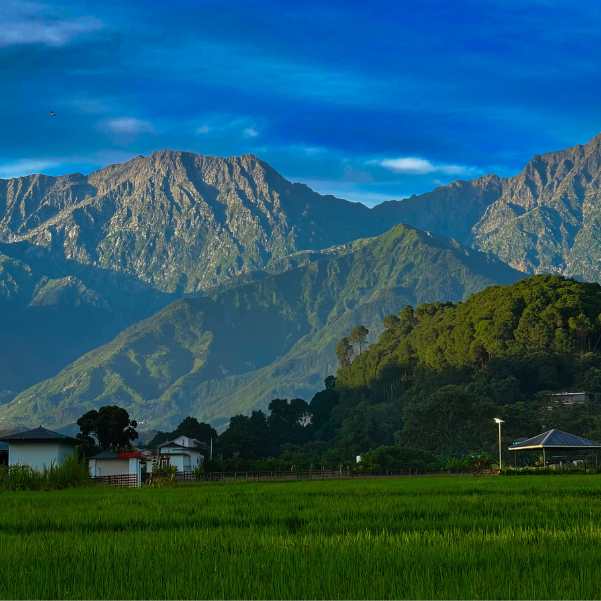
Both are solid summer destinations. Dharamshala stays pleasant from February to June, and Dalhousie from March to June. Dalhousie sits higher at around 2,000 m compared to Dharamshala's 1,457 m, so it feels slightly cooler.
In our experience, summer travellers who want a variety of activities pick Dharamshala. Those who want a classic cool hill-station break where you wear a light jacket and drink chai on a balcony pick Dalhousie.
Monsoon
We will be honest. Both places get rain. Landslides can block roads. Waterfalls look great, but getting to them can be a problem. Bhagsu waterfall in Dharamshala swells beautifully during monsoon, but the path turns slippery.
The Dalhousie to Khajjiar road can get tricky after heavy rain. Do not plan a monsoon trip assuming everything will be smooth. Build buffer days and check road conditions before you leave.
Winter and Snowfall
This is where things get interesting. Both places receive snowfall, but the experience differs. Upper Dharamshala (McLeodganj, Dharamkot, and the Triund trail area) gets good snow in December and January.
Dalhousie town and the Khajjiar side also get snow, but road access on the Dalhousie to Khajjiar stretch can face restrictions after heavy snowfall.
If your trip is mainly about snowfall, both can deliver. But check road conditions before committing to Khajjiar in deep winter.
What we tell our travellers is to keep Khajjiar flexible in December and January because a single heavy snowfall can cut that road for a day or two.
If you are still deciding between Himachal destinations and want a comparison beyond these two, our Jibhi vs Kasol comparison covers another common dilemma.
Not sure which month works best for your group?
>> WhatsApp us to choose the best month for your Dharamshala trip
Which Is Easier to Reach?
Reaching Dharamshala
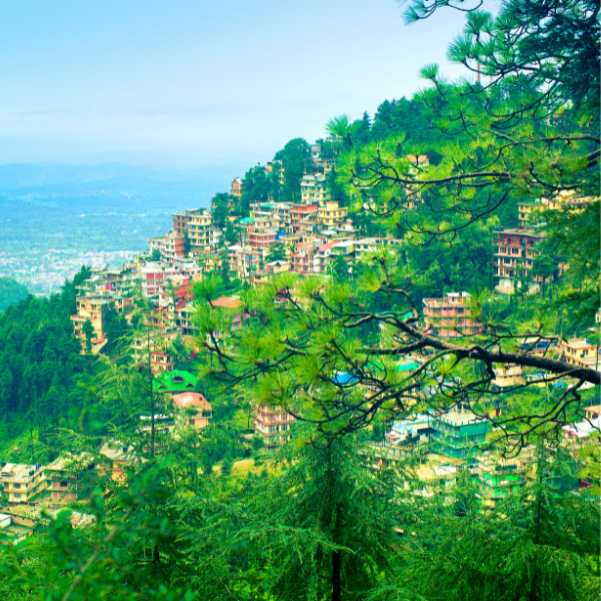
Gaggal Airport is about 14 km from Dharamshala. By rail, Pathankot is the nearest major station. A 2026 news report says daily Delhi to Shimla and Shimla to Dharamshala flights were scheduled to begin by the end of April 2026.
A Tribune report also says the Dharamsala to Dehra four-lane highway was nearing completion and expected to cut travel time by about 30 minutes.
Road access from Delhi, Chandigarh, and Amritsar is well-established with both private and HRTC buses running daily.
Reaching Dalhousie
The nearest domestic airport is Gaggal Airport, about 110 km away. The nearest rail station is Pathankot, about 87 km away. From Pathankot, you still need a road transfer of about 2 to 2.5 hours to reach Dalhousie.
Verdict on Accessibility
Dharamshala is easier to reach. The airport is closer, rail connections are more direct, and road infrastructure is improving with the new four-lane highway. Dalhousie always needs that extra road leg after you land or get off the train.
Which Is Better for Food, Cafés, and Local Markets?
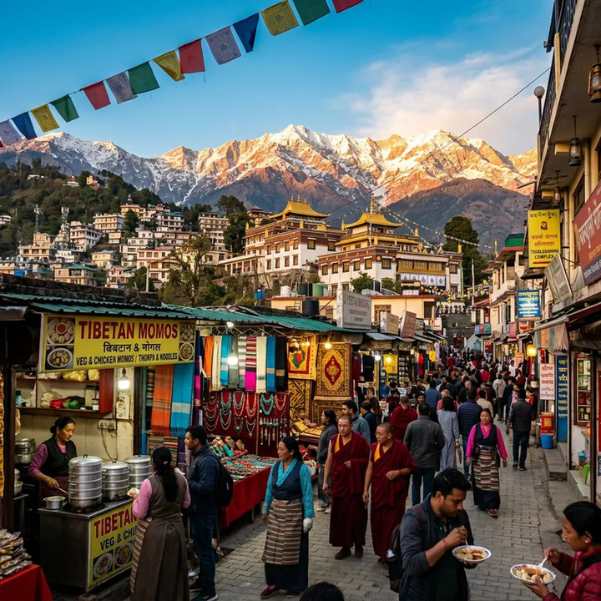
This one is not even close. Dharamshala wins for food lovers.
McLeodganj has Tibetan restaurants serving momos, thukpa, and thenthuk on every lane. There are Italian cafés, Korean places, Israeli spots, and a bakery scene that keeps growing every year.
The best momos we have found are at a small Tibetan kitchen near the Dalai Lama Temple gate. No signboard, just a counter with a steamer. You will know it by the queue.
Skip the tourist-trap restaurants on the main Temple Road that charge double for the same food you get in the lanes below. That is money saved for an extra plate of momos elsewhere.
Dalhousie has a simpler food scene. You will find North Indian restaurants, some decent maggi stalls, and a few bakeries. Nothing bad, nothing special. If food is a major part of your trip, Dharamshala is the clear winner.
The markets tell the same story. McLeodganj's market is dense, colourful, and full of Tibetan handicrafts, singing bowls, prayer flags, and second-hand books.
Dalhousie's markets are calm and functional, mostly for everyday shopping and souvenirs.
How Many Days Do You Need for Each?
2 Days in Dharamshala
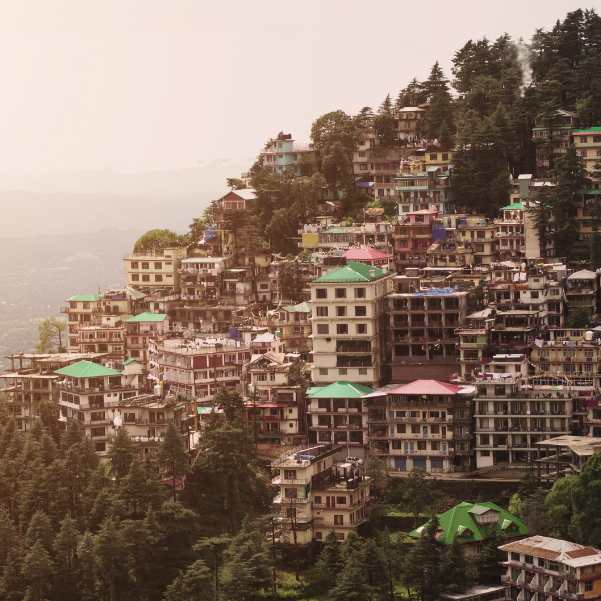
Day 1: Reach McLeodganj by morning. Visit the Dalai Lama Temple complex. Walk to Bhagsu waterfall. Have lunch at a Tibetan café. Explore the main market in the evening.
Day 2: Early morning walk to Dharamkot or take the ropeway from Dharamshala. Visit St John in the Wilderness if time allows. Head back by afternoon.
Two days give you a taste but not the full experience. You will miss Triund entirely.
2 Days in Dalhousie
Day 1: Arrive and walk Gandhi Chowk and Subhash Chowk. Visit Panchpula in the afternoon. Evening walk on the Mall Road.
Day 2: Drive to Khajjiar in the morning. Spend time at the meadow. Visit Dainkund Peak or Kalatop on the way back.
Two days in Dalhousie actually feel complete. The pace of the town matches a shorter trip.
4 to 5 Day Combo Trip
Since the two destinations are about 120 km apart with roughly 3 hours of drive time, combining them in one trip makes sense if you have 4 to 5 days. Spend 2 nights in Dharamshala and 2 nights in Dalhousie with a travel day between.
This combo works best for first-time Himachal visitors who want to see both styles. It does not work well if you only have 3 days total because the travel day eats into your actual holiday time.
Which One Is Better for Budget Travellers?
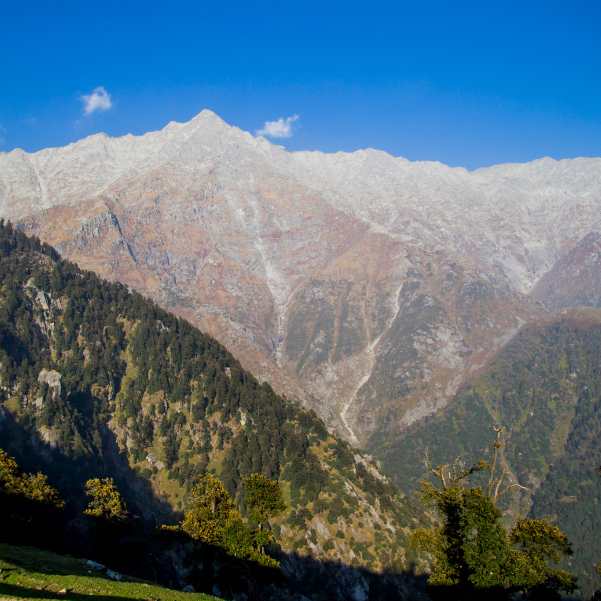
Dharamshala has more budget options. McLeodganj and Dharamkot have hostels, shared dorms, and budget guesthouses that Dalhousie simply does not have.
You can eat well for very little at Tibetan eateries. Local autos and shared transport keep movement costs low.
Dalhousie is not expensive, but the stay options lean more toward mid-range hotels and family guesthouses. Budget solo travellers will find fewer options tailored to them.
The actual budget depends on your hotel choice, season, and how you get around. But in general, a backpacker can stretch their money further in Dharamshala.
Our Honest Verdict: Who Should Choose Dharamshala and Who Should Choose Dalhousie?
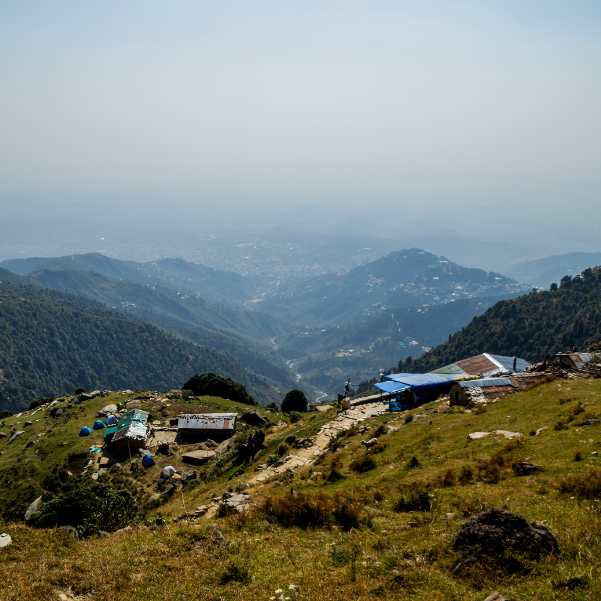
Choose Dharamshala if you are a first-timer in Himachal, a solo traveller, a café lover, someone interested in Tibetan culture, a trekker who wants Triund, or someone who gets restless sitting in one place.
Choose Dalhousie if you want a slow family break, a quiet couples trip, scenic rest without effort, a peaceful base to visit Khajjiar, or a hill station where you can actually hear birds instead of traffic.
Neither is better in absolute terms. They are different holidays. The mistake is going to one expecting the other.
If you want help choosing based on your dates, group size, and what you actually enjoy, talk to our team on WhatsApp. We plan trips to both places every week and can tell you what works for your situation.
>> WhatsApp us for a clear recommendation based on your plans
Can You Combine Dharamshala and Dalhousie in One Trip?
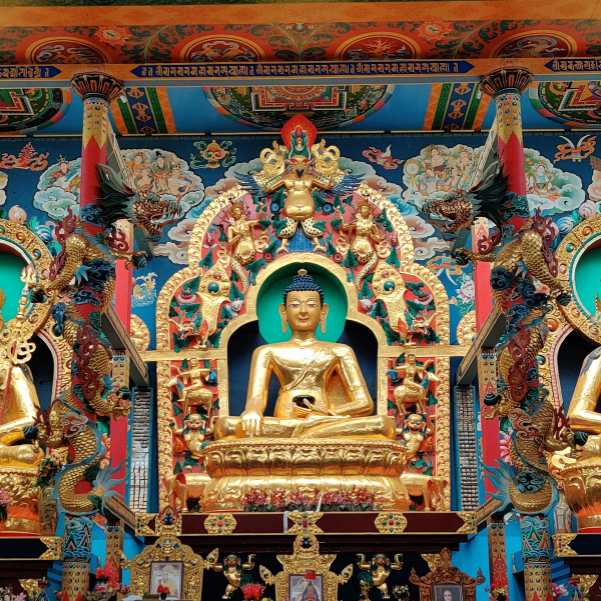
Yes, and many of our travellers do. The drive between them takes about 3 hours, which is manageable as a half-day transfer.
A simple 5-day route: fly or drive into Dharamshala. Spend Day 1 and 2 exploring McLeodganj, Bhagsu, and the monastery circuit. On Day 3 morning, drive to Dalhousie.
Spend Day 3 afternoon and Day 4 covering Dalhousie town, Khajjiar, and Kalatop. Day 5, drive to Pathankot for your train or continue to Amritsar.
Do not combine them if you only have 3 days. You will spend too much time in a car and too little time at either place.
Suggested Itineraries
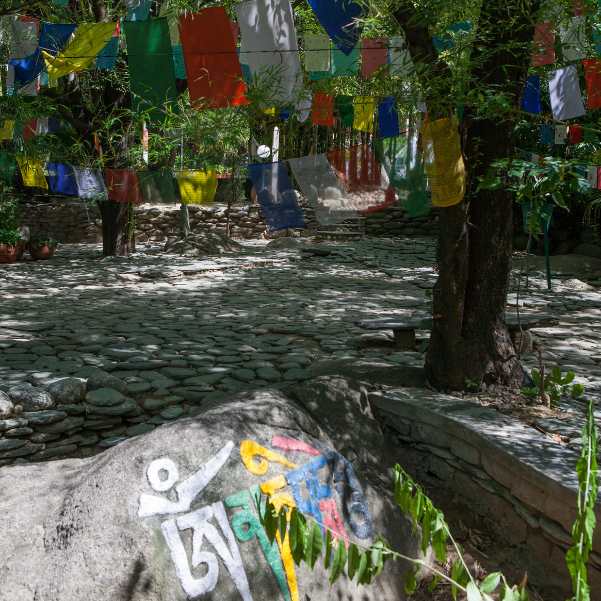
2N/3D Dharamshala Plan
Day 1: Arrive in McLeodganj. Visit the Dalai Lama Temple. Explore the Tibetan market. Dinner at a rooftop café.
Day 2: Morning walk to Bhagsu waterfall and Shiva Café. Afternoon at Dharamkot or ride the Dharamshala Skyway ropeway. Evening free.
Day 3: Visit St John in the Wilderness and HPCA Stadium in lower Dharamshala if time allows before departure.
If you want someone to handle the stays and local planning, our Dharamshala packages come with local recommendations baked in.
2N/3D Dalhousie Plan
Day 1: Arrive in Dalhousie. Walk Gandhi Chowk and Subhash Chowk. Evening stroll on Mall Road.
Day 2: Morning drive to Khajjiar. Spend 2 to 3 hours at the meadow. Stop at Kalatop on the way back. Evening free.
Day 3: Visit Dainkund Peak early morning for the view. Depart after breakfast.
4N/5D Dharamshala + Dalhousie Plan
Day 1: Arrive in McLeodganj. Dalai Lama Temple, market, dinner.
Day 2: Bhagsu, Dharamkot, café trail, ropeway.
Day 3: Morning drive to Dalhousie (3 hours). Afternoon at Panchpula and Mall Road.
Day 4: Khajjiar and Kalatop day trip.
Day 5: Dainkund morning visit. Depart via Pathankot.
For more Himachal trip ideas, check our popular tours page.
Travel Coffee Tips Before You Decide
Weekends change both places. McLeodganj on a Saturday night feels like a mini Goa. Dalhousie on a weekend fills up with Punjab families. If you can travel midweek, do it. The experience at both places is significantly better.
McLeodganj involves serious walking on steep slopes. If anyone in your group has knee problems or low stamina, factor that in before choosing Dharamshala.
Winter roads to Khajjiar can close without warning after snowfall. If your entire trip plan depends on Khajjiar, have a backup activity in Dalhousie town.
Quiet does not always mean easier. Dalhousie has fewer restaurants, fewer transport options after dark, and less flexibility if something goes wrong. Dharamshala has more infrastructure, which makes problem-solving easier.
One last thing our team always says: arrive before 7 AM at Bhagsu waterfall in Dharamshala. The trail is empty, the light is soft, and the waterfall pool is yours alone. By 10 AM, it turns into a queue of selfie sticks.
👉 Find the Right Dharamshala & Dalhousie Tour Package for Your Dates
Related topics
Frequently Asked Questions
Which is better, Dharamshala or Dalhousie?
It depends on what you want. Dharamshala gives you more culture, food, and activity. Dalhousie gives you more peace, scenery, and rest. Neither is universally "better."
Is Dalhousie better for families or couples?
Dalhousie works well for both. Families enjoy Khajjiar and the relaxed pace. Couples enjoy the quiet evenings and scenic walks. It suits anyone who wants a calm trip.
Is Dharamshala better for solo travellers?
Yes. McLeodganj and Dharamkot have hostels, cafés, and a backpacker community. Solo travellers find it much easier to meet people and keep costs low in Dharamshala.
Which place is colder, Dalhousie or Dharamshala?
Dalhousie sits higher at around 2,000 m compared to Dharamshala at 1,457 m. Dalhousie generally feels colder, especially at night. Upper McLeodganj and Dharamkot can match Dalhousie temperatures though.
Which is better for snowfall?
Both receive snowfall in December and January. Dalhousie and upper Dharamshala (McLeodganj area) both get good snow. The Dalhousie to Khajjiar road can face restricted movement after heavy snowfall, so plan with flexibility.
How many days are enough for Dharamshala and Dalhousie?
Two to three days for each, or four to five days if you combine both in one trip.
Can I cover Dharamshala and Dalhousie in one trip?
Yes. They are about 120 km apart with a 3-hour drive. A 5-day trip works well for the combo.
Which is cheaper, Dharamshala or Dalhousie?
Dharamshala has more budget options, especially for solo travellers and backpackers. Dalhousie's stays lean more toward mid-range. Overall costs depend on your choices.
Which has better food and cafés?
Dharamshala, easily. Tibetan food, international cafés, bakeries, and a vibrant street food scene. Dalhousie has simpler North Indian food and fewer café options.
Which is more peaceful, Dharamshala or Dalhousie?
Dalhousie. It is quieter, less crowded, and has a slower pace. Dharamshala (especially McLeodganj) is busier and more social.
Which is better in summer?
Both are good. Dharamshala gives more to do. Dalhousie gives a cooler, more classic hill-station feel.
Which is better in monsoon or winter?
In monsoon, both face rain and potential road issues. Neither is ideal for a stress-free trip. In winter, both get snow, but Dharamshala has better infrastructure and more options if roads close temporarily.
More about Dharamshala
 Dharamshala
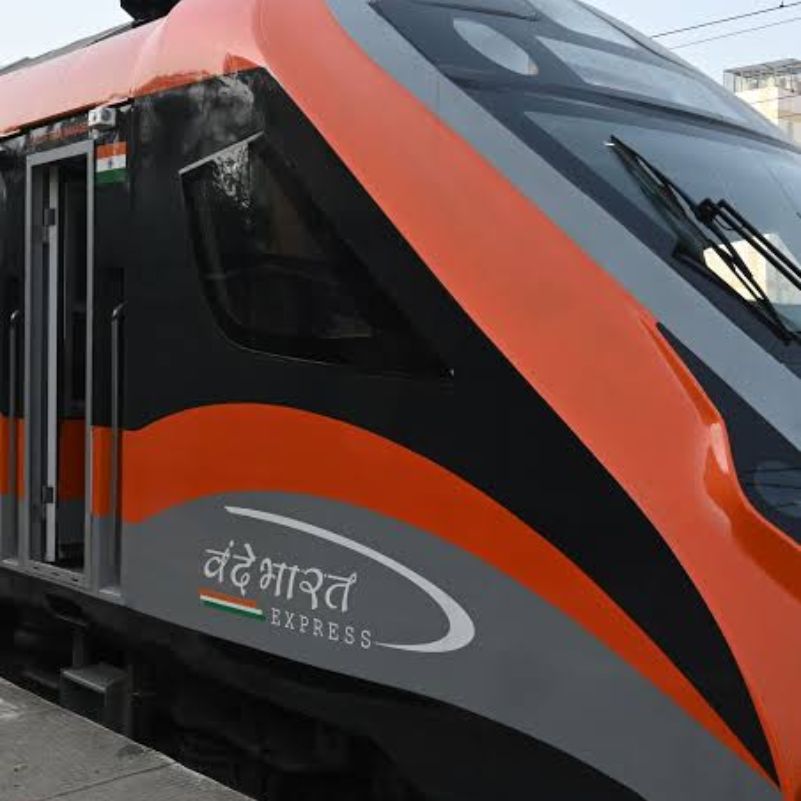
Delhi to Dharamshala by Vande Bharat in 2026: Amb Andaura Transfer & Return Guide
Planning to travel from Delhi to Dharamshala by Vande Bharat? Learn the best rail route, where to get off, and how to arrange your onward transfer to Dharamshala by taxi or bus.
- How to Reach
- First-Time Travellers
 Dharamshala
Dharamshala Group Trip with Friends 2026: Cabs, Rooms, Triund and Shared Costs
Planning a Dharamshala group trip with friends in 2026? Explore cab options, estimated travel costs, group budgeting tips, and practical ways to plan an affordable trip to Dharamshala and McLeod Ganj.
- First-Time Travellers
- Itinerary
 Dharamshala
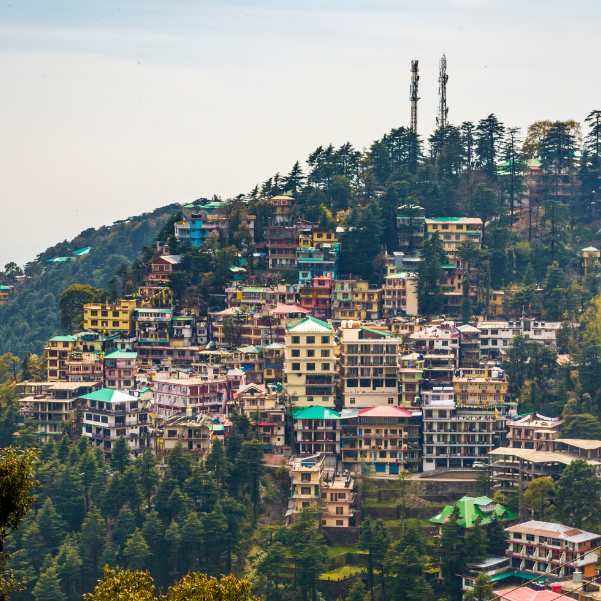
Dharamshala Trip Cancellation Due to Weather in 2026: Refunds, Rescheduling and What Happens Next?
Planning a Dharamshala trip in 2026? Learn when severe weather, heavy rain, snowfall, landslides or road disruptions may require you to cancel or postpone your trip, and what to check before travelling.
- First-Time Travellers
- Road Status