
Dharamshala McLeodganj in September 2026: Weather, Places to Visit, Itinerary and Travel Tips
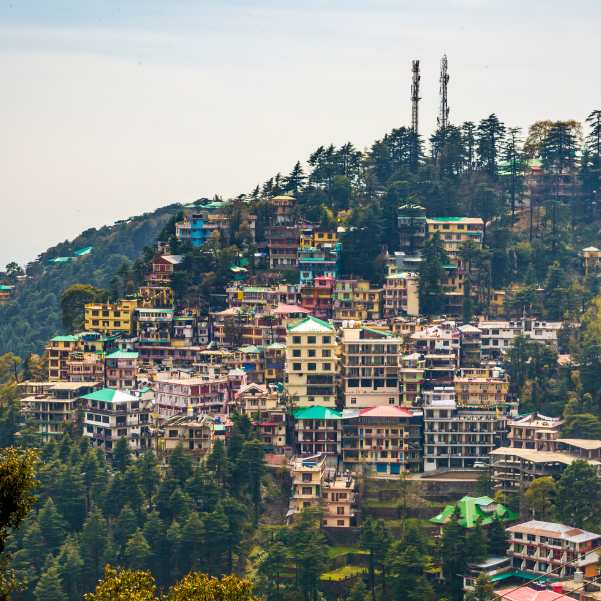
Most people skip Dharamshala McLeodganj in September because they assume the monsoon makes it impossible.
What they miss is that September is when this place looks its absolute best. The hills are so green it almost hurts your eyes.
The waterfalls are loud and full. The cafés are empty enough that you actually get a window seat. And the clouds rolling through the valleys create a kind of drama you will never see in October or November.
But here is the part most travel blogs leave out. Early September can still dump rain on you for half the day.
The Triund trail gets slippery. Roads can get blocked for a few hours. You need to plan around the weather, not against it.
We have sent dozens of groups to Dharamshala in September over the years, and the ones who enjoyed it the most were the ones who came with the right expectations: flexible plans, a rain jacket in the bag, and zero attachment to a perfectly sunny itinerary.
Quick Answer
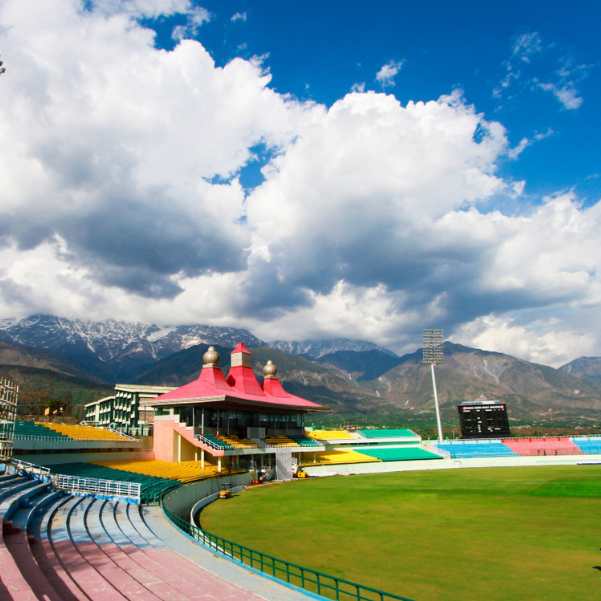
September is a genuinely good time to visit Dharamshala and McLeodganj if you are okay with some rain. The monsoon is winding down, the crowds are thin, the greenery is at its peak, and the temperature sits comfortably between 17°C and 23°C.
Early September can still feel properly monsoon-like with heavy spells. Late September is usually calmer with more sun and clearer mountain views.
If your dates are flexible, the last two weeks of September give you the best balance of weather and green landscapes.
For café lovers, monastery visitors, slow travellers, and couples who do not need a packed sightseeing list, September works beautifully.
For families with small kids or groups who need guaranteed clear skies for treks, late September or October is a safer pick.
Is September a Good Time to Visit Dharamshala and McLeodganj?
Yes, but with one honest caveat: you have to be okay with rain reshuffling your day.
The biggest win of September is how the place looks. After two months of monsoon, every hillside, every path, every pine forest is a deep, saturated green.
Bhagsu Waterfall is roaring. The air is clean and cool. And the usual tourist rush from the Delhi-Chandigarh weekend crowd drops noticeably.
The temperature stays between 17°C and 23°C, which means you will not sweat walking uphill and you will not freeze at night. That is a sweet spot Dharamshala does not hit in every month.
The downside is real, though. September still falls within the monsoon window. McLeodganj monsoon season runs July to September, and the average rainfall in September is around 107 mm.
That means you will get wet at some point. Roads can get slippery. A few stretches near Dharamkot and the Bhagsu trail can get muddy. And if it rains hard for a full day, your outdoor plans just pause.
For couples and solo travellers, September is excellent. You get mood, atmosphere, and quiet.
For backpackers, the cafés and hostels are less crowded and sometimes cheaper.
For families, it works if your kids are old enough to walk on wet paths and you keep one indoor backup plan each day.
Our honest take: if you want picture-perfect sunny skies every single day, wait for October. If you want Dharamshala at its most alive, green, and atmospheric, September is hard to beat.
What Is the Weather Like in Dharamshala and McLeodganj in September?
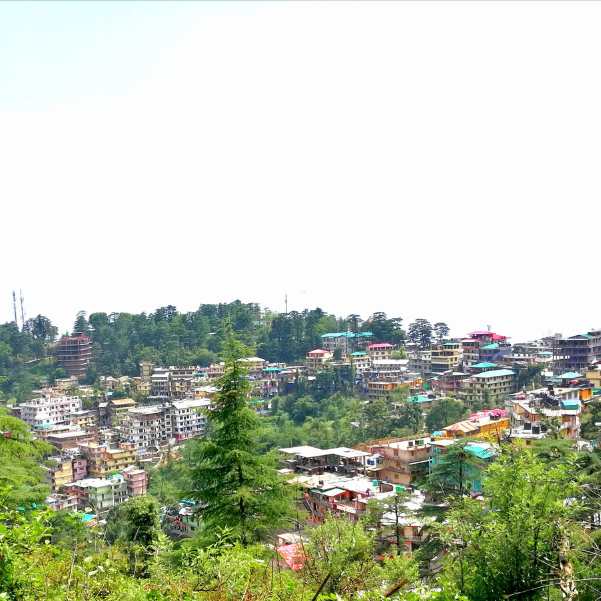
The numbers first. Dharamshala September temperature sits around 23°C during the day and 17°C at night. In monsoon terms, Dharamshala ranges 18°C to 22°C and McLeodganj 18°C to 25°C through the monsoon months.
What this actually feels like: mornings are cool and often misty. If the sun comes out by 10 AM, the day warms up nicely and you can walk around in a t-shirt.
By late afternoon, clouds roll in. Evenings get cool fast, especially in McLeodganj which sits higher than Dharamshala town.
After a rain spell, the temperature drops a few degrees quickly. A sunny 22°C afternoon can become a 16°C drizzly evening in under an hour. That is why layering matters more than packing heavy woolens.
September is the tail end of the monsoon. It is not the peak rainfall month. But it is not dry either. You will get rain. Some days it comes as a quick 30-minute shower.
Other days it drizzles on and off from morning to evening. The key is that rain in September tends to be less intense and less continuous than in July or August.
One thing our team always tells travellers: the mornings are your golden window. Skies are usually clearest between 7 AM and 11 AM. Plan your outdoor activities for the morning and keep afternoons flexible.
Early September vs Late September: Which Is Better?
This is the question most competitors miss entirely, and it makes a real difference to your trip.
Early September
Early September (first two weeks) still carries monsoon energy. You can expect heavier spells, more cloud cover, and a higher chance of a full day getting washed out. The greenery is at its most intense. Waterfalls are at their loudest. But you need more flexibility in your schedule.
Late September
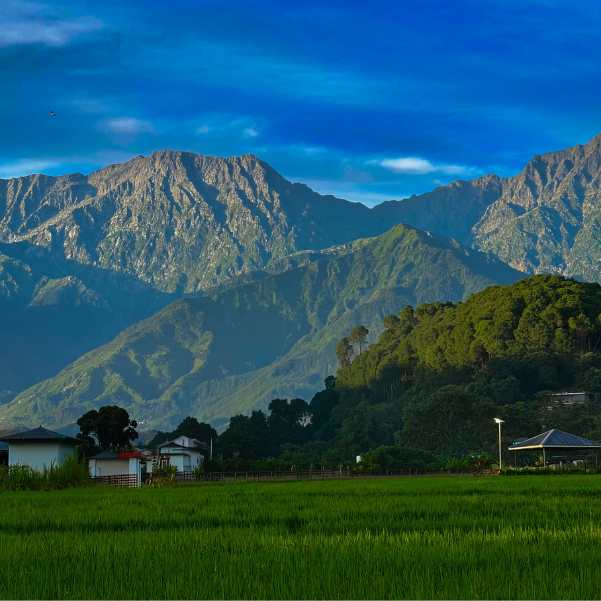
Late September (last two weeks) is when things shift. The rain eases. The clouds start breaking more often, giving you those sudden, jaw-dropping views of the Dhauladhar range that you just do not get in peak monsoon. The air feels crisper. Trails start drying out.
If you can choose, late September gives you the best of both worlds. You still get the green, the waterfalls, and the low crowds. But you also get more usable hours in the day and better odds for a Triund attempt.
That said, mountain weather does not follow a strict calendar. We have seen late September weeks that rained harder than early September. Always check live weather before you leave, not just forecasts from a week ago.
Best Places to Visit in Dharamshala McLeodganj in September
Tsuglagkhang Complex and Namgyal Monastery
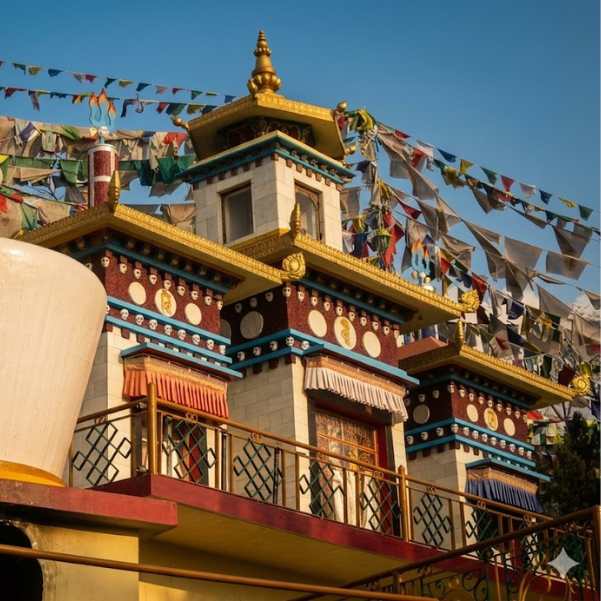
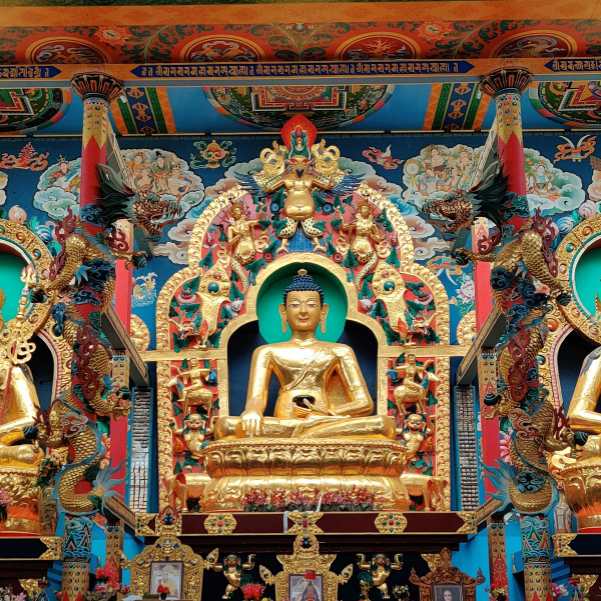
This is the one place in McLeodganj that works in any weather. Rain or shine, the Tsuglagkhang Complex (the Dalai Lama's main temple) is open, peaceful, and worth your time.
Walk through the temple, spend time at the Namgyal Monastery, and visit the Tibet Museum inside the complex.
The museum is small but powerful. It gives you real context on the Tibetan exile story and makes the rest of your McLeodganj visit feel more meaningful.
On a rainy morning, this is the best place to be. The prayer wheels, the quiet monks, the smell of incense mixed with wet pine. September adds a layer of atmosphere that sunny months just cannot match.
Bhagsu and Bhagsu Waterfall
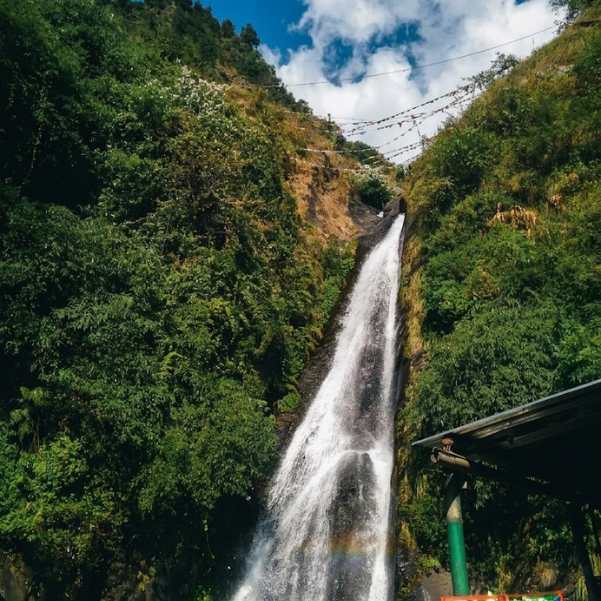
Bhagsu Waterfall in September is a completely different experience from the rest of the year. After months of monsoon, the water volume is at its peak. The falls are loud, dramatic, and genuinely impressive.
But the trail up to the waterfall gets slippery. Wear shoes with proper grip, not sandals, not sneakers with flat soles.
The rocks near the waterfall are wet and mossy. Every season we hear about someone slipping because they wore the wrong shoes. Do not be that person.
The Bhagsu Temple at the base is a quick stop. The real draw is the waterfall and the cafés along the trail. Shiva Café near the top of the Bhagsu trail is a classic spot. On a clear morning, the view from up there is worth the climb.
Dharamkot
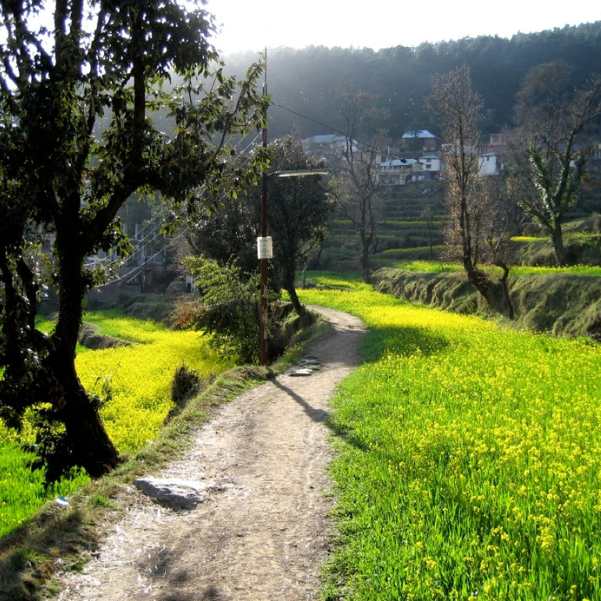
If McLeodganj feels too busy (even in September it can get noisy around the main square), Dharamkot is your escape. It is just 1.6 to 2 km from McLeodganj, mostly uphill.
Dharamkot has a quieter, more backpacker-friendly vibe. Small cafés with books on the shelves, yoga studios, forest walks, and views of the valley that you do not get from McLeodganj main road.
September turns the entire area into a green tunnel. The pine forests are dripping, the air smells incredible, and you can sit in a café for two hours without anyone rushing you.
Our Dharamkot travel guide covers the best spots and walks in detail if you want to plan a half-day or full-day here.
Naddi and the Viewpoints
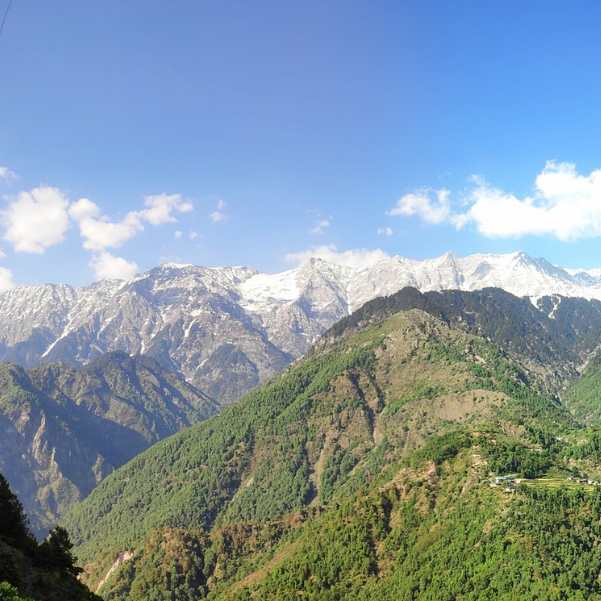
Naddi is a small village above McLeodganj, and it is the best spot for mountain views when the clouds break. In September, the view from Naddi is not guaranteed.
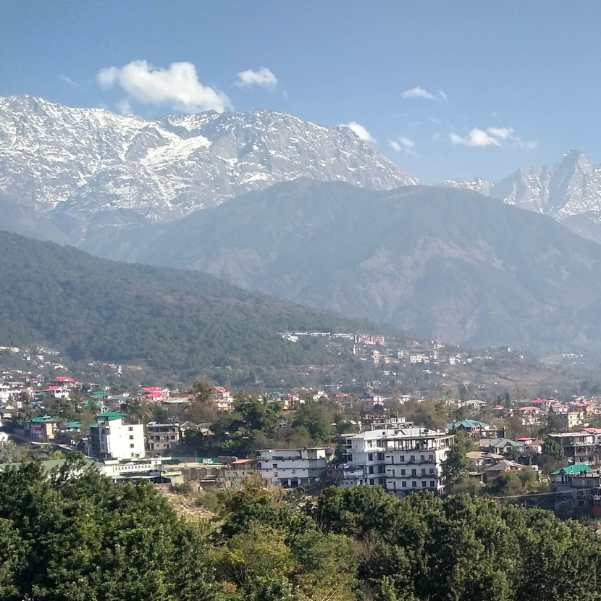
But when it happens, when the clouds suddenly part and you see the entire Dhauladhar range lit up against a moody sky, it is one of those moments you remember for years.
The drive to Naddi takes about 15 minutes from McLeodganj. Keep this as a morning plan. If the sky looks clear around 7 AM, head straight to Naddi. If it is cloudy, save it for another morning.
Even on overcast days, the cloud drama over the valley is beautiful in its own way. Photographers love September here for exactly this reason.
St John in the Wilderness
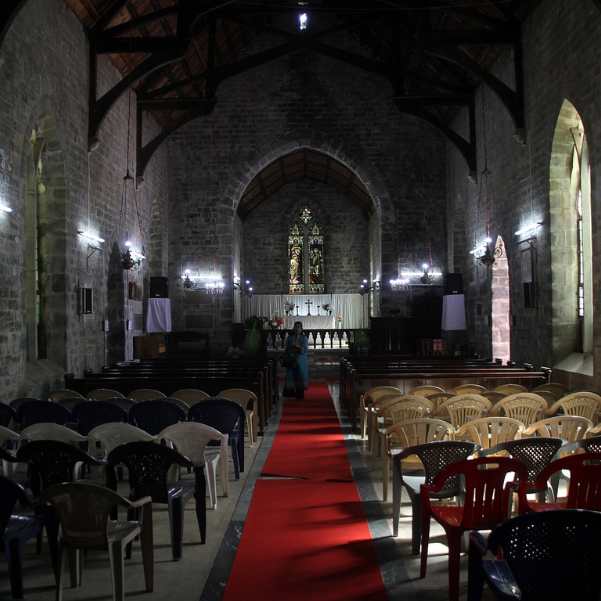
This old Anglican church sits in a quiet patch of forest between Dharamshala and McLeodganj. It takes 20 minutes to visit, and in September the grounds are covered in moss and surrounded by dripping deodar trees.
It is not a major attraction. But it is one of those calm, beautiful stops that makes you slow down. If you are driving between lower Dharamshala and McLeodganj, stop here for 15 minutes.
Indoor and Rain-Safe Options
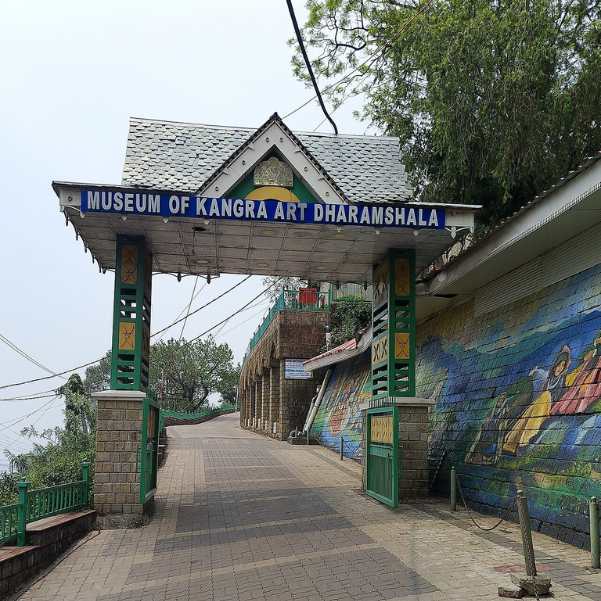
September needs backup plans. Here are the ones that actually work.
The Tibet Museum at the Tsuglagkhang Complex is the best indoor option. The Kangra Art Museum in lower Dharamshala is small but interesting if you are into local history.
The Library of Tibetan Works and Archives near the bus stand has a fascinating collection and a small meditation room.
And honestly, some of the best September hours are spent in McLeodganj cafés. Order a pot of lemon-ginger tea, watch the rain hit the tin roofs, and do absolutely nothing. That is a legitimate way to spend a monsoon afternoon here.
Can You Do the Triund Trek in September?
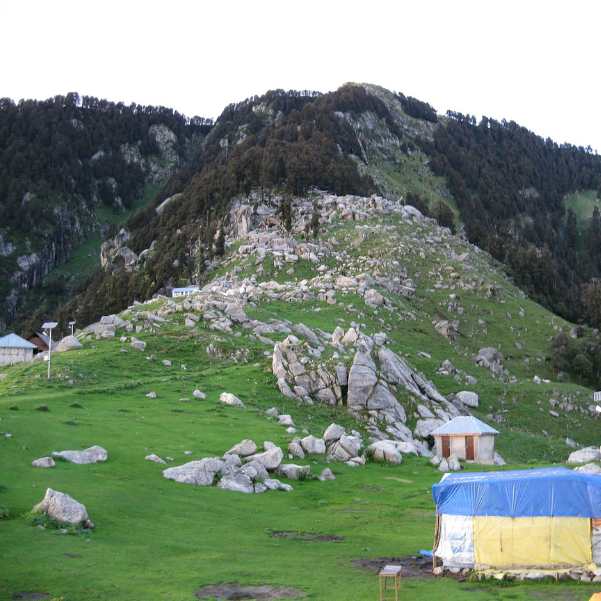
Yes, but only if you are smart about timing and conditions.
Triund is 7 km from McLeodganj and sits at about 2,850 metres (9,350 feet). The trek is moderate in good weather. In September, the trail gets muddy and slippery in sections, especially the last kilometre where the incline steepens.
The views from the top depend entirely on whether the clouds cooperate. On a clear day, you see the entire Dhauladhar range spread out in front of you. On a cloudy day, you see white. September gives you roughly 50-50 odds on that.
Post-monsoon temperatures at Triund drop to about 14°C to 18°C during the day and 1°C to 5°C at night. If you are camping, you will need serious warm layers. A sleeping bag rated for near-zero temperatures is not optional.
Triund camping is regulated. Permit and camping fee rules change, so check locally before you trek.
Recent references suggest a permit fee of about ₹100 per person per day and a camping fee of about ₹550 per tent for two.
But do not treat these as fixed. Verify with the forest department or a local operator before you go.
Our advice: only attempt Triund if the morning sky looks clear and the forecast for the next 12 hours is dry.
Do not start the trek at noon hoping the weather will hold. Start by 7 AM, reach the top by 10 or 11, and give yourself time to come back down before afternoon clouds roll in.
Talk to our team on WhatsApp if you want us to check current Triund trail conditions and permit rules before you book.
👉 WhatsApp us to check current Triund trail conditions and permits
A Realistic 2 Day Itinerary for Dharamshala and McLeodganj in September
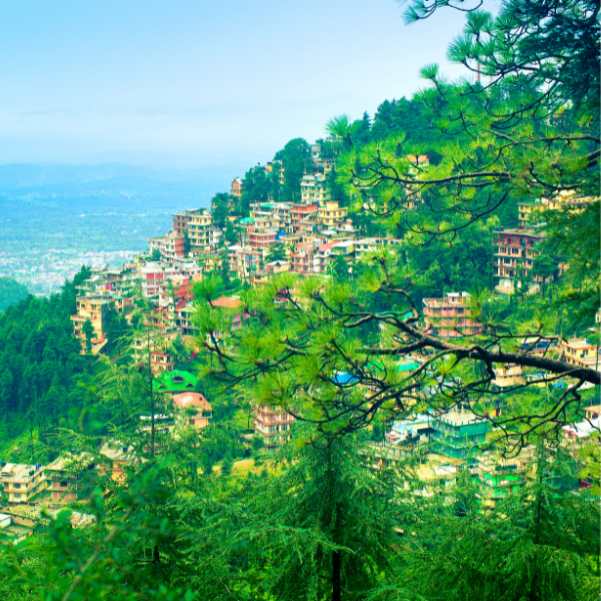
This itinerary assumes you will lose a few hours to rain. That is not pessimism. That is September.
Day 1
Day 1 starts in McLeodganj. Walk to the Tsuglagkhang Complex first thing in the morning. Spend an hour at the temple and the Tibet Museum. Then walk down to Bhagsu and up to the waterfall.
The total walk from McLeodganj main square to Bhagsu Waterfall is about 2 km and takes 30 to 40 minutes at a steady pace. After the waterfall, grab lunch at one of the cafés on the Bhagsu trail.
Afternoon: head back to McLeodganj market for shopping and chai. If rain hits in the afternoon, this is the perfect time for café-hopping. Evening: walk the main market lane, try momos from any of the small Tibetan stalls near the square, and turn in early.
Day 2
Day 2 starts with a drive to Naddi if the morning is clear. Spend an hour soaking in the views and come back. Then head to Dharamkot for a relaxed walk and a late breakfast at one of the hillside cafés.
Afternoon: visit St John in the Wilderness on the way back towards lower Dharamshala.
If you have time and the weather holds, the Dharamshala Skyway ropeway is an option. Ropeway fares vary by source and should be verified before travel.
The rain-proof version of this itinerary: if Day 1 afternoon gets rained out, move Bhagsu Waterfall to Day 2 morning (waterfalls look even better after a night of heavy rain). Use the freed-up Day 1 afternoon for the Tibet Museum and the Library of Tibetan Works and Archives.
Two days is enough to see the main highlights. But if you want to add Triund, you need a third day. For a full breakdown of all the spots worth visiting, our guide to the best places in Dharamshala and McLeodganj covers everything in detail.
A 3 Day Itinerary If You Want to Include Triund or a Slower Trip
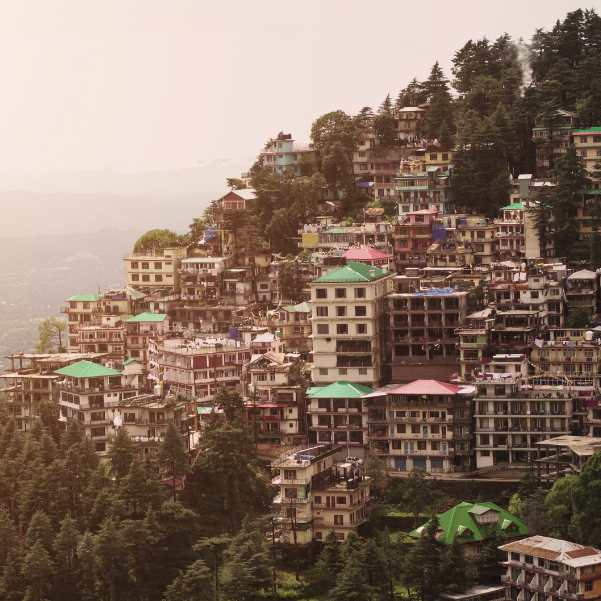
Three days gives you breathing room, which matters more in September than in any other month.
Day 1
Day 1 follows the same plan as the 2-day itinerary. Tsuglagkhang, Bhagsu Waterfall, McLeodganj market, and cafés. Use Day 1 to acclimatise and get a feel for the weather pattern.
Day 2
Day 2 is your Triund day, but only if the morning forecast is clear. Wake up early. Check the sky. If it looks good, start the Triund trek by 7 AM from Galu Devi Temple (the main trailhead).
Reach the top in 3 to 4 hours, spend time at the ridge, and head back down by early afternoon. If the weather looks bad on Day 2 morning, swap it with Day 3 plans.
Day 3
Day 3 is for Dharamkot, Naddi, and the slower side of the trip. Walk around Dharamkot in the morning. Visit the viewpoint at Naddi. If you have not done the ropeway yet, fit it in here.
Afternoon: head to lower Dharamshala for the Kangra Art Museum or just a change of scenery. The lower town has a different feel from McLeodganj, more local, less tourist.
In our experience, the 3-day version is the one that works best in September. It gives you a buffer day for rain and removes the pressure of cramming everything into 48 hours.
If you want someone to sort out the stays, transport, and a day-wise plan that accounts for weather, our Dharamshala tour packages are built around how the trip actually works on the ground.
How to Reach Dharamshala and McLeodganj
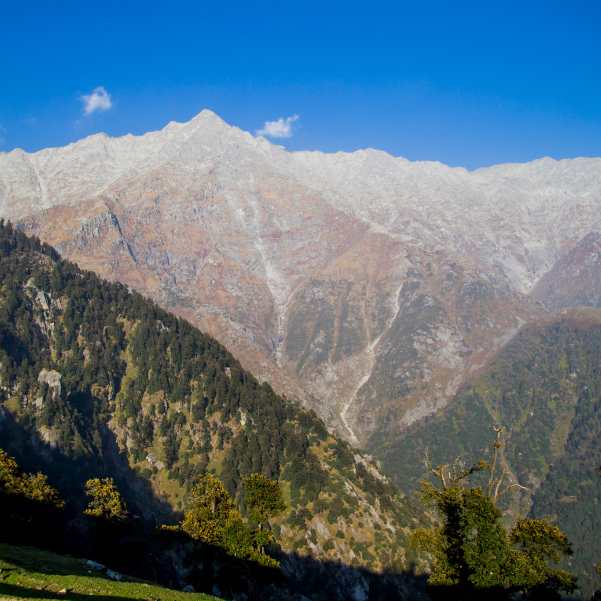
By air
Kangra Airport (Gaggal) is the closest airport, about 16.4 km from McLeodganj. The drive takes roughly 21 minutes in normal conditions.
A recent 2026 report says daily Shimla to Dharamshala flights are expected to begin by late April 2026, but AAI says schedules are tentative and should be checked directly with airlines before booking.
Do not book non-refundable hotels based on a flight schedule you have not confirmed.
By road from Chandigarh
The distance is about 229 km and a direct bus takes around 6 hours 45 minutes. HRTC runs both ordinary and Volvo buses on this route.
Volvo is worth the extra cost if you are travelling overnight. Private cabs from Chandigarh take roughly the same time but give you door-to-door convenience.
By road from Delhi
Most travellers either take an overnight Volvo bus to Dharamshala or drive via Chandigarh. The drive is 8 to 10 hours depending on traffic and stops.
Dharamshala to McLeodganj is just 4 km uphill. Local buses make the trip in about 45 minutes (they take a longer route).
A taxi or auto does it in 15 minutes. Most travellers stay directly in McLeodganj and skip the transfer entirely.
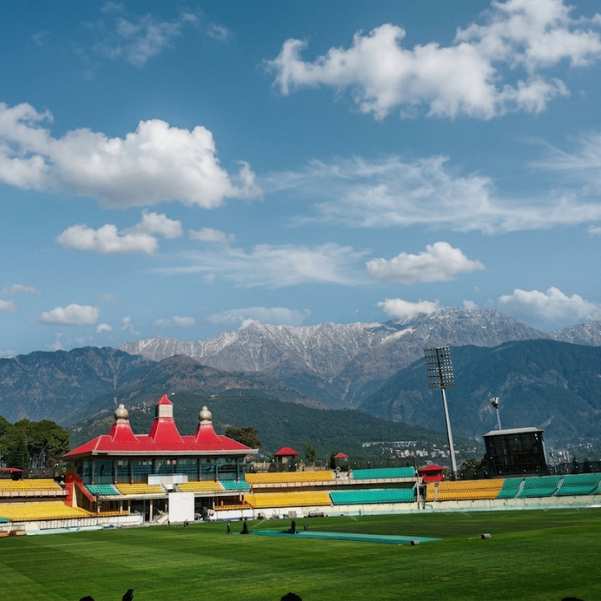
Dharamshala town itself sits 18 km uphill from Kangra. The lower town has the district headquarters, the cricket stadium, and a more local vibe. McLeodganj is the tourist and backpacker hub.
Where to Stay in September: Dharamshala, McLeodganj, or Dharamkot?
McLeodganj
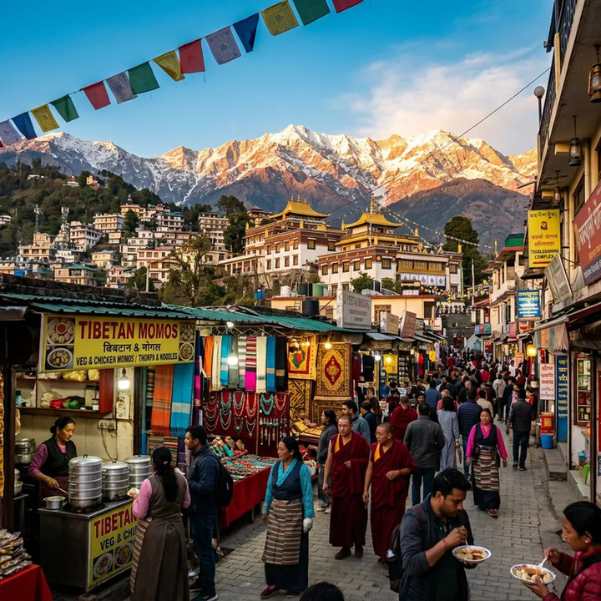
McLeodganj is the most convenient base for most travellers. You are walking distance from the main temple, cafés, market, and the Bhagsu trail.
In September, hotel availability is usually better than peak season months, and you might find lower rates at mid-range guesthouses.
The downside: the main square gets noisy, and some budget hotels near the market can feel cramped.
Dharamkot
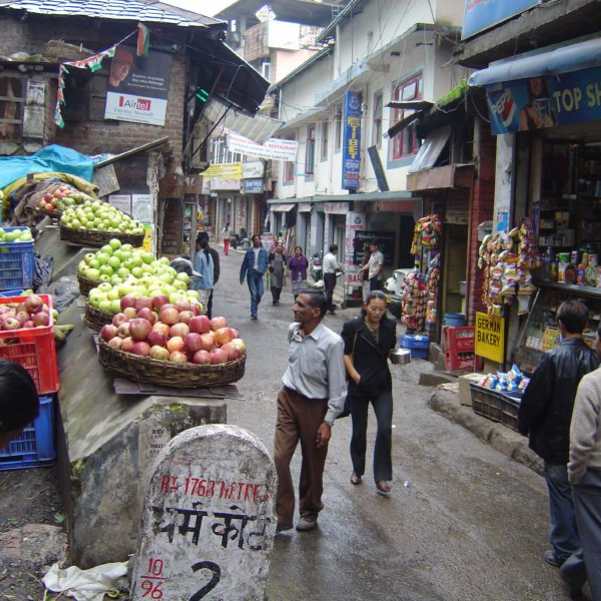
Dharamkot is the pick for backpackers, solo travellers, and anyone who wants quiet. The guesthouses here are simpler and cheaper. The cafés are better for long sits.
The forest is right there. But you are a 20-minute uphill walk from McLeodganj, which means going to the main market for anything becomes a small effort, especially at night.
Lower Dharamshala
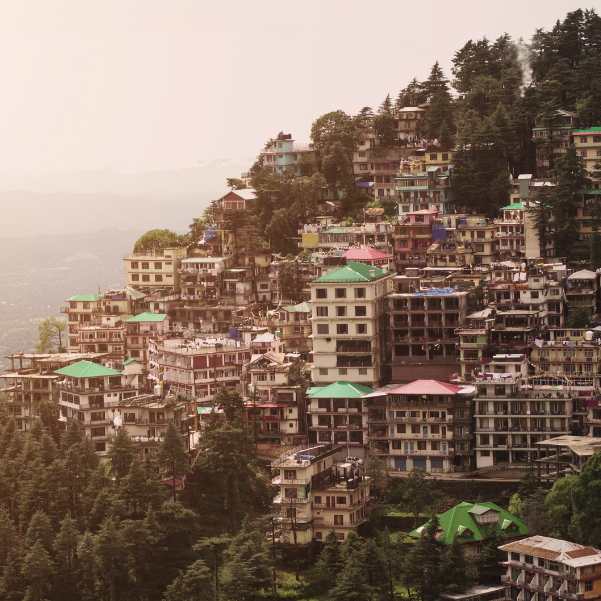
Lower Dharamshala suits families who want a broader, less touristy base. Hotels here tend to be bigger, quieter, and sometimes better value. You will need transport to get to McLeodganj every day, but the ride is short.
One money-saving tip most blogs will not tell you: in September, many McLeodganj hotels are willing to negotiate rates on the spot. Occupancy is lower than peak months.
Walk in, look at the room, and ask for a discount. You will often get 15 to 25 percent off the listed price, especially midweek.
What to Pack for Dharamshala McLeodganj in September
Rain jacket or a compact poncho. Not negotiable. You will use it. An umbrella works for the market but not on trails.
Shoes with grip. This is the single most important thing you pack. The Bhagsu trail, the Triund trail, and even some McLeodganj lanes get slippery when wet.
Wear hiking shoes or at least sturdy sneakers with good soles. Leave the Kolhapuris at home.
Quick-dry clothes. Cotton takes forever to dry in monsoon humidity. Pack synthetics or at least a mix. Two pairs of quick-dry trousers and three t-shirts will get you through a 3-day trip.
A light fleece or hoodie for evenings. Nights cool down to about 17°C in McLeodganj. If you are heading to Triund, you need a proper warm jacket, not just a hoodie.
Power bank. Charging points in budget guesthouses can be unreliable. Carry a fully charged power bank.
A small waterproof daypack. You do not want your phone and wallet getting soaked during a surprise shower on the Bhagsu trail.
Sunscreen. Yes, even in monsoon. When the sun does come out between clouds, the UV at this altitude is stronger than you expect. Our team always carries SPF 50 even in September.
Travel Tips for September
Keep one indoor backup plan for every outdoor plan. If your morning plan is Naddi viewpoint and it is cloudy, swap it for the Tibet Museum or a Dharamkot café walk. The travellers who enjoy September the most are the ones who do not fight the weather.
Start early. We keep saying this to every group we send here, and most of them thank us later. The clearest window in September is usually between 7 AM and 11 AM. Plan your outdoor time around those hours. Afternoons are for cafés and markets.
Check live weather and trail conditions before leaving your hotel each morning. Mountain weather in September can shift within hours. A clear 7 AM can become a rainy 10 AM. Do not rely on forecasts from three days ago.
Carry cash. While McLeodganj has a few ATMs, they can run out of cash or go offline, especially during heavy rain days when fewer people service them. Carry enough for at least two days of spending.
Do not skip the Tibetan food. The momos, thukpa, and tingmo in McLeodganj are some of the best you will find anywhere in India.
The small stalls near the main square serve better food than most restaurants with fancy menus.
Our personal favourite is the thukpa from the Tibetan stall opposite the post office. It costs about ₹80 and warms you up better than anything on a rainy evening.
Talk to our team on WhatsApp if you want a day-wise plan that works around September weather. We do this every month and know which days tend to be clearer.
Skip the paid viewpoint parking lots near Dharamshala town that charge ₹50 to ₹100 for a view you can get free from the road 200 metres further. Save that money for a better meal in McLeodganj.
👉 WhatsApp us and get a day-wise itinerary that works in September
Dharamshala or McLeodganj in September vs October
This comes down to one question: do you want green and moody, or clear and sunny?
September
September gives you peak greenery, dramatic skies, full waterfalls, and fewer tourists. The trade-off is rain. Some days will be wet. Outdoor plans need flexibility. The Triund trek is possible but weather-dependent.
October
October gives you clear blue skies, sharp mountain views, and the most reliable trekking conditions. The greenery fades to brown and gold. The waterfalls lose volume. Tourist numbers pick up, especially during Dussehra week.
If you have a fixed schedule with no room for rain days, pick October. If you like atmosphere, do not mind some drizzle, and want a quieter trip, September is more rewarding than most people expect.
Our experience running trips in both months: September travellers take more photos. October travellers have more predictable days. Both come back happy.
If you are combining Dharamshala with other Himachal stops, check our popular tours page for routes that include Manali or Shimla alongside Dharamshala.
Explore Our Curated Dharamshala & Mcleodganj Tours
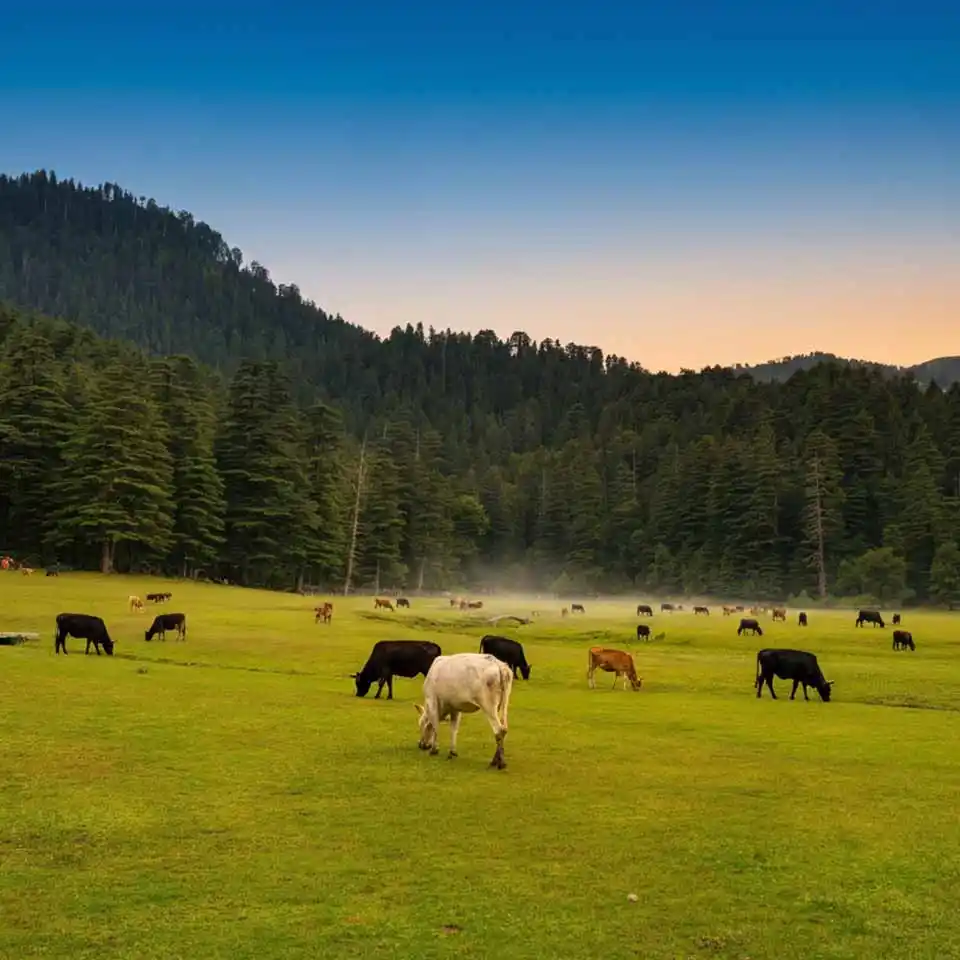 6D/5N
6D/5NDharamshala Dalhousie Khajjiar Meadow Circuit
1D Delhi•2D McLeodganj+1
₹19,999₹25,999SAVE INR 6,000/ person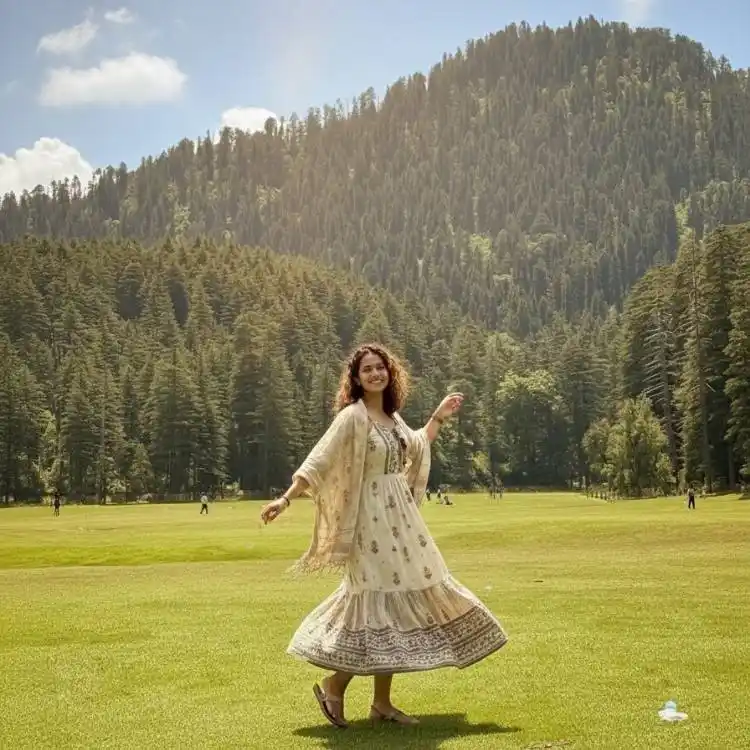 7D/6N
7D/6NDharamshala–McLeod Ganj, Dalhousie & Khajjiar With Amritsar
1D Delhi•2D McLeod Ganj / Dharamshala+3
₹23,999₹28,999SAVE INR 5,000/ person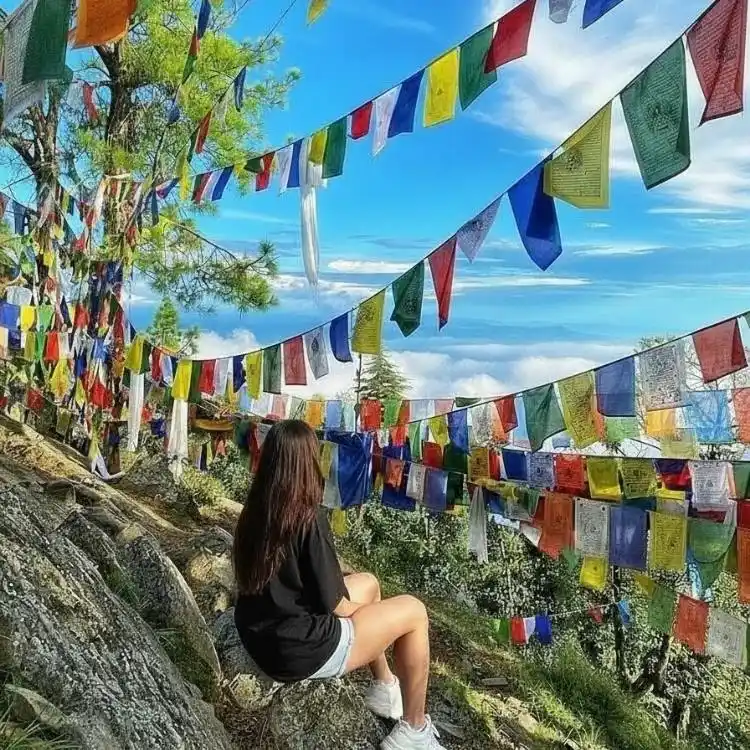 3D/2N
3D/2NDharamshala & McLeodganj Weekend Tour
1D Delhi•2D Dharamshala / McLeodganj
₹8,799₹17,880SAVE INR 9,081/ person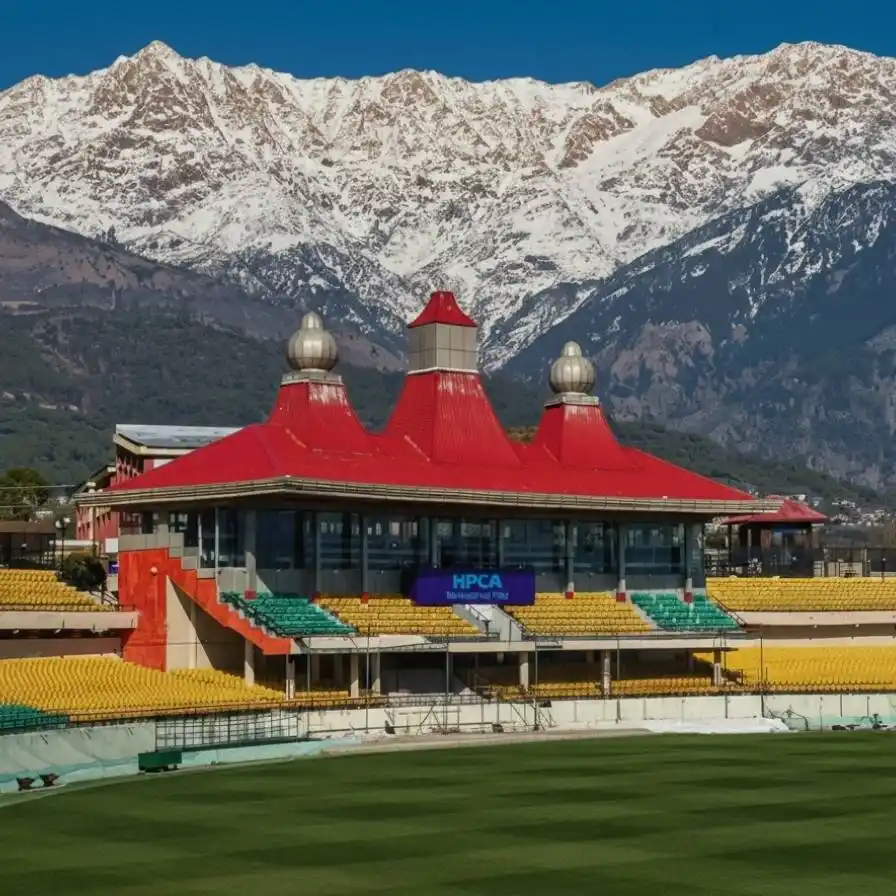 6D/5N
6D/5NDharamshala Dalhousie Khajjiar Himalayan Retreat
1D Delhi•2D McLeodganj+1
₹25,999₹32,999SAVE INR 7,000/ person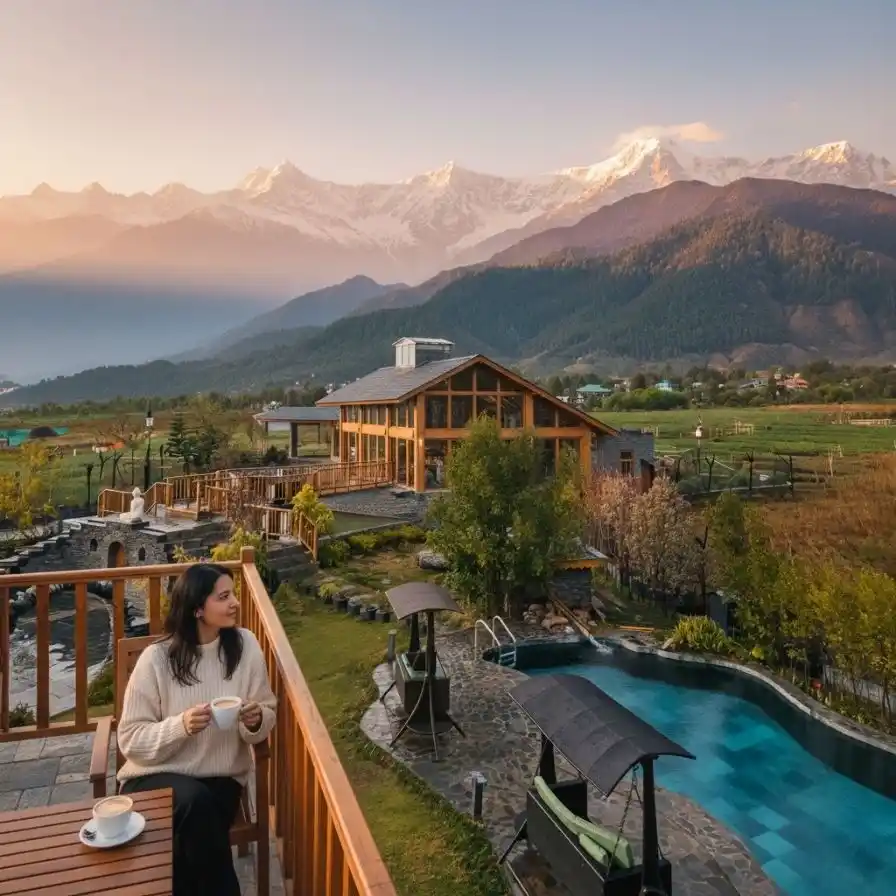 3D/2N
3D/2NDharamshala & McLeodganj Luxury Hideaway
1D Delhi•2D Dharamshala / McLeodganj
₹23,799₹29,999SAVE INR 6,200/ person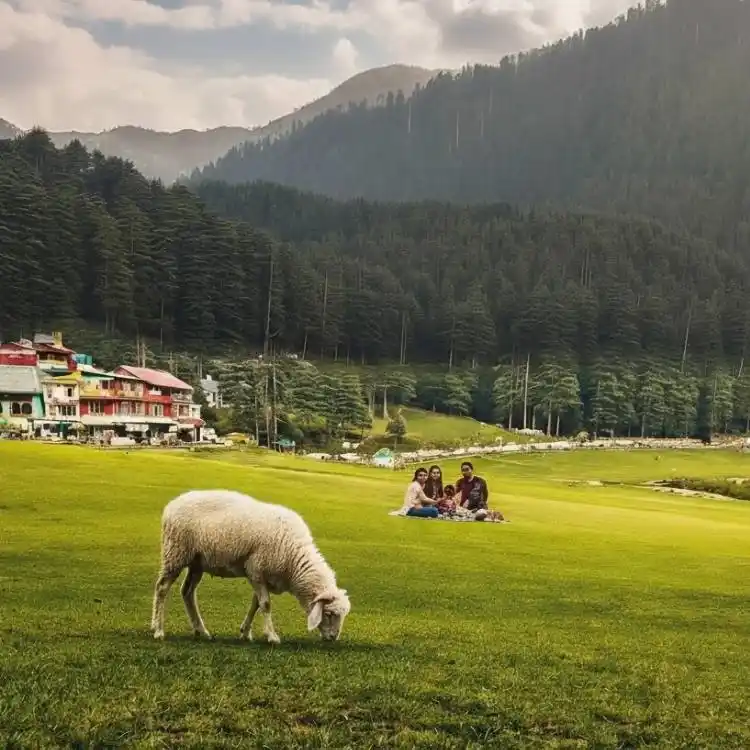 7D/6N
7D/6NPerfect Dharamshala–McLeod Ganj, Dalhousie, Khajjiar & Amritsar Family Trip
1D Delhi•3D McLeod Ganj / Dharamshala+2
₹29,999₹36,999SAVE INR 7,000/ person
Related topics
Frequently Asked Questions
Is September a good time to visit Dharamshala?
Yes. September is the tail end of monsoon, so you get green landscapes, cooler weather around 17°C to 23°C, and smaller crowds. You will get some rain, but the trade-off is a more atmospheric and less rushed experience than peak season months.
Does it rain in McLeodganj in September?
Yes. September falls within the monsoon window for McLeodganj, and average rainfall is around 107 mm for the month. Rain tends to be lighter and less continuous than July or August, but you should plan for at least a few wet spells during your trip.
Can we do the Triund trek in September?
You can, but it depends on the day's weather. The trail gets muddy and slippery after rain. Start early in the morning when skies are clearest, and only attempt it on a day with a good forecast. Triund camping is regulated, so check permit rules locally before trekking.
How many days are enough for Dharamshala and McLeodganj?
Two full days cover the main highlights. Three days give you room for Triund, Dharamkot, and a buffer for rain delays. In September, three days is the better call because you might lose half a day to weather.
What should I wear in McLeodganj in September?
Wear quick-dry clothes, shoes with good grip, and carry a rain jacket. Evenings need a light layer like a fleece or hoodie. If you are trekking to Triund, pack a proper warm jacket and thermals for overnight temperatures that can drop to 1°C to 5°C.
Is Dharamshala safe to visit in September?
Yes. The town and McLeodganj are safe for all travellers including solo women and families. The main risks in September are slippery roads and trails during rain, not safety concerns. Carry proper footwear and avoid trekking in heavy rain.
Is September better than October for Dharamshala?
It depends on your priorities. September is better for greenery, waterfalls, and fewer crowds. October is better for clear skies and reliable trekking. Neither is objectively better. Choose based on whether you prefer atmosphere or predictability.
Can families visit McLeodganj in September?
Yes. Families with older children can enjoy September well. The main temple, cafés, and market work in any weather. Avoid Triund with small kids during monsoon, and keep rain-safe backups ready for each day.
Can I cover Dharamshala and McLeodganj in 2 days?
Yes, you can cover the main spots in 2 full days. You will see the Tsuglagkhang Complex, Bhagsu Waterfall, the market, and one or two viewpoints. You will not have time for Triund or a slow Dharamkot day.
Which is better to stay in, Dharamshala or McLeodganj?
McLeodganj for most travellers. It puts you within walking distance of the main temple, cafés, trails, and the market. Lower Dharamshala works better for families who want quieter hotels and do not mind a short daily commute.
Is Dharamkot worth visiting in September?
Absolutely. The pine forests around Dharamkot turn impossibly green in September. The cafés are quieter, the walks are beautiful, and it is a welcome change from the McLeodganj main road buzz. A half-day here is enough.
Are hotel prices lower in September?
Generally, yes. September is shoulder season in McLeodganj. Occupancy is lower than July-August and significantly lower than October. Many hotels offer walk-in discounts of 15 to 25 percent, especially midweek. Always ask.
More about Dharamshala
 Dharamshala
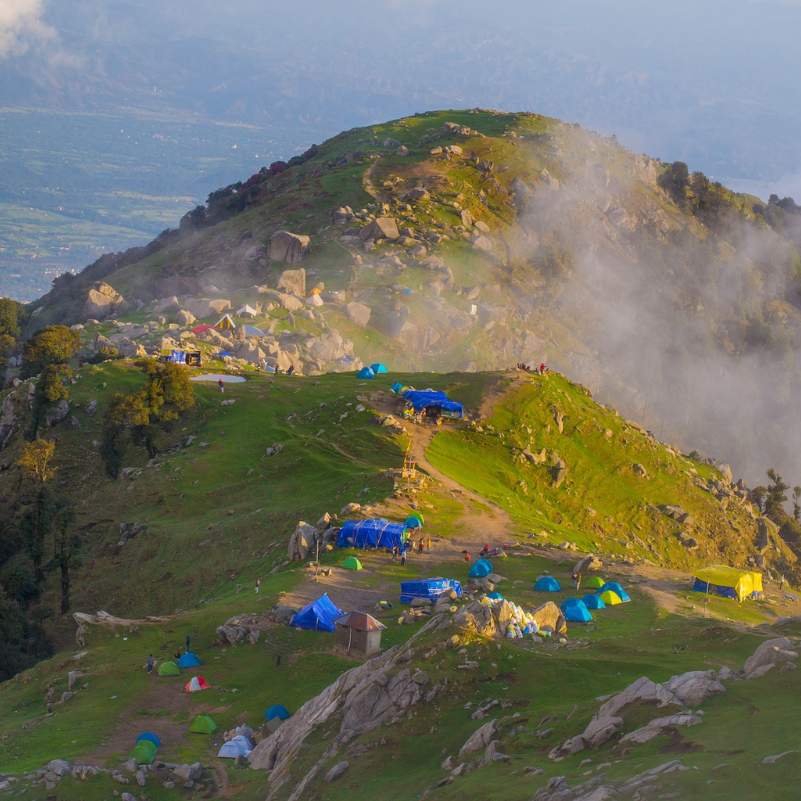
Trekking in Dharamshala: Every Major Trek Ranked (2026 Guide)
Planning to go trekking in Dharamshala in 2026? This complete guide ranks the region's best treks by difficulty, scenery, and experience, while covering ideal seasons, trail highlights, and practical planning tips for every type of trekker.
- Things to Do
 Dharamshala
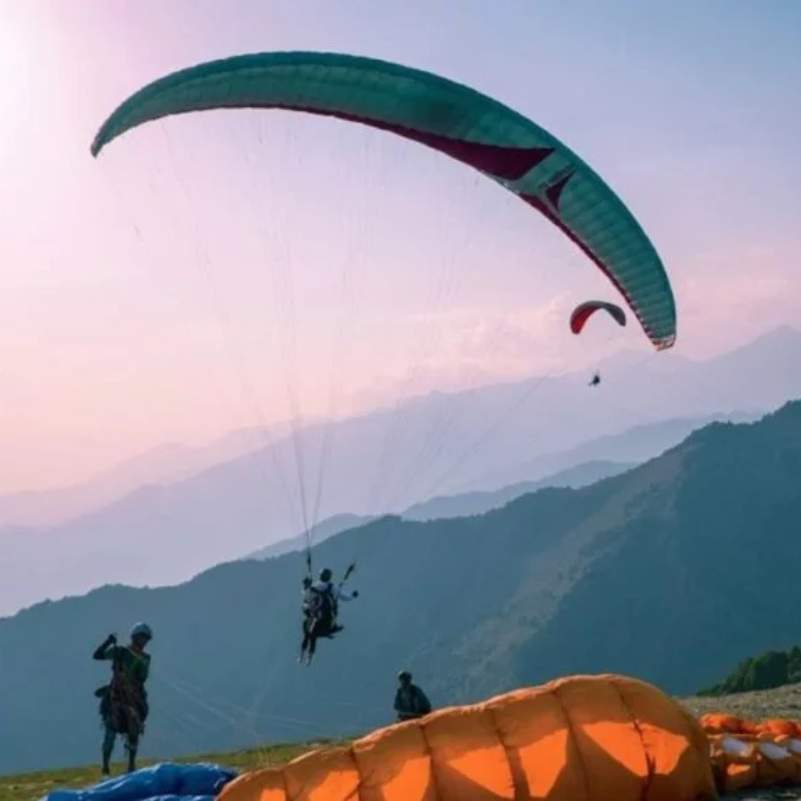
Bir Billing Paragliding 2026: Complete Guide and How to Reach from Dharamshala
Planning to experience Bir Billing paragliding in 2026? This complete guide covers flight options, costs, the best season to fly, safety tips, and how to reach Bir Billing from Dharamshala for one of Himachal Pradesh's most iconic adventure experiences.
- Things to Do
- How to Reach
 Dharamshala
5 Days in Dharamshala and McLeodganj: A Slow Travel Itinerary for 2026
Planning 5 days in Dharamshala and McLeodganj in 2026? This slow travel itinerary combines iconic attractions, hidden local experiences, cafés, nature walks, and cultural stops to help you experience the region at a relaxed pace without rushing from one sight to another.
- Itinerary
- Things to Do