
Dharamshala in July 2026: Is It Worth Visiting in Monsoon?
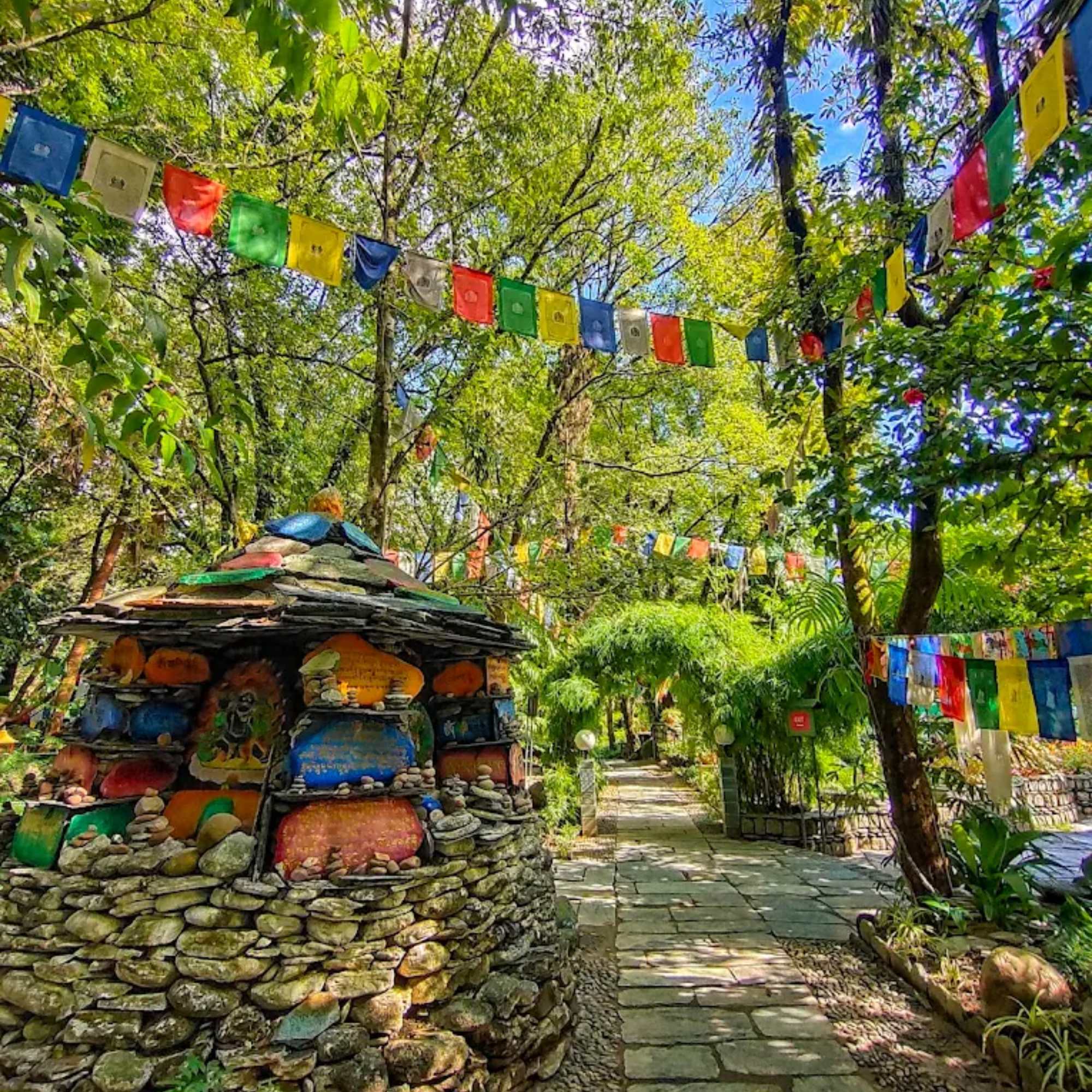
Dharamshala in July is not the postcard version of the hill station. The mountains hide behind clouds for most of the day. Rain comes down hard, sometimes for hours. The roads get slippery and the views disappear.
And yet, some of the most satisfied travellers we have sent to Dharamshala went in July.
The monsoon turns this place into something you will not see in any other month. Waterfalls that barely trickle in May become roaring white sheets.
The forests around McLeodganj go so green it almost looks unreal. The tourist crowds thin out. Cafes that had hour-long waits in June suddenly have empty tables and quiet corners.
But the rain also means cancelled treks, blocked roads, and the kind of humidity that sticks to your clothes all day. Whether July works for you depends entirely on what you want from the trip and what you are willing to trade for it.
This guide by Travel Coffee breaks it all down honestly so you can decide before you book.
Quick Answer: Is Dharamshala Worth Visiting in July?
Yes, if you are okay with rain and care more about green landscapes, quiet cafes, and low hotel prices than clear mountain views. July is peak monsoon in Dharamshala. Expect rain almost daily, temperatures between 18°C to 25°C, and reduced crowds compared to May and June.
Waterfalls are at their strongest. Hotel rates drop significantly. But treks like Triund become risky, and mountain views are often blocked by clouds. If you want a peaceful, budget-friendly, rain-soaked hill station experience, July delivers.
Dharamshala Weather in July 2026
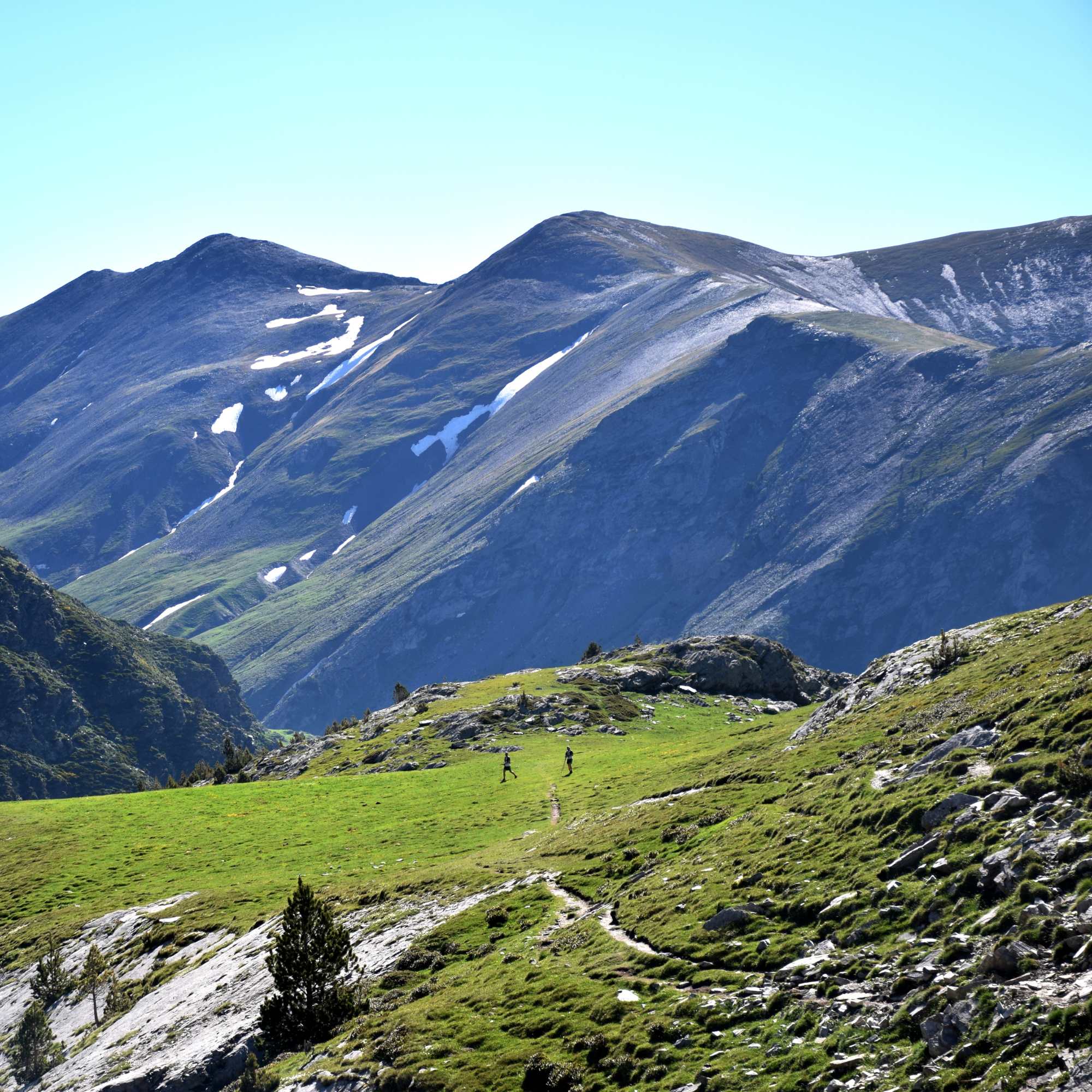
The dharamshala weather in July follows a pattern that confuses first-time visitors. It is not cold. It is not unbearably hot. It is warm, wet, and misty.
Daytime temperatures hover between 18°C and 25°C. When the sun breaks through the clouds, which happens for a few hours most days, it feels pleasant and warm. The moment clouds roll back in, a light chill settles and the mist drops visibility to a few hundred metres.
Humidity is the thing nobody warns you about. Dharamshala sits at 1,457 metres, which is not high enough to escape the monsoon moisture. Your clothes will feel damp. Your shoes will take two days to dry. Your hair will do whatever it wants.
Mornings are usually the best part of the day. You get a few hours of clear-ish sky before the clouds take over by noon.
Most of our travellers who visit Dharamshala in July tell us the same thing: pack your sightseeing into the morning hours and keep the afternoons for cafes, monasteries, and indoor plans.
Evenings cool down nicely after the rain. The air smells like wet pine and earth. If you are the kind of person who finds that comforting rather than annoying, you will enjoy July here more than you expect.
How Much Does It Rain in Dharamshala in July?
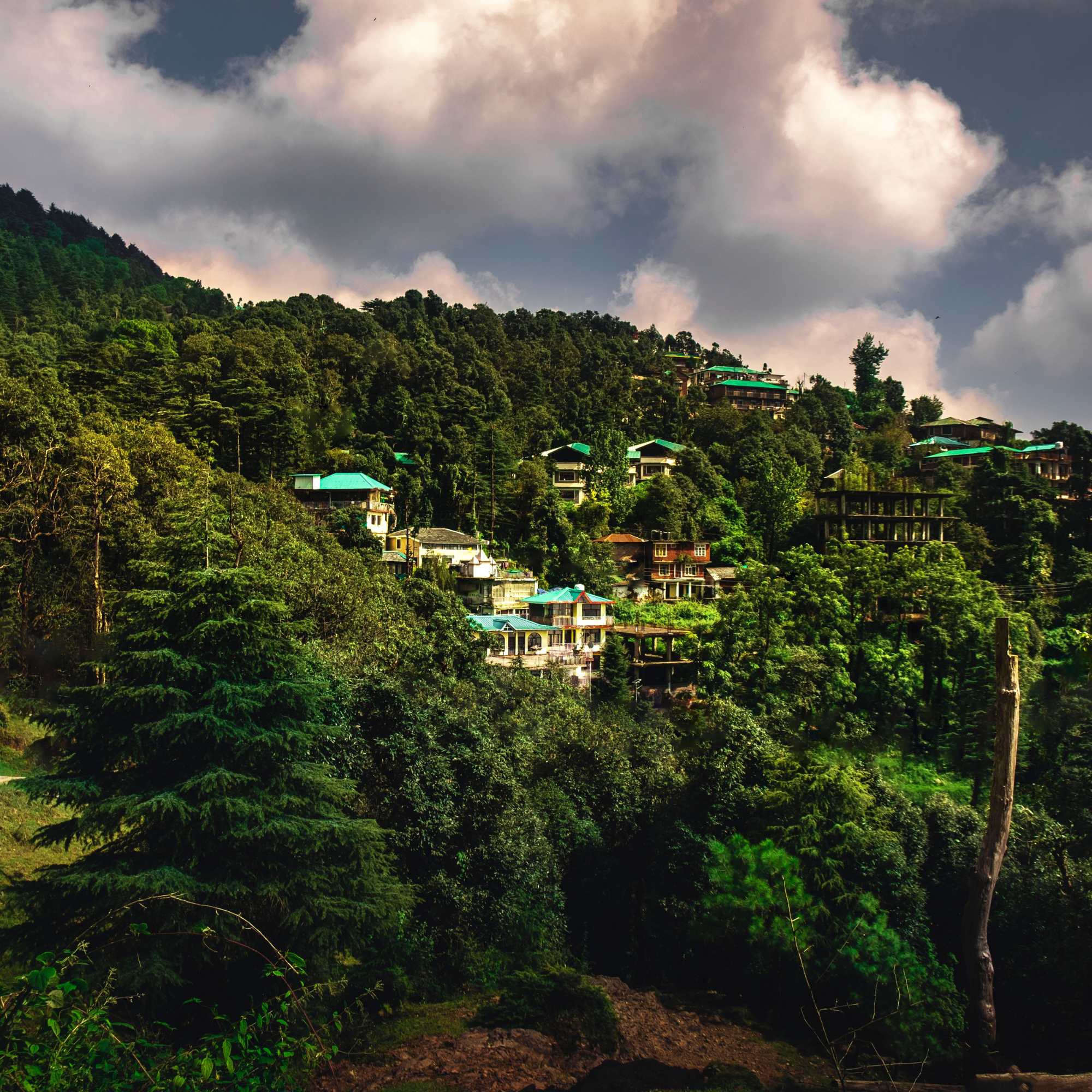
A lot. There is no gentle way to put it. July is one of the wettest months in Dharamshala and the dharamshala rainfall in July is not the light drizzle you get in Delhi.
Dharamshala receives some of the highest rainfall in all of Himachal Pradesh. In July, moderate to heavy rainfall is common.
You might get three dry hours in the morning, followed by a downpour that lasts from noon until evening. Some days it rains continuously. Some days you get lucky with just a light shower.
The rain affects travel in real ways. The road from Dharamshala to McLeodganj gets waterlogged in patches. Taxis slow down.
Walking on the steep streets of McLeodganj becomes slippery. Landslides can block the main highway from Chandigarh for a few hours, sometimes longer.
What most tourists get wrong about July is thinking they can do everything they planned for a summer trip, just with an umbrella. That is not how monsoon works here.
You need to plan differently, expect delays, and keep your itinerary loose. The travellers who enjoy July the most are the ones who leave room for the weather to decide half the schedule.
Pros of Visiting Dharamshala in July
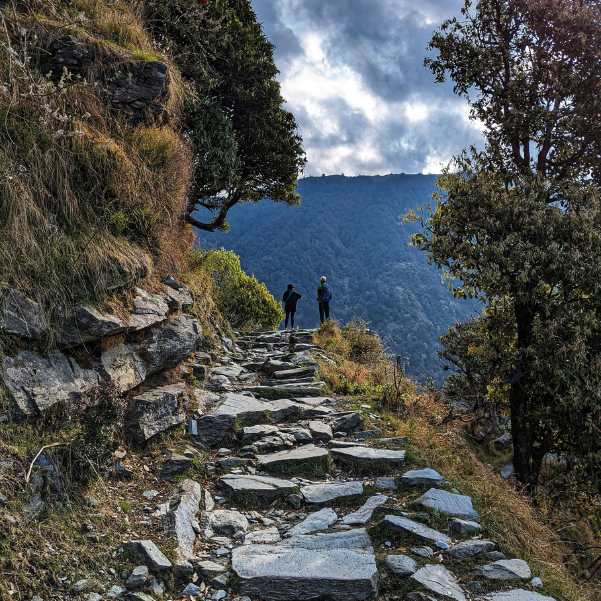
The greenery is on another level
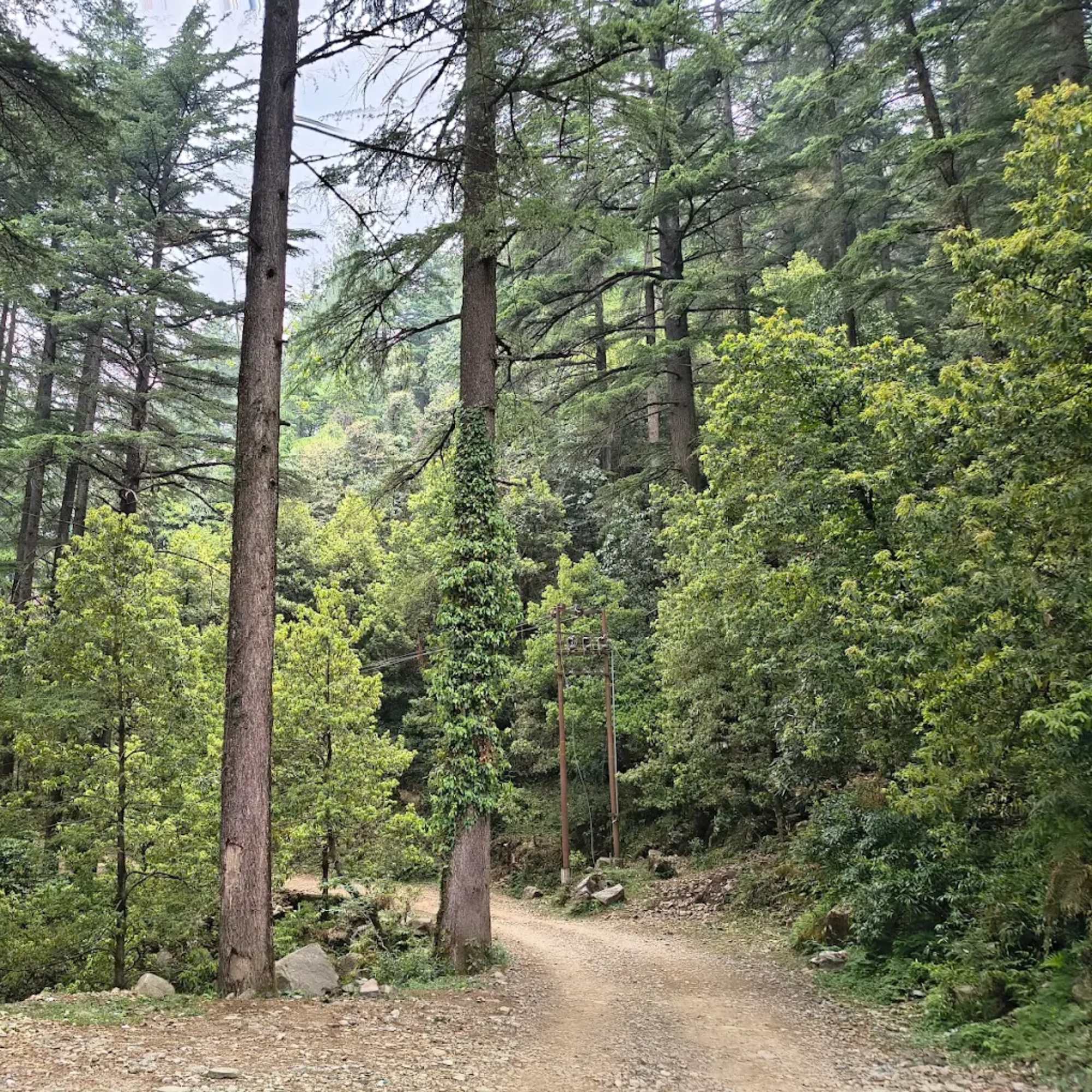
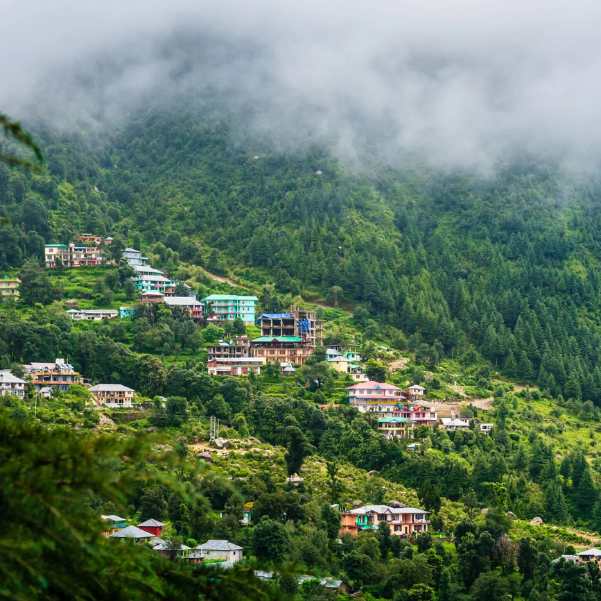
Every hillside, every trail, every valley turns into a shade of green you will not see in any other month. The deodar forests around McLeodganj look like something from a nature documentary. Monsoon greenery is at its best in July and there is no filter needed for those photos.
Waterfalls are at their absolute best
Bhagsu Waterfall, which is a thin trickle in April and May, turns into a massive wall of water in July. The roar of it is something you hear from 500 metres away. Other small waterfalls pop up along the hillsides that do not even exist in dry months.
Crowds drop significantly
The summer rush of May and June is gone. McLeodganj's narrow lanes feel walkable again. You can get a table at Illiterati Cafe without waiting.
You can find rooms at half the price of peak season. The dharamshala crowd in July is noticeably thinner and the whole place feels calmer.
Hotel prices are genuinely low
One genuine advantage of visiting Dharamshala in July is the lower accommodation cost. With fewer tourists compared to the May-June rush, many hotels, homestays and boutique stays reduce their rates during the monsoon season.
Budget travellers can often find comfortable rooms from around ₹1,200 to ₹2,000 per night, while higher-end properties may also offer attractive seasonal discounts.
Photography gets interesting
The mist, the rain, the green, the clouds rolling through the valleys. July gives you moody, dramatic shots that you will never get in clear weather. Some of the best Dharamshala photos on our Instagram were shot in monsoon.
If you are someone who wants a quiet, green, budget-friendly escape and you do not mind the rain, our Dharamshala tour packages work especially well in July because hotel availability is high and we can get you better stays at lower rates.
Cons of Visiting Dharamshala in July
Mountain views are mostly blocked
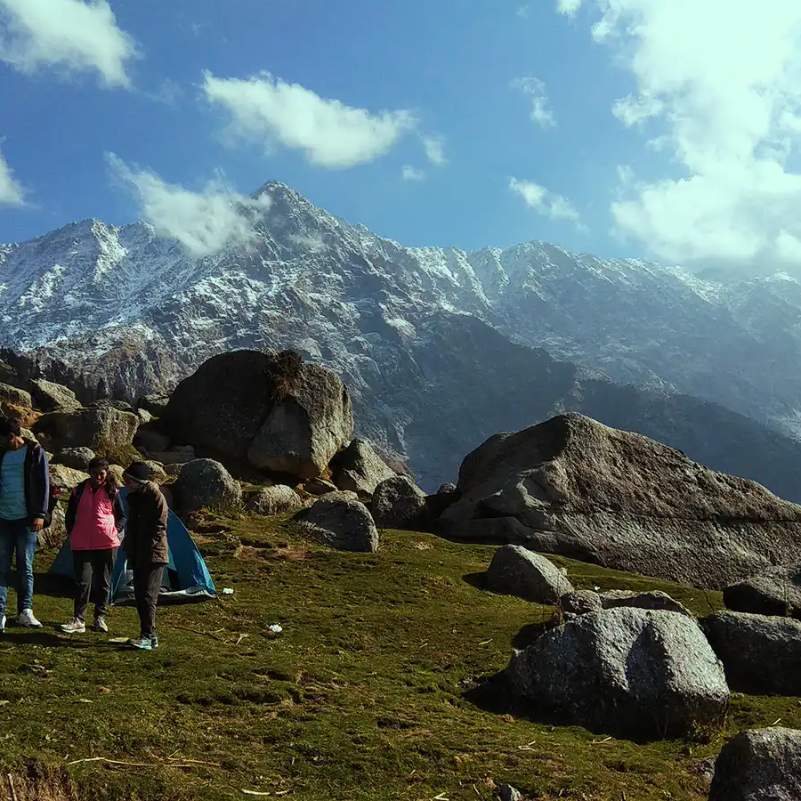
The Dhauladhar range disappears behind clouds for most of July. On a lucky morning you might see the peaks for an hour before the clouds swallow them again. If seeing snow-capped mountains is the reason you are going, July will disappoint you.
Outdoor treks are risky
Trails get slippery, leeches come out in full force in the forested sections, and visibility drops to almost nothing during rain. We do not recommend any serious trekking in July unless you are experienced and have checked local conditions on the day.
Rain can disrupt your plans
A day of continuous heavy rain means you are stuck indoors. If you only have 2 days and it rains both days, you will not get to do half of what you planned. This is the biggest trade-off of a July visit.
The humidity is real
Dharamshala does not feel like a crisp mountain escape in July. It feels muggy when it is not raining. Clothes dry slowly. Shoes stay damp. If you hate humidity, you will not enjoy the non-rainy hours much either.
Leeches on trails
This sounds dramatic but it is genuinely annoying. Any forest trail below the tree line has leeches in July. They are harmless but unpleasant if you are not used to them. Carry salt or a lighter if you plan to walk any forest paths.
Can You Do the Triund Trek in July?
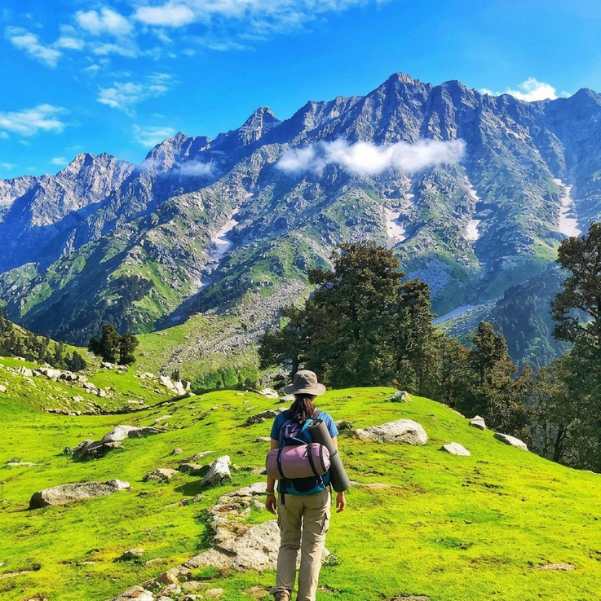
This is one of the most common questions we get, and the honest answer is: probably not, and we would not recommend it for most travellers.
The Triund trek in July trail goes through dense forest for the first half, and that forest section becomes a leech zone in monsoon.
The trail gets muddy and slippery. Above the tree line, the ridge is exposed to wind and rain with zero shelter. If weather turns while you are up there, it gets dangerous fast.
In our experience running trips here for years, we have seen July treks to Triund go well maybe one out of five times. The other four times, travellers come back soaked, covered in leech bites, having seen nothing but clouds from the top.
The trail conditions depend entirely on the weather on that specific day. If you absolutely want to attempt it, check locally with guides at the Galu Devi trailhead on the morning of your planned trek.
Do not decide the night before based on a weather app. And do not go without a local guide in monsoon.
If trekking is the main reason for your trip, skip July. Come in September or October when the trails are dry, the views are clear, and the leeches have gone.
Best Places to Visit in Dharamshala in July
Not everything shuts down in monsoon. Some places to visit in Dharamshala in July actually get better when it rains. Here is what works well even when the sky opens up.
Bhagsu Waterfall
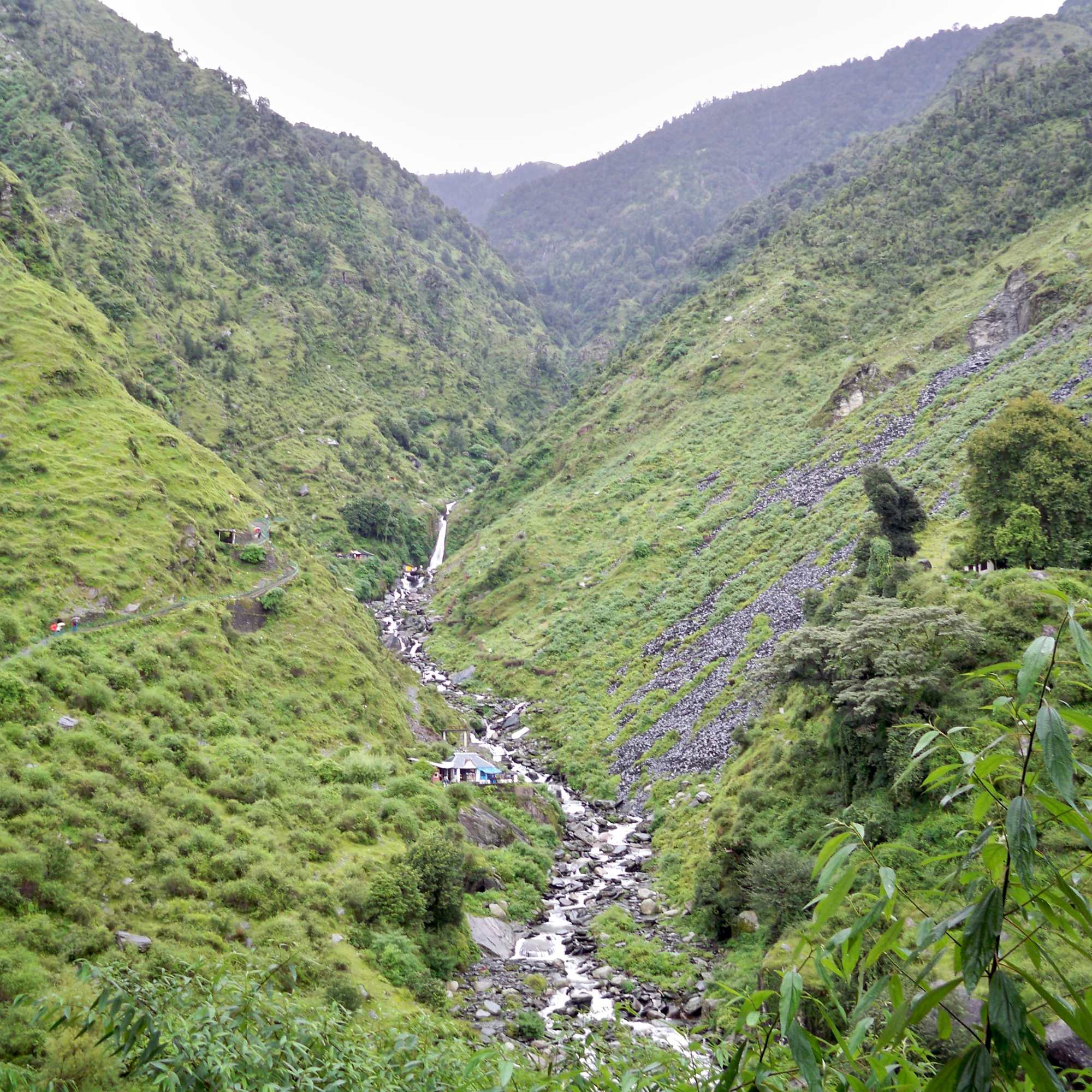
Bhagsu Waterfall in July is a completely different experience from any other month. The water volume in monsoon is massive. The falls thunder down the rocks and the spray hits you from 20 metres away. It is loud, dramatic, and genuinely impressive.
The walk from McLeodganj to Bhagsu takes about 20 minutes. The path is paved but slippery in rain, so wear shoes with grip. Go before 8 AM.
The light on the water is completely different at sunrise and the trail is empty. By 10, the first wave of visitors shows up and the path starts to feel crowded even in monsoon.
The small cafes near the waterfall serve hot chai and Maggi, and sitting there with the sound of the falls behind you is one of the best monsoon moments in all of Himachal.
Skip the paid photography spots near the base. They charge ₹50 to ₹100 for photos you can take yourself from the free viewing areas just a few steps further. Save that money for a plate of momos on the walk back.
Dal Lake
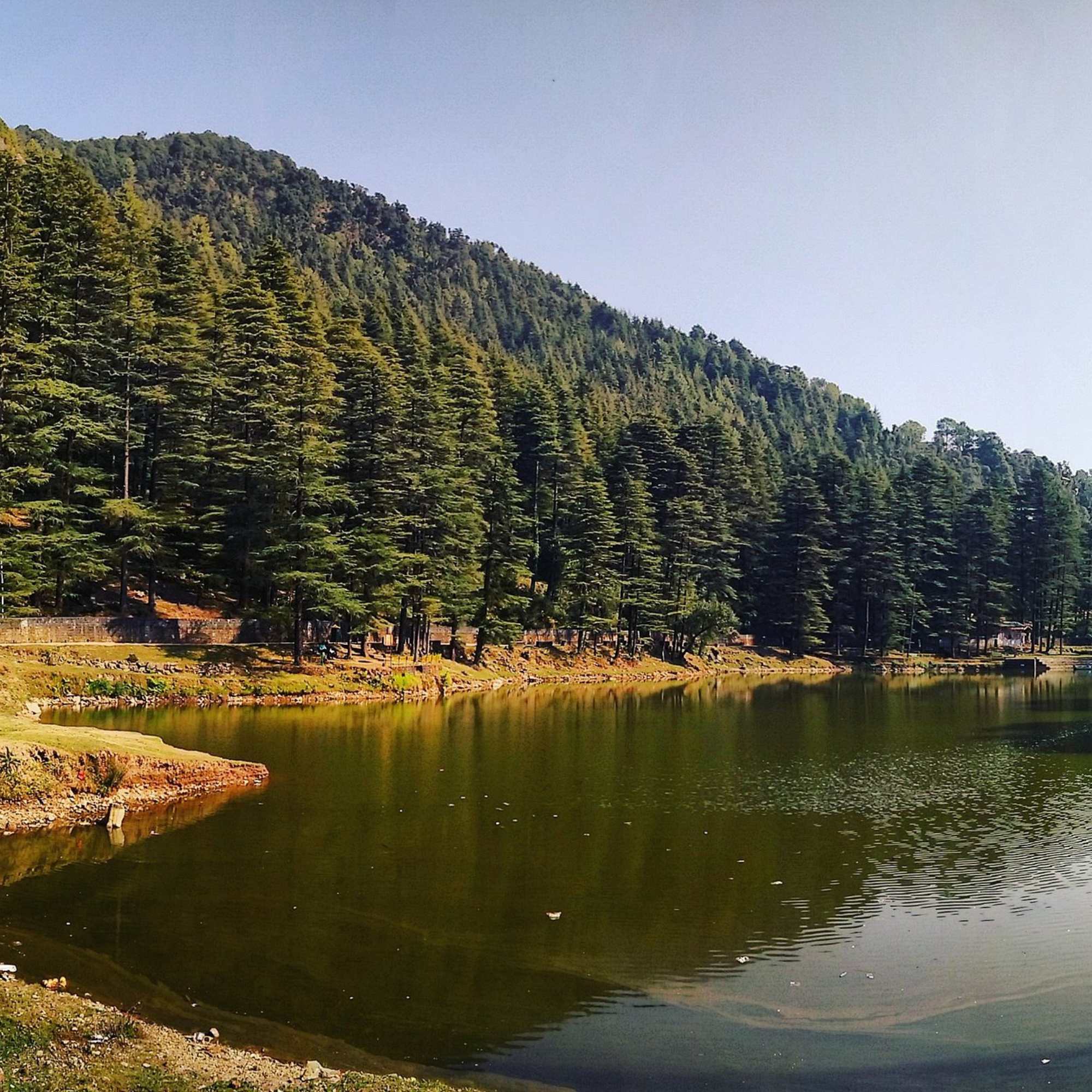
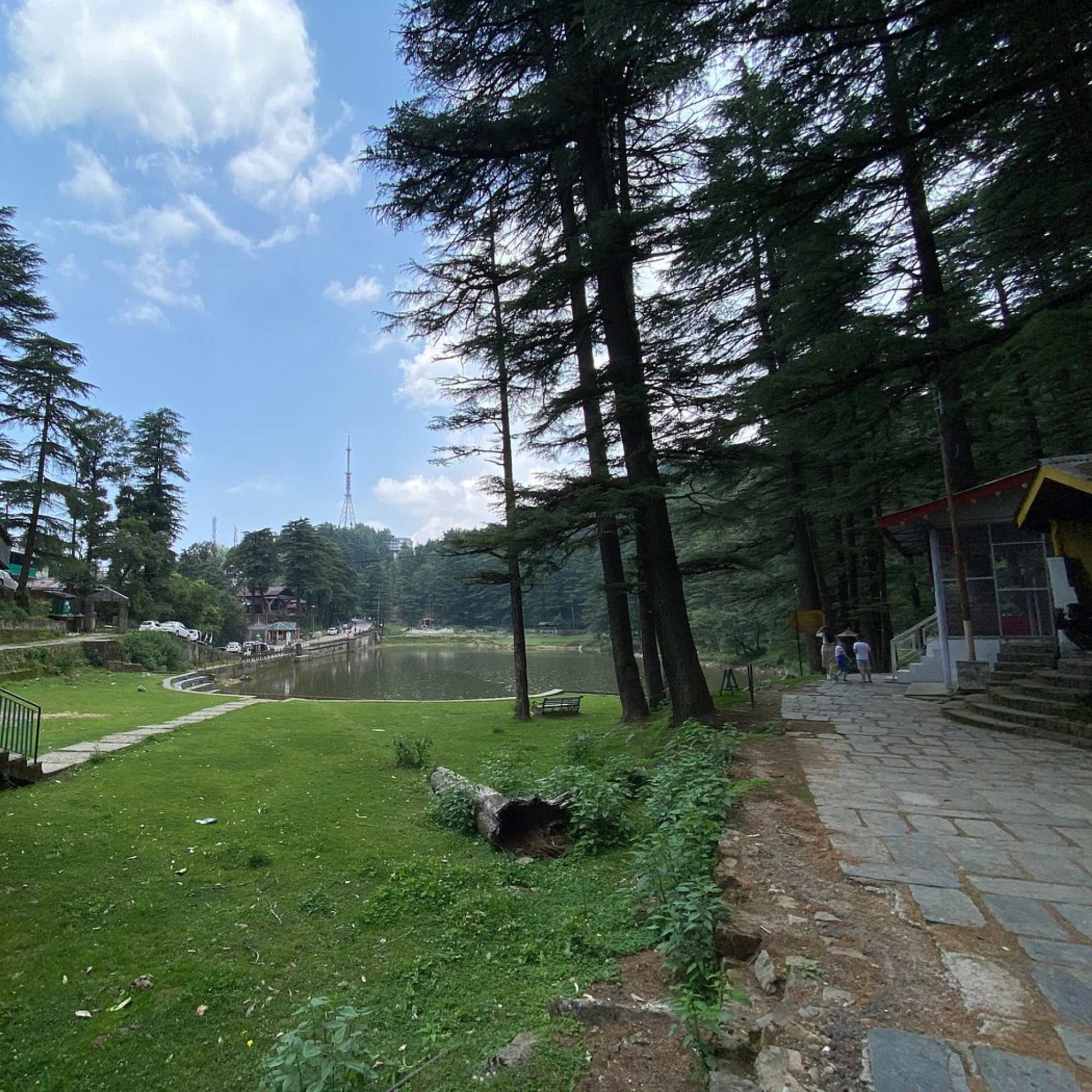
Not the famous one in Kashmir. Dharamshala's Dal Lake is a small, quiet lake surrounded by deodar trees. In July, the trees drip with moisture, the water is full, and the whole area feels like a forest bath.
It is a good spot for a quiet walk. There is a small Shiva temple nearby. The place does not take more than an hour, but in monsoon it has a calm energy that is hard to find anywhere else in the area.
St. John in the Wilderness
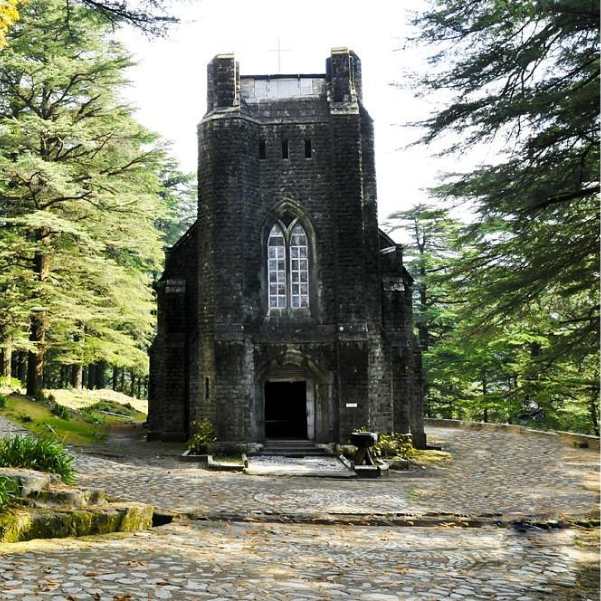
This old Anglican church sits in the middle of a pine forest between Dharamshala and McLeodganj. In July, the forest floor is covered in moss and the trees are dripping.
The church itself is beautiful with stone walls and stained glass, and the graveyard next to it has this strange, peaceful feel.
It is one of those places that works better in monsoon than in sunshine. The mist adds something to it that clear weather takes away. Most travel guides list it as a quick stop, but in July it deserves a slow 30 minutes.
Namgyal Monastery
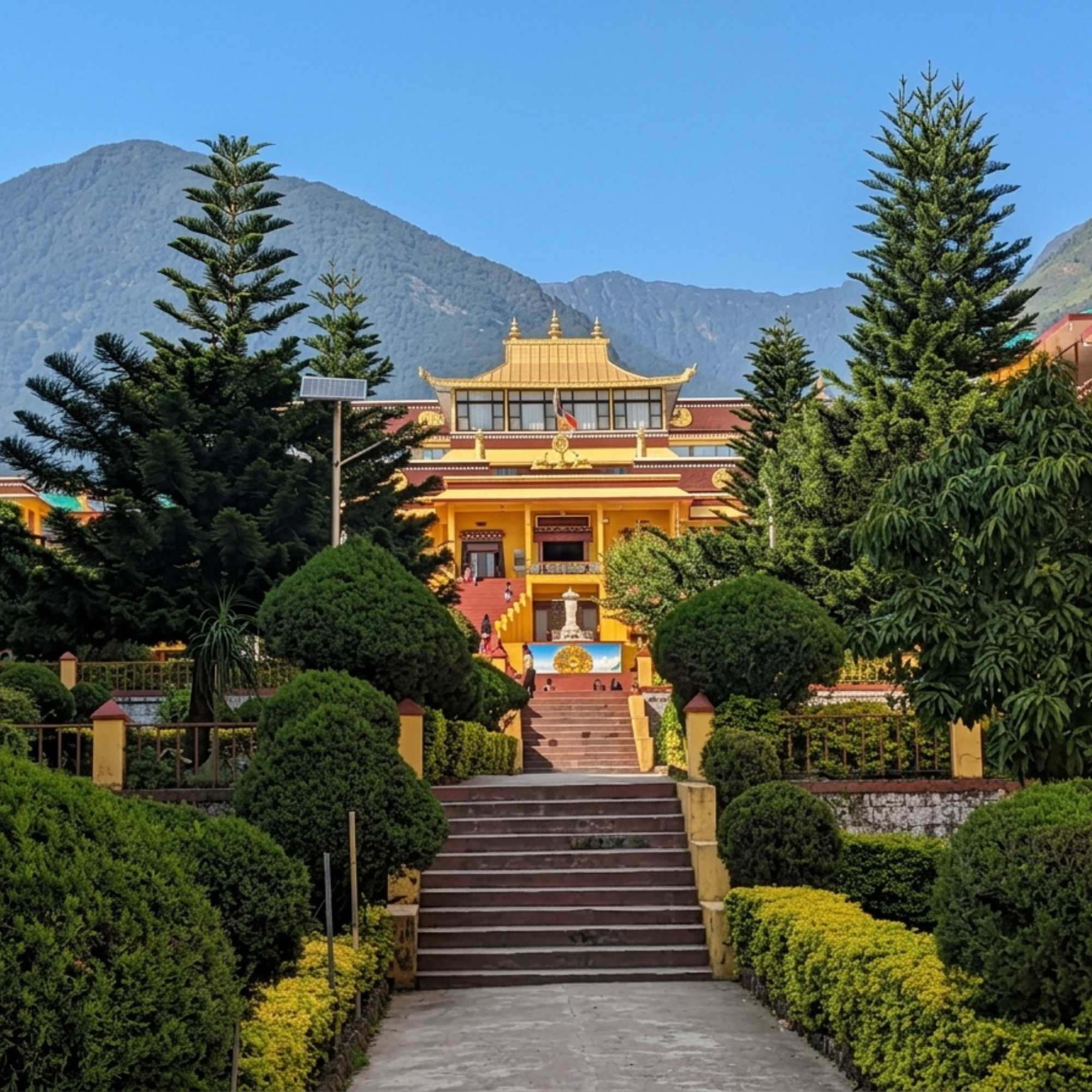
Rain or shine, Namgyal Monastery in McLeodganj is open and worth visiting. This is the personal monastery of the Dalai Lama. The prayer hall is indoors, so weather does not matter.
Sit quietly in the hall for 20 minutes. Watch the monks. Listen to the chanting if you time it right. It is one of the most grounding experiences you will have on the trip. Entry is free. Keep your phone on silent and dress respectfully.
Norbulingka Institute
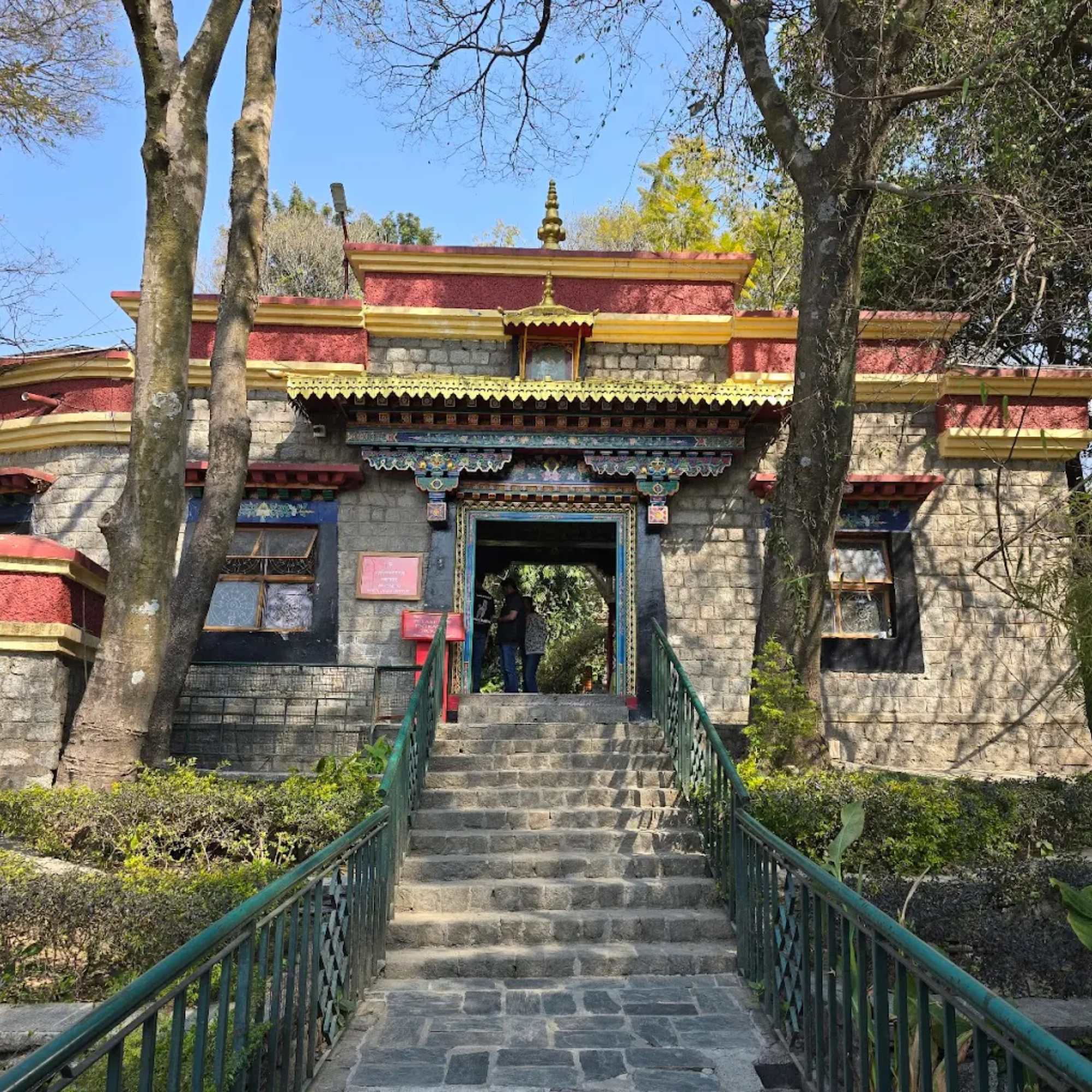
This is the best rainy-day plan in all of Dharamshala and most travellers miss it completely. Norbulingka is a Tibetan arts institute about 20 minutes from lower Dharamshala by taxi. The campus is beautiful, with Japanese-style gardens, art workshops, a small temple, and a cafe.
You can watch artists making thangka paintings, wood carvings, and metal statues. The whole place is covered, so rain does not matter at all.
Our team always tells travellers to keep this for their rainiest day. It fills 3 to 4 hours easily and you leave having learned something you did not expect.
For a full list of what to see beyond the monsoon-specific spots, our guide on the best places to visit in Dharamshala McLeodganj covers everything.
Dharamshala Skyway
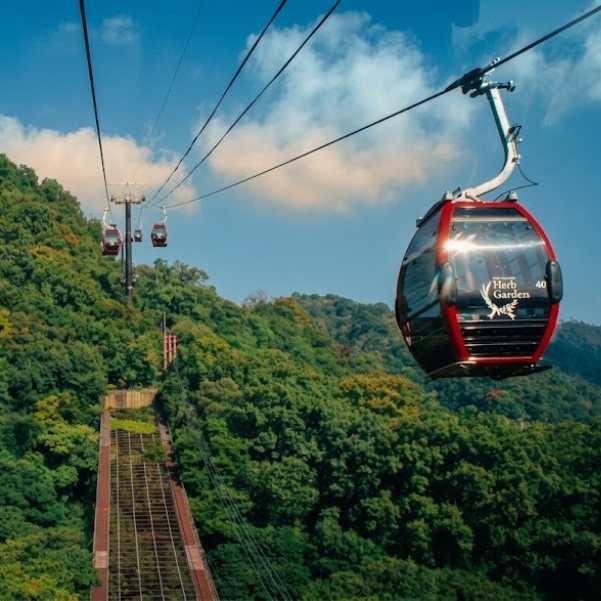
The Dharamshala Skyway has been operating since 2022 and gives you a ropeway ride between lower Dharamshala and McLeodganj.
In July, the ride takes you through clouds and mist. On a clear patch, you can see the valley spread out below you, green from edge to edge.
It is a fun 15-minute experience and saves you the winding road trip between the two towns. Check if it is running on the day you plan to go, because heavy rain and strong winds can pause operations temporarily.
3-Day Dharamshala July Itinerary
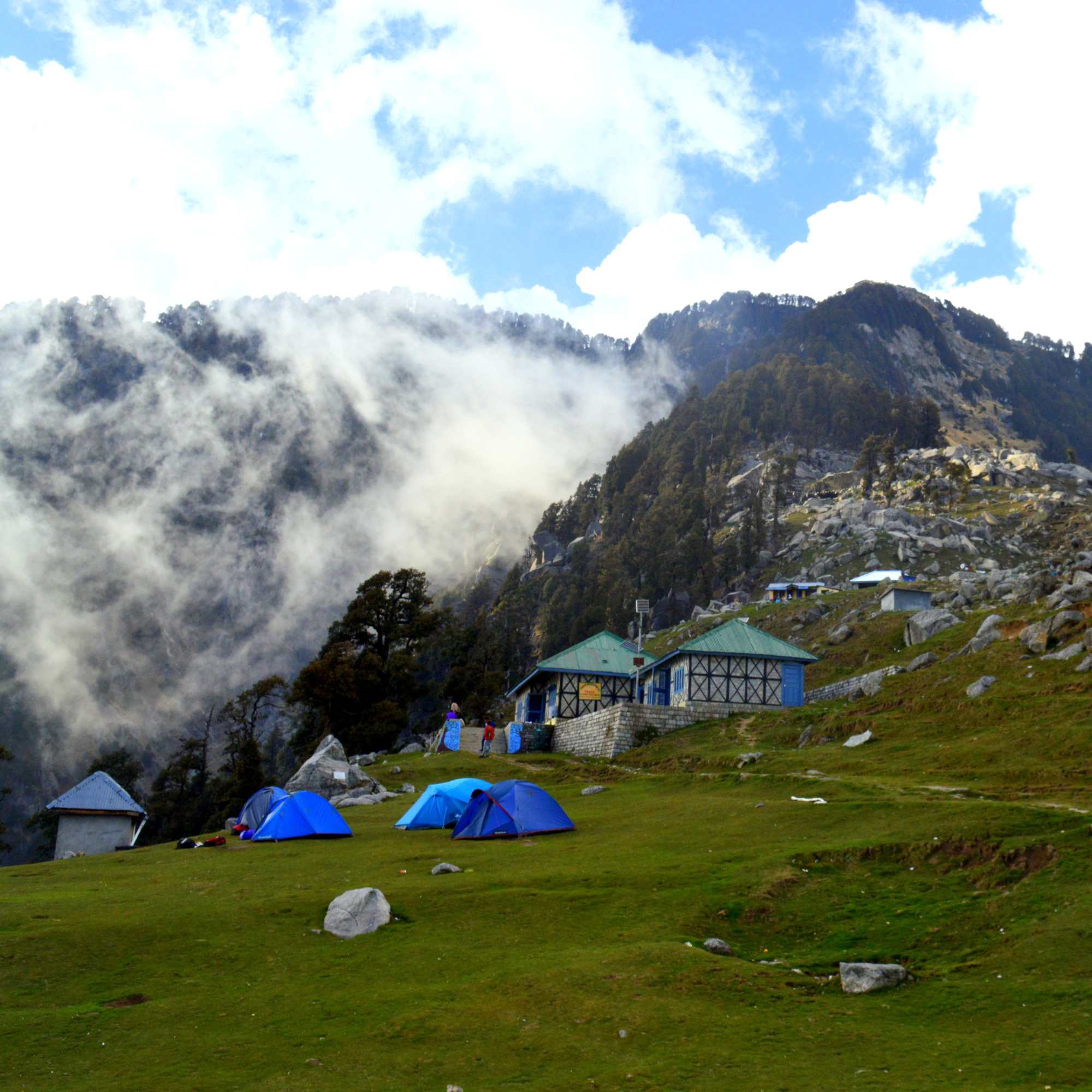
This dharamshala july itinerary is built for monsoon. It keeps mornings for outdoor plans and afternoons for indoor or covered activities. It also has built-in flexibility for rain days.
Day 1: Arrive and Explore McLeodganj
Reach McLeodganj by afternoon. Check into your hotel, freshen up, and walk to Namgyal Monastery before it closes. Spend 30 to 40 minutes there.
Then walk through the main McLeodganj market. The lane from the monastery to Jogiwara Road is full of Tibetan shops, bookstores, and small restaurants.
Have dinner at a Tibetan restaurant on Jogiwara Road. The thukpa and tingmo at the small places towards the end of the road are better and cheaper than the ones near the main square. A full meal for two costs around ₹400 to ₹500.
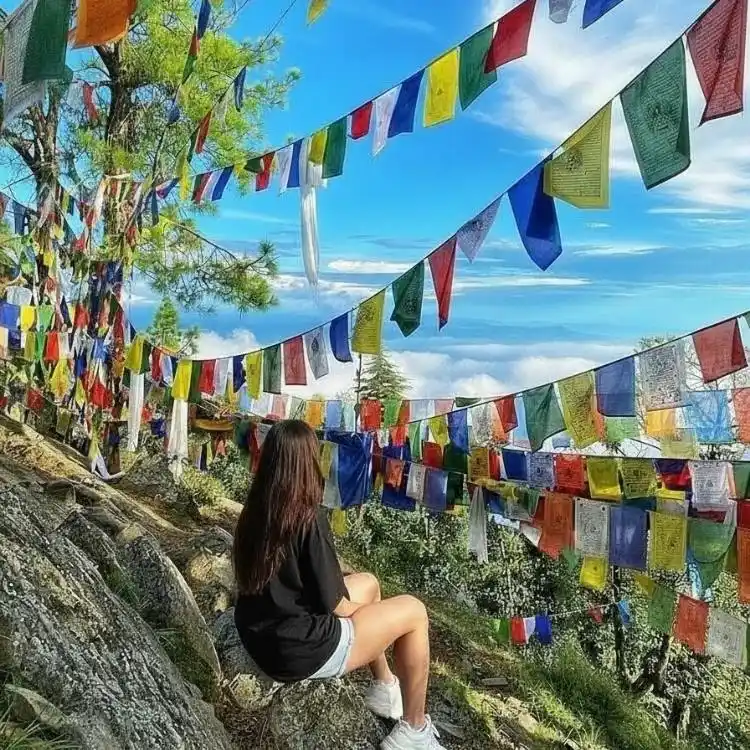
If the evening is clear, walk up to the Dalai Lama Temple complex for a quiet sit. The prayer wheels at dusk, with mist curling through the compound, are something you will remember.
Day 2: Bhagsu, Dal Lake, and Norbulingka
Start early. Walk to Bhagsu Waterfall by 8 AM. Spend an hour there. On the way back, stop at one of the cafes near Bhagsu Nag temple for breakfast.
After that, take a short taxi ride or walk to Dal Lake. Spend an hour walking around the lake and the temple.
Afternoon plan: take a taxi to Norbulingka Institute in lower Dharamshala. This is your rain-proof plan for the day. Explore the workshops, the garden, and the cafe. A taxi from McLeodganj to Norbulingka costs about ₹400 to ₹600 one way.
Evening: back to McLeodganj. Try the momos at one of the smaller stalls near the bus stand. The fried cheese momos at the stall just below the prayer wheel junction are the best we have found in McLeodganj. ₹60 to ₹80 for a plate.
Day 3: St. John's, Dharamshala Skyway, and Departure
Visit St. John in the Wilderness in the morning. It is between Dharamshala and McLeodganj, about a 10-minute taxi ride from McLeodganj market.
If the weather allows, take the Dharamshala Skyway for the ride between lower Dharamshala and McLeodganj. Time it so you can catch a clear window. Mornings usually work better.
Pack up and depart by afternoon. If you are taking a Volvo bus back to Delhi, the HRTC buses usually leave from lower Dharamshala. Book in advance because monsoon schedules can shift.
Road Conditions and Travel Tips for July 2026
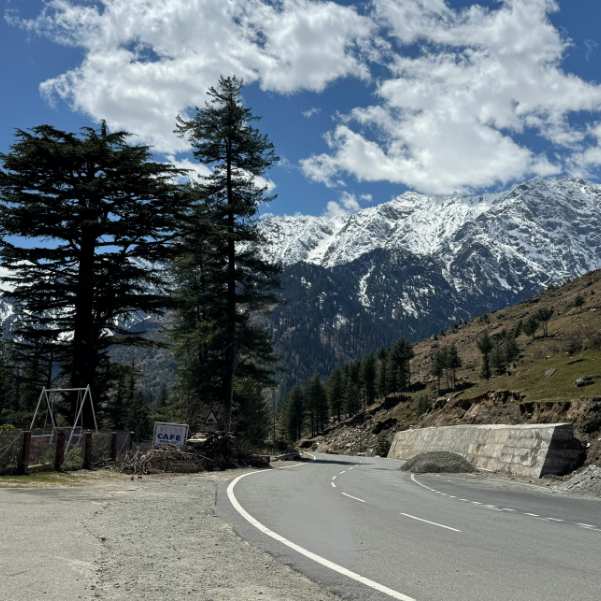
Getting to Dharamshala in July is doable but needs a bit more planning than usual. Dharamshala road conditions in monsoon are generally fine on the main highways, with some stretches needing caution.
From Delhi
The Delhi to Dharamshala route is about 480 to 500 km and takes 10 to 12 hours by road in normal conditions. In July, expect it to take longer.
The highway is fine until Chandigarh. After that, the Himachal stretch through Bilaspur and Kangra can have slow patches because of rain, minor landslides, and waterlogged sections.
Volvo buses from ISBT Kashmere Gate run overnight and reach Dharamshala by morning. Book HRTC or private Volvos in advance. Do not rely on finding seats at the counter in July because even though crowds are lower, bus frequency also drops slightly.
From Chandigarh
The Chandigarh to Dharamshala drive is about 250 km and takes 5 to 6 hours normally. In monsoon, add an extra hour. The road through Una and Kangra is mostly fine, but keep an eye on weather alerts for the last stretch.
General Tips
Always keep a buffer of half a day for road delays. If you have a flight to catch from Delhi, do not plan a same-day drive from Dharamshala. Leave a day early.
Check road status on the morning you plan to travel. The Himachal Pradesh PWD posts updates that are fairly reliable. Your hotel can also check with local drivers.
If you are driving your own car, the roads are fine for a regular sedan. You do not need an SUV for Dharamshala. Just drive slowly on the hairpin bends, especially when the road is wet.
One safety tip our drivers always share: the stretch between Kangra and Dharamshala has a few blind turns where water collects on the road during heavy rain.
Slow down on these turns even if the road looks empty. Locals know them well but outsiders often get surprised by the standing water.
What to Pack for Dharamshala in July
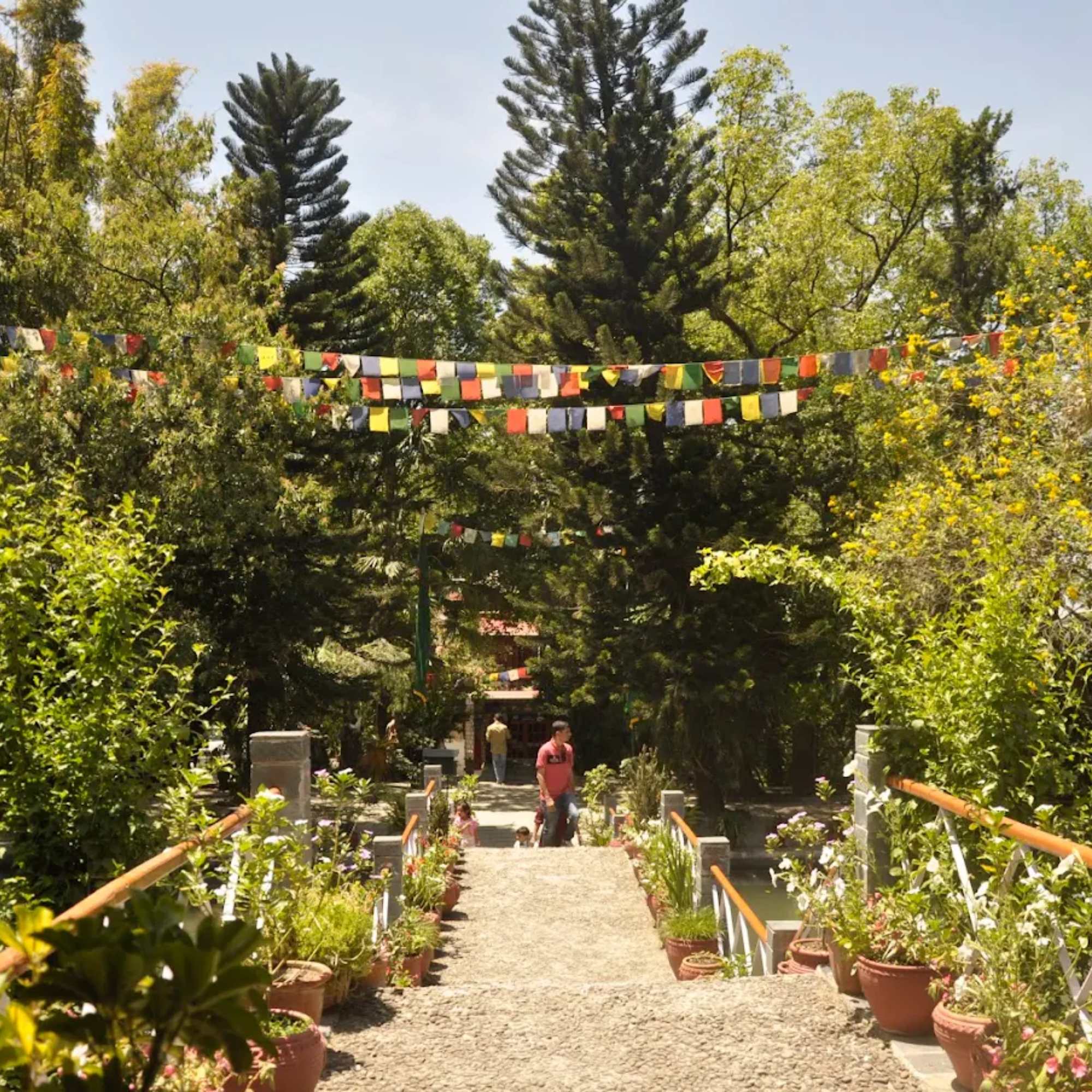
Packing for Dharamshala in July is all about staying dry and comfortable. You do not need heavy winter gear. You need rain gear and quick-dry everything.
Carry a proper rain jacket with a hood, not just an umbrella. The rain comes sideways on some of the mountain paths and an umbrella will not help. Waterproof shoes with good grip are essential. Sandals and sneakers will get soaked and stay soaked for the rest of the trip.
Pack light, quick-dry clothes. Cotton takes forever to dry in monsoon humidity. Carry two pairs of socks more than you think you need. A light fleece or hoodie for evenings when the temperature dips after rain.
Sunscreen is still important. When the sun does come out at 1,457 metres, the UV is stronger than you expect. A small daypack with a rain cover is better than a big backpack for daily walks.
Carry a plastic bag for your electronics when you are out walking. Water drips into bag pockets faster than you think.
A power bank is useful because charging options at some budget stays can be limited.
In our experience, the one item travellers always wish they had packed is a second pair of waterproof shoes. Your main pair will get wet on day one and will not dry before day two.
Is Dharamshala in July Good for Budget Travellers?
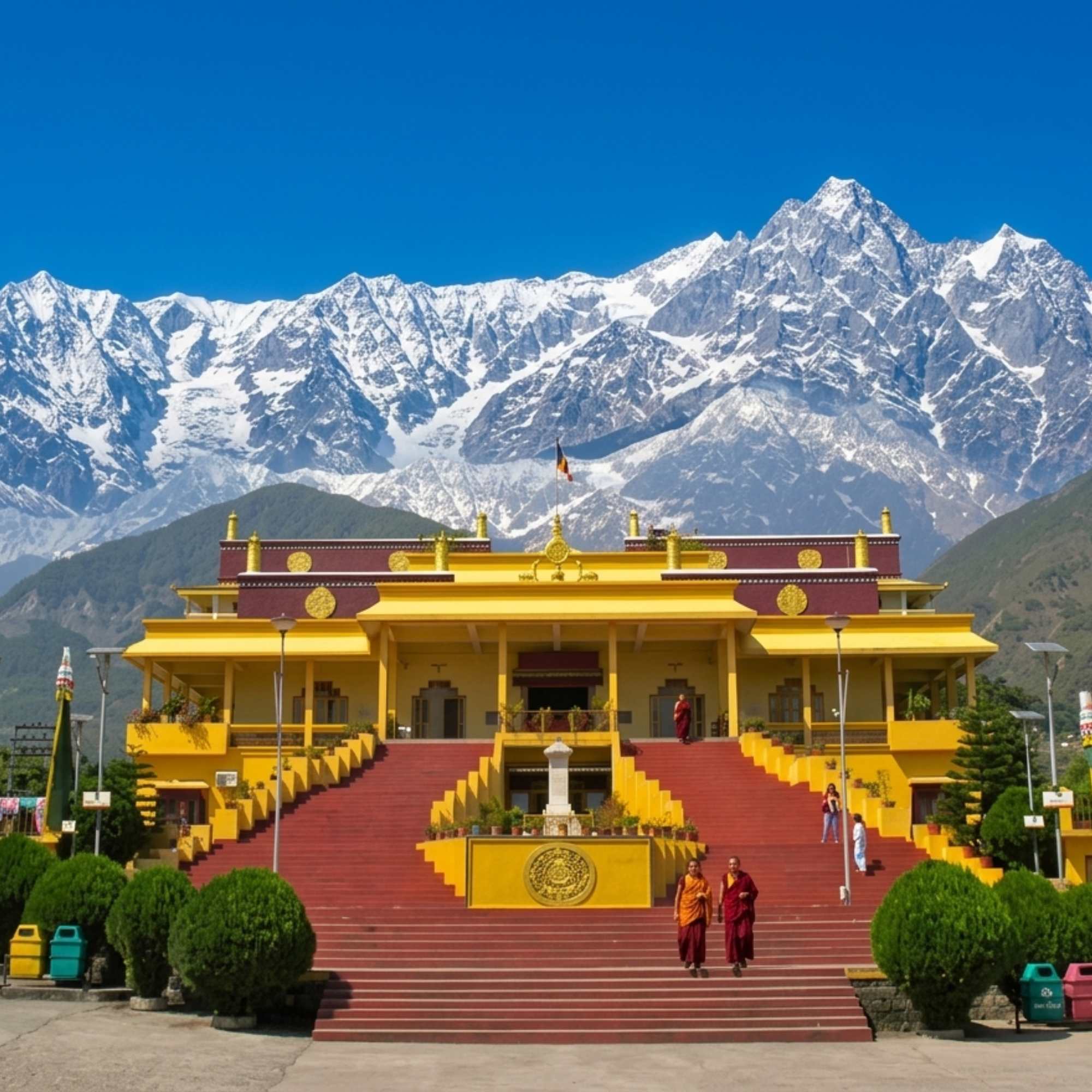
July is one of the cheapest months to visit Dharamshala. Hotels drop their rates because demand falls.
The same room that costs ₹3,500 in June might go for ₹1,500 in July. Even boutique stays in Dharamkot, Naddi, and upper McLeodganj offer monsoon discounts of 30 to 50 percent.
Food prices stay the same year-round, but you get better service and attention when restaurants are not packed. Taxis are easier to negotiate with because they have fewer customers.
Here is a money-saving tip most people do not know. Many homestays in the Dharamkot area offer weekly rates in July that work out to ₹600 to ₹800 a night for a private room with a view.
You will not find these listed on booking apps. You have to call or WhatsApp the homestay directly. Our team can connect you with a few trusted ones if you are interested.
If you are a solo traveller or a couple on a budget, a 3-day dharamshala trip in July including stay, food, and local transport can cost as little as ₹3,500 to ₹5,000 per person if you stay smart.
Who Should Visit Dharamshala in July?
Nature lovers
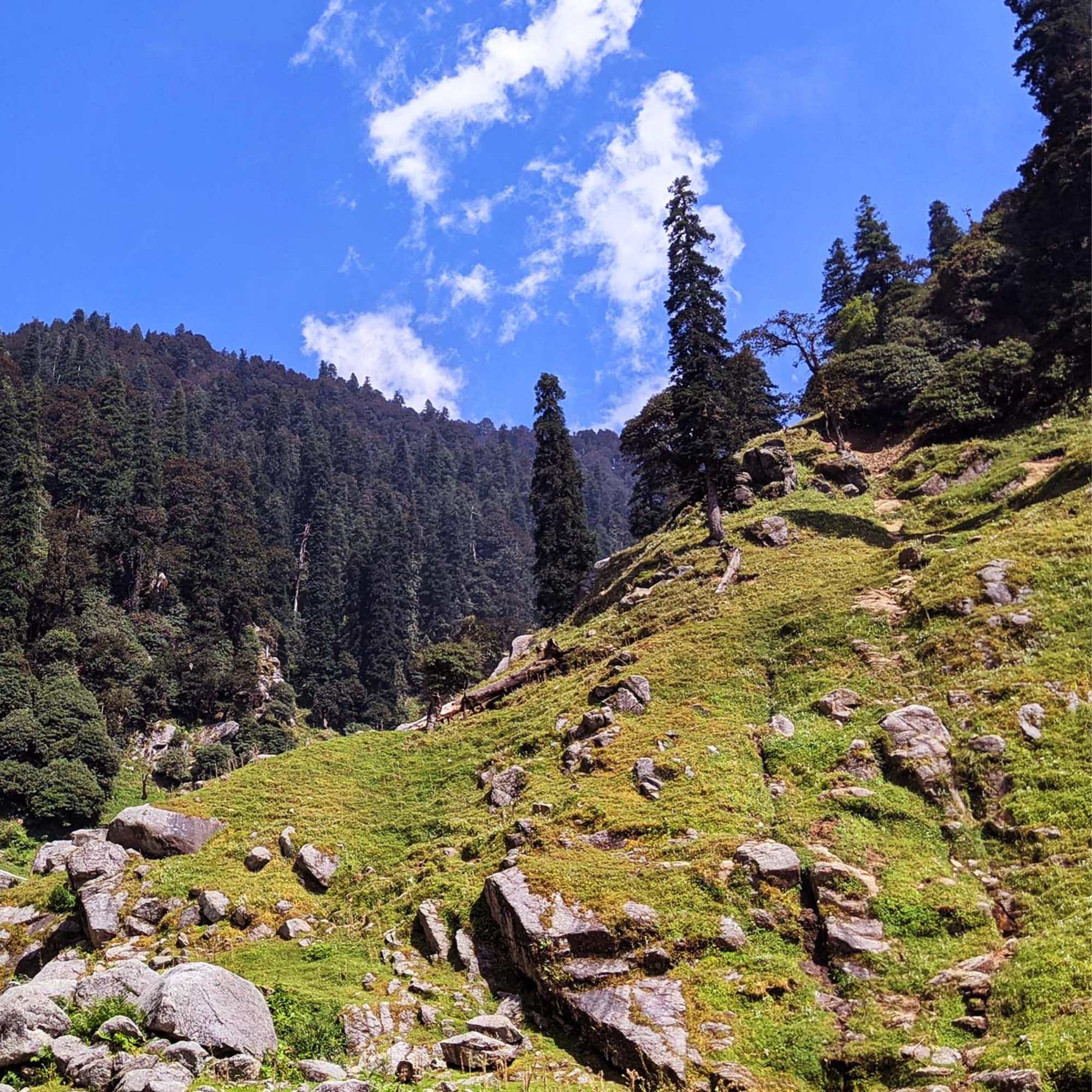
Nature lovers who care more about green forests and roaring waterfalls than clear mountain views. July gives you the lushest version of Dharamshala that exists. The monsoon greenery is at its best and you feel it the moment you step out.
Couples looking for a quiet getaway
The crowds are gone, the cafes are peaceful, and the monsoon mood of the place is surprisingly romantic. A misty evening on the balcony of a good Naddi homestay with chai in your hands is worth more than a crowded summer weekend.
Photographers
Photographers who want moody, dramatic shots. The mist rolling through the deodar trees, the rain on cobblestone streets, the waterfalls at full force. July gives you frames you cannot get in any other month.
Workation travellers
If you are working remotely and want to get out of the city for a week, July in Dharamshala is ideal. Good Wi-Fi at most stays, cheap room rates, quiet cafes to work from, and the sound of rain in the background. Many of our long-stay travellers now specifically request July for this reason.
If you are thinking about combining Dharamshala with another Himachal destination, Jibhi and Tirthan Valley also look stunning in monsoon and make a great 5 to 6 day loop.
Who Should Avoid Dharamshala in July?
Trekkers planning Triund or longer hikes
The trails are slippery, visibility is poor, and leeches make the forest sections unpleasant. Come in September or October instead.
Travellers who want guaranteed mountain views
The Dhauladhar range stays hidden behind clouds for most of July. If waking up to snow-capped peaks is your priority, this is not your month.
People with very tight schedules
If you only have 2 days and both get rained out, you will feel like you wasted the trip. July needs flexibility. If you cannot afford a buffer day, pick a drier month.
Travellers who cannot stand humidity and damp clothes
There is no way around it. July in Dharamshala is humid. Your things will feel damp. If this genuinely bothers you, wait for post-monsoon.
Dharamshala in July vs August vs September
All three months fall in or near the monsoon window, but the experience is different in each.
July
It is the wettest month. Rain is heaviest, greenery is at its peak, crowds are at their lowest, and prices are the cheapest. Treks are off the table. It is the best month for budget travellers and people who love rain.
August
It is still monsoon but slightly less intense than July in most years. You might get a few more dry hours each day. Tourist numbers start to pick up slightly towards the end of August.
Landslide risk on highways is still real. It is a marginal improvement over July for outdoor activities but not a dramatic difference.
September
It is the sweet spot for many travellers. The monsoon starts retreating by mid-September. You still get some green landscapes, but the rain becomes lighter and less frequent.
Mountain views start opening up. Treks become possible again in the second half of September. Prices stay reasonable though they begin rising towards October.
If you want rain and budget, pick July. If you want a balance of everything, September is the smarter choice. August sits in the middle, neither the cheapest nor the most stable.
If you are open to other Himachal options during monsoon, Manali is another destination that stays accessible through July, though the Rohtang side gets heavily affected by rain.
Final Verdict
Dharamshala in July is not for everyone. But for the right traveller, it is one of the most rewarding months to visit.
You get the greenest version of the mountains, the most powerful waterfalls, the quietest streets, and the lowest hotel prices of the year. You also get rain, humidity, blocked views, and the occasional cancelled plan.
The trick is to go with the right expectations. Do not expect a sunny mountain holiday. Expect a moody, misty, lush monsoon escape. Pack well, keep your itinerary flexible, and lean into the rain instead of fighting it.
What we always tell our travellers is this: Dharamshala in July is not about seeing everything.
It is about slowing down, drinking chai in the rain, watching the clouds move through the valley, and being okay with the fact that the mountains might not show themselves at all. If that sounds like your kind of trip, you will love it.
If you want help putting together a July itinerary that works around the rain, we know this town well. We know which stays have the best monsoon views, which cafes are worth sitting in for hours, and which days to plan for what.
Explore Our Curated Dharamshala Tour Packages
 3D/2N
3D/2NDharamshala & McLeodganj Weekend Tour
1D Delhi•2D Dharamshala / McLeodganj
₹8,799₹17,880SAVE INR 9,081/ person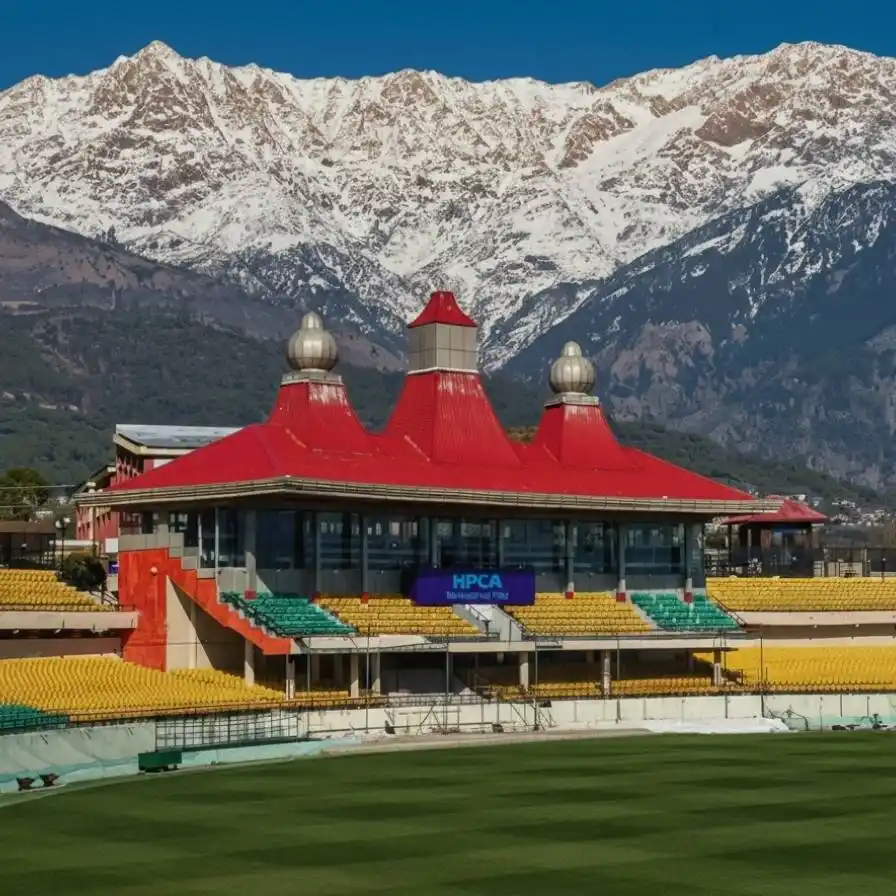 6D/5N
6D/5NDharamshala Dalhousie Khajjiar Himalayan Retreat
1D Delhi•2D McLeodganj+1
₹25,999₹32,999SAVE INR 7,000/ person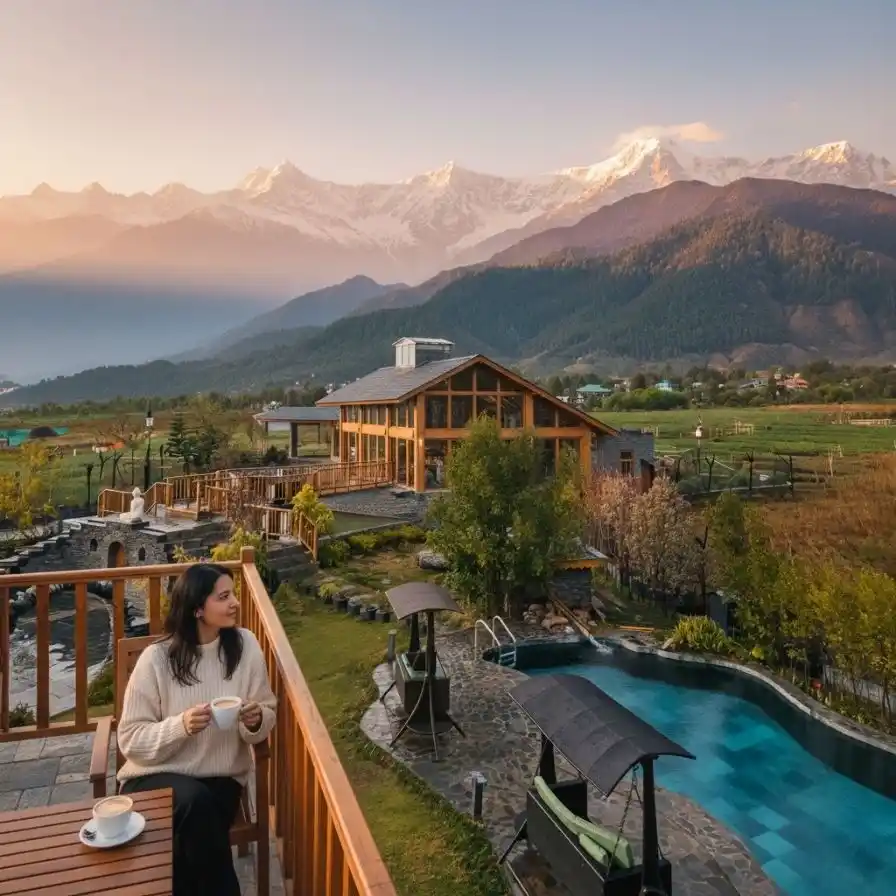 3D/2N
3D/2NDharamshala & McLeodganj Luxury Hideaway
1D Delhi•2D Dharamshala / McLeodganj
₹23,799₹29,999SAVE INR 6,200/ person
Related topics
Frequently Asked Questions
Is Dharamshala good to visit in July?
Yes, if you enjoy monsoon weather, green landscapes, and fewer crowds. It is not ideal for trekking or guaranteed mountain views, but the waterfalls, peaceful cafes, and low hotel prices make it a great monsoon destination for the right traveller.
Does it rain heavily in Dharamshala in July?
Yes. July is peak monsoon in Dharamshala. Expect moderate to heavy rainfall on most days, often in intense bursts during the afternoon and evening. Some days it rains continuously. Always carry rain gear and keep plans flexible.
Can we do Triund Trek in July?
It is not recommended for most travellers. The trail is slippery, leeches are active in the forest sections, and visibility at the top is usually poor due to clouds. If you want to attempt it, check conditions locally on the morning of your trek and go with a guide.
Is McLeodganj safe during monsoon?
Yes, McLeodganj is safe in monsoon. The main risks are slippery walking paths on steep roads and occasional road delays from landslides on the highway. Inside the town, things function normally. Just wear shoes with good grip and carry a rain jacket.
What clothes should I carry to Dharamshala in July?
Pack light, quick-dry clothes, a proper rain jacket with hood, waterproof shoes with grip, a light fleece or hoodie for evenings, extra socks, and sunscreen. Skip heavy winter wear. The temperature stays between 18°C and 25°C.
Are roads open to Dharamshala during monsoon?
Yes, roads to Dharamshala remain open in July. The Delhi to Dharamshala and Chandigarh to Dharamshala highways are functional, though landslides or heavy rain can cause temporary delays of a few hours. Always check road status on your travel day.
How cold is Dharamshala in July?
Not cold at all by hill station standards. Temperatures range from 18°C to 25°C. Evenings after rain feel cool, and you might want a light jacket, but you will not need thermals or heavy woolens.
Is July off season in Dharamshala?
July falls in the monsoon season, which is considered off-peak. Tourist numbers are lower than the summer months. Hotel prices drop and availability is higher. It is a good window for budget travellers.
Which places can be visited in Dharamshala during rain?
Namgyal Monastery, Norbulingka Institute, St. John in the Wilderness, the McLeodganj market area, and the Dharamshala Skyway (when operational) all work well in rain. Bhagsu Waterfall is actually at its best during monsoon.
Is Bhagsu Waterfall worth visiting in July?
Absolutely. July is the best month for Bhagsu Waterfall. The water volume is at its peak and the falls are dramatic and powerful. Go early in the morning for fewer people and better light.
How many days are enough in Dharamshala in monsoon?
3 days is the sweet spot. It gives you enough time to cover the main spots and a buffer day in case one day gets completely rained out. 2 days is tight because losing one day to rain means you miss half your plan.
Is July better than August in Dharamshala?
July has heavier rain but lower prices and fewer tourists. August is slightly less wet but crowds start increasing towards the end. For budget and solitude, July wins. For a marginally better chance at dry hours, August has a small edge. September is better than both if you can wait.
More about Dharamshala
 Dharamshala
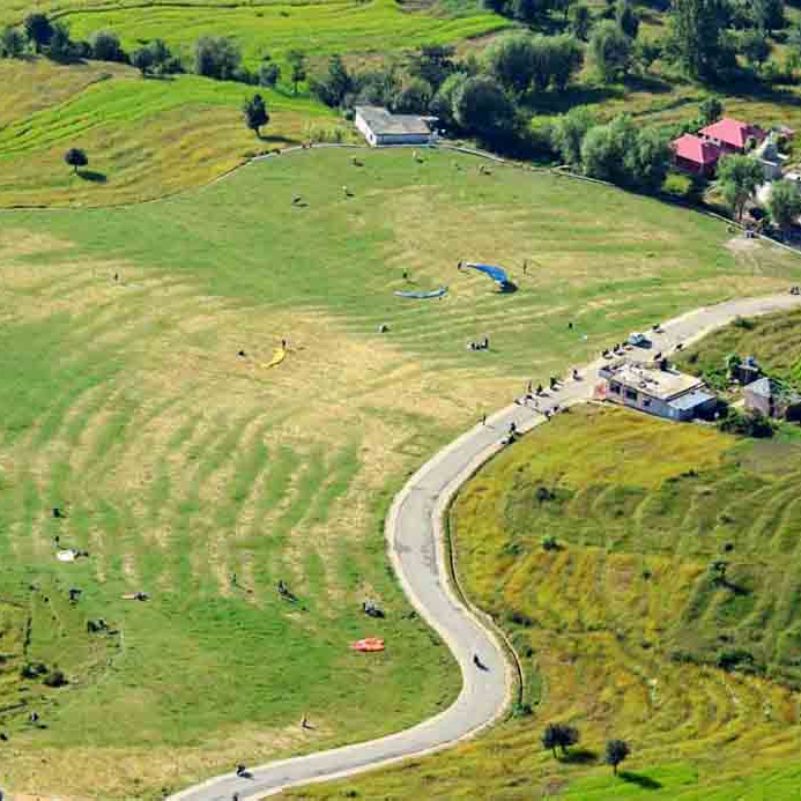
Dharamshala Bir Billing Itinerary 2026: McLeodganj, Triund and Bir in 5 to 6 Days
Plan the perfect Dharamshala Bir Billing itinerary for 5 to 6 days in 2026. Explore McLeodganj, trek to Triund, visit Dharamshala’s key attractions, and experience Bir Billing with a practical day-by-day route.
 Dharamshala
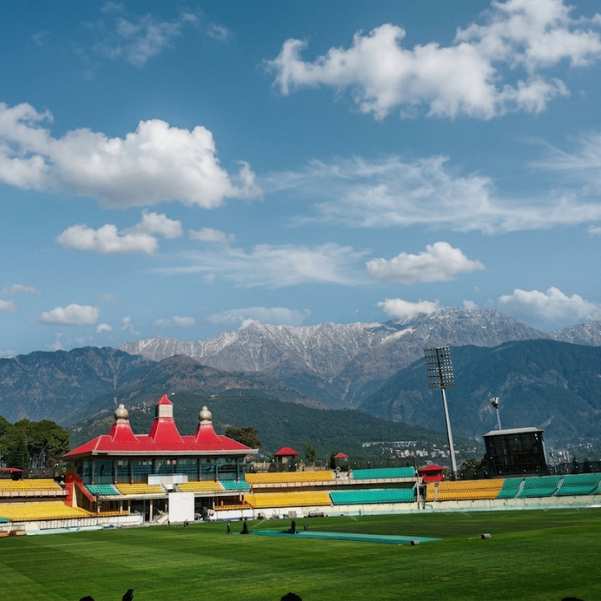
Dharamshala with a Toddler or Baby in 2026: Stays, Food and a Comfortable Trip
Planning a Dharamshala trip with a toddler or baby requires a little extra preparation. This guide covers where to stay, easy places to visit, transport, weather, packing and practical tips for a comfortable family trip.
 Dharamshala
Where to Keep Luggage During Triund Trek in 2026: Hotel Nights and Bag Storage
Wondering where to keep your luggage during the Triund Trek in 2026? This guide explains hotel luggage options, bag storage in McLeod Ganj and Dharamkot, and the easiest way to manage your belongings before an overnight trek.
- First-Time Travellers
- Things to Do