
Dalai Lama Temple and Tibetan Culture in McLeodganj: A Visitor's Guide (2026)
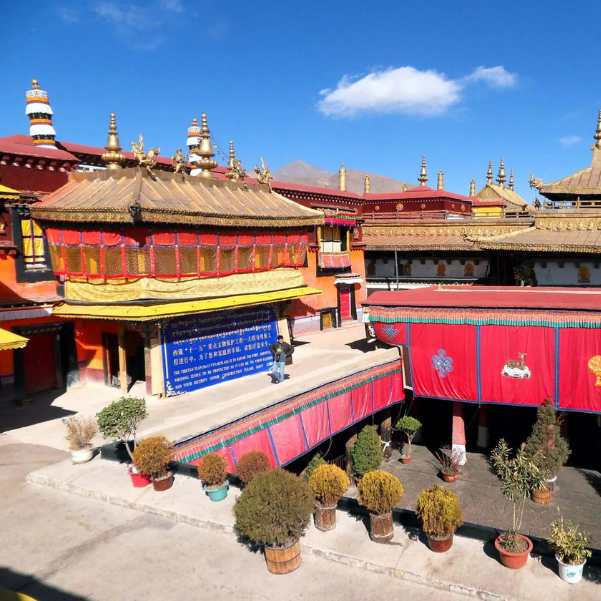
If you are planning to visit the dalai lama temple mcleodganj, here is the first thing to know. The temple you are searching for is officially the Tsuglagkhang Complex, and it sits right in the heart of McLeodganj, just above Dharamshala.
It is not a single shrine. It is a working monastery, a museum, a prayer hall, and the home of His Holiness the 14th Dalai Lama, all inside one quiet hilltop compound.
We send a lot of travellers here every season, and almost all of them tell us the same thing afterwards. They came expecting a tourist spot and left feeling like they had walked into something real.
Quick Answer
The Dalai lama temple mcleodganj is the Tsuglagkhang Complex, the spiritual centre of the Tibetan community living in exile in India.
Entry is free. You need about 1 to 2 hours to see it properly. It sits a short 2 km walk from McLeodganj main market.
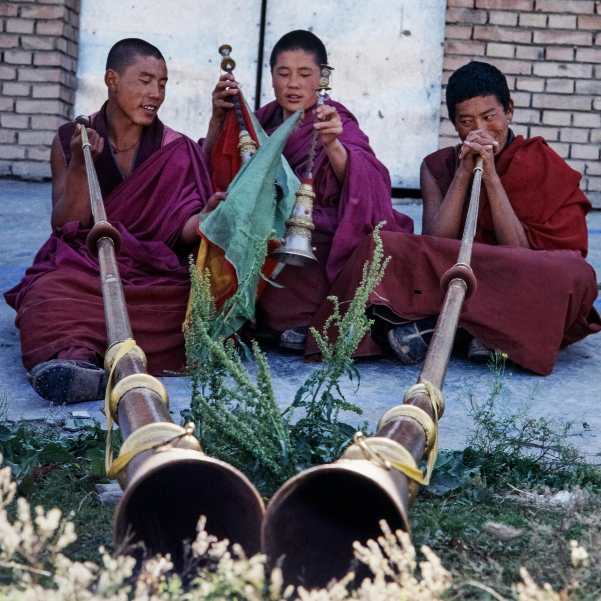
Inside you get the main prayer hall, Namgyal Monastery, the Tibetan Museum, and the Dalai Lama's residence area. You can spin prayer wheels, watch monks debate, and walk the peaceful Kora path that loops around the complex.
You usually cannot meet the Dalai Lama personally, but public teachings happen a few times a year and you can register for those in advance.
What Is the Dalai Lama Temple in McLeodganj?
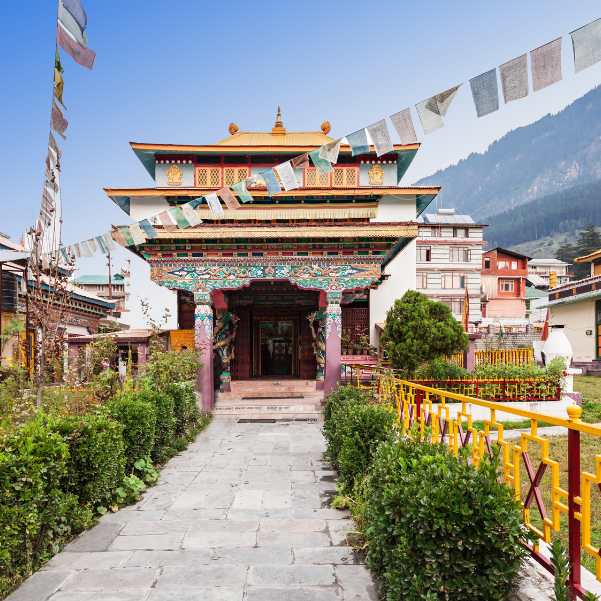
The proper name is the Tsuglagkhang Complex. Locals and travellers just call it the Dalai Lama Temple because His Holiness lives right next to it.
This is the largest Tibetan temple outside Tibet. For Tibetan Buddhists, it is the most important religious address in India.
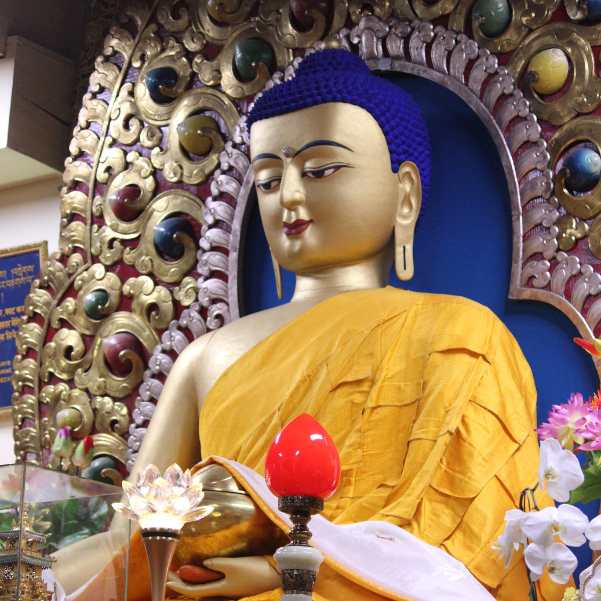
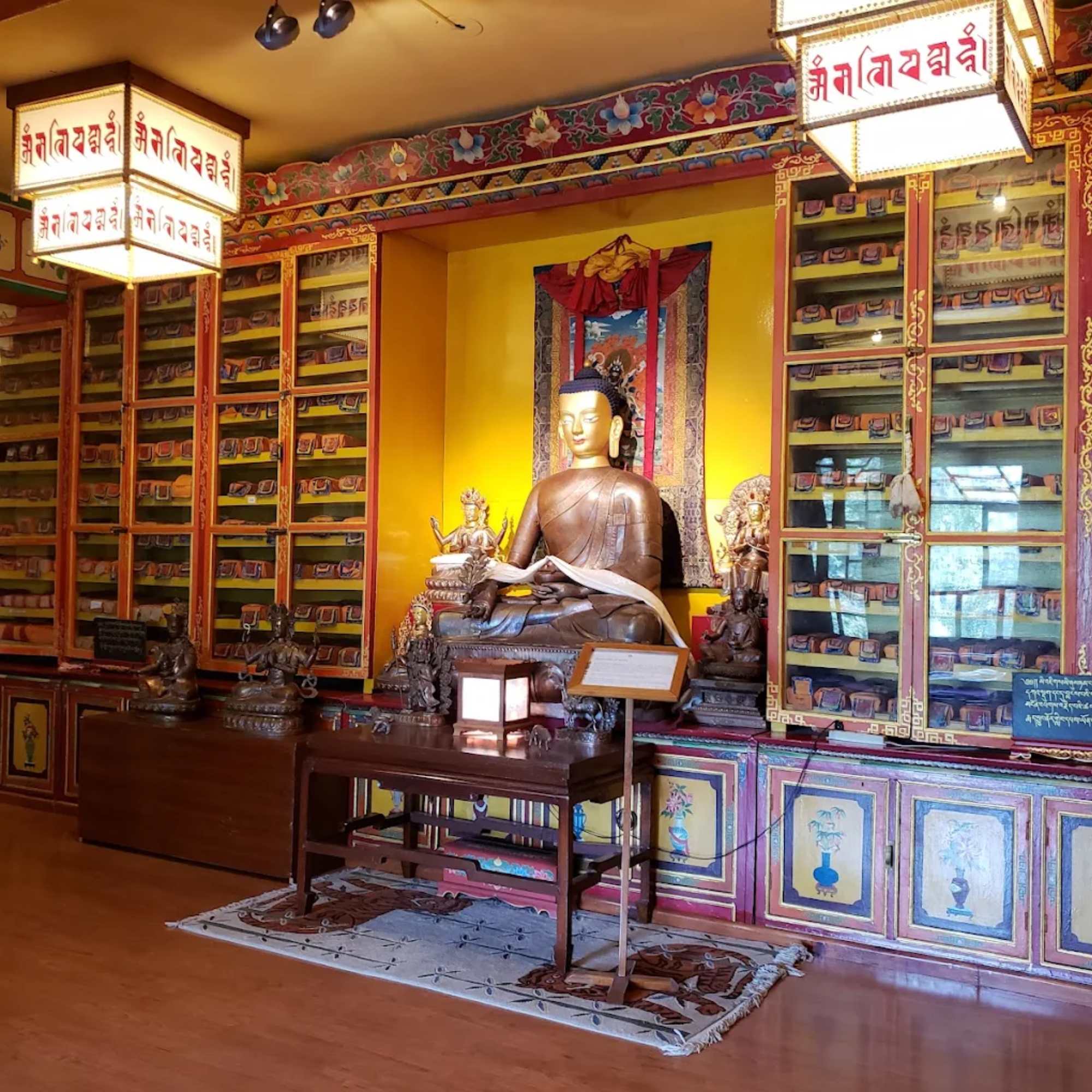
Step inside the main hall and the first thing you see is a tall golden statue of Buddha Shakyamuni. Next to it sit statues of Guru Rinpoche and Chenrezig, the Buddha of compassion.
The air feels different here. Monks chant in low voices, butter lamps flicker, and the room is cool and dark after the bright mountain sun outside.
This is not a museum piece. People actually pray here every single day. That is what makes it special.
What Most Tourists Get Wrong About This Place
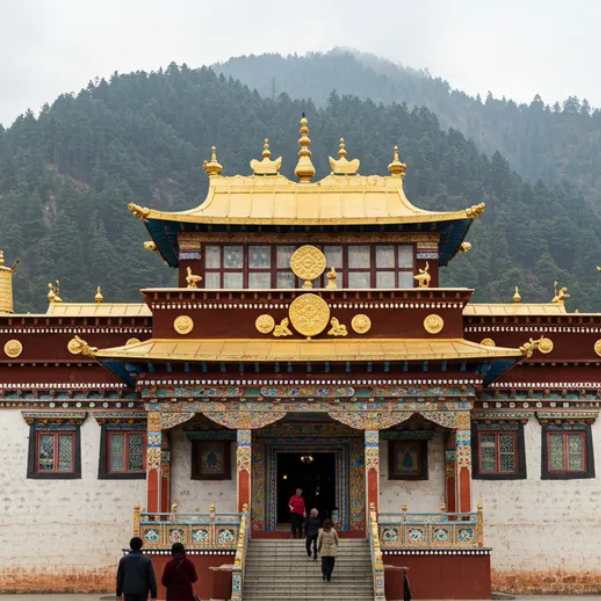
Most people rush in, take a few photos of the Buddha statue, and leave in fifteen minutes. They miss the whole point.
The temple is not the attraction. The life happening inside it is. Sit on a bench for twenty minutes and just watch.
In our experience, the travellers who slow down here are the ones who message us later saying it was the best part of their Dharamshala trip.
The Story Behind the Temple and the Tibetan Community
To understand why this place matters, you need to know how the Tibetans ended up in McLeodganj at all.
In 1959, after a failed uprising against Chinese rule, the Dalai Lama fled Tibet and crossed into India. Thousands of Tibetans followed him over the next years.
In 1960, the Indian government offered McLeodganj as the base for the Dalai Lama and his government in exile. A small, half-forgotten British hill station slowly became "Little Lhasa."
The temple complex came up soon after. Today it works as both the spiritual and political heart of the Tibetan government in exile.
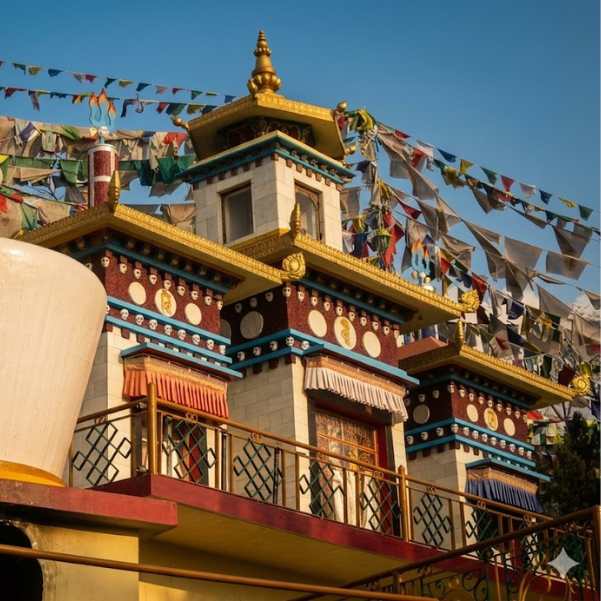
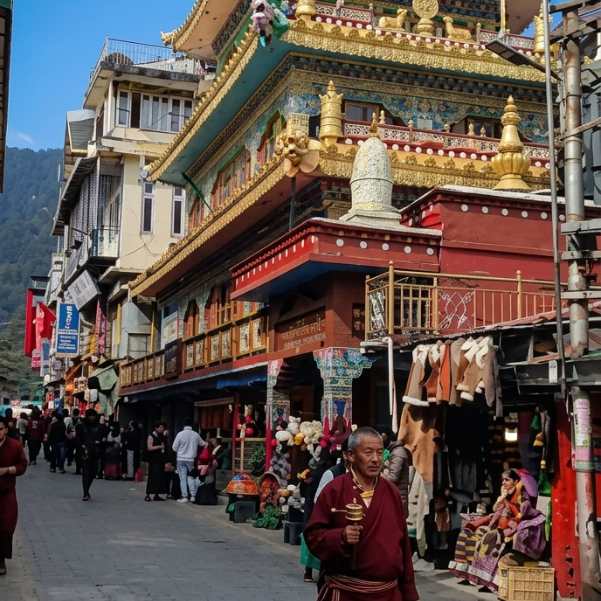
Walk through McLeodganj now and the Tibetan presence is everywhere. Prayer flags over the lanes, monks in maroon robes in the market, the smell of thukpa and momos drifting out of small kitchens.
This is not a culture preserved behind glass. It is a living community that rebuilt its home from scratch, and the temple is where it all centres.
What Can You See Inside the Dalai Lama Temple Complex?
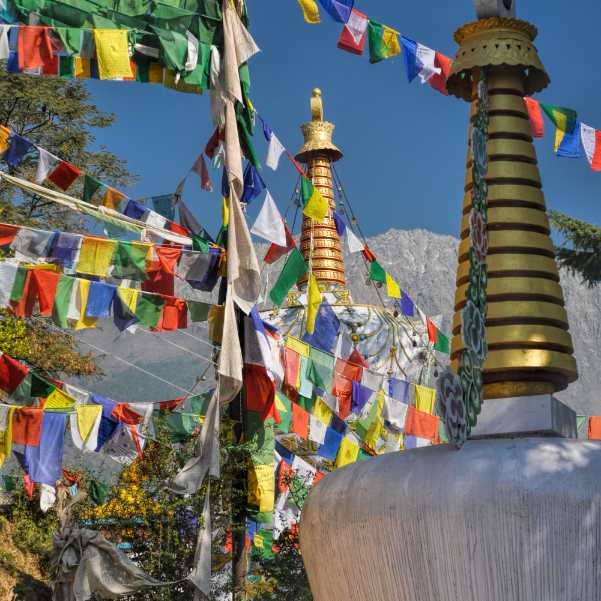
The complex packs a lot into a small space. Here is what to actually look for so you do not wander past the good bits.
Main Prayer Hall
This is the heart of it. The golden Buddha statue, the thangka paintings on the walls, and rows of seated monks during prayer times.
Reach during morning prayers if you can. The chanting fills the whole hall and you feel it in your chest. It is the kind of moment photos never capture.
Namgyal Monastery
Namgyal Monastery is the personal monastery of the Dalai Lama. The monks here train in advanced Buddhist study and ritual.
If you are lucky, you will catch the monks debating in the courtyard. They clap their hands hard to make a point, and even though you will not understand a word, it is fascinating to watch.
Tibetan Museum
The Tibetan Museum inside the complex tells the story most people never hear. Photographs, documents, and accounts of what Tibetans went through after 1959.
It is a quiet, heavy room. Give it twenty minutes. You will leave understanding the prayer flags and the monks in a completely different way.
The museum runs roughly 9 AM to 5 PM and stays closed on Mondays. A small entry fee of a few rupees may apply, separate from the free temple entry.
Dalai Lama's Residence Area
His Holiness lives right beside the temple, in a building the Tibetans call the Photang. You cannot walk into his home, obviously.
But knowing he is right there, that this is an actual lived-in residence and not a monument, changes how the whole place feels.
Understanding Tibetan Culture During Your Visit
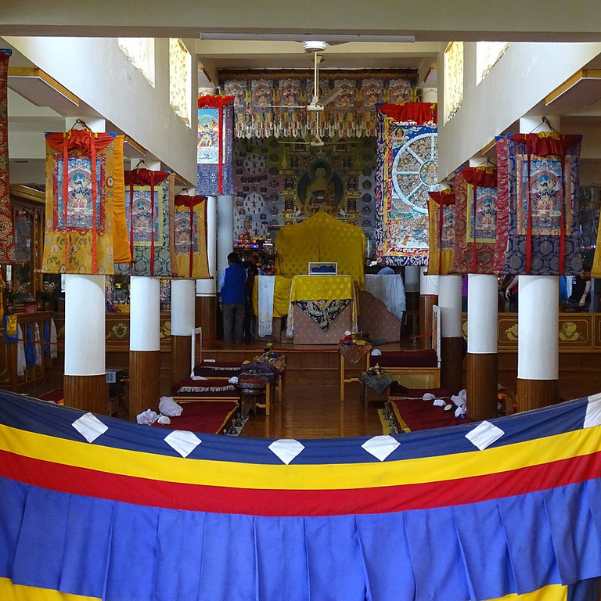
Half the experience here is small details most visitors walk straight past. Here is what to notice.
Prayer Wheels
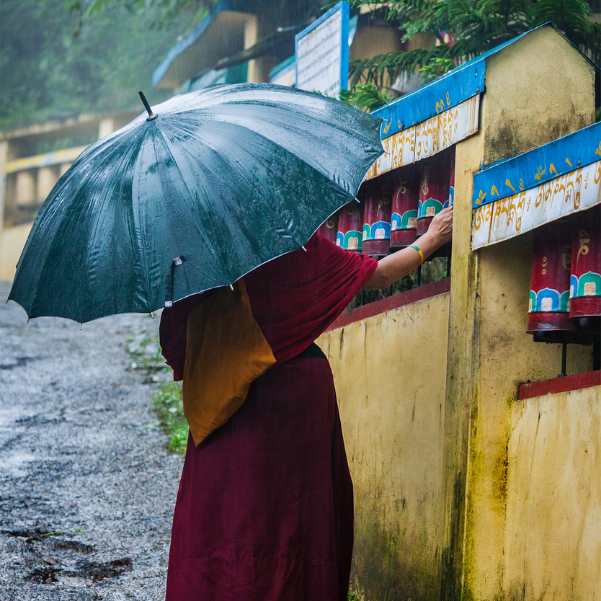
Rows of metal prayer wheels line the path around the complex. Each one has a mantra rolled up inside it.
You spin them clockwise as you walk. Tibetans believe each spin sends the prayer out into the world. Use your right hand and keep moving in the same direction as everyone else.
Prayer Flags
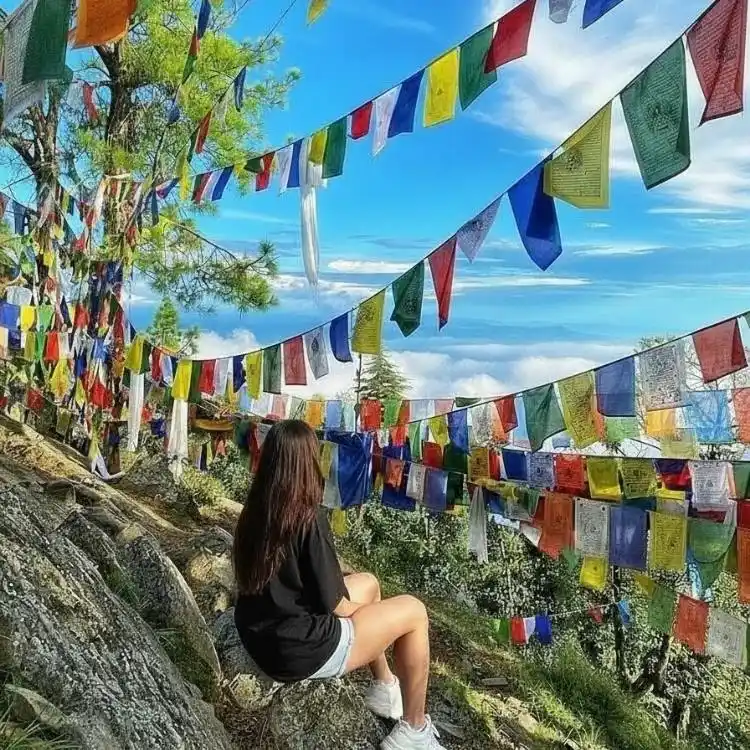
The coloured flags strung everywhere are not decoration. Each colour stands for an element, blue for sky, white for air, red for fire, green for water, yellow for earth.
The wind carries the printed prayers off the flags. That is the whole idea. When they fade, that means the prayers have been released.
Buddhist Traditions, Compassion, and Mindfulness
Tibetan Buddhism puts compassion at the centre of everything. You feel it in how people move here, slow, quiet, unhurried.
Sit in the prayer hall for a few minutes even if you are not religious. There is something about the place that slows your own head down too.
The Kora Walk Around the Temple
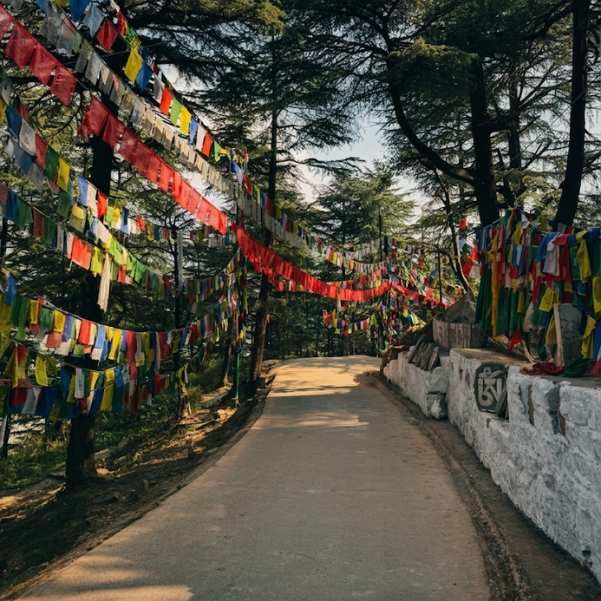
If you do one thing here properly, make it the Kora walk. This is the most underrated part of the whole visit.
The Kora is a circular path that loops around the temple complex. Tibetans walk it clockwise as a form of moving meditation.
The route takes you off the main road and into a quiet forest path. Prayer wheels and flags line the way, and the only sounds are birds and the creak of the wheels turning.
About halfway round, the trees open up and you get clean views of the Dhauladhar range. Snow on the peaks, green hills below, and almost nobody around.
The full loop takes about thirty to forty minutes at an easy pace. Our team always tells first-timers to do the Kora early in the morning when the light comes through the trees and the path is empty.
This is the part most day-trippers skip. Do not be one of them.
Can You Meet the Dalai Lama in McLeodganj?
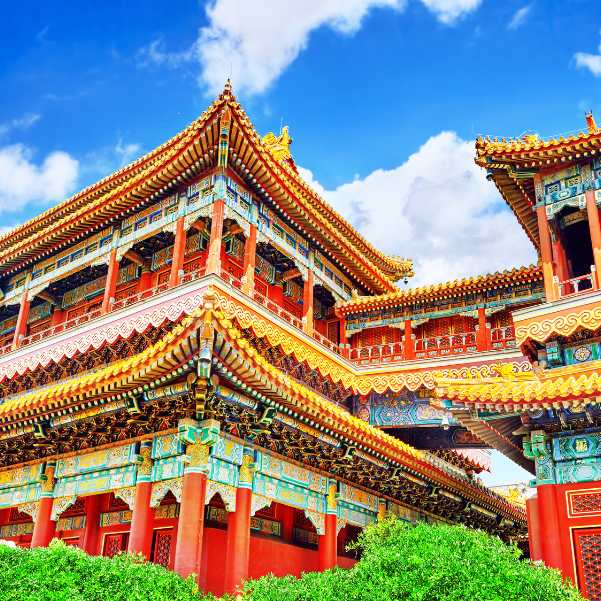
This is the question we get more than any other. The honest answer is, usually no, not personally.
His Holiness travels a lot and is now quite elderly, so private audiences for tourists do not really happen.
What you can do is attend his public teachings. These are scheduled a few times a year and are open to registered visitors, including foreigners.
To attend, you register in advance at the Tibetan Branch Security Office in McLeodganj, near Hotel Tibet. You will need passport photos and a small service fee, and registration usually opens a few days before the event.
The teaching dates are published well ahead on the official site, dalailama.com. Check there first and plan your trip around the dates if meeting him matters to you.
He teaches mostly in Tibetan, so carry an FM radio or use your phone with earphones to catch the live English translation. Most regulars do this and it makes a huge difference.
Dalai Lama Temple Timings, Entry Fee, and Visitor Information
Entry to the temple is completely free. There is no ticket counter for the main complex.
The temple is generally open from early morning to evening, commonly cited as around 5 AM to 8 PM, though some sources list shorter hours, so check locally on the day.
The Tibetan Museum keeps its own timings, roughly 9 AM to 5 PM, closed on Mondays.
You need about 1 to 2 hours for a relaxed visit. Add another half hour if you want to walk the full Kora.
A quick local tip from us. Mornings are calmer and cooler, and you are far more likely to catch the monks at prayer. By midday the complex fills up with tour groups.
How to Reach Dalai Lama Temple from McLeodganj Market
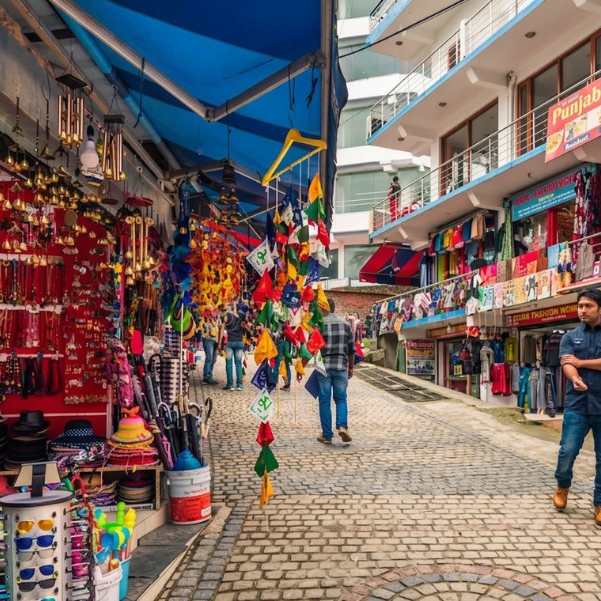
This is the easy part. The temple sits only about 2 km from McLeodganj main square, and honestly walking is the best way.
From the main market, head downhill towards Tipa Road and follow the signs. The walk is mostly downhill on the way there and takes around fifteen to twenty minutes.
If you do not want to walk, an auto or taxi from the market costs very little for this short hop. Agree on the price before you sit in.
Parking near the temple is tight and the lanes are narrow. If you are driving your own car, expect to park a little away and walk the last stretch.
We covered the full lay of the land in our guide to the best places to visit in Dharamshala and McLeodganj if you want to map out the rest of your days.
Best Time to Visit the Dalai Lama Temple
The temple is open all year, but some months are far nicer than others.
March to June
March to June gives you pleasant, clear weather and good mountain views. This is the easiest window for most travellers.
July and August
July and August bring heavy monsoon rain to this part of Himachal. The temple is still worth visiting, but landslides and slippery roads can mess with your wider plans.
September to November
September to November is our favourite. The rain is gone, the air is clean, and the Dhauladhar views from the Kora path are at their sharpest.
Winters
Winter, from December onward, is cold and quiet, with occasional snow. The complex looks beautiful under a light dusting of snow, but you will need serious warm layers.
For the time of day, reach before 10 AM. The morning light, the prayer sessions, and the empty Kora path all come together early. After that the crowds build.
Visitor Etiquette and Cultural Respect
This is a living place of worship, not a photo backdrop. A little respect goes a long way here.
Dress modestly. Cover your shoulders and knees. This is not a strict rule with guards, but it matters to the people praying around you.
Remove your hat before entering the prayer halls and keep your voice low. Inside the halls, photography is often not allowed, so look for signs and follow the monks' lead.
Always walk clockwise around the shrines and prayer wheels. Spin the wheels clockwise too. Walking against the flow is a clear sign you have not paid attention.
If you want to photograph monks or locals, ask first with a smile. Most are kind about it, but asking is the decent thing to do.
What we always tell our travellers is simple. Walk in like a guest in someone's home, because that is exactly what this is.
Nearby Places to Visit After the Temple
Once you are done at the temple, you are perfectly placed to see a few more spots close by.
Tibetan Museum
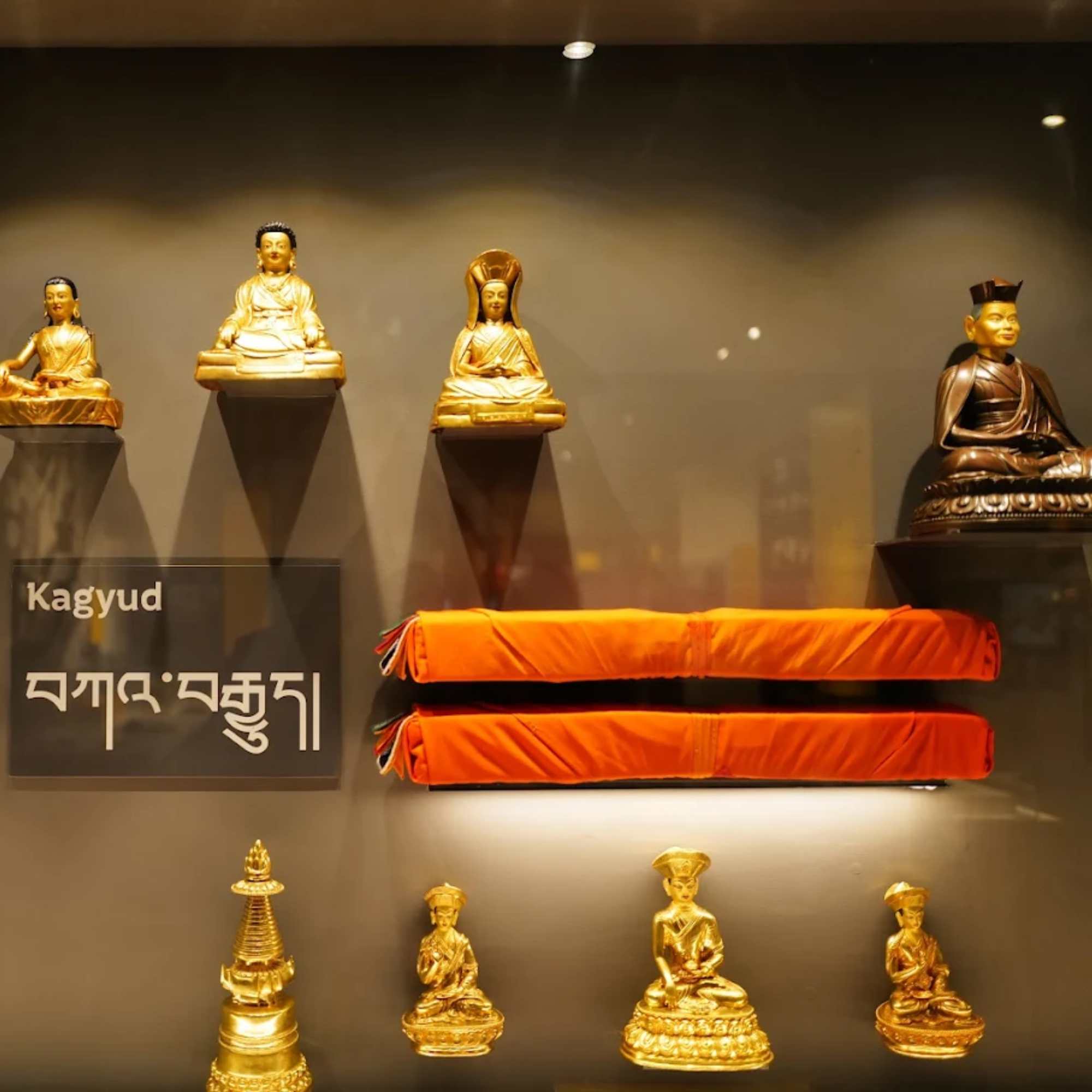
The Tibetan Museum inside the complex is the obvious first stop if you have not already gone in. Do not skip it.
Bhagsu Nag
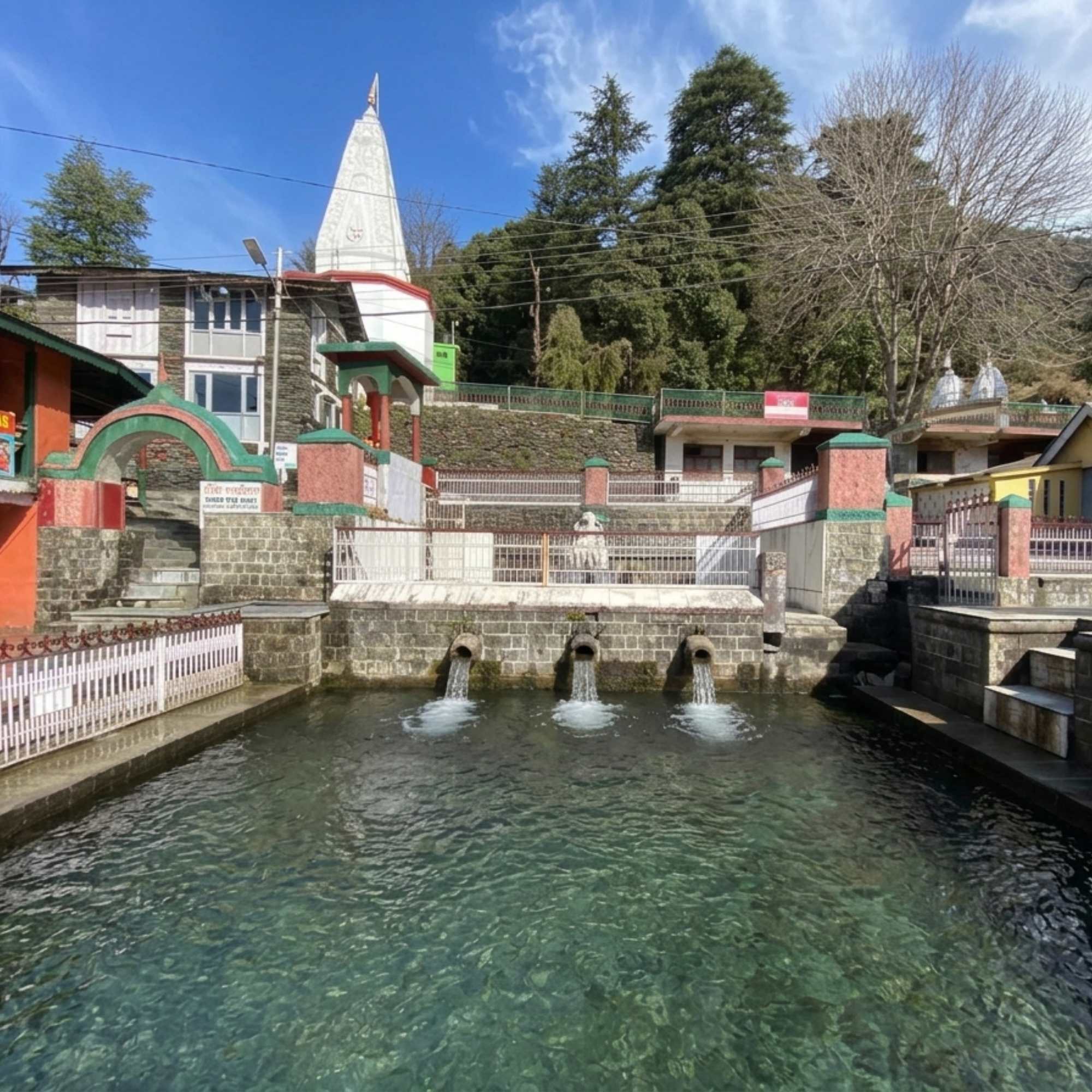
Bhagsu Nag is a short ride away, with a small temple, a popular waterfall, and plenty of cafes. It gets busy, so go early.
Dharamkot
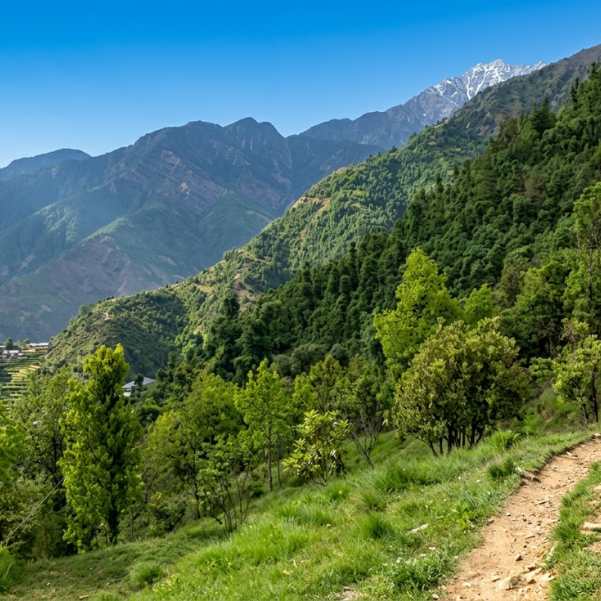
Dharamkot sits just above McLeodganj and has a slower, more relaxed feel with great valley views. It is a favourite with long-stay travellers. We wrote a full guide on it if you want the details.
St. John in the Wilderness
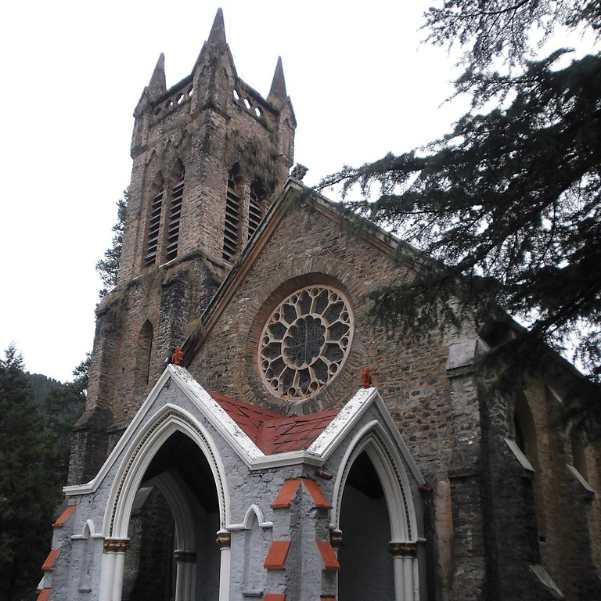
St. John in the Wilderness is a beautiful old stone church set among deodar trees, about a fifteen-minute drive towards lower Dharamshala. Quiet, atmospheric, and very different from the temple.
A Skip-This Warning Before You Plan
You will see touts near some McLeodganj spots offering "special temple darshan" or paid fast-track access. Ignore them completely.
The temple is free and open to all. Nobody can sell you special entry, and there is no VIP line to buy. Save your money for a good plate of momos instead.
Suggested Half-Day Walking Itinerary in McLeodganj
Here is a simple half-day plan we give to travellers who want to see the temple area properly on foot.
Start early, around 8 AM, with a walk down from the market to the Tsuglagkhang Complex. Catch the morning prayers in the main hall.
Spend the next hour spinning prayer wheels, sitting quietly in the hall, and walking the full Kora path through the forest.
Step into the Tibetan Museum afterwards for the history. By now it is mid-morning and you have done the heart of it.
Walk back up to the market for a hot Tibetan breakfast. The momos and thukpa at the small Tibetan kitchens around the main square are the real deal, fresh and cheap.
From there you can either head to Bhagsu Nag for the waterfall or up to Dharamkot for a slow afternoon with a view. Both make an easy second half to your day.
If you would rather have all of this planned and driven for you, our Dharamshala tour package comes with a local driver and handpicked stays so you are not figuring out lanes and parking on your own.
Why the Dalai Lama Temple Is More Than a Tourist Attraction
It would be easy to tick this off as just another sightseeing stop. That would be a mistake.
This temple is the centre of a community that lost its homeland and rebuilt its entire culture in a borrowed hill town. Every prayer flag and spinning wheel is part of holding that identity together.
When you walk the Kora behind an old Tibetan woman counting her beads, you are not watching a performance. You are sharing a path that means everything to her.
In our years of sending travellers here, the ones who treat it as a living place, not a photo stop, always come away changed in some small way.
That is the real reason this is the most visited spot in McLeodganj. Not the architecture. The feeling.
Planning to pair Dharamshala with other valleys? Our Jibhi and Tirthan package, Kasol package, and Shimla package are easy add-ons.
Explore Our Curated Dharamshala Tour Packages
 3D/2N
3D/2NDharamshala & McLeodganj Weekend Tour
1D Delhi•2D Dharamshala / McLeodganj
₹8,799₹17,880SAVE INR 9,081/ person 6D/5N
6D/5NDharamshala Dalhousie Khajjiar Himalayan Retreat
1D Delhi•2D McLeodganj+1
₹25,999₹32,999SAVE INR 7,000/ person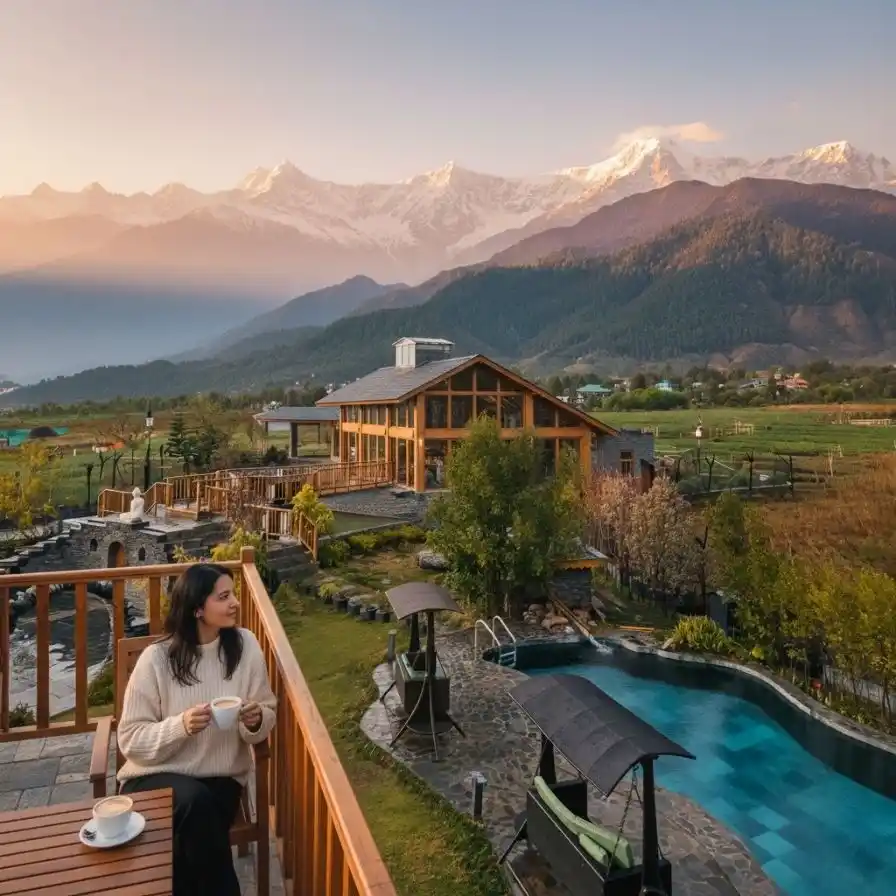 3D/2N
3D/2NDharamshala & McLeodganj Luxury Hideaway
1D Delhi•2D Dharamshala / McLeodganj
₹23,799₹29,999SAVE INR 6,200/ person
Related topics
Frequently Asked Questions
What is the Dalai Lama Temple in McLeodganj?
It is the Tsuglagkhang Complex, the main Tibetan Buddhist temple and the spiritual centre of the Tibetan community in exile in India.
Is entry free?
Yes. Entry to the temple complex is completely free. The Tibetan Museum inside may charge a small separate fee of a few rupees.
Can tourists visit?
Yes, the temple is open to everyone, Indian and foreign. Just dress modestly and follow the basic temple etiquette.
Can I meet the Dalai Lama?
Usually not in person. You can attend his public teachings a few times a year by registering in advance and checking dates on dalailama.com.
How much time is needed?
About 1 to 2 hours for a relaxed visit. Add another thirty to forty minutes if you walk the full Kora path.
What is the Kora walk?
The Kora is a circular forest path that loops around the temple. Tibetans walk it clockwise as a moving meditation, and it has lovely mountain views.
What is the Tsuglagkhang Complex?
It is the official name of the Dalai Lama Temple complex. It includes the main temple, Namgyal Monastery, the Tibetan Museum, and the Dalai Lama's residence.
Is photography allowed?
Photography is fine in the open courtyards and on the Kora path. Inside the prayer halls it is often restricted, so check the signs and follow the monks.
What should I wear?
Modest clothing that covers shoulders and knees. Remove hats before entering prayer halls. Comfortable shoes help for the walk and the Kora.
When is the best time to visit?
March to June and September to November give the best weather. Mornings before 10 AM are calmest and best for catching prayers.
Is the temple suitable for families?
Yes. It is calm, free, and an easy walk from the market. Kids handle it well, and the prayer wheels and monks keep them curious.
What else can I see nearby?
The Tibetan Museum, Bhagsu Nag waterfall, Dharamkot village, and the old St. John in the Wilderness church are all close by.
More about Dharamshala
 Dharamshala
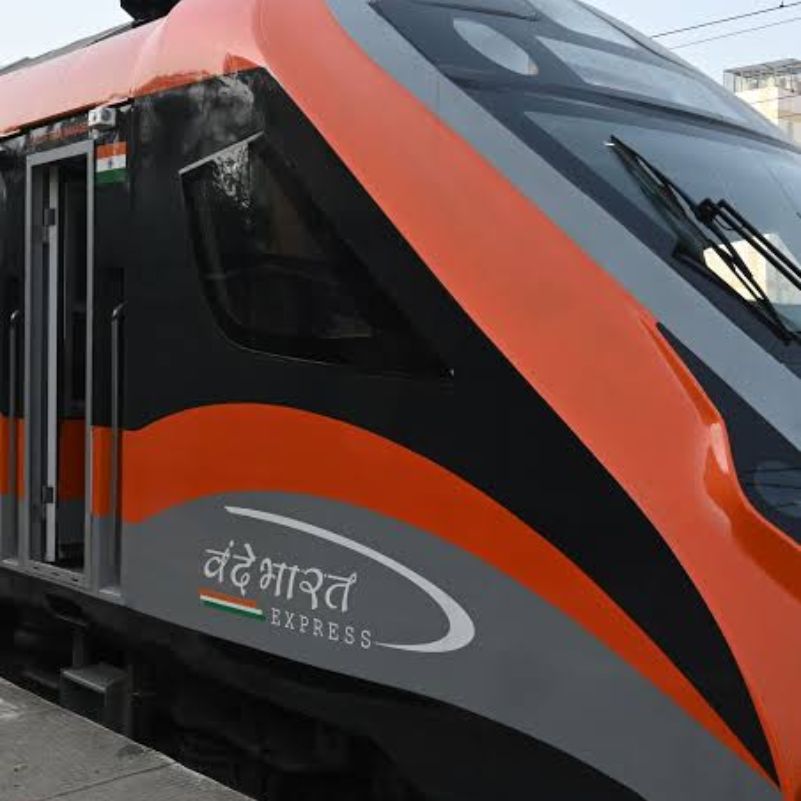
Delhi to Dharamshala by Vande Bharat in 2026: Amb Andaura Transfer & Return Guide
Planning to travel from Delhi to Dharamshala by Vande Bharat? Learn the best rail route, where to get off, and how to arrange your onward transfer to Dharamshala by taxi or bus.
 Dharamshala
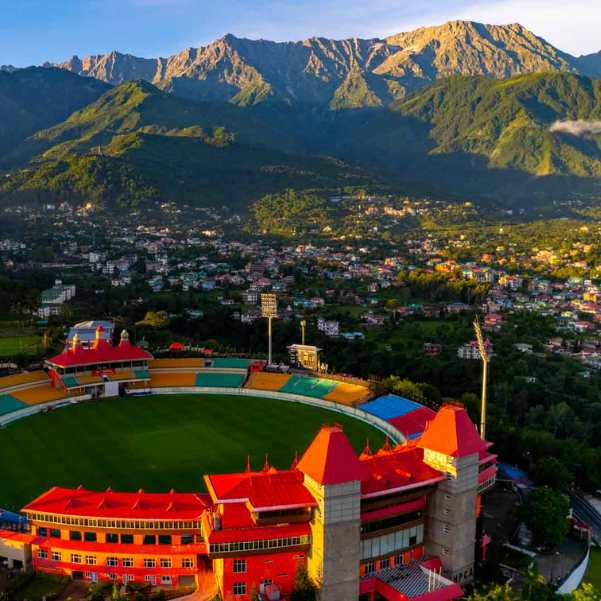
Dharamshala Group Trip with Friends 2026: Cabs, Rooms, Triund and Shared Costs
Planning a Dharamshala group trip with friends in 2026? Explore cab options, estimated travel costs, group budgeting tips, and practical ways to plan an affordable trip to Dharamshala and McLeod Ganj.
 Dharamshala
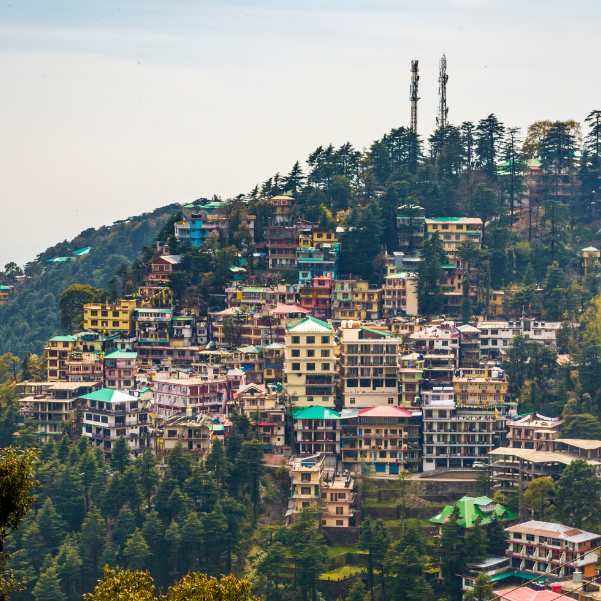
Dharamshala Trip Cancellation Due to Weather in 2026: Refunds, Rescheduling and What Happens Next?
Planning a Dharamshala trip in 2026? Learn when severe weather, heavy rain, snowfall, landslides or road disruptions may require you to cancel or postpone your trip, and what to check before travelling.