
Chanshal Pass in October 2026: Is It Still Open? Road Status & Snow Reality
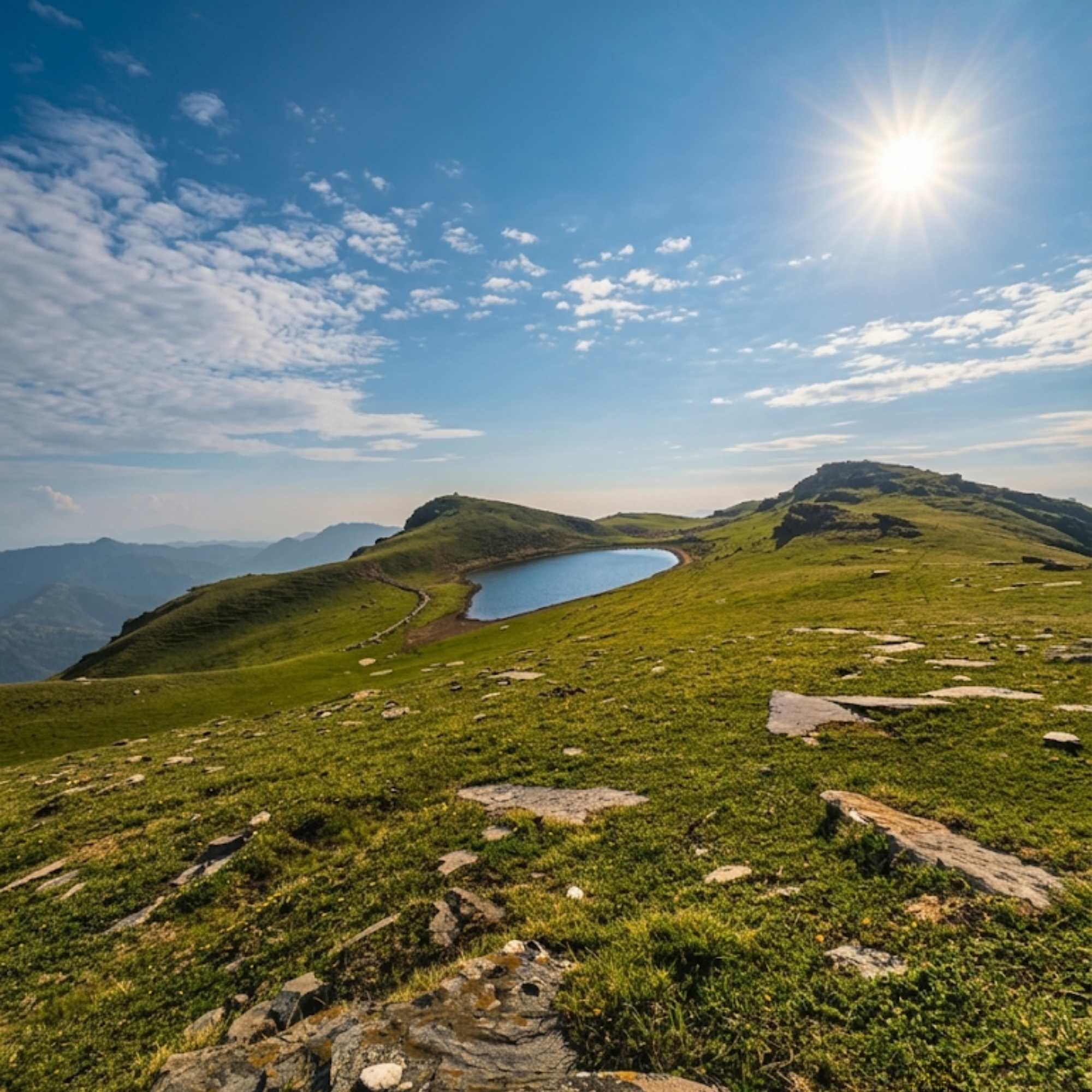
If you are trying to work out whether Chanshal Pass in October is still doable, here is the honest version. Usually yes, it is open. But the exact date inside October decides everything.
Early October is your friend. Late October is a gamble.
The official season runs May to November, so October sits inside the open window. That part is simple. What is not simple is the final climb, which can shut down for a day or two after fresh snow, rain or black ice.
We are based in Shimla and we plan trips around this belt every season. So this is not copied from another blog. This is what we actually tell travellers when they call us in October asking the same question.
Quick Answer: Is Chanshal Pass Open in October 2026?
Yes, Chanshal Pass in October is usually open, because the road is officially open to traffic from May to November.
Early to mid October is the realistic window. Late October starts getting risky as the cold sets in.
The pass itself can still close for short spells. Fresh snowfall, rain, black ice or a local restriction can block the last stretch with very little warning.
So the rule is simple. Check the road on the morning you leave, and do not lock a same day plan.
>>Need a quick road and weather check before your trip? Talk to our team on WhatsApp.
What Makes October Tricky at Chanshal Pass?
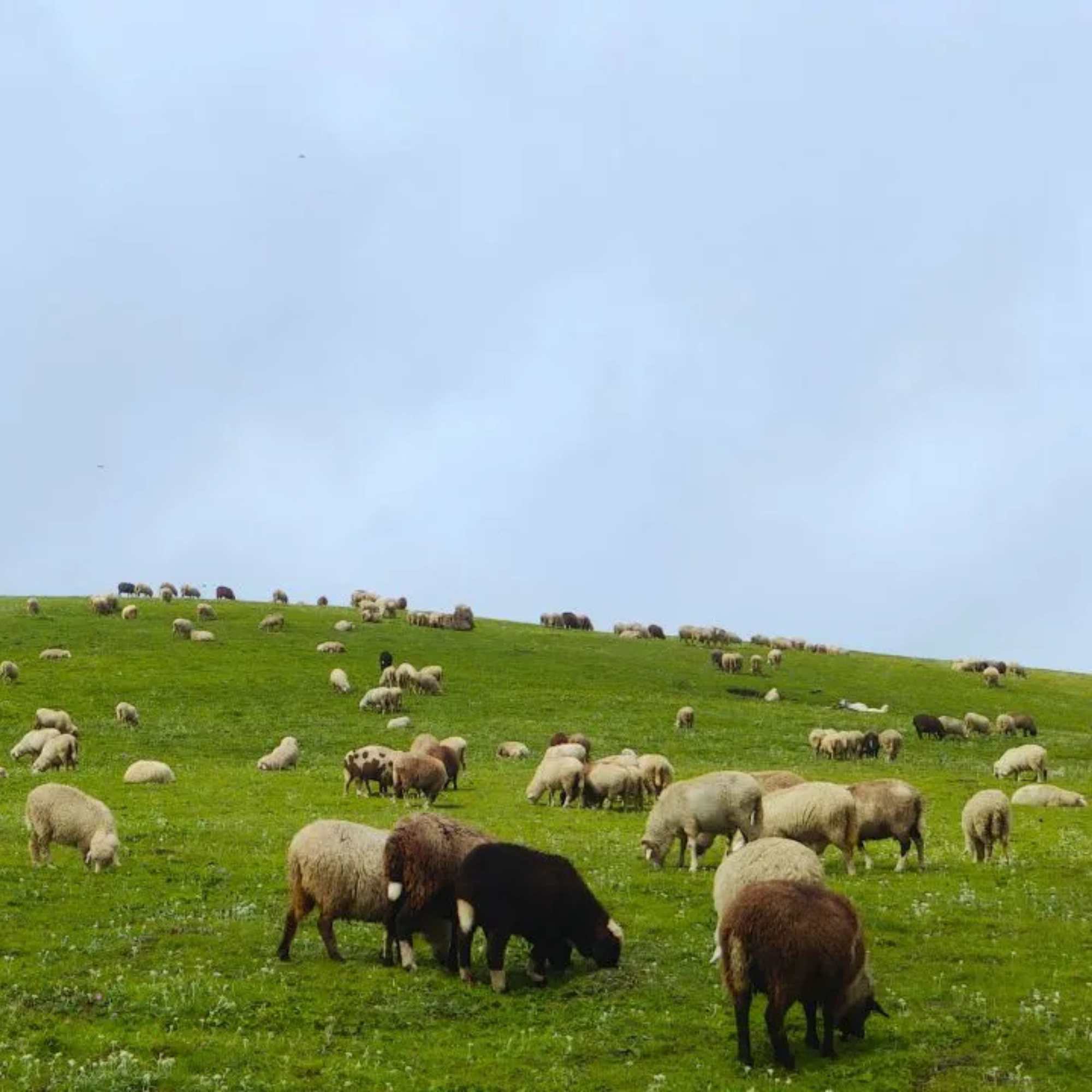
October is not one single month at Chanshal. The first half and the second half feel like two different trips.
Early October usually brings post monsoon clarity. The rain has eased, the dust has settled, and the air is clean. Road chances are at their best for the whole month.
This is the window we push most travellers towards. The light is sharp, the valley looks its best, and the road is usually behaving.
Late October is where things shift. Colder winds move in, the nights bite harder, and the first snow spell of the season can arrive.
That first snow is not a disaster on its own. But on the final climb, even a thin layer changes the road from doable to risky.
Here is what most tourists get wrong. They assume October means clear, settled weather all month. Then they plan for the last week, hit an early snow spell, and end up stuck in Rohru staring at a closed road.
If your dates are flexible, aim for the first two weeks. If they are fixed in late October, keep a backup plan that does not depend on the pass being open.
What Is the Real Snow Situation at Chanshal Pass in October?
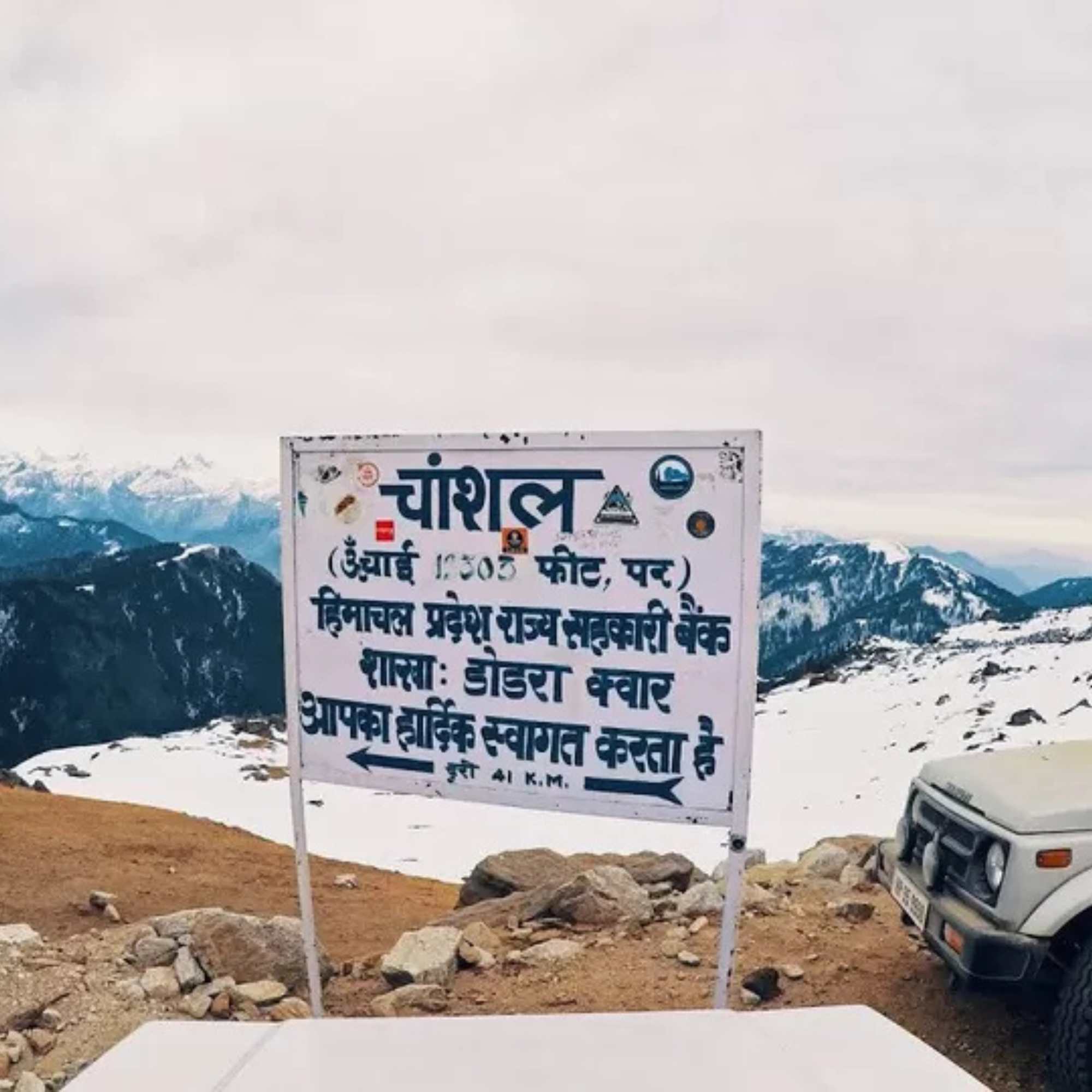
Snow in October is possible, but it is not guaranteed. Some years the road stays dry and brown well into the month. Other years a single spell changes everything.
There are three kinds of snow to keep separate in your head, because they are not the same problem.
First, snow on the distant peaks. This is pretty, harmless, and almost always there by late October. It does not affect your drive.
Second, old snow patches on the shoulders of the road. These are leftover from earlier spells and usually fine to pass.
Third, fresh snow on the road surface itself. This is the one that matters. Fresh snow on the Larot to Chanshal climb can make the whole stretch unsafe within hours.
Do not get fooled by how exciting fresh snow looks in photos. On that final 20 km, fresh snow plus a steep gradient plus loose surface is exactly how vehicles get stuck or slide.
And the weather here genuinely surprises people. The Tribune reported a freak spell in late May to early June 2023 that dumped 45 cm of snow on Chanshal Pass.
If 45 cm can land in early summer, you can imagine what an off day in late October can do. Respect that, and you will be fine.
Where Is Chanshal Pass and Why Does It Close?
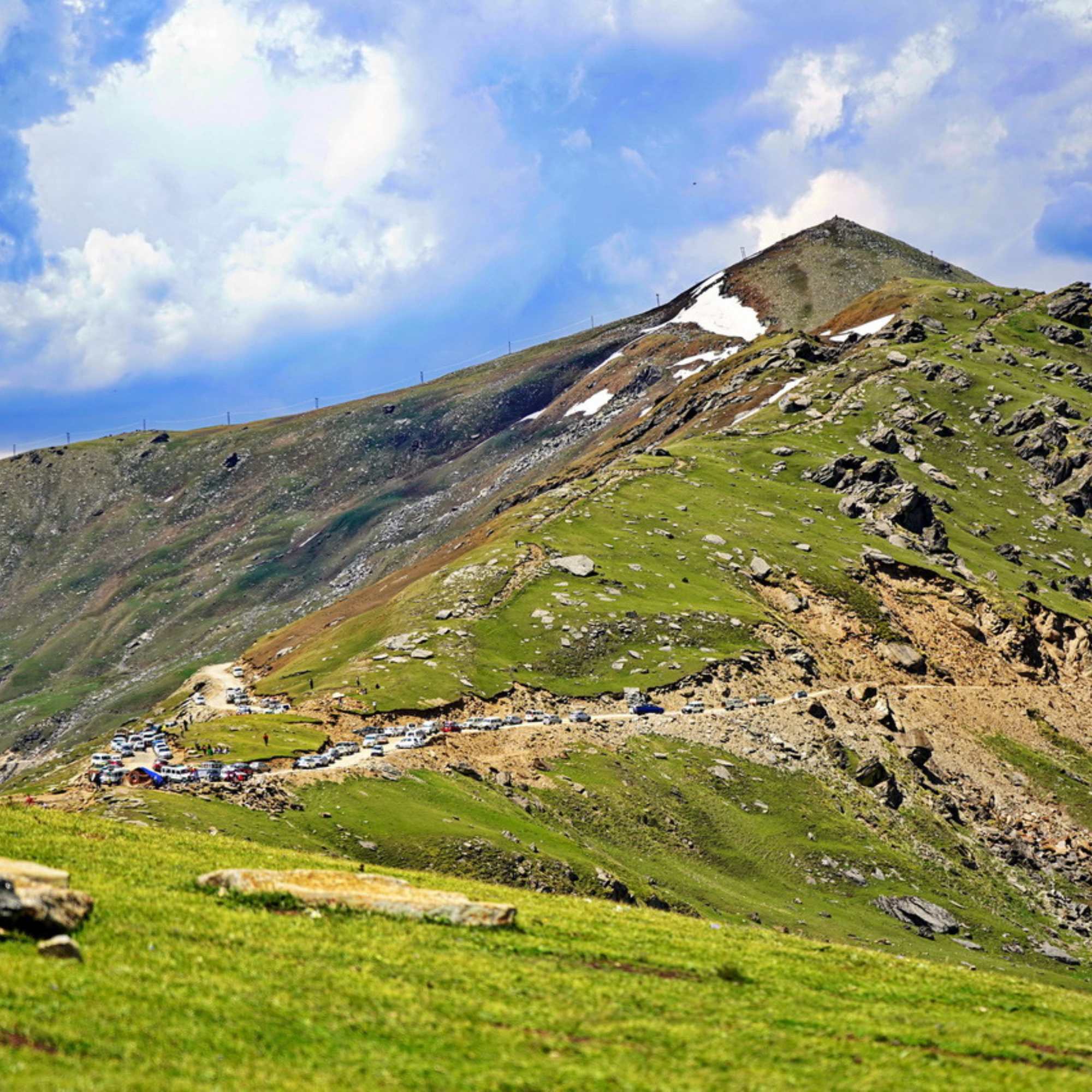
Chanshal Pass sits in Shimla district, Himachal Pradesh, close to the Himachal and Uttarakhand border. It is one of the higher drivable points in this part of the state.
The pass links the Rohru or Chirgaon side with the Dodra Kwar side. So it is both a destination and a connecting route between two valleys.
Now about the altitude, because online numbers are all over the place. The official Shimla district page lists Chanshal Valley or Pass at 3,755 m.
Chanshal Peak, which is the higher point above the pass, is commonly listed as 4,520 m by HPTDC and travel sources. So the peak and the pass are not the same height.
Do not let a blog tell you the pass is 4,520 m. That figure belongs to the peak. The drivable pass sits lower at 3,755 m.
Why does it close in winter? Simple. At this height, snow piles up from late autumn and the road becomes impossible to maintain. The official line is open May to November, closed the rest of the year due to snow.
If you want a relaxed base for this region with proper logistics handled, our Shimla tour packages cover stays, a local driver and routing that actually accounts for these mountain roads.
Chanshal Pass Road Status in October: What Usually Happens?
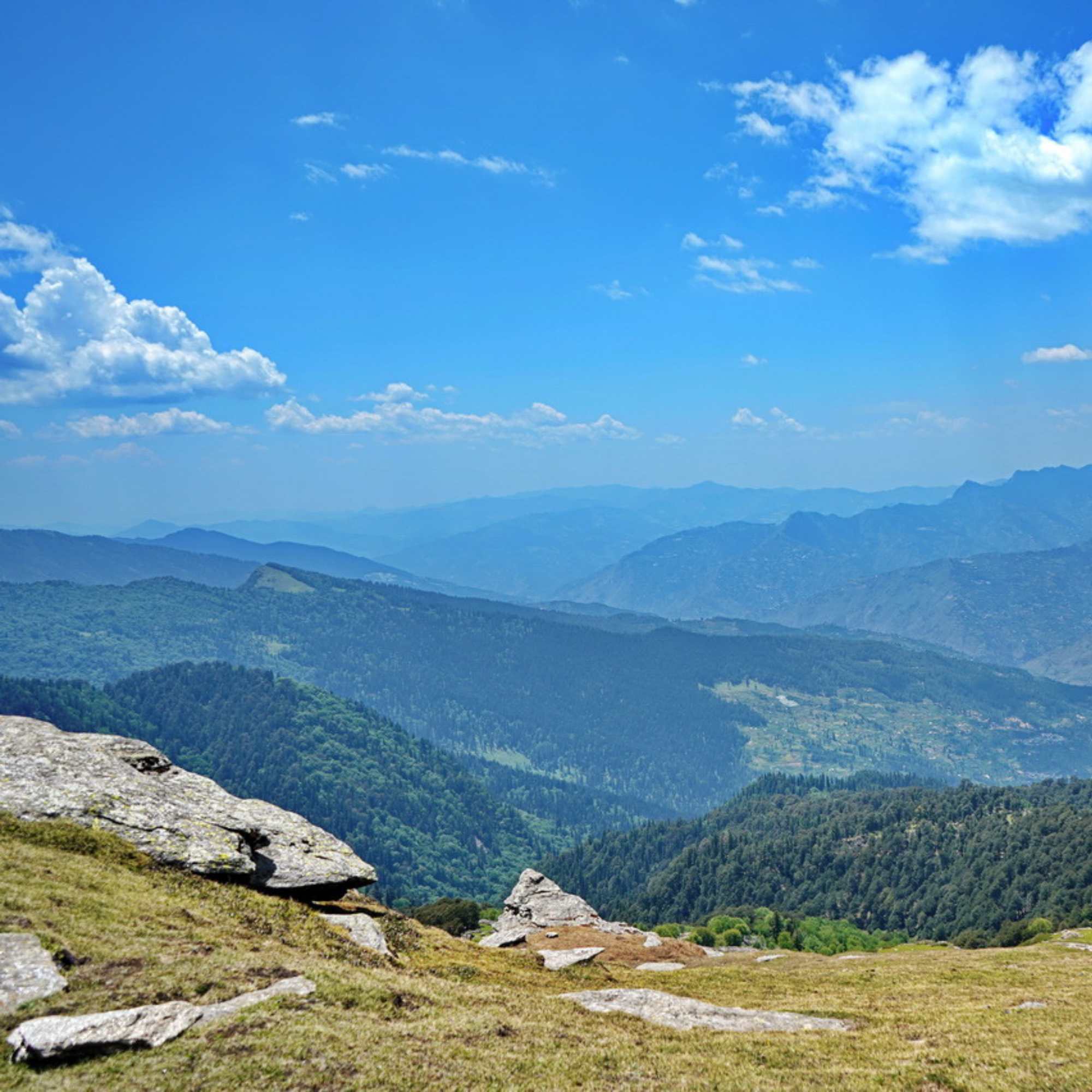
The official season is May to November. October sits comfortably inside that, so on paper the road is open.
But paper and reality are different things up here. Let us break October into a practical rule we use ourselves.
Early October is usually the safest October window. Roads are clean after the monsoon and snow has not arrived yet.
Mid October is still possible, but only after local confirmation. Call ahead, check the morning weather, and do not assume.
Late October should be attempted only after you check the Rohru to Larot to Chanshal road directly. This is the stretch that closes first when the cold turns.
One useful data point for 2026. A road status page listed Rohru to Chanshal Pass as open on 12 June 2026. That tells us the season opened on time this year.
But here is the honest part. June being open tells you nothing about October. Snow is a late season problem, not an early one. You still have to verify your actual dates separately.
The official page also names late June, September and October as good times to visit. So October is a recommended month. You just have to time the right half of it.
Route to Chanshal Pass in October: Shimla, Rohru, Larot and Beyond
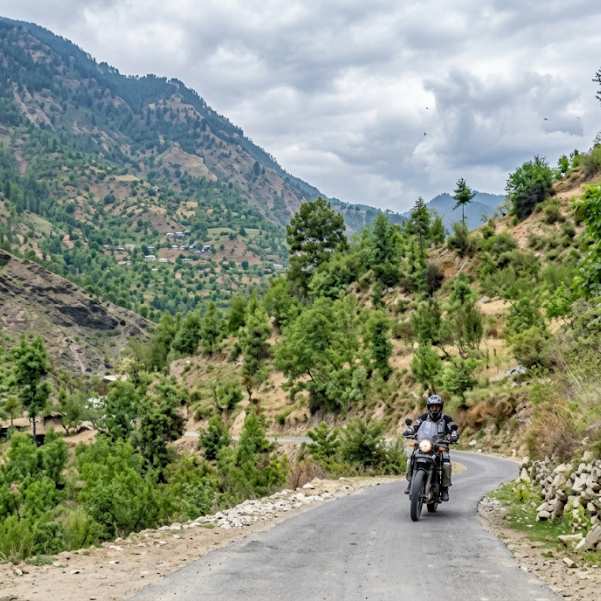
Shimla to Rohru route
There are two official Shimla to Chanshal route options, and both run through Rohru.
Route one goes Shimla, Theog, Kotkhai, Kharapathar, Hatkoti, Rohru, Larot, then Chanshal. The official Shimla district page lists this as 160 km.
Route two goes Shimla, Theog, Narkanda, Tikkar, Rohru, Larot, then Chanshal. This one is listed as 175 km.
For context on the easier leg, HPTDC lists Shimla to Rohru as 108 km and 3 hours. So Shimla to Rohru itself is a comfortable half day.
If you are coming up from the plains, HPTDC lists Chandigarh to Rohru as 225 km and 6 hours. That makes Chandigarh a sensible overnight break before pushing into the valley.
Rohru to Larot to Chanshal Pass
Rohru is the most practical base town for this trip. It has stays, fuel, ATMs and a proper market, which is more than anywhere past it offers.
Rohru to Chanshal Pass is around 48 km to 55 km depending on the source and exact routing. The numbers vary because the road branches and signage is patchy.
Treat the Rohru to Chanshal and back drive as a 100 to 110 km full day outing. It looks short on a map. It is not short in practice.
The reason is the final piece. The Larot to Chanshal stretch is about 20 km and this is the difficult part, rough, rocky, muddy and slow.
In our experience, people budget time for the distance and forget about the surface. Those last 20 km can eat hours, especially if the road is wet.
Delhi to Chanshal Pass route
If you are starting from Delhi, keep it to two broad approaches. Do not overthink the variants.
The first is Delhi via Chakrata and Tiuni to Rohru, around 420 km and 10 to 12 hours according to a 2026 guide. This is the shorter line on the map.
The second is Delhi via Shimla to Rohru, around 500 km and 12 to 14 hours. It is longer but more familiar, and it lets you break the journey in Shimla.
Whichever you pick, Delhi to Chanshal in one shot is not happening. You need Rohru as a night stop before the pass.
Can You Take a Sedan, Hatchback, SUV or Bike in October?
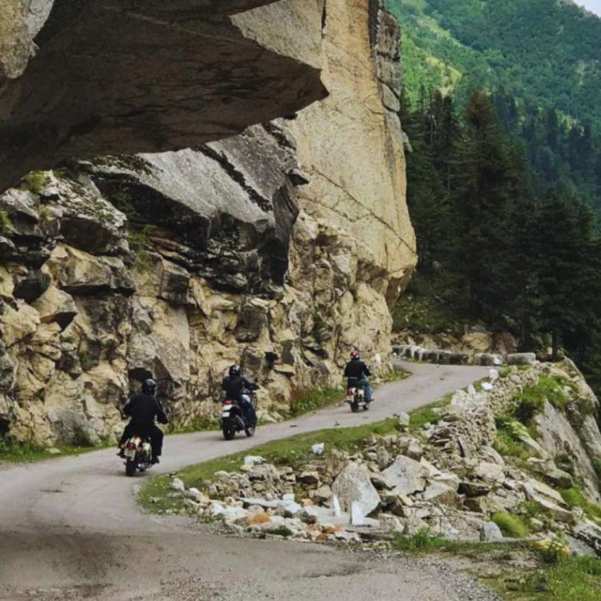
Let us be straight about vehicles, because this is where trips go wrong.
For the final climb, you want an SUV or a high ground clearance vehicle. We strongly recommend it, and so does every reliable source for this road.
Sedans and hatchbacks may be okay up to Rohru or Chirgaon. The roads till there are manageable for a careful driver.
But the final stretch is a different animal. After rain, snow, slush or black ice, a low car on that climb is asking for trouble.
Our drivers will not take a low clearance car past Larot in iffy conditions. It is not worth a cracked underbody or a slide on a blind bend.
For bikers, early October beats late October by a wide margin. Dry road, settled weather, and no surprise ice make the ride genuinely enjoyable.
Late October on a bike is for experienced Himalayan riders only. Cold hands plus black ice plus a steep gravel climb is a hard combination.
How Many Days Do You Need for Chanshal Pass in October?
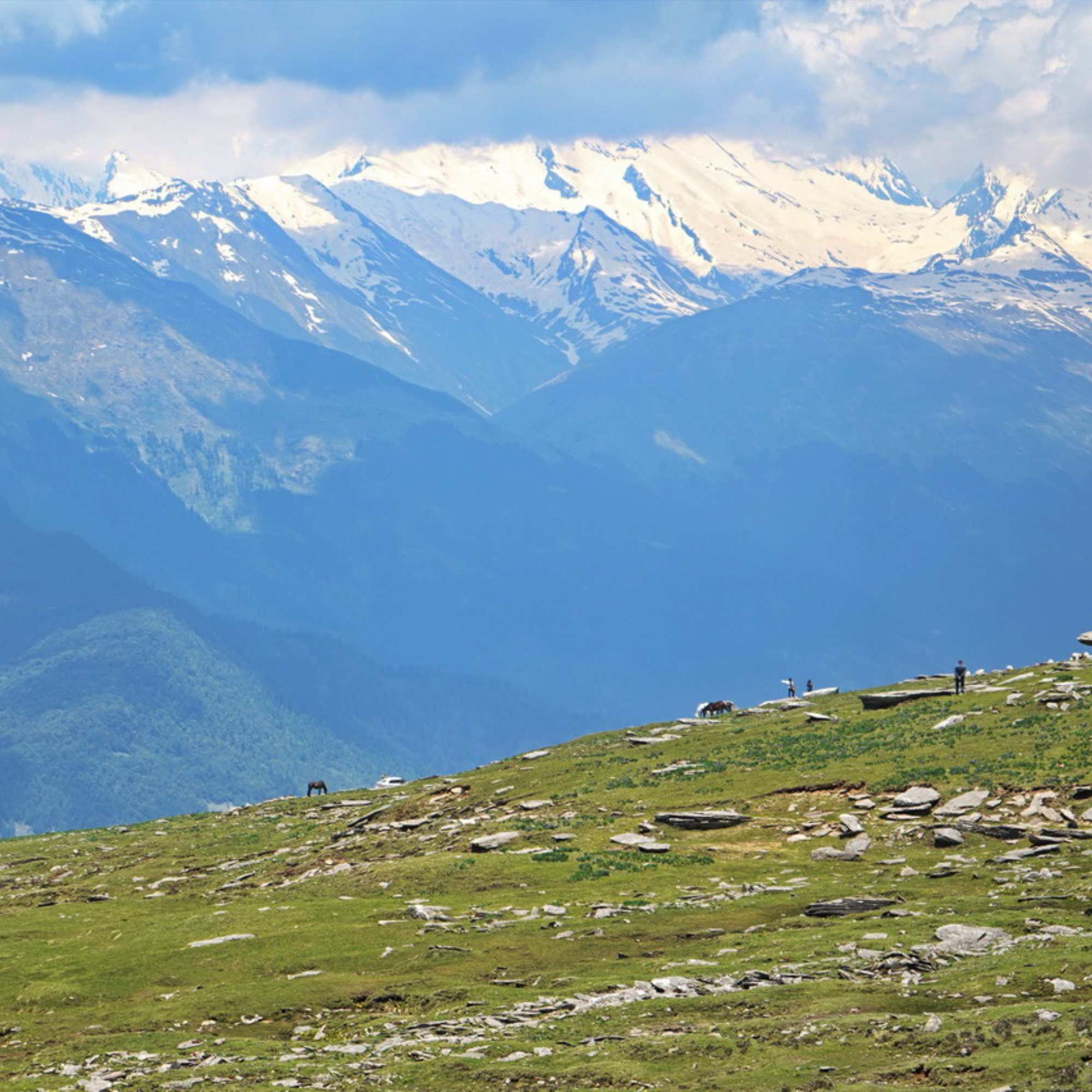
A rushed same day plan is not something we recommend in October. The light is shorter, the weather is moodier, and you want buffer.
If you are starting from Shimla or a nearby Himachal town, three days works well.
Day one, reach Rohru and settle in. Drive at a steady pace, stop for tea, and let the altitude ease in.
Day two, do Rohru to Chanshal and back as a full day outing. Start early, reach the top with daylight to spare, and turn back before the afternoon weather shifts.
Day three, return via Shimla or Narkanda. No rush, just a clean drive out.
From Delhi, give it four to five days. You lose most of a day each way just on the approach.
A rough plan is Delhi to Shimla or Chakrata on day one, into Rohru on day two, Chanshal and back on day three, and the return spread over the last days. The extra day is your weather buffer, and in October you will be glad you kept it.
For costs, a 2026 guide estimates a 3 day Delhi trip at ₹3,700 to ₹5,800 per person when four people share a car. A 3 day bike trip comes in around ₹2,500 to ₹3,500 per person.
Here is the money tip most people miss. Four sharing one SUV is by far the cheapest way to do this. Solo or in a pair, your per person cost jumps fast because the car cost is fixed.
Where to Stay Near Chanshal Pass in October?
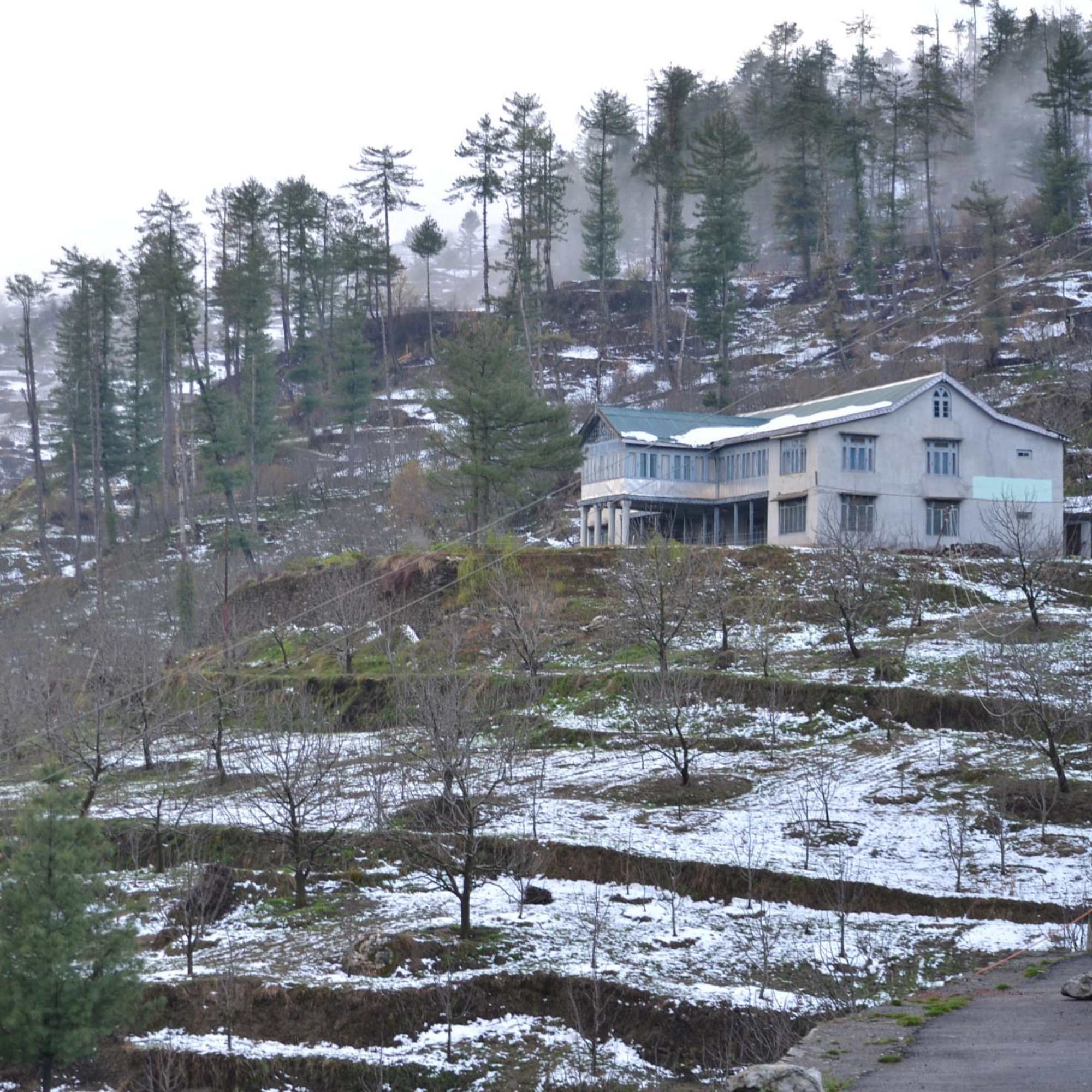
Rohru is the main base town, and that is where you sleep. There is no comfortable option higher up.
HPTDC Hotel Chanshal is a solid pick, located on the Hatkoti to Rohru road. It runs a restaurant, has parking, arranges taxi on demand, has a doctor on call, accepts cards and has public washroom facilities.
That list of facilities matters more than it sounds at this altitude. Doctor on call and cards accepted are genuinely useful when you are this far out.
Now the honest negative. There is no proper accommodation at Chanshal Pass itself, and nothing between Larot and the pass top.
So do not plan to stay near the top. You go up, spend your time, and come back down to Rohru the same day. Treat the pass as a day outing, not an overnight.
Food, Fuel, ATMs and Mobile Network
This is the section people skip and then regret. Read it.
Fill your fuel tank at Rohru. Sources are clear that fuel is not dependable beyond Rohru towards Chanshal, so top up before you climb.
Rohru has ATMs, but treat everything past it as cash first. Carry enough notes for the whole outing and then some.
Food wise, the small dhabas in the Rohru market are your last proper hot meal before the climb. Eat well there and carry snacks, because the stretch beyond has almost nothing.
What we always tell our travellers is to fill the tank, hit an ATM and grab a hot meal in Rohru in the same hour, before leaving. Do all three together so nothing gets forgotten.
Mobile signal is the other gap. The network is not reliable at the Chanshal top and beyond Larot, so do not count on Google Maps loading up there.
Download offline maps before you leave Rohru. Tell someone your plan too, since you will be off grid for a few hours.
Do You Need a Permit for Chanshal Pass?
Honest answer, the permit situation online is conflicting and we will not pretend otherwise.
Some 2026 sources mention a forest department permit for the Chanshal Wildlife Sanctuary area. Another Pabbar Valley guide says no special permit is needed for Indian nationals.
So you have two sources saying two different things. That is exactly why you should not trust a single blog on this.
The safest move is to check with the Rohru Forest Office or the local administration before you leave Rohru. A five minute confirmation there beats getting turned back at a checkpoint.
If you are travelling with us, we confirm this for your specific dates so you are not guessing.
What Should You Pack for Chanshal Pass in October?
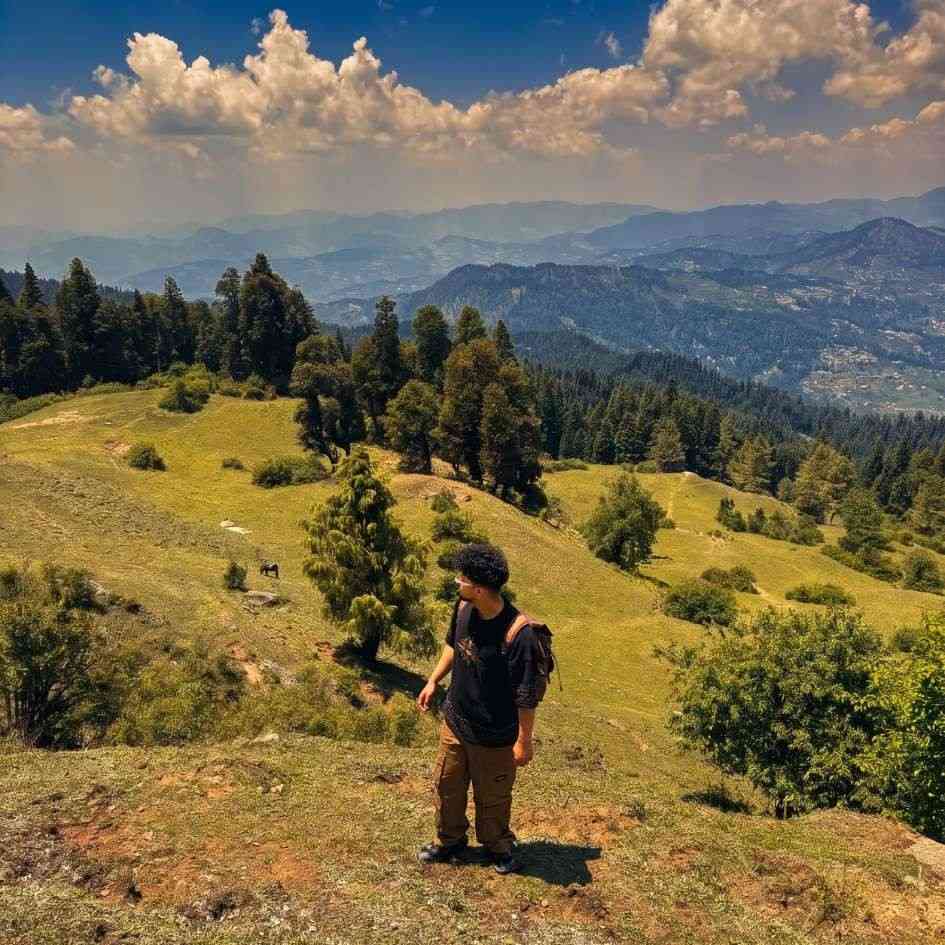
Pack for cold, even if Rohru feels mild when you arrive. The top is a different world.
Start with a windproof jacket, gloves, a warm cap and sunglasses. The wind at the pass can feel far colder than anything you felt down in Rohru.
Carry water and snacks, because there are no reliable food stops on the climb. A power bank is essential since you cannot charge anything up there.
Keep offline maps downloaded and a basic medicine kit handy, with something for headache and nausea. Waterproof shoes save you on the muddy patches.
For self drive travellers, throw in a tyre inflator and a tow rope. On a road this rough and remote, you want to be able to help yourself if something goes wrong.
The thing people underestimate every single time is the wind chill. A calm sunny photo hides how sharp the breeze gets once you step out at the top. Dress warmer than you think you need to.
What to Do If Chanshal Pass Is Closed in October?
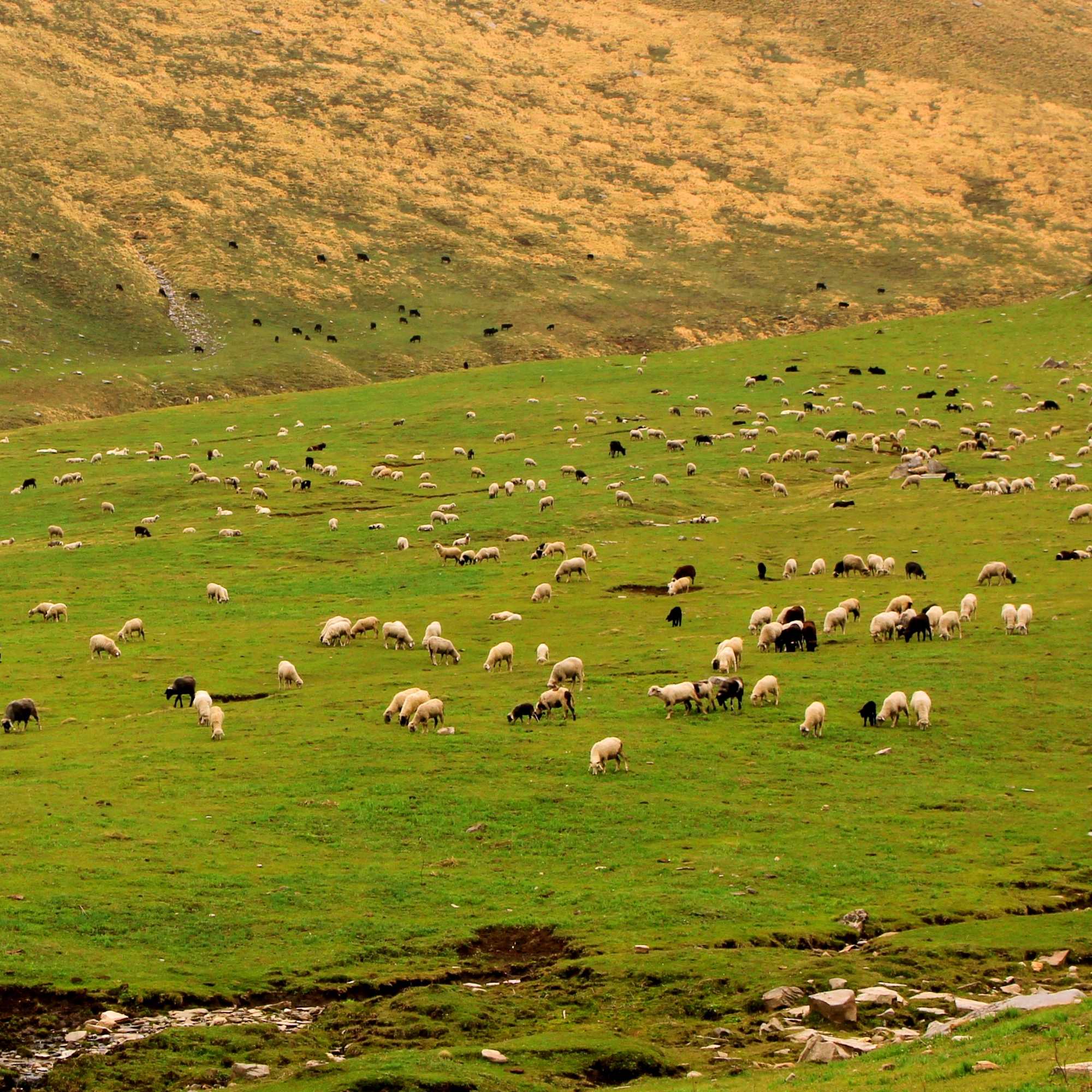
Sometimes the road just says no. A fresh spell, black ice, or a local restriction can shut the climb. Have a plan B ready so the trip is not wasted.
Stay around Rohru and explore the Pabbar Valley. It is quiet, green in patches, and lined with apple country.
Visit the Hatkoti Temple on the way, which is an easy and worthwhile stop. The apple belt drives around here are relaxing and very different from the high pass scenery.
You can also swing towards the Narkanda or Thanedar side, or drop back to Shimla for an easier couple of days.
If you would rather pivot to a softer offbeat region entirely, Jibhi and Tirthan are a great fallback. Our Jibhi and Tirthan Valley packages suit travellers who want green forests instead of a high cold pass.
Still deciding on a backup vibe? Our Jibhi or Kasol comparison breaks down which one fits which kind of traveller.
Should Families and First Time Drivers Visit Chanshal Pass in October?
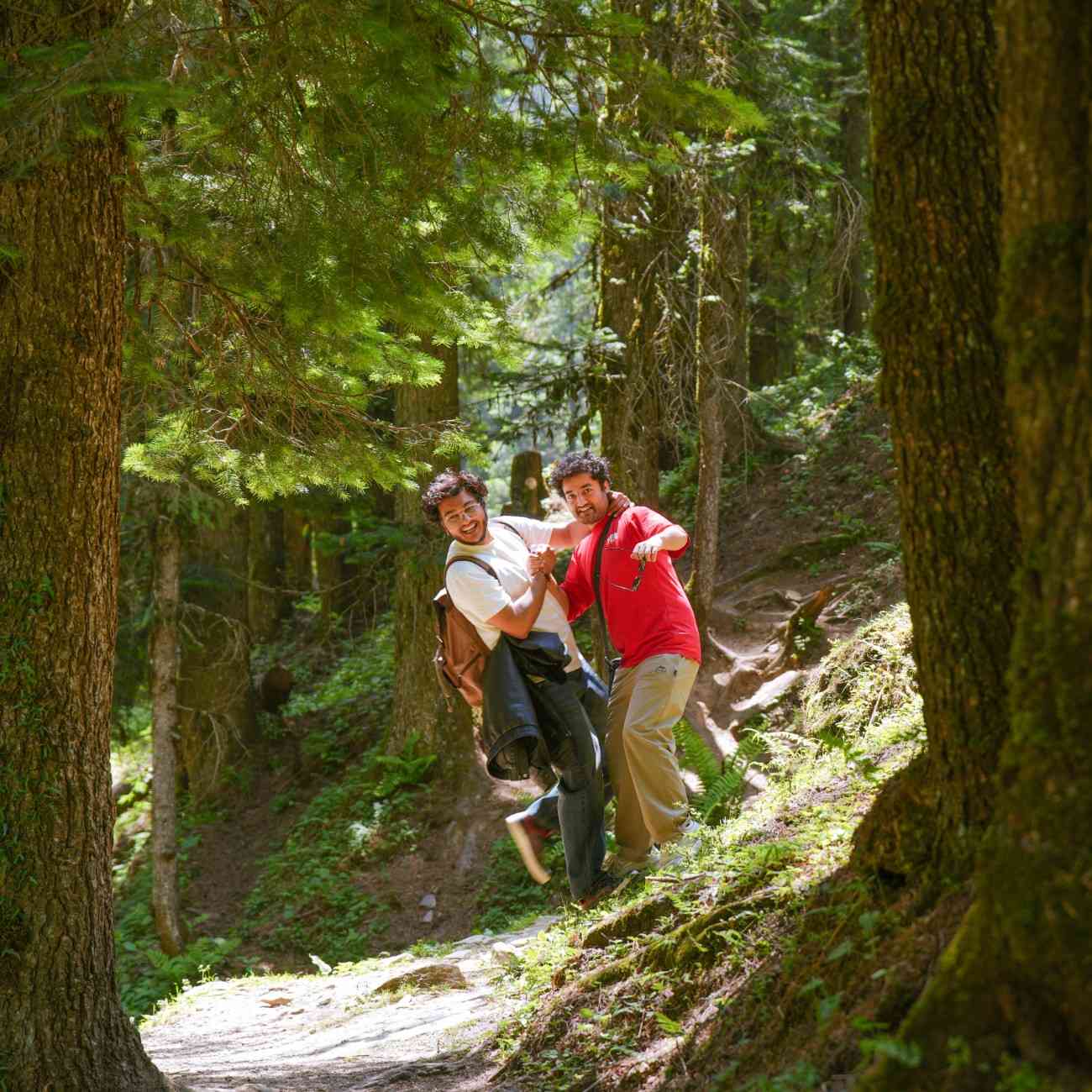
This trip suits some people and genuinely does not suit others. Be honest with yourself.
It is a good fit for experienced mountain drivers, SUV travellers, bikers with Himalayan experience, photographers, and anyone comfortable with a plan that might change.
If you love rough roads, big empty valleys and a place that almost nobody crowds, you will enjoy this.
It is not ideal for elderly travellers, small kids, or first time hill drivers. The road is demanding and there is no quick medical help past Rohru.
It also does not suit anyone on a strict same day schedule. October weather here does not care about your calendar, and forcing a tight plan is how trips go bad.
In our experience, the travellers who love Chanshal most are the ones who came expecting a raw, slow, slightly uncertain day. The ones who expected a smooth tourist drive leave disappointed.
Travel Coffee's Local Advice for October 2026
We are based in Shimla, in the heart of Himachal Pradesh, and this belt is our backyard. That means we can verify local conditions before you commit to dates.
Our standing advice for October is plain. Favour the first half of the month, keep one buffer day, and confirm the Rohru to Chanshal road on the morning you plan to go up.
And if Chanshal turns out to be closed and you have time in hand, we can pivot you to other high country. Our Kinnaur tour packages and Spiti Valley tour packages both work as strong October alternatives, depending on your dates and appetite for altitude.
Explore Our Curated Chanshal Pass Tour Packages
- Group Tour5D/4N
Chanshal Pass Weekend Group Trip With Giri Ganga and Kuppar Bugyal
1D Kharapathar / Kotkhai•1D Rohru / Chirgaon (Pabbar Valley)
₹8,999₹12,999SAVE INR 4,000/ person 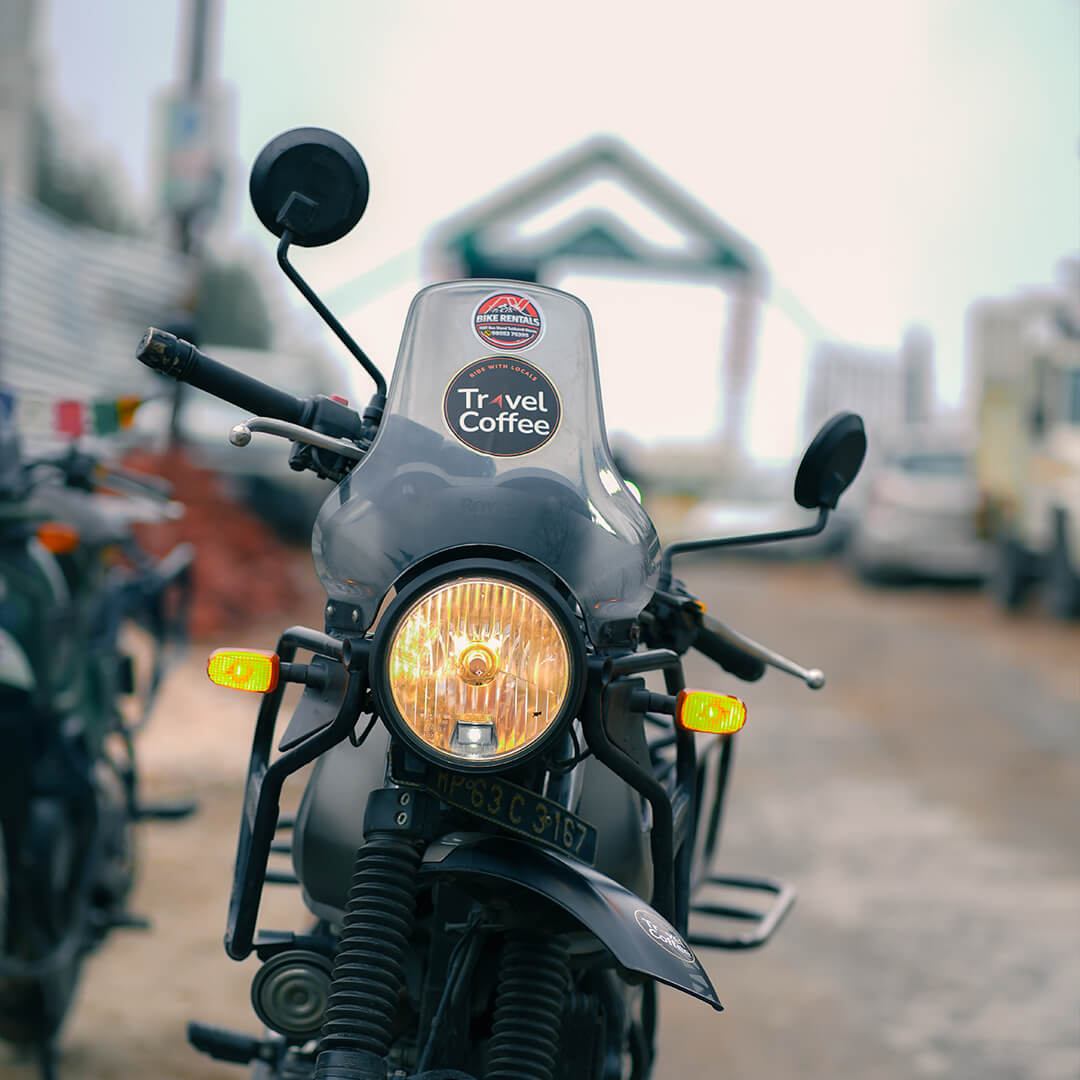 8D/7N
8D/7NUltimate Pabbar Valley Bike Expedition With Giri Ganga Kuppar Bugyal Chanshal Pass and Dodra Kwar
1D Kharapathar / Kotkhai•2D Rohru / Chirgaon (Pabbar Valley)+1
₹29,999/ person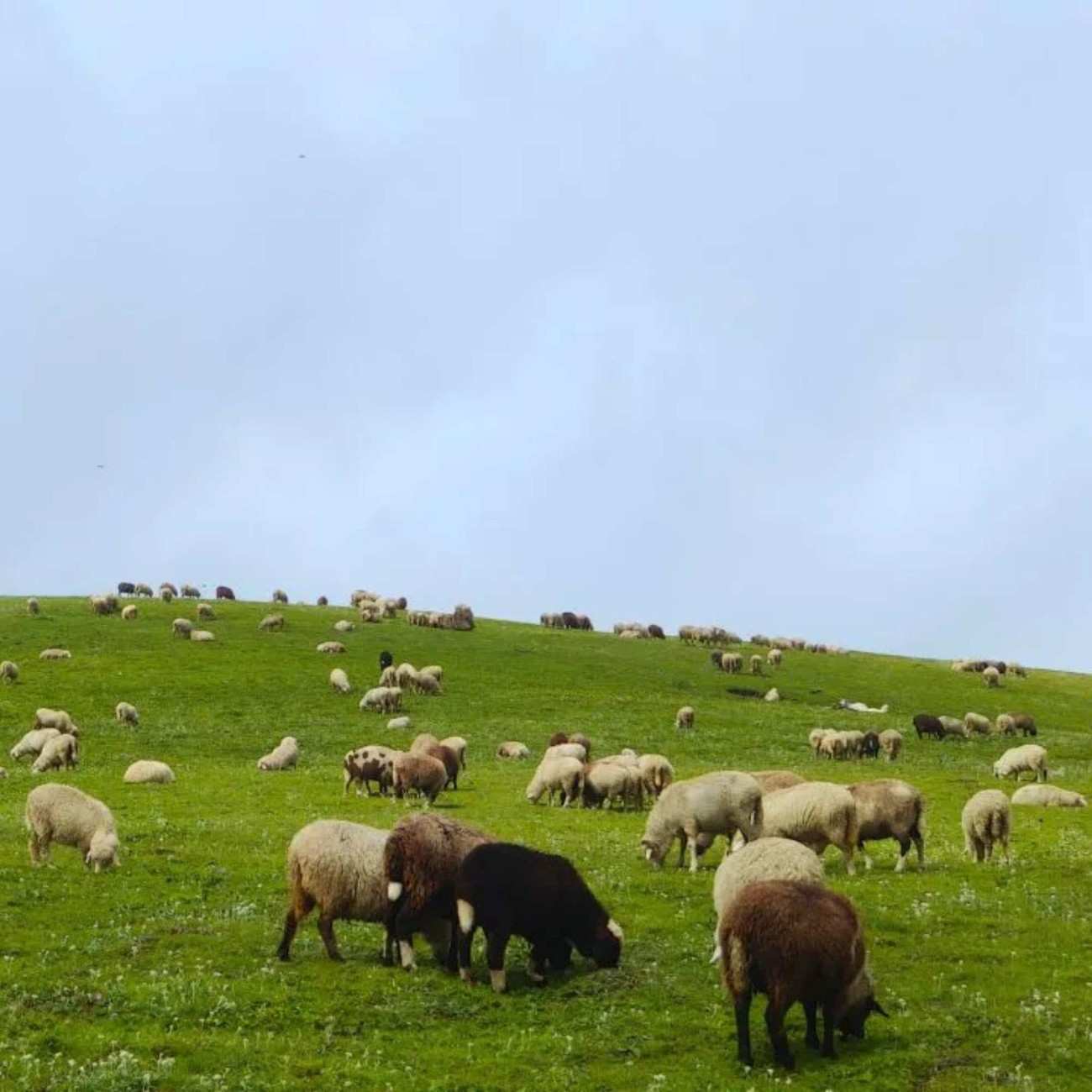 8D/7N
8D/7NMost Loved 4x4 Pabbar Valley Expedition With Giri Ganga Kuppar Bugyal Chanshal Pass and Dodra Kwar
1D Kharapathar / Kotkhai•2D Rohru / Chirgaon (Pabbar Valley)+1
₹32,999₹39,999SAVE INR 7,000/ person
Related topics
Frequently Asked Questions
Is Chanshal Pass open in October?
Usually yes. The official road season is May to November, so October falls inside it. Early to mid October is the safer window, and late October depends on whether snow has arrived.
Does Chanshal Pass get snow in October?
It can, but it is not guaranteed. Some years stay dry, others see the first spell late in the month. Fresh snow on the final climb is the real concern, not snow on distant peaks.
Is October a good time to visit Chanshal Pass?
Yes. The official Shimla district page even lists October as a good time to visit. Early October gives you clean post monsoon air and the best road chances of the month.
What is the road condition from Rohru to Chanshal Pass?
Decent until Larot, then rough. The final Larot to Chanshal stretch of about 20 km is rocky, muddy and slow, and turns risky after rain or snow.
Can a sedan go to Chanshal Pass in October?
A sedan may manage up to Rohru or Chirgaon, but the final climb is risky for low cars. After any rain, slush or ice, you really want higher ground clearance.
Is a 4x4 required for Chanshal Pass?
A 4x4 is not strictly mandatory, but an SUV or high ground clearance vehicle is strongly recommended for the last stretch. In bad conditions, a 4x4 makes a real difference.
How far is Chanshal Pass from Shimla?
About 160 km via Kotkhai, Kharapathar, Hatkoti, Rohru and Larot, or 175 km via Narkanda, Tikkar, Rohru and Larot. Both routes run through Rohru.
How far is Chanshal Pass from Rohru?
Around 48 km to 55 km depending on the source and routing. Plan the round trip as a 100 to 110 km full day outing because the last leg is slow.
Where should I stay near Chanshal Pass?
Rohru is the base town. HPTDC Hotel Chanshal on the Hatkoti to Rohru road is a reliable pick, with a restaurant, parking, doctor on call and cards accepted.
Is there mobile network at Chanshal Pass?
No, not reliably. Signal drops off beyond Larot and is not dependable at the top. Download offline maps and tell someone your plan before you leave Rohru.
Do I need a permit for Chanshal Pass?
This is unclear online. Some 2026 sources mention a forest permit for the wildlife sanctuary area, others say none is needed for Indians. Check with the Rohru Forest Office before going.
Can I visit Dodra Kwar after crossing Chanshal Pass?
Yes, Chanshal Pass connects the Rohru side with the Dodra Kwar side, so crossing over towards Dodra Kwar is possible when the road is open and clear. Confirm conditions locally before attempting it.
More about Chanshal Pass
 Chanshal Pass
Buran Ghati Trek Complete Guide 2026: Route, Cost, Difficulty, Best Time
Planning the Buran Ghati Trek in 2026? Explore the complete guide covering the route, itinerary, cost, difficulty, best time to visit, fitness tips, and essential trekking advice.
- Things to Do
 Chanshal Pass
Chandranahan Lake Trek 2026: Source of the Pabbar River
Discover the Chandranahan Lake Trek 2026, a breathtaking Himalayan adventure to the sacred source of the Pabbar River in Himachal Pradesh. Explore pristine alpine meadows, glacial lakes, and spectacular mountain landscapes with this complete trekking guide.
- Things to Do
 Chanshal Pass
Treks in Pabbar Valley: The Complete List for 2026
Planning to explore the treks in Pabbar Valley in 2026? This complete guide covers the region's best hiking trails, difficulty levels, ideal seasons, trail highlights, and essential planning tips for discovering one of Himachal Pradesh's most rewarding trekking destinations.
- Things to Do