
Chandranahan Lake Trek 2026: Source of the Pabbar River
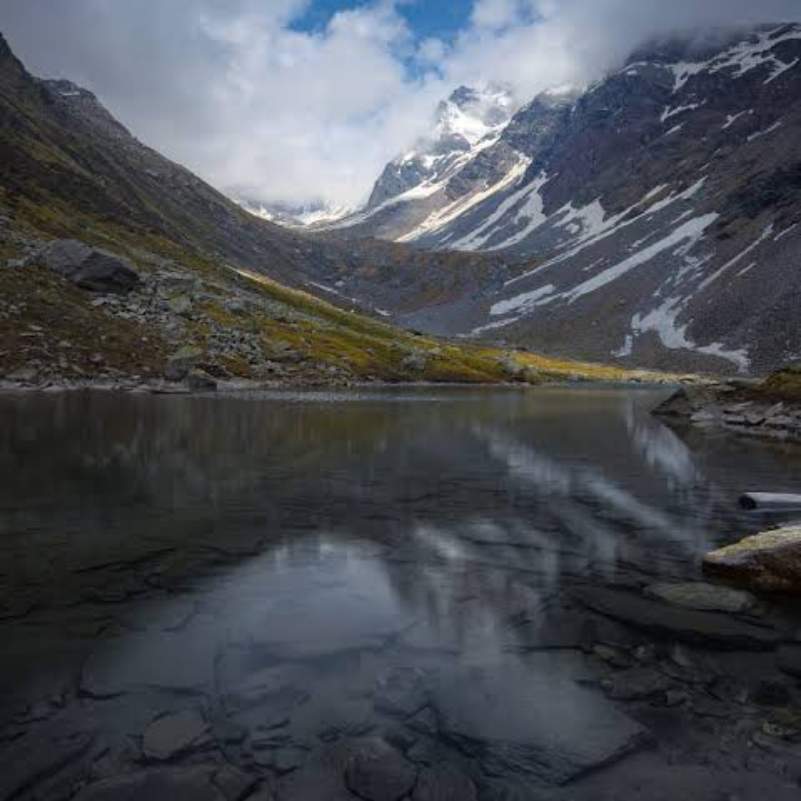
If you are looking up the chandranahan lake trek, you have probably noticed that half the blogs spell it differently and the other half mix it up with Chandratal. They are not the same place. This one sits deep in the Pabbar Valley near Rohru, and you reach it on foot from a small village called Janglik, not by car.
We run trips across this side of Shimla district every season, and the Chandranahan trail is one we genuinely love sending fit, curious travellers on. It has meadows, a glacial lake, a waterfall, and far fewer crowds than the famous Himachal names.
Here is everything you need to plan it properly, with real distances, real costs, and honest warnings about where people get it wrong.
Quick Answer: Is Chandranahan Lake Trek Worth It in 2026?
Yes, if you are reasonably fit and going with a guide. The chandranahan lake trek is a high altitude Himalayan trek in the Pabbar Valley near Rohru in Shimla district, starting from Janglik village.
It is known for glacial ponds, green meadows, a waterfall, and the source area of the Pabbar River. The best months are May to June and September to October.
It suits fit beginners who go with a guide, or trekkers who already have some mountain experience. It is not a road trip to a lake. You walk to this one.
Planning around road conditions and weather? Talk to our Himachal team on WhatsApp.
What Most People Get Wrong About This Trek
Most travellers treat the lake day like any other walking day. It is not.
The lake day climbs steeply near the waterfall, crosses snow in early season, and gains real altitude. People who march hard on Day 2 and 3 often struggle here.
In our experience, the trekkers who enjoy Chandranahan most are the ones who walk slowly on the easy days and save energy for the lake push. Pace is everything on this trail.
Where Is Chandranahan Lake?
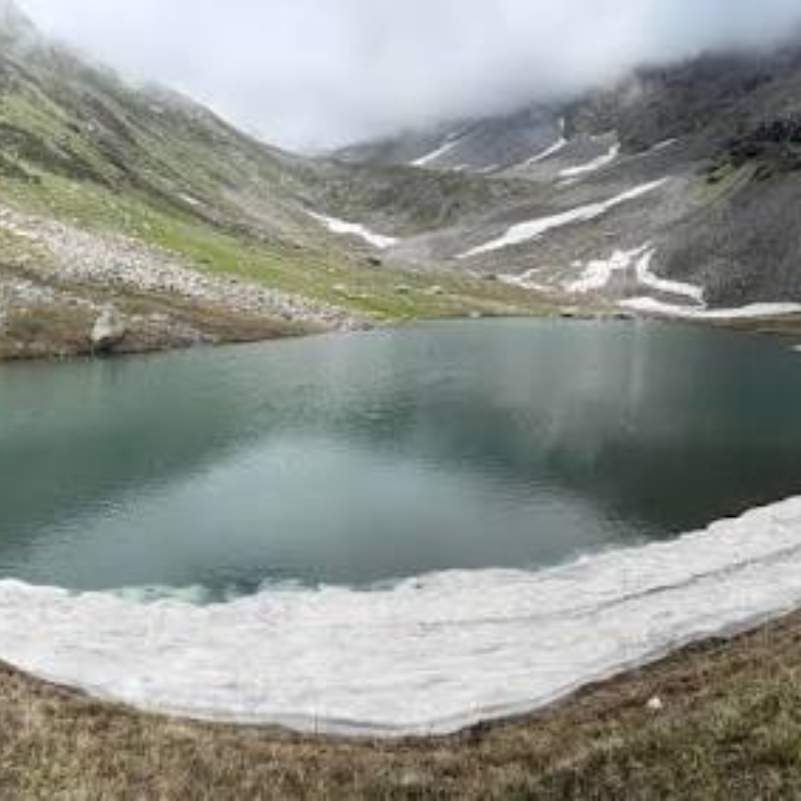
Chandranahan Lake is on the Rohru side of Shimla district, Himachal Pradesh, in the Pabbar Valley region. The base village for the trek is Janglik.
You will see the name spelled many ways online. Travellers and operators use Chandranahan, Chandernahan, Chander Nahan, and Chander Naun. They all mean the same lake.
If you are starting the whole trip from the hill town, our Shimla tour packages can sort your stay and transport before you head deeper into the Pabbar Valley.
Why Is Chandranahan Called the Source of the Pabbar?
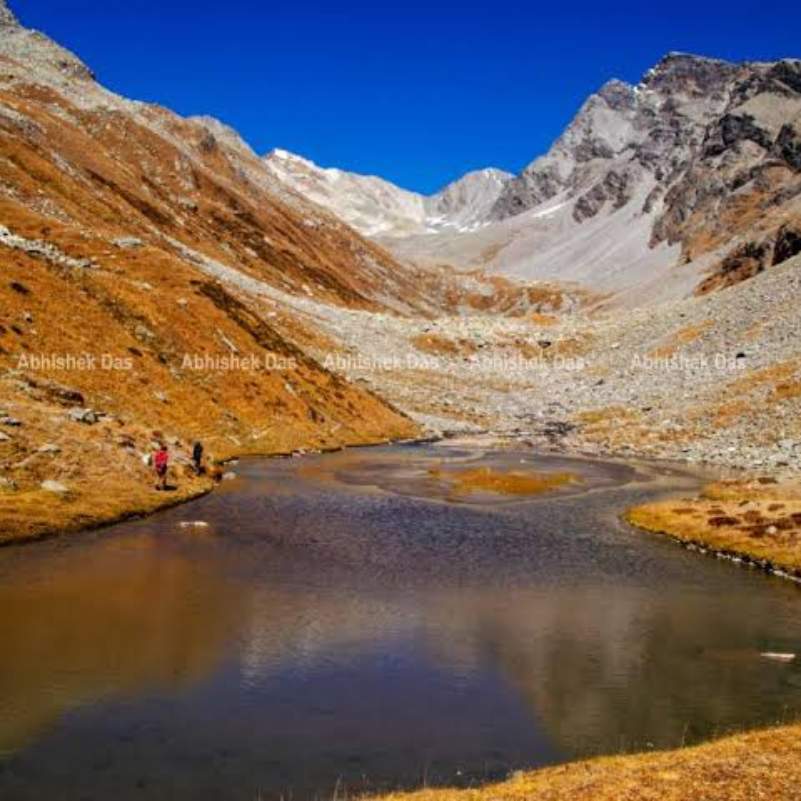
Chandranahan is a glacier and snowmelt fed lake system high in the mountains. The Pabbar River flows out from this area, which is why it is widely considered the source area of the Pabbar River.
Locals treat the lake as sacred, so respect that when you reach it. This is not a place for loud music or littering.
People often describe Chandranahan as having seven glacial ponds. We will keep it honest and say it is often described that way, since the exact count people see changes with snow and season.
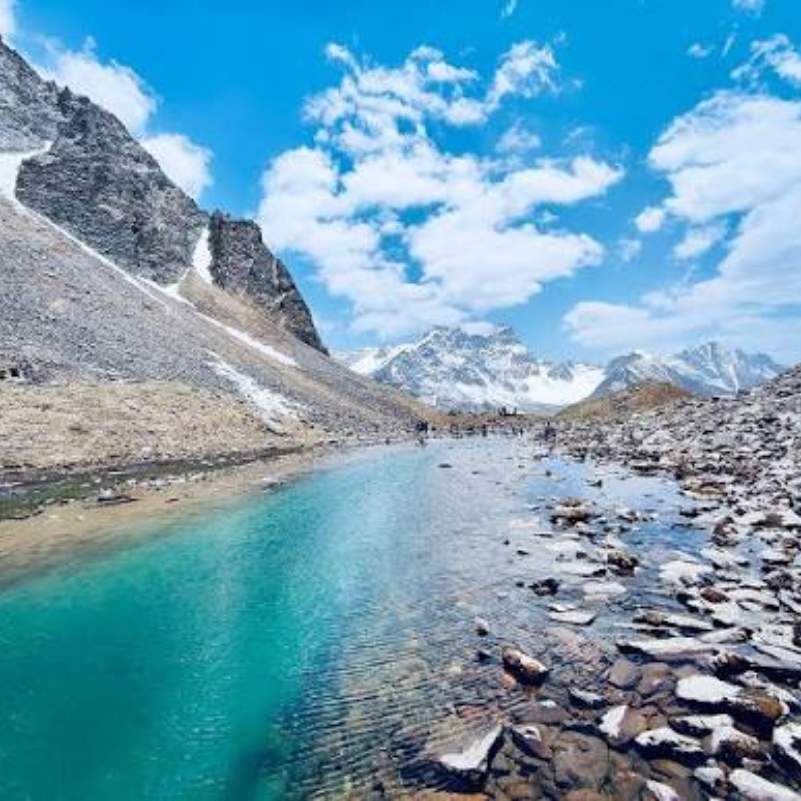
When you stand at the lake, you understand why locals hold it sacred. The water sits in a quiet glacial bowl with mountains rising on every side and almost no sound except wind and meltwater.
It is one of those places that feels far older than any road or town. We always remind our trekkers to keep it that way, carry every bit of waste back down, and avoid disturbing the area.
Chandranahan Lake Trek at a Glance
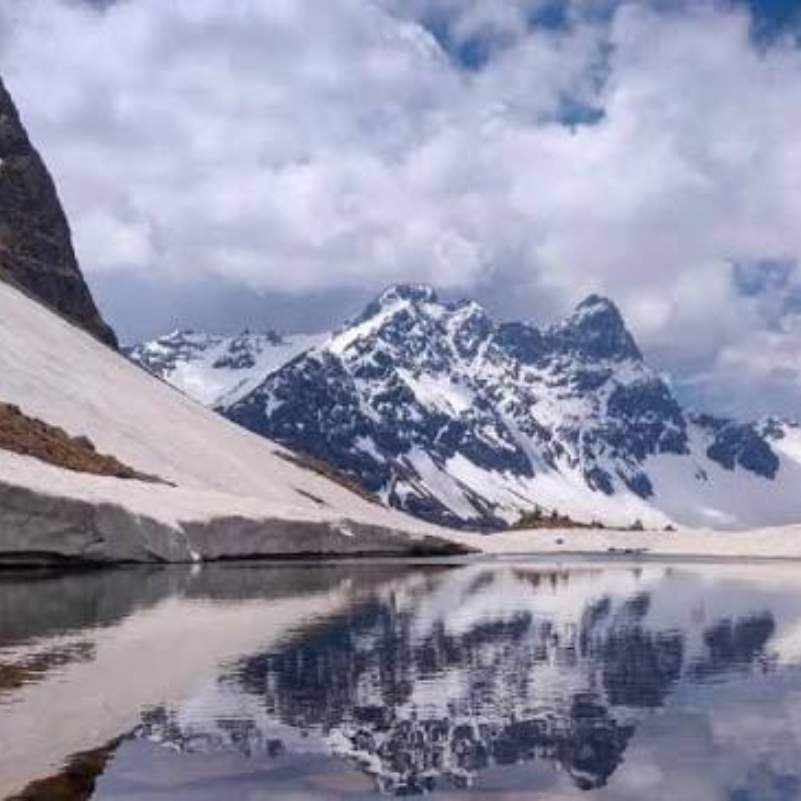
Here is the basic shape of the trek in plain terms.
The location is Rohru, Shimla district, in the Pabbar Valley. The base village is Janglik, and the lake sits at around 4,200 to 4,260 m, which is roughly 13,900 to 13,980 ft.
A standalone trek usually takes 4 to 6 days. The walking distance is commonly quoted around 20 to 30 km for standard plans, though some routes run longer.
The difficulty is moderate to slightly tough. The best time is May to June and September to October.
Most packages run Shimla to Shimla or Janglik to Janglik depending on whether transport is included. Check this before you book, because it changes the price a lot.
Chandranahan Lake Trek Route: How the Trail Feels Day by Day
Day 1: Shimla to Janglik
The drive from Shimla to Janglik is commonly listed around 150 km and takes 7 to 10 hours depending on road and weather. It is long, and it gets bumpy near the end.
The route usually goes through Rohru, then Chirgaon or Tikri, then Tangnu or Diude, and finally Janglik. The first half is normal hill road.
After Chirgaon and Tikri, toward Tangnu and Janglik, the road turns rough and patchy in sections. Our team always recommends starting early from Shimla so you reach Janglik in daylight.
Rohru is the last proper town on this route. We tell our travellers to eat a full meal and stock up on snacks at the Rohru market dhabas, because the food options shrink badly after this point.
The simple Himachali dhaba food in Rohru, hot rajma chawal or a fresh aloo paratha with curd, is the last comfort meal before you are living on trek kitchen food and your own snacks. Fill up here.
Once you cross toward Tangnu and Janglik, do not expect much beyond very basic tea stops. Carry extra biscuits, nuts, and chocolate from Rohru or even from Shimla.
Day 2: Janglik to Dayara Thach
This day is listed around 7.5 to 8 km and about 5 hours. It is a gradual climb, so it suits a steady, slow pace.
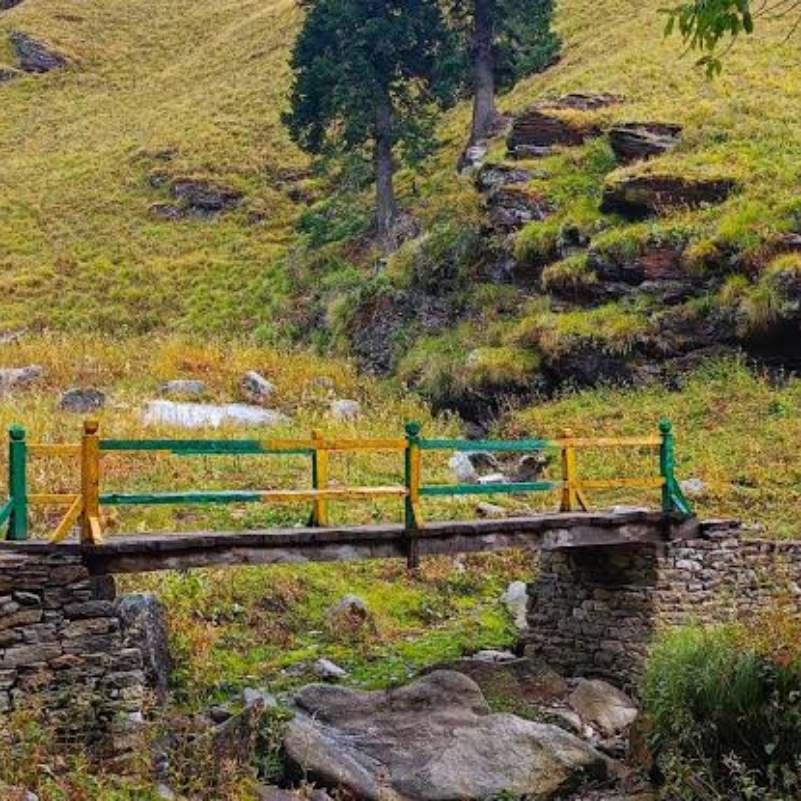
You walk through pine and oak forest first, then the trees thin out and the meadows open up. The mountain views start showing here.
This is the day road life falls away. No traffic, no horns, just the trail and the sound of your own steps. Dayara Thach is a wide grassy camp where the first night under stars hits different.
Day 3: Dayara Thach to Litham
Indiahikes lists this stretch as 5.9 km and 3 to 4 hours. It is easier walking than Day 2.
You cross meadows, small streams, and a few forest patches. The walking is gentle enough to enjoy the surroundings instead of staring at your feet.
Near Litham you start hearing the Pabbar River close by. Litham works as the base camp for the lake day, so you sleep here and start the big push the next morning.
Day 4: Litham to Chandranahan Lake and Back
This is the day that matters. Indiahikes lists it as 6.9 km return and 4 to 5 hours, while another source lists 8.3 km and 5 to 6 hours.
So plan for around 5 to 6 hours depending on snow and route. Do not trust the lower number on a snow heavy day.
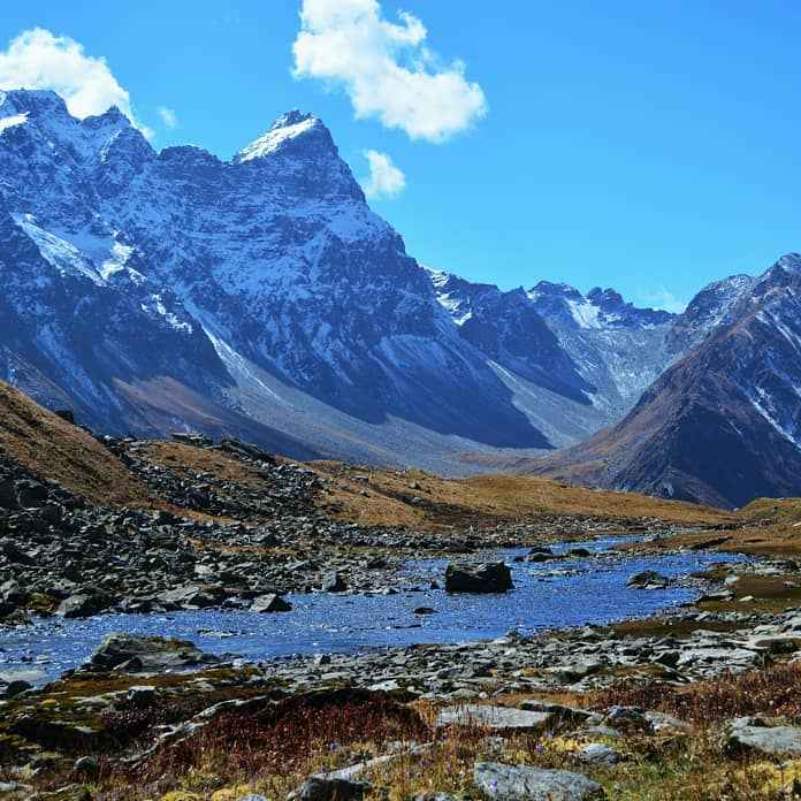
The trail climbs steeply near the waterfall, then opens into a glacial valley. In early season you cross snow patches, and you pass small ponds before reaching the main lake area.
Start early and aim to head back before afternoon, because the weather here turns fast. The return is a steep descent that tires the knees, so take it slow.
Day 5 or 6: Return to Janglik and Drive to Shimla
Some itineraries wrap up in 5 days and some in 6. Our team recommends the slower 6 day version when the weather is shaky or the group has first time trekkers.
The drive back to Shimla is just as long as Day 1. Do not book a tight same night train or flight out of Shimla, because one road delay can wreck that plan completely.
How Difficult Is Chandranahan Lake Trek?
The honest answer is moderate, leaning toward tough on one day. The first trail days are manageable for fit beginners.
The lake day is the hard part. You deal with altitude, a steep climb near the waterfall, snow patches in early season, stream crossings, and remote ground with no quick exit.
Fit beginners can do this trek with a good guide. But in winter or heavy snow, this becomes a serious trek that needs prior Himalayan experience and proper gear.
The fitness that matters here is leg strength and stamina, not gym muscle. If you can climb stairs for 30 minutes without your legs giving up, you are in decent shape for this.
We tell our travellers to start walking daily at least three weeks before the trek. Even a one hour brisk walk every day makes the lake day far easier on your body.
The other thing people underestimate is the descent. Going down the steep section on Day 4 hammers the knees, so knee support and trekking poles help a lot.
Best Time for Chandranahan Lake Trek in 2026
There is a right window for this trek, and getting it wrong ruins the trip.
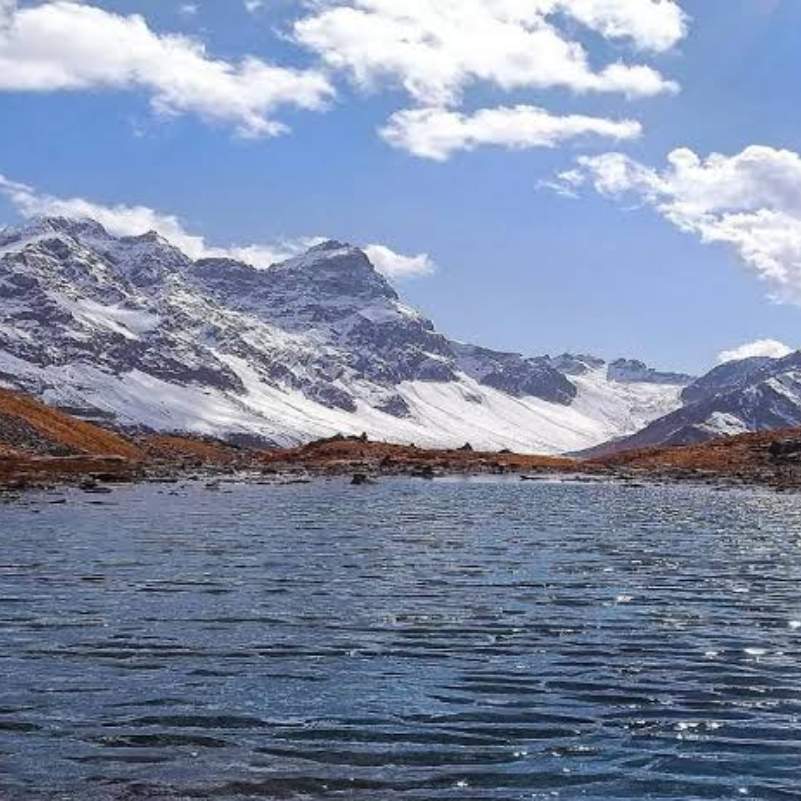
May and June bring snowmelt, full waterfalls, and lake conditions that may still be frozen or snow covered in early and mid season. The landscape feels dramatic and white in patches.
September and October bring clearer post monsoon skies and the best mountain views of the year. If you want clean photos and stable weather, this is the window.
July and August are not worth it here. Rain makes the trail slippery, clouds block the views, and landslide risk goes up on the approach roads.
November to March is winter trek territory only. Attempt it only with experience, proper cold weather gear, and a guide who knows the route in snow.
How to Reach Chandranahan Lake Trek from Delhi, Chandigarh, and Shimla
From Delhi or Chandigarh, you reach Shimla by bus, cab, or by train to Kalka and then road up to Shimla. Shimla is your real starting point.
From Shimla you continue to Rohru, then onward to Chirgaon, Tangnu, Diude, and Janglik depending on road status and what your vehicle can handle.
Treat Rohru as the practical halt town on this route. It has stays, food, and fuel before the road gets remote.
Shared vehicles after Rohru and Chirgaon are limited and unreliable. A private cab or your trek operator's transport is far easier, especially with luggage and a fixed timeline.
One thing to skip is the temptation to squeeze the long drive and the first trek day into one. Some travellers try to reach Janglik and start walking the same afternoon. Do not do this. The drive alone drains you, and starting tired at altitude is asking for trouble.
A small timing tip from our drivers. Leave Shimla by 6 AM at the latest. The stretch after Chirgaon slows everyone down, and you want to clear the rough section while there is still good light.
If you want to weigh up your options first, our Popular Himachal tours page lays out how we usually structure trips on this side of the state.
Road Status and Permit Notes for 2026
Let us be straight here. We did not find a reliable official Chandranahan specific public permit notice for 2026.
Some operators mention forest permits or entry permissions as part of their package. One Pabbar Valley guide says Indian nationals do not need a special permit for Pabbar Valley or Chanshal, but camping and forest permissions should still be checked locally.
So do not assume anything about permits. Confirm the current rule with a local operator or the forest office before you travel.
On roads, the sections after Chirgaon and Tikri toward Tangnu and Janglik can be rough or full dirt track. Confirm road status a few days before departure, because conditions change with weather.
For current ground updates before you lock dates, you can Contact Travel Coffee and we will tell you how the road is actually looking that week.
Chandranahan Lake Trek Cost in 2026
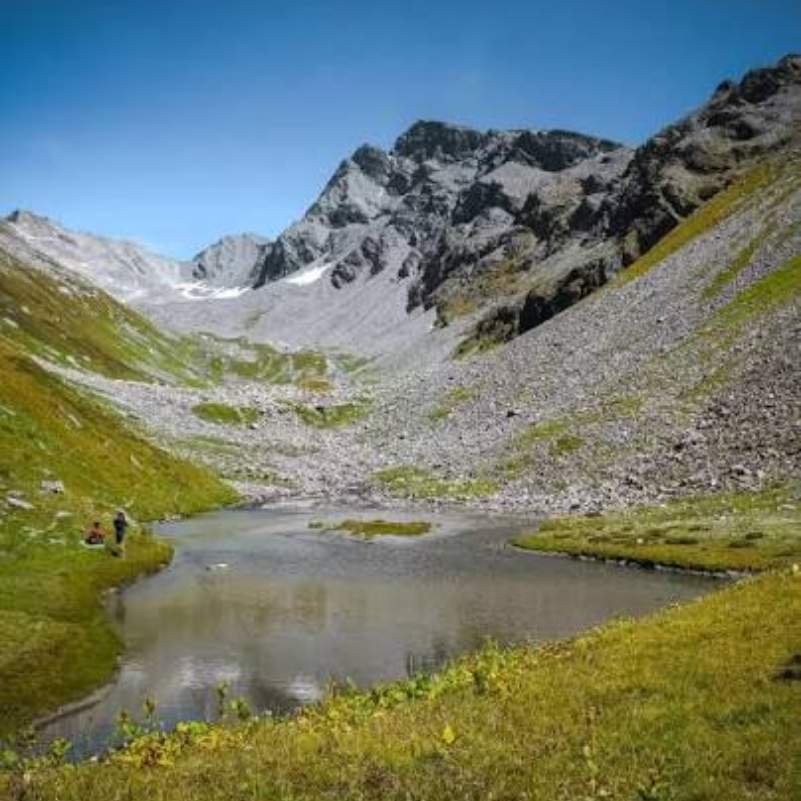
There is no single fixed price for this trek. It changes with the operator and what they include.
From our research, Himalayan Hikers lists ₹15,000 + 5% GST for a Shimla to Janglik package. Wanderin Man lists ₹14,450 + 5% GST for Janglik to Janglik, with a transport add on of ₹3,000 for Shimla to Shimla.
A BanBanjara listing shows a discounted starting price around ₹9,850 per adult, with transport extra at around ₹1,500 one way.
So a realistic range is roughly ₹10,000 to ₹16,000+ per person depending on inclusions. Cheaper is not always better here, because the cheap quote often leaves out transport.
Here is the money tip most first timers miss. The big price gap between operators is usually transport and offloading, not the trek itself. A Janglik to Janglik price looks cheap until you realise you still have to arrange the long Shimla to Janglik drive yourself.
Before booking, check exactly what is covered: guide, meals, tents, sleeping bags, permits, forest fees, transport, insurance, oxygen and first aid support, offloading of bags, and emergency evacuation. If any of these are missing, your real cost goes up later.
Need help checking weather, route, cab, guide and stays? Talk to our Himachal team on WhatsApp.
Chandranahan Lake vs Chandratal Lake: Don't Confuse Them
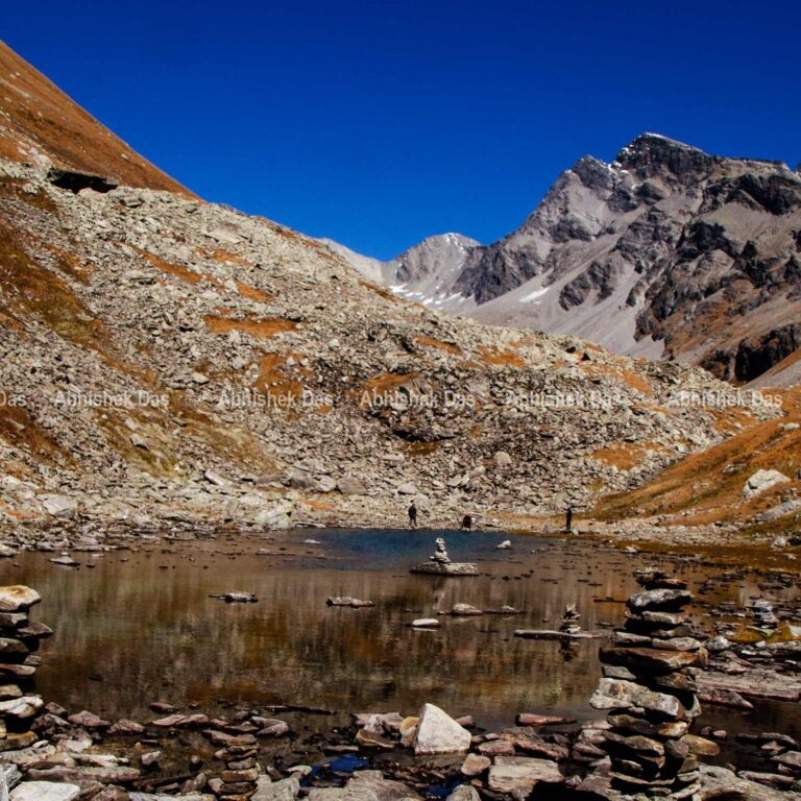
This trips up so many travellers, so read this carefully.
Chandranahan Lake is on the Rohru and Pabbar Valley side of Shimla district. You reach it by trekking from Janglik. There is no road to it.
Chandratal Lake is in Lahaul and Spiti, with a completely different road route, permit context, and season. You can drive close to Chandratal, then walk a short way.
Both are high altitude Himalayan lakes, but they are not the same trip and not even in the same region. If someone offers you a "drive to Chandranahan," they are confusing the two.
If you are actually planning the Spiti one, read our Chandratal Open 2026 guide for opening dates and road reality. And if you want the geography sorted, our piece on Is Chandra Taal in Lahaul or Spiti clears that up.
Is Chandranahan Better as a Standalone Trek or with Buran Ghati?
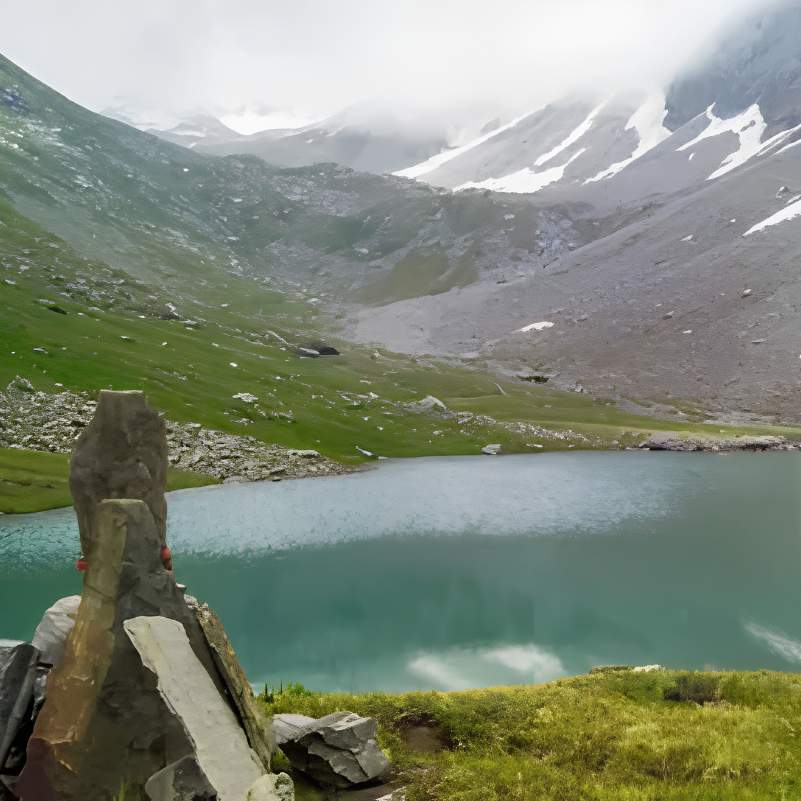
You can do Chandranahan as a standalone trek that returns to Janglik. This is the calmer, shorter option, and it is the one we recommend for most people.
Chandranahan is also used as a side and acclimatization hike on the Buran Ghati route. Buran Ghati is longer, usually around 7 days in major operator itineraries, and more demanding because it crosses a high mountain pass.
If you want meadows, the lake, and the Pabbar Valley without committing to a tough pass crossing, do the standalone Chandranahan. If you are experienced and want the full adventure, Buran Ghati adds the pass.
Here is the honest part most listings skip. Chandranahan is beautiful, but it is not a polished, well marked tourist trail. The route can feel raw, the campsites are basic, and in a bad weather year the lake may still be snow covered when you reach it.
If you need comfort, clean toilets, and guaranteed clear views, this trek will disappoint you. If you want quiet, real mountains, and a lake most people have never heard of, it is one of the best things you can do near Shimla.
For travellers who want to extend toward Sangla or nearby mountain circuits afterward, our Kinnaur tour packages connect well with this side of Himachal.
What to Pack for Chandranahan Lake Trek

Pack like the weather will turn on you, because it often does.
Carry sturdy trekking shoes with ankle support, because the lake day has loose ground and snow. Bring layered warm clothing, a rain jacket or poncho, gloves, a woollen cap, sunglasses, and high SPF sunscreen.
You also want a headlamp, a water bottle, your personal medicine, dry snacks, a power bank, and a valid ID proof. There is no charging or shop once you leave the road.
Keep your backpack light, ideally around 8 to 10 kg if you can manage it. A heavy bag on the lake day will make a hard climb miserable.
Here is one thing people skip and regret. Carry a small dry bag or plastic cover for electronics and dry clothes, because stream crossings and sudden rain soak everything otherwise.
Altitude and Acclimatization on This Trek
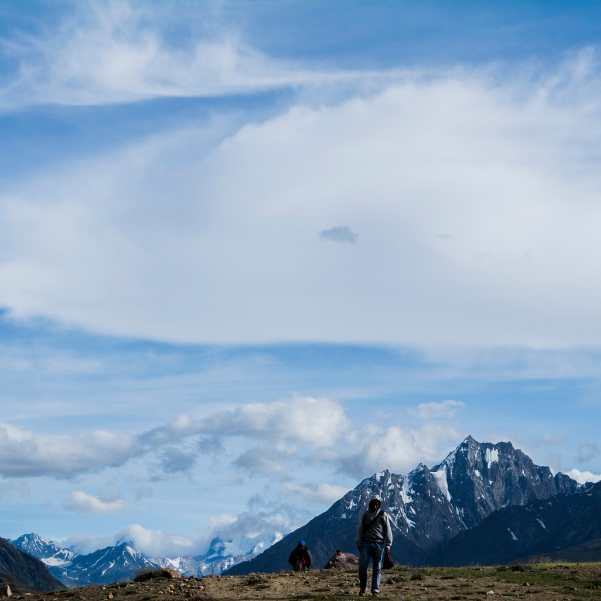
The lake sits at around 13,900 to 13,980 ft, which is high enough for altitude sickness to hit anyone, even fit people.
The good thing about this trek is the staged climb. You gain height slowly across Janglik, Dayara, and Litham, which gives your body time to adjust before the lake day.
Watch for headache, nausea, dizziness, and breathlessness. If these get worse instead of better, tell your guide and do not push higher.
In our experience, most altitude trouble on this trail comes from rushing the early days or skipping water. Drink more than you think you need, and let the easy days stay easy.
Safety Tips from a Himachal Travel Team
This is a remote trek, so a few habits matter a lot.
Start early on the lake day and turn back if the weather looks bad. Mountains do not reward stubbornness at this altitude.
Keep a local guide with you, hydrate well, and avoid alcohol at altitude. Alcohol and thin air do not mix, and it makes altitude sickness worse.
Do not step onto unknown snow slopes without your guide's approval, because hidden gaps and soft snow are dangerous. Keep your campsites clean and respect the local sacred beliefs around the lake.
What we always tell our travellers is simple. The mountain is only fun when your plan is flexible. Build a buffer, and never lock a tight schedule on a trail like this.
Who Should Avoid or Postpone This Trek?
This trek is not for everyone, and that is fine.
If you have very poor fitness, knee trouble, or serious altitude issues, do not rush this one. Train first, or pick an easier trail.
Families with children should only go after checking guide advice and the weather forecast carefully. Solo travellers should not attempt it alone in snow, in monsoon, or without route knowledge.
Remember, this is not a road accessible lake picnic. You walk for days to reach it, and you carry the consequences of bad planning yourself.
Suggested 6-Day Chandranahan Lake Trek Itinerary for 2026
Here is the version we usually suggest when the group has mixed experience or the weather looks unsure.
Day 1
Shimla to Janglik, a long drive of around 150 km. Start early and rest well on arrival.
Day 2
Janglik to Dayara, an easy climb through forest into open meadow. Camp under the stars.
Day 3
Dayara to Litham, a gentle walk along streams with the Pabbar nearby. This is your base for the lake.
Day 4
Litham to Chandranahan Lake and back to Litham. This is the big day, so start at first light.
Day 5
Litham back down to Dayara or Janglik depending on your pace and energy. The descent is easier on the lungs but harder on the knees.
Day 6
The return to Janglik if needed and the long drive back to Shimla. Keep a buffer day in mind if the weather is unstable, because one bad day can shift the whole plan.
If you want another calm offbeat Himachal trip after this, our Jibhi and Tirthan Valley trips are a relaxed way to wind down at lower altitude.
Explore Our Curated Chanshal Pass Tour Packages
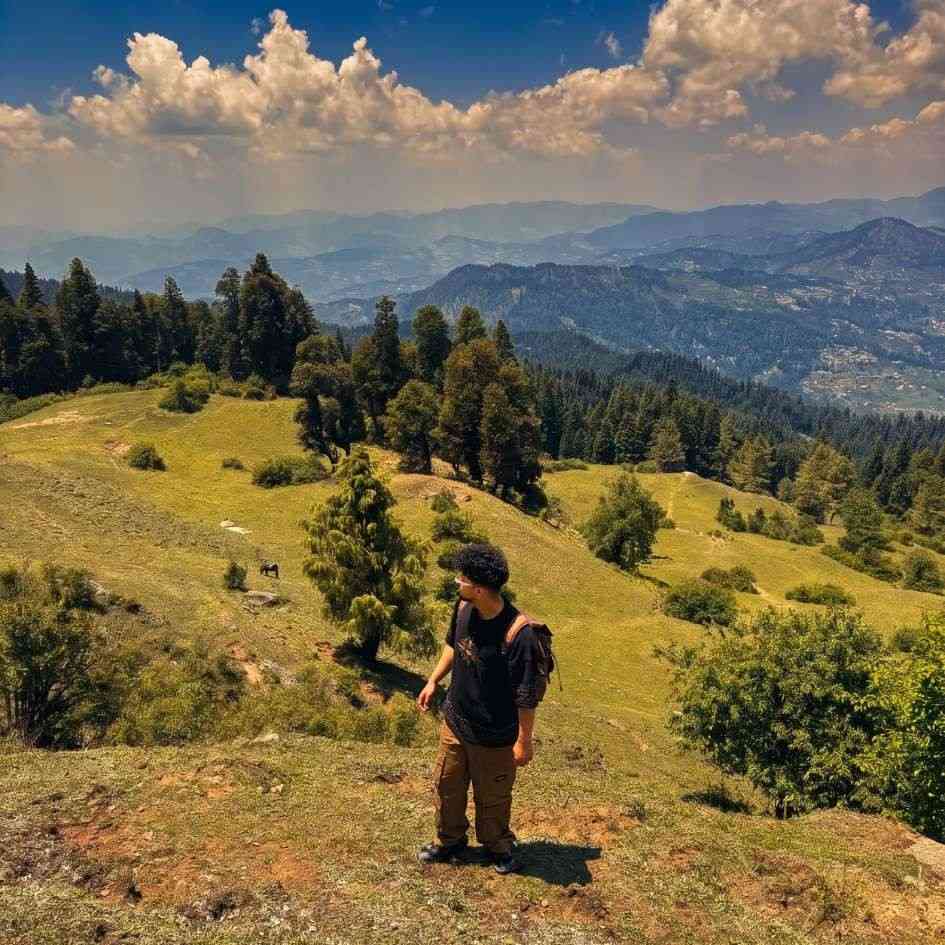 Group Tour5D/4N
Chanshal Pass Weekend Group Trip With Giri Ganga and Kuppar Bugyal
1D Kharapathar / Kotkhai•1D Rohru / Chirgaon (Pabbar Valley)
₹8,999₹12,999SAVE INR 4,000/ person 8D/7N
8D/7NUltimate Pabbar Valley Bike Expedition With Giri Ganga Kuppar Bugyal Chanshal Pass and Dodra Kwar
1D Kharapathar / Kotkhai•2D Rohru / Chirgaon (Pabbar Valley)+1
₹29,999/ person 8D/7N
8D/7NMost Loved 4x4 Pabbar Valley Expedition With Giri Ganga Kuppar Bugyal Chanshal Pass and Dodra Kwar
1D Kharapathar / Kotkhai•2D Rohru / Chirgaon (Pabbar Valley)+1
₹32,999₹39,999SAVE INR 7,000/ person
Related topics
Frequently Asked Questions
What is Chandranahan Lake Trek famous for?
It is famous for its glacial lake, the seven ponds often described around it, green meadows, a waterfall, and the source area of the Pabbar River.
Where is Chandranahan Lake located?
It is on the Rohru side of Shimla district, Himachal Pradesh, in the Pabbar Valley. The base village is Janglik.
Is Chandranahan Lake the source of the Pabbar River?
It is widely considered the source area of the Pabbar River. The river flows out from this glacier and snowmelt fed lake system.
What is the altitude of Chandranahan Lake?
It sits at around 4,200 to 4,260 m, which is roughly 13,900 to 13,980 ft. The exact figure varies by source.
How difficult is Chandranahan Lake Trek?
It is moderate to slightly tough. The easy days suit fit beginners, but the lake day is harder due to altitude, steep climbs, and snow.
How many days are required for Chandranahan Lake Trek?
A standalone trek usually takes 4 to 6 days. We suggest the 6 day version when the weather is uncertain or the group is new to trekking.
What is the best time to do Chandranahan Lake Trek?
May to June and September to October are best. Skip July and August because of rain and landslide risk.
How do I reach Janglik village from Shimla?
Drive from Shimla through Rohru, Chirgaon or Tikri, and Tangnu or Diude to Janglik. It is around 150 km and takes 7 to 10 hours.
Is Chandranahan Lake Trek safe for beginners?
Yes, for fit beginners with a guide in the right season. It is not safe for unprepared trekkers in snow or monsoon.
Can Chandranahan Lake Trek be done solo?
We do not recommend solo, especially in snow or monsoon or without route knowledge. The terrain is remote with no quick help.
Are permits required for Chandranahan Lake Trek?
We did not find a reliable official 2026 permit notice. Some operators include forest or entry permissions. Confirm locally before you go.
What is the cost of Chandranahan Lake Trek in 2026?
Researched prices range from around ₹9,850 to ₹15,000+ plus GST depending on operator and inclusions. Always check what transport is included.
Is Chandranahan Lake Trek part of Buran Ghati Trek?
Yes, Chandranahan is used as an acclimatization hike on the Buran Ghati route. Buran Ghati is longer, around 7 days, and crosses a high pass.
What is the difference between Chandranahan Lake and Chandratal Lake?
Chandranahan is a trekking lake in Pabbar Valley near Rohru. Chandratal is a road accessible lake in Lahaul and Spiti. Different region, season, and route.
More about Chanshal Pass
 Chanshal Pass
Buran Ghati Trek Complete Guide 2026: Route, Cost, Difficulty, Best Time
Planning the Buran Ghati Trek in 2026? Explore the complete guide covering the route, itinerary, cost, difficulty, best time to visit, fitness tips, and essential trekking advice.
- Things to Do
 Chanshal Pass
Treks in Pabbar Valley: The Complete List for 2026
Planning to explore the treks in Pabbar Valley in 2026? This complete guide covers the region's best hiking trails, difficulty levels, ideal seasons, trail highlights, and essential planning tips for discovering one of Himachal Pradesh's most rewarding trekking destinations.
- Things to Do
 Chanshal Pass
Chandigarh to Chanshal Pass Road Trip Guide 2026: Route, Itinerary & Driving Tips
Planning a road trip from Chandigarh to Chanshal Pass in 2026? This guide covers the best route, driving times, suggested itineraries and practical tips to help you enjoy one of Himachal Pradesh's most scenic mountain drives. Whether you are self-driving or travelling with family, preparation makes the journey smoother and safer.
- Road Trips
- How to Reach