
Best Time to Visit Shoja in 2026: Month-by-Month Weather Guide
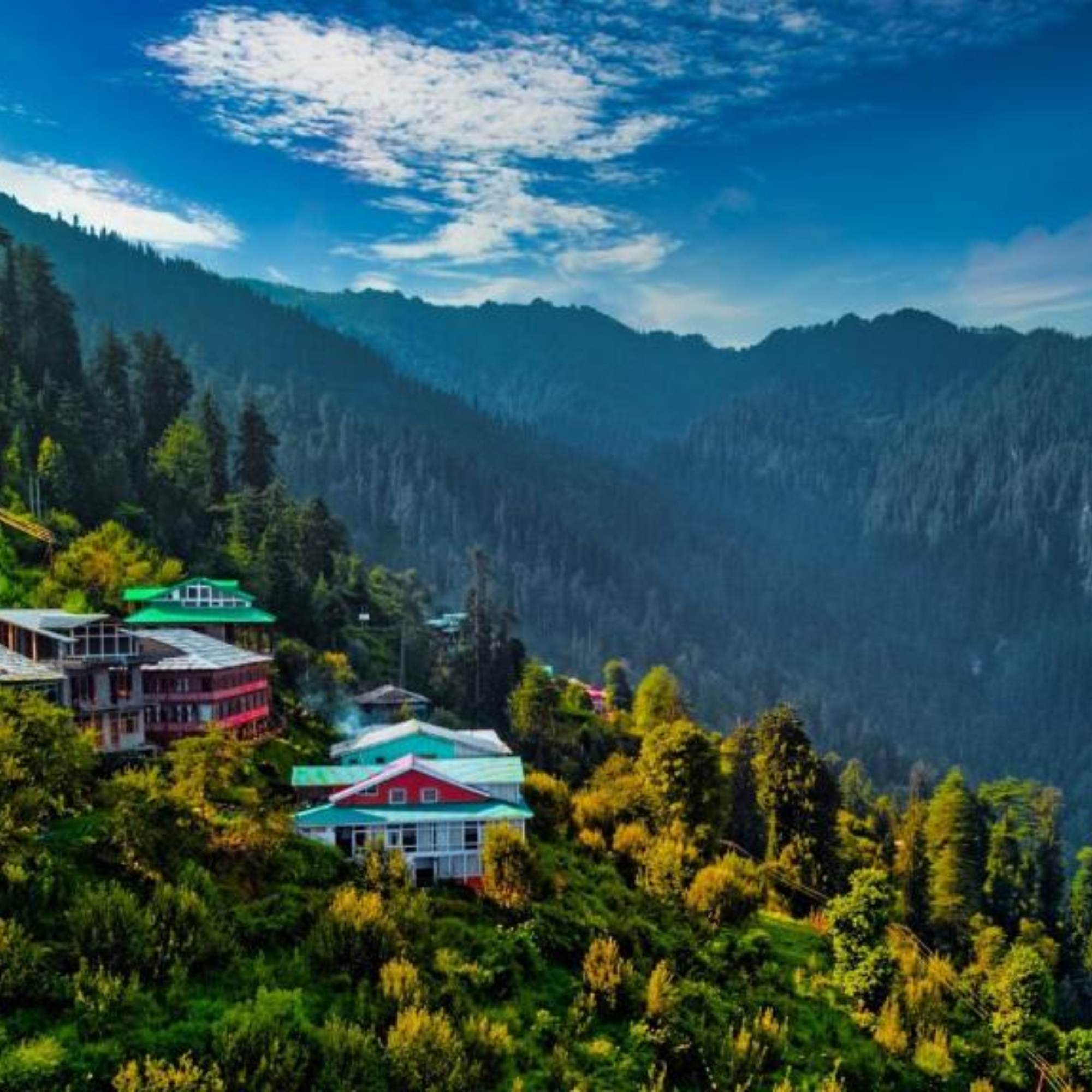
Most people plan a Shoja trip around one wrong assumption: that if the village is reachable, Jalori Pass must be open too. It isn't. That single mix-up ruins more Shoja itineraries than bad weather ever does.
So let's fix the confusion first, then walk through every month so you can pick your dates with real confidence.
Quick Answer: When Is the Best Time to Visit Shoja?
The best time to visit Shoja is April to early June and late September to October. April and May give you spring greenery and easy outdoor days.
Late September and October bring clearer post-monsoon views and steadier roads. December to February is your snow window.
July and August are the least predictable because of rain, slippery trails and landslide risk on the approach roads.
One thing to lock in your head
Shoja village and Jalori Pass do not have the same winter accessibility. Shoja can stay reachable while the higher Jalori road sits closed under snow. If you want the full picture of the village before you plan dates, explore Shoja here.
Shoja Weather at a Glance
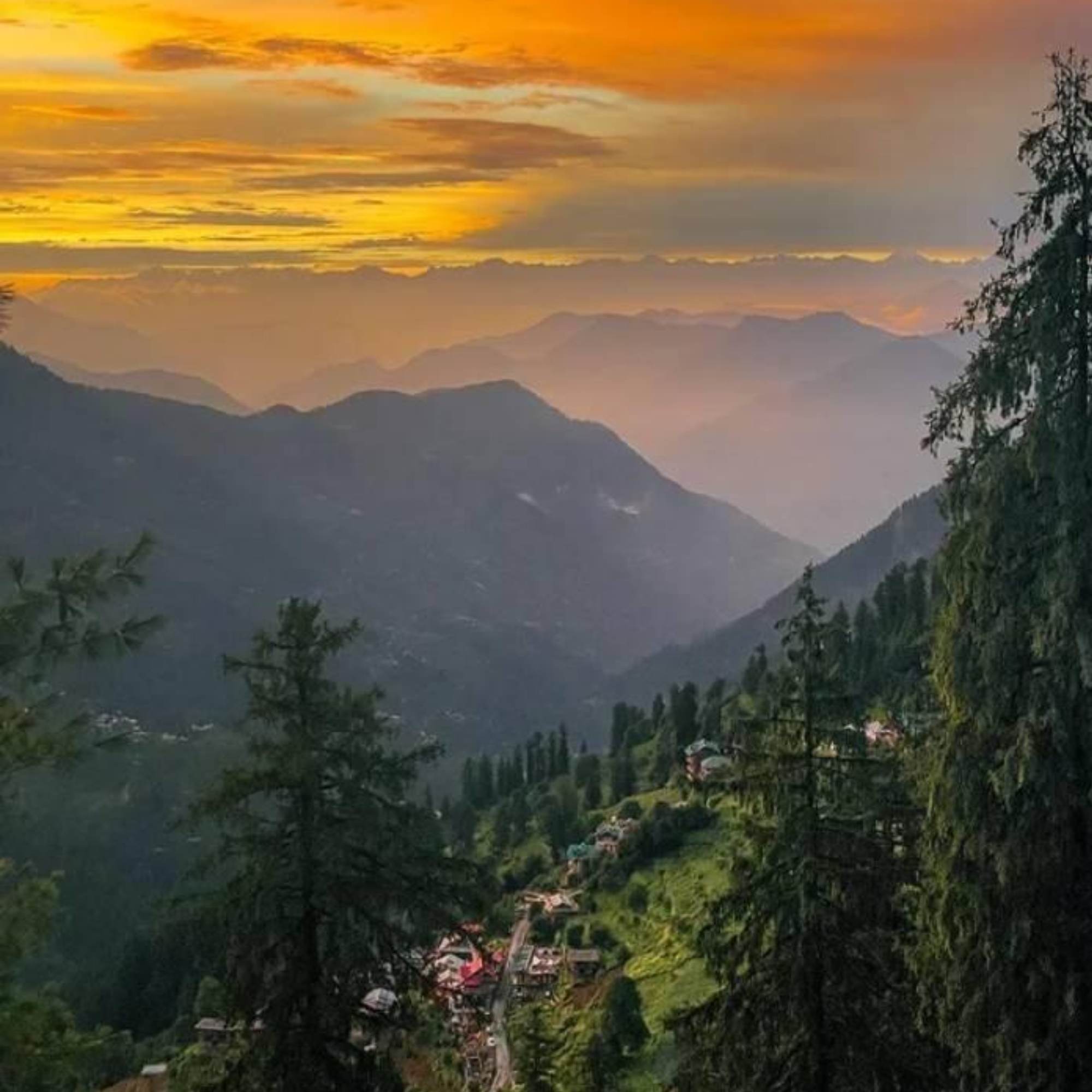
Shoja sits at roughly 2,700 metres. That altitude means cold mornings and cold evenings almost year round, even when afternoons feel warm in the sun.
Here are broad planning ranges, not daily forecasts. Treat them as a rough sense of what to pack for, nothing more.
March to early June runs around 10 to 18°C in the day and 4 to 10°C at night. July to August warms up to about 16 to 22°C days and 12 to 16°C nights, but that's the wet stretch.
September to early November cools to roughly 8 to 15°C days and 0 to 7°C nights. Mid November to February drops hard, around 2 to 8°C days and minus 8 to 0°C nights.
These come from our own Shoja guide as planning ranges. Real numbers shift year to year and even day to day, so use them to prepare, not to expect.
Shoja Weather by Month: January to December
This is the part that actually helps you choose dates. For each month, we'll cover what the weather feels like, whether Jalori access is realistic, what suits that month and what might trip you up.
Shoja in January
January is a deep winter. Very cold nights, snow or ice on the ground and short daylight hours change how the whole trip works. You start late, you finish early, and you spend more time indoors than you expect.
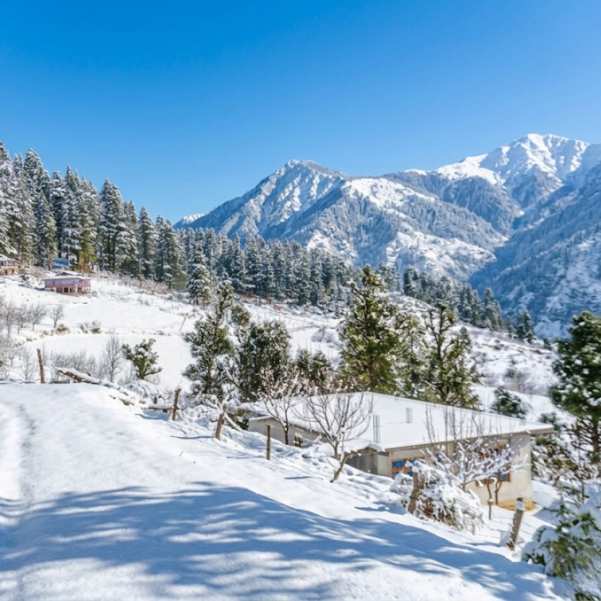
Snow is a real part of January, but we won't promise it falls on your exact dates. Some weeks deliver fresh white forests, others stay frozen and bare.
Treat Jalori Pass as closed once substantial winter snow arrives, unless a local contact confirms otherwise on the day. Shoja village usually stays reachable, though heavy snowfall can cut the final road for a while.
Come in January if you want snow, silence and slow village days more than trekking.
Shoja in February
February stays firmly in winter. It's still a sensible month if you're chasing snow.
Don't build a February plan around higher Jalori walks unless current conditions have been properly checked. The pass road is not something to gamble on this time of year.
Honestly, road ice, snow and freezing evenings matter far more here than any sightseeing checklist. Plan around the cold, not around a list of spots.
Shoja in March
March is the turn between winter and spring. Snow starts pulling back and conditions ease, but the day the Jalori road becomes fully drivable changes every single year.
We won't tell you Jalori always opens on a set March date, because it doesn't. One 2026 report noted an unusually early reopening during March, but take that as proof that dates vary, not as a rule you can bank on.
If you're weighing this whole belt, our Jibhi and Tirthan Valley page helps you see how Shoja fits a wider plan.
Shoja in April
April is one of the strongest months for most travellers. Spring greenery comes in, the first wildflowers appear, mornings stay cool and crowds are lighter than peak summer weekends.
Local 2026 reports showed Jalori Pass accessible during April. That does not mean every April opens on the same date. Snow clearance controls the road, and clearance timing moves each year.
What we tell our travellers here is simple. Check the current road status before you build a trip around Jalori, even in April.
Shoja in May
May is the easy first-timer choice. The wider spring window sits around 10 to 18°C days and 4 to 10°C nights, comfortable for walking and photography.
Roads are usually far more dependable once winter snow has cleared. That alone removes most of the stress that January or February bring.
One honest heads-up. May weekends get busy. If you want quiet, aim for a weekday. May suits nature walks, Jalori outings when the pass is open, and anyone who wants good outdoor weather without winter logistics.
Shoja in June
June is a solid early-summer window before the heaviest monsoon weeks. It pairs well with a Shoja-plus-Jibhi-and-Tirthan trip and works nicely for outdoor exploring.
We won't promise dry skies. Early rain can show up. And visitor numbers run higher than in the quieter spring shoulder weeks.
Shoja in July
July brings the monsoon problem. The village stays cool and green, but approach roads can face landslide disruption, higher walks turn slippery and mist often swallows the long mountain views you came for.
We're not saying Shoja is closed or unsafe in July. We're saying you need a flexible schedule, live weather checks and the willingness to drop an outdoor plan on short notice.
Shoja in August
August reads much like July. If your priority is dependable roads, clear views and trekking, this isn't our first pick.
It can still work if you're specifically drawn to mist, deep green forests and monsoon mood. Just don't push a higher trail in bad weather only to protect a fixed itinerary. That's how good trips go wrong.
Shoja in September
September is a handover month. As the monsoon retreats, conditions generally slide toward the clearer autumn window.
Late September is especially good if you want green landscapes, cleaner views and fewer people than the busiest summer weekends. Just don't assume every September day is dry. The changeover is gradual, not instant.
Shoja in October
October is our strongest all-round pick for most travellers. Our existing guide flags late September to mid October as one of the sharpest windows of the year, with clearer post-monsoon air and generally dry, stable roads.
Days stay comfortable for walking. Nights turn distinctly cold, so pack for that. October works beautifully for photography, forest walks and Jalori Pass outings while the road stays clear.
If you're still choosing your base valley, our Jibhi vs Kasol guide is a useful read.
Shoja in November
November splits in two. Early November can still sit inside the good autumn window, but conditions can flip fast.
The higher pass may catch its first serious winter snow during November, and the Jalori road can close after heavy snowfall. There's no fixed annual closing date, so we won't invent one.
By later November, plan with winter-style flexibility rather than autumn expectations.
Shoja in December
December opens the core snow-travel season. The trip shifts toward cold-weather stays, quiet homestays, snow scenery and short village walks.
Don't assume the Jalori Pass road is available. Shoja village can stay reachable, but fresh snow can interrupt the final stretch temporarily.
Confirm road conditions directly before you leave. December rewards the prepared and punishes the rigid.
So, Which Is the Best Month to Visit Shoja?
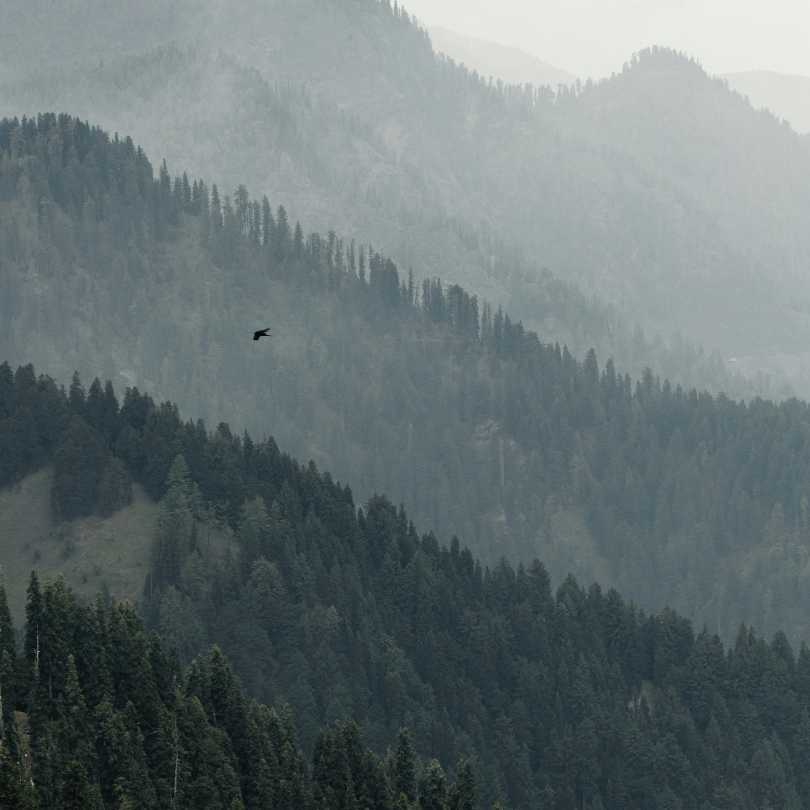
October is arguably the best all-round month if you want clear views, generally stable roads, outdoor exploration and crisp cool weather.
April and May are excellent alternatives for spring scenery and easy logistics.
December to February is the right call if seeing snow matters more than easy trekking.
July and August are the least predictable if you need a fixed outdoor plan.
The honest truth is that "best" depends on your goal, not on one perfect month.
When Does It Snow in Shoja?
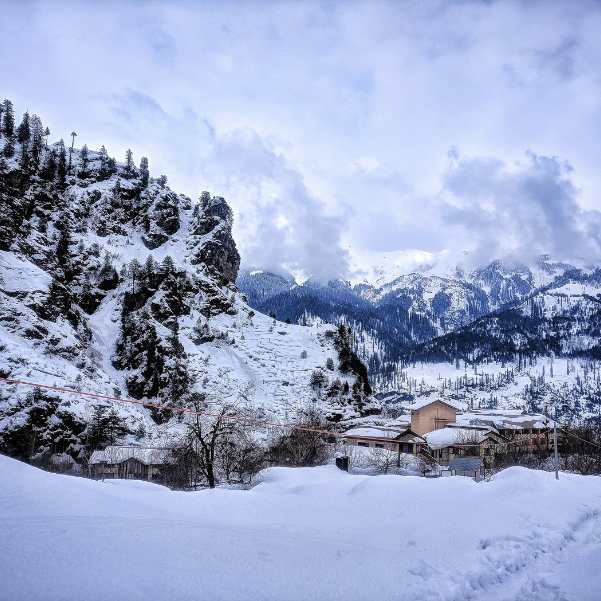
Shoja's winter snow period broadly runs from around mid November through February. If snow is your priority, December to February is the more sensible window to target. That's the real answer on Shoja snowfall time.
We won't guarantee snow on any specific date. Some winters pile it on early, others hold off. Accumulation is generally heavier higher up toward Jalori Pass than in the village itself.
Snow conditions change every single winter, full stop. For a sense of how Himachal winter roads behave in general, our Rohtang Pass in March guide is a useful reference, though Rohtang and Shoja are not the same conditions.
Is Shoja Worth Visiting in Winter?
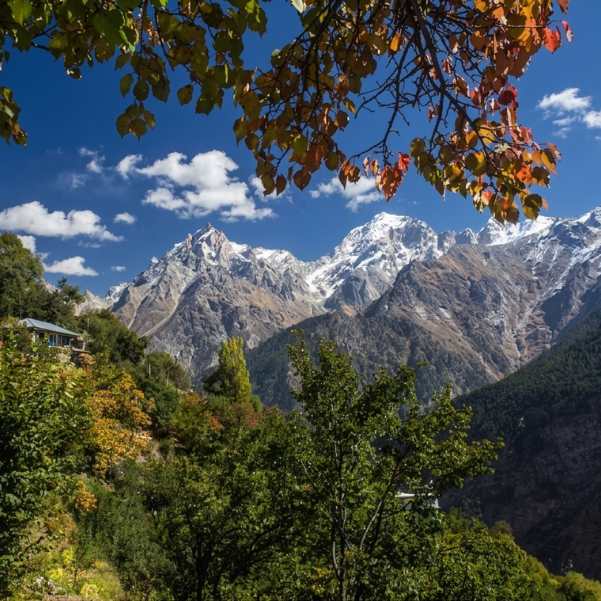
Yes, but for a different kind of holiday. Think snow-dusted forest, slow homestay days, short snow walks and genuine quiet.
Here's the trade-off. Normal Jalori Pass, Serolsar Lake and Raghupur Fort plans can be restricted after heavy snow. Village access itself may also pause temporarily during storms.
In our experience, winter works best when you treat Shoja as the destination rather than a base for ticking off every nearby trek.
Is Shoja Worth Visiting in Summer?
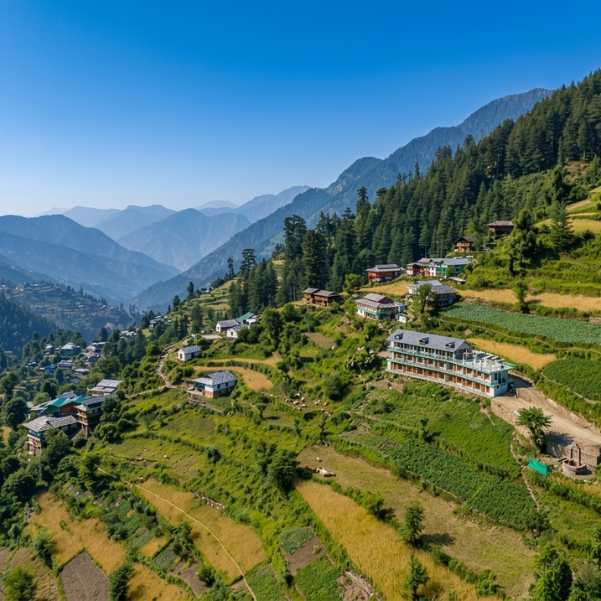
April through June is the easiest first trip, plain and simple. You get forest walks, good light for photography, straightforward sightseeing and far simpler road logistics once winter snow has cleared.
Just know that May and June weekends feel busier than April or a quiet weekday stay.
Our team usually recommends the spring to early summer window to first-time visitors who want the simplest logistics.
Should You Visit Shoja During Monsoon?
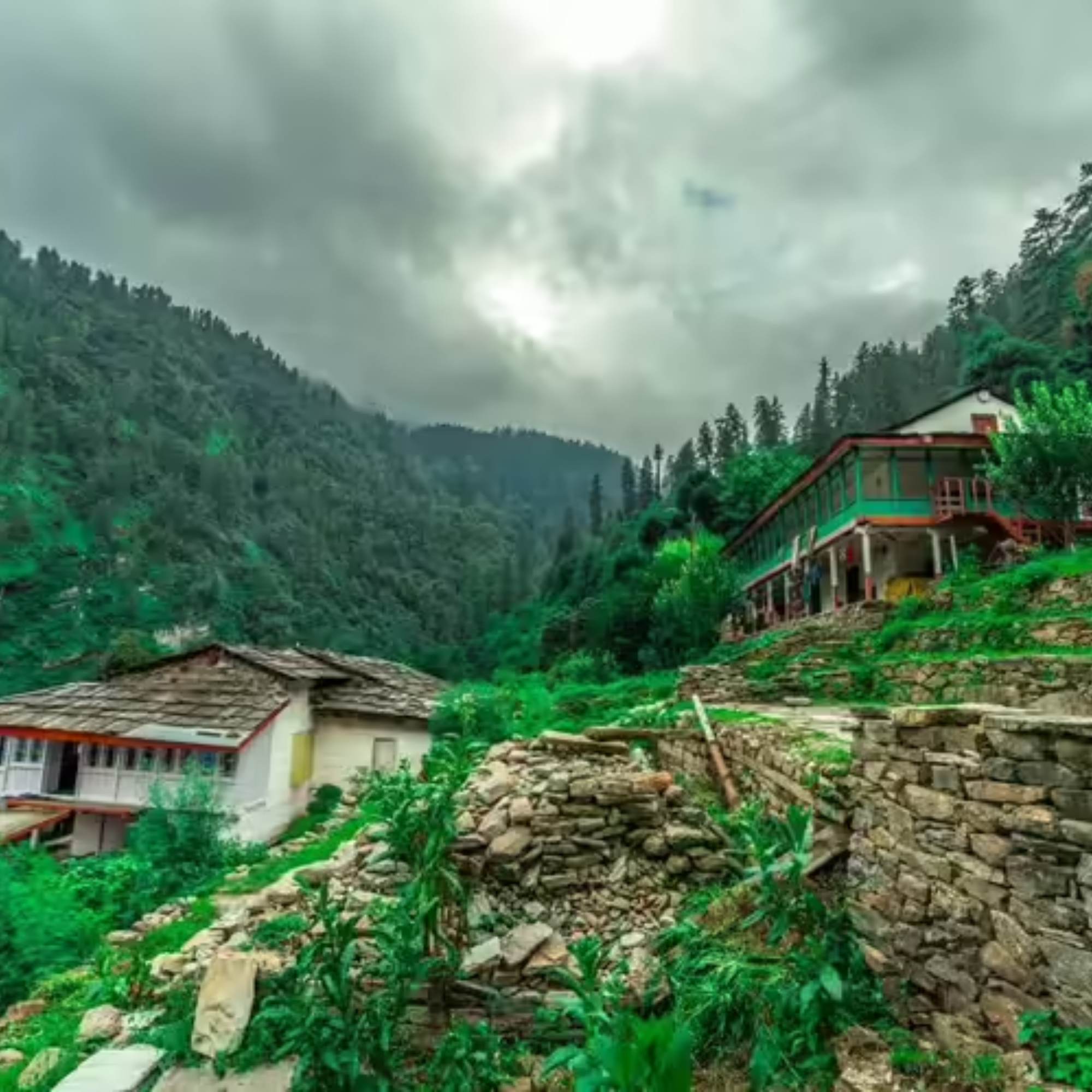
July and August can give you lush forests and atmospheric mist that many travellers love. That's the upside, and it's real.
The downsides are slippery trails, reduced mountain visibility and possible landslide disruption on the approach roads. A flexible itinerary isn't optional here, it's the whole game.
The destination isn't unsafe. It just demands you stay loose with your plans and read the weather daily.
What Is the Best Time for Jalori Pass, Serolsar Lake and Raghupur Fort?
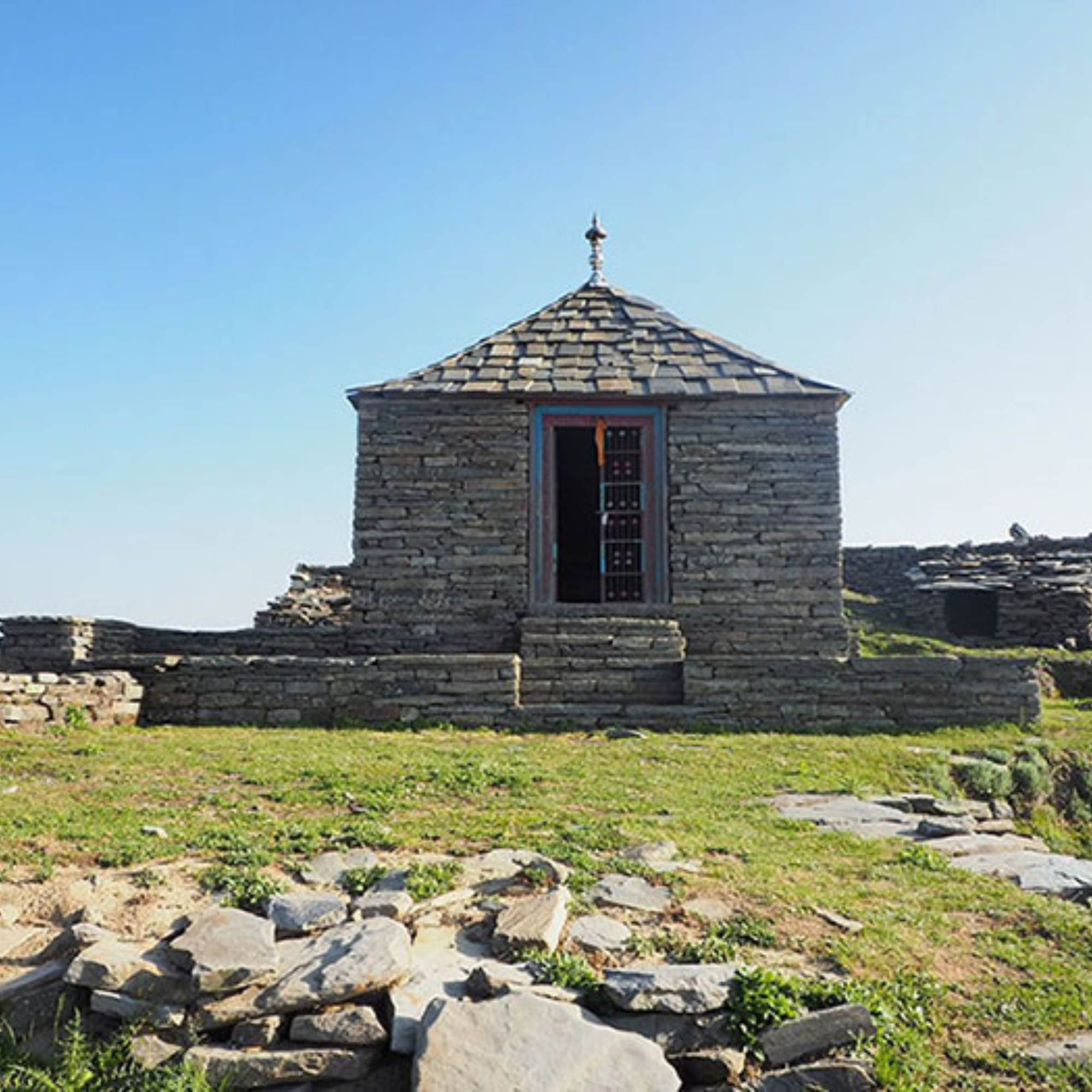
Shoja sits roughly 5 km from Jalori Pass, which is exactly why travellers use the village as a base for these three.
The Jalori road opening moves with winter snowfall and clearance work. Our guide notes the road usually shuts after the first substantial winter snow and reopens sometime in March or April.
Local 2026 reports found Jalori open during April, and one report described an earlier March opening. That range only shows how much dates vary. We will never write that Jalori opens on a set date every year.
If your trip depends on Jalori, check the live road status shortly before you travel. For planning the wider valley around it, the Jibhi and Tirthan Valley page helps.
Best Time to Visit Shoja for Different Travellers
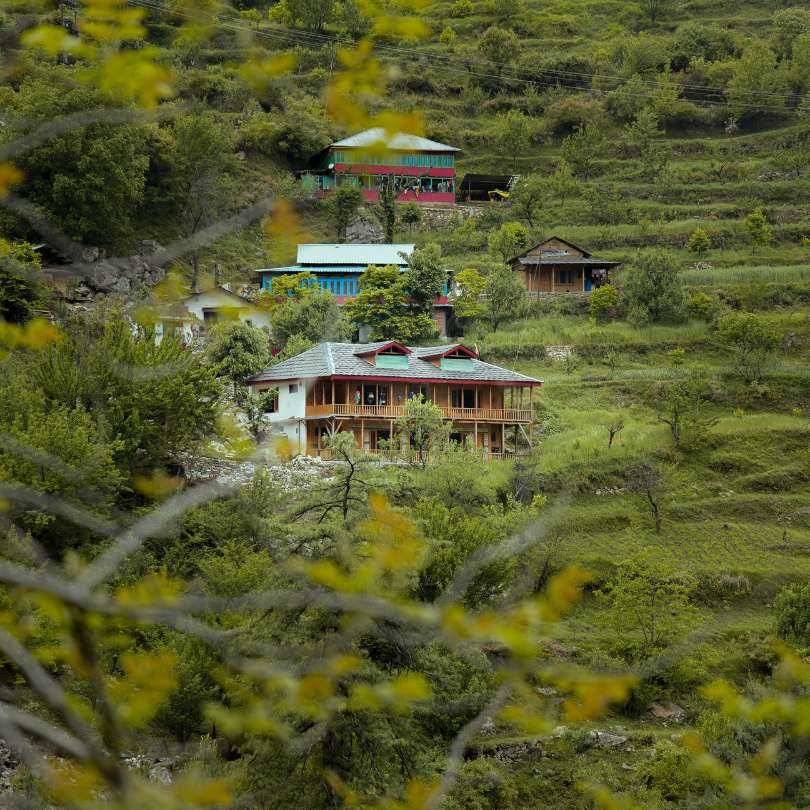
For couples, April and May or late September and October give the most comfortable mix of sightseeing and scenery without harsh cold or heavy rain.
For families, we lean toward May, June and autumn over deep winter or the wettest monsoon weeks, mainly because straightforward logistics matter more when you're travelling with kids or elders.
For snow lovers, December through February is the window, with the honest reminder that snow can't be promised for an exact date.
For trekkers, travel after winter snow clearance and outside the wetter July and August stretch, when trails stay slippery and views stay hidden.
For photographers, each season offers something different: spring landscapes, post-monsoon clarity in October, and clean winter snow if you're prepared for the cold.
For anyone avoiding crowds, spring weekdays, late September and later October work well, just plan for increasingly cold nights as the year turns. If you want ready-made ideas, browse our Himachal tour options.
Shoja vs Jibhi: Does the Best Time Differ?
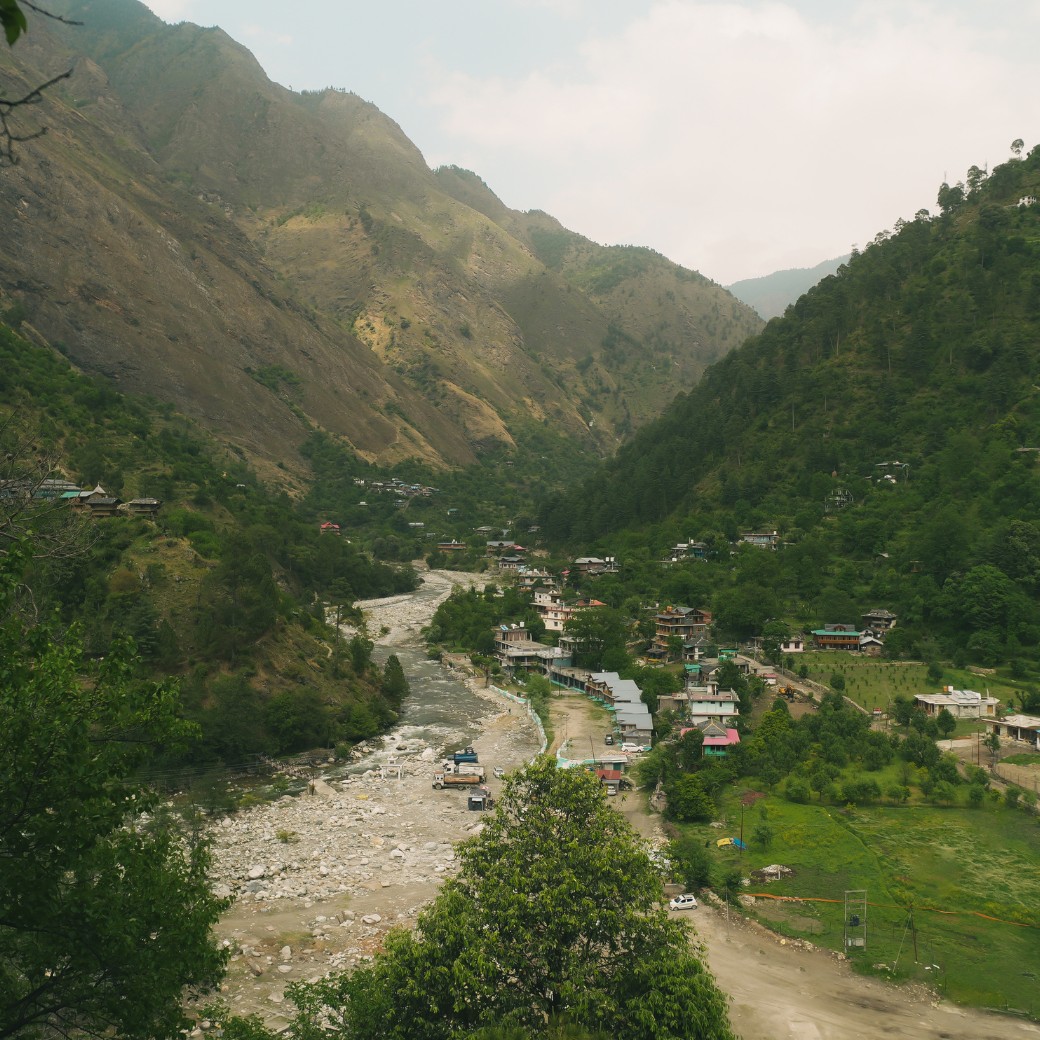
Shoja is higher, colder, quieter and closer to Jalori Pass than Jibhi. That difference shapes your timing.
Winter conditions matter more to a Shoja plan because the village sits higher on the road toward Jalori, so snow affects it sooner and longer.
Jibhi generally gives you more cafés and easier lower-valley convenience. Shoja suits travellers who value quiet and want to be near Jalori. If you have enough days, split the trip between both and get the best of each. Our Jibhi vs Kasol guide helps you think through valley choices.
How to Plan Your Shoja Trip Around the Weather
If you're travelling in winter or monsoon, check current weather and road conditions shortly before you enter the upper valley. Conditions here change faster than any forecast page updates.
Keep some flexibility instead of pre-booking every outdoor activity around one rigid day. Pack warm layers even outside peak winter, because Shoja evenings get cold no matter the season.
In our experience, the easiest Shoja trips are the ones with a little flexibility built into the day plan. If you'd rather hand the logistics to locals, plan your Himachal trip with us.
Explore Our Curated Shoja Tour Packages
 Group Tour6D/5N
Best Jibhi Tirthan Valley Tour With Shangarh Meadows
2D Tirthan Valley•1D Shangarh (Sainj Valley)
₹9,999₹12,999SAVE INR 3,000/ person 6D/5N
6D/5NJibhi Tirthan Valley & Shangarh Meadows Experience
1D Delhi•2D Jibhi+2
₹21,799₹27,999SAVE INR 6,200/ person 5D/4N
5D/4NWeekend Jibhi & Tirthan Valley Riverside Escape
1D Delhi •2D Jibhi / Tirthan Valley+1
₹12,900₹19,999SAVE INR 7,099/ person
Related topics
Frequently Asked Questions
What is the best time to visit Shoja?
The best time to visit Shoja is April to early June and late September to October. Spring brings greenery and easy roads, while autumn brings clearer post-monsoon views and stable driving. December to February suits snow, and July to August is the least predictable due to rain.
Which is the best month to visit Shoja?
October is our top all-round pick for clear views, generally stable roads and cool comfortable days. April and May are close alternatives for spring scenery. Your ideal month really depends on whether you want clear trekking weather, spring greenery or snow.
When does snowfall start in Shoja?
Shoja's winter snow period broadly runs from around mid November through February. The exact start shifts every year, so we can't promise a date. December to February is the safer window to target if snow is your main goal.
Which month has the best chance of snow in Shoja?
December through February gives you the best chance of snow, with accumulation generally heavier higher up toward Jalori Pass. Even so, snow can't be guaranteed for any specific date, since every winter behaves differently.
Can I visit Shoja in January?
Yes. January is deep winter with very cold nights, possible snow and short days. Shoja village usually stays accessible, though heavy snowfall can cut the final road temporarily. Treat Jalori Pass as closed unless locals confirm otherwise. It suits snow and slow village stays, not trekking.
Is Shoja accessible in February?
Usually yes, the village stays reachable in February, though heavy snow can interrupt the last stretch for a while. It's a sensible snow month. Don't centre your plan on higher Jalori walks unless current conditions have been professionally confirmed first.
Is Jalori Pass open in April?
April commonly falls within the reopening period, and 2026 reports showed the pass open during April. But access varies with snow clearance every year, so we can't guarantee future April access. Always check the live road status before building your trip around Jalori.
Is May a good month for Shoja?
Yes, May is one of the easiest months, especially for first-timers. Roads are usually dependable after snow clearance, and days are comfortable at roughly 10 to 18°C. Just expect busier weekends. Weekdays stay much quieter if you want calm.
Should I visit Shoja in July or August?
Only with a flexible plan. The village stays cool and green, but approach roads can face landslide disruption, trails get slippery and mist reduces views. It works for monsoon-atmosphere lovers, not for anyone needing dependable roads and a fixed outdoor itinerary.
Is October a good time to visit Shoja?
Yes, October is arguably the best all-round month. Post-monsoon air is clearer, roads are generally dry and stable, and days stay comfortable for walking. Nights turn distinctly cold, so pack warm layers. It's excellent for photography, forest walks and Jalori outings while the road stays clear.
Can I visit Shoja in November?
Yes, but plan carefully. Early November can still sit in the good autumn window, while later November leans toward winter. The higher pass may catch its first significant snow, and the Jalori road can close after heavy snowfall. There's no fixed closing date, so stay flexible.
Is Shoja better in summer or winter?
It depends on your trip. Summer, meaning April through June, is easier for first-timers with simpler logistics, forest walks and open roads. Winter, December to February, suits snow lovers who want quiet stays but accept restricted Jalori access. Pick summer for exploration, winter for snow.
More about Shoja
 Shoja
ShojaHow to Reach Shoja in 2026: From Delhi, Chandigarh, Aut & Bhuntar
Planning a trip to Shoja in 2026? Here’s how to reach Shoja from Delhi, Chandigarh, Aut and Bhuntar by bus, car or taxi, along with the best routes, distances and useful travel tips.
- How to Reach
- Road Trips
 Shoja
ShojaJibhi vs Shoja 2026: Where Should You Actually Stay?
Jibhi vs Shoja in 2026 comes down to the kind of mountain experience you want. Compare location, weather, cafés, stays, accessibility, Jalori Pass access and overall vibe to decide whether Jibhi’s convenience or Shoja’s quiet mountain setting suits your trip best.
- First-Time Travellers
- Places to Visit
 Shoja
ShojaHow Much Does a Shoja Trip Really Cost in 2026?
Planning a Shoja trip in 2026? Get a realistic breakdown of transport, stays, food, local travel, and sightseeing costs to understand how much you should budget for a comfortable Shoja getaway.
- First-Time Travellers
- Itinerary