
Best Time to Visit Kasol in 2026: Weather, Treks, Crowds & Travel Tips
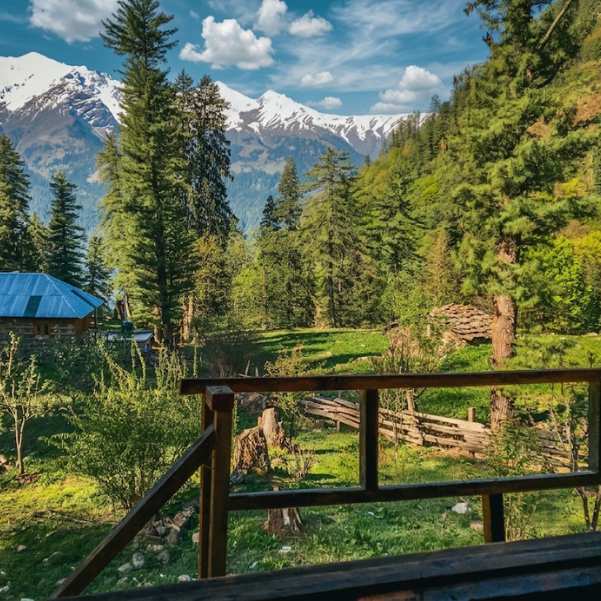
The best time to visit Kasol is March to June and October to early November. Those are the months when the weather behaves, the cafes are open, and the trails are dry enough to actually enjoy.
We send travellers into Parvati Valley every season, and the same pattern shows up year after year. Get your timing right and Kasol is easy, cheap, and beautiful. Get it wrong and you spend half your trip waiting for a road to clear.
Here is the part most people get wrong before they even leave home. They pick their dates around their office leave, not around the valley. Then they end up in Kasol in peak monsoon, watching rain hit the river while a landslide blocks the road to Tosh.
This guide by Travel Coffee fixes that. Month by month, trek by trek, with the honest version of what each season actually feels like.
Quick Answer: Best Time to Visit Kasol
The best time to visit Kasol is March to June for warm days, open cafes, and active trekking, and October to early November for clear skies and far fewer people.
If this is your first trip, pick March to June or October. May and June are the best window for treks like Kheerganga and Sar Pass. October gives you the quietest, calmest version of Kasol.
Monsoon, which is July to September, looks stunning with all that green and mist. But it carries real road risk in this valley, so skip it if landslides and delays would ruin your plans.
Which Season Is Best for Kasol?
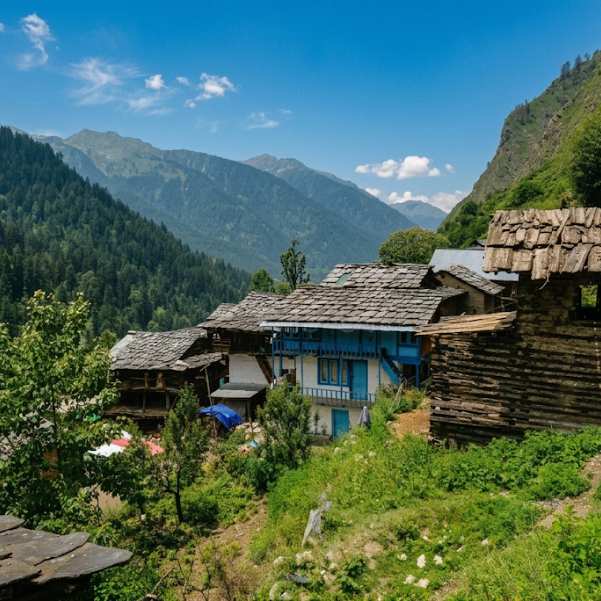
There is no single best season. It depends entirely on what you came for.
If you want treks and long days outdoors, summer wins. From roughly March to June the days are pleasant, the nights stay cool, and the trails dry out enough for Kheerganga, Tosh, and Sar Pass.
If you want green hills, mist over the river, and lower crowds, monsoon delivers all of it. The catch is heavy rain, slippery trails, and roads that close without warning. Beautiful, but you need flexible dates.
If you want clear skies and calm, autumn is the quiet winner. October and November give you crisp air, golden light, and cafes that are still open but not packed.
If you want snow, silence, and slow days with a book, winter is your season. December to February gets very cold and higher villages can see snow. It is lovely for stillness, not for casual trekking.
So before you book, ask yourself one question. Are you here for treks, snow, cafes, budget stays, or empty trails? Your answer picks the month for you.
If you want someone to match the dates to the trip, our Kasol tour packages come with a local driver, handpicked stays, and a team that picks up the phone when a road acts up.
Kasol Weather Month by Month
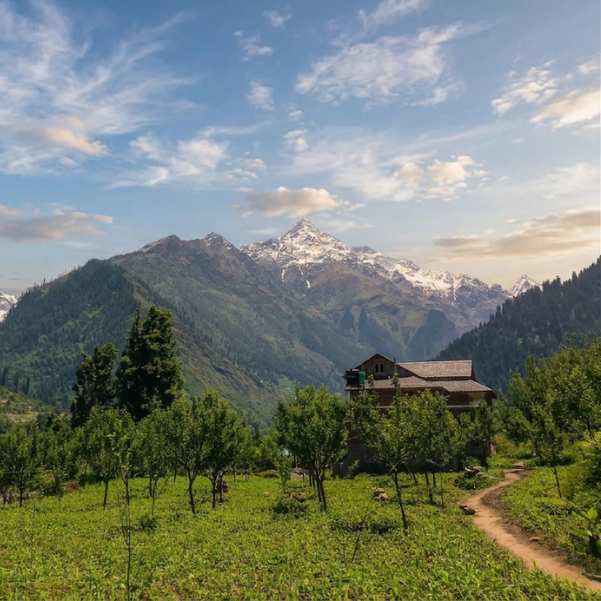
Here is the honest version of each month, including how crowded it feels and who should actually come.
January
Cold and quiet. Kasol itself stays clear most days but higher villages can get snow. Crowds are thin except around New Year's first week.
Good for slow travellers who want empty cafes and don't mind layering up. Not for anyone hoping to trek without proper winter gear.
February
Still very cold, still calm. Snow is possible in higher areas around the valley. The market feels sleepy.
A good month if you want peace and budget stays. One real caution this year, which we cover below, is the Manikaran side road.
March
The valley starts waking up. Days warm up, cafes reopen properly, and the first wave of travellers arrives. This is the start of peak season.
Great for first-timers. Pleasant days, cool nights, and trails beginning to clear.
April
One of the best all-round months. Warm sunny days, active cafe scene, and trekking gets easier as the snow melts on the lower routes.
Crowds build through the month. Book stays a little ahead, especially on weekends.
May
Peak Kasol. Everything is open, the weather is warm, and the trekking season is in full swing for Kheerganga and Sar Pass.
It is also the busiest. Expect more people on the trails and in the market. The energy is high, the prices firm up.
June
Still warm and still busy, with full trekking conditions before the monsoon arrives. Days are pleasant, evenings cool.
A strong month for treks and camping. Toward the end of June, watch for the first signs of rain.
July
Monsoon settles in. The valley turns deep green and the river runs full and loud. Crowds drop.
The trade-off is heavy rain, slippery trails, and road delays. Only come if your plans can bend.
August
The wettest stretch. Mist, green hills, and a quiet valley, but also the highest landslide and road-block risk of the year.
For travellers who love rain and don't mind getting stuck a day, it has its own charm. For everyone else, wait.
September
The tail of the monsoon. Early September can still be wet, but by late September the rain eases and the green is at its best.
A nice in-between month. Fewer crowds, lush scenery, and trekking slowly becomes practical again toward month-end.
October
The quiet favourite. Clear skies, crisp air, golden light, and far fewer people than summer. Cafes are still open.
Our top pick for anyone who wants the calm version of Kasol. Evenings get cold, so pack a warm layer.
November
Cooler and quieter still. Early November keeps that clean autumn feel. By late November the cold sets in and some stays start winding down.
Good for slow travel and nearby village walks. Carry warm clothes.
December
Cold, calm, and beautiful in a still kind of way. Higher areas may see snow. The market gets busy again only in the final New Year week.
For quiet stays and cosy cafe afternoons, December is lovely. For trekking, you need gear and flexible plans.
Is March to June the Best Time to Visit Kasol?
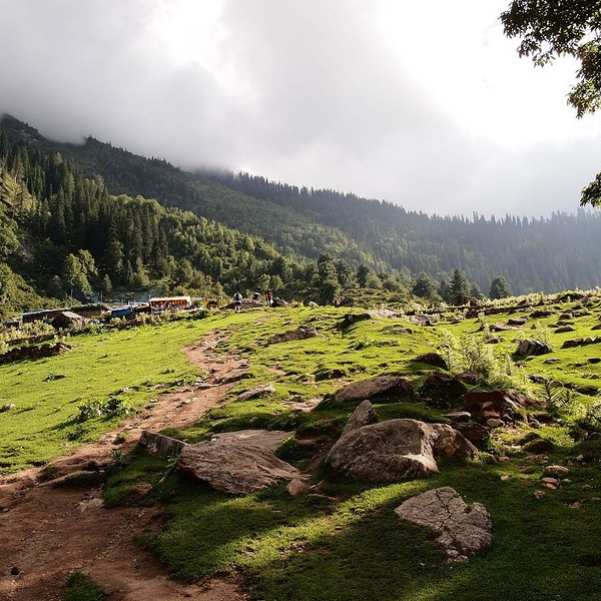
For most travellers, yes. March to June is the peak season in Kasol and the easiest stretch to plan around.
The weather is the main reason. Days are warm and bright, nights stay cool, and you get that classic mountain-summer feel without the rain hassle.
Travel sources widely list this window as peak season and the best time for outdoor activities, which matches what we see on the ground.
The cafes are fully open, the riverside is buzzing, and the trekking trails are dry and active. If you came for Kheerganga, Tosh, or Sar Pass, this is your window.
The only real downside is the crowd. May in particular gets busy, and weekends fill up fast. Stays cost more and the popular trails feel less private.
In our experience, the sweet spot inside this window is late March to April. You still get the good weather and open cafes, but without the full May crush. If you can travel midweek, even better.
Is July to September Good for Kasol?
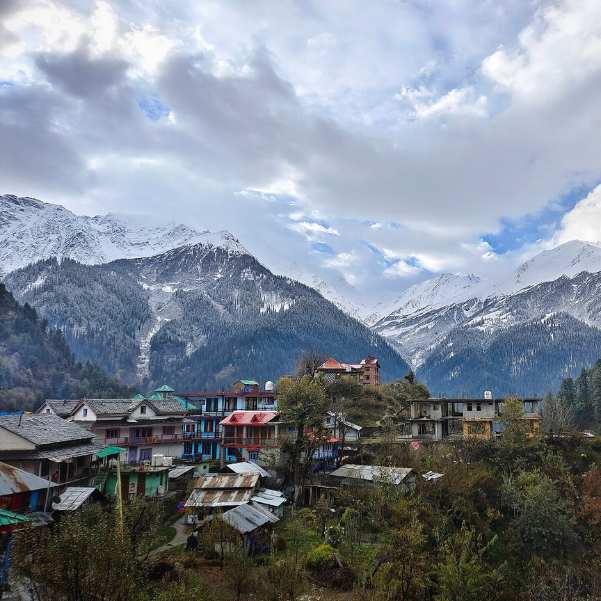
This is the season people romanticise the most and plan the worst.
The good part is real. The valley turns lush green, mist drifts over the river, and the crowds thin right out. If you have seen those moody Parvati Valley photos, most of them are shot in monsoon.
But here is the honest warning. July to September brings heavy rain, slippery trails, and frequent road delays. Landslides are a genuine risk in this valley, and they don't care about your itinerary.
There is a specific 2026 caution to flag. The Manikaran-Barshaini road saw a major landslide at Ghatigarh in February 2026. Anyone heading toward Tosh, Barshaini, or Kheerganga should check the current road status before setting out, because that stretch feeds all of those.
What most tourists get wrong here is assuming a clear morning means a clear day. In monsoon, a sunny start can turn into a blocked road by afternoon. We have had travellers reach Barshaini fine, then sit for hours on the way back.
If you still want monsoon, do it right. Keep one or two buffer days, avoid tight schedules, and never camp on the riverbank when rain is forecast. The Parvati rises fast.
>>Verify the latest ground reality with our team on WhatsApp.
Is October to November a Good Time for Kasol?
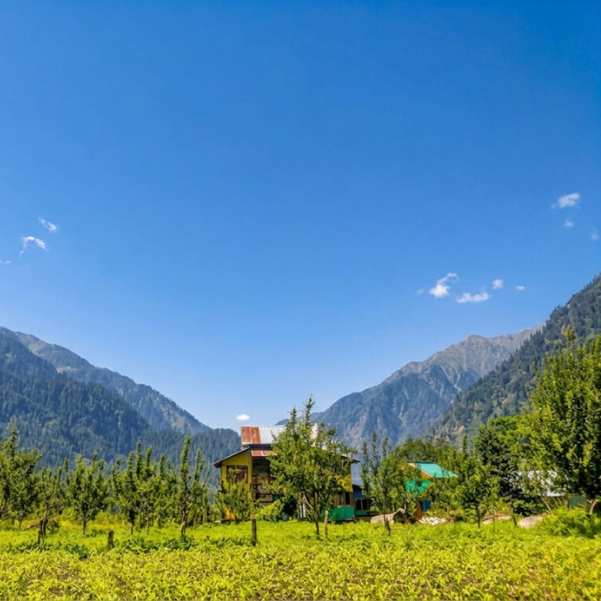
This is our personal favourite, and we tell our travellers this often.
October gives you clear skies after the monsoon washes the haze out. The light turns soft and golden, the river settles down, and the whole valley feels calm in a way summer never does.
Crowds drop sharply once the summer rush ends. You get cafes that are still open, trails that are still walkable, and stays that are easier to find. It is the same Kasol, just quieter.
The one thing to plan for is the cold after dark. Days stay comfortable, but evenings turn sharp, especially by November.
This is the ideal month for slow days, cafe afternoons, and short walks to nearby villages. If you want photos without a hundred people in the frame, October is your month.
Is December to February Good for Snow and Quiet Trips?
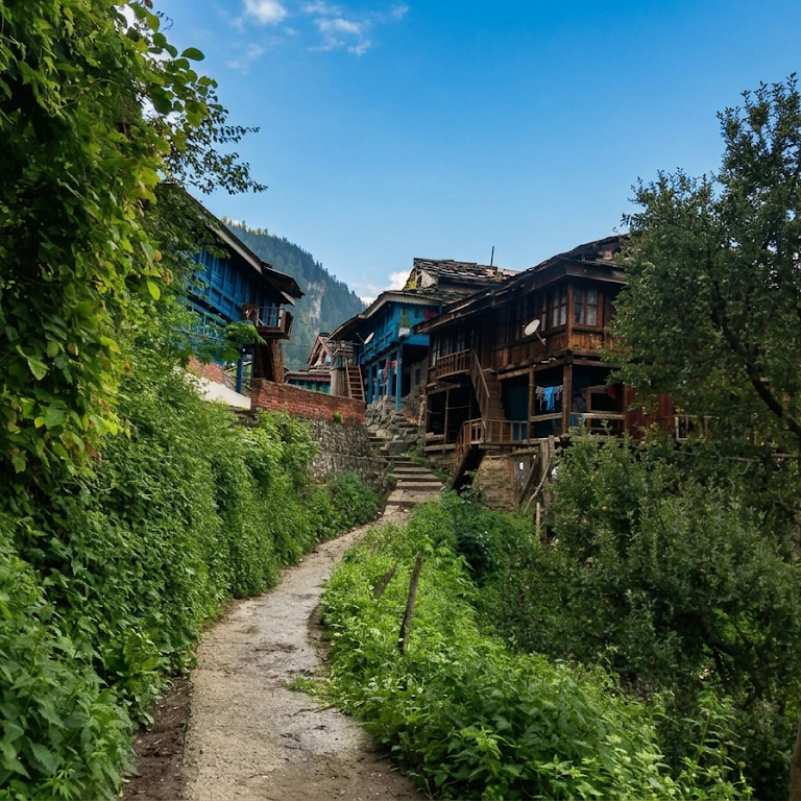
If you want a slow, cold, quiet Kasol, yes. If you want easy trekking, no.
Kasol itself gets very cold in winter, and temperatures can drop below zero. Higher villages and routes around the valley can see snow, which is exactly what some travellers come for.
This is the season for slow travel. Empty cafes, cosy stays, hot food, and a valley that feels like it belongs to you. The crowds vanish except for the New Year week.
But be realistic about the limits. Casual trekking gets hard without proper warm gear, some stays shut down, and higher trails can be risky or blocked. This is not a season for spontaneous treks in sneakers.
In our experience, winter Kasol suits people who want to read, walk a little, and do nothing in particular. Come for the stillness, not the adventure.
Best Time for Treks Near Kasol
Each trek around Kasol has its own season. Picking the right month matters more than picking the right trek.
Kheerganga Trek
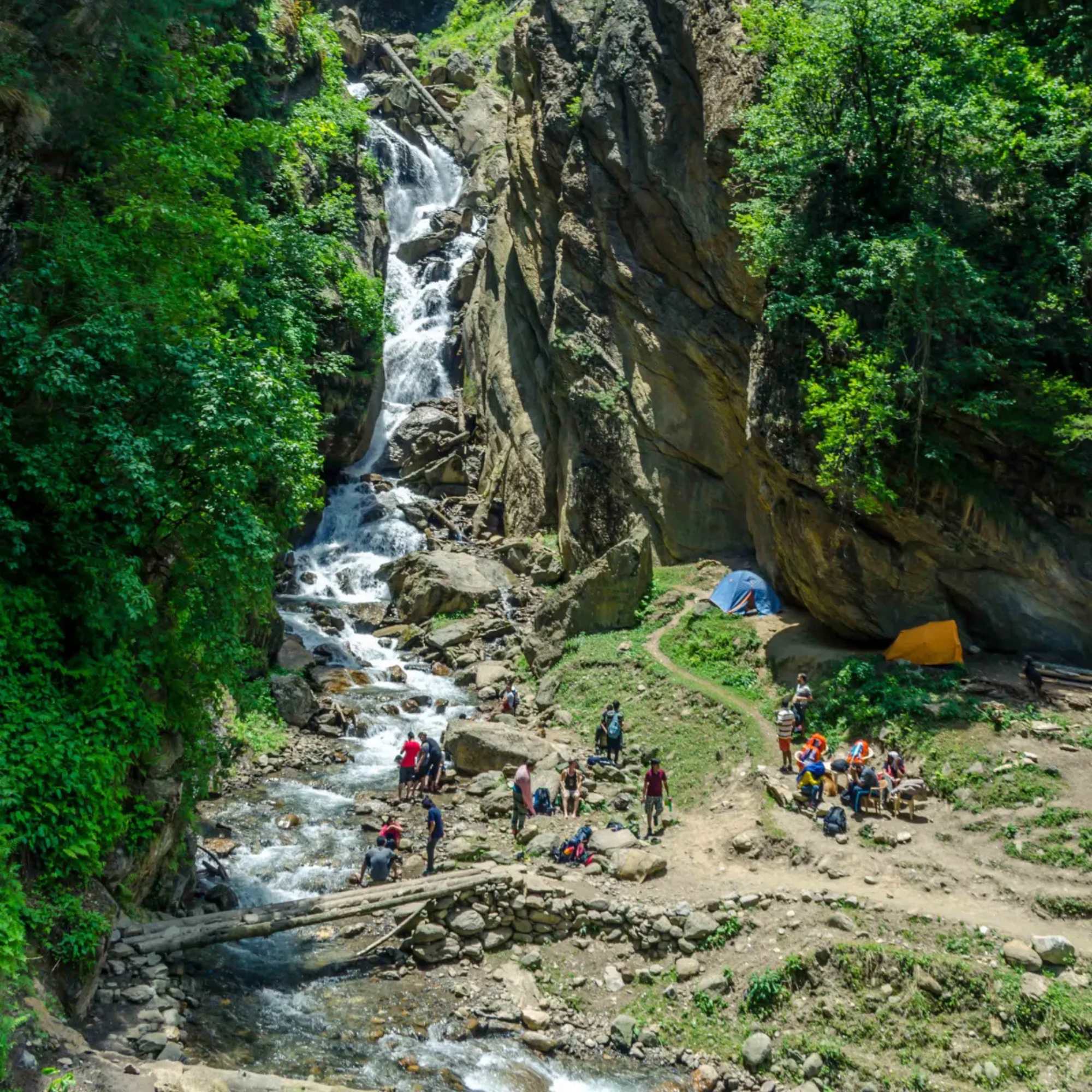
The practical windows are April to June and September to November. Spring and early summer give you dry trails and warm days. Autumn gives you clear skies and fewer people.
Avoid heavy monsoon for this one. The trail gets slippery, and the road feeding it, the Barshaini side, is the same stretch hit by the Ghatigarh landslide, so check road status first.
Tosh and Grahan
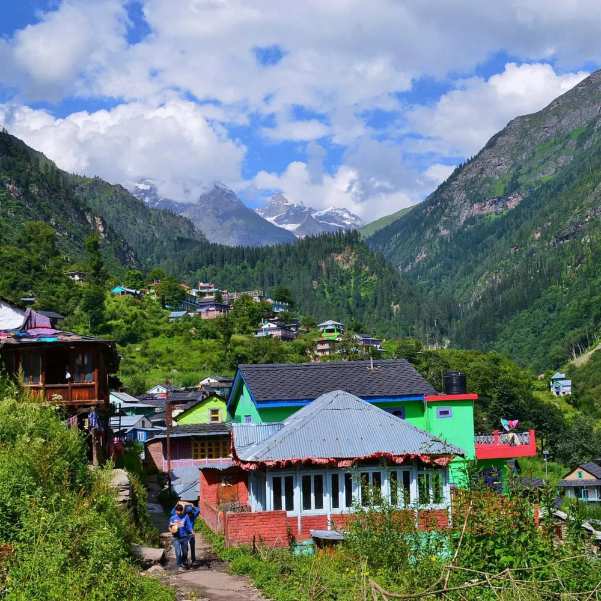
These are easier, lower walks, so the season is forgiving. Spring, summer, and autumn all work well, with comfortable weather and manageable trails.
Winter is doable but needs warm clothing and flexible plans, since snow and cold can slow you down or block sections.
Sar Pass
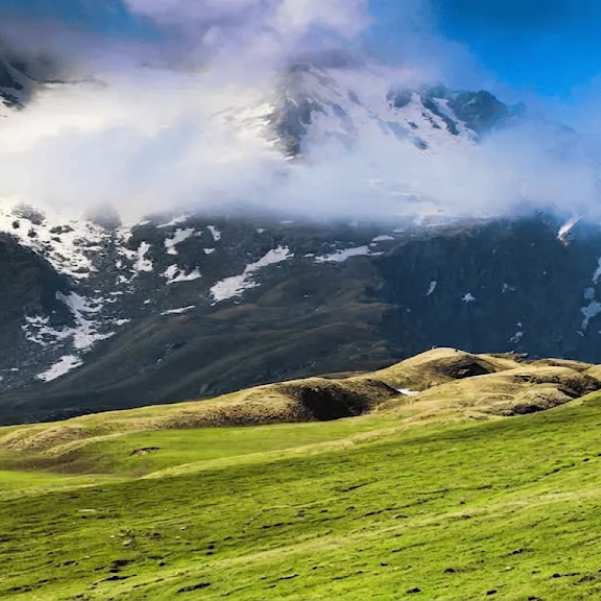
This is a summer trek. The usual window is summer, especially May and June, when the snow has melted enough to make the crossing safe and the weather holds.
Outside that window the pass is not a casual option. Stick to the season and go with a proper guide.
If you want to pair Kasol treks with bigger adventure, our guide to adventure activities in Manali covers what's worth doing once you cross over.
Best Time for Camping, Cafes and Riverside Stays
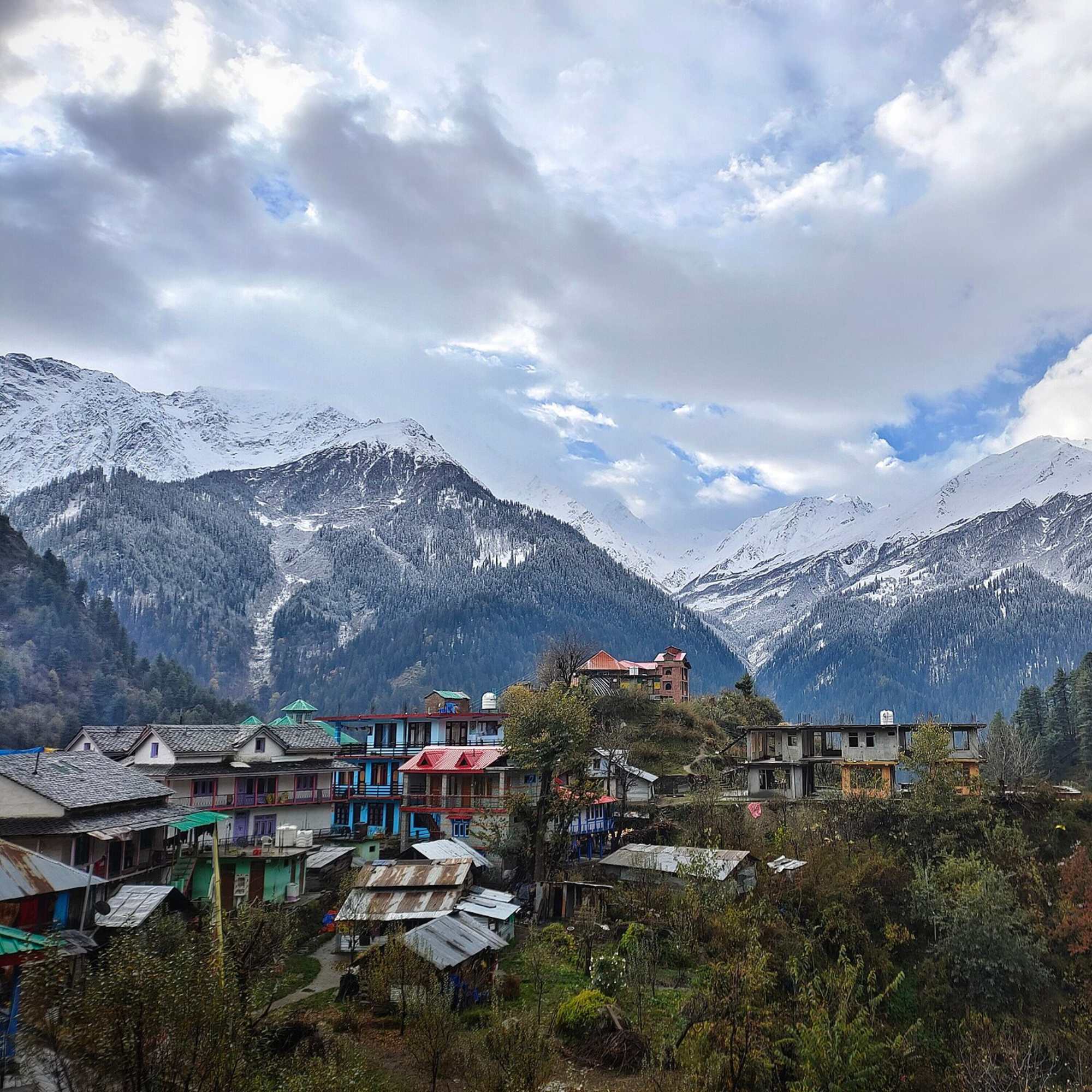
Camping near Kasol is commonly recommended from May to early July, when nights are cool but not freezing and the weather mostly cooperates.
One firm rule from us. Do not camp on the riverbank during rains. The Parvati rises fast and quietly, and that is not a risk worth taking for a photo.
For peaceful riverside stays without the crowd, October is the better call. The river is calmer, the air is clear, and the cafe-and-river evenings feel a lot more relaxed.
Speaking of cafes, Parvati Valley is genuinely known for its Israeli food and laid-back cafe culture. The main Kasol market and the lanes toward Chalal are where most of the good spots cluster.
Here is a small local tip
The cafes closest to the main road are the busiest and priciest. Walk ten minutes toward Chalal across the river and you get the same food, a calmer setting, and usually friendlier rates.
When Is Kasol Most Crowded?
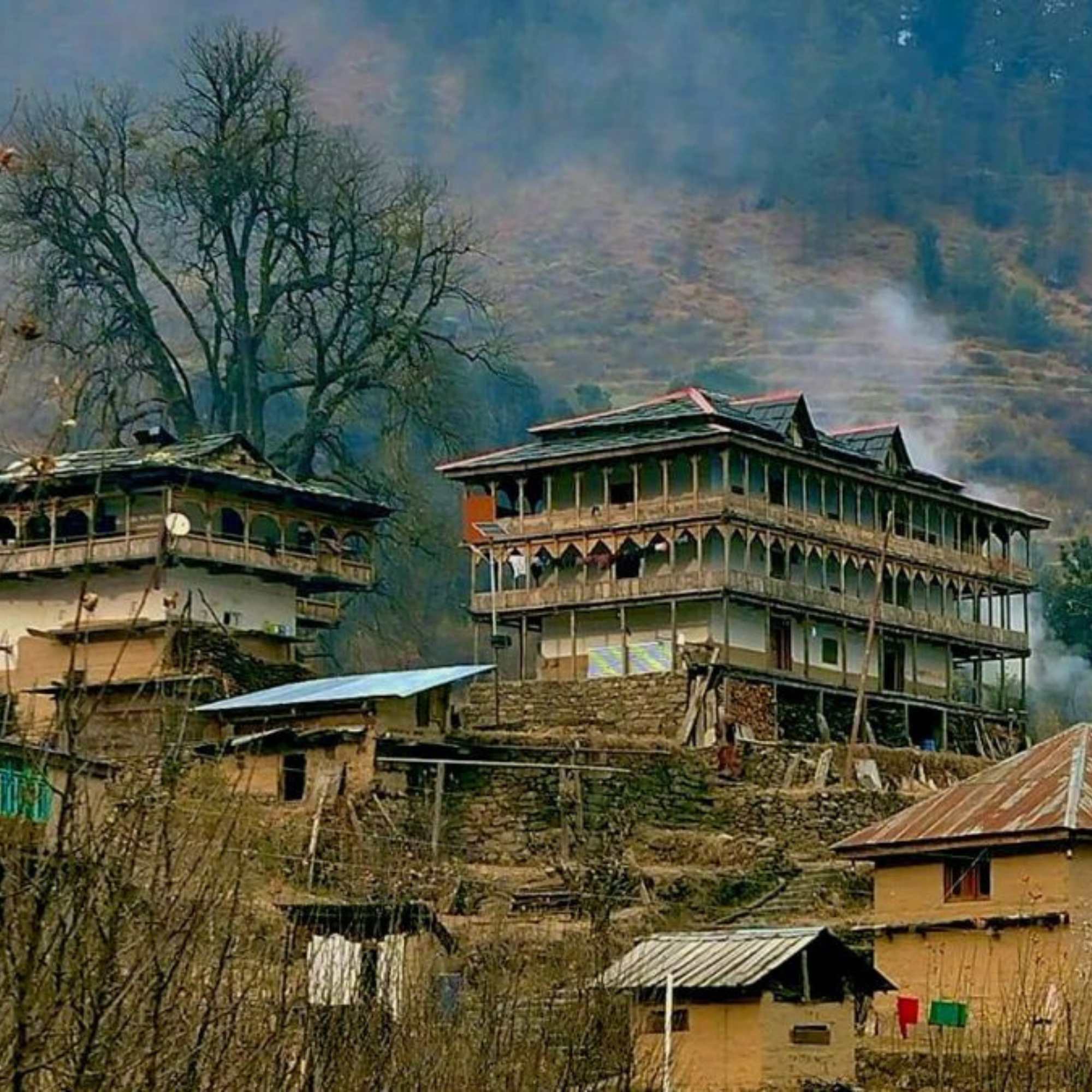
Kasol fills up at predictable times, and knowing them saves you money and headache.
The busiest stretch is April to June, the peak summer season. Long weekends through the year also pack the valley, and the Christmas to New Year week brings the winter rush.
During these periods, stays book out and prices climb. We won't quote hotel rates here because they swing too much by season and demand, but expect availability to tighten and rates to firm up.
Here is the skip-this tip
Skip the long weekends if you have any choice. The same trip on a normal weekday is cheaper, calmer, and the trails actually feel like the mountains instead of a queue.
When Is Kasol Cheapest?
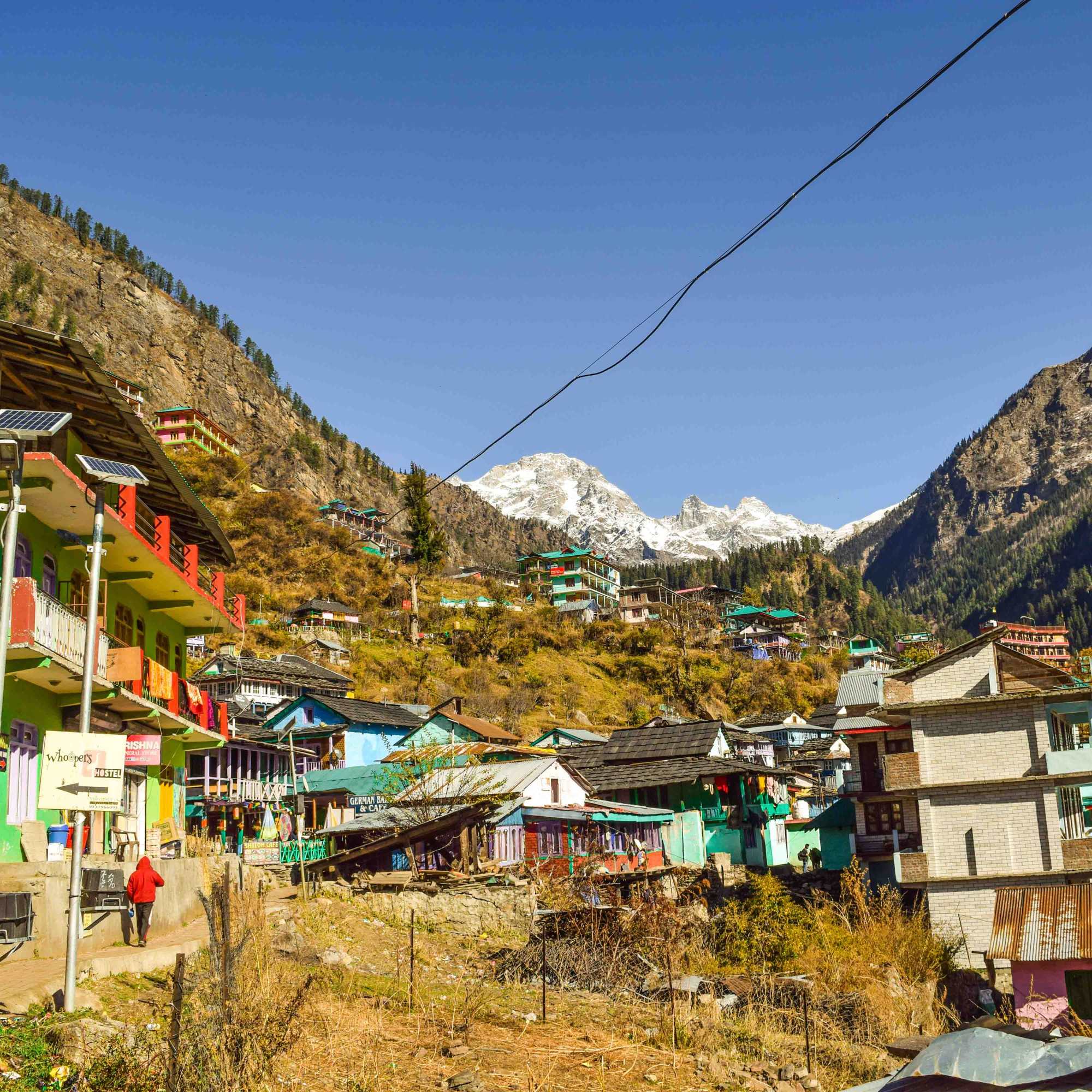
The cheapest times are monsoon and deep winter. That is simply because demand drops, so stays and transport get more flexible on price.
But cheap comes with a catch each time. Monsoon carries the road and landslide risk we covered, and deep winter carries the cold-weather limits and reduced services.
The smart middle ground is autumn weekdays. October on a weekday gives you good weather, low crowds, and softer prices without the monsoon gamble or the winter cold. We point budget travellers here all the time.
How to Reach Kasol and When Roads Are Safest
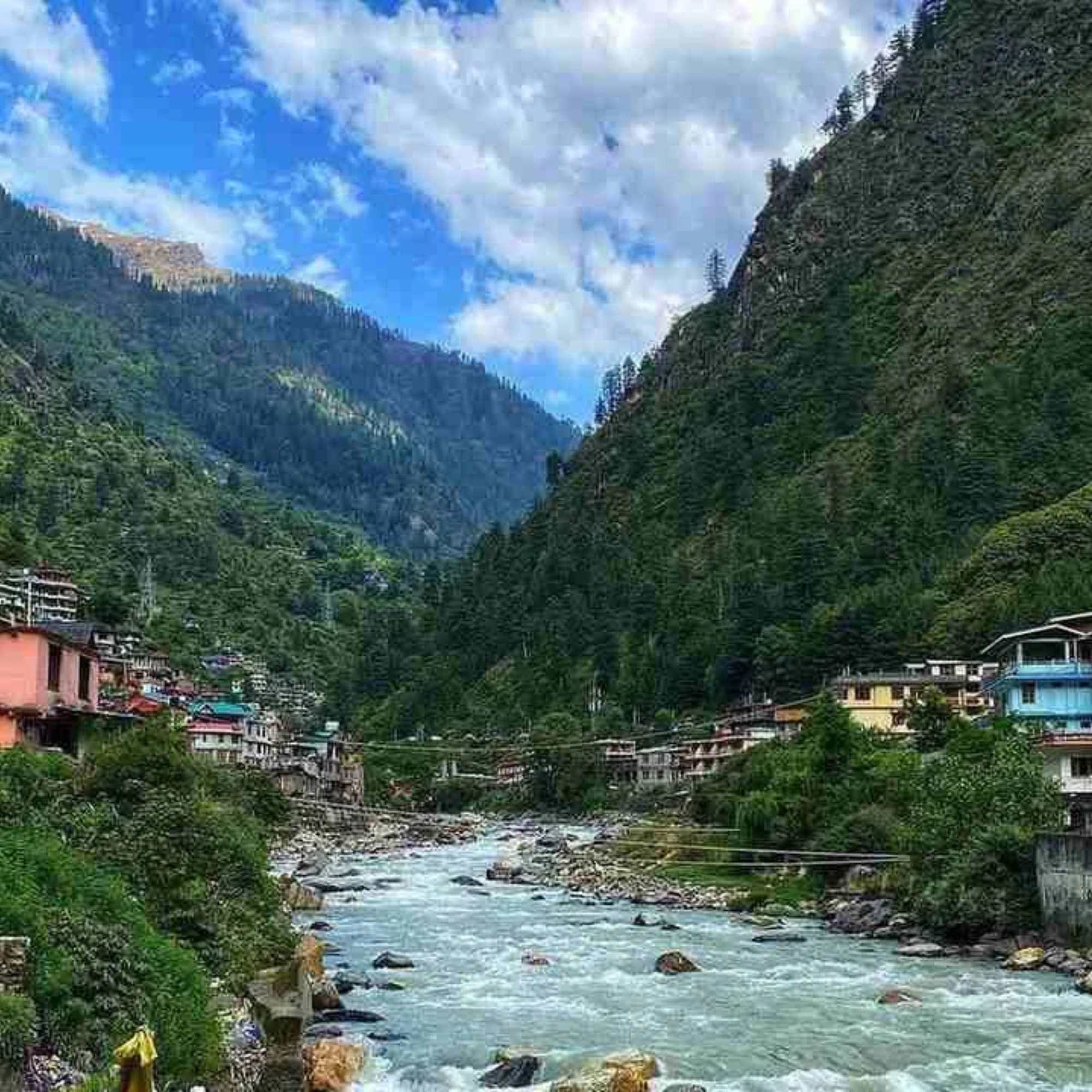
The broad route is simple. You reach Bhuntar first, then turn into Parvati Valley and follow the road up through Kasol and beyond.
We won't quote exact distances here, but the Parvati Valley stretch is mountain road, so plan your time around conditions, not just the map.
The roads are safest and most predictable in the dry months, roughly the peak season and autumn. During monsoon and winter, conditions change fast, so check real-time updates before and during your drive.
Keep these numbers handy. The Kullu Emergency Operation Center can be reached at 01902-225630 and 01902-225631. Save them before you lose signal in the valley.
A genuine safety note, not a sales line. Mobile network gets patchy past Kasol toward Barshaini and the trek base points. Tell someone your plan before you head up.
Local Travel Tips from Our Himachal Team
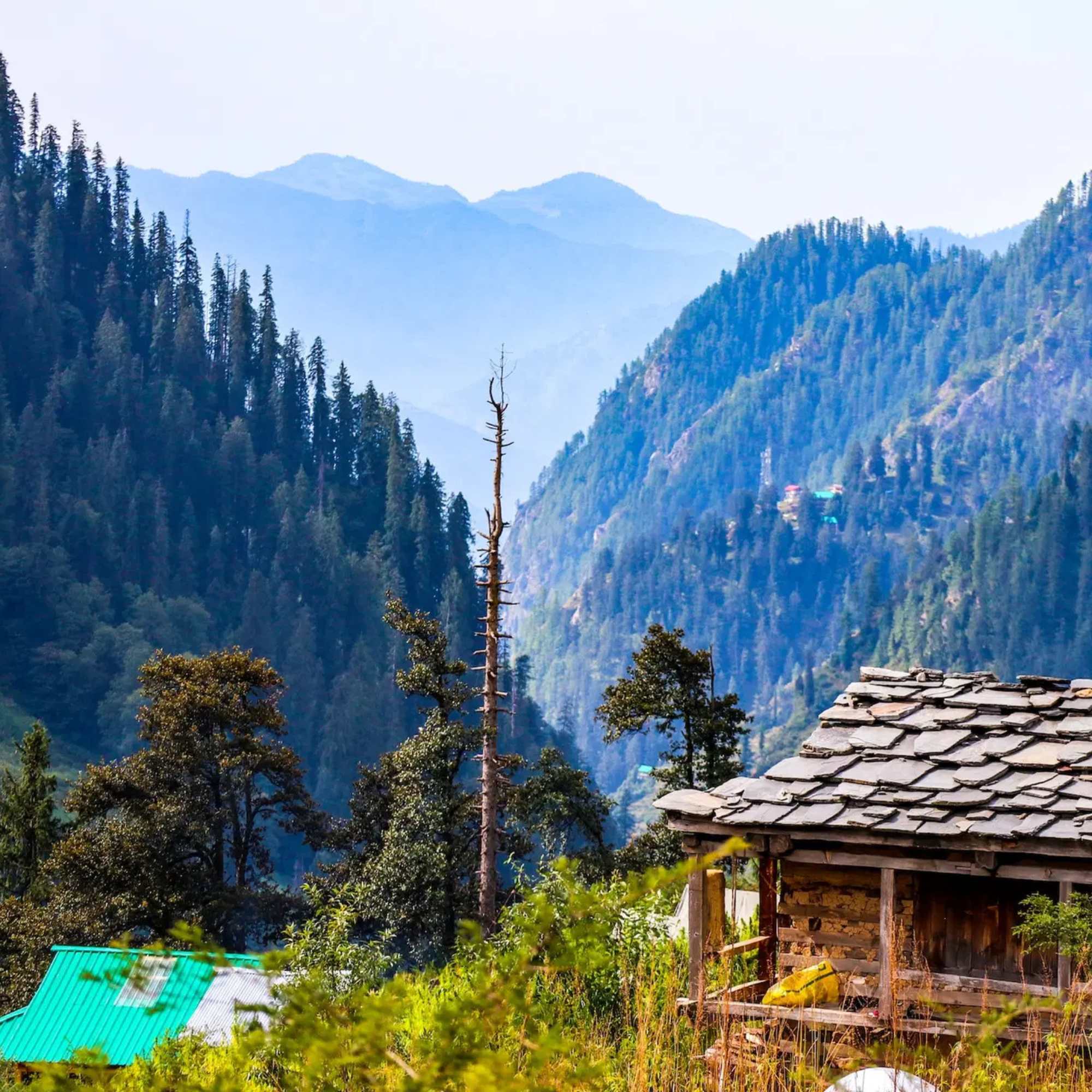
A few things we tell every traveller before they leave for Kasol.
Pack in layers. Even in summer, the days are warm but the nights and early mornings turn cool fast. A fleece and a windproof layer cover most situations.
Carry shoes with proper grip. The trails and riverside paths get slippery, and the monsoon makes everything worse. Sneakers with worn soles are a bad idea here.
Bring a rain cover even outside monsoon. Mountain weather flips quickly, and a light poncho or jacket saves your day more than once.
Carry a power bank and enough cash. Charging points are limited at stays and trek points, and many small dhabas and cafes prefer cash, especially the higher up you go.
Start early. We tell our travellers this constantly. Early starts mean better light, safer roads, and time to spare if something slows you down.
And respect the river. The Parvati looks calm in places and is genuinely dangerous in others. Don't wade in, and don't camp on its banks when rain is around.
>>Talk to our team on WhatsApp for a personalized trip plan.
Suggested Kasol Itinerary by Season
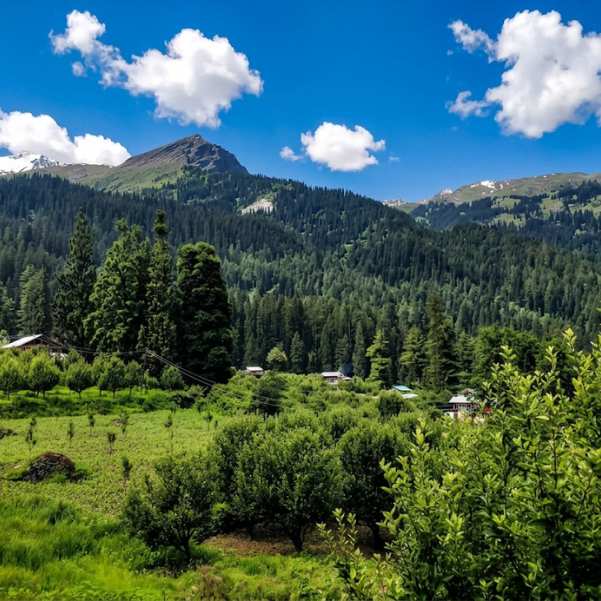
Here is how we usually shape a Kasol trip depending on how many days you have.
2-day trip
For a 2-day trip, keep it relaxed. Day one is arrival, settling into a stay, and a slow evening by the river with cafe hopping in the main market.
Day two is a short walk to Chalal across the river and a few hours soaking in the valley before you head back. This works best in spring or autumn when the weather is easy.
3-day trip
For a 3-day trip, add a trek. Day one is arrival and Kasol. Day two is the Kheerganga trek, ideally in the April to June or September to November window, with a night up top or back in Kasol depending on your energy.
Day three is a slower morning and the drive out. Always check the Barshaini-side road status before committing to Kheerganga.
4-day trip
For a 4-day trip, spread out and explore the valley properly. Days one and two cover Kasol, Chalal, and a Kheerganga trek. Day three is a trip up to Tosh or Grahan for a night, both of which are gentler and gorgeous.
Day four is your buffer and return, which matters most in monsoon when a single landslide can eat half a day.
For the longer, smoother version with a driver and sorted stays, our Kasol tour packages handle the logistics so you just travel.
Should You Pick Kasol or Somewhere Nearby?
If you are torn between valleys, it helps to compare before you book.
We broke down the Kasol-versus-quiet-valley debate in detail in our Jibhi or Kasol comparison, which is worth a read if you want fewer crowds.
For a calmer, greener base with cosy stays, look at Jibhi and Tirthan Valley. For more action, adventure sports, and bigger mountains, Manali pairs well with a Kasol leg.
Final Verdict: Which Month Should You Choose?
The best overall window is April to June. Warm days, open cafes, full trekking season, and the easiest planning, just expect crowds in May.
The best quiet month is October. Clear skies, golden light, calm river, and far fewer people. This is our pick for a peaceful trip.
The best winter vibe is late December to February. Cold, still, and quiet, ideal for slow travel if you pack right and skip the casual trekking.
And monsoon, July to September, should be chosen only with flexible plans and buffer days. The valley is beautiful in the rain, but the roads will test your patience.
>>Let our experts plan your trip around your dates.
Related topics
Frequently Asked Questions
What is the best month to visit Kasol?
April to June for warm days and treks, and October for clear skies and fewer crowds. For a first trip, October is the smoothest choice.
Is Kasol better in summer or winter?
Summer is better for treks, cafes, and active days. Winter is better for quiet, slow stays and snow in higher areas, but not for casual trekking.
Does Kasol get snowfall?
Kasol itself can get cold and occasional snow in deep winter, and higher villages around the valley see more reliable snow from December to February.
Is July safe for Kasol?
July is monsoon, so it carries real road and landslide risk. It can be done with flexible dates and buffer days, but it is not the safe, easy season.
Which month is best for Kheerganga trek?
April to June and September to November are the practical windows. Avoid heavy monsoon, and check the Barshaini-side road status before you go.
Is Kasol crowded in May?
Yes. May is peak season, so the market, cafes, and trails get busy and stays fill up fast. Travel midweek if you want it calmer.
How many days are enough for Kasol?
Two days for a quick relaxed visit, three days to add a Kheerganga trek, and four days to explore Tosh or Grahan with a buffer day.
Is Kasol safe in monsoon?
It can be, but only with caution. Heavy rain brings landslides and road delays, so keep buffer days, check road status, and never camp on the riverbank.
What should I pack for Kasol?
Layers including a fleece and windproof jacket, shoes with good grip, a rain cover, a power bank, and enough cash since cards and network are unreliable.
Is December good for Kasol?
Yes, if you want quiet and cold. December is calm and cosy with possible snow nearby, but trekking needs warm gear and flexible plans.
When is the best time for camping in Kasol?
May to early July is the common camping window. Avoid camping on the riverbank during rains, and consider October for calmer riverside stays.
Which is better, Kasol or Manali?
Kasol suits laid-back cafe-and-trek travellers, while Manali suits adventure sports and snow points. Many travellers combine both in one Himachal trip.
More about Kasol
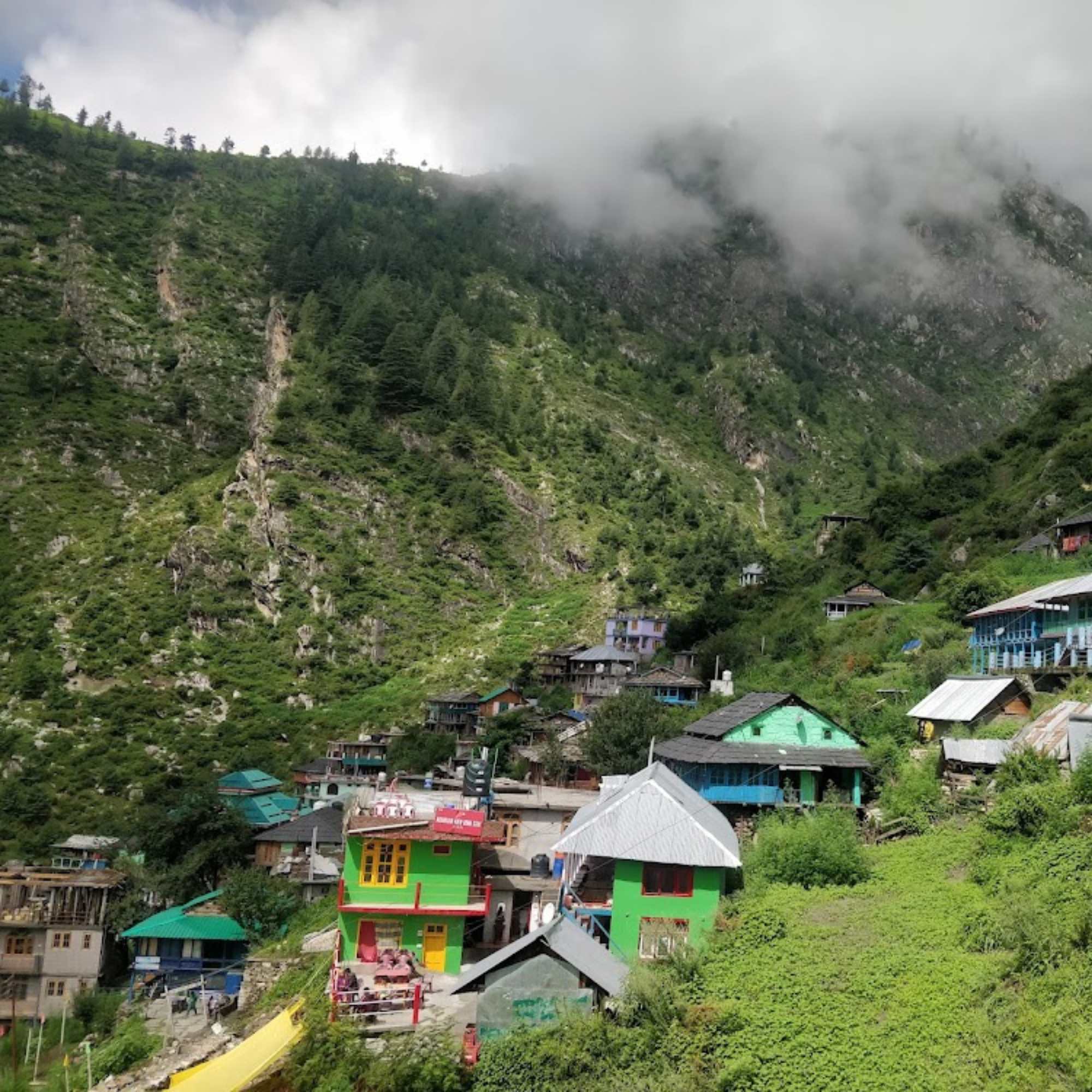 Kasol
KasolBest Offbeat Places Near Kasol Most Tourists Miss in 2026
Escape the crowds and discover the hidden side of Kasol in 2026. From peaceful villages and untouched valleys to scenic trails and secret viewpoints, these offbeat places near Kasol offer authentic Himalayan experiences that most tourists completely miss.
- Places to Visit
- Things to Do
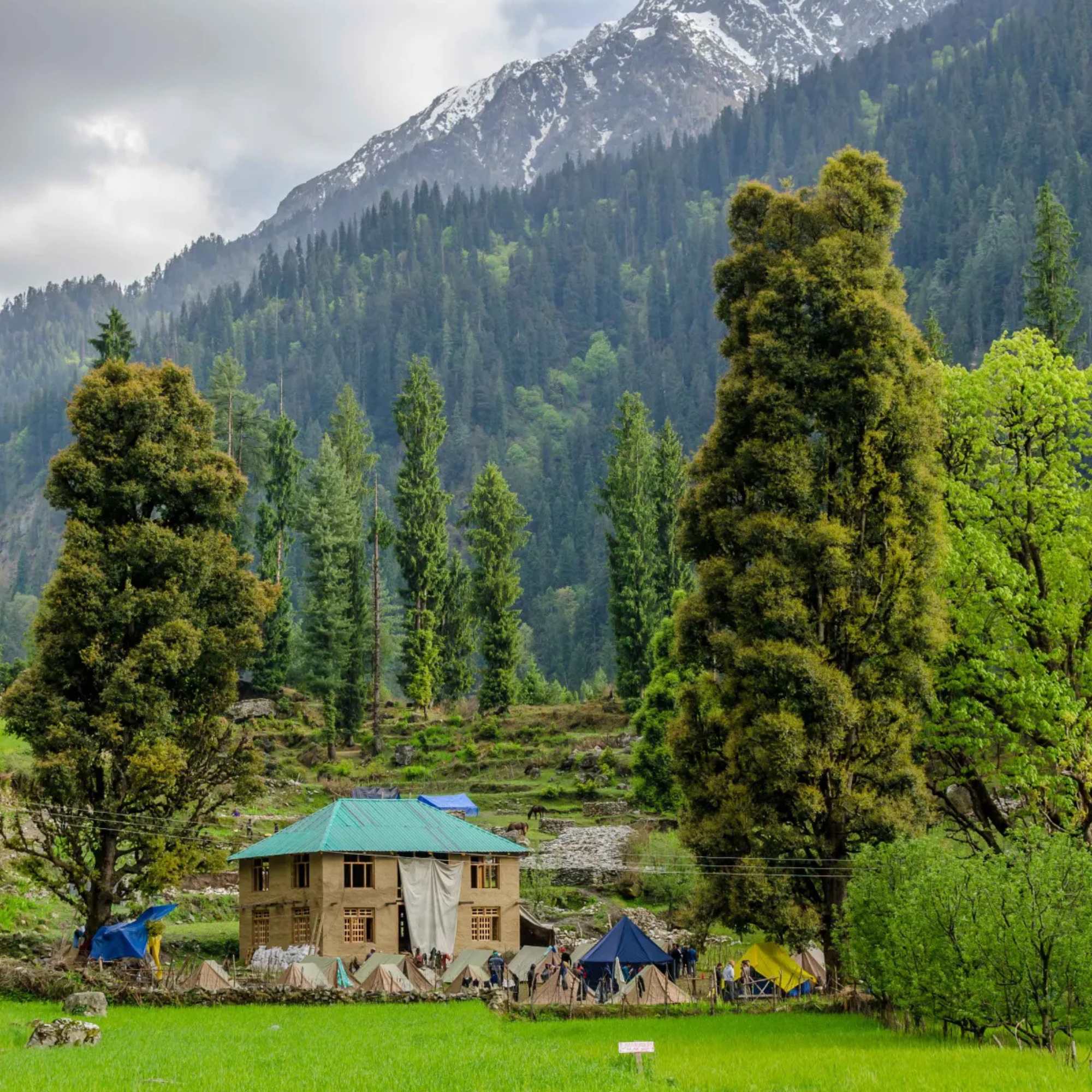 Kasol
KasolRasol Village Trek From Kasol 2026: Route, Distance & What to Expect
Planning the Rasol Village Trek from Kasol in 2026? Explore the complete trekking route, distance, difficulty level, stay options, and essential travel tips to experience one of Parvati Valley’s most peaceful and offbeat Himalayan villages.
- Things to Do
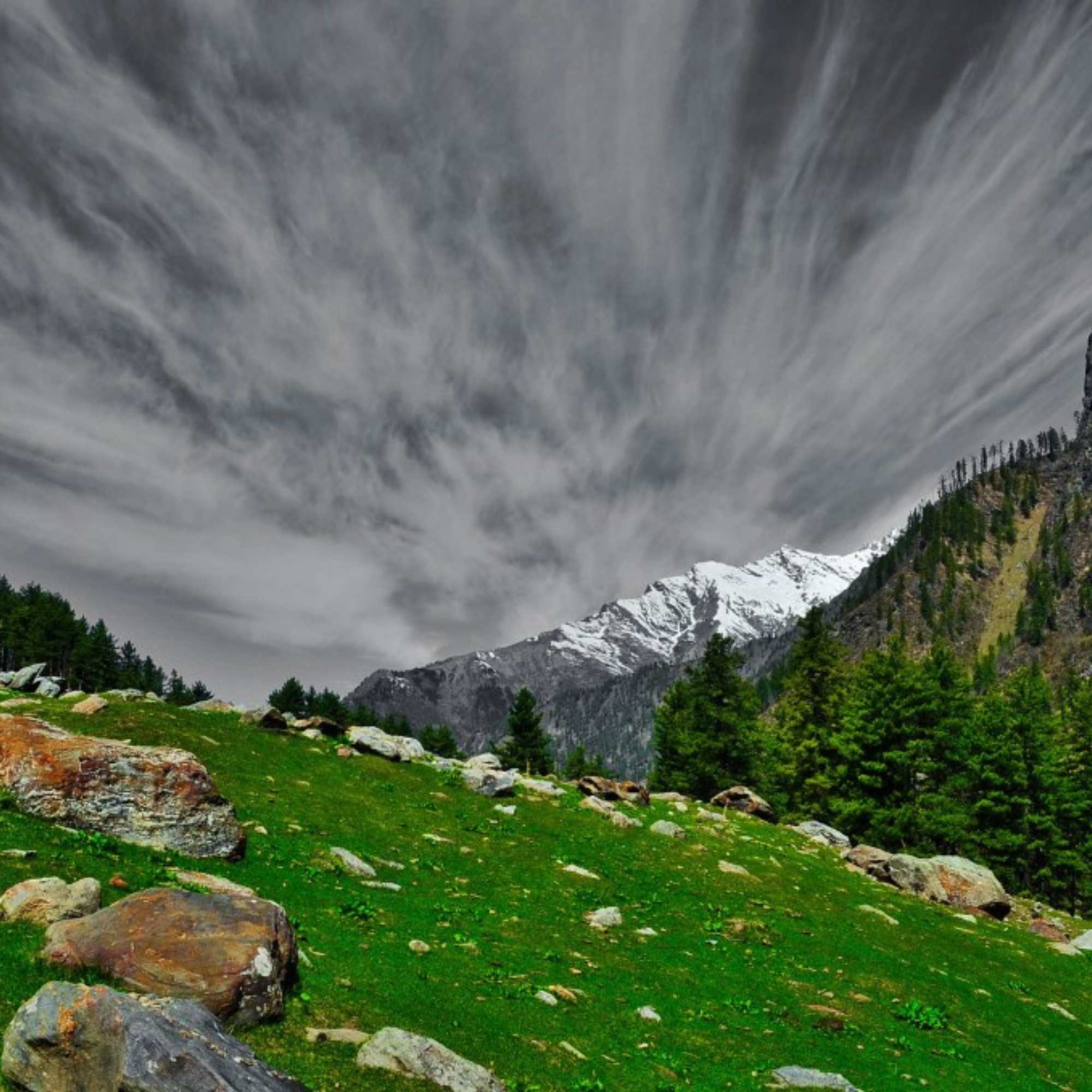 Kasol
KasolKalga, Pulga & Tulga Villages in 2026: The Offbeat Side of Parvati Valley
A Himachal Pradesh travel expert or experienced Parvati Valley trek guide with firsthand knowledge of Kalga, Pulga, and Tulga. The content should provide practical insights on trekking routes, homestays, local culture, seasonal travel, and hidden attractions, helping readers plan an authentic offbeat Himalayan experience with confidence.
- Places to Visit