
Barshangarh Waterfall Trek Guide 2026: Route, Difficulty, Time and Local Tips
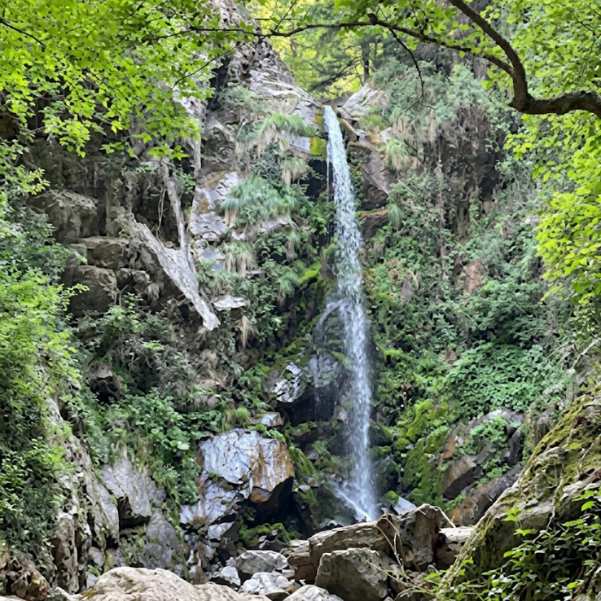
If you have been scrolling through Himachal reels this past year, chances are the wide green meadow of Shangarh has already shown up on your feed. What most people miss in those videos is the small waterfall sitting quietly a short walk away.
Barshangarh Waterfall has slowly become the reason many travellers add an extra half day to their Sainj Valley trip. It is not a giant, roaring waterfall. It is the kind of place you walk to slowly, sit near for a while, and leave feeling lighter.
Part of the appeal is how easy it is to reach. You do not need trekking experience, fancy gear, or a guide. A pair of decent shoes and a free morning are enough.
The other part is the setting. This corner of Himachal still feels unhurried. There are no big hotels, no long queues, and no loud tourist markets near the trail. Just pine forest, village paths, and the sound of water.
In our experience, travellers who come for Shangarh meadow and skip this waterfall almost always regret it later. It is too close and too pretty to leave out.
This guide by Travel Coffee walks you through the full picture for 2026, from the route and difficulty to timing, safety, and the small local tips that make the trip smoother.
Quick Answer
Here is the short version for people who just want the basics before planning.
The Barshangarh Waterfall Trek is roughly 3 to 3.5 km from Shangarh village, and the actual climbing part is short. From the road endpoint where vehicles stop, the walk to the waterfall is only about 500 to 600 metres, which most people cover in 10 to 15 minutes.
Difficulty is easy to moderate. The trail passes through forest and a few boulder sections, but there is nothing technical or dangerous in normal weather. The short uphill stretch is the only part that makes you breathe a little harder.
The best season is March to June and the period after the monsoon, when the weather is stable and the trail is comfortable.
And yes, beginners can absolutely do this trek. Families with children and first time trekkers manage it without trouble. If you start from Shangarh village and walk both ways, the full outing takes around 2 hours including time spent at the waterfall.
Where Is Barshangarh Waterfall?
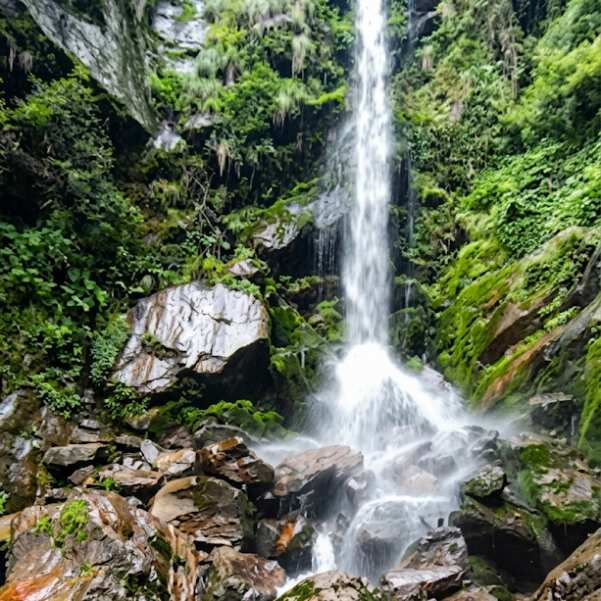
Barshangarh Waterfall sits near Shangarh in the Sainj Valley of Himachal Pradesh. Sainj is one of the quieter valleys in the Kullu district, and it has stayed that way mostly because it never got the heavy tourist push that places like Kasol or Manali did.
The waterfall lies within the GHNP region, the area connected to the Great Himalayan National Park. This is a protected, biodiversity rich zone, which is a big reason the forests here still feel dense and clean.
Getting your bearings is simple. The valley road runs up from Aut, the small town on the Kullu highway known for its tunnel. From Aut, the road heads into Sainj Valley and eventually climbs towards Shangarh. The waterfall is a short distance beyond Shangarh village.
People often ask about distances from the main reference points. From Aut, you travel into Sainj and then up to Shangarh.
From Banjar, which sits in the neighbouring Tirthan side, travellers usually cross over towards Sainj as well. From Shangarh village itself, the waterfall is the well documented 3 to 3.5 km.
If you are mapping out a longer Himachal route, Sainj pairs naturally with the valleys next door. Many of our travellers combine it with the Jibhi & Tirthan Valley circuit, since the regions sit close together and share the same slow, forested character.
The simplest way to think about it is this. Shangarh is your base. The waterfall is a comfortable side trip from that base. Everything in this area is built around short, walkable distances rather than long drives.
How To Reach Barshangarh Waterfall
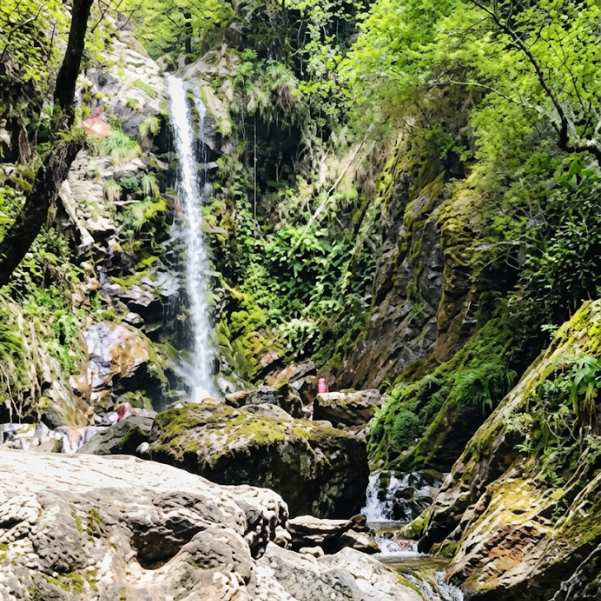
Reaching the waterfall is really about reaching Shangarh first. Once you are in Shangarh, the waterfall is close. So most of the travel planning is about getting yourself into Sainj Valley.
By Road
The standard route is Aut to Sainj to Shangarh. You leave the Kullu highway near Aut, enter Sainj Valley, and follow the valley road as it winds upward.
The lower part of the drive through Sainj is generally smooth. As you climb closer to Shangarh, the road narrows and gets steeper, with the usual mountain bends. Drivers comfortable with hill roads will be fine, but it is not a road to rush.
During the monsoon, hill roads in this part of Himachal can develop rough patches, loose gravel, or occasional slush after heavy rain. Our team recommends checking local conditions a day before you travel, especially if you are driving your own car.
If you are coming with a private cab, ask the driver in advance whether they are willing to go all the way up to Shangarh. Most local drivers know the route well, but it is always better to confirm.
By Bus
Public transport does run into Sainj Valley, and budget travellers use it regularly. The usual pattern is to reach the Aut or Sainj area first, then take a local connection deeper into the valley towards Shangarh.
Bus frequency on the upper stretch towards Shangarh tends to be limited and timed around local needs rather than tourists. Because of that, we always tell travellers using buses to start early in the day and keep their plans flexible.
If you miss a connection, shared vehicles are sometimes available, but they do not run on a fixed schedule. Buses work well for relaxed, unhurried travellers. They are harder for anyone on a tight timeline.
Can You Drive Till The Waterfall?
This is one of the most common questions, and the answer is reassuring. Vehicles can reach near the trailhead. You do not have to walk all the way from Shangarh village if you do not want to.
From that road endpoint, the remaining walk to the waterfall is short, around 500 to 600 metres, which works out to roughly 10 to 15 minutes of walking for most people.
So you have two clear options. You can park near the trailhead and do only the short final walk, which is what families with young kids or older travellers usually prefer.
Or you can start on foot from Shangarh village itself and treat the whole thing as a longer, more scenic outing.
In our experience, the second option is more rewarding if your legs are up for it, because the village to waterfall stretch is genuinely lovely. But there is no wrong choice here.
Barshangarh Waterfall Trek Route Explained
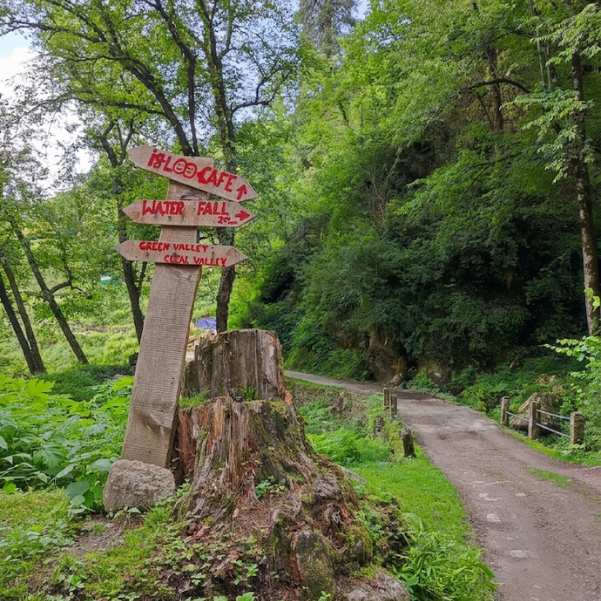
The route to Barshangarh Waterfall is short, but it packs in a nice variety of scenery, which is part of why people enjoy it so much.
The walk begins on a forest trail. You are surrounded by pine almost immediately, and the temperature drops a little under the tree cover. The path is clear and well walked, so route finding is not a worry.
Along the way you pass close to small villages and the everyday life of the valley. You might see local homes, terraced fields, grazing animals, and villagers going about their day. This is not a sealed off tourist trail, and that human touch is part of its charm.
Then come the boulder sections. These are stretches where the path moves over and around rocks rather than smooth ground. Nothing here requires climbing skill, but you do need to watch your footing and move at a steady pace.
The final ascent is the short uphill push that brings you up to the waterfall itself. It is brief, and the reward arrives quickly. As you get close, you usually feel the cool mist before you get the full view.
On walking timings, here is the honest picture. From the road endpoint, expect 10 to 15 minutes. If you start from further back, the hiking section can stretch to anywhere from 10 to 30 minutes depending on exactly where you began and how often you stop for photos.
When our team last walked this trail, the part that surprised first timers most was how fast the scenery changes. You go from open village views to deep forest to misty rock in a very compact stretch.
Trek Distance, Duration and Difficulty
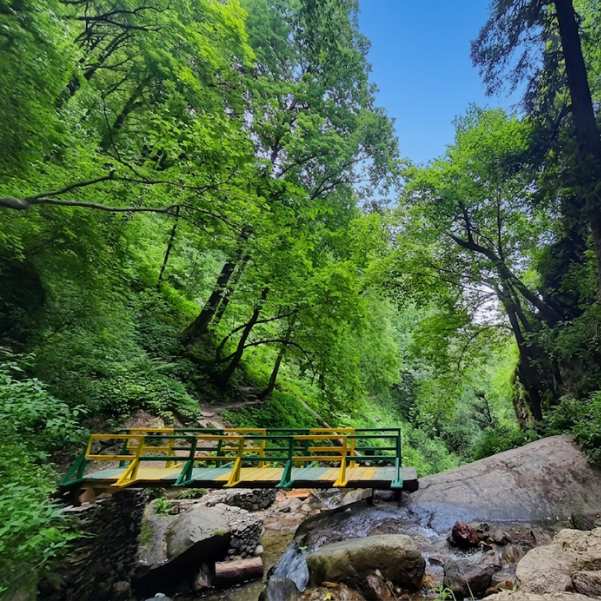
Let us put all the numbers in one place so you can plan clearly.
The distance from Shangarh village to the waterfall is roughly 3 to 3.5 km. The genuinely uphill part, the section that actually feels like climbing, is only about 500 to 600 metres of short ascent.
Depending on where you start, the dedicated hiking portion takes somewhere between 10 and 30 minutes. From the road endpoint specifically, it is the shorter end of that range, around 10 to 15 minutes.
If you walk the whole thing from the village and back, including time spent sitting near the falls, the total outing usually runs to about 2 hours. That makes it easy to slot into a morning without eating up your whole day.
Difficulty sits at easy to moderate. The trail passes through forest and over boulders, so it is not a flat paved walk, but it never becomes risky or technical in normal conditions. The boulders and the short climb are the only reasons it is not rated as simply easy.
Because of all this, the trek is suitable for beginners and families. Children who are used to a bit of walking handle it well, and first time trekkers often finish it pleasantly surprised at how manageable it was.
Our team regularly recommends it as a confidence building first trek for people new to Himachal trails.
The one honest caveat is monsoon, when wet rocks change the equation. More on that further down.
What Makes Barshangarh Waterfall Special?
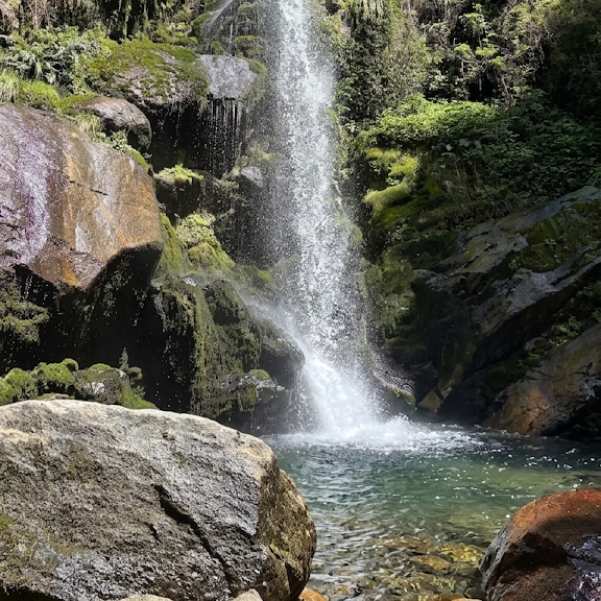
There are bigger and more famous waterfalls in Himachal. So why does this one keep winning people over?
The first answer is the dense pine forest. The walk in feels genuinely wild and green, and the tree cover keeps the whole route cool and shaded even on warmer days. It is a forest you notice, not just a backdrop.
Then there is the mist around the waterfall. As you approach, the spray hangs in the air and softens everything. On the right morning it gives the spot a quiet, almost dreamlike feel.
The less commercial atmosphere is a big part of the appeal too. There are no rows of stalls, no entry chaos, no loudspeakers. The valley simply has not been built up for mass tourism, and you feel that the moment you arrive.
That leads to the peaceful vibe, which is the word almost every traveller uses afterwards. People come here to slow down. You sit, you listen to the water, you breathe, and that is the whole activity.
For anyone with a camera, the photography opportunities are excellent. The combination of forest light, mist, rock texture, and flowing water gives you a lot to work with, and early morning light through the pines is especially good.
In our experience, Barshangarh is less about ticking off a landmark and more about the mood of the morning. That is exactly why it suits the kind of traveller Sainj Valley attracts.
Best Time To Visit Barshangarh Waterfall
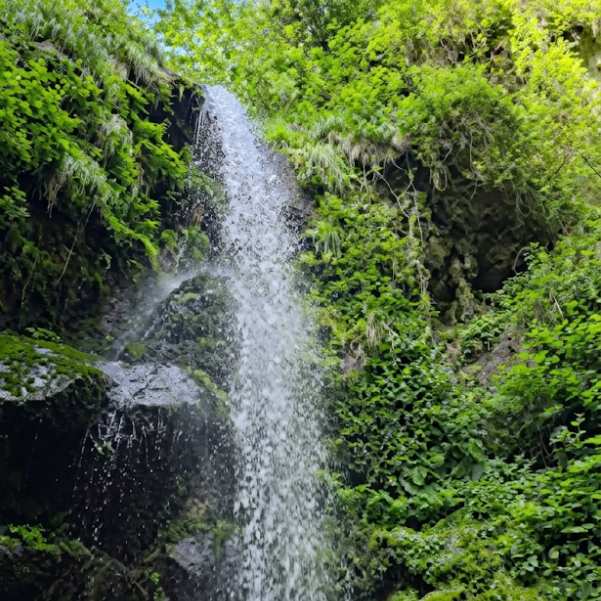
The waterfall can be visited across the year, but each season feels quite different. Here is what to expect.
Summer
Summer, broadly March to June, is one of the best windows. The weather is stable, the trail is comfortable, and the forest is pleasant to walk through even in the middle of the day.
Crowds in Sainj are still light compared to mainstream Himachal spots, but this is the season when most travellers come, so you may share the trail with a few others. It is a good, low stress time for beginners and families.
Monsoon
Monsoon makes the waterfall fuller and the forest greener, which looks dramatic. But it also brings real caution. Rocks turn slippery, the trail gets muddy, and water flow can become strong.
If you visit during the rains, slow down, watch every step, and be willing to turn back if conditions look unsafe. This is not the season for casual confidence.
Autumn
The period after the monsoon is the other clear sweet spot. The skies clear, the air feels fresh and washed clean, and the trail dries out while the surroundings stay lush.
Crowd levels are usually low again in this window, which makes it a favourite for travellers who want both good weather and quiet.
Winter
Winter turns the valley cold and very still. The atmosphere is beautiful in its own quiet way, but the cold is real, daylight is shorter, and conditions can be harsher.
A winter visit is doable for travellers who are prepared for the cold and flexible with their plans, but it asks for more care than the gentle summer and autumn months.
If you are stitching together a broader Himachal trip and want to mix this quiet valley with a more classic hill station experience, our Shimla Tour Packages pair nicely with a Sainj detour.
Overall, our team recommends March to June or the weeks right after the monsoon for the smoothest, safest, and most enjoyable experience.
Is Barshangarh Waterfall Safe During Monsoon?
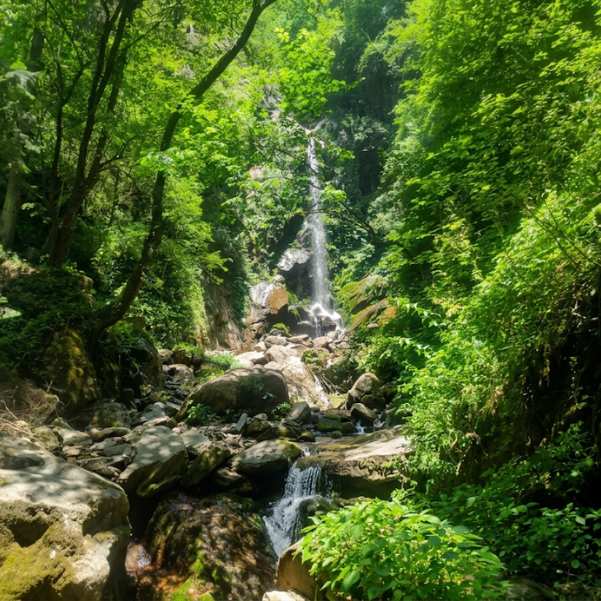
This deserves its own section because monsoon is when most avoidable accidents happen at waterfalls across Himachal.
The main hazard is slippery rocks. Wet boulders along the trail and near the falls can be deceptively slick, and a simple slip on rock is one of the most common ways people get hurt here.
The second concern is strong currents. After heavy rain, the volume and force of the water can rise quickly, and water that looked calm in the morning can change by afternoon.
The third issue is human behaviour, specifically risky selfies. Climbing onto wet rocks or stepping too close to the flow for a photo is simply not worth it. Most waterfall incidents come down to one careless moment, not the trek itself.
A few simple habits keep you safe. Wear proper trekking shoes with real grip rather than smooth soled sneakers or slippers. Keep a safe distance from the main flow.
Do not step onto rocks that look wet or mossy. And if the weather turns or the water looks angry, accept that and head back.
In our experience, travellers who treat the monsoon waterfall with respect have a great time. The ones who get into trouble are almost always the ones who ignored an obvious warning sign for the sake of a photo.
Things To Carry For The Trek
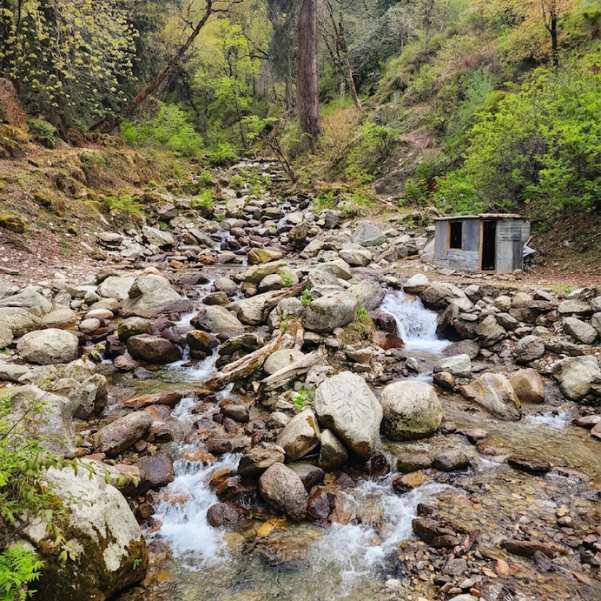
The trek is short, so you do not need a heavy bag. But a few items genuinely improve the experience, and skipping them is the kind of thing you regret on the trail rather than at home.
Start with good shoes. This is the single most important item. Grippy trekking shoes or sturdy sport shoes handle the forest path and boulders far better than flat soled footwear.
Carry a rain jacket or a light poncho. Mountain weather shifts fast, and even in dry months a short shower is always possible. A packable jacket weighs almost nothing and saves the day if clouds roll in.
Bring a water bottle. There are no proper shops near the waterfall, so you cannot rely on buying water along the way. Carry enough for the round trip.
A dry bag or even a sturdy zip pouch is worth having. Between mist near the falls and possible rain, it keeps your phone, documents, and electronics protected.
A power bank is smart, especially since you may be away from charging points for a while and you will likely be using your phone for photos.
Finally, pack some snacks. Light, easy snacks keep your energy up, and again, you should not count on finding food near the trail. Whatever you carry in, carry the wrappers back out.
Local Tips Nobody Tells You
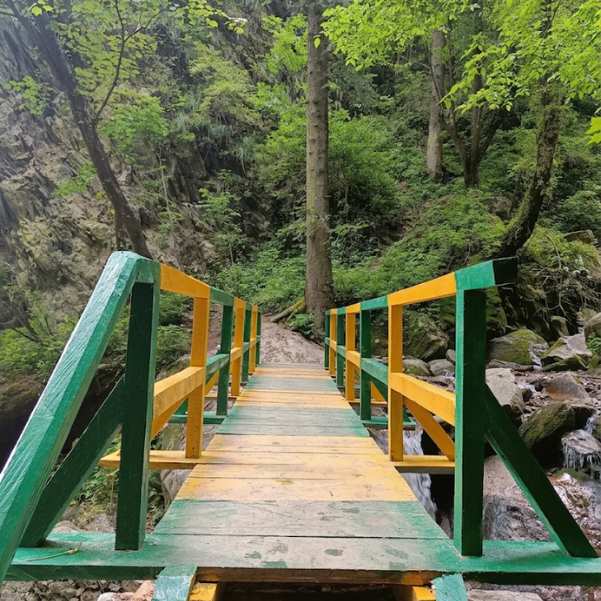
These are the small things that experienced visitors know and first timers usually learn the hard way.
Start early in the morning
The light is better, the trail is quieter, the mist around the falls is at its prettiest, and you give yourself a comfortable buffer before any afternoon weather. An early start genuinely changes the quality of the visit.
Mobile network is limited in this area
Treat the valley as a place where you may be offline for stretches. Download your maps in advance and let someone know your rough plan before you lose signal.
Carry cash
Digital payments are unreliable in small mountain villages, and the deeper you go into Sainj, the more cash becomes the practical option. Sort this out before you reach Shangarh.
There are no proper shops near the waterfall
This connects back to the packing list. Food, water, and basic supplies should come with you. Do not plan around buying things on the trail, because the option may simply not exist.
Avoid littering
This valley is clean because it has not been overrun, and keeping it that way is partly on visitors. Carry a small bag for your trash and take everything back with you.
👉 WhatsApp our team for help with your Shangarh travel plan.
Places To Visit Near Barshangarh Waterfall
One of the best things about Barshangarh is that it does not stand alone. Shangarh and Sainj Valley have enough around them to fill a relaxed couple of days.
Shangarh Meadows
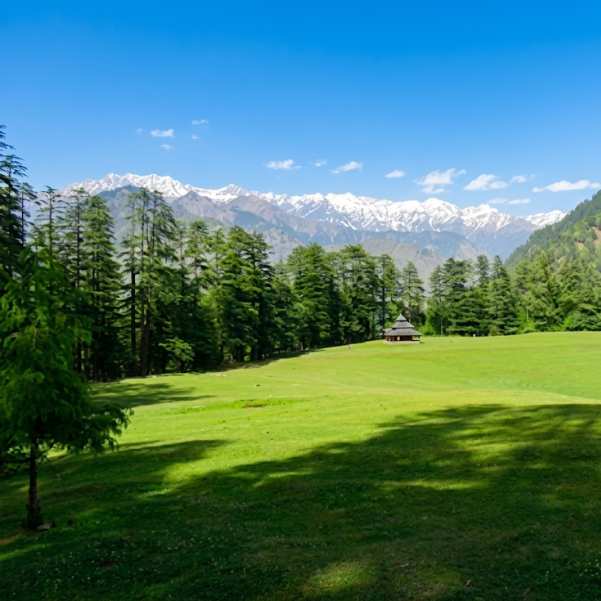
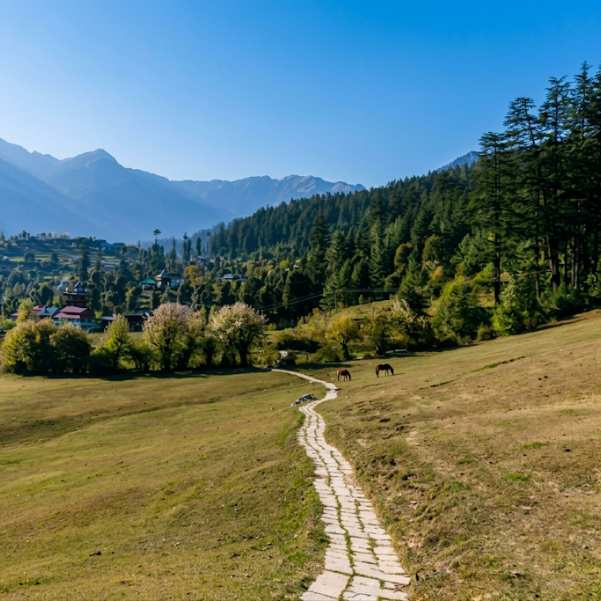
The Shangarh Meadows are the headline attraction of the area, and for good reason. The wide, open green expanse ringed by forest and mountains is exactly the view that put this place on people's travel lists.
It is a do nothing kind of spot in the best way. People walk slowly around the edges, sit, read, and let the afternoon pass. It pairs perfectly with the waterfall trek as part of the same trip.
Pundrik Lake Trek
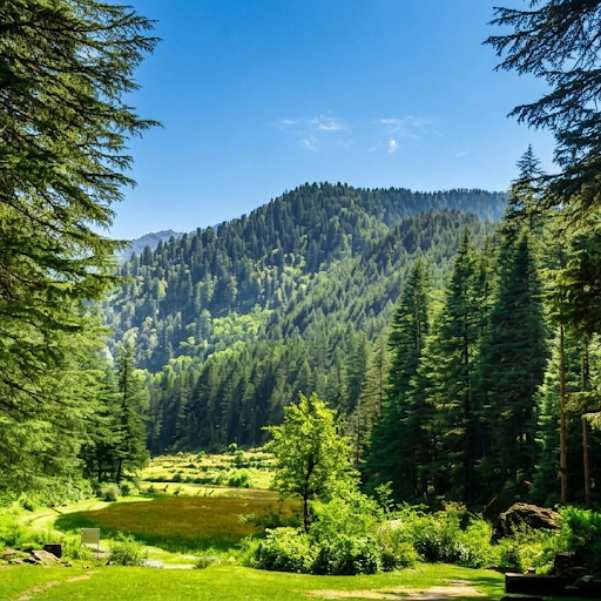
The Pundrik Lake Trek is another gentle outing in the region, leading to a calm, forest framed lake. It carries local cultural and spiritual significance and has the same quiet, unhurried feel as the rest of Sainj.
It suits travellers who enjoyed the waterfall walk and want one more easy trail without raising the difficulty much.
Lapah Village
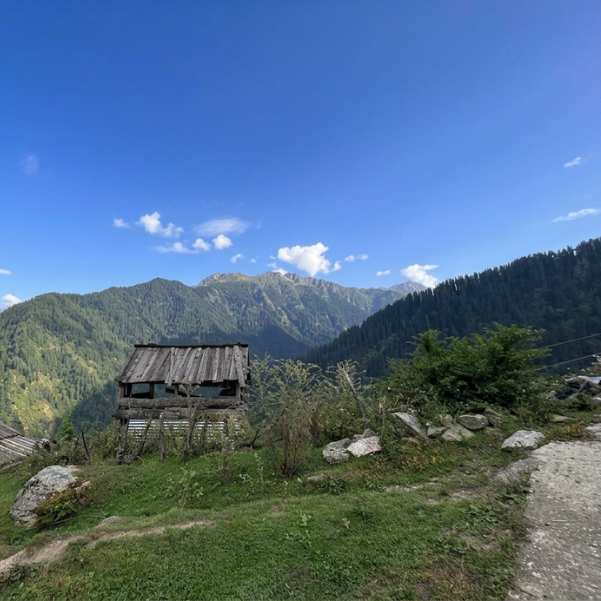
Lapah Village offers a closer look at traditional valley life. The old Himachali architecture, the wooden homes, and the slow village rhythm give you a sense of how this region has lived for generations.
It is a good stop for travellers who like their trips to include culture and everyday life, not just landscapes.
GHNP Trails
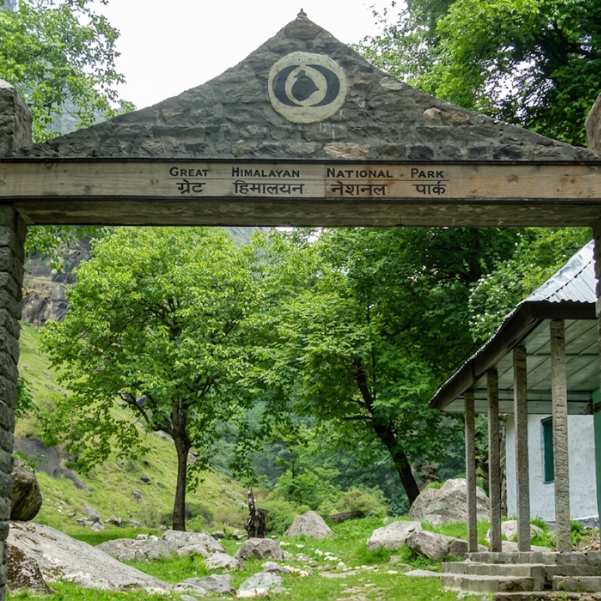
Since the whole area sits in the GHNP region, there are further trails that reach deeper into this protected landscape. These range from short walks to more committed routes for serious trekkers.
If you want to go beyond the easy stuff, this is where the valley opens up. For longer or deeper GHNP routes, going with proper local guidance is the sensible approach.
If Sainj leaves you wanting more of offbeat and mainstream Himachal in one trip, it slots in well alongside our Kasol Tour Packages and, for travellers heading further out, our Kinnaur Tour Packages.
Suggested 2 Day Shangarh Itinerary
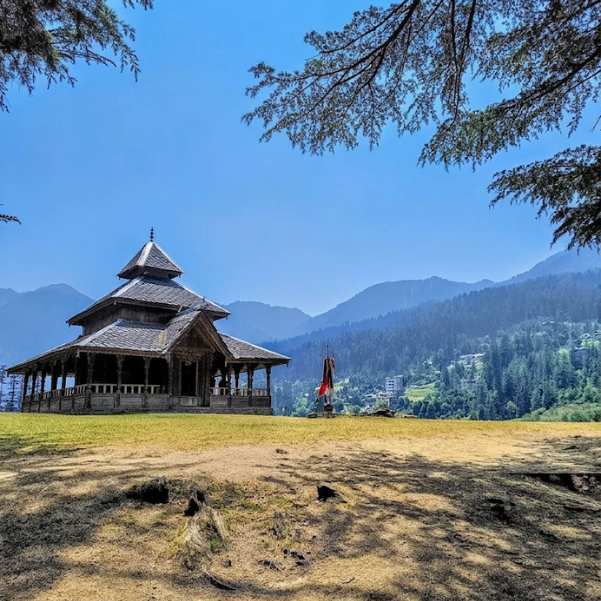
Two days is the sweet spot for Shangarh. It is enough to see the highlights without rushing, and rushing is exactly what this valley is not about. Here is a relaxed plan our team often suggests.
Day 1
On day one, arrive into Sainj and make your way up to Shangarh. Settle into your stay, drop your bags, and do not over schedule the afternoon. Spend it easing into the pace of the meadow.
Walk the edges of the Shangarh Meadows, find a spot you like, and just sit for a while. As the day winds down, drift towards one of the small cafes near the meadow for a hot drink and a slow evening. Early dinner, early night, because day two starts with the trek.
Day 2
On day two, get up early and head for the Barshangarh Waterfall Trek. Whether you start from the village or drive to the trailhead, an early start gives you the best light and the quietest trail. Spend unhurried time at the falls before walking back.
By late morning you are usually done, with the rest of the day open. Use it for a calm cafe brunch, a short visit to Lapah Village, or simply more time around the meadow before you move on.
If you have a third day to spare, the Pundrik Lake Trek fits naturally as an add on. But even as a tight two day plan, this covers the best of the area comfortably.
Where To Stay Near Barshangarh Waterfall
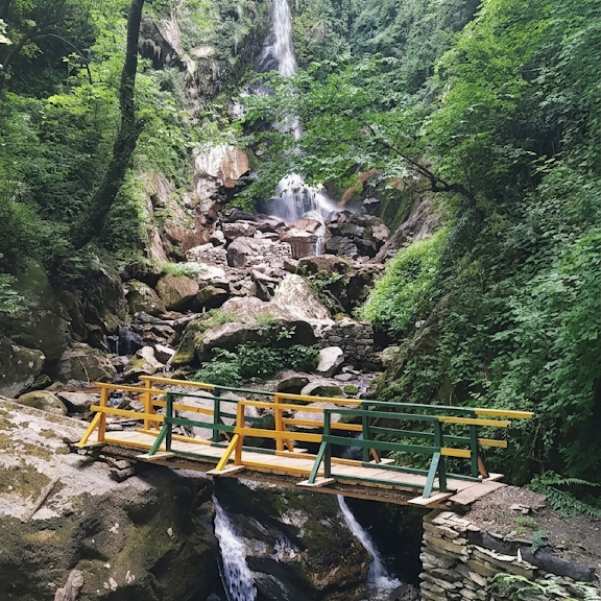
Accommodation here matches the personality of the valley. It is simple, scenic, and built around small operations rather than big chains.
Homestays are the heart of the area. Staying with a local family gives you home cooked food, honest advice about the trails, and a genuine feel for valley life. For many travellers this is the most memorable part of the trip.
Backpacker hostels exist for the budget and solo crowd. They are social, easy on the wallet, and a good way to meet other travellers heading to the same spots.
Forest view stays are the choice if you want to wake up to greenery and quiet. These properties lean into the natural setting, and they are ideal for travellers who came specifically to slow down.
The most convenient base overall is staying near Shangarh meadow itself. It puts you close to the meadow, within easy reach of the waterfall trailhead, and near the handful of cafes in the area, so you spend less time travelling and more time enjoying.
Our team recommends booking ahead during the busier summer months, since the total number of rooms in this small valley is genuinely limited.
If you want help matching a stay to your budget and travel style, reach out to our team on Whatsapp.
👉 Need help planning Shangarh? Message our team on WhatsApp.
Responsible Travel Tips
Sainj Valley is special precisely because it has stayed relatively untouched. Keeping it that way is a shared job, and a few simple habits go a long way.
Do not litter
Carry a bag for your own waste and take everything back out with you, including small wrappers and bottle caps. The trail near the waterfall should look the same after your visit as it did before.
Respect local culture
This is a living valley with its own customs, faith, and daily rhythm. Ask before photographing people, dress modestly around villages and sacred spots, and treat homes and fields as the private spaces they are.
Avoid loud music
The quiet here is the attraction. Portable speakers blasting on the trail or at the waterfall ruin the experience for everyone and disturb the wildlife of a protected zone. Let the sound of the water be the soundtrack.
Protect natural water sources
Do not use soap, shampoo, or detergent in or near streams and the waterfall, and never leave waste in the water. Clean mountain water is not a given, and downstream communities depend on it.
In our experience, travellers who move through this valley gently get more out of it, not less. Slow, quiet, low impact travel is simply the right fit for a place like this.
Final Verdict: Is Barshangarh Waterfall Worth Visiting?
So, after all of that, is the Barshangarh Waterfall Trek worth your time? For most travellers, yes, and quite easily.
The honest case for it is strong. It is short, beginner friendly, and family friendly. It works as an easy half day from a Shangarh base. The forest is genuinely beautiful, the atmosphere is calm and uncommercial, and it asks very little of you in terms of fitness or gear.
The honest case against it is mostly about expectations. If you are chasing a massive, thundering, postcard waterfall, this is not that. Its strength is mood and setting, not sheer scale. And during the monsoon, it needs real caution rather than casual confidence.
Put simply, if you are already going to Shangarh and Sainj Valley, skipping this waterfall makes very little sense. It is too close, too pretty, and too easy to leave out.
If you are deciding whether Sainj Valley itself is worth a detour, the meadow and this waterfall together make a compelling reason to come.
Our team keeps recommending it as one of the best easy treks in Himachal for travellers who want the mountains without the crowds, and we stand by that for 2026.
👉 Need help sorting Shangarh timings and stays? Talk to us on WhatsApp.
Explore Our Curated Shangarh Sainj Valley Tours
 5D/4N
5D/4NMost Loved Shangarh Sainj Valley Tour With Private SUV
2D Shangarh
₹12,999₹16,999SAVE INR 4,000/ person Group Tour6D/5N
Best Jibhi Tirthan Valley Tour With Shangarh Meadows
2D Tirthan Valley•1D Shangarh (Sainj Valley)
₹7,499₹9,699SAVE INR 2,200/ person Group Tour5D/4N
Sainj Valley / Shangarh Weekend Group Trip
2D Sainj Valley
₹7,499₹9,999SAVE INR 2,500/ person
Related topics
Frequently Asked Questions
How long is Barshangarh Waterfall trek?
The trek is about 3 to 3.5 km from Shangarh village. From the road endpoint where vehicles stop, it is only 500 to 600 metres, around 10 to 15 minutes of walking. Done both ways from the village, the full outing takes roughly 2 hours.
Is Barshangarh Waterfall beginner friendly?
Yes. The difficulty is easy to moderate, with only a short uphill section and a few boulder stretches. It is regularly recommended as a good first trek for people new to Himachal trails.
Can we swim in Barshangarh Waterfall?
This is best treated with caution. Currents can become strong, especially after rain, and conditions change quickly. Prioritise safety over a swim, and never enter the water when the flow looks strong.
Is parking available near the waterfall?
Vehicles can reach near the trailhead, so you can park close and do only the short final walk of 500 to 600 metres. This makes it easy for families and older travellers who prefer not to walk the full distance from the village.
What is the best month to visit?
The best windows are March to June and the weeks right after the monsoon. Both offer stable weather, comfortable trail conditions, and relatively light crowds.
Is the trek suitable for children?
Yes, the trek is suitable for families and children who are used to a bit of walking. The short distance and easy to moderate difficulty make it manageable, though kids should be supervised closely on the boulder sections and near the water.
Are there cafes near the waterfall?
There are no proper shops or cafes right at the waterfall, so carry your own water and snacks. You will find a handful of small cafes back near Shangarh meadow, which is the better spot for food and drinks.
Can I visit in winter?
You can, but winter brings real cold, shorter daylight, and harsher conditions. It is doable for prepared travellers who are flexible with their plans, but summer and the post monsoon period are far easier.
Is Barshangarh Waterfall crowded?
Compared to mainstream Himachal spots, no. Sainj Valley is still relatively quiet. Crowds are heaviest in summer and lightest after the monsoon, but even at its busiest it stays calmer than the popular tourist valleys.
Can we camp near the waterfall?
The area sits within the GHNP region, a protected zone, so camping is not a casual decision and should only be considered with proper local guidance and permissions. Most travellers stay in homestays or hostels near Shangarh instead.
Is mobile network available?
Mobile network in this area is limited. Plan to be offline for stretches, download maps in advance, and share your rough plan with someone before you lose signal.
How far is Barshangarh from Shangarh meadow?
The waterfall is roughly 3 to 3.5 km from Shangarh village, and the meadow is right by the village, so it is a comfortable side trip from your Shangarh base rather than a separate journey.