
Tso Moriri Lake in July 2026: Weather, Road Trip, Stay, Permit and Practical Tips
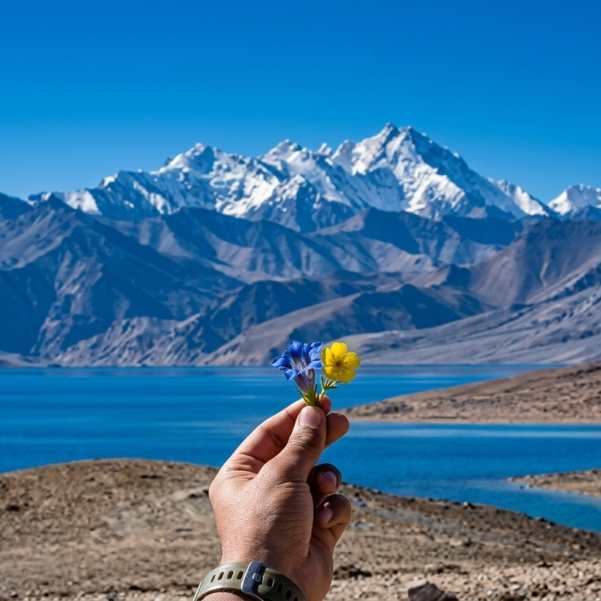
Tso Moriri is the lake most people skip because they have already committed all their Ladakh days to Pangong.
That is a mistake. Sitting at 4,522 metres in the Changthang Plateau, this is one of the quietest, wildest, and most visually stunning lakes in all of India.
But it demands more planning, more acclimatization, and more honesty about what your body can handle at this altitude.
This guide by Travel Coffee covers everything you need to plan a July trip to Tso Moriri the right way.
Quick Answer: Is Tso Moriri Lake Worth Visiting in July?
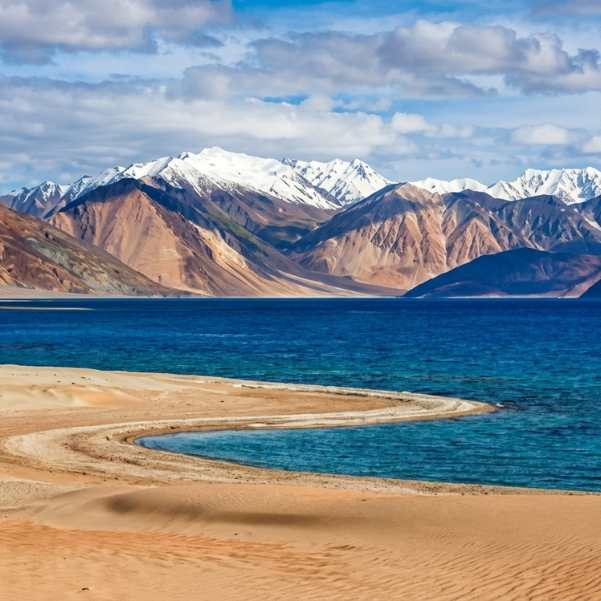
Yes, absolutely. July is one of the genuinely good months to make this trip. The lake is usually accessible, the views across the water are clear on most days, and homestays and guesthouses around Korzok are up and running for the season.
You are not fighting a narrow weather window or scrambling for open roads the way you might in May or early June.
That said, the bigger thing to plan around is altitude, not the calendar. Tso Moriri sits at 4,522 metres (14,836 feet), and a body that has not had time to adjust does not care what month it is.
Plan your acclimatization seriously and July becomes one of the most rewarding lake experiences in the entire Himalayas.
One more thing worth knowing upfront: camping right by the lake edge is not permitted. We will cover this in detail further down.
What Is the Weather Like at Tso Moriri in July?
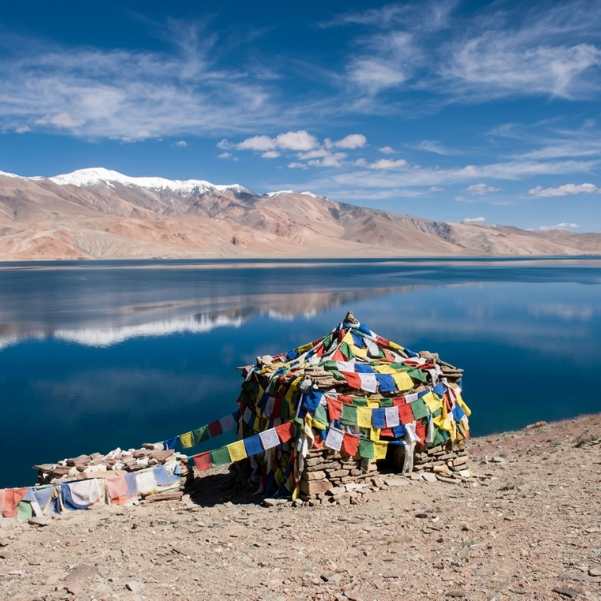
July days at Tso Moriri are relatively comfortable by high altitude Ladakh standards. You can expect sunshine, cool air, and the kind of crisp light that makes the turquoise lake look almost unreal against the surrounding brown hills. Afternoons can feel warm enough for a light jacket or fleece.
Nights are a different story entirely. Once the sun drops, temperatures fall fast and hard. Even in summer, nights near the lake can go well below what most first time visitors expect, and if you arrive having packed for a warm weather trip, you will feel it. More on packing further ahead.
A practical note: the exact temperature ranges for July at Tso Moriri vary across sources and we would not want to give you a single precise number as gospel.
Verify before finalising your packing list, since high altitude weather readings in Ladakh are inconsistently reported. What every consistent source agrees on is that daytime highs are manageable but nights are cold, full stop.
July also sits within the commonly recommended summer visit window for Ladakh, which is a good signal that conditions are generally reliable.
Is July the Best Month for Tso Moriri or Should You Go in June or August?
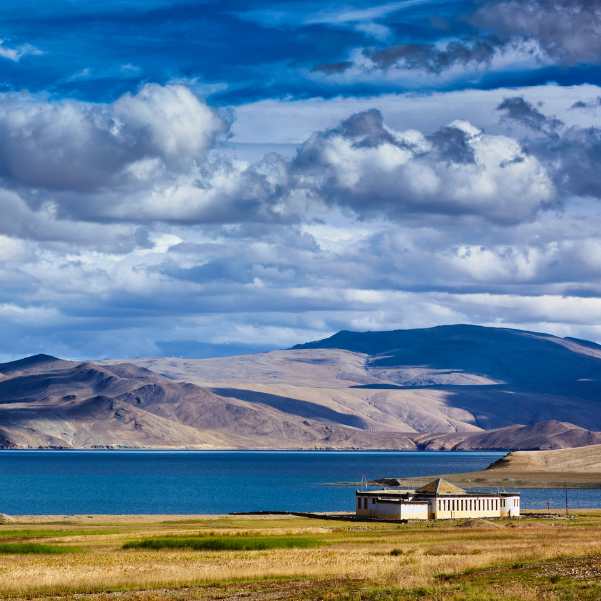
This comes up a lot and the honest answer is that all three months work, but they work differently.
June
June is the opening month for many high altitude routes in Ladakh, and while the lake itself might be accessible, early June can mean lingering snow on approach roads, fewer open guesthouses, and a rawer, less settled feel.
It is great for solitude and dramatic landscapes if you are comfortable with some unpredictability.
July
July hits a nice middle point. Roads are generally open, accommodation around Korzok is active, the days are pleasant, and you have enough of a season ahead that you are not scrambling.
Crowd levels are moderate compared to what you might see at Pangong during peak season. The lake colour in July is typically excellent for photography.
August
August remains a strong option and the weather stays reasonable, though some years bring more cloud cover in Ladakh. The Korzok Gustor festival usually falls around this period, which is a vivid and rare cultural experience if your timing lines up.
In our experience, most travellers enjoy Tso Moriri more when they keep it for later in the Ladakh circuit rather than rushing in from Manali on day two. The combination of better roads and more adjusted bodies makes July a very natural fit.
What Most Tourists Get Wrong About Tso Moriri
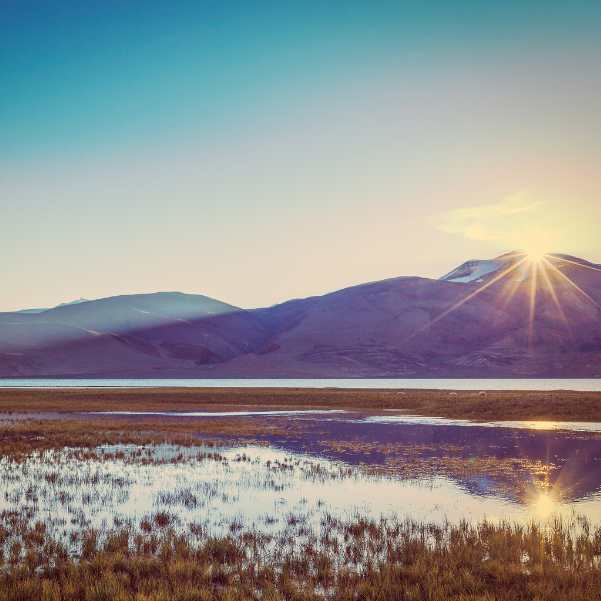
Here is the biggest mistake we see: people treat Tso Moriri like a day trip from Leh. They leave at 6 AM, drive six or seven hours, click a few photos at the shore, and drive six or seven hours back. That is 14 hours of driving for 30 minutes at the lake. It completely misses the point.
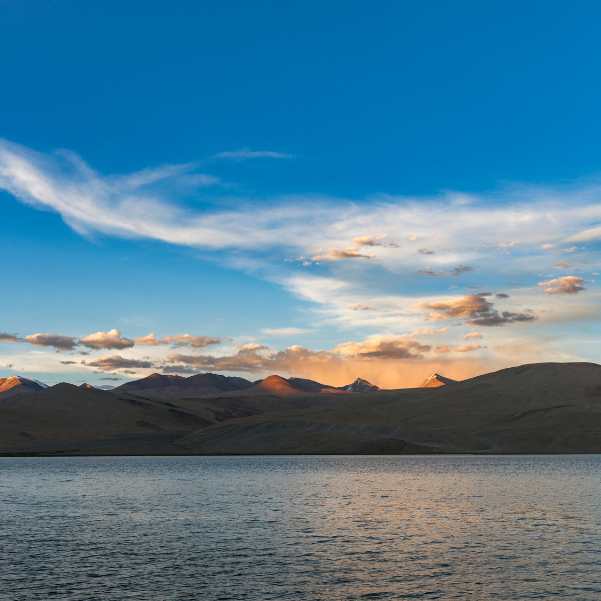
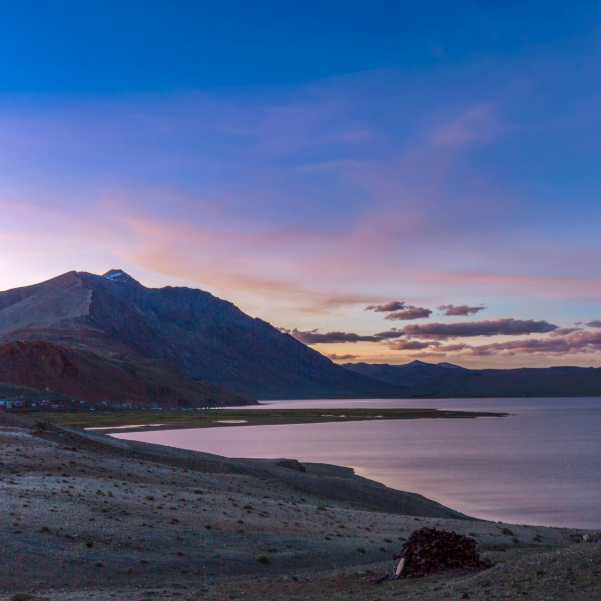
The magic of Tso Moriri is in the stillness. The way the light changes over the water between late afternoon and early morning. The silence after sunset that is so total it almost feels physical.
You only get that if you stay overnight in Korzok. Our team always tells travellers the same thing: give Tso Moriri at least one night. Two if you can.
How High Is Tso Moriri and Why Acclimatization Matters More Than Your Itinerary
Let us be straightforward about this: Tso Moriri sits at 4,522 metres (14,836 feet) above sea level. That is high. Genuinely, seriously high.
To put it in context, it is significantly higher than base camp at Mont Blanc and well above the altitude where acute mountain sickness becomes a real concern.
The official LAHDC health guidance says tourists should undergo at least 48 hours of acclimatization in Leh before heading to high altitude areas.
That is not a suggestion you should negotiate with because your flight lands on Tuesday and you want to leave on Wednesday.
Acute Mountain Sickness, or AMS, can affect anyone regardless of fitness. Symptoms include headache, nausea, dizziness, poor sleep, and in severe cases far worse.
The most common mistake travellers make is underestimating how quickly they feel it at altitude and overestimating how quickly it passes.
Spend your first two days in Leh (3,524 metres) resting, eating lightly, hydrating generously, and doing short walks rather than long drives.
Your body is quietly doing a huge amount of work adjusting to lower oxygen levels. Let it. Once you feel genuinely comfortable in Leh, your experience at Tso Moriri will be dramatically better.
How to Reach Tso Moriri from Leh in July
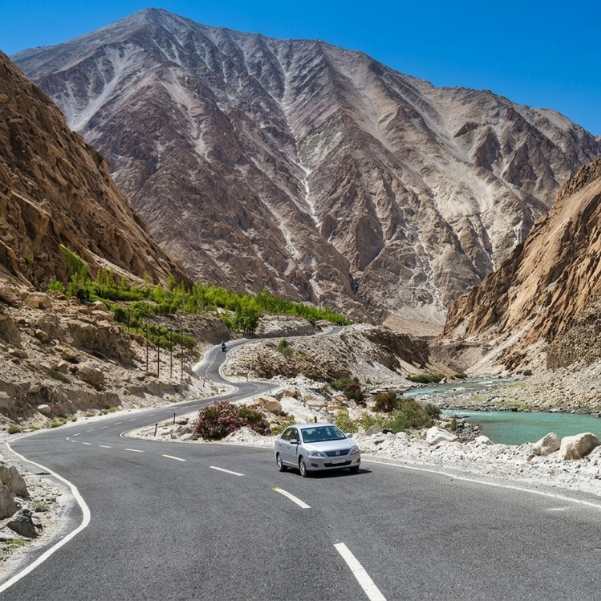
The most common road route from Leh to Tso Moriri follows this path: Leh to Karu to Upshi to Kumdok to Kere to Chumathang to Mahe to Sumdo to Korzok.
The official distance is around 240 km and the drive takes roughly 6 to 7 hours. That number assumes reasonable road conditions and a few short breaks, which is realistic for July when this route is generally passable.
An alternative route via Tso Kar runs roughly 233 km and takes around 8 hours, a bit longer but allows you to combine two lakes in one circuit if you plan accordingly.
The roads in this region are mostly unpaved mountain tracks. They are manageable but they demand a vehicle with good ground clearance. Most organised tours use sturdy SUVs for this stretch, and that is the practical choice.
On the question of a same day return from Leh: it is physically possible but it would be a rushed and exhausting day that does not do justice to the lake. Tso Moriri rewards slowness.
Arriving late, spending the night in Korzok, and watching the lake in the early morning light is a completely different experience from a quick roadside stop and turn around. Our team recommends at minimum one night there.
Can You Visit Tso Moriri from the Manali Side in July?
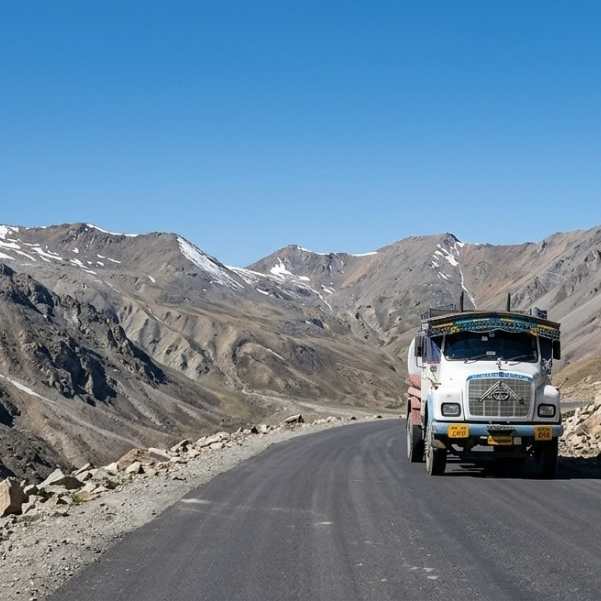
You can reach Ladakh from Manali and then visit Tso Moriri, yes. But the sequence matters enormously.
Many experienced Ladakh travel planners specifically warn against approaching Tso Moriri directly from the Manali side without acclimatizing in Leh first.
The Manali to Leh highway itself crosses several high passes, and travellers who go straight from Manali onto a high altitude side route often arrive at Tso Moriri without the body preparation that the altitude demands.
The smarter circuit for most travellers who start from Manali is to go to Leh first, spend two full days acclimatizing, and then include Tso Moriri later in the itinerary when the body is adjusted.
This is also better for the overall experience, since you arrive at the lake feeling well rather than fighting a headache.
If you are doing the Manali to Leh route and want to understand the broader Lahaul and Spiti region that connects into this belt, our Lahaul and Spiti Valley travel guide gives you useful context.
Do You Need a Permit for Tso Moriri in 2026?
This is one of the most searched questions about this trip and the answer needs a bit of unpacking.
Tso Moriri and Korzok appear on the official LAHDC tourist circuits, which means it is a recognised tourism zone managed under the Leh Hill Development Council framework. The official online portal for permits and payments is lahdclehpermit.in.
For Indian nationals, the permit process is handled through this official portal as part of booking and entering the area.
Based on current sources, there appears to be a Green / Environment Fee of Rs 400 involved, along with possible wildlife fee and Red Cross components.
However, the exact current fee breakup should be verified before your trip, since fee structures can be revised season to season.
For foreign nationals, the situation is more specific. The official Leh district information states that certain foreign nationals and some passport holders require a Protected Area Permit for restricted and protected areas that include Tsomoriri.
If you hold a foreign passport or fall under a special passport category, check the current PAP requirements carefully through lahdclehpermit.in or your tour operator before travelling.
Do not leave the permit process for the morning of your departure. Handle it in advance either online or through a registered operator in Leh.
Is Camping Allowed at Tso Moriri in July?
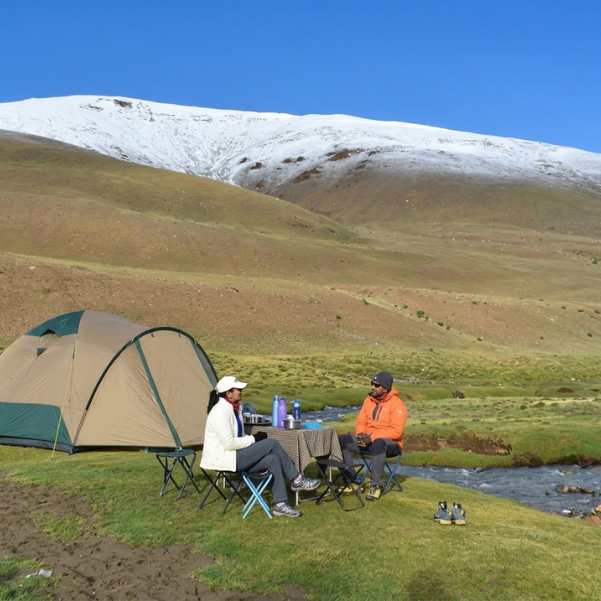
The short answer is no, not by the lake edge itself.
Official guidance clearly states that tents and other structures are not allowed close to the lake's edge.
Tso Moriri is officially the Tso Moriri Wetland Conservation Reserve and holds the distinction of being the world's highest Ramsar site, a protected wetland of international importance.
This means the ecology around the lake is under serious conservation management, and setting up camp on the shoreline is simply not permitted.
Travellers who visit typically stay in Korzok village, which sits very close to the lake but away from the protected edge. Options there include homestays, basic guesthouses, and permitted accommodation.
It is not the lakeside glamping experience that social media occasionally makes it look like, but the closeness to the water and the silence at night more than make up for the absence of a tent peg in the shoreline.
Where to Stay Near Tso Moriri in July
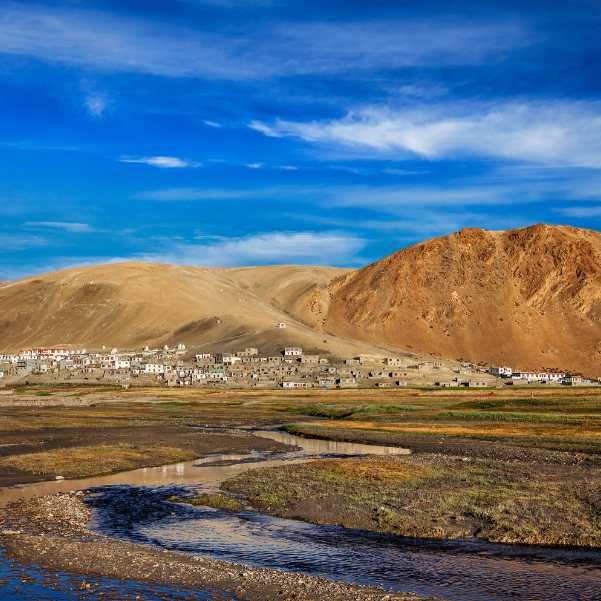
Accommodation near Tso Moriri is concentrated in and around Korzok village, the primary settlement adjacent to the lake. In July, stays here are generally active for the season, which means you have real options rather than scrambling for whatever is open.
The honest expectation is simple and comfortable rather than luxurious. Homestays are the most common choice and often the most rewarding.
You stay with local families, eat home cooked food, and get a texture of life in this remote plateau that no hotel can replicate.
Guesthouses offer marginally more privacy and consistency but similar levels of basic amenity. There are also some permitted camps and tented accommodation options operated by local tour providers at a distance from the lake edge.
Bring warm layers even if you are staying in a room. Nights are genuinely cold and heating in basic accommodation is limited. Electricity can be intermittent.
These are not complaints. They are just the honest shape of high altitude Ladakh hospitality, and most travellers find it deeply memorable.
If you are looking for a structured tour that handles accommodation, routing, and permits for this entire circuit, our Leh Ladakh tour packages are worth exploring.
We have been putting together Ladakh itineraries for years and know which stays are actually open and comfortable in July.
Want help figuring out the right stay option for your group size and budget? Send us your dates and group size on WhatsApp and we can help you sort it out quickly.
👉 WhatsApp us your dates and group size for the right stay option
The Chai Stop You Should Not Skip
About 4.5 hours into the Leh to Korzok drive, you pass through Chumathang, a tiny settlement famous for its natural hot springs. There is a small tea stall near the bridge where the chai comes thick, sweet, and scalding.
It is the last proper hot drink stop before the final push to the lake, and after hours on unpaved roads, it feels like a small miracle. Do not drive past it.
What to Pack for Tso Moriri in July
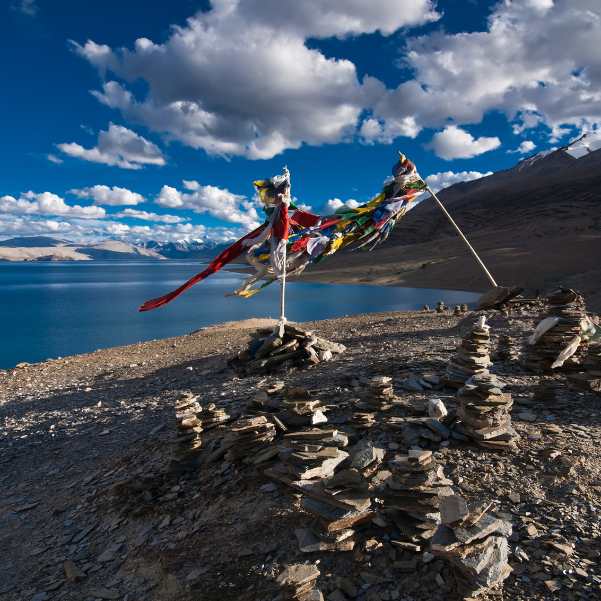
Packing well for Tso Moriri is mostly about layers and not underestimating the cold.
Start with a warm insulated jacket, down or synthetic, something that genuinely holds heat. Daytime temperatures are manageable but the moment you stop moving, especially in the evening or early morning, you will feel the altitude chill. Thermal base layers under your regular clothes add meaningful warmth without bulk.
Sun protection is critical at this altitude. UV intensity at 4,500 metres is severe and sunburn happens faster than most people expect. High SPF sunscreen, sunglasses with UV protection, a hat or cap, and lip balm are absolutely essential.
Hydration matters more than usual here. Drink water consistently throughout the day, more than you feel you need, because the body loses moisture faster at altitude.
Avoid alcohol in the first few days at high altitude since it amplifies the effects of AMS.
Carry your altitude sickness medication (Diamox is commonly prescribed; consult your doctor before the trip) and a basic first aid kit. A power bank is essential since charging opportunities at Korzok are limited.
Carry cash since ATMs and card payments are not available in this area. Mobile network is weak or essentially absent around Tso Moriri, so download offline maps, tell someone your plans, and do not rely on data connectivity.
Pack some snacks for the road. The drive is long and food stops between Leh and Korzok are sparse.
Save Money: Skip the Pre Packed "Ladakh Survival Kit" at MG Marg
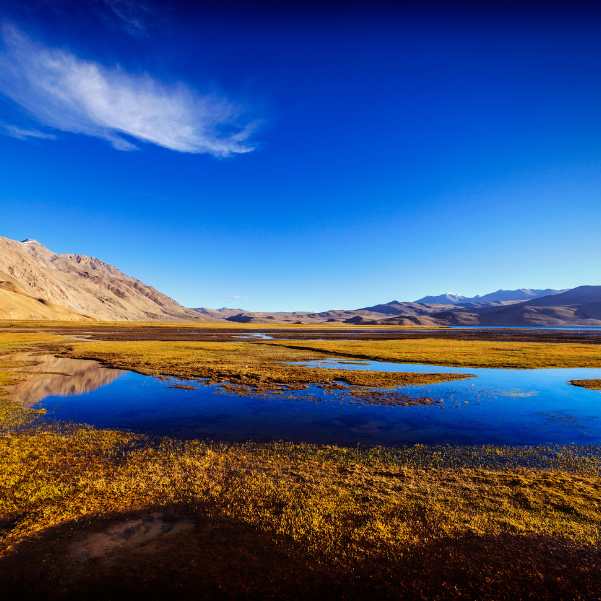
Every second shop on MG Marg in Leh sells a "high altitude survival kit" with a few glucose packs, some ORS sachets, and basic meds for ₹400 to ₹600.
You can buy all of those individually at any medical store in Leh for less than half the price. Better yet, pack them from home. The kit is clever marketing, not a real necessity.
What Can You Do at Tso Moriri in July?
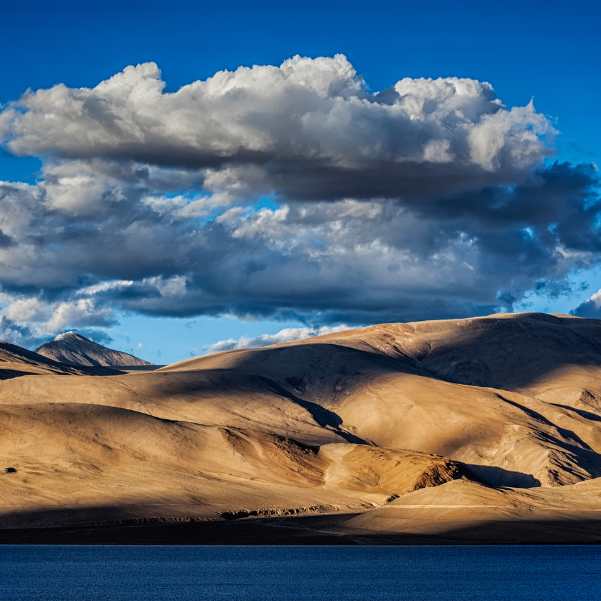
This is not a destination that rewards the check box approach. The experience here is fundamentally about being in a place that feels genuinely removed from everything.
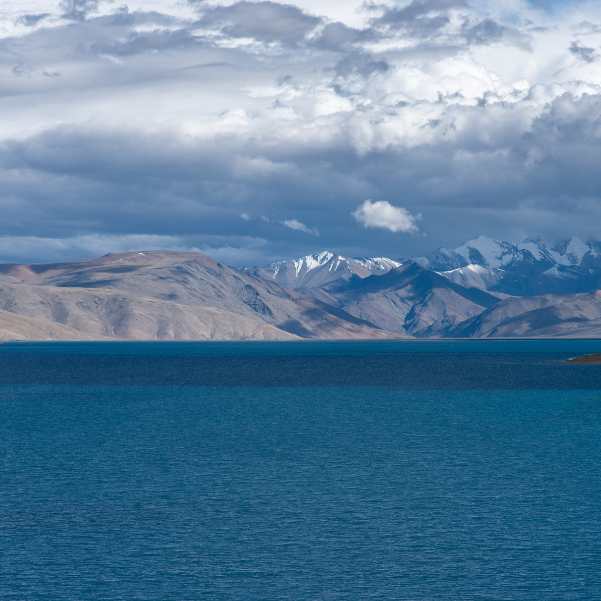
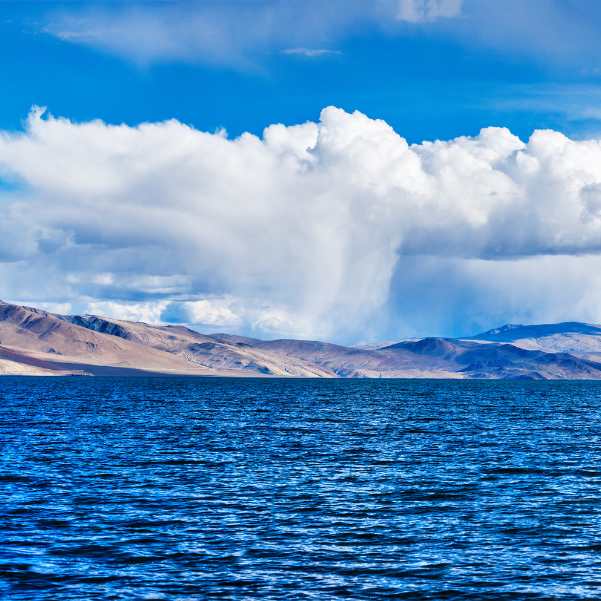
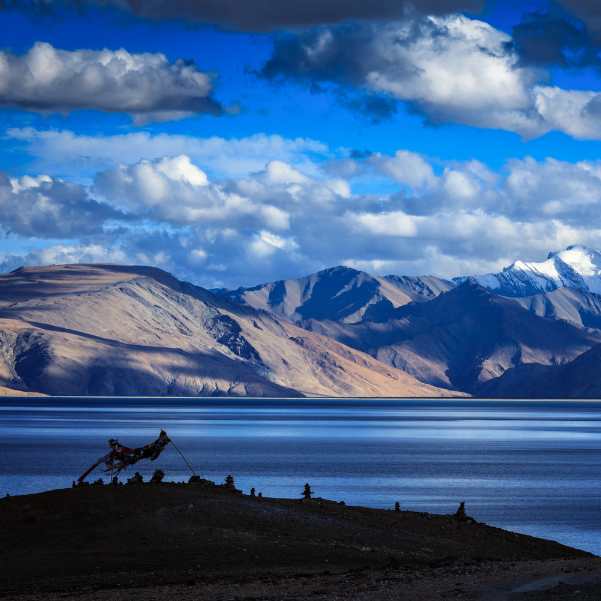
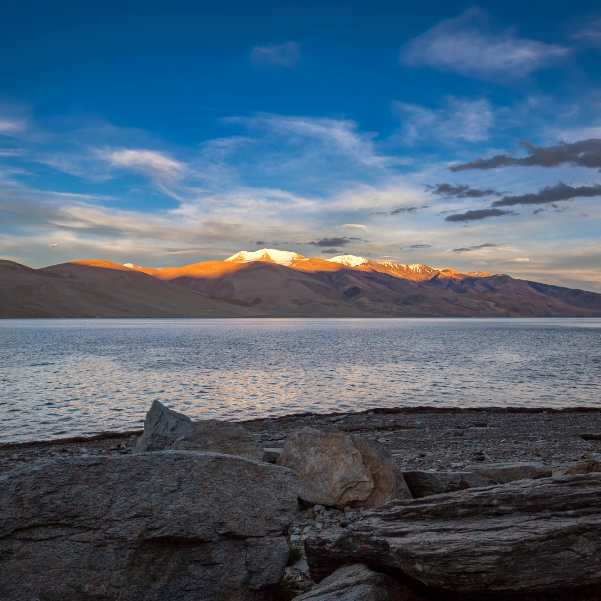
The lake itself is the main draw. Roughly 19 km long and up to 7 to 8 km wide at its broadest points, it sits in a bowl of brown and rust coloured hills with almost no development visible from the water's edge.
Walking along the permitted areas near the shore, watching the light change across the surface, and simply sitting in the silence is an experience that most people describe as one of the most affecting of their Ladakh trip.
Birdwatching is a genuine highlight in July. Tso Moriri is a Ramsar listed wetland and home to several high altitude bird species including the bar headed goose and black necked crane among others. Binoculars are a worthwhile addition to your bag.
Korzok Monastery sits above the village and is worth a quiet visit. It is small and unshowy but has a history in this landscape going back centuries, and the monks who live here year round are part of what makes this place feel inhabited rather than just scenic.
If your schedule allows a longer circuit, combining Tso Moriri with Tso Kar (another high altitude lake a few hours away) makes for a rich two lake itinerary.
Adding Hanle further south is possible for those with four or more days in this pocket of Ladakh. Hanle is home to an astronomical observatory and is even more remote and less visited.
Skip the "Tso Moriri Sunrise Point" Detour
Some local drivers offer a paid detour to what they call a "sunrise viewpoint" about 3 km off the main road before Korzok. The view is fine, but honestly, the view from Korzok village itself, especially from the upper path near the monastery, is just as good.
Save the ₹300 to ₹500 they charge and walk up to the monastery at dawn instead. You will get the same sunrise, a better angle, and the monastery bells in the background for free.
Best Time to Reach the Lake Shore
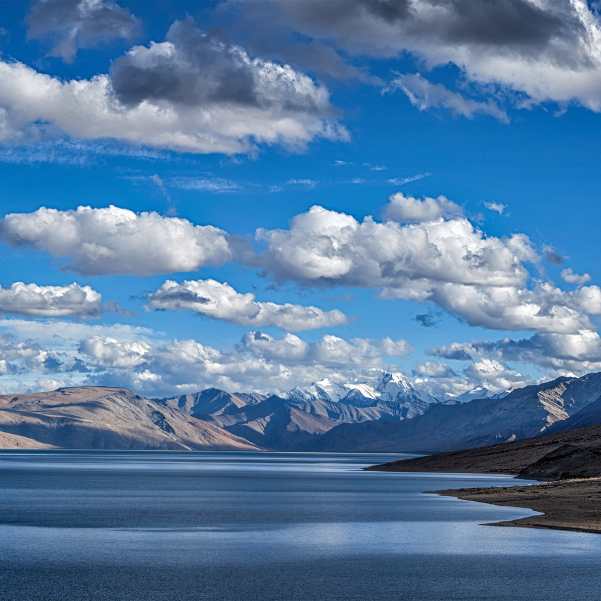
Get to the lake before 7 AM. The early morning light turns the water into something that does not look real. Deep turquoise, perfectly still, with the brown hills reflected so sharply it looks like a painting.
By 9 or 10 AM, the wind picks up, the surface ripples, and the reflections soften. The sunrise window is short and completely worth the early alarm.
Best 2 Day and 3 Day Tso Moriri July Itineraries from Leh
Before reading these, remember that both options assume you have already spent at least two full days acclimatizing in Leh. These itineraries start on the day you leave Leh for the lake.
2 Day Itinerary (Tso Moriri Focused)
Day 1: Leave Leh by 7 AM to make the most of the drive. The Leh to Karu to Upshi to Chumathang to Korzok route takes around 6 to 7 hours with breaks.
Arrive at Korzok in the early afternoon, check into your homestay, and spend the remainder of the day walking close to the lake, visiting Korzok Monastery, and resting. Early sleep is wise.
Day 2: Wake before sunrise if you can. The early light on the lake is remarkable. Spend the morning at the lake, do a slow loop around the accessible shoreline, and check out by 10 AM.
The drive back to Leh follows the same route and should have you back before evening. Keep this day unhurried.
3 Day Itinerary (Tso Moriri + Tso Kar)
Day 1: Leh to Tso Kar via Mahe Bridge and Puga (roughly 5 hours). Tso Kar is another high altitude salt lake that sees far fewer visitors than either Pangong or Tso Moriri. Overnight in basic accommodation near Thukje.
Day 2: Tso Kar to Tso Moriri (roughly 2 to 3 hours). Arrive well before noon, spend the full afternoon and evening at the lake, overnight in Korzok. This is the centrepiece of the trip.
Day 3: Morning at the lake, then return to Leh. Arrive by evening.
Both itineraries can be adjusted and customised depending on your group, vehicle type, and comfort level.
Our team at Travel Coffee has been running Ladakh circuits for years and can help you put together something that actually fits your pace.
You can browse some popular Ladakh tour combinations or reach us directly to talk through specifics.
Explore Our Curated Leh Ladakh Tours
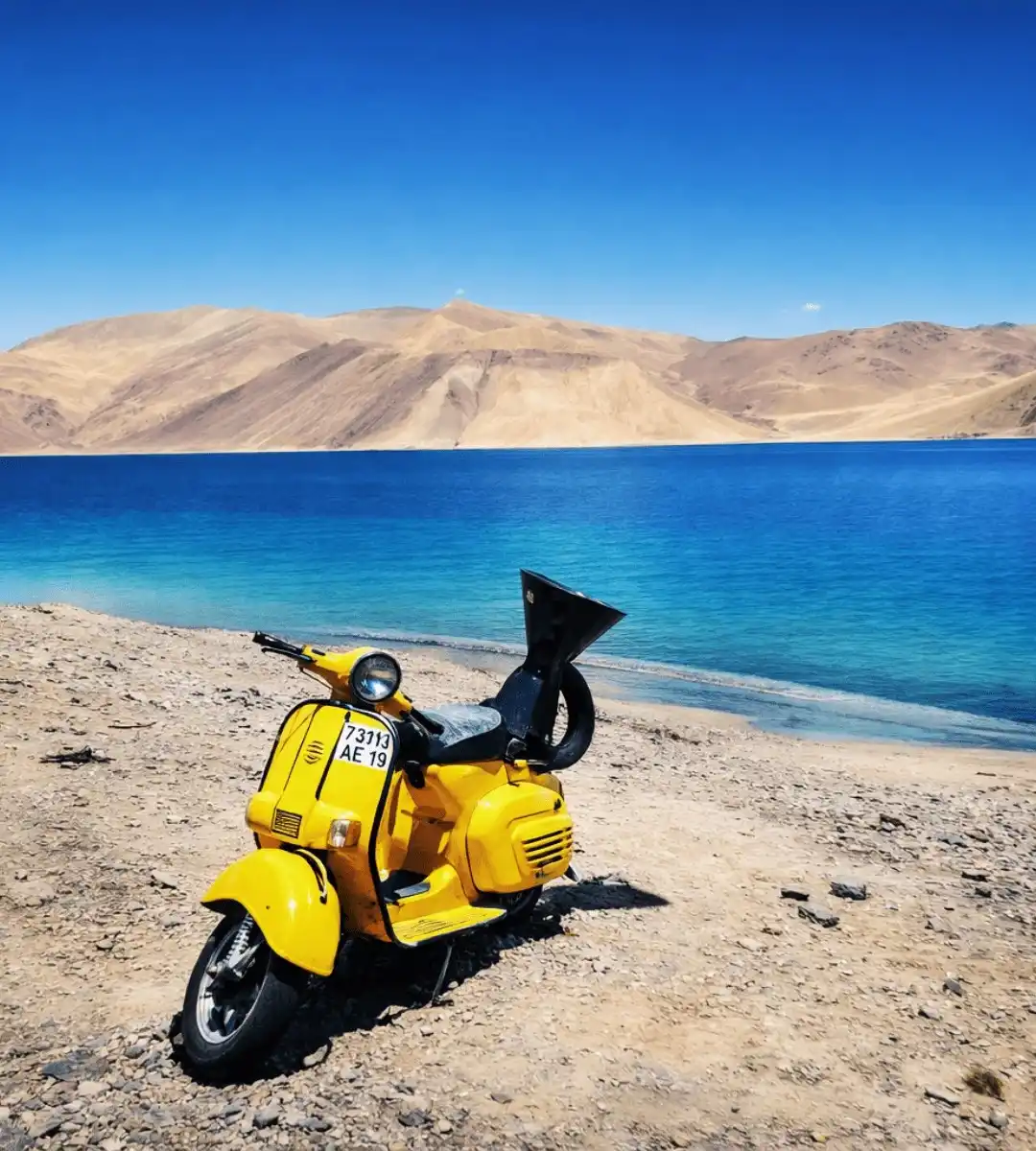 6D/5N
6D/5NBest Selling Leh Ladakh Tour With Nubra Valley and Pangong Lake
2D Leh•1D Nubra Valley+1
₹23,999₹28,599SAVE INR 4,600/ person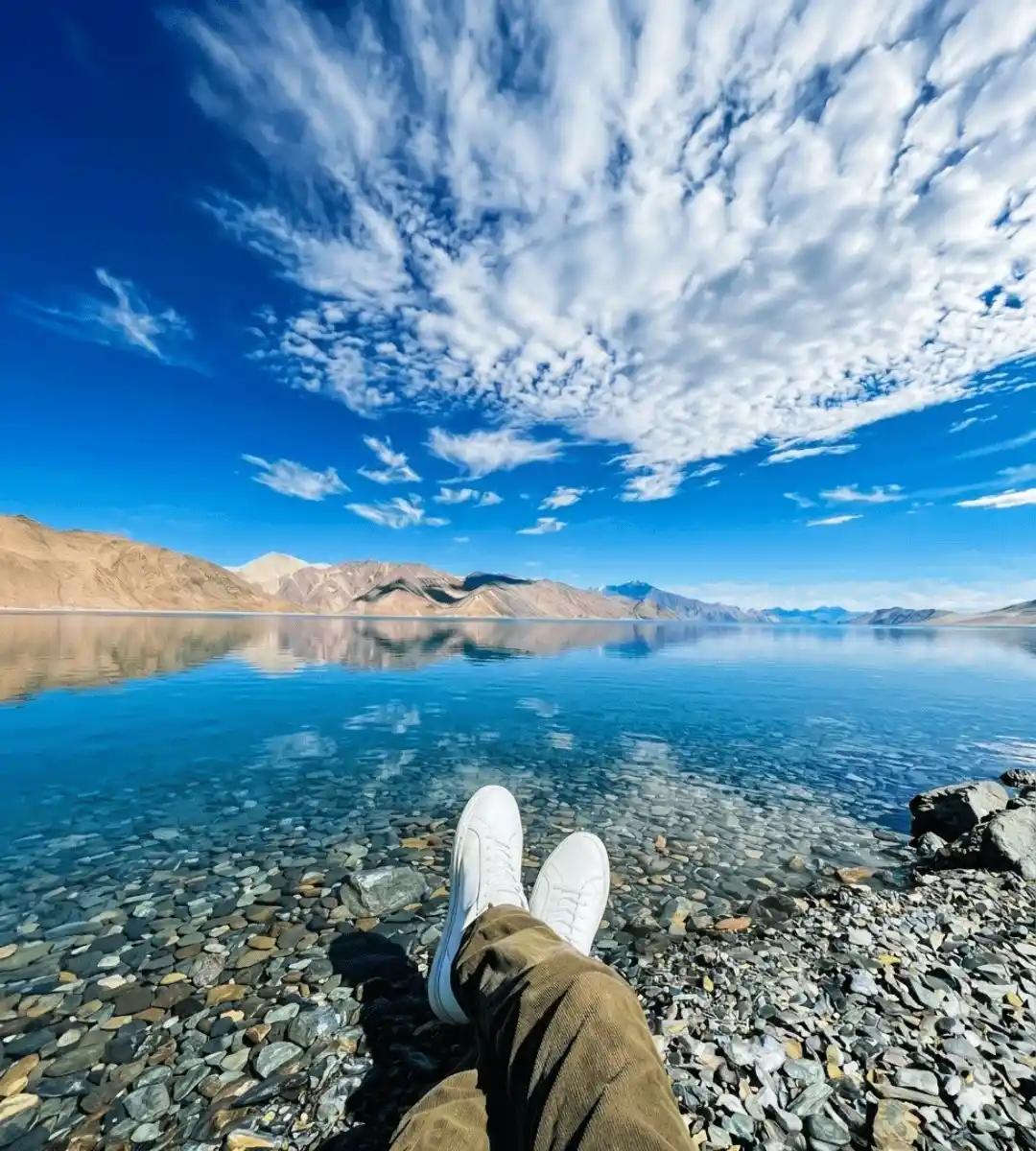 6D/5N
6D/5NUltimate Leh Ladakh Tour Package with Nubra Valley & Pangong Lake
2D Leh•1D Nubra Valley+1
₹28,999₹35,999SAVE INR 7,000/ person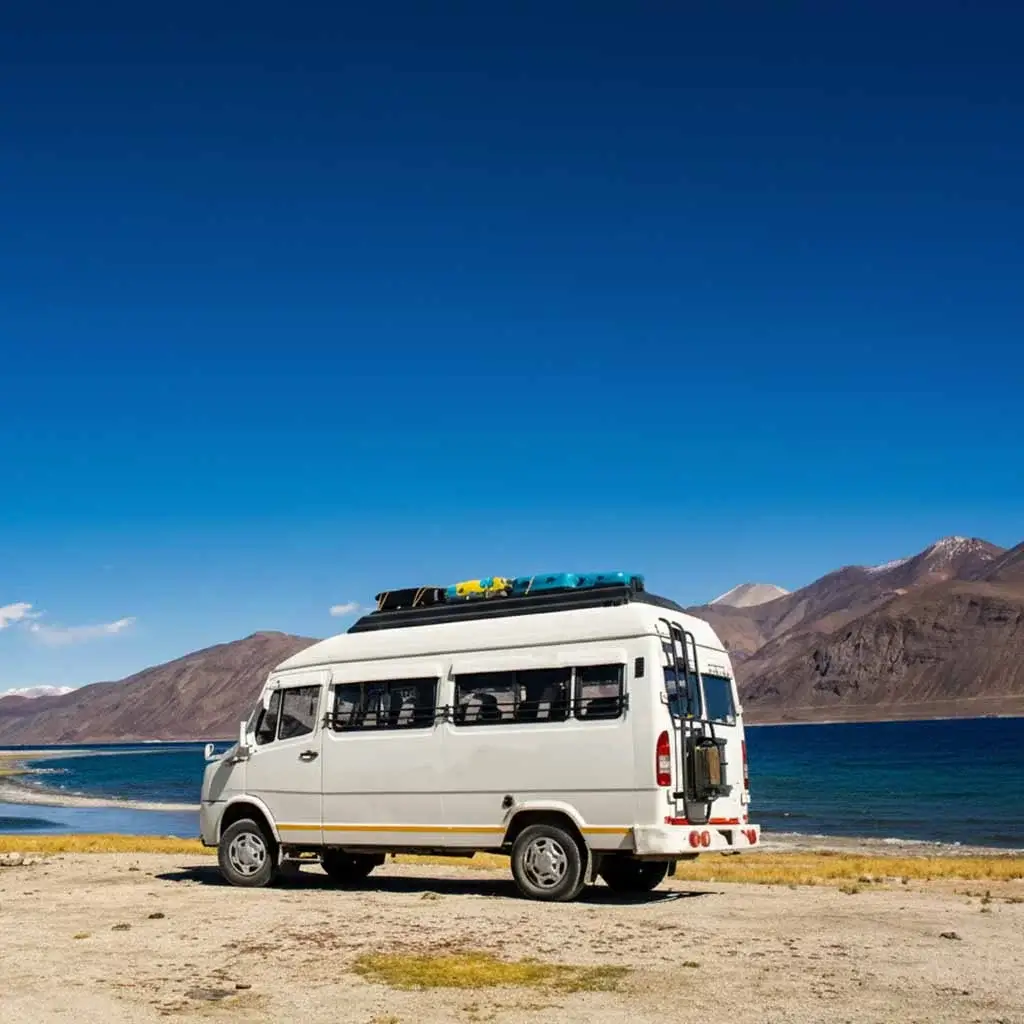 Group Tour6D/5N
Leh Ladakh Group Tour With Nubra Valley and Pangong Lake
2D Leh•1D Nubra Valley+1
₹18,999/ person
Tso Moriri vs Pangong in July: Which One Should You Choose?
This is genuinely one of the most useful questions to think through before your trip because these are two very different experiences despite both being high altitude Himalayan lakes.
Pangong Tso
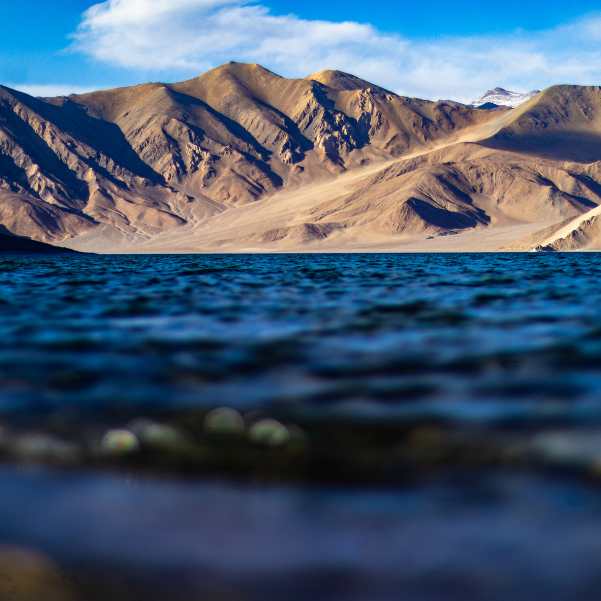
Pangong Tso is famous, spectacular, and considerably more accessible from Leh. It is also more visited, with a steady stream of tourists, roadside camps, and a well worn circuit.
The lake's colour, that shifting electric blue, is hard to describe and unforgettable. If you have limited time in Ladakh and want a lake experience that is logistically simple, Pangong is the easier choice.
Tso Moriri
Tso Moriri asks more of you and gives more back. The drive is longer, the roads are rougher, accommodation is simpler, and mobile network essentially disappears.
But it is also quieter, wilder, and sits in a landscape that feels far less developed.
The wildlife around the wetland reserve, the Korzok monastery, and the general sense of being somewhere genuinely remote make it a favourite among repeat Ladakh visitors.
In our experience, travellers who visit both consistently say Tso Moriri stayed with them longer.
If your Ladakh trip has at least 8 to 10 days and you are comfortable with basic accommodation and long mountain drives, do both. If you have to choose just one, Pangong is easier; Tso Moriri is deeper.
Common Mistakes to Avoid at Tso Moriri in July
Going too early in the itinerary is the most common and most preventable mistake. Arriving at a 4,500 metre lake within two or three days of landing in Leh is asking for an AMS affected experience at best and a serious health situation at worst. Put Tso Moriri in the later half of your Ladakh circuit after your body has adjusted.
Underestimating the cold is a close second. People see July on the calendar and assume warm weather. Daytime is fine. After sunset at 4,500 metres, it is not. Pack seriously for the nights.
Expecting lake edge camping is a misunderstanding that social media has made worse. The conservation rules around the Ramsar wetland are real.
You will not be pitching a tent by the water's edge, and pushing against those rules is both environmentally harmful and practically pointless.
Relying on mobile data for maps, communication, or emergency contact is a genuine risk. Download everything offline before you leave Leh. Tell someone your return date. The silence around Tso Moriri is beautiful. It is also total.
Safety Warning: Taxi Overcharging on the Leh to Korzok Route
Taxi fares for Leh to Korzok generally follow the Ladakh Taxi Union rate card. Current 2025–26 union-based references show Leh to Tso Moriri in a standard XUV/Innova at about ₹14,276 for 2 days, with an overnight halt charge of ₹385 extra.
If your trip also includes Tso Kar or a longer circuit, the fare can rise further. If a driver quotes well above the standard rate, ask to see the current rate card or confirm at the Leh taxi stand before booking.
Should Families, Couples, Bikers and First Time Ladakh Travellers Visit Tso Moriri in July?
Families with children
Tso Moriri is manageable for families but the altitude rules apply to children just as strictly, arguably more so. Kids can acclimatize well but need the same two days in Leh before going to high altitude zones.
The drive is long, the amenities are basic, and you should carry more supplies than you think you need. Families who are comfortable with adventure travel and have done some preparation generally love it.
Couples
This is one of the most quietly romantic spots in Ladakh. The remoteness, the star filled skies, the simple homestays, and the total absence of crowds make it an exceptional choice for a slow, unhurried experience. July is a particularly good window.
Bikers
The route is popular with motorcyclists and July is within the prime riding season. The road surfaces are rough in stretches and a reliable, well maintained motorcycle matters more than horsepower here. Plan acclimatization the same as everyone else. Bikers are not exempt from AMS.
First time Ladakh travellers
Yes, Tso Moriri is absolutely doable on a first Ladakh trip, but put it in the right place in your itinerary. Come to Leh first, acclimatize properly, do Leh sightseeing, and then head for Tso Moriri once you are feeling genuinely well. Do not make it your first overnight destination after landing.
What We Always Tell Our Travellers Before Tso Moriri
Carry a thermos of hot ginger tea from Leh. Fill it at your hotel before you leave at dawn. By the time you are three hours into the drive, bouncing over unpaved roads with nothing but brown plateau in every direction, that thermos becomes the best thing in your bag.
At 4,500 metres, a warm drink settles your stomach, takes the edge off the cold, and does more for altitude adjustment than any tablet you will find at a chemist.
We have been giving this advice for years and every single traveller who followed it has thanked us for it.
👉 WhatsApp us to plan your July Ladakh trip
Final Verdict: Should You Plan Tso Moriri in July?
Yes, and confidently so. July is a genuinely good month for this trip. Roads are open, accommodation is active, the lake is at its summer best, and the overall conditions are about as friendly as this remote area gets.
The things that could go wrong, altitude sickness, cold nights, long drives, are all manageable with the right preparation.
The key is treating acclimatization as sacred, packing for both sun and cold, carrying cash and offline maps, and not expecting lakeside camping or city grade amenities. In return, you get one of the most spectacular and least crowded high altitude landscapes in India.
If you are putting together a Ladakh trip and want help building an itinerary that actually accounts for the real pace of travel in this region, our team at Travel Coffee has done this hundreds of times.
We know which guesthouses are genuinely comfortable, which routes hold up in July, and how to pace a circuit so you arrive at Tso Moriri feeling good rather than drained.
Have a look at our Leh Ladakh tour packages or talk to us on WhatsApp to plan your July Ladakh trip.
Related topics
Frequently Asked Questions
Is July a good time to visit Tso Moriri Lake?
Yes. July falls within the recommended summer window for Tso Moriri. Roads are generally open, accommodation around Korzok is active, and the lake conditions are typically excellent. Altitude acclimatization in Leh is essential before visiting regardless of month.
What is the temperature at Tso Moriri in July?
July daytime temperatures at Tso Moriri are relatively comfortable, but nights are cold given the altitude of 4,522 metres. The precise range varies across sources and should be verified before finalising your packing. Expect to need warm layers after sunset regardless of what the forecast says.
Do I need a permit for Tso Moriri in 2026?
Yes. The area is on the official LAHDC tourist circuit and requires fees paid through the official portal lahdclehpermit.in. A green/environment fee of roughly Rs 400 is mentioned in current sources along with other components, but the exact current breakup should be verified before your trip. Foreign nationals may additionally require a Protected Area Permit.
Can I camp beside Tso Moriri Lake?
No. Official guidance explicitly prohibits tents and structures close to the lake's edge. Tso Moriri is a protected Ramsar wetland. Travellers stay in homestays, guesthouses, or permitted accommodation in Korzok village.
How far is Tso Moriri from Leh?
The route distance from Leh to Korzok via the standard road is 240 km, taking roughly 6 to 7 hours. An alternate route via Tso Kar is roughly 233 km and takes around 8 hours.
Can I visit Tso Moriri as a day trip from Leh?
Technically possible but not recommended. The drive alone is 6 to 7 hours each way, leaving very little time at the lake and creating an exhausting 12+ hour driving day at altitude. A minimum of one overnight in Korzok is strongly advisable.
Is there mobile network at Tso Moriri?
Mobile connectivity around Tso Moriri is weak or essentially absent. Download offline maps before leaving Leh, carry a power bank, and do not rely on data access for navigation or emergency contact.
Can I go to Tso Moriri directly from Manali?
Not without significant risk. Approaching Tso Moriri directly from Manali without first acclimatizing in Leh exposes you to serious AMS risk. Most experienced Ladakh planners advise doing Tso Moriri after spending at least 48 hours in Leh.
Are homestays open at Korzok in July?
Yes. Stays near Korzok are generally active during the summer season, which includes July. Options include homestays and basic guesthouses. Book ahead if possible, especially for peak July travel dates.
Is Tso Moriri better than Pangong in July?
They offer different experiences. Pangong is more accessible and more visited. Tso Moriri is more remote, quieter, wilder, and asks a bit more of you logistically. Most travellers who visit both say Tso Moriri left a deeper impression. If you can do both, do both.
Can foreigners visit Tso Moriri?
The official Leh district information states that certain foreign nationals and some passport holders require a Protected Area Permit for areas including Tsomoriri. Foreign nationals should confirm current PAP requirements through lahdclehpermit.in or a registered tour operator before travelling.
What should I pack for Tso Moriri in July?
A warm insulated jacket, thermal base layers, high SPF sunscreen, UV protective sunglasses, a hat, lip balm, sufficient water, altitude medication (consult your doctor), a power bank, plenty of cash, offline maps downloaded, basic first aid supplies, and snacks for the long drive. Expect cold nights and no mobile connectivity.
More about Ladakh
 Ladakh
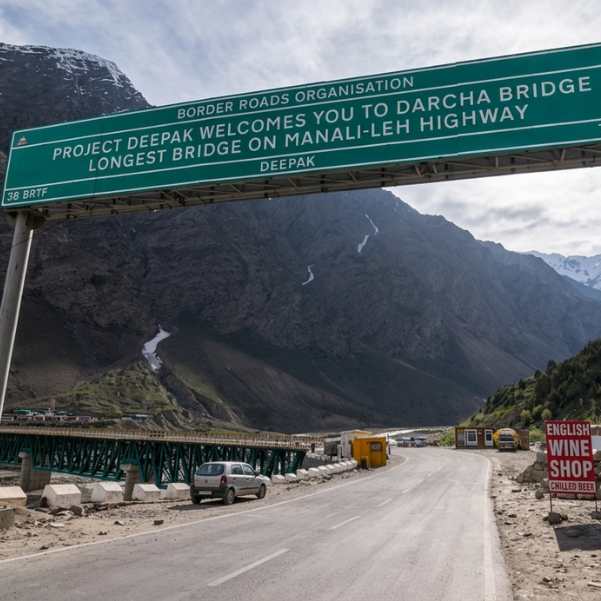
Manali to Leh Highway 2026: Every Pass, Stop and Distance
Plan your Manali to Leh Highway journey in 2026 with a complete guide to major mountain passes, overnight stops, route highlights, and distance. Discover key stops like Jispa, Sarchu, and Pang, along with famous passes including Baralacha La and Tanglang La.
- Road Trips
- How to Reach
 Ladakh
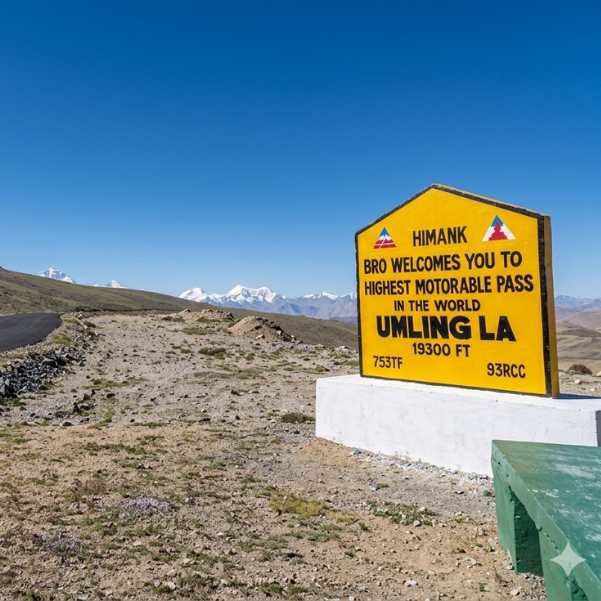
Umling La Ladakh Guide 2026: Route, Altitude, Permit, Safety & Reality Check
Planning to visit Umling La in 2026? This complete guide covers the route, altitude, permit requirements, road conditions, safety tips, and the realities of travelling to one of the world's highest motorable roads.
- Road Status
- Altitude & Health
 Ladakh
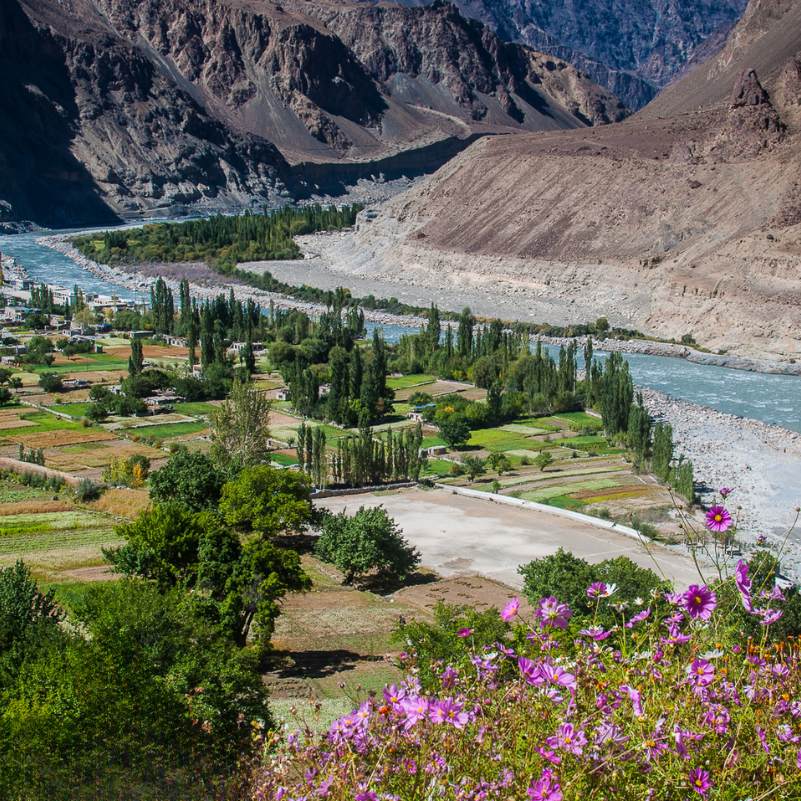
Turtuk Ladakh Travel Guide 2026: Balti Culture, Apricot Orchards and Why It Is Perfect for Families
Planning a trip to Turtuk? This 2026 travel guide explores the village's rich Balti culture, beautiful apricot orchards, top attractions, travel route, and why Turtuk is one of the best family-friendly destinations in Ladakh.
- Places to Visit
- Family Travel