
Treks in Pabbar Valley: The Complete List for 2026
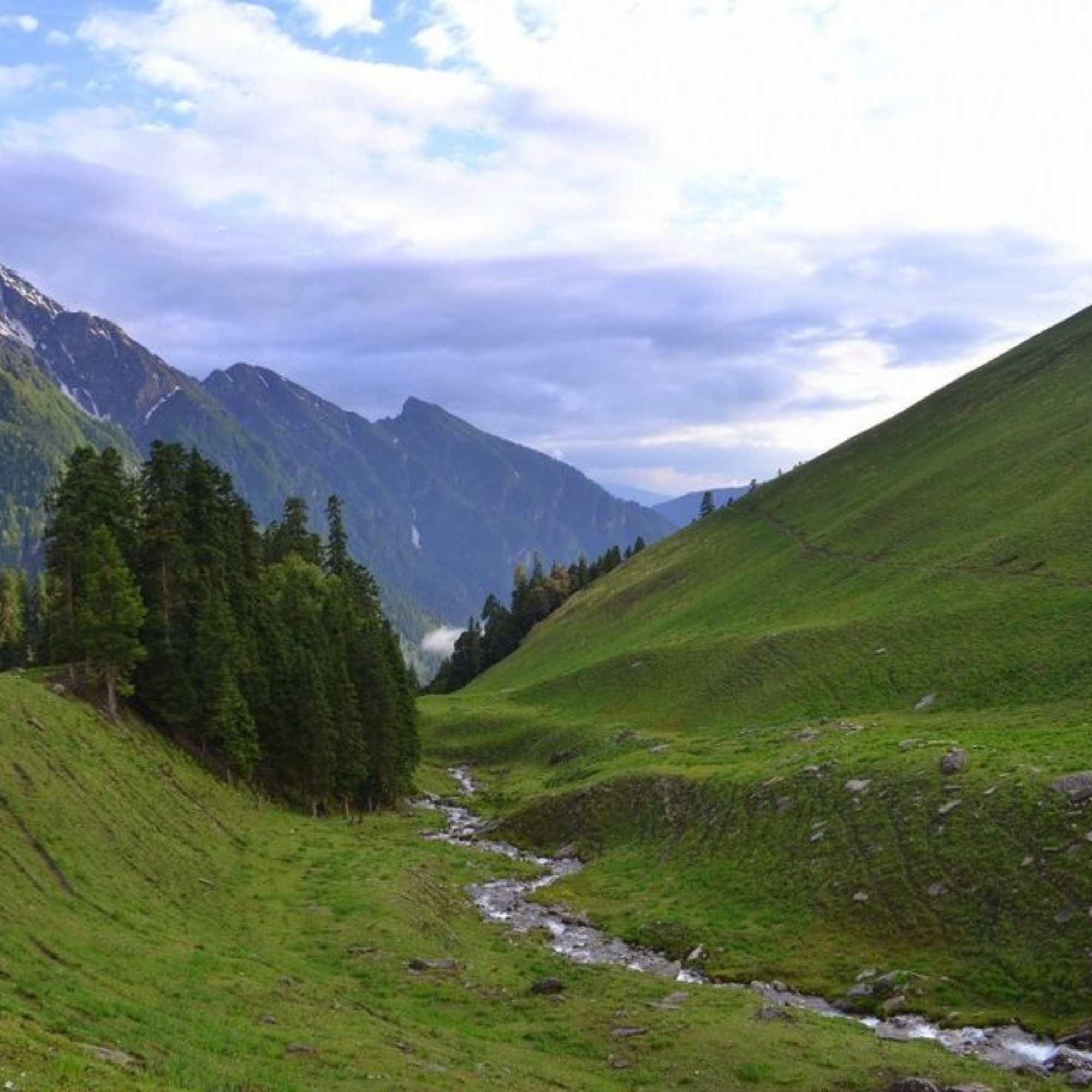
If you have been looking at treks in Pabbar Valley and feel confused about which one actually suits you, that is normal. People throw Chandernahan, Buran Ghati and Rupin Pass into the same list as if they are the same kind of walk. They are not.
Some of these are gentle forest trails you can finish in a day. Others are high pass crossings where people use ropes on the descent. In our experience sending travellers into the Rohru side, picking the wrong one is the single biggest mistake.
This guide sorts all of them out. What each trek is, how hard it is, when to go, and who should stay away.
Quick Answer: Best Treks in Pabbar Valley in 2026
The main treks in Pabbar Valley are Chandernahan Lake, Buran Ghati, Saru Lake, Kharapathar to Giri Ganga and Kuppar, Chanshal and Manjhani Top, Rupin Pass, and Chansal to Mori.
If you are a beginner, look at Giri Ganga, Manjhani Top and the easy Chanshal side walks. They give you the mountains without breaking you.
If you have trekked before and you are fit, go for Buran Ghati, Rupin Pass, or Chandernahan when conditions turn difficult. These are not casual first treks.
Saru Lake sits in the middle, but it is lesser marked, so do it with a local guide.
>>>Need help choosing the right Pabbar Valley trek? Chat with our Himachal team on WhatsApp.
Where is Pabbar Valley and Why is it Good for Trekking?
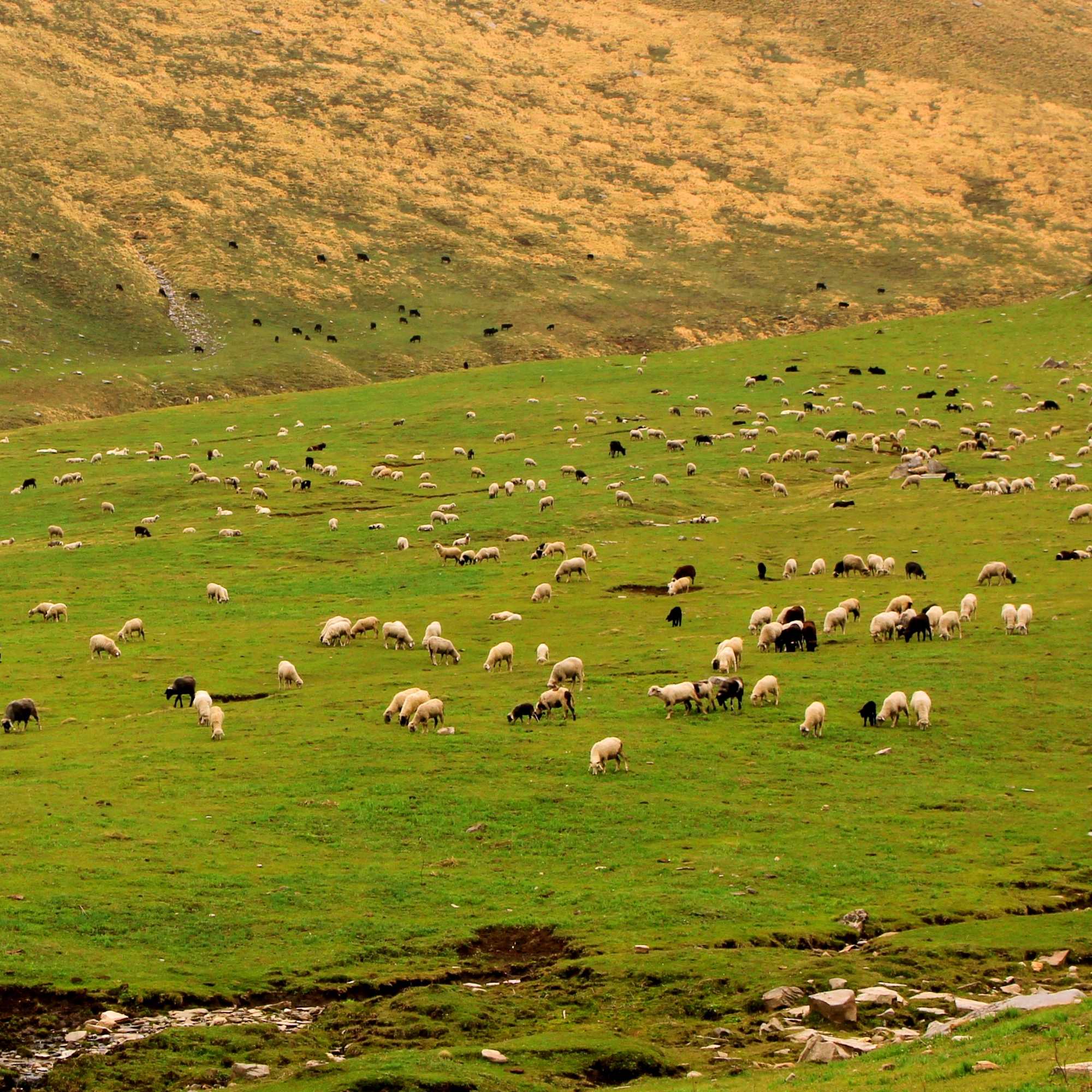
Pabbar Valley sits in Shimla district, around Rohru, Chirgaon, Janglik, Kharapathar and Chanshal. The Pabbar river runs through it and gives the whole valley its name.
It feels quieter than the usual Himachal trekking zones. You will not see the crowds you get on the Manali or Kasol side.
The mix here is what makes it special. Apple orchards lower down, then pine, oak and deodar forests, then open meadows, glacial lakes and high passes as you climb.
That spread means a first-timer and a hardened trekker can both find something here. The valley does not force you into one type of walk.
For travellers starting their trip from the state capital, our Shimla tour packages make a clean base before you head deeper towards Rohru.
What most tourists get wrong here is treating Pabbar like a polished circuit. It is not. The roads are long, the stays are basic, and you plan around the valley, not the other way round.
Which Pabbar Valley Trek Should You Choose?
Let me make this simple instead of dumping a chart on you.
Kharapathar to Giri Ganga
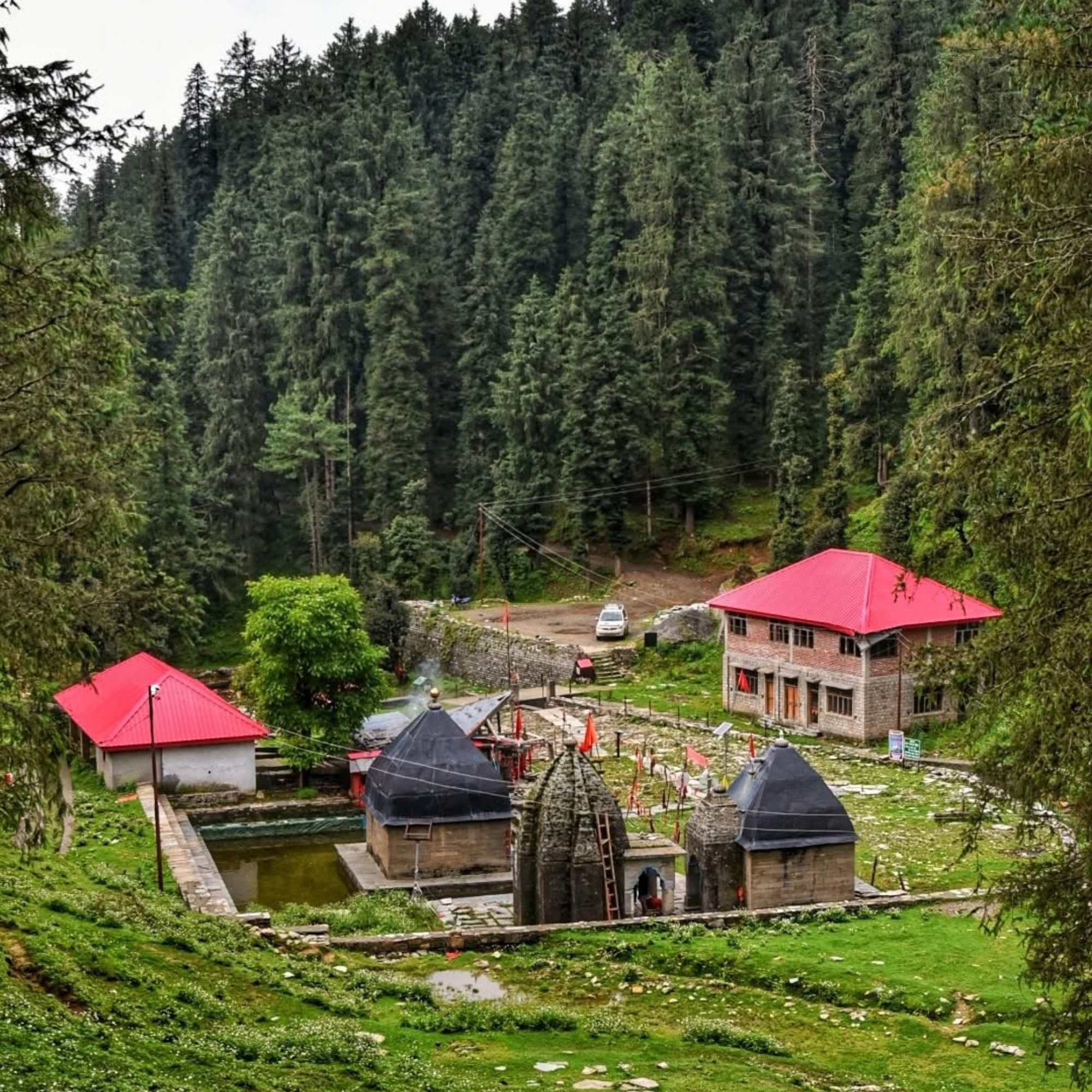
It is the easiest short option. A few hours of walking through forest, and you are at the source spring. Good for a first taste.
Manjhani Top
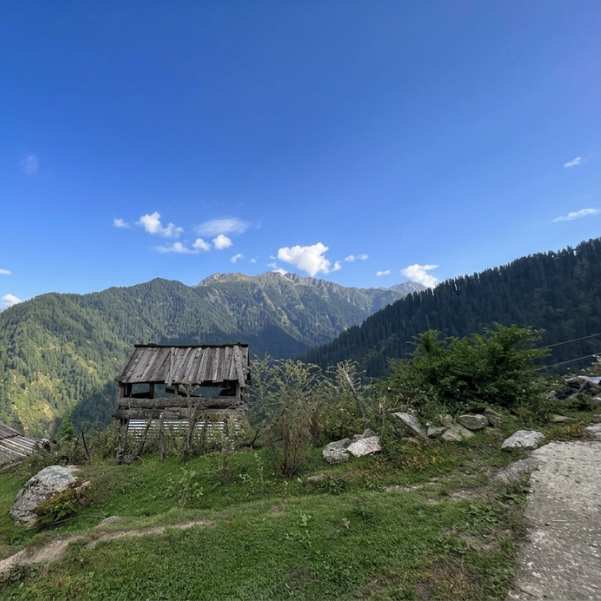
It is a structured moderate trek. If you want a proper guided experience out of Rohru without going extreme, this fits.
Chandernahan Lake
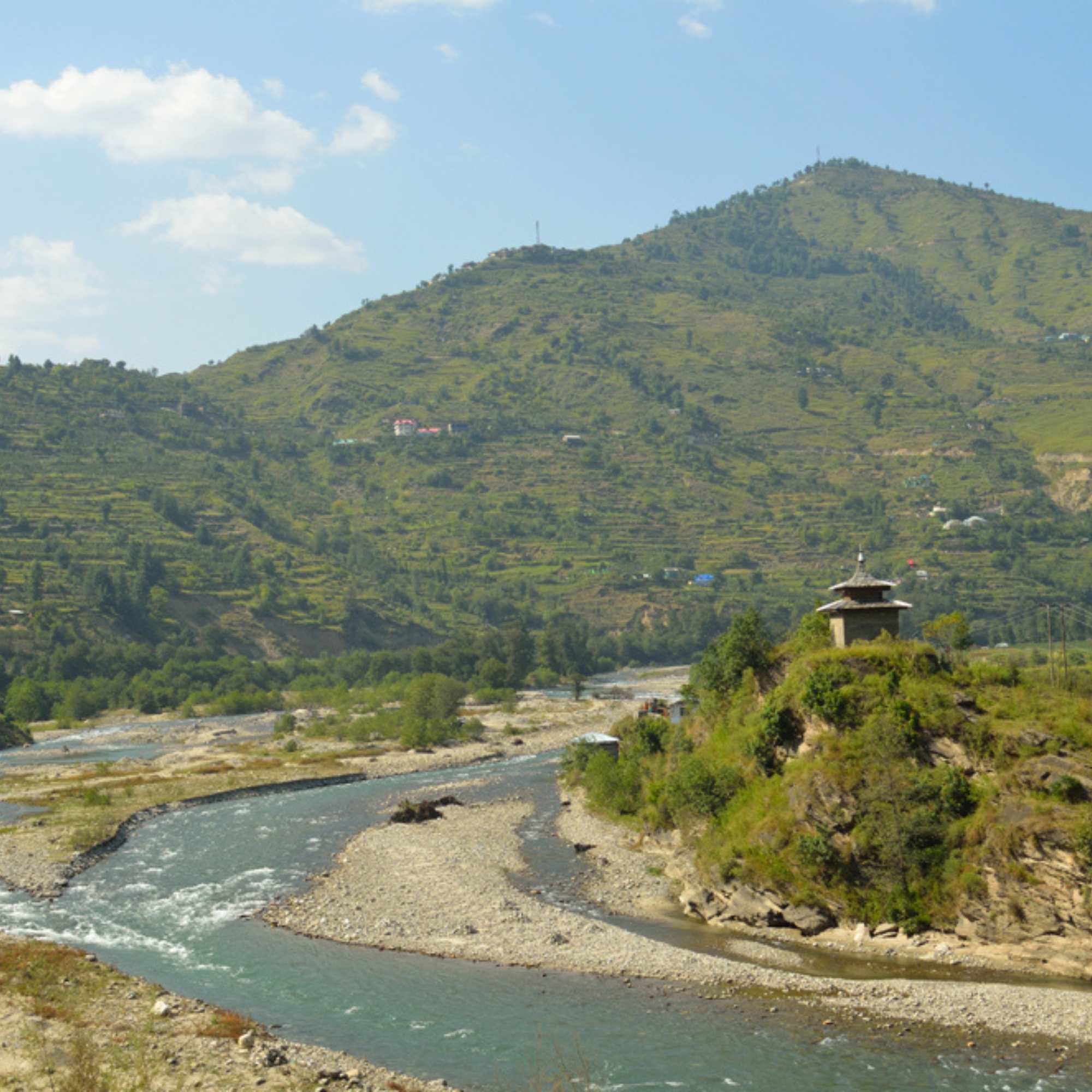
It works best for fit beginners who go with a guide. It is beautiful, but it is moderate to difficult, so do not treat it like a weekend stroll.
Buran Ghati
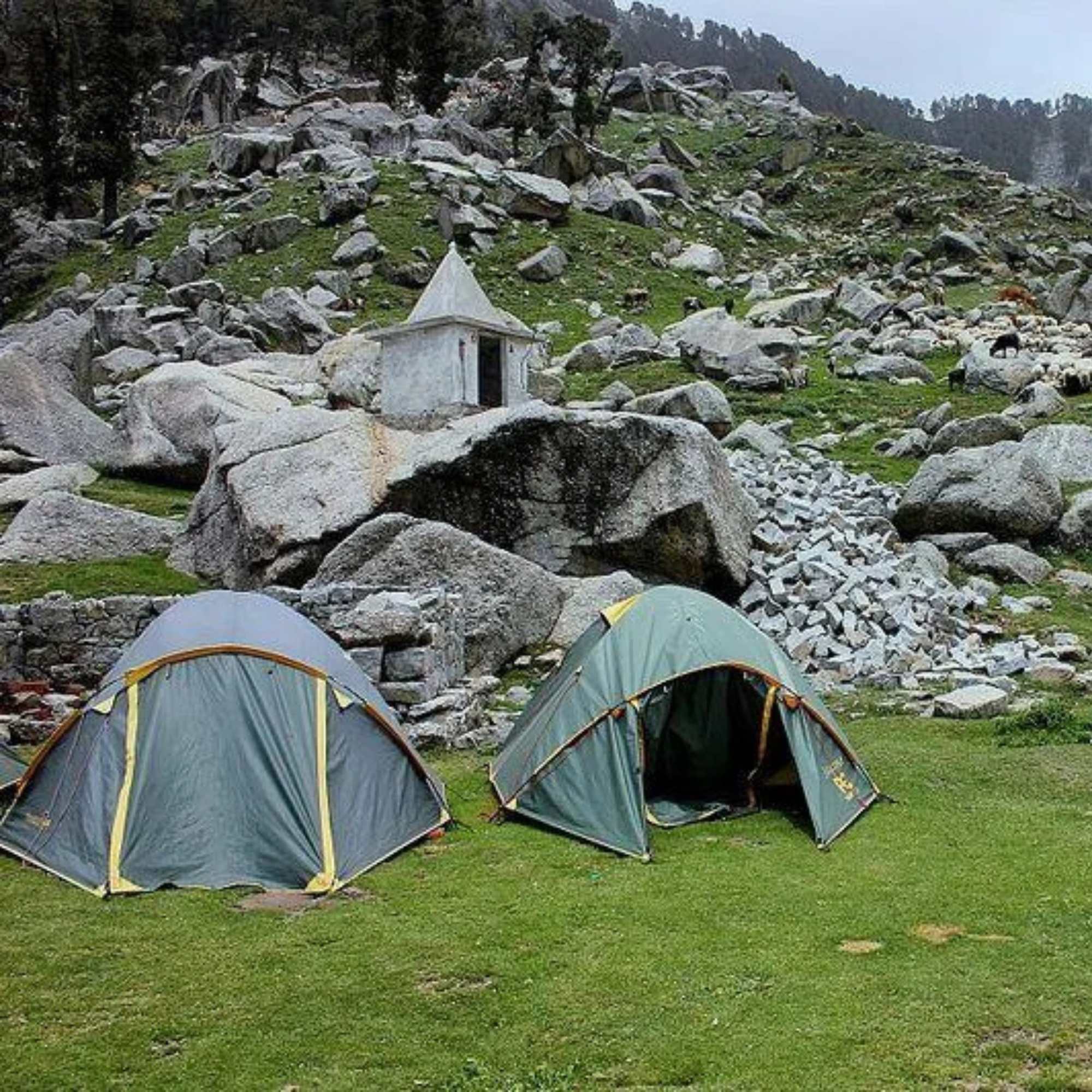
It is for trekkers who want a real high pass. There is a steep descent where rope support comes in.
Rupin Pass
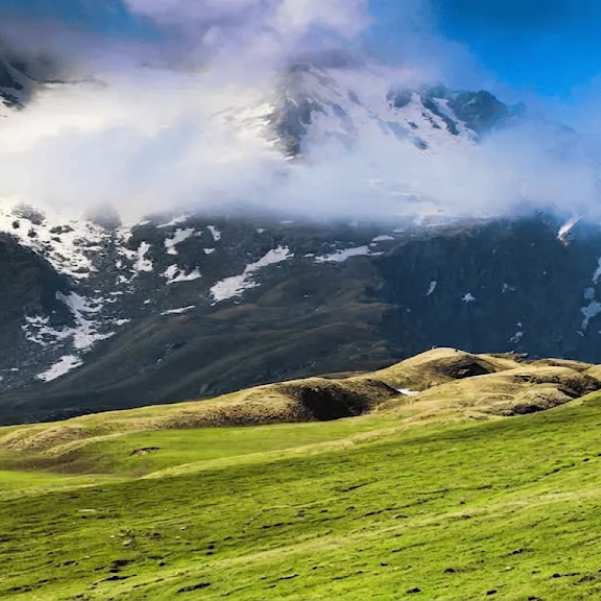
It is for experienced trekkers only. It is a big crossover trek, not a quick Rohru outing.
Saru Lake
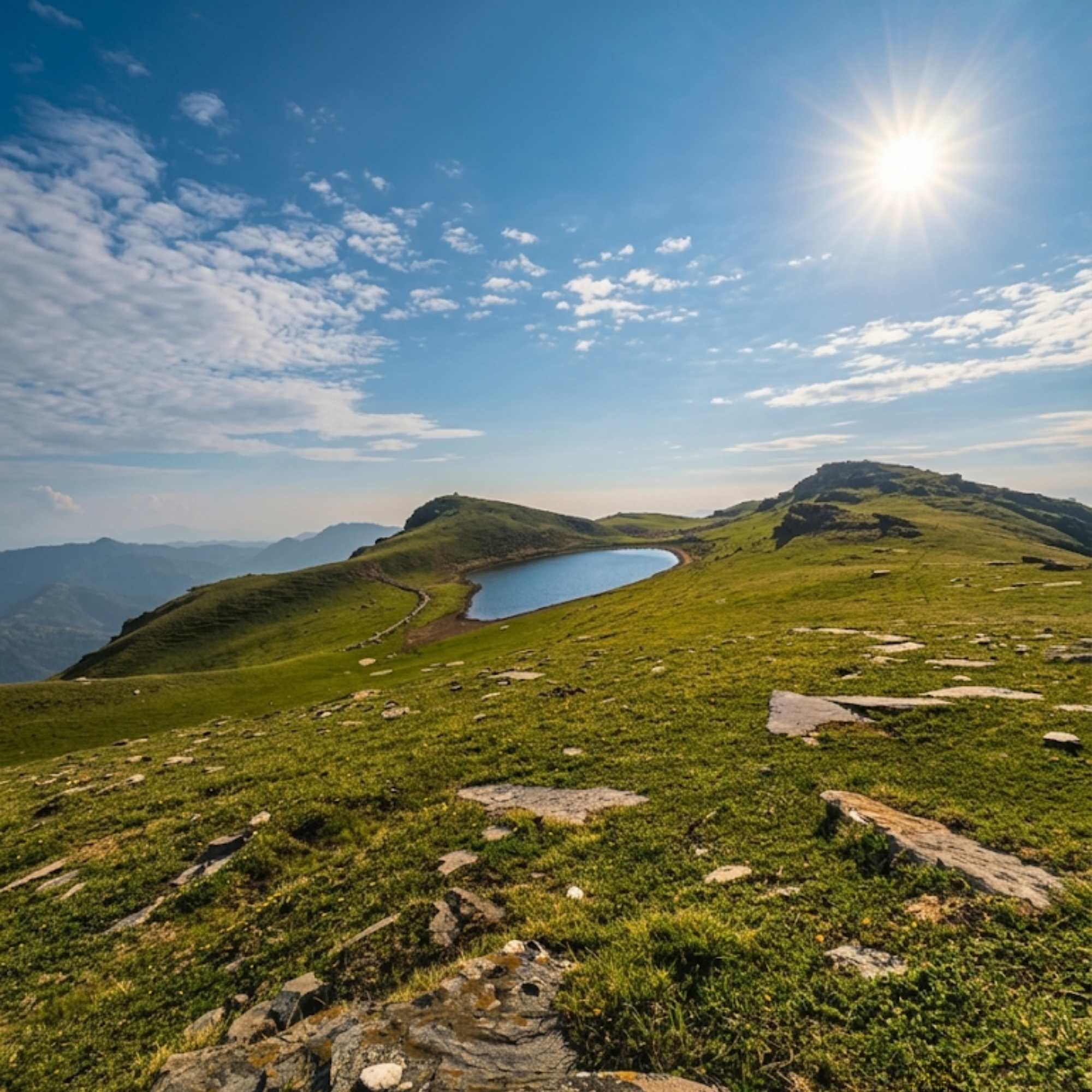
Is best with a local guide because the trail is lesser marked and you can lose your way without one.
Complete List of Treks in Pabbar Valley
Chandernahan Lake Trek from Janglik
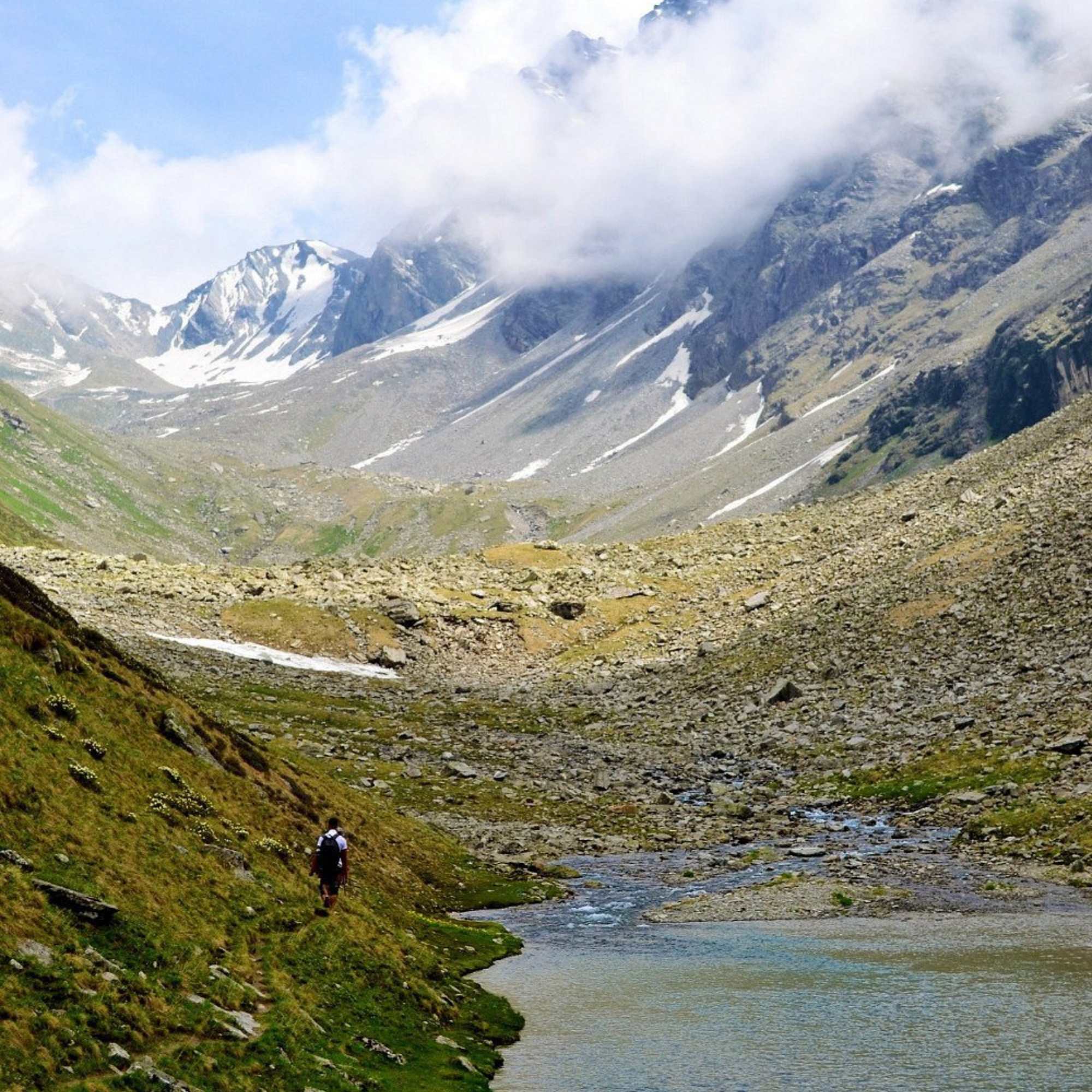
The Chandernahan Lake trek usually starts from the village of Janglik. The common route runs Janglik to Dayara to Litham to Chandernahan Lake, then back the same way.
One trek operator lists Shimla to Janglik as 150 km and 8 to 9 hours. That alone tells you this is not a casual drive-and-walk.
Janglik sits at 2,804 m in one operator itinerary. From there the climbing begins.
The first stretch, Janglik to Dayara, is 7.7 km and takes 5 to 6 hours. Dayara is the big meadow campsite that most trekkers love.
Dayara to Litham is 5 to 6 km and 3 to 4 hours. Litham is the last camp before the lake push.
The lake day, Litham to Chandernahan Lake and back, is 8.3 km and 5 to 6 hours. You go up, spend time at the lake, and return to camp.
The lake altitude is one of those things sources do not agree on. One itinerary says 4,029 m, another guide says around 4,260 m. Treat it as roughly 4,000 to 4,260 m.
In total the trek runs around 20 to 28 km round trip depending on the itinerary, and usually takes 4 to 5 days.
Difficulty is moderate to difficult. Fit beginners can manage it with proper guidance, but please do not do it casually or on the back of a few Instagram reels.
Buran Ghati Trek
Buran Ghati also starts from Janglik, which is why people confuse it with the Chandernahan trek. They share the early trail, then split.
Indiahikes lists Buran Ghati as 8 days and about 40.5 km. The highest point is 15,000 ft, and the difficulty is Moderate-Difficult.
The route moves through Janglik, Dayara, Litham, a Chandernahan acclimatisation day, then Dhunda, the Buran Ghati pass, and a descent towards the river camp or the Barua side depending on which operator runs it.
The pass day is the brutal one. Dhunda to the river camp via Buran Ghati is 8.4 km but takes around 9 to 10 hours in the Indiahikes itinerary.
The descent after the pass is steep. Trek operators recommend or use rope support here, and that should tell you everything.
This is not a casual first trek. If you have never camped at altitude or walked a long pass day, start somewhere gentler and come back to this.
For travellers who want to extend towards the Sangla or Baspa side after the high country, our Kinnaur tour packages connect well with this region.
Gadsari to Saru Lake Trek
Saru Lake is commonly listed at 11,865 ft. It is one of the quieter lake walks in the valley, and that is both its charm and its catch.
Gadsari, the usual approach point, is listed at 24 km from Rohru. The longer forest route, Gadsari to Saru Lake, is around 20 km.
This is described as a 3 to 4 day trek with camping. A local guide is strongly recommended, and I mean that seriously, not as a formality.
A few practical notes. One source says the last petrol pump is at Rohru, so fill up there.
The same source says mobile signal works till Larot, and BSNL landline works in Chirgaon, Larot and Dodra-Kwar. It also lists the nearest hospital as Rohru.
What we always tell our travellers about Saru Lake is this: it is not a route to attempt off a reel or an old blog. The trail is lesser marked, and a guide is the difference between a great trek and a lost afternoon.
Kharapathar to Giri Ganga and Kuppar Bugyal
If you want the gentlest entry into Pabbar trekking, this is it. HPTDC places Giri Ganga firmly in Pabbar Valley.
HPTDC lists Kharapathar at 2,700 m and 70 km from Shimla. So you can reach the trailhead without a punishing drive.
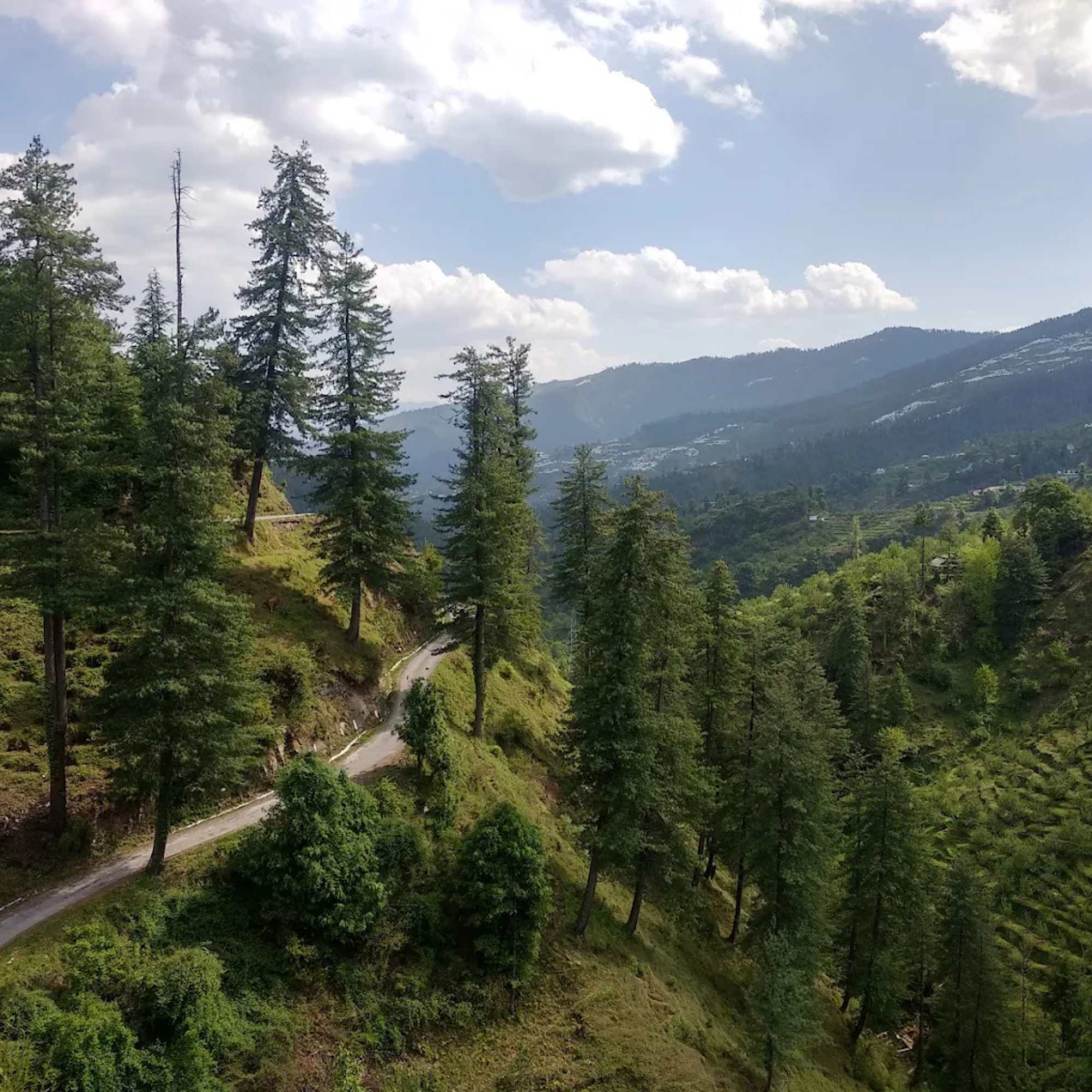
The trail from Kharapathar to Giri Ganga follows a 6 km dirt track, mostly shaded by deodar and pine. The walking is easy and the forest does half the work of making it pleasant.
Here is a useful tip. HPTDC notes that travellers who do not want to walk can hire a taxi from Kharapathar to Giri Ganga. Good to know if you have older family members or a tired group.
Indiahikes documented the Giri Ganga altitude reading at 2,700 m, and noted that Kuppar Bugyal is another 3 km from Giri Ganga.
So you can stretch the easy walk into a meadow climb if you want more. Just know the Kuppar extension needs better navigation, so do not wander up alone if the path is unclear.
This is one of the better beginner-friendly choices in the whole valley. Easy access, shaded trail, and a real Himalayan spring at the end.
Chanshal Pass and Chanshal Side Walks
Chanshal Pass is the high road star of Pabbar Valley, and the side walks around it are some of the most rewarding short outings here.
The official Shimla district page says the Chanshal Pass road is open from May to November and closed the rest of the year because of snow. So your window is fixed by the season.
The same official page lists the best time as late June, early September, September and October. That is your sweet spot for clear, stable conditions.
On road access, as of 11 June 2026, one live road-status page marks Rohru to Chanshal Pass as open. That is a single live reading, not a guarantee for your dates.
The official page gives two routes from Shimla. One runs via Theog, Kotkhai, Kharapathar, Hatkoti, Rohru and Larot at 160 km. The other runs via Theog, Narkanda, Tikkar, Rohru and Larot at 175 km.
Road status in this region changes fast. A pass open today can shut after one bad spell, so verify close to your travel date and do not lock plans on a month-old update.
Manjhani Top Trek
If you want a structured, guided trek out of Rohru without going extreme, Manjhani Top is worth a hard look.
Junoon Adventure lists Manjhani Top and Chanshal Pass together as a Pabbar Valley trek. The duration is 5 nights and 6 days, and the difficulty is moderate.
The total trek distance is 37 km, and the trek altitude is 3,819 m. Pickup and drop is Rohru, which keeps the logistics simple.
The trip also includes a drive to Chanshal Pass, so you get the high road views alongside the meadow walking.
This looks suitable for travellers who want a clean, organised Rohru-based trekking experience. Just verify the exact batch dates and price directly before you commit, because those details change season to season.
Rupin Pass Trek
People keep slipping Rupin Pass into Pabbar Valley trek lists, and that is half right. It is better understood as a major Himachal crossover trek than a simple Rohru day walk.
The Indiahikes FAQ lists Rupin Pass as a 7 day trek. The highest point is 15,279 ft, and the total trekking distance is roughly 37 km.
The basecamp is Jiskun at 7,630 ft, and the trek ends at Sangla on the Kinnaur side. So you walk across, you do not loop back.
Difficulty is Moderate-Difficult. The highlights are the forests, waterfalls, snow bridges, alpine meadows, and the famous gully climb near the top.
This one is best for trekkers who already have fitness and some prior trekking confidence. If Rupin is your first long trek, you will struggle, and that is an honest warning, not a marketing line.
Chansal to Mori Trek
Chansal to Mori shows up on a few lists, and it can be a lovely lower-stress route, but the details are thin.
Tripoto lists it as a 3 to 5 day route with easy to moderate difficulty, and best months from March to June and September to November.
Beyond that, the exact route, distance, camps and guide availability are not well verified. So do not plan it down to the hour off a single listing.
Do this one with a local guide only. On a route this loosely documented, a guide is your real safety net.
Best Time for Pabbar Valley Treks in 2026
There is no single perfect month for the whole valley, because each trek follows its own season.
For Chanshal, the official best time is late June, early September, September and October, and the road itself is seasonally open May to November.
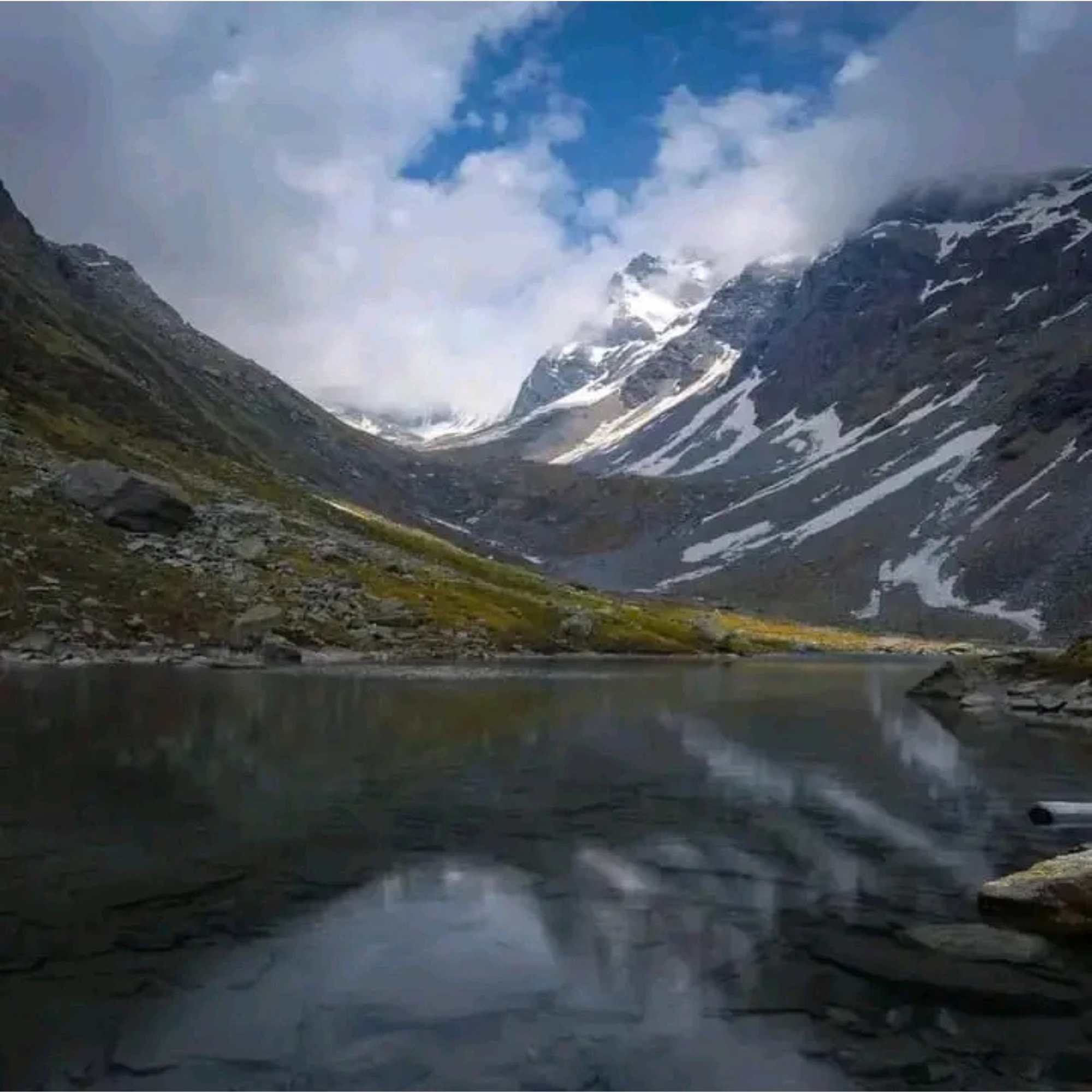
For Chandernahan, one trek operator runs its Pabbar Valley trek from June to October. That is your realistic lake window.
For Buran Ghati, operators commonly schedule batches in May to June and September to October, working around snow and the monsoon.
For Rupin Pass, think spring and autumn broadly. The classic windows fall there, but plan around your operator's confirmed dates rather than guessing.
A real word of caution on July and August. Rain and landslides can hit the access roads and trails, and that affects everything from drive times to whether a camp even runs. If you give a hard closure warning to your group, and check live status first.
In our experience, September is the quiet winner across most of Pabbar. Clear skies, settled roads, thinner crowds.
For travellers comparing seasonal trips before they decide, our popular tours page lays out what runs well in which month.
How to Reach Rohru, Janglik, Kharapathar and Chanshal
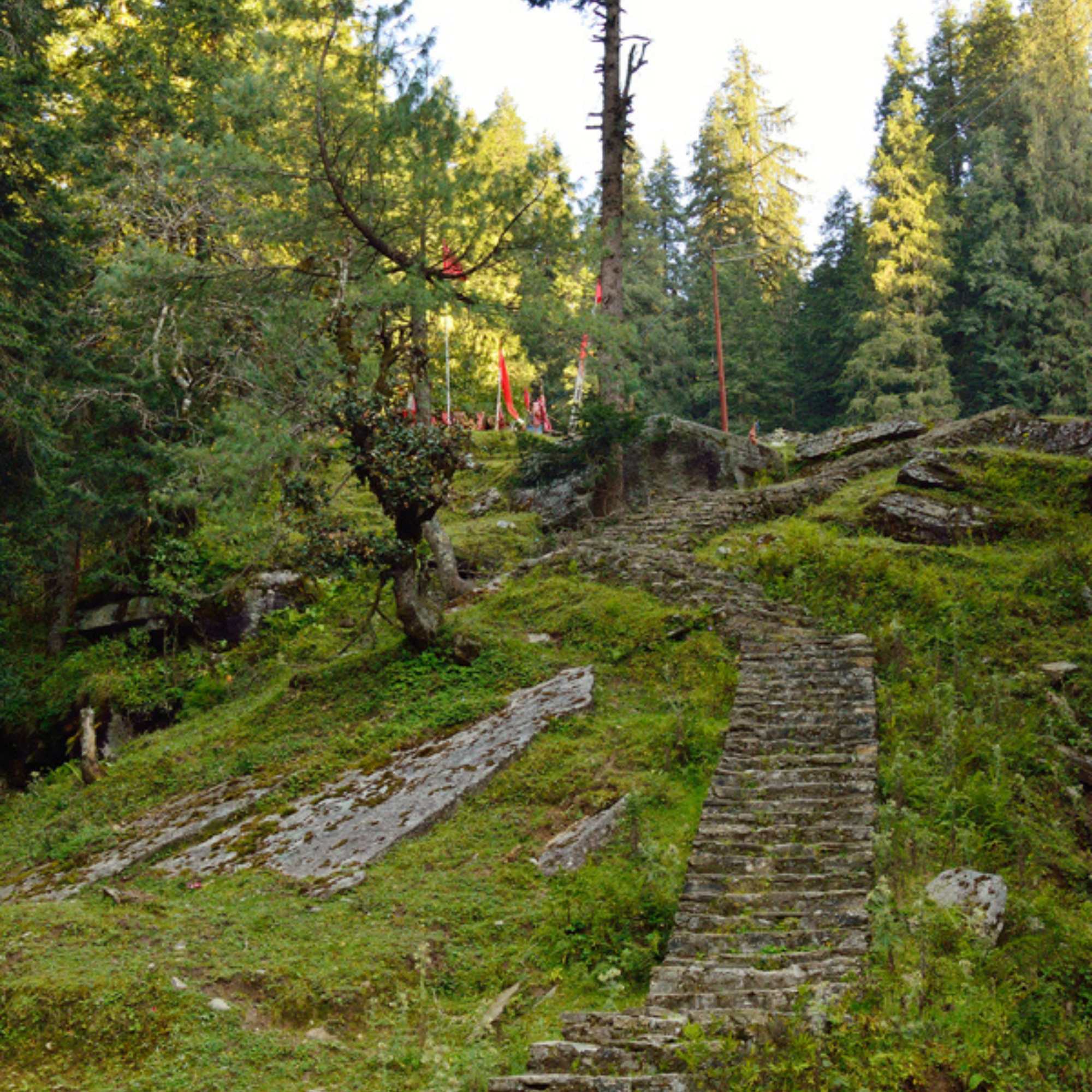
Rohru is the practical base town for most of these treks. Sort out Rohru, and the rest of the valley opens up.
For Chanshal, the official route 1 from Shimla is 160 km via Theog, Kotkhai, Kharapathar, Hatkoti, Rohru and Larot.
The official route 2 is 175 km via Theog, Narkanda, Tikkar, Rohru and Larot. Slightly longer, different scenery.
For the Chandernahan and Buran Ghati trailhead, Shimla to Janglik is listed as 150 km and 8 to 9 hours by one trek operator. Plan a full day for that drive, not a half day.
Kharapathar, the Giri Ganga base, is just 70 km from Shimla per HPTDC, so it is the easiest one to reach.
I will not invent bus timings here, because the schedules shift and a wrong timing strands people. Confirm current HRTC and shared cab options locally before you set out.
For a custom plan that lines up your drive days, stays and trek days properly, our team at Contact Travel Coffee can put the pieces together.
Permits, Guides, Safety and Mobile Network
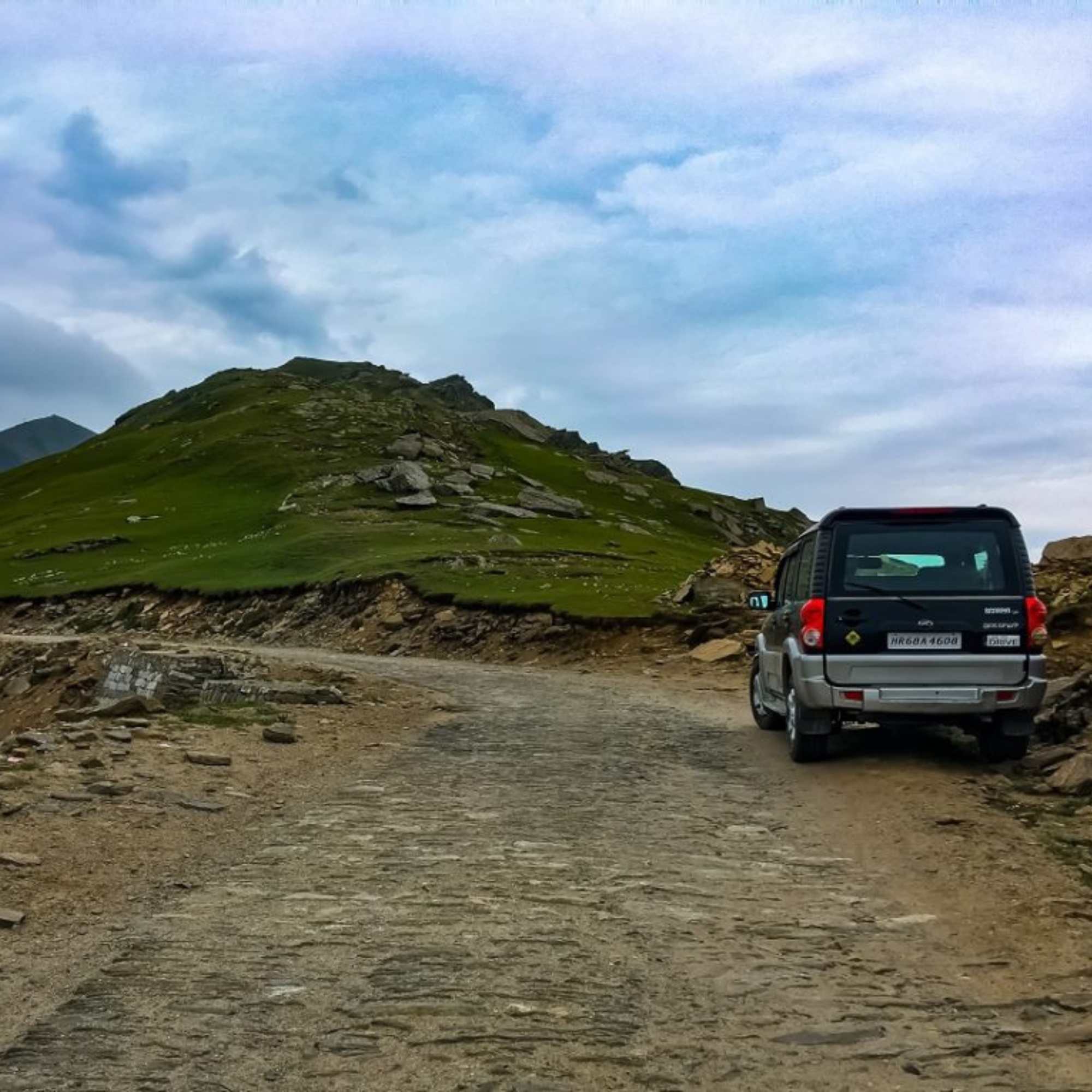
Organised treks usually fold in the forest permits and camping charges, so you do not have to chase paperwork yourself. That is one quiet advantage of going guided here.
If you are trekking independently, the permit and camping rules should be checked locally before you pitch a tent. Rules change, and you do not want a problem at altitude.
For Saru Lake, a local guide is specifically recommended, and we second that hard. For Buran Ghati, rope support is recommended or used around the steep pass descent.
For Rupin Pass, Indiahikes lists the real risks as altitude, snow patches and steep ascents. None of those forgive poor preparation.
On connectivity, the Saru route notes say signal works till Larot with BSNL landlines in a few villages. Treat the mountains beyond as offline and tell someone your plan before you lose signal.
Suggested Pabbar Valley Trekking Itineraries
2 Day Beginner Plan
Keep it light and forest-heavy. Day one, drive from Shimla to Kharapathar, walk the 6 km trail to Giri Ganga, and soak in the spring and forest.
Day two, do an easy Rohru or Chanshal side walk depending on road status, then head back. No high passes, no risk, just a clean first taste of the valley.
4 to 5 Day Lake Trek Plan
This is the Chandernahan Lake style plan. Drive Shimla to Janglik, then walk Janglik to Dayara, Dayara to Litham, do the lake day, and return the same trail.
Add one buffer day. Roads and weather here do not run on schedules, and that spare day saves trips more often than people expect.
7 to 8 Day Serious Trek Plan
For the big ones, think Buran Ghati or Rupin Pass. These need full multi-day camping, proper acclimatisation, and a pass crossing.
The technical sections and the pass days need trained guides, not enthusiasm. Do not attempt these as your first long trek.
For travellers who want to chase a bigger high-altitude Himachal circuit after Pabbar, our Spiti Valley tour packages are the natural next step. If you are weighing alpine lake trips, our Chandratal opening dates guide is a useful read alongside Chandernahan.
Cost of Trekking in Pabbar Valley in 2026
Costs swing a lot depending on whether you go organised or independent, so here is what the numbers actually look like.
Himalaya Destination lists a Pabbar Valley and Chandernahan style trek at ₹12,999 excluding 5% GST. The same operator lists it as 6 nights and 7 days, maximum altitude 4,032 m, trek distance 56 km, and season June to October.
For independent trekkers, Discover with Dheeraj lists local guide rates around ₹1,000 to ₹1,500 per day.
The same source lists budget hotels in Rohru at ₹800 to ₹1,500 per night, homestays at ₹500 to ₹1,200 per night, and HRTC Shimla to Rohru at ₹150 to ₹200.
We have marked those on purpose. We confirm local rates ourselves before quoting, because prices like these drift season to season and a stale figure helps nobody.
Who Should Avoid These Treks?
Pabbar is beautiful because it is still raw. But raw also means the logistics are not as polished as Manali, and some people should think twice.
If you have fixed dates landing in the monsoon, be careful. Rain and landslides can wreck the access roads and there is little flexibility to wait it out.
If you are a first-timer eyeing Buran Ghati or Rupin Pass without preparation, please do not. These treks punish the underprepared, and that is not a place to learn.
If you are a solo traveller heading into a remote forest route like Saru Lake without a guide, hold off. The trails are lesser marked and help is far.
None of this is meant to scare you off. It is meant to make sure your first Pabbar trip is the start of many, not a story about a trip that went wrong.
Responsible Trekking in Pabbar Valley
This valley stays clean and quiet because few people pass through. Keep it that way.
Carry your trash out. Do not litter the trails, and never wash or pollute the lakes, especially sacred ones like Chandernahan.
Hire local guides where you can. It keeps you safe and it puts money into the villages that keep these trails alive.
Use homestays where possible. The stays are basic, but the food is honest and the families are the reason this valley feels the way it does.
>>>Want help choosing the right trek, route and timing? Talk to our Himachal team on WhatsApp.
Explore Our Curated Chanshal Pass Tour Packages
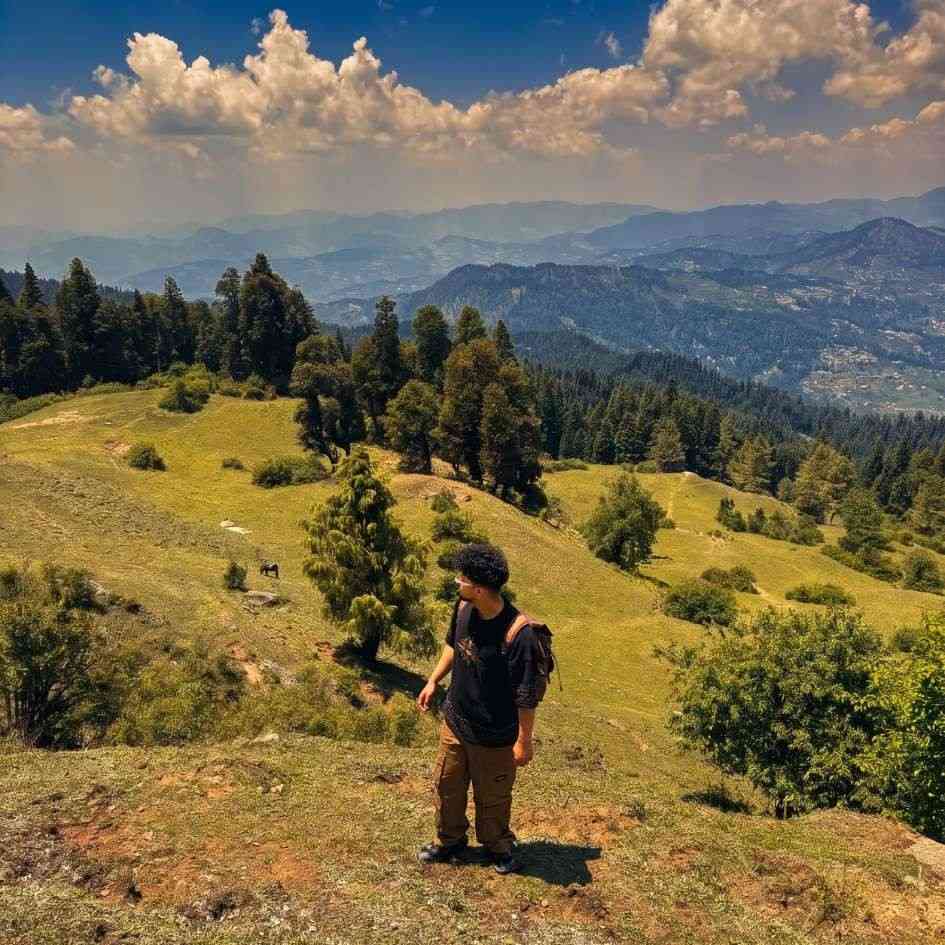 Group Tour5D/4N
Chanshal Pass Weekend Group Trip With Giri Ganga and Kuppar Bugyal
1D Kharapathar / Kotkhai•1D Rohru / Chirgaon (Pabbar Valley)
₹8,999₹12,999SAVE INR 4,000/ person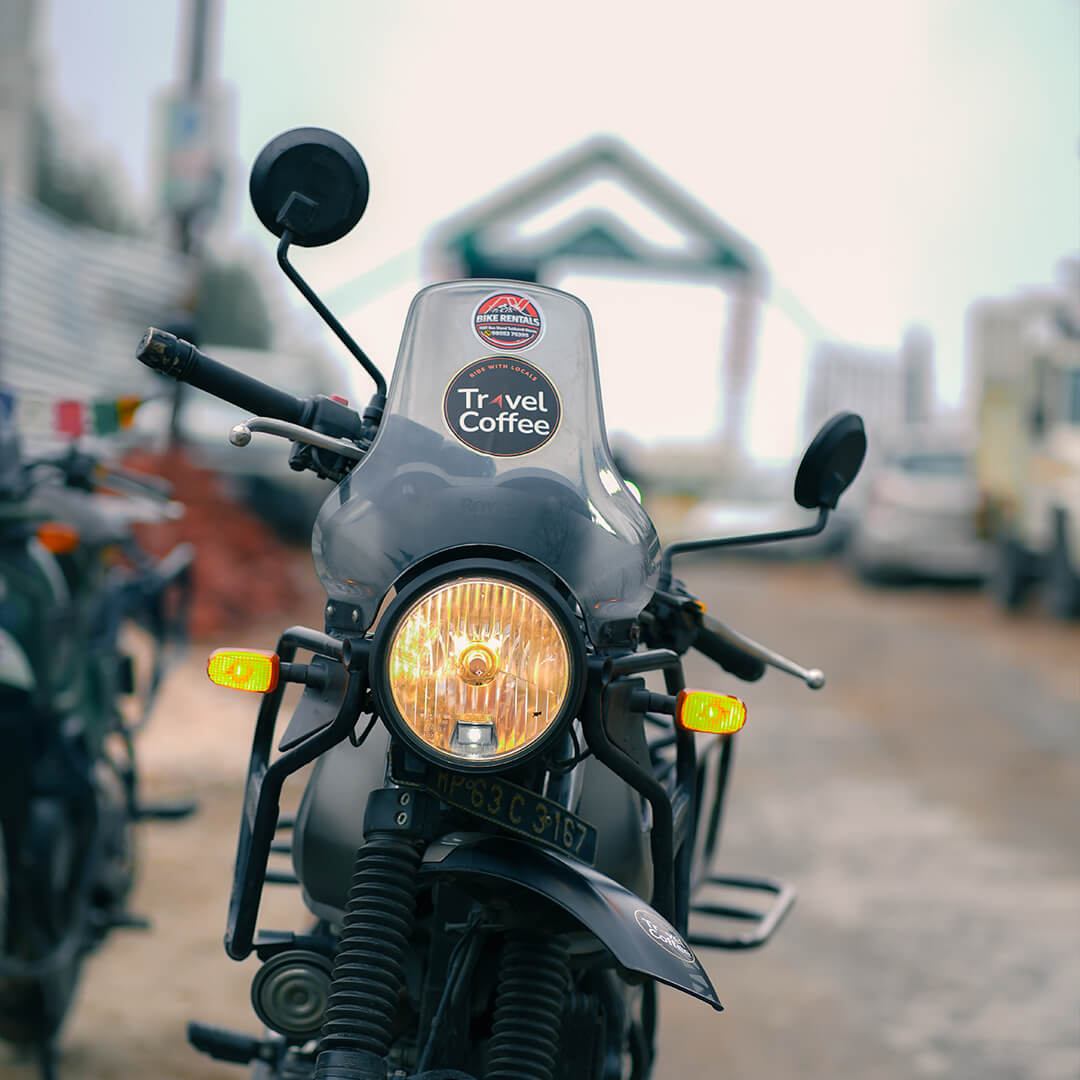 8D/7N
8D/7NUltimate Pabbar Valley Bike Expedition With Giri Ganga Kuppar Bugyal Chanshal Pass and Dodra Kwar
1D Kharapathar / Kotkhai•2D Rohru / Chirgaon (Pabbar Valley)+1
₹29,999/ person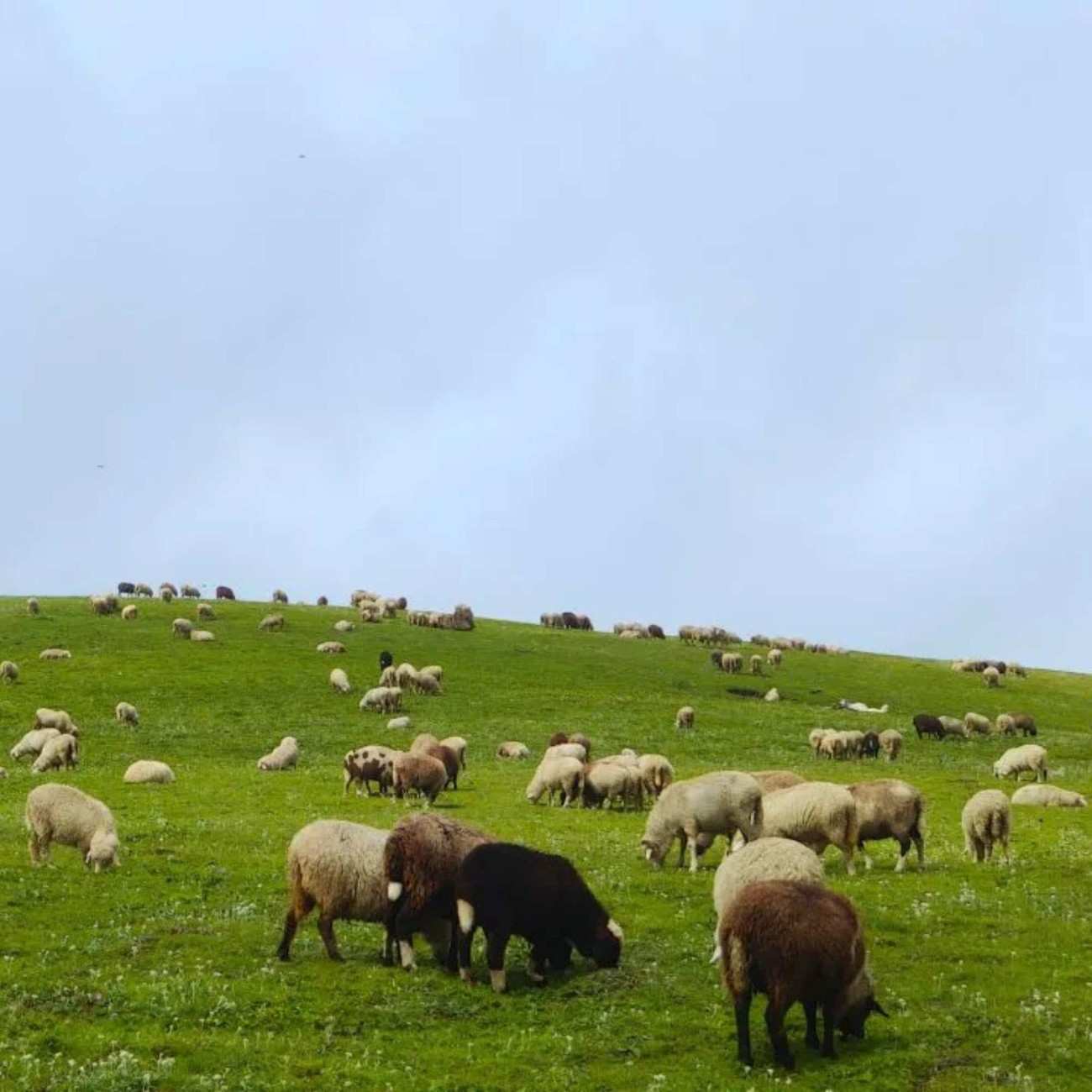 8D/7N
8D/7NMost Loved 4x4 Pabbar Valley Expedition With Giri Ganga Kuppar Bugyal Chanshal Pass and Dodra Kwar
1D Kharapathar / Kotkhai•2D Rohru / Chirgaon (Pabbar Valley)+1
₹32,999₹39,999SAVE INR 7,000/ person
Related topics
Frequently Asked Questions
Which are the best treks in Pabbar Valley?
The standouts are Chandernahan Lake, Buran Ghati, Saru Lake, Giri Ganga with Kuppar, Manjhani Top, Rupin Pass and Chansal to Mori. Your best pick depends on your fitness and experience.
What is the easiest trek in Pabbar Valley?
Kharapathar to Giri Ganga. It is a shaded 6 km dirt track through deodar and pine, and you can even hire a taxi from Kharapathar if you do not want to walk.
Is Chandernahan Lake trek beginner-friendly?
It is moderate to difficult, so fit beginners can do it with a guide, but not casually. Treat it as a real trek over 4 to 5 days, not a weekend walk.
How difficult is Buran Ghati trek?
It is Moderate-Difficult, around 8 days and 40.5 km, with a 15,000 ft high point. The pass descent is steep enough that operators use rope support, so it is not a first trek.
Is Chanshal Pass open in 2026?
The Chanshal road is seasonally open May to November. As of 11 June 2026, one live status page marked Rohru to Chanshal Pass as open, but always verify close to your travel date.
What is the best month for Pabbar Valley trekking?
For Chanshal, the official best time is late June, early September, September and October. September is a strong all-round choice across the valley for clear skies and settled roads.
Do I need permits for Pabbar Valley treks?
Organised treks usually include forest permits and camping charges. If you trek independently, check permit and camping rules locally before pitching tents.
Can I trek in Pabbar Valley without a guide?
Easy routes like Giri Ganga are manageable. But lesser marked trails like Saru Lake, and high passes like Buran Ghati and Rupin Pass, need a guide for safety.
How far is Rohru from Shimla?
Rohru sits on both official Chanshal routes from Shimla, which run 160 km and 175 km respectively depending on the way you take. It is the practical base town for most treks here.
Which is better, Chandernahan Lake or Buran Ghati?
Chandernahan is shorter and works for fit beginners with a guide. Buran Ghati is longer, higher and harder with a roped descent, so choose it only if you have real trekking experience.
Are there homestays near Janglik and Rohru?
Yes, Rohru has budget hotels and homestays, and villages like Janglik offer basic stays. Listed homestay rates run around ₹500 to ₹1,200 per night, so confirm locally.
Is Pabbar Valley safe for solo travellers?
The valley is calm and safe in spirit, but the remote forest and high pass routes are not ideal solo. For Saru Lake and the big passes, go with a guide or a small group.
More about Chanshal Pass
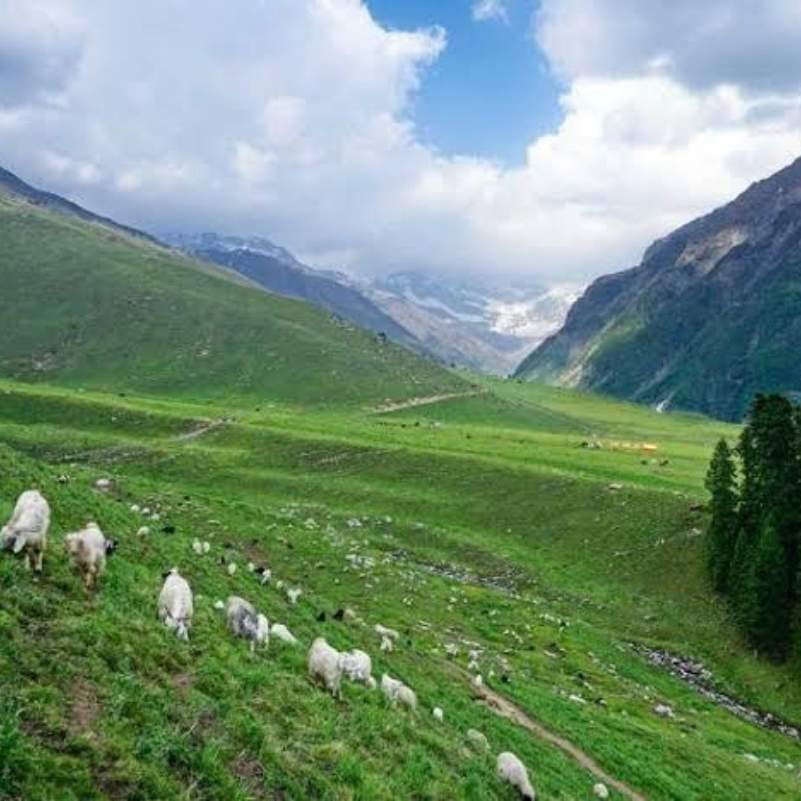 Chanshal Pass
Buran Ghati Trek Complete Guide 2026: Route, Cost, Difficulty, Best Time
Planning the Buran Ghati Trek in 2026? Explore the complete guide covering the route, itinerary, cost, difficulty, best time to visit, fitness tips, and essential trekking advice.
- Things to Do
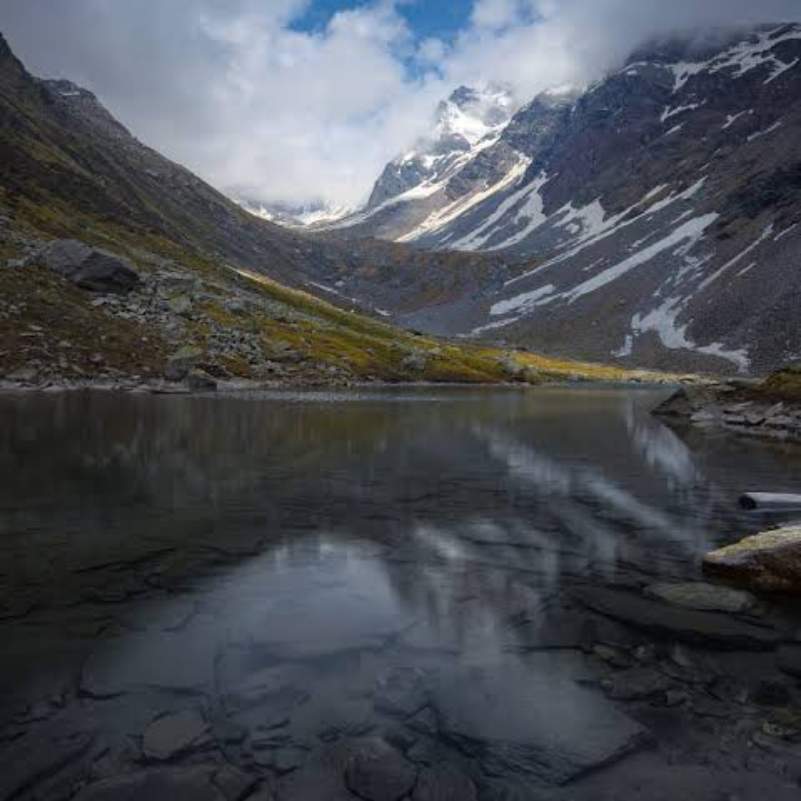 Chanshal Pass
Chandranahan Lake Trek 2026: Source of the Pabbar River
Discover the Chandranahan Lake Trek 2026, a breathtaking Himalayan adventure to the sacred source of the Pabbar River in Himachal Pradesh. Explore pristine alpine meadows, glacial lakes, and spectacular mountain landscapes with this complete trekking guide.
- Things to Do
- Chanshal Pass
Chandigarh to Chanshal Pass Road Trip Guide 2026: Route, Itinerary & Driving Tips
Planning a road trip from Chandigarh to Chanshal Pass in 2026? This guide covers the best route, driving times, suggested itineraries and practical tips to help you enjoy one of Himachal Pradesh's most scenic mountain drives. Whether you are self-driving or travelling with family, preparation makes the journey smoother and safer.
- Road Trips
- How to Reach