
Trekking in Dharamshala: Every Major Trek Ranked (2026 Guide)
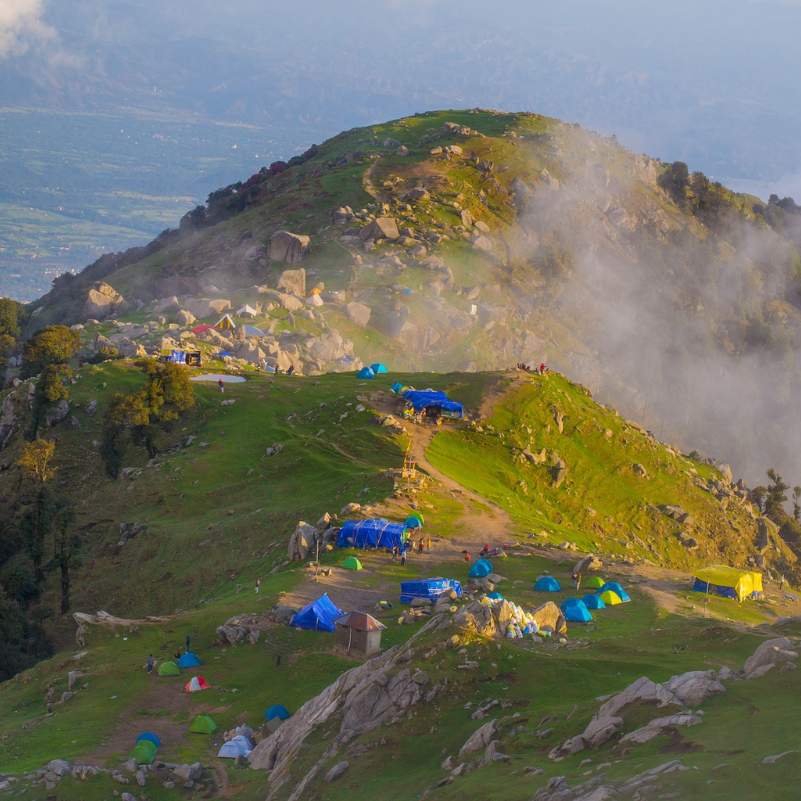
If you are planning trekking in Dharamshala and you are drowning in blog posts that all say "Triund is amazing" without telling you anything useful, this guide by Travel Coffee is for you.
We have run trips across the Dhauladhar range for years, and we will rank every major trek here honestly. Which one suits a first-timer, which one will break you, which one is overrated, and which one almost nobody talks about but should.
No fluff. Just the trails, the difficulty, the views, and what we tell our own travellers before they tie their laces.
Quick Answer
The best trek in Dharamshala for most people is the Triund Trek. It sits at around 2,850 m, the hike is roughly 6 to 7 km, and a reasonably fit beginner can finish it in half a day. You get the full Dhauladhar wall in your face and the Kangra valley behind you.
If you want a real challenge, the Indrahar Pass Trek at about 4,342 m is the big one. It is moderate to difficult and not a beginner trek.
For a lake instead of a ridge, the Kareri Lake Trek at around 2,950 m is the pick. Quieter than Triund, prettier in a different way, and you actually camp by water.
Most major treks here run from Triund, Kareri Lake, Indrahar Pass, Minkiani Pass, Nag Dal, Guna Devi, Snowline and Laka Glacier. Some need just a day, some need three to five.
Trek availability depends entirely on weather and snowfall, so always check before you lock dates.
Why Dharamshala Is One of India's Best Trekking Destinations
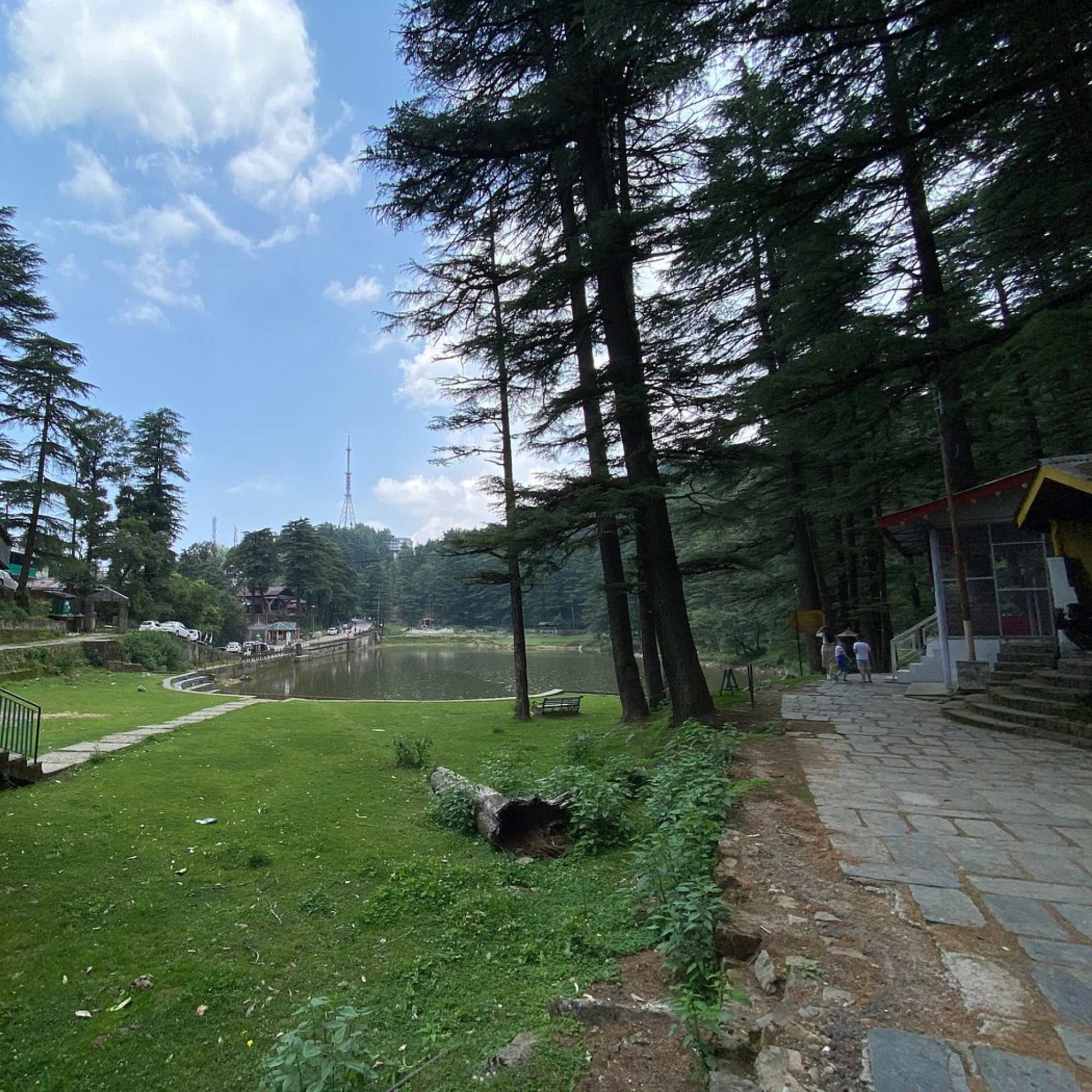
The whole reason trekking here works is the Dhauladhar range. These mountains rise straight up from the Kangra valley with almost no foothills in between.
That means you go from a town at around 1,800 m to snow walls and ridges in a single day of walking. Most places in India make you drive for hours to reach a trailhead. Here the trail starts almost where the road ends.
In our experience, this is what makes Dharamshala perfect for first-time trekkers. You get dramatic high-mountain views without committing to a week-long expedition.
The other thing is variety. You have gentle forest walks, steep ridge climbs, glacier approaches, and serious mountain passes, all branching out from the same base area around McLeodganj and Dharamkot.
So a beginner and a hardcore trekker can stay in the same guesthouse and still each get the trail they came for.
If you want the logistics handled for you, our Dharamshala tour packages come with a local driver, sorted stays, and a team that actually picks up the phone when plans change.
What Most Tourists Get Wrong
Most people treat Triund like a checkbox. They drive up to Galu Devi temple, rush the climb, take one photo at the top, and rush back down before sunset.
That skips the best part. The light on the Dhauladhar at sunset and sunrise is completely different from the flat midday glare everyone photographs. Stay a night at the top and you see a different mountain.
Every Major Trek in Dharamshala Ranked
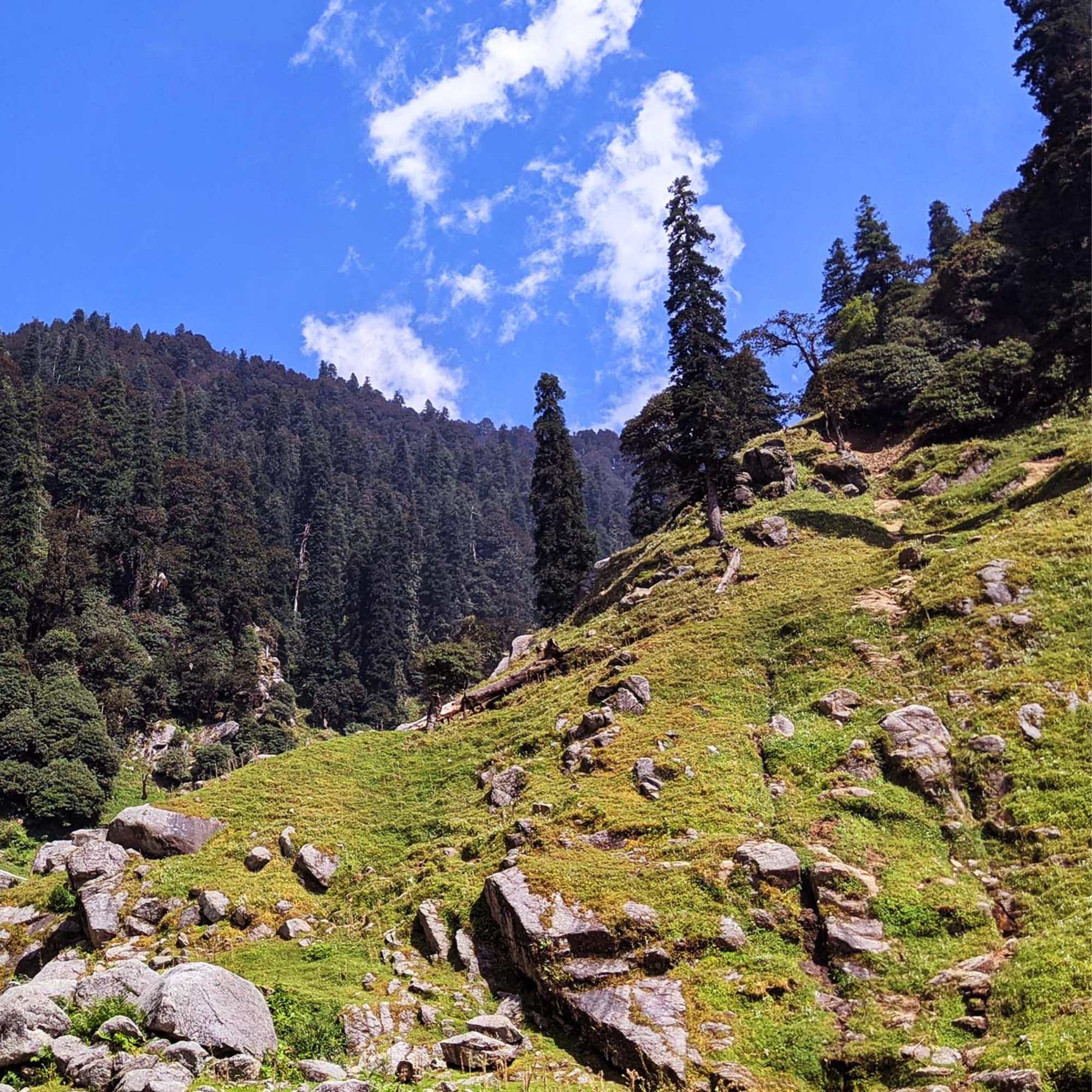
We ranked these on four things. How good the views are for the effort, how beginner-friendly the trail is, how crowded it gets, and whether the experience matches the hype.
A trek that is stunning but mobbed by day-trippers loses points. A quiet trail with a big payoff gains them.
So this is not just "highest altitude wins." It is what we would actually recommend to a friend depending on what they want.
Here is every major trek, ranked.
Triund Trek (Best Overall Trek)
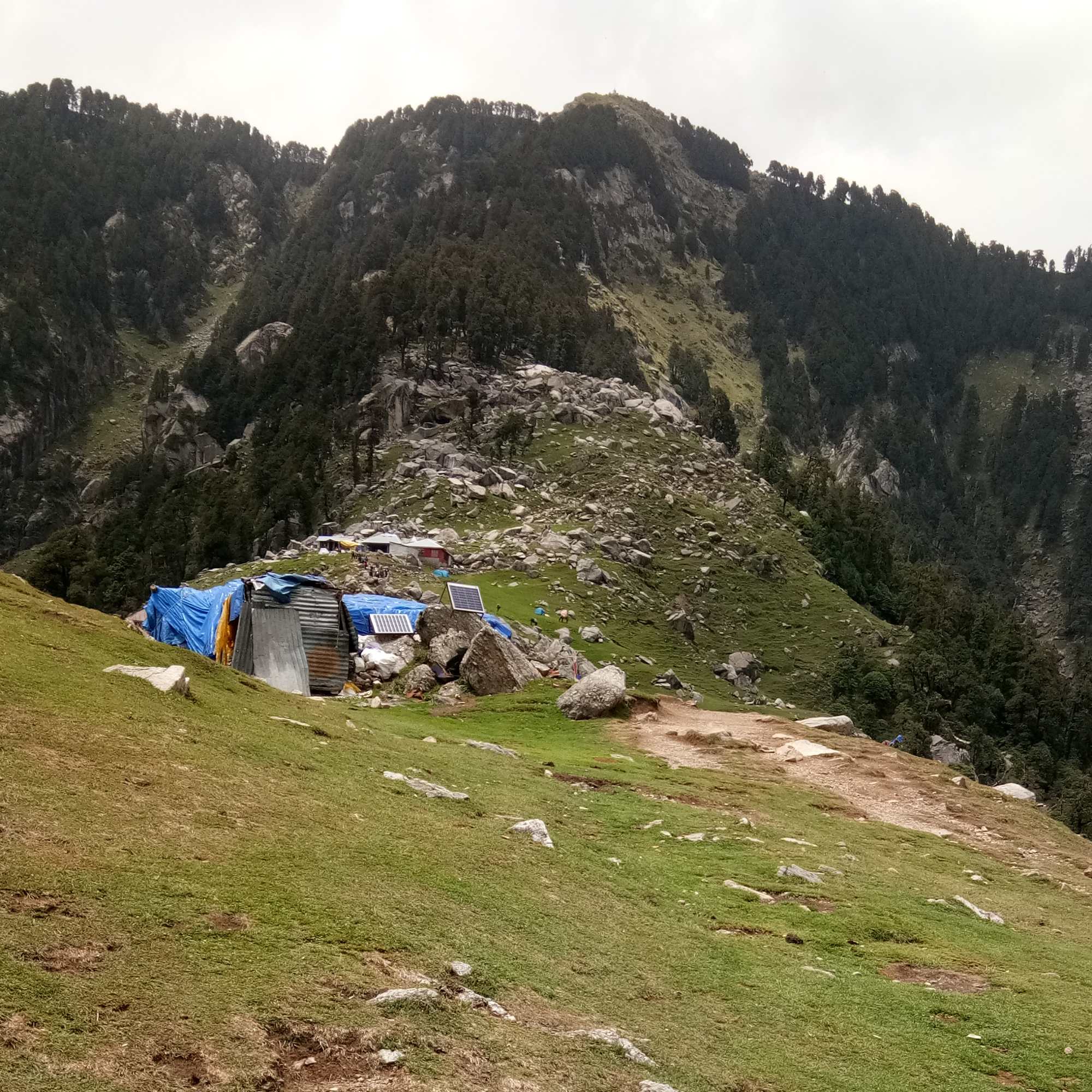
Triund wins because it gives you the most mountain for the least effort. The top sits at roughly 2,850 m, and the hike is about 6 to 7 km from the usual starting point.
A fit beginner does it in three to four hours. You climb through oak and rhododendron forest, the trees thin out, and then the ridge opens to the full Dhauladhar wall on one side and the Kangra valley spread out below on the other.
It is beginner friendly. No technical sections, no ropes, just a steady uphill walk that gets steeper near the top in the section locals call the "22 curves."
Honest negative
Triund is crowded, especially on weekends and holidays. The trail can feel like a queue, and the top gets littered when the day-trip rush arrives. If you want quiet, go on a weekday and stay overnight.
Timing tip
Start your climb by 7 to 8 AM. By late morning the clouds usually roll in and swallow the views, and the afternoon sun on the open ridge is brutal.
Food tip
The trail has small tea and maggi stalls roughly halfway up and at the top. The hot maggi and chai near the ridge is the last proper warm food before the top, and on a cold climb it is worth every rupee. Prices are higher than town since everything is carried up by hand.
Money-saving tip
You do not need a paid guide for Triund. The trail is wide, marked, and busy enough that you will never be alone on it. Save that money. Start from Galu Devi temple instead of lower McLeodganj to cut a chunk of boring road-walking off the start.
Indrahar Pass Trek (Best Challenge)
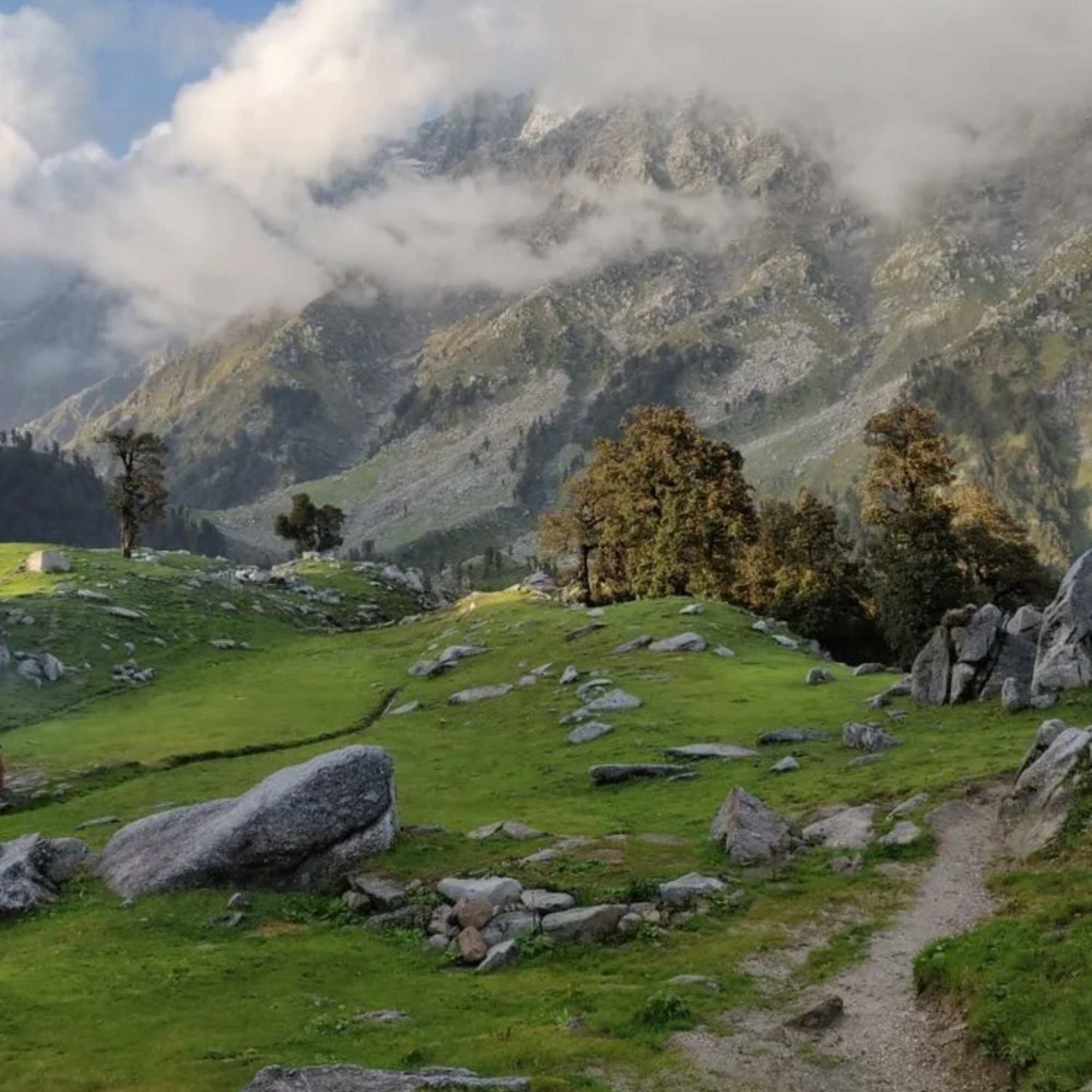
This is the serious one. Indrahar Pass sits at about 4,342 m, and the trek is rated moderate to difficult.
This is not a day hike. It usually takes a few days, with camps along the way, and it climbs well past the tree line into proper high-mountain terrain.
You typically go up through Triund and Laka Glacier first, then push higher towards the pass itself. The final approach is steep, rocky, and the altitude is real at this height.
We only send fit, prepared trekkers on this one. If you have never been above 3,000 m or never camped at altitude, this is not your first trek. Build up to it.
The payoff is huge though. From the pass you stand on the spine of the Dhauladhar and look down into the Chamba side. Very few day-trippers ever see this.
Safety warning
Altitude sickness is a genuine risk above 4,000 m. Headache, nausea, and breathlessness can hit anyone regardless of fitness. Go slow, hydrate, and turn back if symptoms get worse. There is no quick rescue up here.
Exact distances and camp altitudes for this route vary by the path you take, so confirm the full plan with your operator before you go.
Kareri Lake Trek (Best Lake Trek)
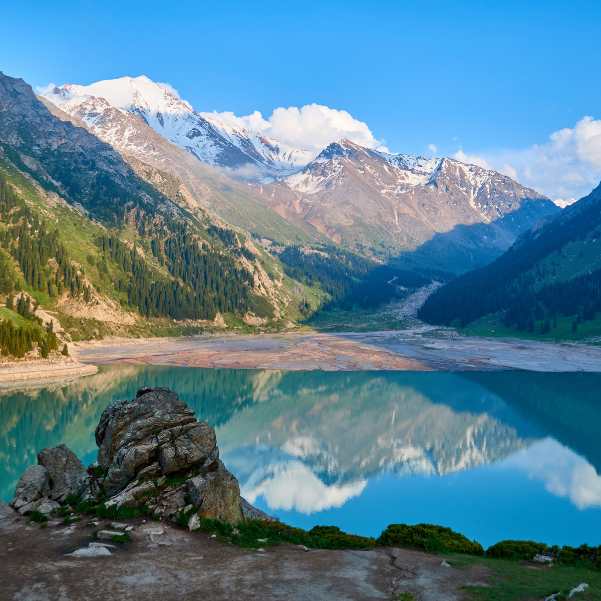
If you want water at the end instead of a ridge, Kareri Lake is the trek. The lake sits at around 2,950 m.
This one is a different feel from Triund. You walk through villages, pine forest, and along a stream most of the way, ending at a clear glacial lake with the Dhauladhar rising right behind it.
It is usually done over two days with a camp near the lake. The walking is longer than Triund but the gradient is gentler for much of it, which makes it doable for fit beginners who do not mind a full day on their feet.
Kareri stays much quieter than Triund. You will not be fighting crowds, and the camp by the lake at night is genuinely peaceful.
Is Kareri better than Triund? For solitude and a lake camp, yes. For a quick big-view day trek, Triund wins. They are different trips.
The exact trail distance depends on where the road drops you, so check that before you plan your timing.
Minkiani Pass Trek (Most Underrated Trek)
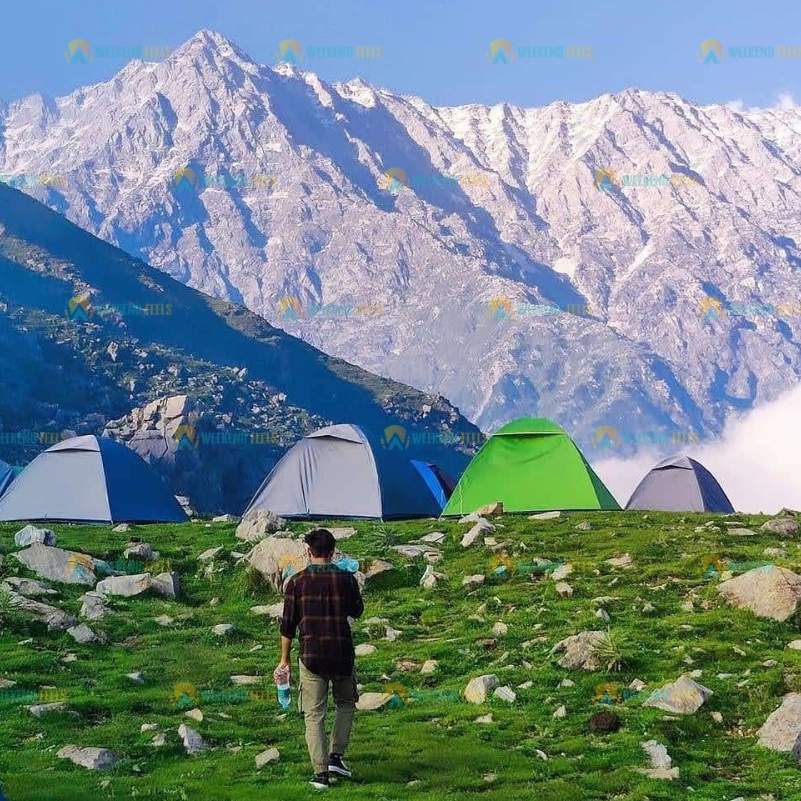
Almost nobody talks about Minkiani Pass, and that is exactly why experienced trekkers love it.
It is a high pass route that often gets combined with the Kareri Lake area, crossing over the Dhauladhar towards the Chamba side. The trail is remote, the crowds are basically zero, and the sense of being out in real mountains is strong.
This is not a beginner trek. The altitude is high, the route is less defined than the popular trails, and you need to be comfortable with multi-day mountain camping.
In our experience, this is the trek for someone who has already done Triund and Kareri and wants something that feels wild and untouched. You earn every view, and you share it with almost no one.
We will not throw a specific altitude or distance at you here because these vary by route and we will not invent numbers. Plan this one with a guide who knows the crossing.
Snowline Trek (Best Weekend Trek)
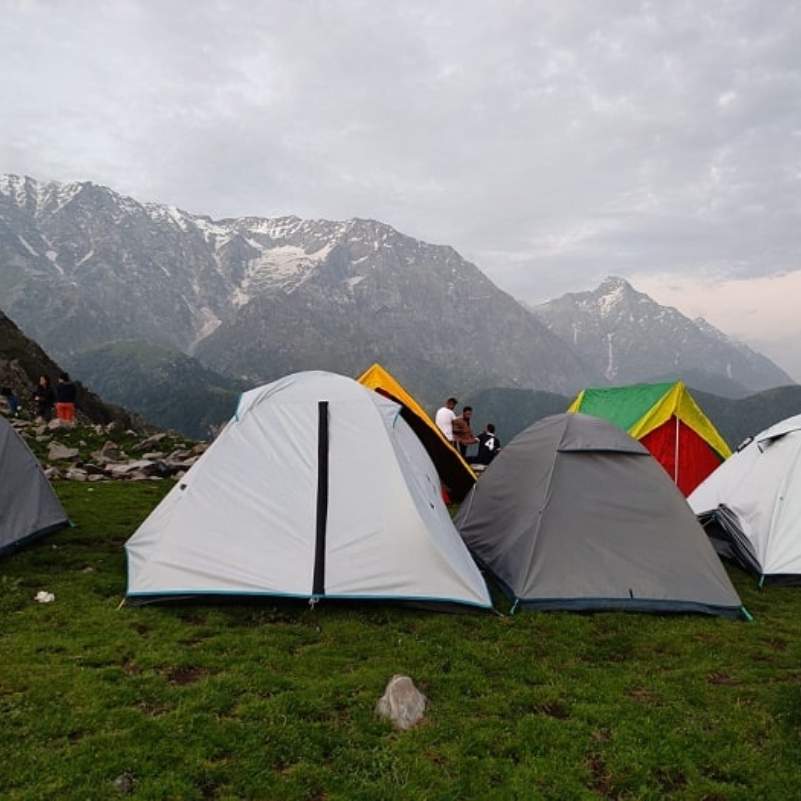
Snowline Trek is the natural extension above Triund. Once you reach the Triund ridge, you keep climbing towards the line where the snow starts, usually near the Laka Glacier area.
This makes it a great weekend option. You can do Triund and Snowline together, camping at Triund overnight and pushing up to the snow the next morning.
The views get bigger the higher you go. You leave the crowds behind almost immediately past Triund, because most day-trippers stop at the ridge and turn around.
The exact altitude of the snowline shifts through the season depending on snowfall and melt, so there is no fixed number we can give you. Earlier in the season the snow sits lower, later it retreats higher.
This is a solid pick if you have two days and want more than Triund but are not ready for a full pass trek.
Laka Glacier Trek
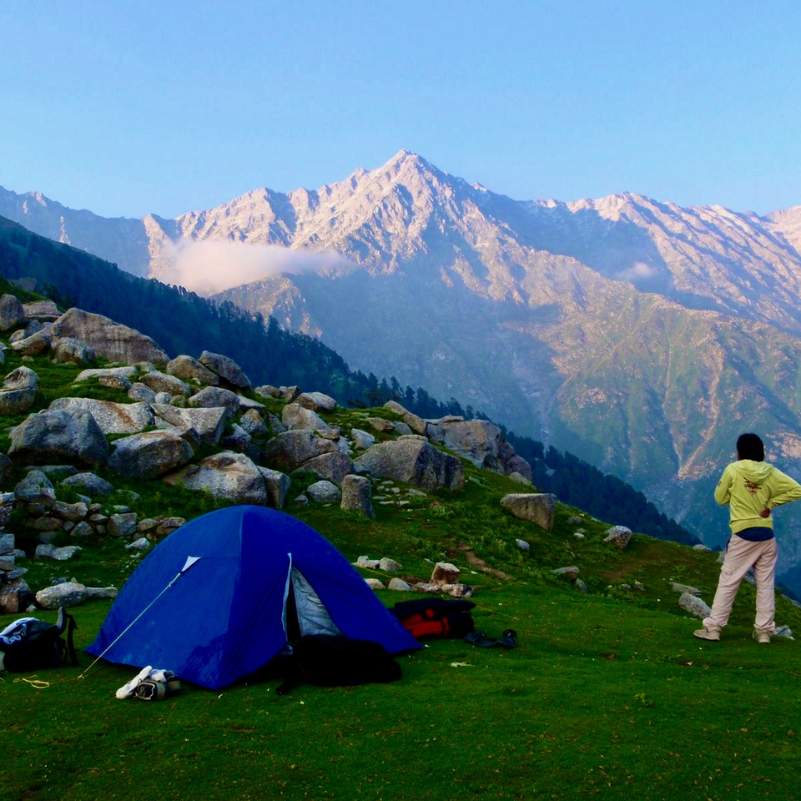
Laka Glacier sits just above Triund and below the Indrahar Pass approach. It is a short, rewarding push beyond the Triund ridge.
You walk up through a rocky, open landscape to reach a small glacier patch with shepherd huts nearby. Even when the glacier is more snowfield than ice late in the season, the setting is dramatic and far quieter than Triund below.
Most people do Laka as a half-day add-on after a night at Triund. It is the easiest way to touch genuine high-mountain terrain without committing to the full Indrahar expedition.
The altitude here is higher than Triund, so take it slower than you think you need to. The air thins noticeably on the climb up from the ridge.
Guna Devi Trek
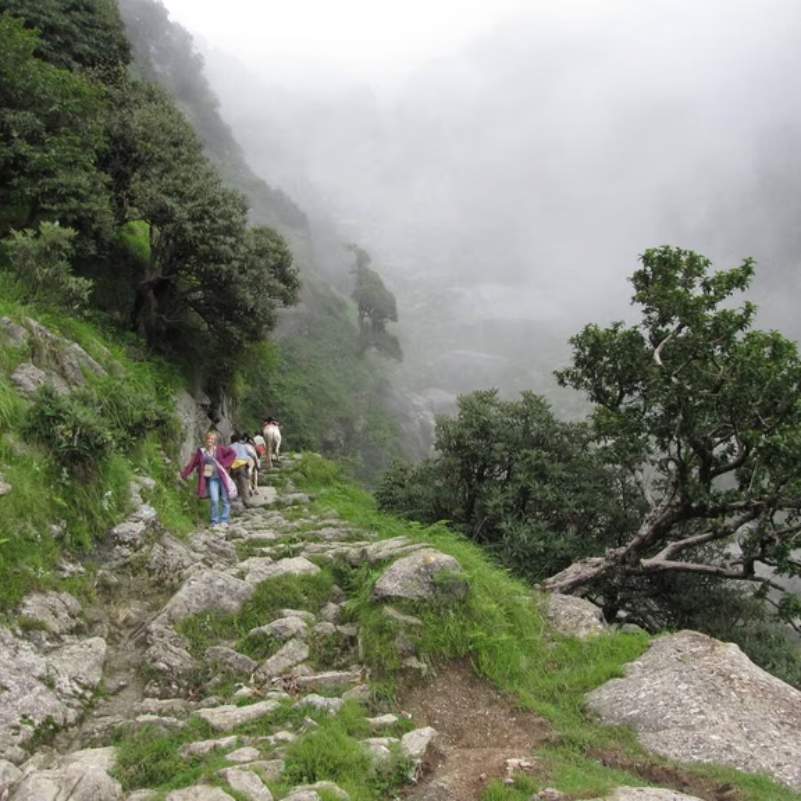
Guna Devi is the gentle one. It is a forest trail leading to a small temple set deep in thick oak and deodar woods.
This is the trek for people who want a walk in the mountains without the lung-burning climb. The gradient is easy, the shade is constant, and the forest is genuinely beautiful and birdsong-heavy.
It suits beginners, families with older kids, and anyone who wants a half-day in nature rather than a summit push. You will not get the big open Dhauladhar views here, but you get peace and trees.
In our experience, travellers who find Triund too crowded or too steep often end up loving Guna Devi more. It is calm, it is green, and it asks very little of you.
The trail length varies depending on your starting point near Naddi or McLeodganj.
Nag Dal Trek
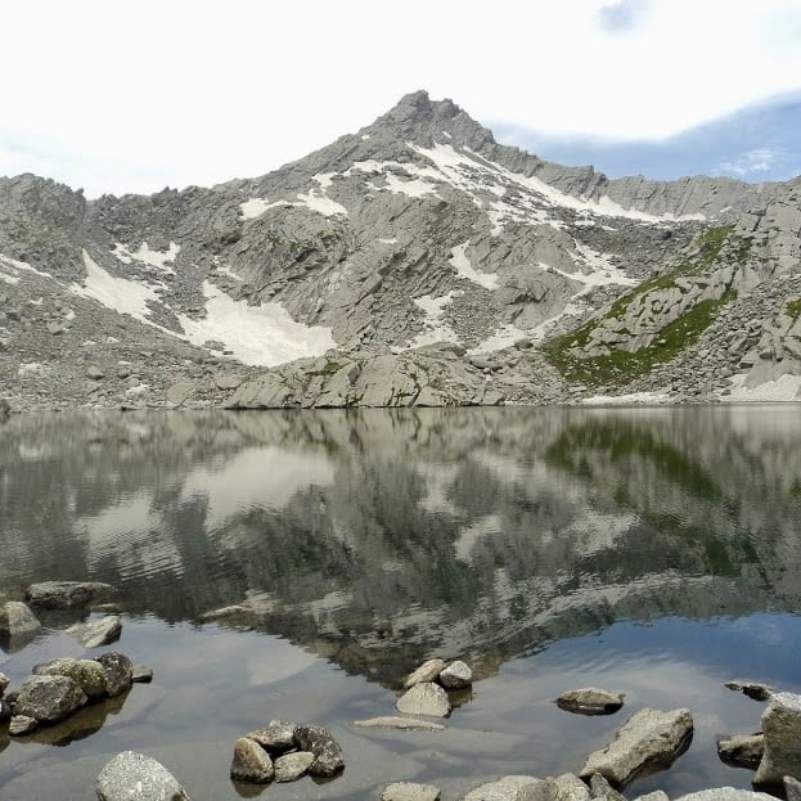
Nag Dal is the offbeat one for people chasing solitude. It leads to a small sacred lake tucked high in the Dhauladhar, tied to local Nag (serpent) deity beliefs.
Very few tourists go here. It is not on the standard circuit, the trail is less travelled, and that is the whole appeal. You get a quiet high lake with real local significance and almost no foot traffic.
Because it is offbeat, the route is not as clearly marked as Triund or Kareri. Go with someone who knows the way, or with a guide. Getting lost up here is a real possibility.
This is a trek for experienced walkers who have done the popular trails and want something with a story attached. The sacred lake feels like a place few outsiders ever reach, because few do.
Altitude and distance for Nag Dal are best confirmed locally before you set off.
Trek Difficulty Comparison
Here is how they stack up against each other in plain terms.
The easiest are Guna Devi and a basic Triund day climb. Both are doable for fit first-timers, with Guna Devi being the gentler forest walk and Triund the steeper but bigger-payoff option.
Stepping up, Kareri Lake and Snowline are moderate. They need a full day or two of walking and a night of camping, but no technical skill. A reasonably fit person who has done Triund can handle these.
Laka Glacier sits just above that, mostly because of the extra altitude past Triund rather than the difficulty of the path.
At the hard end are Indrahar Pass, Minkiani Pass, and the remote Nag Dal route. These mean high altitude, multi-day camping, longer days, and less defined trails. You want prior trekking experience and decent fitness before attempting any of them.
So if you are starting out, work up the list. Triund, then Kareri or Snowline, then the passes.
Best Trek in Dharamshala Based on Your Travel Style
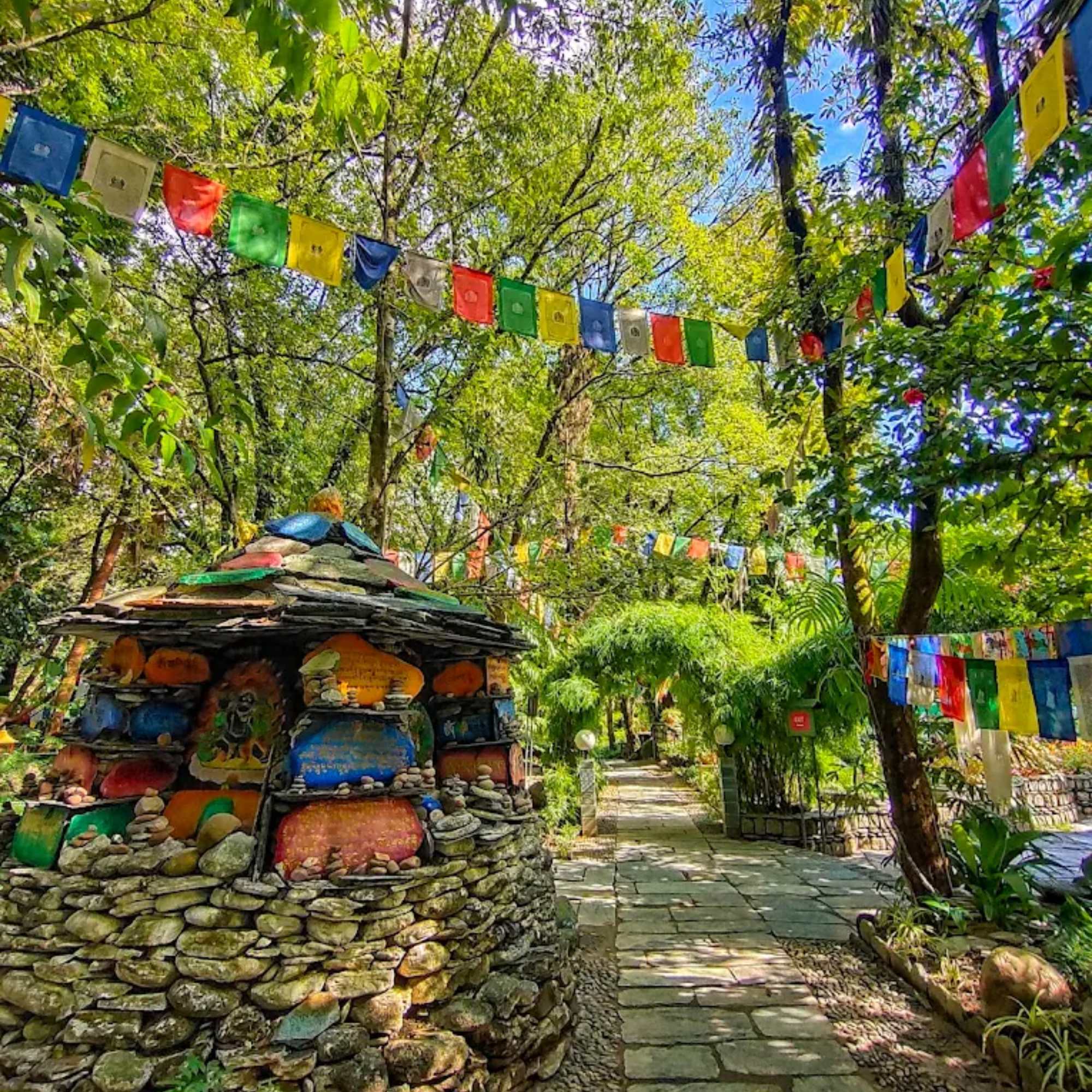
First-time trekker
For a first-time trekker, do Triund. It is forgiving, busy enough to feel safe, and the reward is immediate. Add a night at the top to make it special.
Photographer
For a photographer, go for Kareri Lake or stay overnight at Triund for the Snowline push. Sunrise and sunset on the Dhauladhar, plus a lake reflection, beat any midday day-trip shot.
Families
For families with older kids, Guna Devi is the safe, gentle pick. Triund works too if the children are fit and you start early. Skip the high passes entirely with kids.
Serious Hikers
For serious hikers, Indrahar Pass and Minkiani Pass are the real prizes. High, remote, demanding, and almost crowd-free.
Solo Travellers
For solo travellers, Triund is the most solo-friendly because you are never truly alone on the trail. For quieter solo treks like Nag Dal, go with a guide rather than alone, since the routes are remote and poorly marked.
Best Time for Trekking in Dharamshala
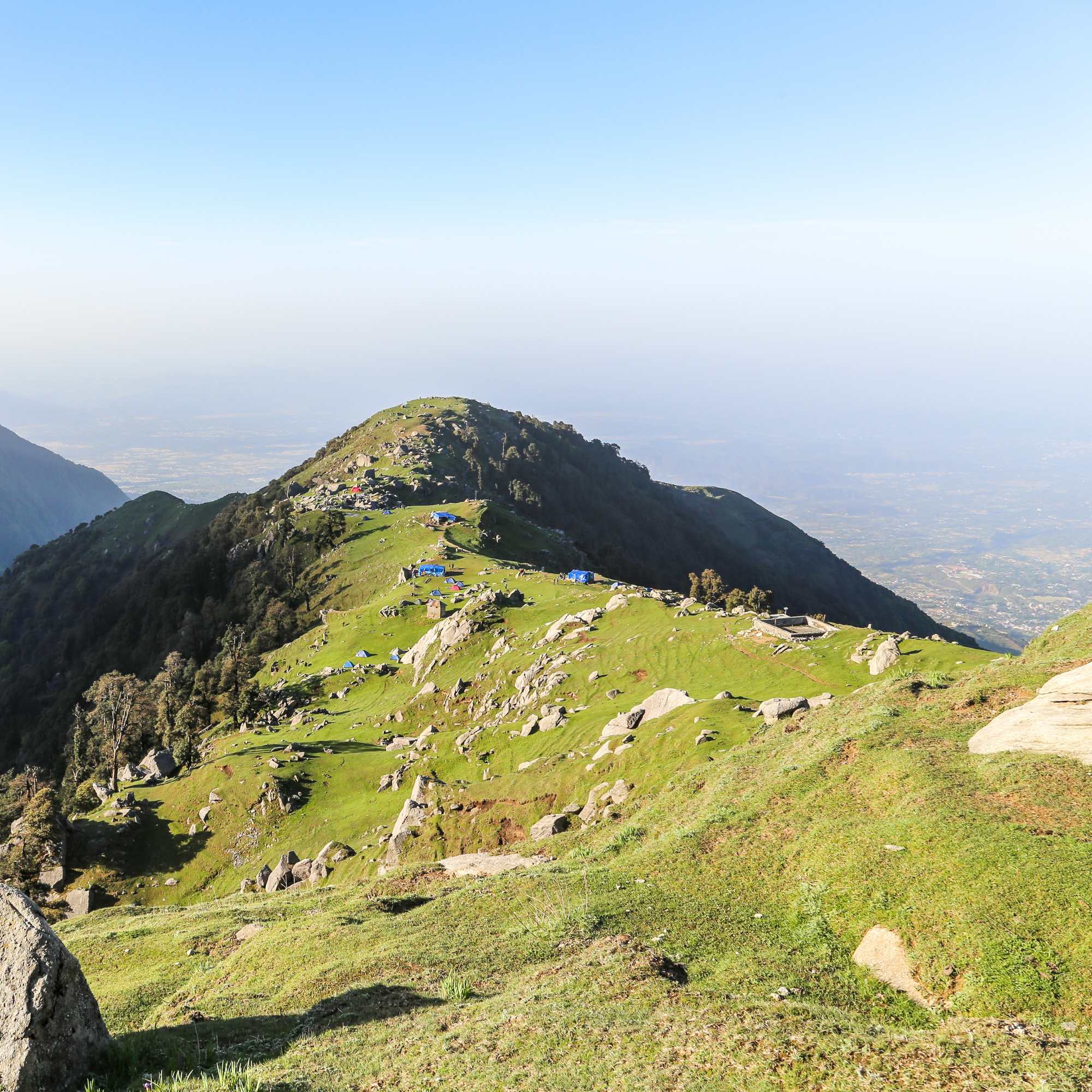
The main trekking seasons are spring and post-monsoon. Roughly March to June before the rains, and September to November after them, give the most stable conditions and clearest views.
Summer days are warm and pleasant, but the lower treks like Triund can get crowded and hazy. Early summer still holds snow on the higher passes, which is beautiful but means the high routes open later.
The monsoon months of July and August bring heavy rain, slippery trails, and leeches in the forest sections. We usually steer travellers away from serious trekking then. Landslides can also block roads to the trailheads.
September to November is our quiet favourite. The air clears after the rains, the views go sharp, and the crowds thin out. Nights get cold fast though, so pack warm.
In deep winter, the higher treks get snowbound. High-altitude trekking restrictions may apply during severe winter conditions, so verify before travel. Triund can sometimes be done in winter with proper snow gear, but the passes are off-limits.
Trek availability always depends on the season's snowfall, so check current conditions before you commit to anything above the tree line.
Essential Trekking Tips for Dharamshala
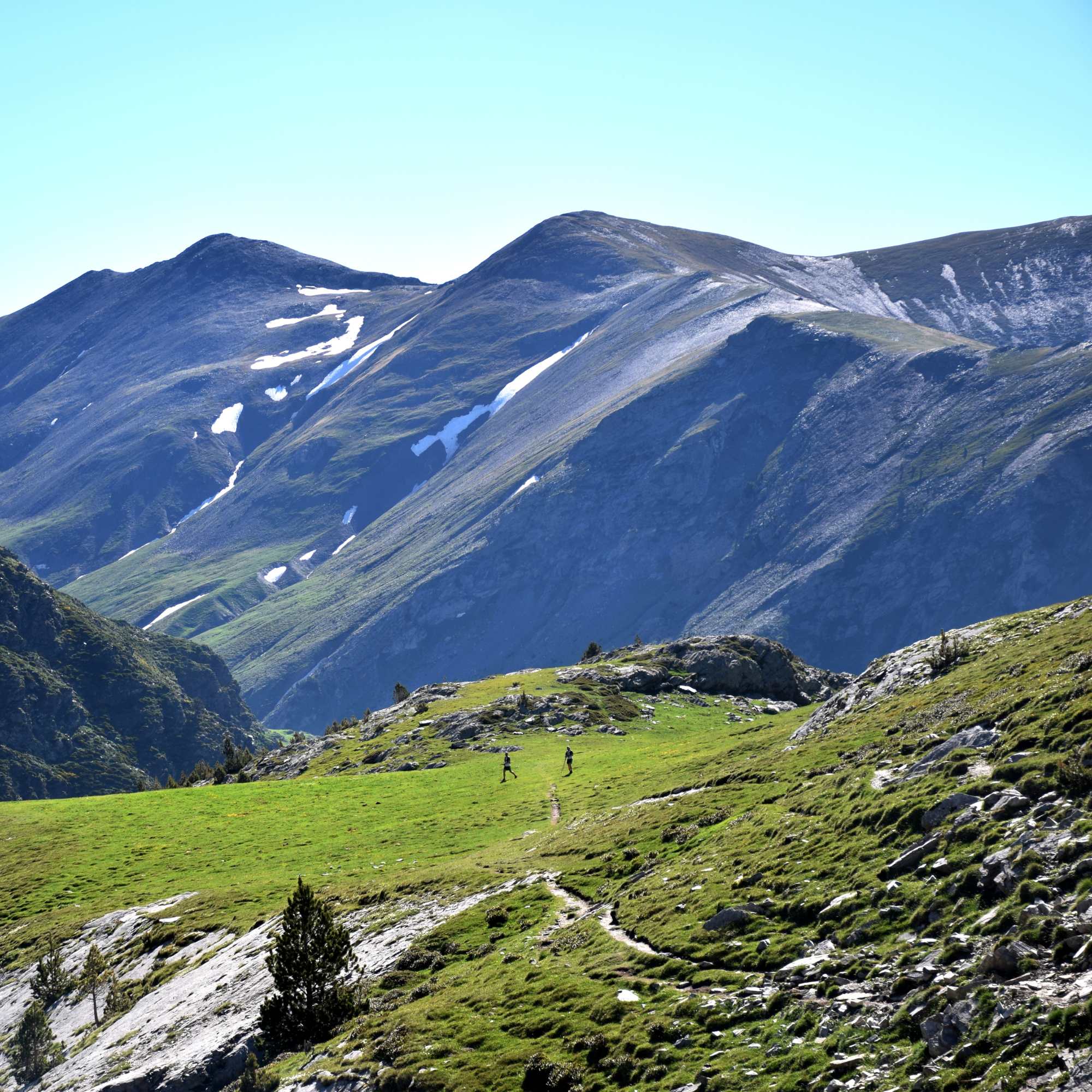
Get your footwear right first. Proper trekking shoes with grip, not sneakers and definitely not sandals. The trails are rocky and loose, and a twisted ankle three hours from the road is a bad day.
Layer your clothing. Even in summer, the top of any of these treks is cold once the sun drops or the wind picks up. Carry a fleece and a windproof outer layer no matter the season.
Carry enough water and start every trek early. Morning light is better, afternoon clouds ruin the views, and you do not want to be descending in the dark.
Build up your fitness before you come. Even Triund makes unfit travellers suffer. A few weeks of walking or stairs beforehand changes the whole experience.
Carry a basic medicine kit with painkillers, anti-nausea tablets, and ORS. On the high treks, watch for altitude sickness and never push higher if symptoms get worse.
What we tell our travellers
carry a power bank, a headlamp, and snacks even for a day trek. Phone signal dies on most of these trails, and if anything slows you down, you want to be self-sufficient until you are back.
Dharamshala Trekking Costs Explained
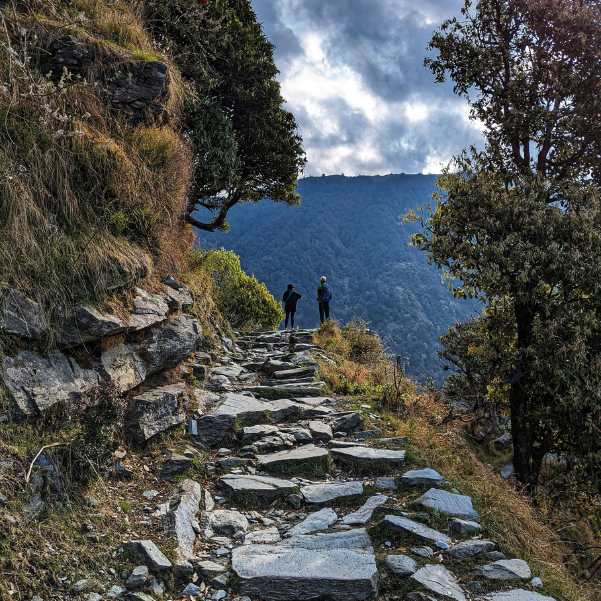
Costs depend on whether you do it self-guided or with support, so we will keep this honest rather than throw fake figures at you.
A self-guided Triund day trek costs almost nothing beyond your transport to Galu Devi temple and food on the trail. The trail itself has no entry fee, though that can change, so check locally.
For the longer treks, your costs are mainly the guide, camping gear and tents, food, and transport to the trailhead. Multi-day treks with a camp and guide naturally cost more than a day walk.
A guide is genuinely worth it for the high or offbeat routes like Indrahar, Minkiani, and Nag Dal, where the trails are poorly marked and the altitude is serious. For Triund, you can skip it.
We will not quote specific rupee amounts here because guide and camping rates shift by season, group size, and operator. The honest move is to confirm live prices before you book.
Money-saving tip
Share transport to the trailhead with other trekkers from your guesthouse instead of hiring a private taxi alone. It is easy to find others heading the same way from McLeodganj or Dharamkot, and it cuts the biggest fixed cost.
Where to Stay Before Your Trek
McLeodganj
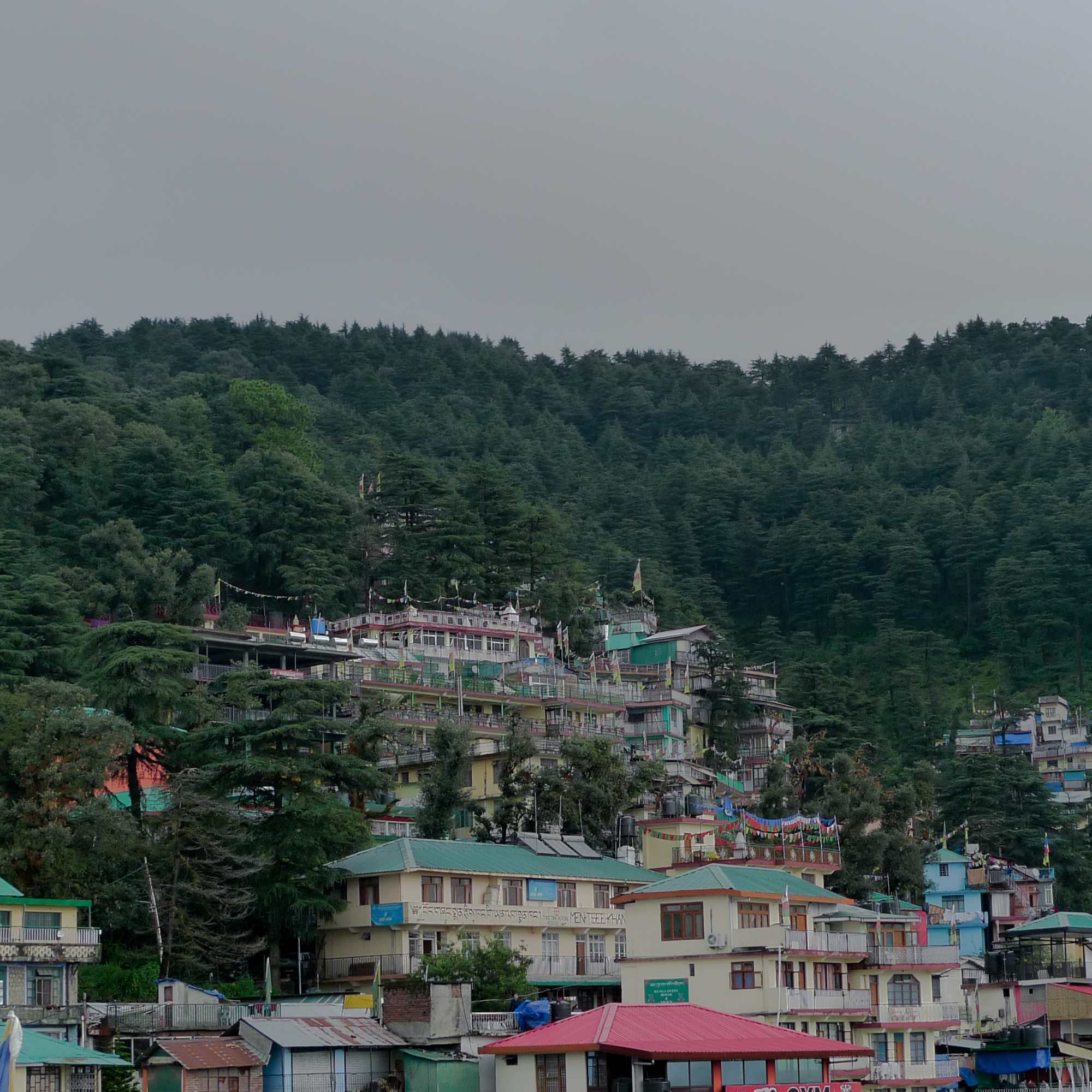
McLeodganj is the obvious base. It has the most stays, food, and gear shops, and it is well connected. It also gets the most crowded and noisy.
Dharamkot
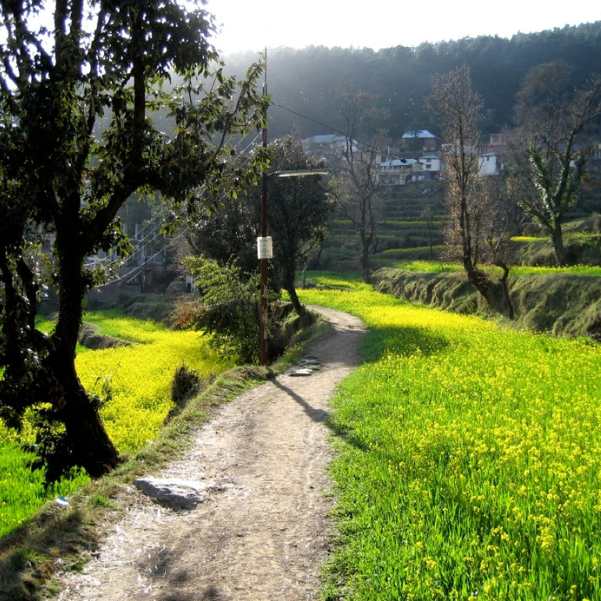
Dharamkot sits just above McLeodganj and is calmer, greener, and closer to the Triund and Snowline trailheads. We usually point trekkers here. You wake up already part way up the mountain and the vibe is more relaxed.
Bhagsu
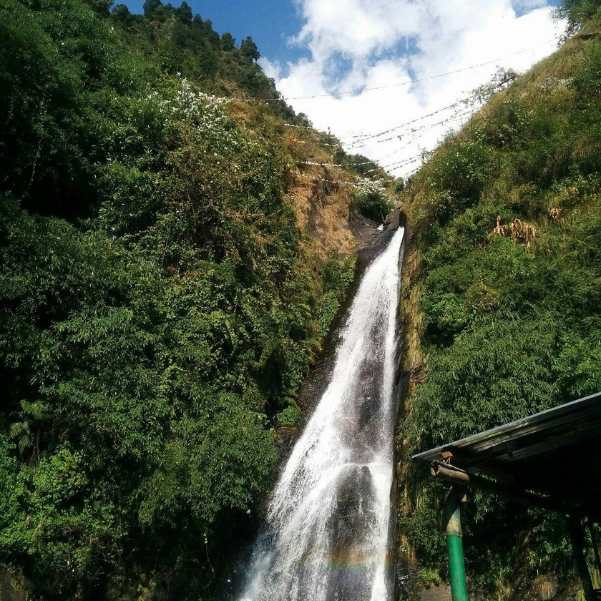
Bhagsu is the middle option, busy and backpacker-friendly with a waterfall and plenty of cafes, a short walk from McLeodganj.
In our experience, staying in Dharamkot the night before a Triund start saves you time and effort the next morning. You are closer to Galu Devi and you skip the lower road walk.
We put together a fuller breakdown of the area in our guide to the best places to visit in Dharamshala and McLeodganj, worth a read while you plan your base.
Final Verdict
If you only do one trek, do Triund. It is the best balance of effort and reward in Dharamshala, and a beginner can finish it proud.
If you have done Triund and want more, go to Kareri Lake for a lake camp or push up to Snowline and Laka Glacier for higher, quieter terrain.
If you are a serious trekker chasing a real challenge, Indrahar Pass and Minkiani Pass are the big ones, both demanding and both worth it.
And if you want to escape every crowd, the offbeat Nag Dal route to its sacred lake is for you, ideally with a guide.
Match the trek to your fitness and your time, start early, pack warm, and respect the altitude. Get those right and Dharamshala gives you some of the best trekking in India.
Explore Our Curated Dharamshala & McLeodganj Tours Packages
 3D/2N
3D/2NDharamshala & McLeodganj Weekend Tour
1D Delhi•2D Dharamshala / McLeodganj
₹8,799₹17,880SAVE INR 9,081/ person 6D/5N
6D/5NDharamshala Dalhousie Khajjiar Meadow Circuit
1D Delhi•2D McLeodganj+1
₹19,999₹25,999SAVE INR 6,000/ person 7D/6N
7D/6NDharamshala–McLeod Ganj, Dalhousie & Khajjiar With Amritsar
1D Delhi•2D McLeod Ganj / Dharamshala+3
₹23,999₹28,999SAVE INR 5,000/ person
Related topics
Frequently Asked Questions
Which is the best trek in Dharamshala?
Triund is the best overall trek for most people. It is beginner friendly at around 2,850 m, gives huge Dhauladhar views, and the hike is only about 6 to 7 km.
Is Triund Trek worth it?
Yes, especially if you stay overnight at the top. The sunrise and sunset views beat the crowded midday day-trip experience. Just go on a weekday to avoid the rush.
Can beginners do trekking in Dharamshala?
Yes. Triund and Guna Devi are both beginner friendly. Build a little fitness beforehand, start early, and you will be fine on these easier trails.
How many days are required for trekking in Dharamshala?
Triund can be done in a day or stretched to two with an overnight. Kareri Lake and Snowline need two days. The high passes like Indrahar need three to five.
Which trek is harder than Triund?
Indrahar Pass, Minkiani Pass, and Nag Dal are all harder. They mean higher altitude, multi-day camping, and less defined trails, so you want prior experience.
Is Kareri Lake better than Triund?
For solitude and a quiet lake camp, yes. For a quick big-view day trek, Triund wins. They are different experiences, so pick by what you want.
Can I do Triund Trek solo?
Yes. Triund is the most solo-friendly trek here because the trail is wide, marked, and busy. You will never be truly alone on it.
Do I need a guide in Dharamshala?
Not for Triund. You do want a guide for the high or offbeat routes like Indrahar, Minkiani, and Nag Dal, where trails are poorly marked and the altitude is serious.
What is the best month for trekking in Dharamshala?
The clearest windows are March to June and September to November. We especially like September to November for sharp post-monsoon views and thinner crowds.
Which trek is best for families?
Guna Devi is the gentlest, a shaded forest walk to a temple with an easy gradient. Triund also works for families with fit, older kids if you start early.
What should I pack for trekking in Dharamshala?
Proper trekking shoes, warm layers and a windproof jacket, water, snacks, a power bank, a headlamp, sunscreen, and a basic medicine kit. Pack warm even in summer.
Are Dharamshala treks open throughout the year?
No. The high passes close in winter under snow. Lower treks like Triund can sometimes run with snow gear, but restrictions may apply in severe winter, so verify before travel.
More about Dharamshala
 Dharamshala
Delhi to Dharamshala by Vande Bharat in 2026: Amb Andaura Transfer & Return Guide
Planning to travel from Delhi to Dharamshala by Vande Bharat? Learn the best rail route, where to get off, and how to arrange your onward transfer to Dharamshala by taxi or bus.
 Dharamshala
Dharamshala Group Trip with Friends 2026: Cabs, Rooms, Triund and Shared Costs
Planning a Dharamshala group trip with friends in 2026? Explore cab options, estimated travel costs, group budgeting tips, and practical ways to plan an affordable trip to Dharamshala and McLeod Ganj.
 Dharamshala
Dharamshala Trip Cancellation Due to Weather in 2026: Refunds, Rescheduling and What Happens Next?
Planning a Dharamshala trip in 2026? Learn when severe weather, heavy rain, snowfall, landslides or road disruptions may require you to cancel or postpone your trip, and what to check before travelling.