
30 Best Things to Do in Manali in 2026: Activities, Attractions and Experiences
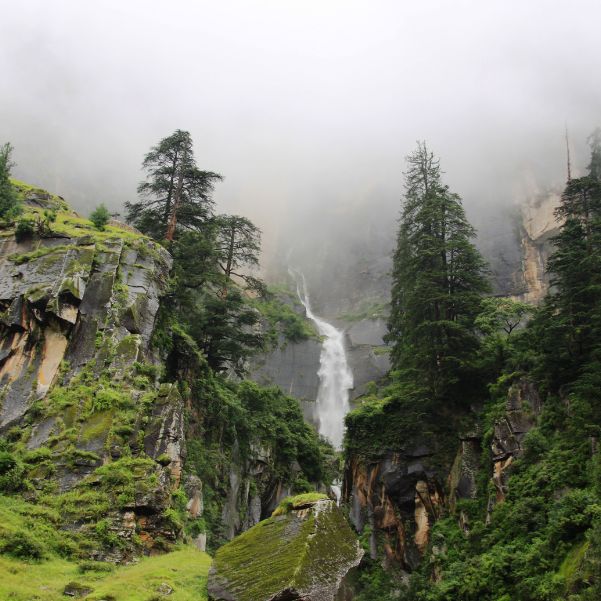
Most people land in Manali, do Solang Valley on day one, Rohtang on day two, buy a shawl on Mall Road, and go home thinking they have seen the place.
They have seen about a fifth of it.
The best things to do in Manali are not on the standard taxi circuit. Some of them cost nothing. Some of them happen at 6 AM when the tourist crowd is still asleep.
We run trips here every season, and the feedback pattern is always the same. The travellers who plan around experiences, not places, come back happier than the ones chasing a checklist.
Quick Answer: What Should You Actually Do in Manali?
Walk the Old Manali lanes and the Manu Temple area in the morning, sit at Hidimba Temple in the deodar forest, cross the Atal Tunnel for a day at Sissu, and spend one full evening doing nothing on the riverside at Vashisht.
Add adventure at Solang Valley if the weather cooperates, and keep Rohtang flexible because permits and weather decide that one, not you.
Free experiences alone can fill two full days. Paid adventure needs one day. Everything else is pace and preference.
If you want the whole thing arranged around your actual arrival time, our Manali tour packages are built exactly this way.
How to Choose Activities in Manali Without Wasting Days
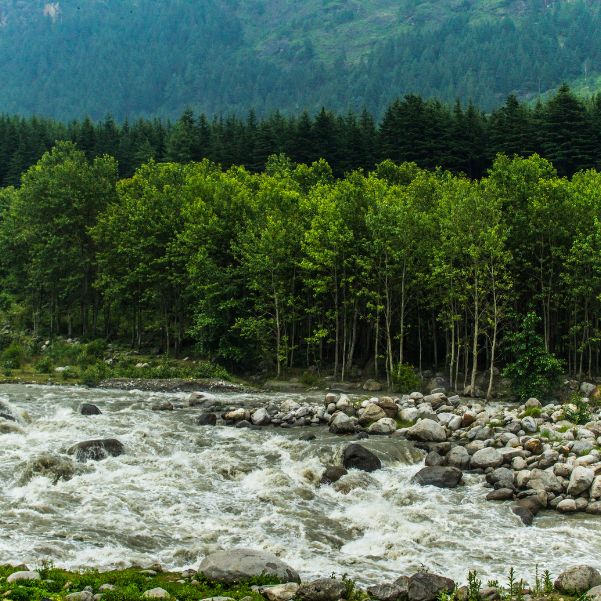
Manali is small but the roads are slow. That is the part travellers underestimate.
Pick two anchor experiences per day, not five. A morning anchor and an afternoon anchor.
If you have three days, do one free-and-cultural day, one adventure day, and one day across the Atal Tunnel towards Sissu.
Here is what most tourists get wrong. They book a taxi for a full-day sightseeing package on day one, before they have walked anywhere on foot.
You end up seeing Manali through a car window. The town rewards walking far more than driving.
We usually tell first-timers to keep day one completely car-free. Walk Old Manali, walk to Hidimba, walk back. You will understand the layout of the place by evening, and every decision after that gets easier.
Free Things to Do in Manali That Beat the Paid Ones
Walk the Old Manali Lane From Bottom to Top
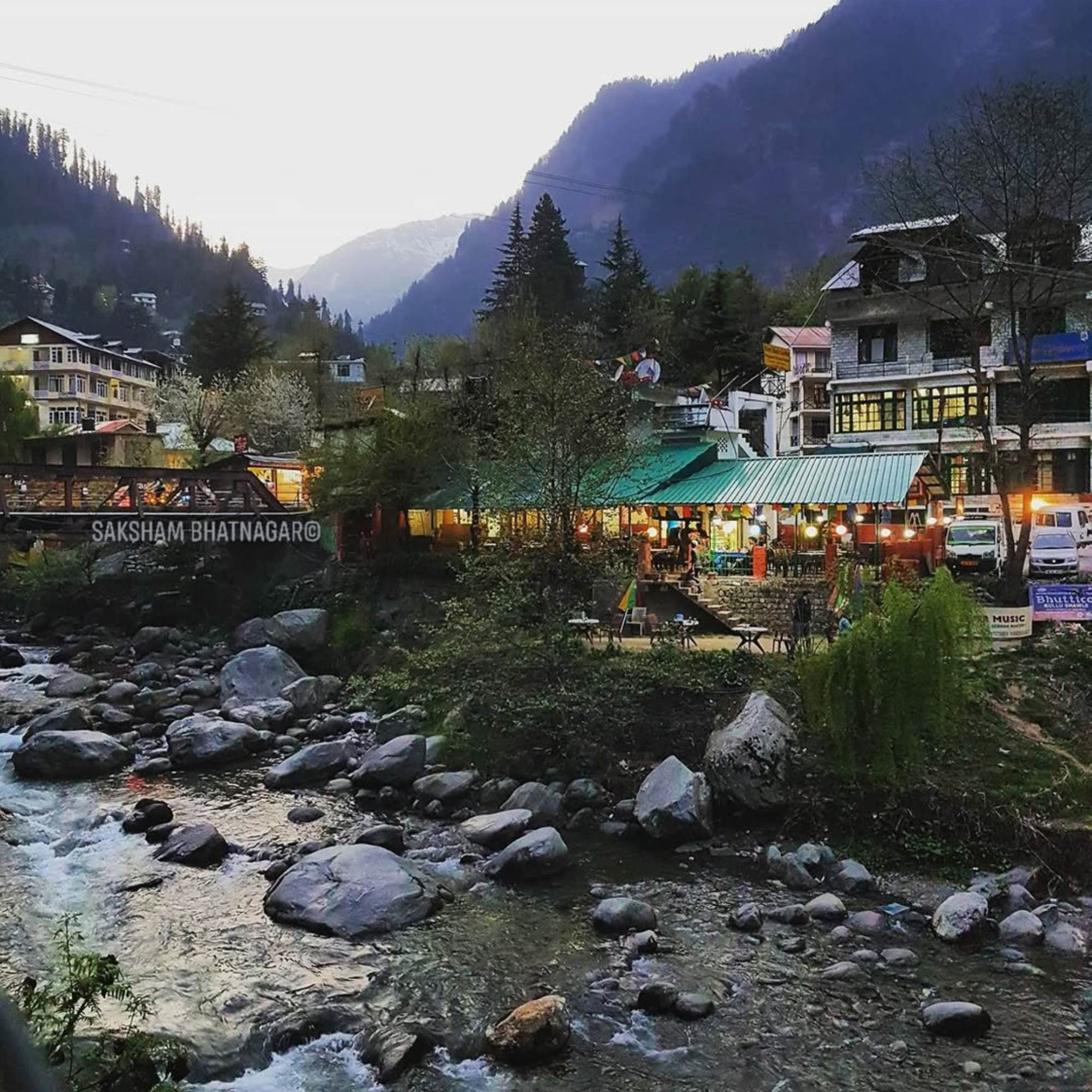
Start near the bridge and walk uphill. Cafes, guesthouses, apple orchards, and a slow shift from tourist Manali to something quieter.
It costs nothing and takes about an hour if you do not stop. You will stop.
Sit at Manu Temple in the Morning
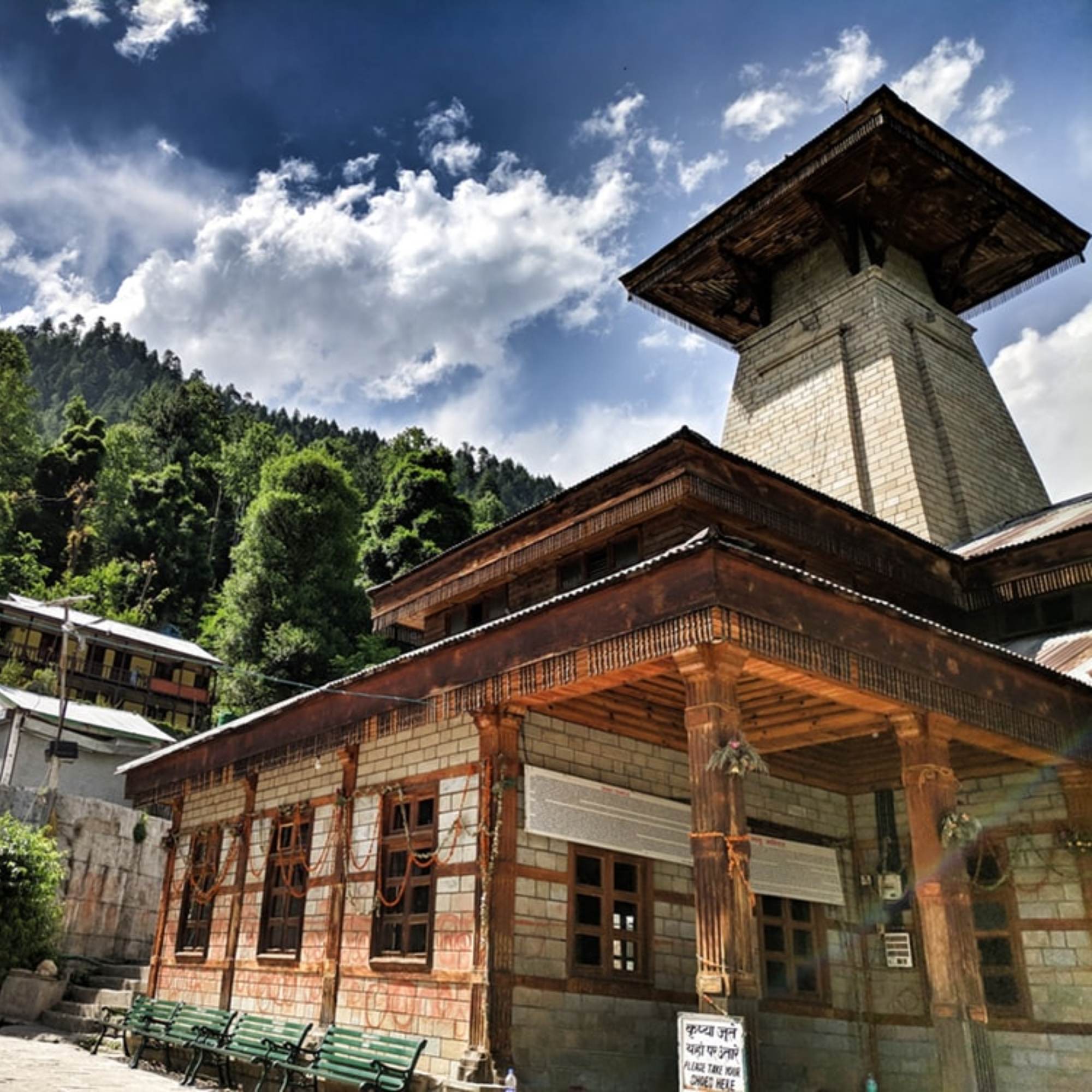
The climb up to Manu Temple through Old Manali is steep enough to make you breathe hard. The temple itself is small and plain.
But at 7 AM, it is silent, the light comes through the deodars sideways, and you have the place to yourself.
The Beas Riverside Walk Below Vashisht
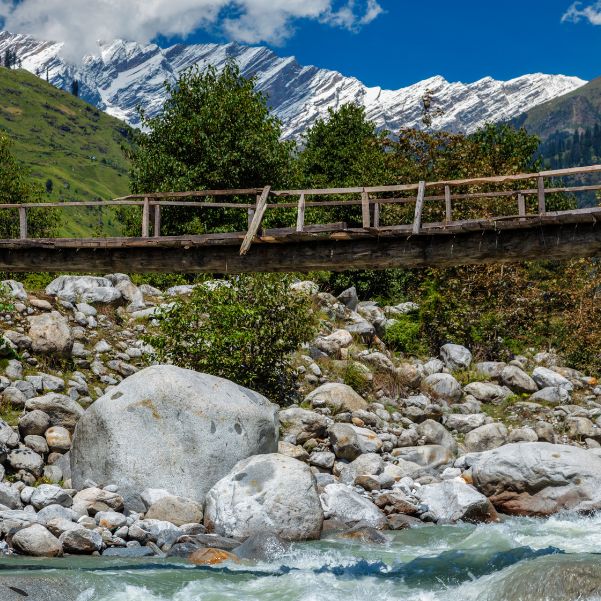
Most travellers go to Vashisht for the hot springs and leave. Walk down towards the river instead.
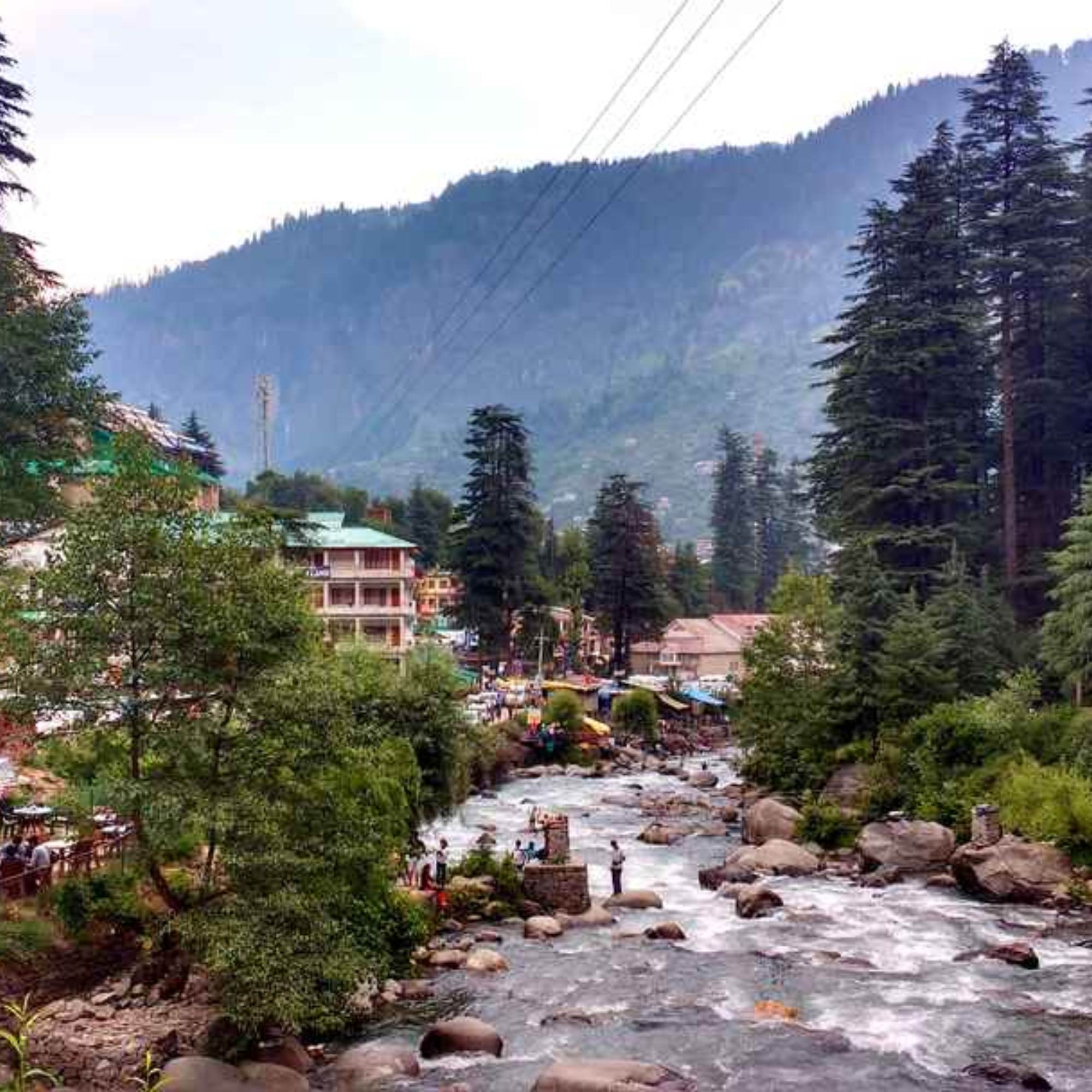
There are flat rocks by the water where you can sit for an hour. Free, empty, and the sound of the Beas drowns out everything else.
Van Vihar and the Deodar Forest Walk
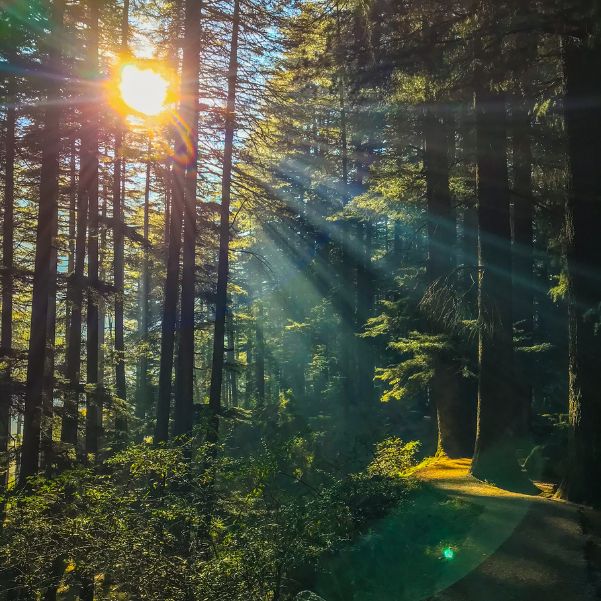
Van Vihar sits right off Mall Road and has a modest entry fee. The deodar forest walk around it is one of the easiest ways to escape the market crowd without a taxi.
Sunset From the Hadimba Forest Road
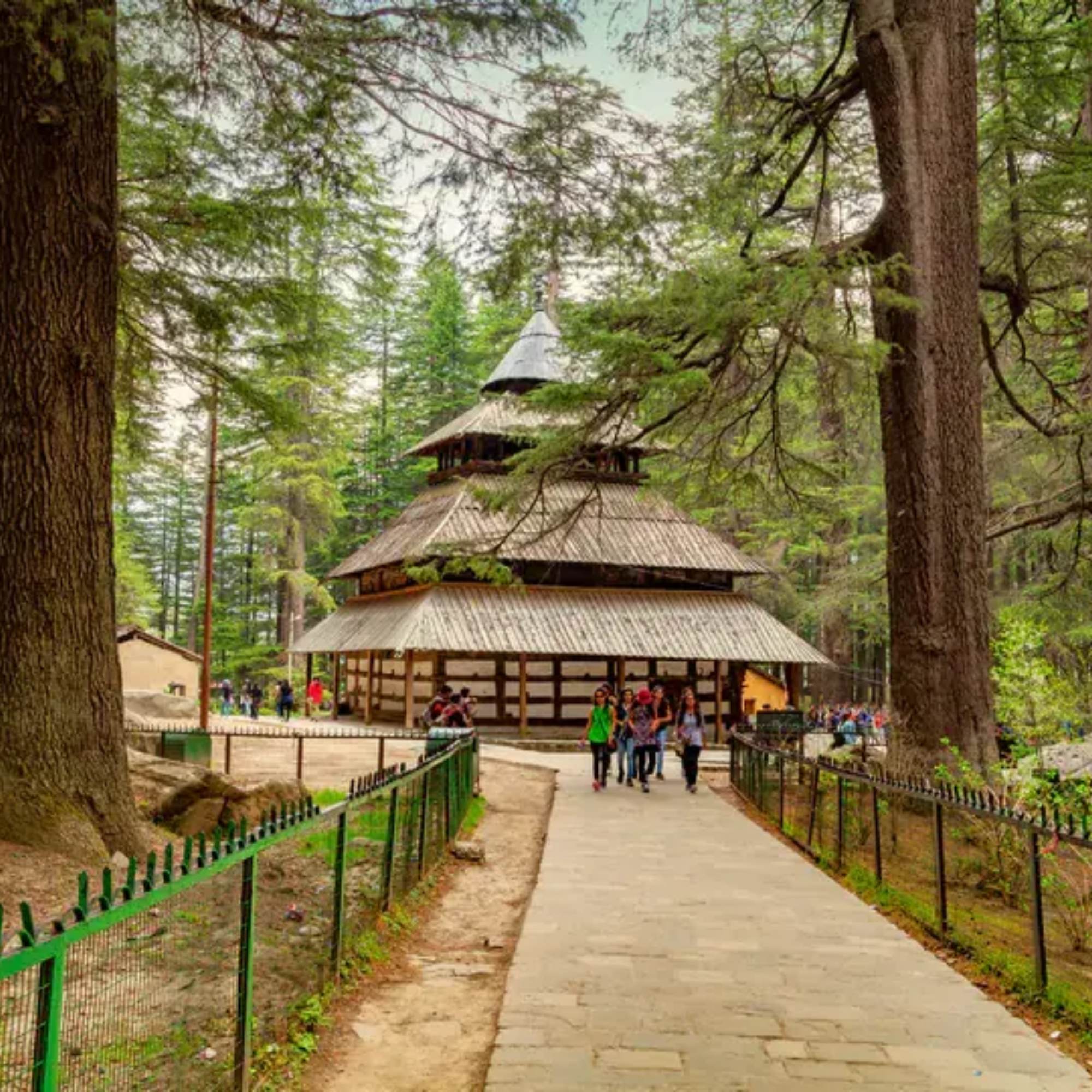
The road behind Hidimba Temple runs through tall deodars. Around sunset, the light drops through the trees in strips.
We send solo travellers here constantly and nobody has ever come back disappointed.
Watch the Apple Orchards in Season
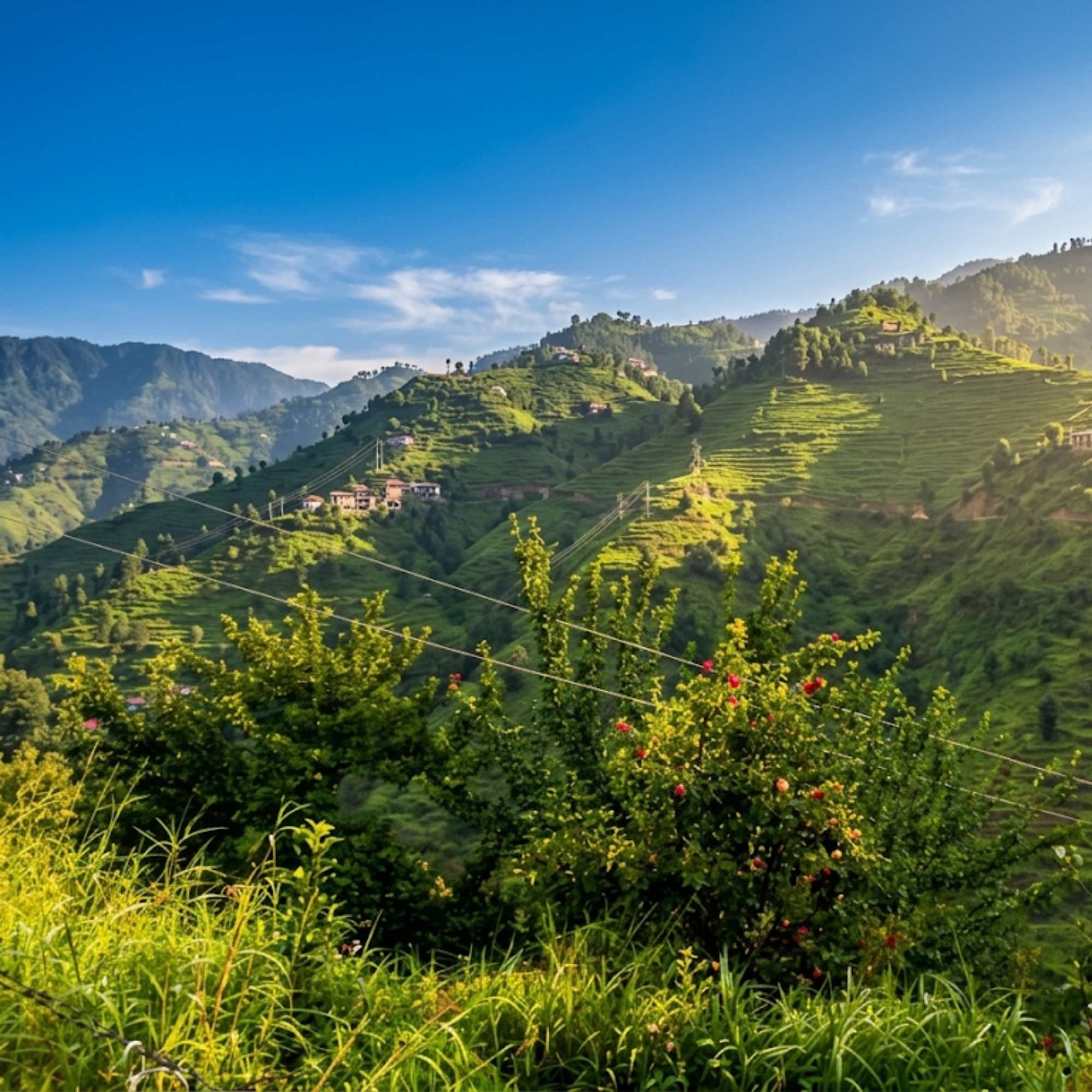
During apple harvest season, usually from late summer into autumn, the orchards around Old Manali and Nasogi can be full of fruit. Ask permission before entering private land.
Cultural Experiences in Manali Most Tourists Rush Through
Hidimba Temple and Why the Forest Matters More Than the Building
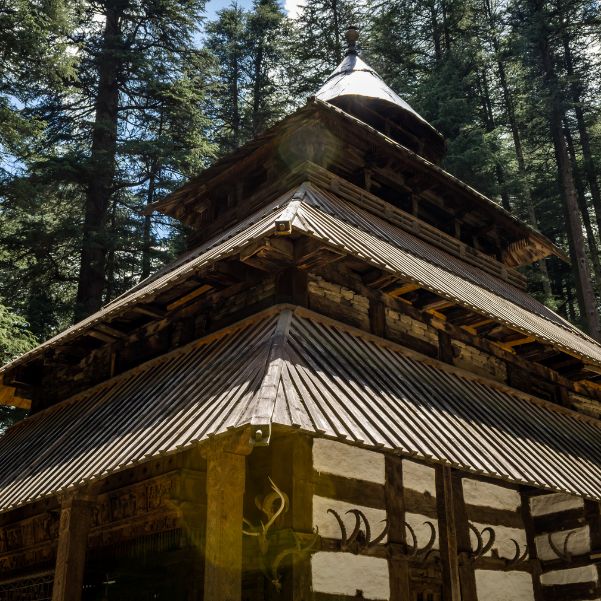
Hidimba Temple was built in 1553. The pagoda-style wooden structure is genuinely old and genuinely worth seeing.
But the deodar forest around it is the actual experience. Most people take a photo at the entrance and leave in fifteen minutes.
Go at 8 AM instead of noon. The tour buses arrive from around 10 and the forest stops feeling like a forest.
The Ghatotkach Tree Shrine Behind Hidimba
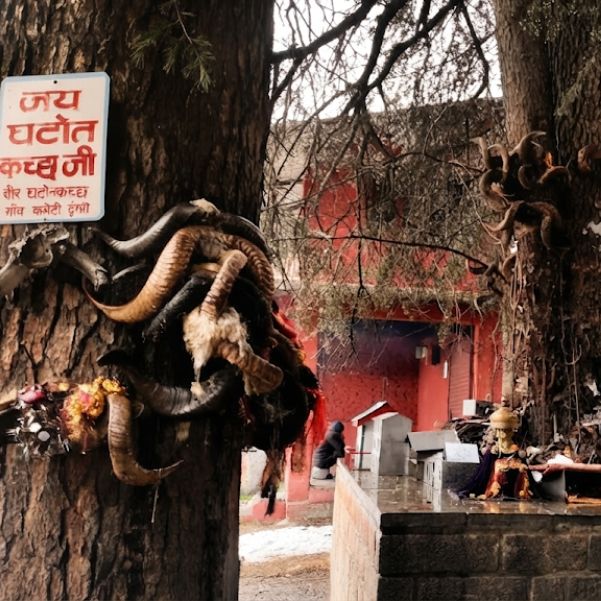
Two minutes walk from the main temple, there is a shrine dedicated to Ghatotkach under a huge tree. Almost nobody goes there.
It is quieter, older-feeling, and free.
Vashisht Village Beyond the Hot Springs
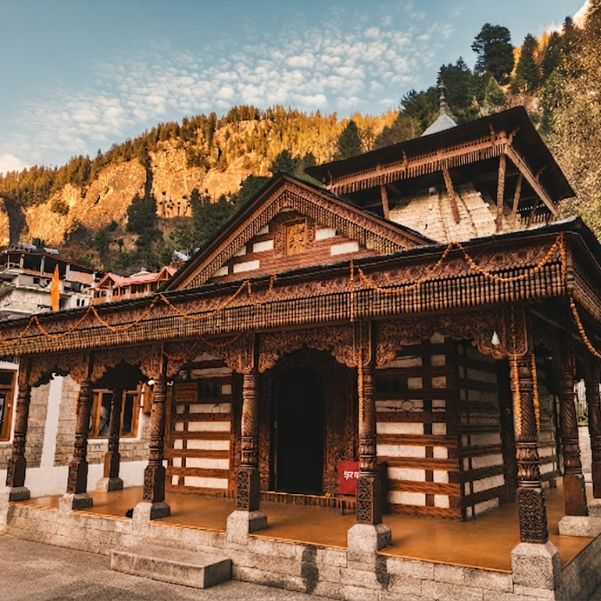
Walk past the springs into the actual village. Stone houses, wooden balconies, old temple carvings.
This is the most authentic-feeling village you can reach on foot from Manali town.
Naggar Castle and the Roerich Gallery
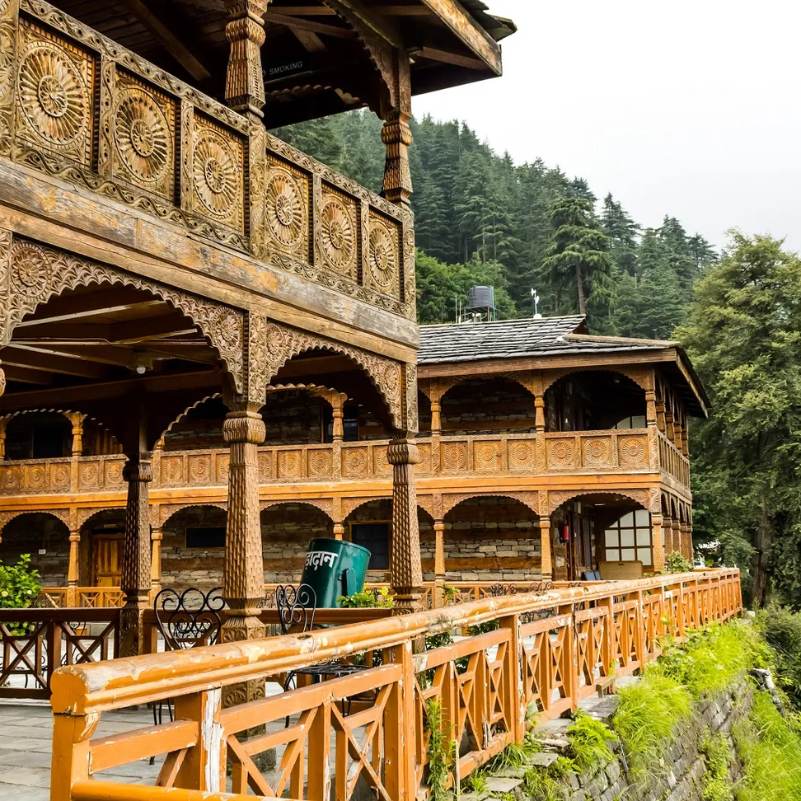
Naggar sits about an hour from Manali on the left bank road. The castle is a real medieval Himachali structure, not a restored tourist prop.
The Roerich Art Gallery next to it is small and often empty. Check the latest opening hours, weekly closure days and entry fee before visiting the Roerich Art Gallery.
A Local Temple Fair If Your Dates Match
Himachali village fairs happen through the year. Palanquins, drums, local crowds, no tourists.
Ask your homestay owner. This is the one thing you cannot plan in advance, and the one thing travellers talk about for years.
Adventure Experiences: What Is Worth Doing and What Is Not
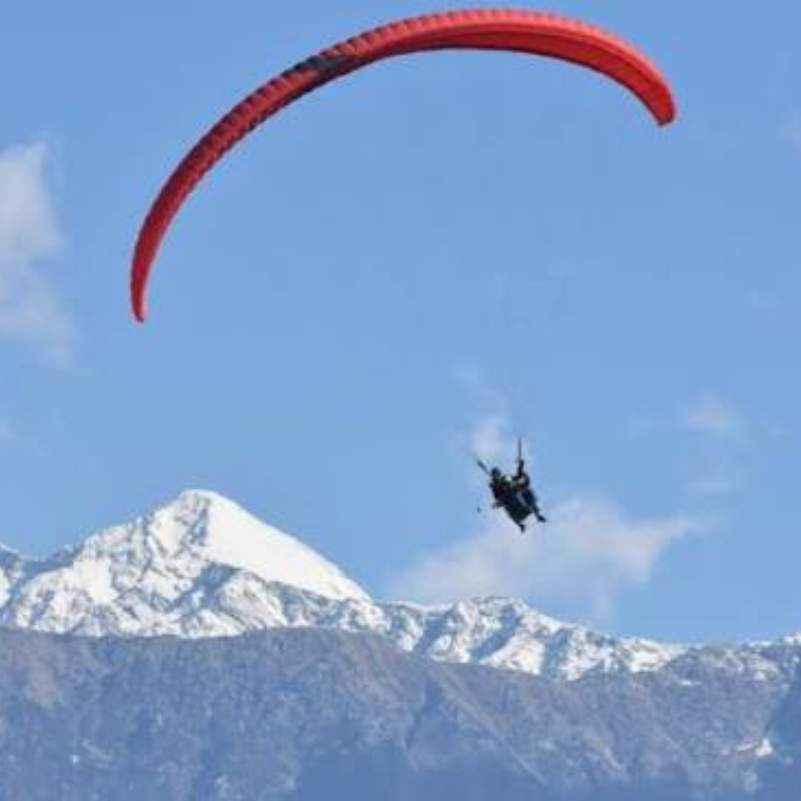
Adventure in Manali depends completely on weather and operator schedules. Nothing here runs on a fixed calendar.
Paragliding at Solang Valley
Solang Valley is roughly 13 to 14 km from Manali. Paragliding here is the single most popular activity in the region.
Short and long paragliding flights may be available depending on weather and operating conditions. Confirm the current prices and expected flight duration with an authorised operator before booking.
Zorbing, ATV, and the Solang Cluster
Zorbing rolls you downhill inside a plastic ball. ATV rides run on a marked track. Both are short, both are fun, both are heavily crowded in peak season.
River Rafting on the Beas
Rafting operates on the Beas near Pirdi when water levels and weather conditions are suitable, so confirm availability locally before booking.
Skiing and Snow Activities in Winter
Winter turns Solang into a snow-sports zone. Availability depends entirely on snowfall that year.
Trekking Around Manali
Short treks like Jogini Falls from Vashisht are doable in half a day. Longer ones need planning.
We are not going to recreate the full adventure breakdown here because we already wrote it. Our detailed guide on top adventure activities in Manali covers operators, safety, and what each activity actually feels like.
Here is the honest negative nobody prints. Solang Valley in peak season is not a valley experience. It is a crowded field with a queue for every activity, touts pulling at your sleeve, and photographers charging you for photos you did not ask for.
Go early. Reach Solang by 8 AM and you get an hour of it feeling like a mountain. By 11, it is a mela.
Also, skip the rented snow-suit and boots at the roadside stalls before Solang. They charge tourist rates and the same gear rents cheaper at the activity operators themselves.
Nature Experiences Around Manali
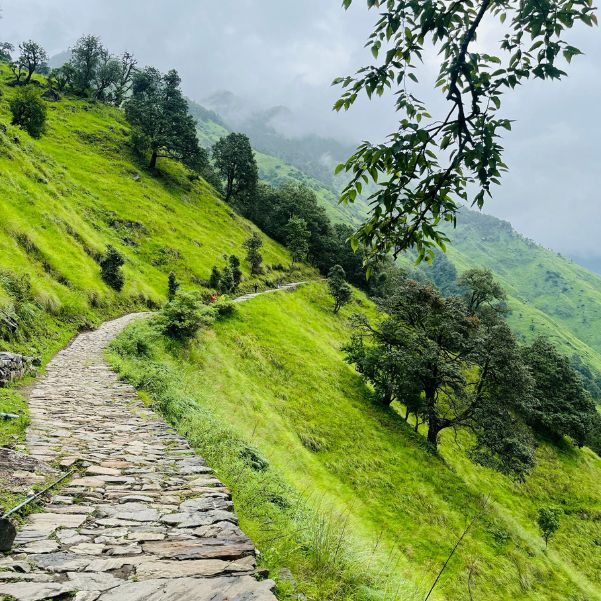
Cross the Atal Tunnel to Sissu
The Atal Tunnel changed Manali completely. Sissu is now a comfortable day trip instead of an all-day Rohtang gamble.
You come out of the tunnel into Lahaul and the landscape flips. Green becomes brown and grey. Trees mostly disappear.
Sissu has a waterfall, a small lake, and open space that Manali simply does not have anymore.
Jogini Falls Walk From Vashisht
Roughly a two-hour round trip on foot. The path passes apple orchards and a small stream crossing.
Carry water. The last stretch is steeper than it looks.
Rohtang Pass If Conditions Allow
Rohtang access depends on weather and permits. Both change without notice.
Do not build your itinerary around Rohtang. Build it around Sissu and treat Rohtang as a bonus if the permit comes through.
Solang to Anjani Mahadev Walk
A short walk from Solang that most day-trippers skip completely because they are busy queuing for zorbing.
The Left Bank Road Drive Towards Naggar
The road on the left bank of the Beas is narrower, slower, and far prettier than the highway. Take it once.
If you want more of this side of Manali, we listed several in our offbeat places near Manali guide.
Shopping in Manali: What Is Real and What Is Not
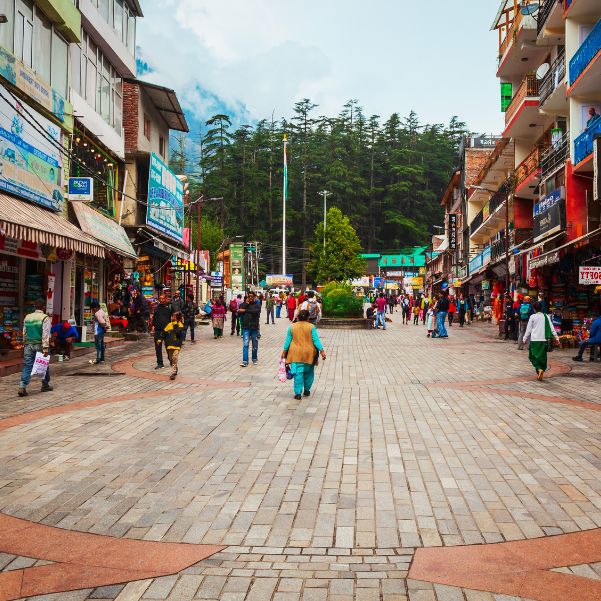
Mall Road sells a lot of things that were not made anywhere near Himachal.
Buy Kullu shawls, Himachali caps, local wool socks, and apple products such as jam and juice. Apple cider availability varies by shop, so ask before purchasing.
Skip the mass-produced "Tibetan" trinkets on Mall Road. The same items sell in every hill station in India.
Here is the money tip our drivers pass on
The Bhuttico and government handloom outlets sell Kullu shawls at fixed prices with quality grading.
The Mall Road shops will quote you double for the same weave and then generously offer a 40 percent discount. You are still paying more than the fixed-price outlet.
Also, the Tibetan Market near the bus stand is better for casual buys than Mall Road, and the bargaining there is genuine rather than theatrical.
Things to Do in Manali With Family
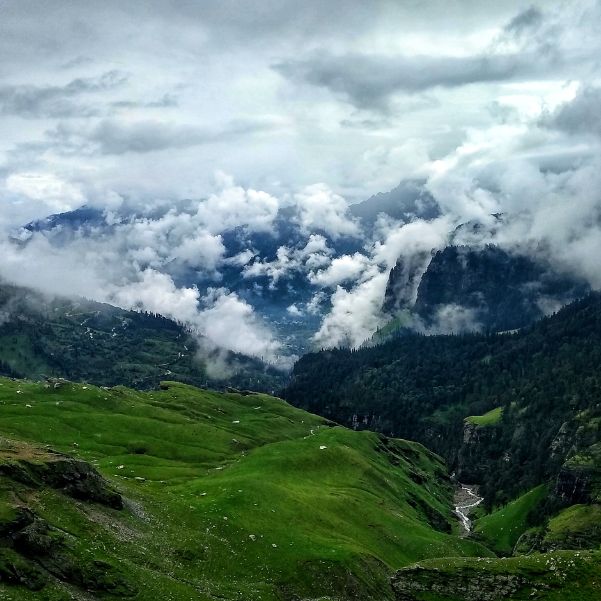
Families need shorter travel days and fewer surprises. That is the whole planning principle here.
Hidimba Temple works for every age group. The forest is flat, shaded, and safe for kids to run around.
Van Vihar is the easiest family outing in town. Boating, walking paths, and Mall Road is right there.
The Sissu day trip through the Atal Tunnel works beautifully for families because the tunnel itself is an experience and the drive is short compared to old Rohtang runs.
Club House near Old Manali can be a useful option for a relaxed family afternoon, but check which indoor games and facilities are currently available before visiting.
Naggar Castle suits families with older kids who can handle a one-hour drive each way.
What we always tell families is to skip Rohtang unless the children are above eight and already used to altitude. The road, the cold, and the crowd are a rough combination for small kids.
Our Manali tour packages are built around this exact pacing, with drivers who understand that a family day ends at 5 PM, not 9 PM.
Things to Do in Manali for Couples
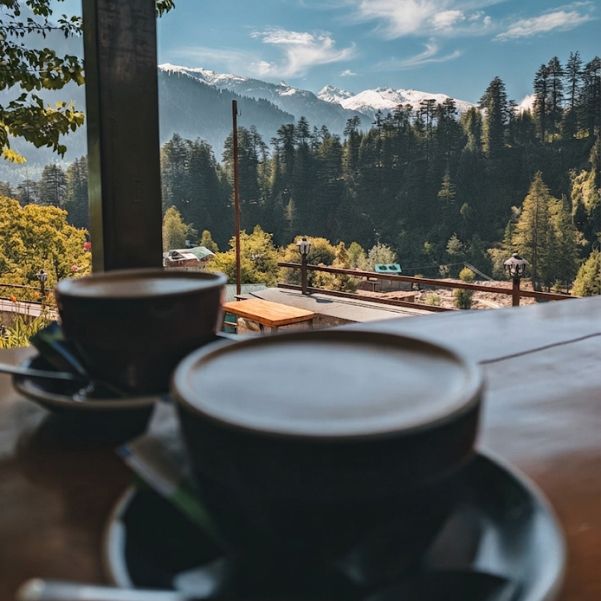
Old Manali cafes in the evening. That is the obvious one and it earns its reputation.
The riverside spots below Vashisht at sunset are quieter and free.
A slow walk on the Hadimba forest road at golden hour beats every paid viewpoint in the valley.
Naggar for a full day works well for couples. Castle, gallery, and a quiet lunch with valley views.
Sissu for the contrast. Nothing bonds people like standing in a completely empty brown landscape after two days in a crowded green town.
Here is the timing tip that changes the whole trip for couples. Have breakfast in Old Manali at 8 AM before the cafes fill up.
The same cafe that has a 30-minute wait at noon is empty and calm at 8, and the mountain light is far better.
Things to Do in Manali With Kids
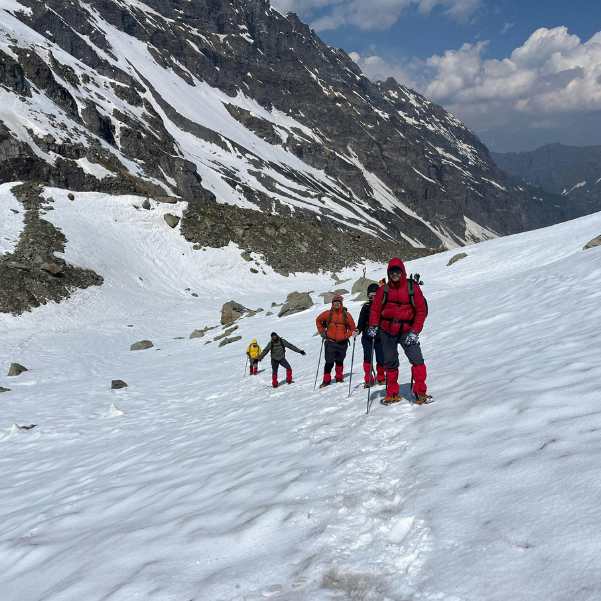
Snow play at Solang in winter, if snowfall allows.
Van Vihar boating and the open lawns near Mall Road.
The Atal Tunnel drive itself. Kids find the tunnel genuinely exciting.
Yak and horse rides at Solang, though check the animal's condition before you agree. Some operators run tired animals.
Jogini Falls only for older kids who can walk uphill for an hour.
Keep the day short. Altitude tires children faster than adults and most family trips go wrong at 4 PM, not at 10 AM.
Winter Experiences in Manali
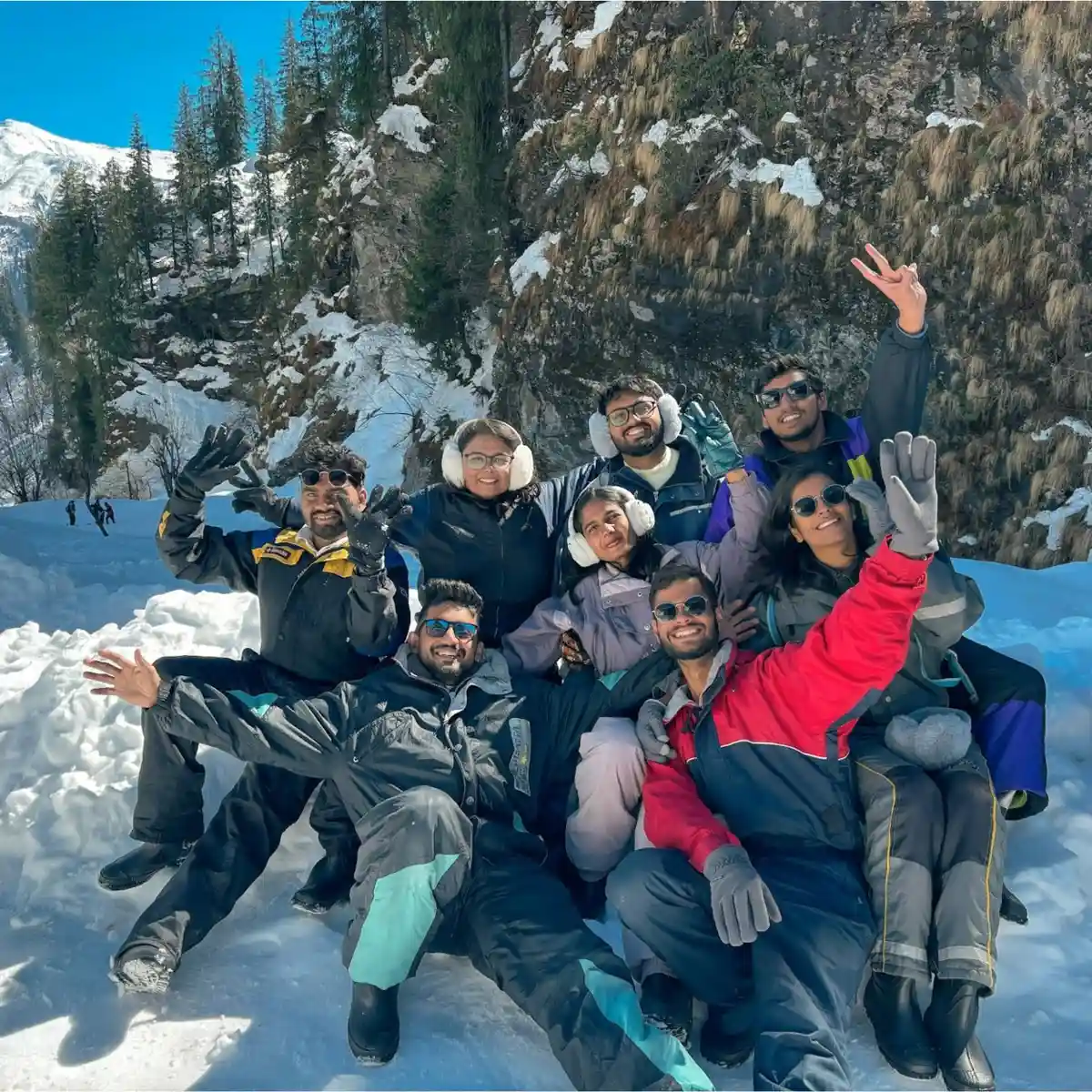
Snow is commonly seen around Solang Valley from late December to February, but timing and coverage depend entirely on the season’s actual snowfall.
Skiing and snowboarding when conditions and operators allow.
Hot springs at Vashisht are at their best in winter. Cold air, hot water, steam everywhere.
Old Manali quietens down significantly in winter. Some cafes shut, the crowds thin, and the town feels like a mountain town again.
The Atal Tunnel keeps Sissu accessible in winter, which was not possible before the tunnel existed.
Here is the honest warning
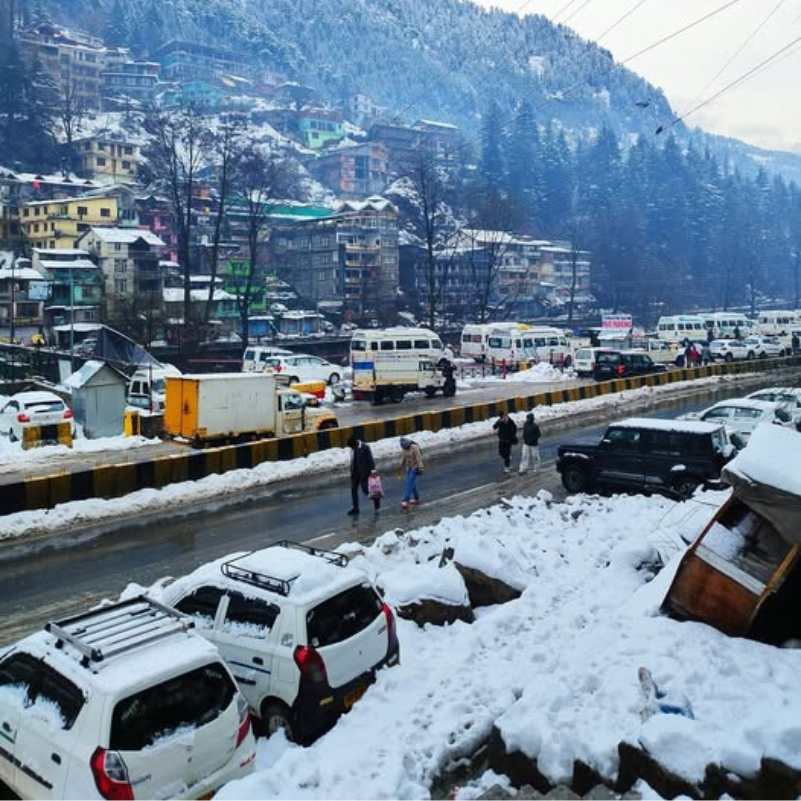
Winter Manali means genuine cold, occasional road closures, and no guarantee of snow on the day you arrive.
Travellers book winter trips expecting snow and sometimes get a dry brown valley instead. That happens more often than tour brochures admit.
Summer Experiences in Manali
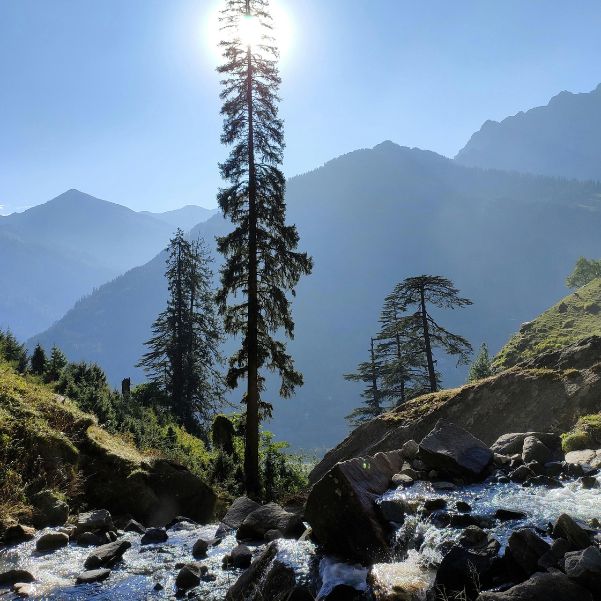
Rafting on the Beas when water levels are right.
Paragliding at Solang, which runs most reliably in the summer window.
Long walks that are simply too cold to enjoy in winter. Jogini Falls, the left bank road, the orchard paths.
Sissu and Lahaul open up fully in summer, and the drive gets easier.
Summer also means peak crowds. Mall Road in June is not a pleasant place at 7 PM.
Plan mornings for activity and evenings for sitting somewhere quiet away from the market.
Rainy Day Experiences in Manali
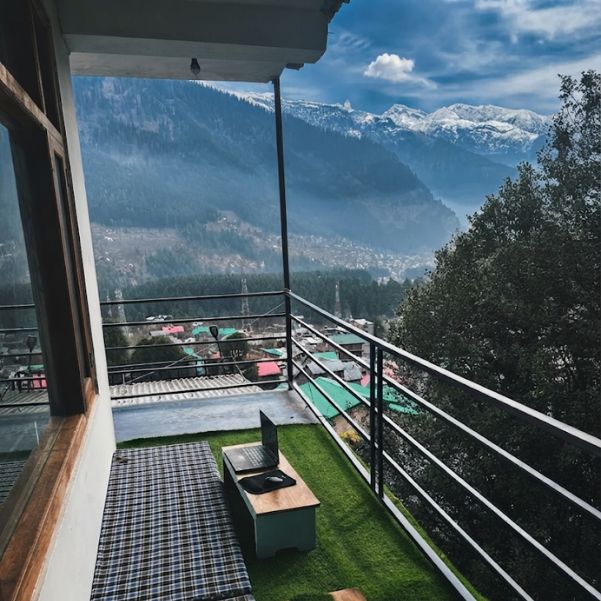
Monsoon in Manali is real rain, not drizzle. Landslides close roads. Adventure operators shut down.
Old Manali cafes become the plan. Long coffees, books, and watching rain fall on deodars.
The Vashisht hot springs work better in rain than in sun.
Museums and the Roerich Gallery at Naggar can work well on a wet day, but check their current opening hours and closure days before visiting.
Here is the food tip
On a rainy day, get siddu at one of the small local eateries in Vashisht or Old Manali.
Siddu is a steamed Himachali bread served with ghee. Hot, heavy, and exactly right when it is cold and wet outside.
We have sent hundreds of travellers to try it and the reaction is always the same surprise that nobody told them about it earlier.
Suggested Activity Plans for Manali
If You Have Two Days
Day one on foot. Old Manali, Manu Temple, Hidimba, Van Vihar, Mall Road in the evening.
Day two for Solang. Leave by 7 AM, do your activities, come back by afternoon.
If You Have Three Days
Add the Atal Tunnel and Sissu day trip. Leave early, it is a full day.
If You Have Four or Five Days
Add Naggar and the left bank road on day four. Keep day five as a buffer for weather, a Rohtang permit if it comes through, or simply a slow day in Old Manali.
Buffer days are not wasted days here. Roads close, weather shifts, and the traveller with a spare day always has a better trip than the one running a tight schedule.
Explore Our Curated Manali Tour Packages
 6D/5N
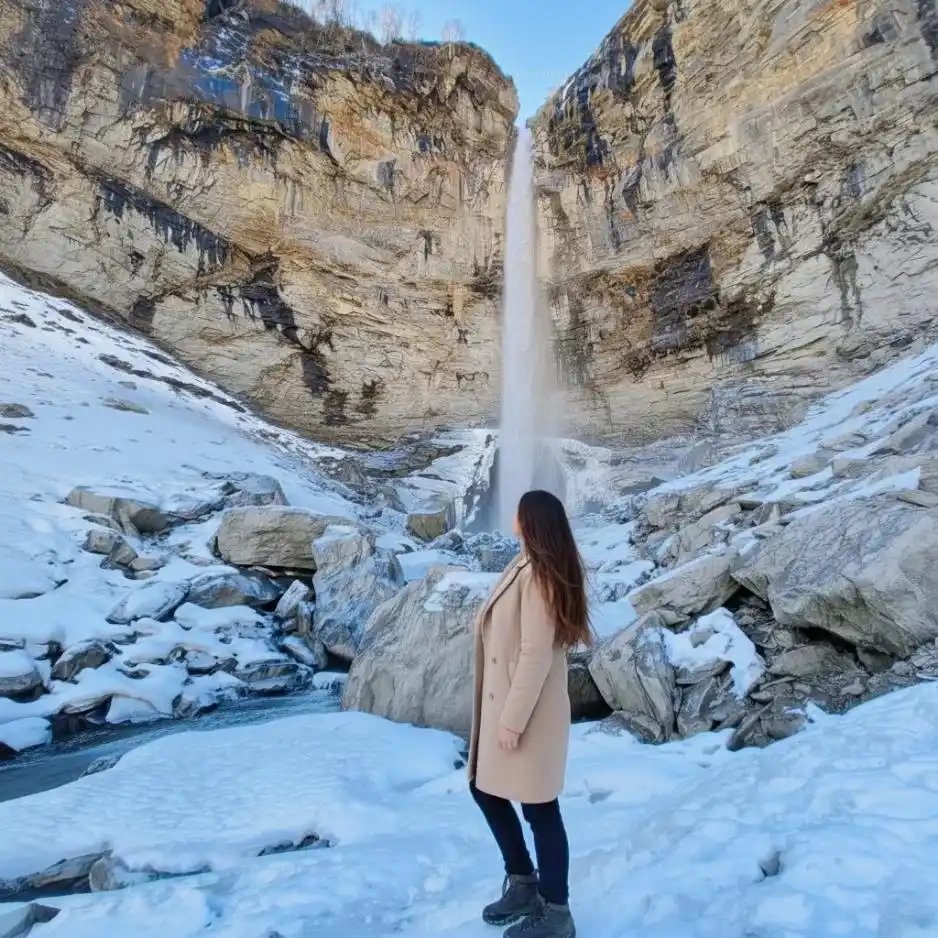
6D/5NManali Solang Sissu Sethan Snow Adventure
1D Delhi•3D Manali+2
₹15,999₹21,999SAVE INR 6,000/ person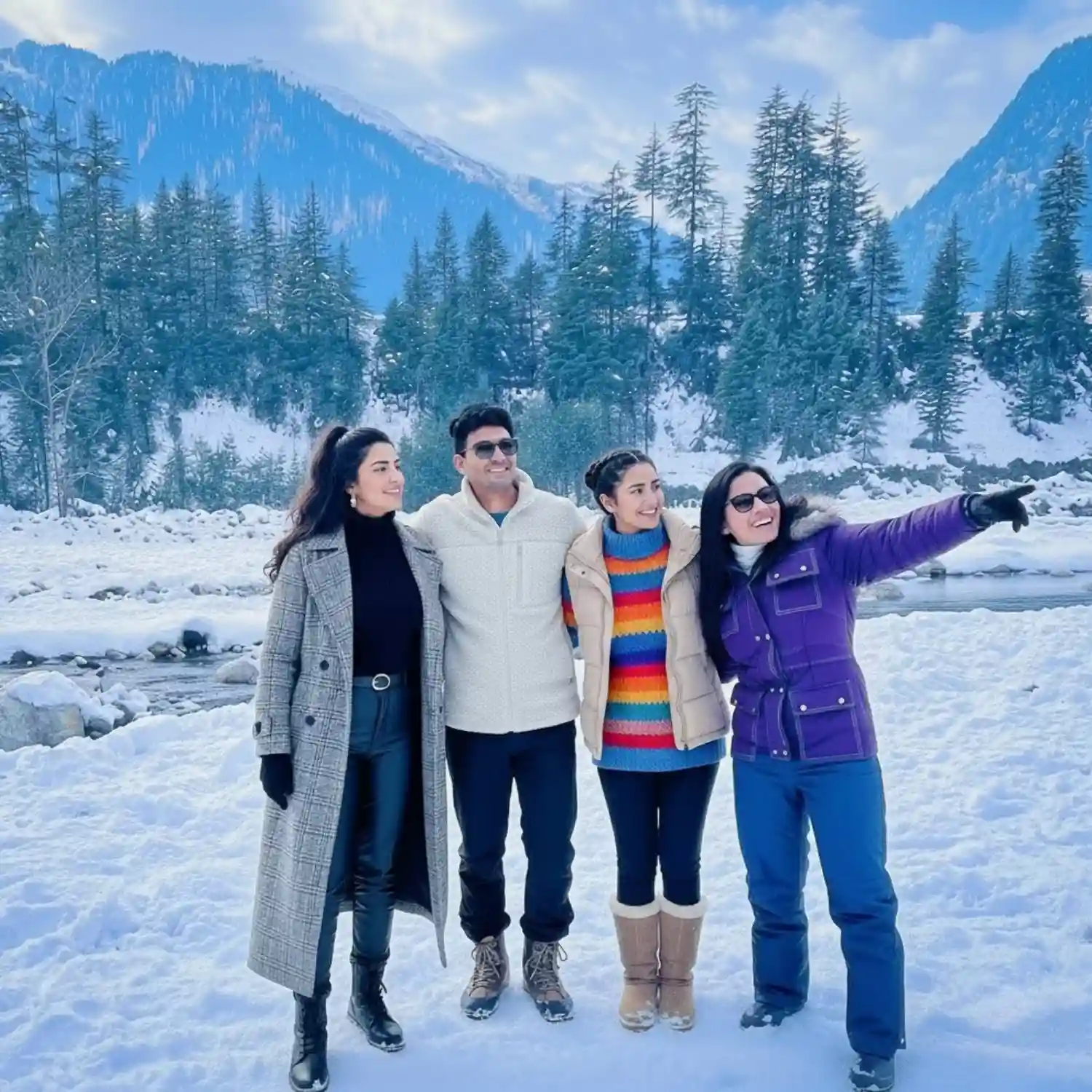 6D/5N
6D/5NManali Solang Sissu Sethan Snow Trip With Kasol
1D Delhi•3D Manali+2
₹25,999₹33,999SAVE INR 8,000/ person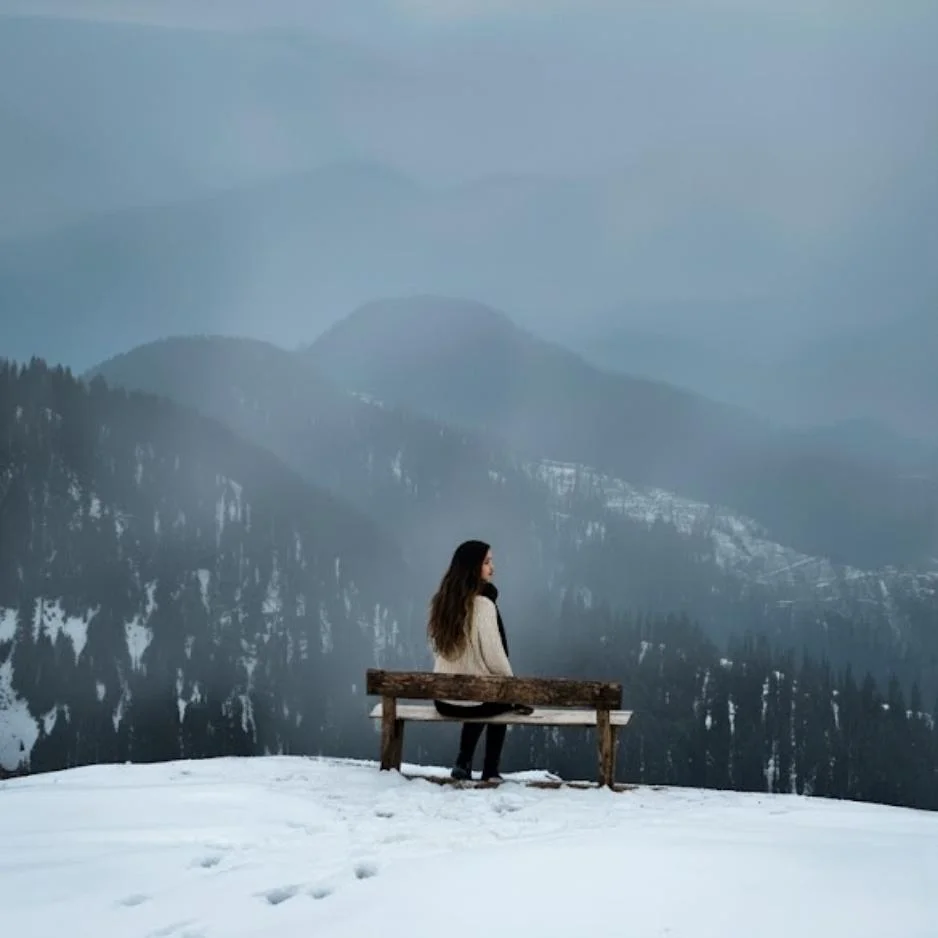 7D/6N
7D/6NManali Kasol Jibhi Valley Trip
1D Delhi•2D Manali+3
₹25,799₹32,999SAVE INR 7,200/ person
Related topics
Frequently Asked Questions
What are the best things to do in Manali?
Walking Old Manali, sitting at Hidimba Temple early morning, crossing the Atal Tunnel to Sissu, and adventure activities at Solang Valley cover the core experiences.
Which activities in Manali are free?
Old Manali walks, Manu Temple, the Beas riverside below Vashisht, the Hadimba forest road, and the Vashisht village walk all cost nothing.
What is Manali famous for?
Snow, adventure sports at Solang, the 1553-built Hidimba Temple, apple orchards, and the Atal Tunnel route into Lahaul.
What should couples do in Manali?
Old Manali cafes in the morning, sunset on the Hadimba forest road, a full day at Naggar, and the Sissu day trip for the landscape change.
Which activities suit families with kids?
Hidimba Temple, Van Vihar, the Atal Tunnel drive to Sissu, and light snow play at Solang in winter.
Which adventure sports in Manali are worth trying?
Paragliding at Solang and rafting on the Beas are the two most worthwhile. Both depend on weather and operator schedules.
What should I do in Manali in winter?
Snow activities at Solang when snowfall allows, hot springs at Vashisht, and quiet Old Manali cafes.
What should I do in Manali in summer?
Rafting, paragliding, long walks like Jogini Falls, and the Sissu day trip when Lahaul is fully open.
What should I buy in Manali?
Kullu shawls and Himachali caps from fixed-price handloom outlets, wool socks, and local apple products.
What food should I try in Manali?
Siddu with ghee, local trout where available, and Tibetan thukpa and momos in Old Manali.
How far is Solang Valley from Manali?
Solang Valley is about 13 to 14 km from Manali town.
Can I visit Rohtang Pass any time?
No. Rohtang access depends on weather and permits, both of which change without notice. Keep it flexible.
More about Manali
 Manali
What Happens If Snowfall or Road Closures Affect Your Manali Trip in 2026? Refunds, Rescheduling and Plan B
Learn what to do if snowfall or road closures disrupt your Manali trip in 2026, including refund rules, rescheduling options and practical backup plans.
 Manali
How to Choose the Best Manali Tour Operator in 2026: 15 Questions to Ask Before Booking
Choosing the right Manali tour operator in 2026 can make your trip smoother, safer and easier to manage. Check registration, package inclusions, hotel details, transport arrangements, cancellation terms and local support before you book.
- First-Time Travellers
 Manali
How Many Days Should You Book for a Manali Tour Package in 2026? 3N/4D vs 4N/5D vs 5N/6D
Not sure how many days to book for Manali? Compare 3N/4D, 4N/5D and 5N/6D packages to find the right trip length for your sightseeing plans and travel style.
- Itinerary
- First-Time Travellers