
Things to Do in Kasol for First-Time Travellers in 2026
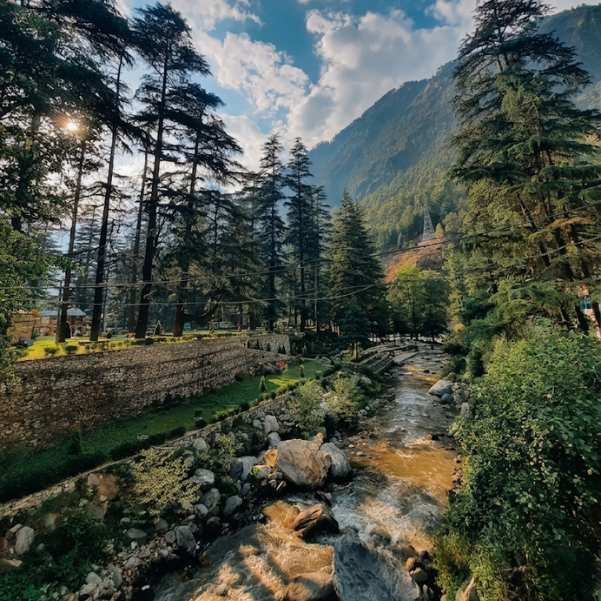
If you are looking at things to do in Kasol and feeling a little lost, here is the honest version. Kasol is not a place you tick off with a packed schedule.
It is a slow river town in Parvati Valley where the best days happen when you stop rushing. Walk by the river, sit in a cafe, take a short trek, visit Manikaran, and let the valley set the pace.
The mistake most first-timers make is trying to do everything in one trip. Kasol rewards the opposite. The people who slow down always come back happier.
Quick Answer: What should first-time travellers do in Kasol?
For a first trip, keep it simple. Do slow walks along the Parvati River, hop between Kasol cafes, visit Manikaran Sahib, and take the easy walk to Chalal.
If you have more time, add a nearby village like Tosh or Grahan, and a beginner trek if the weather and rules allow it.
Two to four days is enough for most first-time travellers. Two days for a quick taste, three to four if you want a village or a trek.
One more thing for 2026. Check the Bhuntar to Manikaran road restrictions before you travel in peak season, because there are new vehicle timing rules in place this year.
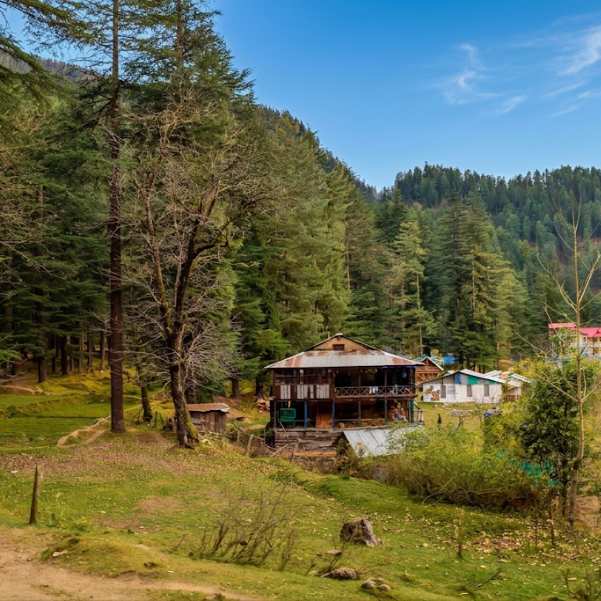
Kasol sits in Parvati Valley, in Kullu district of Himachal Pradesh, at around 1,580 m. That altitude matters. It is high enough to feel like the mountains but low enough that you will not struggle to breathe.
It is easy to reach, it has a strong cafe scene, the Parvati River runs right through it, and there is a relaxed backpacker energy you do not find in busier hill towns.
What makes Kasol special is everything around it. Short walks, small villages, and treks all start from here, so you can pick your own pace.
In our experience running trips here, Kasol works best when travellers do not jump from point to point. The valley is not built for speed.
If you want someone to handle stays and transport, our Kasol tour packages are built for exactly this kind of slow, village-first trip.
Still deciding between valleys? We broke it down in our guide on whether Jibhi or Kasol is better for first-timers.
What are the best things to do in Kasol itself?
Walk beside the Parvati River
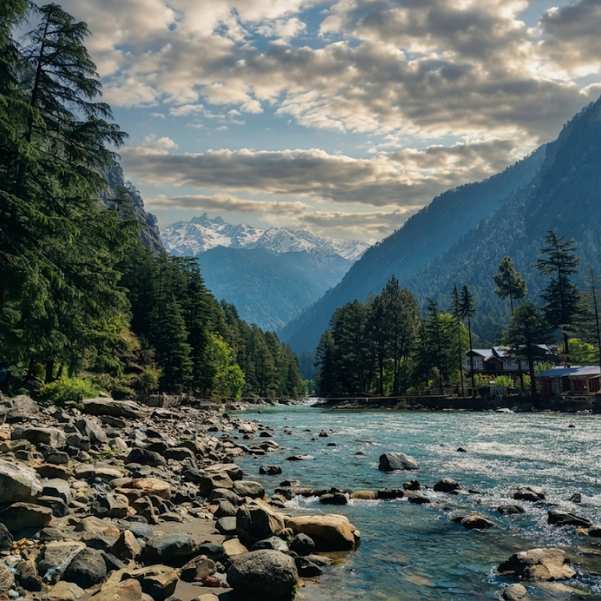
The simplest thing in Kasol is also the best. A morning or evening walk along the Parvati River sets the whole mood of the trip.
The water is fast and loud. It is beautiful, but do not let that fool you. The current is strong and the rocks are slippery.
Do not step too close to the edge, and please do not climb onto rocks for a risky photo. Every season this river takes people who underestimate it.
Here is something we tell every traveller. Carry back whatever you carry in. No plastic, no bottles, no wrappers left on the bank. Kasol is already fighting a waste problem, and the river does not need more of it.
Explore Kasol Market
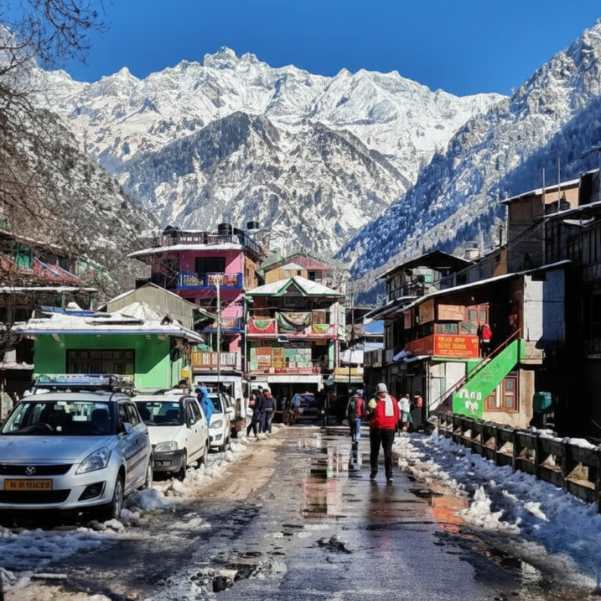
Kasol Market is small and easy to walk through. You will find woollens, simple souvenirs, fruit products, and the kind of casual shops that match the backpacker feel of the town.
It is not a shopping destination. It is a place to wander, pick up a sweater or some snacks, and soak in the vibe.
Carry some cash. Small shops and village stalls may not always handle digital payments smoothly, especially once you move out of the main market.
Try Kasol's cafe culture
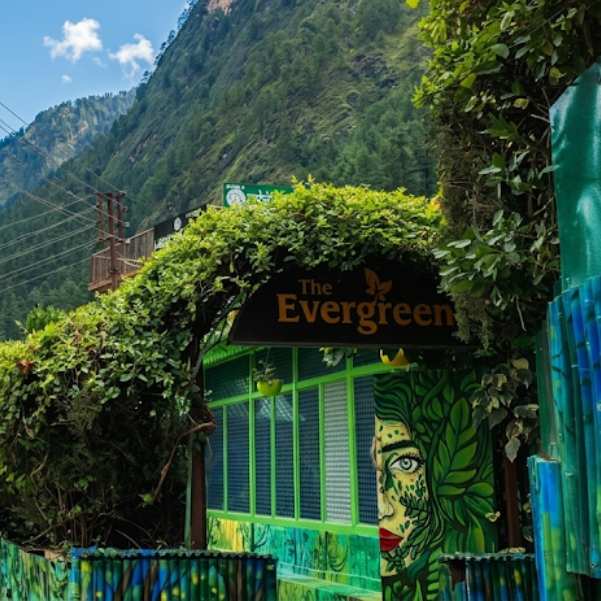
Cafes are a big part of why people love Kasol. You could spend a whole afternoon just moving from one to the next with a book and nowhere to be.
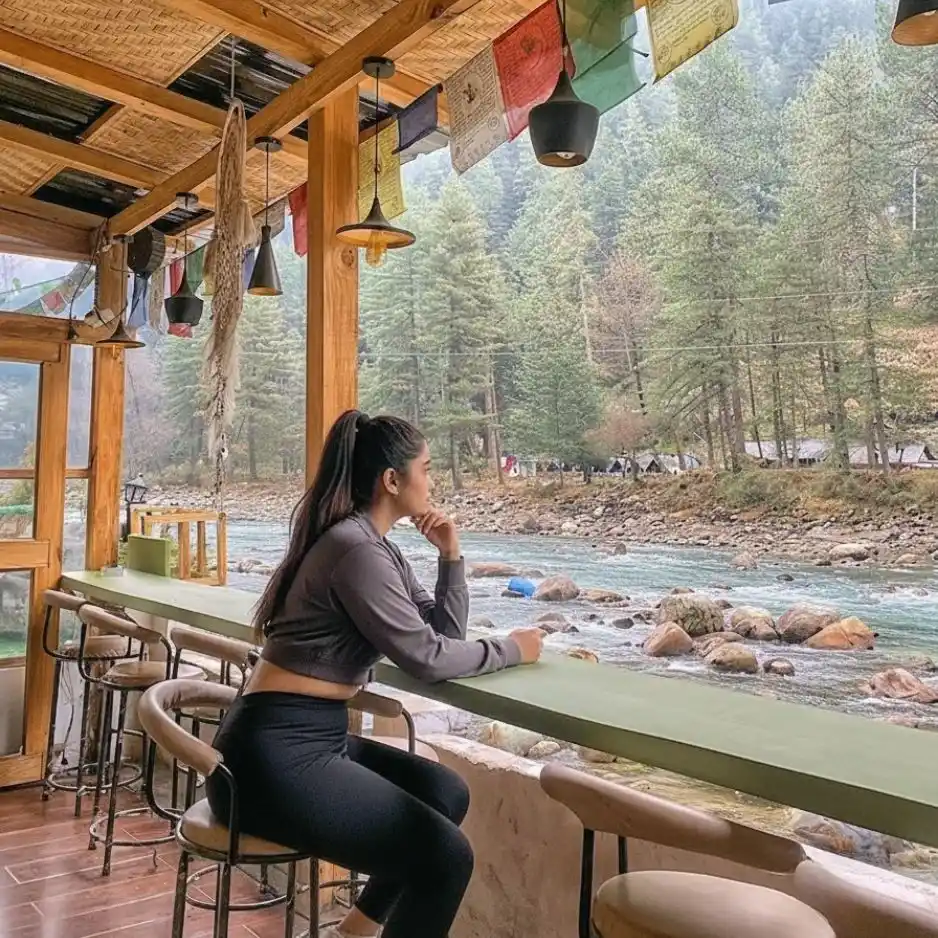
Names that come up again and again include Cafe Evergreen, Jim Morrison Cafe, and Moon Dance Cafe. Each has its own crowd and its own corner of the valley to look at.
The food leans toward Israeli-style plates, falafel, waffles, thukpa, momos, Maggi, and endless chai. Prices change by season and place, so we will not quote menu rates here.
Our team's tip is to pick a cafe with a river or valley view and just stay a while. The cafe is the experience, not a pit stop.
Spend quiet time in Nature Park
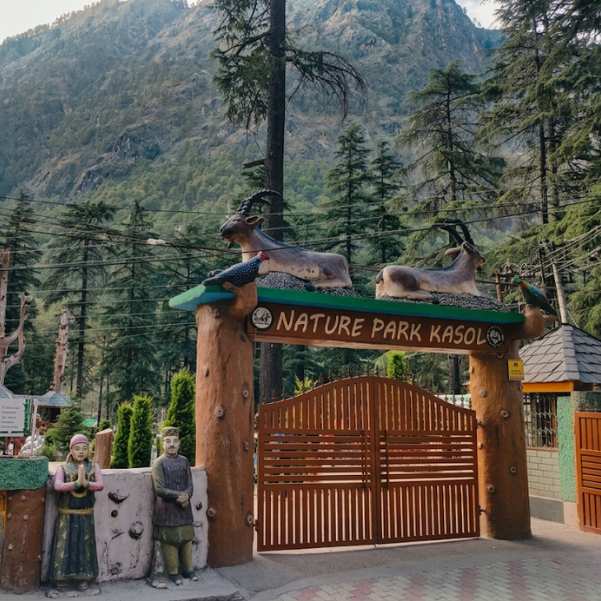
If you arrive tired from a long road journey, Nature Park is the perfect first activity. No trek, no climb, just an easy walk.
It works well for families, couples, and anyone who does not want to rush into a trail on day one. You also get a calm view of the Parvati River from here.
Should first-time travellers visit Manikaran Sahib from Kasol?
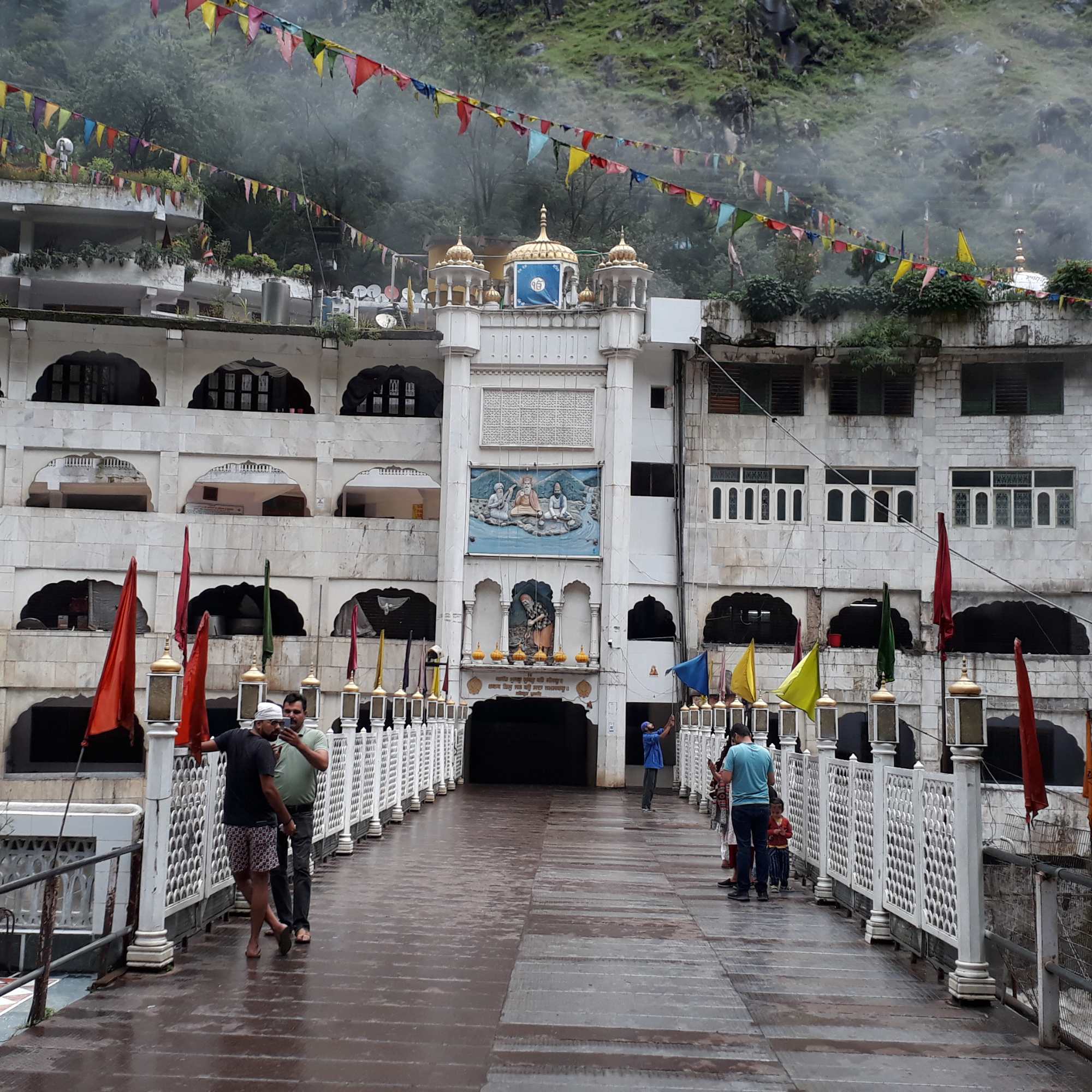
Yes. Manikaran Sahib is one of the easiest and most meaningful half-day trips from Kasol, and we send almost every first-timer here.
It is only around 3.5 km from Kasol, so you can do it in a relaxed morning. Plan for about two to three hours including travel and time inside.
The main draws are the Gurudwara Sahib, the natural hot springs, and the langar. Dress modestly, cover your head, and remove your shoes before entering.
Here is the honest food tip. The langar at the Gurudwara serves a hot, simple meal to everyone, free of cost. It is one of the warmest experiences in the valley and one of the few genuinely free things you will do all trip.
Timings need a local check. One source lists Manikaran Sahib as open 24 hours, while another attraction page lists 5:00 AM to 12:00 PM and 4:00 PM to 9:00 PM.
Timings can differ for the Gurudwara, the temples, and the bathing areas, so confirm locally before you go. Entry itself is free.
Is Chalal worth visiting from Kasol?
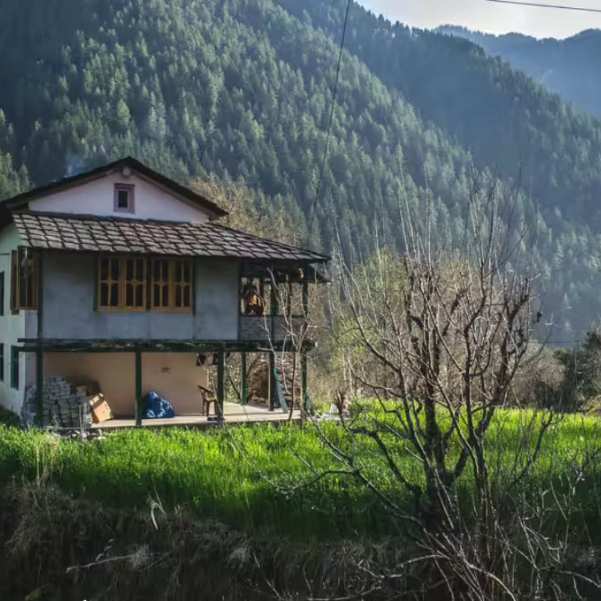
Yes, and especially for first-timers who want a walk instead of a hard trek. Chalal is the gentle introduction to trekking that Kasol does so well.
The walk usually takes around 30 minutes one way. You cross toward the Parvati River side and follow a pine trail to the village, which sits at around 1,635 m.
There are cafes along the way, a quiet village feel, and none of the market noise. It is perfect for your arrival day or a slow second morning.
In our experience, travellers who do Chalal on day one feel far more settled for the bigger treks later.
Which nearby villages should first-time travellers explore?
Tosh
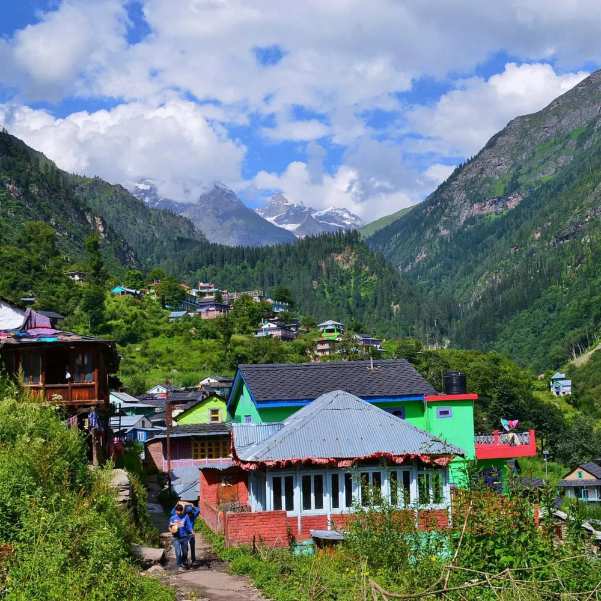
Tosh is around 20 to 21 km from Kasol and sits roughly 3 to 4 km above Barshaini. The road up is the kind of mountain road that takes longer than the distance suggests.
You can do it as a day trip or stay overnight, depending on the road, the weather, and how much luggage you are carrying. Overnight is nicer if you want to slow down.
In winter, Tosh can get snow because of its height. If you are travelling in the cold months, check conditions before you commit to going up.
Grahan
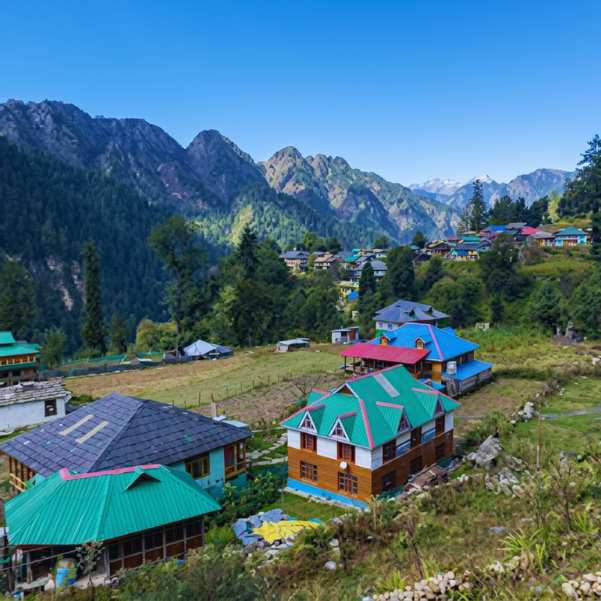
Grahan is a proper village trek, around 8 to 10 km one way depending on which route and source you follow. It takes roughly 3 to 5 hours depending on your fitness.
You can only reach Grahan on foot. There is no road, which is exactly why it stays so quiet.
This one suits travellers with basic fitness who can start early. Network is limited up there, and some details about the village rules vary, so check locally before you go.
Pulga, Kalga and Tulga
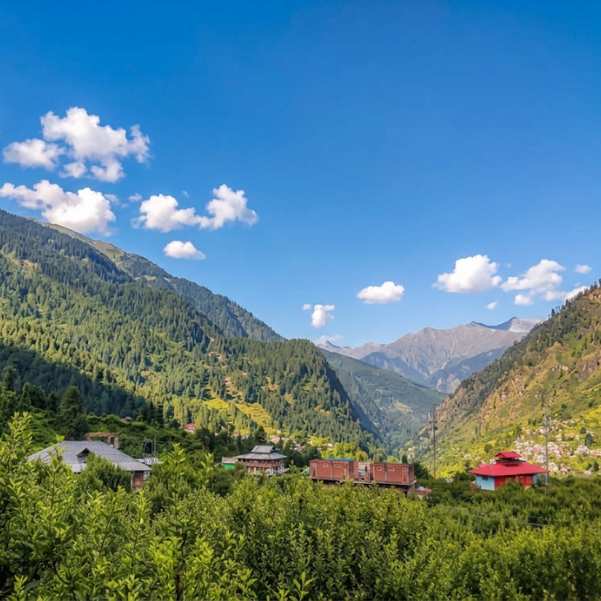
If markets and crowds are not your thing, Pulga, Kalga, and Tulga are the slower side of Parvati Valley. These are small villages where the point is to do very little.
They suit travellers who want apple orchards, quiet stays, and time to just sit. Go here when you want the valley without the noise.
Malana
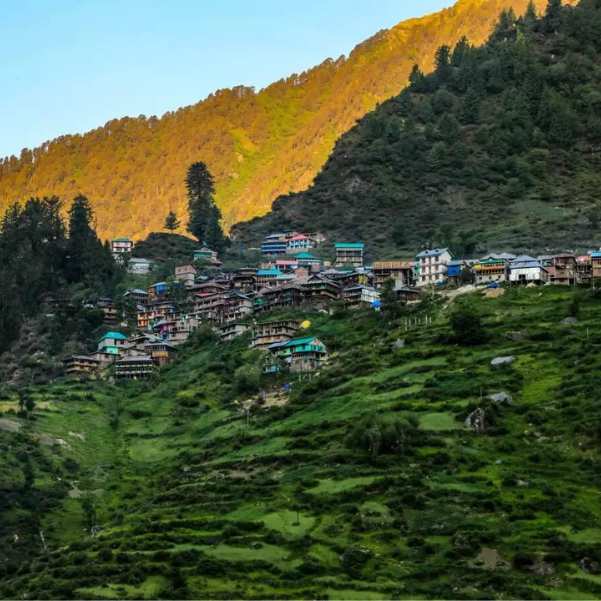
Malana is a culture-sensitive visit, and we want to be clear about that. This is a village with its own customs, and you are a guest.
Do not touch local property or people without permission, ask before taking photos, and follow whatever local instructions you are given. Skip the sensational stories you may have read online.
If you are unsure how to behave there as a first-timer, go with a local guide who understands the rules. It is the respectful way to visit.
👉 Not sure which village suits your trip? Talk to our team on WhatsApp.
Can beginners do treks near Kasol?
Kheerganga Trek
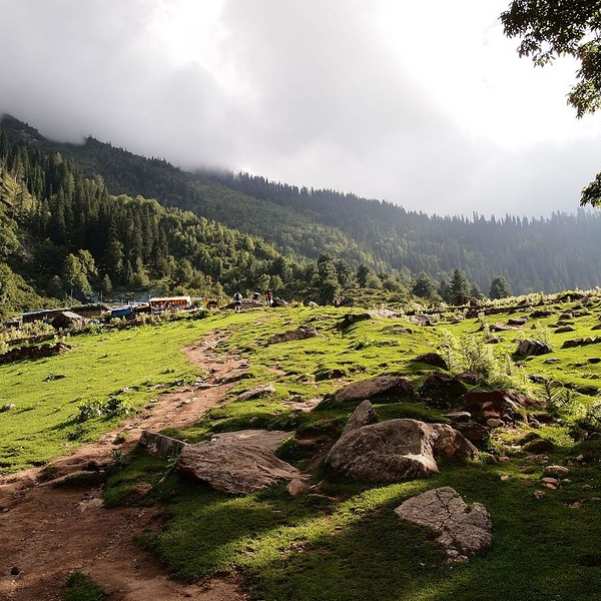
Kheerganga is the trek everyone wants to do, and for good reason. It is scenic and many travellers find it beginner-friendly, but do not let that word fool you. It is still tiring.
The distance is listed differently across sources, somewhere around 9 to 12 km one way. The common starting point is Barshaini, and there are hot springs at the top.
Camping rules around Kheerganga have become stricter in recent years. Overnight camping at the top is generally not advised, and travellers should treat Kheerganga as a day trek unless local authorities or registered operators confirm otherwise.
A safer plan is to stay in Barshaini, Kalga, Pulga, Nakthan or Tosh, start early in the morning, visit Kheerganga, and return the same day.
Do not assume either way. Check with the local authorities, the Forest Department, or our team before you plan an overnight stay. We would rather you ask than get turned back at the trail.
Grahan Trek
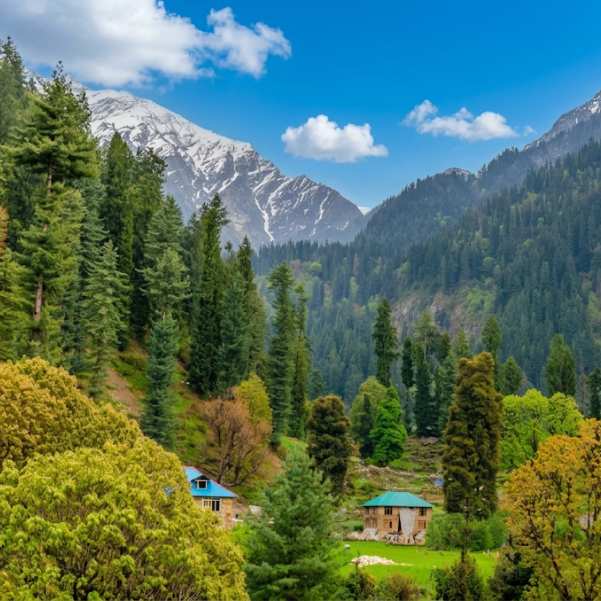
If Chalal felt too easy, Grahan is the natural step up. The 8 to 10 km walk and 3 to 5 hour range we mentioned earlier make it a solid half-day to full-day effort.
Start early, carry water, and do not push to finish in the dark. Mountain trails change fast once the light goes.
Sar Pass Trek
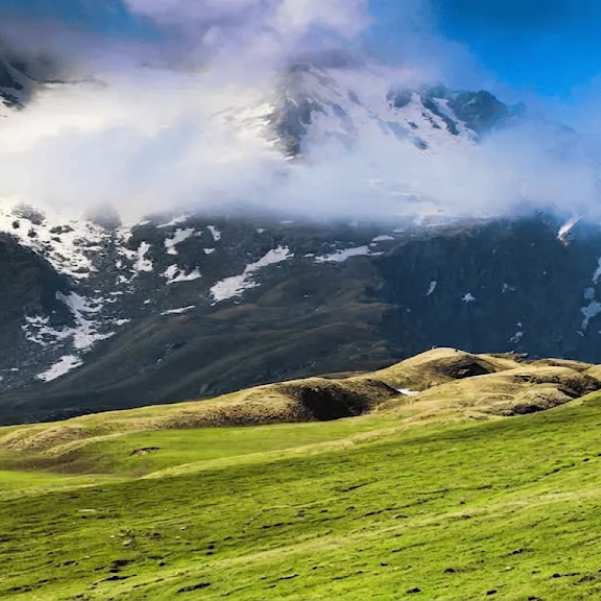
Kasol is a common base for the Sar Pass trek, but this is not a casual first-time day activity. It is a multi-day, guided trek that needs real preparation. Mention it on your wishlist, not your first itinerary.
What is the best 2-day and 3-day Kasol itinerary for first-timers?
2-day Kasol itinerary
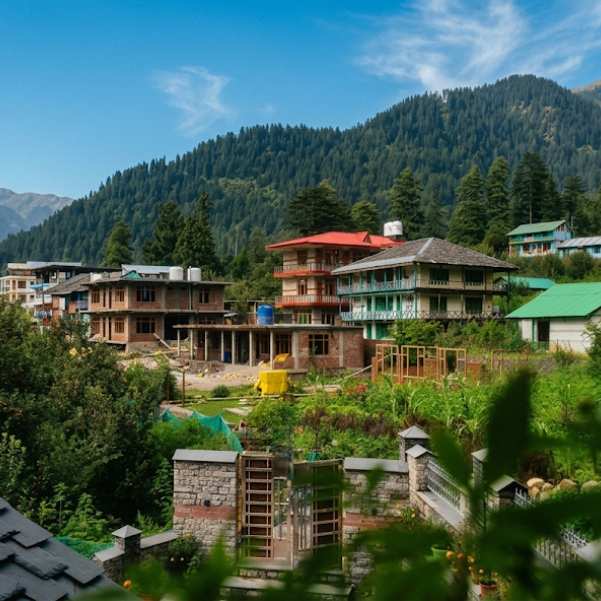
On day one, arrive, check in, and shake off the journey with a slow Parvati River walk. Wander through Kasol Market, settle into a cafe, and if you still have energy and daylight, do the short Chalal walk.
On day two, head to Manikaran Sahib in the morning while it is calm, eat at the langar, and soak in the hot springs. In the afternoon, either drive up to Tosh or spend a lazy afternoon back in a Kasol cafe, depending on how you feel.
This plan keeps things gentle and still covers the essentials of Kasol without making you rush.
3-day Kasol itinerary
Day one is your easy Kasol day. Market, river, cafes, and the Chalal walk.
Day two is for Manikaran in the morning, then either Tosh or one of the quiet villages like Pulga or Kalga in the afternoon.
Day three is your trek day. Do the Kheerganga day trek only if the weather, road, and rules allow it, or pick Grahan if you would rather do a village trek.
If you are extending the trip toward Manali after Kasol, our Manali tour packages connect well, and you can read up on top adventure activities in Manali to plan the next leg.
What is the best time to do these things in Kasol?
March to June
March to June is the popular and pleasant window. Comfortable days, green valley, and the full cafe and trek season running.
September to November
September to November is quietly one of the best times, with clearer views and fewer tourists, according to a 2026 guide. If you do not like crowds, this is your season.
July to August
July to August brings rain and possible travel disruptions. The valley looks lush, but landslides and road delays are real, so keep buffer time.
December to February
December to February is cold, and higher villages like Tosh may get snow. It is beautiful but harder, and not the easiest season for a first trip.
Here is the money angle most people miss. Travelling in the September to November shoulder season often means lower stay prices and far fewer people fighting for cafe tables. You get a better Kasol for less.
How much does a first-time Kasol trip cost?
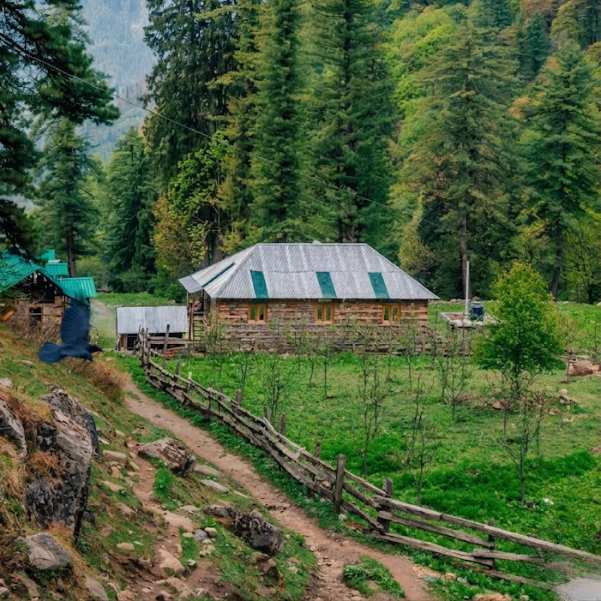
Costs depend entirely on how you travel. A 2026 Kasol guide puts a rough budget at ₹4,000 to ₹12,000 and up per person depending on your style.
Another source estimates around ₹5,000 to ₹9,000 for a three to four day budget visit. Backpackers at the lower end, comfort travellers higher up.
For transport, a Delhi to Kasol bus on redBus starts around ₹598 and climbs depending on the bus type and date.
We will not throw fake hotel, cafe, taxi, or trek numbers at you. Those change too often, and guessing helps nobody.
What we always tell our travellers is to keep a small cash buffer for cafes, langar donations, and village stays. Running out of cash in a no-network village is the most avoidable problem on this trip.
👉Talk to our team on WhatsApp for a personalized trip plan.
How do you reach Kasol in 2026?
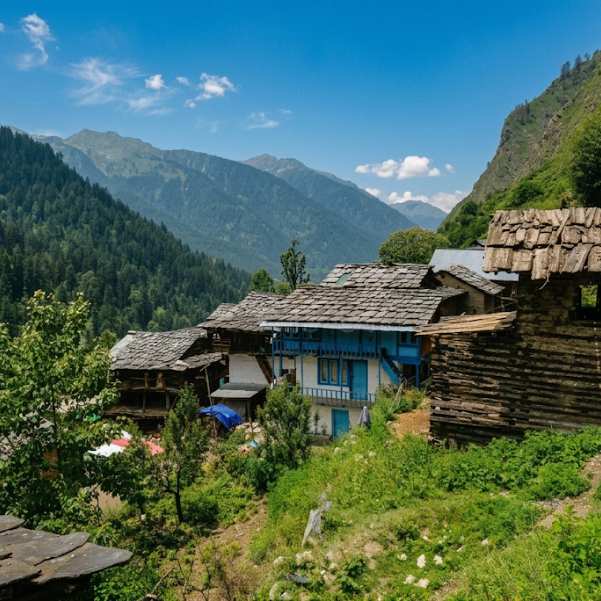
Most people drive or take a bus. The Delhi to Kasol road distance is around 529 to 531 km depending on the source.
By bus, expect roughly 10.5 to 13.75 hours from Delhi depending on the operator and road conditions. It is an overnight journey for most travellers.
If you fly, Bhuntar airport is around 31 to 32 km from Kasol. The Bhuntar to Kasol road distance is around 29.8 to 33.6 km depending on the source.
For buses, HRTC has an official online booking portal and allows advance booking up to 60 days ahead. Booking early in peak season saves you a lot of stress.
Now the 2026 detail you must not skip. District Kullu issued an order regulating heavy vehicles and Volvo buses on the Bhuntar to Manikaran road from 14 April 2026 until the end of the tourist season.
The Tribune reported that Volvo buses, dumpers, and high-capacity vehicles are allowed only between 8 pm and 8 am, with emergency vehicles exempt. This affects when your bus actually runs that stretch, so plan timings around it.
Check the latest road status during monsoon and peak season. A February 2026 landslide at Ghatigarh blocked the Manikaran to Barshaini link road and hit travellers heading toward Barshaini and nearby villages.
If you are building a longer Himachal loop, our Shimla tour packages and our list of popular Himachal tours can help you connect the dots.
What should first-time travellers avoid in Kasol?
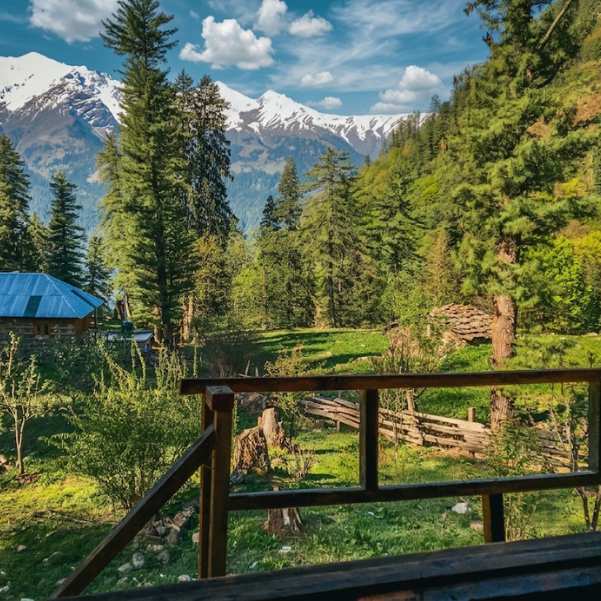
Avoid illegal substances. Kasol has a reputation, but the legal and safety risks are real, and they are not worth your trip.
Do not attempt risky river stunts or climb onto wet rocks for photos. The Parvati River is fast and unforgiving.
Do not litter. Carry your waste back with you.
Do not start treks late, do not depend only on online payments, and do not ignore monsoon road warnings.
And here is the honest negative about Kasol. The valley has a serious waste problem. In January 2026, authorities started an inquiry into dumping in Kasol's forest areas, and the HP Pollution Control Board imposed a ₹4.8 lakh penalty on SADA-Manikaran.
Temporary disposal sites and a material recovery facility were part of the response. Travel clean and you become part of the solution, not the problem.
Is Kasol safe for solo travellers and couples?
Kasol is commonly visited by solo travellers, couples, and groups, and most trips pass without trouble. But safe travel still comes down to your choices.
Stay in reviewed places, avoid isolated trails after dark, and share your plan with someone before you head out. Check the weather and roads before any trek.
Steer clear of arguments and heavily intoxicated crowds, especially late at night. Most problems here start from situations you can simply walk away from.
Save the official Kullu emergency numbers before you lose signal. Ambulance is 108, Police is 100, and the District Emergency Operations Cell is 1077.
The DEOC landlines are 01902-225630, 01902-225631, 01902-225632, and 01902-225633. Keep them written down, because network is patchy in the higher villages.
Explore Our Curated Kasol Tour Packages
 4D/3N
4D/3NPerfect Manikaran Kasol Tosh Weekend Getaway
1D Delhi•2D Kasol+1
₹15,999₹19,999SAVE INR 4,000/ person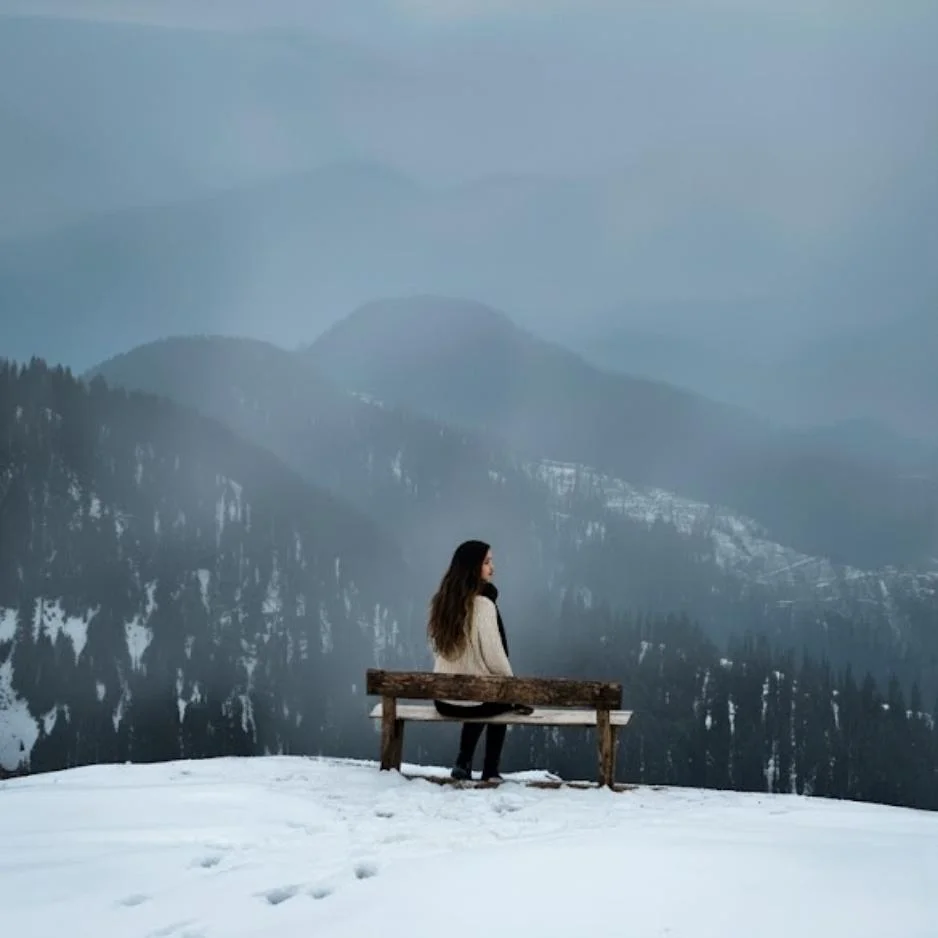 7D/6N
7D/6NManali Kasol Jibhi Valley Trip
1D Delhi•2D Manali+3
₹25,799₹32,999SAVE INR 7,200/ person 8D/7N
8D/7NManali Kasol Bir Himalayan Explorer
1D Delhi•2D Bir+3
₹21,999₹27,999SAVE INR 6,000/ person
Related topics
Frequently Asked Questions
What are the best things to do in Kasol for first-time travellers?
River walks, cafe hopping, Manikaran Sahib, the easy Chalal walk, and a nearby village like Tosh or Grahan. Add a beginner trek if the weather and rules allow.
Is Kasol worth visiting in 2026?
Yes, if you go for the slow valley experience rather than a packed checklist. Just check the new Bhuntar to Manikaran road timing rules before peak season.
How many days are enough for Kasol?
Two to four days. Two for a quick taste, three to four if you want to add a village or a trek without rushing.
How do I spend one day in Kasol?
Walk the Parvati River in the morning, explore Kasol Market, settle into a cafe, and do the short Chalal walk in the afternoon if you have energy.
What is the best time to visit Kasol?
March to June is pleasant and popular, while September to November gives clearer views and fewer crowds. July and August bring rain, and winter is cold with snow in higher villages.
Is Kasol safe for solo travellers?
Yes, it is commonly visited by solo travellers, but stay in reviewed places, avoid isolated trails after dark, and share your plan with someone. Keep emergency numbers handy.
How do I reach Kasol from Delhi?
By road it is around 529 to 531 km, and a bus takes roughly 10.5 to 13.75 hours depending on the operator. You can also fly to Bhuntar, about 31 to 32 km away.
What are the best places near Kasol?Manikaran Sahib, Chalal, Tosh, Grahan, and the quiet villages of Pulga, Kalga, and Tulga. Malana too, if you visit respectfully with a guide.
Manikaran Sahib, Chalal, Tosh, Grahan, and the quiet villages of Pulga, Kalga, and Tulga. Malana too, if you visit respectfully with a guide.
Can beginners do Kheerganga trek from Kasol?
Many beginners do it, starting from Barshaini, but it is still physically tiring at around 9 to 12 km one way. Start early and go at your own pace.
Is camping allowed in Kheerganga in 2026?
The rules are conflicting. Some 2026 sources say overnight camping is banned and it should be a day trek, while some operators still advertise camps. Check with local authorities, the Forest Department, or our team first.
Do I need a permit to visit Kasol or Parvati Valley?
One 2026 guide says no permits are needed for Kasol, Parvati Valley, Manikaran, Tosh, Kheerganga, and Malana. Confirm the current rules before you travel.
What should I avoid in Kasol?
Illegal substances, risky river stunts, littering, starting treks late, relying only on digital payments, and ignoring monsoon road warnings. Travel clean and respect village customs.
More about Kasol
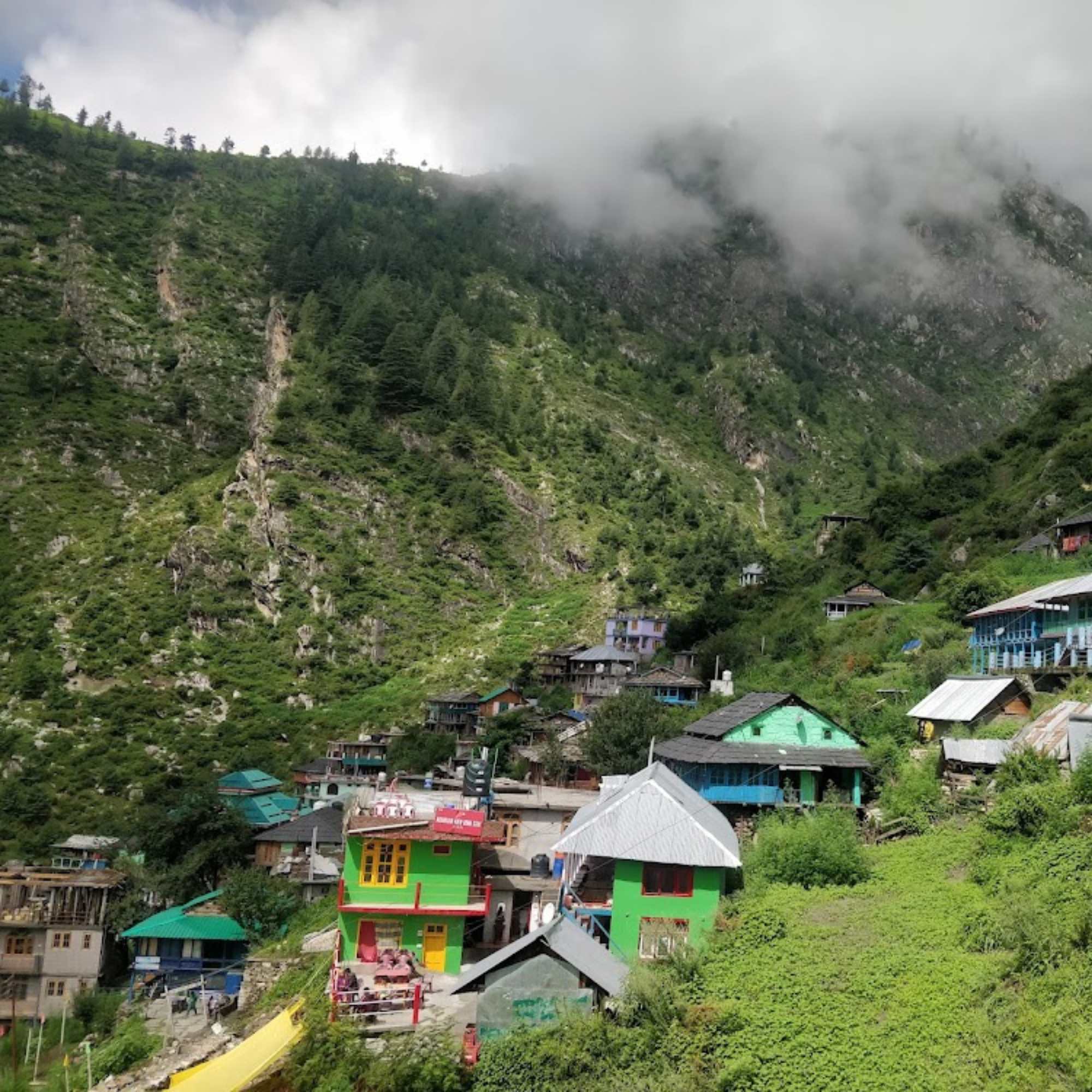 Kasol
KasolBest Offbeat Places Near Kasol Most Tourists Miss in 2026
Escape the crowds and discover the hidden side of Kasol in 2026. From peaceful villages and untouched valleys to scenic trails and secret viewpoints, these offbeat places near Kasol offer authentic Himalayan experiences that most tourists completely miss.
- Places to Visit
- Things to Do
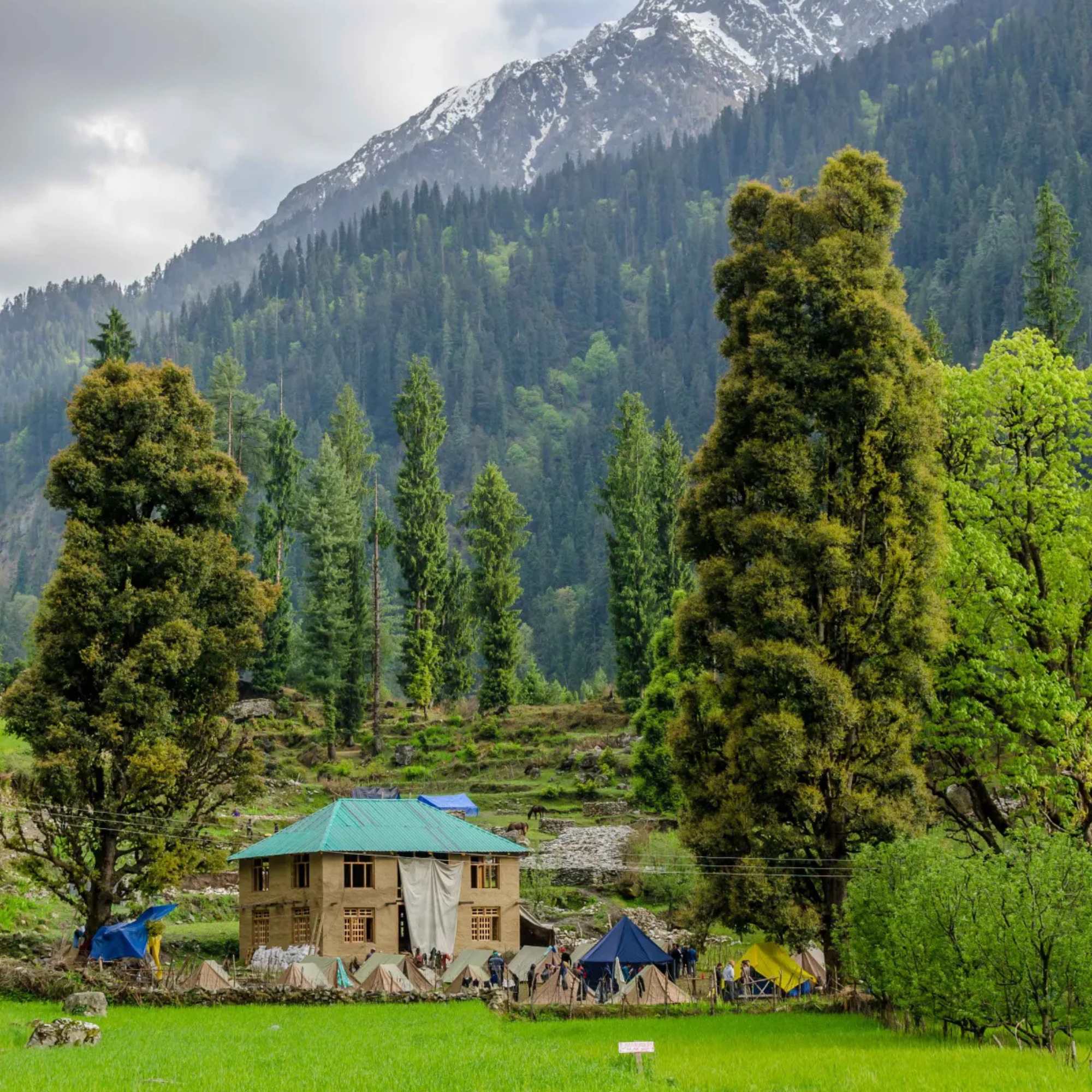 Kasol
KasolRasol Village Trek From Kasol 2026: Route, Distance & What to Expect
Planning the Rasol Village Trek from Kasol in 2026? Explore the complete trekking route, distance, difficulty level, stay options, and essential travel tips to experience one of Parvati Valley’s most peaceful and offbeat Himalayan villages.
- Things to Do
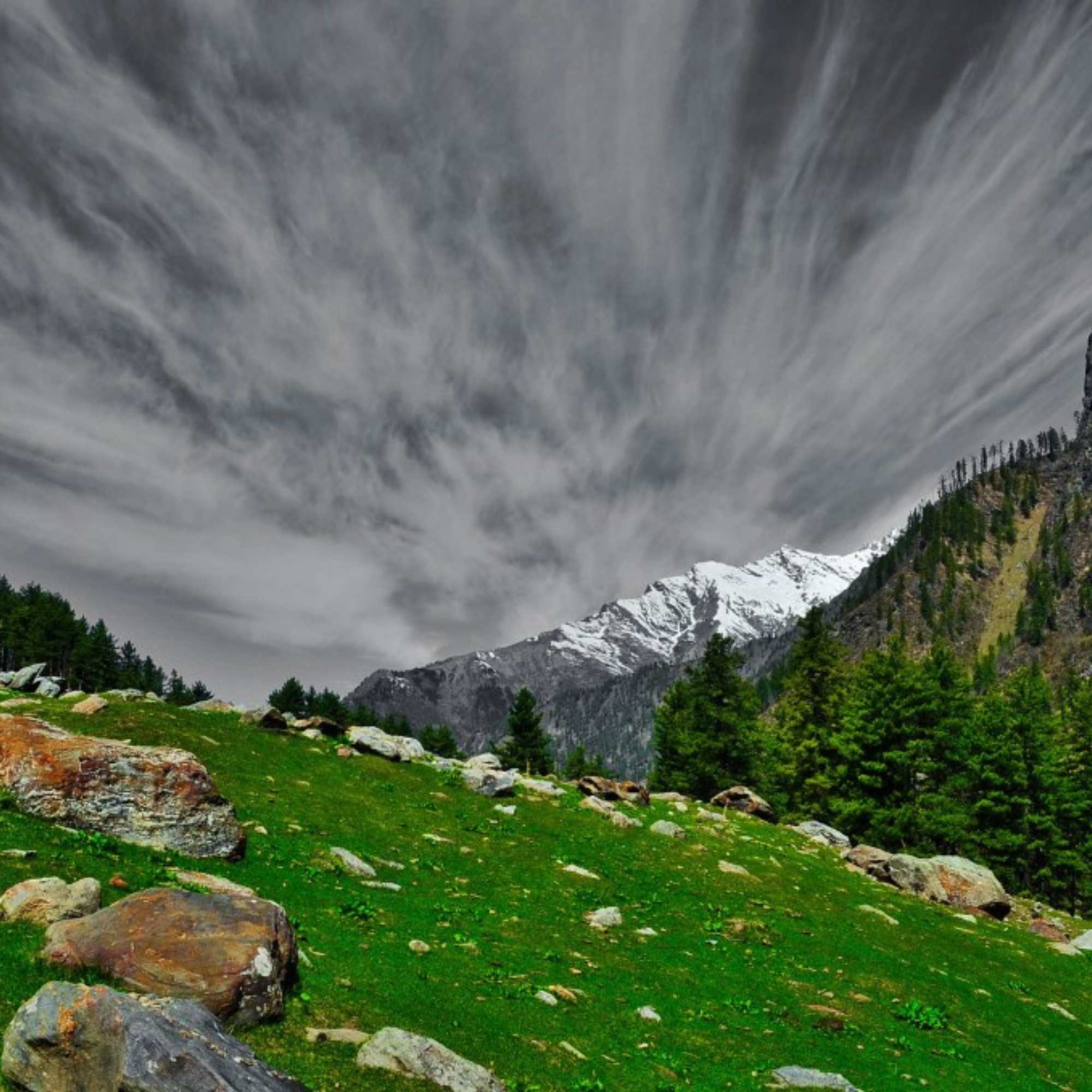 Kasol
KasolKalga, Pulga & Tulga Villages in 2026: The Offbeat Side of Parvati Valley
A Himachal Pradesh travel expert or experienced Parvati Valley trek guide with firsthand knowledge of Kalga, Pulga, and Tulga. The content should provide practical insights on trekking routes, homestays, local culture, seasonal travel, and hidden attractions, helping readers plan an authentic offbeat Himalayan experience with confidence.
- Places to Visit