
Things To Do In Jispa: 2026 Guide For Slow Travellers, Bikers And Families
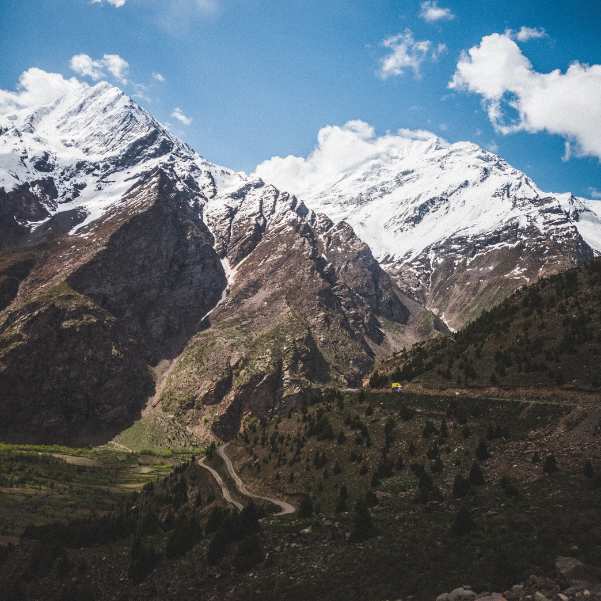
Most people roll into Jispa at 5 PM, eat dinner, sleep, and leave by 7 AM the next morning. They see it as a bed on the way to Leh. That is the biggest mistake travellers make here.
Jispa is one of the few spots on the Manali-Leh Highway where slowing down actually makes your whole trip better. The Bhaga River runs right past the camps, the village is quiet, and the altitude is just right for letting your body adjust before you climb higher.
We have sent a lot of travellers through this stretch over the years, and the ones who give Jispa two nights instead of one always come back with better stories.
Quick Answer: What Are The Best Things To Do In Jispa?
The best things to do in Jispa are a slow walk along the Bhaga River, riverside camping, and a visit to the small Jispa Rural Museum to understand Lahauli village life.
Add a short trip to Gemur Monastery, drive to Darcha village, and if roads allow, push further to Deepak Tal, Suraj Tal, and Baralacha La. Nights here are made for stargazing and slow chai.
One night is enough if Jispa is just a Manali-Leh halt. But give it two nights if you actually want to enjoy the place instead of just sleeping in it.
Why Is Jispa Worth Visiting In 2026?
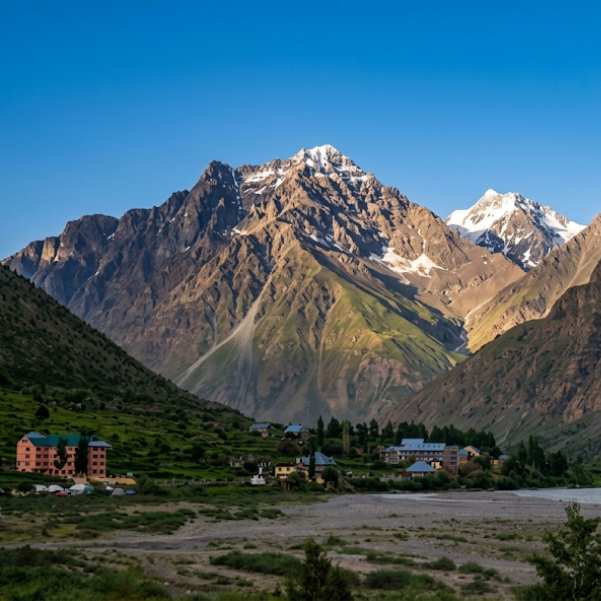
Jispa is not just a sleep stop. It is a calm Lahaul village sitting right on the Bhaga River, with mountain views on every side and a pace that lets you breathe.
You get camping by the water, Buddhist culture in the nearby monasteries, and an altitude that helps your body get ready for the higher, harsher stretches towards Leh.
In our experience, the travellers who treat Jispa as a real stop and not a pit stop handle the rest of the Manali-Leh journey far better. The acclimatisation alone is worth it.
It also works as a softer, quieter cousin to the more popular Lahaul stops. If you are still deciding your base, our Sissu Tour Packages cover the easier, closer option for shorter Lahaul trips.
Where Is Jispa And What Should You Know Before Going?
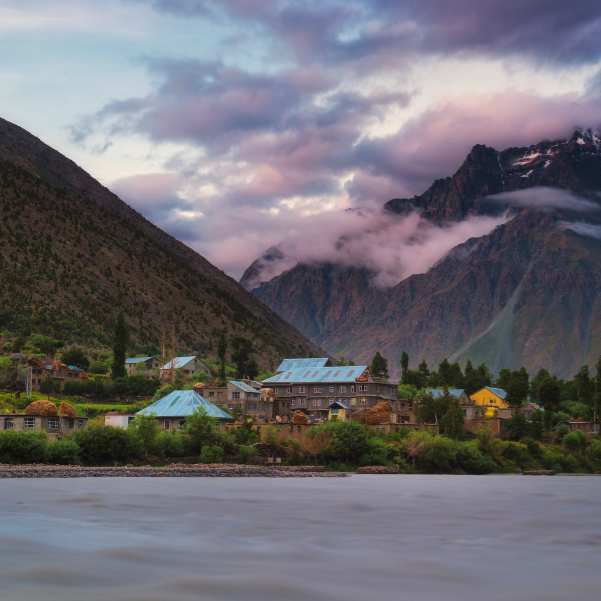
Jispa sits in Lahaul and Spiti district, Himachal Pradesh, right beside the Bhaga River. The official district page puts it 22 km from Keylong and 4 km ahead of Ghemur.
The altitude is commonly reported as around 3,200 m (10,500 ft). High enough that nights stay genuinely cold, even in summer.
Here is what you need to plan for before you go. Facilities are limited, so do not expect shops or ATMs. Nights get cold fast once the sun drops behind the mountains.
Cash and fuel planning matters more than you think. There is very little out here, and you cannot count on UPI or a petrol pump showing up when you need one.
If you want to understand the wider region before you go, our Lahaul and Spiti Valley Tour Packages lay out how Jispa fits into a bigger Lahaul loop.
What Are The Best Things To Do In Jispa?
Walk Along The Bhaga River
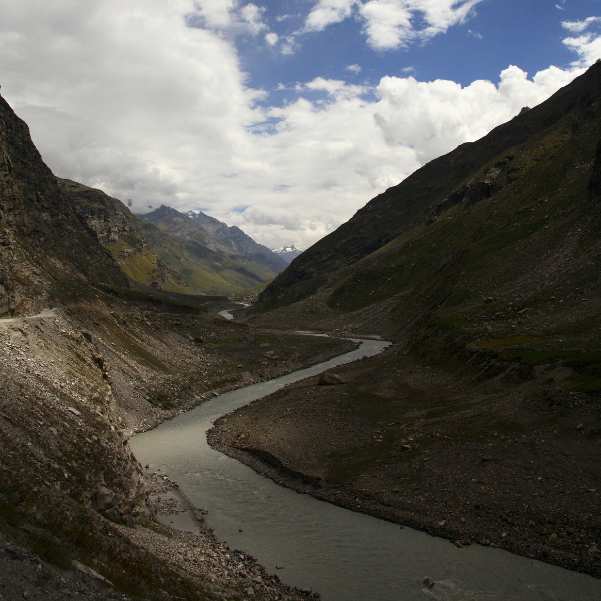
The Bhaga River runs right alongside Jispa, and a slow walk beside it is the easiest way to start your day or wind it down in the evening.
The light on the water in the early morning is soft and clean, and it is great for photos. Plenty of people just find a flat spot to sit, picnic-style, and do nothing for an hour.
This gentle walking is also good for acclimatisation. You move slowly, you breathe, your body adjusts. Stay on the bank though. Mountain rivers like the Bhaga move fast and cold, so do not wade in or get too close to the edge.
Camp By The Riverside
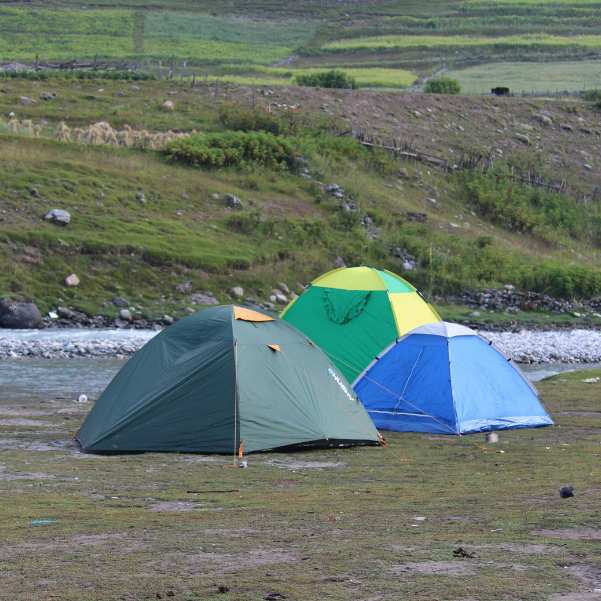
Riverside camping is the classic Jispa experience. Falling asleep to the sound of the Bhaga, waking up to mountains all around you, is what most people come here for.
Prices shift every season, so treat these as rough numbers and always confirm the current rate and what is included before you book.
Visit The Jispa Rural Museum
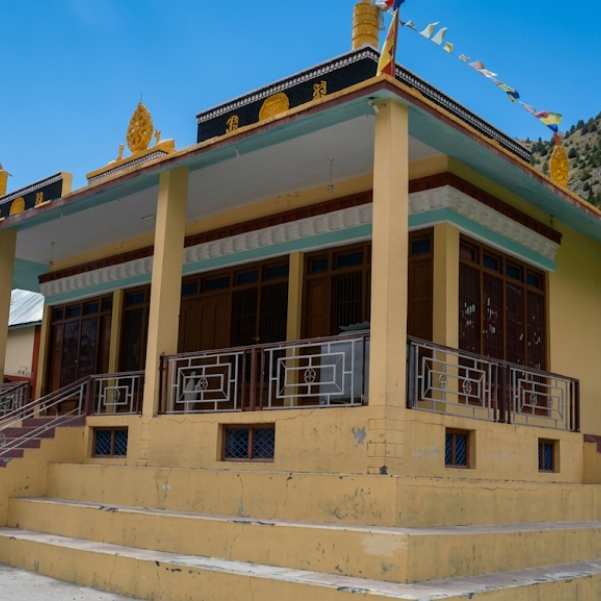
Jispa has a small folk and rural museum that is worth an hour of your time. It is the easiest way to understand how Lahauli families actually live up here.
You see the old homes, everyday objects, the heavy woollens people wear through the brutal winters, and the tools of daily life in a high mountain village.
It is not a big, flashy attraction. It is a quiet, honest look at the culture of the place you are standing in, which makes the rest of your trip feel less like sightseeing and more like understanding.
Visit Gemur Monastery
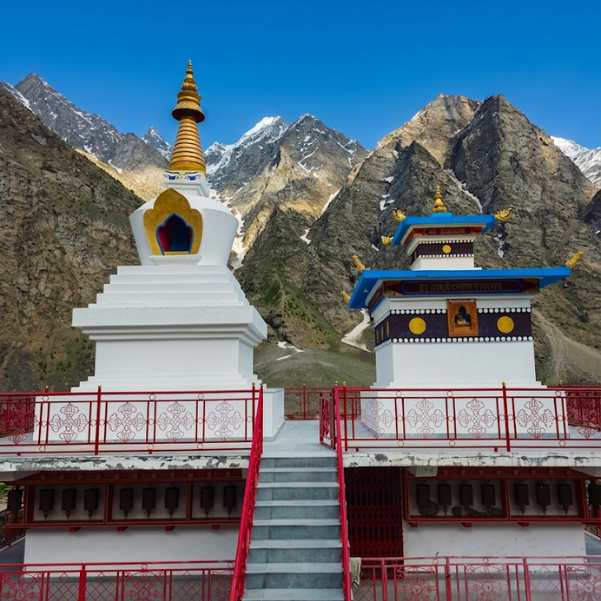
Gemur (also written Ghemur) is around 4 km from Jispa according to the official district page. It is a peaceful cultural stop and an easy short trip from your camp.
The monastery gives you a calm, quiet break and a bit of Buddhist history without much effort. Keep your behaviour respectful inside. Dress modestly, speak softly, take photos only where allowed, and never touch the religious objects.
Explore Darcha Village
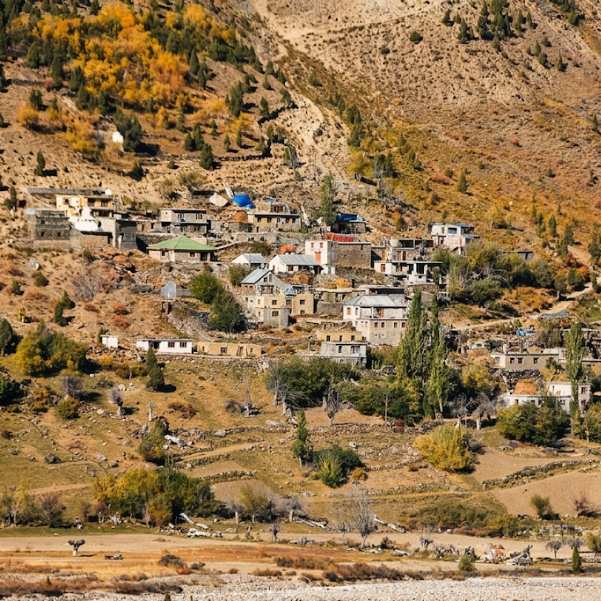
Darcha is about 7 km from Jispa according to Discover With Dheeraj, sitting at around 3,500 m per the official district page.
It is a base for serious treks towards Padum, either over Shinkun La or via Baralacha La and Phirtse La.
The best trekking season in Lahaul runs between July and October, and any high-altitude trek here needs real acclimatisation and proper equipment to keep mountain sickness at bay.
Even if you are not trekking, Darcha makes a good short drive when the roads are open. It gives you a feel for how raw and remote this region gets the further you push.
Drive To Deepak Tal When The Road Is Open
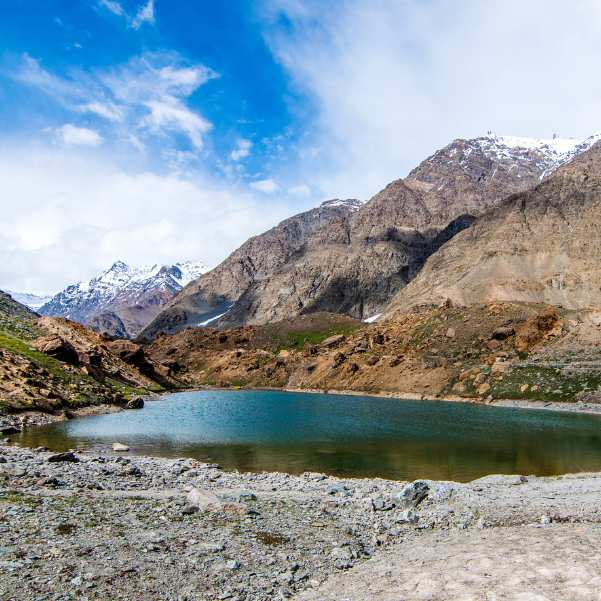
Deepak Tal is a beautiful high-altitude lake stop beyond Jispa and Darcha. On a clear day with good roads, it is a genuinely lovely detour.
Road conditions decide everything here. This stretch is at the mercy of weather and snow clearance, so it is only sensible when the route is properly open. Check the road status before you commit to it, not after you have set off.
Plan A Suraj Tal And Baralacha La Day Trip Carefully
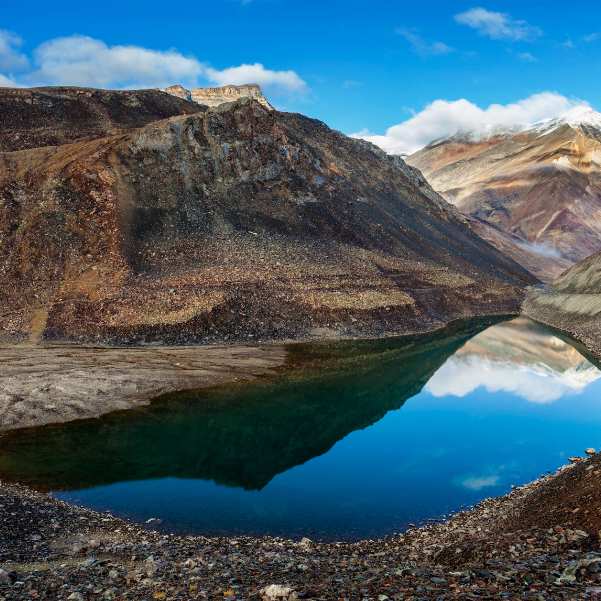
Suraj Tal sits near Baralacha La, and the Bhaga River actually rises from this lake. The official district page puts Suraj Tal at a little below 16,000 ft.
That altitude is no joke. The same official page also notes that there are no shops or dhabas anywhere around Suraj Tal, so you carry everything you need with you.
Do this trip only when the Keylong-Leh or Manali-Leh route is open and the weather is safe. We always tell our travellers to treat Baralacha La as a weather-permitting bonus, not a fixed plan. If the sky turns, you turn around.
Try Local Food In A Homestay Or Dhaba
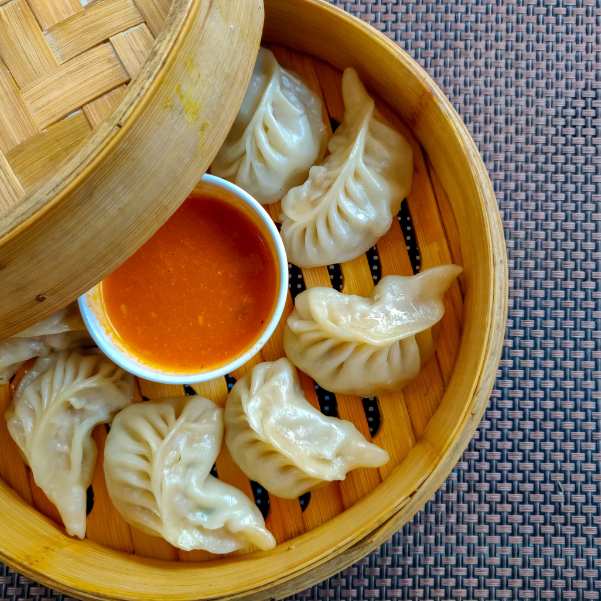
The food up here is simple but warm and filling. You will find North Indian, Tibetan, and Himachali dishes depending on where you eat.
Look for thukpa, momos, butter tea, siddu (sometimes written sidu), and rajma-rice. A hot bowl of thukpa after a cold drive hits differently at this altitude.
Availability changes from place to place and season to season, so do not expect a full menu everywhere. The homestays often serve the best home-style food if you ask in advance.
Go Stargazing
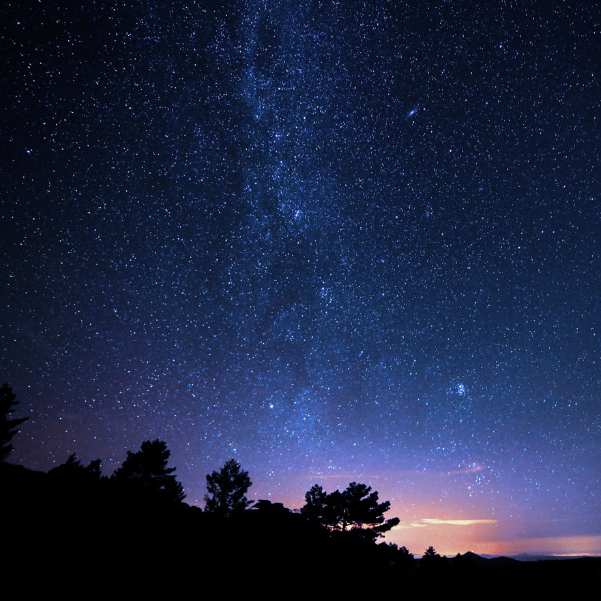
Once the sun goes down, Jispa gets dark, cold, and very quiet. On a clear night, the sky here is something most city travellers rarely get to see.
You will get the best views on new-moon nights with clear skies. Wrap up properly, because standing still outside at this altitude after dark gets cold fast.
Do Nothing For Half A Day
Jispa rewards slowness more than activity. The best thing you can do here is genuinely nothing for half a day.
Sit with a chai, write in a journal, stare at the mountains, and put your phone away. The network is patchy anyway, so a digital detox happens whether you plan it or not. This is the part of the trip people remember months later.
How Many Days Are Enough For Jispa?
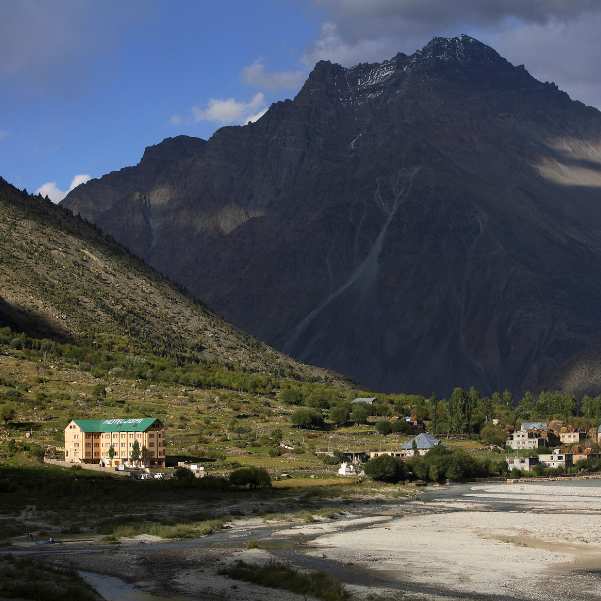
A four-hour stop is enough only for tea, river views, and a few photos. This works if you are racing along the Manali-Leh route and Jispa is just a quick breather.
A one-night halt is the standard for Manali-Leh travellers. You arrive in the evening, rest, sleep, and continue the next morning with your body slightly more adjusted.
A two-night stay is the sweet spot if you actually want to enjoy Jispa. That gives you time for the river, the museum, Gemur Monastery, Darcha, and proper relaxed evenings without rushing.
A three-day plan works if you want to add Sissu, Keylong, Deepak Tal, or Baralacha La. How much you fit in depends entirely on road status, so keep it flexible.
What Is A Good 1-Day Jispa Itinerary?
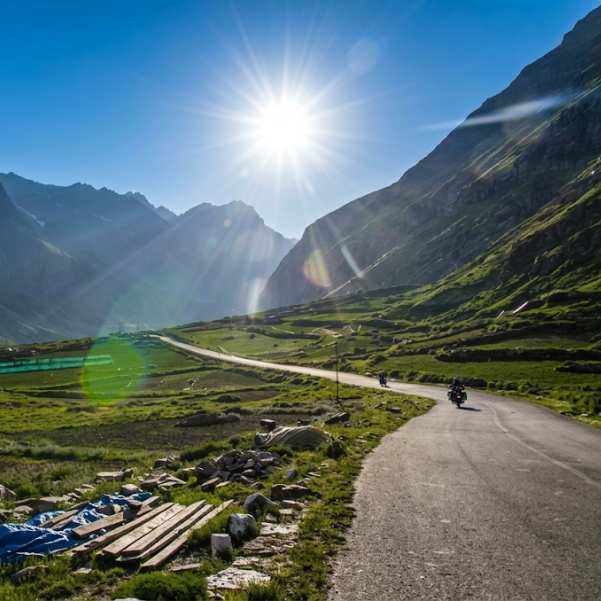
Start your morning with a slow walk along the Bhaga River, then head to the Rural Museum, and grab a local breakfast somewhere warm.
In the afternoon, drive out to Gemur Monastery or push a little further to Darcha village. Both are short, easy trips that fit comfortably into half a day.
In the evening, settle into your riverside stay, eat an early dinner, and end the night with stargazing if the sky is clear. Simple, slow, and exactly what Jispa is good at.
If you are arriving from Manali in the afternoon instead, flip it. Reach, settle into camp, do a short evening river walk, eat early, and save the museum and Gemur for the next morning before you move on.
What Is A Good 2-Day Jispa Itinerary?
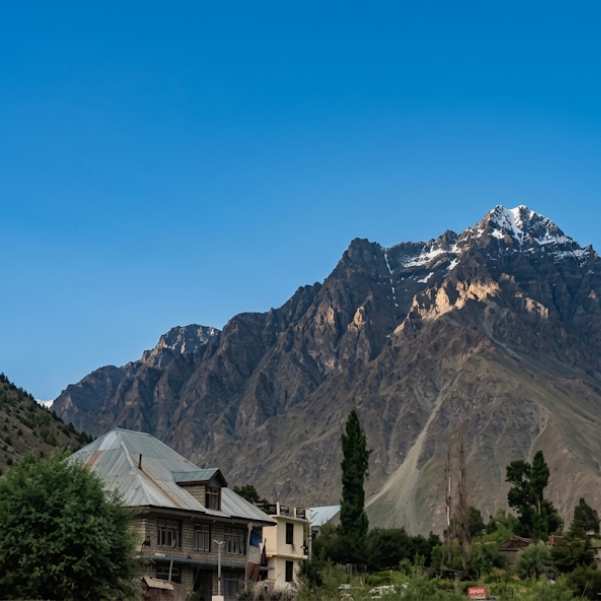
Day one is all about arriving and slowing down. Spend time in the village, walk the Bhaga River, visit the museum, eat good local food, and sleep early. Let your body settle at the altitude.
Day two is for the bigger trips. Head to Darcha, then Deepak Tal, and on to Suraj Tal or Baralacha La, but only if the roads are open and the weather is safe.
One honest reminder from us
Altitude and weather matter far more than ticking off a list of places. If conditions are not right, drop a stop without guilt. The mountains decide, not your itinerary.
Is Jispa Better Than Sarchu, Keylong Or Sissu For A Night Halt?
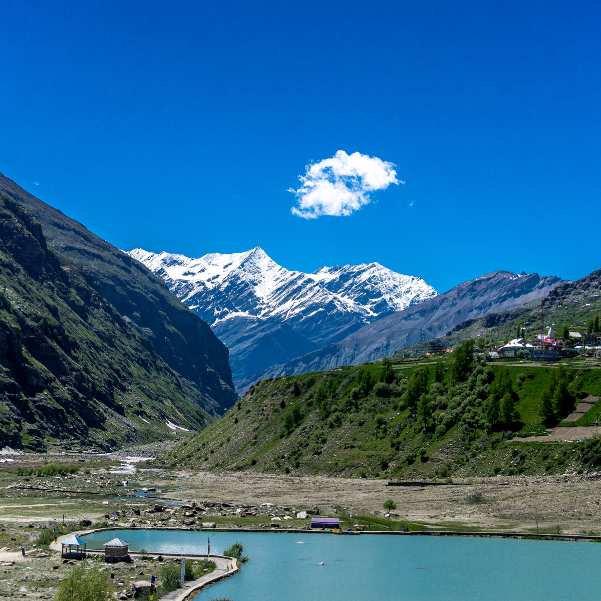
For acclimatisation, Jispa usually beats Sarchu. Sarchu sits much higher at around 14,070 ft according to competitor sources, and sleeping that high without adjusting first leaves a lot of travellers with headaches and rough nights.
Keylong has more town facilities like shops, ATMs, and bigger stays. So if you want comfort and supplies, Keylong wins. But Jispa is quieter and far better for camping by the river.
Sissu is the easier choice if you are coming straight from Manali and want a shorter Lahaul trip. It is closer and simpler to reach. Our Sissu Tour Packages suit travellers who do not want to push as deep into Lahaul.
If you want a comfortable Manali base before heading up, our Manali Tour Packages cover stays, transport, and route planning to get you started right.
What Is The Best Time To Visit Jispa In 2026?
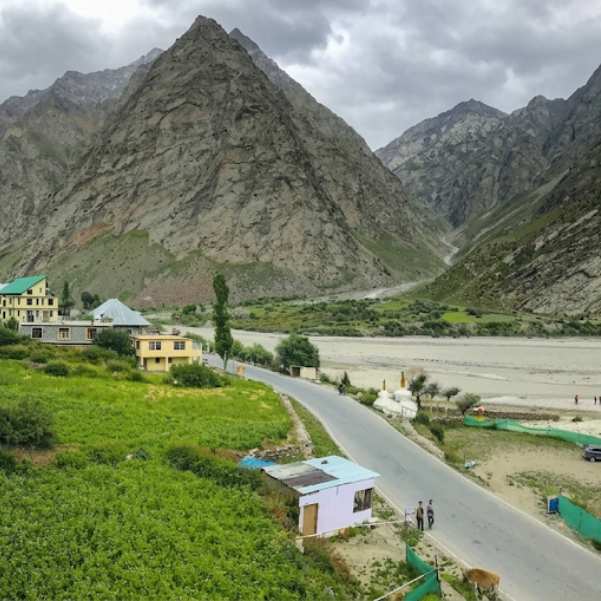
Most sources put the best window between May/June and September/October, and that lines up with what we see on the ground.
May and June
May and June give you snow views and dramatic landscapes, but the higher routes carry more uncertainty. Roads beyond Jispa may still be opening up.
July and August
July and August are peak road-trip seasons. The highway is busy, but rain and landslide risk can mess with the approach roads, especially the stretches closer to Manali.
September and October
September and October often bring clearer views and quieter travel. Fewer crowds, crisp air, and stable roads make this a strong pick. Winter travel is hard here, with heavy snowfall, road closures, and many services shutting down.
How To Reach Jispa From Manali, Delhi, Leh And Sissu?
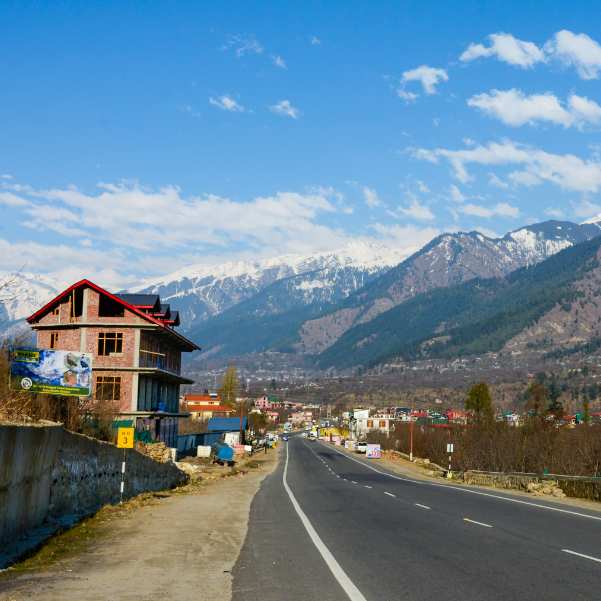
Manali to Jispa is commonly listed as around 120 km via the Atal Tunnel and around 140 km via the Rohtang route. The Atal Tunnel route is the faster, more reliable choice.
In normal conditions, the Atal Tunnel route usually takes around 4 to 5 hours by private vehicle. It can stretch to 5 to 6 hours if there is traffic near the tunnel, slow road work, weather issues, or long sightseeing stops.
For public transport, HRTC buses and shared taxis are reported between Manali and Jispa via Keylong. Always confirm timings and fares before you travel, because schedules change and seats fill fast in peak season.
Do You Need A Permit To Visit Jispa In 2026?
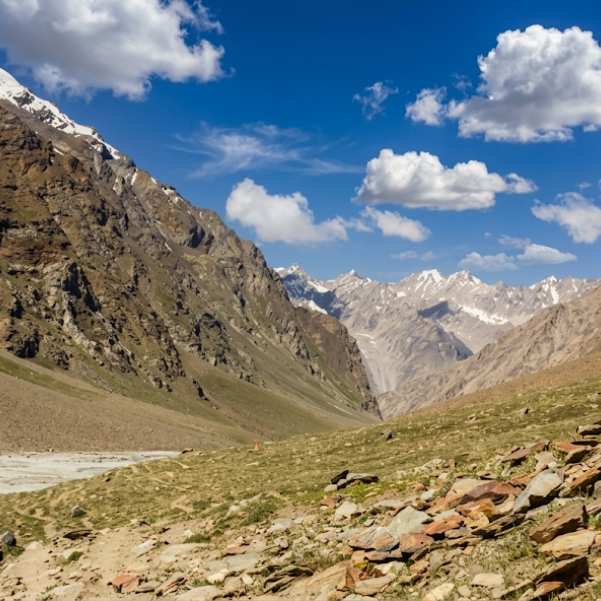
The Himachal e-Aagman portal says vehicle owners entering District Lahaul and Spiti must apply for an E-Pass. An E-Permit per vehicle is needed for the Atal Tunnel Rohtang-Koksar-Chandertal circuit, and an E-Ticket per vehicle is needed for other places.
Rohtang permits only matter if you are actually visiting or crossing Rohtang Pass, not simply because your trip mentions Jispa.
The official Rohtang portal offers a Rohtang Pass Permit, a Special Rohtang Pass Permit, and a Hamta Pass Permit. We covered the details in our Rohtang Pass in May guide.
Foreign travellers staying overnight should use authorised hotels or guesthouses, and the host must submit Form-C to the local police station within 24 hours.
Protected area permits apply only to specific protected areas listed by the district, like Khab, Samdo, Dhankar, Tabo, Gompa, Kaza, Morang, and Dubling, not to an ordinary Jispa stay.
One road note worth knowing. The official Lahaul-Spiti road status page, last updated March 20, 2026, marked Delhi-Manali open, Manali-Keylong open, Keylong-Leh open, and Keylong-Kaza closed.
In May 2026, BRO reopened the Manali-Leh highway after snow clearance, and Times of India reported that Darcha-Sarchu via Baralacha La had reopened for light motor vehicles, with heavy vehicles subject to checks.
Where Should You Stay In Jispa?
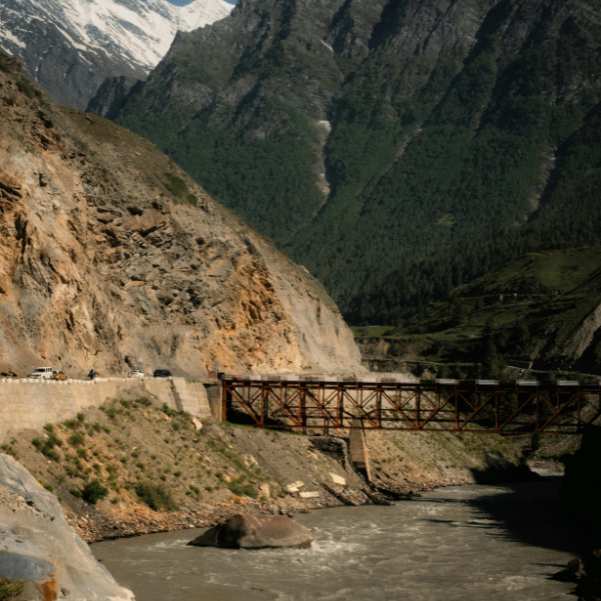
Your options are camps, homestays, guesthouses, and a few simple hotels. There is also a PWD rest house near the Bhaga River, mentioned on the official district page.
Pick based on what you want. Choose a riverside camp if views and the outdoor experience matter most to you. Choose a homestay if you want warm rooms and the best home-cooked food.
Go for a hotel if comfort is your priority, and consider basing yourself in Keylong instead if you want more facilities nearby. Each suits a different kind of traveller, and none of them is wrong.
What Should You Pack For Jispa?
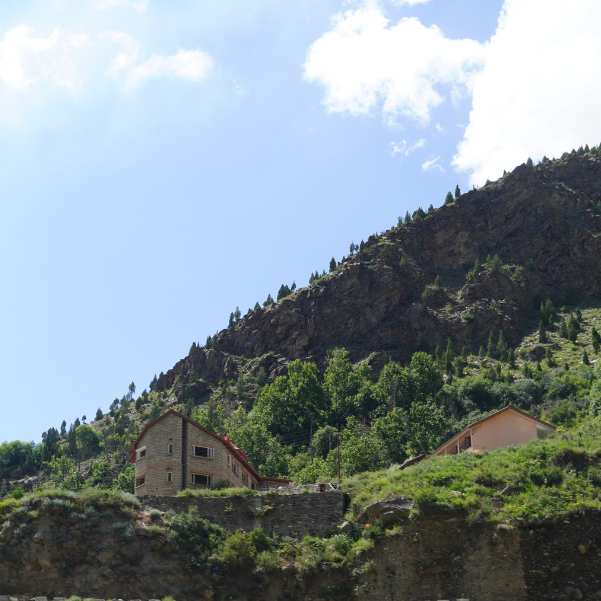
Pack warm layers first. A good windproof jacket, a fleece or down layer, gloves, and woollen socks are non-negotiable because the nights get cold even in summer.
Carry your personal medicines, a basic first-aid kit, and altitude essentials. Bring your ID proof and plenty of cash, since there is no ATM in Jispa.
Download offline maps before you lose signal, and pack a power bank because charging is unreliable. Sunscreen and sunglasses matter too, as the UV at this altitude is harsh even on cloudy days.
Comfortable, sturdy shoes make the river walks and short hikes easier. If you are riding a bike or self-driving, check your vehicle properly before the trip. Tyres, brakes, fuel, and a spare are all things you do not want to discover problems with out here.
What Facilities Are Available In Jispa?
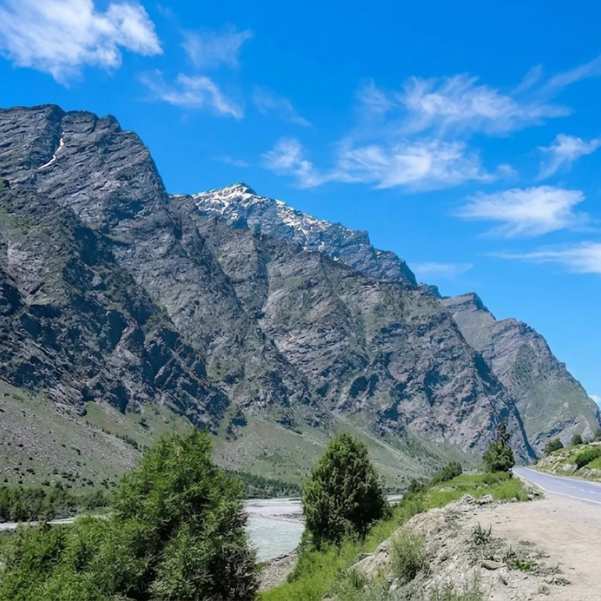
Food is limited and usually simple. Do not expect variety or big menus, especially outside peak season.
The nearest ATM is in Keylong, about 23 km away, and the last petrol station is reported around 25 km away. Fill up and withdraw cash before you reach Jispa, because there is nothing out here to fall back on.
For mobile network, BSNL is reported as the most stable. Jio may work in some spots, and other networks are unreliable.
Medical help is basic. For anything serious, you are better off heading to Keylong or Manali rather than trying to manage it here. This is why we keep telling travellers not to push their bodies hard on day one at this altitude.
Suggested Jispa Trip Packages With Travel Coffee
We are based in Shimla and we plan customised trips across Himachal, Lahaul, Spiti, and Ladakh. That means stays, car, route planning, and real ground support when roads or weather throw a surprise at you.
Jispa works beautifully as part of a bigger journey. If you are heading all the way through to Ladakh, our Ladakh Tour Packages cover the full route with proper acclimatisation built in.
If you would rather loop through Spiti and tick off a high-altitude lake, our Chandratal Package is one of our most-booked summer trips.
Tell us your dates, your group size, and how slow or fast you like to travel, and we will build something that actually fits.
Explore Our Curated Manali Tours
 6D/5N
6D/5NManali Solang Sissu Sethan Snow Adventure
1D Delhi•3D Manali+2
₹15,999₹21,999SAVE INR 6,000/ person 6D/5N
6D/5NManali Solang Sissu Sethan Snow Trip With Kasol
1D Delhi•3D Manali+2
₹25,999₹33,999SAVE INR 8,000/ person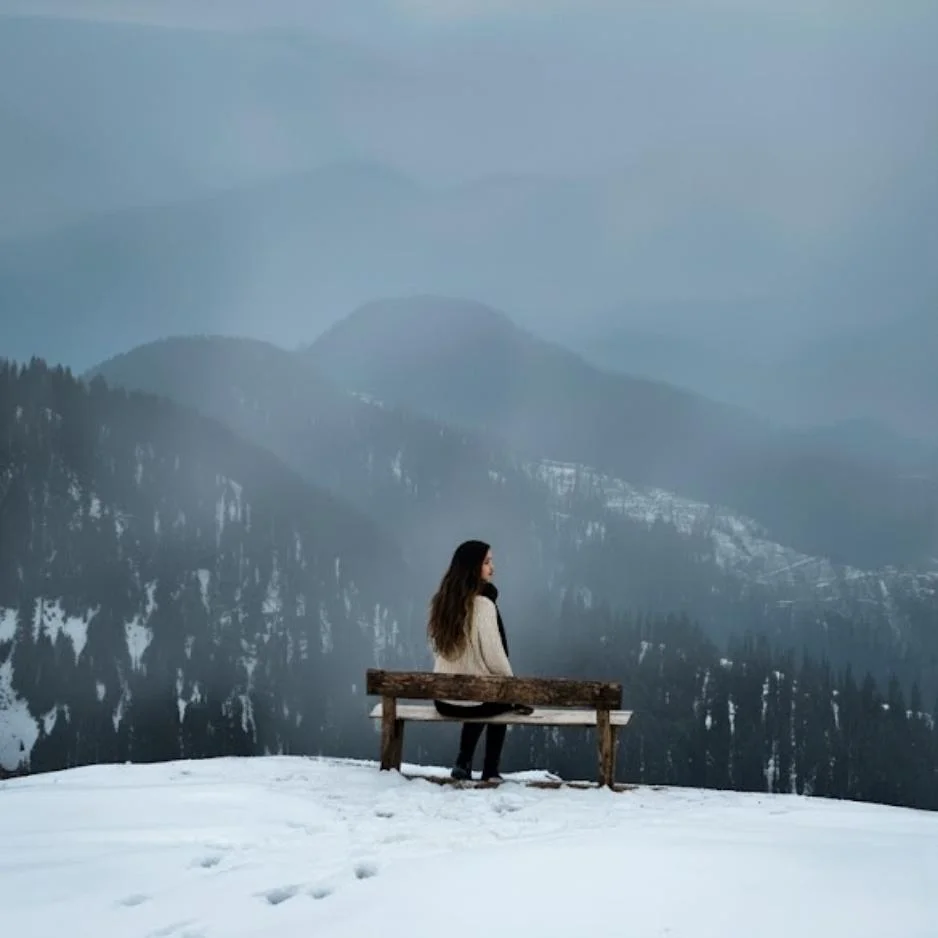 7D/6N
7D/6NManali Kasol Jibhi Valley Trip
3D Manali•1D Kasol+2
₹25,799₹32,999SAVE INR 7,200/ person
Related topics
Frequently Asked Questions
What is Jispa famous for?
Jispa is famous for riverside camping along the Bhaga River, its quiet Lahaul village setting, and its role as a calm acclimatisation halt on the Manali-Leh Highway.
Is Jispa worth visiting?
Yes. It is one of the better stops on the Manali-Leh route, with good mountain views, camping, and a relaxed pace that helps your body adjust to altitude.
What are the best things to do in Jispa?
Walk along the Bhaga River, camp by the riverside, visit the Jispa Rural Museum and Gemur Monastery, explore Darcha, and go stargazing on clear nights.
How many days are enough for Jispa?
One night works for a Manali-Leh halt. Two nights are better if you want to actually enjoy Jispa, Darcha, Gemur, and slow river time.
Is Jispa better than Sarchu for a night halt?
For acclimatisation, usually yes. Sarchu sits much higher at around 14,070 ft, so sleeping there without adjusting first can cause altitude trouble.
Can we visit Jispa in winter?
Winter is difficult. Heavy snowfall and road closures are common, and many services shut down, so most travellers avoid Jispa in the cold months.
What is the best time to visit Jispa?
Broadly May/June to September/October. September and October often bring the clearest views and quieter roads, while July and August are busy with road-trippers.
How far is Jispa from Manali?
Around 120 km via the Atal Tunnel and about 140 km via Rohtang, with a drive time of roughly 5 to 6 hours.
Do I need a permit to visit Jispa?
Vehicle owners entering Lahaul and Spiti must apply for an E-Pass via the e-Aagman portal. Rohtang permits only apply if you cross or visit Rohtang Pass.
Is there mobile network in Jispa?
BSNL is the most stable network. Jio may work in some spots, and other networks are unreliable, so do not count on staying connected.
Is there an ATM or petrol pump in Jispa?
No. The nearest ATM is in Keylong, about 23 km away, and the last petrol station is reported around 25 km away. Carry cash and fuel up first.
Can I do a day trip from Jispa to Baralacha La or Suraj Tal?
Yes, but only when the Keylong-Leh route is open and the weather is safe. Suraj Tal sits a little below 16,000 ft with no shops or dhabas nearby, so plan carefully.
More about Jispa
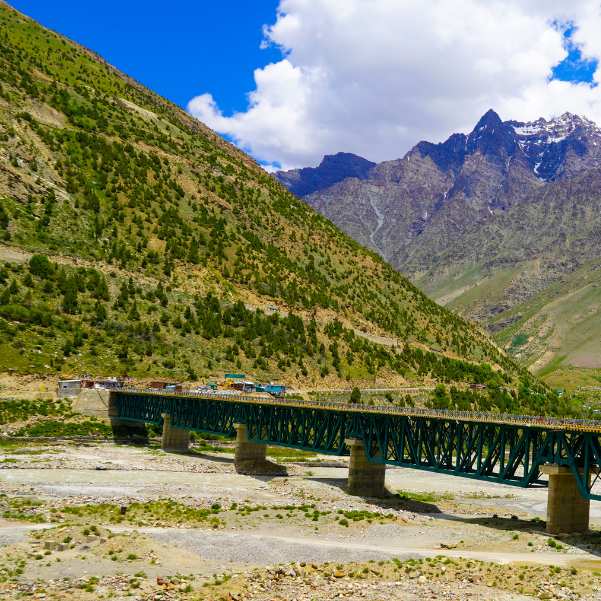 Jispa
JispaJispa in November 2026: Weather, Snow, Road Status and Travel Guide
Planning a trip to Jispa in November 2026? Discover expected weather, snowfall chances, temperatures, road conditions, travel safety tips, and everything you need to know before visiting Jispa in early winter.
- Road Status
- Snow Travel
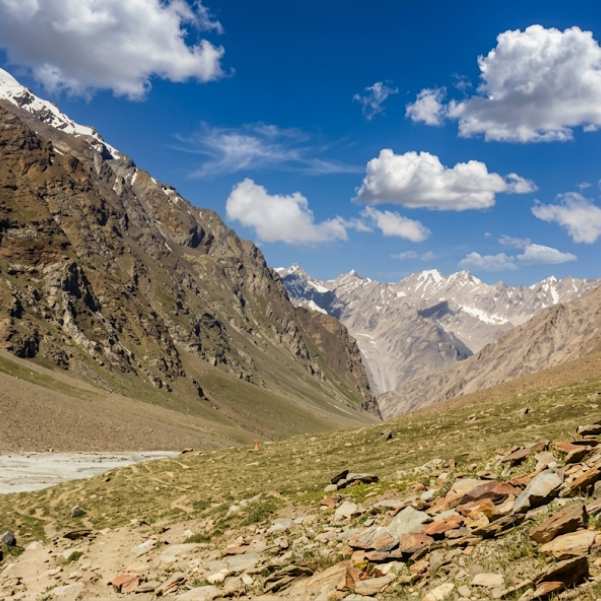 Jispa
JispaDarcha 2026: The Base for Baralacha La and Shinkula Pass (Stay, Fuel & Route)
Planning to use Darcha as your base in 2026? This guide covers where to stay, fuel options, route details and how Darcha connects travellers to Baralacha La, Shinkula Pass and the road toward Zanskar.
- How to Reach
- Road Status
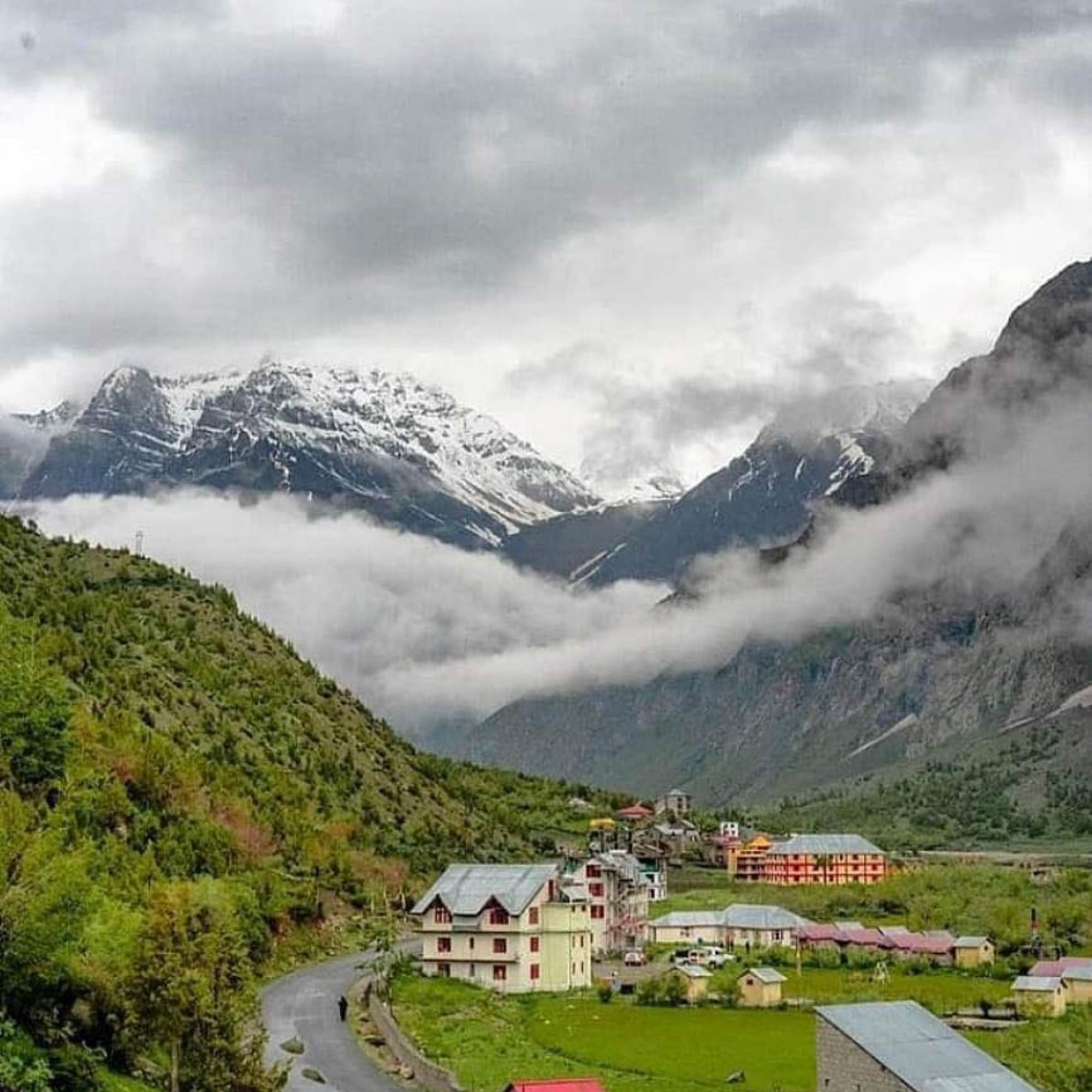 Jispa
JispaJispa in December 2026: Snowfall, Temperature, Road Status and Travel Guide
Planning a trip to Jispa in December 2026? This guide covers expected snowfall, temperatures, road conditions, winter accessibility and practical travel tips to help you plan a safer visit.
- Road Status
- Snow Travel