
Snowfall in Shimla 2026: Best Time, Weather, Places and Travel Tips
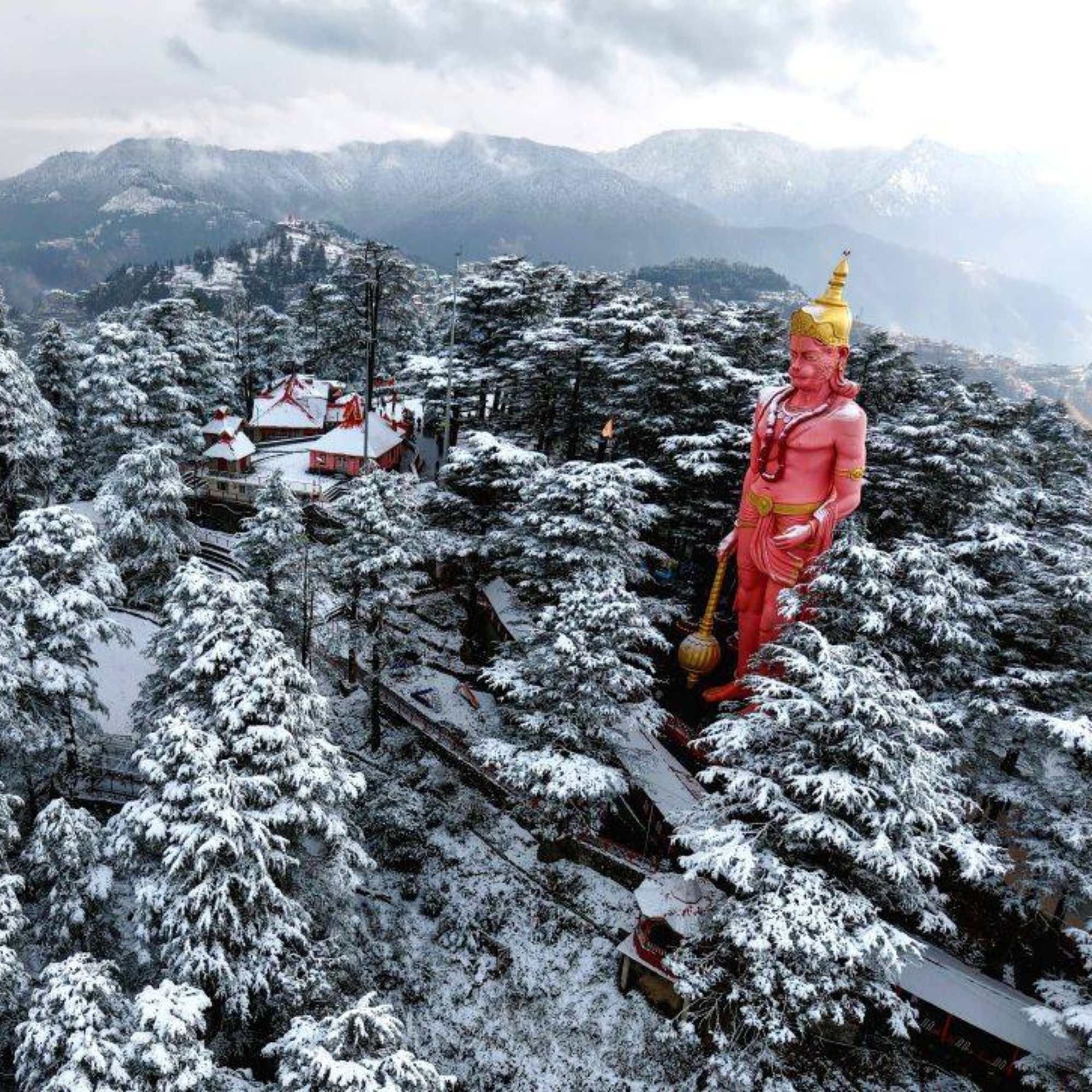
Snowfall is one of the main reasons travellers visit Shimla during winter, but fresh snow cannot be guaranteed for specific dates.
This guide by Travel Coffee explains the best time to visit, expected winter weather, popular snow places and practical tips for planning your holiday.
December to February generally offers the best possibility of snowfall, with January often being the coldest period. Travellers should check the latest forecast and road conditions before departure and keep their sightseeing plans flexible during heavy snow.
Quick Answer
The normal window for snowfall in Shimla runs from December to February, with January generally giving you the strongest chance. Still, no one can promise active snowfall on fixed dates because every spell depends on a suitable weather system.
If central Shimla has little snow, check current conditions in Kufri, Fagu or Narkanda. Our Shimla tour packages can also keep these higher locations as flexible options.
The biggest mistake most tourists make is treating fresh snowfall and old snow as the same thing. You may find snow lying near Kufri after the clouds clear, but that does not mean you will watch snow falling from the sky.
When Does Snowfall Start in Shimla?
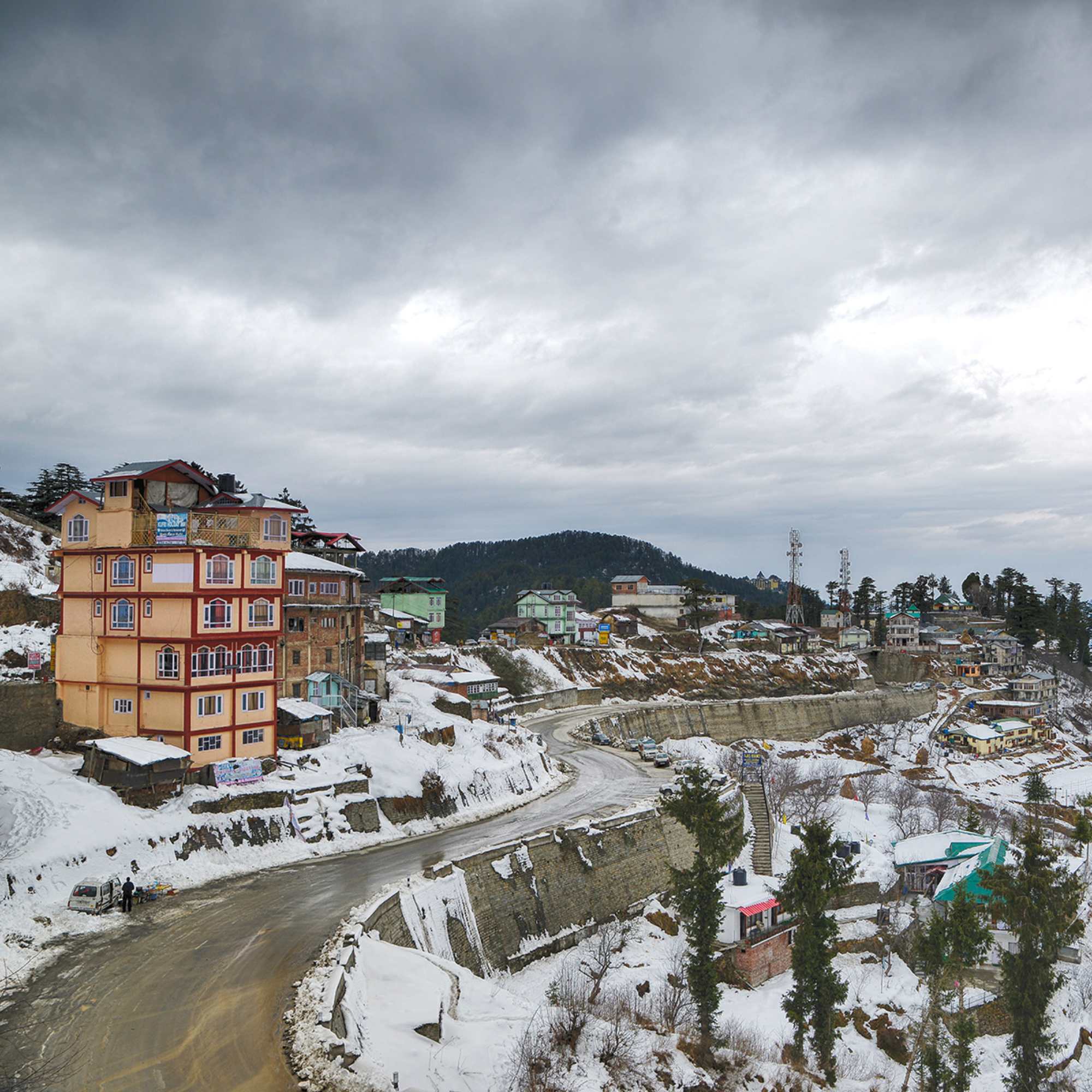
Winter reaches Shimla in December, but meaningful town level snowfall may arrive later. Cold weather alone cannot produce snow because the area also needs enough moisture from an active weather system.
Western disturbances bring individual rain and snow spells to Himachal Pradesh. Their strength, route and timing decide whether Shimla receives snow, sleet, rain or simply cold clouds.
Shimla sits at an average elevation of about 2,206 metres. This elevation supports winter snow, but it does not make every cold December day snowy.
In our experience, travellers plan better when they choose a winter window instead of one supposedly lucky date. Keep nearby higher places available and check the weather close to departure.
Is There Snowfall in Shimla in December?
Shimla snowfall in December remains possible, particularly toward the later part of the month, but you should not depend on it. Some December start dry even when mornings and evenings feel extremely cold.
Christmas and New Year attract heavy visitor traffic whether fresh snow falls or not. Hotels, local roads and central walking areas can become busy before any meaningful snowfall reaches the town.
Higher locations can sometimes receive snow while central Shimla gets rain or sleet. That difference can happen because Kufri, Fagu and Narkanda stand higher than the main city.
Do not book expensive fixed arrangements only because a social media page predicts Christmas snowfall several weeks ahead. Useful event forecasts appear much closer to the expected weather spell.
Is January the Best Month for Shimla Snowfall?
January generally gives you the strongest planning window for snowfall in Shimla, but it still gives no guarantee. IMD identifies Shimla’s average monthly minimum temperature in January as 2.5°C.
January 2026 also showed how widely conditions can change within one month. Shimla recorded a maximum of 20.0°C on January 17 and a minimum of −0.5°C on January 24.
The same month recorded 73.6 mm of total precipitation. You should not treat that whole amount as snowfall because precipitation can include rain, sleet and snow.
Our team recommends keeping one flexible day in a January plan. That buffer lets you respond to a fresh forecast, delayed road movement or better snow conditions at a nearby higher location.
A buffer day also protects the rest of your holiday. If bad weather restricts one route, you can move that outing instead of forcing a risky drive.
Can It Snow in Shimla in February?
Yes, February remains within the usual Shimla snow season. IMD specifically describes snowfall in Shimla during January and February.
Fresh snow can become patchier during sunny periods. Snow on exposed streets, rooftops and slopes may melt faster after the sky clears, while shaded sections can retain hard ice.
In early February 2026, fresh snow and rain blocked more than 300 roads across Himachal Pradesh. This statewide figure did not mean that authorities closed every road in Shimla city.
February travellers should follow the same strategy as January travellers. Check the forecast close to arrival, confirm the road and ask where snow still lies before leaving the hotel.
Is There Snow in Shimla in March?
Snow in Shimla in March becomes less dependable inside the main town. A late weather system can still change conditions, but you should not build a March holiday around fresh snowfall.
You may find residual snow at higher locations after a recent spell. Confirm its exact condition through a hotel, driver or local team because sunshine can change the scene quickly.
Which Dates Give the Best Chance of Seeing Snowfall?
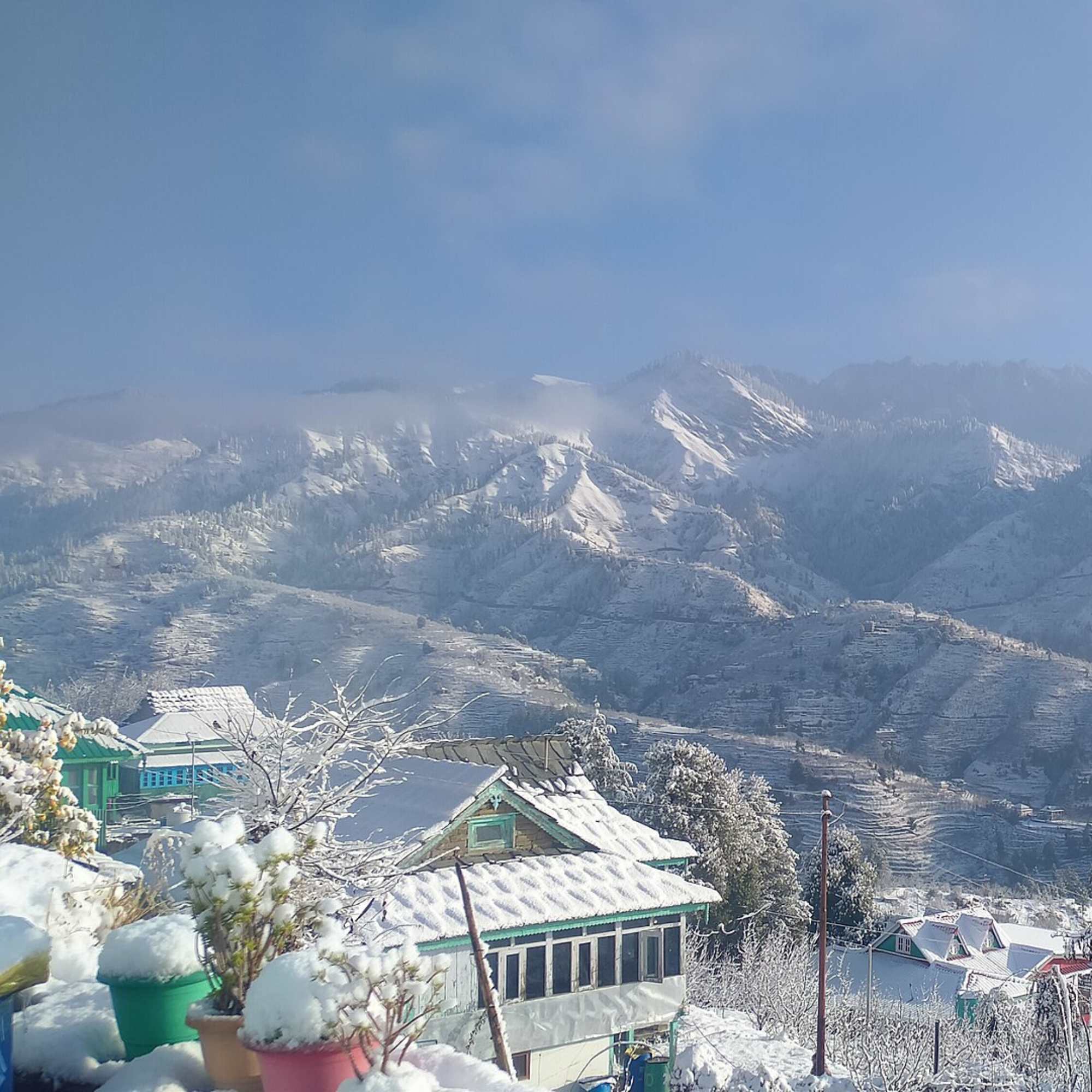
No fixed dates can guarantee active snowfall in Shimla 2026. A useful plan starts by deciding whether you want to watch snow falling or simply touch snow already lying on the ground.
Active snowfall means snowflakes fall during your visit. You need the right weather system to reach Shimla while temperatures and moisture support snow.
Snow lying on the ground means an earlier spell has left enough accumulation. You may reach after the sky clears and still find snow at a colder, shaded or higher location.
Short range forecasts give you the most useful event level information. Check IMD about five to seven days before travel and check again 24 to 48 hours before departure.
The second check matters because a forecast can shift toward another district, arrive later or weaken. Your hotel or driver can then confirm what actually happened on the ground.
What we tell our travellers is simple: choose January if snow leads your priorities, keep one day flexible and avoid paying extra for anyone claiming a guaranteed date.
What Happened During Shimla’s 2026 Snowfall Season?
The Dry Start to Winter
The winter leading into January 2026 started unusually dry. November 2025 received 1 mm of precipitation, which reports described as 95 percent below normal.
December 2025 received only 0.1 mm. Reports called it the sixth lowest December precipitation total since 1901.
January 2026 had received 2.7 mm up to January 13, which reports described as 89 percent below normal. Times of India published these figures and cited the Meteorological Centre Shimla.
These numbers show why cold weather does not automatically produce snow. Shimla can remain cold and dry until a suitable western disturbance brings enough moisture.
In our experience, dry winter weeks often create false confidence on both sides. Some people assume the whole season has failed, while others continue announcing snowfall dates without a reliable weather signal.
The January 22 to 24 Weather Spell
IMD forecast widespread precipitation over Himachal Pradesh from the night of January 22 through the morning of January 24, 2026. It also forecast isolated heavy rain or snowfall for January 23.
IMD’s January table for Shimla recorded 40.0 mm as the highest 24 hour precipitation on January 24. This figure represents precipitation and should not automatically count as pure snowfall.
January’s monthly precipitation total reached 73.6 mm. Again, that total can include rain, sleet and snow rather than one single type of weather.
The change from a dry start to an active weather spell shows why long range social media claims often mislead travellers. Conditions can remain quiet and then change when a strong system arrives.
What the 2026 Season Teaches Travellers
Flexible travel works better than predictions built around viral posts. Weather systems decide the actual Shimla snowfall time, not a fixed date repeated every winter.
A cold and dry period can continue without snowfall. The temperature may feel suitable, yet the sky may not carry enough moisture to produce meaningful snow.
You should also read road reports carefully. A headline about hundreds of blocked roads across Himachal Pradesh does not mean authorities closed every road in Shimla city.
Check the district, route, issue time and source before changing your plan. Statewide totals often include remote roads far from the city and its main approach routes.
Where Can You See Snow in and Around Shimla?
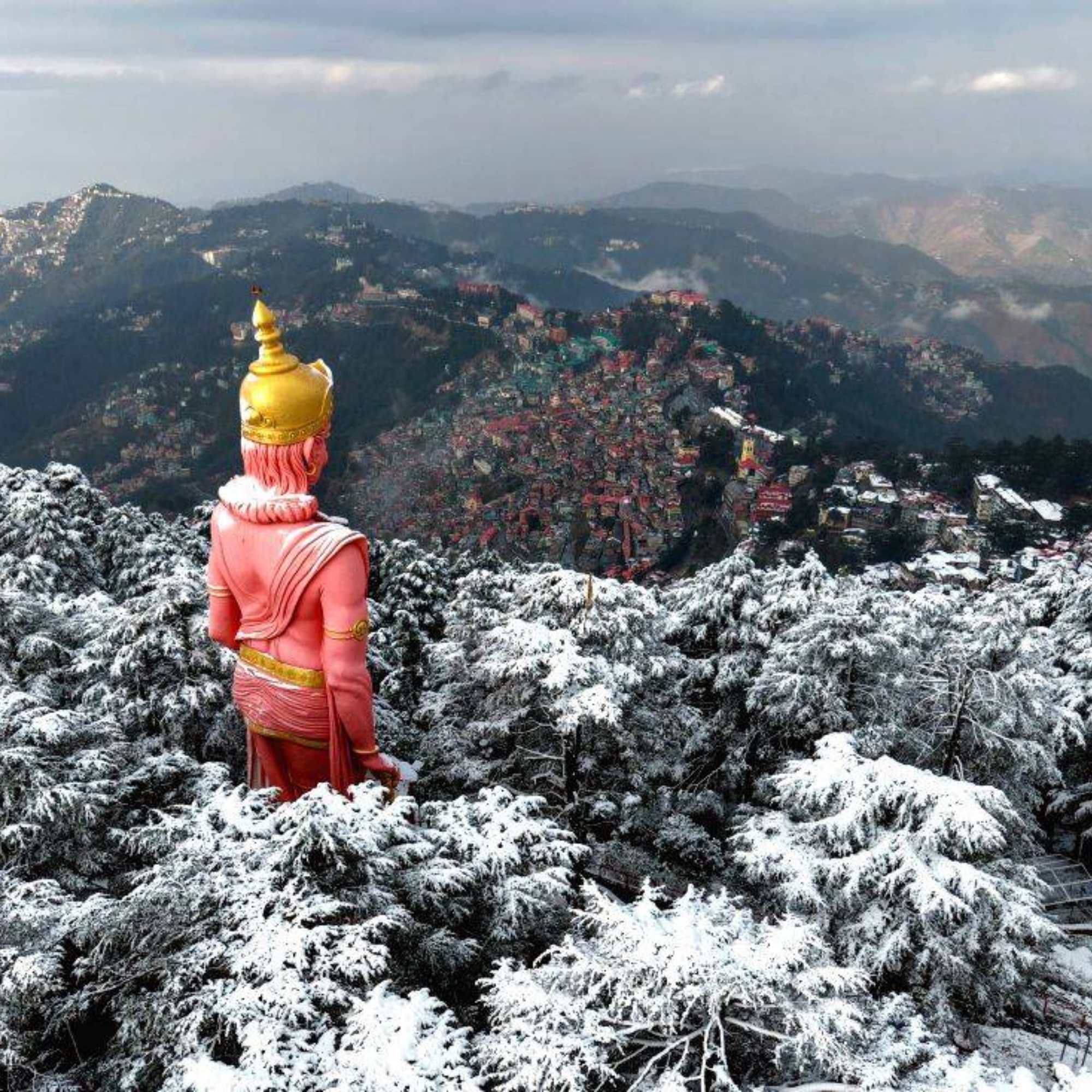
The Ridge, Mall Road and Central Shimla
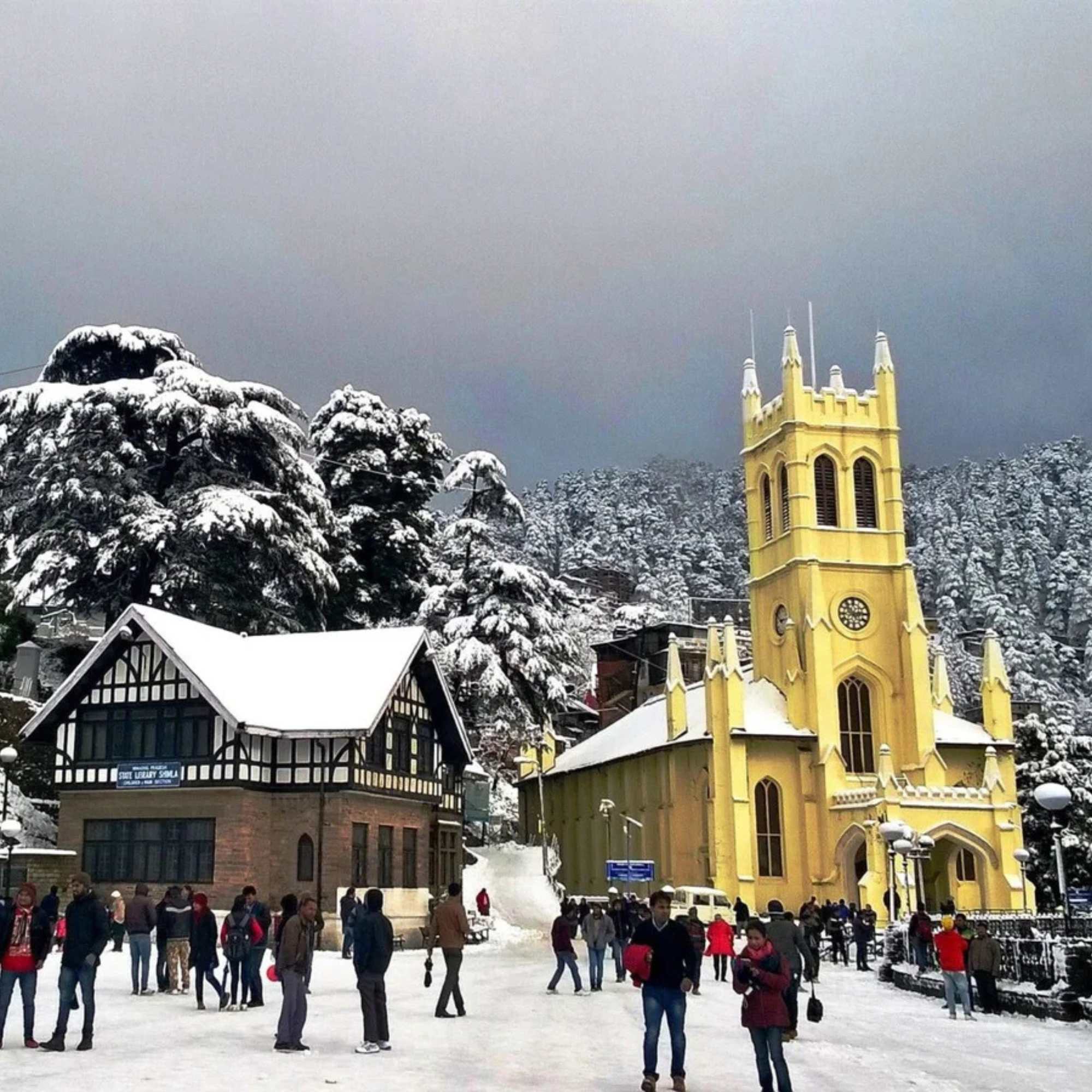
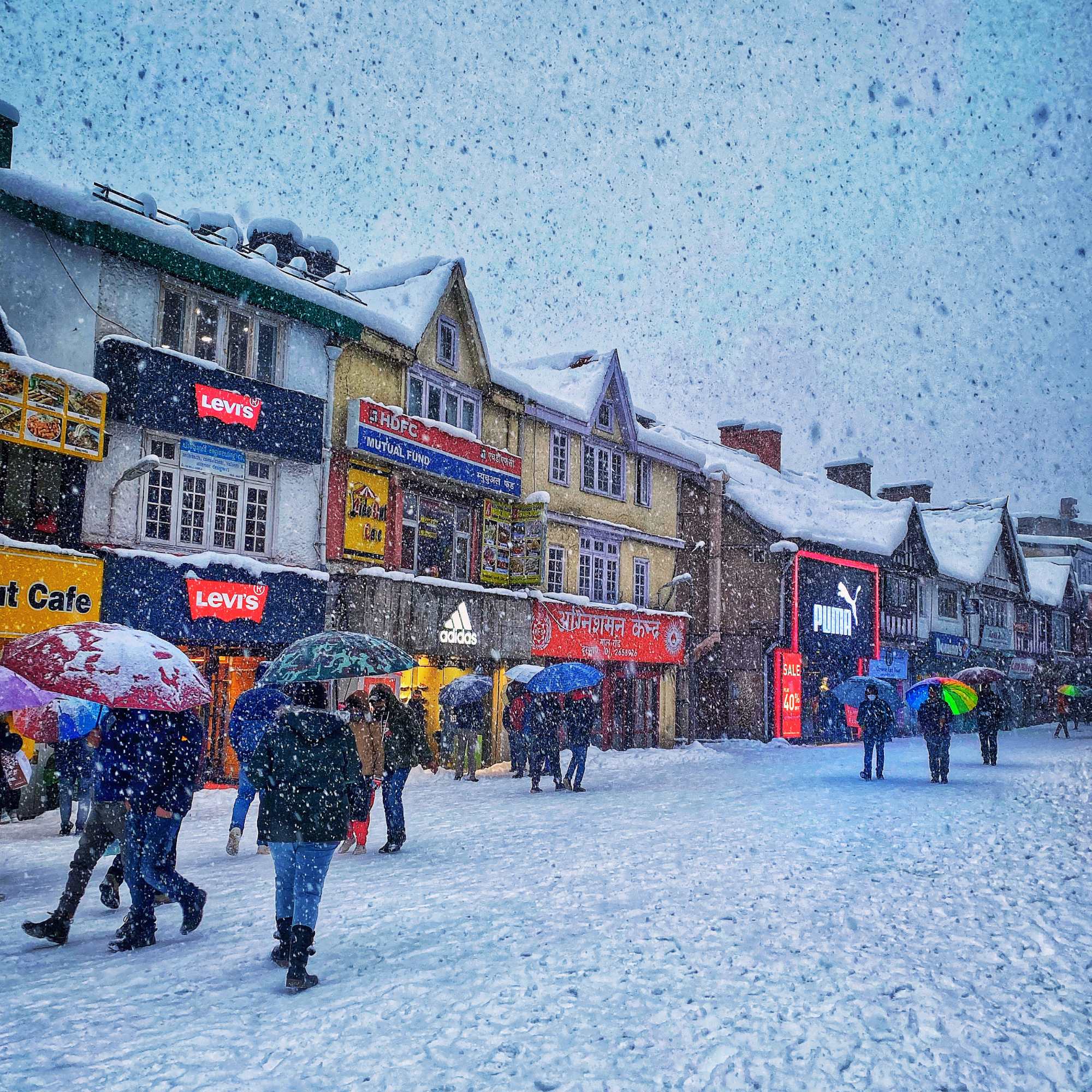
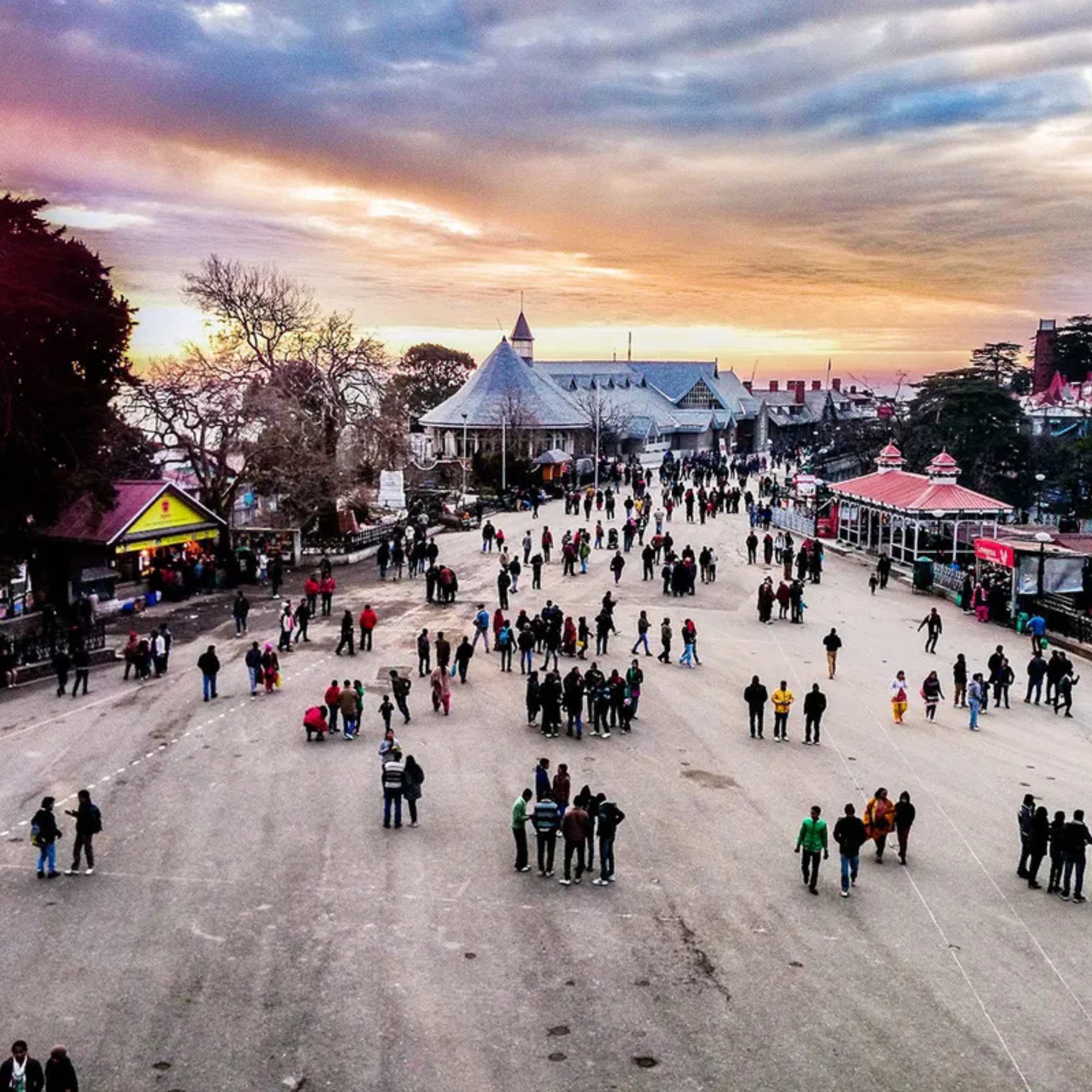
The Ridge and Mall Road give you the easiest places to enjoy active snowfall when a weather system reaches central Shimla. You can walk between major sights without depending on a vehicle.
Fresh snow soon turns into wet slush where many people walk. Busy sections can become slippery, messy and less romantic than carefully framed photographs suggest.
Do not expect Mall Road to remain covered throughout winter. Sunshine, foot traffic and clearing work can remove snow quickly from exposed central sections.
For a simple local break, have hot chai at a café on Mall Road after walking across the Ridge. Sit near the window if snow has started and keep your outer layer somewhere it can dry.
Jakhoo Hill
Jakhoo Hill reaches 2,438 metres and stands as the highest peak inside Shimla city. Its extra elevation can make it feel colder than the lower central streets.
The approach includes steep paths and steps. Snow, melting water and refrozen ice can make these surfaces difficult for children, senior citizens and anyone wearing smooth footwear.
Visit only if walking conditions suit your group. Skipping Jakhoo during an icy spell makes more sense than pushing everyone up a steep route for one photograph.
Kufri
Kufri lies about 20 km from Shimla at an elevation of about 2,510 metres. Its higher position can create colder conditions than central Shimla.
That elevation makes Kufri a practical place to check when Shimla town has little or no lying snow. It does not guarantee fresh snowfall on your chosen day.
Crowds, traffic and roadside slush can reduce the experience during busy winter spells. Ask exactly where snow lies before hiring a vehicle or buying any optional activity.
One money saving tip we give our guests is to confirm ground conditions before leaving Shimla. Do not pay for a full snow outing based only on a driver’s vague promise that snow lies “ahead.”
Fagu
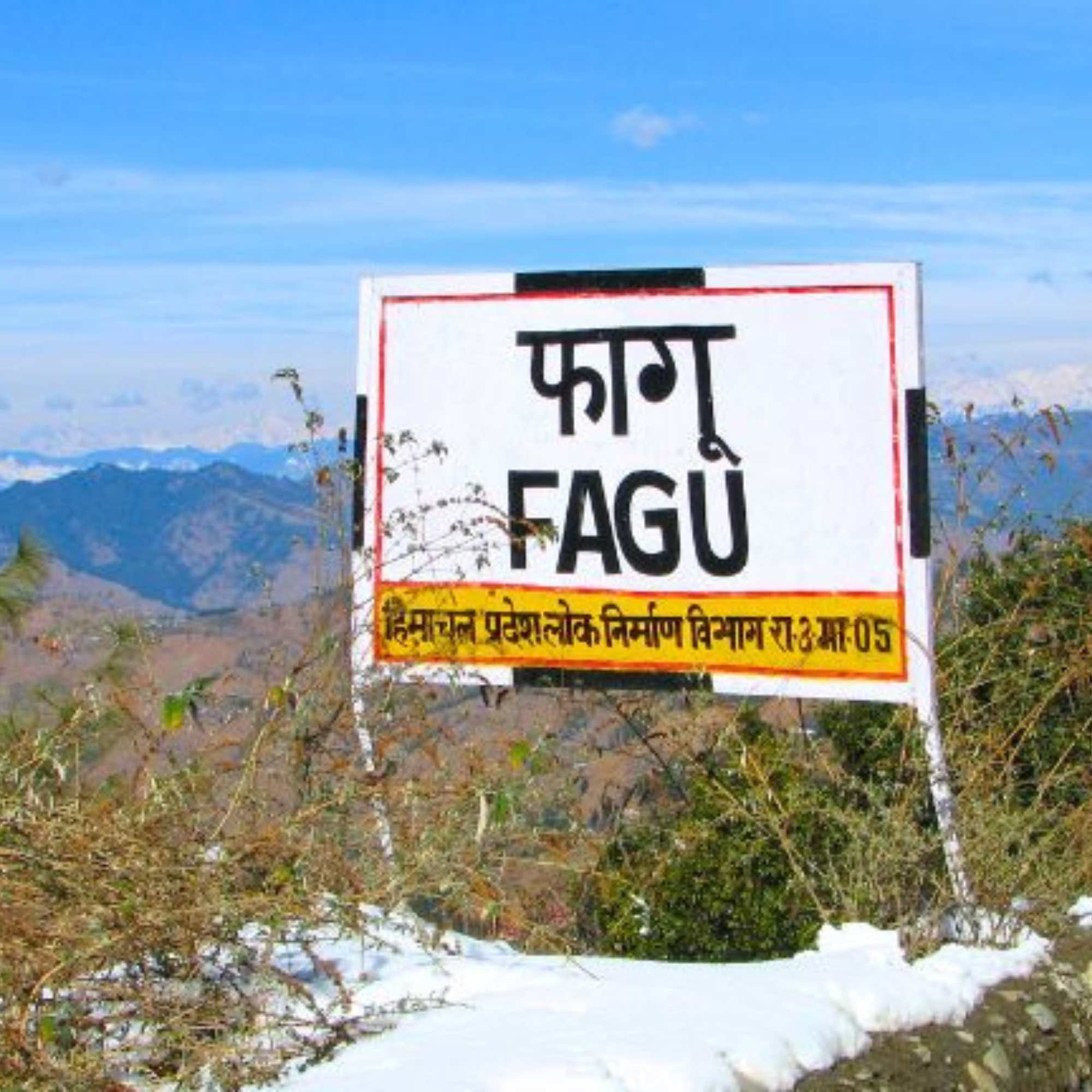
Fagu stands at about 2,500 metres above sea level. The district administration describes it as roughly a 45 minute drive from Shimla under normal conditions.
Snow, congestion and ice can make that journey substantially longer. Normal driving estimates stop helping once traffic slows or authorities regulate vehicle movement.
Fagu can work as an extension to Kufri when the road remains clear. Do not force the drive when local reports mention black ice or route restrictions.
Narkanda
Narkanda lies about 60 km from Shimla at an elevation of 2,708 metres. It has an established identity as a winter sports destination.
The district administration describes skiing instruction from January to March, subject to snow and operating conditions. Never assume that the activity runs daily throughout this period.
A Narkanda winter outing needs a road check before departure. The extra distance makes sudden weather changes, congestion and ice more important than they would be during a central Shimla day.
Shimla or Kufri: Which Is Better for Snow?
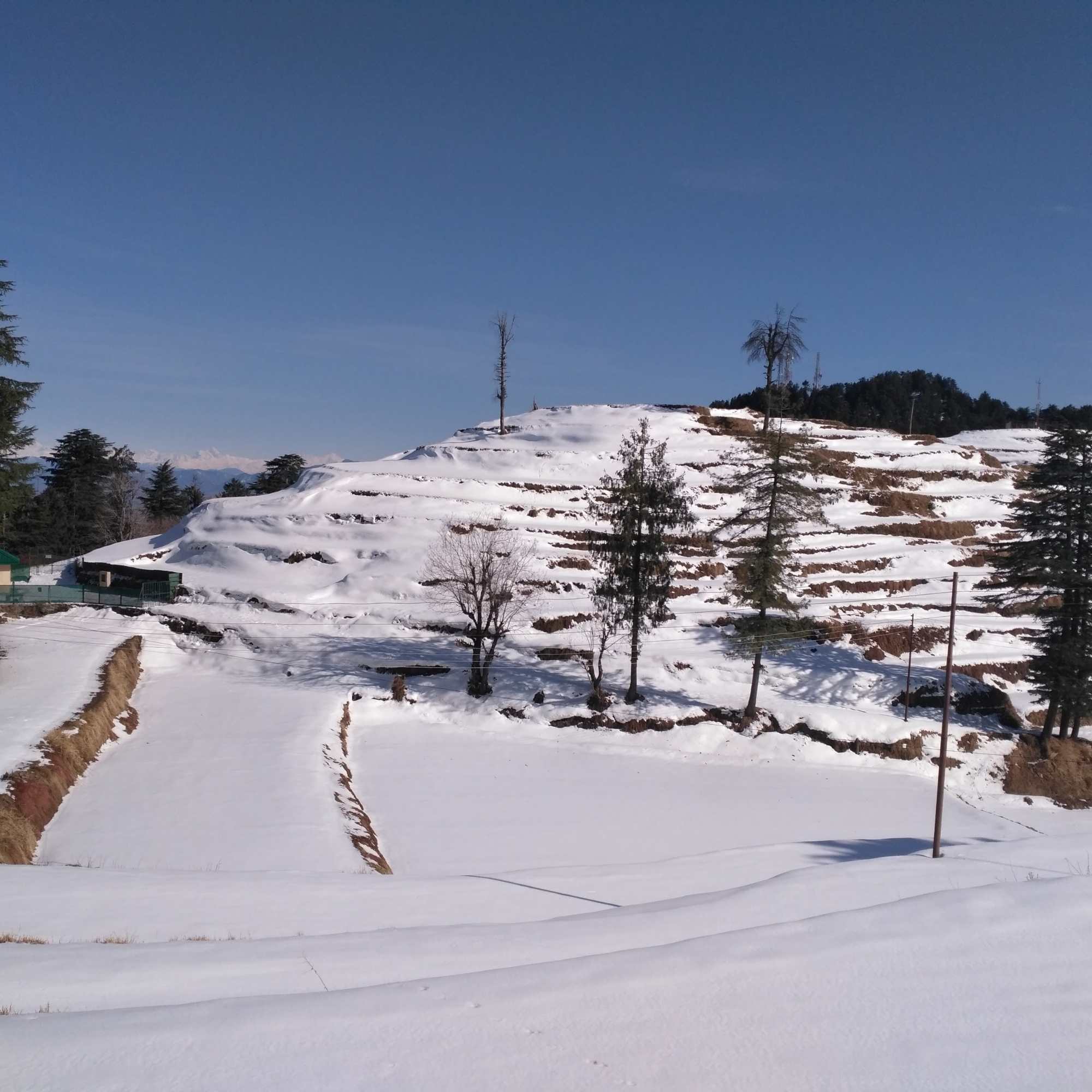
Choose Shimla if you want a balanced holiday with the Ridge, Mall Road, cafés, churches and heritage attractions. The compact centre gives you useful alternatives even during a dry spell.
Choose Kufri if your main priority involves staying closer to colder and higher terrain. Its elevation gives it a practical advantage when you want to check for snow outside the city.
Neither location guarantees active snowfall. Kufri can also become crowded, muddy and congested after a popular snow update spreads online.
Our team recommends staying in central Shimla for most first time visitors and treating Kufri as a condition based outing. This approach gives you more variety if the expected snow does not arrive.
How Cold Does Shimla Get During Snowfall?
IMD identifies 2.5°C as Shimla’s average monthly minimum temperature for January. This monthly average does not mean every January night stays close to the same number.
Shimla recorded a minimum of −0.5°C on January 24, 2026. Earlier in the month, it recorded a maximum of 20.0°C on January 17, showing considerable variation.
Wind can make exposed areas such as the Ridge feel colder than the thermometer suggests. Damp gloves, wet shoes and sweaty inner layers also make you lose comfort quickly.
Proper indoor heating matters after sunset. Ask your hotel what type of room heating it provides, whether it charges separately and how long guests can use it.
Dry spare clothing can change the entire evening after snow play. Do not continue wearing damp socks or trousers just because the room initially feels warm.
How Can You Check Live Snowfall and Weather Updates?
Check IMD Shimla First
Use the Meteorological Centre Shimla website as your first source for weather information. Check its city forecast, district forecast and warning bulletins.
Read the issue date and forecast period carefully. An old bulletin can continue circulating after the expected system has weakened or moved away.
A city forecast for Shimla and a district warning can describe different areas. Match the information to the exact location you plan to visit.
For a Shimla snowfall live update, compare the latest forecast with real ground information. A forecast tells you what may happen, while a local call tells you what has already happened.
Confirm Conditions on the Ground
Call your hotel, driver or local travel team on the morning of your outing. Ask, “Is snow currently falling, is snow still lying on the ground, is the road open, and is black ice being reported?”
These four questions prevent a common misunderstanding. Someone may say “there is snow” when they mean a small old patch beside the road.
Ask for the exact place and the time of the update. Conditions at the Ridge may differ from Kufri, Fagu or Narkanda during the same spell.
In our experience, a driver who travelled the route that morning gives more useful ground information than a widely shared video from the previous day.
Avoid Misleading Social Media Updates
A video labelled “Shimla snowfall” may show Kufri or Narkanda. Many pages use the better known destination name even when they filmed the video elsewhere.
Check the upload date, exact location and comments before trusting the footage. Winter pages sometimes reshare old clips after a new weather forecast appears.
Treat any guaranteed snowfall claim as a warning sign. A tour seller, hotel or driver cannot control the next western disturbance.
Are Shimla Roads Open During Snowfall?
Road conditions can change quickly during active snow, rain and freezing temperatures. A route that works in the morning can develop congestion or ice later in the day.
Reports counted more than 300 blocked roads across Himachal Pradesh after fresh snow and rain in early February 2026. That statewide total did not mean every road in Shimla had closed.
Do not rely on an article that simply says a route “is open.” A useful road update needs a clear date, time and official or recent local source.
Should You Self Drive in Snow?
Choose an experienced local driver when reports mention fresh snow or black ice. Inexperienced snow driving puts your group and other road users at unnecessary risk.
A driver needs good tyre condition, slow controlled braking and enough space from the vehicle ahead. Sudden acceleration, sharp steering and hard braking can break traction.
Travel during daylight when possible. Darkness makes black ice, road edges and stopped traffic harder to judge.
What we tell our travellers is direct: your holiday does not become more adventurous because you force your own car onto an icy route. Leave the vehicle parked when the ground information looks doubtful.
Can You Drive to Kufri or Narkanda?
The routes to Kufri and Narkanda remain weather dependent. Snow, congestion, ice and traffic controls can make normal travel times useless.
Check the route immediately before departure. Ask whether regular cars are moving, whether traffic has stopped and whether black ice affects exposed sections.
Turn back if the local driver or authorities say conditions have deteriorated. Reaching a snow point never matters more than returning safely.
How Do You Reach Shimla in Winter?
By Road
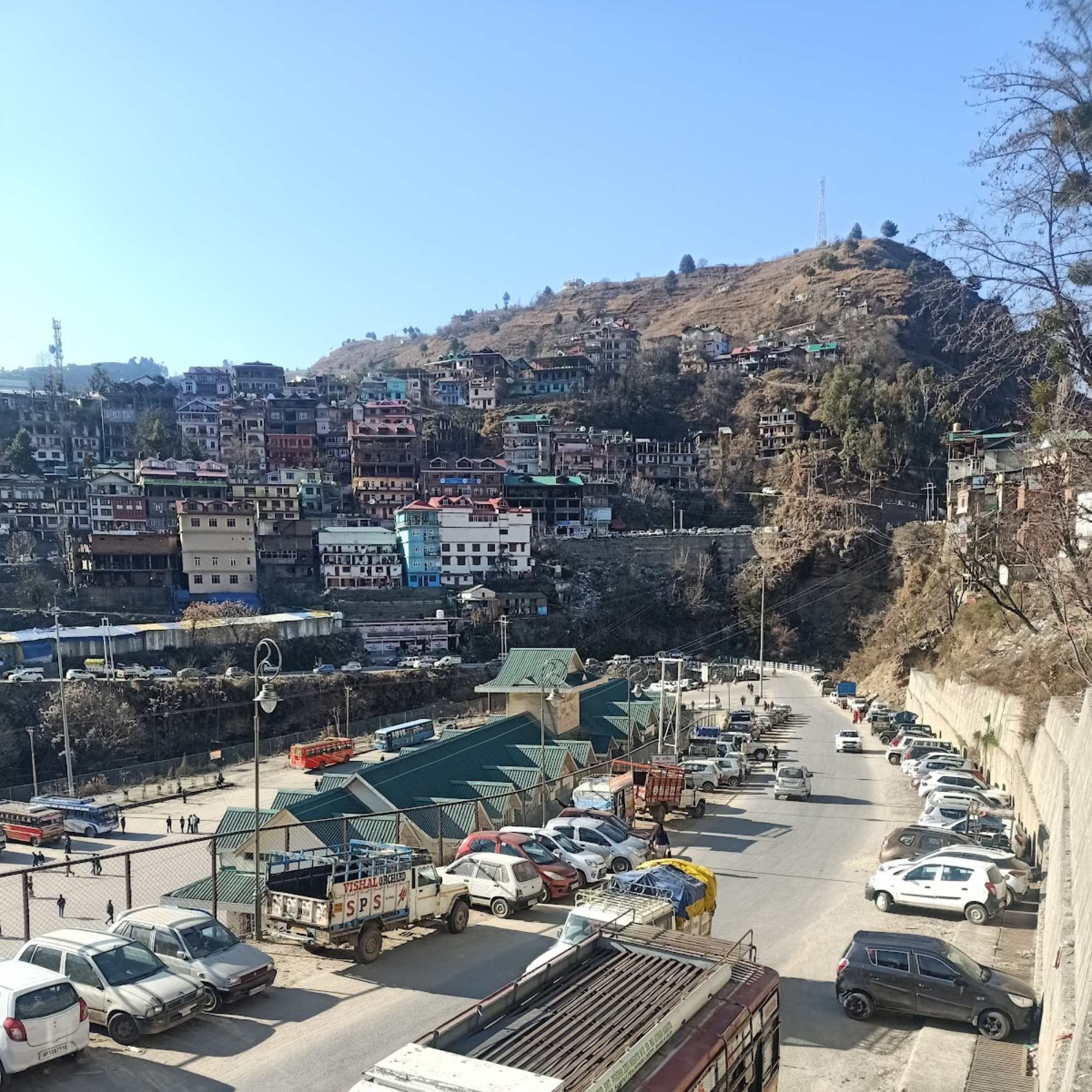
You can approach Shimla by road from Chandigarh or Delhi. Winter weather can slow the final hill section even when the plains journey runs normally.
Plan to reach during daylight when IMD issues a winter weather warning. Daylight helps the driver see ice, fog, road edges and stopped traffic.
Avoid scheduling an important return connection too close to your planned departure from Shimla. A buffer protects you from weather related delays without forcing rushed driving.
By Train
The Kalka to Shimla rail route covers about 96 km and normally takes around six hours. The route passes through 103 tunnels.
The train offers a slower approach than a direct road journey, but weather or infrastructure conditions can affect services. Confirm operation before leaving for Kalka.
Keep enough time between your incoming mainline train and the hill train. Winter delays can make a tight connection stressful.
Local Transport
Tutikandi ISBT lies about 4 km from Shimla’s main city area. Your final transfer can take longer during congestion or fresh snow.
Local bus services generally operate from around 7:00 AM to 9:00 PM, but confirm the timing of your required service for the travel date.
Central Shimla also involves walking because vehicles cannot access every pedestrian section. Choose luggage you can handle over steps, slopes and wet paving.
A Flexible Three Day Shimla Snowfall Itinerary
Day 1: Central Shimla
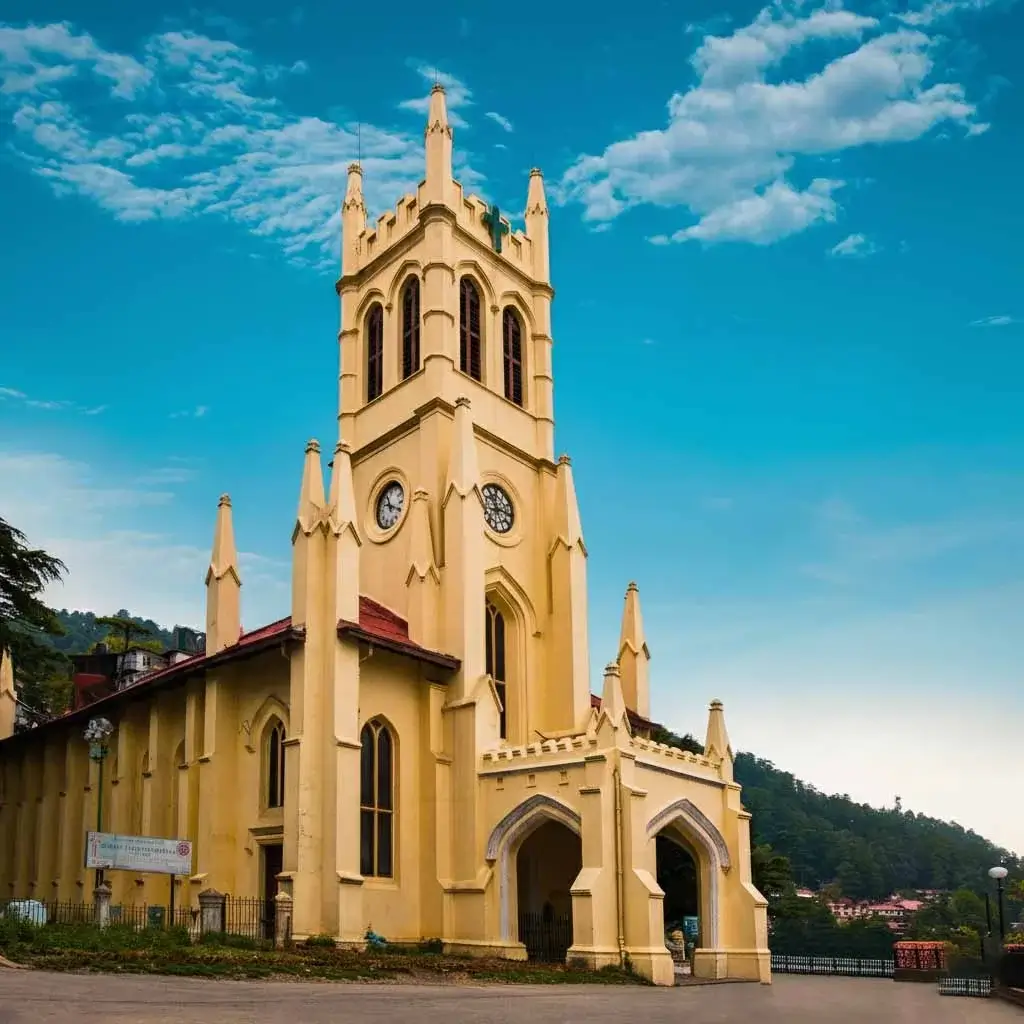
Start with the Ridge, Mall Road and Christ Church. This walkable plan works well after arrival and lets you judge the day’s temperature and surface conditions.
Stop for chai at a café on Mall Road and watch how the weather develops. If snow starts, remain close to the pedestrian centre instead of chasing another location immediately.
Shorten the walk when surfaces turn icy. Return to your hotel before wet slush refreezes after the temperature drops.
Day 2: Kufri and Fagu
Check road conditions before leaving for Kufri. Continue toward Fagu only if the route remains clear and your driver feels confident about the return.
Ask whether snow currently falls or merely lies at a particular point. This distinction helps you set the right expectation before spending the day in traffic.
If authorities restrict the road, use central Shimla’s heritage attractions as your backup. A dry heritage day gives you more value than waiting inside a stationary vehicle.
Day 3: Narkanda or Local Heritage Sights
Choose Narkanda only after confirming clear road conditions. Its 60 km distance from Shimla makes it a full condition based outing during winter.
Keep Viceregal Lodge, Annadale and other local heritage sights as your backup. This plan preserves the day if snow, ice or congestion affects the higher route.
What Can You Do During Snowfall in Shimla?
Safe snow walks often give you the best winter experience. Walk slowly, stay away from moving vehicles and avoid slopes where hard ice sits under fresh powder.
Snow photography works well around the Ridge, heritage buildings and open viewpoints. Protect your phone or camera from moisture and keep a charged power bank inside a warm pocket.
Choose a flat open area for snow play. Do not throw hard ice at people, step onto roofs or climb roadside snow banks beside traffic.
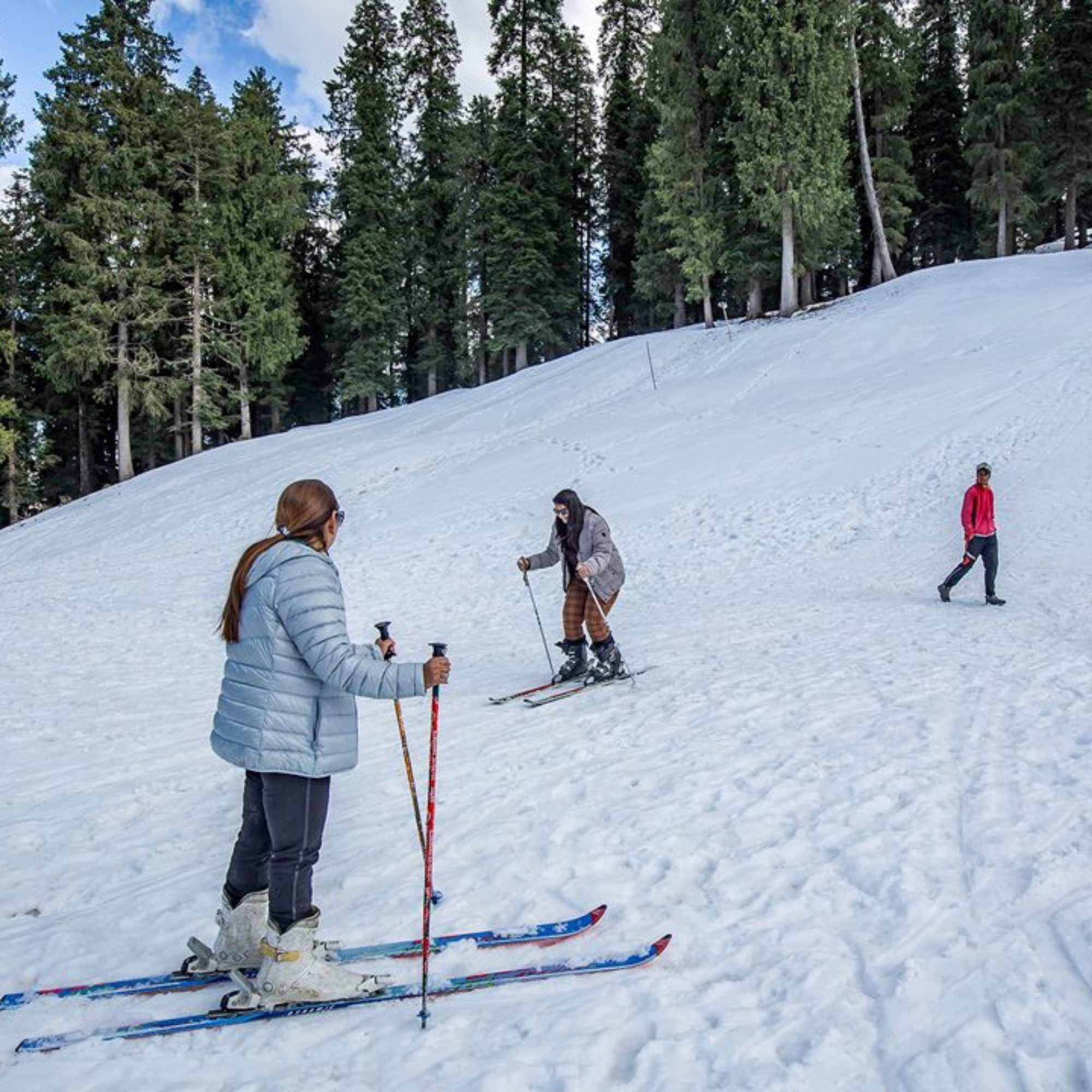
Skiing, ice skating and other winter activities depend on snow, ice quality and local operations. Check availability and confirm the current price before paying for any activity.
Skip an overpriced roadside snow activity when the operator cannot explain what the charge includes. You can often enjoy simple snow walks and photography without paying for a rushed add on.
If your wider trip includes Manali, compare the adventure activities in Manali. Manali has a different activity setting and should not serve as proof of Shimla’s current conditions.
Where Should You Stay for a Snow Trip?
Central Shimla suits travellers who want easy access to the Ridge, Mall Road, cafés and heritage sights. It also gives you more to do when no snowfall occurs.
Kufri and Fagu place you closer to higher and colder terrain. They can feel quieter after day visitors leave, but road access can become more sensitive during heavy weather.
Before booking, confirm room heating, hot water, vehicle access, backup power and flexible cancellation. Ask whether your vehicle reaches the entrance or stops below a slope or staircase.
Confirm the live hotel rate, taxes, heating charges and festive supplements for your exact dates before booking, especially around weekends, Christmas, New Year and forecast snowfall periods.
Our team recommends prioritising heating and access over a balcony view. A beautiful room loses its appeal if your family struggles with a steep icy approach.
What Should You Pack for Shimla Snowfall?
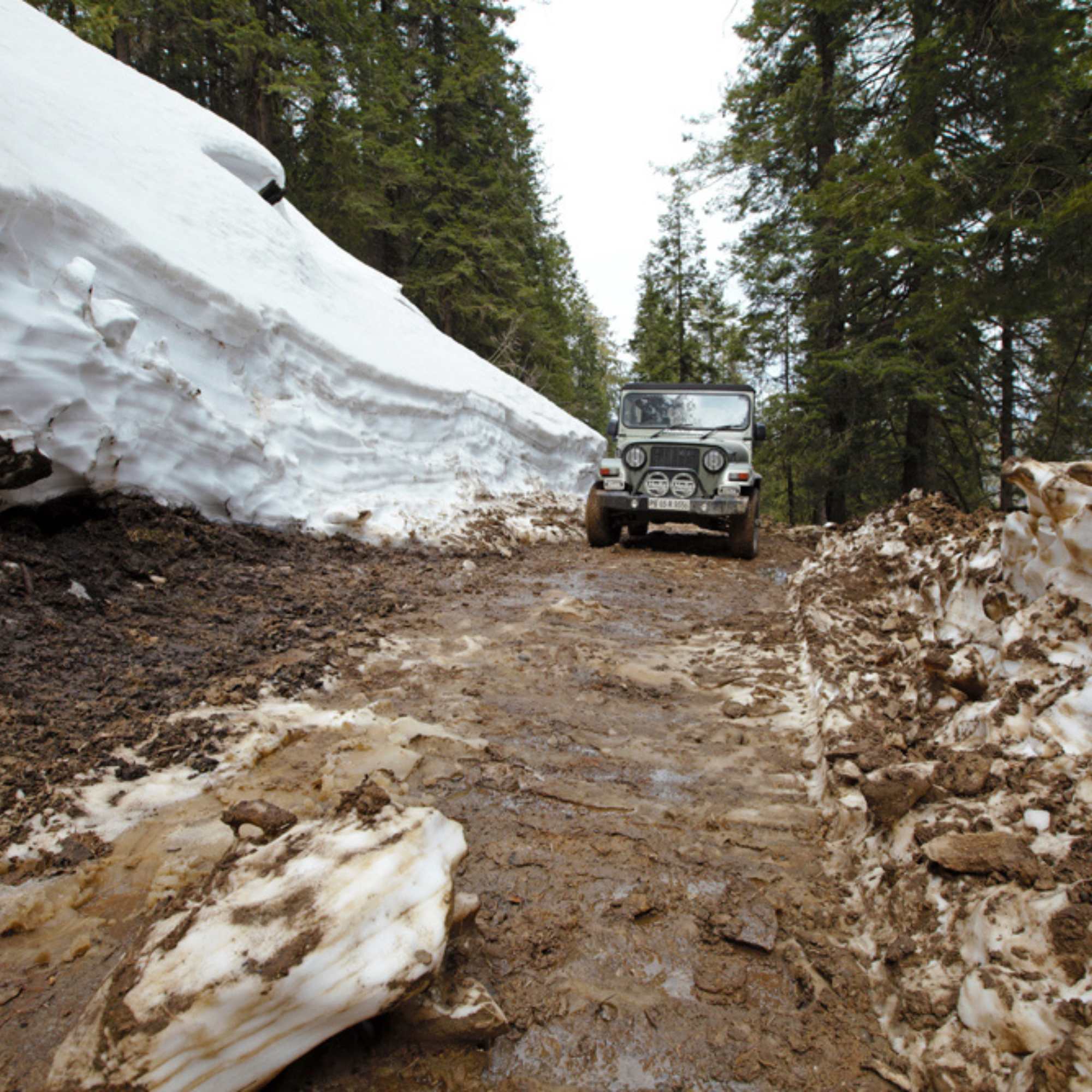
Wear thermal inner layers and add a warm middle layer that you can remove indoors. Finish with a waterproof outer layer because melting snow quickly soaks ordinary jackets.
Carry insulated gloves and a warm cap that covers your ears. Thin fashion gloves become wet quickly and offer little help during extended snow play.
Choose water resistant footwear with proper grip. Smooth soles can slip on wet paving, packed snow and invisible ice.
Pack extra socks and keep dry spare clothing at the hotel. Changing quickly after a wet outing helps you warm up more comfortably.
Cold wind and dry indoor heating can affect your skin and lips. Carry moisturiser and lip balm along with your regular personal care items.
Bring personal medicines, a power bank and any essential charging cables. Travellers with individual health concerns should speak with their doctor before the trip.
Is Shimla Snowfall Safe for Families and Senior Citizens?
Families can enjoy snowfall in Shimla with a slower plan and suitable clothing. The main practical risks involve slippery surfaces, steep paths, cold exposure and traffic disruption.
Keep outdoor periods shorter for small children and travellers who feel cold quickly. Return indoors before clothes become damp or hands and feet become painfully cold.
Senior citizens may find Jakhoo’s steep approach and icy steps difficult. Central Shimla can also involve slopes, so choose a hotel with simple vehicle access.
Do not force every planned outing during bad weather. A warm café stop or relaxed hotel afternoon can protect the rest of the holiday.
This section does not replace personal medical advice. Anyone with health concerns should consult their doctor before travelling in winter.
How Much Should a Shimla Snow Trip Cost?
Your main expenses include transport, accommodation, food, local sightseeing, winter clothing and optional snow activities. The final amount changes with your city of origin, dates, group size and hotel choice.
Christmas, New Year, weekends and forecast snowfall can raise demand sharply. Confirm the live hotel rate, taxes, heating charges and seasonal supplements for your exact dates before booking.
Local cab costs depend on the route, vehicle and current road conditions. Ask the cab provider for the current fare and confirm whether parking, waiting time and travel to higher locations are included.
Check current prices for skiing, ice skating, winter clothing hire and other snow activities, and confirm the duration and inclusions before paying.
You can save money by staying flexible about snow points. Do not hire a longer vehicle route until someone confirms that the road works and usable snow remains at the destination.
Should You Choose Shimla or Manali for Snowfall?
Shimla gives you a compact heritage town experience with the Ridge, Mall Road and nearby higher alternatives such as Kufri and Narkanda. You can enjoy the holiday even if central snowfall does not arrive.
Manali creates a different trip with its own surrounding snow locations and adventure options. Its road plan, local attractions and weather pattern need separate checks.
Neither destination can guarantee active snowfall on your dates. Compare current forecasts, road access, travel time and the type of holiday your group wants.
Browse our Manali tour packages if you want to compare both destinations before booking.
Explore Our Curated Shimla Tour Packages
 6D/5N
6D/5NClassic Shimla Kufri Mashobra Narkanda Experience
1D Delhi•3D Shimla+2
₹12,999₹18,999SAVE INR 6,000/ person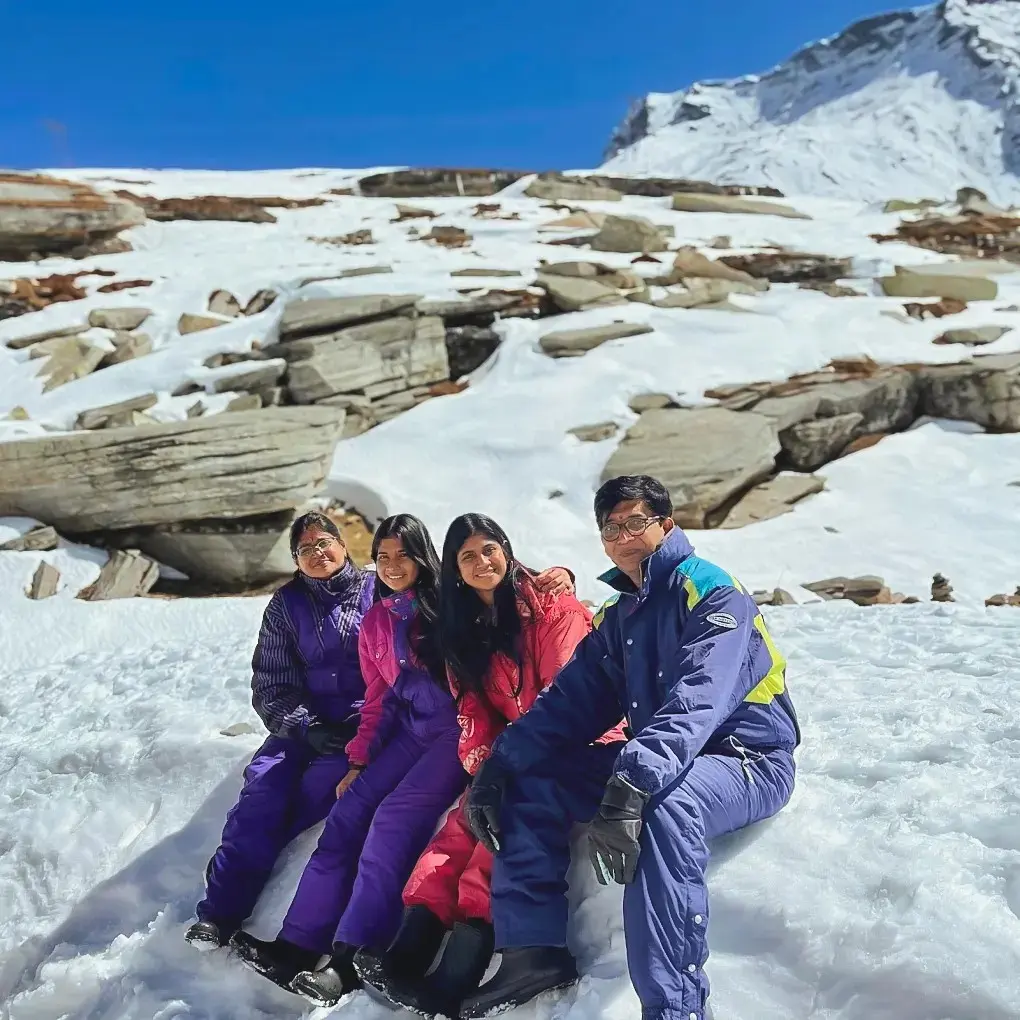 7D/6N
7D/6NComplete Shimla Manali Volvo Package with Rohtang Pass
2D Shimla•2D Manali
₹15,999₹19,499SAVE INR 3,500/ person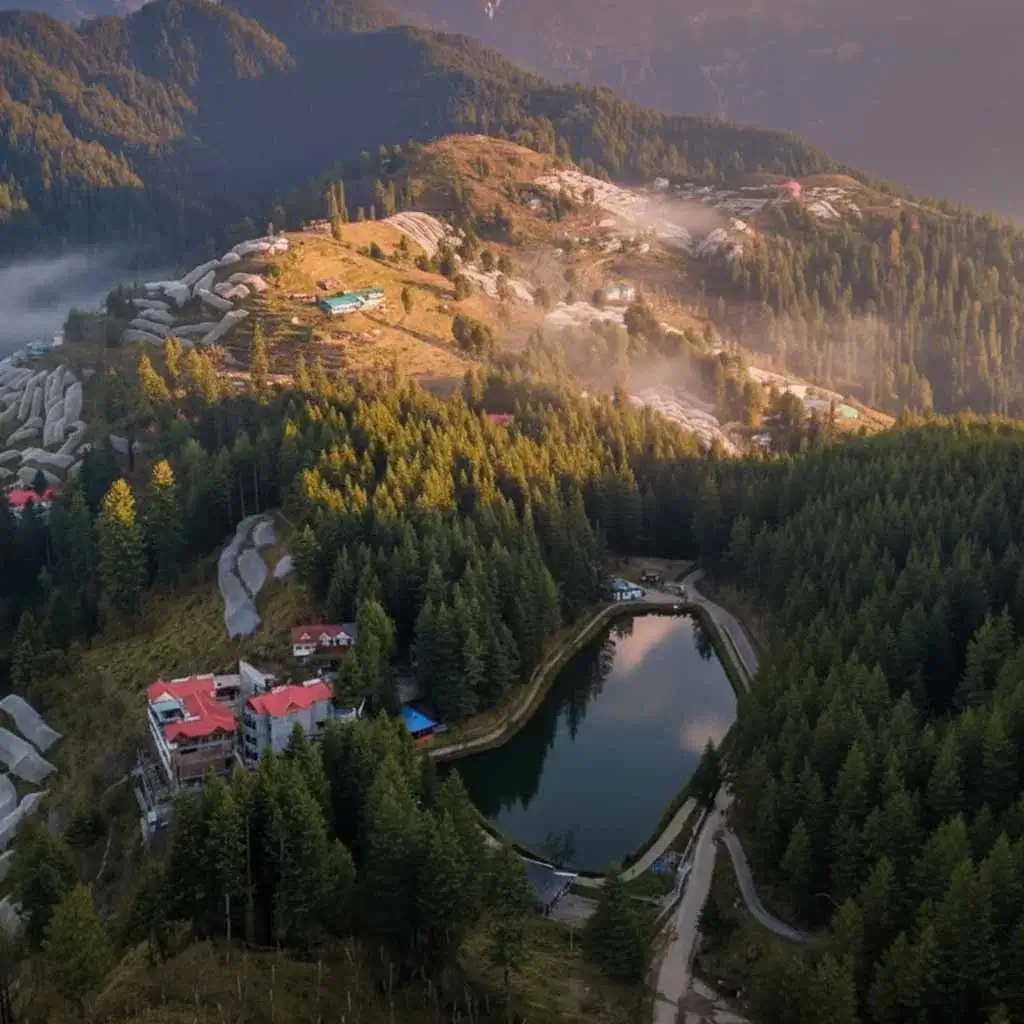 7D/6N
7D/6NClassic Shimla Kufri Chail Narkanda Pine Valley Experience
1D Delhi•2D Shimla+3
₹17,600₹23,999SAVE INR 6,399/ person
Related topics
Frequently Asked Questions
When does snowfall start in Shimla?
Shimla’s normal snow travel window starts in December and continues through February. Meaningful town level snowfall may arrive later because every spell needs a suitable weather system.
Which month is best for snowfall in Shimla?
January generally gives you the strongest planning chance. It still cannot guarantee active snowfall during an individual trip.
Is snowfall guaranteed in Shimla in January?
No. January supports better planning odds, but cold and dry periods can continue until a western disturbance brings enough moisture.
Does Shimla receive snowfall in December?
December snowfall remains possible, particularly later in the month. Christmas and New Year can still stay dry despite cold weather.
Can tourists see snow in Shimla in February?
Yes, February remains inside Shimla’s usual snowfall window. Fresh snow can appear in spells, but sunshine may melt it quickly in exposed places.
Is there snowfall in Shimla in March?
Town level snowfall becomes less dependable in March. Higher places may retain snow after a recent spell, so confirm conditions locally.
Where can travellers find snow if Shimla town is dry?
Check current reports from Kufri, Fagu and Narkanda. Their higher elevations can support colder conditions, but none can guarantee snow.
Is Kufri better than Shimla for snow?
Kufri stands higher and may place you closer to colder terrain. Shimla gives you a better mix of snow possibilities, cafés and heritage attractions.
Are roads to Shimla open during snowfall?
Conditions can change quickly during snow and ice. Check a time stamped official update and confirm the approach road with your hotel or driver.
Can tourists drive their own car to Kufri?
They can travel only when road conditions allow safe movement. Choose an experienced local driver if reports mention fresh snow or black ice.
How can travellers check live snowfall in Shimla?
Check Meteorological Centre Shimla forecasts first. Then ask a hotel or driver whether snow currently falls, remains on the ground and affects the road.
Is Shimla safe for children and senior citizens during winter?
It can work with warm clothing, shorter outdoor periods and careful route choices. Avoid steep or icy walking areas and consult a doctor about personal health concerns.
More about Shimla
 Shimla
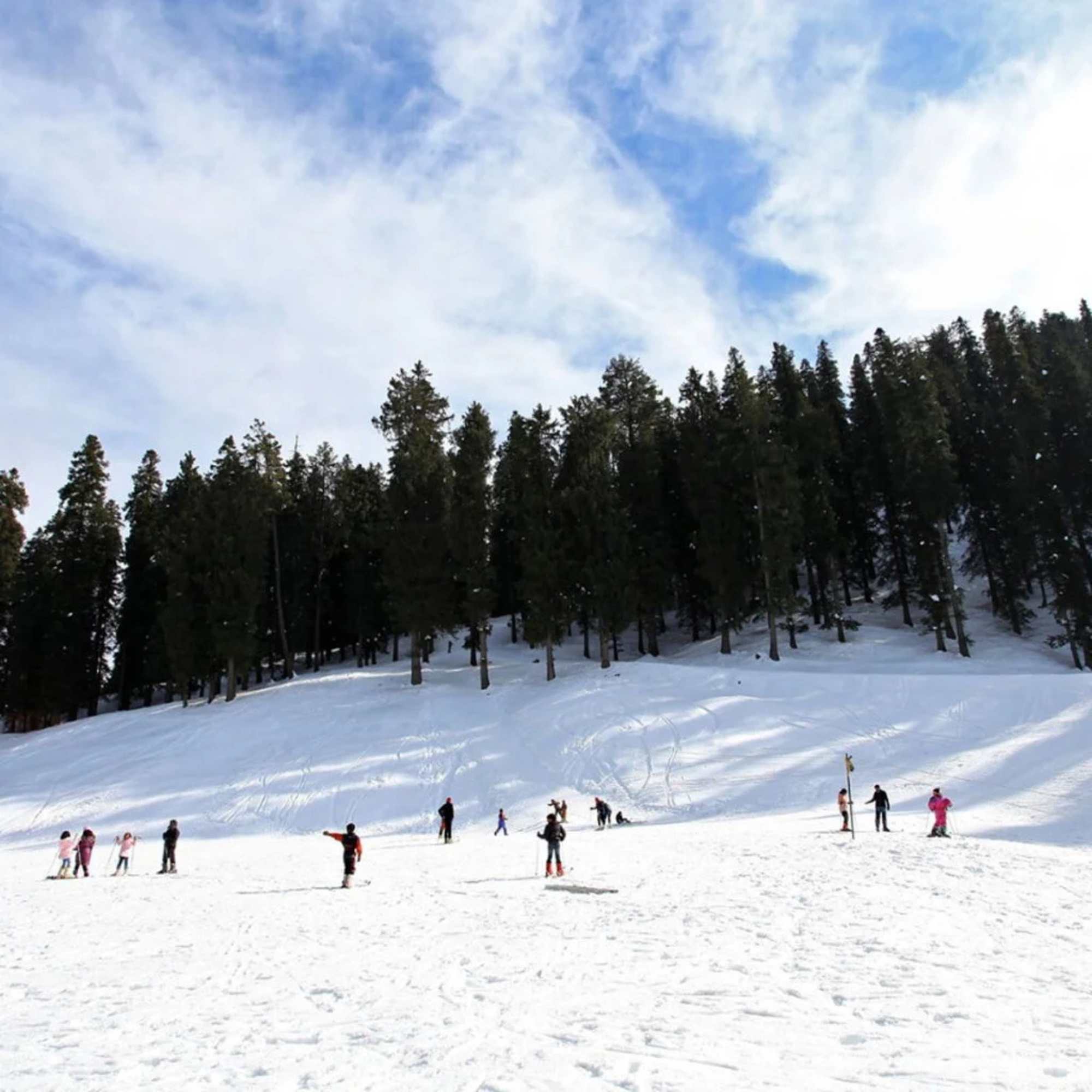
Shimla Snow Trip 2026: Best Time, Itinerary, Cost and Local Tips
Plan your Shimla Snow Trip 2026 with this complete guide to the best time for snowfall, estimated trip cost, winter itinerary, top snow spots, Kufri visit, and useful travel tips.
- Snow Travel
- Best Time to Visit
 Shimla
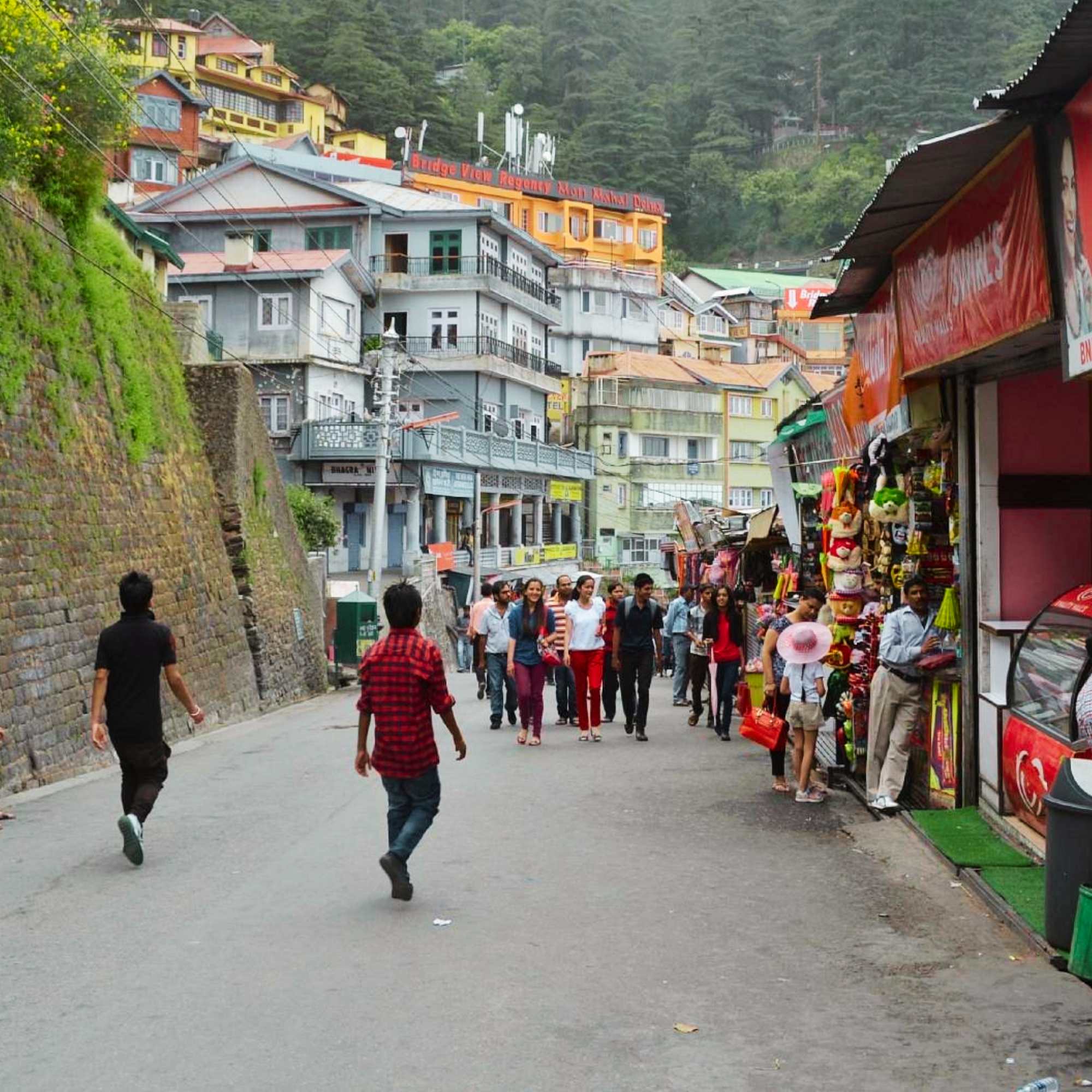
Shimla in February 2027: Weather, Snowfall, Itinerary and Travel Tips
Planning a trip to Shimla in February 2027? Discover typical February temperatures, chances of snowfall, what the weather is usually like, the best places to enjoy snow, what to pack, and practical tips for planning a memorable winter trip to Shimla.
- Best Time to Visit
- Snow Travel
 Shimla
Snow Point Near Shimla in 2026: Kufri, Fagu, Narkanda and the Best Places to Find Snow
Discover the best snow points near Shimla in 2026, including Kufri, Fagu and Narkanda. Find out where to see snow, the best time to visit, and the top winter destinations near Shimla.
- Snow Travel
- Places to Visit