
Sissu Valley in April: Snow, Weather, Road Status and Best Travel Guide
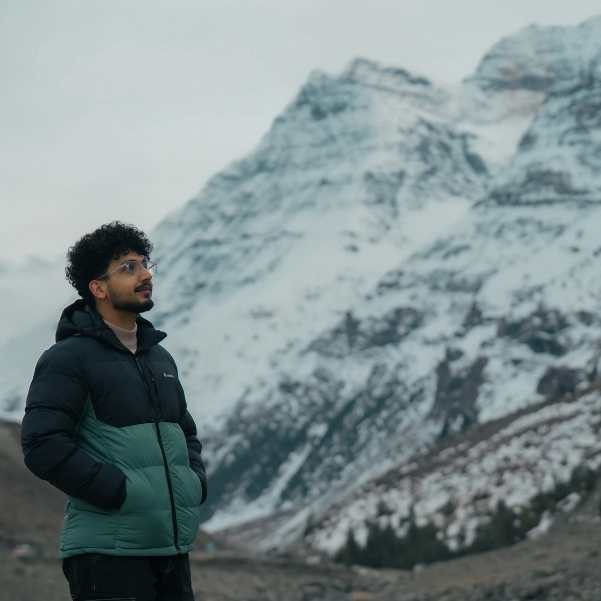
There's a moment right after you exit the Atal Tunnel's north portal when the air changes. It gets colder, sharper, and the mountains open up in a way that feels completely different from the Manali side.
In April, Sissu Valley sits in that perfect in between space where winter hasn't fully let go and spring is just beginning to settle in.
Snow still clings to the peaks and patches of white line the roadsides, but the valley floor is waking up. The sky is often clear, the Chandra River runs strong, and the waterfall roars louder than it does in summer.
If you've been wondering whether you can visit Sissu in April, the short answer is yes. Thanks to the Atal Tunnel, reaching Sissu from Manali is now a year round possibility.
April is one of the most rewarding times to visit because you get the visual drama of snow without the harsh unpredictability of deep winter. The valley is quieter, the roads are manageable, and the whole experience feels more personal than a peak season visit.
Whether you're planning a day trip from Manali, a short overnight escape, or scouting the route toward Lahaul and Keylong, this guide gives you everything you need to plan your Sissu Valley trip in April with confidence.
Quick facts about Sissu Valley in April:
- Distance from Manali: roughly 50 km via Atal Tunnel
- Altitude: approximately 3,100 metres above sea level
- Typical April temperature: ranges between minus 2 to 12 degrees Celsius depending on the time of day and week of the month
- Snow: often present in early April, especially on higher slopes and shaded patches
- Road access: generally open via Atal Tunnel, though conditions can change after heavy snowfall
- Best for: day trips, photography, couples, quiet getaways, and first timers to Lahaul
Important: Always check same day road conditions and weather updates before departing. Mountain weather in April can shift without warning. Local contacts, the Atal Tunnel traffic helpline, and current social media updates from other travellers are your best sources.
Is Sissu Valley Worth Visiting in April?
Quick Answer
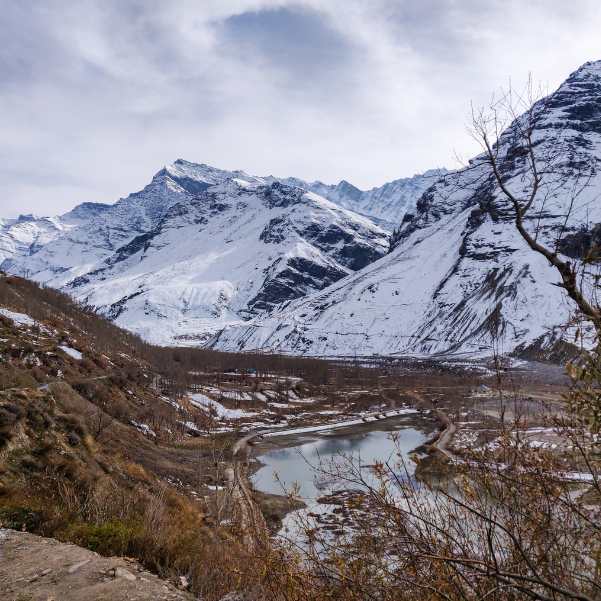
Yes. Sissu Valley in April offers a rare combination of snow covered landscapes, accessible roads, and fewer tourists. It's one of the best months for a relaxed, scenic visit without dealing with the crowds that arrive in May and June.
👉 WhatsApp Travel Coffee to check today's Manali to Sissu road status
Why April Is a Sweet Spot
April sits between the heaviest snowfall months and the early summer rush. The Atal Tunnel keeps the route from Manali open, so you don't need to worry about the old Rohtang Pass route being closed. The valley has a raw, almost untouched quality during this month. Waterfalls are running hard from the snowmelt, the Chandra River has a deep blue green colour, and the surrounding peaks still carry a thick white layer.
What makes April special is the quiet. Most of the tourist infrastructure in Sissu is either just reopening or still winding up for the season. That means fewer vehicles on the road, calmer villages, and more space to actually experience the landscape rather than fight through traffic.
Who Will Enjoy Sissu Most in April
Couples looking for a scenic escape without too many people around will find April ideal. Photographers get incredible light in the mornings and the contrast between snow and the valley floor makes for striking frames.
Anyone who loves road trips and mountain driving will enjoy the route through the tunnel and the dramatic landscape shift on the other side.
If you've done Manali several times and want something different without going too far, a Sissu Valley day trip from Manali in April is one of the best options available.
Who May Want to Skip It
If you're not comfortable with cold weather, April in Sissu might feel too chilly, especially in the mornings and evenings. People expecting fully green and blooming meadows should wait until late May or June.
And anyone who doesn't want to deal with potential road surprises due to weather should plan for a more stable summer window.
Sissu Valley Weather in April
What the Weather Usually Feels Like
Sissu Valley weather in April is cold but manageable. Daytime temperatures on a clear day can reach 10 to 12 degrees Celsius in late April, which feels pleasant under the sun.
But mornings and nights drop close to or below freezing, especially in the first two weeks. The wind chill factor can make it feel colder than the thermometer suggests, particularly near the river or open stretches.
Expect clear blue skies on most days, with the occasional cloudy spell. Rain is possible but not frequent. Snowfall can still happen, especially in early April, though it's usually light and temporary at the valley floor level.
Will You See Snow in Sissu Valley in April?
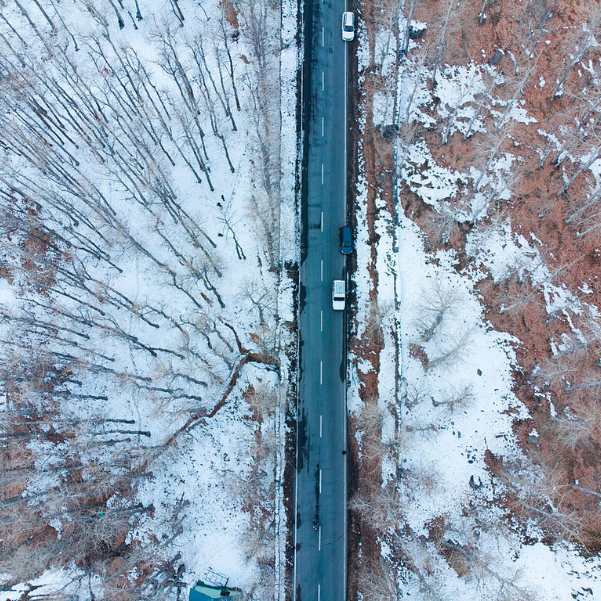
Almost certainly, yes. Sissu Valley snow in April is one of the main draws. While the valley floor may or may not have fresh snow cover depending on recent weather, the surrounding peaks are reliably white.
In early April, you'll often find snow patches along the roadside, near the tunnel exit, and in shaded areas around the village.
If fresh snowfall happens during your visit, the entire valley transforms into a white landscape that feels almost surreal. Even in late April, the higher slopes hold snow well into the month.
Early April vs Late April
Early April tends to be colder and snowier. There's a higher chance of fresh snowfall, road delays, and reduced visibility. But if conditions are clear, early April gives you the most dramatic snow views.
Late April is milder and more stable. The roads are typically in better shape, temperatures are more comfortable during the day, and cafes and local services are more likely to be operational. For first timers, late April is the safer bet.
What Kind of Clothes to Pack
Layer up. A good quality thermal inner layer, a warm fleece or wool mid layer, and a windproof outer jacket will cover most situations.
Carry gloves, a beanie, and warm socks. Waterproof shoes are highly recommended because you'll encounter slushy patches, wet roads, and damp trails.
Even if the afternoon feels warm, always keep your jacket accessible. Temperatures drop fast once the sun moves behind the peaks.
Sissu Valley Road Status in April
Is Sissu Open in April?
Yes. Can we visit Sissu in April is one of the most commonly asked questions, and the answer has become a clear yes since the Atal Tunnel opened. Before the tunnel, reaching Sissu required crossing Rohtang Pass, which stays closed until late May or early June.
Now, the tunnel bypasses the pass entirely and keeps the route accessible through winter and early spring.
Manali to Sissu Road Status via Atal Tunnel
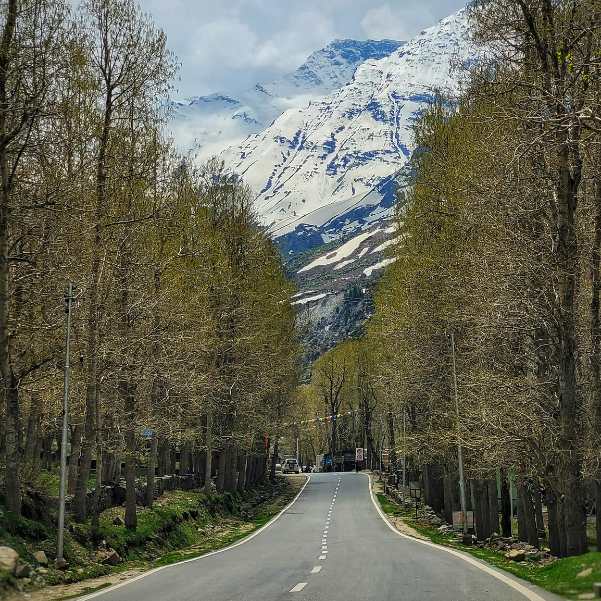
The drive from Manali to Sissu via Atal Tunnel takes roughly 1.5 to 2 hours under normal conditions. The tunnel itself is well maintained and stays open almost all year.
However, the stretch between the tunnel's north portal and Sissu village can sometimes have icy patches or snow accumulation, especially in early April.
The Atal Tunnel to Sissu road status is usually reliable, but it's worth checking on the day of travel. After a heavy snowfall night, the road may be temporarily restricted until clearance work is done.
Why Road Status Can Change Quickly
Mountain roads above 3,000 metres are unpredictable. A perfectly clear morning can turn into a snowy afternoon. Landslide risk is low in April compared to the monsoon months, but ice on the road surface is a real factor during early mornings. Sudden weather changes can also reduce visibility quickly.
Where to Check Latest Updates Before Leaving
Your best bet is calling local contacts in Sissu or checking recent traveller updates on social media groups. The Atal Tunnel traffic helpline can confirm whether the tunnel is operational. Hotel owners in Manali and Sissu are also good sources of real time road information.
Can You Drive a Normal Car to Sissu in April?
In most conditions during April, yes. A normal car with decent ground clearance can make the trip, especially in late April.
The tunnel road is paved and well maintained. However, if there's fresh snow on the stretch beyond the tunnel, a car without all wheel drive may struggle on patches.
If you're visiting in early April, an SUV or a vehicle with good tyres gives extra confidence.
👉 WhatsApp Travel Coffee to book a Sissu day trip with same morning road updates
How to Reach Sissu Valley in April
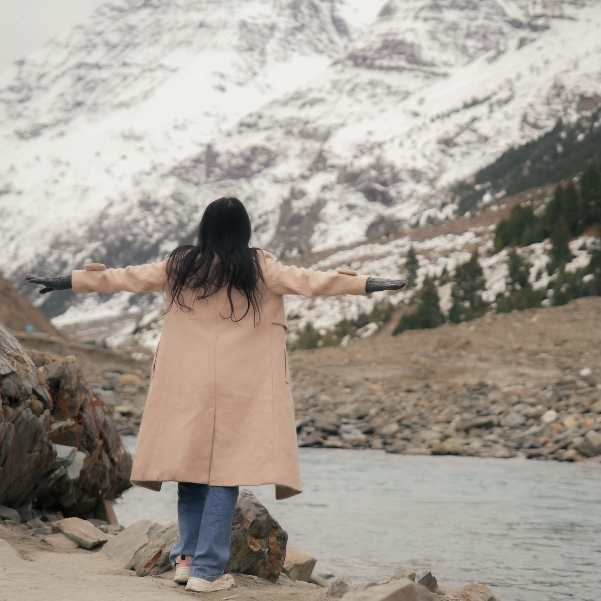
Manali to Sissu
This is the most common and practical route. From Manali, head toward the Atal Tunnel south portal near Dhundi.
The tunnel covers about 9.02 km and exits on the Lahaul side. From the north portal, Sissu is about 16 km ahead. The total drive is roughly 50 km and takes around 1.5 to 2 hours.
Delhi to Sissu
Drive or take a bus from Delhi to Manali, which is about 530 km and takes 12 to 14 hours by road. From Manali, continue to Sissu. Alternatively, fly to Bhuntar airport (Kullu), take a cab to Manali, and then drive onward.
Chandigarh to Sissu
Chandigarh to Sissu is roughly 350 km. The route goes through Bilaspur, Mandi, and Kullu before reaching Manali and then continuing through the Atal Tunnel. Expect 9 to 11 hours of total driving depending on traffic and road conditions.
Public Transport Options
HRTC buses run between Manali and Keylong, passing through Sissu. In April, the frequency may be limited compared to summer.
Shared taxis from Manali to Sissu are also an option, though availability depends on demand. For the most flexibility, hiring a private cab or driving yourself is recommended.
Best Things to Do in Sissu Valley in April

Visit Sissu Waterfall
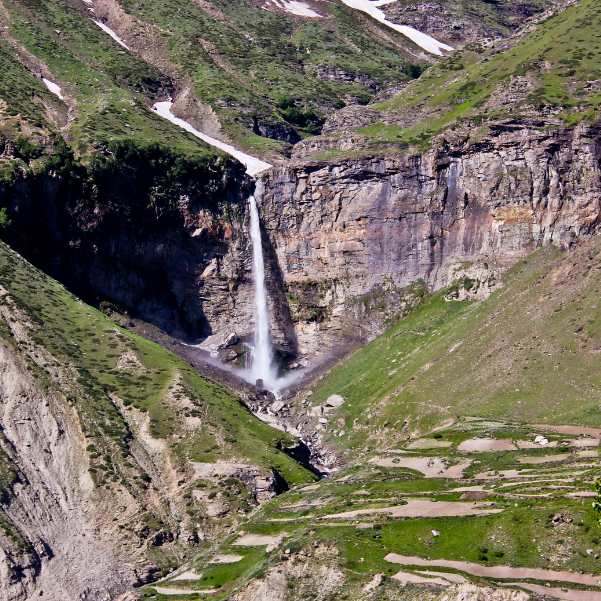
Sissu Waterfall in April is at its most powerful. The snowmelt feeds the falls heavily, and the sound of the water crashing down is intense.
The waterfall is visible from the main road but walking closer gives you a much better sense of scale. In April, expect some icy spray and wet rocks around the base.
Stop at Sissu Lake
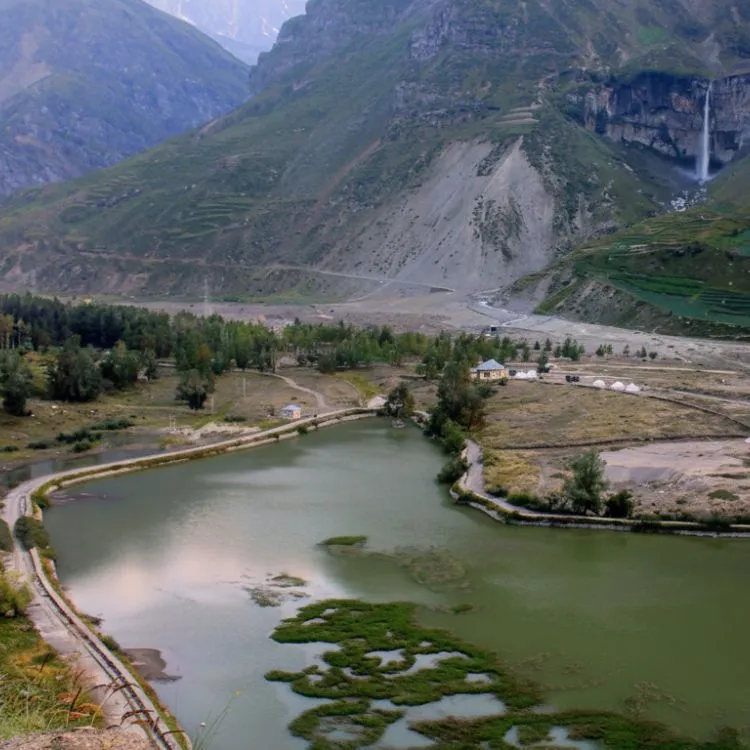
Sissu Lake in April may still be partially frozen or surrounded by snow, depending on how the season has progressed.
It's a small, scenic lake near the village that looks particularly photogenic with snow framing the edges. Even if the lake isn't fully thawed, the walk to it is pleasant and offers nice views of the surrounding peaks.
Walk Around the Chandra Riverside
The Chandra River runs through the valley with a force that's hard to ignore in April. The water is glacial, fast, and deeply coloured. Walking along stretches of the riverside, especially near the village, gives you a sense of how alive the valley is during the snowmelt season. Stay cautious near the banks as the rocks can be slippery and the current is strong.
Enjoy the Drive Through Atal Tunnel and the North Portal Landscape Shift
One of the most memorable parts of visiting Sissu in April is the drive itself. Inside the Atal Tunnel, everything is controlled and uniform.
But the moment you step out on the north portal side, the entire landscape shifts. The air is colder, the mountains are bigger, and the valley opens up with snow covered ridges on all sides. That contrast alone is worth the trip.
Spend Time at Cafes and Scenic Viewpoints
A few small cafes and dhabas operate in Sissu during April, though not all seasonal places may be open yet. Grab a cup of chai, find a quiet spot overlooking the valley, and just sit.
The beauty of Sissu in spring is best experienced at a slow pace. There's no need to rush between attractions.
Do Photography and Short Scenic Walks
For photographers, April light in Sissu is excellent. Morning golden hours with snow in the frame create some of the best mountain shots you'll get this side of Lahaul.
Short walks around the village, along the road, or toward the lake offer plenty of natural compositions without needing to hike far.
Extend the Drive to Nearby Places if Roads Are Stable
If conditions allow, you can continue beyond Sissu toward Gondhla, Tandi, or even Keylong. Each of these adds something different. But only extend your route if you've confirmed road status and have enough daylight to return safely.
Places to Visit Near Sissu Valley in April
Atal Tunnel North Portal Views
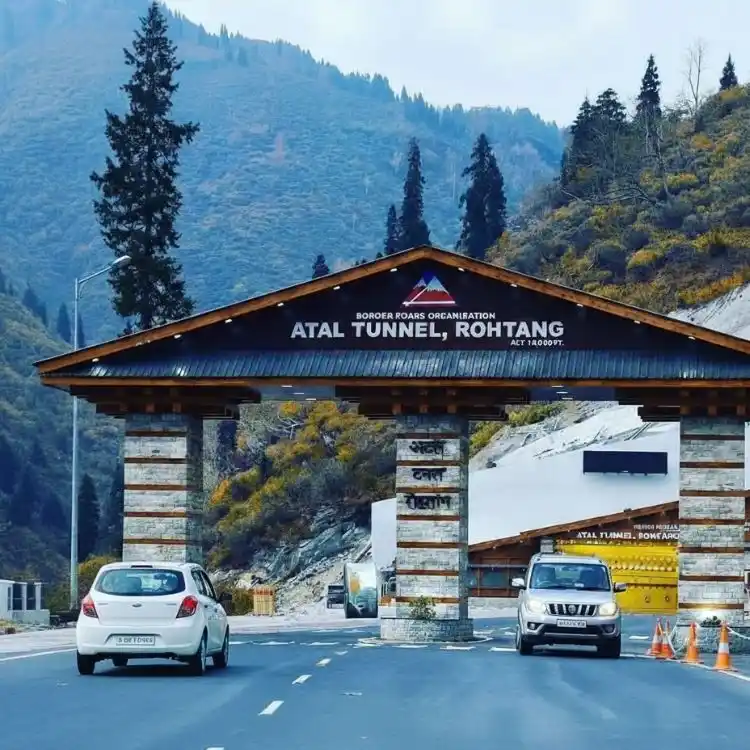
Right at the tunnel exit, the views are extraordinary. Snow covered mountains surround the portal area, and on clear days the depth of the valley stretching ahead is spectacular. It's worth stopping for a few minutes here before driving on.
Koksar
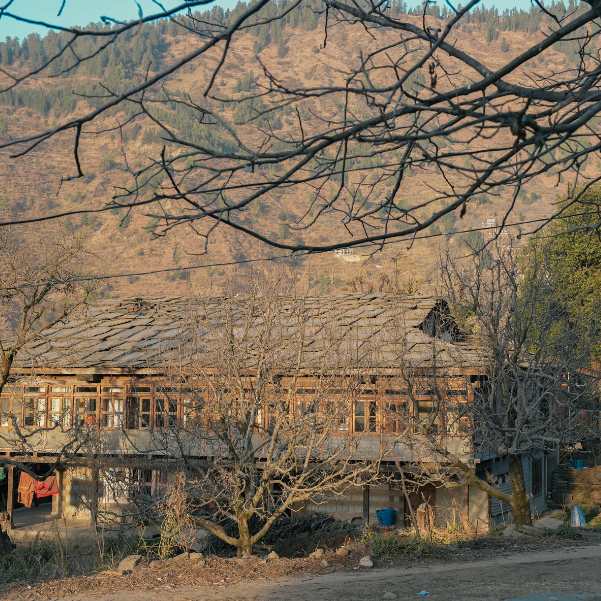
A small settlement just beyond the tunnel exit, Koksar is one of the first signs of Lahaul. It has a basic checkpoint and a few seasonal stalls. The landscape around Koksar in April is stark and beautiful.
Gondhla

Known for its old castle, Gondhla is a short drive past Sissu. The fort is a historical structure that gives you a glimpse into the region's past. The village itself is quiet in April, with snow often still visible on rooftops and nearby slopes.
Tandi Sangam
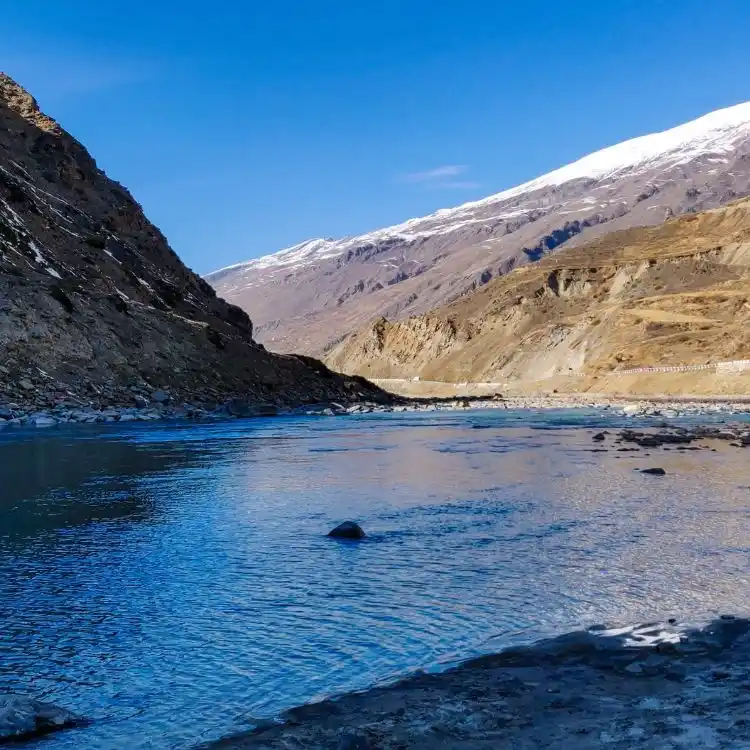
Tandi is where the Chandra and Bhaga rivers meet. This confluence point holds religious significance and the visual of two rivers merging against a mountain backdrop is striking. It's about 25 km from Sissu and makes for a meaningful stop on a longer drive.
Keylong
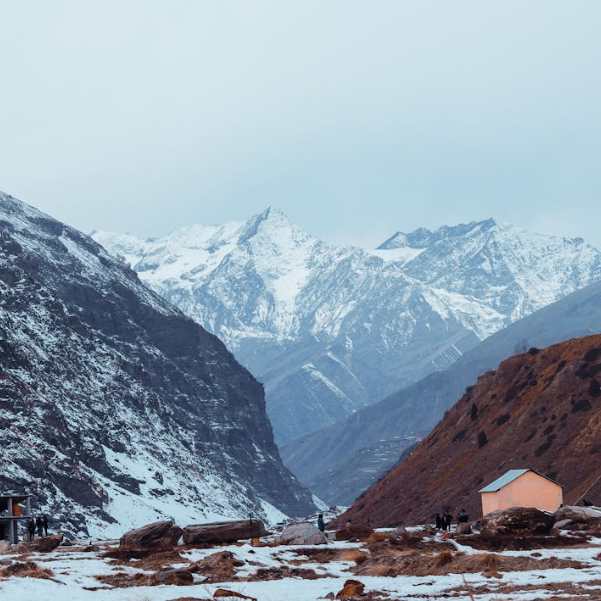
The district headquarters of Lahaul, Keylong is about 45 km from Sissu. In April, it's a quiet and cold town but worth visiting if you want to see the administrative centre of Lahaul and enjoy the views from the monastery above.
Solang on the Way Back if Doing a Manali Circuit
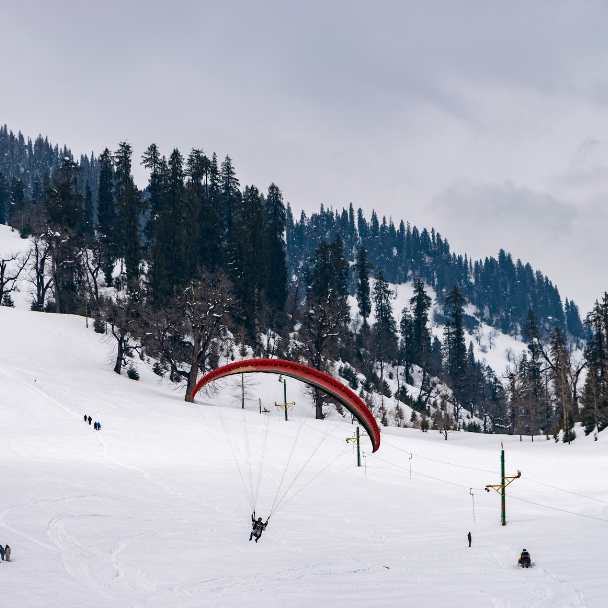
If you're driving back to Manali and still have energy, a quick stop at Solang Valley rounds out the day nicely. In April, Solang still has snow activity and adventure sports, making it a fun contrast to the quiet of Sissu.
Best Sissu Valley Itinerary for April
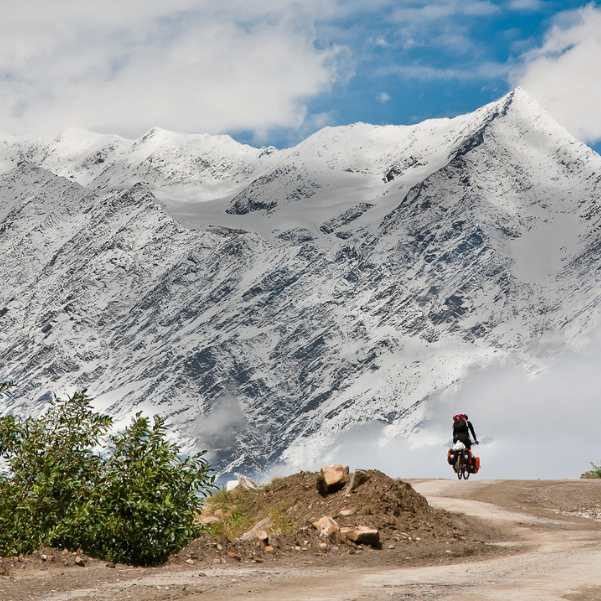
One Day Sissu Valley Trip from Manali
A one day Sissu Valley itinerary from Manali works well in April if you start early.
Leave Manali by 7:00 to 7:30 AM. Reach the Atal Tunnel south portal by around 8:00 AM. Drive through the tunnel and stop at the north portal for views and photos.
Continue to Sissu, arriving around 9:30 AM. Visit the waterfall, walk to the lake, and explore the village. Have lunch at a local dhaba. If time and road conditions allow, drive to Tandi or Gondhla. Start heading back by 2:30 to 3:00 PM to reach Manali before dark.
This gives you a solid 5 to 6 hours in and around Sissu, which is plenty for a day trip.
Two Day Sissu Valley Itinerary in April
On day one, drive from Manali to Sissu in the morning. Explore the waterfall, lake, and village. Check into a guesthouse or homestay. Spend the evening by the riverside or at a local cafe.
On day two, drive toward Keylong or Tandi in the morning if roads allow. Return to Sissu for lunch, then head back to Manali in the afternoon.
Two days lets you experience Sissu without rushing and gives you a chance to catch both sunrise and sunset light in the valley.
Ideal Trip Duration
For most travellers, one full day is enough to see Sissu and enjoy the experience. Two days is ideal if you want to slow down, explore nearby areas, or if you're a photographer looking for varied light conditions.
Anything beyond two days from Sissu specifically would require extending into Keylong and the broader Lahaul circuit.
Sissu Valley Trip Cost in April

Taxi Cost from Manali
A return taxi from Manali to Sissu typically costs between 3,000 to 5,000 INR for a small car and around 5,000 to 7,000 INR for an SUV, depending on the season and negotiation. Shared cabs or taxis going onward to Keylong may offer cheaper per person rates.
Self Drive Fuel Estimate
If you're driving your own vehicle, the round trip from Manali to Sissu and back is about 100 km. Budget around 700 to 1,000 INR for fuel depending on your vehicle's mileage.
Food and Cafe Budget
Meals in Sissu are simple. A plate of rajma chawal or a thali costs around 100 to 200 INR. Chai and snacks add another 50 to 100 INR per person. Expect to spend roughly 400 to 600 INR per person for the day on food.
Stay Cost for One Night
If you choose to stay overnight, basic guesthouses and homestays in Sissu range from 1,000 to 2,500 INR per night. Options are limited in early April, so booking in advance or calling ahead is a good idea.
Total Budget for Couples, Friends, and Families
A day trip for a couple from Manali including taxi and food typically costs between 4,000 to 6,000 INR total. A group of 3 to 4 friends splitting a taxi and meals can manage it for about 1,500 to 2,500 INR per person.
Families with an overnight stay should budget between 7,000 to 12,000 INR for the whole trip including transport, meals, and accommodation.
Where to Stay in Sissu Valley in April
Is It Better as a Day Trip or Overnight Stay?
For most people, a day trip is the practical choice. Sissu is compact, and you can see the main highlights in a few hours.
But an overnight stay transforms the experience. Mornings in Sissu are quiet, cold, and stunningly beautiful. If you're the type who wants to soak in the atmosphere rather than tick off sights, stay the night.
Who Should Stay Overnight
Couples looking for a romantic mountain night, photographers wanting early morning light, and anyone who simply wants to disconnect from noise and crowds will benefit from staying over.
What Kind of Stays to Expect
Accommodation in Sissu in April is mostly basic. Think small guesthouses, homestays run by local families, and a handful of budget hotels.
Luxury options are not really available here. The charm is in the simplicity, the home cooked meals, and the warmth of the hosts.
Staying in Manali vs Staying in Sissu
Manali gives you more comfort, food variety, and nightlife. Sissu gives you silence, stars, and mountain air. If your priority is the experience, choose Sissu.
If you want a full trip with more facilities, base yourself in Manali and do Sissu as a day trip.
Travel Tips for Visiting Sissu Valley in April
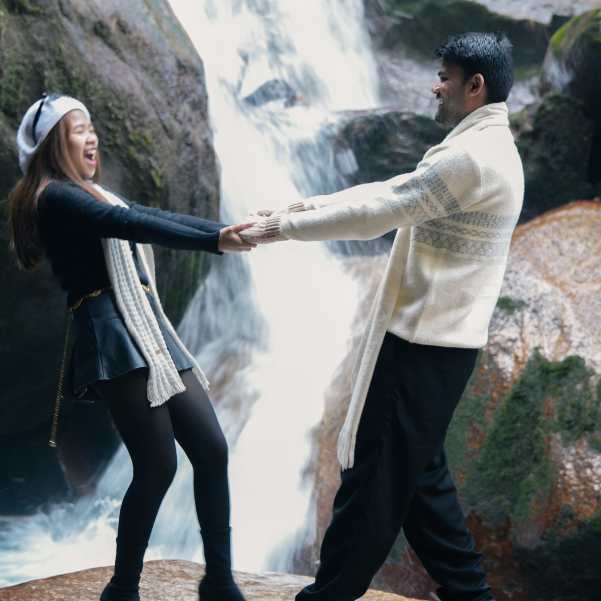
Start Early
Leave Manali as early as possible. Morning light is the best, roads are less busy, and you'll have more flexibility if conditions change later in the day.
Keep Buffer for Weather Changes
Don't plan your day so tightly that a one hour weather delay ruins everything. Keep a buffer of at least an hour or two in your schedule.
Carry Warm Layers Even on Sunny Days
Sunny afternoons in Sissu can feel deceptively warm. But the temperature drops fast, and wind near the river or at higher points can make it bitterly cold in minutes.
Do Not Rely Fully on Mobile Network
Mobile coverage in Sissu exists but can be patchy, especially for certain operators. Download offline maps, carry cash, and inform someone about your travel plans before heading out.
Avoid Overconfidence Around Snow and River Edges
Snow near the road or river might look inviting for photos, but wet snow can be slippery, and the Chandra River current is dangerously strong. Stay on safe ground and avoid going too close to edges.
Respect Local Culture and Village Spaces
Sissu is a living village with local residents going about their daily lives. Be respectful when walking through the village, ask before photographing people, and avoid littering.
Is Sissu Valley Safe to Visit in April?
Road Safety
The Atal Tunnel road is well maintained and generally safe. The stretch between the tunnel and Sissu can have icy patches in early mornings. Drive slowly, avoid sudden braking, and keep headlights on inside the tunnel.
Altitude and Cold
At around 3,100 metres, Sissu is high enough to cause mild altitude discomfort in some people. Stay hydrated, avoid exertion right after arrival, and give your body a few minutes to adjust before walking around.
Kids and Elderly Travellers
Kids and older travellers can visit Sissu in April, but extra care is needed. The cold, the altitude, and the rough terrain around the waterfall and lake require caution. Keep children close near the river and snow patches.
Safety After Fresh Snowfall
If there's been fresh snowfall overnight, check road reports before starting. Snow on the road surface can make even short stretches tricky. Locals are the best source of real time advice.
Self Drive vs Local Driver
If you're experienced driving in mountains and cold conditions, self driving is fine. If this is your first time on mountain roads in winter or early spring conditions, hiring a local driver from Manali is a safer and more relaxed option.
Sissu Valley in April for Couples, Families, and Photographers
For Couples
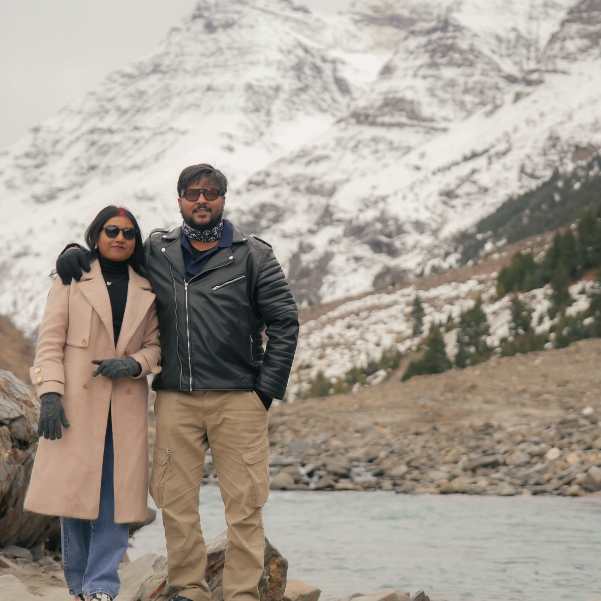
Sissu in April has a quiet, intimate quality that couples will love. The empty roads, the sound of the river, and the mountain views create a setting that feels private and unhurried. An overnight stay adds to the romance, with cold nights, warm blankets, and zero distractions.
For Families
Families with older kids will enjoy the drive, the snow, and the waterfall. Younger children and toddlers need more preparation for the cold and altitude. Keep travel time manageable and carry enough warm clothing and snacks. The day trip format works best for families.
For Photographers and Creators
April is arguably one of the best months for photography in Sissu Valley. The snow provides a clean white canvas, the river adds dynamic foreground, and the low angle morning light creates depth and drama.
The waterfall, the lake, the tunnel exit, and the Chandra River all offer different visual stories.
👉 WhatsApp Travel Coffee to plan your April Manali and Sissu itinerary
Sissu Valley in April vs March vs May
Sissu in March
March is the coldest of the three months and has the highest chance of heavy snowfall. Roads can be more challenging, and some services in Sissu may not be operational at all. It's ideal for hardcore snow lovers but risky for casual travellers.
Sissu in April
April is the balanced month. Snow is still present but not overwhelming. Roads are generally more stable. The weather is cold but bearable. It's the best time to visit Sissu Valley if you want snow views with reasonable comfort and access.
Sissu in May
By May, most of the snow on the valley floor has melted. The weather is warmer and more stable. More tourist services are open. But the crowds start increasing, and the raw, wintry charm of the valley is replaced by a greener, busier feel.
Common Mistakes to Avoid on a Sissu Valley Trip in April
Starting too late from Manali is the most common one. By the time you reach Sissu after a late start, you've lost the best light and have less time to explore before heading back.
Not checking road conditions before departure catches people off guard. A quick call to a local contact or a check on recent updates can save you from a wasted trip.
Underdressing for the cold is another frequent mistake. People see a sunny forecast and assume it'll be warm. At 3,100 metres in April, it's not.
Trying to extend the drive too far beyond Sissu without confirming road conditions can lead to getting stuck or having to turn back in tricky conditions.
Expecting full tourist infrastructure is unrealistic in April. Not all cafes, shops, and stays are open yet. Travel with some self sufficiency.
Final Verdict: Should You Visit Sissu Valley in April?
If you want to experience a snow touched Himalayan valley without the harshness of deep winter, April is one of the best windows to visit Sissu.
The Atal Tunnel has made it easy to reach, the landscape is at a uniquely beautiful transition point, and the lack of crowds means you get to enjoy the valley on your own terms.
It's not a luxury destination. It's not packed with activities. What Sissu offers in April is something rarer. A genuine sense of solitude, raw natural beauty, and a driving experience that stays with you long after you're back in Manali.
For couples, photographers, road trip lovers, and anyone looking for a meaningful mountain escape, Sissu Valley in spring is a quiet revelation.
Related topics
Frequently Asked Questions
Is Sissu Valley open in April?
Yes. Sissu is accessible via the Atal Tunnel year round. In April, the route from Manali to Sissu is generally open, though conditions can vary after heavy snowfall.
Can we see snow in Sissu Valley in April?
Yes. Snow is usually visible on the peaks and higher slopes throughout April. In early April, you may find snow patches on the valley floor and along the roadside as well.
How far is Sissu from Manali?
Sissu is approximately 50 km from Manali via the Atal Tunnel. The drive takes about 1.5 to 2 hours under normal conditions.
Is Sissu better in March or April?
April is better for most travellers. March is colder and snowier with more road risks. April offers a more balanced experience with snow views and more reliable access.
Is April a good time to visit Sissu Valley?
April is one of the best months for visiting Sissu, especially for people who want to see snow landscapes with manageable weather and road conditions.
Can I visit Sissu Valley in one day from Manali?
Absolutely. A day trip from Manali to Sissu works well in April. Start early, and you'll have 5 to 6 hours to explore comfortably.
Is the Atal Tunnel road open for Sissu in April?
The Atal Tunnel is operational year round. The road between the tunnel's north portal and Sissu is usually open in April, with occasional temporary closures after heavy snow.
Is Sissu safe for family travel in April?
Yes, with some precautions. Families should dress warmly, keep children close near the river and snow, and avoid driving in poor visibility. The day trip format works best for families with young kids.
Are normal cars allowed to go to Sissu in April?
Normal cars can usually make the trip, especially in late April when roads are drier. In early April, an SUV or vehicle with good tyres may be more comfortable on icy patches.
What should I wear in Sissu Valley in April?
Wear layered clothing including thermals, a fleece, and a windproof jacket. Waterproof shoes, gloves, a beanie, and warm socks are also important.
How much does a Sissu trip cost from Manali?
A day trip for two people including taxi and food typically costs between 4,000 to 6,000 INR. Budget travellers sharing rides and eating at dhabas can manage for less.
Is one night stay in Sissu worth it?
If you enjoy quiet mountain mornings and want a deeper experience, staying one night is absolutely worth it. It changes the pace and feel of the trip entirely.
Which is better in April, Solang or Sissu?
It depends on what you want. Solang has adventure activities and is more touristy. Sissu offers raw scenery, solitude, and a more authentic mountain experience. For photography and peace, Sissu wins.
Can kids and elderly people visit Sissu in April?
Yes, but with extra preparation. The cold and altitude require warm clothing, hydration, and a careful pace. Avoid strenuous walks and keep the itinerary relaxed.
What are the best places to see in Sissu Valley?
The top spots include Sissu Waterfall, Sissu Lake, the Chandra River banks, and the Atal Tunnel north portal area. Nearby, Gondhla Fort, Tandi Sangam, and Keylong are worth exploring if roads permit.
More about Sissu
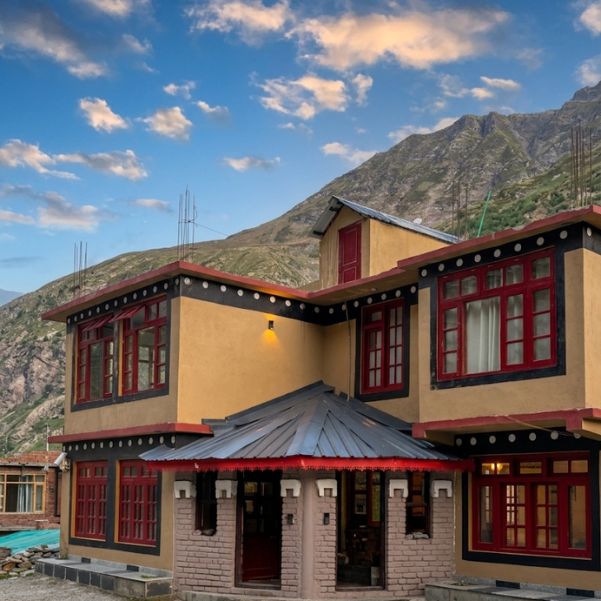 Sissu
SissuWhere to Stay in Sissu in 2026: Best Hotels, Homestays & Areas for Every Budget
Planning an overnight stay in Sissu? This 2026 guide covers the best hotels, homestays, budget stays and convenient areas to help you choose the right accommodation for your trip.
- First-Time Travellers
- Places to Visit
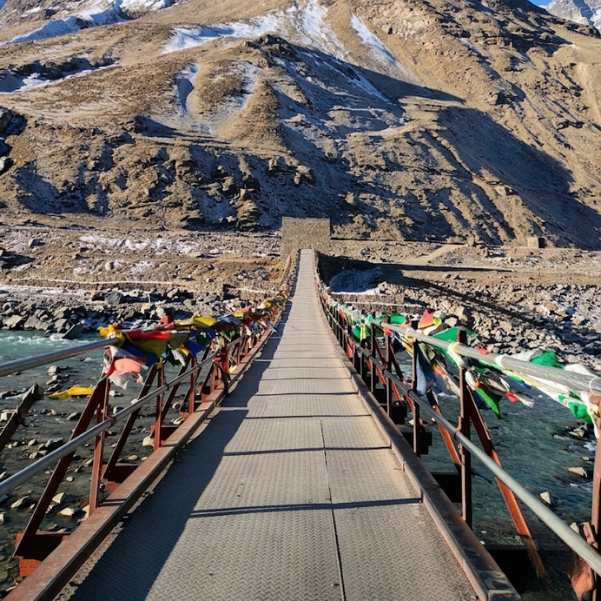 Sissu
SissuSissu in October 2026: Weather, Snow Chances, Road Status & Autumn Travel Guide
Planning a trip to Sissu in October 2026? Here’s what to expect from the weather, temperatures, autumn colours, snow chances and Manali to Sissu road conditions, plus practical tips on what to pack and how to plan your visit.
- Best Time to Visit
- Road Status
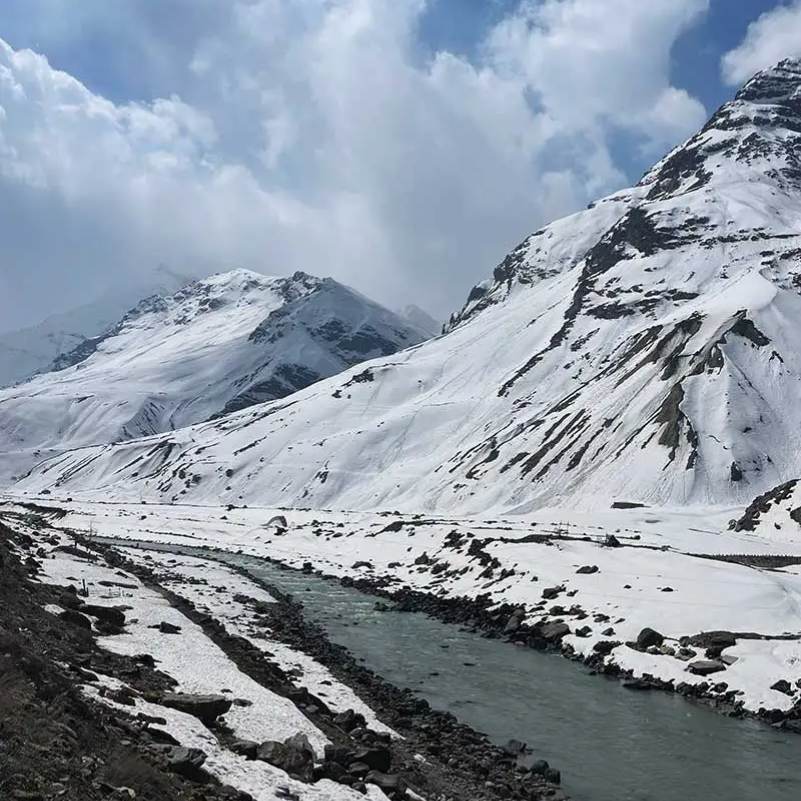 Sissu
SissuSissu in December 2026: Snowfall, Weather, Road Status & Winter Travel Guide
Planning a Sissu trip in December 2026? This guide covers expected snowfall, temperatures, Manali to Sissu road conditions, Atal Tunnel access, what to pack, and practical winter travel tips for a safer snow trip.
- Snow Travel
- Road Status