
Shinkula Pass in March: Is It Open, Snow Reality, Road Status and Travel Guide
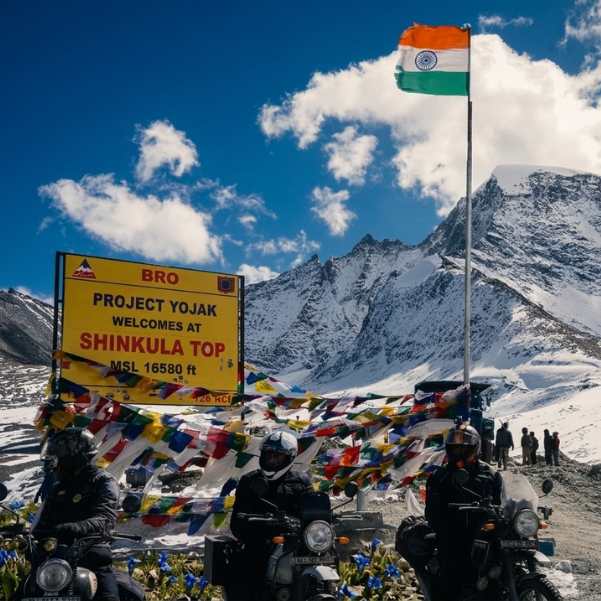
If you are searching for information about Shinkula Pass in March, here is the honest answer: it is not a month where you can treat this route as a regular tourist destination. Shinkula Pass sits at roughly 16,580 feet on the Nimmu Padum Darcha road, connecting Lahaul in Himachal Pradesh with Zanskar in Ladakh, and in March it remains deep in winter's grip.
The pass is typically snowbound from October through April. While lower sections on the Manali side may be accessible, that does not mean the pass itself is open for safe civilian travel.
March is a transition period. BRO snow clearance is usually underway, and there are years when 4x4 vehicles have been allowed limited movement under strict conditions.
But for most travellers, this is a planning and monitoring month, not a trip execution month. If you are wondering whether Shinku La in March is open for a regular car, a bike, or casual sightseeing, the realistic answer in most years is no.
This Shinkula Pass March travel guide covers road status, snow conditions, weather, the tunnel project, who can realistically attempt the route, and when it makes more sense to wait.
Quick Answer: Can You Visit Shinkula Pass in March?
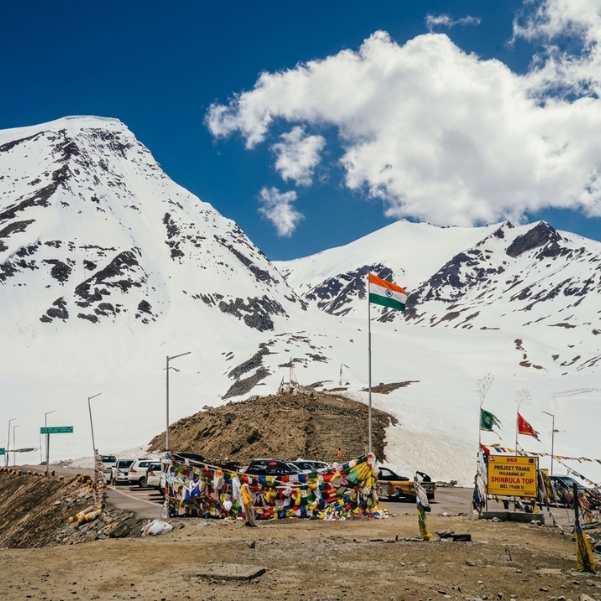
Shinkula Pass is not fully open for regular tourist traffic in March in most years. The road beyond Darcha toward the pass is either blocked or accessible only to 4x4 vehicles under strict police advisories.
BRO typically begins snow clearance in March, but the road usually does not open even for local residents until mid to late April. Casual tourists should not plan a visit in March. Experienced 4x4 travellers may monitor conditions, but should not assume open access.
Shinkula Pass in March at a Glance
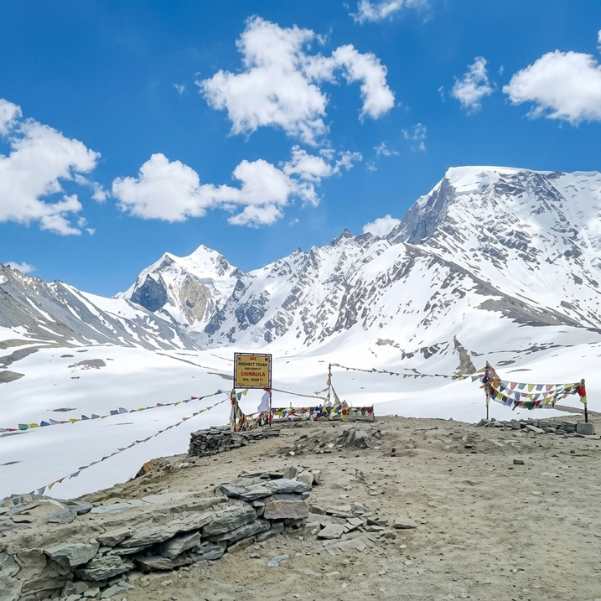
- Best for: Experienced 4x4 drivers monitoring same day road advisories, adventure travellers comfortable with high uncertainty
- Not ideal for: Casual tourists, first time Himalayan travellers, families, anyone expecting a confirmed route
- Likely road reality: Manali to Darcha may be passable; Darcha to Shinkula Pass is usually closed or restricted to 4x4 only
- Snow expectation: Heavy snow cover, compacted ice, possible fresh snowfall throughout the month
- Trip type: Expedition style, not a leisure visit
- Who should avoid: Anyone without a capable 4x4, cold weather experience, and willingness to turn back
- Overall approach: Wait and monitor, not plan and go
Where Is Shinkula Pass and Why Is It Important?
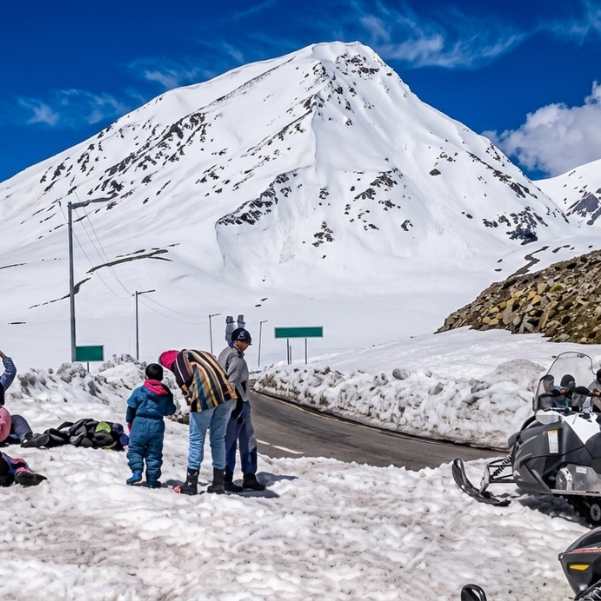
Shinkula Pass Location and Route Context
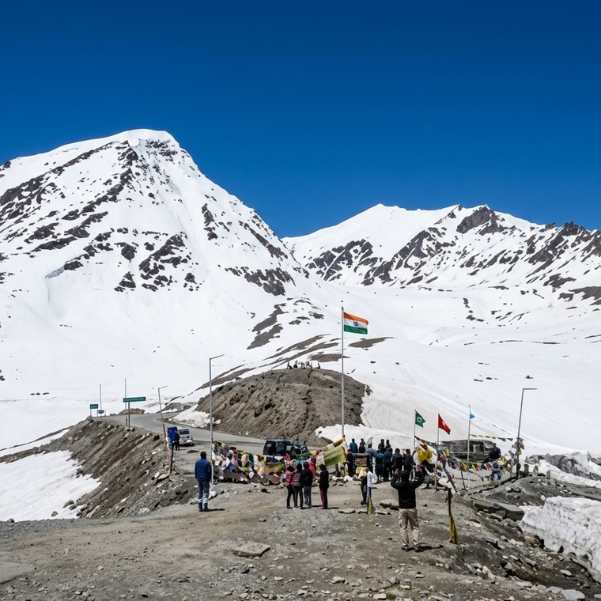
Shinkula Pass, also called Shinku La, is a high altitude pass at approximately 16,580 feet on the boundary between Himachal Pradesh and Ladakh.
From the Manali side, the route passes through the Atal Tunnel to Sissu, continues through Keylong and Jispa, reaches Darcha, then climbs steeply toward the pass. Beyond the pass, the road descends through Zanskar Sumdo to Padum in Zanskar Valley, Ladakh.
Why the Pass Matters for Zanskar, Lahaul and Ladakh
For decades, Zanskar was among India's most isolated valleys. Winter temperatures plunge to minus 30 or even minus 40 degrees Celsius, and the only winter links were the frozen Chadar trek or the long route via Kargil.
The Darcha to Shinkula to Padum road gave Zanskar a direct motorable link to Himachal Pradesh, cutting travel from days to hours during the open season. For the military, it provides a shorter supply route to Kargil and Siachen.
👉 WhatsApp Travel Coffee to plan your Lahaul or Zanskar trip
Why Shinkula Is Becoming More Important Than Before
The Nimmu Padum Darcha road and the Shinkun La Tunnel project are transforming Shinkula's strategic importance.
This route will become the third highway axis connecting Ladakh with mainland India. The tunnel, once complete, will provide all weather connectivity, eliminating winter closures. Until that happens, March remains in the uncertain transition window.
Is Shinkula Pass Open in March?
The Latest Official Reality
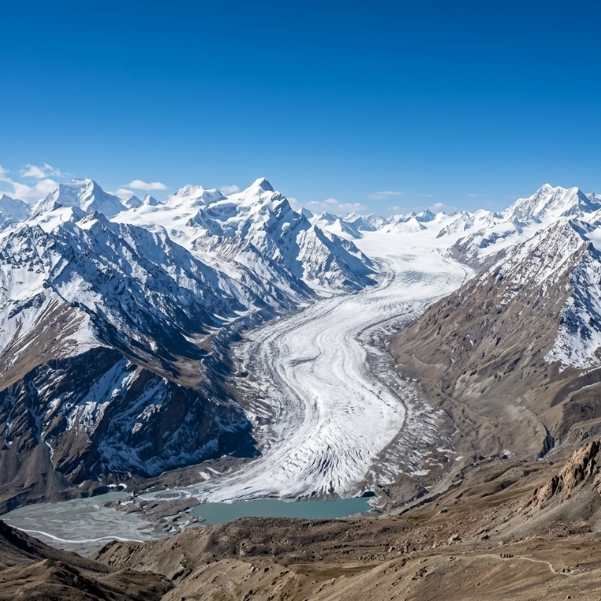
As of early March 2026, the Darcha to Shinkula road has been reopened for limited 4x4 traffic after being blocked by heavy snowfall in late January.
However, Lahaul and Spiti police have issued advisories warning the route remains extremely hazardous, with heavy icing and black ice. Two wheel drive vehicles are explicitly prohibited.
👉 WhatsApp Travel Coffee to check today's Shinkula Pass road status
Why March Access Is Still Uncertain
At over 16,500 feet, the pass receives heavy snowfall throughout winter and temperatures remain well below freezing.
Even when BRO clears a path, fresh snowfall can re-block the road within hours. The clearance work in March is usually preliminary, focused on restoring basic connectivity for Zanskar residents rather than tourist traffic.
What Recent Road Status Patterns Suggest
In March 2024, fresh snowfall triggered closure, with reopening expected in late April or May. In March 2025, BRO was clearing snow but the road was expected to open for local residents only by mid April.
In March 2026, the route was restored for 4x4 vehicles but described as extremely hazardous. The pattern is consistent: March is active clearance, not reliable access.
Can Tourists Assume the Route Is Open?
No. Even when BRO restores vehicular movement, civilian traffic requires district administration approval. Access is often restricted to local residents first, with tourist access following later.
Shinkula Pass Road Status in March
Manali to Keylong in March
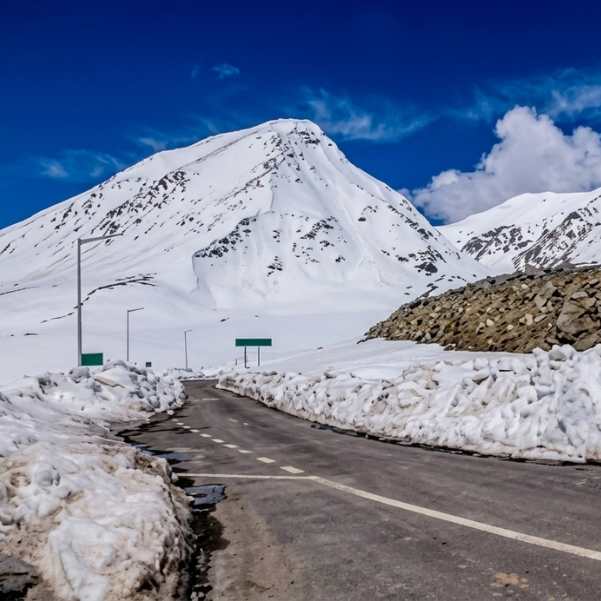
Usually the most accessible section. The Atal Tunnel provides year round connectivity, and the road to Keylong generally stays open, though slippery patches after snowfall are possible.
Keylong to Darcha in March
Generally passable, as it is part of the Manali Leh highway corridor. Road conditions depend on recent weather, but BRO keeps this maintained.
Darcha to Shinkula in March
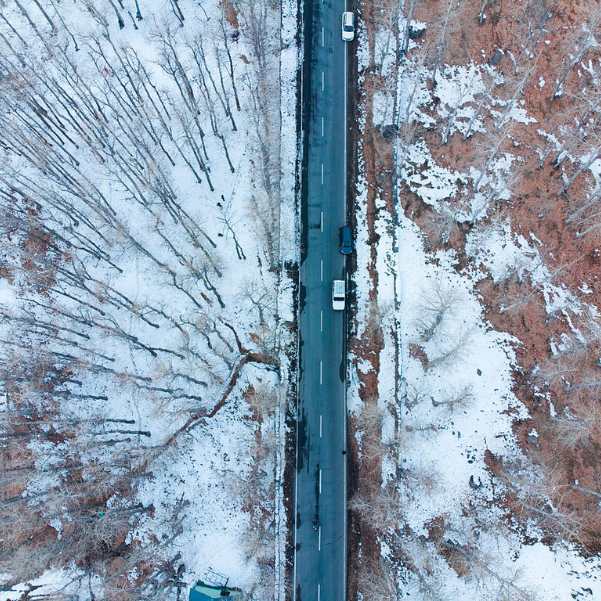
This is where conditions change dramatically. The road climbs from roughly 10,800 feet to over 16,500 feet. In March, it is under heavy snow with compacted ice, black ice, and avalanche risk. There are no services, fuel, or rescue infrastructure along this stretch.
Why a Pass Can Remain Effectively Closed Even When the Lower Road Is Open
The fact that you can drive from Manali to Darcha does not mean you can continue to Shinkula. The lower corridors are at much lower altitudes with different conditions. Do not treat lower road access as confirmation that the pass is open.
What Snow Clearance and Local Restrictions Usually Mean
BRO snow clearance creates a narrow, icy, single track path, not a regular road. Local restrictions typically mean only 4x4 vehicles are allowed, movement may be limited to specific hours, and the road can close again without notice.
Shinkula Pass Weather in March
What March Usually Feels Like at This Altitude
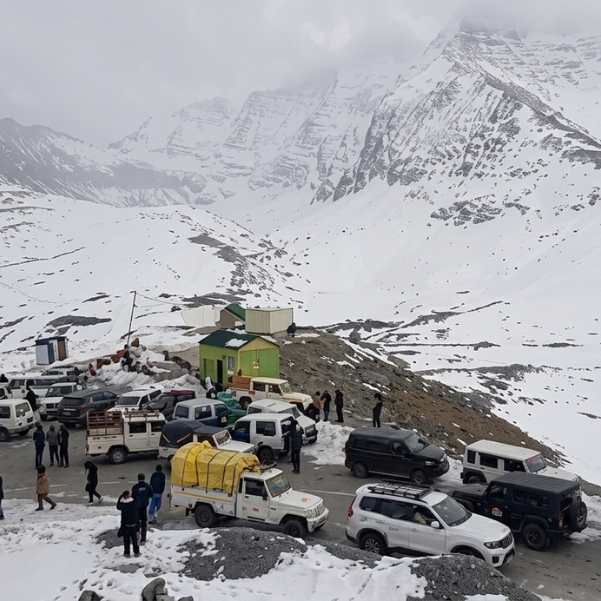
Shinkula Pass temperature in March can hover between minus 5 and minus 10 degrees Celsius during the day, dropping to minus 20 or colder at night.
The air is thin and bitterly cold. This is not Manali cold or even Keylong cold. Exposed skin can develop frostbite in minutes during windy conditions.
Snowfall Risk in March
March is still an active snowfall month at this altitude. Western disturbances bring sudden heavy snowfall that can re-block cleared roads within hours.
Early March carries higher snowfall risk, while late March may see slightly reduced frequency.
Wind Chill, Whiteouts and Visibility Issues
Wind gusts of 30 to 40 miles per hour are common, pushing effective temperatures far below thermometer readings.
Whiteout conditions can reduce visibility to near zero on an icy, narrow mountain road with no shelter or communication available.
Why March Weather Matters More Here Than at Lower Lahaul Spots
Sissu and Keylong at 10,000 to 11,000 feet have cold but manageable March weather. Shinkula at 16,500 feet is in a completely different climate zone. Do not use lower Lahaul weather as a guide for pass conditions.
Will You See Snow at Shinkula Pass in March?
The Real Snow Reality in March
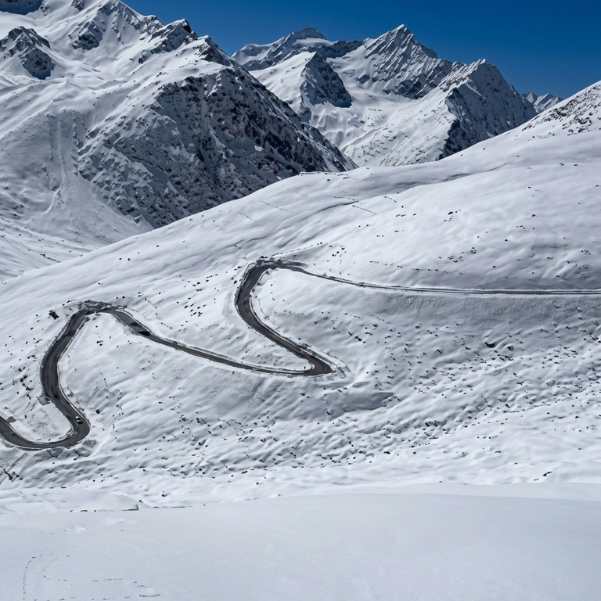
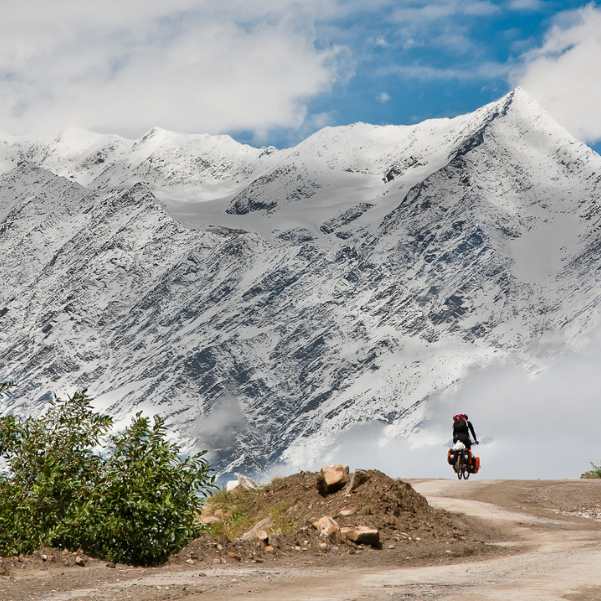
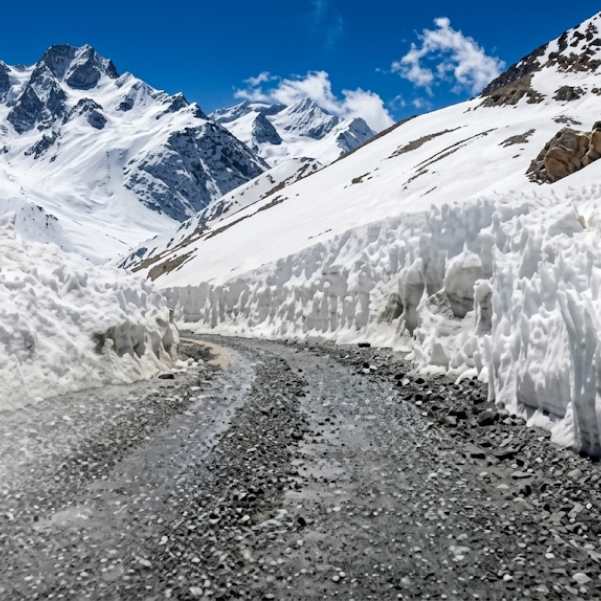
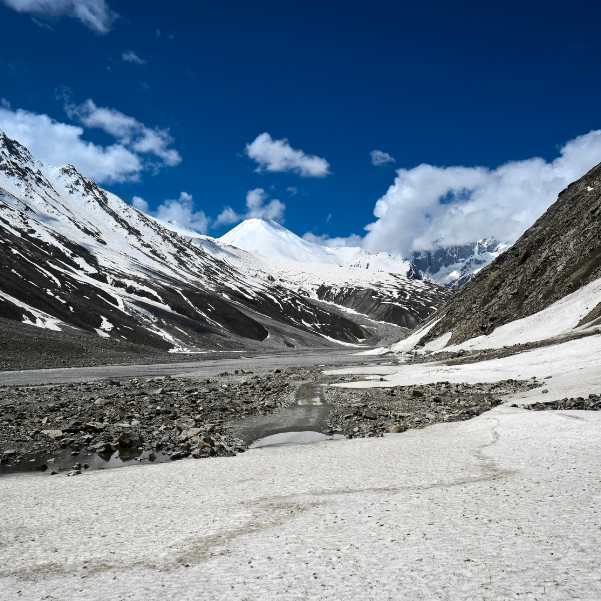
Yes. The pass is buried under feet of snow throughout March. Snow walls along BRO cleared sections can reach 10 feet or more. The real question is not whether there is snow, but whether you can reach it and return safely.
Early March vs Late March
Early March sees maximum snow depth, lowest temperatures, and highest fresh snowfall risk. By late March, BRO has made more progress but conditions remain firmly wintry. Neither period is suitable for casual travel.
Is This a Snow View Trip or a Safe Travel Plan?
If your motivation is snow, there are far safer options. Sissu, Solang Valley, and Rohtang Pass area all offer snow in March without extreme altitude risk. Shinku La Pass snow in March is part of a genuinely hostile environment, not a tourism experience.
Why Snow Available Does Not Mean Trip Advisable
Snow at 16,500 feet in March comes with extreme cold, altitude risk, whiteouts, black ice, zero cellphone coverage, and no medical facilities. Enjoying snow requires conditions where you can do so safely.
Can Tourists Really Go to Shinkula Pass in March?
Casual Tourists
No. There are no tourist services, accommodation, or safety infrastructure between Darcha and the pass in March.
Snow Tourists from Manali
Shinkula is far too extreme for a snow excursion from Manali. Sissu, Keylong, or the Atal Tunnel area are much more accessible.
4x4 Travellers
Experienced 4x4 travellers may find March conditions an interesting challenge, but must be prepared to turn back, carry emergency supplies, and travel in convoy if possible.
Riders and Self Drive Travellers
Riding a motorcycle to Shinkula in March is extremely inadvisable. Ice, sub zero temperatures, and zero margin for error make it genuinely life threatening.
Why Local Updates and Operator Claims Can Be Misleading
Social media reels showing vehicles at Shinkula in winter are often BRO convoys or heavily equipped local vehicles. Tour operator claims that the route is open may be based on lower section access only. Verify independently with police advisories.
How to Check Shinkula Pass Road Status Before Planning
The Lahaul and Spiti district administration and police issue regular advisories. Contact the Darcha police checkpoint directly for current conditions.
Online route trackers are useful starting points but not definitive. Same day confirmation matters more than blog posts or social media updates from days ago. Shinkula Pass road status can change within hours.
👉 WhatsApp Travel Coffee for a same day Darcha to Shinkula road update
Is Shinkula Pass Worth Visiting in March?
When the Answer Is Yes
If you are an experienced high altitude 4x4 driver who enjoys extreme winter driving, understands the risks, has proper equipment, and monitors conditions in real time.
When the Answer Is No
For the vast majority of travellers, March is not the right time. Wait for summer for scenic views and comfortable driving, or visit Sissu for March snow without the extreme risk.
When Waiting Until April or May Makes More Sense
If your goal is to actually cross the pass and continue to Zanskar, waiting until May is almost always smarter. The road is open, temperatures are milder, and risk drops dramatically.
Shinkula Pass in March vs April vs May
March: Pass snowbound. Road closed or restricted to 4x4 only. No infrastructure. Extreme conditions. Monitoring period only.
April: BRO clearance progresses. Road may open for local residents by mid to late April. Still cold but improving. Early tourist access unlikely.
May: Pass usually open for tourist traffic. Conditions manageable for high clearance vehicles. This is the earliest realistic month for most travellers.
Shinkula Pass in March vs Sissu in March
Choose Shinkula if you want an extreme winter 4x4 experience, accept high uncertainty, and have proper equipment and skills.
Choose Sissu if you want reliable March snow, accessible road conditions via the Atal Tunnel, basic accommodation, and a practical option from Manali. For normal tourists, Sissu is the clear choice.
👉 WhatsApp Travel Coffee to plan a Sissu or Lahaul trip for your March dates
Can You Do a Day Trip to Shinkula Pass in March from Manali?
Manali to Shinkula is roughly 150 to 160 kilometres one way, taking 6 to 8 hours in summer. In March, winter conditions double the time or more. A same day return is not practical and is genuinely dangerous.
If delayed by weather or road closure, you could be stranded at extreme altitude with no shelter. For a March snow experience from Manali, drive to Sissu or Keylong instead.
Shinkula Pass in March for Self Drive, Bike and 4x4 Travellers
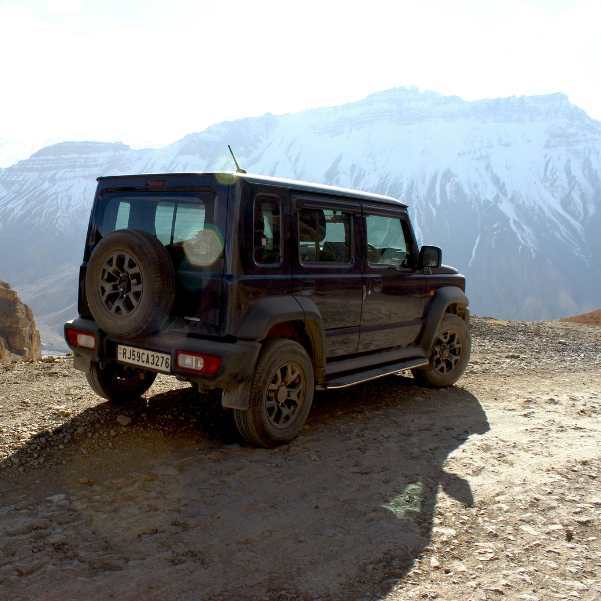
A normal car cannot handle this route in March. Police prohibit 2WD vehicles. A 4x4 with high ground clearance, snow chains, and winter tyres is the minimum. Motorcycles are extremely dangerous here in March.
Travelling in convoy and using a local driver who knows winter conditions provides a crucial safety margin. Road surface matters far more than distance here.
Altitude, Oxygen and Safety at Shinkula Pass in March
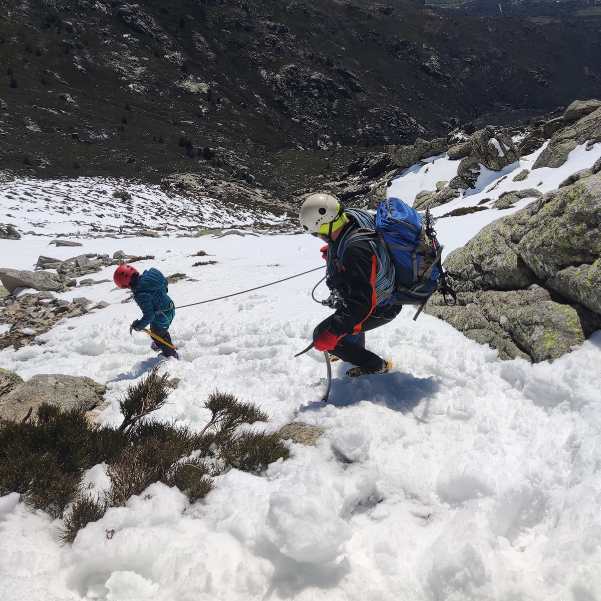
At 16,580 feet, oxygen is roughly 40 percent less than at sea level. Altitude sickness can affect anyone regardless of fitness. March conditions add cold stress that increases altitude risk. Hypothermia and frostbite are real dangers if your vehicle breaks down.
Symptoms like persistent headache, confusion, severe breathlessness, or loss of coordination require immediate descent. This is not a beginner winter drive.
Latest Shinkun La Tunnel Updates and Why They Matter
What the Tunnel Project Is
The Shinkun La Tunnel is a 4.1 kilometre twin tube tunnel being built beneath the pass at approximately 15,800 feet by BRO under Project Yojak. The approved cost is approximately 1,681 crore rupees. Once complete, it will be the world's highest highway tunnel.
Construction Status
The foundation stone was laid by PM Modi in July 2024. Major construction began in May 2025 with a target completion date of August 2028. The project has had delays since its 2006 conception, but is now actively progressing.
Why It Matters for Future March Travel
The tunnel will eliminate the need to cross the exposed pass, potentially enabling year round civilian traffic. For March travellers, this transforms the equation entirely. But it does not solve current March uncertainty as completion is still years away.
Best Places Near Shinkula Pass That Matter in March
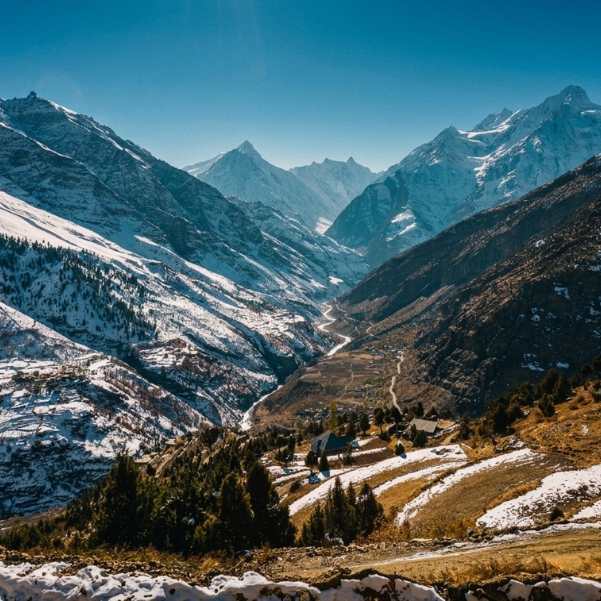
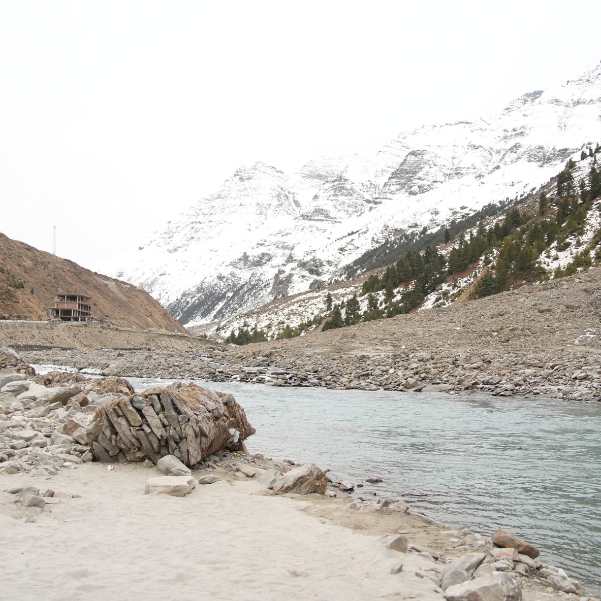
Darcha serves as the practical turnaround point at 10,800 feet. Jispa offers a cold but manageable Himalayan experience with homestays.
Keylong is the most well serviced base with accommodation, food, and fuel. Sissu is the best accessible snow destination in Lahaul for March visitors. Zanskar Sumdo is inaccessible until the pass opens, usually from May.
What to Pack for Shinkula Pass in March

Clothing: Multiple thermal layers, down jacket, windproof shell, insulated gloves, balaclava, wool socks, warm hat. Footwear: Insulated, waterproof boots with good grip. Food: At least two days of supplies beyond expectations, thermos with hot drinks, high calorie snacks.
Vehicle: Snow chains, tow rope, shovel, tool kit, jumper cables, first aid kit, satellite phone if available. Mindset: Accept you may not reach the pass. Carry sleeping bags rated for extreme cold. Plan for what happens if something goes wrong.
Common Mistakes Travellers Make When Planning Shinkula Pass in March
Assuming Manali side access means the pass is open. Trusting random social media reels without context. Attempting the route in a 2WD vehicle.
Underestimating the altitude jump from Darcha to the pass. Leaving too late in the day. Chasing snow without understanding closure logic. Treating March like a summer Zanskar route. Ignoring same day police advisories at Darcha checkpoint.
Final Verdict: Should You Plan Shinkula Pass in March?
For most travellers, no. The pass is at extreme altitude, buried under snow, subject to sudden weather changes, and the road is closed or restricted. There is no tourist infrastructure and no rescue capability.
If you are an experienced winter driver with a 4x4, emergency equipment, and genuine willingness to turn back, monitoring the route and making a same day judgment call can be viable. For everyone else, enjoy Lahaul Valley up to Keylong or Sissu, and save Shinkula for May or later when the pass is safely open.
The Shinkun La Tunnel will eventually transform this, potentially making winter travel routine. But that is several years away. Respect the mountain, respect the season, and plan accordingly.
If your goal is to cross the pass and explore the Lahaul Spiti corridor, the Summer Spiti Circuit with Chandratal is a far more rewarding and safer plan.
>> Find the Right Lahaul or Spiti Package for Your Travel Dates
Related topics
Frequently Asked Questions
Is Shinkula Pass open in March?
In most years, no. The road may see limited 4x4 movement under strict advisories, but it is not open for regular tourist traffic. Full access usually begins in May.
Can tourists visit Shinkula Pass in March?
Not realistically. The route is restricted, there is no infrastructure, and conditions are hazardous. Only experienced winter travellers with proper equipment should consider it.
How much snow is there at Shinkula Pass in March?
The pass is under several feet of snow. BRO cleared sections may have snow walls of 10 feet or more on either side.
Can I drive to Shinkula Pass in March?
Only in a 4x4 with snow chains and experienced winter driving skills. Normal cars and 2WD vehicles are prohibited.
Is a 4x4 required for Shinkula in March?
Yes. Police advisories explicitly prohibit 2WD vehicles due to icing and dangerous road surfaces.
Is Shinkula Pass safe in March?
It is not considered safe for regular travel due to extreme altitude, sub zero temperatures, icy roads, and lack of rescue infrastructure.
What is the altitude of Shinkula Pass?
Approximately 16,580 feet above sea level. Oxygen levels are roughly 40 percent lower than at sea level.
How far is Shinkula Pass from Manali?
Roughly 150 to 160 kilometres by road. In summer it takes 6 to 8 hours. In March, significantly longer if accessible.
Is Shinkula better in March or April?
April is better. By late April, BRO has made more progress on clearance and limited access becomes more likely.
Is Shinkula better in March or May?
May is overwhelmingly better. The pass is usually open for tourists, conditions are manageable, and risk is much lower.
Can I do a day trip to Shinkula from Manali in March?
No. The distance, winter conditions, and altitude make a same day return impractical and dangerous.
What should I wear at Shinkula Pass in March?
Multiple thermal layers, insulated down jacket, windproof shell, insulated gloves, balaclava, waterproof boots, warm wool socks, and a warm hat. Temperatures can drop below minus 20 degrees Celsius with wind chill.
What are the latest Shinkun La tunnel updates?
Construction is underway with a target completion of August 2028. The foundation stone was laid in July 2024 and major construction began in May 2025. It will be a 4.1 kilometre twin tube tunnel built by BRO under Project Yojak.
Will the Shinkun La tunnel make March travel easier in the future?
Yes. The tunnel will enable all weather traffic, eliminating the need to cross the exposed pass. This could make March travel viable for regular vehicles, but completion is still years away.
What is a better March alternative to Shinkula Pass?
Sissu in Lahaul is the best alternative. It is accessible via the Atal Tunnel from Manali, offers snow and mountain scenery, has basic accommodation, and involves none of the extreme risks of Shinkula.
More about Manali
 Manali
Medical Help in Manali for Tourists 2026: Hospitals, Pharmacies and Emergency Steps
Need medical help while travelling in Manali? This guide covers hospitals, pharmacies, emergency contacts and practical steps tourists should take during illness or injury. It also explains what to do in urgent situations, including breathing problems at higher altitudes.
- First-Time Travellers
- Altitude & Health
 Manali
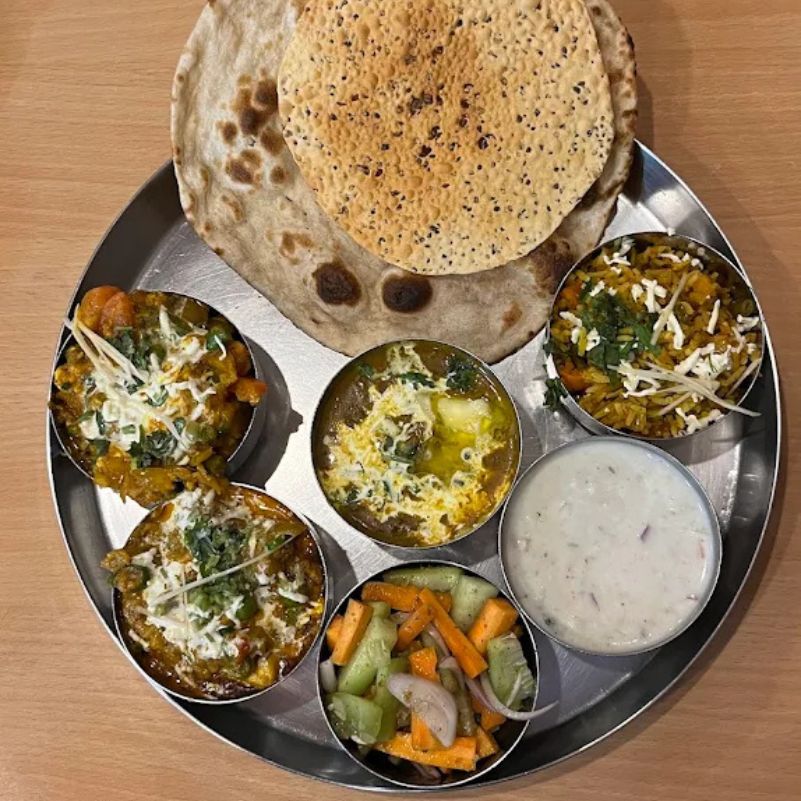
Vegetarian and Jain Food in Manali 2026: Where to Eat Without Guesswork
Looking for reliable vegetarian and Jain food in Manali? This guide covers pure veg restaurants, Jain-friendly places, no onion no garlic options, and practical tips on what to confirm before ordering in 2026.
- Things to Do
- Places to Visit
 Manali
Mobile Network, Internet, UPI and ATMs in Manali 2026: What Works Where
Planning a Manali trip in 2026? Know which mobile networks work, where internet may be weak, whether UPI is reliable, and where to find ATMs. This guide helps you stay connected and payment-ready during your Manali trip.
- First-Time Travellers