
Shimla Travel Tips 2026: What to Know Before Your Trip
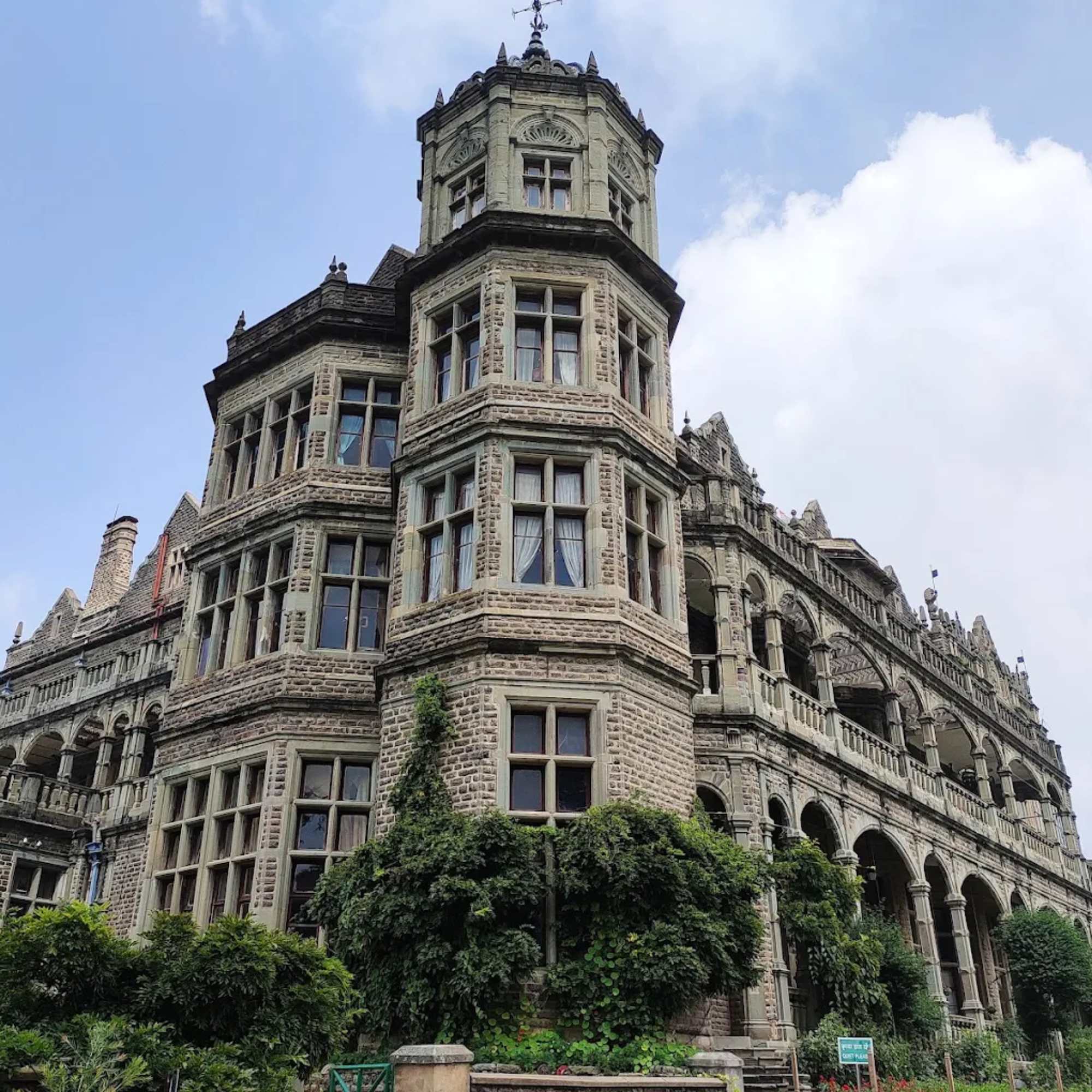
Planning a trip to Shimla becomes easier when you understand the weather, transport, road access, local costs and seasonal travel conditions before arrival.
This guide by Travel Coffee covers practical Shimla travel tips, including the best time to visit, what to pack, where to stay and how to plan local sightseeing comfortably.
It also explains parking rules, walking conditions, hotel access, nearby day trips and common mistakes to avoid so you can enjoy a safer and better organised holiday.
Quick Answer
Choose a hotel that your vehicle or taxi can reach easily, not just one that looks close to Mall Road on a map.
Expect steep uphill walking, use authorised parking, keep the itinerary light and check live weather and road information just before departure.
Two nights can cover the main highlights. Three nights give families, senior citizens and slower travellers a much more comfortable trip.
These Shimla travel tips matter more than adding another sightseeing stop to your plan.
What should you know before visiting Shimla?
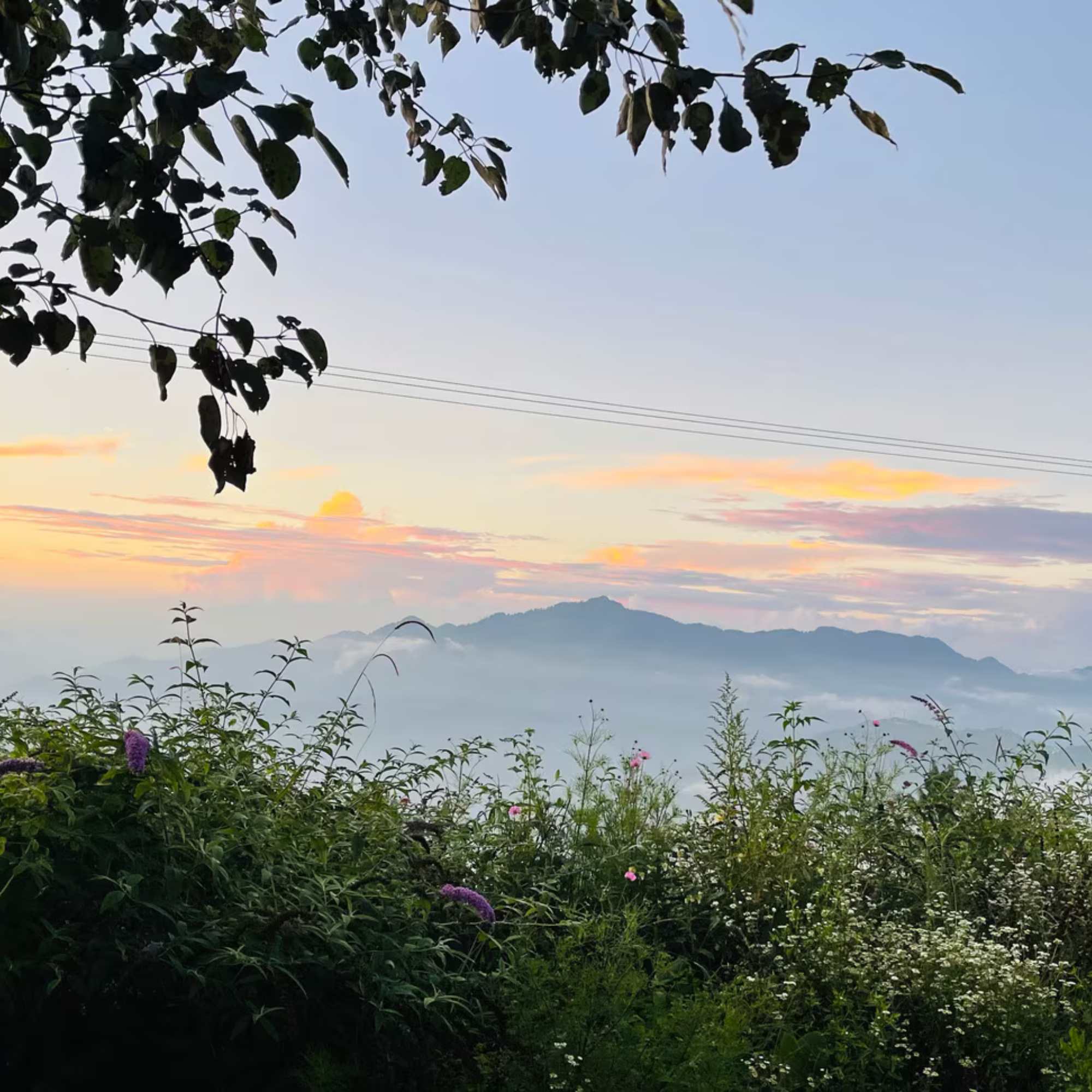
Most tourists get one thing wrong before reaching Shimla. They plan the trip by map distance and forget that the town rises above Cart Road.
These Shimla travel tips start with access because access shapes every day of the trip.
A hotel may look close to Mall Road, yet you may still face stairs, a steep climb, the public lift or another taxi ride. With luggage, children or elderly parents, that short map distance can feel much longer.
The second surprise involves vehicle access. Central attractions sit around pedestrian and restricted road areas, so your car cannot simply stop at every entrance.
The third issue appears during popular travel periods. Traffic builds quickly, parking fills and a short transfer can consume a large part of the day.
In our experience, hotel access matters more than the view shown in booking photos.
Before paying any deposit, ask whether the road reaches the entrance, whether the property has parking, how many stairs you must climb and whether a lift works from the reception level to the room.
Also ask how you will reach Mall Road after sunset. Some hotels depend on taxis, while others require a walk that may not suit every traveller.
You can review our Shimla tour packages to understand how we balance central sightseeing, nearby excursions and practical hotel access.
When is the best time to visit Shimla?
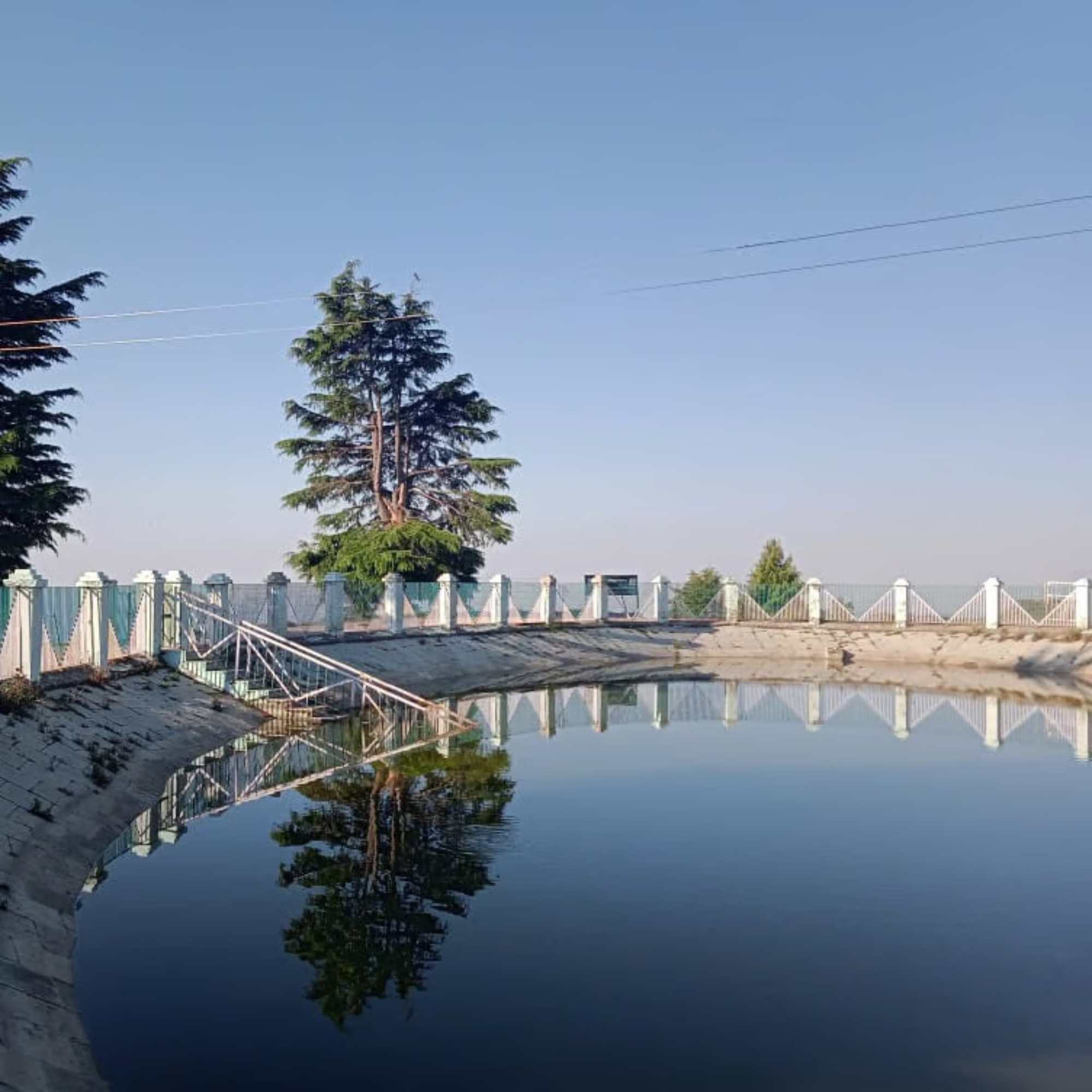
The best time to visit Shimla depends on what you want and how much disruption you can accept. The town sits about 2,202 metres above sea level, so weather can change the pace of your trip.
April to June
The Shimla district administration identifies April to June as one of the favourable visiting periods.
This season suits sightseeing, heritage walks and family holidays, but it also brings stronger demand for rooms and transport. Busy weekends can feel crowded, especially around central access points and nearby excursion routes.
Book the hotel and arrival transfer early, then begin sightseeing before the busiest afternoon hours.
Keep the first day flexible after a long road journey.
July to September
Monsoon brings greener hills and fewer visitors, but rain changes how Shimla works. Walking routes become slippery, fog reduces visibility and landslides or falling debris can interrupt roads and rail services.
On July 27, 2026, the Himachal Pradesh government advised people to avoid unnecessary travel during severe monsoon conditions. This dated advisory does not mean Shimla remains closed or unsafe throughout the entire monsoon.
Check the same day forecast, road information and train status before you leave. A hotel or driver update also helps because local conditions can change after a weather alert.
Carry a rain jacket and shoes with grip.
October to November
The district administration also identifies October to November as a favourable visiting period.
These months suit cooler evenings and comfortable heritage walks. Book early for weekends and festival periods.
We often suggest this period to travellers who care more about walking and relaxed sightseeing than snow.
December to February
Winter suits travellers who want cold weather and a chance of snow. No travel company can guarantee snowfall on an exact date.
Snow and ice can slow traffic, affect parking and make steep paths harder. Keep one flexible block in the itinerary so you can adjust the day if weather changes.
Pack warm layers, thermals, gloves, warm socks and waterproof footwear. Shoes with poor grip can turn a simple walk into the most uncomfortable part of the trip.
How many days are enough for Shimla?
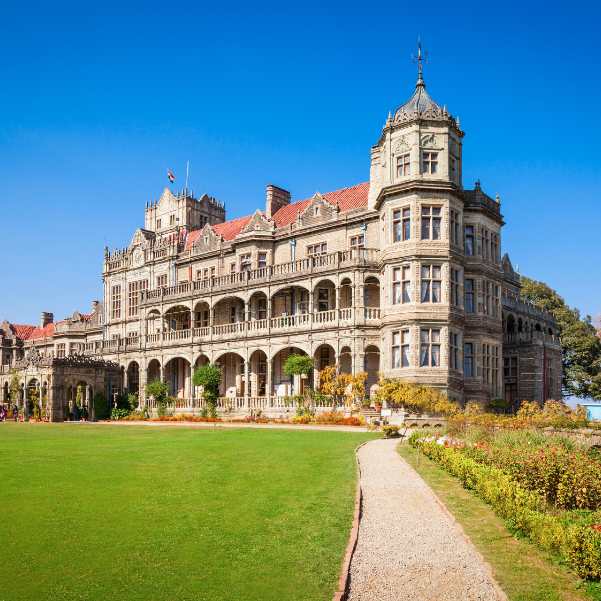
Two nights can cover central Shimla and one nearby excursion when your arrival and departure timings work well.
Use the arrival day for a light central walk and the full day for one nearby circuit.
Three nights suit families, senior citizens and anyone who dislikes rushing. You get one full day for central Shimla, one for a heritage cluster and one for Kufri, Fagu, Mashobra or Naldehra.
Many travel guides suggest around three days, but no official rule fixes the correct duration. Your mobility, arrival time and hotel location matter more than a standard number.
If you plan a longer Himachal holiday, treat Manali tour packages as a separate transfer plan rather than a quick Shimla add on.
Travellers heading deeper into the eastern hills can also compare Kinnaur tour packages, since Shimla often works as the practical starting side for that route.
What we tell our travellers is simple. Add one more night when elderly parents, toddlers or a late arrival form part of the plan.
How should you reach Shimla?
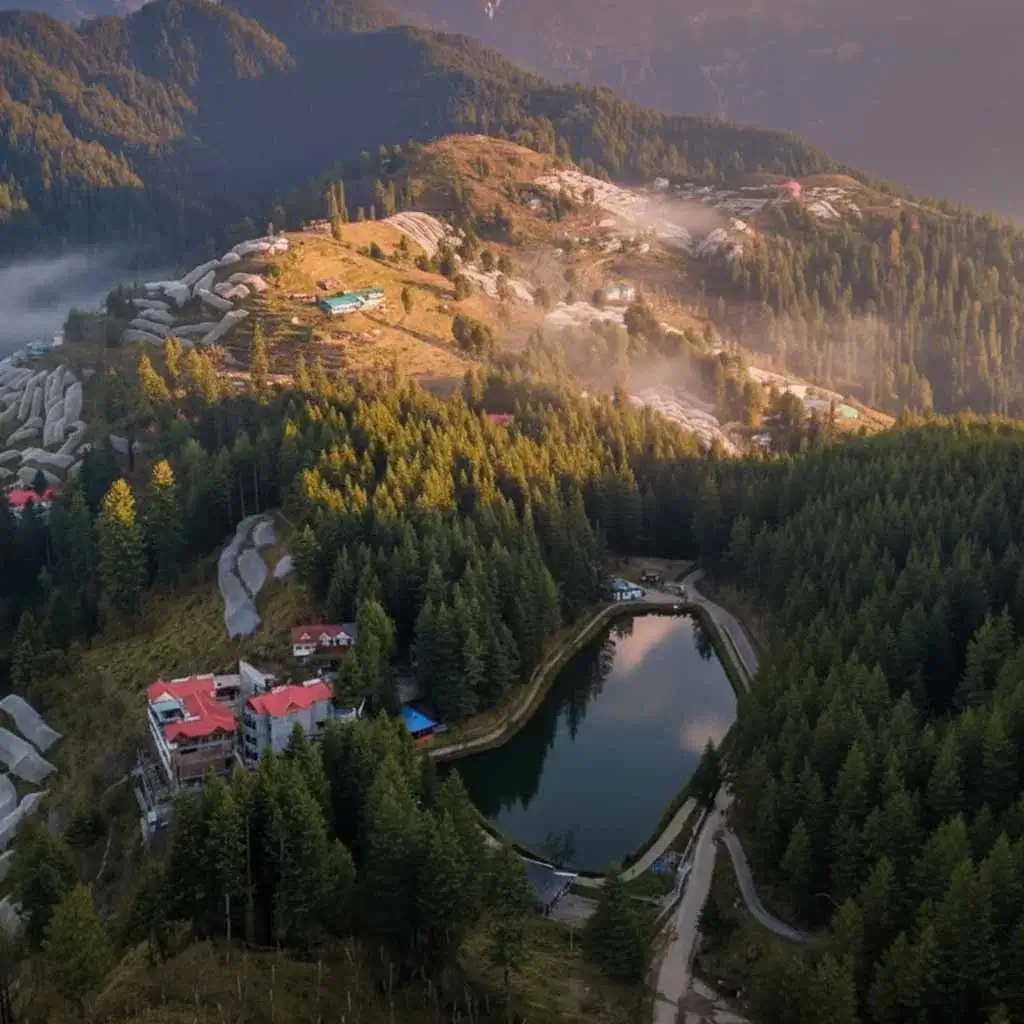
Reaching Shimla by road
A private cab reduces parking and hill driving stress, but it still follows local road restrictions.
An HRTC bus works well when you do not need a private vehicle inside town. Continue from the bus stand by local bus or taxi.
A self drive vehicle gives you flexibility for nearby places, but it also creates parking work. Choose this option only when you feel comfortable on steep, narrow and winding roads.
Delhi to Shimla is approximately 340 to 350 kilometres by road, while Chandigarh to Shimla is roughly 115 to 120 kilometres. The exact distance and journey time vary by starting point, route, traffic and weather conditions.
Avoid unnecessary night driving during heavy rain, snow or low visibility.
Reaching Shimla by toy train
The Kalka to Shimla railway runs for about 96 to 96.6 km, and the district administration gives a journey time of about six hours.
The route forms part of UNESCO’s Mountain Railways of India. Choose it for the travel experience, not because it reaches Shimla fastest.
Book through official Indian Railways or IRCTC channels and keep enough connection time at Kalka.
Four services faced temporary suspension through 5 August 2026 because of landslide risk. As this was a dated disruption, check the live status of your exact train number through IRCTC before publication and again before travel.
Reaching Shimla by air
Jubbarhatti Airport sits about 22 km from Shimla and serves as the nearest airport.
Reports said Delhi-Shimla flights resumed on 10 May 2026 and operated six days a week at that time. Check the airline’s current schedule and operating days before booking.
Reports also said the Shimla-Dharamshala service began on 11 May 2026 and operated five days a week at that time. Confirm current availability directly with the airline.
Flights remain limited and weather can affect operations, so check the airline schedule before arranging transfers.
>>Want to avoid unnecessary travel hassle on your Shimla trip? WhatsApp us for practical advice.
Can you take your car to Mall Road in Shimla?
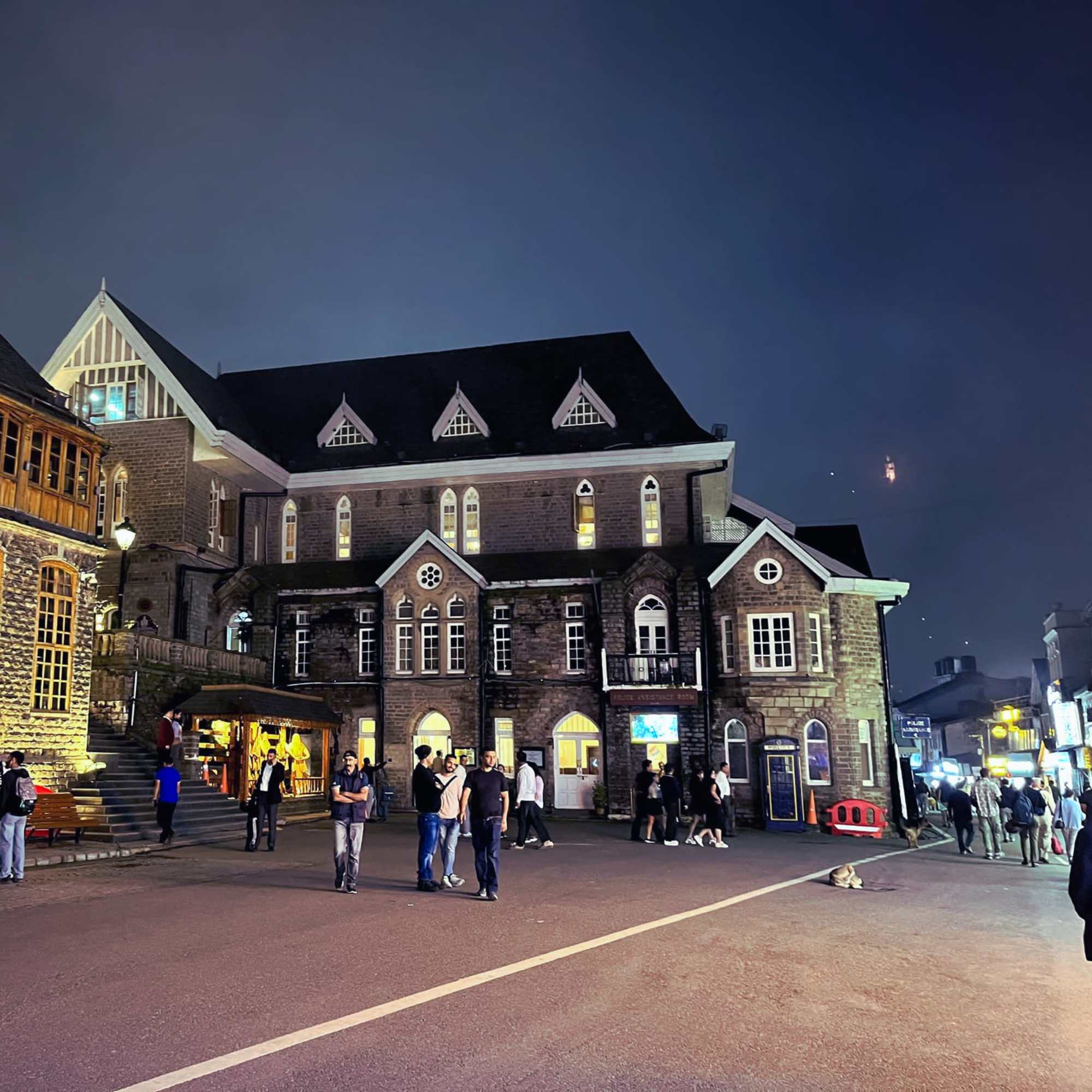
You cannot treat Mall Road like a normal market road where every tourist vehicle drives to the door.
Roads leading from Cart Road towards the Mall include sealed and restricted sections. Access depends on the road category and the permit held by the vehicle.
The district administration lists a temporary permit for private vehicles using restricted roads at ₹100 per day. Confirm the latest eligibility, application process and charges before relying on it.
That permit does not give a tourist the right to drive or park anywhere around Mall Road. Follow signs, police instructions and the access conditions for the specific road.
Most visitors use authorised parking, then continue by the lift, walking route, bus or authorised taxi.
A money saving tip
A useful money saving tip is to combine the lift and walking for central sightseeing instead of paying for a taxi for every short movement. Save the taxi for luggage, elderly travellers or a hotel that sits far from the central walking zone.
The listed temporary restricted-road permit costs ₹100 per day, but the applicable fee depends on the road and permit category. Avoid paying unofficial agents and confirm all charges through the authorised process.
Where should tourists park in Shimla?
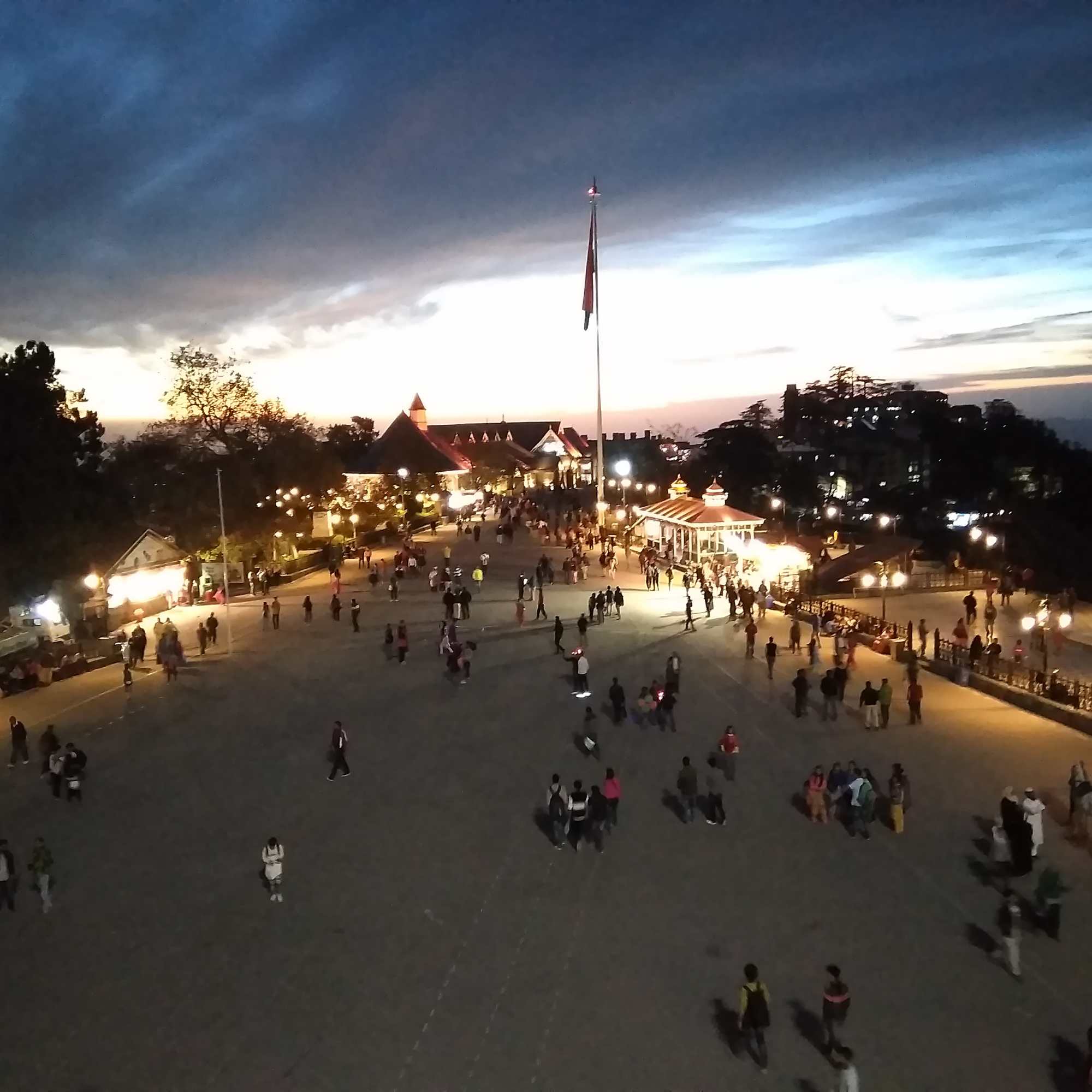
The most useful Shimla travel tips treat parking as part of the hotel choice.
The district administration lists authorised parking at the ISBT, near the Lift, near the High Court, Railway Station Godown near Victory Tunnel, Old Bus Stand, Chhota Shimla and Sanjauli.
Parking near the Lift has a listed capacity of about 800 vehicles, but capacity never guarantees a space when demand rises.
Authorities prohibit roadside parking on Cart Road. Do not leave the vehicle on the road while someone says they will watch it.
Before booking a hotel, ask whether the property has private parking and whether your vehicle can reach the entrance. A parking statement on a booking page may refer to a facility away from the building.
Also ask about the final approach road. Some drivers who manage wide highways comfortably still feel nervous on a steep hotel access lane.
We have seen trip plans fail because the traveller assumed parking would sort itself out after arrival. During busy periods, parking should form part of the hotel decision, not an afterthought.
Confirm parking charges at the chosen facility because the supplied facts do not include verified rates.
How do you travel around Shimla locally?
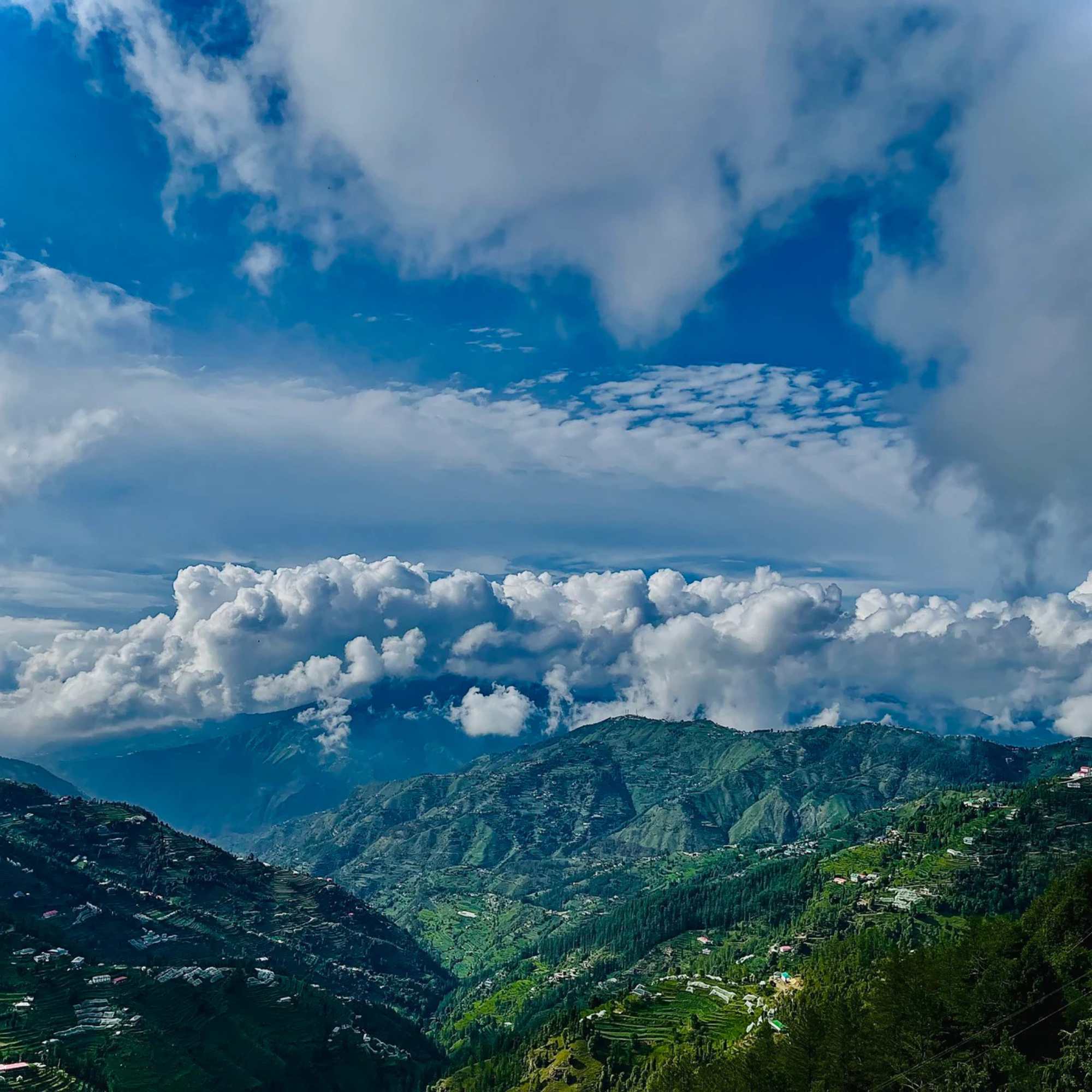
Local city buses generally run from about 7:00 am to 9:00 pm.
Tutikandi ISBT sits about 4 km from the main city, and local buses and taxis connect it with central areas.
The HPTDC lift connects Cart Road with Mall Road. This link helps visitors avoid one long uphill section, though you may still need to walk after reaching the upper level.
Mall Road, The Ridge, Kali Bari and Lakkar Bazaar sit above the ring road. Most sightseeing around these areas involves walking or a connecting service.
Use taxis for luggage or difficult climbs, the lift for Cart Road access and walking for nearby central attractions.
Parents with toddlers need rest breaks. Travellers with knee problems should ask about gradients and stairs, not only kilometres.
Senior citizens usually enjoy Shimla more when the hotel offers direct vehicle access or convenient lift access. Heavy luggage should travel by taxi to the closest legal drop point instead of moving through crowded pedestrian stretches.
One insider tip that generic guides miss is to ask the hotel which entrance you should use. A property may have one easier road side entry and another entrance that involves many stairs.
For a chai break, choose a café around Scandal Point on Mall Road during your central walk. Check the current opening hours and seating availability before making a special visit.
Which area is best for staying in Shimla?
Near Mall Road or the Lift
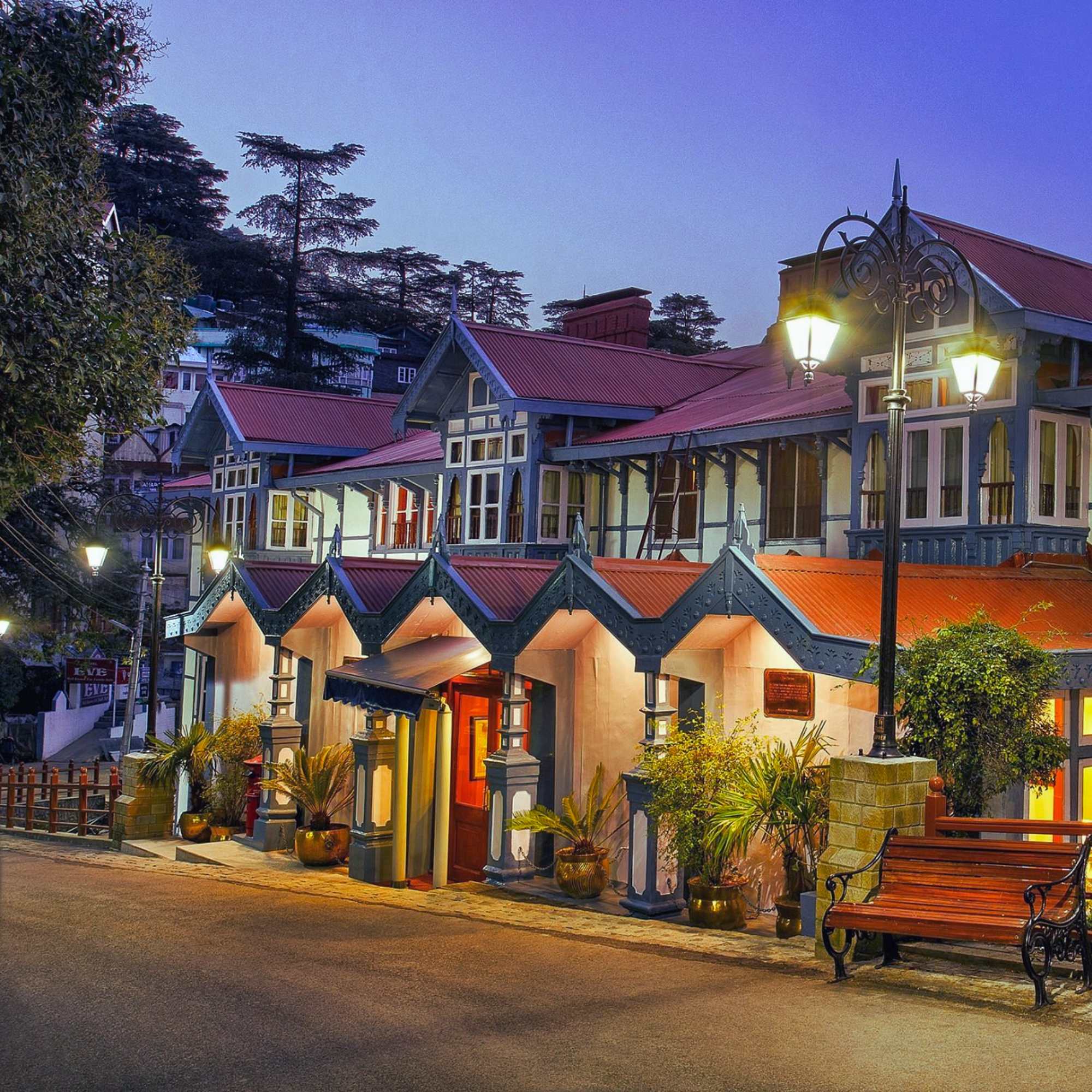
Stay near Mall Road or the Lift when restaurants, shopping and central sightseeing matter most.
This location reduces repeated transfers, but you may face crowding, noise, limited direct vehicle access or expensive parking. Confirm the exact access rather than assuming the words “near Mall Road” solve everything.
A room near the Lift works only when the hotel does not add a steep stair climb after the upper exit.
Chhota Shimla, Bharari, Sanjauli and surrounding neighbourhoods
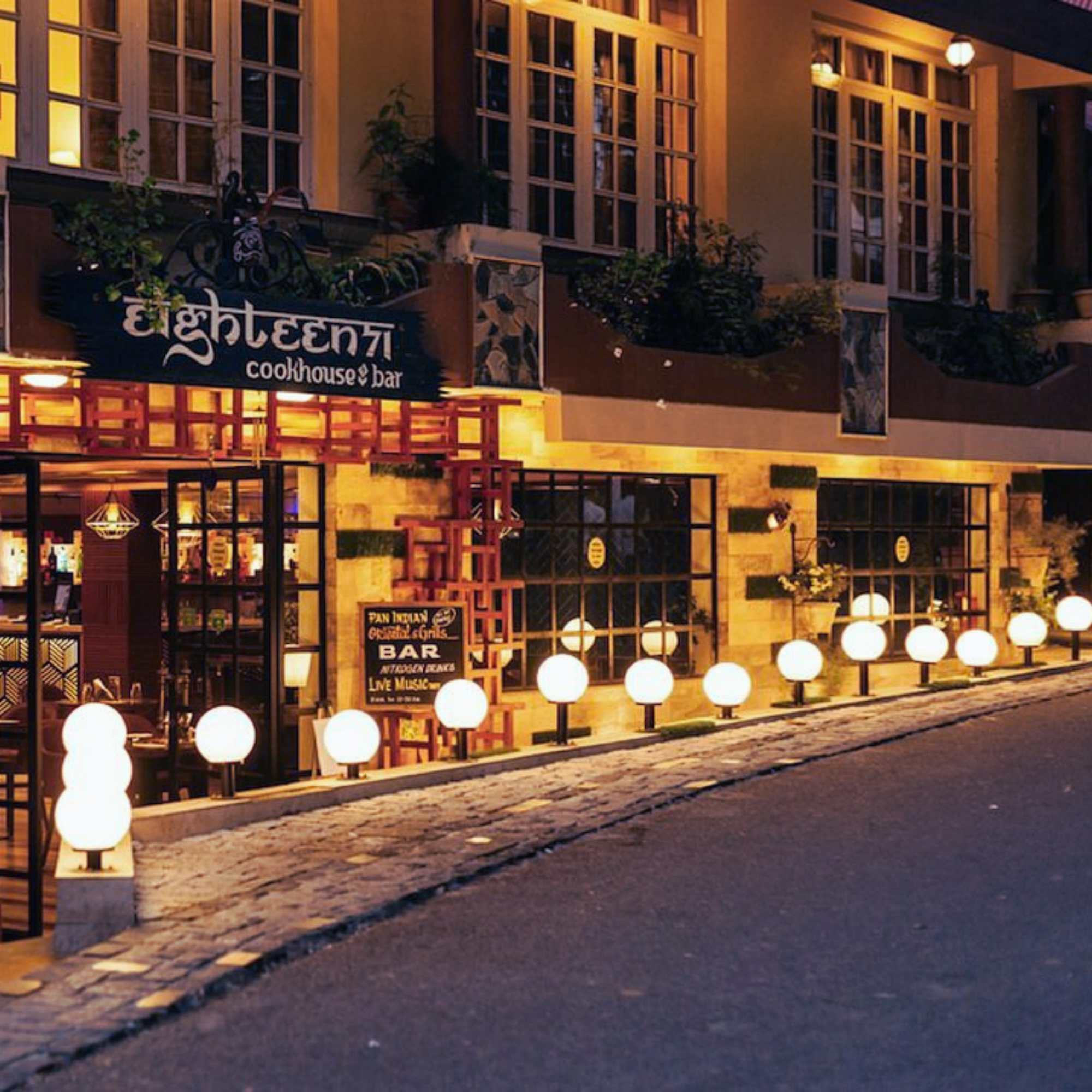
Chhota Shimla, Bharari and Sanjauli may offer quieter stays or better road access, depending on the property.
Daily transport to central Shimla can still cost time when every Mall Road visit needs a taxi or bus.
Ask how late taxis reach the property and how traffic affects the usual route.
Mashobra, Kufri or Naldehra
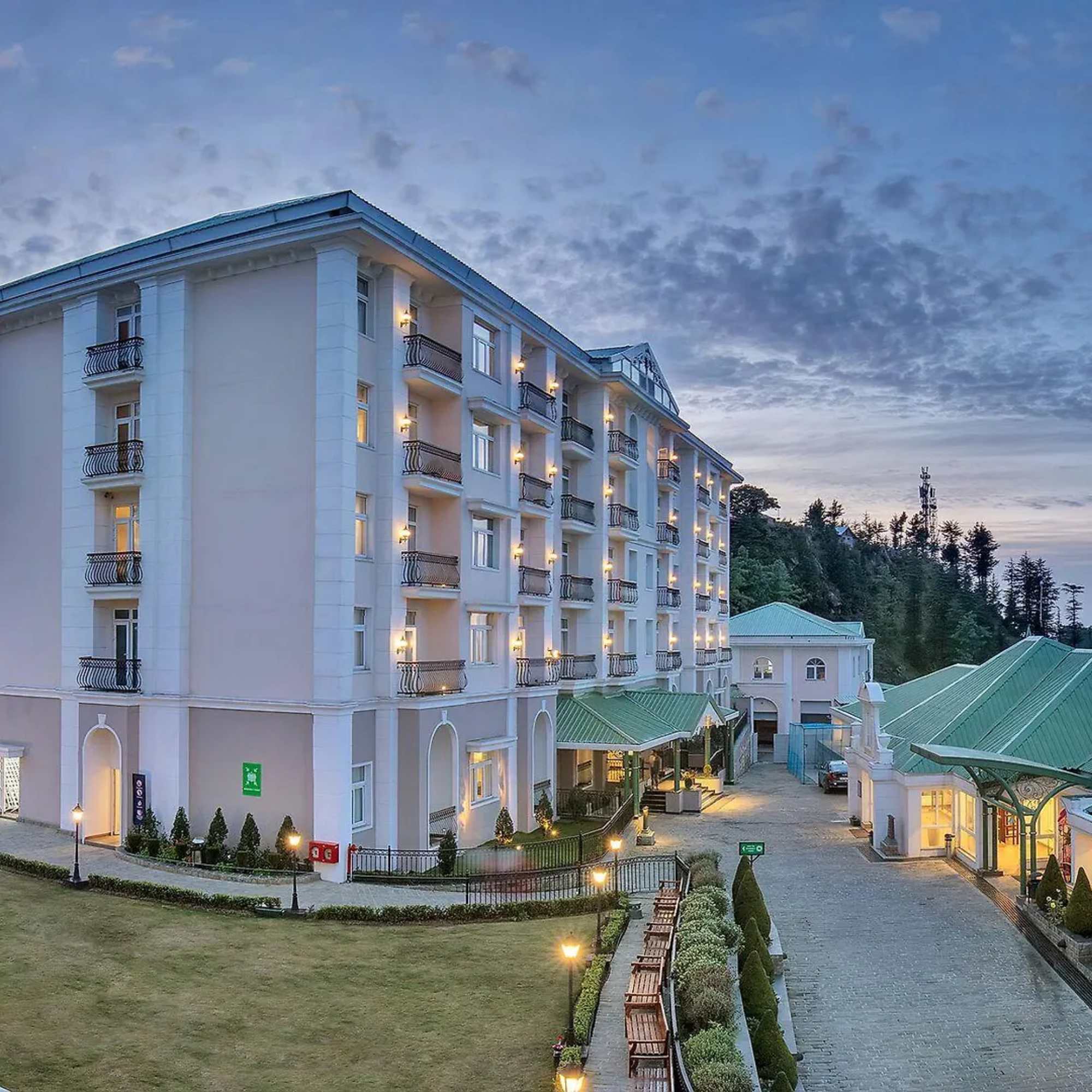
Mashobra, Kufri and Naldehra suit travellers who prefer quiet surroundings and resort style stays.
They do not suit someone who wants to walk on Mall Road every evening, so plan transfers carefully.
Before paying, confirm parking, the condition of the final road, the number of stairs, lift availability and late evening taxi access.
In our experience, the best area depends on age, mobility, vehicle type and the places you want to cover. A central hotel does not always suit a self drive family, and a quiet resort does not always suit a couple who wants evening cafés.
What is a realistic three day Shimla itinerary?
A realistic Shimla three day itinerary keeps central walks together and limits each excursion day to one circuit.
Day 1: Central Shimla on foot
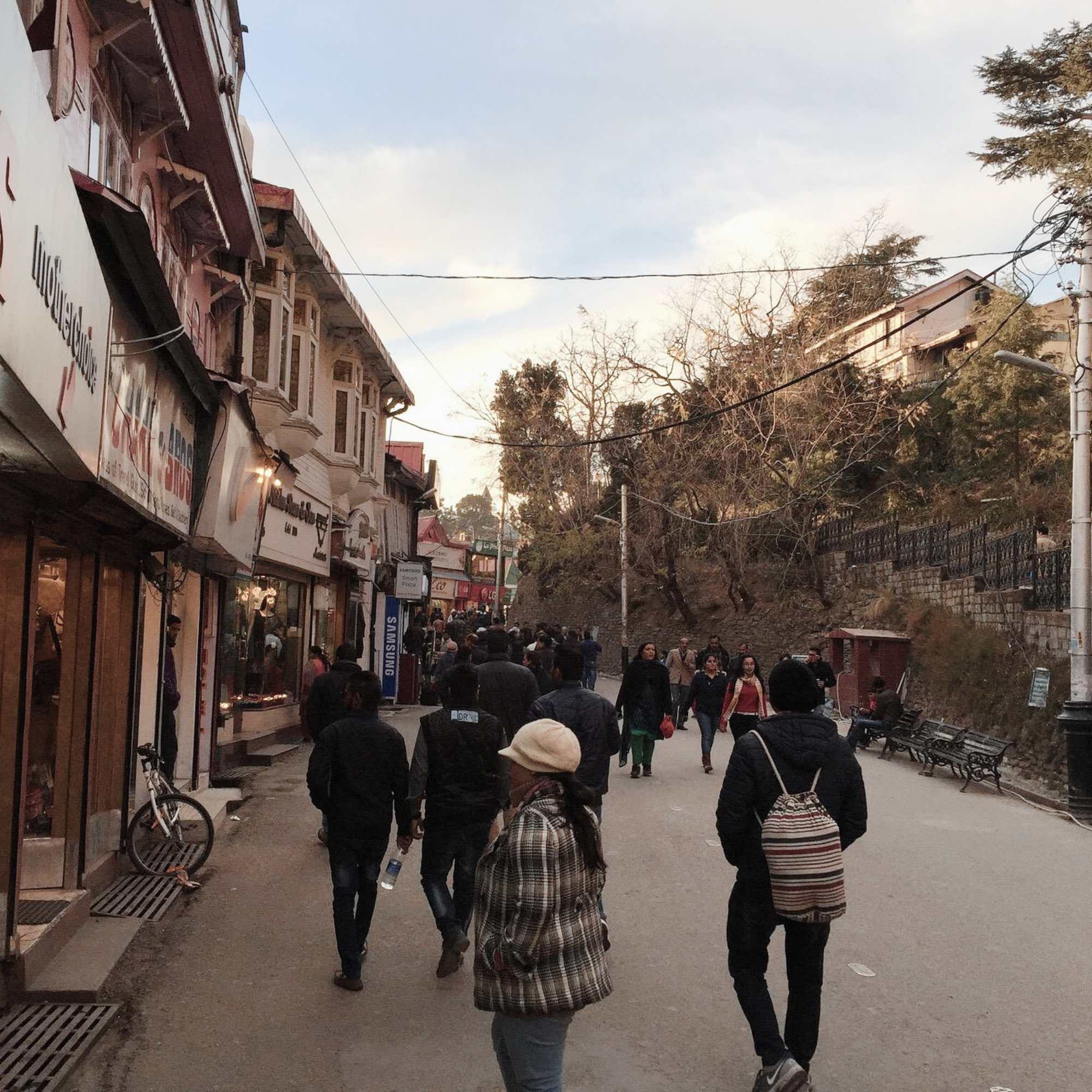
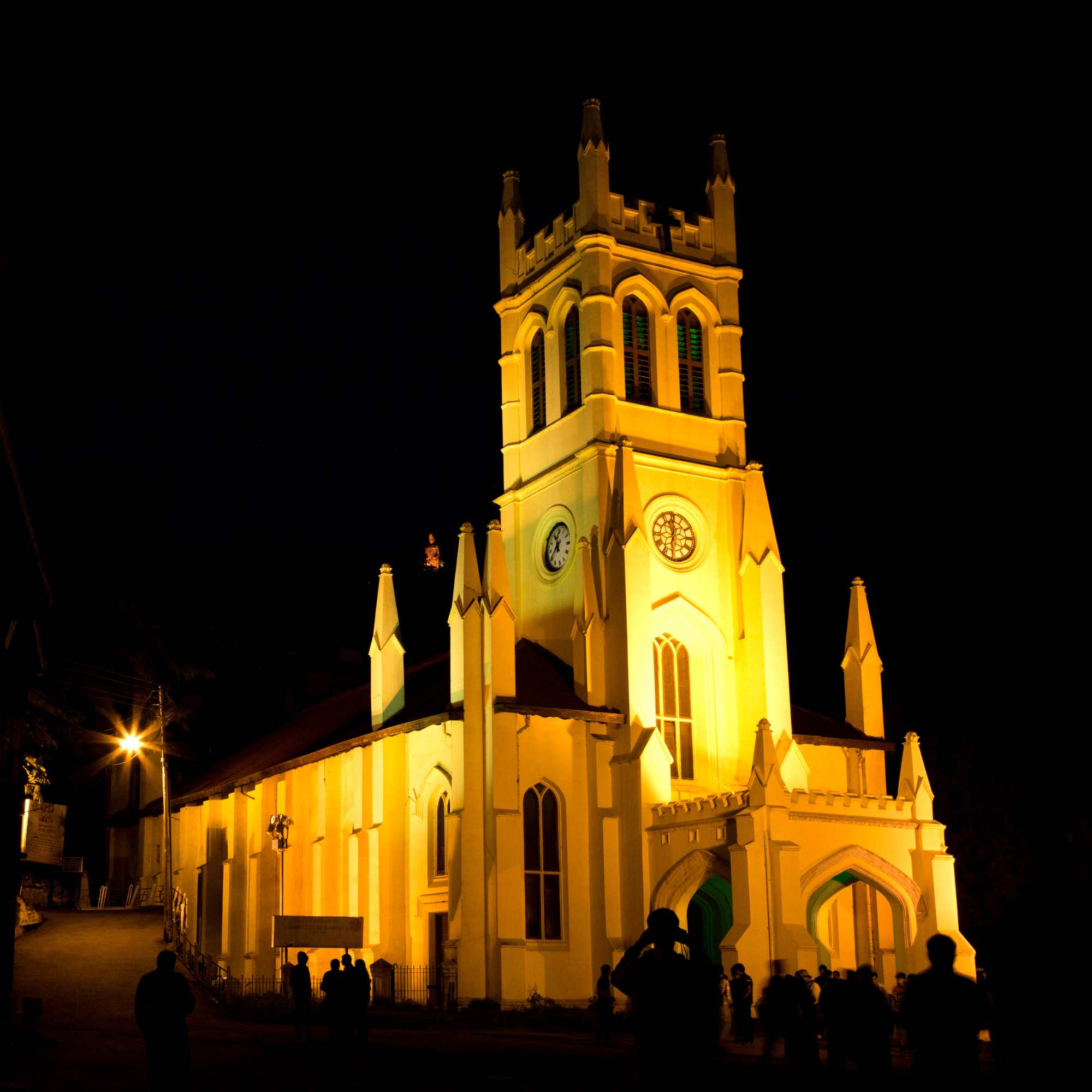
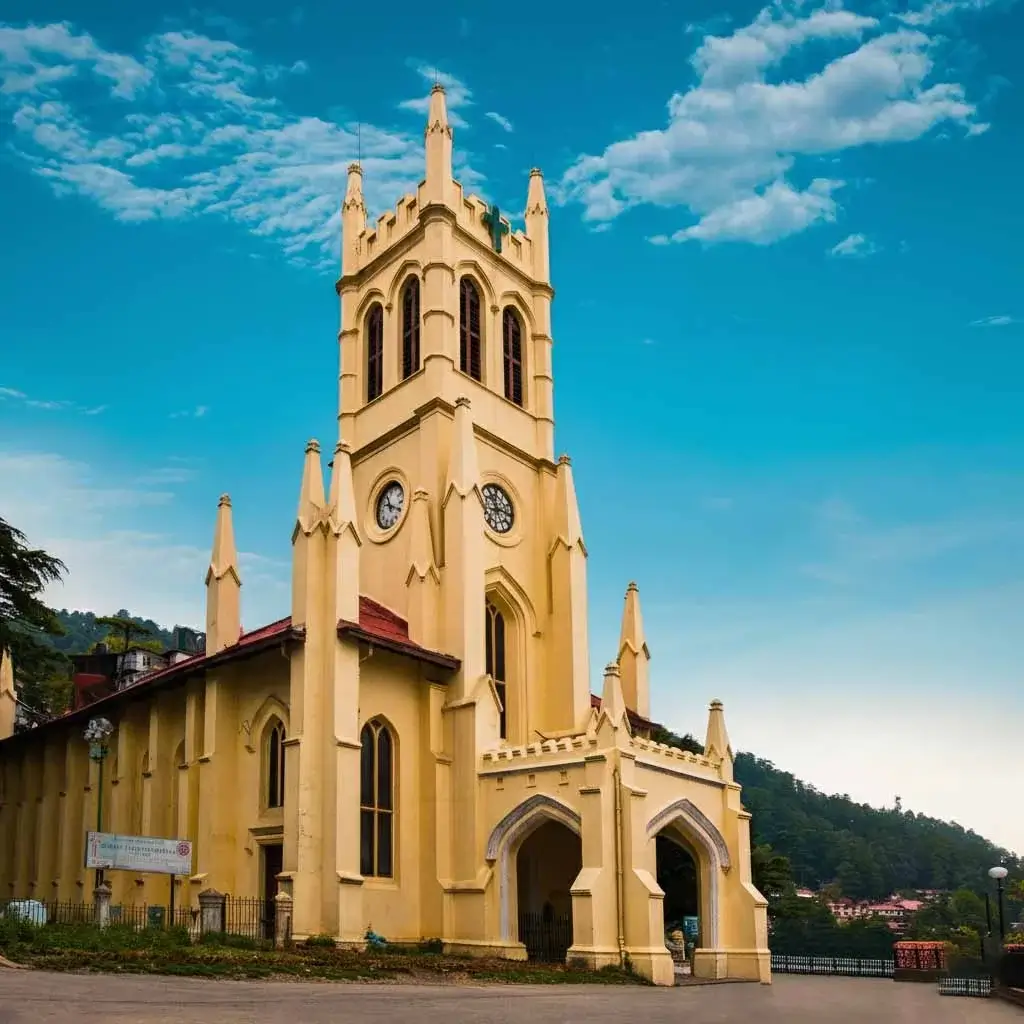
Plan Mall Road, The Ridge, Christ Church, Scandal Point, Gaiety Theatre and Lakkar Bazaar together.
Keep these places in one walking block and add a café break after the steeper section.
Do not add Kufri on the arrival day unless you reach very early and still feel fresh. A late arrival, hotel check in and central walk already create a full day for many families.
Day 2: Jakhoo and Shimla heritage
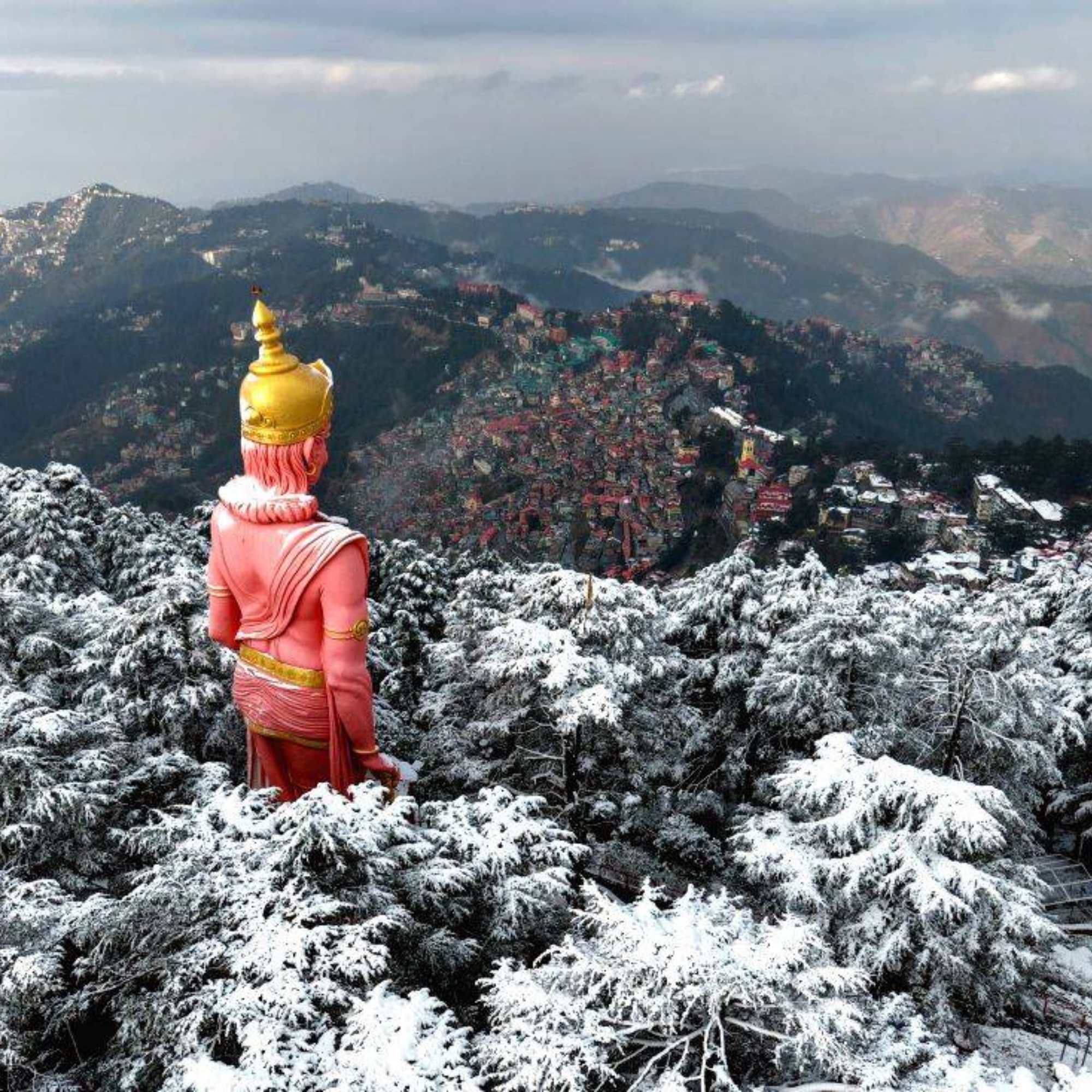
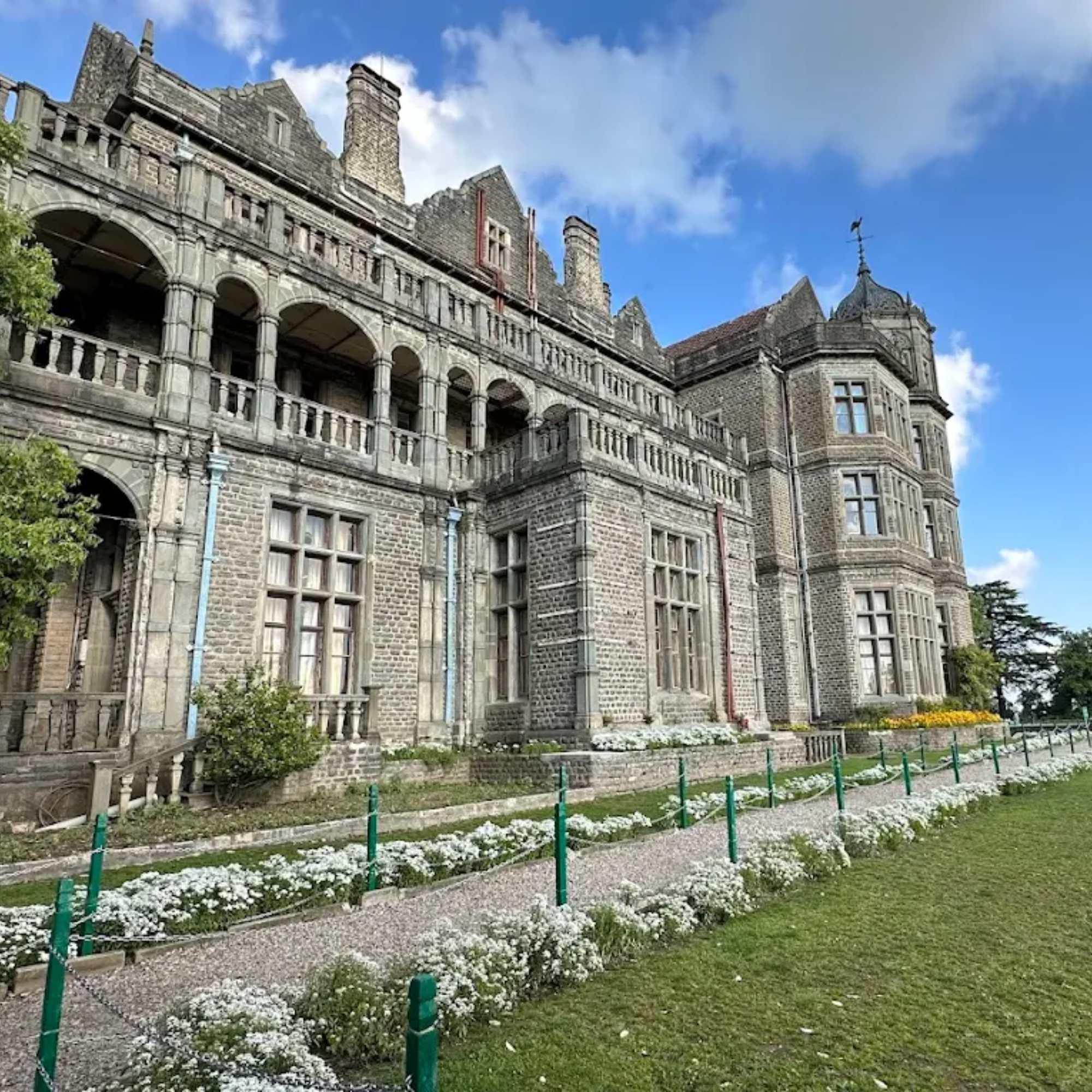
Visit Jakhoo Temple and one heritage cluster such as Viceregal Lodge, Annadale or the State Museum.
Jakhoo stands on Shimla’s highest hill. Published altitude figures vary between sources, so describe it as the city’s highest point rather than relying on one exact elevation.
Families and senior citizens can choose one heritage stop, use point to point transport and leave time for lunch.
Day 3: Choose one nearby circuit
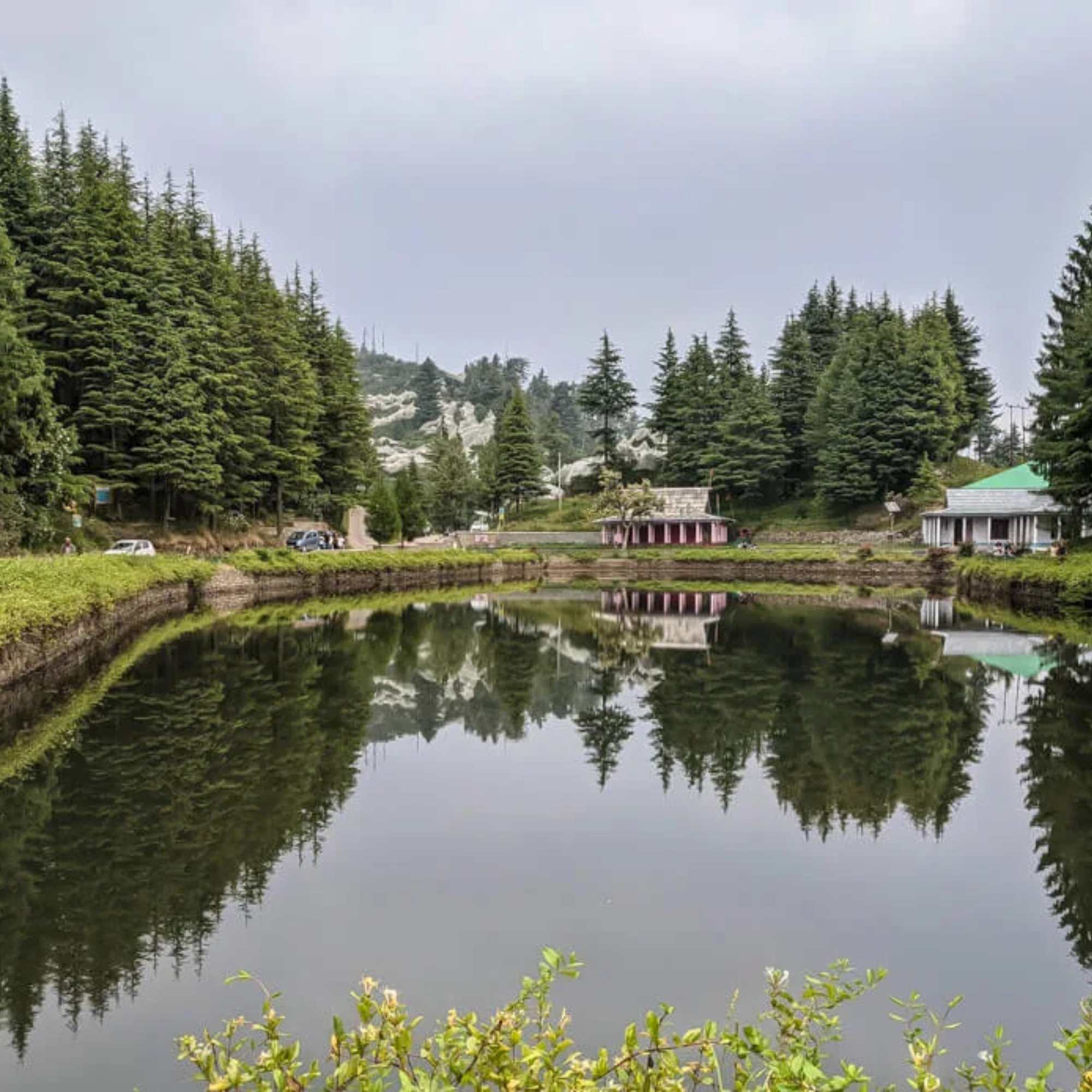
Choose Kufri and Fagu for a classic first time excursion.
Choose Mashobra and Naldehra when you want a quieter alternative and less focus on the busiest tourist circuit.
Skip the popular mistake of combining Kufri, Mashobra, Naldehra and Chail in one day. The plan looks efficient on paper but turns the day into repeated driving, parking and rushed photo stops.
Leave for Kufri early in the morning rather than after lunch. This timing choice gives you more flexibility before return traffic builds.
What should you pack for Shimla?
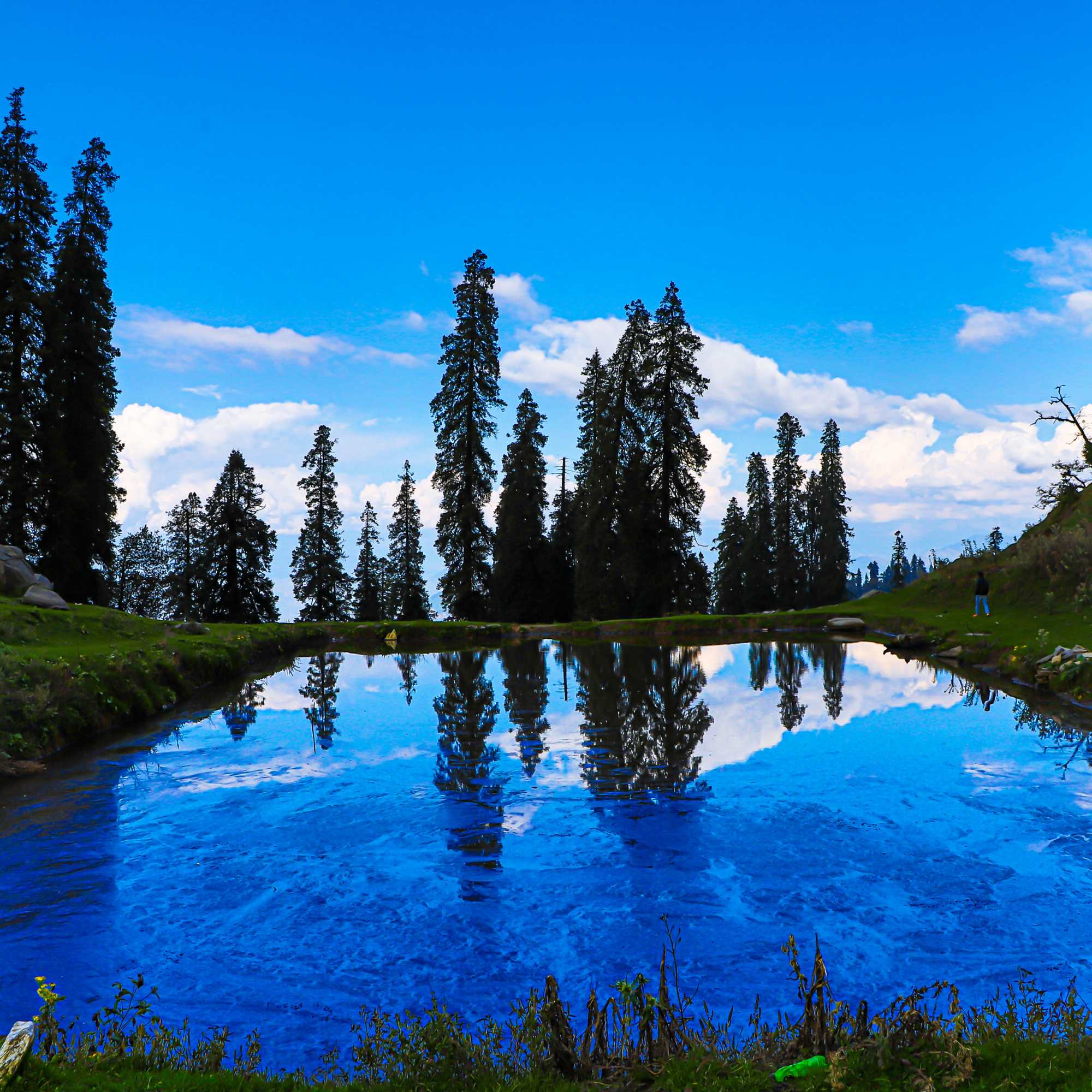
A useful Shimla packing list starts with layers, not one heavy jacket.
Carry comfortable walking shoes with grip, sun protection, a compact rain layer, a small day bag, water and your personal medication.
Winter travellers should add thermals, gloves, warm socks and waterproof footwear. Snow or ice can make ordinary shoes unreliable.
Monsoon travellers should carry a proper rain jacket and footwear that handles wet slopes. A large bag becomes tiring on stairs, so keep the day bag light.
Keep essential items accessible during road travel.
Travellers prone to motion sickness may consult their doctor or pharmacist before the journey. This article does not provide medical instructions.
Another insider tip is to carry only what you need for the central walk. Leave large bags at the hotel because Mall Road and nearby pedestrian areas reward light movement.
Is Shimla safe during the monsoon?
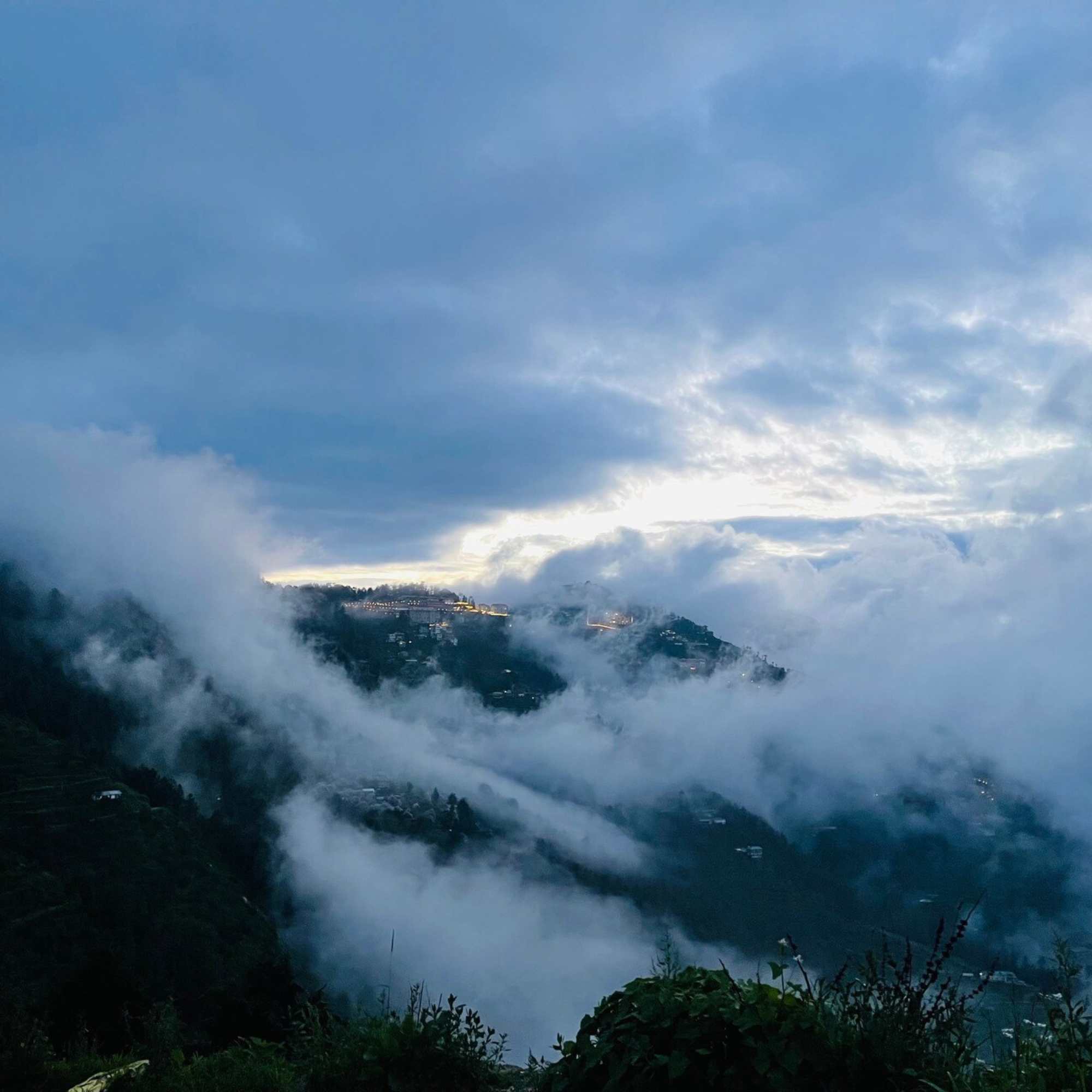
Shimla does not become unsafe for every traveller throughout July, August and September. Risk rises during intense rain and active severe weather warnings.
Heavy rain can bring landslides, falling debris, fog, slippery paths and transport disruption.
The Himachal Pradesh government advised avoiding unnecessary travel during severe monsoon conditions on July 27, 2026. This dated example shows how conditions can change during a specific spell.
Four Kalka-Shimla services faced temporary suspension through 5 August 2026 because of landslide risk. Check the live status of your exact train number through IRCTC before travelling.
On the day you leave, check the IMD Shimla forecast, district advisories, hotel or driver updates and railway status.
Avoid unnecessary movement during an active severe weather warning. Do not pressure a driver to continue because the hotel booking cannot move.
Our team recommends keeping one flexible day or refundable component during a monsoon trip. Flexibility often protects the trip better than a packed schedule.
Is self driving to Shimla a good idea?
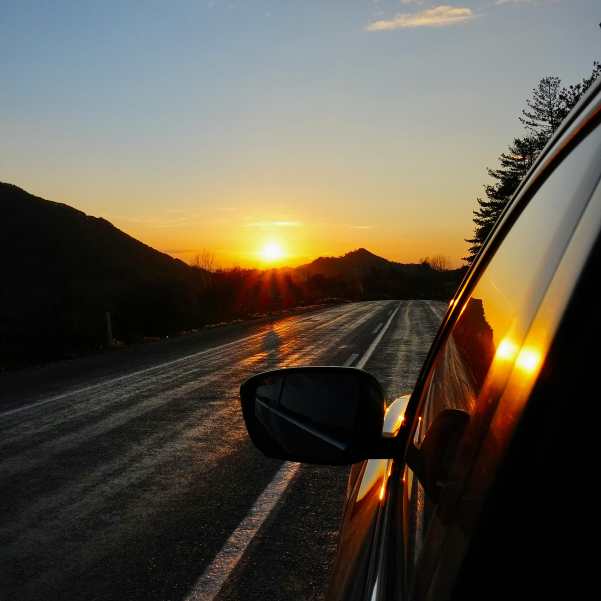
Self driving can work for motorists who already feel comfortable on steep, narrow and winding roads.
It gives you control over stops and nearby excursions, but central parking and restricted road access reduce that freedom once you reach Shimla.
Choose a local driver when blind curves, low visibility, steep access roads or congested parking make you nervous.
Drive slowly, follow local traffic instructions and avoid risky overtaking. Heavy rain, snow, fog and darkness require extra patience.
Do not depend only on navigation apps. A suggested route may not explain road width, access restrictions, parking or the final climb to your hotel.
Ask the hotel for the correct approach road and arrival point before leaving.
What are the most common Shimla travel mistakes?
Good Shimla travel tips prevent mistakes before arrival.
Booking a hotel without checking parking causes stress as soon as you arrive. You may discover that the listed parking sits away from the property or fills during busy periods.
Assuming your car can reach Mall Road creates an unrealistic day plan. Central access depends on restricted roads, permits, authorised parking and pedestrian movement.
Wearing smooth shoes makes steep and wet paths harder. Comfortable grip matters more than fashionable footwear in Shimla.
Overloading the itinerary leaves little room for traffic, stairs and rest. Two well planned clusters usually feel better than four scattered stops.
Relying on map distance alone hides gradients. A short line on the screen may include a climb, stairs or the public lift.
Leaving for Kufri late can place you in heavier traffic and reduce your time at the destination. Start early in the morning.
Ignoring weather updates creates avoidable risk during monsoon, snow or fog. Check conditions on the same day rather than relying on an old screenshot.
Trying to combine Kufri, Mashobra, Naldehra and Chail in one day turns the trip into a drive through. Choose one nearby circuit and enjoy it properly.
Paying for a taxi every time you move can also waste money. Group central attractions into one walking route and use the lift where it makes sense.
How can families and senior citizens plan a comfortable Shimla trip?
Choose a hotel near the lift or a property with direct vehicle access. Ask about every stair section between the drop point, reception and room.
Plan fewer attractions each day and add sitting breaks. Steep walking and stairs affect comfort more than the total kilometres shown in an itinerary.
Use point to point transport for difficult sections. Do not carry large luggage through central pedestrian areas when a taxi can reach a legal drop point.
Families with toddlers should keep the first evening light after the road journey.
Senior citizens can enjoy Mall Road, The Ridge and heritage areas when the plan respects mobility. Choose one central cluster at a time and avoid repeated climbs.
What we tell our travellers is to protect energy for the places that matter. Removing one stop can improve the whole day.
Can Shimla be combined with other Himachal destinations?
Shimla combines naturally with Kinnaur and the Shimla side of a Spiti circuit.
These routes continue into the eastern side of Himachal, so Shimla can work as a practical starting or finishing point depending on the itinerary.
Manali needs a separate transfer. Do not treat it as a nearby Shimla excursion or place it between two central sightseeing days.
Avoid publishing a fixed Shimla to Manali, Kinnaur or Spiti drive time without independent verification. Road conditions, stops and the exact destination can change the total journey.
Travellers planning a longer high altitude circuit can review our Spiti Valley tour packages.
Keep a buffer before a flight or important train because weather can affect mountain transfers.
Which emergency numbers should travellers save?
Save the district disaster management helpline 1077.
For a medical emergency, save 102 or 108. For police help, save 100 or 112. For fire, save 101.
Store these numbers in your phone and an offline note in case mobile data fails.
Also save the hotel, driver and tour coordinator numbers offline. Share the day route with one family member when you travel outside central Shimla.
Do not rely on social media messages during an emergency. Use the official number that matches the situation.
>>Need help planning your Shimla journey? WhatsApp us for practical advice.
Explore Our Curated Shimla Tour Packages
 6D/5N
6D/5NClassic Shimla Kufri Mashobra Narkanda Experience
1D Delhi•3D Shimla+2
₹12,999₹18,999SAVE INR 6,000/ person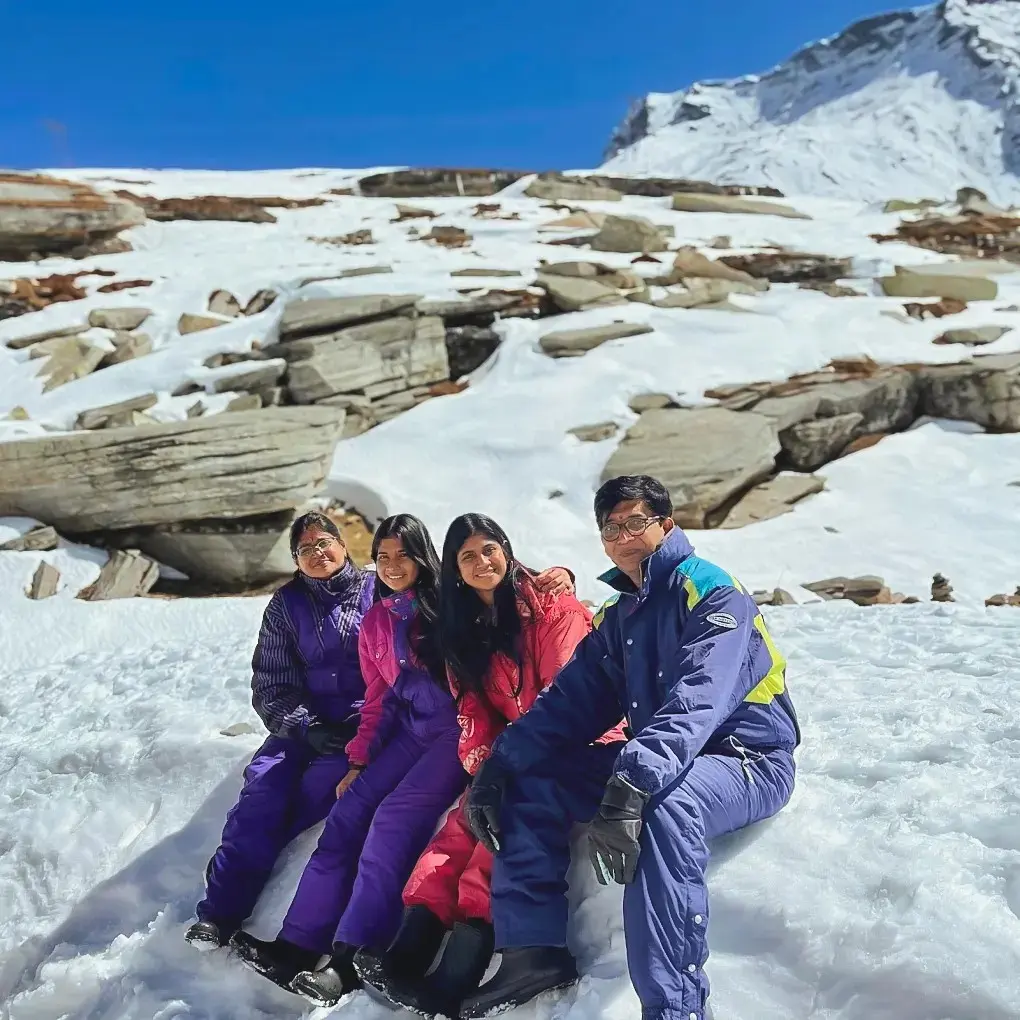 7D/6N
7D/6NComplete Shimla Manali Volvo Package with Rohtang Pass
2D Shimla•2D Manali
₹15,999₹19,499SAVE INR 3,500/ person- 7D/6N
Classic Shimla Kufri Chail Narkanda Pine Valley Experience
1D Delhi•2D Shimla+3
₹17,600₹23,999SAVE INR 6,399/ person
Related topics
Frequently Asked Questions
What should a first time visitor know about Shimla?
Expect steep walks, limited vehicle access near Mall Road and heavy traffic during busy periods. Confirm hotel parking, stairs, lift access and the final approach before booking.
How many days are enough for Shimla?
Two nights cover central Shimla and one nearby excursion. Three nights are better for families, senior citizens and travellers who prefer a slower itinerary.
What is the best month to visit Shimla?
April to June and October to November are popular for pleasant sightseeing. Winter suits cold weather lovers, while monsoon travel requires regular weather and road checks.
Can tourists drive their car to Mall Road?
No. Mall Road and nearby sealed or restricted roads do not allow normal tourist vehicle access. Most visitors use authorised parking, the public lift, taxis or walking routes.
Where can tourists park in Shimla?
Common parking areas include the Lift, ISBT, High Court, Railway Station, Victory Tunnel, Old Bus Stand, Chhota Shimla and Sanjauli. Confirm hotel parking before arrival.
Is a permit required to visit Shimla?
No general tourist permit is required for Shimla. Separate permissions may apply to vehicles entering sealed or restricted roads, so check the latest official rules before travel.
How can I book the Kalka to Shimla toy train?
Book through IRCTC or official Indian Railways channels. The journey takes about six hours, so choose it for the scenic experience and keep enough connection time at Kalka.
Is Shimla safe during July and August?
Shimla can be visited during monsoon, but heavy rain may cause landslides, fog and transport delays. Check weather forecasts, road advisories and railway updates before travelling.
Is Shimla suitable for senior citizens?
Yes, with careful planning. Choose a hotel with direct vehicle or lift access, minimal stairs and fewer attractions each day. Include rest breaks and transport for steep sections.
Is Shimla suitable for families with small children?
Yes. Keep the itinerary light, choose an accessible hotel and plan only one nearby circuit per day. Carry warm layers, water, medicines and shoes with good grip.
Which area is best for staying near Mall Road?
Hotels near Mall Road or the Lift offer easy access to shopping and sightseeing. Confirm stairs, slopes, vehicle access, parking and the actual walking distance before booking.
Is it better to visit Kufri, Mashobra or Naldehra?
Choose Kufri and Fagu for a classic first trip. Choose Mashobra and Naldehra for quieter scenery. Avoid combining all these places in one rushed sightseeing day.
More about Shimla
 Shimla
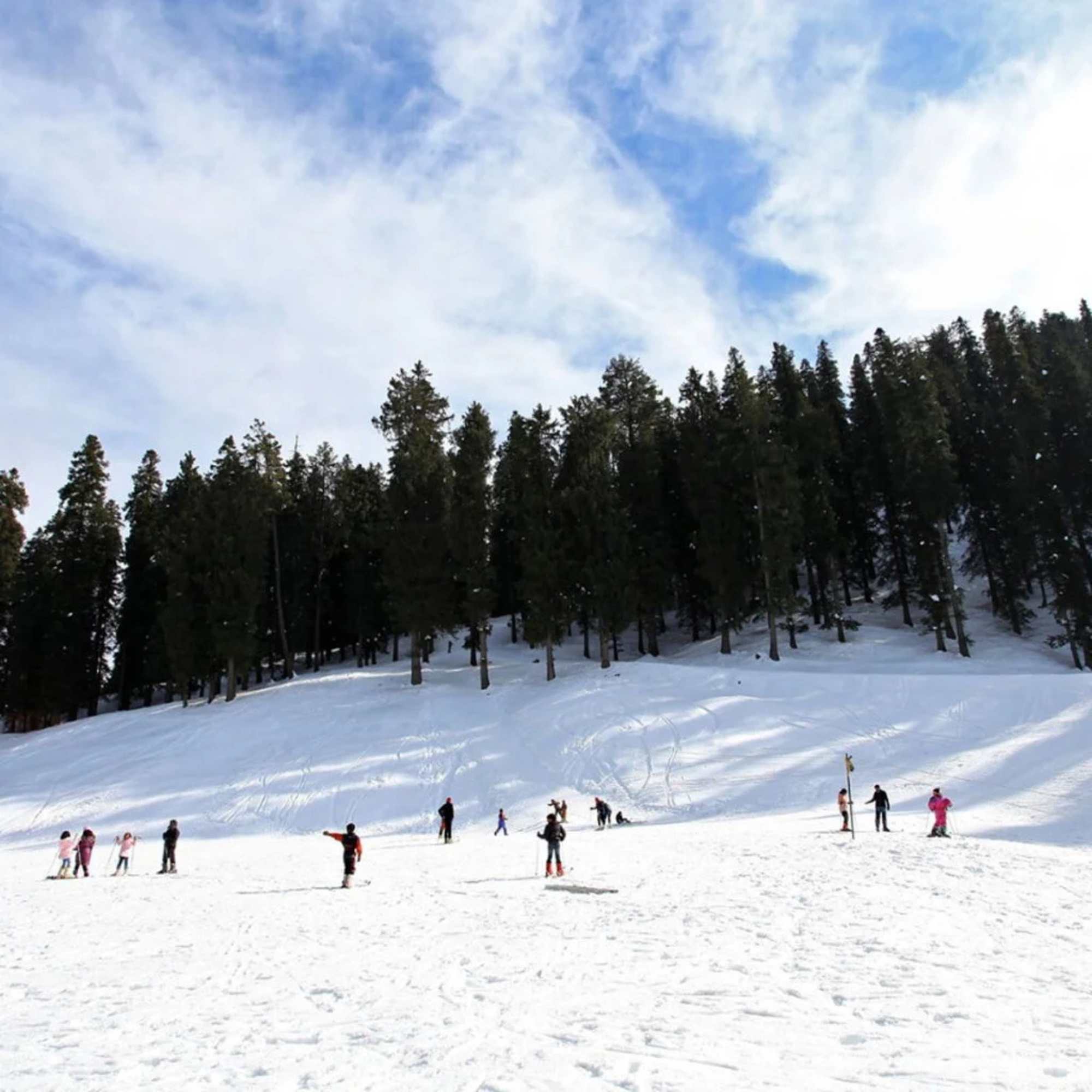
Shimla Snow Trip 2026: Best Time, Itinerary, Cost and Local Tips
Plan your Shimla Snow Trip 2026 with this complete guide to the best time for snowfall, estimated trip cost, winter itinerary, top snow spots, Kufri visit, and useful travel tips.
- Snow Travel
- Best Time to Visit
 Shimla
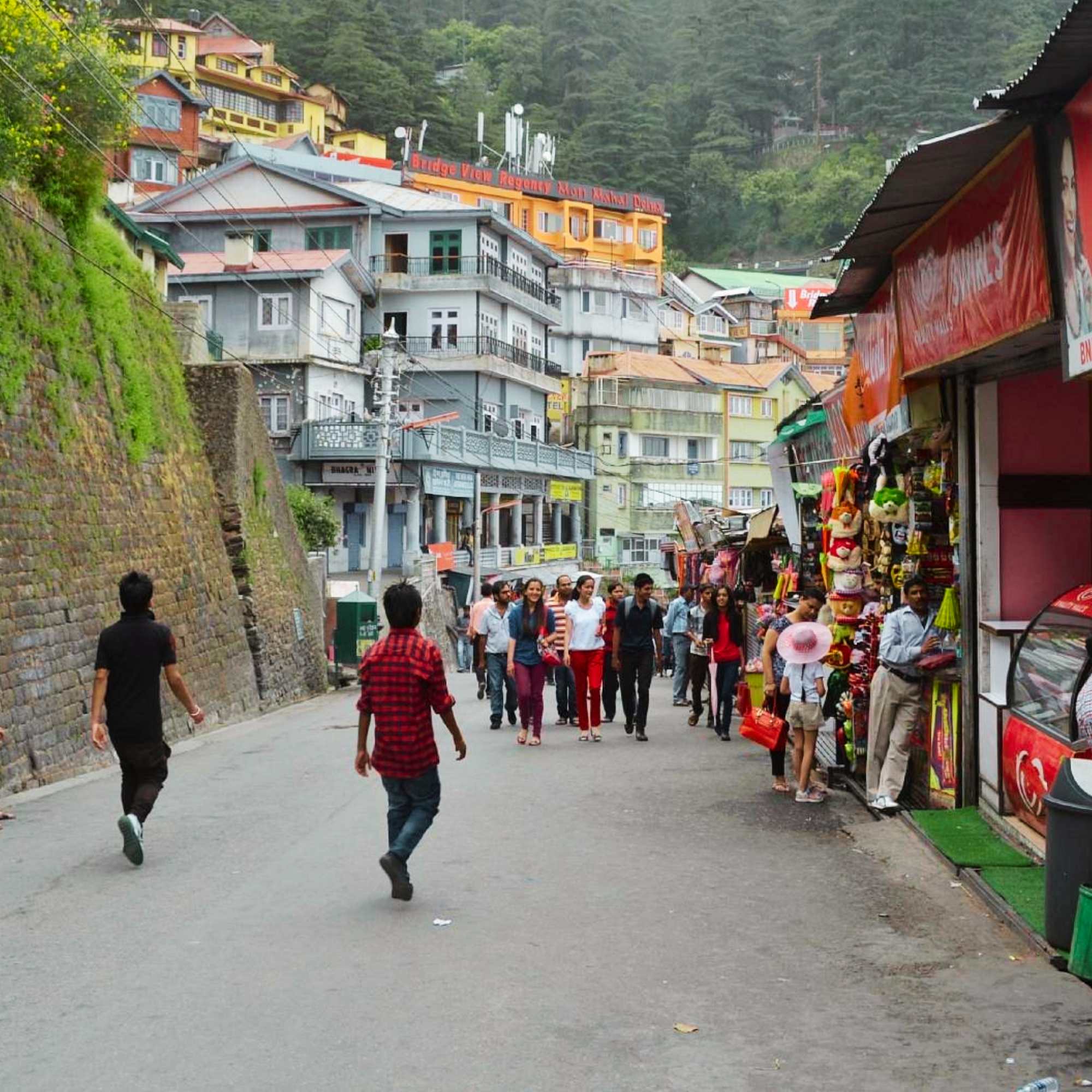
Shimla in February 2027: Weather, Snowfall, Itinerary and Travel Tips
Planning a trip to Shimla in February 2027? Discover typical February temperatures, chances of snowfall, what the weather is usually like, the best places to enjoy snow, what to pack, and practical tips for planning a memorable winter trip to Shimla.
- Best Time to Visit
- Snow Travel
 Shimla
Snow Point Near Shimla in 2026: Kufri, Fagu, Narkanda and the Best Places to Find Snow
Discover the best snow points near Shimla in 2026, including Kufri, Fagu and Narkanda. Find out where to see snow, the best time to visit, and the top winter destinations near Shimla.
- Snow Travel
- Places to Visit