
Shimla to Chanshal Pass: Route, Distance, Stops & Drive Time in 2026
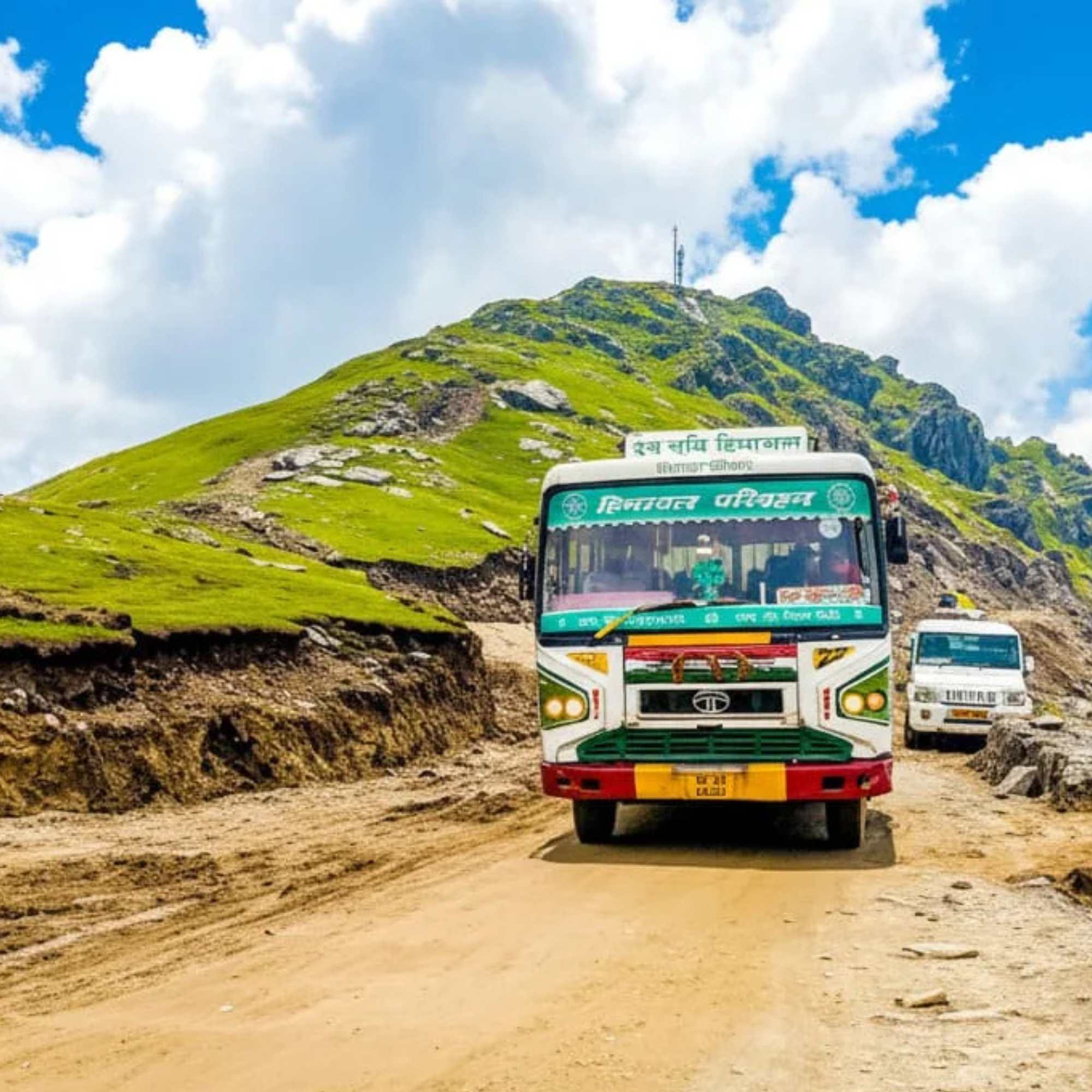
If you are planning the Shimla to Chanshal Pass drive, here is the first thing nobody tells you straight. The kilometres look small on the map, but the last 20 km will eat your day alive.
Chanshal Pass sits at 3,755 m near the Himachal and Uttarakhand border, and the road only opens for a few months a year. Get the timing and the vehicle wrong, and you will spend more time worrying than enjoying the view.
We run trips on this side of Shimla district every season, so this guide is built from real road feedback, not Google Maps guesses.
Quick Answer: Shimla to Chanshal Pass Distance, Route and Drive Time
Chanshal Pass is about 160 km from Shimla via Kharapatthar, and about 175 km if you go via Narkanda and Tikkar.
The drive takes roughly 7 to 9 hours, depending on road, vehicle, weather and how many stops you make.
The smartest plan is to start before sunrise from Shimla and stay the night at Rohru or Larot instead of rushing both ways.
The stretch after Larot is the roughest part of the whole drive. That is where your real time goes.
>>>Planning Shimla to Chanshal Pass? Talk to our Himachal team.
Where Is Chanshal Pass and Why Is This Drive Special?
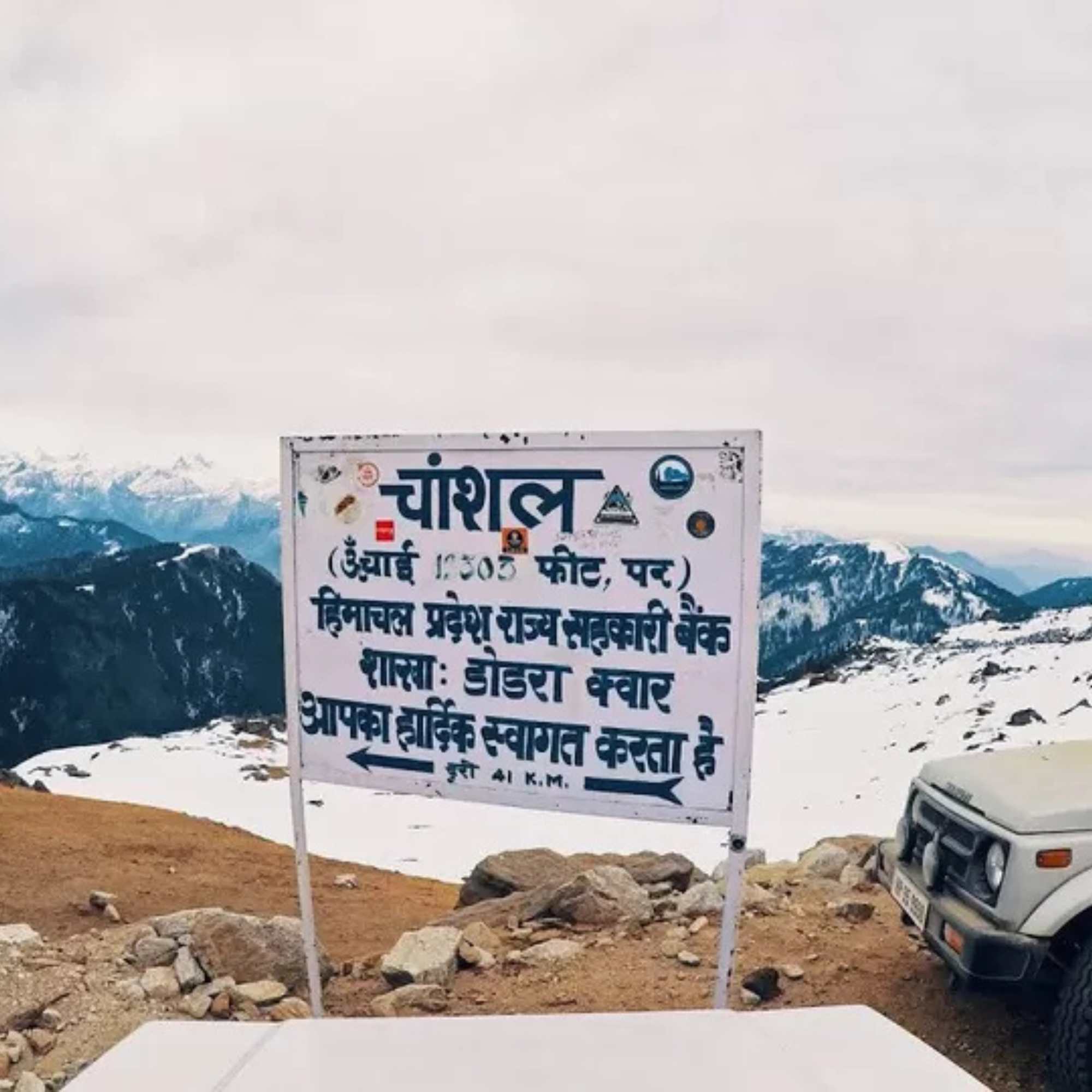
Chanshal Pass is in Shimla district, tucked near the Himachal Pradesh and Uttarakhand border.
It connects the Rohru and Chirgaon side with the remote Dodra Kwar Valley on the other end.
The official altitude is 3,755 m, high enough that snow shuts the pass for half the year.
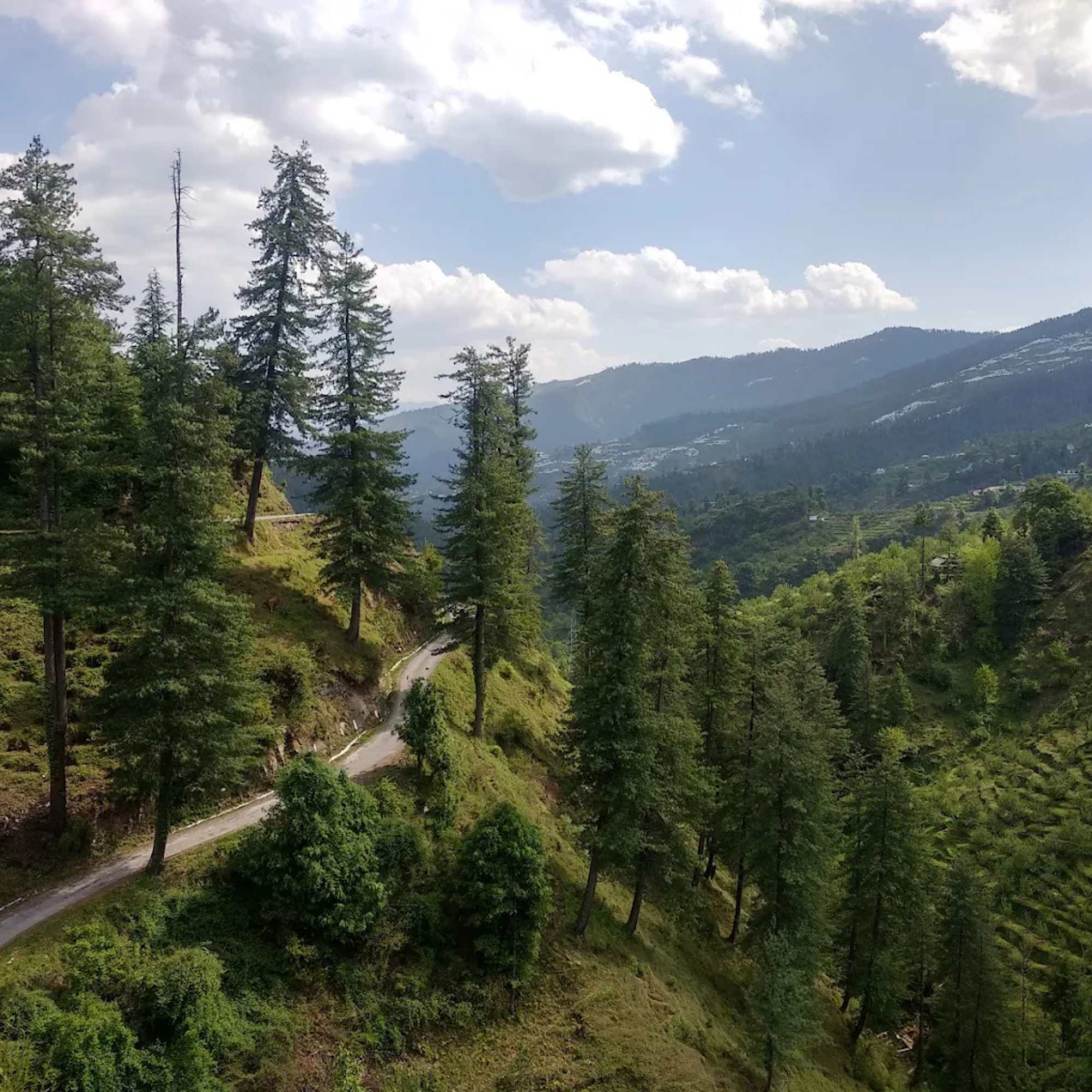
Here is what makes this drive feel different from regular Shimla tourism. The first few hours feel familiar, with apple orchards, pine forests and small towns.
Then you cross Rohru, and everything changes. The crowds vanish, the road gets rougher, and the landscape turns wild and empty.
In our experience, this is exactly why people who have already done Manali and Kasol fall in love with Chanshal. It still feels untouched.
If you are starting from the capital and want help with the wider plan, our Shimla tour planning team can sort the early legs for you.
What Most Tourists Get Wrong About This Drive
Most people treat Chanshal like a long day trip from Shimla. They leave at 8 or 9 in the morning and assume they will be back by night.
They forget that the last climb is slow, narrow and broken. By the time they reach the pass, light is fading and they are driving the worst stretch in the dark.
The fix is simple. Break the journey at Rohru or Larot. One night changes the entire trip from stressful to enjoyable.
What Is the Best Shimla to Chanshal Pass Route in 2026?
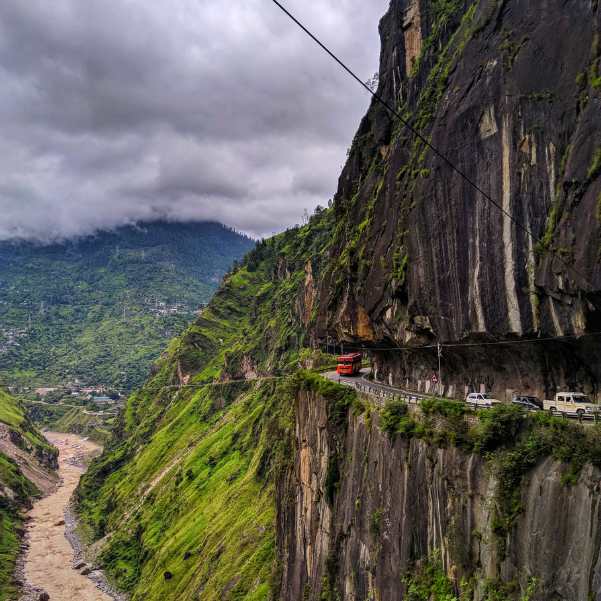
There are two official routes, and neither is a smooth highway. Pick based on recent road feedback, not just distance.
Route 1: Shimla, Theog, Kotkhai, Kharapatthar, Hatkoti, Rohru, Larot, Chanshal Pass
This is the shorter official route at about 160 km.
Shorter does not mean easier here. Travel sources describe bumpy and bad patches, especially around the Kharapatthar and Hatkoti side.
Before you pick this one, check recent local road status. A rough patch that was fine last month can get worse after rain.
Route 2: Shimla, Theog, Narkanda, Tikkar, Rohru, Larot, Chanshal Pass
This official route is about 175 km, so a bit longer.
It can feel more comfortable until Narkanda, which is a familiar and well-travelled stretch.
After Narkanda towards Tikkar and onward, you can still hit broken patches. This is not a smooth drive all the way, so do not expect one.
Which Route Should You Choose?
Go via Kharapatthar if you want the shorter route and recent local road status is good.
Go via Narkanda if you want a slightly more relaxed mountain approach and do not mind the extra distance.
Our team recommends keeping this decision flexible until 1 to 2 days before travel. Road conditions here change fast, and the right call depends on that week, not the map.
Shimla to Chanshal Pass Distance and Drive Time Breakdown
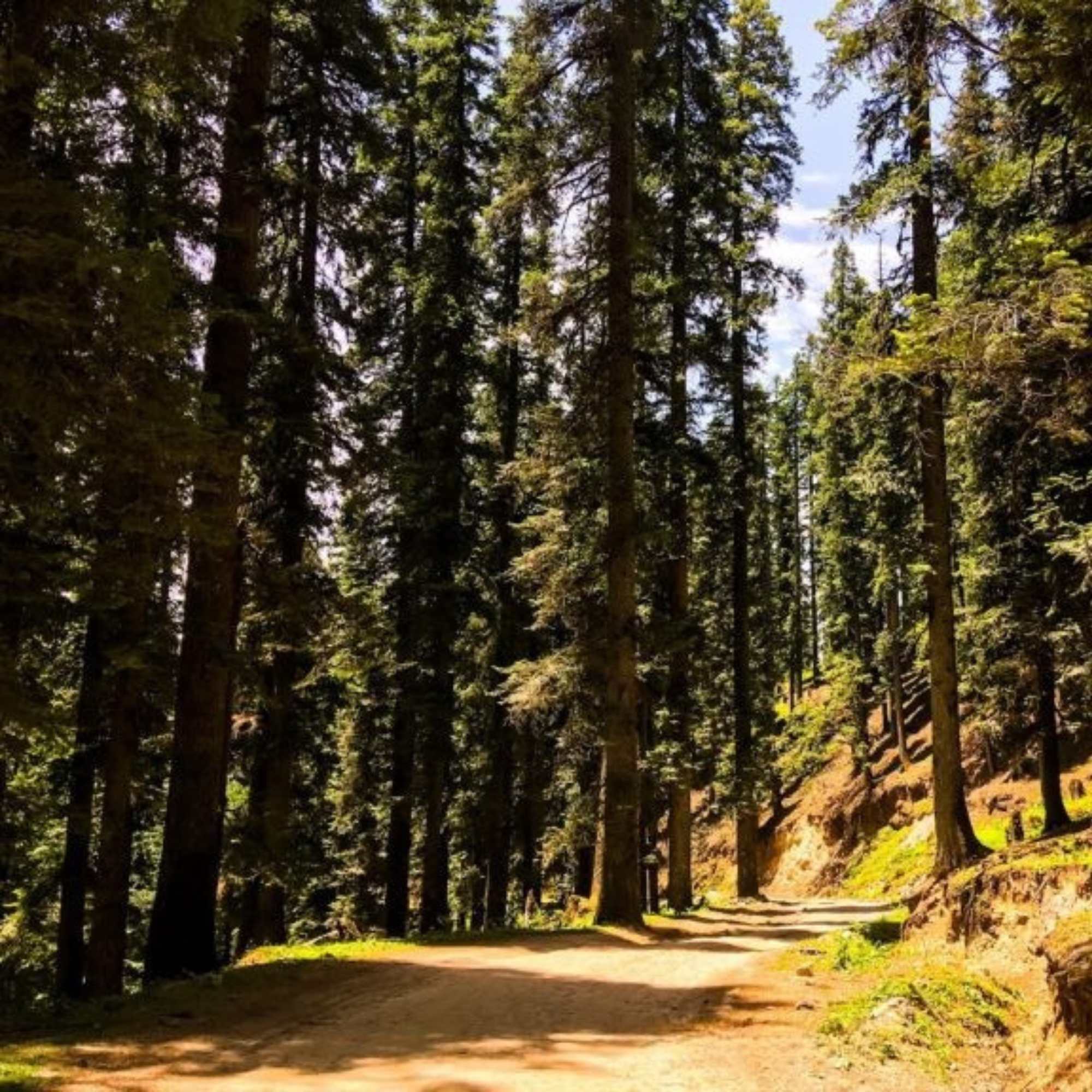
Let me break the route into sections so you know what you are signing up for.
The Shimla to Chanshal distance via Kharapatthar is about 160 km, and via Narkanda and Tikkar it is about 175 km.
Rohru to Chanshal Pass is about 48 km, and Rohru to Chirgaon is about 20 km.
The final climb from Larot to Chanshal is around 20 km according to one source, while another says Larot is about 15 km before the pass.
For Rohru itself, the numbers differ by source. HPTDC says Rohru is 108 km from Shimla, while Municipal Council Rohru lists 115 km.
So plan for around 108 to 115 km to Rohru, not one fixed figure.
Here is the honest part. Maps understate the effort badly. The last climb is slow, narrow and rough, so a 20 km section can take far longer than the distance suggests.
Best Stops Between Shimla and Chanshal Pass
You will want a few breaks on this long drive. Here are the practical ones.
Fagu or Theog for Early Tea
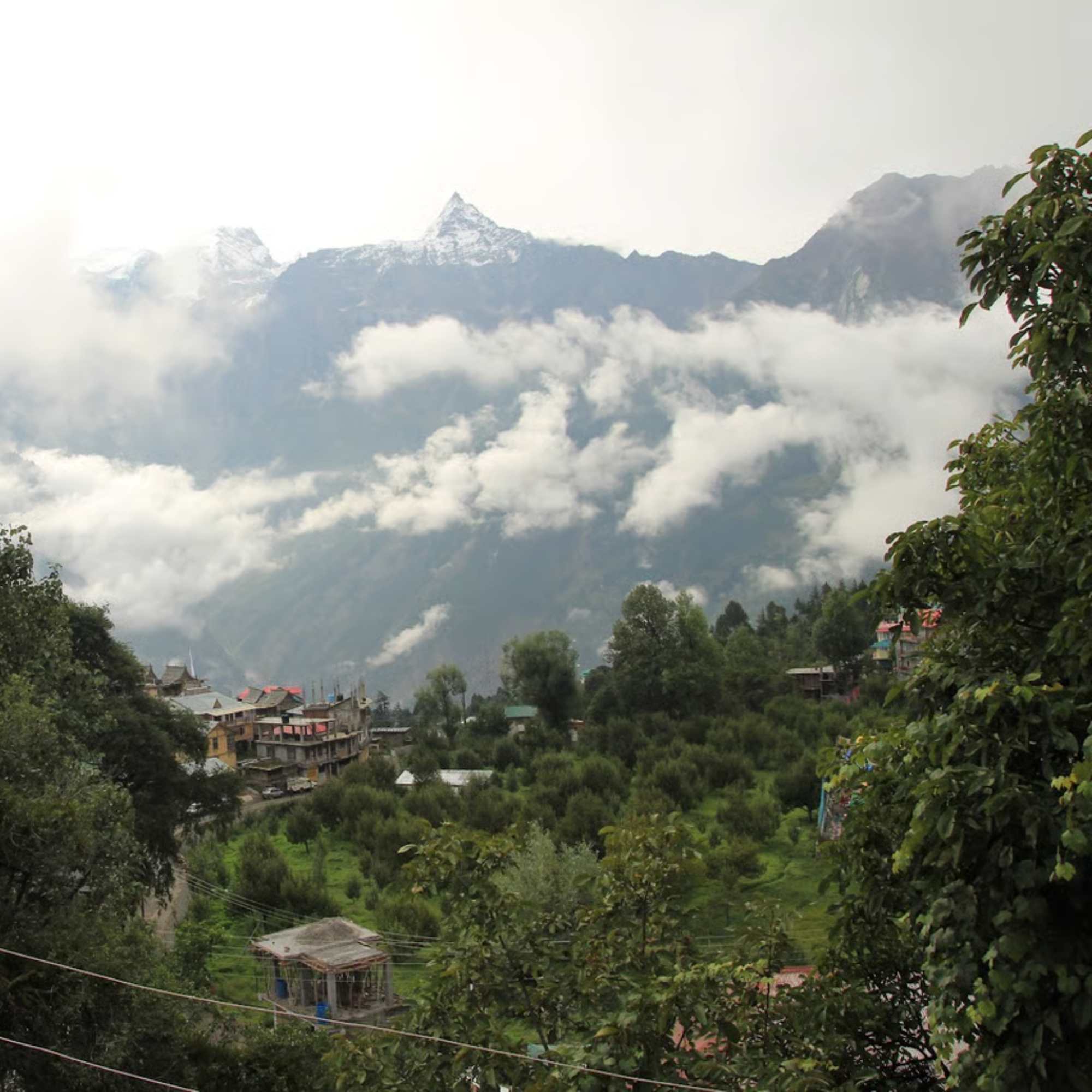
Both sit early on the route and make easy first stops for tea and a stretch.
These are good spots to shake off the early start before the road gets serious.
Kharapatthar or Narkanda for Mountain Views
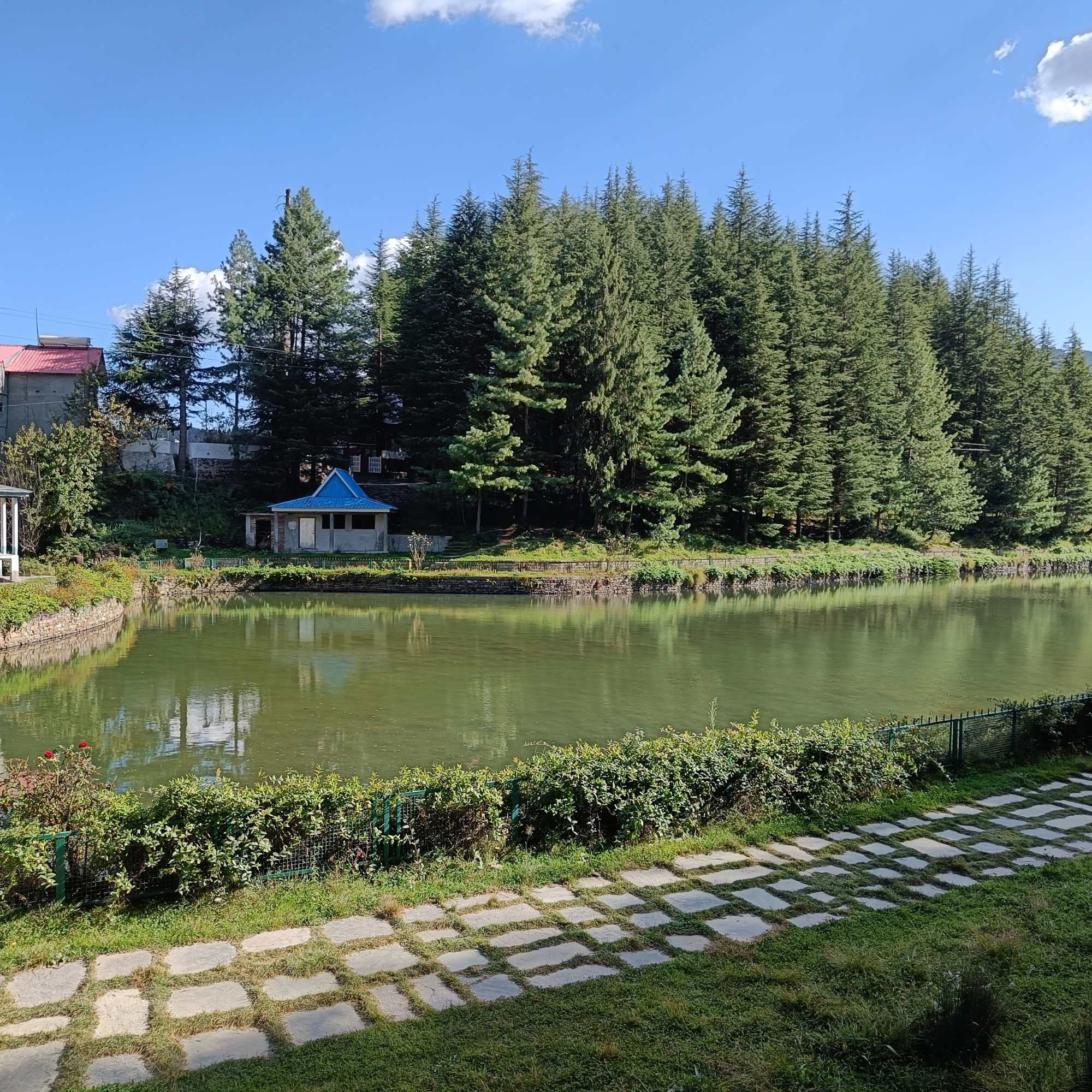
Where you stop here depends on your route. Kharapatthar suits Route 1, and Narkanda suits Route 2.
Both give you proper mountain views and a place to rest before the rougher sections begin.
Hatkoti Temple Before Rohru
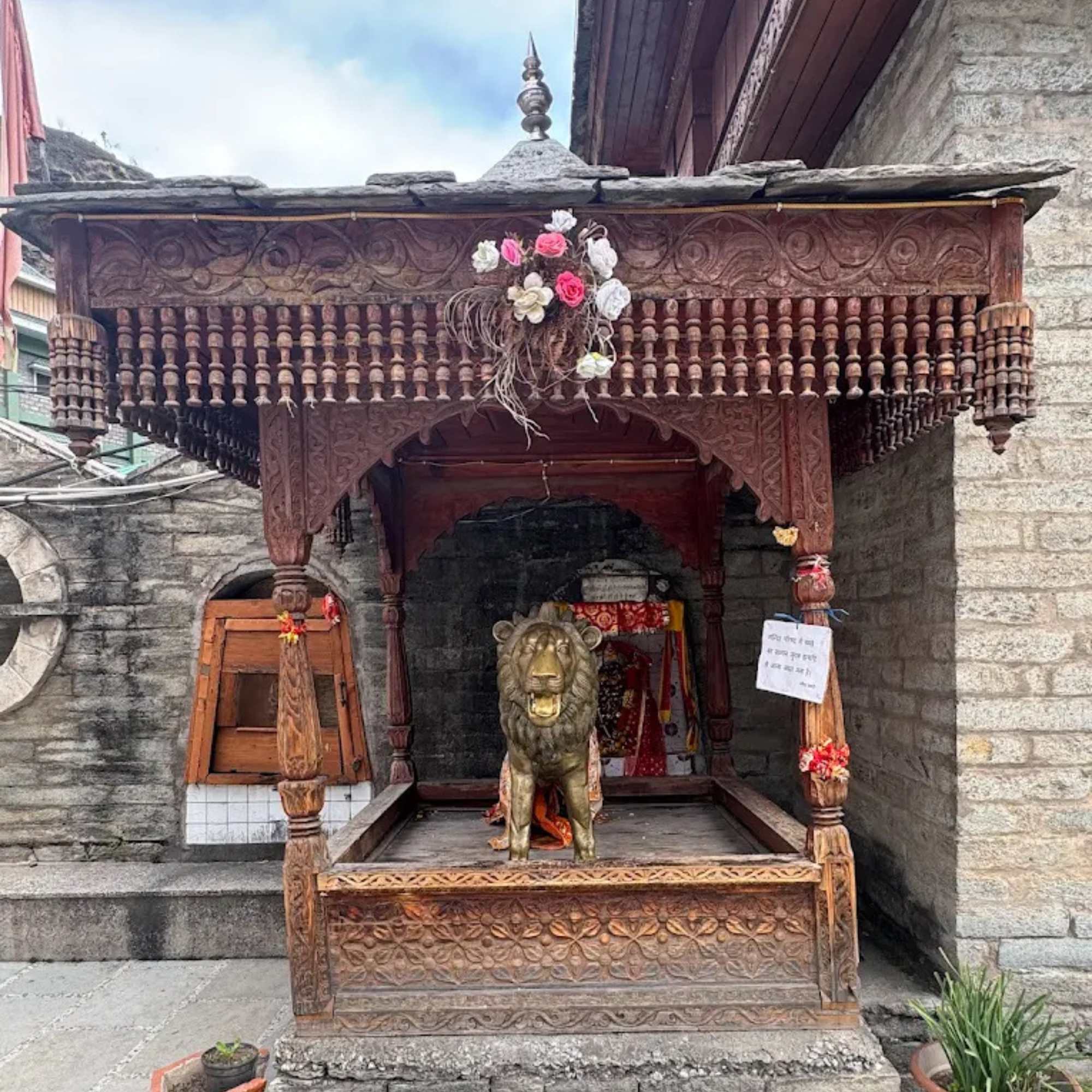
If you take the Kharapatthar and Hatkoti side, Hatkoti Temple is a good short cultural stop.
It breaks up the drive nicely and sits right before you reach Rohru.
Rohru for Fuel, Food, Cash and Overnight Stay
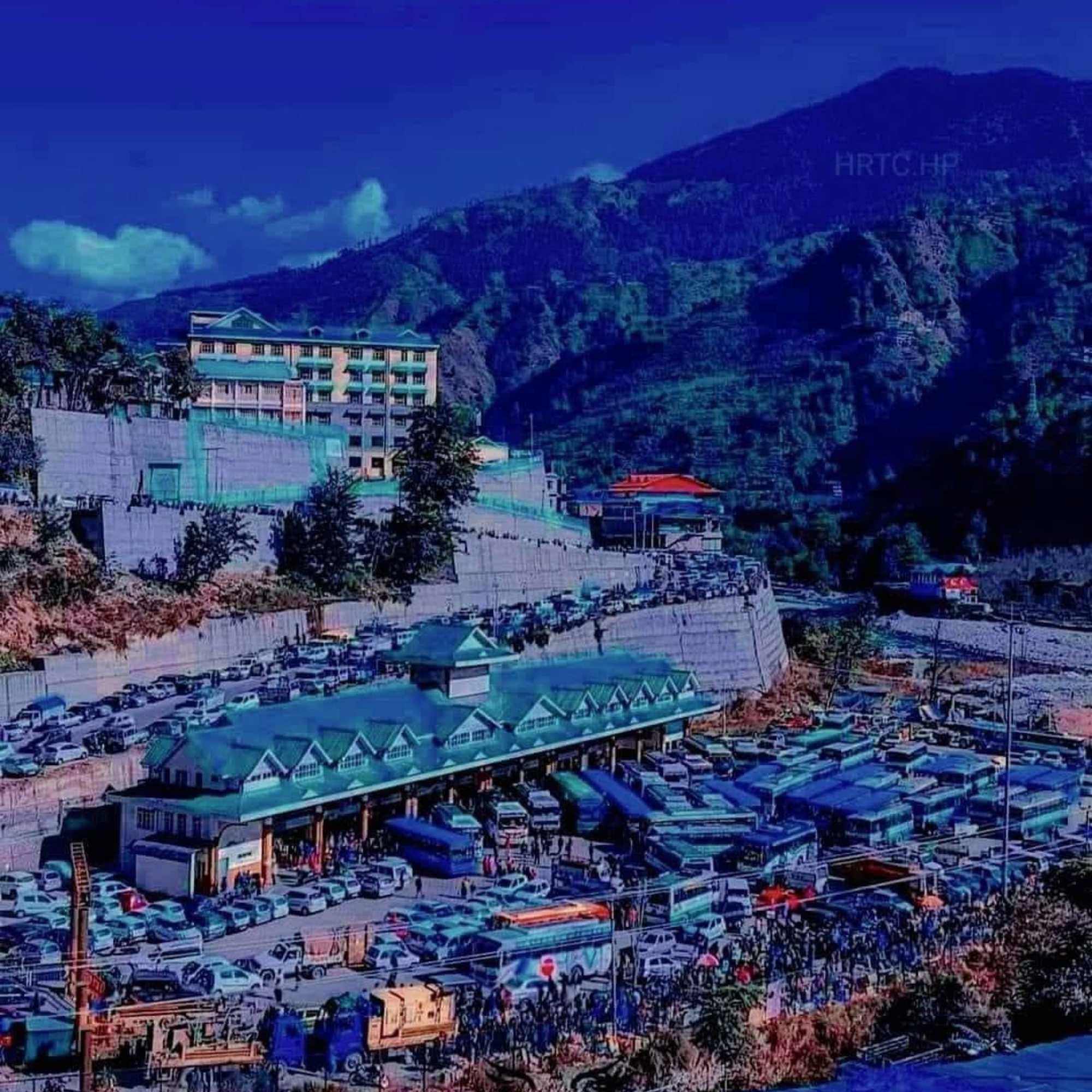
Rohru is the most practical base town on this route. It has hotels, fuel, food and ATMs, which you will not find again ahead.
HPTDC Hotel Chanshal is in Rohru, near the Circuit House on the Hatkoti-Rohru road.
It has a restaurant, parking, taxi on demand, doctor on call and card acceptance. That doctor-on-call detail matters at this altitude.
In our experience, the restaurant here is the most reliable proper hot meal you will get before the road turns remote. Eat well before you push on.
Chirgaon and Larot Before the Final Climb
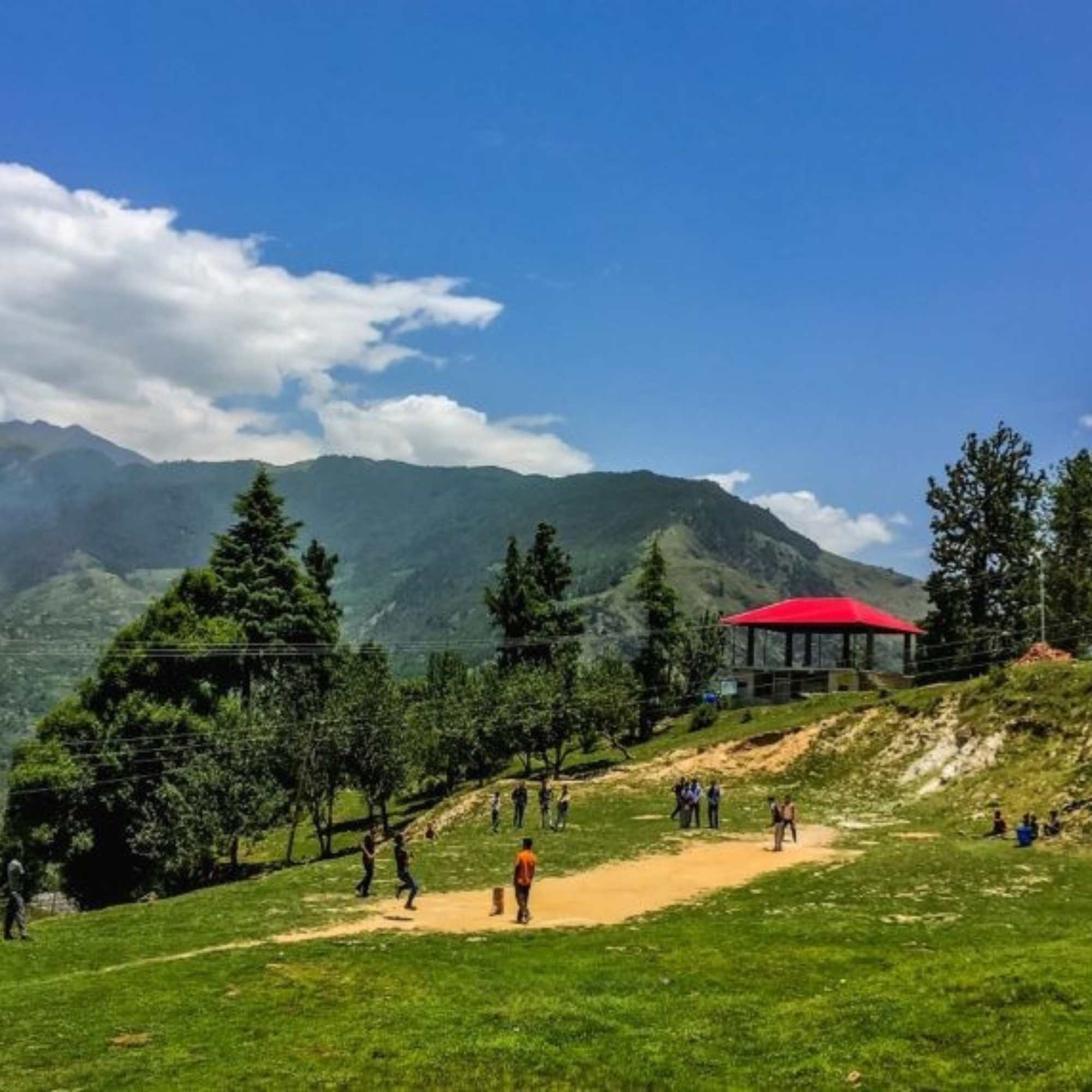
After Rohru and Chirgaon, the road starts feeling genuinely remote.
Larot is a common base before the final Chanshal climb. Keep your expectations basic here. It is simple, not comfortable.
Can You Do Shimla to Chanshal Pass in One Day?
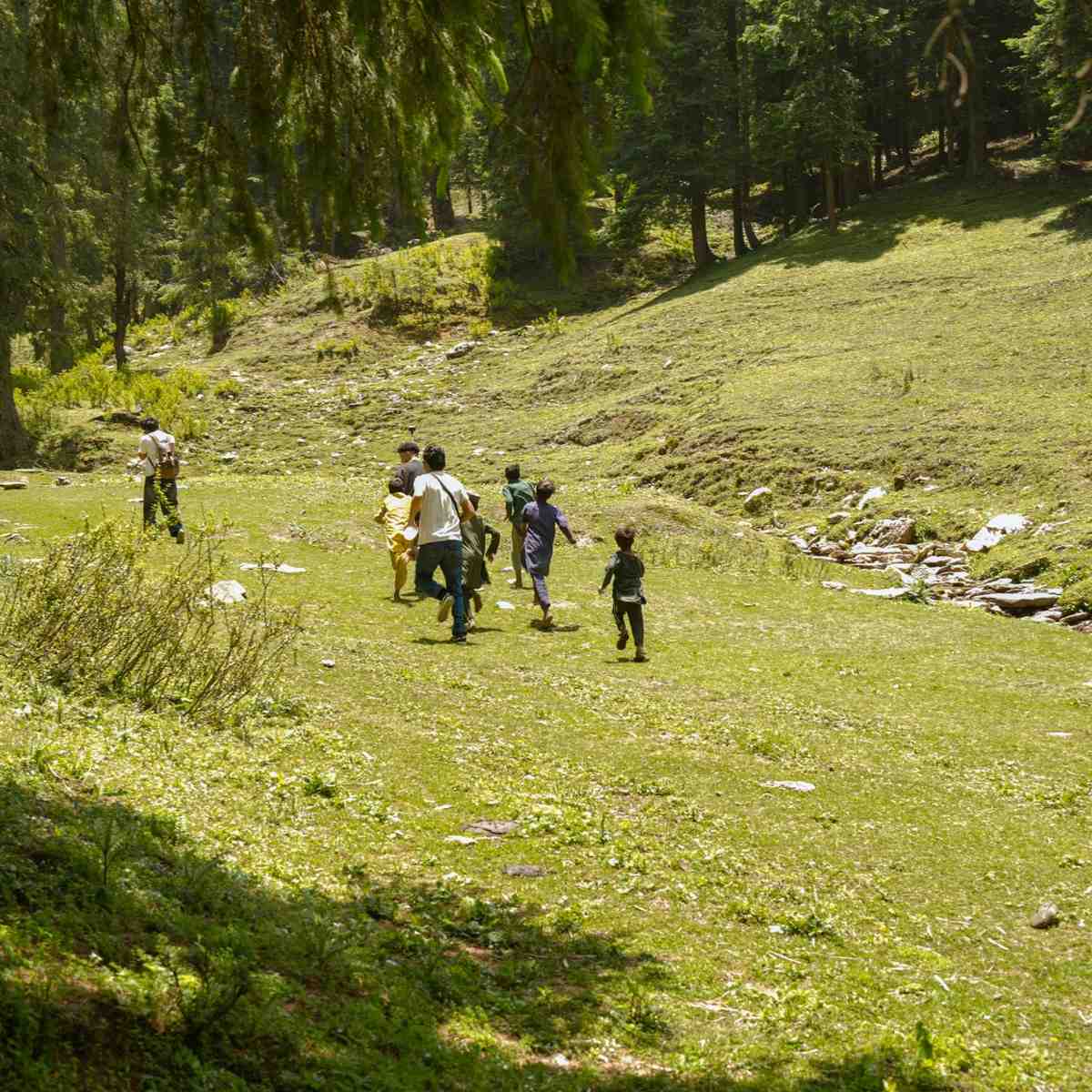
Honestly, you can, but most people should not.
A one-day run only works for experienced mountain drivers with a very early start, good weather and a high-clearance vehicle.
It is a bad plan for families, first-time hill drivers, or anyone who actually wants to enjoy the route.
We always tell our travellers to give it two days, with one night in Rohru or Larot. The pass is the reward, not the driving record.
Road Condition from Shimla to Chanshal Pass in 2026
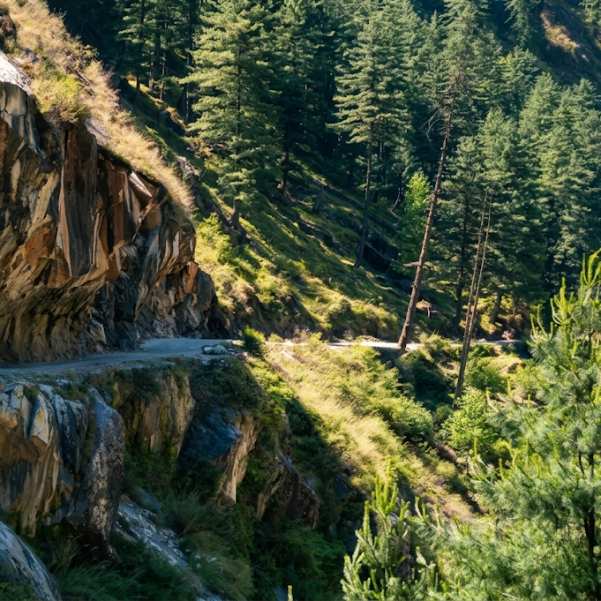
The official page was updated on June 6, 2026 and lists the Chanshal road as open to traffic from May to November, closed the rest of the year due to snow.
Remember this. "Open" does not always mean "easy" in this region. It just means a vehicle can technically get through.
There is some 2026 road work context worth knowing. Pending PMGSY works in Dodra Kwar were extended until March 31, 2027 because of difficult terrain, severe weather and short working seasons.
A November 2025 report mentioned ₹19 crore approval for the Rohru-Chirgaon road and said completion was near.
So road improvements may be in progress, but you still need same-week verification before you travel. Do not assume the latest report matches today's ground reality.
Here is how the sections actually feel. Shimla to Theog is generally the easiest part of the whole drive.
The Kharapatthar and Hatkoti side can be bumpy. The Narkanda side is longer but may feel smoother until Narkanda itself.
Rohru to Chirgaon to Larot is mixed, with good and bad patches.
And the worst is saved for last. Larot to Chanshal is the roughest stretch, described as rocky, muddy, unpaved and very bad in travel sources. This is where your car earns its keep.
>>>Planning the Shimla to Chanshal Pass route? Talk to our Himachal team.
Which Vehicle Is Best for Chanshal Pass?
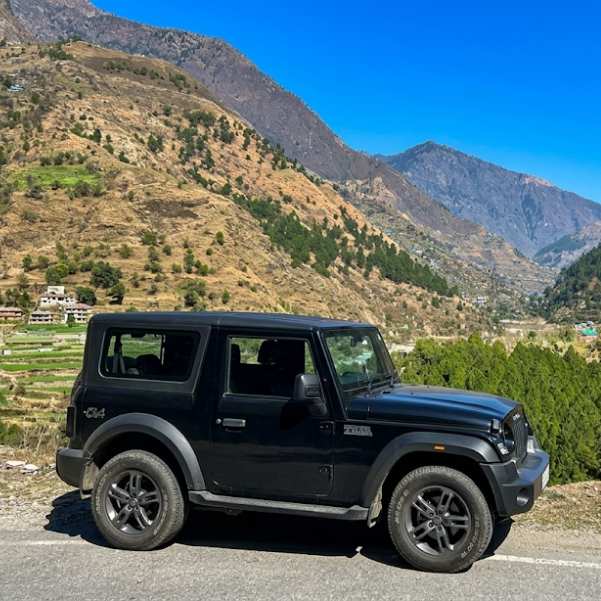
For the last stretch, take an SUV or a high-ground-clearance vehicle. This is not the place to test a small hatchback.
Some sources say a sedan can reach Chanshal in dry conditions. But the last 15 to 20 km can be risky for low-clearance cars because of rocks, mud, steep gradients and broken sections.
Our team recommends never testing a small car during May slush, monsoon, or after fresh rain. That is how people end up stuck with no help around for hours.
Best Time to Visit Chanshal Pass from Shimla
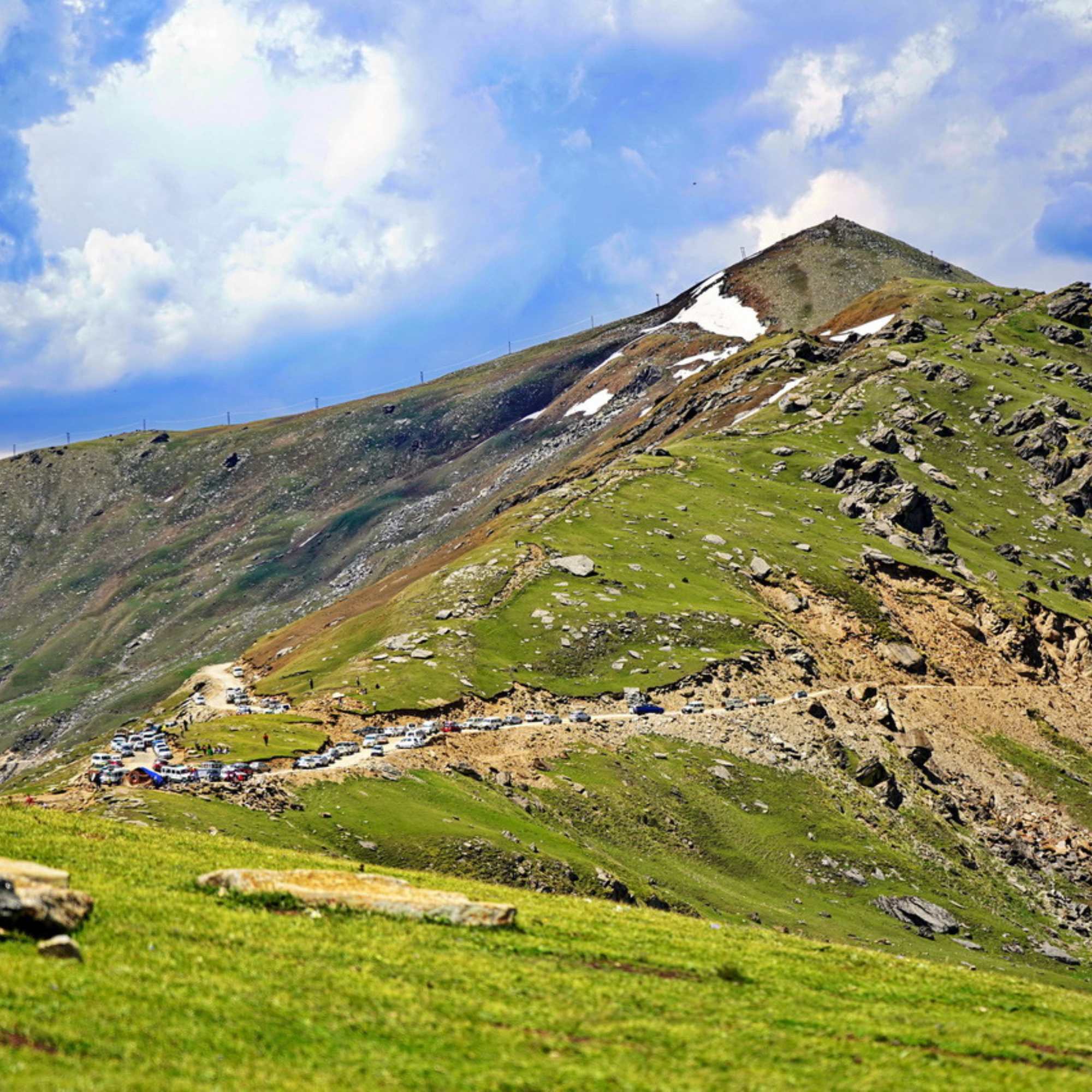
The official best time is late June, early September, September and October.
The road is generally open from May to November and closed the rest of the year due to snow.
May and early June can still have snow and slush on the higher sections.
July and August are risky because of monsoon, slippery roads and landslide chances. We usually steer families away from these months.
September and October are the safest scenic months for most travellers. Clear skies, settled roads, fewer surprises.
November turns uncertain because snowfall can close the pass any day, sometimes overnight.
If Chanshal sounds too rough for your group, our Jibhi and Tirthan Valley trips give you green Himachal beauty without the brutal final climb.
Where to Stay: Rohru vs Larot vs Camping
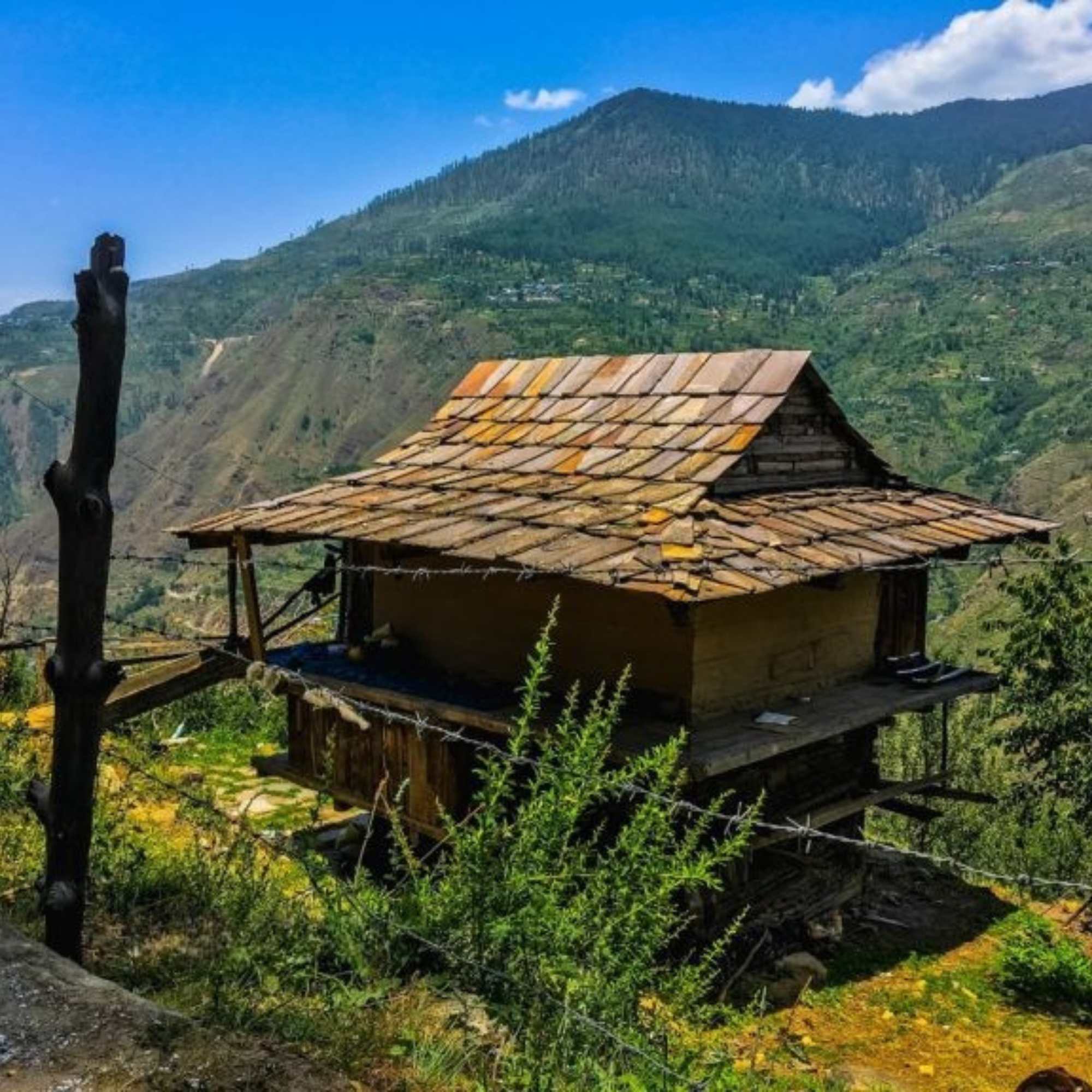
Your stay choice shapes the whole trip, so think about it before you book.
Rohru for Comfort and Backup
Rohru is the safest base for comfort, fuel, food and ATMs. If anything goes wrong, this is where you want to be.
HPTDC Hotel Chanshal here gives you a restaurant, parking, taxi on demand, doctor on call and card acceptance.
MakeMyTrip listed 47 Rohru hotels with prices starting from ₹1,188 as of June 11, 2026. Mark that price, because hotel rates move around a lot.
Larot for Closeness to the Pass
Larot is closer to Chanshal, but it is simpler and far more weather-dependent.
One source mentioned basic stays in Larot with a hostel bed around ₹300, since it is not a live booking source.
Here is a small money tip most people miss. If you are on a budget, a basic Larot bed cuts cost and driving time, but only attempt it when the weather is clearly settled.
Camping Near Chanshal
Camping near the pass is only for well-prepared travellers, not casual ones.
Travel sources report no shops or facilities between Larot and the pass. So you must carry your own food, water, warm sleeping bags and a proper windproof setup.
Skip the idea of finding a comfortable hotel right near the pass. There is nothing like that up there, and chasing it wastes your day. Base yourself in Rohru and treat the pass as a day visit instead.
Food, Fuel, ATMs and Mobile Network
Refuel in Rohru. Sources report no fuel station beyond Rohru towards the pass, so fill up fully here.
ATM information is conflicting. One source says no ATMs beyond Rohru, another says the last ATM may be in Chirgaon.
Do not gamble on it. Withdraw all the cash you need in Rohru to be safe.
Mobile signal is unreliable or absent at Chanshal Pass. This is genuinely remote.
Before you leave Rohru, download offline maps. Once you cross into the rough section, live GPS will let you down.
Permits, Safety and Local Verification for 2026
The permit situation is messy, so read this carefully.
One 2026 travel guide says a forest permit may be required for the Chanshal Wildlife Sanctuary area. The official Shimla district page does not clearly mention a tourist permit.
Check with the Rohru Forest Office or local administration before the final climb. A five-minute call beats getting turned back.
On safety, avoid night driving and do not leave Shimla late. The whole plan falls apart if you start behind schedule.
Carry warm layers, rain protection, water, snacks, basic medicine, a spare tyre, a tyre inflator, cash and downloaded maps. Winter temperatures here frequently drop below -10°C, and even in season the nights bite.
One more thing. Shimla city has sealed and restricted road rules with fines for unauthorized vehicles. If you are staying inside Shimla, respect those city road restrictions before you head out.
Suggested 2-Day and 3-Day Itineraries from Shimla
Pick the plan that matches your driving comfort and how much you want to relax.
2-Day Fast Chanshal Plan
On Day 1, drive from Shimla to Rohru or Larot. Stop for tea at Theog, take in the views at Kharapatthar or Narkanda depending on your route, visit Hatkoti, and settle in at Rohru.
On Day 2, drive from Rohru or Larot up to Chanshal Pass, spend time at the top, then return towards Shimla or stay another night in Rohru based on weather and how tired you are.
This plan is doable, but it leaves little buffer. Push it only if you are comfortable on rough mountain roads.
3-Day Relaxed Chanshal Plan
On Day 1, drive from Shimla to Rohru at an easy pace and rest there.
On Day 2, drive from Rohru to Chanshal Pass, spend real time at the pass, then return to Rohru or Larot for the night.
On Day 3, head back to Shimla using whichever route has the better road condition that day.
This version gives your body time to adjust and lets you actually enjoy the place. We can customize it with local drivers and backup planning so a single bad-weather day does not wreck the trip.
Can You Combine Chanshal Pass with Kinnaur or Spiti?
Short answer, not directly. Chanshal Pass is not the normal driving route to Kinnaur or Spiti.
It is an offbeat side trip into the Rohru, Pabbar Valley and Dodra Kwar region. Think of it as its own adventure, not a stop on the way to somewhere bigger.
If you have more days, you can plan a separate extension towards Kinnaur or Spiti after you return to the main road network.
Our Kinnaur tour packages and Spiti Valley tour packages work well as a follow-up trip once you are back on the main highway.
Explore Our Curated Chanshal Pass Tour Packages
- Group Tour5D/4N
Chanshal Pass Weekend Group Trip With Giri Ganga and Kuppar Bugyal
1D Kharapathar / Kotkhai•1D Rohru / Chirgaon (Pabbar Valley)
₹8,999₹12,999SAVE INR 4,000/ person 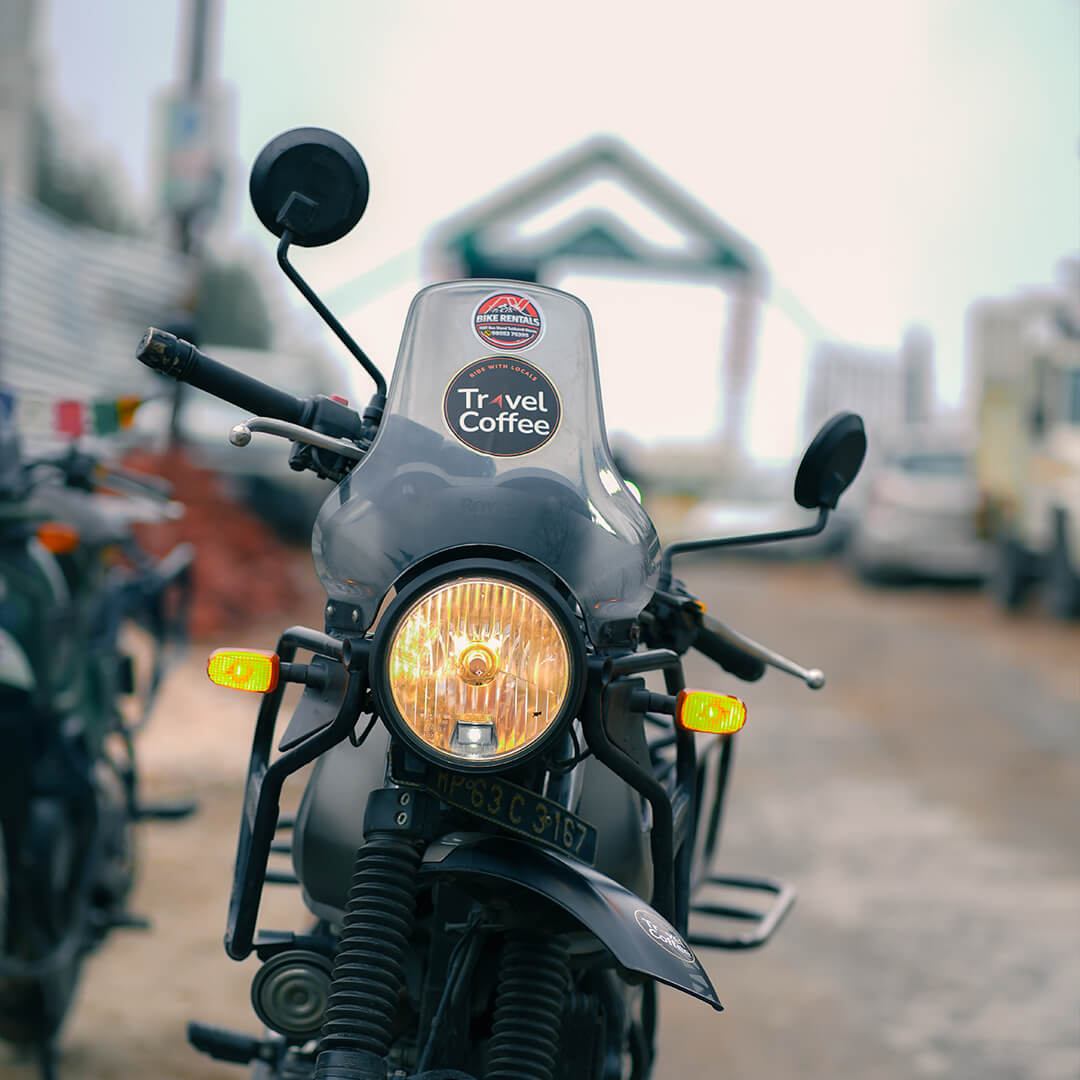 8D/7N
8D/7NUltimate Pabbar Valley Bike Expedition With Giri Ganga Kuppar Bugyal Chanshal Pass and Dodra Kwar
1D Kharapathar / Kotkhai•2D Rohru / Chirgaon (Pabbar Valley)+1
₹29,999/ person 8D/7N
8D/7NMost Loved 4x4 Pabbar Valley Expedition With Giri Ganga Kuppar Bugyal Chanshal Pass and Dodra Kwar
1D Kharapathar / Kotkhai•2D Rohru / Chirgaon (Pabbar Valley)+1
₹32,999₹39,999SAVE INR 7,000/ person
Related topics
Frequently Asked Questions
How far is Chanshal Pass from Shimla?
Chanshal Pass is about 160 km from Shimla via Kharapatthar, and about 175 km via Narkanda and Tikkar.
How much time does Shimla to Chanshal Pass take?
Plan for 7 to 9 hours of driving, depending on road condition, your vehicle, weather and stops. The last climb after Larot is the slowest part.
Which is the best route from Shimla to Chanshal Pass?
Kharapatthar is shorter at 160 km, while Narkanda is longer at 175 km but smoother until Narkanda. Decide 1 to 2 days before travel based on current road status.
Is Chanshal Pass open in 2026?
The official page updated on June 6, 2026 lists the road as open from May to November and closed the rest of the year due to snow. Always verify the same week you travel.
What is the best time to visit Chanshal Pass?
The official best time is late June, early September, September and October. September and October are the safest and most scenic for most travellers.
Can a small car go to Chanshal Pass?
Some sources say a sedan can manage in dry conditions, but the last 15 to 20 km is risky for low cars due to rocks, mud and steep broken sections. An SUV is much safer.
Is Chanshal Pass safe for bikes?
Experienced riders do it, but the rough final stretch, loose surface and remote conditions make it demanding. Only attempt it if you are confident on bad mountain roads.
Do I need a permit for Chanshal Pass?
This is unclear. One 2026 guide mentions a forest permit for the wildlife sanctuary area, while the official Shimla district page does not clearly require one.
Where should I stay for Chanshal Pass, Rohru or Larot?
Rohru is safer for comfort, fuel, food and ATMs. Larot is closer to the pass but basic and weather-dependent. Most travellers do best basing in Rohru.
Is there petrol after Rohru?
No. Sources report no fuel station beyond Rohru towards the pass, so fill your tank fully in Rohru.
Is there mobile network at Chanshal Pass?
Mobile signal is unreliable or absent at the pass. Download offline maps and tell someone your plan before you leave Rohru.
Can I do Shimla to Chanshal Pass as a day trip?
Only experienced mountain drivers with a very early start, good weather and a high-clearance vehicle should try it. For everyone else, a two-day plan with a night in Rohru or Larot is far better.
More about Chanshal Pass
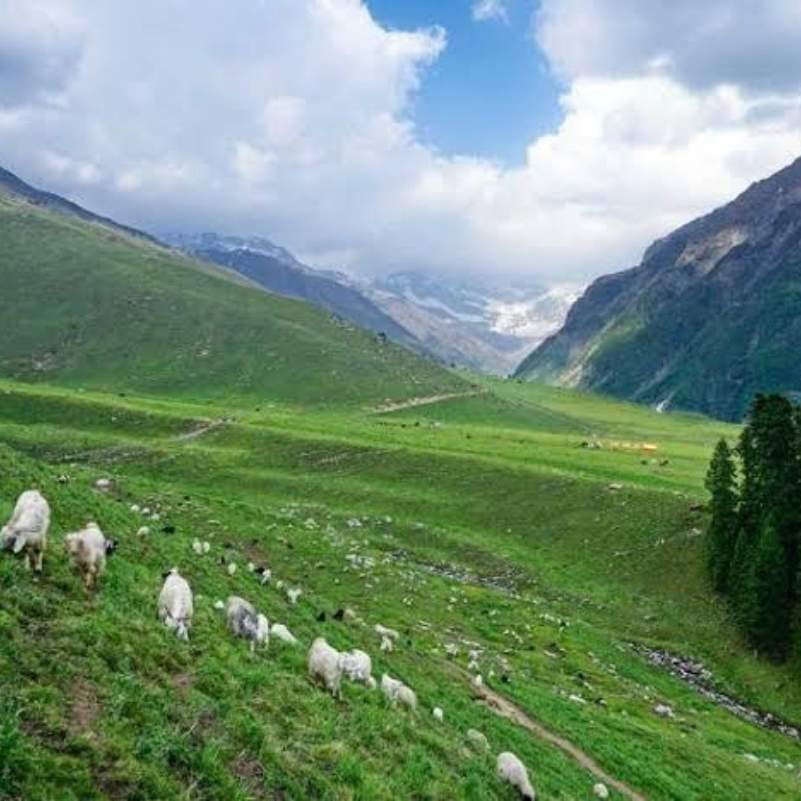 Chanshal Pass
Buran Ghati Trek Complete Guide 2026: Route, Cost, Difficulty, Best Time
Planning the Buran Ghati Trek in 2026? Explore the complete guide covering the route, itinerary, cost, difficulty, best time to visit, fitness tips, and essential trekking advice.
- Things to Do
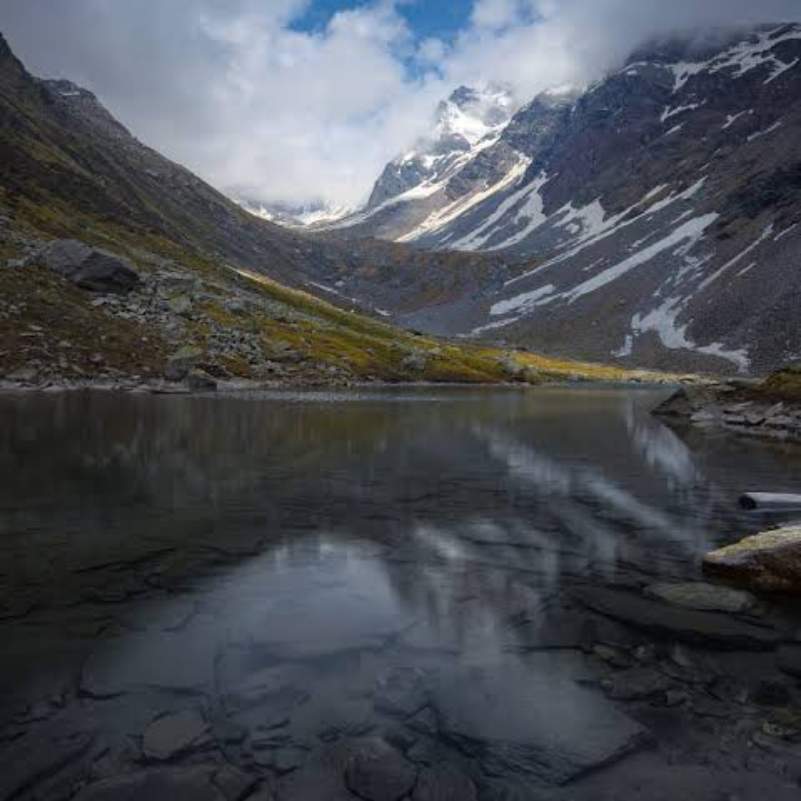 Chanshal Pass
Chandranahan Lake Trek 2026: Source of the Pabbar River
Discover the Chandranahan Lake Trek 2026, a breathtaking Himalayan adventure to the sacred source of the Pabbar River in Himachal Pradesh. Explore pristine alpine meadows, glacial lakes, and spectacular mountain landscapes with this complete trekking guide.
- Things to Do
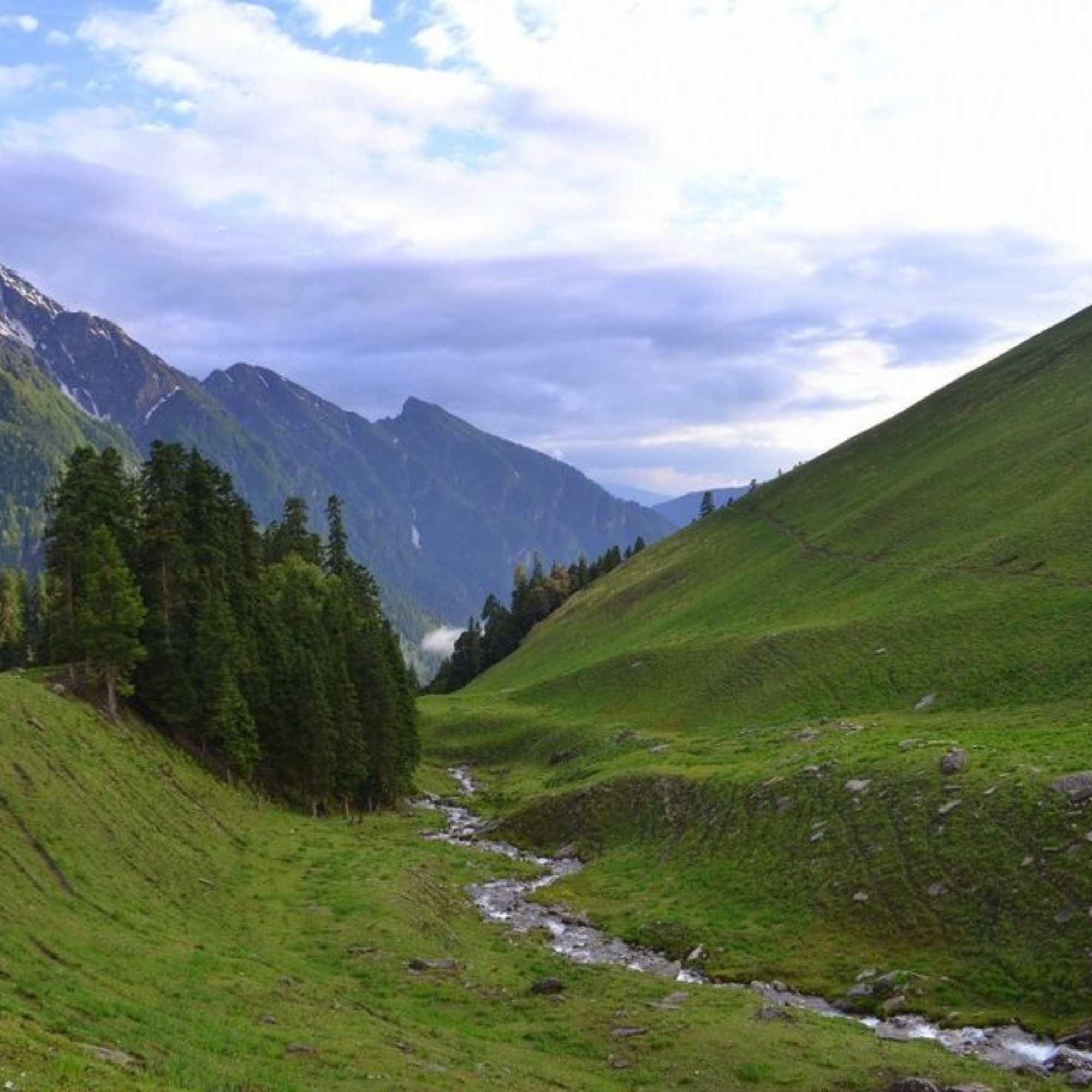 Chanshal Pass
Treks in Pabbar Valley: The Complete List for 2026
Planning to explore the treks in Pabbar Valley in 2026? This complete guide covers the region's best hiking trails, difficulty levels, ideal seasons, trail highlights, and essential planning tips for discovering one of Himachal Pradesh's most rewarding trekking destinations.
- Things to Do