
Shimla in September 2026: Weather, Rain, Road Conditions and Itinerary
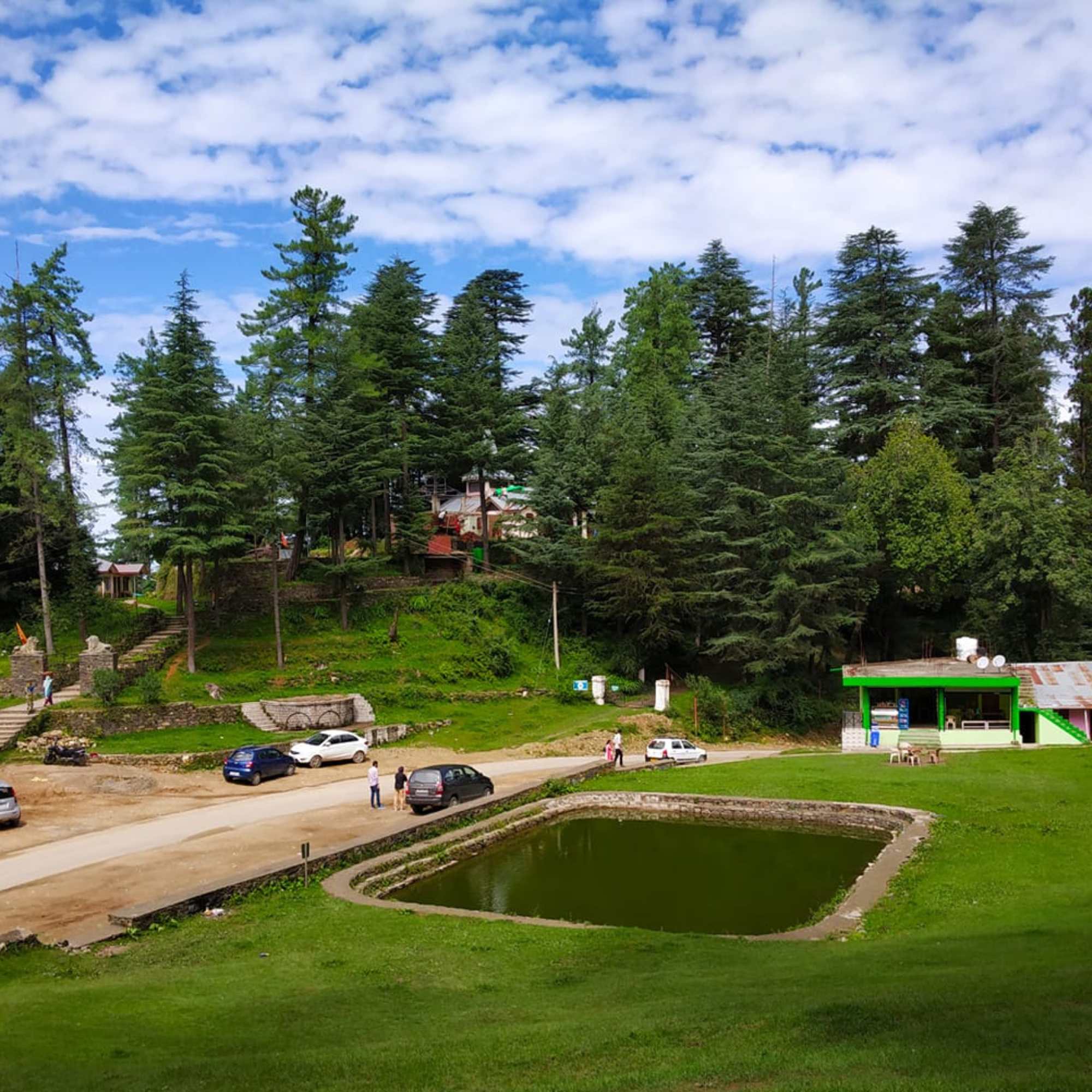
September can be a good time to visit Shimla for greener landscapes, fewer tourists and a quieter hill holiday after the busy summer season.
This guide by Travel Coffee explains the expected weather, rainfall, road conditions and a practical itinerary for planning your trip.
Rain may continue during the first part of the month, while conditions generally become clearer as September progresses. Travellers should keep their sightseeing plan flexible, check the latest road updates and carry suitable rain protection before leaving.
Quick Answer
Shimla in September can suit you if you want green hills, pleasant daytime weather and potentially lighter crowds.
The IMD historical September baseline records an average daily maximum of 20.4°C, an average daily minimum of 12.9°C, 148.7 mm of rain and 8.8 rainy days.
Late September may bring better odds of settled weather than early September, but no one can guarantee this. Keep your itinerary flexible and check the fresh forecast before leaving.
Is September a Good Time to Visit Shimla?
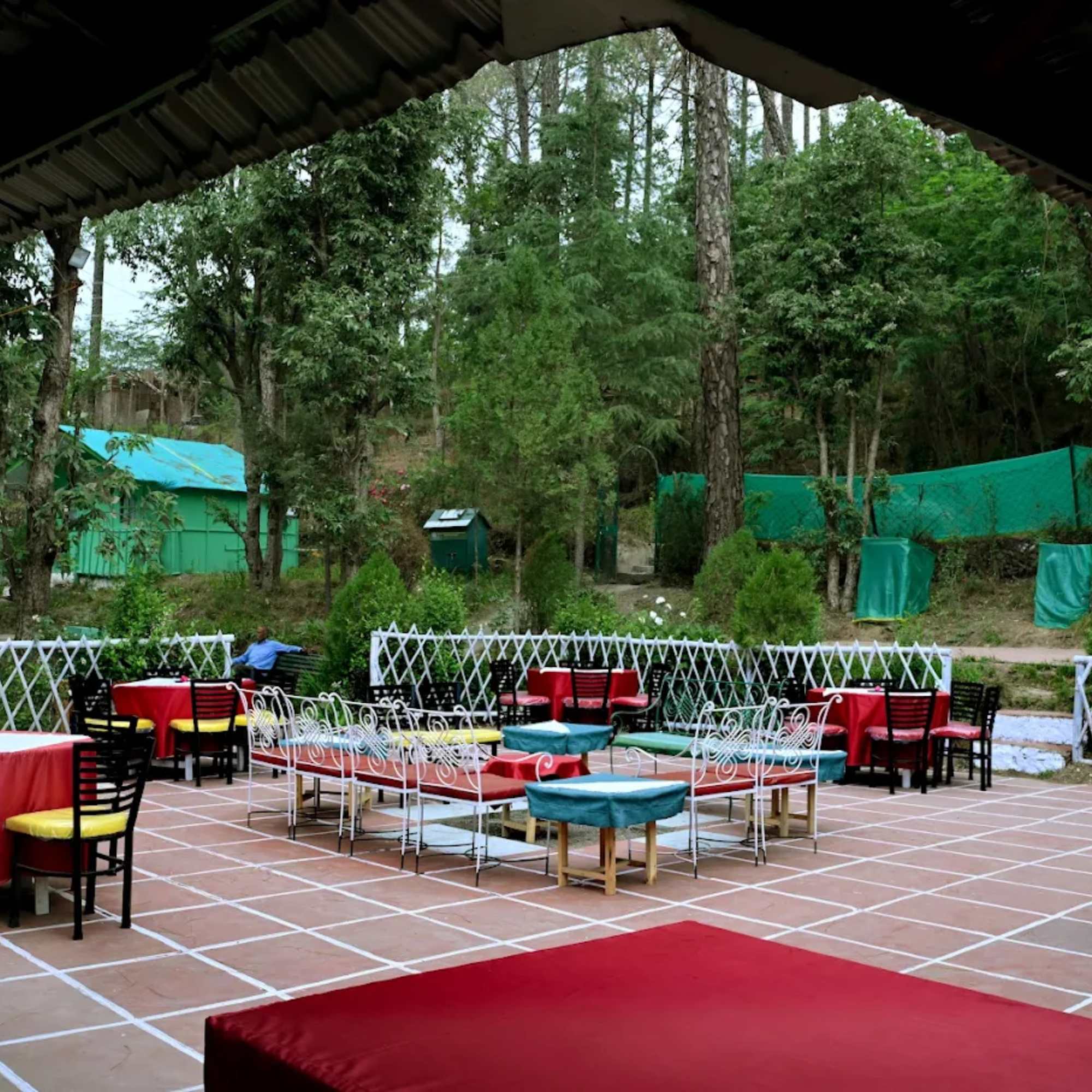
September can be a good month for travellers who prefer greenery and a slower holiday. Rain leaves the surrounding hills fresh, while dry periods create comfortable conditions for walking around central Shimla.
You may also find lighter crowds than during the busy summer period. This gives you more time inside cafés, local markets and heritage buildings without trying to cover every attraction in a rush.
What most tourists get wrong is treating the whole month as dry. September sits around the monsoon transition, and rain can still affect views, roads and transport.
Cloud and fog can hide the hills for hours. Wet stone paths become slippery, and traffic may slow down after intense rain. Railways and local roads can also face short interruptions.
In our experience, couples, families and relaxed travellers enjoy September most when they keep one indoor plan ready. A shower does not ruin the day if you can move a viewpoint visit to another afternoon.
October may suit you better if you have limited leave and a rigid outdoor plan. It usually gives better odds of settled sightseeing weather, though no month comes with a dry weather guarantee.
If you want help matching your stay and sightseeing plan to the season, compare the available Shimla tour packages.
What Is the Weather Like in Shimla in September?
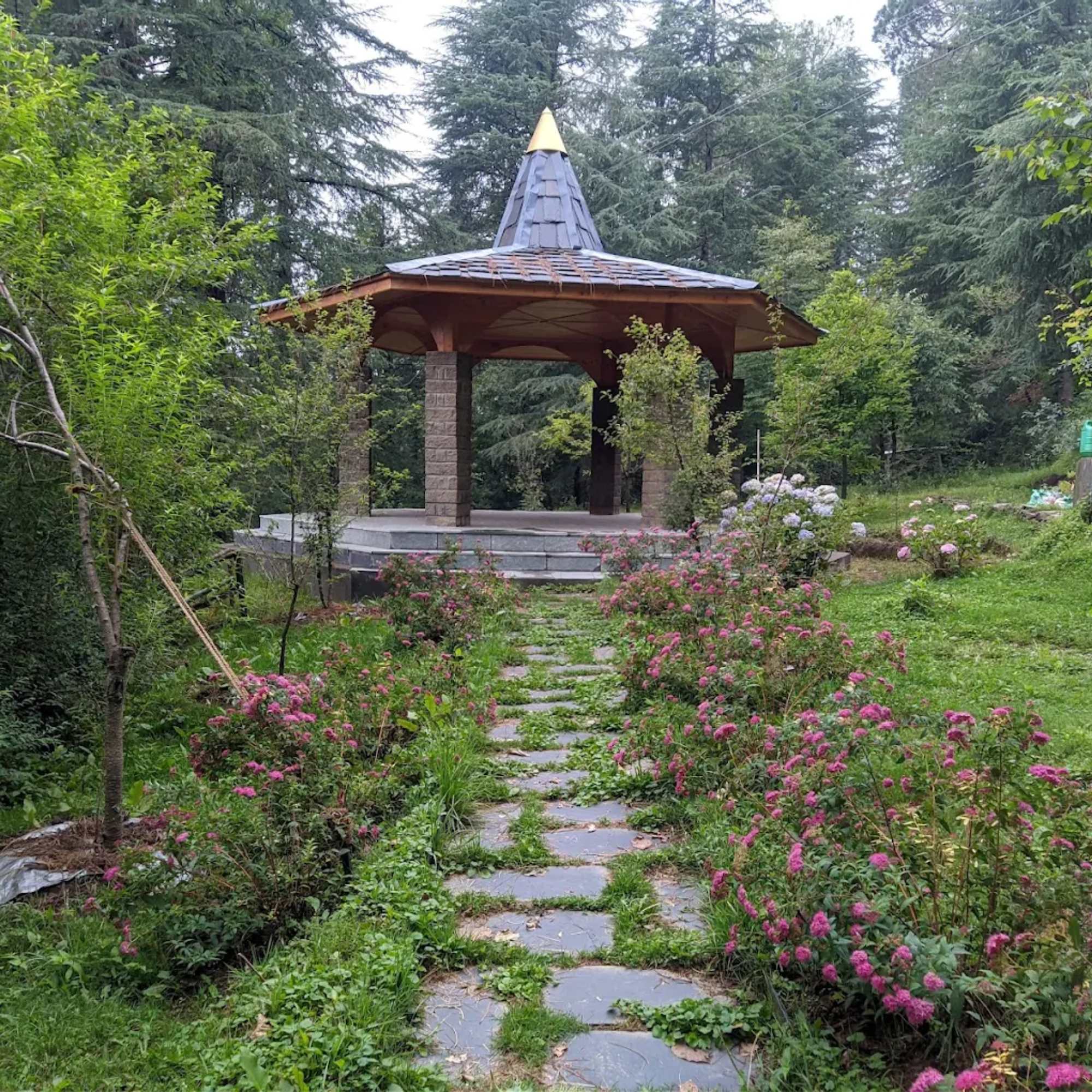
Temperature, Rainfall and Rainy Days
The IMD climatological baseline records an average daily maximum of 20.4°C and an average daily minimum of 12.9°C during September.
The same historical table records 148.7 mm of rainfall over 8.8 rainy days. These numbers describe past climate patterns. They do not serve as a forecast for your September 2026 dates.
A sunny afternoon can feel mild, especially while you walk around the Ridge or Mall Road. Mornings, evenings and rainy periods can feel much cooler.
Wet weather changes how the temperature feels. A breeze, damp clothes and cloud cover can make 12.9°C feel colder than you expect from the number alone.
Carry light layers even if the day begins with sunshine. A waterproof outer layer helps more than a bulky winter jacket during most September conditions.
Early September vs Late September
Early September generally carries a higher residual monsoon risk. You may face more frequent showers, low clouds and sudden changes in visibility.
Late September may bring longer settled spells. Still, the monsoon does not follow one fixed withdrawal date every year.
Do not assume that rain always ends on 15 September, 20 September or another fixed date. Weather systems can change the experience from one week to the next.
Our team recommends checking a fresh forecast close to departure instead of choosing dates through a monthly average alone. Look again 24 to 48 hours before travel.
If your itinerary includes Kufri, Naldehra or outdoor walks, keep the clearest day available for those plans. Use cloudy periods for heritage buildings, cafés and markets.
How Variable Can September Rainfall Be?
Recent IMD examples show how widely September rainfall can change between years. Shimla received only 18.7 mm in September 2020, while September 2025 reached 400.2 mm.
Shimla also recorded 141.0 mm of rain within 24 hours on 16 September 2025. That single event came close to the older monthly normal of 148.7 mm.
These figures do not mean September 2026 will face unusually heavy rain. They show why one climate average cannot predict your exact travel dates.
A monthly forecast may look comfortable when you book, yet a strong rain spell can still develop closer to departure. The reverse also happens, with several dry and pleasant days during a month that carries a wet reputation.
What we tell our travellers is simple. Use climate data to choose the season, but use the latest forecast to decide each day’s sightseeing order.
Is Shimla Safe to Visit in September 2026?
Landslide and Road Disruption Risks
Shimla may function normally during stable September weather. Hotels, markets, roads and sightseeing services do not automatically stop because the calendar shows the monsoon transition.
Prolonged or intense rain can change local conditions quickly. Falling rocks, landslides, blocked drains and traffic queues may cause temporary closures or delays.
Railways suspended four Kalka to Shimla services through 5 August 2026 because of rain and landslide risk. This update described August conditions and does not predict September operations.
A statewide snapshot from August 2026 reported 178 blocked roads across Himachal Pradesh. Road crews may reopen routes while fresh rain affects others, so the number changes with conditions.
The Dhalli to Sanjauli bypass also faced a temporary landslide interruption in June 2026. This example shows why a road that works normally today may need a short closure after rain.
These updates should encourage preparation, not panic. Avoid anyone who guarantees that every road and train will operate regardless of weather.
Practical Precautions for Travellers
Check the IMD Shimla forecast, Himachal emergency updates, official railway status and local traffic information 24 to 48 hours before travel.
Avoid unnecessary driving after dark during unstable weather. Intense rain reduces visibility and makes falling rocks, waterlogged sections and damaged road edges harder to notice.
Keep a buffer before a fixed flight or important long distance train. A delay on the mountain road can affect a connection even when the main route remains open.
Never stop your vehicle below an unstable slope or inside a marked falling rock zone. Move to a safer open section before taking a break or checking directions.
Carry personal medicines, drinking water and a power bank. Save offline copies of hotel bookings, railway tickets, identity documents and important contact details.
Our team also keeps sightseeing flexible after a night of intense rain. We ask local drivers about the approach before sending travellers toward an outer viewpoint or forest path.
Can You See Snow in Shimla in September?
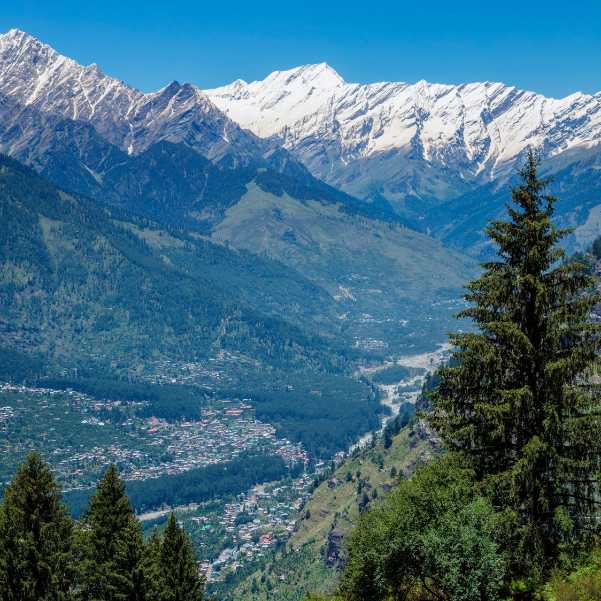
You should not plan a September trip expecting snowfall in Shimla town.
September gives you a green monsoon transition experience, not a snow holiday. You may see wet hills, moving clouds and fresh vegetation instead of white streets or active snow points.
Kufri also works as a green sightseeing and viewpoint destination during September. Do not book costly snow clothing or snow activities based on promises from an unverified seller.
Fresh snow depends on winter weather systems, and nobody can guarantee snowfall on a particular winter date either. If snow forms the main purpose of your holiday, choose the winter season and retain flexible dates.
What Are the Best Places to Visit in Shimla in September?
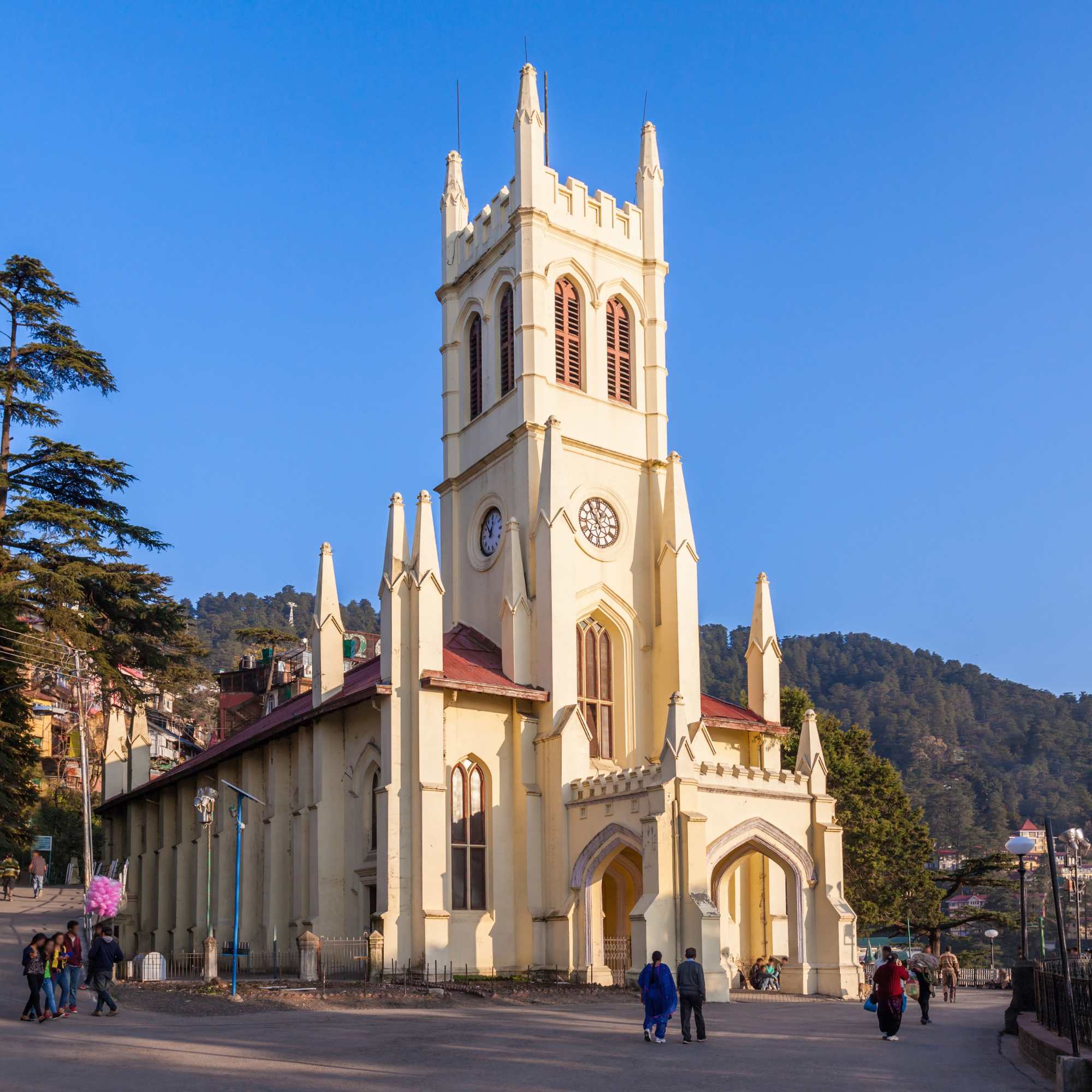
The Ridge, Mall Road, Christ Church and Lakkar Bazaar
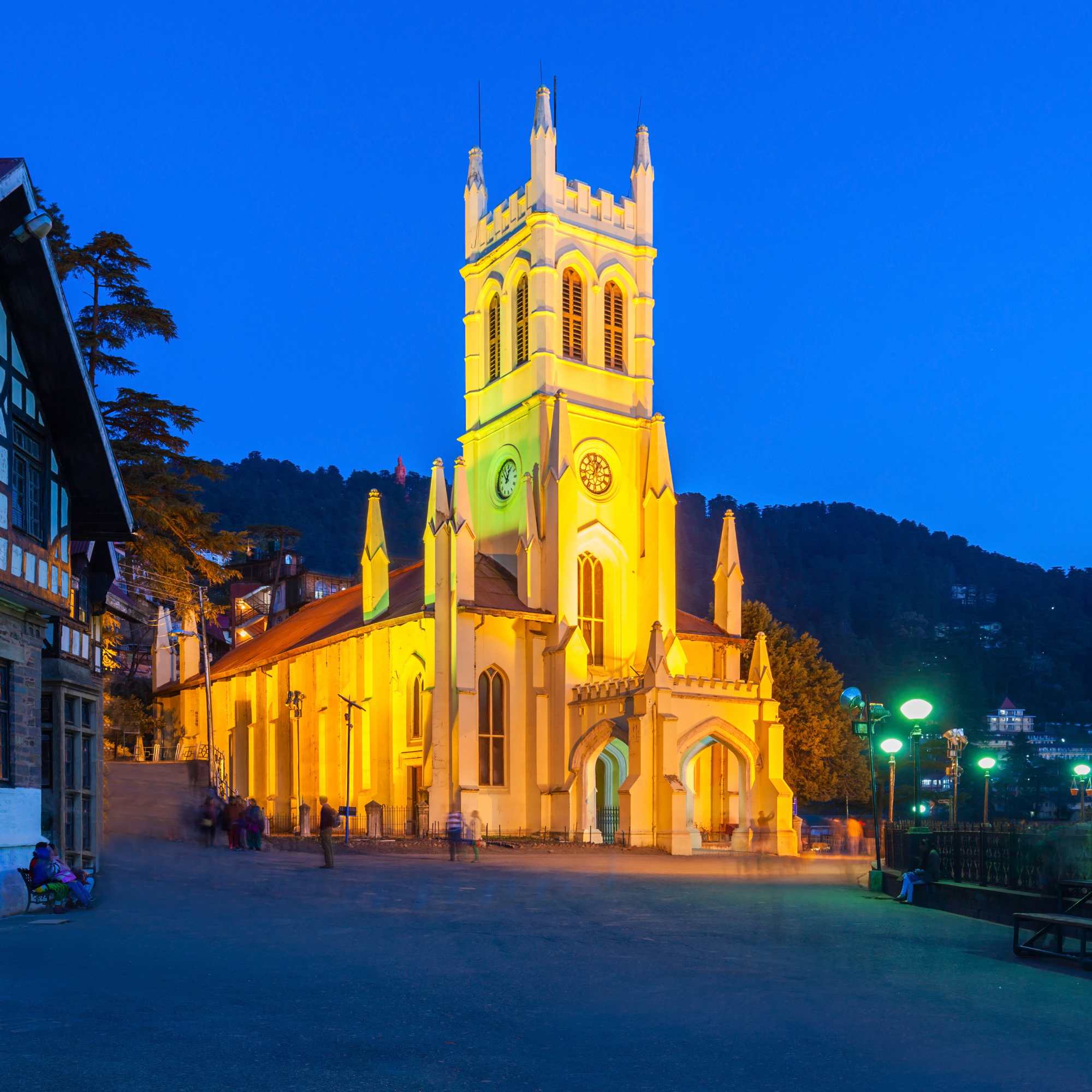
The Ridge, Christ Church, Mall Road, the Gaiety area and Lakkar Bazaar create a convenient central walking circuit.
Visit the Ridge during a clear spell if mountain visibility matters to you. Cloud can close the view quickly even while conditions remain comfortable for walking.
Mall Road works well during passing showers because you can step into cafés, shops and other covered spaces. This flexibility makes central Shimla useful on an uncertain weather day.
For chai, our team often suggests Indian Coffee House on Mall Road. Check that it remains open before walking there, as the supplied information does not confirm its current operating status.
Staying central can also save money on repeated local taxis. Confirm your hotel’s drop point because slopes and restricted roads can still require walking or porter help.
Do not expect to drive directly onto every road near the Mall. Shimla controls access between Cart Road and the Mall side through sealed or restricted roads.
Jakhoo Temple and Jakhoo Hill
Jakhoo Hill stands at 2,438 metres, making it the highest peak within Shimla city. The temple area also has a 108 foot Hanuman statue.
The climb can feel steep, and wet steps require extra care after rain. Wear shoes with reliable grip and avoid rushing downhill.
Monkeys frequently approach visitors around Jakhoo. Keep loose objects secure and do not carry food where animals can see it.
A clear spell improves the experience because cloud can hide the wider view. If rain becomes intense, move Jakhoo to another part of the itinerary.
Viceregal Lodge and the Indian Institute of Advanced Study
The Viceregal Lodge gives you a useful heritage stop during cloudy or lightly rainy weather. You can spend time learning about the building instead of waiting for a distant mountain view.
Official sources currently list different visiting hours, so confirm the latest opening and closing times before travelling.
The site generally closes on Mondays and national holidays, but check the holiday calendar for your visit date.
Confirm the current guided-tour schedule and ticket availability on the day, as tours may operate in limited time slots on a first-come, first-served basis.
Do not rely on a fixed online entry fee. Entry fees may change, so check the latest charge through the official visitor counter before your visit.
Annadale and the Himachal State Museum
Annadale and the Himachal State Museum work well when clouds hide the distant mountains. They add local history and a different side of Shimla to your itinerary.
Annadale gives you a greener, lower city setting, while the museum helps you understand Himachal through its collections.
Confirm the latest opening hours and entry fees before leaving your hotel, as these details may change.
These stops also help families avoid forcing a long outdoor day during unsettled weather. Keep enough time for the return journey if rain slows local traffic.
Chadwick Falls and Forest Walks
Chadwick Falls may carry stronger flow after rainy weather. The same rain can also make the approach muddy, slippery or unsafe.
Visit only when the approach remains open and local conditions support the walk. Ask your hotel or driver about the path before leaving.
Avoid an isolated forest walk during heavy rain, fading daylight or poor visibility. A waterfall visit does not justify taking chances on a slippery trail.
Skip Chadwick Falls if the route looks unsafe. Many tourists treat every named attraction as compulsory, but a wet forest path can provide poor value and unnecessary risk.
Kufri, Mashobra and Naldehra
Kufri, Mashobra and Naldehra work best as a clear weather day trip from Shimla. Green slopes and forest views become the main experience in September.
Travellers staying in Kufri or Mashobra may enjoy more quiet than central Shimla. They also depend more heavily on road conditions, private transport or taxis.
Do not visit Kufri solely for snow in September. You should also skip a long outer drive on a foggy day if viewpoints form the main reason for going.
That choice saves transport money and leaves the day available for central heritage stops. Move the outer circuit to the next clear spell instead.
What Are the Best Things to Do in Shimla in September?
A central heritage walk suits the mild periods between showers. The Ridge, Christ Church, the Gaiety area, Mall Road and Lakkar Bazaar fit naturally into the same day.
Use café time as part of the plan rather than treating it as a failed sightseeing hour. A warm drink gives rain time to pass without adding another taxi journey.
Browse local markets at a relaxed pace, but keep food and loose shopping bags secure near monkey areas. Wet streets also require more attention on slopes and steps.
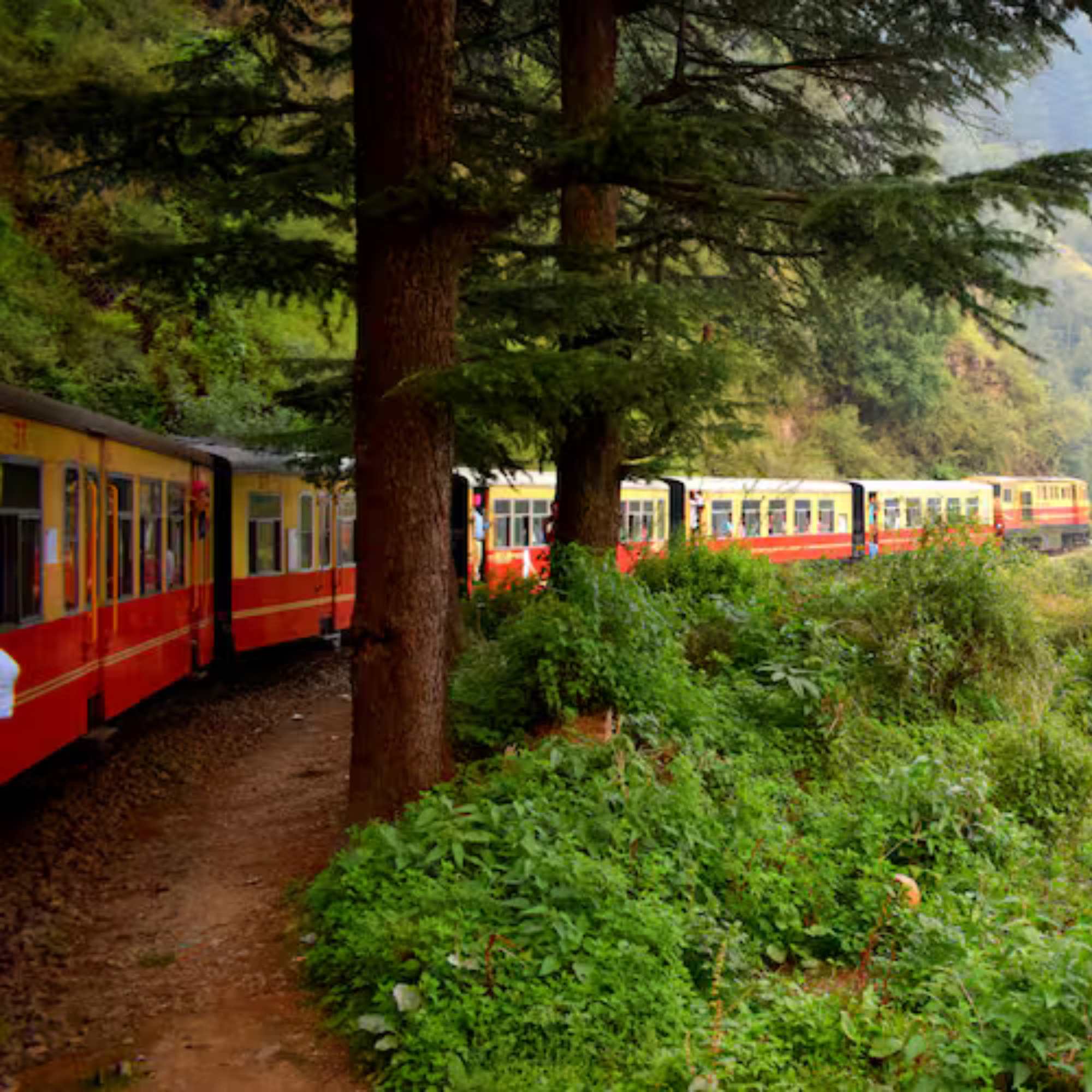
The Kalka to Shimla Railway forms part of the UNESCO listed Mountain Railways of India. The journey remains popular for its mountain route and slow changing views.
Check the exact train number, departure time and operating status through official railway channels. Heavy rain or landslide risk can cause cancellations and temporary suspensions.
The panoramic coach and DHMU completed safety trials in July 2026, but confirm their commercial operation, booking availability and current timetable through official railway channels before planning your journey.
You may also drive through orchard areas when road conditions remain stable. Do not enter a private orchard or promise fruit picking without the owner’s permission.
A Flexible 3 Day Shimla Itinerary for September
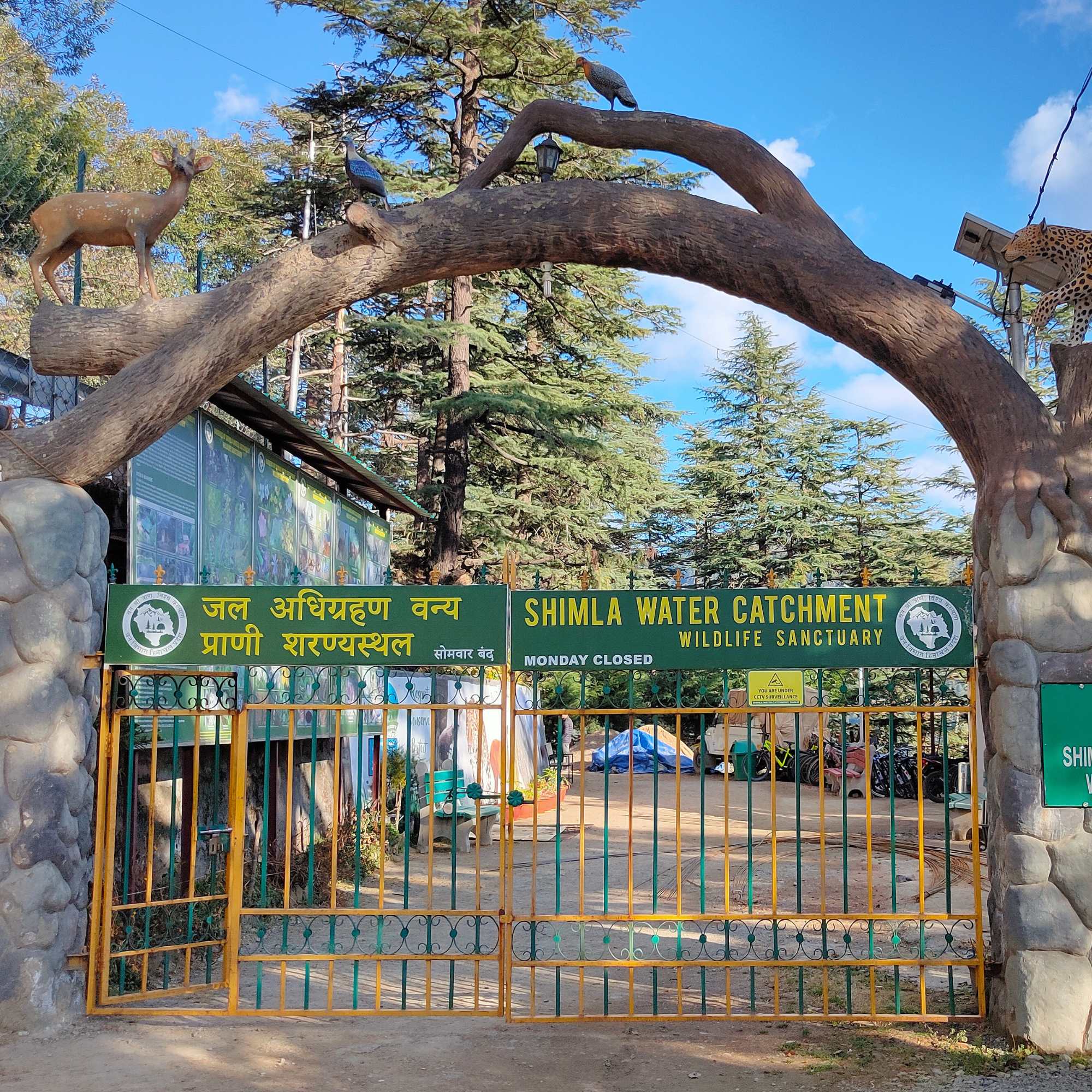
Day 1: Central Shimla Heritage Circuit
Begin with the Ridge, Christ Church and the Gaiety area during the clearest available spell. Continue along Mall Road and finish the main walking circuit at Lakkar Bazaar.
Add Jakhoo Temple only when visibility and walking conditions look suitable. Wet steps and steep sections can make the visit tiring for children, older travellers and anyone with limited mobility.
Keep part of the afternoon open. If a shower arrives, move into a café or browse covered shops instead of paying for an unnecessary taxi ride.
A central first day also lets you understand the slopes, restricted roads and nearest hotel drop point before planning longer local movements.
Day 2: Kufri, Mashobra and Naldehra
Use your clearest day for Kufri, Mashobra and Naldehra. Adjust the order according to visibility, current road conditions and your hotel’s location.
Do not force the full circuit if fog blocks the views or intense rain affects the roads. Ask the driver and hotel team for current information before departure.
For a rain day replacement, visit the Viceregal Lodge, the Himachal State Museum and central cafés. Add covered shopping around Mall Road when walking conditions remain safe.
This replacement keeps the day useful without gambling on an expensive outer drive. In our experience, travellers enjoy the trip more when they stop measuring success by the number of attractions covered.
Day 3: Viceregal Lodge, Annadale and Departure
Keep the final day close to Shimla city. Visit the Viceregal Lodge after confirming its latest opening hours, guided-tour schedule and holiday closures.
A city based final day gives you more control before departure. It also reduces the risk of getting delayed on an outer sightseeing route.
Allow extra travel time during unsettled weather. If you must connect with a fixed flight or important long distance train, a fourth night can create a useful buffer.
How Do You Reach Shimla in September?
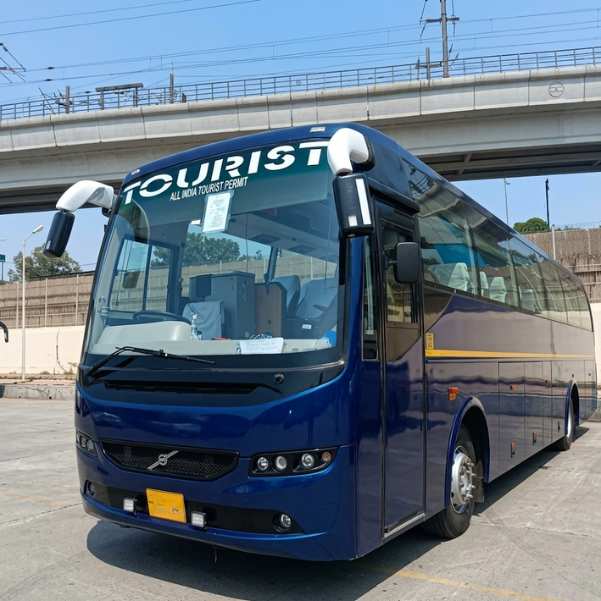
By Road from Chandigarh or Delhi
The main road may function normally while local traffic, short stoppages or weather delays affect your journey.
Check a live map and current traffic advisory on the day of travel. Conditions may change after intense rain even if the route looked clear the previous evening.
Do not rely on one fixed driving duration. Your starting point, departure hour, traffic, weather and active road work all affect the journey.
Avoid planning a tight connection immediately after your expected arrival. A buffer protects the rest of your trip from one mountain road delay.
By Kalka to Shimla Toy Train
The Kalka to Shimla toy train attracts travellers because the route moves slowly through mountain scenery and small railway stations.
Heavy rain and landslide risk can interrupt services. Railways suspended four services through 5 August 2026, but that August action does not confirm September operations.
Check your exact train and live running status through official railway channels before leaving for Kalka. Do not rely only on an old blog timetable or travel video.
Confirm the current fare, timetable, seat availability and live running status through official railway channels immediately before booking.
By Air
Shimla has limited air connectivity, and mountain weather can affect flight operations.
Confirm the flight schedule, operating days, airfare, baggage allowance and airport transfer arrangements directly for your travel date before booking.
Keep another route in mind if your schedule allows little flexibility. Do not build a short holiday around an unconfirmed flight.
Do You Need a Permit for Shimla?
Authorities have not identified a general destination entry permit for an ordinary tourist entering Shimla.
Restricted city roads follow separate rules. The Shimla district administration states that private vehicle owners may obtain a temporary prohibited road permit for ₹100 per day.
This permit does not give access to every road, and it does not guarantee a parking space. Confirm the roads covered before paying.
The administration prohibits parking beside Cart Road. Roads that lead from Cart Road toward the Mall side may also remain sealed or restricted.
Ask your hotel for its nearest legal drop point before arrival. This small step can prevent confusion with luggage on a wet day.
Local traffic restrictions can change, so drivers should confirm the current rules before entering controlled areas.
Where Should You Stay in Shimla in September?
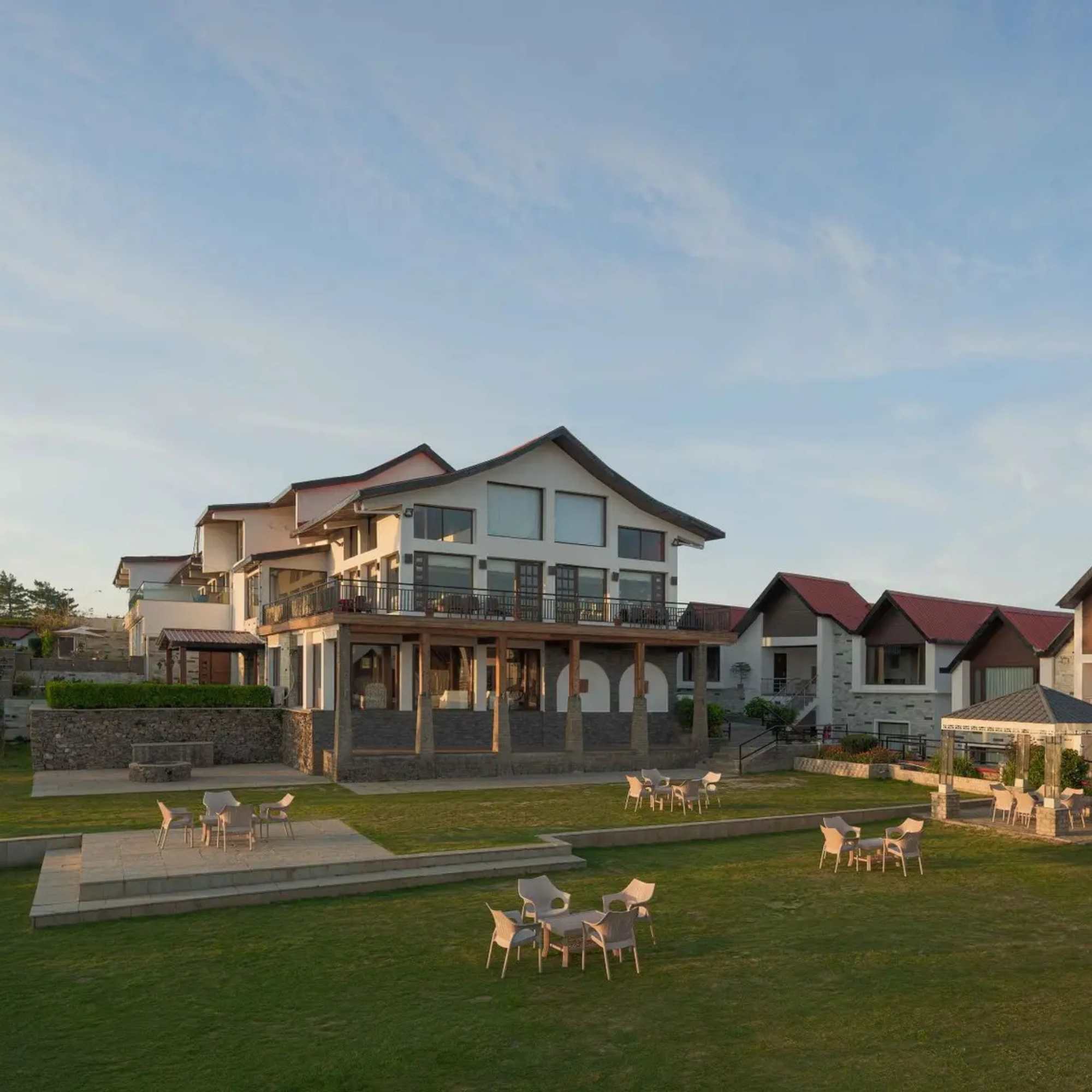
Mall Road or Central Shimla
Central Shimla suits travellers who want cafés, markets and major heritage sights within walking reach.
The area contains slopes and steps, and vehicles cannot access every hotel entrance. Ask the property for its nearest drop point and porter arrangement before booking.
A central stay may reduce repeated taxi spending. It also gives you quick access to covered spaces when a passing shower interrupts sightseeing.
Do not choose a hotel only because its address mentions Mall Road. Ask how far you must walk from the legal drop point with luggage.
Chotta Shimla or Chaura Maidan Side
Chotta Shimla and the Chaura Maidan side can provide quieter alternatives to the busiest central lanes.
Check the exact walking gradient, vehicle access and parking arrangement directly with the property. Do not assume that every hotel provides private parking.
Chaura Maidan may work well if the Viceregal Lodge and selected heritage areas matter to you. Confirm how you will reach Mall Road before booking.
Mashobra, Kufri or Outer Shimla
Mashobra, Kufri and other outer areas suit travellers who prioritise greenery, quiet and resort style stays.
The tradeoff comes through greater dependence on roads, taxis or a private vehicle. Repeated visits to Mall Road become less convenient.
Outer stays can feel isolating when rain affects visibility or transport. Keep meals, road access and local movement in mind before choosing a remote property.
What Should You Pack for Shimla in September?
Pack light layers that you can add or remove as the weather changes. You usually need flexibility more than heavy winter clothing.
Carry a waterproof jacket or compact umbrella. Shoes with good wet surface grip matter on stone paths, slopes and steps.
Bring spare socks, a waterproof backpack cover or dry pouch, personal medicines, drinking water, a power bank and a small day bag.
Keep booking copies and identification inside the dry pouch. Save digital copies offline in case weak connectivity prevents you from opening an email.
Rain can make the same temperature feel colder, especially after sunset. A light warm layer helps during damp evenings.
How Much Does a Shimla Trip Cost in September?
Your total depends on accommodation, road or railway transport, local taxis, meals, attraction tickets and a contingency amount.
Hotel rates vary with weekend demand, room category, location and property type, so confirm the current price for your exact dates before booking.
Taxi rates depend on the pickup point, vehicle type, sightseeing route and travel conditions. Ask for a written fare with inclusions before confirming.
Check current toy train fares, flight prices, attraction charges and package costs before publication or booking.
Do not trust blanket claims of a 30 to 40 percent discount. A lower weekday room price at one hotel does not establish a rule for all September stays.
A practical money saving choice is to stay near the places you plan to visit most. A central hotel can reduce repeated taxi movements, while an outer stay may include better resort space at the cost of more transport.
Keep a flexible contingency amount for route changes, extra meals or an unexpected additional night, based on your travel style and overall budget.
Request a current customised quote instead of planning from a generic online budget.
Is September or October Better for Shimla?
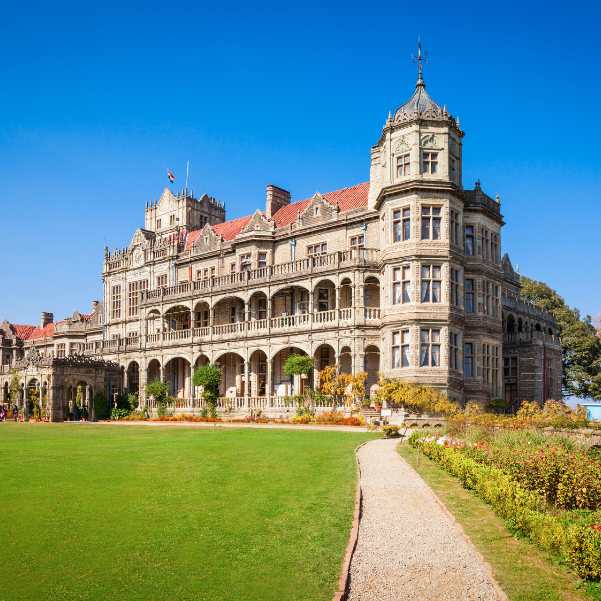
September generally looks greener and may feel less crowded. It also carries greater uncertainty from residual monsoon rain, fog and local transport disruption.
October usually brings better odds of settled outdoor sightseeing. No article can promise clear skies or dry weather for every October date.
Choose September if you enjoy green hills, café breaks and a flexible daily plan. Choose October if you have limited leave and place greater importance on outdoor sightseeing.
Couples with an easy schedule may enjoy the mood of September. Honeymoon travellers who want clearer viewpoints and a tighter photo plan may prefer October.
If you want a broader Himachal route, compare Manali tour packages or Dharamshala tour packages after allowing enough travel days.
Are There Any Festivals in Shimla in September 2026?
Sair has links with mid September traditions in parts of Himachal, especially Arki in Solan district.
Confirm the official 2026 Sair festival date and any announced celebrations in or around Shimla before planning your trip around the event.
Sharad Navratri begins on 11 October 2026. Do not treat it as a late September 2026 event.
The Shimla International Summer Festival also does not belong in a September guide. The 2026 festival ran from 8 to 12 June 2026.
Avoid booking a trip around any festival programme until an official organiser confirms the date, venue and public access.
Can Shimla Be Combined with Other Himachal Destinations?
You can consider Kinnaur after checking current mountain road conditions and giving the route enough days.
Do not treat Kinnaur as a quick side trip during a three day Shimla holiday. Explore suitable durations through the Kinnaur tour packages.
Spiti requires a separate, longer journey. Road conditions, distance and the number of overnight stops make it unsuitable as a rushed Shimla extension.
Use the Spiti Valley tour packages to understand the journey before combining it with Shimla.
Trying to cover Shimla, Kinnaur and Spiti in too few days creates long road hours and little time at each stop. Keep a three day plan focused on Shimla and its nearby areas.
Final Verdict
September suits travellers who value green hills, mild conditions and flexibility more than weather certainty.
Keep one indoor alternative ready, check transport and weather information close to departure, and avoid filling every day with distant outdoor stops.
Our customised planning can match your hotel location, arrival route and sightseeing order with the season. Use the customised Shimla trip page to start.
Explore Our Curated Shimla Tour Packages
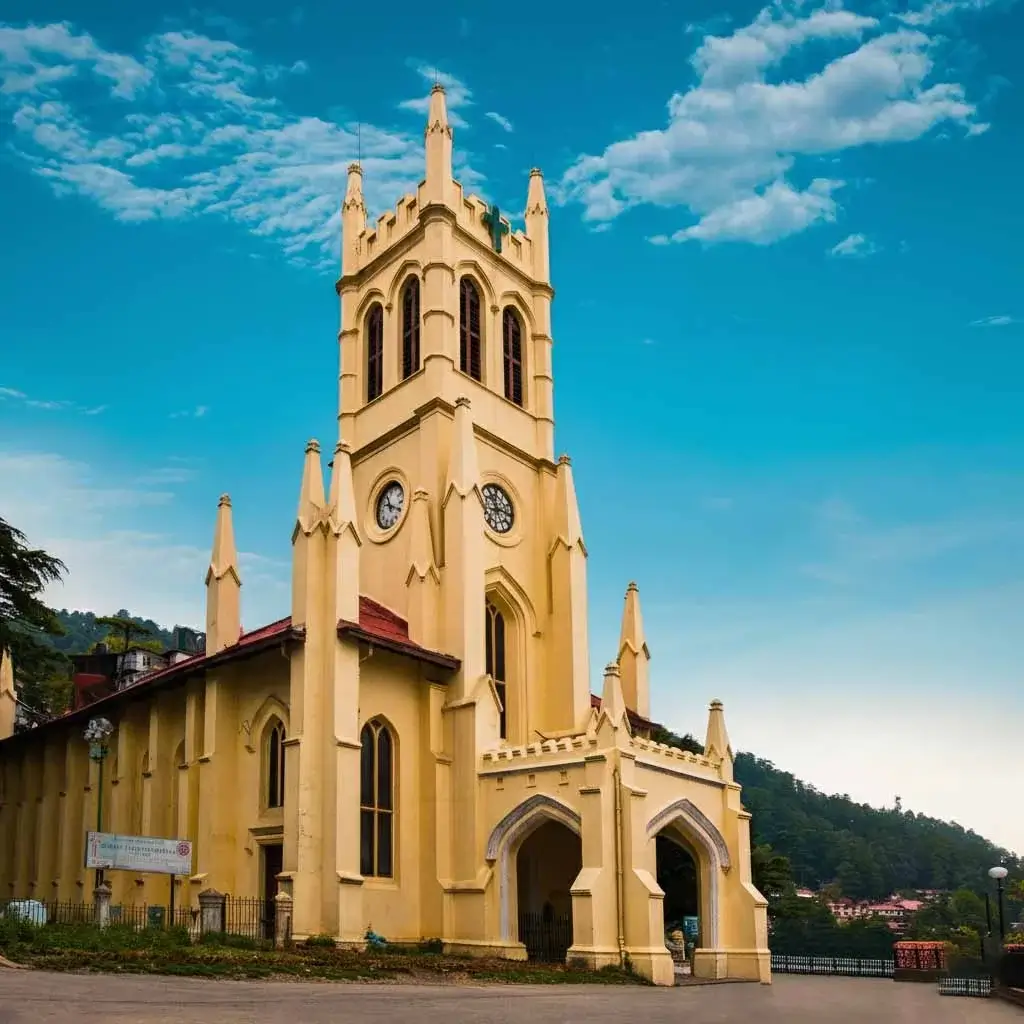 6D/5N
6D/5NClassic Shimla Kufri Mashobra Narkanda Experience
1D Delhi•3D Shimla+2
₹12,999₹18,999SAVE INR 6,000/ person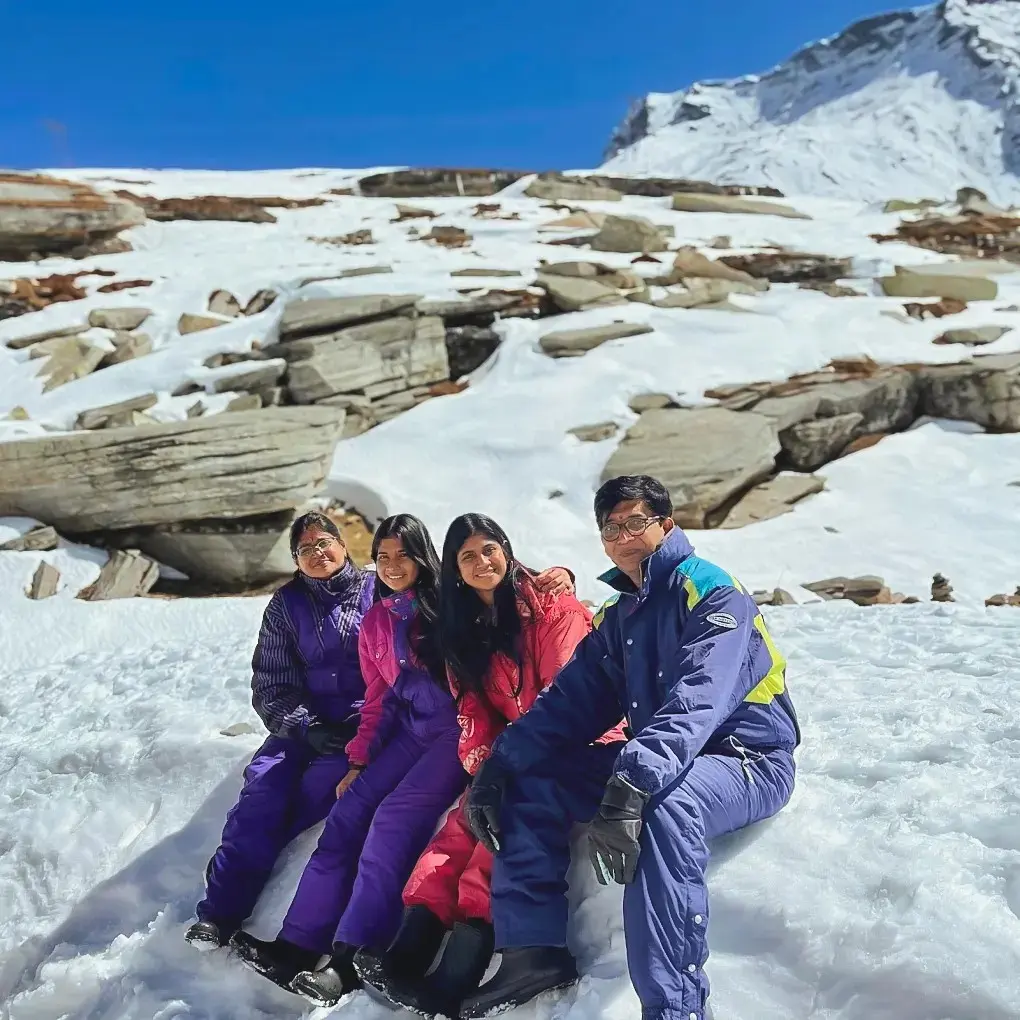 7D/6N
7D/6NComplete Shimla Manali Volvo Package with Rohtang Pass
2D Shimla•2D Manali
₹15,999₹19,499SAVE INR 3,500/ person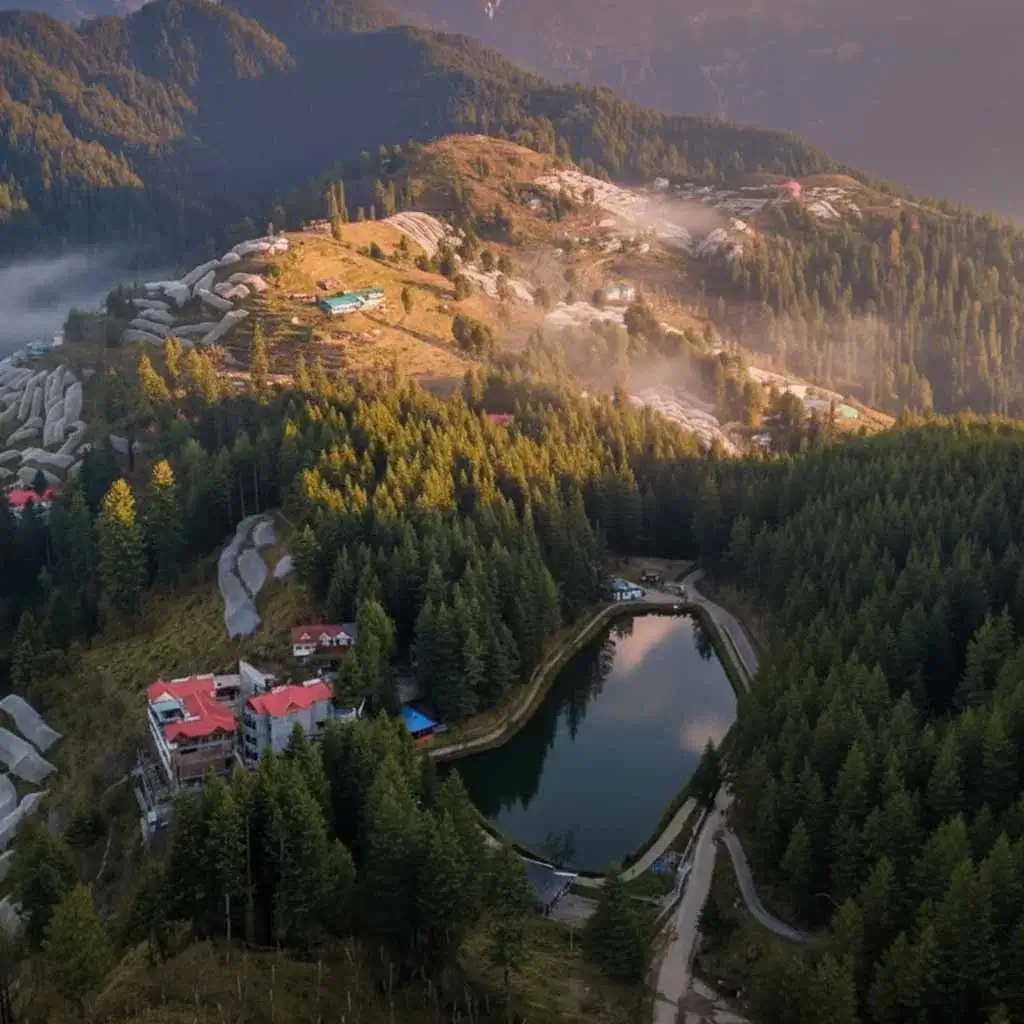 7D/6N
7D/6NClassic Shimla Kufri Chail Narkanda Pine Valley Experience
1D Delhi•2D Shimla+3
₹17,600₹23,999SAVE INR 6,399/ person
Related topics
Frequently Asked Questions
Is September a good time to visit Shimla?
Yes, if you want green hills, mild daytime conditions and a flexible holiday. Residual rain, fog and temporary transport delays remain possible, so September does not suit travellers who need every outdoor plan to run exactly as scheduled.
What temperature can I expect in Shimla in September?
The IMD historical baseline records an average daily maximum of 20.4°C and minimum of 12.9°C. These climate normals help with packing, but they do not predict the temperature on your September 2026 dates.
How much does it rain in Shimla in September?
The historical IMD baseline gives 148.7 mm over 8.8 rainy days. Actual totals vary sharply, from 18.7 mm in 2020 to 400.2 mm in 2025, so check the latest forecast near departure.
Is Shimla safe during the September monsoon?
Travel can proceed normally during stable weather, but intense rain may trigger falling rocks, landslides and temporary disruption. Check official updates, avoid unstable slopes and unnecessary night driving, and keep extra time before fixed connections.
Is early September or late September better?
Late September may provide better odds of longer settled spells. The timing of monsoon withdrawal changes each year, so late September does not guarantee dry weather. Check the forecast 24 to 48 hours before travel.
Can I see snowfall in Shimla or Kufri in September?
Do not expect snowfall in Shimla or Kufri during September. Plan for green hills, cloud and possible rain instead. Choose the winter season if fresh snow forms your priority, but do not expect a guarantee for any date.
What clothes should I carry for Shimla in September?
Carry light layers, a waterproof jacket or umbrella, shoes with reliable grip and spare socks. Add a dry pouch, personal medicines and a power bank. Damp evenings can feel cooler than the temperature suggests.
Are roads to Shimla normally open in September?
The main route may operate normally, but rain can cause local stoppages, falling rocks and delays. No one can guarantee every road. Check live maps, traffic advisories and Himachal emergency updates before departure.
Does the Kalka to Shimla toy train operate in September?
Services may operate, but heavy rain and landslide risk can trigger cancellations or suspensions. Confirm your exact train number, departure time and live running status through official railway channels before leaving for the station.
Are two days enough for Shimla in September?
Two days can cover central Shimla and one additional circuit if the weather remains suitable. Three days give you more flexibility to move Kufri or outdoor sightseeing around a wet or foggy period.
Is Kufri worth visiting in September?
Kufri can suit a clear day for greenery and viewpoints. Do not visit for dependable snow or snow activities. Skip the outer drive during thick fog if views form the main reason for your trip.
Is September or October better for a Shimla honeymoon?
September suits couples who enjoy greenery, cafés and an unhurried plan. October usually gives better odds of settled outdoor conditions, which may suit couples with limited leave or a strong preference for clearer views.
More about Shimla
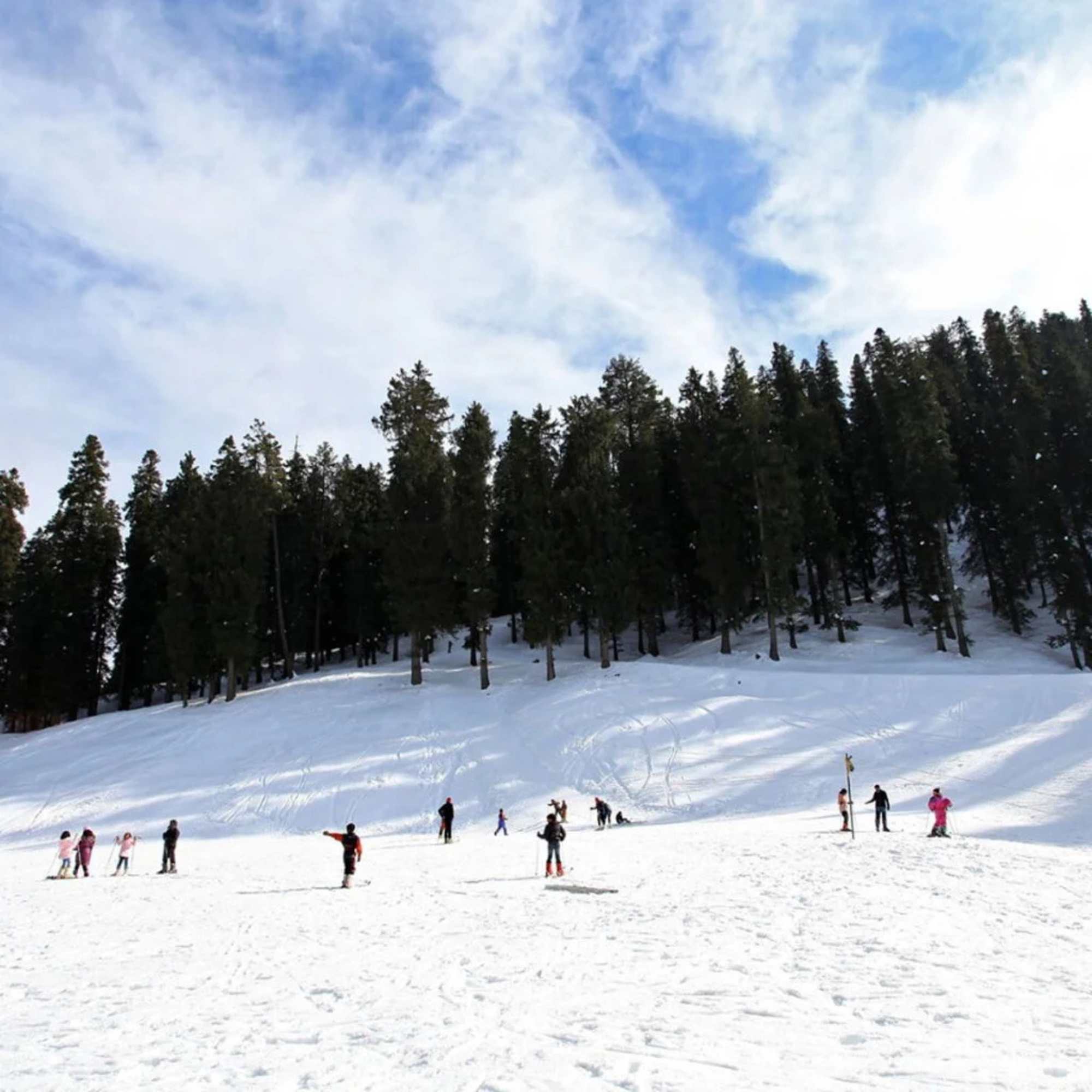 Shimla
Shimla Snow Trip 2026: Best Time, Itinerary, Cost and Local Tips
Plan your Shimla Snow Trip 2026 with this complete guide to the best time for snowfall, estimated trip cost, winter itinerary, top snow spots, Kufri visit, and useful travel tips.
- Snow Travel
- Best Time to Visit
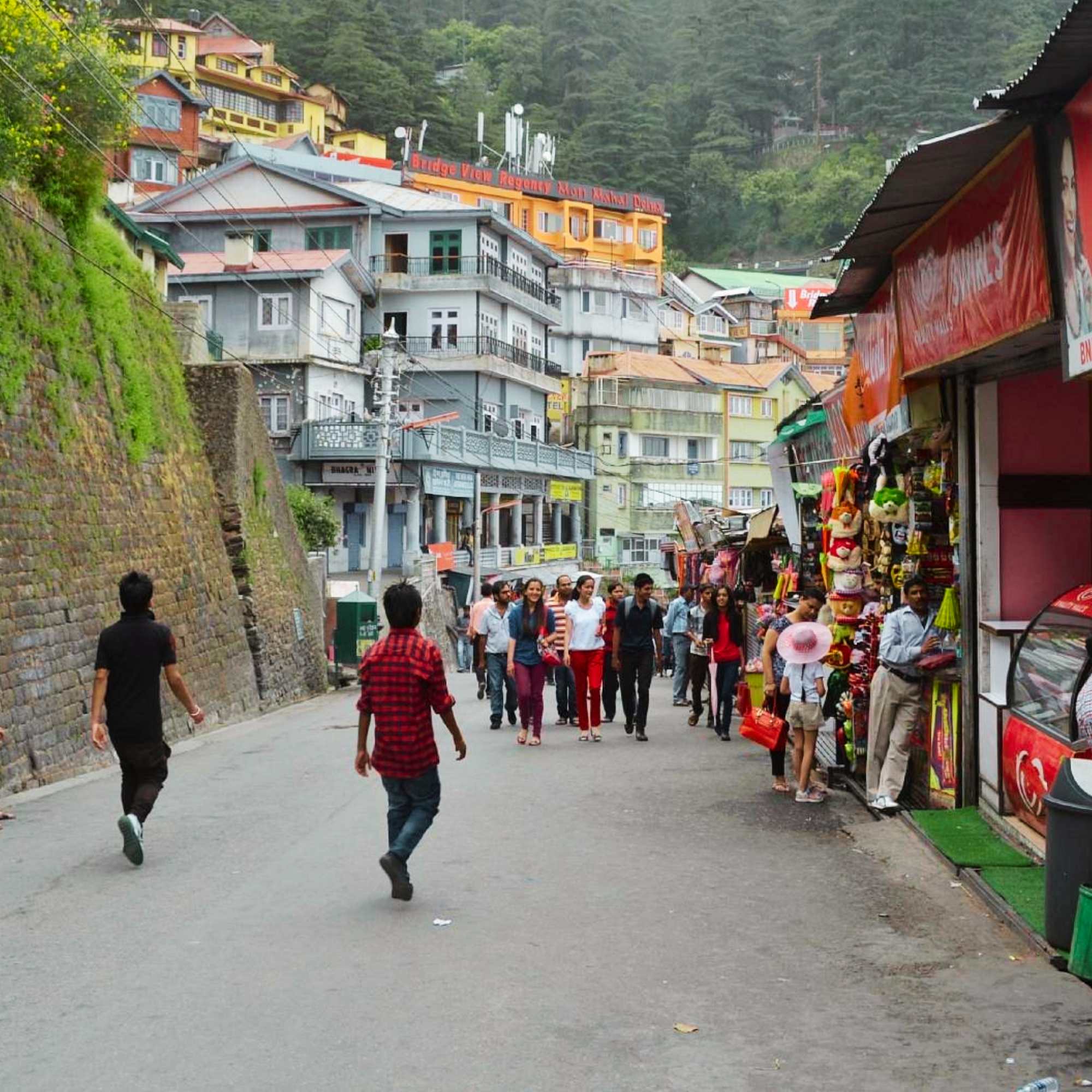 Shimla
Shimla in February 2027: Weather, Snowfall, Itinerary and Travel Tips
Planning a trip to Shimla in February 2027? Discover typical February temperatures, chances of snowfall, what the weather is usually like, the best places to enjoy snow, what to pack, and practical tips for planning a memorable winter trip to Shimla.
- Best Time to Visit
- Snow Travel
 Shimla
Snow Point Near Shimla in 2026: Kufri, Fagu, Narkanda and the Best Places to Find Snow
Discover the best snow points near Shimla in 2026, including Kufri, Fagu and Narkanda. Find out where to see snow, the best time to visit, and the top winter destinations near Shimla.
- Snow Travel
- Places to Visit