
Rohru Travel Guide 2026: Apple Orchards, Pabbar River & Trout Fishing
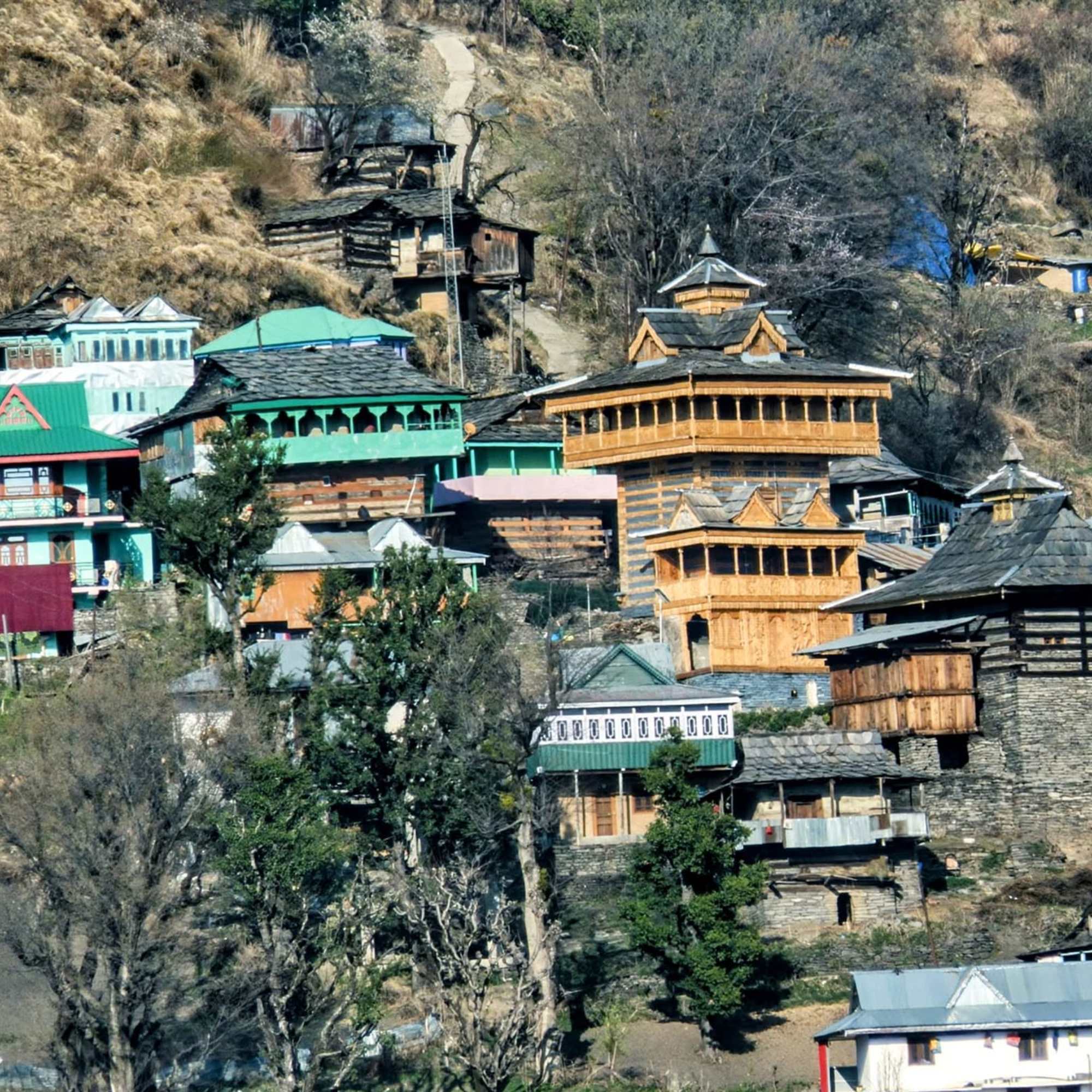
Most people who search for Rohru have already done Shimla and Manali and want something quieter. Good instinct.
Rohru sits on the Pabbar River, about 115 km from Shimla, and it still feels like a real Himachali town and not a tourist set.
You come here for apple orchards, trout in the Pabbar, the old Hatkoti temple, and the road up to Chanshal Pass. The town itself is small and slow, which is the whole point.
Here is the part most blogs skip. Chanshal road status and trout fishing rules change fast, and you have to check both locally before you lock your dates.
Quick Answer: Is Rohru worth visiting in 2026?
Yes, if you want a calm Himachal trip over a busy one. Rohru is a small town in Shimla district on the Pabbar River.
It works best for apple orchards, trout fishing, the Hatkoti temple, Chanshal Pass day trips, and quiet mountain stays.
Most casual travellers need 2 to 3 days. Trekkers heading to Chandernahan or Buran Ghati need 4 to 7 days.
Before you go, check the Chanshal road status and the trout fishing rules with a local source. Both shift with weather and season.
>>>Need help planning Rohru? Talk to our Himachal team on WhatsApp.
What is Rohru famous for?
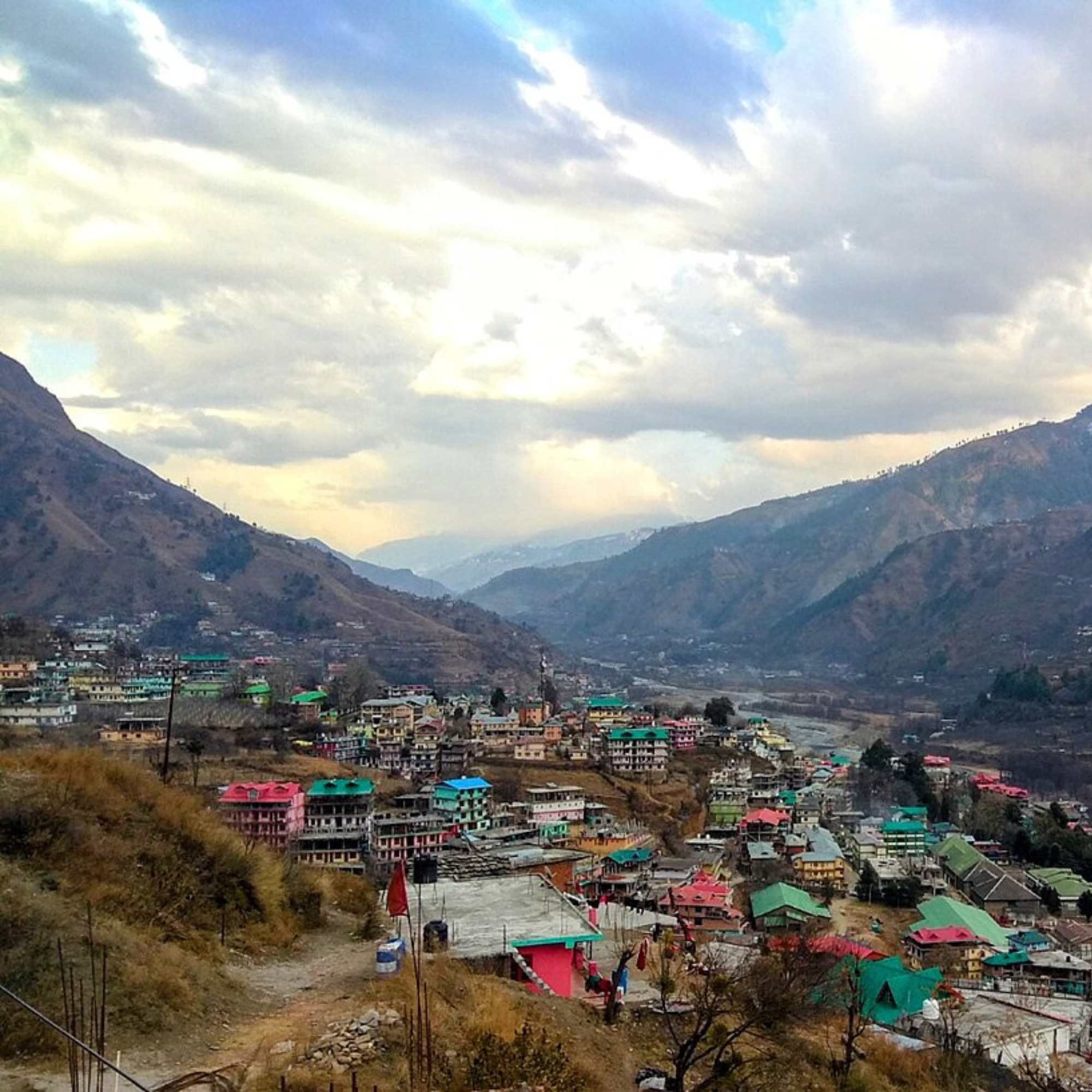
Rohru is apple country first. Drive in during harvest and you see crates stacked outside houses, trucks loading fruit, and orchards running up both sides of the valley.
The second thing is the Pabbar River. It runs right through the area and gives Rohru its trout, its riverside walks, and its angling crowd.
People also come for the temples. Hatkoti is the big one, and there are smaller local temples in and around Rohru town itself.
Then there is the road towards Chanshal Pass, which turns Rohru into a base camp for bikers, road trippers, and trekkers heading higher.
Here is what most tourists get wrong about Rohru. They treat it like Shimla and expect mall roads, cafes, and a buzzing market. Rohru is not that. It is slow travel, simple shops, river time, and villages spread across the Pabbar Valley.
In our experience running trips here, the people who love Rohru are the ones who came for quiet, not for entertainment. If you want lights and crowds, you will be bored by the second evening.
If you only have a few days in the hills and want a calmer base than Shimla town, our Shimla tour packages can fold a Rohru leg into a wider Shimla district plan.
Where is Rohru located?
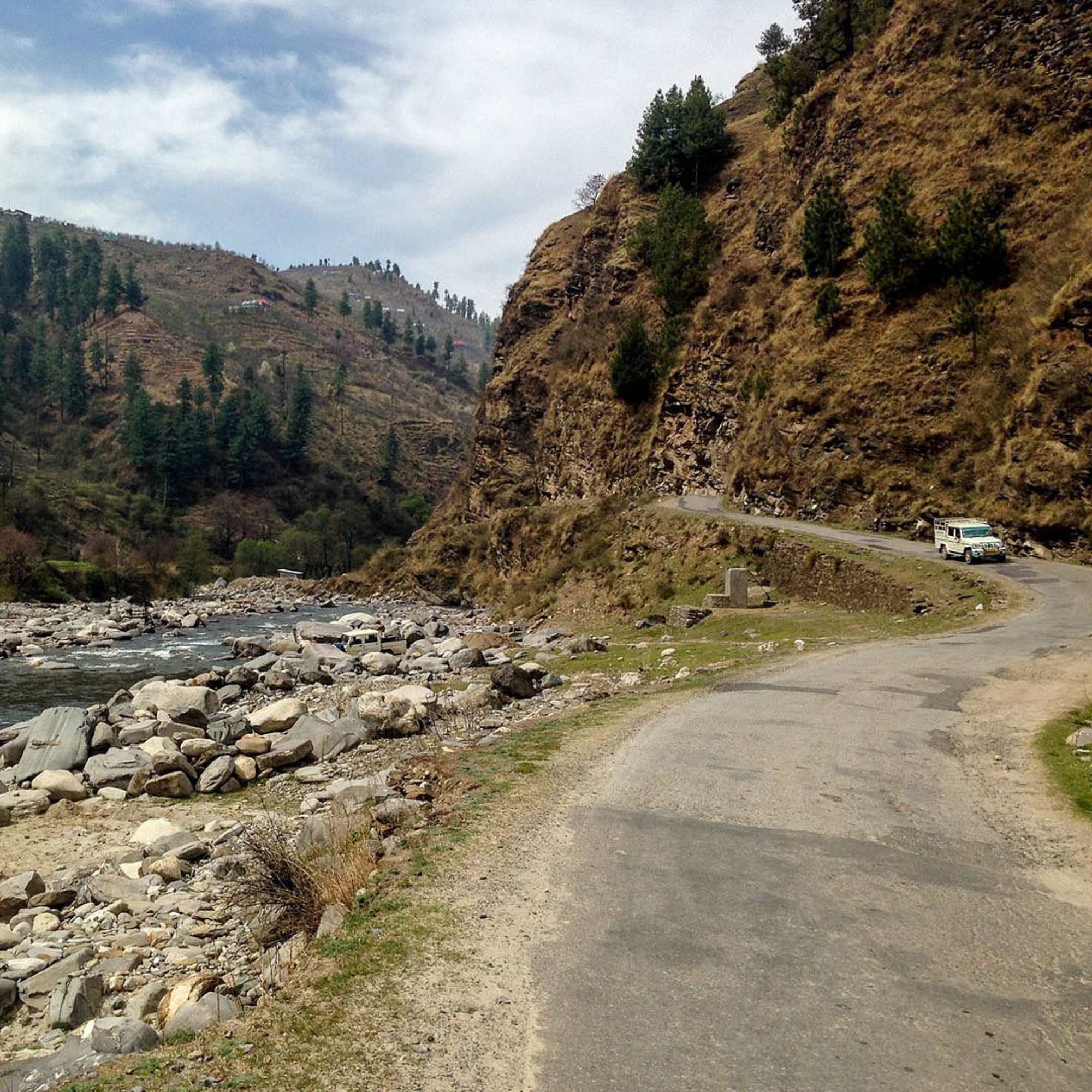
Rohru is a town and municipal committee in Shimla district, Himachal Pradesh, sitting on the banks of the Pabbar River.
It is about 115 km from Shimla, so it is a half-day drive once you account for the mountain roads.
Its elevation is around 1,525 m, which keeps it lower and warmer than the high passes nearby.
What makes Rohru useful is its position. It works as a base for Hatkoti, Chirgaon, Dhamwari, Chanshal, Janglik, and the spread of Pabbar Valley villages.
You sleep in Rohru, then push out each day to whatever you came for, fishing, orchards, temples, or the pass.
What is the best time to visit Rohru?
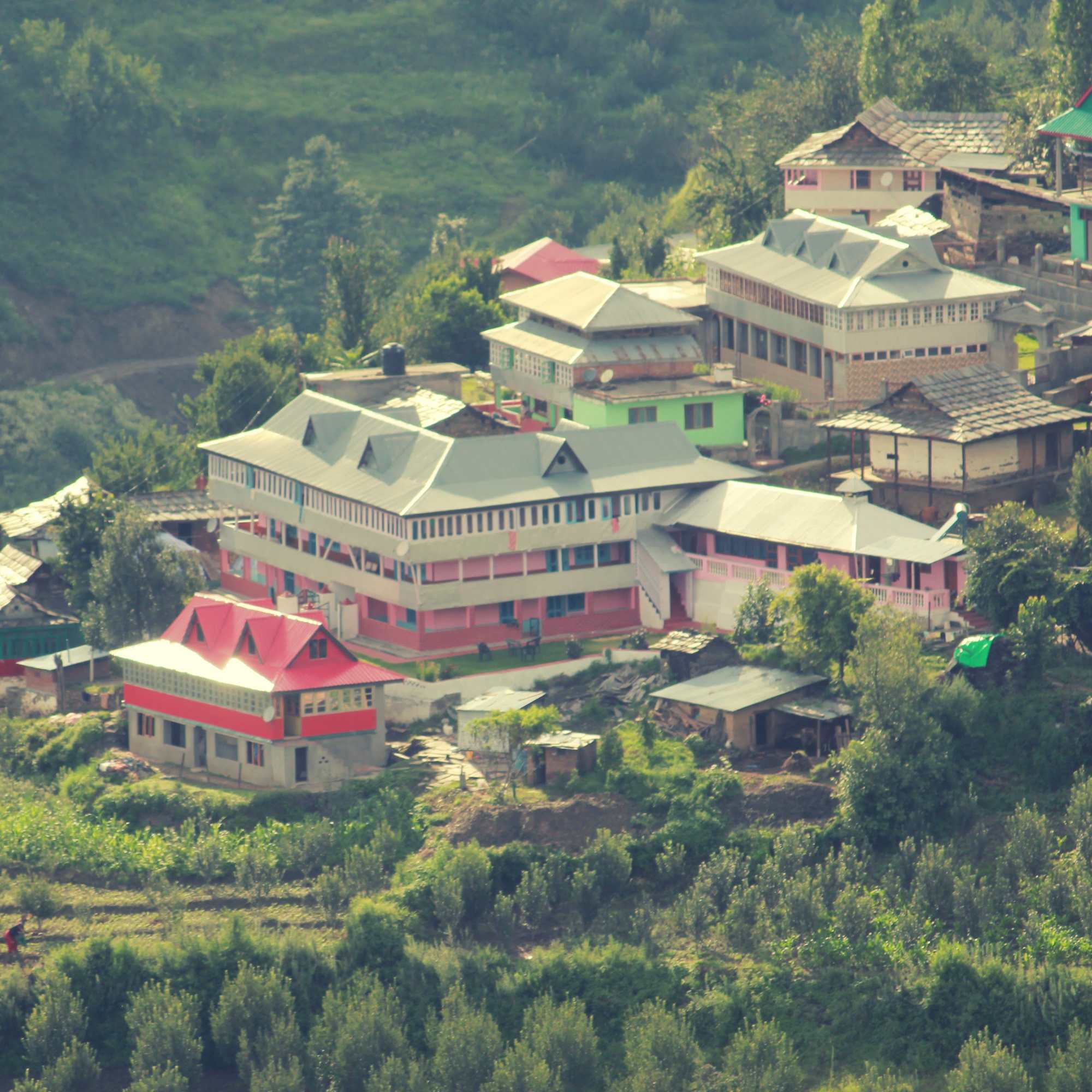
There is no single best month. It depends on what you want, apples, weather, river time, or the high road.
March to June
This is the easy season. The weather is pleasant, the lower valley is open, and you can do riverside walks and local sightseeing without much drama.
It suits first-time visitors and families who want a relaxed trip rather than a high-altitude push.
July and August
The valley turns green and looks its best, but this is monsoon. Rain can trigger landslides and road delays across the Shimla to Rohru stretch.
We usually tell travellers to avoid July and August unless their dates are flexible and they are fine with losing a day to a blocked road.
September to October
This is the strongest window for most people. You get apples, clearer skies, post-monsoon views, and good road-trip conditions towards Chanshal.
One honest caveat for 2026. The Himachal apple crop has been hit hard by harsh weather across key growing areas including Shimla district, so check apple availability directly with local orchard owners before you build a whole trip around it.
November to February
You can still visit Rohru town in winter if the roads allow it, but keep expectations realistic.
Higher areas like Chanshal are usually shut by snow through these months, so plan a low-valley trip and skip the pass.
When can you see apple orchards in Rohru?
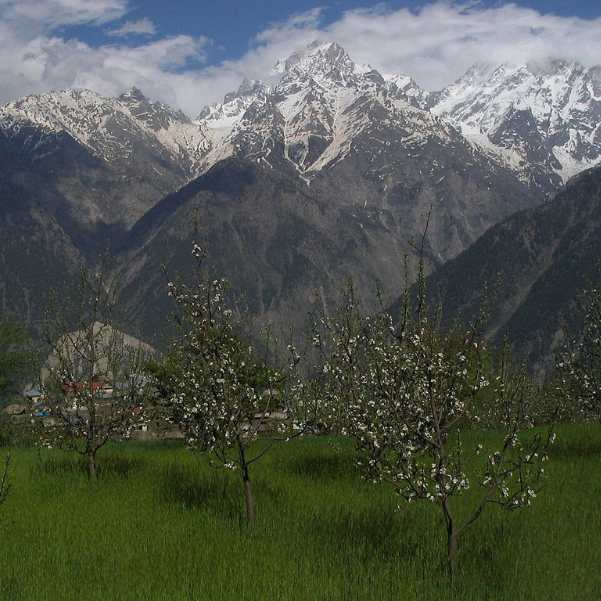
First, clear up the timeline. Blossoms come earlier in the season, then small fruit forms, and the actual harvest fills the later months.
The broad fruit and harvest window runs roughly August to October, and that is when the orchards feel most alive.
But do not assume every orchard is open for tourists. These are working farms, not parks.
Always ask the owner before you walk in or pluck anything. Plucking an apple off someone's tree without asking is a fast way to ruin the welcome for the next traveller.
The better move is to buy apples and apple products straight from the locals. Fresh fruit, juice, and jam bought direct from a Rohru or Chirgaon orchard owner is cheaper and fresher than anything you will find packaged in a city.
What we always tell our travellers is to treat the orchards as someone's livelihood, not a photo backdrop. Ask, buy something, and you will often get a much warmer orchard experience than the ones who just barge in.
Can tourists do trout fishing in Rohru?
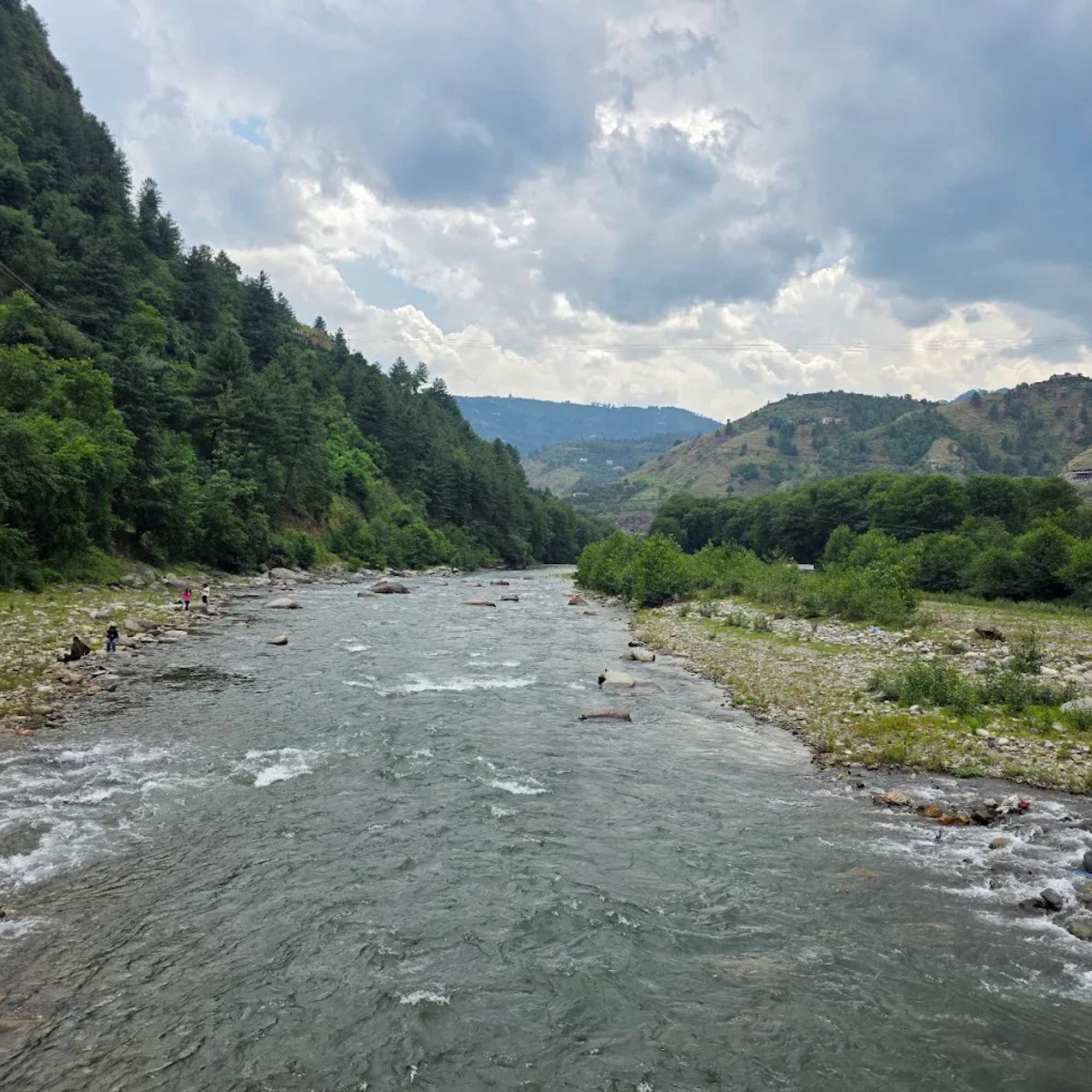
Yes. The Pabbar River through Rohru Valley is an official trout angling area, and it holds both brown and rainbow trout.
But you cannot just turn up with a rod. You need a licence for angling or fishing here.
There is also a close season. Fishing is shut from 1 November to the last day of February, so winter is out for anglers.
On the daily catch limit, the sources do not agree, so we will not hand you a number that turns out wrong. Confirm the catch limit and the size rules with the Himachal Fisheries Department or a local licensed angling guide before you cast a line.
The Fisheries Department lists several fishing spots near Rohru, including Seema at 5 km, Mandil at 10 km, Saandhsu at 17 km, Tikri at 21 km, and Dhamwari at 24 km.
In our experience, the simplest path for a first-time angler is to book through a licensed local guide. They sort the licence, the spot, and the gear, and they know which stretch is fishing well that week.
Best places to visit in and around Rohru
Pabbar River
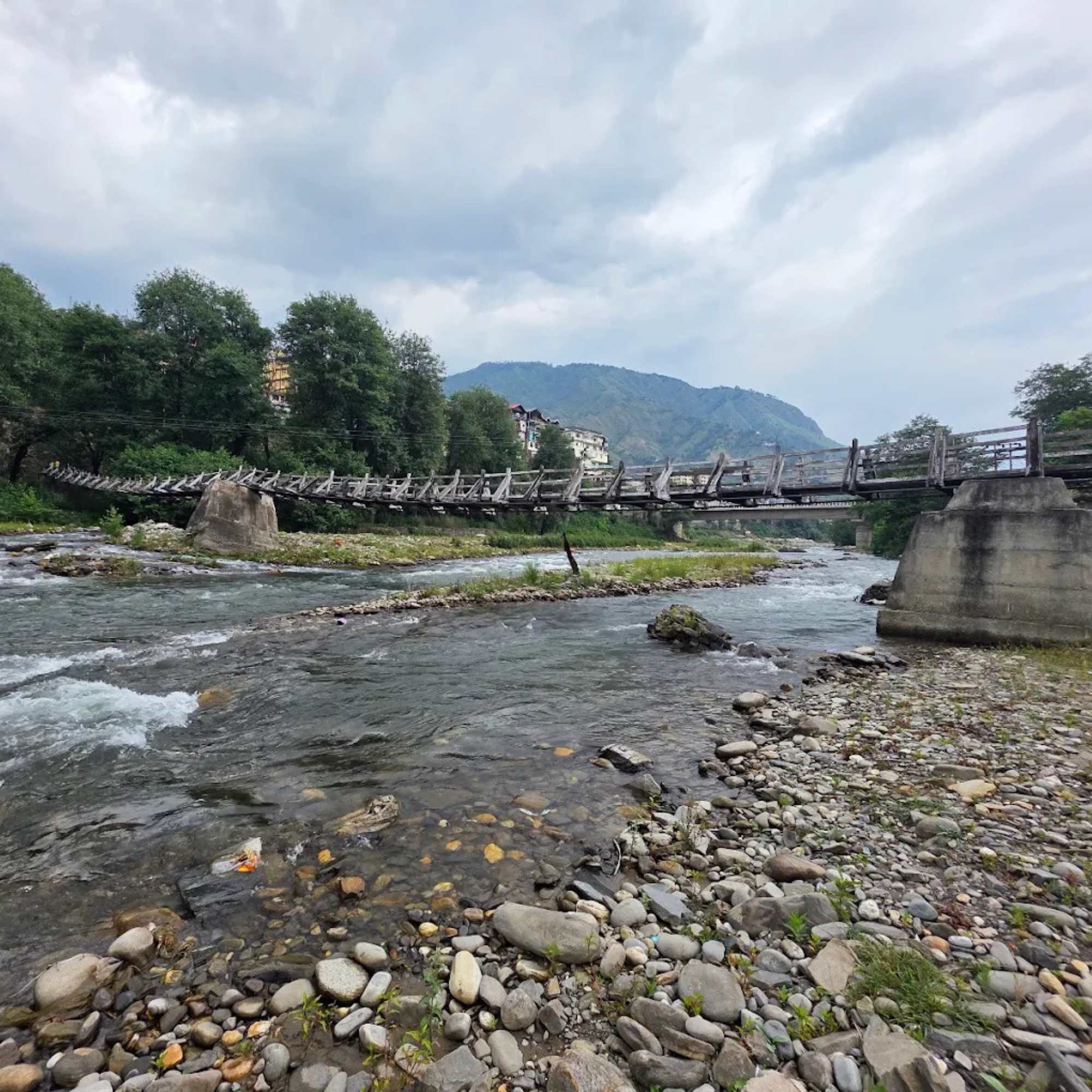
This is the heart of any Rohru trip. You can do slow riverside walks, sit and watch the water, and find quiet spots away from the road.
It is also the centre of the local angling scene, so even if you do not fish, the river culture is part of the experience.
For photos, the early morning light on the water beats the harsh midday glare. Get out before the day heats up.
Hatkoti Temple
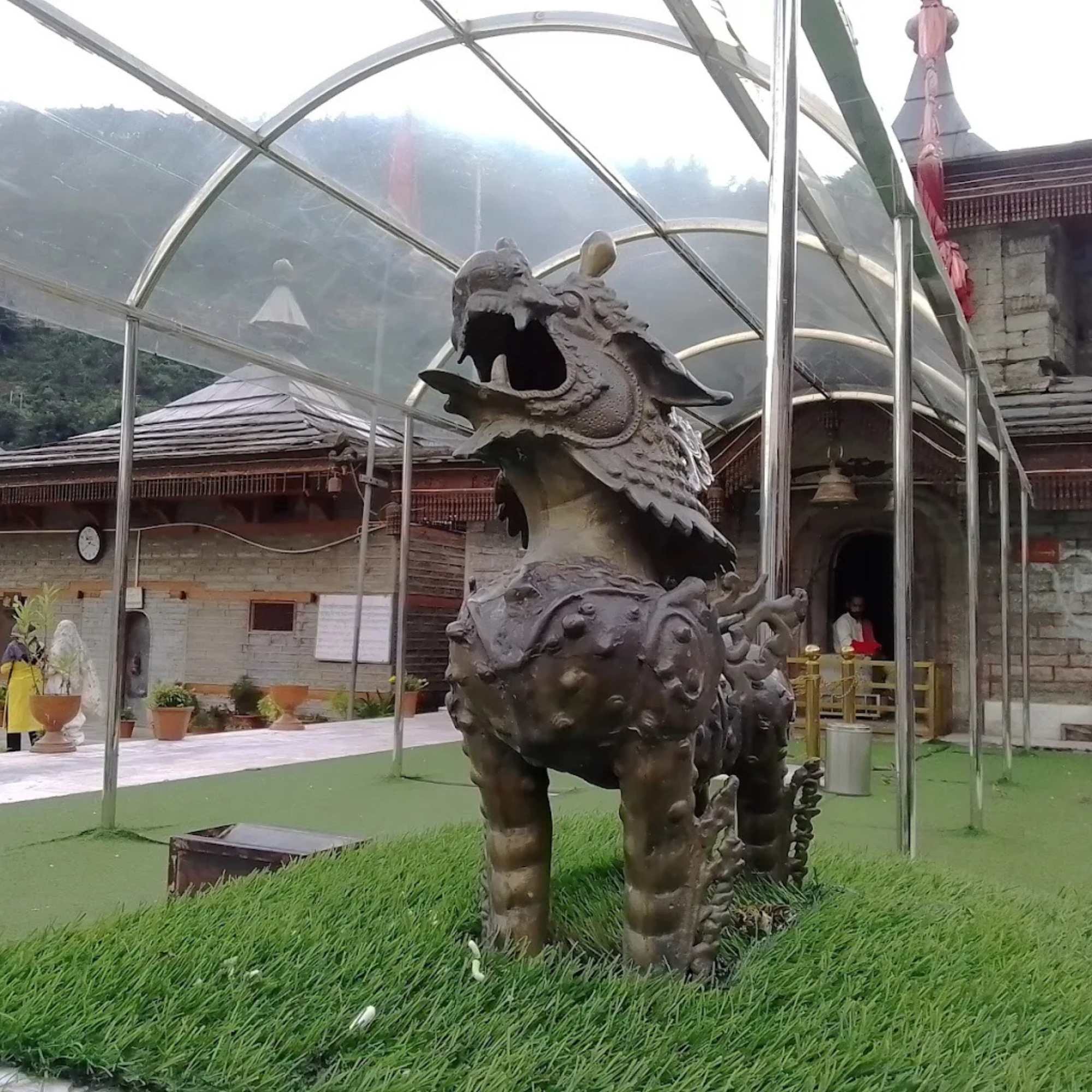
Hatkoti is the main temple stop near Rohru, sitting on the Pabbar side of the valley.
It is around 13.1 km from Rohru, so it is an easy half-day outing.
HPTDC describes the Hatkoti temple complex as standing at 1,400 m on the right bank of the Pabbar River, built in the classical Nagara style. It is an old, proper temple complex and worth the stop.
Shikru Devta Temple and Rohru town
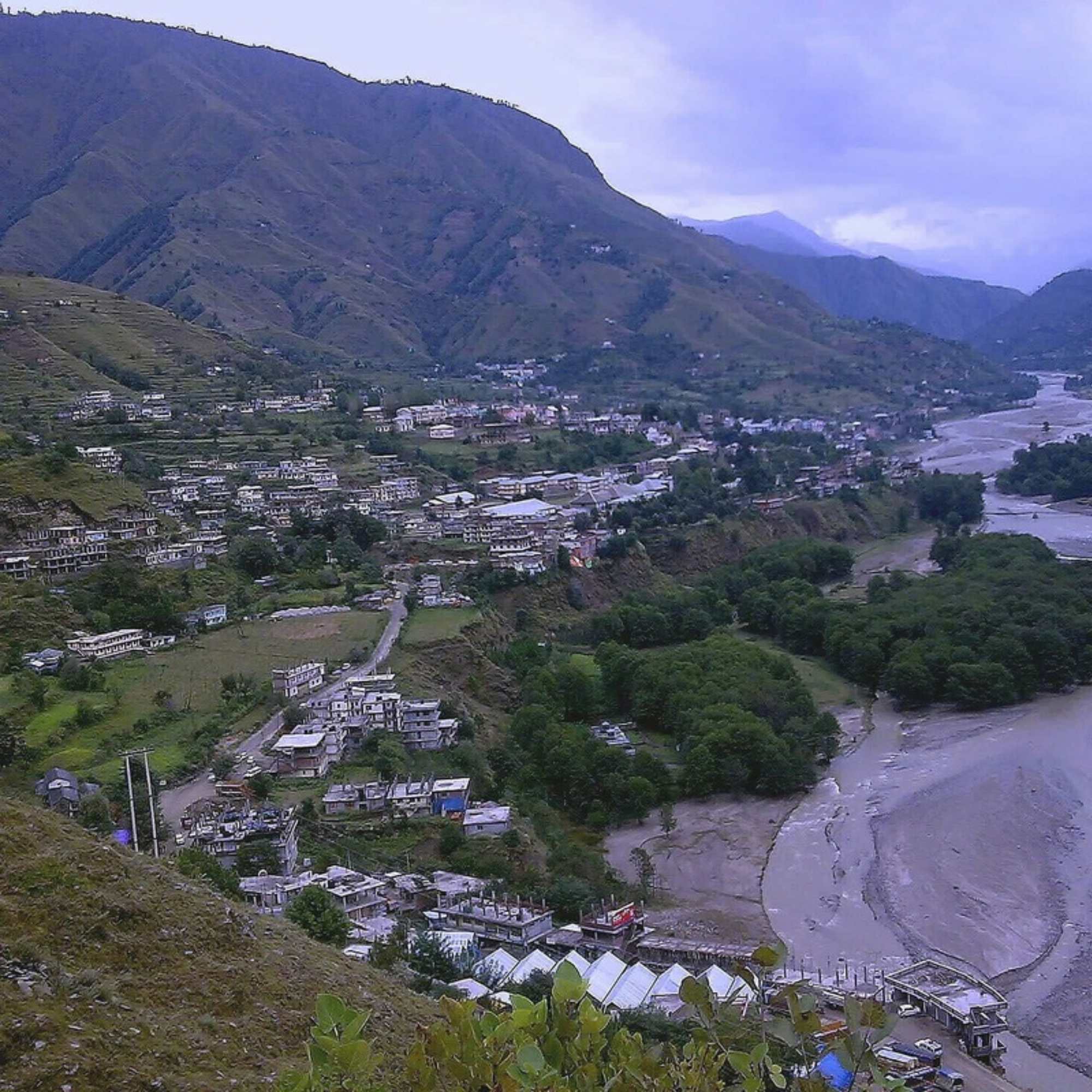
Inside Rohru itself, the local temple and the main bazaar give you the real town feel.
The market is simple. Basic shops, local food, and people going about their day rather than chasing tourists.
This is also your spot for hot, simple meals. The dhabas in Rohru's main bazaar serve straightforward North Indian and Himachali food, and it is your last proper market before the higher villages.
Chirgaon and Dhamwari
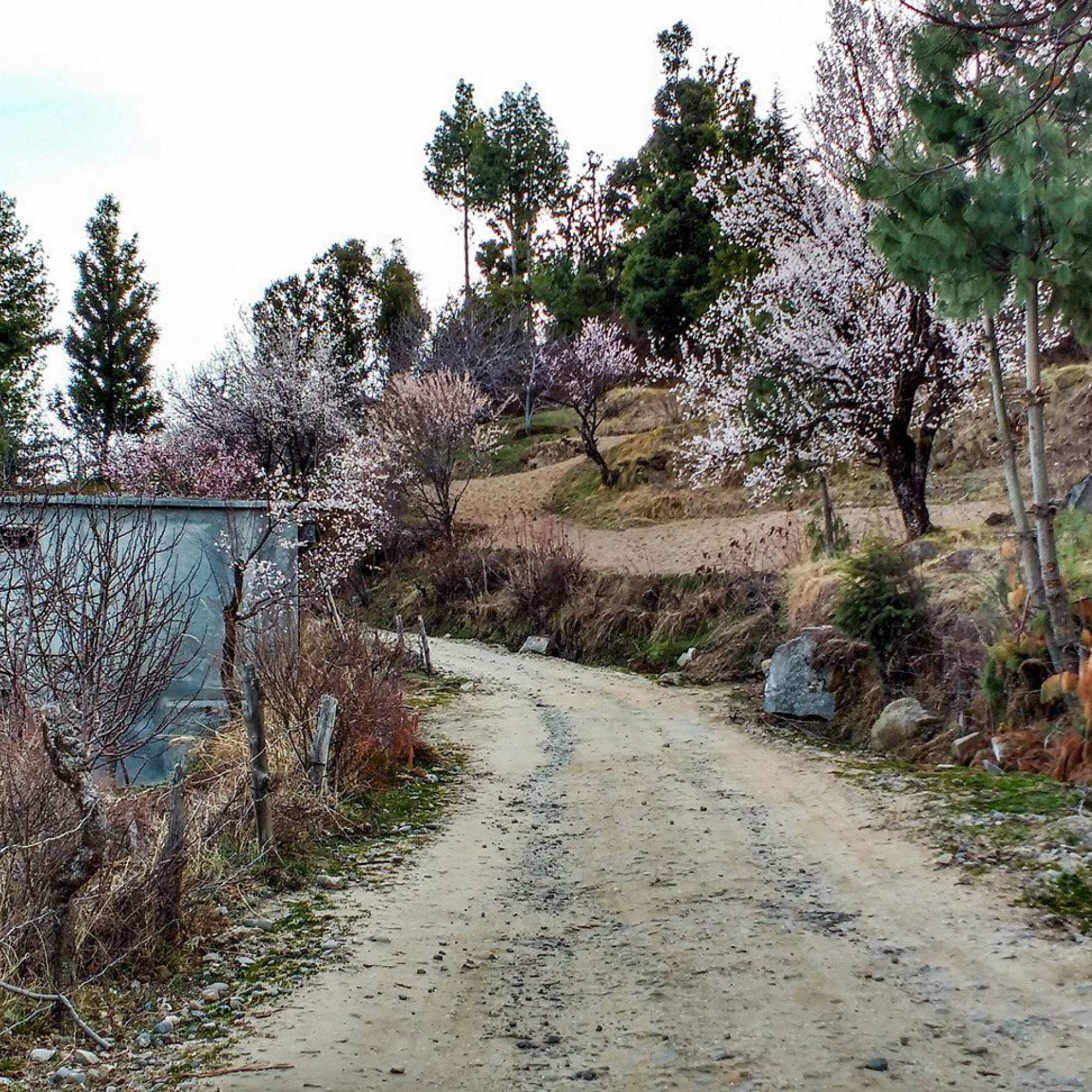
These two sit in the upper Pabbar and trout belt. Rohru to Chirgaon is about 20 km.
The Dhamwari trout hatchery is around 25 km upstream of Rohru town. The farm sits in Rohru tehsil and was set up in 2005, so it is a working hatchery, not a tourist gimmick.
If you are into the fishing side of Rohru, this upper belt is where it gets interesting.
Chanshal Pass
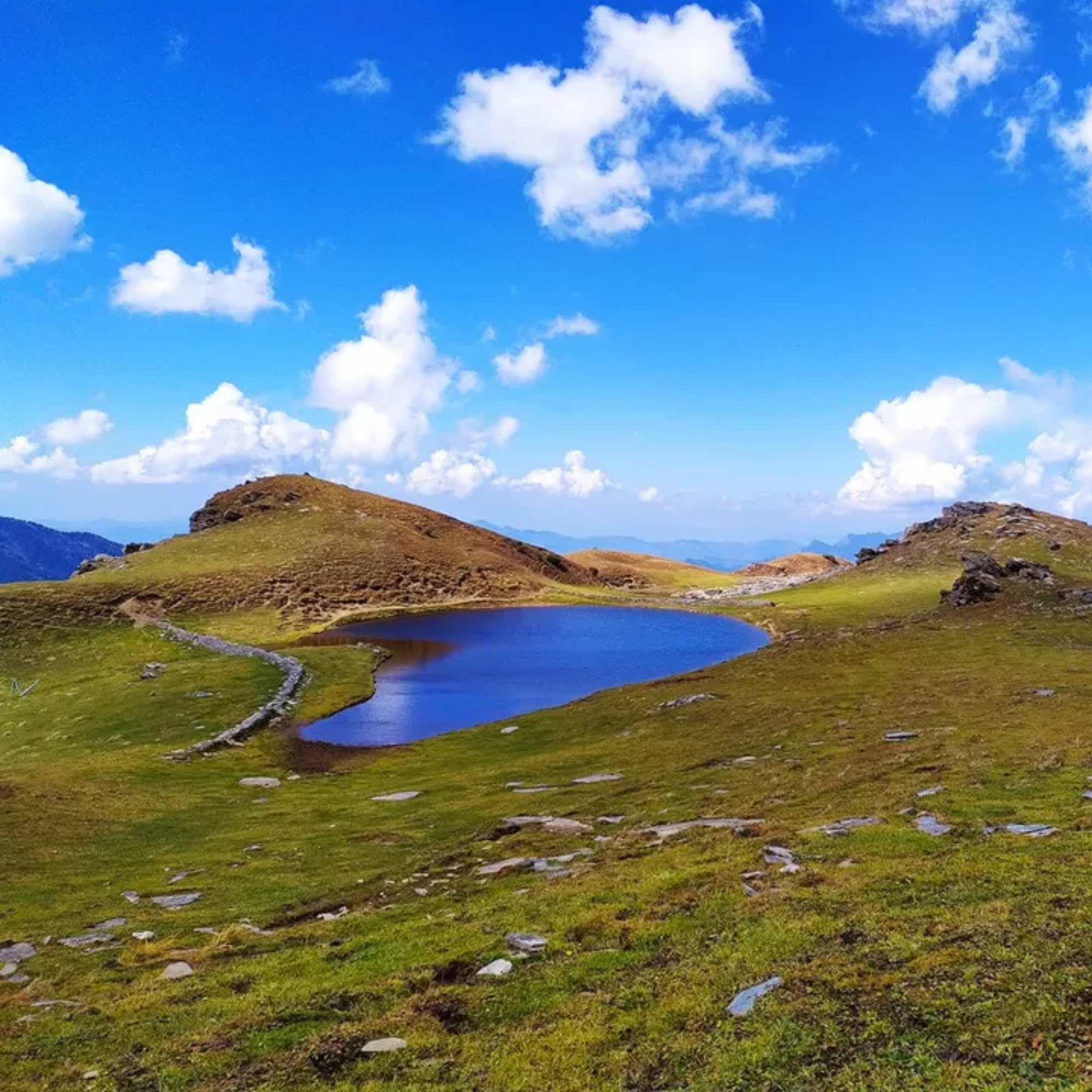
For adventure travellers, Chanshal is the biggest reason to use Rohru as a base.
The official Chanshal Pass altitude is 3,755 m. You will see 4,520 m floating around online, but that figure is usually tied to Chanshal Peak, not the pass, so treat it carefully.
The road stays open roughly May to November in normal conditions and shuts the rest of the year under snow. The best months are late June, September, and October.
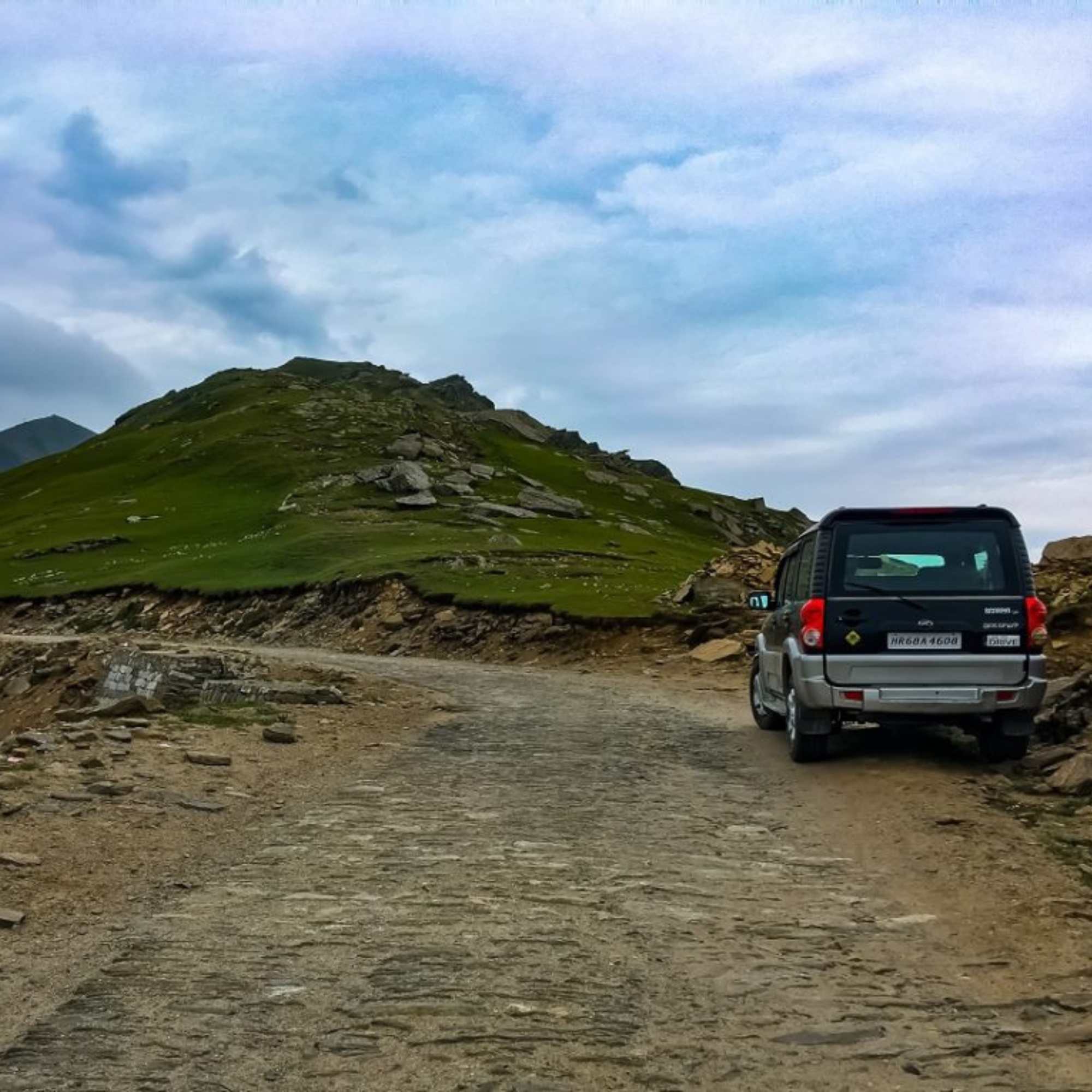
Rohru to Chanshal is roughly 48 to 55 km, and the final stretch after Larot is rough. A high-clearance vehicle handles it far better than a low car.
Honest warning here. This is not a smooth drive, and the road can change overnight. Do not push a sedan up the last section just to save on a better vehicle.
Chandernahan Lake and Janglik
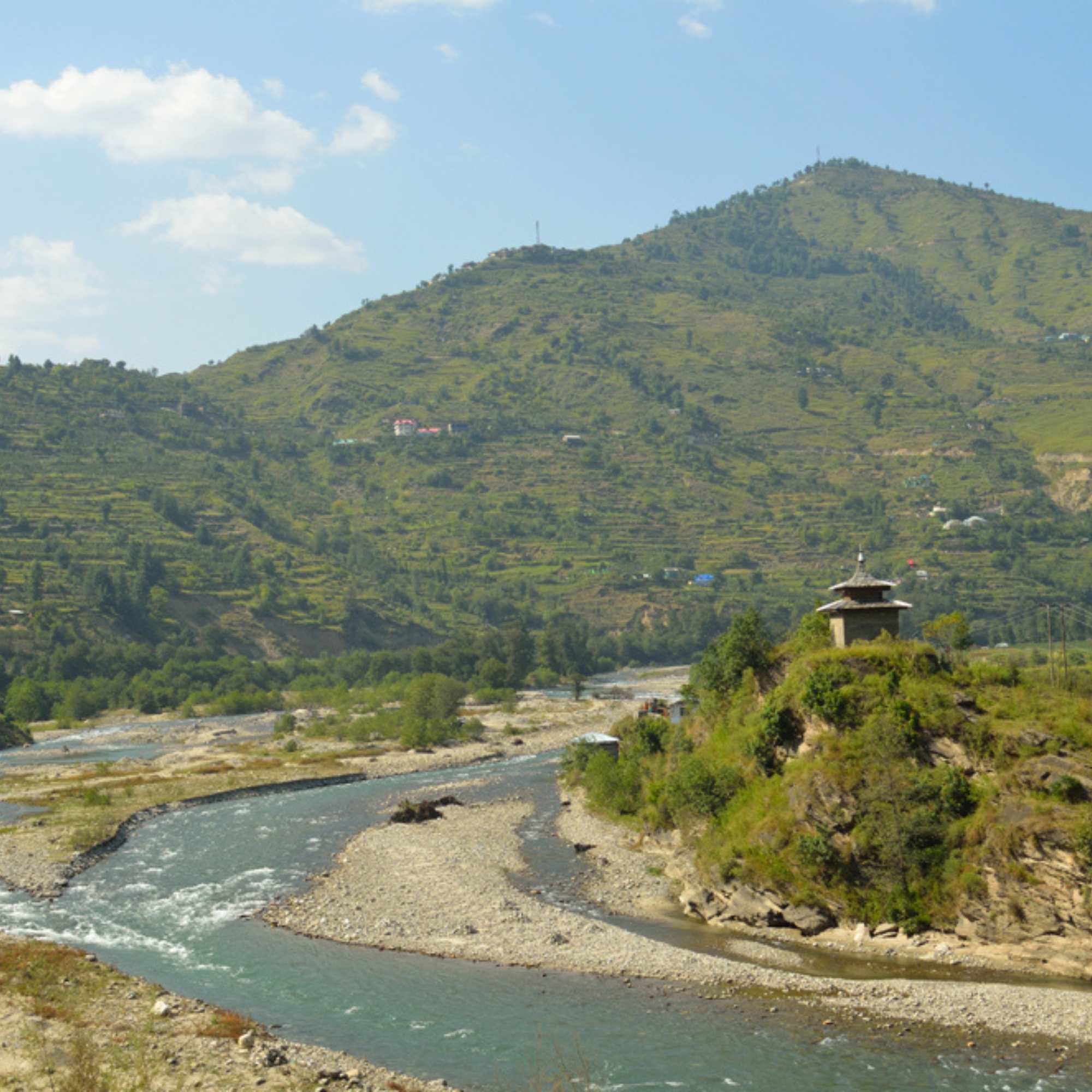
Chandernahan is a trek, not a drive-up sightseeing point, so plan it as one.
The lake sits at about 4,260 m. The trek commonly starts from Janglik and takes about 3 to 4 days over roughly 20 to 24 km.
Take a local guide for this one. The route, the camps, and the weather calls are all easier with someone who walks it every season.
Buran Ghati and Saru Lake
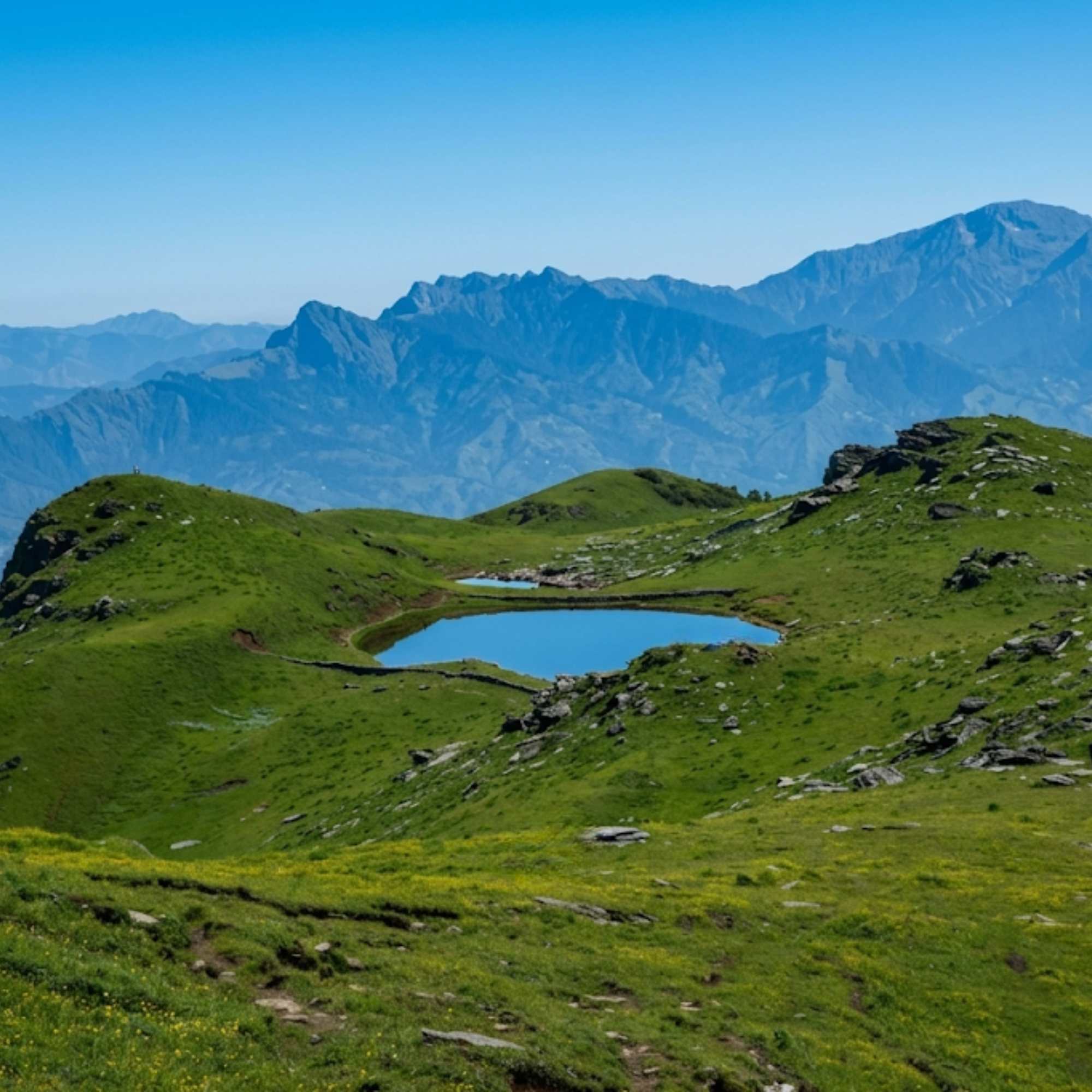
These are serious trek add-ons for fit travellers, not casual day trips from Rohru.
Buran Ghati sits at 4,578 m, with a best season of June to September. Saru Lake comes in along this side too.
Do not let anyone sell you Buran Ghati as a one-day activity. It is a proper multi-day mountain trek and needs real preparation.
If you are mixing this region with a wider Himachal road trip, our Kinnaur tour packages pair well with a Pabbar Valley leg for travellers who want both sides of the high country.
How to reach Rohru from Shimla, Delhi, and Chandigarh?
Shimla to Rohru
The common route runs Shimla to Theog to Kotkhai to Kharapathar to Hatkoti to Rohru.
For reference, Kharapathar is 85 km from Shimla and 30 km from Rohru, so it makes a natural tea and stretch stop.
There is also an alternate line, Shimla to Theog to Narkanda to Tikkar to Rohru, which some drivers prefer depending on conditions.
Either way, you are looking at the verified 115 km from Shimla, which is a comfortable half-day with stops.
Delhi to Rohru
From Delhi you have two broad choices. The familiar one goes through Shimla and then onward to Rohru.
The other runs via Dehradun, Chakrata, Tiuni, Hatkoti, and into Rohru. Road trippers like this side, but it needs a road-condition check before you commit.
If you have not driven this region before, the Shimla route is the safer, better-served option.
By bus, train, and air
Regular buses connect Shimla to Rohru, so you can reach without your own car.
For rail and air, you are working off the Shimla and Kalka rail line and the Shimla and Chandigarh airports, then continuing by road to Rohru.
We are not going to quote live flight or bus timings here because they change. Check current schedules close to your travel date.
Here is a money tip most travel agents will not volunteer. The HRTC bus from Shimla to Rohru costs around ₹150 to ₹200 one way, while a private taxi runs ₹2,500 to ₹3,500 one way. If you are travelling light and solo, the bus saves you a serious amount.
If you would rather slot Rohru into a ready-made Himachal loop, browse our popular Himachal tours for routes that already build in the driving days.
How many days are enough for Rohru?
2-day Rohru trip
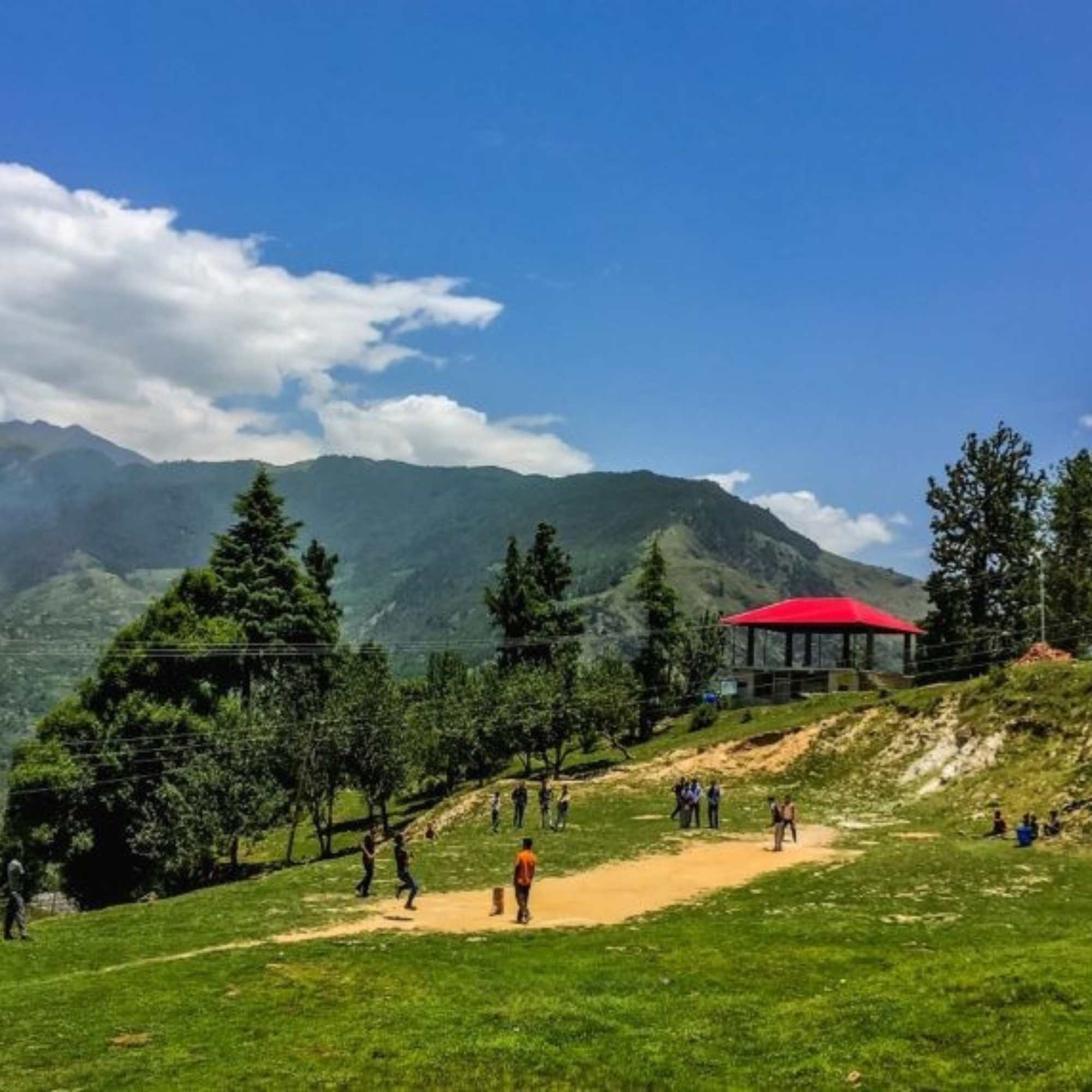
This is the basic version. Drive Shimla to Rohru, stop at Hatkoti, spend the evening by the Pabbar River, walk the Rohru market, and head back the next day.
Tight but doable if your main goal is a quick change of scene.
3-day Rohru trip
The extra day is where Rohru opens up. Use it for a Chanshal Pass run if the road and weather allow.
If Chanshal is closed or risky, swap in a safer lower-valley day around Chirgaon, Dhamwari, and the orchards. You lose nothing by playing it safe.
5 to 7 days
This is for trekkers and slow travellers. With this much time you can attempt Chandernahan Lake, Buran Ghati, or Saru Lake.
Or you can simply move through the Pabbar Valley villages at an easy pace with local guide support. No rush, no fixed schedule.
Suggested Rohru itinerary for 2026
Day 1: Shimla to Rohru via Hatkoti
Leave Shimla early so you have daylight for the drive. Roll through Theog, Kotkhai, and Kharapathar, stopping for tea where it suits you.
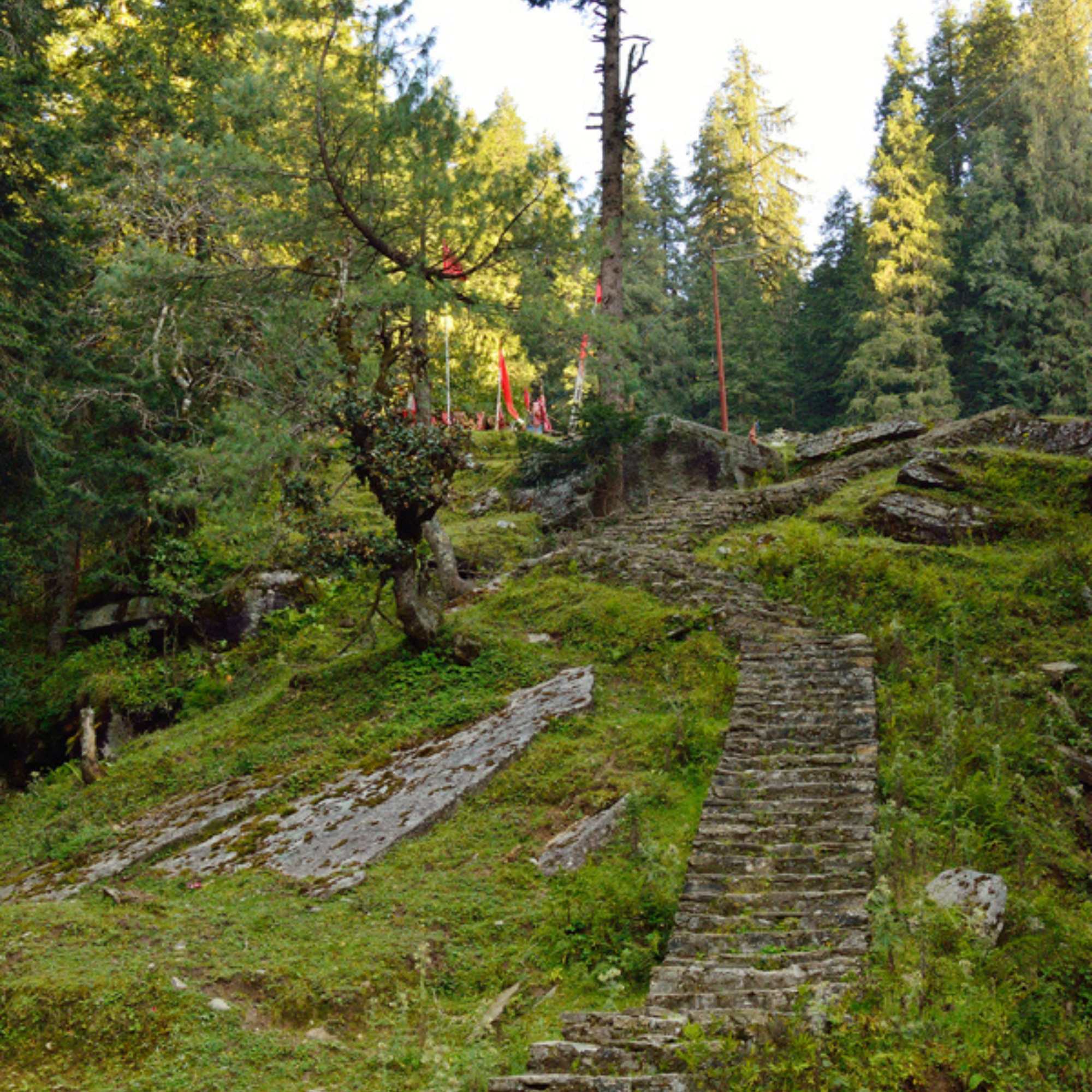
Break at Hatkoti to see the temple complex, then continue into Rohru.
End the day easy. Settle into your stay and spend the evening by the Pabbar River as the valley cools down.
Day 2: Pabbar River, orchards, town, Dhamwari or Chirgaon
Start with the fishing question. If you want to angle, sort your licence and check the rules first.
Then visit an orchard with the owner's permission, buy some fruit, and head up towards Chirgaon or the Dhamwari hatchery belt.
Wrap up with time in Rohru's market and a simple local dinner.
Day 3: Chanshal Pass or Kharapathar and Giri Ganga
If you are doing Chanshal, leave before sunrise, check the weather, and use a suitable high-clearance vehicle. This is a long, rough day, not a casual drive.
If Chanshal feels risky, take the safer option. From Kharapathar you can do the HPTDC-listed Giri Ganga hike, a 7 km walk through deodar woods. Lower risk, still a proper mountain day.
Optional extension
With more time, push on to Chandernahan, Buran Ghati, or over towards Kinnaur and Narkanda, depending on season and road status.
You can also swing across to Jibhi or Tirthan for a softer, greener finish to the trip. Our Jibhi and Tirthan Valley packages work well as a calm second half after the rougher Pabbar roads.
>>>Planning Rohru? Talk to our Himachal team on WhatsApp.
Where to stay in Rohru?
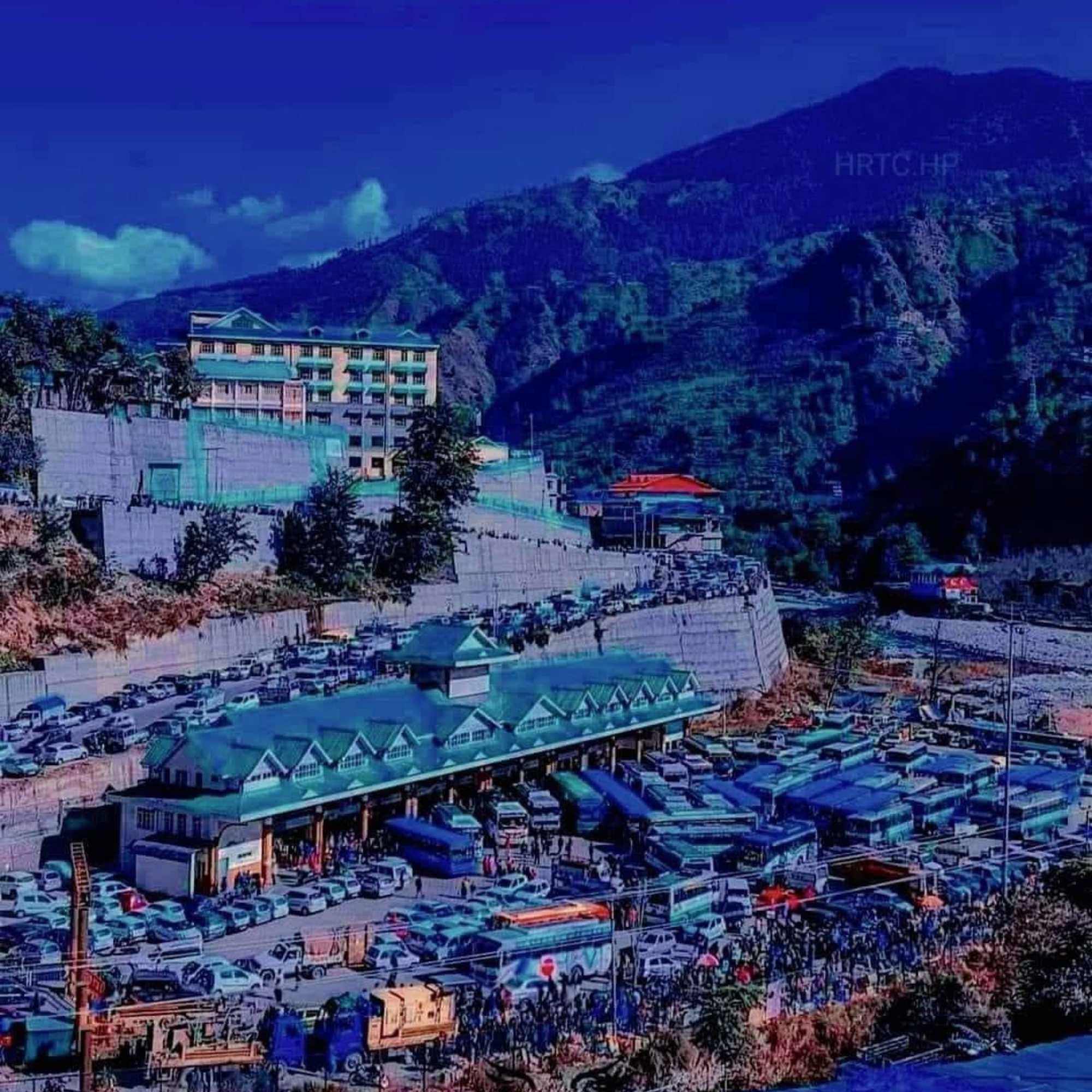
Set your expectations right. Rohru has basic hotels, homestays, government-style rest houses, and a few riverside stays. There is no luxury-heavy inventory here.
Budget hotels run around ₹800 to ₹1,500 per night, and homestays sit around ₹500 to ₹1,200 per night.
Online, MakeMyTrip showed Rohru hotels from about ₹1,188 onwards in June 2026, but those rates move daily, so treat it as a rough guide.
In our experience, a riverside homestay beats a basic hotel here every time. You get better food, real local advice, and the Pabbar right outside your window for the same money.
Food, markets, and local experiences in Rohru
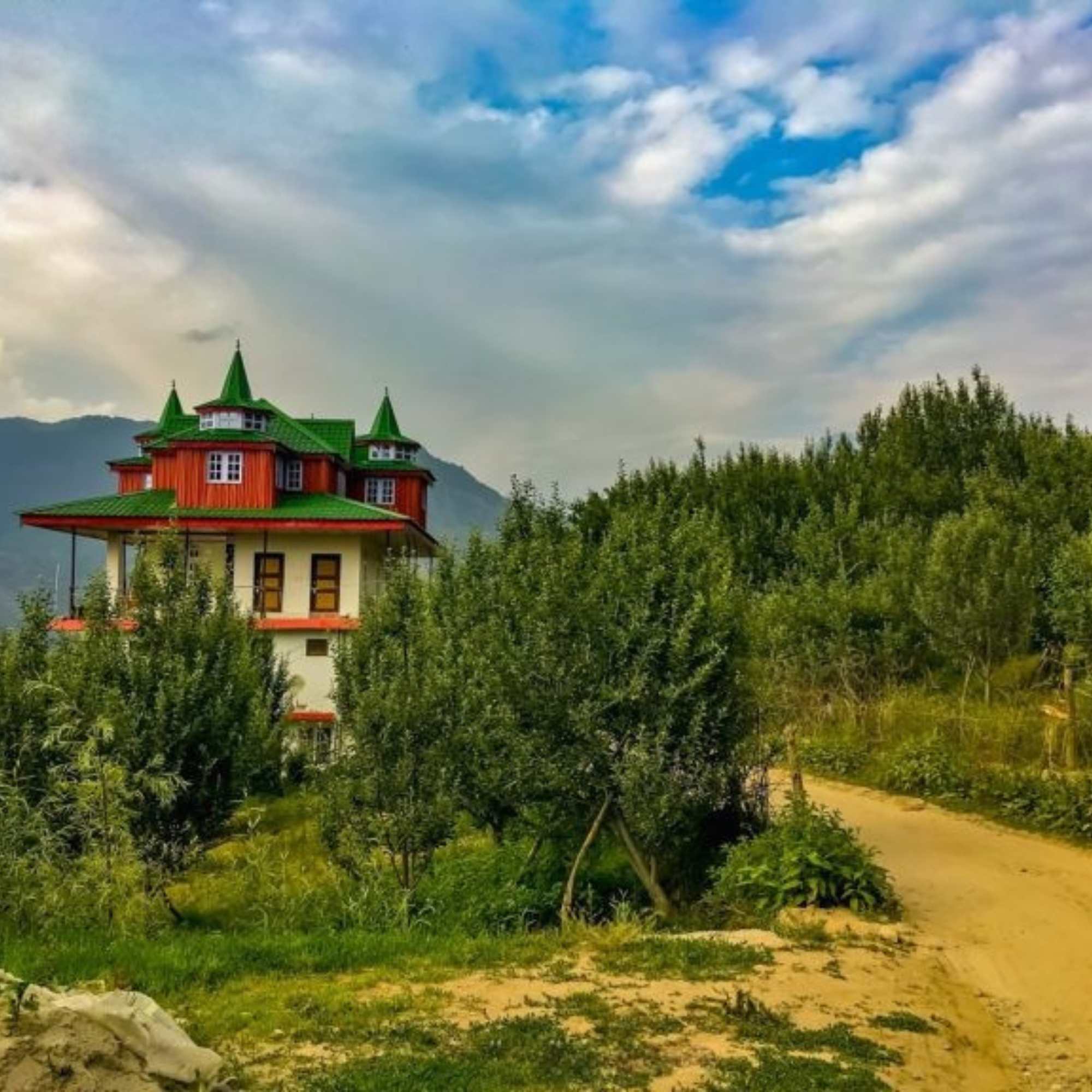
Food in Rohru is honest and simple. Local dhabas serve North Indian and Himachali meals, and a few basic cafes round it out.
Apple products are the local specialty when the season is on, juice, jam, and fresh fruit straight from the source.
Meals are easy on the wallet, roughly ₹100 to ₹200 at a regular dhaba.
One practical thing. Carry cash. UPI works in town but gets unreliable the moment you head into the smaller villages, so do not rely on your phone alone outside Rohru.
Road conditions, mobile network, fuel, and safety tips
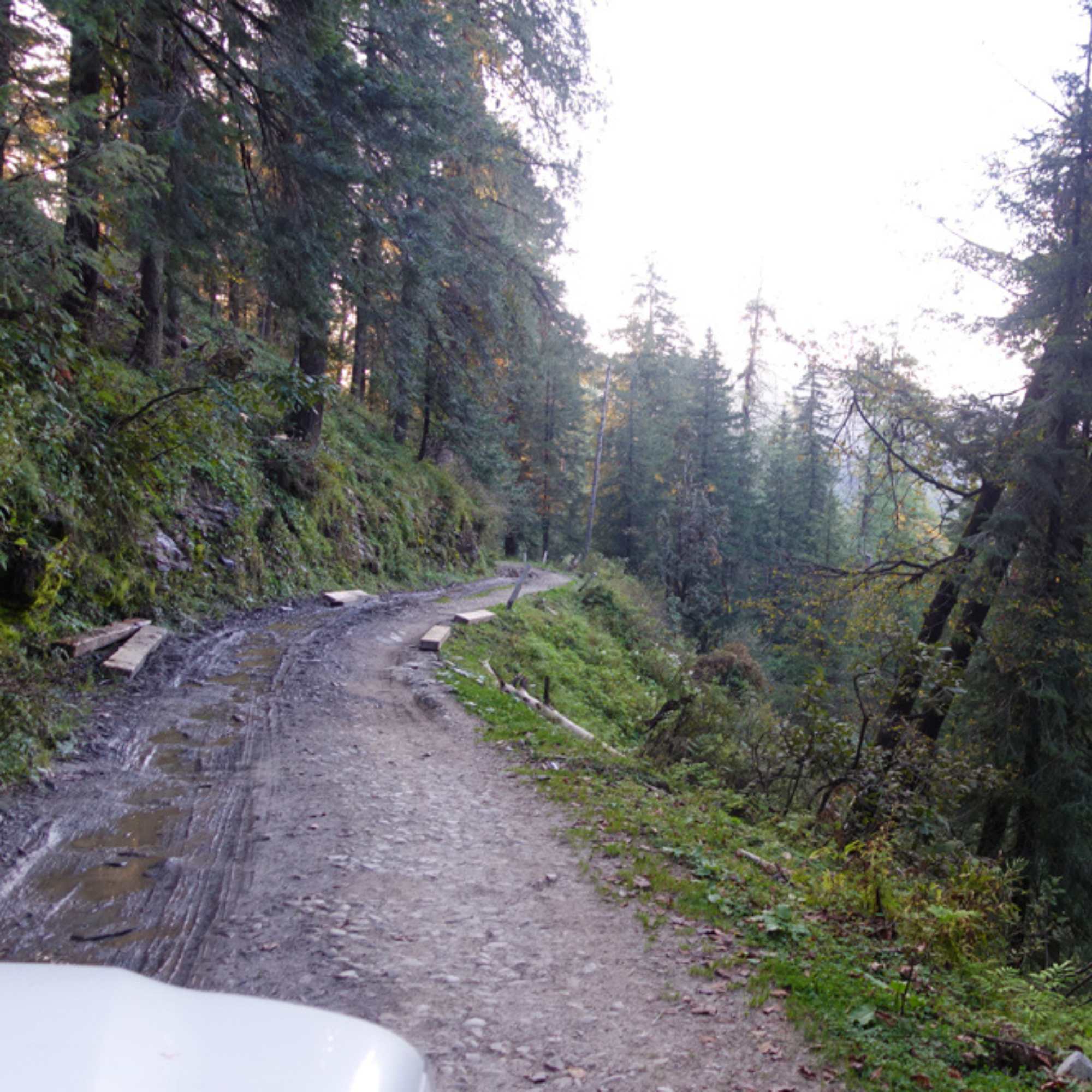
Rohru is your last comfortable base before things get wild. It has ATMs, fuel, and better mobile coverage than the higher areas.
Fill your fuel tank in Rohru before heading towards Chanshal. There is no reported fuel beyond Rohru on that side, and running low at altitude is a real problem.
Network is the next thing to plan around. Signal gets patchy or vanishes once you pass Chirgaon, Larot, Chanshal, and on the treks. Tell someone your plan before you lose coverage.
Watch the season too. Monsoon brings landslides, winter brings snow closures, and the weather can flip fast at height.
On 2026 road status, a community tracker showed Rohru to Chanshal open on 11 June 2026. Do not trust that blindly. Roads here change within a day, so confirm locally right before you leave.
Our team always pings a Rohru or Larot contact the morning of a Chanshal run. A clear forecast in Shimla means nothing for what is happening near the pass.
Rohru travel cost in 2026
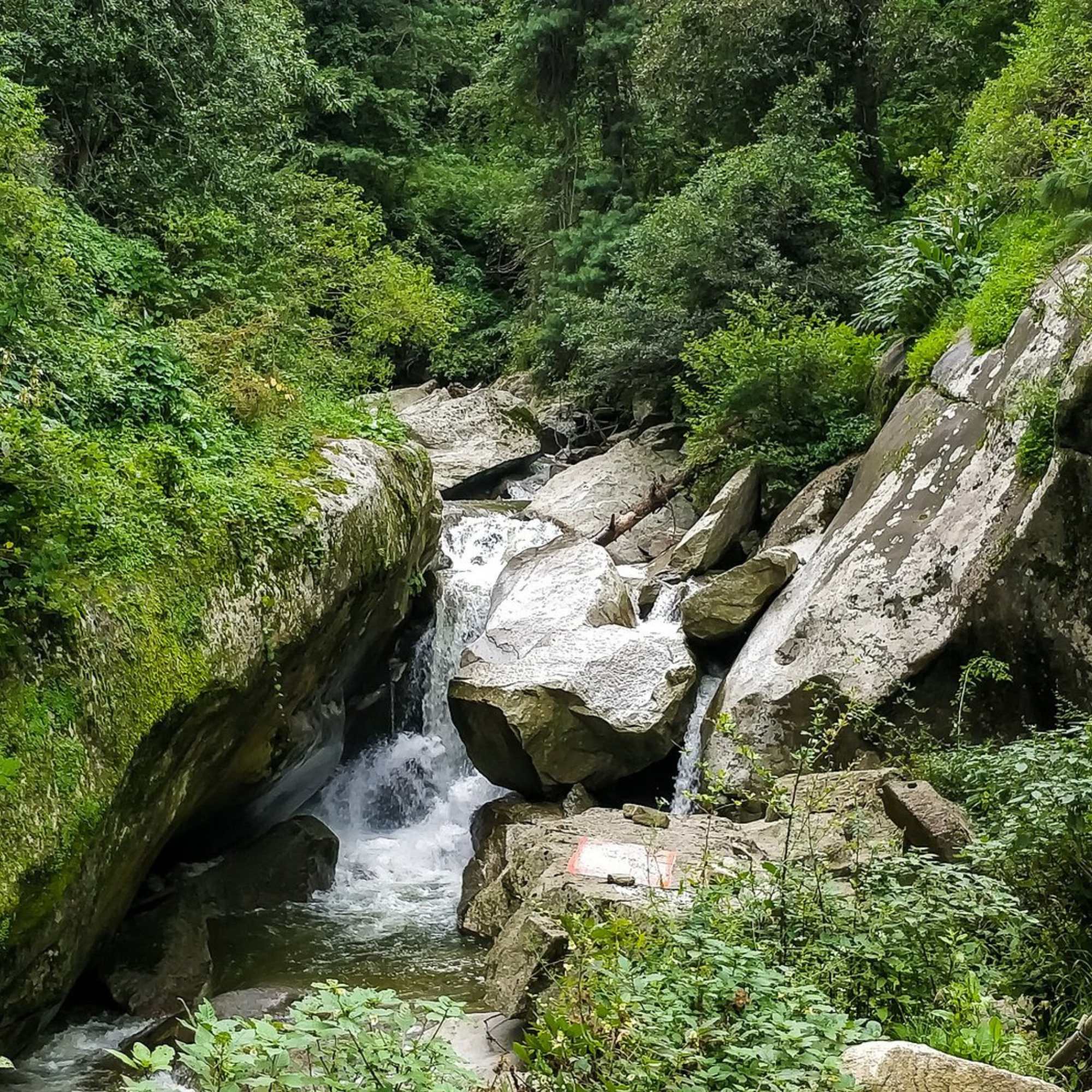
Treat all of these as indicative and confirm current rates before you book.
Budget stays run ₹800 to ₹1,500, homestays ₹500 to ₹1,200, and meals about ₹100 to ₹200.
For getting there, the HRTC Shimla to Rohru bus is around ₹150 to ₹200, while a Shimla to Rohru taxi runs ₹2,500 to ₹3,500 one way.
A custom private trip costs more than doing it solo on buses, but it is far easier for families and mixed-age groups who do not want to juggle local transport. If you want us to price one for your dates, contact Travel Coffee and we will work to your budget.
Who should visit Rohru and who should skip it?
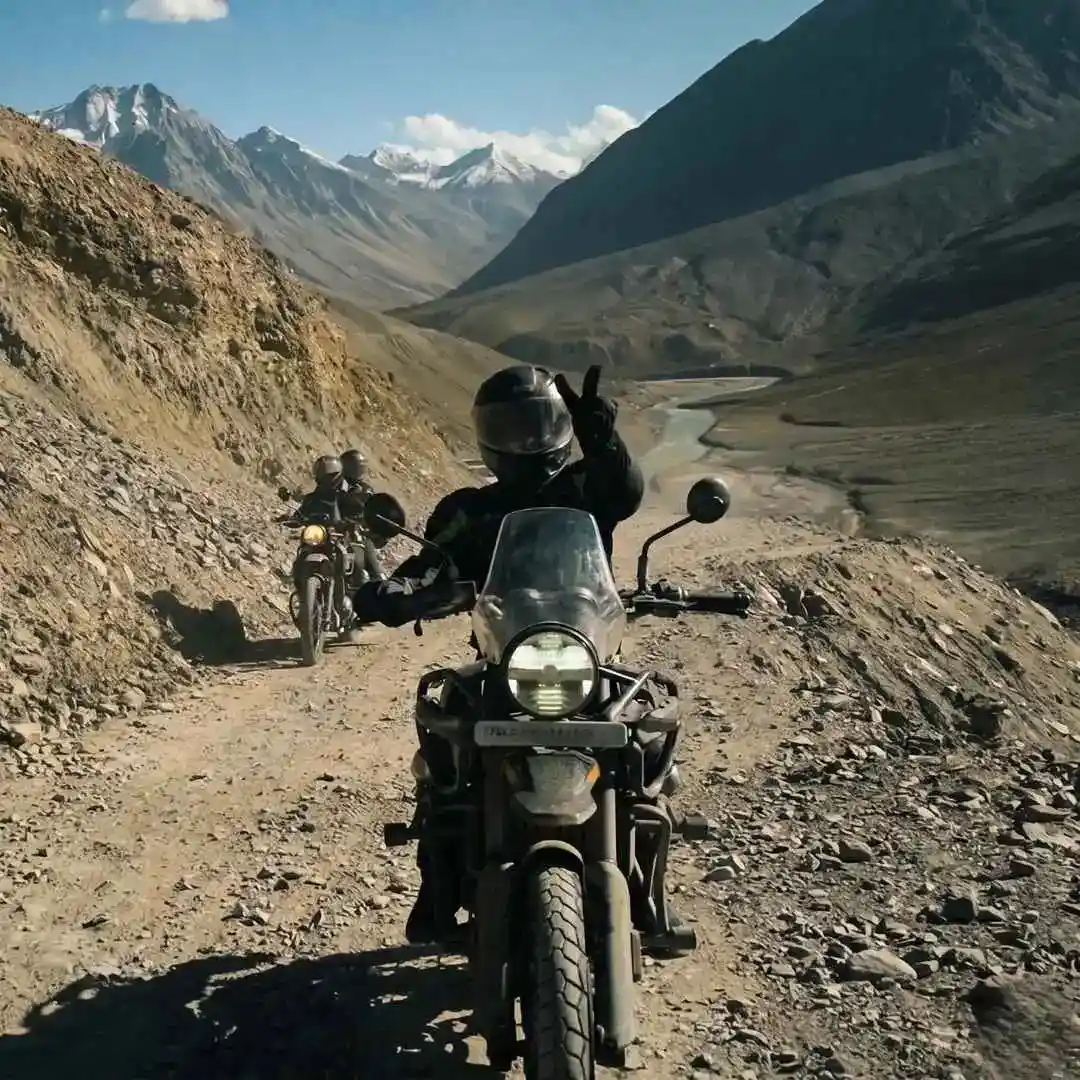
Rohru suits offbeat travellers, orchard lovers, anglers, bikers, trekkers, slow travellers, and families who want a quieter side of Himachal.
It also suits anyone tired of the Shimla and Manali crowds who still wants real mountain roads and river time.
Skip Rohru if you want luxury cafes, nightlife, mall-road shopping, and polished tourist infrastructure. You will not find any of that here.
One more honest split. Lower Rohru and Hatkoti are easy and family-friendly, but Chanshal and the high treks need caution, fitness, and the right vehicle. Match the trip to your group.
If Rohru sounds too remote for your crew, our Manali tour packages offer an easier base, and for the truly adventurous our Spiti Valley packages take the high-altitude road trip even further. Not sure which fits? Just contact Travel Coffee and we will point you the right way.
Explore Our Curated Chanshal Pass Tour Packages
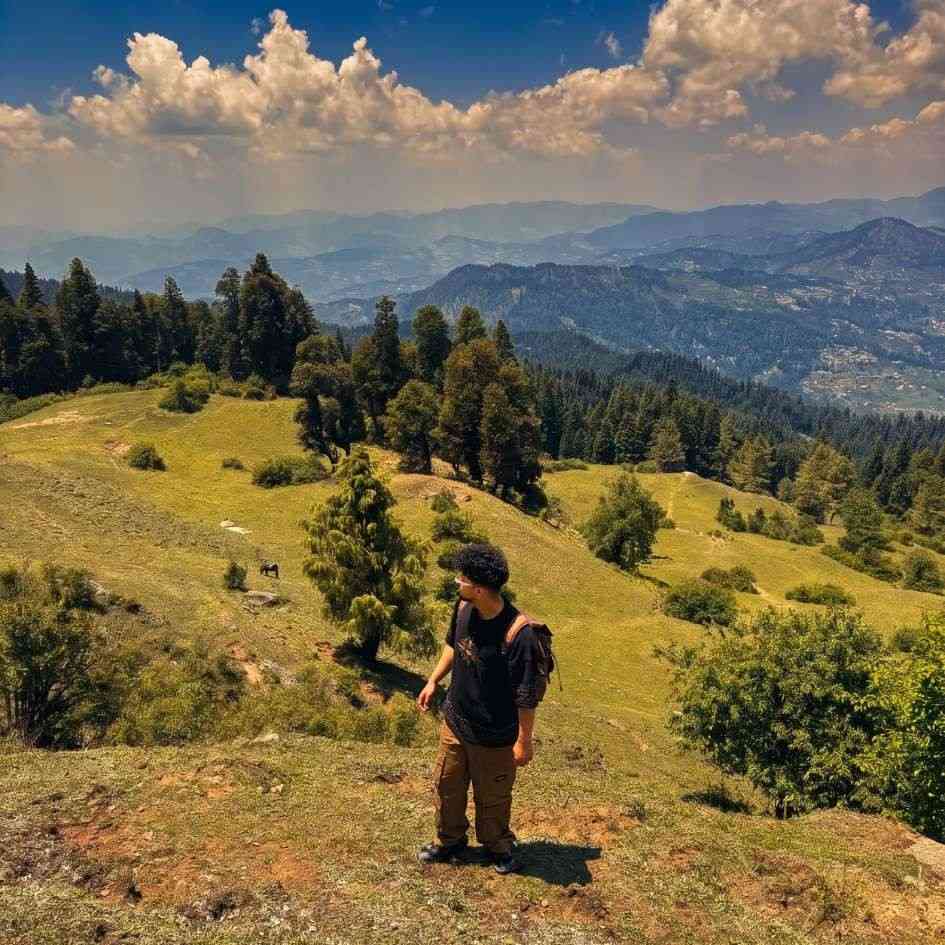 Group Tour5D/4N
Chanshal Pass Weekend Group Trip With Giri Ganga and Kuppar Bugyal
1D Kharapathar / Kotkhai•1D Rohru / Chirgaon (Pabbar Valley)
₹8,999₹12,999SAVE INR 4,000/ person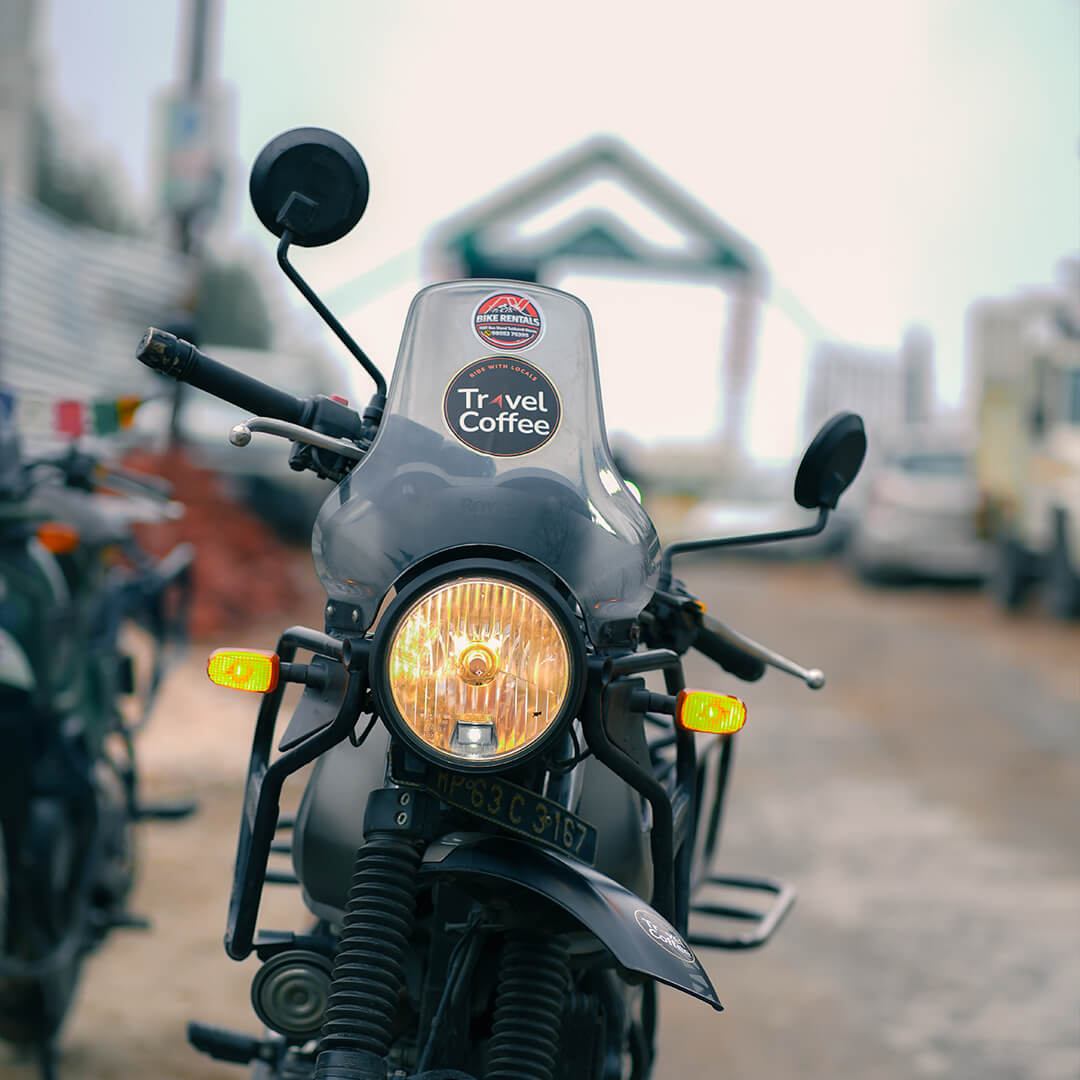 8D/7N
8D/7NUltimate Pabbar Valley Bike Expedition With Giri Ganga Kuppar Bugyal Chanshal Pass and Dodra Kwar
1D Kharapathar / Kotkhai•2D Rohru / Chirgaon (Pabbar Valley)+1
₹29,999/ person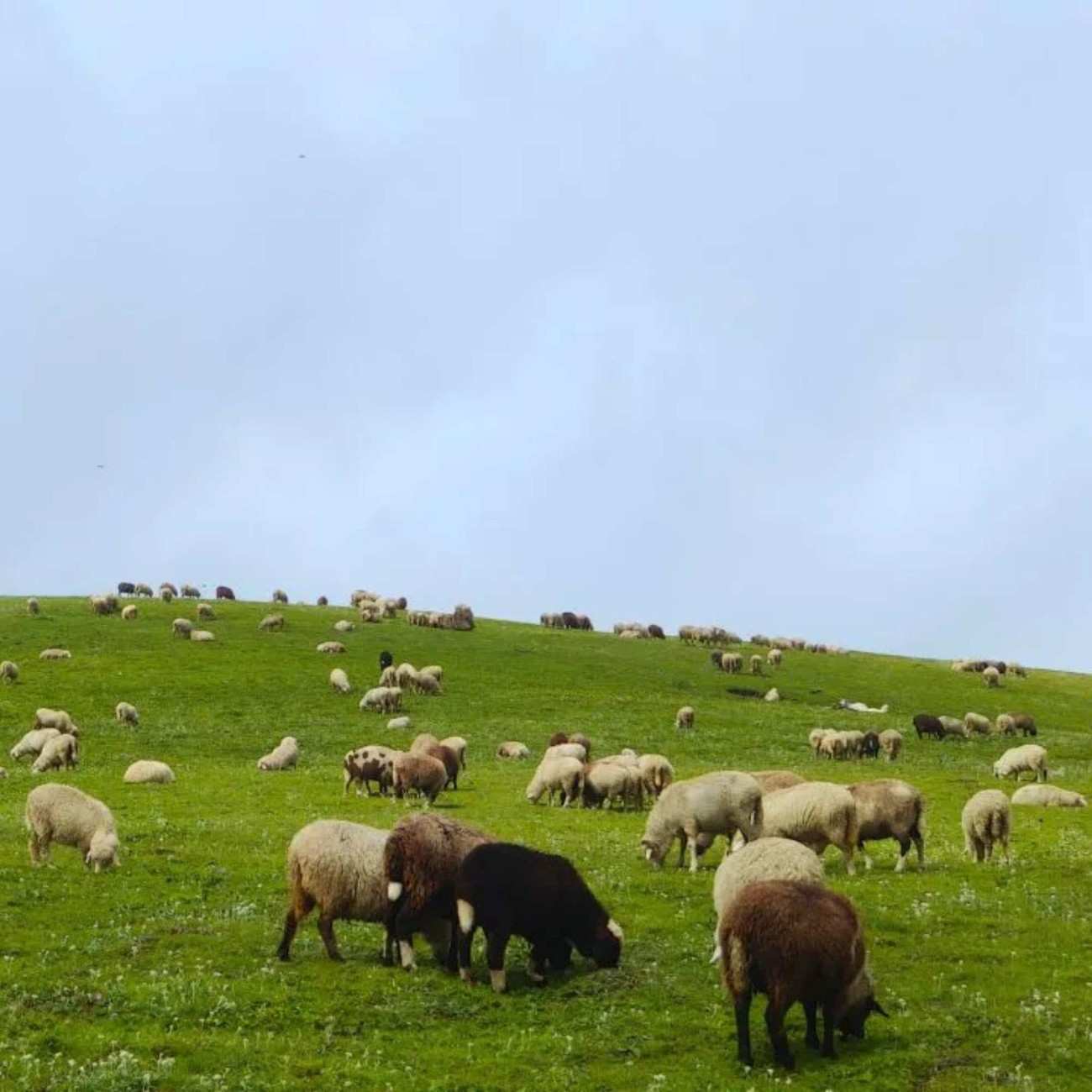 8D/7N
8D/7NMost Loved 4x4 Pabbar Valley Expedition With Giri Ganga Kuppar Bugyal Chanshal Pass and Dodra Kwar
1D Kharapathar / Kotkhai•2D Rohru / Chirgaon (Pabbar Valley)+1
₹32,999₹39,999SAVE INR 7,000/ person
Related topics
Frequently Asked Questions
What is Rohru famous for?
Rohru is known for its apple orchards and trout fishing on the Pabbar River. It is also the base for Hatkoti temple and the road up to Chanshal Pass.
Is Rohru worth visiting in 2026?
Yes, if you want a quiet, local Himachal trip. It is best for orchards, river time, fishing, and Chanshal day trips, not for nightlife or shopping.
What is the best time to visit Rohru?
March to June and September to October are the strongest windows. Avoid July and August monsoon unless your dates are flexible.
How far is Rohru from Shimla?
Rohru is about 115 km from Shimla, usually a half-day drive with stops via Theog, Kotkhai, and Hatkoti.
How many days are enough for Rohru?
Two to three days cover basic sightseeing. Trekkers heading to Chandernahan or Buran Ghati should plan four to seven days.
Can I see apple orchards in Rohru?
Yes, mainly in the August to October fruit and harvest window. Always ask the owner before entering, and buy fruit directly from locals.
Can I do trout fishing in the Pabbar River?
Yes. The Pabbar in Rohru Valley holds brown and rainbow trout and is an official angling area, with fishing closed from 1 November to the last day of February.
Do I need a permit for trout fishing in Rohru?
Yes, you need a licence to fish or angle. Confirm the licence, catch limit, and size rules with the Fisheries Department or a local guide before you go.
Is Chanshal Pass open in 2026?
The Chanshal road normally runs May to November and shuts in winter under snow. A community tracker showed it open on 11 June 2026, but check locally first.
Is Rohru safe for families?
Lower Rohru and Hatkoti are easy and family-friendly. Chanshal Pass and the high treks need caution and are not ideal for very young kids or anyone unwell at altitude.
Can I visit Rohru in winter?
You can visit Rohru town in winter if the roads allow, but higher areas like Chanshal are usually closed by snow. Plan a low-valley trip only.
Where should I stay in Rohru?
Pick a homestay or a riverside stay over a basic hotel. Budget hotels run about ₹800 to ₹1,500 and homestays ₹500 to ₹1,200 per night.