
10 Best Places to Visit in Kalpa: What to See, What to Slow Down For, and How to Plan Your Time
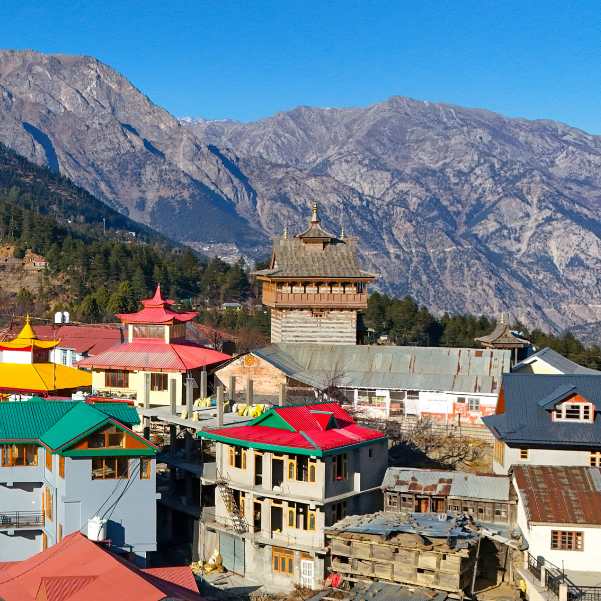
Kalpa is not a place you enjoy most by rushing through it.
That might sound like something every travel page says about every mountain town, but with Kalpa, it is actually true.
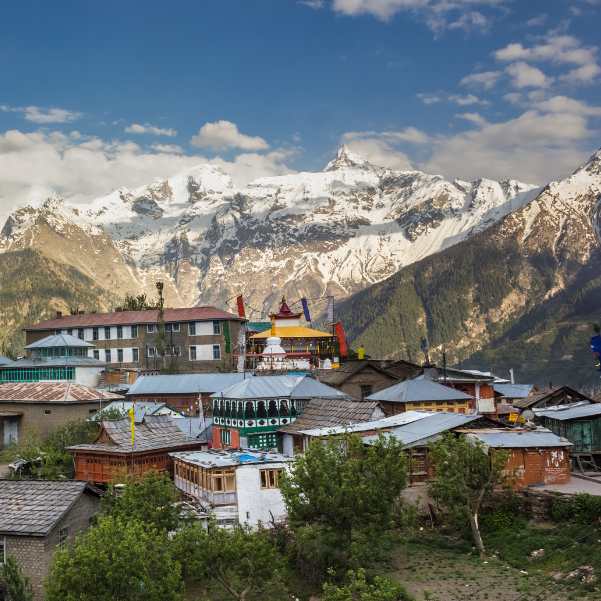
This is a small settlement on a ridge in Kinnaur, Himachal Pradesh, sitting directly across the valley from Kinner Kailash.
There is no mall road, no main bazaar strip, no queue of adventure activities. What Kalpa offers instead is a kind of mountain stillness that most Himachal destinations have long since lost.
The best places to visit in Kalpa are not all formal "tourist spots." Some are temples, viewpoints, and villages.
Others are just a walk through apple orchards with that enormous peak holding the sky in front of you.
This guide covers both: the places you should see and the slower experiences that make Kalpa genuinely worth your time.
Whether you are here for a single night or staying two, this will help you plan around what actually matters.
Quick Answer: Best Places to Visit in Kalpa
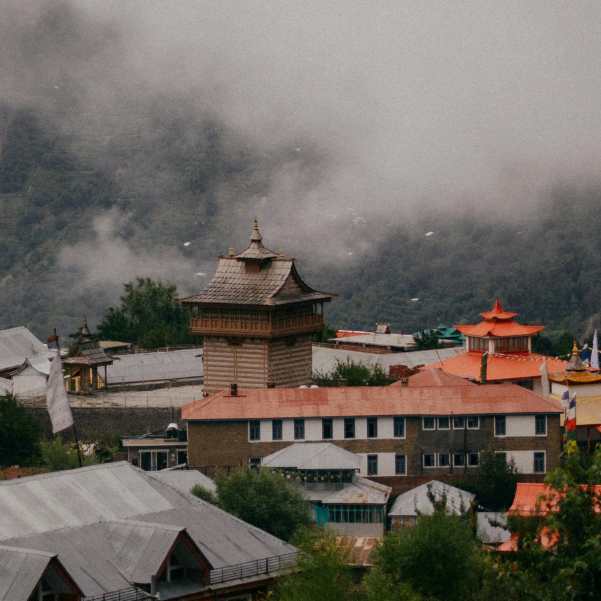
If you are scanning for a fast list, here are the Kalpa tourist places worth prioritising:
- Kinner Kailash viewpoint (especially at sunrise)
- Narayan Nagini Temple
- Kalpa Monastery (Hu Bu Lan Kar Gompa)
- Roghi Village and Suicide Point
- Chaka Meadows
- Sapni Fort
- Apple orchards along the village roads
- Ragunath Temple
- Old Kalpa Village heritage walk
What makes Kalpa special is not any single spot. It is the combination of a massive Himalayan peak visible from almost everywhere, a quiet village pace, centuries-old temples and monasteries, and orchards that change colour with the seasons. The sightseeing in Kalpa is gentle. The feeling stays.
Why Kalpa Is Worth Visiting
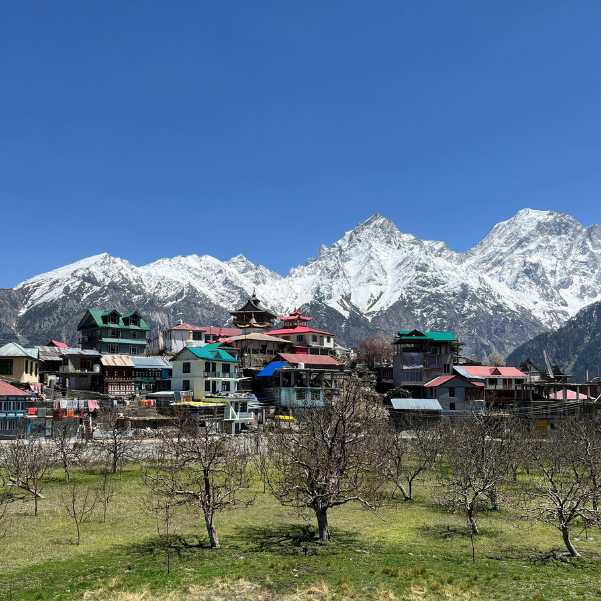
Kalpa sits at roughly 2,960 metres in the Sutlej valley, on the old Hindustan-Tibet road. From the village, you look straight across at the Kinner Kailash range, and on a clear morning, that view alone justifies the drive.
But Kalpa is not just a viewpoint.
The village itself has a layered, lived-in character. There are slate-roofed houses, Buddhist monasteries next to Hindu temples, and orchard paths that locals still use daily.
It is the kind of place where you can walk for twenty minutes in any direction and find something worth sitting with for a while.
Compared to busier Himachal destinations like Manali or Shimla, Kalpa still moves at its own speed. Tourism has grown, but the place has not been reshaped by it.
That quality is increasingly rare, and it is a big part of why Kalpa rewards people who give it proper time instead of treating it as a quick photo stop on a Kinnaur Spiti tour.
The apple orchards deserve a separate mention. In season (roughly July through October), Kalpa's orchards are heavy with fruit and colour.
Even outside that window, walking through them with Kinner Kailash behind the trees is one of the most grounding things you can do here.
10 Best Places to Visit in Kalpa
This is the core list. Each place is covered with enough detail to help you decide what to prioritise and how much time to give it.
Kinner Kailash Sunrise Viewpoint
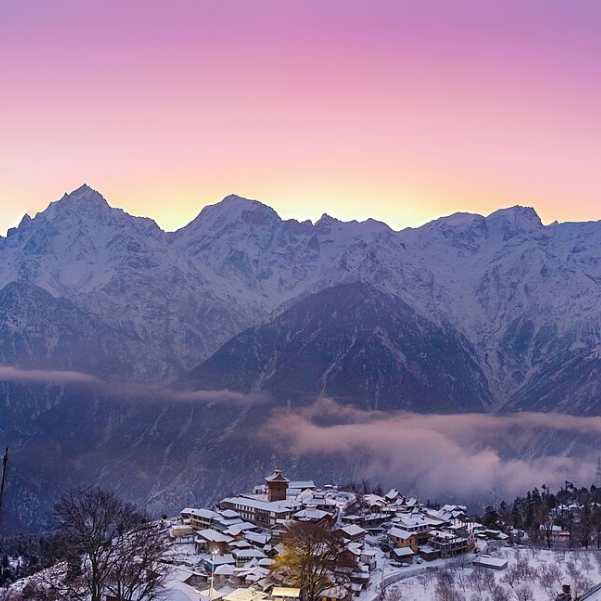
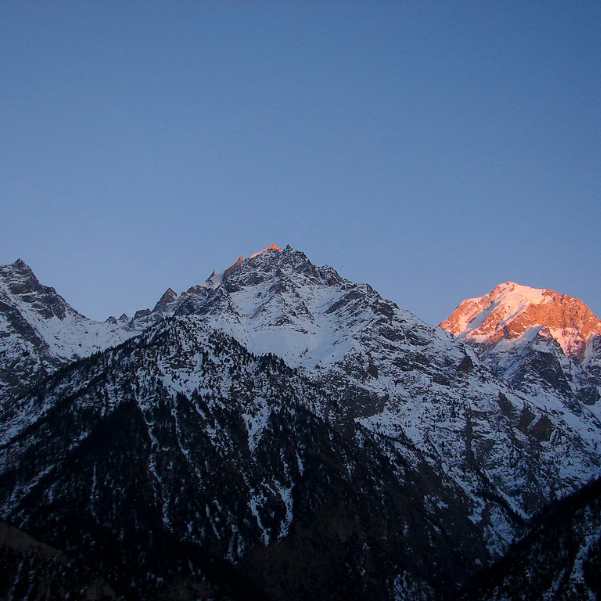
This is not a formal attraction with a ticket counter. It is simply the experience of being awake early enough in Kalpa to watch the first light hit the Kinner Kailash massif.
From most guesthouses and the main road itself, the peak is visible. But the colours at sunrise, when the snow turns from grey to gold to white in a matter of minutes, are something else entirely. This is what most travellers remember most about Kalpa.
Time needed: 30 to 45 minutes, early morning. Best for: Everyone. Photographers will want a tripod and a clear day. Tip from us: Don't rely on your alarm. Ask your guesthouse to wake you if needed.
Weather changes fast here, and some mornings the clouds lift for only a short window. The best light is usually between 5:45 and 6:30 AM depending on the season.
Narayan Nagini Temple
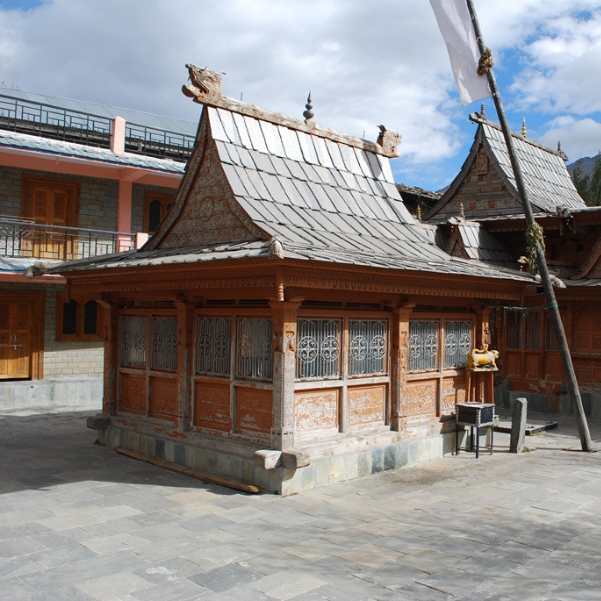
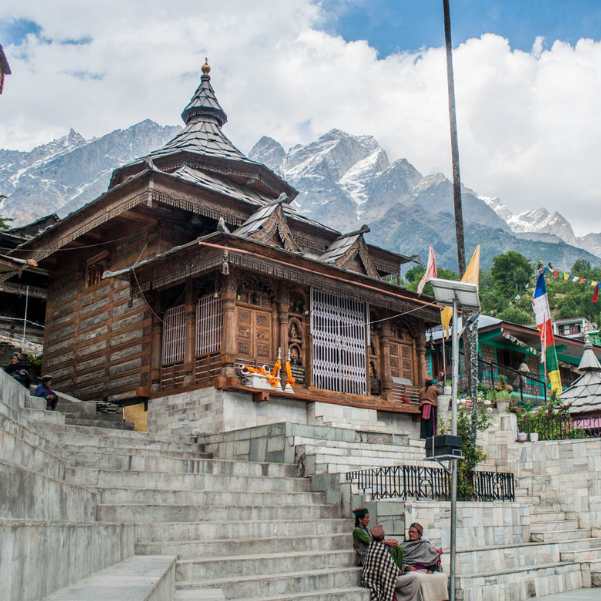
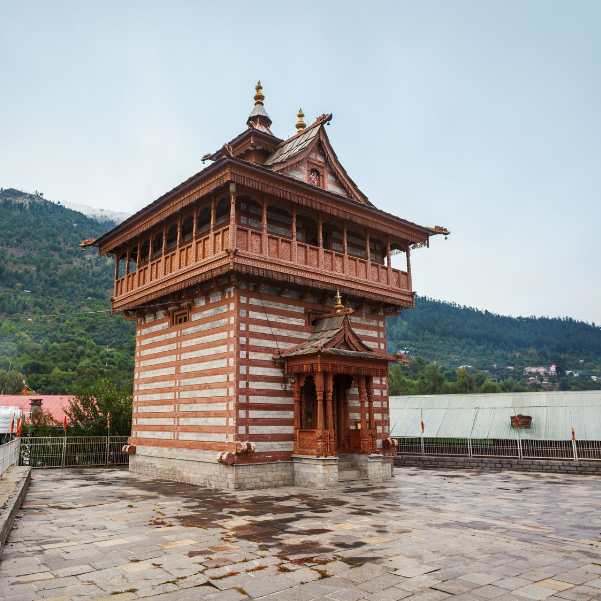
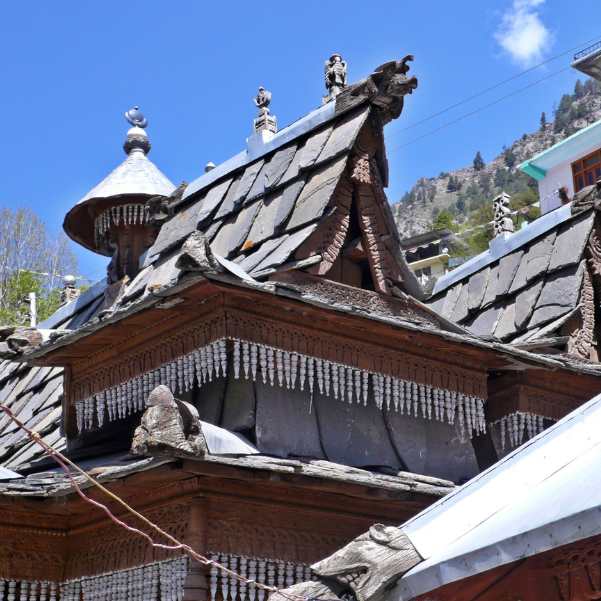
This is one of the oldest and most important temples in the Kinnaur valley. Located in the heart of Kalpa village, the Narayan Nagini Temple is a beautiful example of Kinnauri wood-and-stone architecture, with carved wooden panels, a pagoda-style tower, and a courtyard that feels genuinely ancient.
It is a Hindu temple dedicated to Lord Vishnu and the serpent deity Nagini, and the local craftsmanship here is striking. Spend a few minutes looking at the woodwork closely. It tells you a lot about the culture of this valley.
Time needed: 20 to 40 minutes. Best for: Anyone interested in local architecture, culture, and history. Couples often find the courtyard peaceful.
Tip from us: Visit in the late afternoon when the light falls nicely on the wooden facade. Be respectful, dress modestly, and don't enter restricted areas with shoes on.
Kalpa Monastery (Hu Bu Lan Kar Gompa)
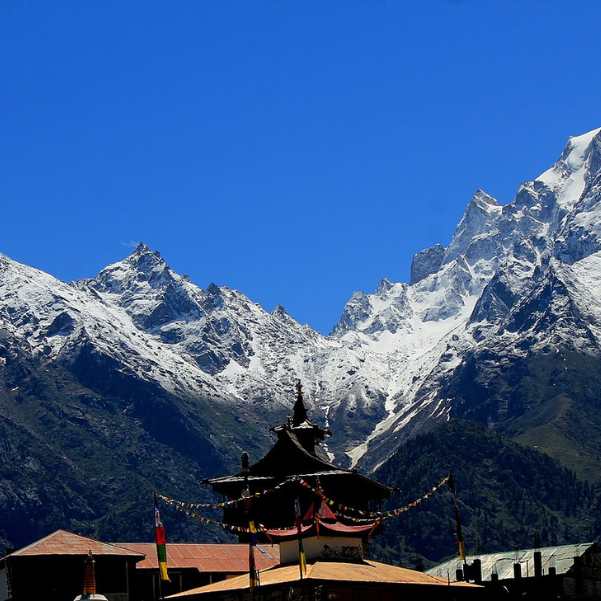
Also referred to as the Hu Bu Lan Kar Gompa, this small Buddhist monastery sits near the centre of Kalpa and is one of the quietest places in the village.
The prayer hall has traditional paintings, old thankas, and the kind of silence that makes you lower your voice without being asked.
It is not a large or dramatic monastery, but that is part of the appeal. Sitting here for fifteen minutes, especially if the monks are chanting, gives you a real sense of Kinnaur's mixed religious heritage, where Hindu and Buddhist traditions exist side by side.
Time needed: 15 to 30 minutes. Best for: Slow travellers, solo visitors, and anyone who wants a few minutes of genuine quiet. Tip from us: If the main hall is closed, ask politely. There is usually someone around willing to open it. A small donation to the monastery is appreciated.
Roghi Village
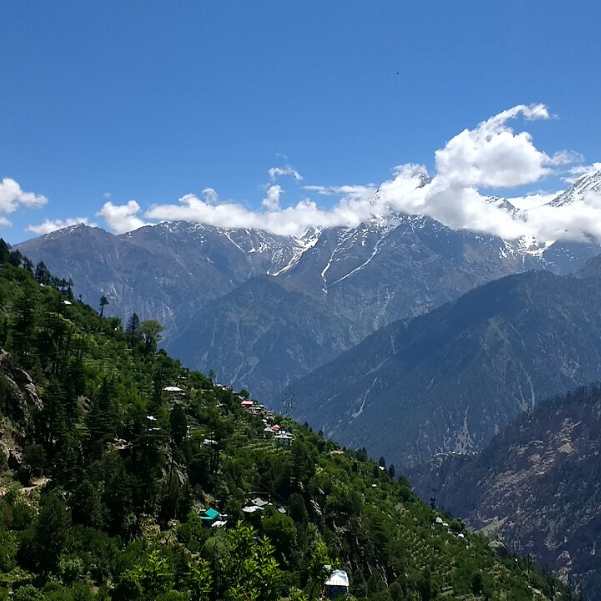
Roghi is a tiny hamlet about 3 kilometres from Kalpa, and it has its own distinct charm. The village is older, quieter, and even more traditional than Kalpa itself.
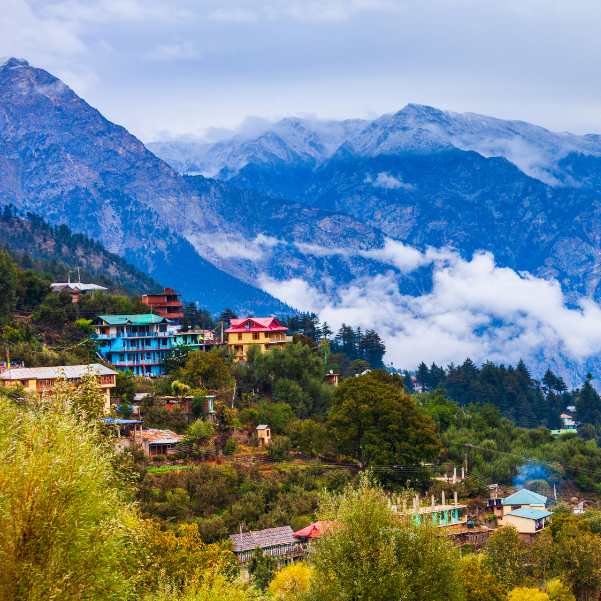
The houses here are tightly built with slate roofs, the orchard cover is dense, and the views of the valley are wide and dramatic.
Most visitors come here on the way to Suicide Point, but Roghi Village itself is worth a slow walk. The lanes between houses, the small temples, the way the orchards wrap around everything: this is Kinnaur at its most lived-in.
Time needed: 30 minutes to 1 hour, depending on how far you walk. Best for: Photographers, couples, and anyone who wants to see a real Kinnauri village without crowds. Tip from us: Don't just drive through.
Park at the edge and walk in. You will notice far more on foot, and the locals are used to visitors but appreciate the slower, respectful ones.
Suicide Point
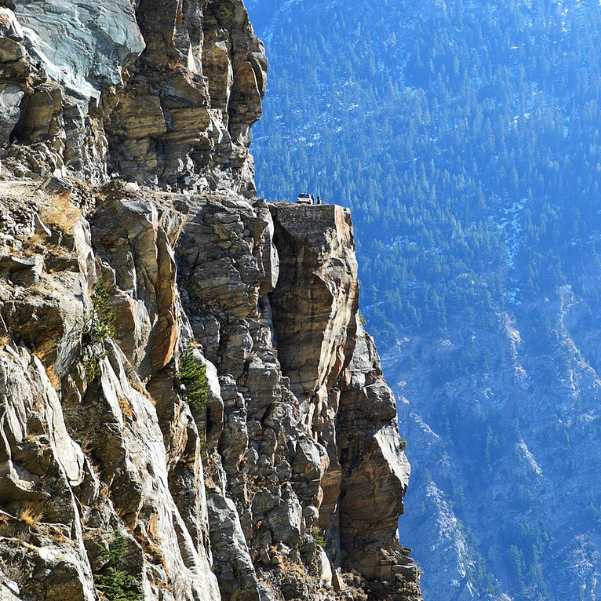
Despite the dramatic name, Suicide Point near Roghi Village is simply a cliff-edge viewpoint with a sheer drop into the valley below. The views of the gorge and surrounding mountains are genuinely impressive, and on a clear day, you can see far down the Sutlej valley.
It is a short walk from where most vehicles stop, and the path is easy. Just be cautious near the edges; there are limited railings.
Time needed: 15 to 25 minutes. Best for: Anyone visiting Roghi. Photographers will find dramatic compositions here. Tip from us: Combine this with your Roghi Village visit rather than making it a separate trip. Morning light is better for photos here.
Chaka Meadows
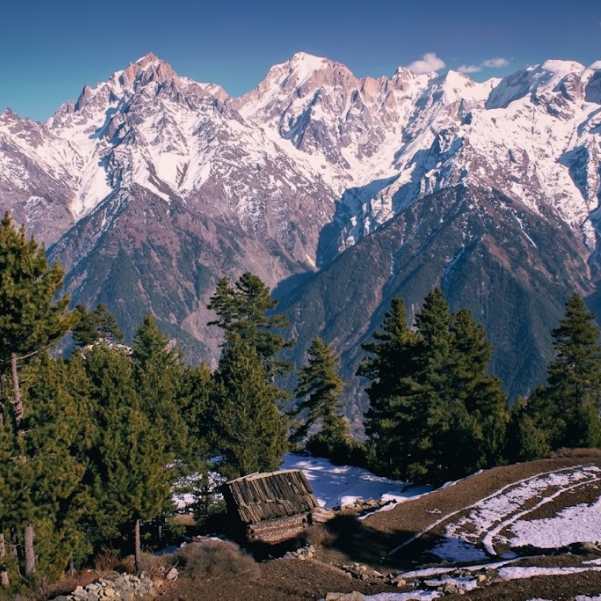
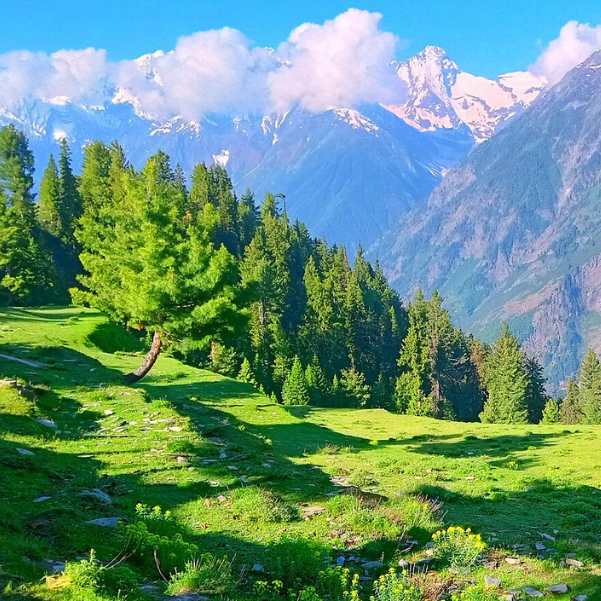
Chaka Meadows (sometimes called Chakha) is a flat, open meadow area accessible by a short trek from Kalpa. In the right season, it is green and wide and ringed by deodar forest, with Kinner Kailash looming above. It is the kind of place that feels larger and quieter than it technically is.
The walk to Chaka is part of the experience. It takes you through forest and orchard paths, and depending on the route, you may not see another person for stretches.
Time needed: Half a day if you walk there and back with time to sit. Best for: Trekkers, nature lovers, and anyone who wants to feel like they have gone deeper into Kalpa's landscape. Tip from us: Carry water and a light snack.
The trail is not demanding but it is uphill in parts, and there are no shops along the way. If you are unsure of the route, ask your homestay or hotel; locals know it well.
Sapni Fort
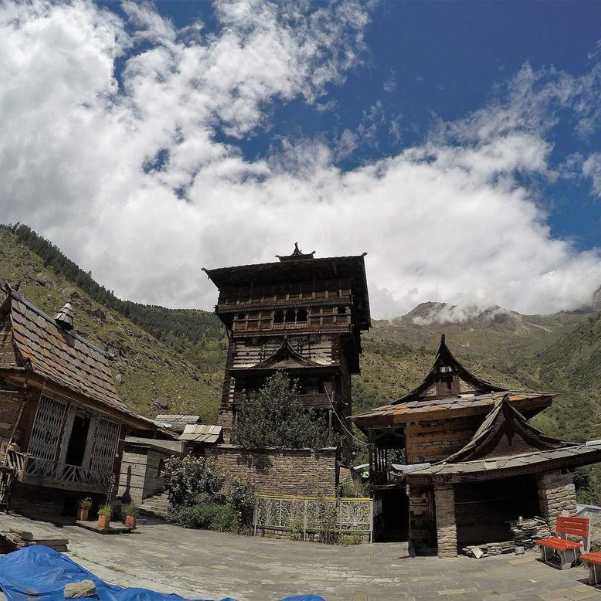
Sapni Fort is a centuries-old stone structure located close to the main Kalpa village. It is more of a historical ruin than a grand fort, but its stone walls and strategic position on the ridge give you a sense of how old settlements in this valley really are.
Not many visitors make it here, which means you often have the place to yourself. The views from near the fort are lovely, and there is a certain satisfaction in finding a spot that most Kalpa itineraries skip.
Time needed: 20 to 30 minutes. Best for: History buffs, solo walkers, and people who enjoy finding the less-visited corners. Tip from us: There is no signage, so you may need to ask for directions. It is an easy walk from the main village area.
Apple Orchards
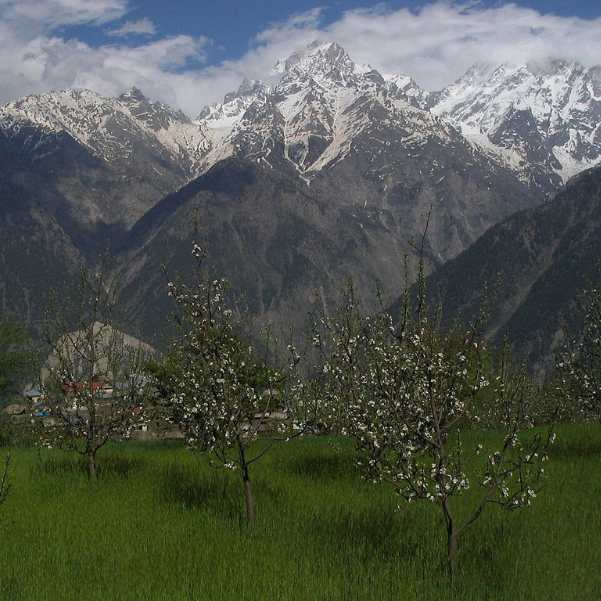
Not a single spot but a texture that runs through all of Kalpa. The apple orchards here are everywhere, lining village roads, surrounding guesthouses, and filling the slopes below the main settlement.
Walking through them in autumn, when the trees are loaded with fruit and the leaves are turning, is one of the most pleasant things you can do in Kalpa. Even in spring and summer, the orchards are beautiful. They soften every view and make even a simple stroll feel worthwhile.
Time needed: As long as you like. Even 20 minutes is enough. Best for: Everyone. Families with kids, couples, photographers. Tip from us:
The orchards along the road between Kalpa and Roghi are especially photogenic. Respect the trees and don't pick fruit without asking. These are working orchards, not tourist setups.
Ragunath Temple
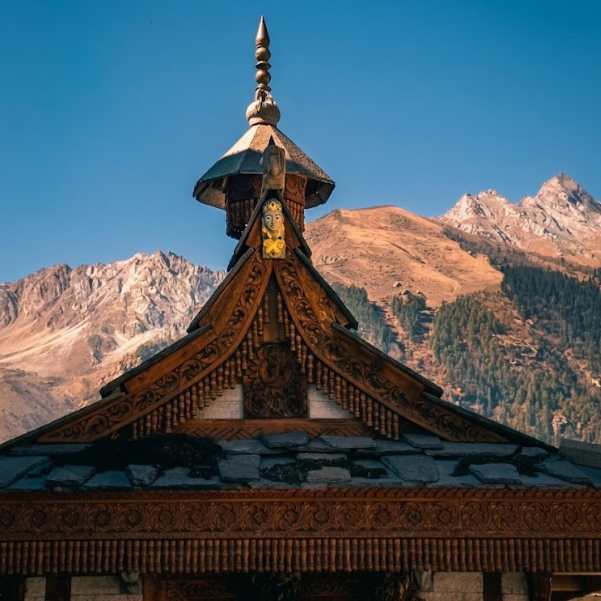
Ragunath Temple is another significant temple in the Kalpa cluster, dedicated to Lord Rama. It sits close to the Narayan Nagini Temple and shares the same Kinnauri architectural style, with intricate wood carvings, a stone base, and a tiered wooden tower.
What makes it worth a separate visit is the detail in the carvings and the slightly different energy of the place. It is smaller, quieter, and often overlooked by visitors who stop only at Narayan Nagini.
If you are already walking through the village temple area, Ragunath adds maybe fifteen minutes and gives a fuller picture of Kalpa's religious life.
Time needed: 15 to 20 minutes. Best for: Culture-minded travellers and anyone already visiting Narayan Nagini Temple. Tip from us: Visit both temples in a single walk through the village centre. The lane connecting them is one of the most atmospheric stretches in Kalpa, especially in the morning.
Old Kalpa Village Heritage Walk
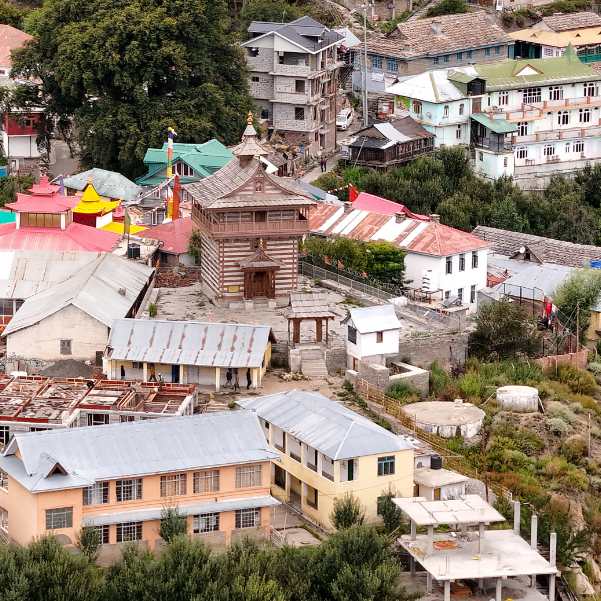
The older part of Kalpa, away from the main road and newer guesthouses, has a cluster of traditional Kinnauri homes built with slate, wood, and stone.
This is not a marked "heritage zone" with a map and signboards. It is simply the original settlement that most visitors drive past on their way to viewpoints.
Walking through old Kalpa gives you a real sense of how the village has been lived in for centuries.
The houses are stacked tightly along narrow lanes, with carved wooden balconies, storage rooms for dried fruit, and the occasional goat tethered outside. It is everyday mountain life, unhurried and unperformed.
Time needed: 20 to 40 minutes. Best for: Slow travellers, photographers, and anyone who wants to understand Kalpa beyond its viewpoints.
Tip from us: Ask your guesthouse owner to point you toward the older section of the village. There is no single route, so just wander. The charm here is in getting a little lost and finding your own corners.
Things to Do in Kalpa Beyond the Obvious Places
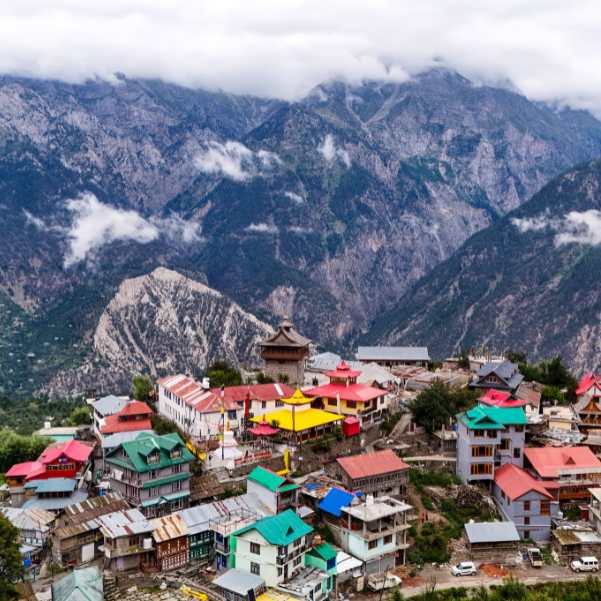
Kalpa sightseeing is only half the story. The other half is simply being present in the place.
Watch the sunrise. Not from your phone, but properly, standing somewhere with a clear view of Kinner Kailash while the colour shifts.
Walk through the village lanes in the late afternoon. The light at that hour in Kalpa is warm and golden, and the narrow paths between houses feel genuinely timeless.
Spend ten minutes sitting near the monastery without checking your phone. If you can hear the prayer bells, even better.
Try local food. Siddu (a Himachali bread stuffed with walnut or poppy seeds), rajma chawal, and fresh apple juice if you are visiting in season. Some homestays cook food that is far better than what most restaurants offer.
Sit somewhere with a view and do nothing. This sounds like lazy advice, but Kalpa is one of those places where doing nothing is actually doing something. The mountain is right there, massive and still. Letting that register takes a bit of quiet.
Best Nearby Places to Visit from Kalpa
Reckong Peo
Reckong Peo is the district headquarters of Kinnaur, about 9 kilometres from Kalpa. It is not a tourist destination in itself, but it is where you will find ATMs, a hospital, the inner line permit office (if you are heading further into Kinnaur), and a wider range of shops and eateries.
If you need supplies, permits, or a more connected stop before or after Kalpa, Reckong Peo is the practical base. Most travellers pass through it on the way to Kalpa anyway.
Sangla Valley
If your Kinnaur trip allows for it, the Sangla Valley (about 2 to 3 hours from Kalpa depending on road conditions) is a beautiful detour. Sangla and Chitkul are among the most scenic spots in the region, and combining them with Kalpa gives you a much richer sense of Kinnaur as a whole.
Kothi and Pangi
These are small villages near Kalpa and Reckong Peo that most visitors skip entirely. If you have spare time, a walk to either one gives you a quiet look at traditional Kinnauri life without the slight tourist polish that Kalpa itself has started to develop.
What to See in Kalpa If You Only Have One Day
A single day in Kalpa is short, but it can still be meaningful if you prioritise well.
Early Morning
Wake up for sunrise. Watch the light on Kinner Kailash from your guesthouse terrace or the main road area. Take your time with this.
Morning
Walk to the Narayan Nagini Temple, Ragunath Temple, and the Kalpa Monastery. All three are in the village and close together. Spend enough time to actually look at the woodwork and sit in the prayer hall.
Late Morning to Afternoon
Drive or walk to Roghi Village. See the village itself, then continue to Suicide Point. Take your time in Roghi instead of rushing through to the viewpoint.
Afternoon
Walk through the apple orchards on the way back. If time allows, find Sapni Fort.
Evening
Sit somewhere quiet with a view. Have tea. Let the mountains hold the last light.
This is what most travellers miss when they try to rush Kalpa.
Explore Our Curated Kinnaur Valley Tours
 10D/9N
Kinnaur–Spiti 4×4 Winter Expedition
1D Narkanda•2D Sangla+4
₹45,999₹54,999SAVE INR 9,000/ person 10D/9N
Kinnaur–Spiti Winter Circuit
1D Narkanda•2D Sangla+4
₹35,999₹44,999SAVE INR 9,000/ person Group Tour9D/8N
Best Selling Winter Spiti Valley Group Tour
2D Sangla•1D Tabo+2
₹18,999₹23,999SAVE INR 5,000/ person
What to See in Kalpa If You Stay Two Nights
Two nights gives you the chance to experience Kalpa properly, and we usually suggest this as the minimum for anyone who wants the place to land.
Day 1
Follow the one-day plan above, but at a slower pace. Give Roghi Village a proper hour. Have lunch at a local place in Kalpa, and spend the afternoon simply walking the village.
Day 2
Trek to Chaka Meadows. This takes the better part of a morning and is the kind of experience that a one-day visit cannot include. Spend the afternoon walking through old Kalpa village, revisit the monastery if you liked it, or just rest at your homestay with a book and a view.
With two nights, you also have a second sunrise. And sometimes, the second morning is clearer.
>> Get in Touch for Kalpa Travel Packages
Best Places in Kalpa for Couples, Families, and Photographers
For Couples
Kalpa's quiet pace suits couples well. The Narayan Nagini Temple courtyard, the orchard walks, and Roghi Village are all good. Avoid rushing and give yourselves at least two nights. The sunrise together from a guesthouse balcony is genuinely romantic without trying to be.
For Families
The village walks, apple orchards, and monastery visit work well for families with kids. Chaka Meadows is good for older children who enjoy walking. Younger kids will enjoy the orchards and the novelty of a small mountain village. Keep the itinerary relaxed; Kalpa does not suit a packed schedule with kids.
For Photographers
Sunrise at Kinner Kailash is non-negotiable. Roghi Village offers the best architectural and lifestyle shots. Suicide Point gives dramatic depth-of-field landscape frames. The orchards are beautiful in every season but peak in autumn. Golden hour in the village lanes is consistently good.
Personal Tips and Local Notes
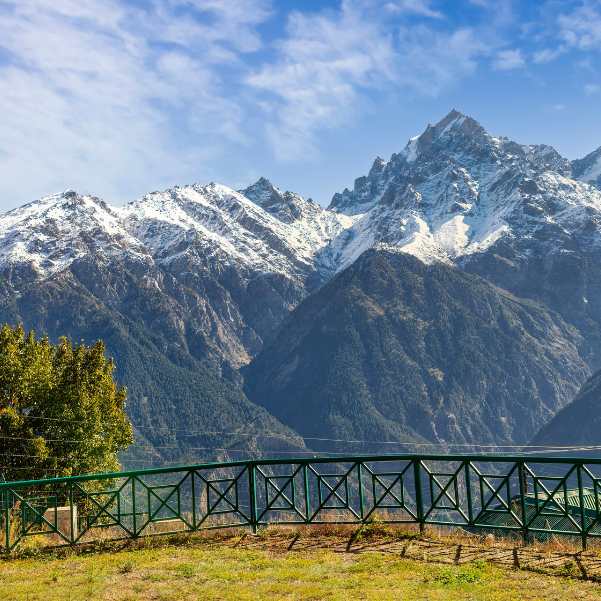
Morning matters more in Kalpa than in most Himalayan towns. The peak is often clear at dawn and covered by clouds by mid-morning. If you miss sunrise, you may not see Kinner Kailash properly all day.
Weather can shift the entire mood of the place. A clear day in Kalpa feels open and grand. A cloudy day can feel intimate and misty. Both are good, but they are different experiences, so give yourself two mornings if you can.
Some of the best moments in Kalpa are not formal tourist spots. A conversation with a guesthouse owner who grew up in Kinnaur.
The sound of monastery bells drifting across the village in the evening. The smell of apple wood smoke in autumn. These are small things, but they are what makes Kalpa stick.
We say this from experience: Kalpa rewards slower travel more than almost any other stop in the Kinnaur valley. The people who enjoy it most are the ones who stop trying to "cover everything" and start paying attention to what is already right in front of them.
Best Time to Visit Kalpa for Sightseeing
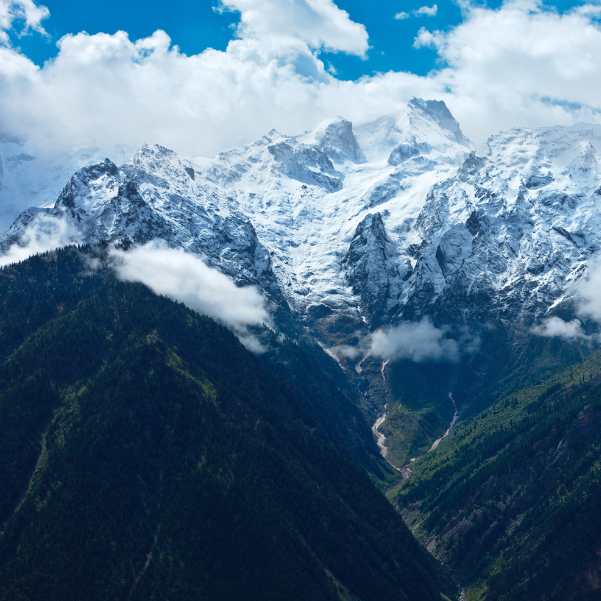
March to June is the most popular and accessible window
The weather is pleasant, roads are generally open, and the views are often clear. April and May tend to offer the best balance of good weather and fewer crowds.
July to September brings the monsoon
Roads can be unpredictable, and landslides are a real concern on the route to Kinnaur. Travel during this period requires flexibility and patience.
October to November is stunning
The apple orchards are in full colour, the air is crisp, and the skies are often the clearest of the year. This is a favourite season for photographers and slow travellers.
December to February brings snow and cold
Kalpa is quiet, sometimes isolated, and deeply beautiful if you are prepared for it. Roads may close temporarily. If you are considering Kalpa in February, check conditions before committing.
Common Mistakes Travellers Make in Kalpa
Rushing through in a few hours. Kalpa is not a stopover. Treating it as one means you see almost nothing properly and leave wondering what the fuss was about.
Skipping sunrise
This is the single biggest miss. If you sleep through sunrise in Kalpa, you have missed the most powerful visual the place offers.
Treating Kalpa as just a checklist
Visiting the temple, ticking off Suicide Point, and leaving does not give you Kalpa. The village, the orchards, the pace of the place: those are the real things.
Not walking enough
Kalpa is a walking village. If you stay in your car or at your hotel, you are only getting a fraction of the place.
Ignoring nearby detours
Roghi Village is three kilometres away and adds so much to the experience. Chaka Meadows gives you a completely different perspective. Skipping both leaves the trip thinner than it needs to be.
Expecting organised "activities”
Kalpa does not have paragliding, rafting, or guided adventure tours. That is not what it is for. If you come expecting structured entertainment, you will be disappointed. If you come expecting mountain quiet, you will be moved.
Final Thoughts on Visiting Kalpa
Kalpa is not the kind of place where you tick off a list and feel satisfied. It works differently. The places worth seeing here, the temple, the monastery, Roghi, the orchards, are all good.
But the thing that people carry home from Kalpa is usually the feeling: the first light on Kinner Kailash, the quiet of the village in the evening, the sense that this part of the mountains is still holding onto something older and slower.
If you are planning time in Kalpa, give it room. At least one proper night. Two if you can manage it. Walk more than you drive. Wake up early at least once. And let the place do its thing.
If you want help building a route through Kalpa and the rest of Kinnaur that actually makes sense on the ground, Travel Coffee's Kinnaur trips are designed by people who know these roads and villages well. No rush, no filler, just a route that lets the mountains speak for themselves.
Explore Our Curated Kalpa & Kinnaur Tour Packages
 4D/3N
4D/3NKinnaur Valley Scenic Circuit With Sangla Chitkul and Kalpa
1D Shimla•1D Sangla+1
₹16,999₹17,999SAVE INR 1,000/ person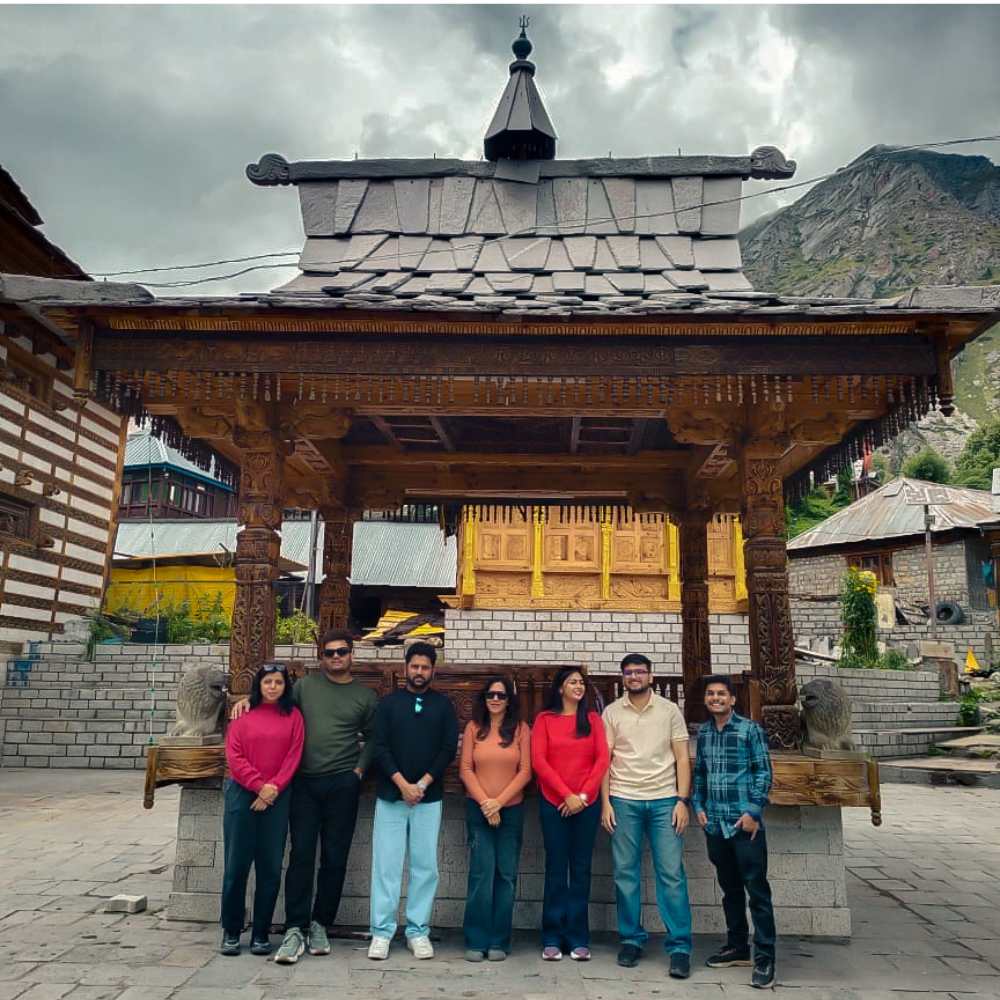 Group Tour5D/4N
Kinnaur Valley Weekend Group Trip With Sangla Chitkul and Kalpa
1D Sangla•1D Kalpa
₹7,999₹9,999SAVE INR 2,000/ person- Group Tour9D/8N
Best Selling Winter Spiti Valley Group Tour
2D Sangla•1D Tabo+2
₹18,999₹23,999SAVE INR 5,000/ person  5D/4N
5D/4NKinnaur Tour Package From Delhi With Sangla Chitkul and Kalpa
1D Sangla•1D Kalpa
₹14,999₹16,999SAVE INR 2,000/ person
Related topics
Frequently Asked Questions
What are the best places to visit in Kalpa?
The top places to visit in Kalpa include the Kinner Kailash sunrise viewpoint, Narayan Nagini Temple, Ragunath Temple, Kalpa Monastery (Hu Bu Lan Kar Gompa), Roghi Village, Suicide Point, Chaka Meadows, Sapni Fort, the apple orchards, and a heritage walk through old Kalpa village.
What is famous in Kalpa?
Kalpa is most famous for its direct views of the Kinner Kailash range, especially at sunrise. The apple orchards, ancient temples, Buddhist monasteries, and traditional Kinnauri architecture are also well known. It is considered one of the most scenic and peaceful stops in the Kinnaur valley.
Is Kalpa worth visiting?
Yes. Kalpa is one of the most rewarding destinations in Himachal Pradesh for travellers who prefer quiet mountain experiences over crowded tourist circuits. The views, the village life, and the slower pace make it genuinely special. It is particularly worth it if you give it at least one full day and night.
How many days are enough for Kalpa?
One full day and night is the minimum to see the key places and experience sunrise. Two nights is better and allows you to visit Roghi, trek to Chaka Meadows, and absorb the village at a proper pace. We usually suggest two nights for anyone who wants Kalpa to feel complete.
What can I do in Kalpa in one day?
In a single day, you can watch sunrise over Kinner Kailash, visit Narayan Nagini Temple, Ragunath Temple, and the monastery, drive to Roghi Village and Suicide Point, walk through the apple orchards, and spend the evening sitting with the mountain views. Prioritise morning light and the village walk.
Which is the best village to visit near Kalpa?
Roghi Village, about 3 kilometres from Kalpa, is the most interesting nearby village. It has traditional architecture, dense orchards, and the Suicide Point viewpoint. It is small enough to walk through in under an hour but has a lot of character.
Is Roghi Village worth visiting?
Yes. Roghi is one of the best experiences near Kalpa. The village itself is more traditional and less tourist-touched than Kalpa, and the walk through its lanes gives you a real sense of Kinnauri village life. Suicide Point, located just beyond Roghi, adds to the visit.
Can I visit Chaka Meadows from Kalpa?
Yes. Chaka Meadows is accessible on foot from Kalpa via a forest trail. The trek takes roughly 2 to 3 hours one way depending on your pace. It is best attempted as a half-day trip with water and snacks.
What is the best time to visit Kalpa?
April to June for clear weather and easy access. October to November for autumn colours and crisp skies. December to February for snow, solitude, and dramatic winter views (check road conditions before travelling).
Is Kalpa better for sightseeing or slow travel?
Both, but Kalpa is at its best when you combine a few key sightseeing stops with a slower pace. It is not a place with a long list of ticketed attractions. The magic is in the sunrise, the walks, the monastery calm, and the orchard light. Rushing through Kalpa defeats its purpose.
Can Kalpa be combined with Reckong Peo or Sangla?
Yes. Reckong Peo is only 9 kilometres from Kalpa and is a practical stop for permits, ATMs, and supplies. Sangla and Chitkul are about 2 to 3 hours away and combine beautifully with Kalpa for a fuller Kalpa and Kinnaur itinerary.
More about Kinnaur
 Kinnaur
Yulla Kanda Trek Guide 2026: Route, Best Time, Cost and Planning
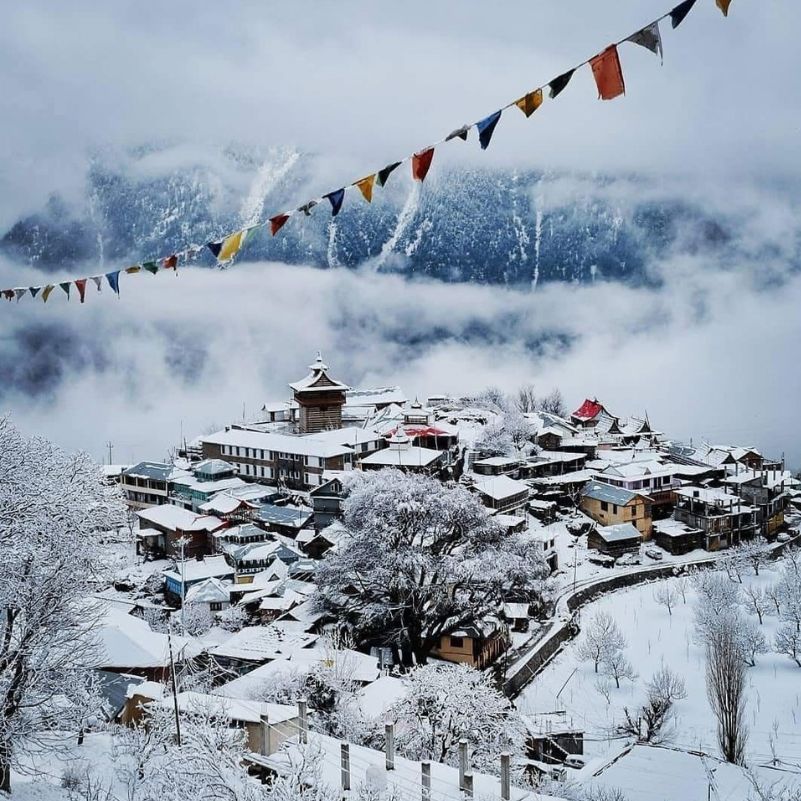
Planning the Yulla Kanda trek in 2026? This practical guide covers the trekking route from Yulla village in Kinnaur, distance and difficulty, the best time to visit, expected costs, camping options, and essential preparation tips. Discover how to plan this high-altitude Himalayan trek to the sacred Krishna Lake with realistic expectations and local travel insights.
- Things to Do
- How to Reach
 Kinnaur
Kinnaur Snowfall Guide 2026: When & Where to Look for Snow
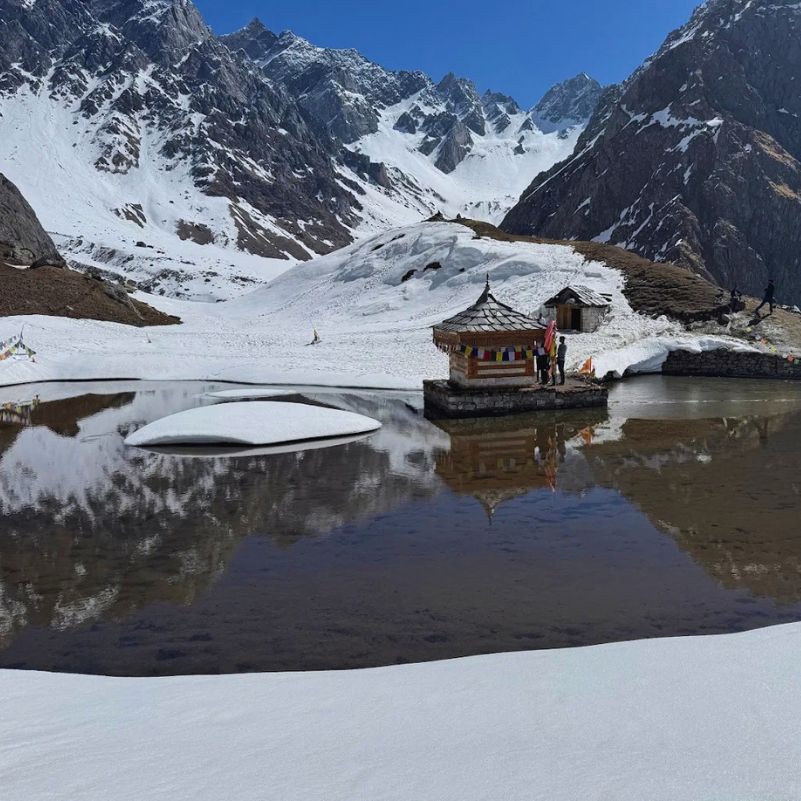
Planning a snow trip to Kinnaur in 2026? This guide explains the best months for snowfall, the top places to find snow in Kalpa, Sangla and Chitkul, and what weather and road conditions to expect during winter.
- Snow Travel
- Best Time to Visit
 Kinnaur
Christmas & New Year in Kinnaur: A 2026-27 Winter Trip Guide
Planning Christmas and New Year in Kinnaur for 2026-27? Explore winter weather, snowfall chances, road conditions, stay options and a practical festive-season itinerary for Kalpa, Sangla and nearby areas.
- Snow Travel
- Itinerary