
Pabbar Valley Travel Guide 2026: Places, Itinerary, Road Status and Local Tips
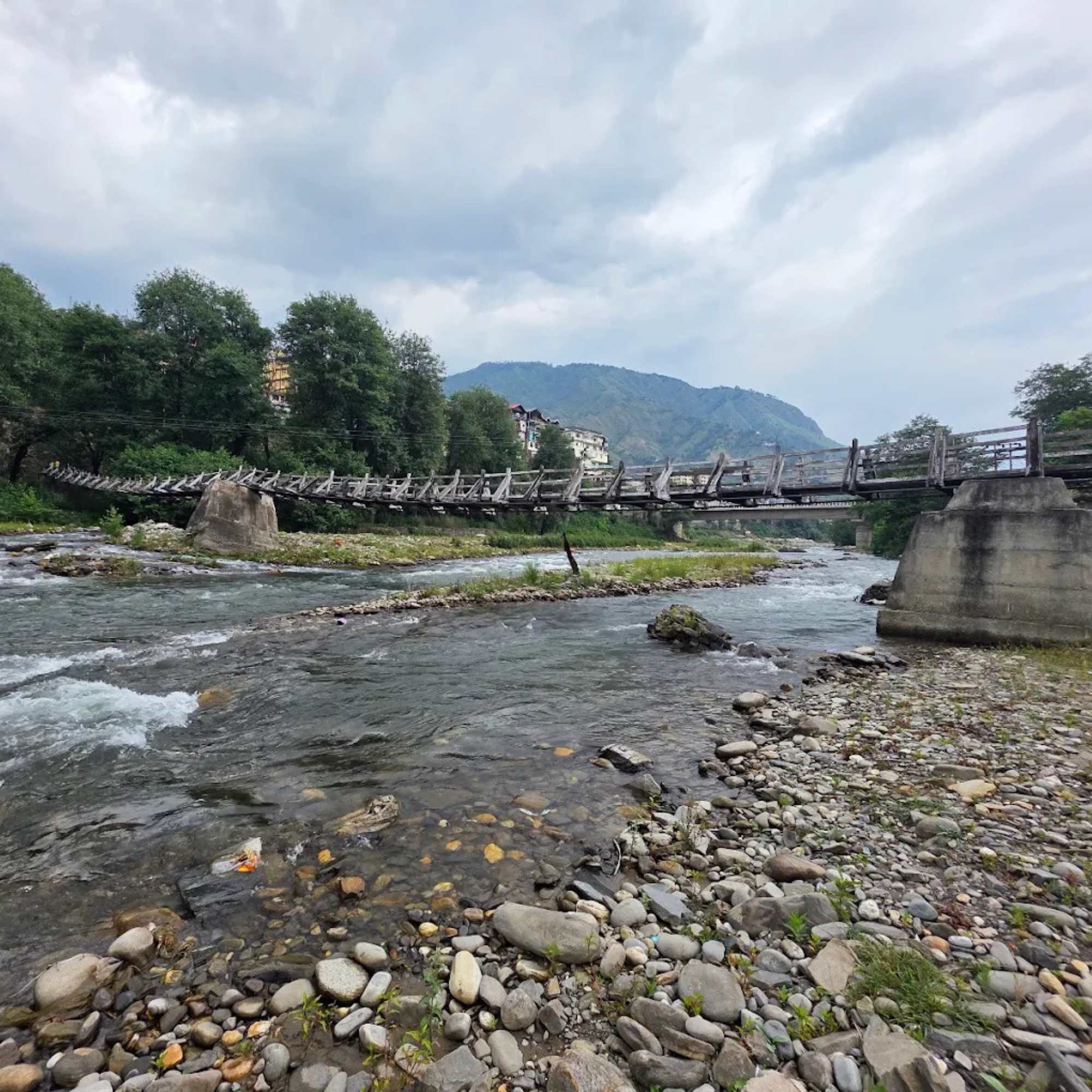
If you have been searching for a part of Himachal that still feels quiet, Pabbar Valley is the answer most people miss.
It sits in Shimla district around Rohru, full of apple orchards, a clean river, old temples, and a high mountain pass that very few tourists ever cross.
We send travellers here every season, and the feedback is almost always the same. They came expecting another hill station. They left talking about the silence.
This guide by Travel Coffee covers everything. Where Pabbar Valley is, when to go, how to reach it, what to see, real costs, and the Chanshal Pass road situation for 2026.
Quick Answer: Is Pabbar Valley Worth Visiting in 2026?
Yes, if you like slow, quiet travel over crowds and cafés. Pabbar Valley is an offbeat valley in Shimla district around Rohru, known for the Pabbar River, apple orchards, Hatkoti, Jubbal, Chanshal Pass, and some serious treks.
The best time is March to June for the lower valley, and September to October or November for clear skies and apple season.
Plan Chanshal for late June, September, or October, and always check road status before you leave.
Three days are enough for Rohru, Hatkoti, Jubbal, and Chanshal. Give it 5 to 7 days if you want to add Chandernahan Lake or Dodra Kwar.
👉 Confused about the best season for Pabbar Valley? Chat with our team on WhatsApp before you plan.
Where Is Pabbar Valley in Himachal Pradesh?
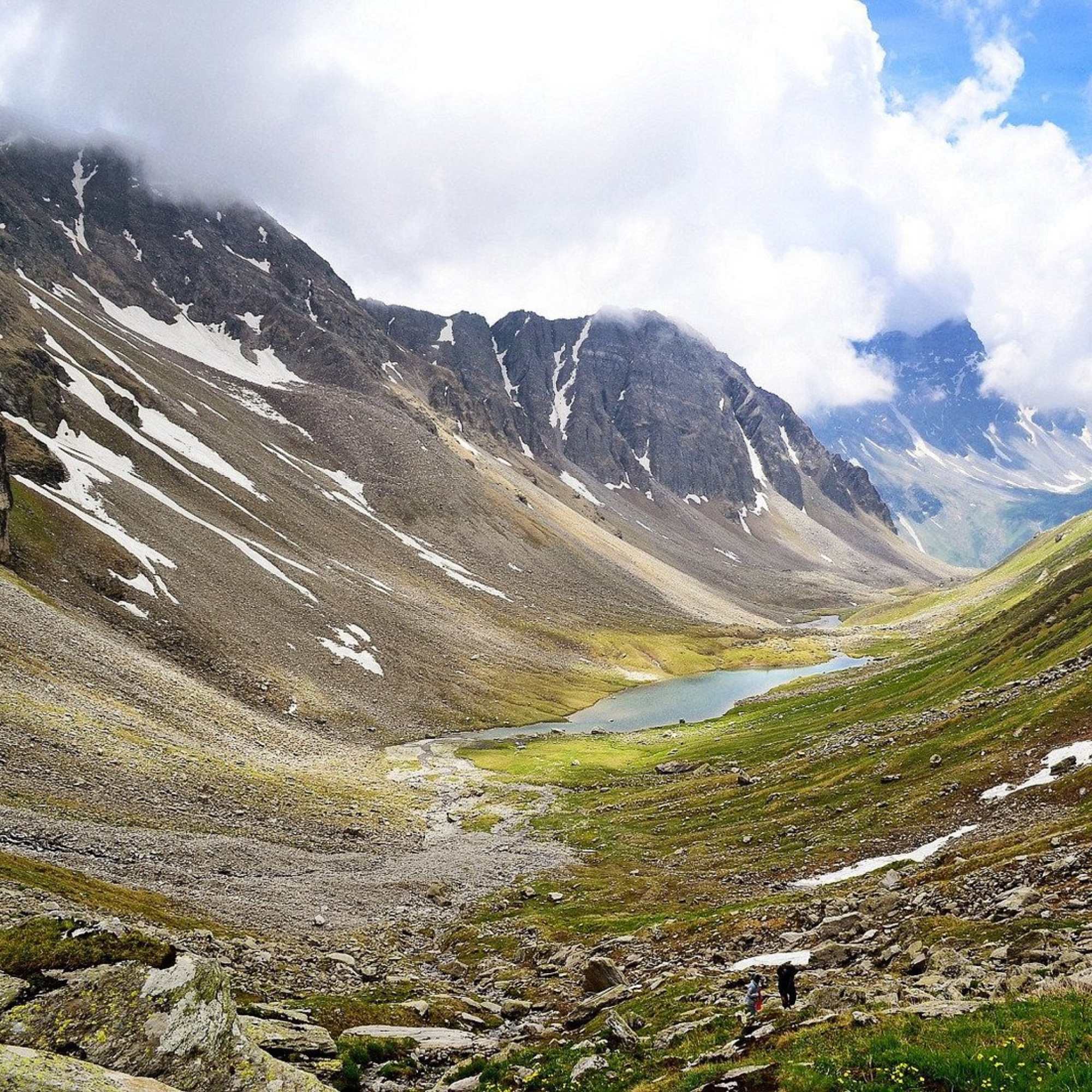
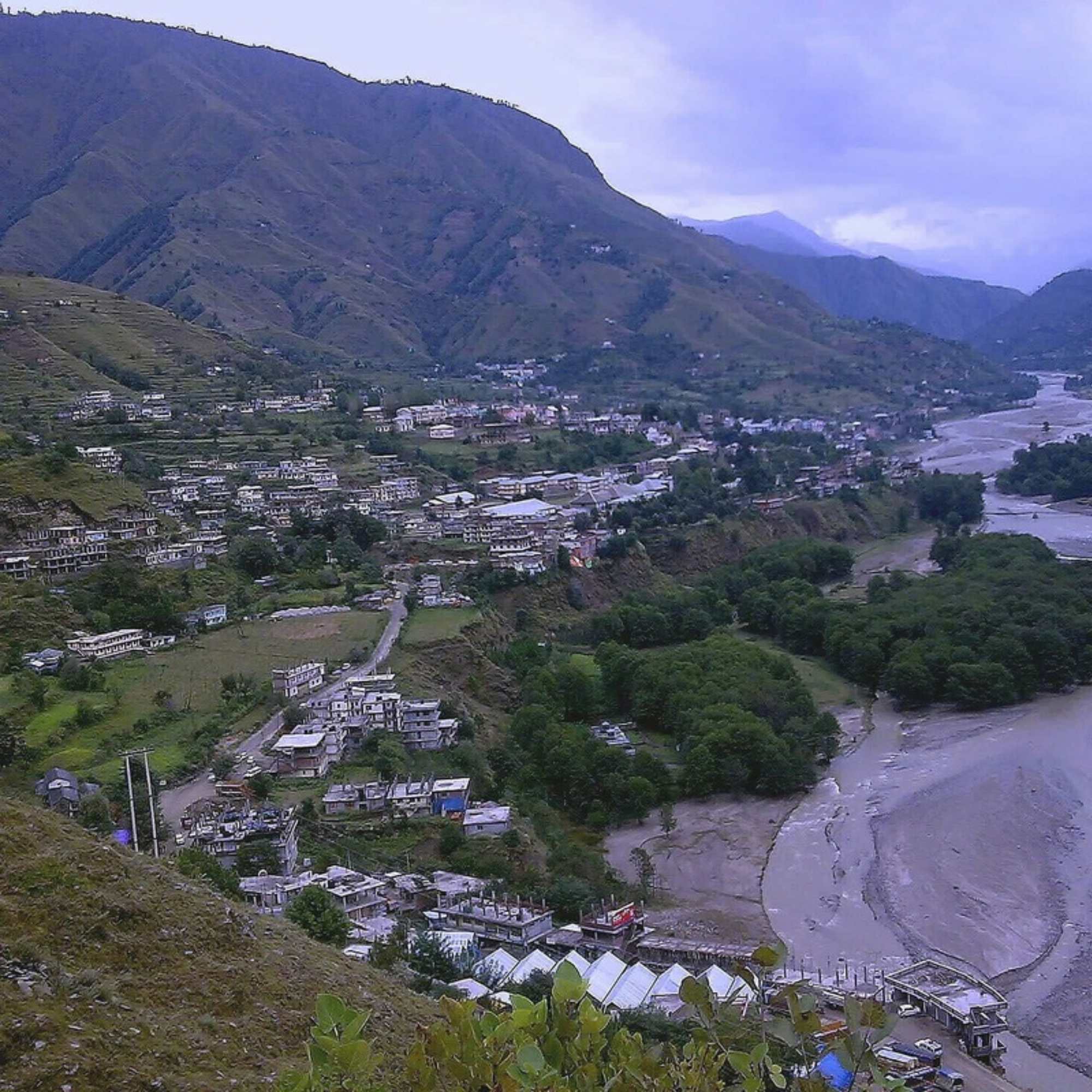
Pabbar Valley lies in Shimla district, spread around Rohru, Chirgaon, Hatkoti, Jubbal, and the Chanshal side.
The whole valley follows the Pabbar River as it cuts through apple country and climbs towards the higher mountains.
We always tell first-timers to keep Rohru as their base. It has stays, a proper market, fuel, ATMs, and the best connectivity in the valley.
Everything else in Pabbar Valley is a day trip or a stop on the way to somewhere higher.
The Pabbar River is a tributary of the Tons, which then drains into the Yamuna system. So this water eventually reaches the same river that flows past Delhi.
If you want a base nearer the city before heading up, look at our Shimla tour packages to plan the first leg properly.
Why Is Pabbar Valley Famous?
Apples, mostly. This is one of Himachal's big apple belts, and during season the orchards around Rohru and Jubbal are heavy with fruit.
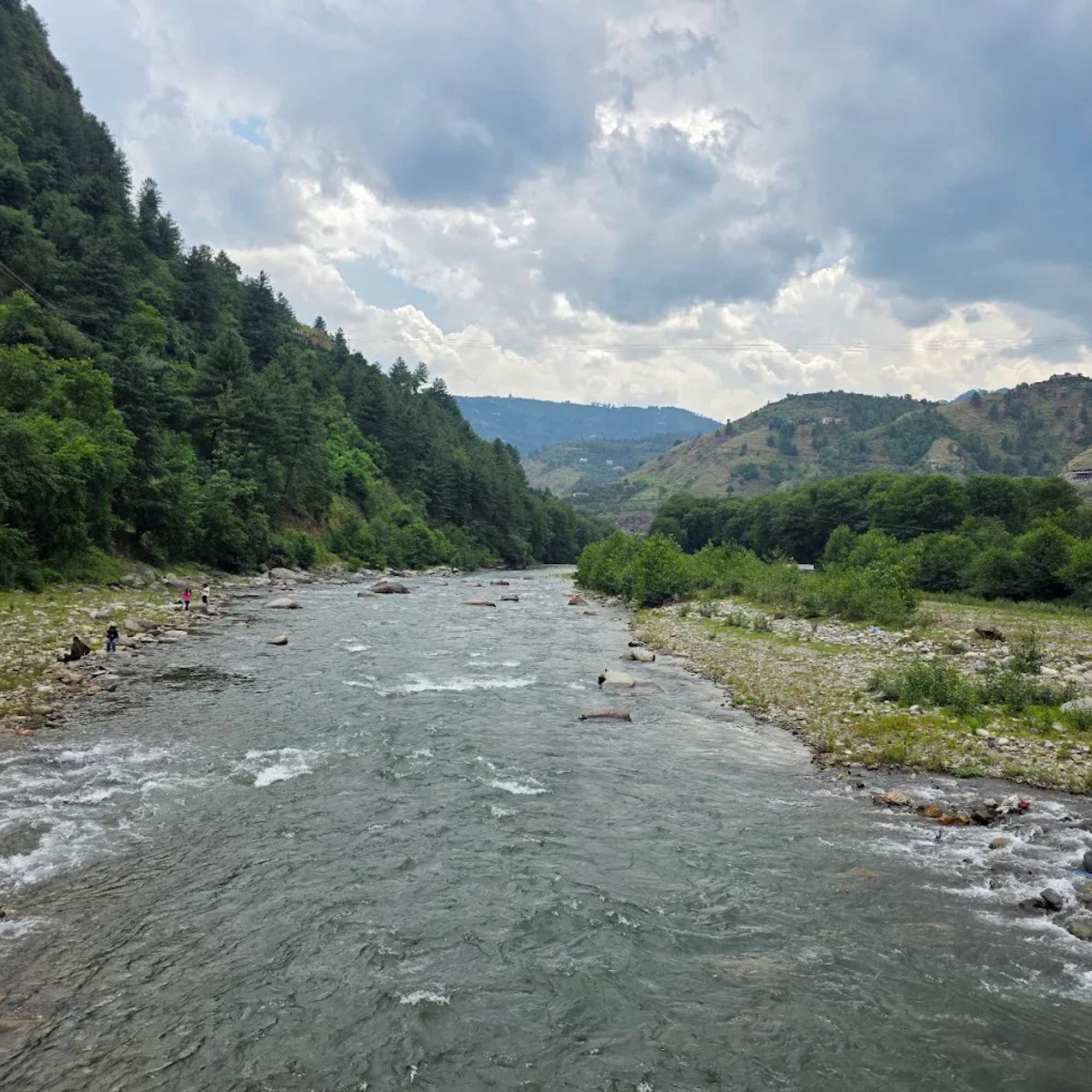
The valley is also known for trout fishing. The Pabbar River runs cold and clean, which is exactly what trout need.
Then there is the scenery. River bends, orchard slopes, old wooden temples, and small villages that have barely changed in decades.
For travellers who want adventure, Pabbar Valley is the gateway to Chanshal Pass and several high treks.
Here is the honest part. This is not Manali or Kasol. There is no nightlife, no café scene, no buzzing market till midnight.
Pabbar Valley suits slow travellers, bikers, photographers, families who like quiet places, and trekkers. If you need constant activity, you will get bored here.
What Is the Best Time to Visit Pabbar Valley?
March to June
This is the safest window for first-timers. The lower valley is open, the weather is pleasant, and the roads are mostly clear.
It is the right season for sightseeing, river walks, orchard stops, and easy drives without too much worry.
July to August
This is monsoon, and we usually warn people off fixed-date travel in these months.
Rain brings slush, landslides, and road delays. You can still travel, but keep your dates flexible and never lock a tight plan around these weeks.
September to November
For many of us, this is the best stretch. The monsoon clears out and the skies turn sharp and blue.
This is also apple season around Rohru, Kotkhai, and the Jubbal belt. The light is clean, the orchards are full, and photographers love it.
December to February
Winter is for the brave. Lower areas like Rohru may be possible for travellers who do not mind the cold.
But Chanshal and the higher routes are usually snowbound. Do not treat the high side as guaranteed in these months.
Is Chanshal Pass Open in 2026?
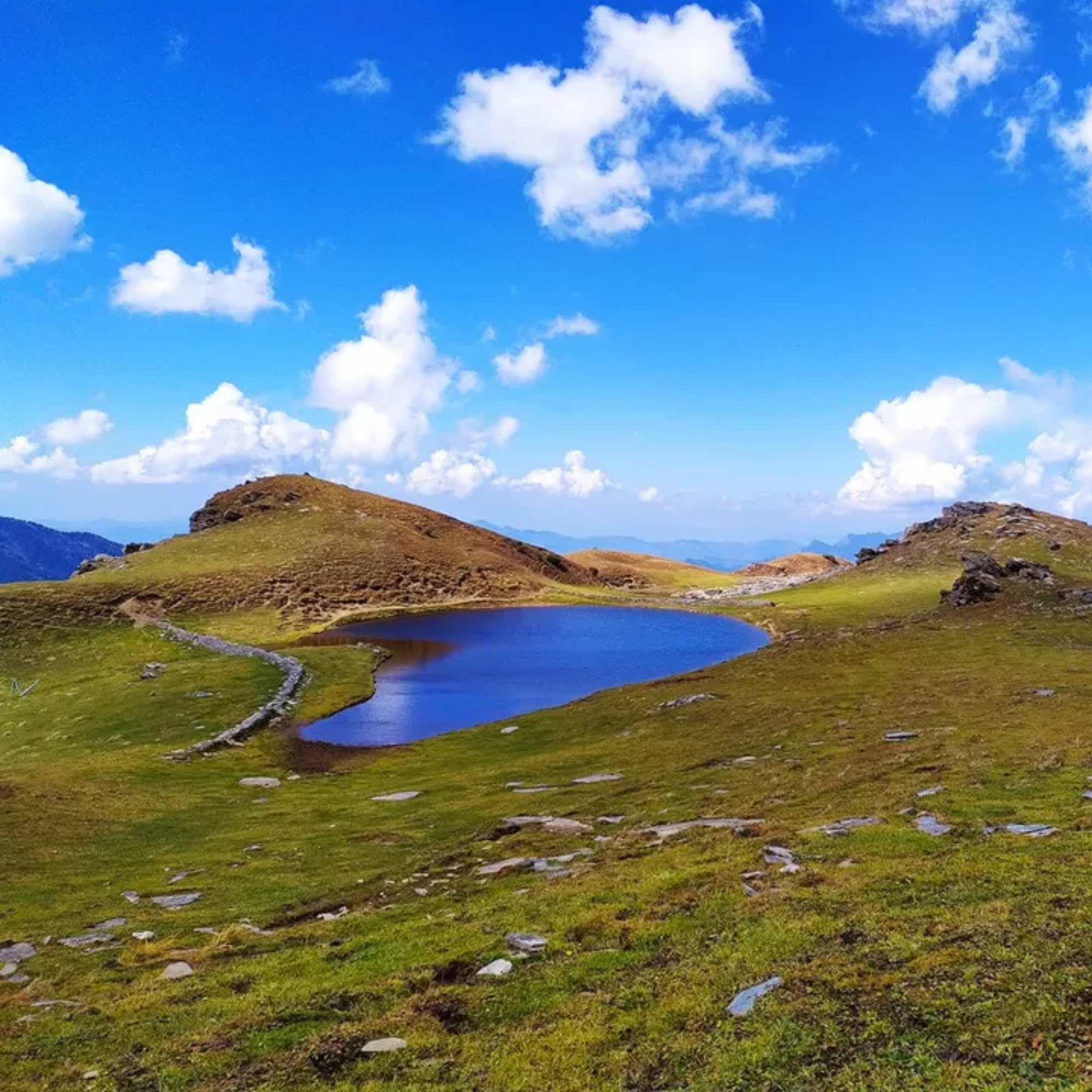
This is the question we get most, so let me be careful with it.
The official Shimla district page says the Chanshal Pass road is generally open from May to November and closed the rest of the year because of snow.
It lists late June, September, and October as the best windows to plan your trip.
A live road-status page showed Rohru to Chanshal Pass as open on 11 June 2026. That is encouraging, but mountain roads change fast. Check locally before you leave.
In our experience, a road that is open one morning can shut by the next afternoon after rain or fresh snow up top. Never assume.
Now the altitude confusion. The official altitude for Chanshal Pass is 3,755 m.
Many blogs mix up Chanshal Pass with Chanshal Peak or the wider range and quote 4,520 m. Do not blindly repeat that figure for the pass itself.
👉 Planning a Chanshal Pass trip in 2026? Talk to our team on WhatsApp for the latest road updates.
How to Reach Pabbar Valley?
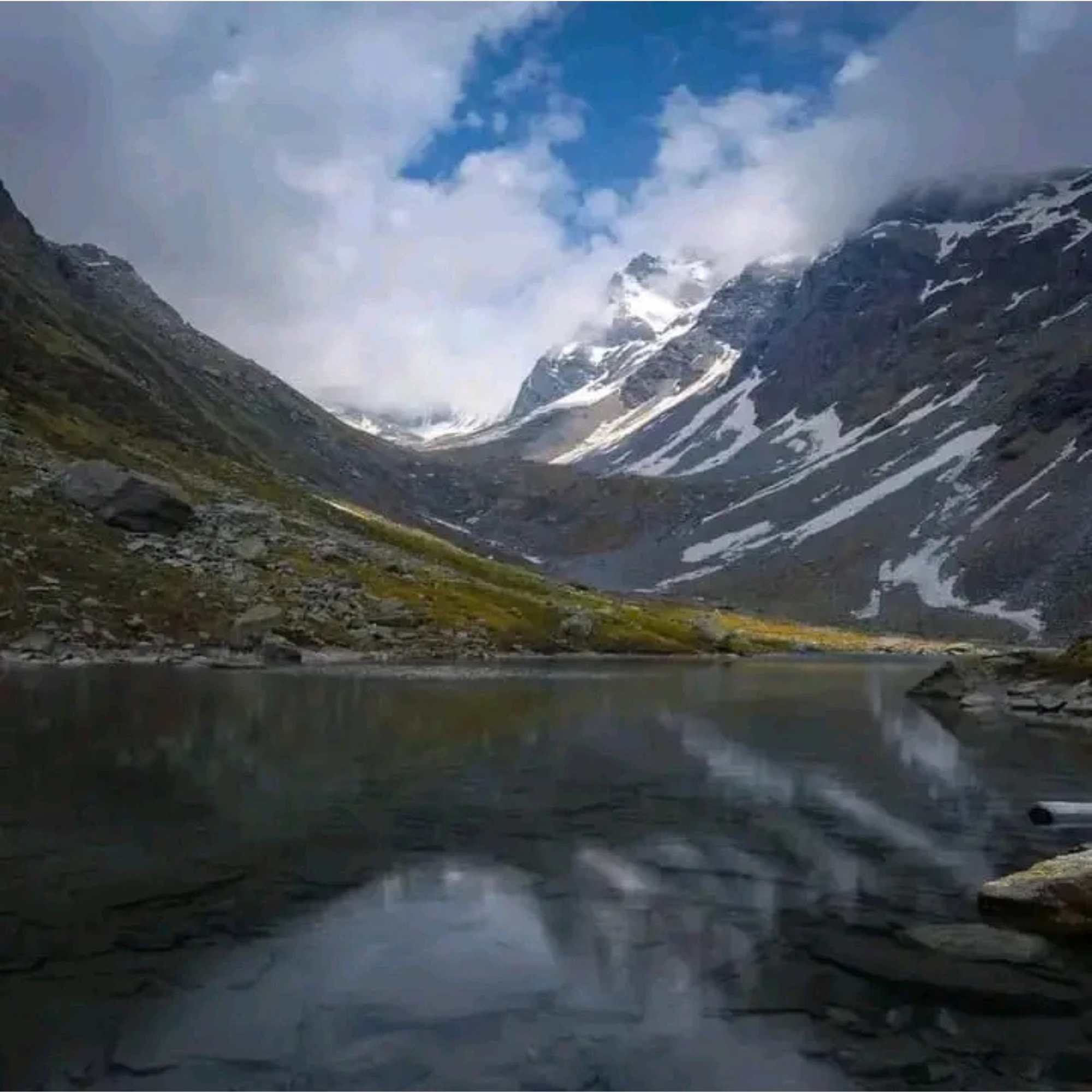
Shimla to Pabbar Valley
The usual route runs Shimla, Theog, Kotkhai, Jubbal, Hatkoti, Rohru.
Rohru is about 115 km from Shimla according to the Rohru municipal source.
A practical drive estimate is 4 to 5 hours, depending on traffic near Shimla and road condition past Kotkhai.
Delhi to Pabbar Valley
The route goes Delhi, Chandigarh, Shimla, Theog, Rohru.
Competitor sources estimate around 450 km and 12 to 13 hours. This is a long haul, so most people break it with a night in Shimla.
Chandigarh to Pabbar Valley
The route runs Chandigarh, Solan, Shimla, Theog, Rohru.
Competitor sources estimate around 230 km and 7 to 8 hours.
By Bus, Train and Flight
HRTC buses connect Shimla to Rohru, but check exact timings before you travel because they change with the season.
For trains, you have the Shimla narrow gauge line, or you can use Kalka as the main rail access and drive up from there.
For flights, Chandigarh Airport is the practical choice. Shimla Airport has very limited connectivity, so most travellers skip it.
Where Should You Stay in Pabbar Valley?
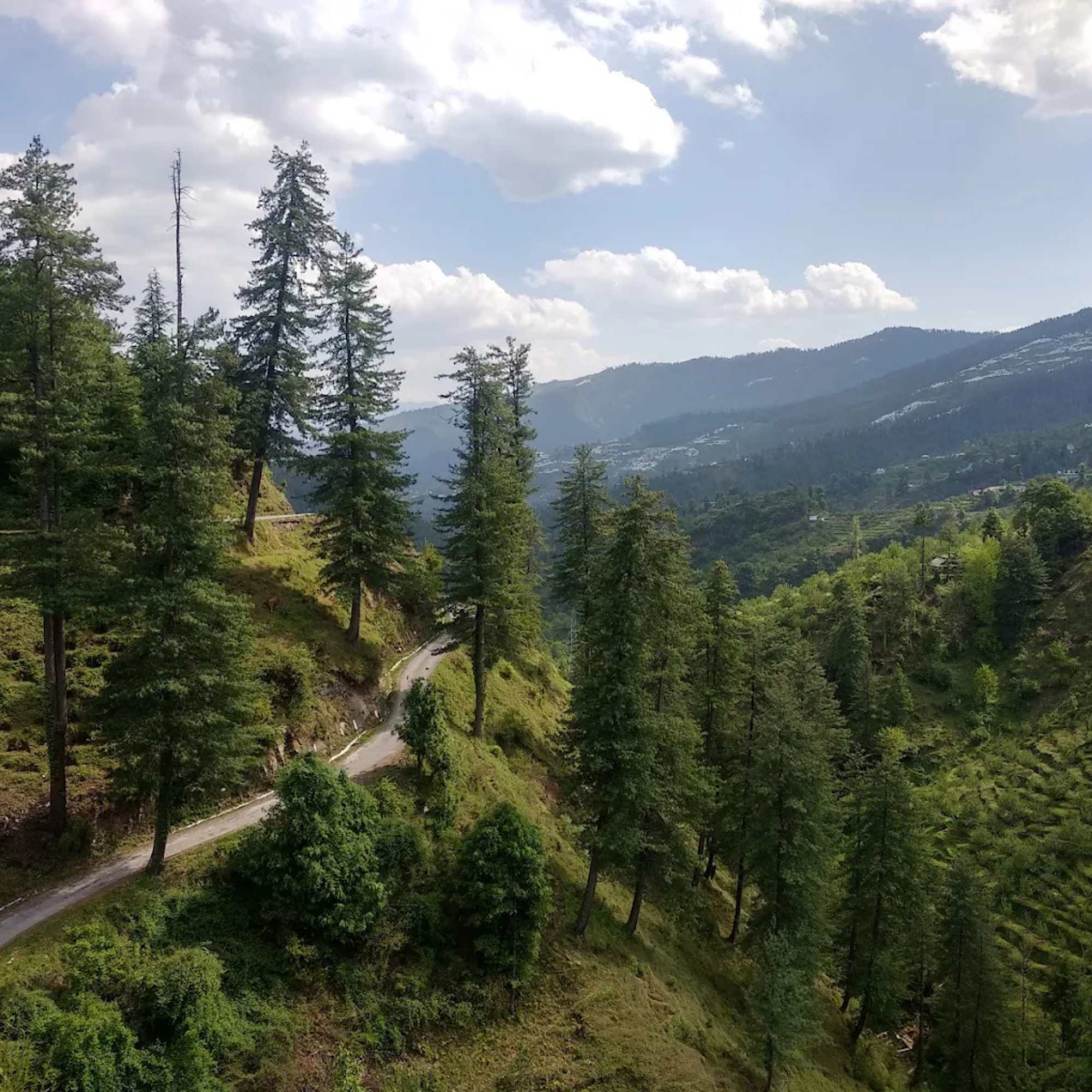
Rohru
This is the best base for most travellers, full stop. Rohru has the market, the hotels, fuel, ATMs, and the easiest transport in the valley.
If it is your first time here, stay in Rohru and do day trips out from it.
Chirgaon and Larot
Pick these if your trip is built around Chanshal Pass. They put you closer to the high side.
Facilities are basic here, so carry cash and plan an early start. Do not expect Rohru-level comfort.
Hatkoti, Jubbal and Kotkhai Side
These suit slower travellers who want orchards, temples, and a bit of heritage.
Stay here if your trip is about apple country and old architecture rather than the high pass.
Best Places to Visit in Pabbar Valley
Rohru
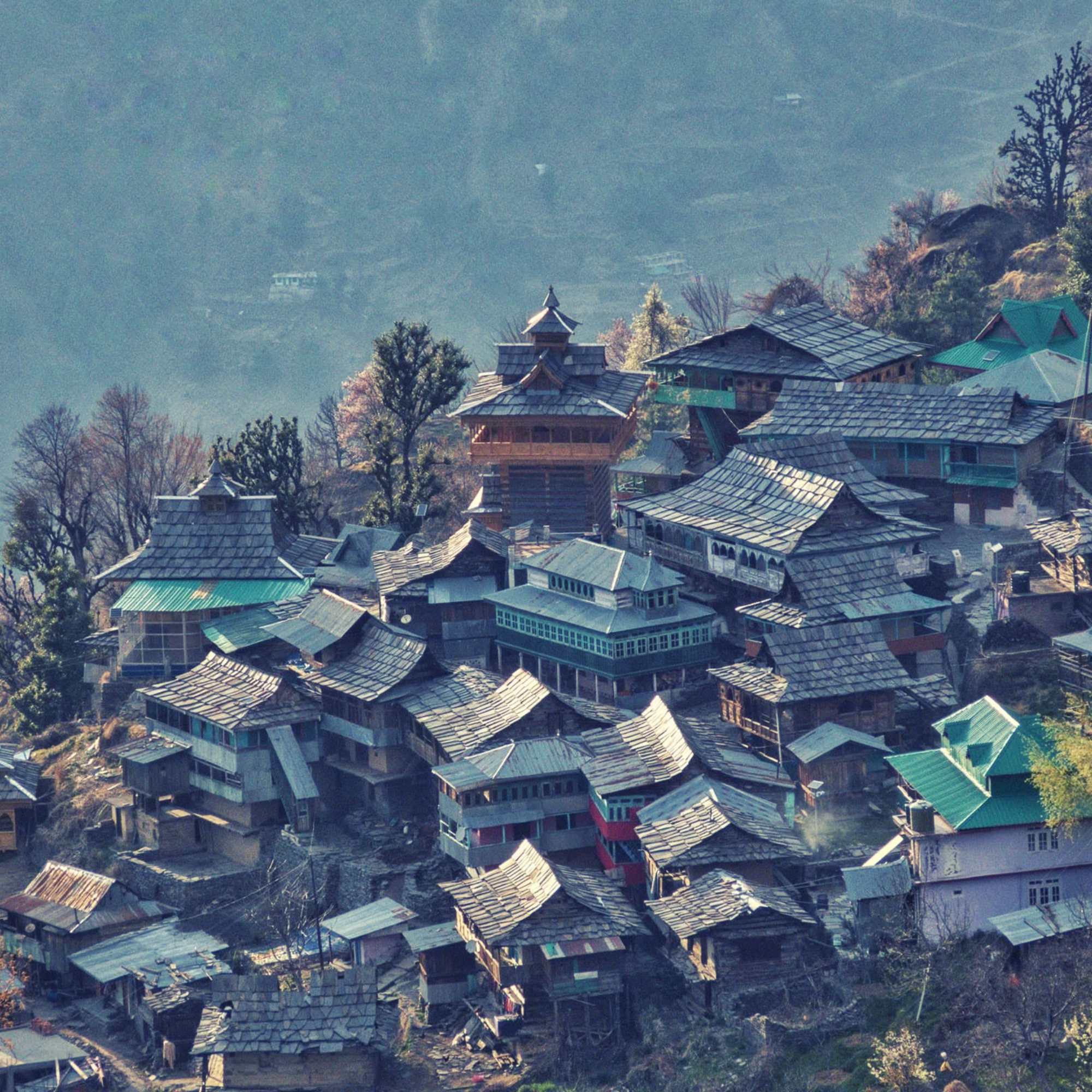
The valley's main town sits right on the Pabbar River. This is where you find apple orchards, trout fishing, and all the services you will need.
A local tip most guides miss: the Dhamwari trout hatchery is 25 km upstream of Rohru. If you care about the fishing story of this valley, that is worth the short drive.
Hatkoti Temple
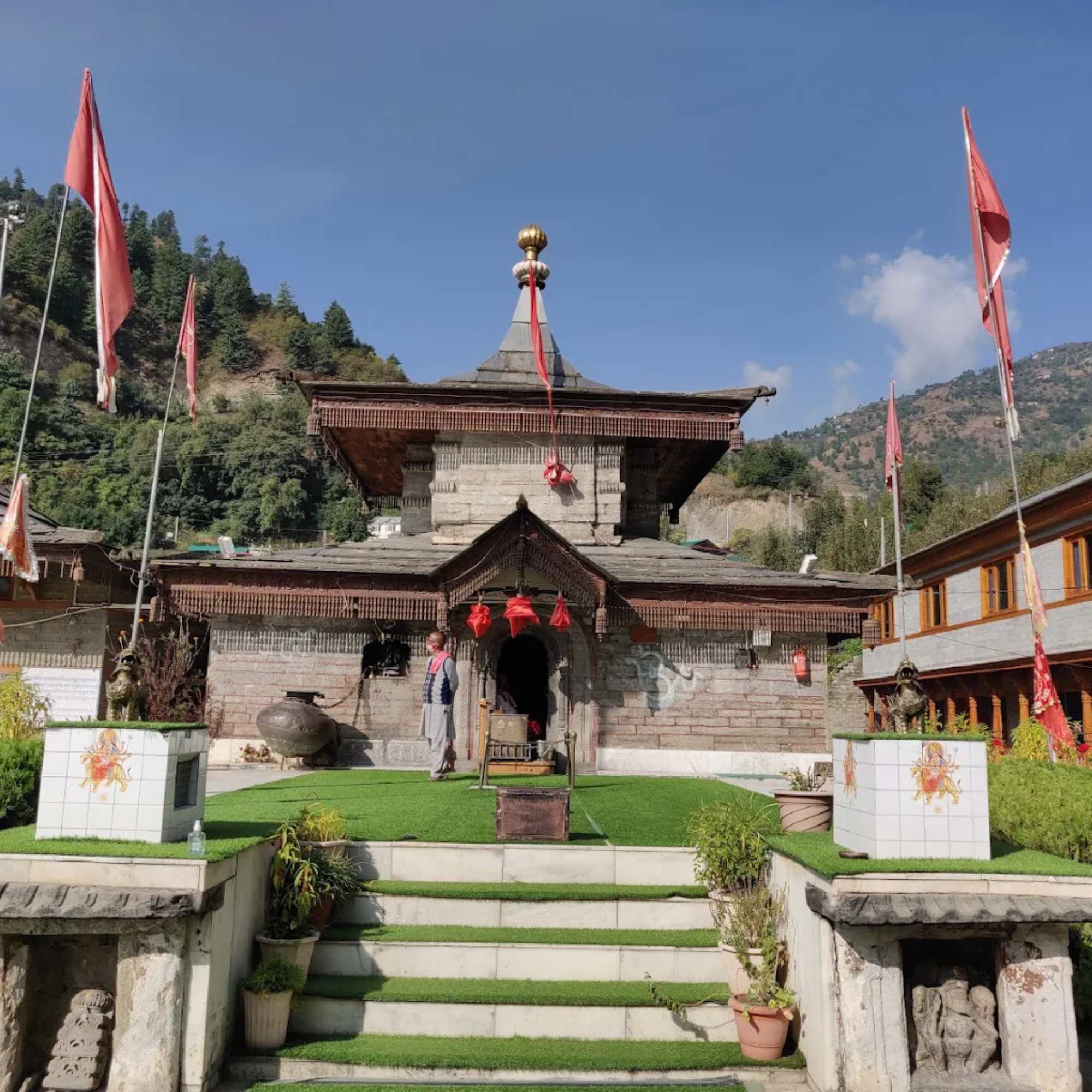
The Hateshwari Mata Temple sits near the Pabbar River and is the spiritual heart of the lower valley.
People often describe it as an ancient temple linked with 8th to 9th century CE architecture. Treat the exact dating as unconfirmed until you see a reliable local board.
Jubbal Palace
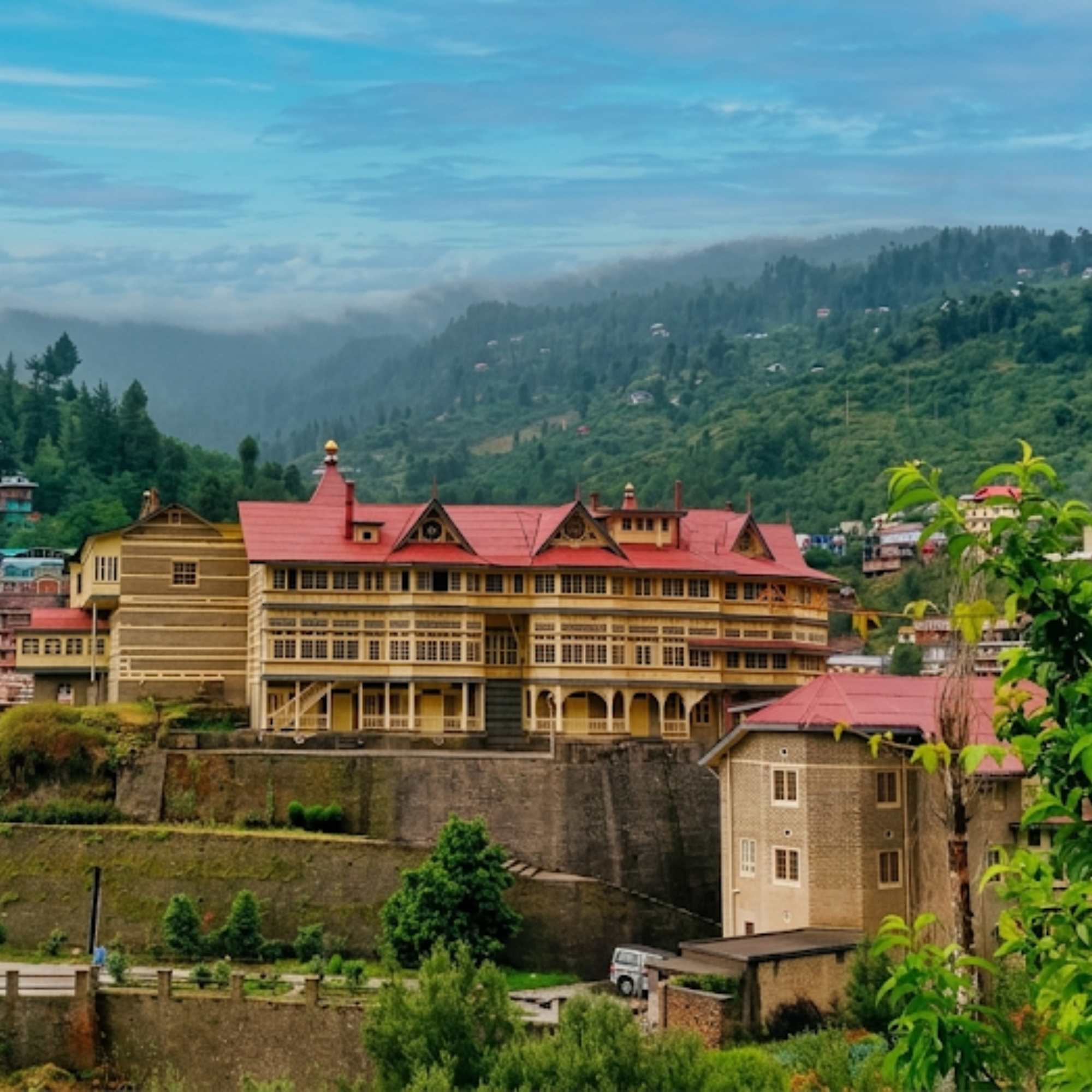
Jubbal Palace is a heritage building and a good stop between Shimla and Rohru.
You will read claims about a French architect, a 1930 build, a 4-acre spread, and entry access.
Chirgaon
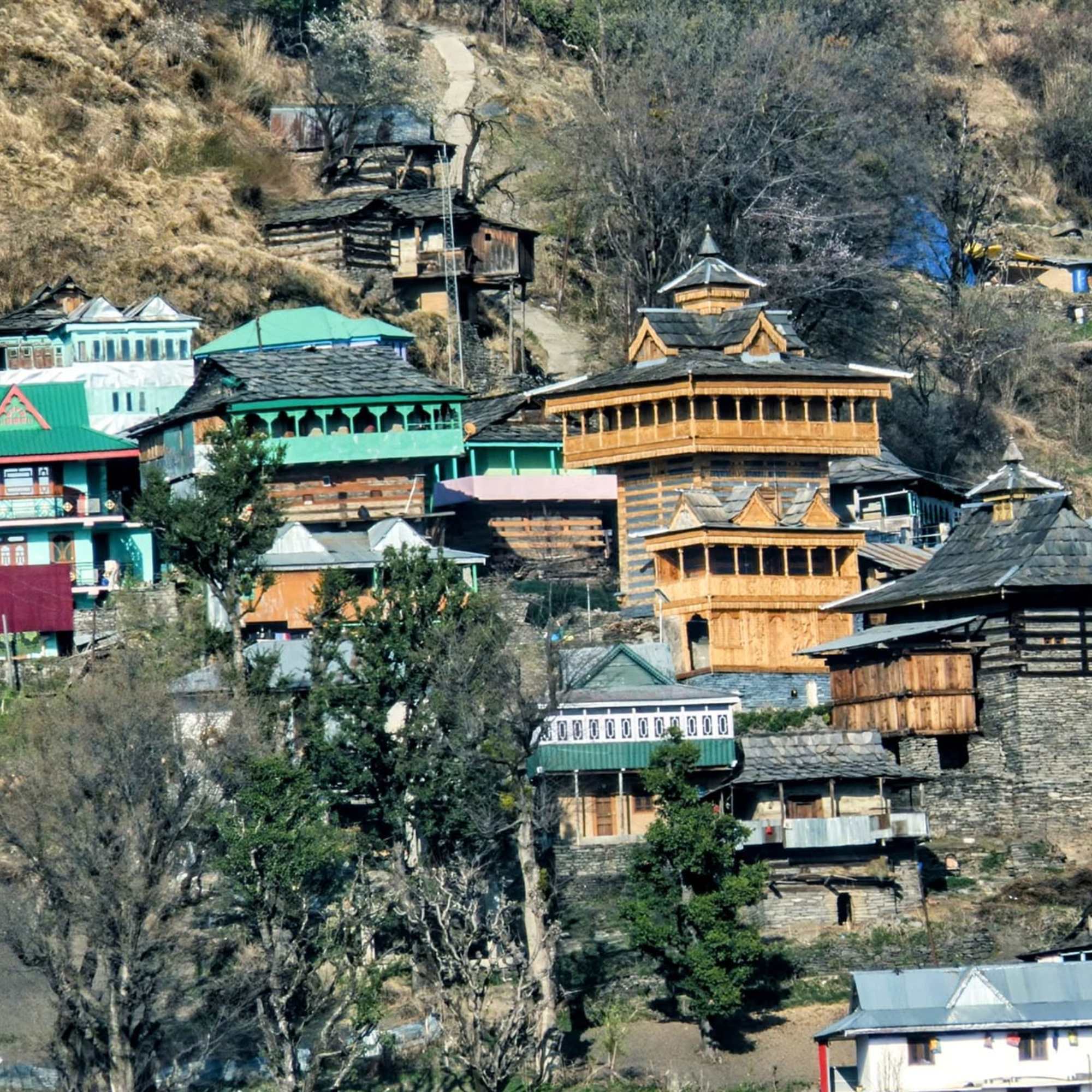
Chirgaon sits deeper in apple country with pretty river valley views.
It is also the point where the road starts pushing on towards Larot and Chanshal, so many Chanshal travellers pass through here.
Larot Village
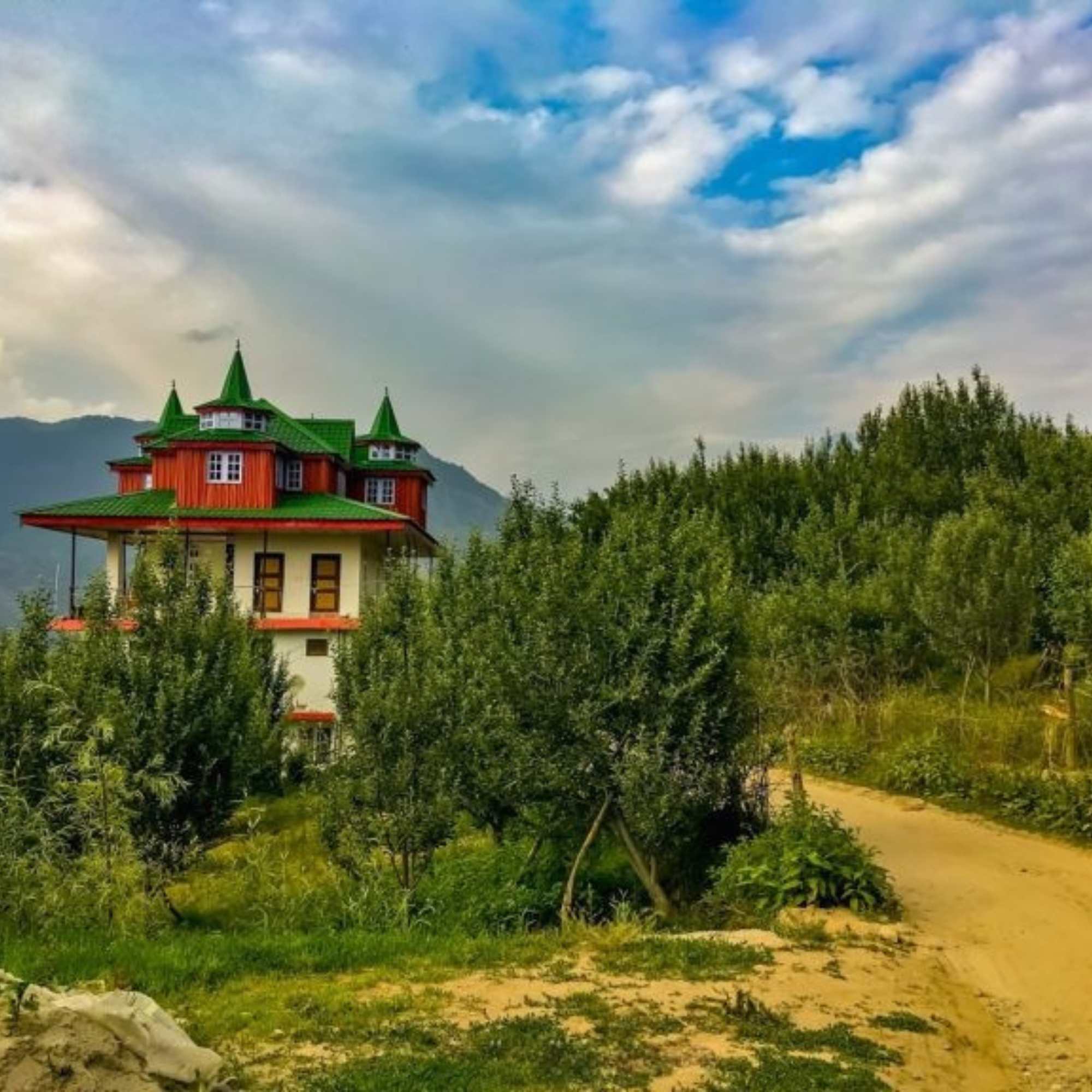
Larot works as a practical base on the Chanshal side. You get basic stays and limited services, nothing fancy.
Think of it as a launch point for the pass rather than a destination in itself.
Chanshal Pass
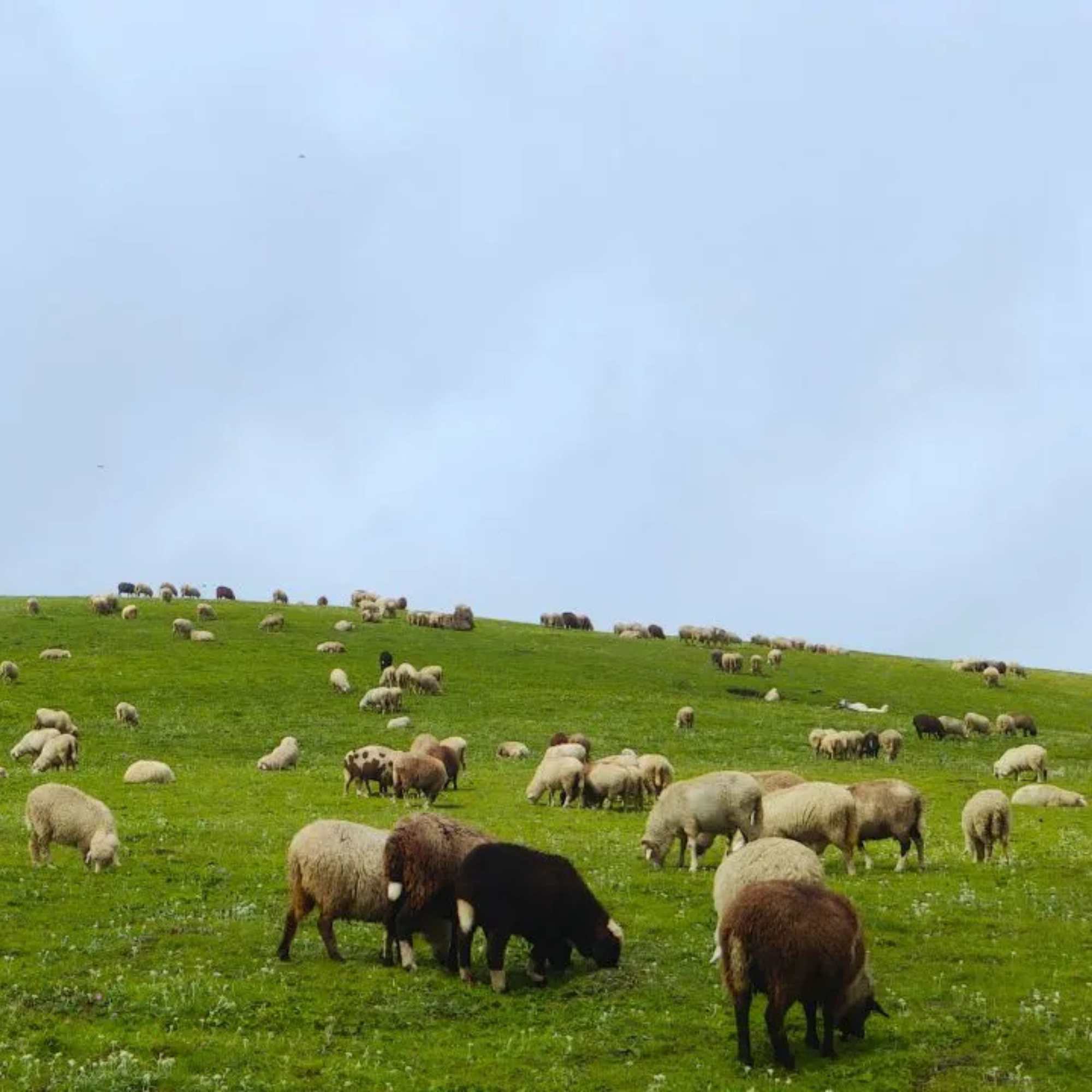
The official altitude is 3,755 m. The pass connects the Rohru and Chirgaon side with the Dodra Kwar side.
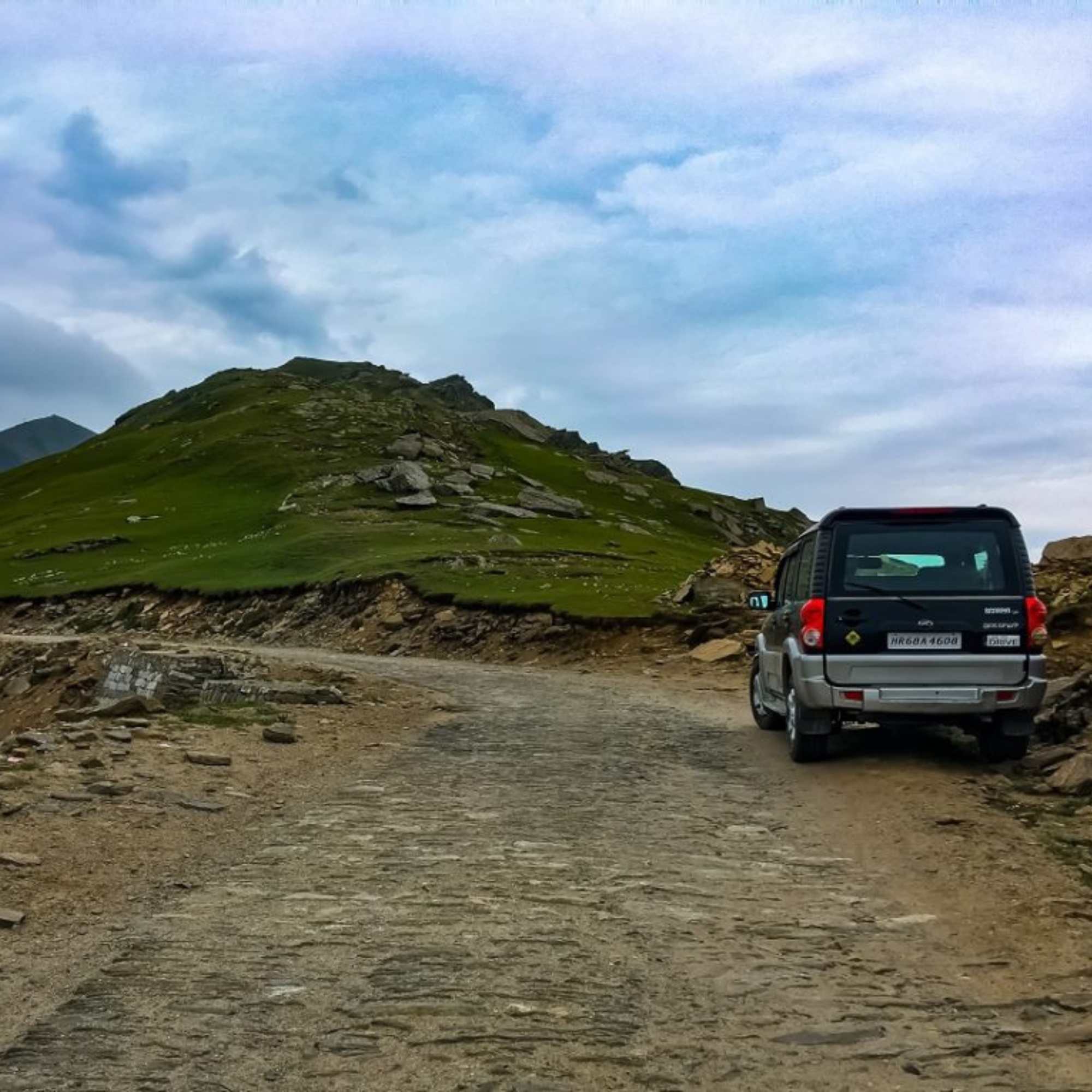
We strongly recommend an SUV, a local taxi, or an experienced mountain driver here, especially after rain. This is not a road to learn mountain driving on.
Dodra Kwar
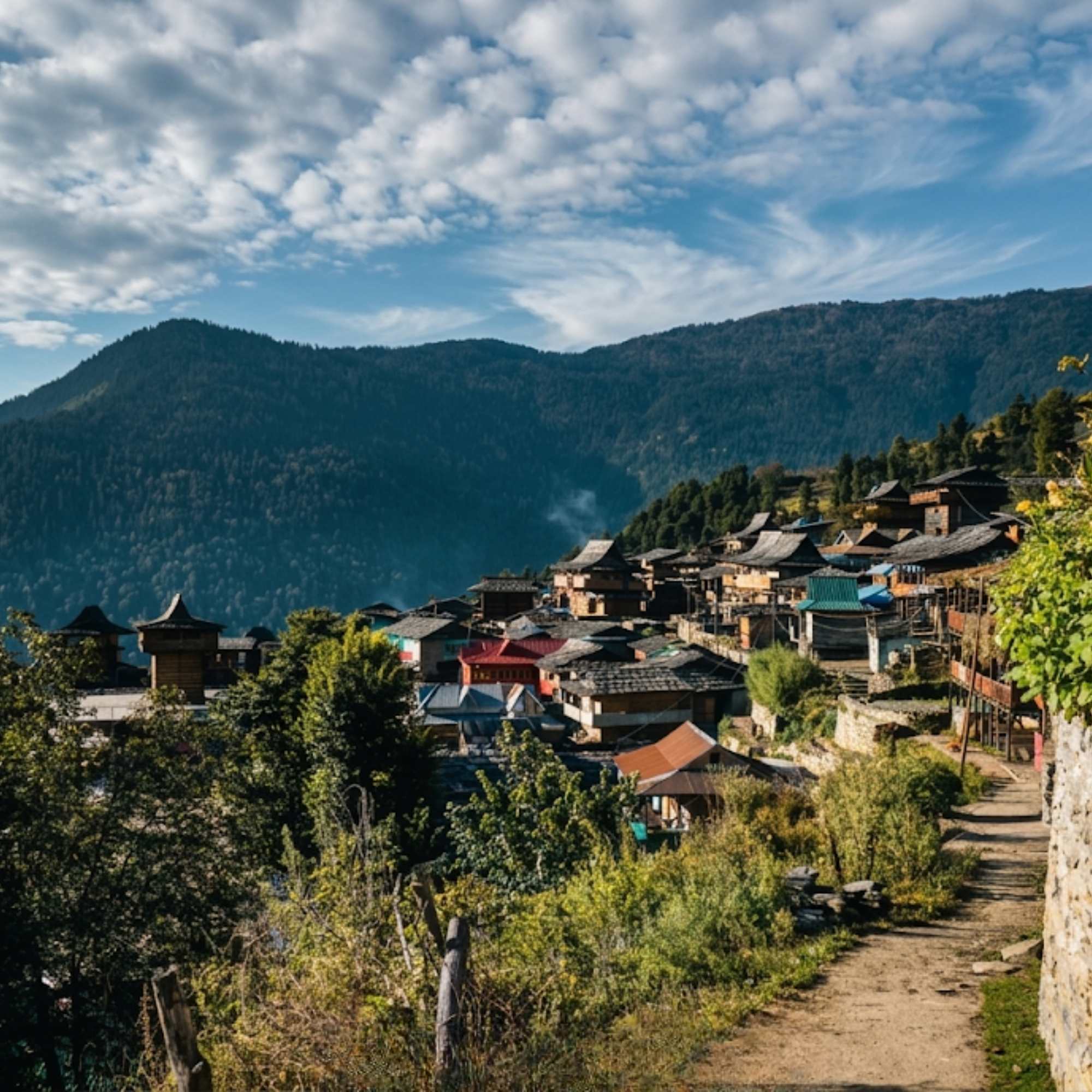
This is a remote extension beyond Chanshal, and only for experienced travellers with flexible dates.
Road works in the Dodra Kwar region have faced delays because of difficult terrain, severe weather, and short working seasons. The PMGSY work completion deadline has been extended to 31 March 2027, so expect rough patches.
If high passes and remote valleys are your thing, you might also like our Kinnaur tour packages for a similar feel.
Best Treks in Pabbar Valley
Chandernahan Lake Trek
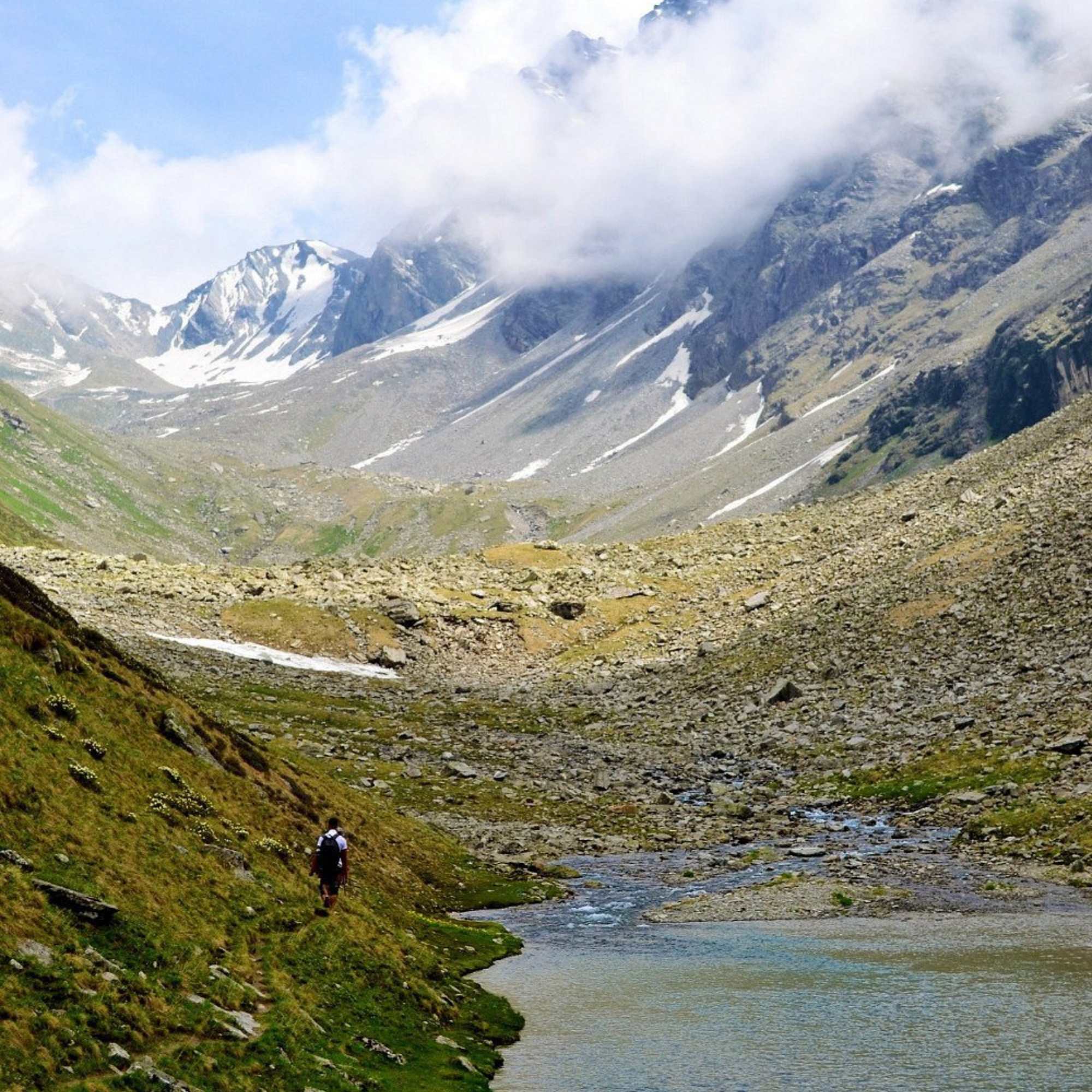
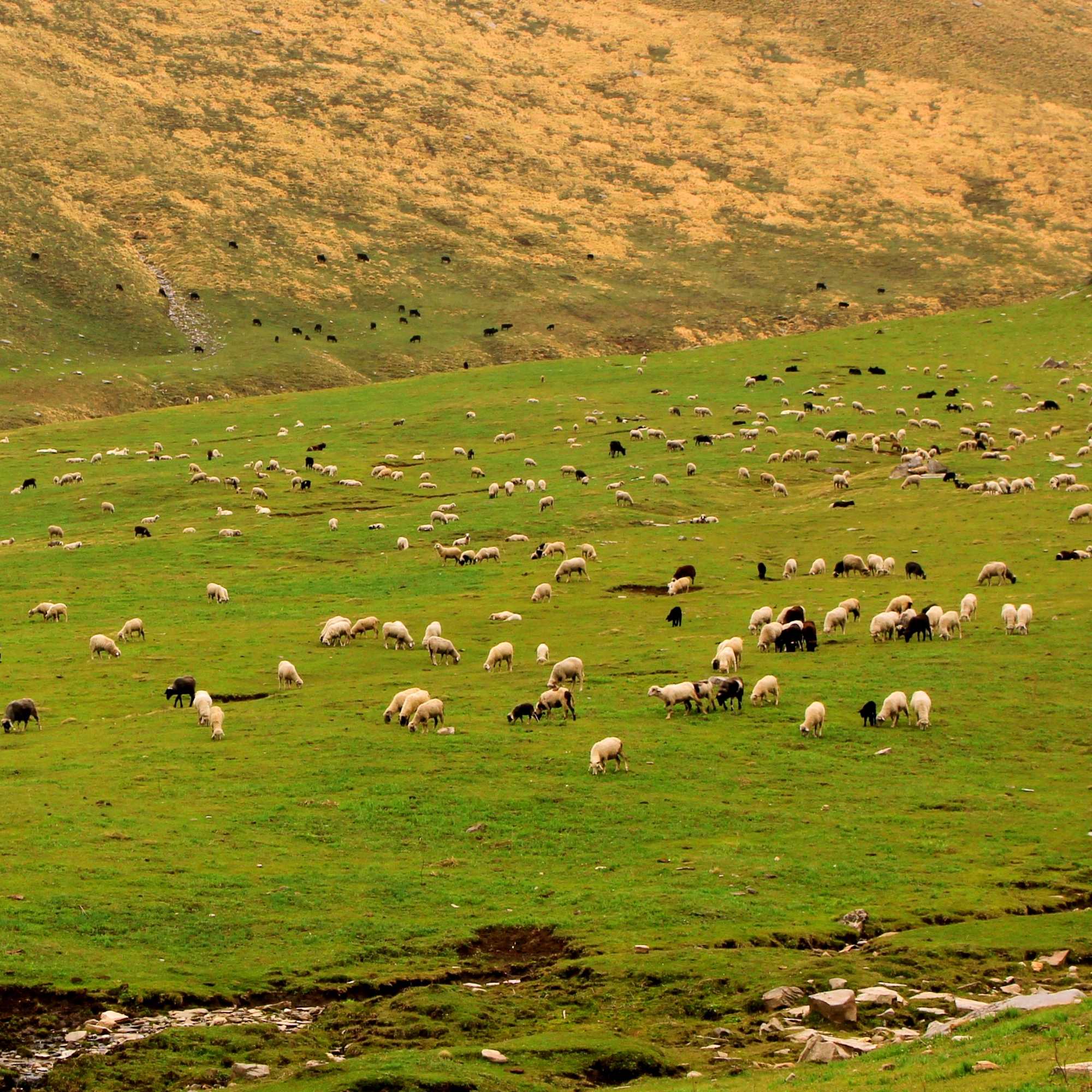
The Chandernahan Lake Trek usually starts from the Janglik side and is one of the most loved treks in Pabbar Valley. Instead of focusing on the lake’s exact height, it is better to describe it as a high-altitude glacial lake trek known for alpine meadows, remote village trails and beautiful mountain views.
The trek is best done with a local guide, especially because the route can be confusing in upper sections and weather can change quickly. Most travellers should plan 3 to 4 days for the complete trek.
Buran Ghati Trek
A moderate to difficult trek linked with the Janglik side, often continuing towards the Kinnaur or Sangla side.
The Buran Ghati Pass sits at 4,578 m. This is a serious trek, not a casual weekend hike.
Saru Lake Trek
A lesser-known trek that suits experienced hikers. Sources give Saru Lake at 11,865 ft.
You get solitude here that the busier trails simply cannot offer.
Kharapathar to Giri Ganga
If you want something light, the Kharapathar to Giri Ganga day hike is your option.
It is short, manageable, and good for travellers who want a taste of trekking without committing days to it.
Doing a longer Himachal trip and want to add a big mountain leg later? Our Spiti Valley tour packages pair well with a slow Pabbar start.
3-Day Pabbar Valley Itinerary from Shimla
Day 1
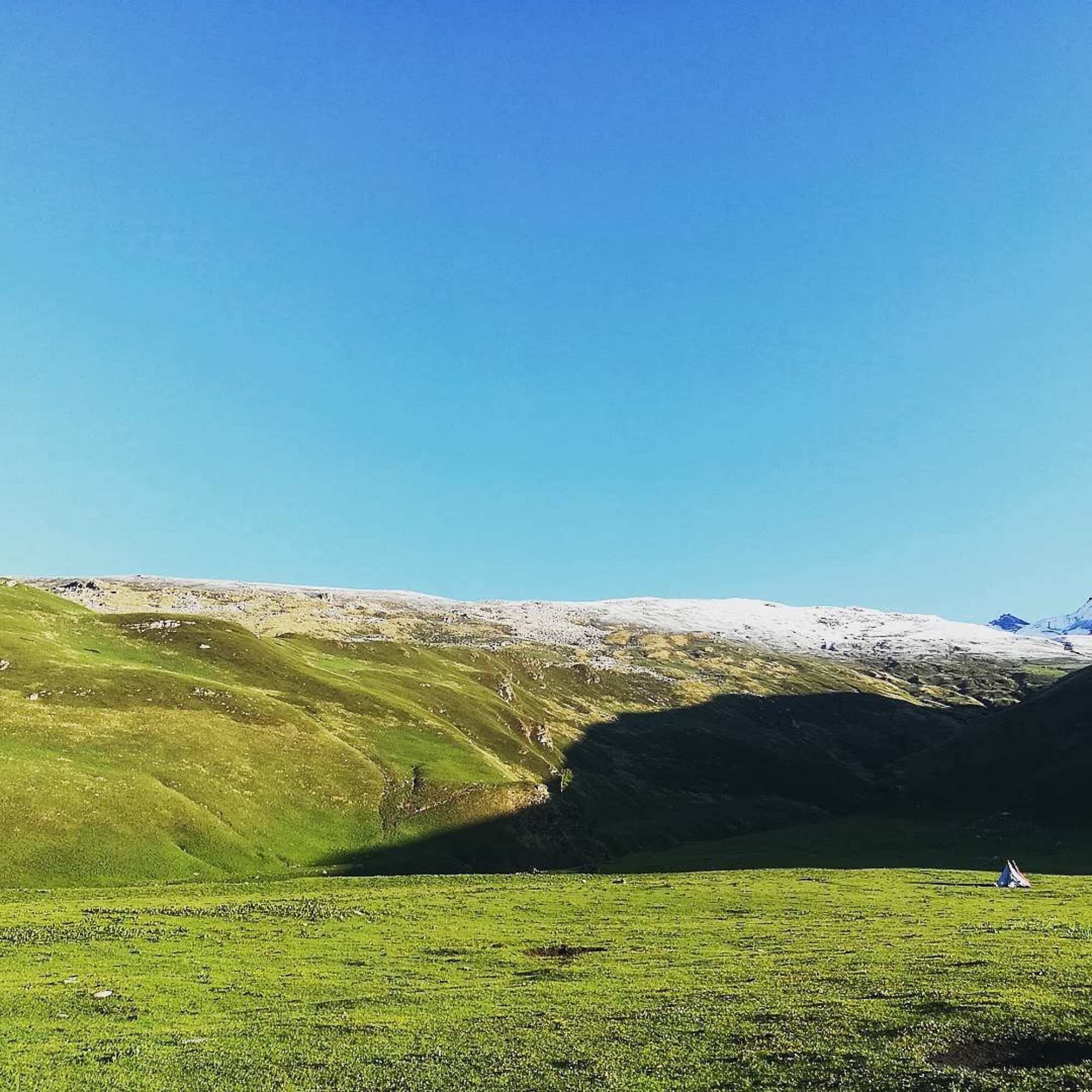
It is your drive in. Leave Shimla early and head through Theog, Kotkhai, and Jubbal, stopping at Hatkoti Temple before settling into Rohru for the night.
Day 2
It is your Chanshal day, but only if the road and weather allow. Start very early, drive Rohru to Chanshal Pass, soak in the views, and come back to Rohru by evening.
Day 3
It is slow. Do a Pabbar River walk, stop at an apple orchard, and then drive back to Shimla.
This plan is tight but it works if Chanshal cooperates. Keep a backup in case the pass is shut.
4-Day Pabbar Valley Itinerary
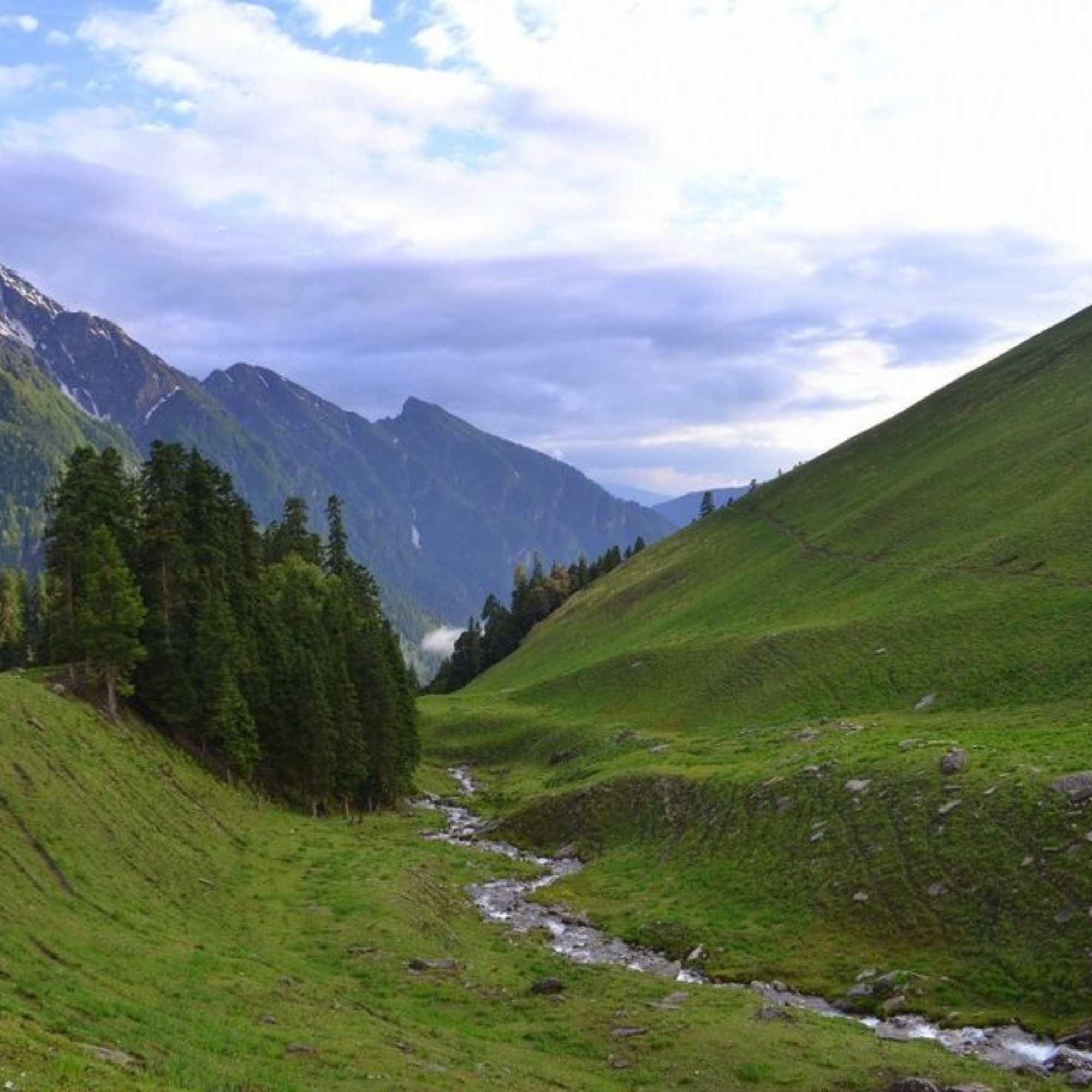
Add a day and the whole trip relaxes. This version suits couples and families who do not want to rush.
Spend your first day driving in and settling at Rohru. Day two is for Hatkoti and Jubbal, taking your time with the temple and the palace.
Day three is your Chanshal attempt or a slower Chirgaon day if the pass is closed.
Day four is your easy return to Shimla with orchard and river stops on the way.
5 to 7-Day Pabbar Valley Itinerary
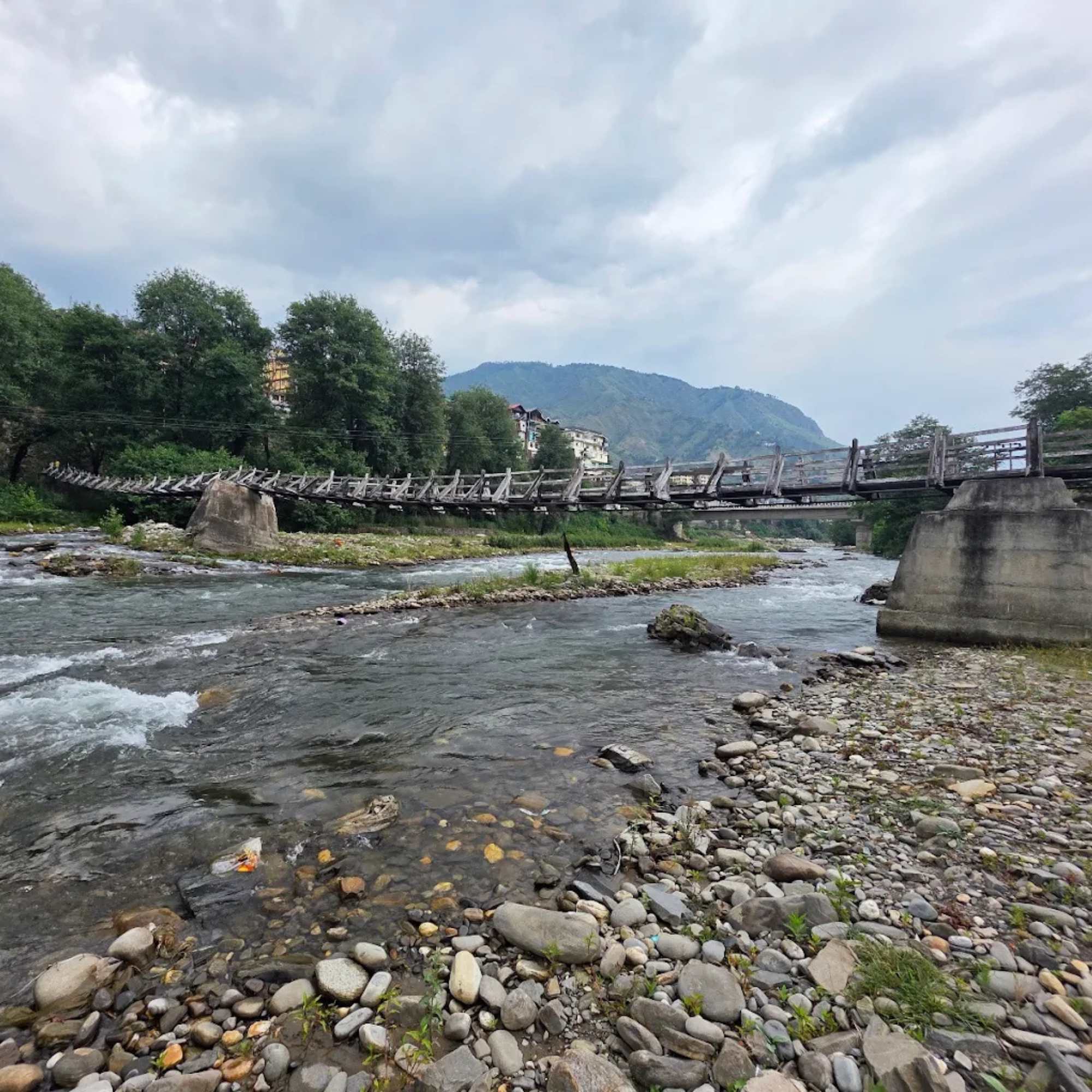
This is where Pabbar Valley really opens up. Add the Chandernahan Lake trek or a Dodra Kwar extension.
Spend the first two days easing into Rohru, Hatkoti, and Jubbal. Then commit three to four days to your trek with a guide.
Carry cash, warm layers, and build in a weather buffer day. Mountain weather here does not care about your plan.
We tell our travellers that this longer version is the one they remember years later, not the rushed three-day dash.
How Much Does a Pabbar Valley Trip Cost?
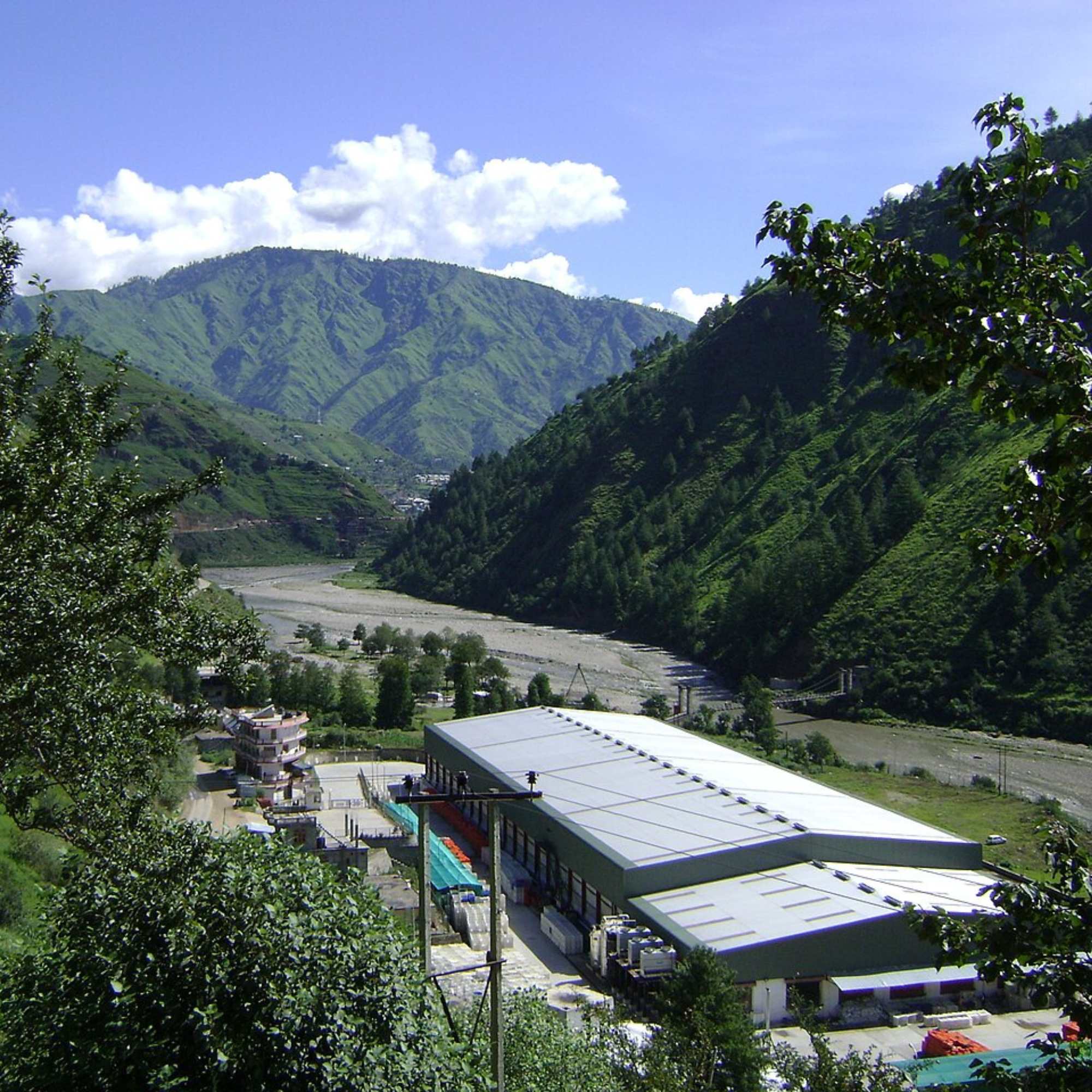
These are rough 2026 estimates, not fixed prices. Always check current rates before you book.
Budget hotels in Rohru run around ₹800 to ₹1,500 per night. Homestays come cheaper at about ₹500 to ₹1,200 per night.
For transport, the HRTC ordinary bus from Shimla to Rohru is roughly ₹150 to ₹200. A private taxi for the same route runs about ₹2,500 to ₹3,500 one way.
Food is easy on the wallet. Local dhaba meals sit at around ₹100 to ₹200 per meal.
If you trek, a local guide for the Chandernahan or Buran side costs roughly ₹1,000 to ₹1,500 per day.
An organised 3 to 4 day trek package runs about ₹4,000 to ₹8,000 per person.
A money tip most agents will not share: book your Rohru homestay directly when you can. The orchard families often charge less than what a middleman quotes you for the same room.
Road Conditions, Vehicle Advice and Safety Tips
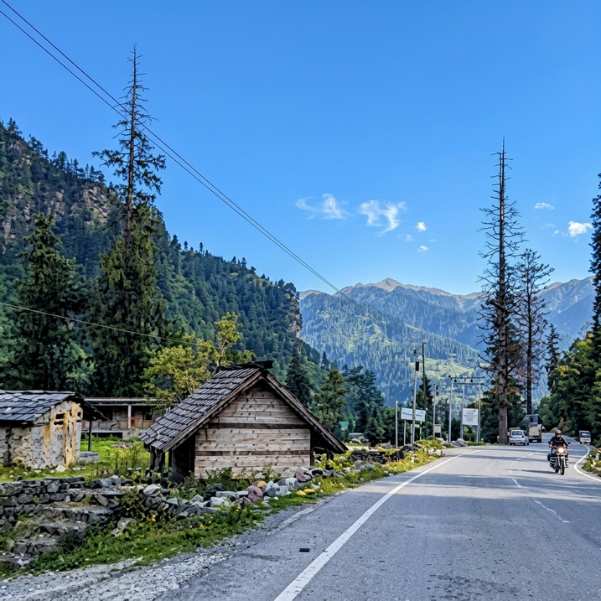
The lower Pabbar Valley is the easy part. The drive to Rohru, Hatkoti, and Jubbal is fine for most cars in good weather.
The Chanshal side is a different animal. Rohru is the last practical fuel and cash base before you head up, so fill up and withdraw what you need here.
Never start late towards Chanshal. We have seen travellers get caught by afternoon weather because they left at 11 instead of 7.
For the rough stretches, use an SUV, a local taxi, or an experienced mountain driver. Small cars can handle the lower valley, but they are not built for Chanshal after rain or slush.
A safety note worth repeating: if anyone in your group feels unwell at the higher altitude near Chanshal, do not push on. Come back down.
Is Pabbar Valley Good for Families, Couples and Solo Travellers?
For families
For families, stick to Rohru, Hatkoti, Jubbal, and the lower valley. It is calm, scenic, and easy to manage with kids.
For couples
For couples, this place is quietly romantic. Slow orchard stays, river walks, and heritage stops make a lovely few days away from the crowds.
For solo travellers
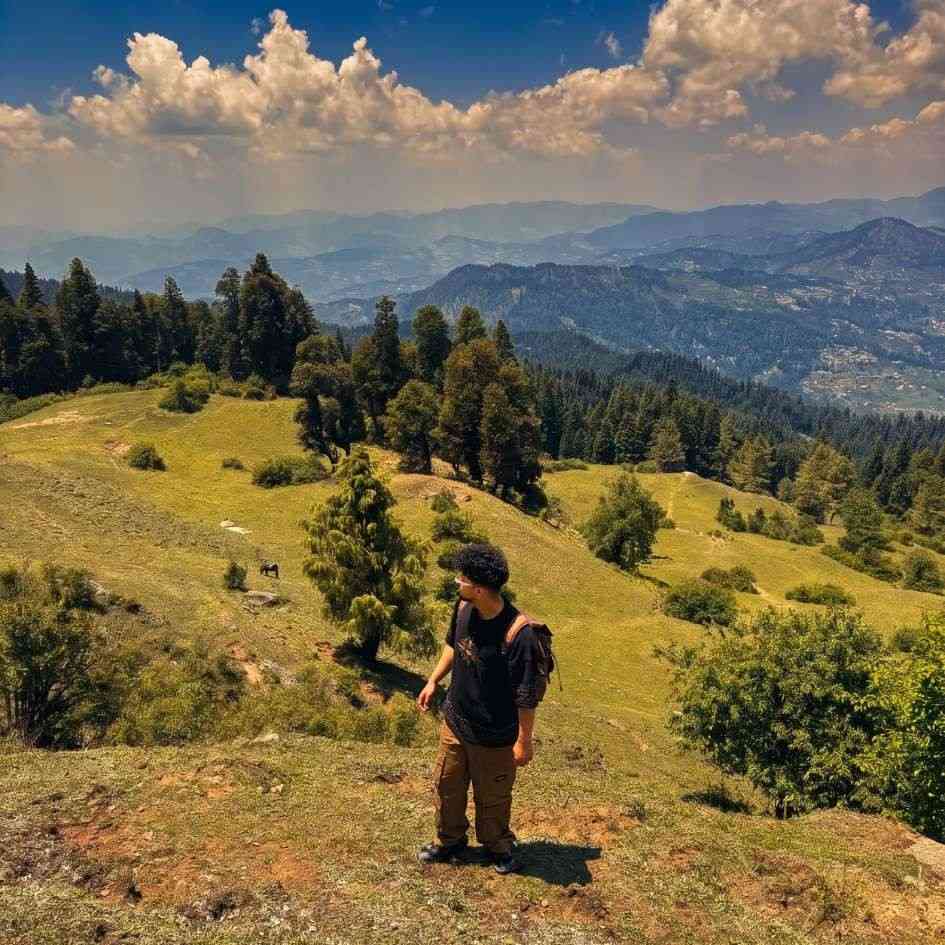
For solo travellers and bikers, Pabbar Valley is rewarding but remote. The high routes and treks need caution, local advice, and a guide where possible. Do not go off-grid alone without telling someone your plan.
If you are weighing this against another Himachal base, our Dharamshala guide helps you compare the vibe.
What to Pack for Pabbar Valley?
Pack warm layers even in summer, because evenings get cold fast once the sun drops behind the ridges.
Carry a rain cover, trekking shoes, your personal medicines, and a power bank. Add offline maps, a reusable bottle, and some snacks for the road.
Most importantly, carry cash. Network is decent around Rohru but goes weak or vanishes completely on the higher routes and treks. Do not count on UPI past the main town.
Local Food to Try in Pabbar Valley
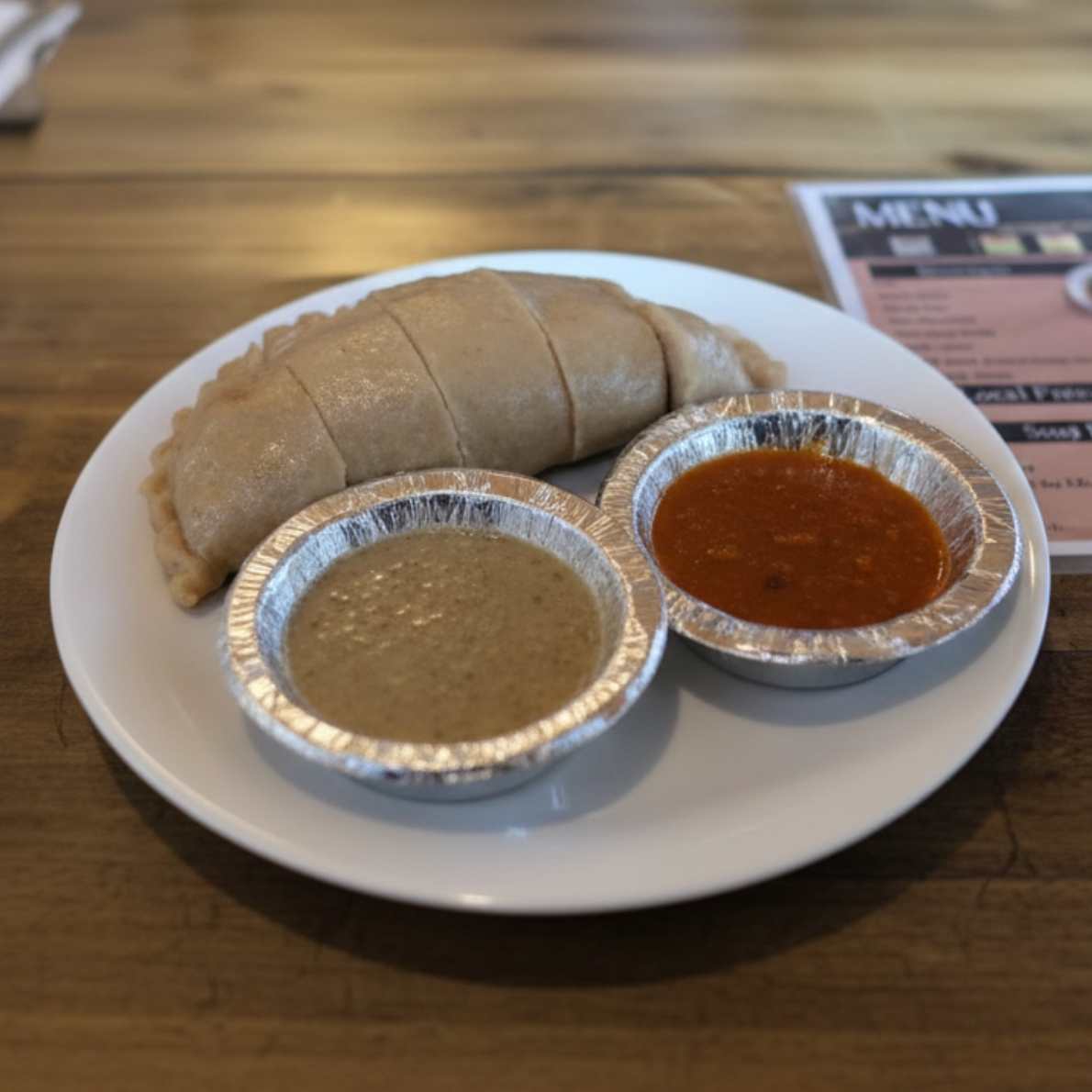
Try siddu when you find it, a steamed Himachali bread that locals love. Rajma chawal is a safe, filling staple at most dhabas.
If you are lucky with timing, look for Himachali dham, the traditional feast served on special occasions. It is not available everywhere, so do not expect it on demand.
And of course, trout around Rohru. Given the river and the hatchery upstream, this is the one local dish worth going out of your way for. The small dhabas near the river do it simply and well.
Travel Coffee's Local Planning Tips
After years of sending people here, our advice is simple. Keep Rohru as your base if this is your first time in Pabbar Valley. Everything else flows easier from there.
Treat Chanshal as weather-dependent, always. Build your plan so the trip still works even if the pass stays shut for a day or two.
And please do not turn Pabbar Valley into a rushed one-night trip. The whole point of this valley is the slowness. Rush it and you miss it.
Explore Our Curated Chanshal Pass Tour Packages
 Group Tour5D/4N
Chanshal Pass Weekend Group Trip With Giri Ganga and Kuppar Bugyal
1D Kharapathar / Kotkhai•1D Rohru / Chirgaon (Pabbar Valley)
₹8,999₹12,999SAVE INR 4,000/ person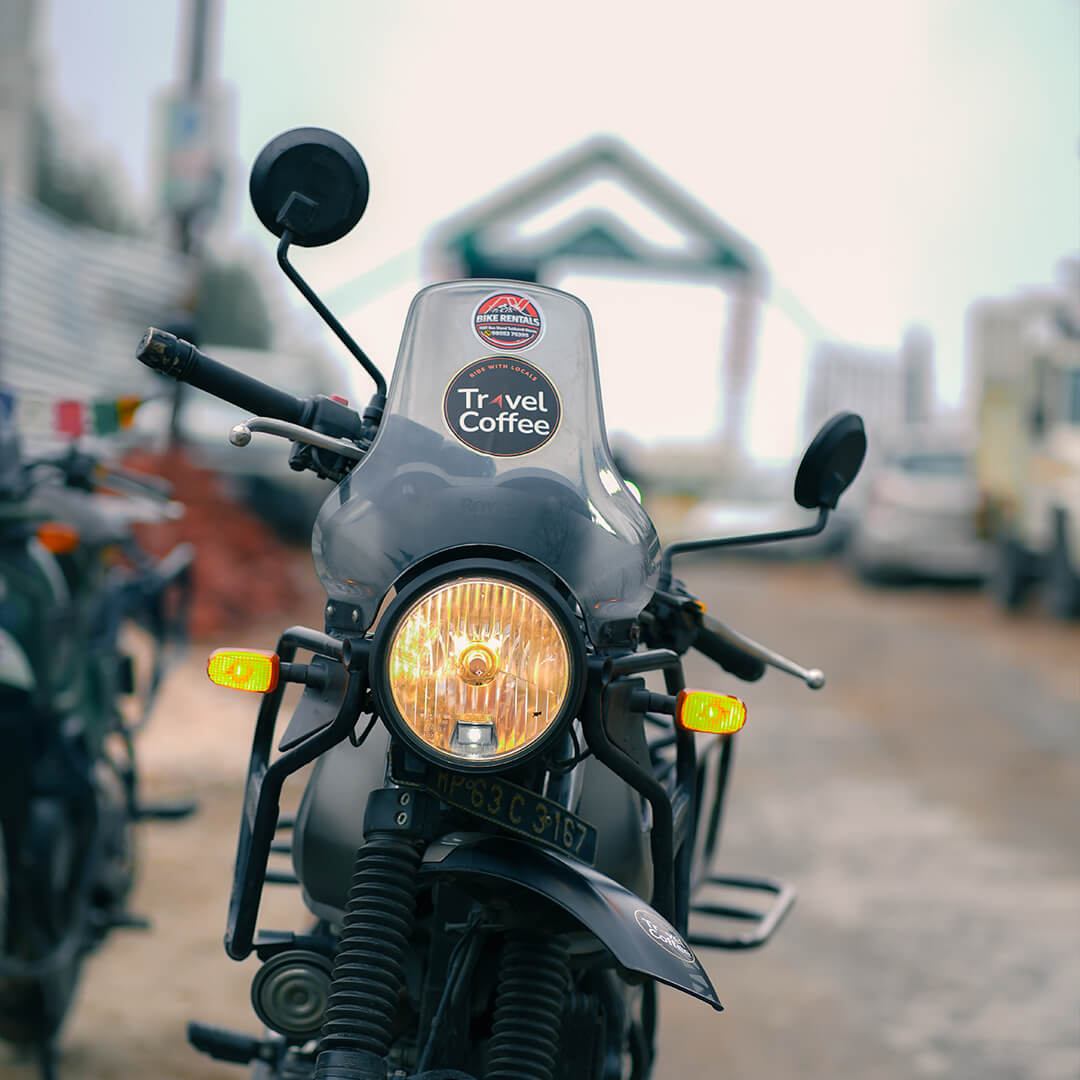 8D/7N
8D/7NUltimate Pabbar Valley Bike Expedition With Giri Ganga Kuppar Bugyal Chanshal Pass and Dodra Kwar
1D Kharapathar / Kotkhai•2D Rohru / Chirgaon (Pabbar Valley)+1
₹29,999/ person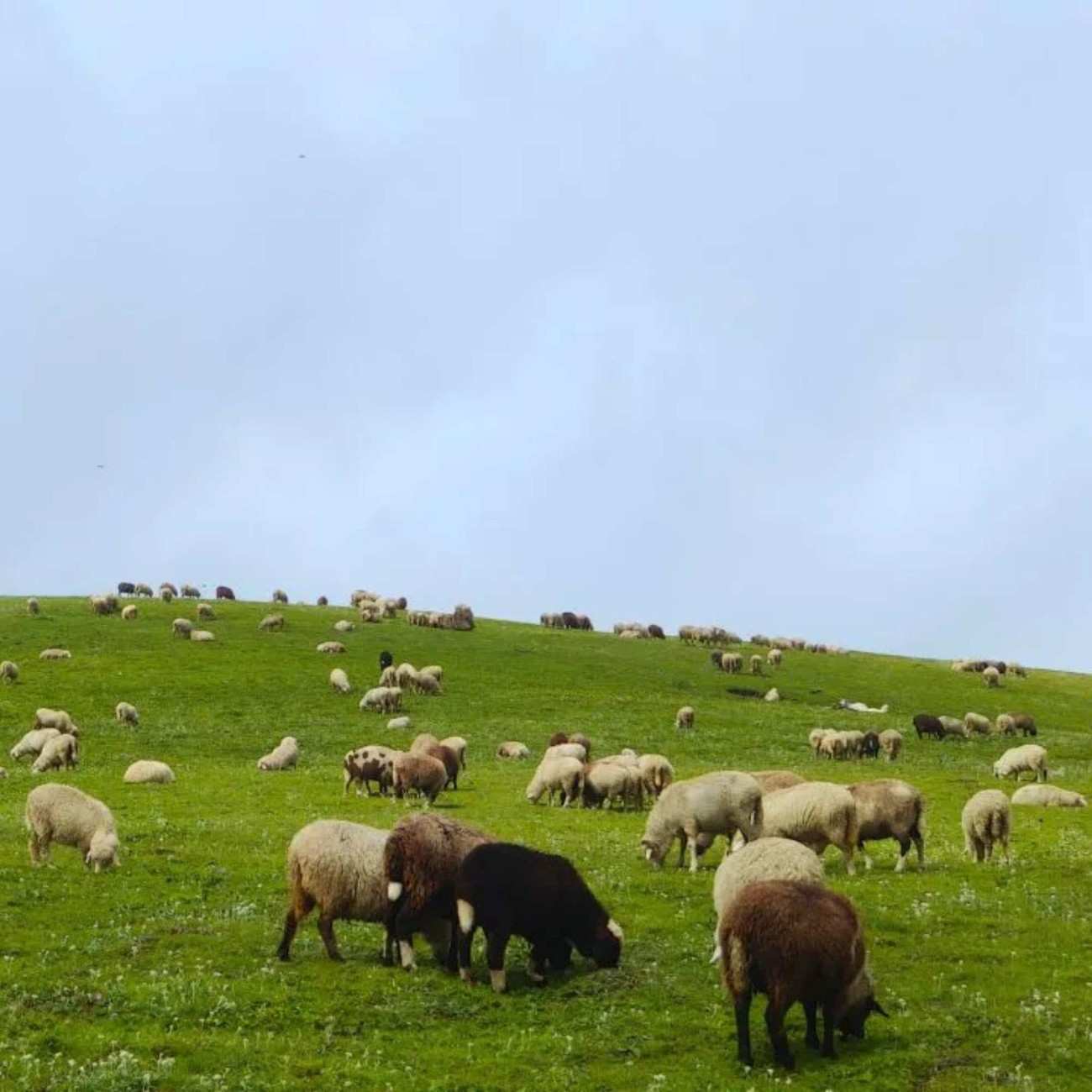 8D/7N
8D/7NMost Loved 4x4 Pabbar Valley Expedition With Giri Ganga Kuppar Bugyal Chanshal Pass and Dodra Kwar
1D Kharapathar / Kotkhai•2D Rohru / Chirgaon (Pabbar Valley)+1
₹32,999₹39,999SAVE INR 7,000/ person
Related topics
Frequently Asked Questions
Where is Pabbar Valley located?
Pabbar Valley is in Shimla district, Himachal Pradesh, spread around Rohru, Chirgaon, Hatkoti, and Jubbal along the Pabbar River.
Why is Pabbar Valley famous?
It is known for apple orchards, trout fishing, the Pabbar River, quiet offbeat villages, and access to Chanshal Pass and several treks.
How do I reach Pabbar Valley from Shimla?
Drive via Theog, Kotkhai, Jubbal, and Hatkoti to Rohru. Rohru is about 115 km from Shimla and takes roughly 4 to 5 hours.
How far is Pabbar Valley from Delhi?
It is around 450 km and 12 to 13 hours via Chandigarh and Shimla. Most travellers break the drive with a night in Shimla.
How many days are enough for Pabbar Valley?
Three days cover Rohru, Hatkoti, Jubbal, and Chanshal. Give it 5 to 7 days if you want to add Chandernahan Lake or Dodra Kwar.
What is the best time to visit Pabbar Valley?
March to June suits the lower valley. September to November brings clear skies and apple season. Plan Chanshal for late June, September, or October.
Is Chanshal Pass open in 2026?
The Chanshal Pass road is generally open May to November. A live page showed Rohru to Chanshal open on 11 June 2026, but verify locally before you leave.
Do I need a permit for Chanshal Pass?
No permit is generally required for Indian nationals to visit Pabbar Valley or Chanshal Pass.
Is Pabbar Valley safe for families?
Yes, the lower valley around Rohru, Hatkoti, and Jubbal is calm and family-friendly. Keep the high Chanshal side weather-dependent.
Is Pabbar Valley good for solo travellers?
Yes, but it is remote. Solo travellers and bikers should take local advice, carry cash, and use guides for treks and the higher routes.
Where should I stay in Pabbar Valley?
Rohru is the best base with hotels, market, fuel, and ATMs. Chirgaon and Larot suit Chanshal-focused trips, while Hatkoti and Jubbal suit slower orchard travel.
Can small cars go to Chanshal Pass?
Small cars are fine for the lower valley but not ideal for Chanshal, especially after rain or slush. Use an SUV or a local taxi.
Is there mobile network in Pabbar Valley?
Network is decent around Rohru but weak or unavailable on higher routes and treks. Download offline maps and inform someone of your plan.
What are the best treks in Pabbar Valley?
Chandernahan Lake, Buran Ghati (4,578 m), Saru Lake (11,865 ft), and the shorter Kharapathar to Giri Ganga day hike.
More about Chanshal Pass
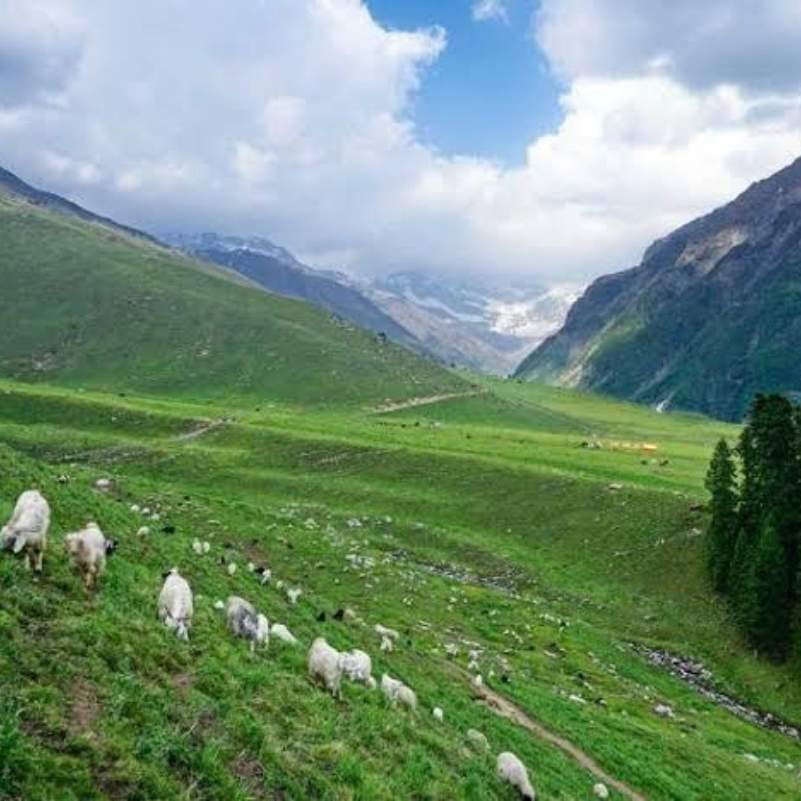 Chanshal Pass
Buran Ghati Trek Complete Guide 2026: Route, Cost, Difficulty, Best Time
Planning the Buran Ghati Trek in 2026? Explore the complete guide covering the route, itinerary, cost, difficulty, best time to visit, fitness tips, and essential trekking advice.
- Things to Do
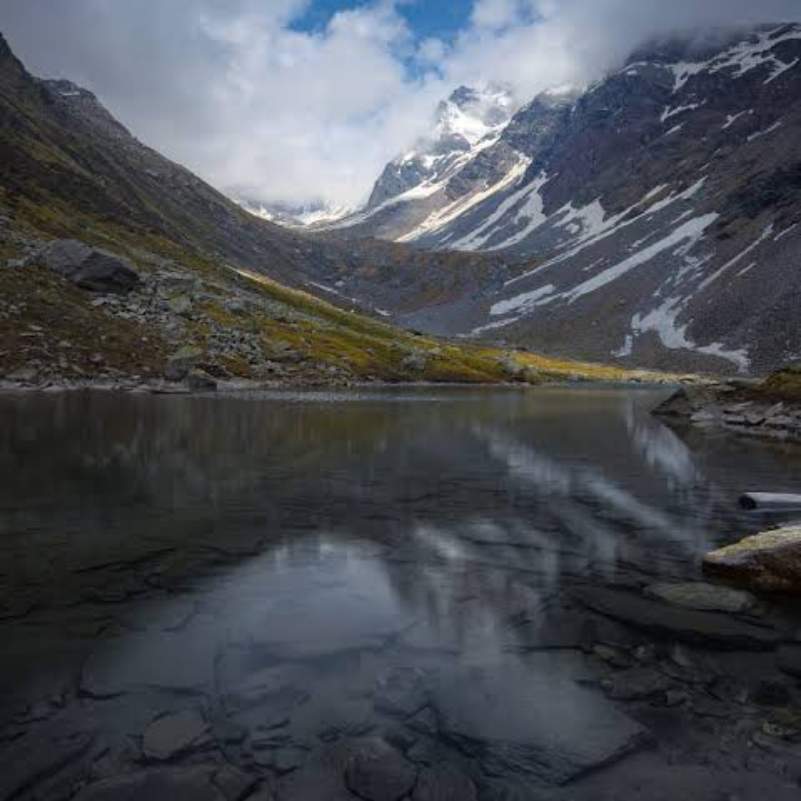 Chanshal Pass
Chandranahan Lake Trek 2026: Source of the Pabbar River
Discover the Chandranahan Lake Trek 2026, a breathtaking Himalayan adventure to the sacred source of the Pabbar River in Himachal Pradesh. Explore pristine alpine meadows, glacial lakes, and spectacular mountain landscapes with this complete trekking guide.
- Things to Do
- Chanshal Pass
Treks in Pabbar Valley: The Complete List for 2026
Planning to explore the treks in Pabbar Valley in 2026? This complete guide covers the region's best hiking trails, difficulty levels, ideal seasons, trail highlights, and essential planning tips for discovering one of Himachal Pradesh's most rewarding trekking destinations.
- Things to Do