
Offbeat Ladakh Itinerary 2026: 8 Days vs 9 Days vs 10 Days: What Should You Pick?
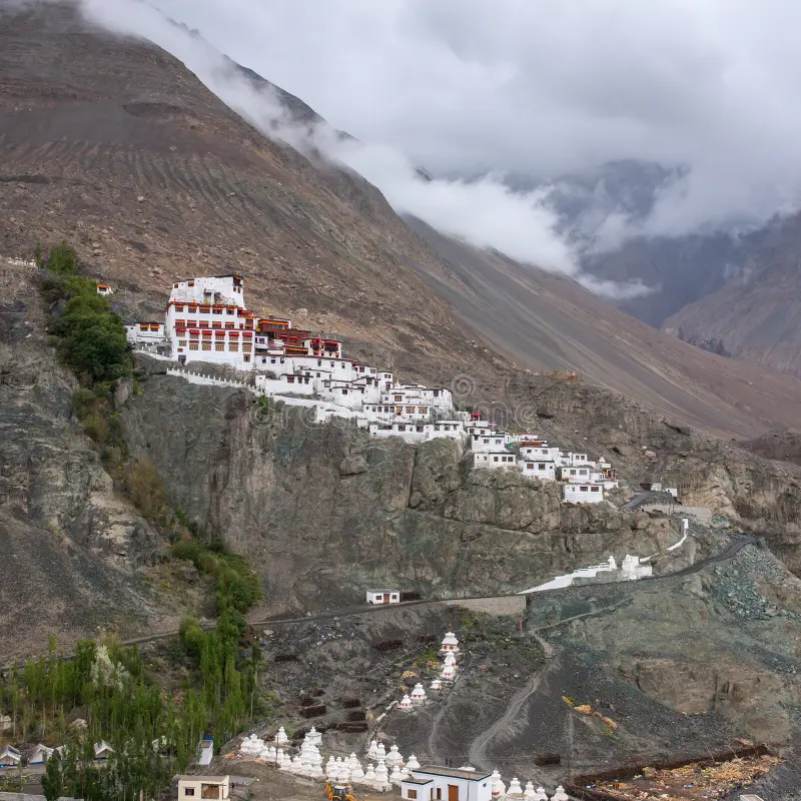
Most Ladakh itineraries online follow the same loop. Leh, Nubra, Pangong, back to Leh. It is a beautiful route, but if you have already done it once or you want something deeper, it starts to feel like a highlight reel everyone has already seen.
An offbeat Ladakh itinerary takes you past that loop: into the Changthang plateau, towards Hanle and its dark skies, up to Umling La at 19,024 feet, and along the quiet shores of Tso Moriri where you can sit for an hour without seeing another tourist.
But here is what most travel blogs will not tell you. These offbeat routes are harder to plan. The roads are rougher. The distances are longer. Fuel stations disappear. Phone signals die. And your body is doing all of this above 4,500 metres.
The difference between a 8 day, 9 day and 10 day plan is not just one or two extra nights. It is the difference between rushing through altitude and actually enjoying it.
We have been sending travellers on these routes for years, and the number one mistake we see is people picking the shortest itinerary to save leave days and then spending half the trip feeling sick or exhausted.
This guide breaks down each option honestly so you pick the one that actually fits.
Quick Answer: Which Offbeat Ladakh Itinerary Should You Pick?
8 days works if you are fit, experienced with altitude, and mainly want Hanle and Umling La. You will cover ground fast and skip Tso Moriri.
9 days is the best balanced choice. It fits Hanle, Umling La, and Tso Moriri without making every day feel like an endless transfer. This is the plan most travellers should start with.
10 days is the safest and most complete option. You get better acclimatization, a buffer day for road delays or weather disruptions, and slower time at each stop. If you can spare the extra day, take it.
Our team usually recommends 9 or 10 days for most first-time offbeat travellers. Browse our Ladakh tour packages to see how we structure these routes.
>>Need help planning your Ladakh trip? WhatsApp us today.
Why Offbeat Ladakh Needs Better Planning Than a Normal Leh Trip
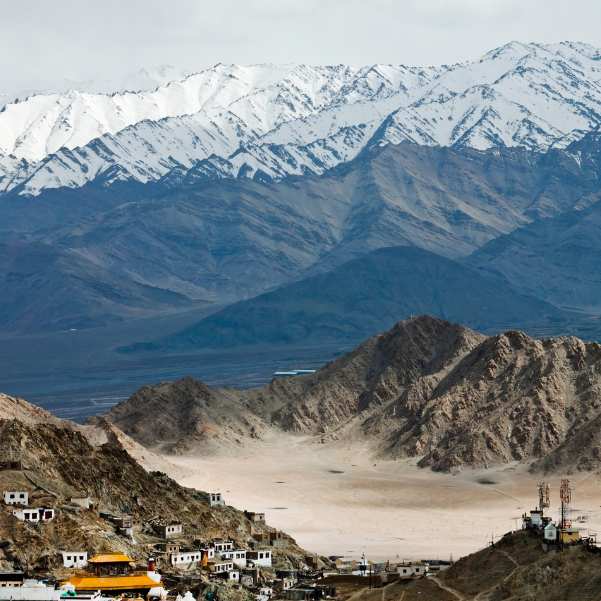
The regular Leh, Nubra and Pangong circuit stays on relatively well-maintained roads with food stops, fuel options and phone signal at most points. You are rarely more than a few hours from Leh.
Hanle, Umling La, Tso Moriri and the Changthang region are different. These places are more remote, higher in altitude, and further from any kind of backup.
If your car breaks down between Hanle and Tso Moriri, the nearest mechanic is probably back in Leh. If someone gets altitude sickness at Umling La, the nearest medical facility is hours away.
The official Leh advisory says tourists arriving in Leh must complete at least 48 hours of acclimatization before heading to higher altitude areas.
Most people ignore this for the standard Nubra-Pangong loop and get away with it. On offbeat routes above 4,500 metres, ignoring acclimatization catches up with you hard.
Mobile network, fuel pumps, food options and medical support thin out dramatically once you leave the main Leh-Nubra-Pangong belt. Plan for self-sufficiency, not convenience.
8 Days vs 9 Days vs 10 Days: The Simple Decision
8 days is a fast trip. You cover the offbeat highlights but every day is a transfer day. There is almost no slack for delays, altitude adjustment, or simply sitting by a lake longer than 30 minutes. If a road closes for half a day, your entire plan shifts.
9 days is the middle route and the one we recommend most often. You get the core offbeat experience: Hanle, Umling La, and Tso Moriri; without the constant feeling of racing against your own schedule.
10 days is the most comfortable offbeat Ladakh itinerary. The extra day goes towards better acclimatization, a possible Turtuk visit, slower time at Hanle or Tso Moriri, or simply a buffer that saves you if weather or road conditions turn.
The worst mistake travellers make is choosing the shortest plan just to save one or two days of leave. In Ladakh, slower is often safer. And safer usually means more enjoyable.
If you have already checked our popular Ladakh and Himalayan tours, you will notice that none of our recommended itineraries rush the altitude.
8 Days Ladakh With Hanle: Fast Route for Hanle and Umling La
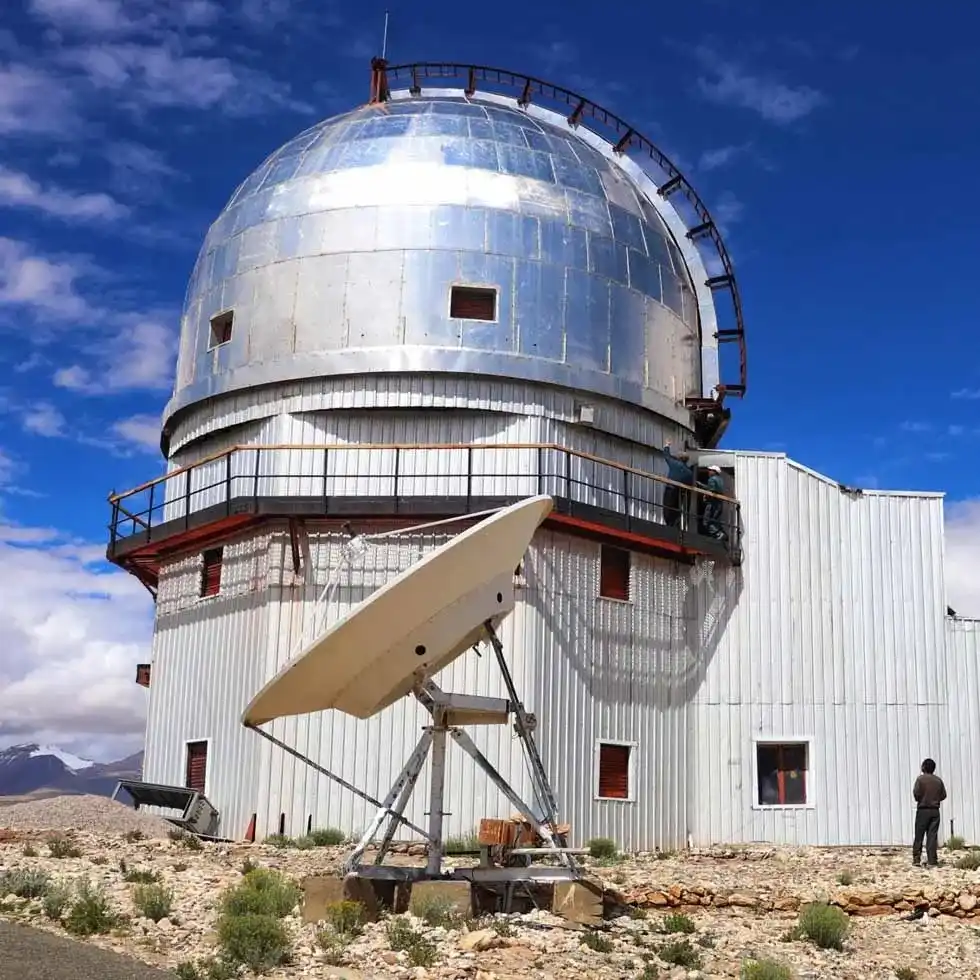
This itinerary is built for travellers with limited leave who still want to see Hanle and Umling La. It follows a focused loop: Leh, Nubra, Pangong, Hanle, Umling La, and back. It skips Tso Moriri unless you compress the route dangerously, which we do not recommend.
What most tourists get wrong about the 8-day plan is assuming it will feel like a normal 8-day holiday. It will not. At least five of those eight days involve long drives above 4,000 metres. You are not sightseeing casually. You are covering ground.
Day 1 and Day 2: Leh Arrival and Acclimatization
Day 1 is complete rest. You land in Leh at around 3,500 metres, and your body needs time to adjust. No sightseeing, no market walks, no running up to the hotel rooftop for photos. Drink water, eat light, sleep early.
Day 2 can include local sightseeing if you feel fine. Leh Palace, Shanti Stupa, Hall of Fame, Magnetic Hill, Sangam and Leh Market are all within easy reach. But the real purpose of Day 2 is still acclimatization.
The 48-hour rule matters. Your body is adjusting to thin air and rushing this step causes headaches, nausea and worse.
What we always tell first-timers: skip the alcohol completely for the first two days. Even one beer at 3,500 metres hits differently than it does in Delhi.
Day 3: Leh to Nubra Valley
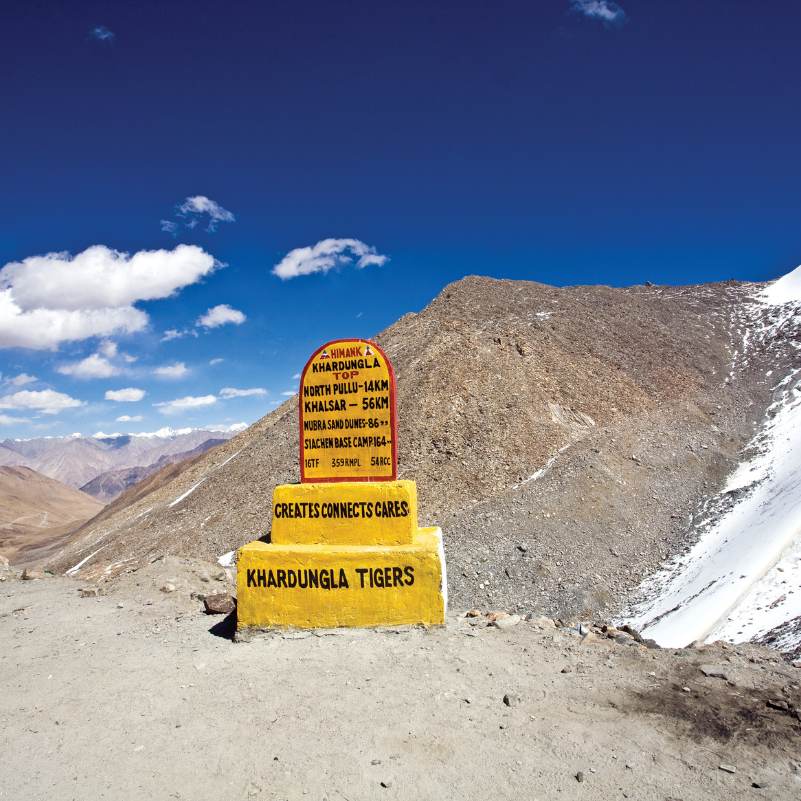
Nubra Valley sits about 120 km north of Leh town. You cross Khardung La on the way, which sits at high altitude and gives you your first taste of a real mountain pass in Ladakh.
A quick note: many blogs and signs still call Khardung La the highest motorable road in the world. That claim has been disputed for years. Enjoy the pass for what it is; a dramatic, cold, windy crossing with massive views, without worrying about the record.
Once in Nubra, visit Diskit Monastery and the Hunder Sand Dunes. The sand dunes with double-humped camels against a mountain backdrop still surprise people who expect Ladakh to be all rocks and ice.
Day 4: Nubra to Pangong
This is a long drive day. Competitor itineraries list this stretch at around 180 km, but the actual time depends entirely on the route condition.
The road via the Shyok side can be condition-dependent, so always check the current route status with your driver or a local operator before committing.
Pangong Lake at 14,270 feet needs no introduction. But here is a timing tip that changes the experience: reach your camp by late afternoon and walk to the lakeside around sunset.
The colours shift from blue to green to grey in about 30 minutes. By the time the stars come out, you will understand why people keep coming back.
Day 5: Pangong to Hanle
This is where the trip shifts from standard to offbeat. The common route passes through Man, Merak, Chushul, Rezang La Memorial, Loma Bridge and then Hanle.
Some sources list this stretch at around 180 km, but conditions and military checkpoints can stretch the travel time.
Make sure your permits are sorted before this day. The Changthang region requires proper documentation, and checkpoints along this route will ask for them.
Hanle sits at about 4,500 metres and feels like the edge of the world. A small village, a monastery on a hill, and skies so dark at night that the Milky Way looks like someone spilled paint across the ceiling.
Day 6: Hanle to Umling La and Back to Hanle
Umling La stands at 19,024 feet according to Guinness World Records. For years it was marketed as the world's highest motorable road, and that claim drove thousands of riders and travellers to attempt it.
In 2025, reports confirmed that BRO built Mig La at 19,400 feet, which technically surpasses Umling La.
Does this reduce the experience? Not even slightly. You are still driving to nearly 19,000 feet on a road carved through one of the most remote landscapes on earth. The air is thin enough that walking 20 steps feels like climbing a flight of stairs.
You drive up from Hanle, spend time at the pass, and return to Hanle for the night. Do not plan to push further on this day. Your body needs rest after Umling La.
Day 7 and Day 8: Hanle to Leh and Departure
Day 7 is the return to Leh. The route via Chumathang hot springs, Upshi, Karu, Thiksey and Shey covers around 254 km. It is a long drive, but the landscape along the Indus valley on this stretch is some of the best in Ladakh.
If you have energy left, stop at Thiksey Monastery: the one that looks like a mini Potala Palace. The momos at the small dhaba near the Thiksey junction are solid and cheap. Do not skip them if you are hungry.
Day 8 is departure from Leh.
Who Should Pick the 8-Day Offbeat Ladakh Itinerary?
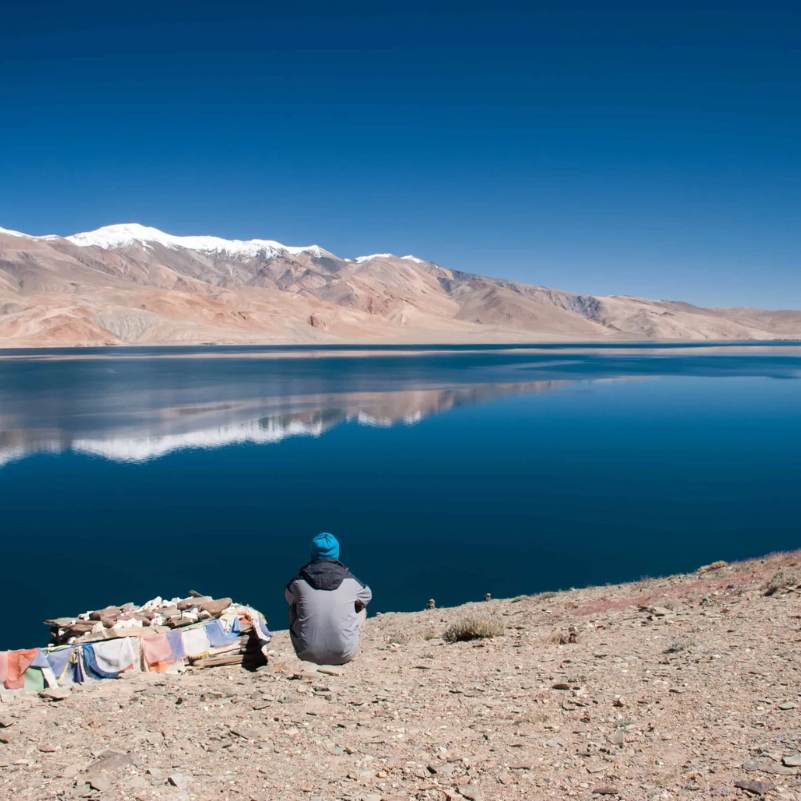
This suits young couples, motorcycle riders, repeat Ladakh travellers who have already done the standard circuit, and anyone who is genuinely comfortable with long driving days at altitude.
It is not ideal for families with kids, senior citizens, travellers with breathing or heart conditions, or anyone who wants slow photography time at each location.
In our experience, 8 days looks exciting on paper but feels tight on the road. You spend more time in the car than outside it, and one road closure can throw off the whole plan.
If you are considering this duration, speak to Travel Coffee and we will tell you honestly whether your group can handle it.
9 Days Ladakh With Tso Moriri: The Best Balanced Plan
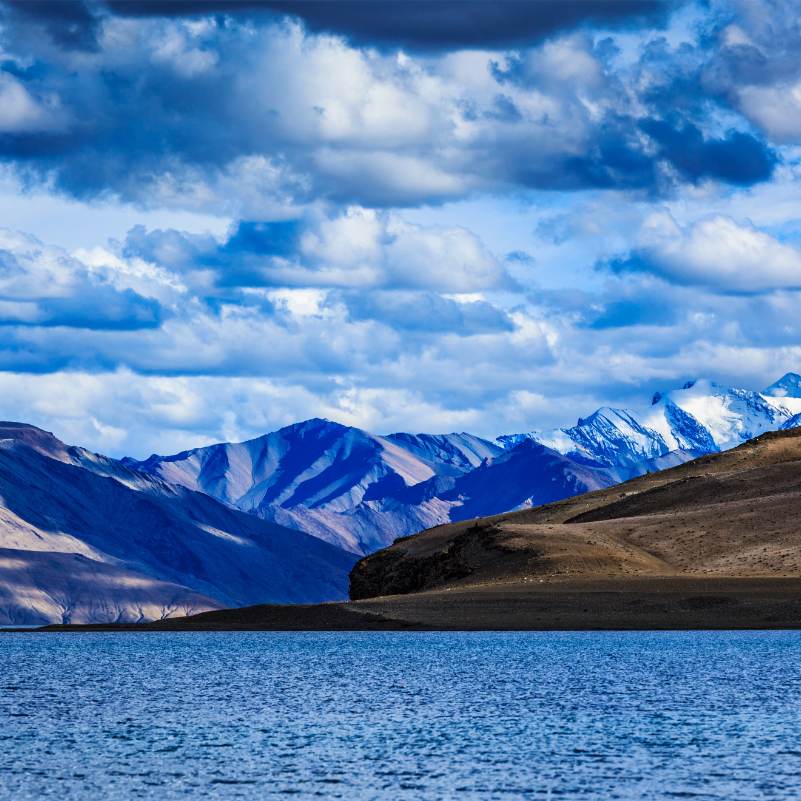
Nine days is the sweet spot for most offbeat Ladakh travellers. You can fit Hanle, Umling La, and Tso Moriri into the route without making every single day a marathon transfer. You also get slightly better acclimatization time, which matters more than people think.
For reference, Lehladakh Taxis lists a 9-day option covering Pangong, Hanle, Tso Moriri and Leh, with a total distance of 1,639 km and a listed price of ₹89,404. Prices change every season, so always confirm current rates.
Suggested 9-Day Route
Day 1 is your Leh arrival. Rest completely.
Day 2 is acclimatization with local sightseeing around Leh — palace, monasteries, market.
Day 3 you drive to Nubra Valley via Khardung La and spend the night near Diskit or Hunder.
Day 4 you either explore Nubra locally or push to Turtuk if it fits your plan.
Day 5 is the transfer from Nubra to Pangong Lake.
Day 6 you drive from Pangong to Hanle through the Changthang.
Day 7 takes you from Hanle to Tso Moriri, a drive that passes through some of the emptiest, most striking terrain in all of Ladakh.
Day 8 is Tso Moriri to Leh.
Day 9 is departure.
This route keeps the daily drives manageable and gives you at least one night each at the three key offbeat stops: Pangong, Hanle, and Tso Moriri.
Why Tso Moriri Is Worth Adding
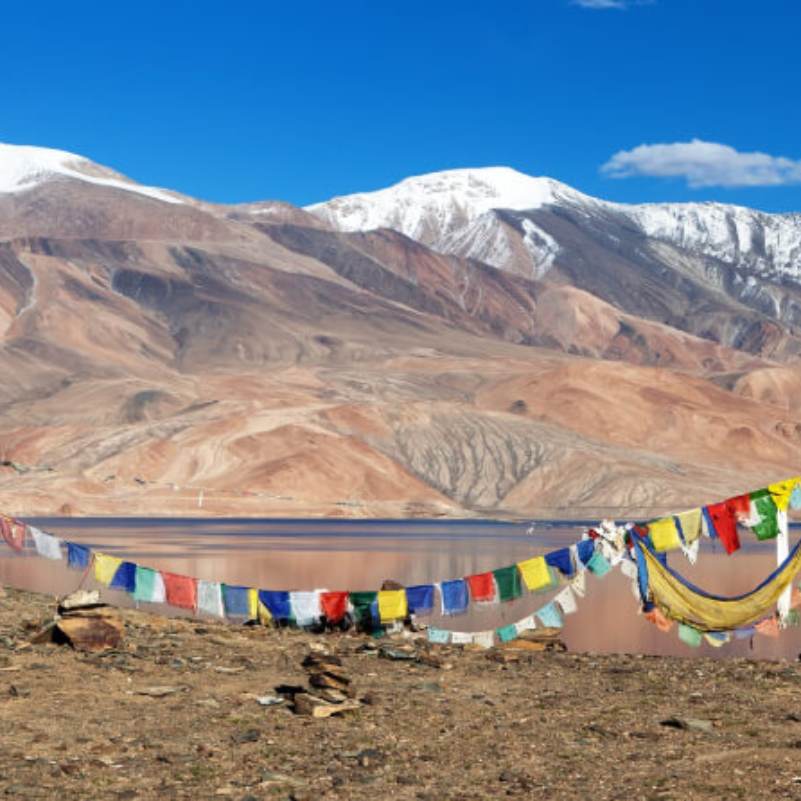
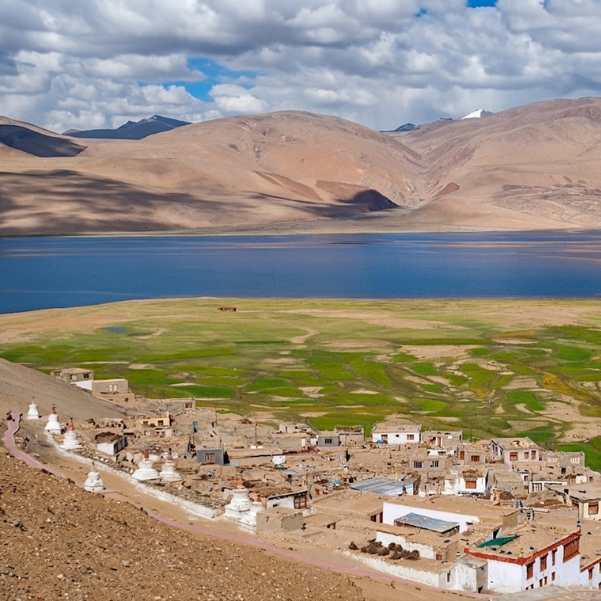
Tso Moriri is quieter than Pangong. Much quieter. If Pangong is the lake everyone photographs, Tso Moriri is the lake that stays with you.
The altitude is listed differently across sources: official Leh tourism puts it at about 4,000 m, while some travel pages list it at around 4,530 m. Whatever the exact number, it is high, cold, and stunning.
The lake is not just a photo stop. The colours shift through the day. The surrounding Changthang plateau has wild kiang (Tibetan wild ass) and marmots if you are patient enough.
You can sit by the shore for an hour and not hear a single vehicle. That kind of silence is hard to find anywhere in India.
A money-saving tip that most operators will not share
If you book a homestay in the villages near Tso Moriri instead of the seasonal camps marketed at tourists, you can save ₹800 to ₹1,500 per night per person and get a more authentic experience.
The camps charge a premium for the "lakeside" label, but most homestays have the same views.
Who Should Pick the 9-Day Offbeat Ladakh Itinerary?
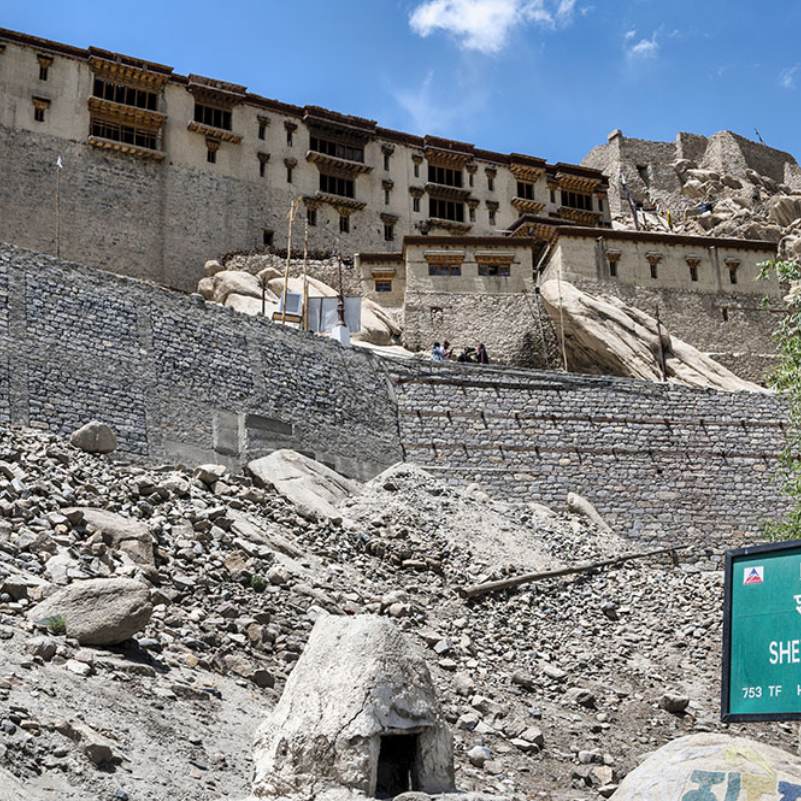
This is the best choice for couples, photographers, first-time Ladakh travellers who still want offbeat places, and anyone who wants both Hanle stargazing and Tso Moriri silence without running themselves into the ground.
Our team recommends 9 days when guests want adventure but do not want every day to feel like a transfer. You still cover serious ground, but you also get mornings where you can walk to the lake before breakfast without checking out at 6 AM.
10 Days Offbeat Ladakh Itinerary: Safest and Most Complete
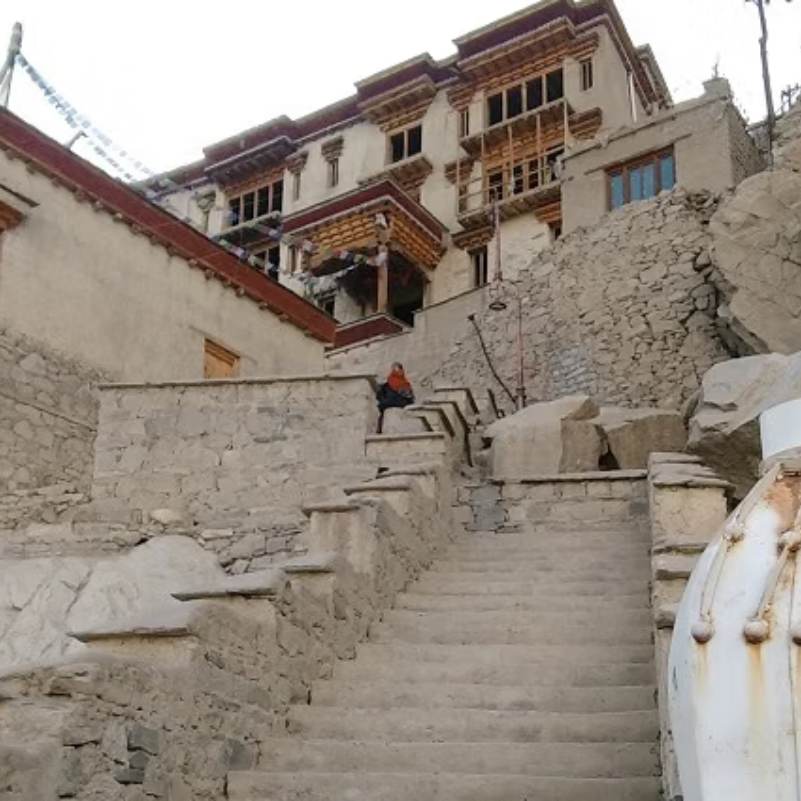
Ten days is not about cramming in more places. It is about giving Ladakh the breathing space it deserves.
The extra day helps with AMS adjustment, absorbs road delays, allows slower photography stops, gives space for route changes if permits or weather shift, and reduces the fatigue that builds up when you drive 6 to 8 hours every single day at altitude.
If you can spare 10 days, take them. Your body, your camera roll, and your travel companions will all thank you.
Suggested 10-Day Route
Day 1 is Leh arrival and rest.
Day 2 is proper acclimatization: light walks, local market, maybe Shanti Stupa in the evening.
Day 3 is a Sham Valley day or a monastery circuit close to Leh. This is the buffer day that makes the rest of the trip comfortable because you are still in the 3,500 m range while your blood adjusts.
Day 4 you head to Nubra Valley.
Day 5 is for Turtuk or local exploration in Nubra: the apricot orchards, the village walks, the slow afternoon by the river.
Day 6 is the transfer from Nubra to Pangong Lake.
Day 7 takes you from Pangong to Hanle.
Day 8 is the Umling La day trip from Hanle and back.
Day 9 is either Hanle to Tso Moriri or Hanle to Leh, depending on road and permit status. If you go to Tso Moriri on Day 9, you may need one more night in Leh before your flight depending on timing.
Day 10 is departure.
One skip-this recommendation: some itineraries online add Magnetic Hill and Sangam as a standalone day. Both are worth a quick stop on the way somewhere, but neither deserves a full day. Twenty minutes at each is plenty. Use that time for a real experience instead.
Best 10-Day Variant for Families
If you are travelling with kids or older family members, consider dropping Umling La from the plan. The altitude at 19,024 feet is genuinely extreme. Even healthy adults feel it. For children and seniors, the risk-to-reward ratio does not add up.
Keep Hanle and Tso Moriri at a slower pace instead. Spend the Umling La day resting in Hanle, visiting the monastery, or just sitting under a sky that has more stars than you have ever seen.
"Offbeat" does not always mean extreme. A quiet night in a Hanle homestay with hot butter tea and zero phone signal is more offbeat than most Instagram reels will ever capture.
Best 10-Day Variant for Riders
Motorcycle riders attempting this route should carry backup support: a second rider or a support vehicle is strongly recommended.
Carry oxygen cans, spare fuel planning (there are no fuel stations between Karu and Hanle on most routes), enough warm layers for nights below freezing, and offline maps downloaded before you leave Leh.
Remote Changthang routes are best attempted with experienced local planning. A puncture or engine trouble near Chumur or Loma with no phone signal and no passing traffic is a situation you want to avoid.
>>Need a safe offbeat Ladakh plan? WhatsApp us.
Hanle, Tso Moriri or Umling La: What Should You Prioritise?
If you can only pick one offbeat addition to your Ladakh trip, here is how to think about it.
Hanle
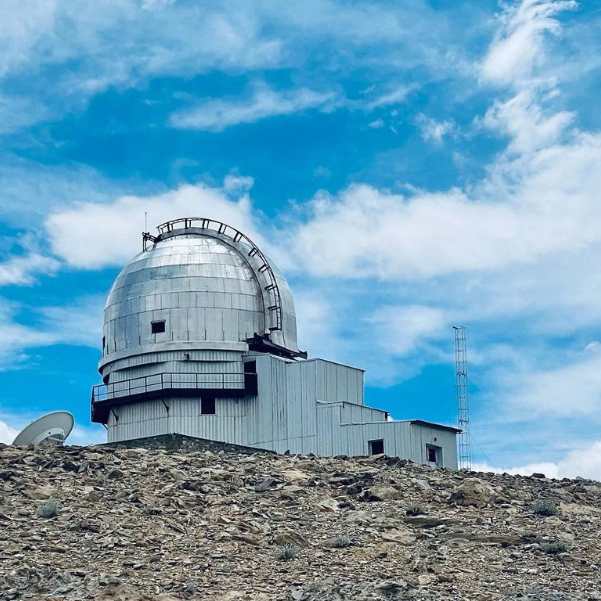
It is best for dark skies, quiet village stays, and the feeling of being genuinely far from everything. The Hanle Dark Sky Reserve was notified by the Government of Ladakh in December 2022.
The Indian Institute of Astrophysics says the reserve covers roughly a 22 km radius around Hanle inside the Changthang Wildlife Sanctuary. On a clear night, the stargazing here is among the best in Asia.
Tso Moriri
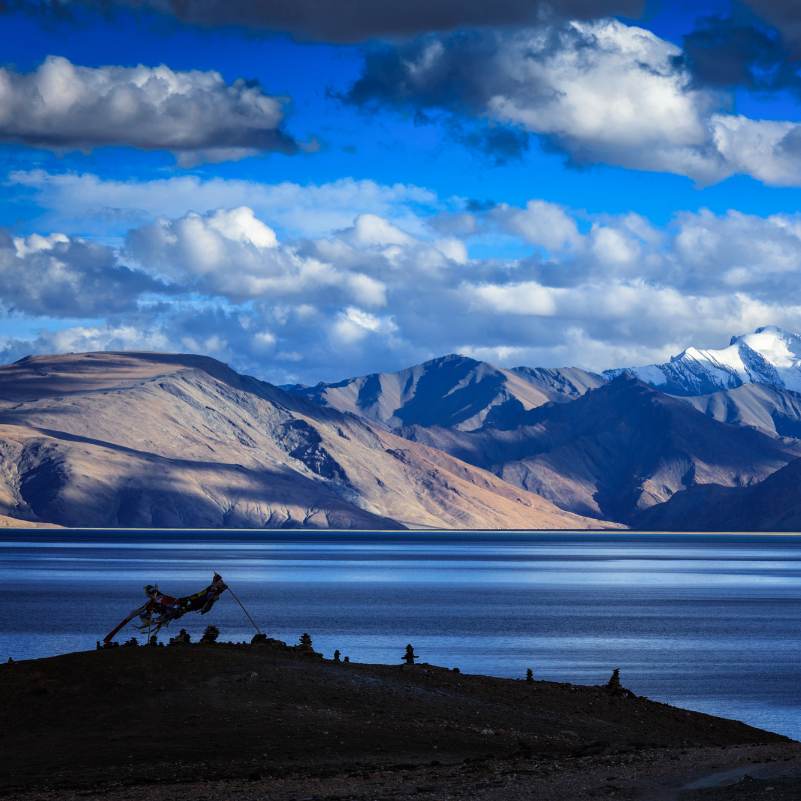
It is best for lake silence and Changthang landscapes. If Pangong felt too crowded or too "done" for you, Tso Moriri delivers the lake experience you were actually hoping for. Fewer people, deeper quiet, wilder surroundings.
Umling La
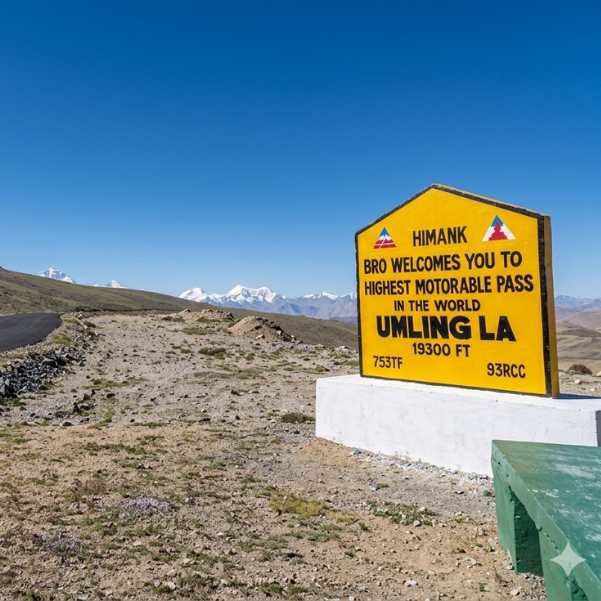
It is best for extreme altitude road adventure. It is a thrill and an achievement. But it is not a casual sightseeing stop.
You drive up, spend a short time at the top (because your body will not let you stay long), and drive back down. The reward is the drive itself and the bragging rights. For many riders, that is enough.
If you have 8 days, prioritise Hanle and Umling La. If you have 9 or 10 days, add Tso Moriri. Do not try to squeeze all three into 8 days unless you enjoy suffering.
Permits, Fees and Documents for Offbeat Ladakh in 2026
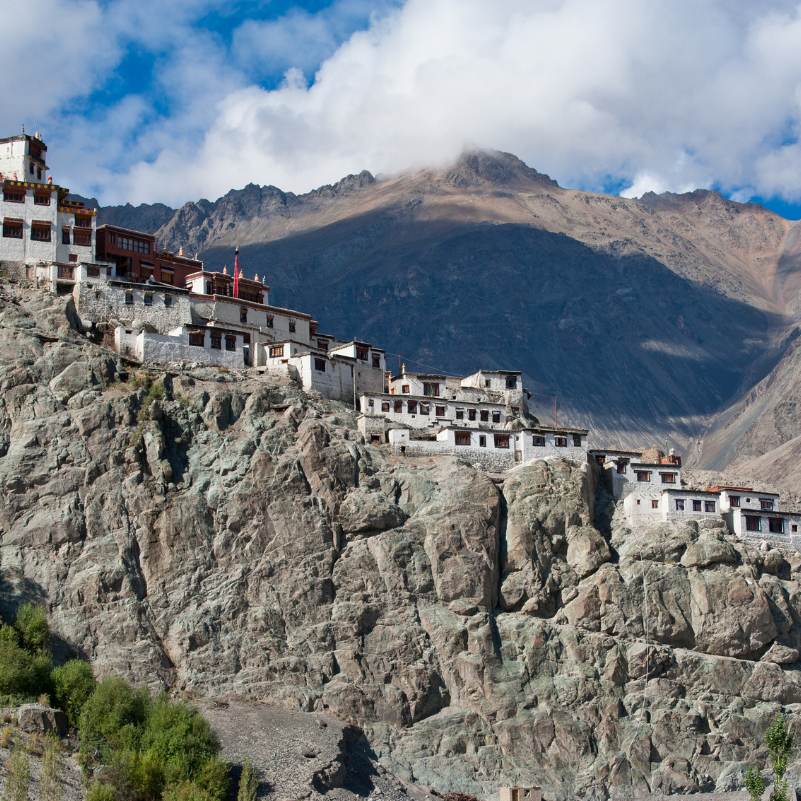
This section trips up more travellers than any other part of Ladakh planning. The permit system can feel confusing, but here is the practical breakdown.
The official LAHDC Leh portal allows online fee payment. You do not need to physically visit the DC office just to pay fees. Indian tourist fees are listed as ₹400 environment fee, ₹50 Red Cross contribution, and ₹20 wildlife fee per person per day.
Always confirm these figures on the official portal before you travel because fees have changed in the past.
Foreign passport holders and special passport holders may need PAP (Protected Area Permit) approval for protected areas including Pangong, Nubra, Khardung La, and Tso Moriri. This requires advance paperwork and cannot be done last-minute.
Carry your government ID, printed permit receipts, and multiple photocopies. Checkpoints along the Changthang route will ask for them, and "I have it on my phone" does not always work when there is no signal to load anything.
A scam warning worth knowing: some agents in Leh charge ₹500 to ₹1,000 extra per person as "processing fees" for permits you can get online yourself.
If you are booking through a reputable operator, the permit cost should be transparently included in the package price. Ask before you pay.
Road Status and Best Time for Offbeat Ladakh in 2026
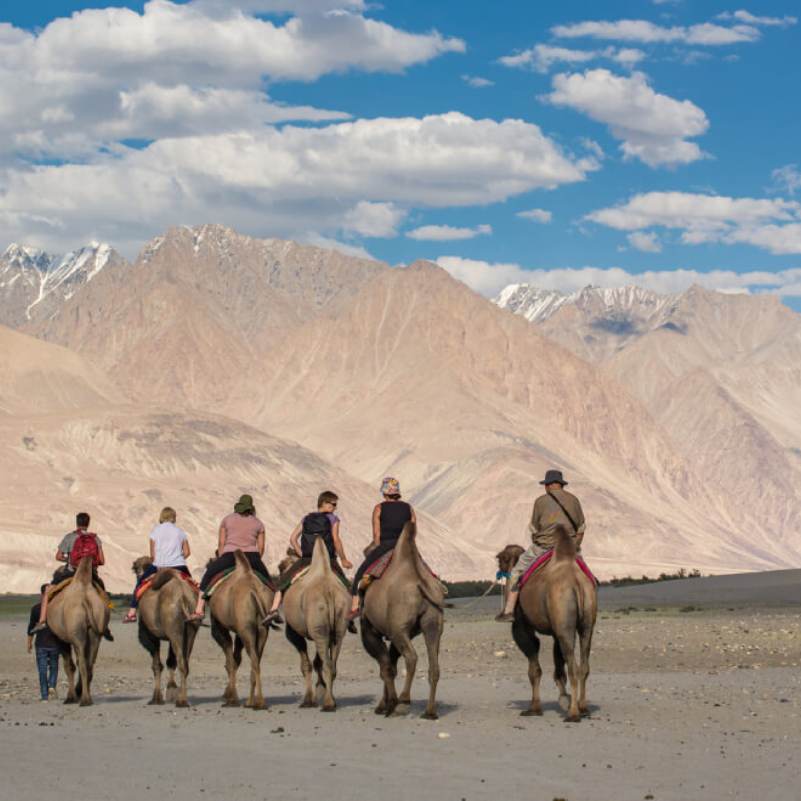
The most practical season for Hanle, Umling La, and Tso Moriri is June to September. Outside this window, roads may be closed, passes blocked, or conditions too harsh for most travellers.
The Manali-Leh Highway reopened in May 2026 after BRO snow clearance, but tourist movement, slush conditions, trial runs, and local permissions can vary in the first few weeks after opening.
A 25 June 2026 road status source showed Leh to Hunder and Hunder to Turtuk as open, with some other routes listed as time-bound or 4x4 only. Road status changes weekly in this region.
Check the official Leh district administration page within 2 to 3 days of your departure, not months in advance.
If you are combining Ladakh with other Himalayan destinations, our Manali tour packages cover the Manali side, and our Sissu packages work well as a pre-Ladakh stopover for acclimatization on the highway route.
Accommodation, Network, Food and Fuel Reality
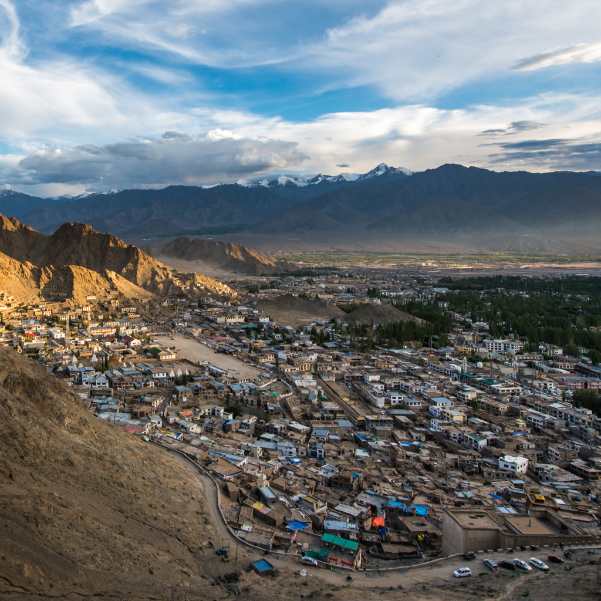
Leh has proper hotels, restaurants, ATMs, fuel stations and everything you need. Stock up here because the next 5 to 7 days will not have the same convenience.
Nubra and Pangong have decent seasonal stays — camps, guesthouses, small hotels. Most accept UPI now, but do not count on it working when signal drops.
Hanle is mostly homestays and basic guesthouses. The food is simple; dal, rice, roti, maybe eggs. One of the best meals we have had in Hanle was at a homestay where the family made fresh thukpa and butter tea. No menu, no choice, just what the kitchen had. It was perfect.
Tso Moriri has limited camps and guesthouses. Some are seasonal and may not open until late June. Always confirm your stay before you leave Leh.
Carry enough cash for the entire route beyond Leh. ATMs outside Leh are unreliable. Download offline maps before departure. Carry at least two power banks. Pack your own medicines, snacks, and enough water for long driving days.
Safety and Acclimatization Tips for Hanle, Umling La and Tso Moriri
This matters more than your itinerary choice. A perfect 10-day plan means nothing if you are vomiting at 4,500 metres because you skipped acclimatization.
Follow the 48-hour rule in Leh. No heavy activity on Day 1. Light walking only on Day 2. Your body adjusts to thin air slowly, and forcing it leads to Acute Mountain Sickness (AMS).
No alcohol in the first two days. No running around for photos the moment you land. Light meals only. Drink more water than you normally would. Listen to your body — if you feel a persistent headache or nausea, rest instead of pushing to the next stop.
Oxygen cans are helpful as emergency support but they are not a replacement for proper acclimatization. If someone in your group develops confusion, severe headache, or difficulty breathing, descend immediately. Do not wait to "see if it gets better."
We do not give medical prescriptions. Talk to your doctor before the trip if you are considering Diamox or any altitude medication. What we tell every traveller is this: the mountains are not going anywhere. If your body says slow down, slow down.
Final Recommendation: Our Pick for Most Travellers
Travel Coffee's practical recommendation is 9 days for most travellers and 10 days for anyone who can spare the extra day.
8 days is possible, but only if you accept long drives, limited flexibility, and the chance that one road delay reshuffles your entire plan.
9 days gives you Hanle, Tso Moriri, and Umling La without feeling like a race. It is the plan we build most often for couples, friends groups, and first-time offbeat travellers.
10 days is the plan we recommend for families, photographers, and anyone who wants to actually sit and absorb a place instead of just driving through it.
Every group is different. If you are planning a Ladakh trip and want an itinerary that fits your age, travel month, vehicle type, and comfort level, we are happy to customise it. We also plan trips that combine Ladakh with Kashmir for travellers who have more time.
Explore Our Curated Leh Ladakh Tours
 6D/5N
6D/5NBest Selling Leh Ladakh Tour With Nubra Valley and Pangong Lake
2D Leh•1D Nubra Valley+1
₹23,999₹28,599SAVE INR 4,600/ person 6D/5N
6D/5NUltimate Leh Ladakh Tour Package with Nubra Valley & Pangong Lake
2D Leh•1D Nubra Valley+1
₹28,999₹35,999SAVE INR 7,000/ person 4D/3N
4D/3NLeh Ladakh Short Getaway
2D Leh•1D Pangong Lake
₹16,499₹19,999SAVE INR 3,500/ person
Related topics
Frequently Asked Questions
Is 8 days enough for an offbeat Ladakh itinerary?
It is tight but possible if you are fit, comfortable with altitude, and okay with long driving days. You can cover Leh, Nubra, Pangong, Hanle and Umling La in 8 days, but you will likely skip Tso Moriri and have no buffer for delays.
Can I cover Hanle and Umling La in 8 days?
Yes. The 8-day route focuses specifically on Hanle and Umling La as the offbeat highlights. You drive from Pangong to Hanle on Day 5, do Umling La on Day 6, and return to Leh on Day 7.
Is 9 days enough for Ladakh with Tso Moriri?
Nine days is the best balanced duration for a route that includes Pangong, Hanle, and Tso Moriri. You get one night at each major stop without the constant pressure of early departures and late arrivals.
What is the best 10-day offbeat Ladakh itinerary?
A 10-day plan covers Leh acclimatization, Sham Valley or a monastery day, Nubra with Turtuk, Pangong, Hanle, Umling La day trip, and Tso Moriri before returning to Leh. The extra day goes towards acclimatization or a buffer for road conditions.
Is Umling La safe for first-time Ladakh travellers?
Umling La at 19,024 feet is extreme altitude. First-time travellers can attempt it, but only after proper acclimatization over several days. Do not attempt Umling La if you arrived in Leh less than 3 days ago or if you are feeling any AMS symptoms.
Is Tso Moriri better than Pangong?
They offer different experiences. Pangong is more accessible and more photographed. Tso Moriri is quieter, less crowded, and gives a deeper sense of the Changthang landscape. If you can visit both, do it. If you must pick one, Tso Moriri rewards patience.
Can I go from Pangong to Hanle directly?
Yes. The route via Man, Merak, Chushul, Rezang La and Loma covers around 180 km. It is a full day of driving through remote terrain. Make sure your permits are sorted and your vehicle has enough fuel.
Can I do Hanle, Umling La and Tso Moriri in one day?
No. These are three separate stops spread across hundreds of kilometres of rough mountain roads. Attempting all three in a single day is physically impossible and dangerous at these altitudes.
Do I need permits for Hanle and Umling La in 2026?
Yes. Both fall within protected areas of the Changthang region. Indian tourists can pay fees online through the official LAHDC Leh portal. Foreign nationals may need additional PAP approval. Always carry printed permit copies.
What is the best month for Hanle and Tso Moriri?
July and August offer the most stable road conditions and warmest daytime temperatures. September brings clearer skies and fewer crowds but colder nights. June works if roads are confirmed open.
Is there mobile network in Hanle?
Barely. BSNL postpaid may catch a weak signal in some spots. Jio and Airtel do not work in most of Changthang. Download everything offline before you leave Leh and inform your family about the communication gap.
Should families choose 8 days, 9 days or 10 days?
10 days, without question. Families need slower acclimatization, shorter driving days, and a buffer for unexpected stops. Consider skipping Umling La if travelling with children or seniors and spend that day resting at Hanle instead.