
Offbeat Ladakh Family Trip 2026: Safe Routes, Hanle, Tso Moriri and Routes to Avoid
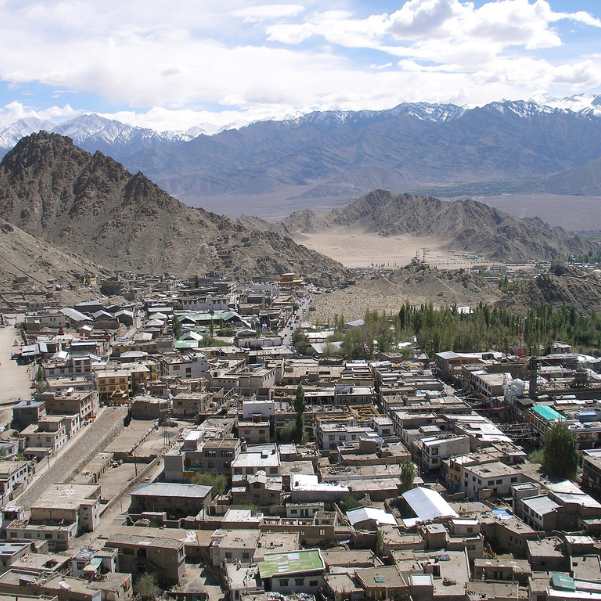
If you are planning an offbeat Ladakh family trip in 2026, the real question is not "where can we go," it is "what can our kids handle at 14,000 feet."
Most families get this wrong. They book a packed 6-day plan, jump straight to a high lake, and spend half the trip with a headache instead of a holiday.
We send families on these routes every season. The ones who enjoy it are the ones who slow down, respect the altitude, and pick routes by the age and health of their children, not by Instagram photos.
Quick Answer: Is an Offbeat Ladakh Family Trip Safe in 2026?
Yes, an offbeat Ladakh family trip is safe in 2026, but only when you plan it slowly.
That means 48 hours of rest in Leh first, a private SUV with a local driver, realistic expectations, and route choices based on your children's age and health.
The safest offbeat family route is Leh to Sham Valley to Nubra to Turtuk to Pangong and back to Leh. It gives you culture, desert, monasteries and a famous lake without pushing deep into the cold high desert.
Hanle and Tso Moriri are possible too, but only for healthy older kids and families who have 8 to 10 days to spare.
Skip the rushed Changthang dashes, and avoid Umling La, Marsimik La and Kaksang La completely with kids. Those are not family viewpoints, they are extreme adventure roads.
If you want help shaping a plan around your family, start with our Ladakh tour packages and we can build the rest around it.
What Does "Offbeat Ladakh" Mean for a Family?
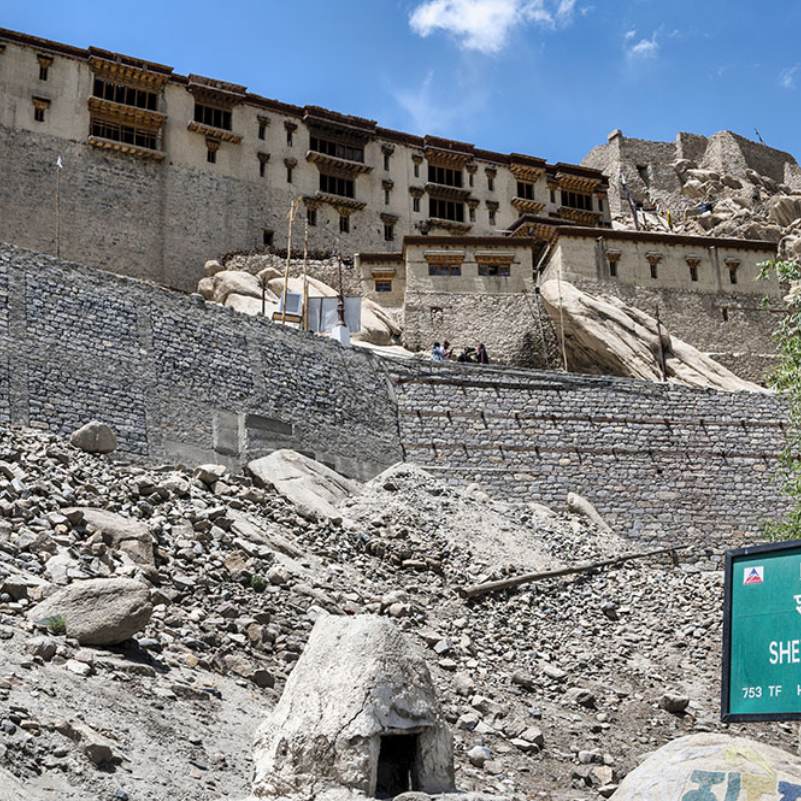
Here is the thing most blogs miss. "Offbeat Ladakh" is not one risk level. It covers very different kinds of trips.
Some routes are gentle. Sham Valley and Turtuk are scenic, lower-stress drives where families can actually relax and breathe.
Others are remote and high. Hanle and Tso Moriri sit deep in Changthang, far from hospitals, with cold nights and basic stays.
And then there are the extreme roads. Umling La, Marsimik La and Kaksang La are adventure expeditions, not casual family sightseeing.
So before you book anything, decide what kind of trip you are actually planning.
A scenic offbeat family trip keeps drive times short, stays comfortable, and gives kids room to rest.
An expedition-style trip pushes altitude hard, with long drives, no network, and almost no medical backup.
When parents weigh a route, we ask them to think about five things. Altitude, drive time, medical access, phone network, and stay quality.
There is a sixth one that matters most with young kids. Can your child clearly tell you when something feels wrong? If not, you plan even more carefully.
Which Offbeat Ladakh Routes Are Safe for Most Families?
Leh, Sham Valley, Alchi, Lamayuru and Local Monasteries
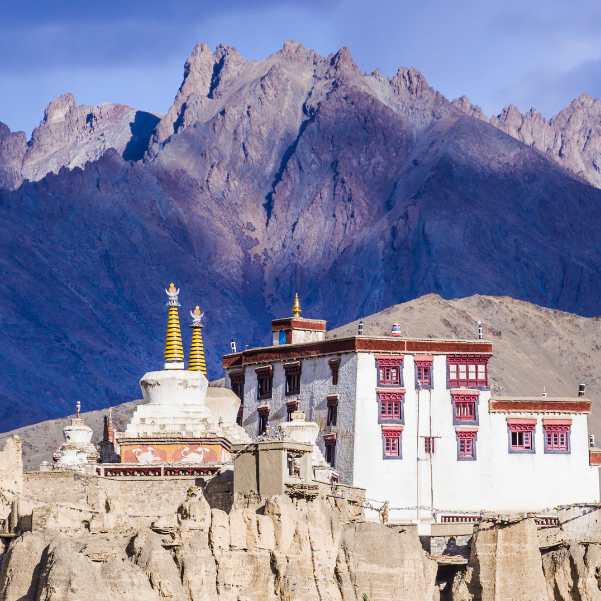
The first two days in Leh should be boring on purpose. Rest, sleep, drink water, and let your body catch up with the altitude.
This is not us being cautious for no reason. District Leh says all tourists arriving in Leh must complete at least 48 hours of acclimatisation before going to higher areas like Khardung La and Pangong Lake.
Once everyone feels fine, do light sightseeing only. Gentle walks around Leh, the local market, and easy nearby spots.
Sham Valley works well after this. Alchi, Lamayuru and the monasteries on this side sit lower and make a soft introduction to Ladakh.
What most families get wrong is skipping these slow days to "save time." That one shortcut causes the headaches and nausea that ruin the rest of the trip.
In our experience, the families who treat the first 48 hours as part of the holiday, not a delay, have the smoothest trips by far.
Nubra Valley, Diskit, Hunder and Turtuk
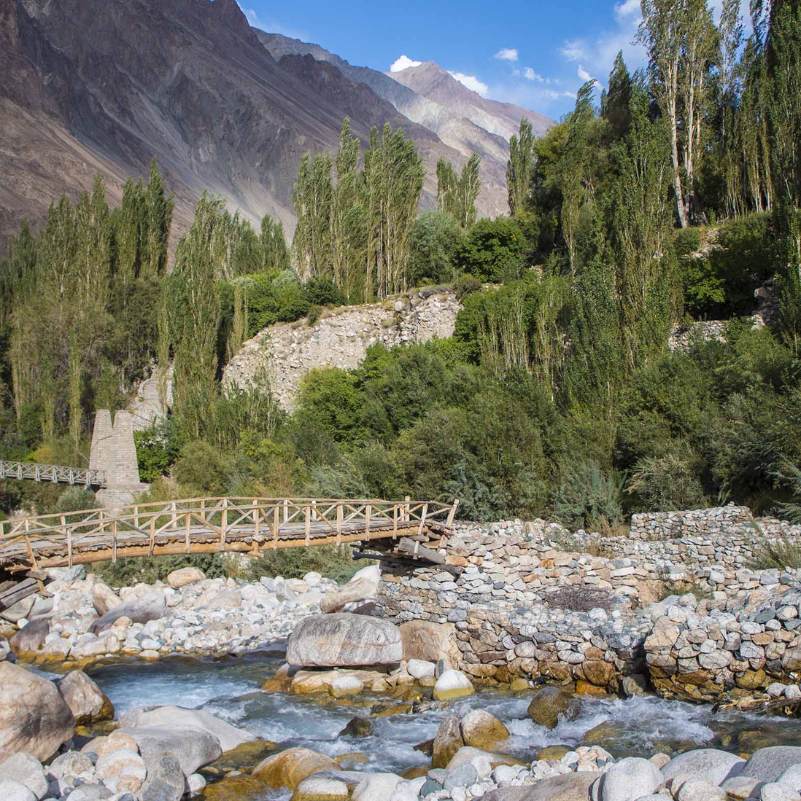
Nubra and Turtuk are some of the better offbeat choices for families. They give you more comfort than the remote Changthang side.
Turtuk is the one we push for families. It gives you Balti culture, apricot orchards and slow village walks without the extreme altitude of Changthang.
We treat Turtuk as a gentle offbeat addition for exactly this reason. Kids can wander the lanes, eat apricots in season, and you are not fighting thin air the whole time.
The drive from Leh to Nubra is roughly 160.3 km and about 5 hours going by a competitor travel guide, so treat that as approximate, not gospel. Mountain roads rarely match the number on paper.
If you are coming in from the Kashmir side or thinking of joining the two, our Kashmir route options can extend the trip without rushing it.
Pangong as a Day Visit or One-Night Stay
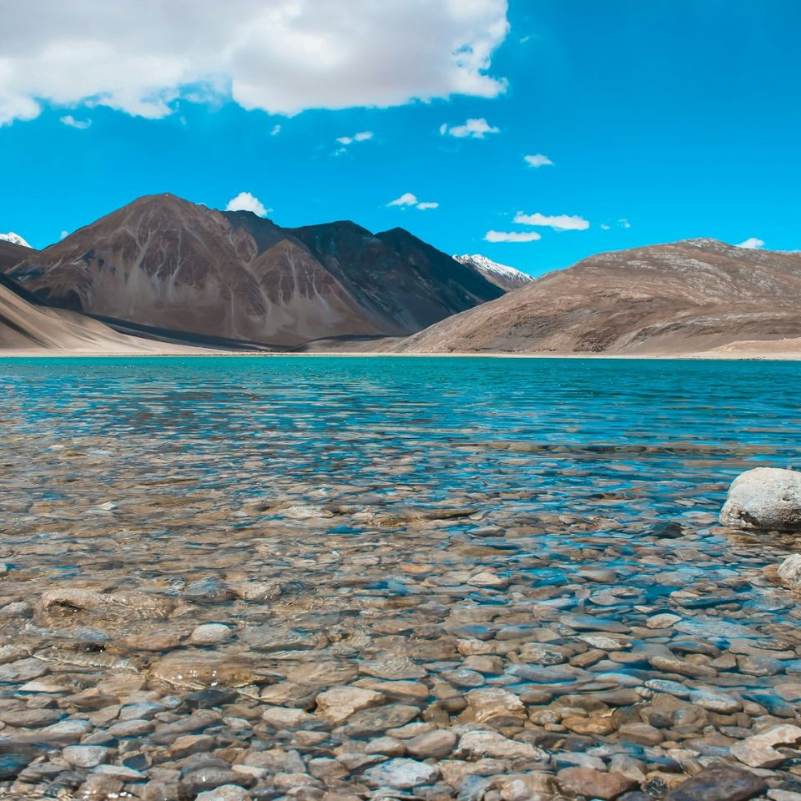
Pangong is stunning, but it works for families only after proper acclimatisation.
The official UT Ladakh advisory is clear. Do not travel to high places like Pangong before 48 hours from landing or arrival in Leh.
For younger kids or grandparents, a day visit can sometimes beat a freezing overnight camp. Going up, seeing the lake, then dropping back to lower altitude is often the kinder choice.
Reach the lake early in the day if you can. The light is better, the crowds are thinner, and you get more buffer if anyone starts feeling off.
One more honest point. Pangong accommodation is limited, and the official advisory says to avoid planning a stay there without prior booking. Do not turn up hoping for a tent.
Is Hanle Safe for Family Travel?
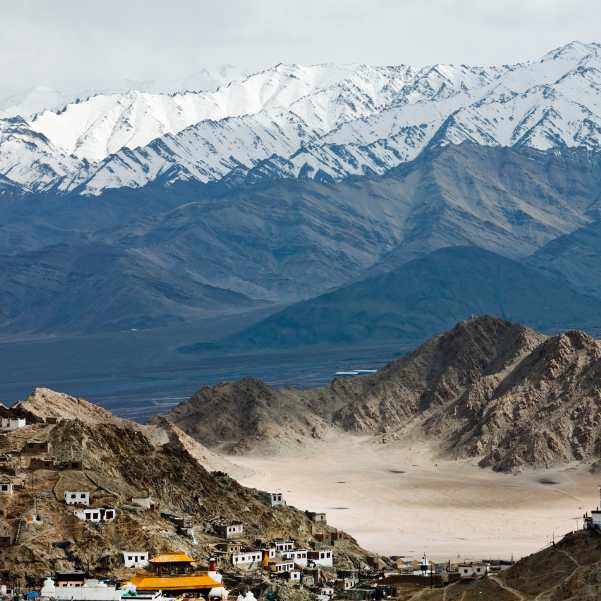
Let us answer this straight, because a lot of parents worry about the wrong thing.
Hanle is not unsafe because of people or crime. It is one of the calmest places in Ladakh.
The real concerns are altitude, remoteness, long drive time, limited facilities, and how well your family has acclimatised before getting there.
Here are the numbers so you can judge for yourself.
Hanle is about 260 km from Leh and around 4,500 metres altitude according to District Leh.
The Indian Institute of Astrophysics visitor page puts it at 270 km east of Leh, about a 6-hour journey, and around 4,200 metres elevation.
The Indian Astronomical Observatory itself sits at 4,500 metres above mean sea level according to IIA.
Hanle is famous for its clear skies and almost no light pollution, which is why the night sky there is something kids genuinely remember.
So how do you do it safely? Only consider Hanle for healthy older kids, and only after Leh acclimatisation plus a gradual route through Nubra or Pangong.
Never drive to Hanle straight after landing. The altitude gain is too sharp and too far from help.
And drop the plan if anyone in the group has a headache, vomiting, dizziness, loss of appetite, breathlessness, unusual tiredness or poor sleep. Those are warnings, not minor complaints.
In our experience, Hanle is beautiful when the family is ready for it, and quite stressful when it is squeezed into a short itinerary.
Is Tso Moriri Safe with Family?
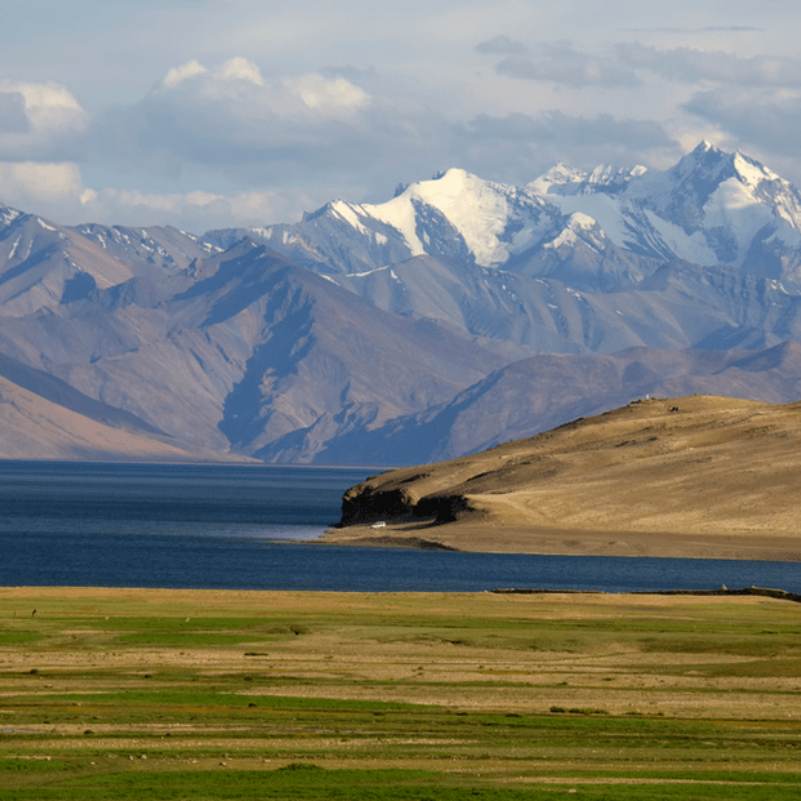
Tso Moriri with family is possible, but it is not the first place we recommend for a first Ladakh family trip.
The facts first. Tso Moriri sits in Changthang at about 4,000 metres according to District Leh.
The lake is around 19 km long and up to 8 km wide. It is part of the Tsomoriri Wetland Conservation Reserve, a Ramsar site, so it is protected and ecologically sensitive.
The risk is not the lake. It is the altitude, the cold nights, the remote location, the thin services and the long drives to get there and back.
Tso Moriri suits families with older kids, some prior mountain experience, and 9 to 10 days in hand.
What you should not do is go to Tso Moriri straight from Manali or right after landing in Leh. That altitude jump is exactly what makes families sick.
Build it slowly, after Leh and other acclimatisation stops. If you are routing through Manali first, our Manali trip support can help you stage the altitude gain properly.
Which Offbeat Ladakh Routes Should Families Avoid?
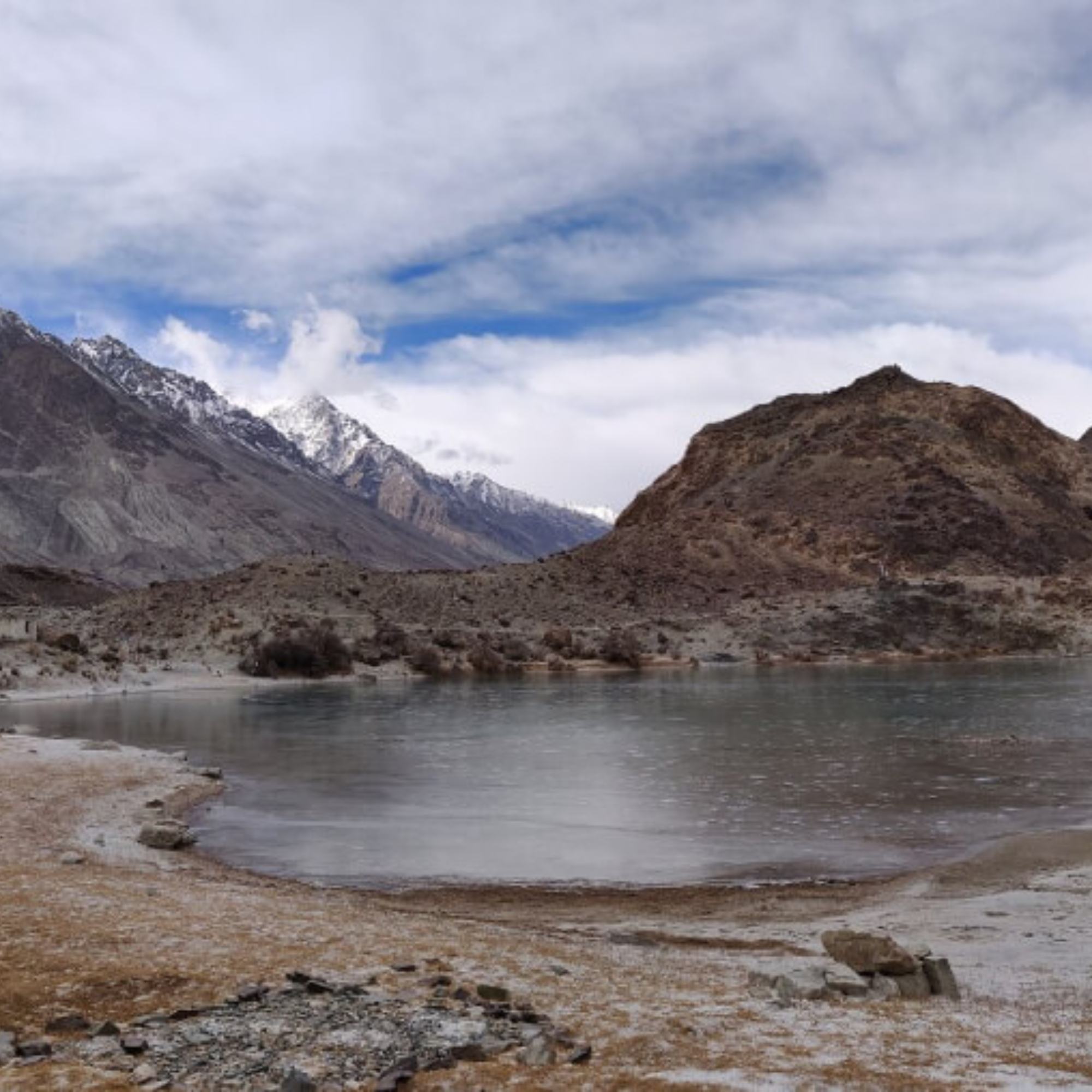
Avoid Direct Leh to Hanle or Tso Moriri Early in the Trip
We keep coming back to the 48-hour rule because it is the single thing that protects your trip.
Families feel great on Day 1. They are excited, the air feels fine, and they want to push. The problem is altitude trouble often shows up later, not on arrival.
Young kids make this harder. They may not explain symptoms well. A toddler will not say "I have a headache," they will just seem cranky, tired, and uninterested in food.
The CDC lists altitude symptoms as headache, tiredness, lack of appetite, nausea and vomiting, and notes younger children may simply seem fussy.
The NHS describes similar signs. Loss of appetite, feeling sick, tiredness, dizziness and difficulty sleeping. If you see these, slow down or go lower.
Avoid Umling La with Young Kids or First-Time Families
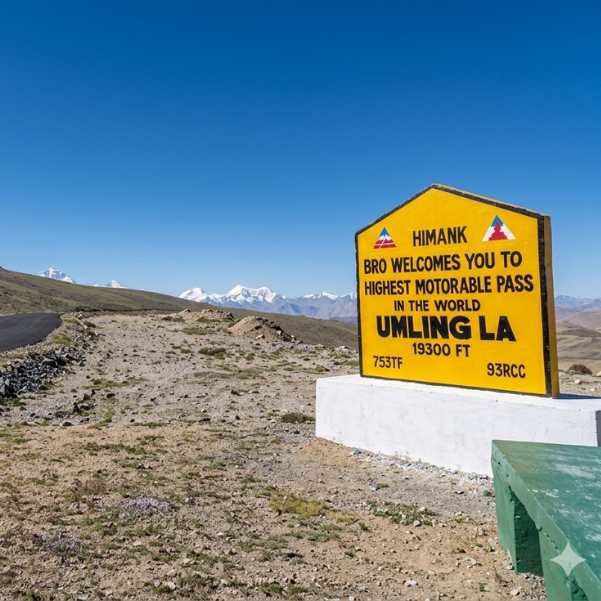
Umling La is listed at about 19,300 ft in a 2026 roundup of high motorable roads. Read that number again before you put a child on that road.
This is not a normal family viewpoint. It is an extreme altitude route that needs serious acclimatisation, local drivers or guided groups, spare fuel and oxygen backup.
So this is our clear "skip it." Skip Umling La for young kids, first-time Ladakh families, seniors, and anyone who has already had altitude symptoms on the trip.
There is no shame in skipping it. The bragging-rights photo is not worth a medical scare at 19,000 feet, hours from any hospital.
Avoid Marsimik La, Kaksang La, Wari La and Remote Chushul Loops
These roads sit in the same extreme bracket. Marsimik La is listed at about 18,314 ft, Photi La at about 18,124 ft, and Kaksang La at about 17,841 ft in the 2026 high motorable roads roundup.
The Leh to Nubra Wari La route gets described by a competitor source as more difficult and broken in places, with dirt, rocks, water crossings, steep sections, and no villages until Sakti after the crossing.
None of this fits a relaxed family trip. These routes belong to experienced adult groups with proper backup.
If you really want them one day, you do them with correct permits, local drivers, spare fuel and careful weather checks. Not with kids in the back seat on a tight schedule.
Avoid Overloaded 6-Day Itineraries
Six days is tight even for the classic Leh, Nubra and Pangong loop. It is not enough for Hanle and Tso Moriri with a family.
Going by what we run on the ground, the Hanle route needs 7 to 8 days minimum and works best at 8 to 9 days.
If you want Hanle plus Tso Moriri, plan for 9 to 10 days. Anything shorter means rushing the altitude, and that is where families get hurt.
Best Offbeat Ladakh Family Itinerary for 8 to 10 Days
Safer 8-Day Family Route Without Hanle
Day 1 is arrival and full rest in Leh. No sightseeing, no shortcuts, just settling in.
Day 2 is light Leh or Sham Valley sightseeing, and only if everyone feels completely fine.
Day 3 you drive from Leh to Nubra and let the kids enjoy the change of scenery.
Day 4 is Nubra to Turtuk and back, or simply staying in Nubra for a slower day.
Day 5 you head to Pangong, but only if the weather and everyone's health are good.
Day 6 is Pangong back to Leh.
Day 7 is your buffer or a gentle local sightseeing day, which you will be glad to have.
Day 8 is departure.
This is the best first-time offbeat Ladakh family trip route. You get culture, desert, monasteries, village life and Pangong, without pushing into deep Changthang.
9-Day Route with Hanle for Older Kids
Day 1 and Day 2 are Leh acclimatisation. Treat both as rest days.
Day 3 you move to Nubra.
Day 4 is Turtuk, or a relaxed day in Nubra if anyone needs more rest.
Day 5 is Pangong.
Day 6 is Hanle, and only if every single person is healthy.
Day 7 you return toward Leh, or continue only if the family is coping well with the altitude.
Day 8 is a Leh buffer day.
Day 9 is departure.
This route is for healthy older kids, patient parents, and families who genuinely accept simple stays without complaining about hot water and wifi.
10-Day Slow Route with Hanle and Tso Moriri
Day 1 and Day 2 are Leh.
Day 3 is Nubra.
Day 4 is Turtuk or Nubra.
Day 5 is Pangong.
Day 6 is Hanle.
Day 7 is a Hanle buffer or a slow move toward Tso Moriri.
Day 8 is Tso Moriri.
Day 9 you return to Leh.
Day 10 is departure.
This route needs a private SUV, a local driver, simple stay expectations, warm clothes, and a real willingness to drop a place if anyone feels unwell.
Best Time for an Offbeat Ladakh Family Trip
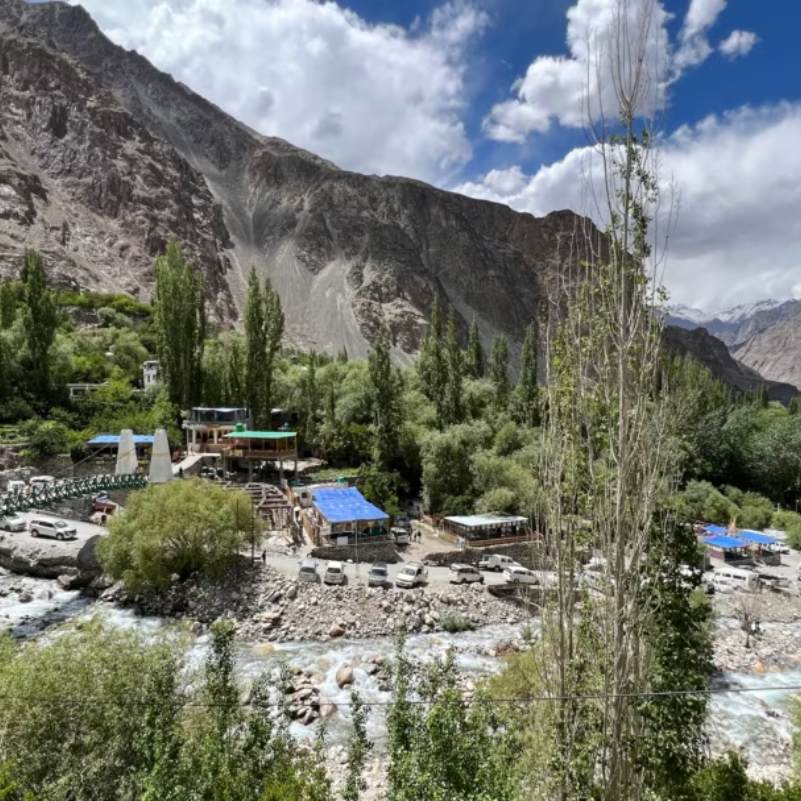
The safest broad window for remote and offbeat family routes is June to September.
May can work for classic Ladakh, but the remote Changthang routes may still need caution that early in the season.
September is quieter and the crowds thin out, but the nights get properly cold, so pack for it.
We will not give you exact road opening dates for Hanle or Tso Moriri, because that would be guessing. Road status shifts with snow, rain, army movement and local advisories.
So check current status close to your departure. A route that is open one week can close the next.
Permits, Fees and Documents for Families in 2026
Good news first. The Leh District Tourists Management System lets you pay fees online.
You do not need to physically visit the DC office for fee payment anymore. This small change saves families a real chunk of time on arrival, and most people do not know it.
Domestic tourists visiting Leh still pay the environmental fee, the Red Cross Fund contribution and the wildlife fee. These continue to apply, so budget for them.
Certain foreign citizens or passport holders need a Protected Area Permit for restricted areas like Pangong, Nubra, Khardung La and Tso Moriri.
Carry ID for every family member, including the children. Do not assume kids are exempt, just keep their documents handy.
One caution. Hanle, Chushul, Umling La and border-side routes can have changing permission rules. Verify before you book, not after.
Health and Safety Checklist for Parents
Start with the basic fact. Travel above 2,500 metres by unacclimatised lowlanders carries a real risk of acute altitude illness, going by Wilderness Medical Society guidance.
Ladakh sits well above that for most of the trip, so altitude is the main thing to manage, not crime or roads.
Watch for these signs in everyone. Headache, tiredness, lack of appetite, nausea, vomiting, dizziness and difficulty sleeping.
With younger children, the clearest sign is often just unusual fussiness. A child who suddenly will not eat and seems off is telling you something.
Talk to a paediatrician before the trip. This matters most for toddlers, kids with asthma or breathing issues, any cardiac history, recent illness, or any child who cannot clearly say when they feel unwell.
Pack smart. Warm layers, ORS, child-friendly snacks, prescribed medicines, an oximeter, water and sun protection.
Ask your operator about oxygen backup on the remote stretches. We will not tell you which medicine or dose to give, that is your doctor's job, not ours.
Transport, Stay and Food Reality on Offbeat Routes
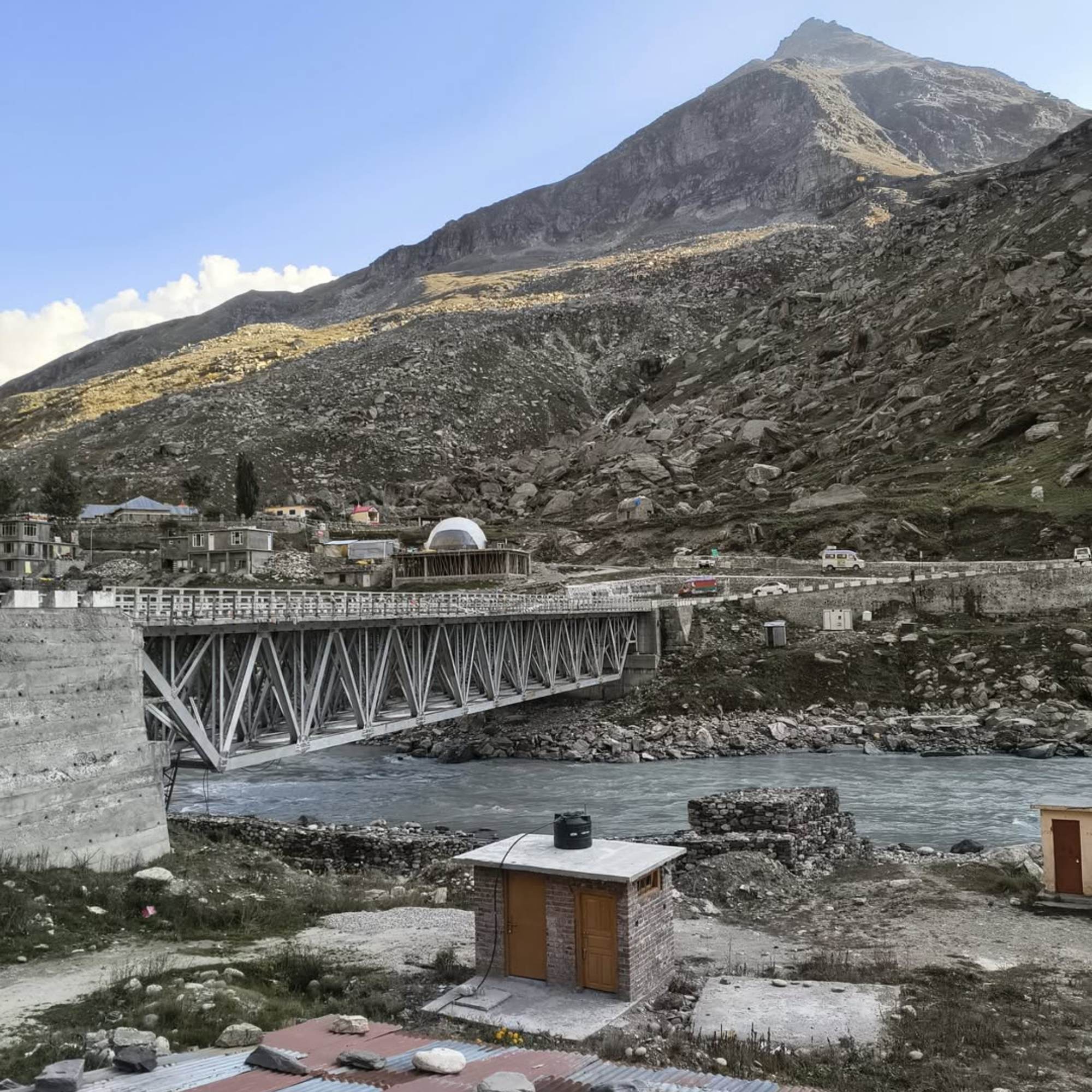
For families, a private SUV with an experienced local Ladakhi driver is safer and calmer than self-drive or a rushed group departure.
We recommend a private 4x4 for the deeper offbeat routes. A local driver reads the road, the weather and the altitude in a way a first-time visitor simply cannot.
Set your stay expectations honestly. Hanle stays are mostly homestays and simple guesthouses, with limited mobile network and limited luxury.
Network is the part families underestimate. On the Nubra to Pangong stretches and other remote sections, mobile signal can be weak or missing entirely, going by competitor information.
The official advisory recommends pre-booking your accommodation and taxi or conveyance through registered agents and operators. Out here, turning up and hoping is a bad plan.
Food is basic in Hanle and Tso Moriri. Carry kid-friendly snacks and stay flexible. In Leh itself, the market is full of warm Tibetan food like thukpa and momos, so let kids fill up there before the remote days.
What we always tell our travellers is to load up on snacks and a thermos of warm tea before leaving Leh. At altitude, a warm drink and a happy, fed child solve half your problems.
Our Practical Recommendation: Which Route Should Your Family Choose?
For a first family trip, go with Leh, Sham Valley, Nubra, Turtuk and Pangong. It is the most rewarding mix without the altitude gamble.
For families with older kids and around 9 days, you can add Hanle, but only if everyone is acclimatising well by the time you reach Pangong.
For experienced mountain families with around 10 days, Tso Moriri can go in, built slowly into the route.
For young kids, seniors, first-time high-altitude travellers, or short holidays, skip Umling La, Marsimik La, Kaksang La, the Chushul loops, and any rushed Hanle plus Tso Moriri plan.
Our team recommends planning Ladakh like a family holiday first and an adventure trip second.
If your kids are very young and you still want high mountains, you might enjoy a slower high-altitude trip elsewhere. Our Spiti Valley routes offer that slow gain with shorter drives.
Explore Our Curated Offbeat Ladakh Packages
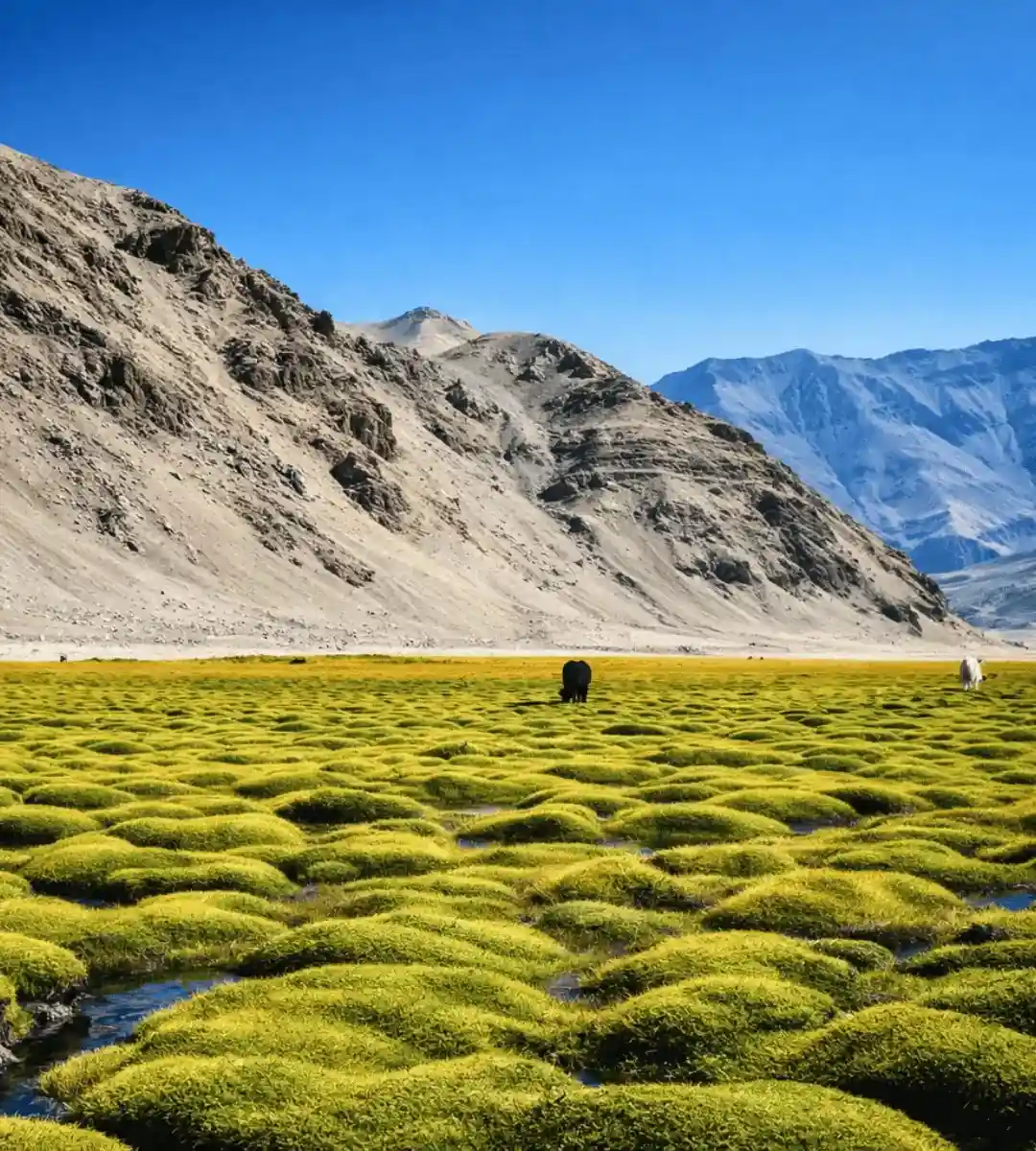 9D/8N
9D/8NUltimate Ladakh With Hanle Umlingla Puga Valley and Tso Moriri
2D Leh•1D Nubra Valley+3
₹36,999₹44,999SAVE INR 8,000/ person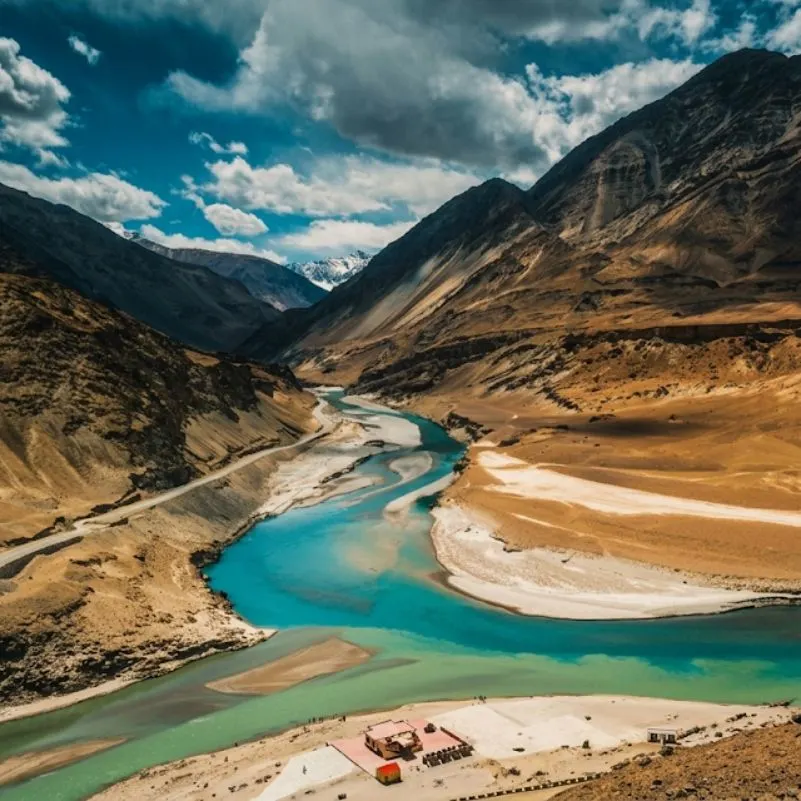 Group Tour8D/7N
Most Loved Zanskar Valley 4x4 Group Expedition
1D Manali•1D Purne / Kargyak / Gonbo Rangjon Side+2
₹32,999/ person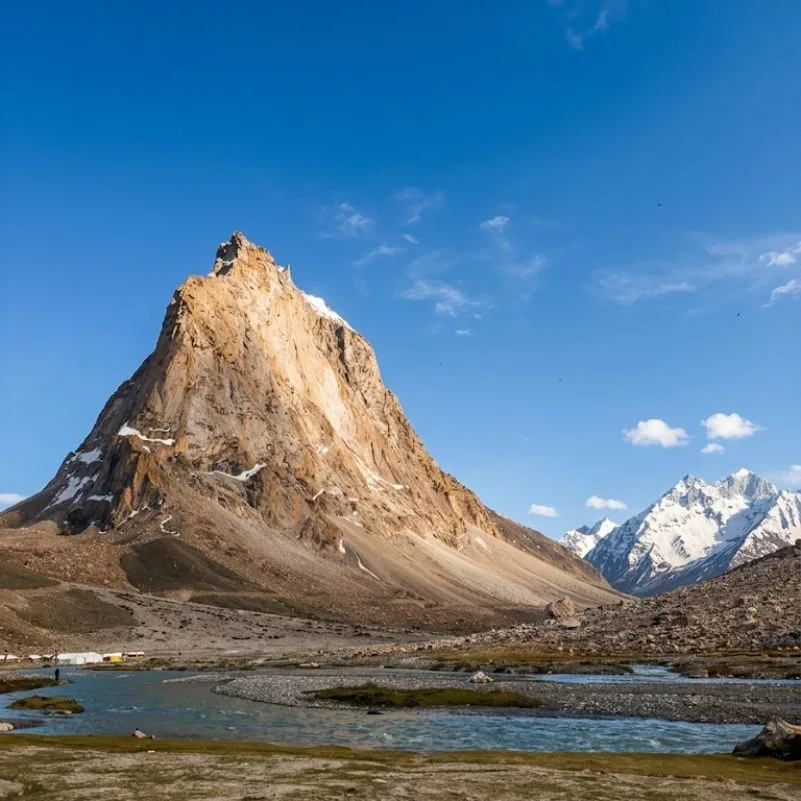 Group Tour8D/7N
Zanskar Valley Group Tour With Phugtal Gonbo Rangjon and Baralacha La
1D Manali•1D Purne / Kargyak / Gonbo Rangjon Side+2
₹20,999/ person
Related topics
Frequently Asked Questions
Is an offbeat Ladakh family trip safe?
Yes, when you plan it slowly with 48 hours of rest in Leh, a private SUV, and routes matched to your kids' age and health. Rushed plans are where families get into trouble.
Is Hanle safe for family?
Hanle is safe from a people and crime point of view. The real concerns are altitude, the long drive of around 260 to 270 km, and limited facilities, so go only after good acclimatisation.
Can kids stay overnight in Hanle?
Healthy older kids can, after Leh acclimatisation and a gradual route through Nubra or Pangong. Stays are basic homestays at about 4,200 to 4,500 metres, so skip it if anyone feels unwell.
Is Tso Moriri safe with family?
It is possible for families with older kids, mountain experience and 9 to 10 days. At about 4,000 metres with cold nights and long drives, it is not the right pick for a first Ladakh family trip.
Which Ladakh route is safest with kids?
Leh to Sham Valley to Nubra to Turtuk to Pangong and back. It gives culture, desert and a famous lake without pushing deep into high-altitude Changthang.
Which Ladakh routes should families avoid?
Avoid Umling La, Marsimik La, Kaksang La, Wari La and remote Chushul loops with kids. These are extreme adventure roads, not family sightseeing.
Can families visit Umling La?
We do not recommend it for young kids or first-time families. At about 19,300 ft it needs serious acclimatisation, local drivers, spare fuel and oxygen backup.
How many days are enough for a Ladakh family itinerary?
Eight days suit a safe Leh, Nubra, Turtuk and Pangong trip. Hanle needs 7 to 8 days minimum and ideally 8 to 9, and Hanle plus Tso Moriri needs 9 to 10.
Is Pangong safe for children?
Yes, after the 48-hour acclimatisation rule. For younger kids, a day visit can be kinder than a cold overnight camp, and you should book any stay in advance.
Do kids need permits for Ladakh?
Carry ID for every family member, including children. Domestic tourists pay the environmental fee, Red Cross Fund and wildlife fee, and certain foreign passport holders need a Protected Area Permit.
What is the best time for Ladakh with kids?
June to September is the safest window for remote and offbeat family routes. September is quieter but colder at night, so pack warm layers.
Is Srinagar to Leh better than Manali to Leh for families?
Both work, but stage the altitude gain either way and always complete 48 hours of rest in Leh before going higher. Verify current road status close to your travel dates.
More about Ladakh
 Ladakh
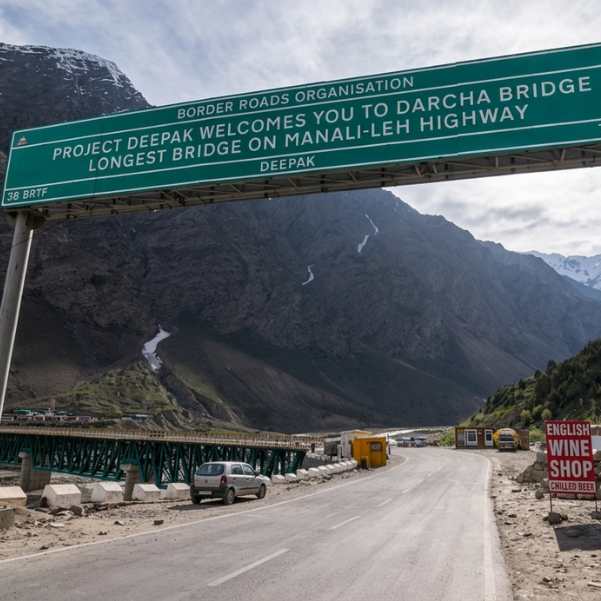
Manali to Leh Highway 2026: Every Pass, Stop and Distance
Plan your Manali to Leh Highway journey in 2026 with a complete guide to major mountain passes, overnight stops, route highlights, and distance. Discover key stops like Jispa, Sarchu, and Pang, along with famous passes including Baralacha La and Tanglang La.
- Road Trips
- How to Reach
 Ladakh
Umling La Ladakh Guide 2026: Route, Altitude, Permit, Safety & Reality Check
Planning to visit Umling La in 2026? This complete guide covers the route, altitude, permit requirements, road conditions, safety tips, and the realities of travelling to one of the world's highest motorable roads.
- Road Status
- Altitude & Health
 Ladakh
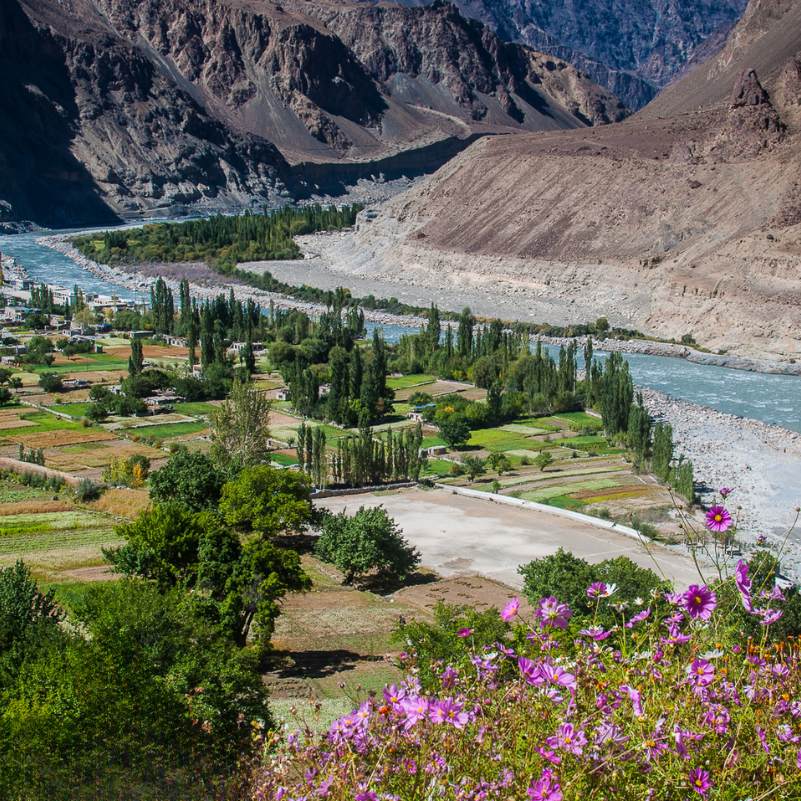
Turtuk Ladakh Travel Guide 2026: Balti Culture, Apricot Orchards and Why It Is Perfect for Families
Planning a trip to Turtuk? This 2026 travel guide explores the village's rich Balti culture, beautiful apricot orchards, top attractions, travel route, and why Turtuk is one of the best family-friendly destinations in Ladakh.
- Places to Visit
- Family Travel