
10 Most Instagrammable Spots in Jibhi and Around You Must Capture in 2026
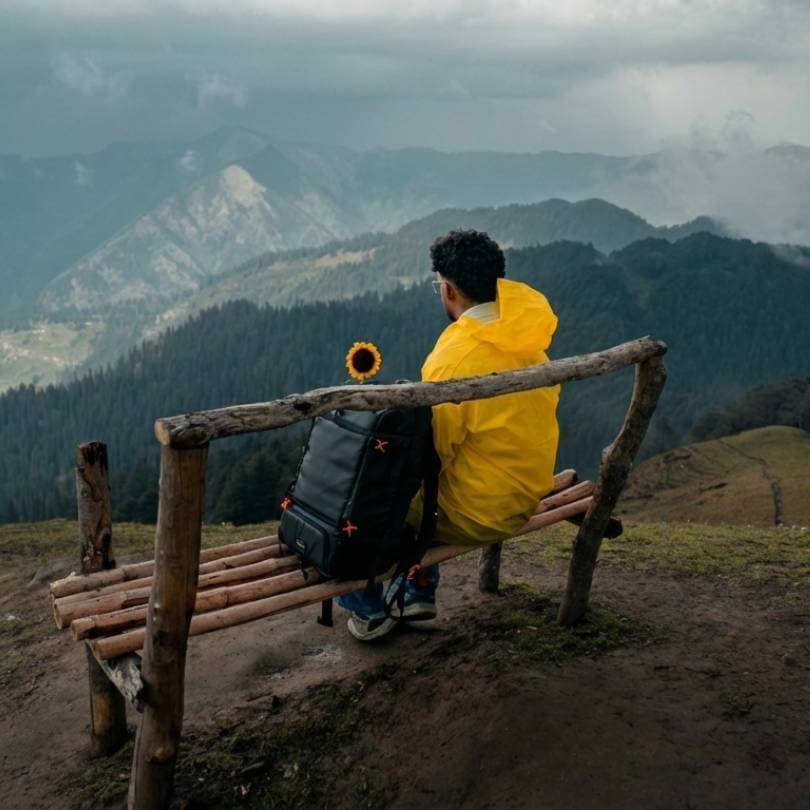
The best photos happen when you know where light hits at what time. When you understand which angle makes a waterfall look dramatic. When you've walked a trail enough times to know exactly where to stop and point your camera.
We've been photographing these mountains for years. Not just the obvious spots everyone shoots, but the corners where morning mist does something magical. The riverbanks where afternoon light turns water golden. The villages where smoke rises from kitchen fires at exactly the right moment.
Top 10 Picture-Perfect Spots in Jibhi to Visit in 2026
If you're coming to Jibhi in 2026 and want shots that don't look like everyone else's feed, here's what we know.
Jibhi Waterfall at Dawn
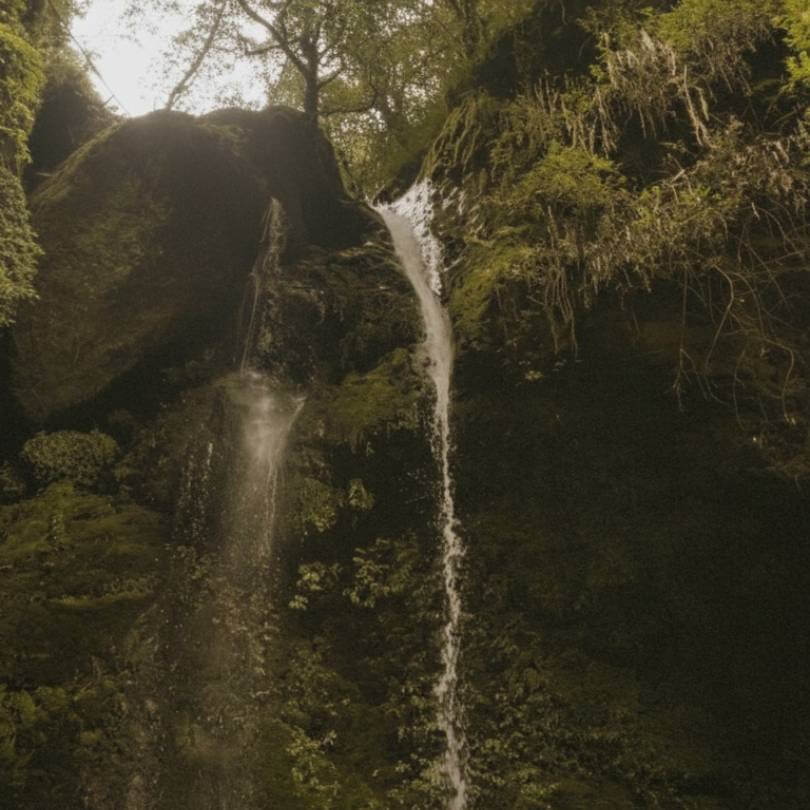
Everyone photographs this waterfall. What separates a good shot from a great one is timing.
Arrive before sunrise. The forest is dark, but your camera can handle it if you know your settings. As light starts filtering through the trees, you get these shafts of golden light cutting through the canopy.
The waterfall catches the light at different angles as the sun rises. Steam rises from the pool below. And for about twenty minutes, everything looks painted.
Most tourists show up mid-morning when light is flat and harsh. You'll get your jibhi waterfall photos, but they'll look like everyone else's. Dawn is when magic happens.
Bring a tripod for longer exposures. The water will look silky. The forest stays sharp. And you'll have the place to yourself.
This is one of those mountain shots that works because you put in the effort.
Mini Thailand Rock Pools
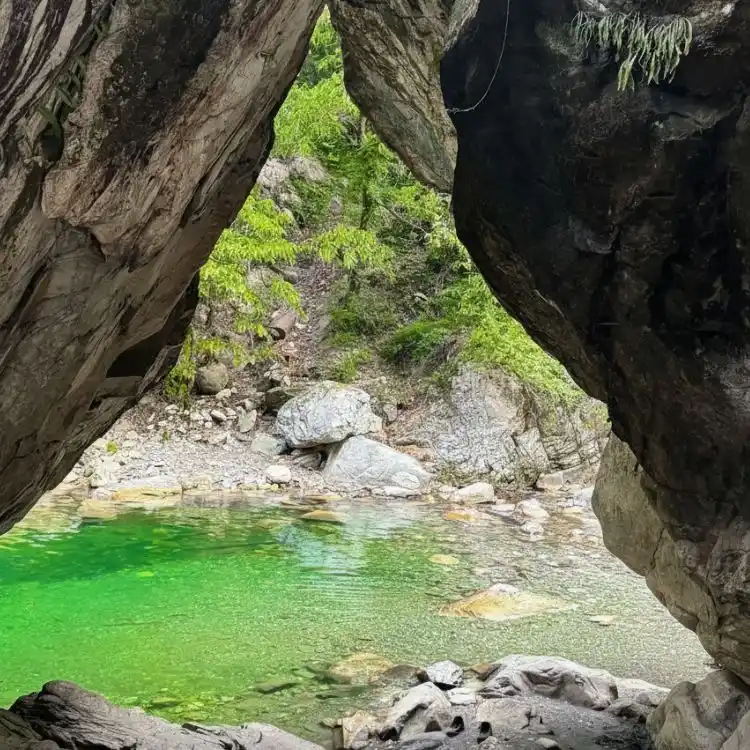
The Tirthan River carved these limestone pools over centuries, and photographers discovered them recently. The water shifts from turquoise to emerald depending on depth and light. Smooth rocks reflect in the water. Trees frame everything perfectly.
Here's what we know from shooting here dozens of times: come between 11 AM and 2 PM when sun is directly overhead. The water glows. Colors pop. Shadows disappear.
Cloudy days don't work here. You need direct sunlight to bring out those tropical colors that made this place Instagram famous.
Wade into the water for low angles. Shoot from the rocks above for context. Try long exposures to smooth the current. But honestly, even phone cameras capture this spot well when light is right.
The jibhi waterfall images people share from Mini Thailand usually show afternoon light. Now you know why.
Jalori Pass at Sunset
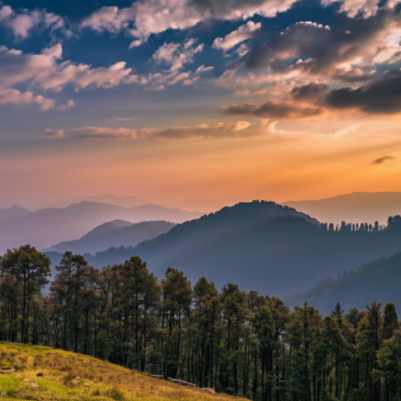
The pass sits at 10,800 feet with views stretching to multiple mountain ranges. But sunset is when this place transforms into something worth the drive.
Park near the tea stall. Walk toward the prayer flags. Find a spot with unobstructed views west. As the sun drops, the entire Himalayas turns orange, then pink, then purple. The prayer flags flutter in the foreground. Peaks glow in the background. And you have maybe fifteen minutes to capture it all.
Winter photography at Jalori Pass requires preparation. Snow covers everything. Roads can close. But if you make it up, the mountain shots you get are unreal. Fresh snow, clear skies, and light that makes everything look surreal.
Bring layers. Temperature drops fast once the sun sets. Your camera battery drains faster in the cold. Keep a spare in your inside pocket where body heat keeps it warm.
This spot delivers consistently if the weather cooperates.
Serolsar Lake in Morning Mist
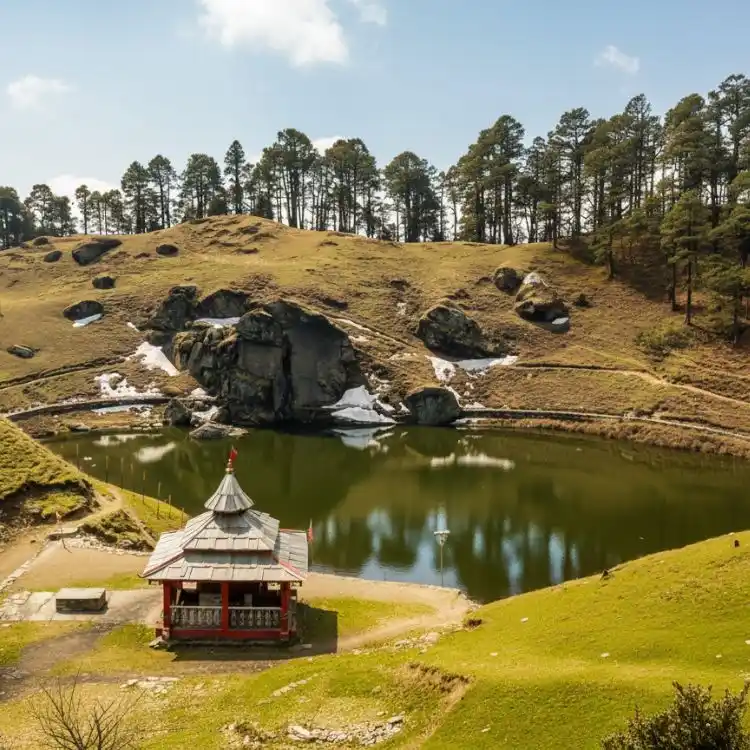
The three-kilometer trek starts from Jalori Pass. You walk through forest so dense that even at midday, light barely penetrates. Then the lake appears, and if you've timed it right, mist hovers just above the water.
Early mornings are essential. We're talking at 6 AM at the lake. Which means starting your trek in near-darkness. Bring a headlamp. The trail is clear but you need to see it.
The mist usually lifts by 8 AM. Between 6 and 8, you have this window where the lake looks mystical. Dark water, white mist, trees emerging from fog. The small temple sits at the edge, adding a spiritual element to your frame.
Still water means perfect reflections. Trees mirror in the lake. Clouds mirror. Even the temple mirrors. Use this. Compose your shots with reflections in mind.
No phone signal here means no distractions. Just you, the lake, and whatever images you create.
Chehni Kothi Tower
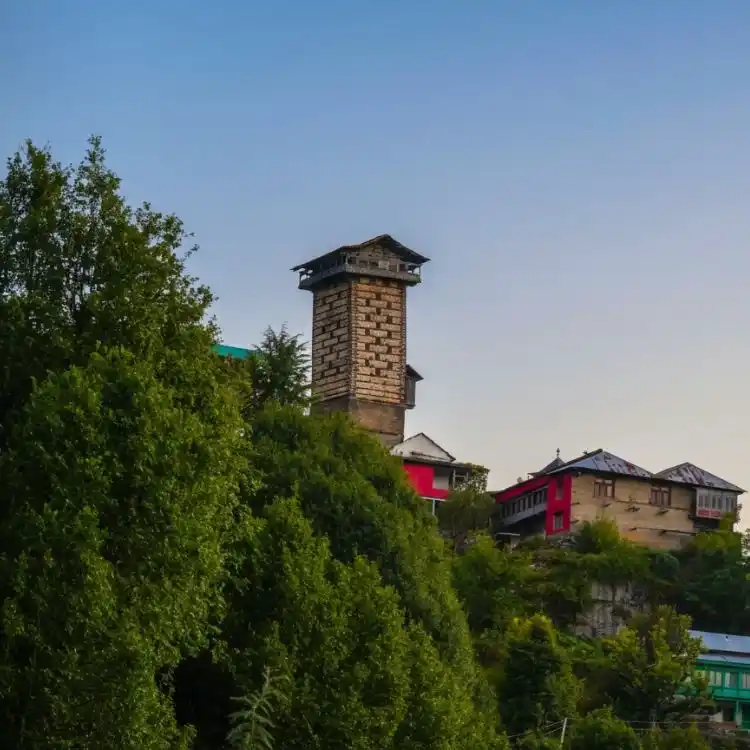
This 17th-century tower stands against a backdrop of snow peaks and valley views. Traditional wooden architecture, intricate carvings, and positioning that makes every angle work.
Best light hits between 3 PM and 5 PM. The tower faces west, so afternoon sun illuminates the wooden facade. Details in the carvings become visible. The structure glows warm against cool mountain backgrounds.
Shoot from below to emphasize height. The tower rises several stories, and low angles make it look even more impressive. Include the surrounding village houses for context. Or zoom in on architectural details.
Apple orchards surround the village. In spring, white blossoms add another layer to your composition. In autumn, red apples hang heavy on branches. Both seasons offer different but equally strong visuals.
Local families maintain the tower. Ask permission before shooting. They're usually happy to let photographers work, but respect matters.
Tirthan River Near Gushaini Bridge
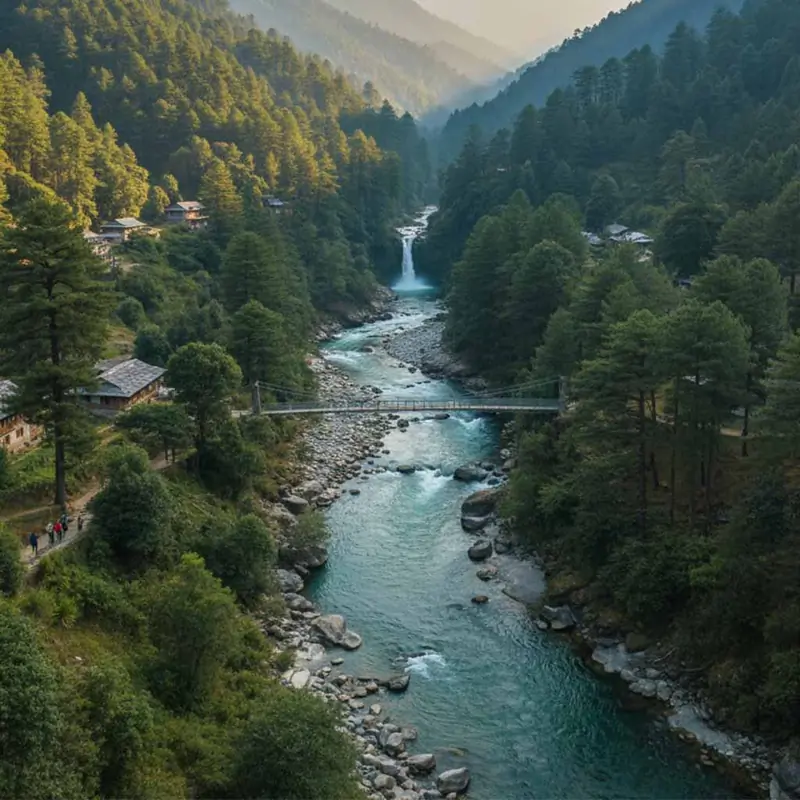
The river runs clearest near Gushaini. You can see trout swimming. Count rocks on the bottom. Watch light play on moving water.
Stand on the bridge around 4 PM. Sun angles from the side, lighting the water without creating harsh reflections. The river bends here, creating natural leading lines. Mountains rise on both sides. And if you're lucky, you'll catch local kids jumping into the water.
Long exposures smooth the current into silky flows. Fast shutter speeds freeze water mid-splash. Both work. Depends what you're after.
These are the mountain shots that show movement and stillness together. Water moves, mountains stay. Your camera captures both.
Traditional Homestays in Ghiyagi
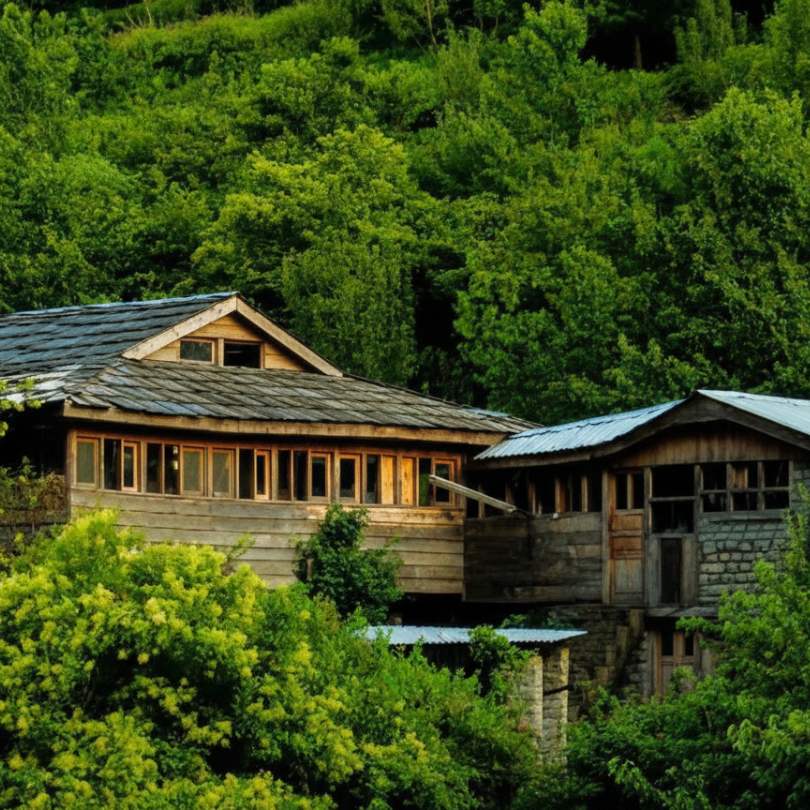
Ghiyagi village sits above Jibhi with views across the entire valley. Traditional wooden houses with slate roofs. Smoke rising from kitchen fires. Prayer flags strung between buildings. And that mountain village aesthetic everyone wants.
Morning is best. Around 7 AM, families are starting their day. Smoke rises from kitchen fires. Light is soft and golden. The valley below fills with mist while the village catches early sun.
Ask before photographing people or their homes. We know these families. They're welcoming, but permission matters. Often they'll invite you for tea. Accept. You'll get better photos when people are comfortable with you.
Capture details: wood grain on old doors, carved window frames, slate shingles weathered by decades, copper pots hanging in kitchens. These details tell stories wider shots miss.
Raghupur Fort Meadows
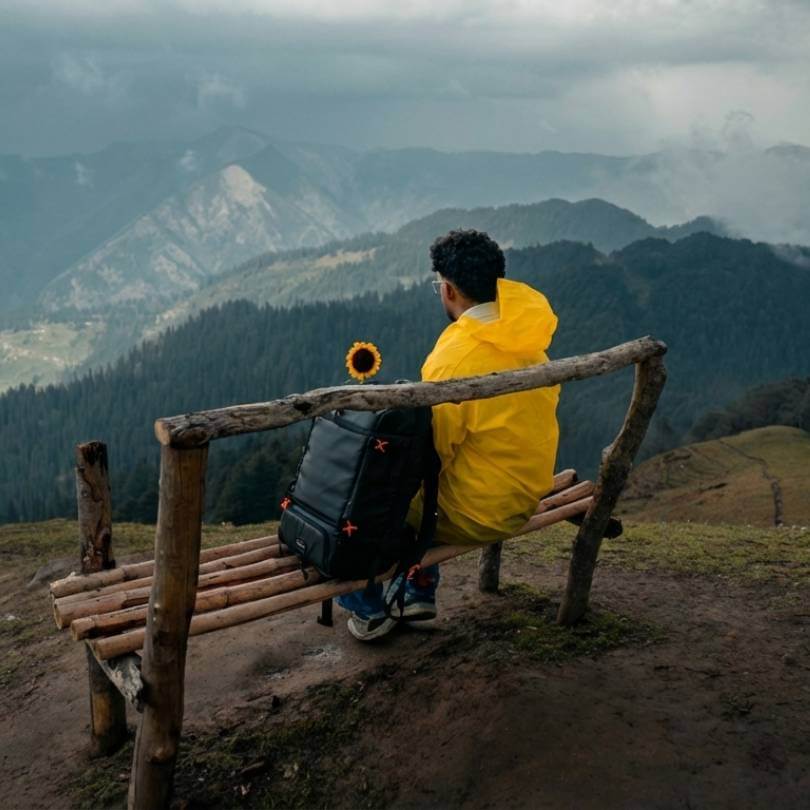
The trek to Raghupur Fort opens into meadows that seem endless. In spring, wildflowers carpet the ground. In summer, grass grows tall and green. And year-round, views extend to multiple mountain ranges.
Shoot during golden hour, either dawn or dusk. The meadows catch light beautifully. Mountains provide dramatic backdrops. And wildflowers (when in season) add pops of color to your foreground.
This is where you experiment with depth. Flowers in foreground, meadow in middle ground, mountains in background. Use wider apertures to blur everything except your focal point. Or stop down for sharpness throughout.
For manali photography ideas that work in Jibhi too: meadows always photograph well. The scale, the space, the way mountains frame everything. These shots travel well on Instagram because they show the Himalayas at their most accessible.
Forest Trail to Serolsar
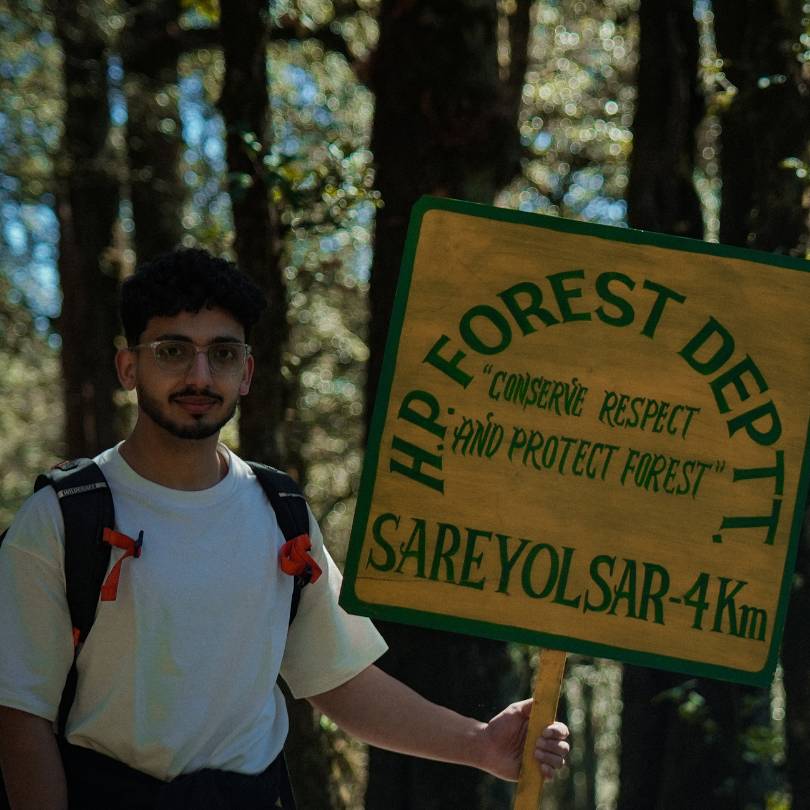
The trail itself offers as much as the destination. Dense forest, filtered light, moss-covered rocks, and that sense of walking through something ancient.
Shoot on cloudy days. Harsh sunlight doesn't work in forests. You get too much contrast, blown highlights, dark shadows. Clouds diffuse light evenly. Everything glows. Colors saturate.
Look for details: water droplets on leaves, moss patterns on tree bark, mushrooms growing on fallen logs, shafts of light breaking through the canopy. These intimate shots work better than trying to capture the entire forest.
Bring a lens that handles low light well. Forests are dark. Your phone will struggle. A proper camera with decent ISO performance makes the difference.
These mountain shots feel different from the grand landscape images. More intimate. More mysterious.
Jibhi Village Core at Blue Hour
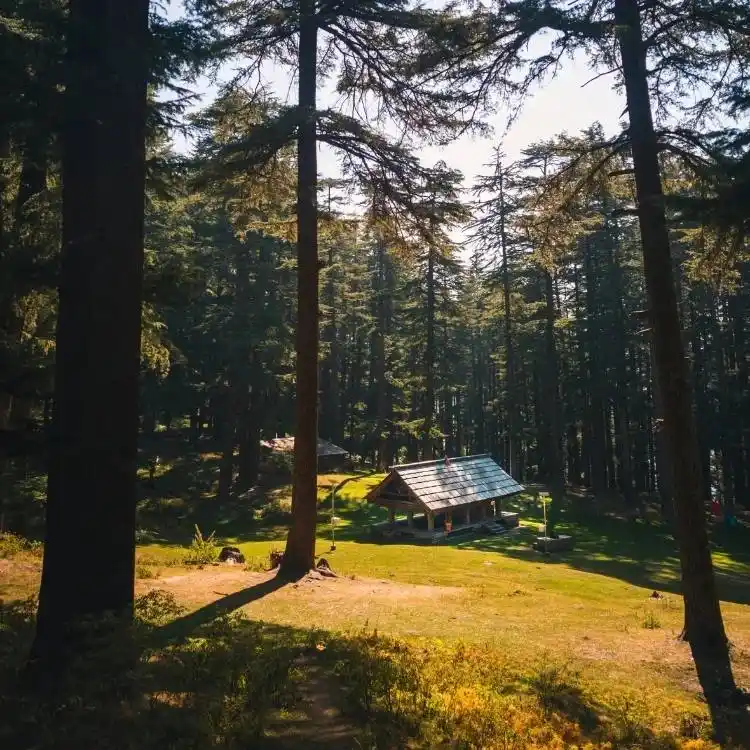
Blue hour happens twice daily: thirty minutes before sunrise and thirty minutes after sunset. The sky turns deep blue. Artificial lights start glowing. And everything looks cinematic.
Position yourself in Jibhi's main area during blue hour. Wooden houses with lights in windows. The small shops are closing for the night. Mountains silhouetted against the darkening sky. And that blue hour color that makes everything look unreal.
You need a tripod. Light is low. Exposures will be longer. But this is when village life and landscape photography merge.
People don't think of blue hour for mountain shots, but it works. Especially in villages where artificial light adds warmth against cool blue skies.
What We've Learned Shooting Here
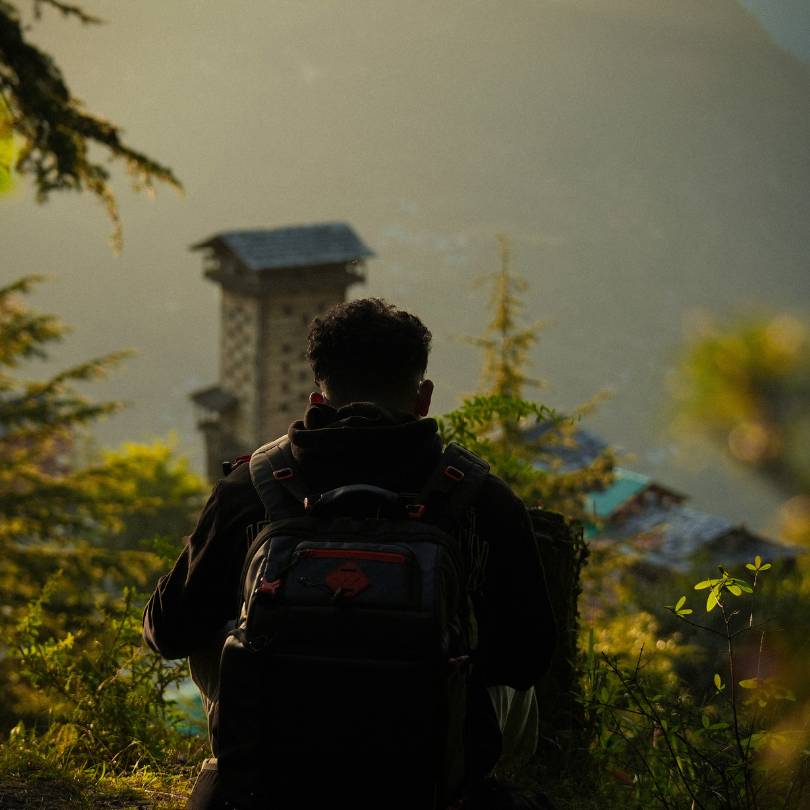
Weather changes fast in the mountains. That perfect light you planned for might disappear behind clouds. Or rain might create even better conditions than sunshine. Stay flexible.
Respect local culture. Not everything is meant to be photographed. Temples during prayers, people without permission, private property. Ask first. Often people say yes. Sometimes they say no. Both answers deserve respect.
Early mornings and late afternoons give you the best light. But also the coldest temperatures. Dress in layers. Keep your camera protected from moisture. Condensation kills electronics.
The most Instagrammable shots often require the most effort. Waking up before dawn. Hiking in darkness. Waiting in the cold for the right light. But that's why they look different from everyone else's photos.
Capturing Jibhi Your Way
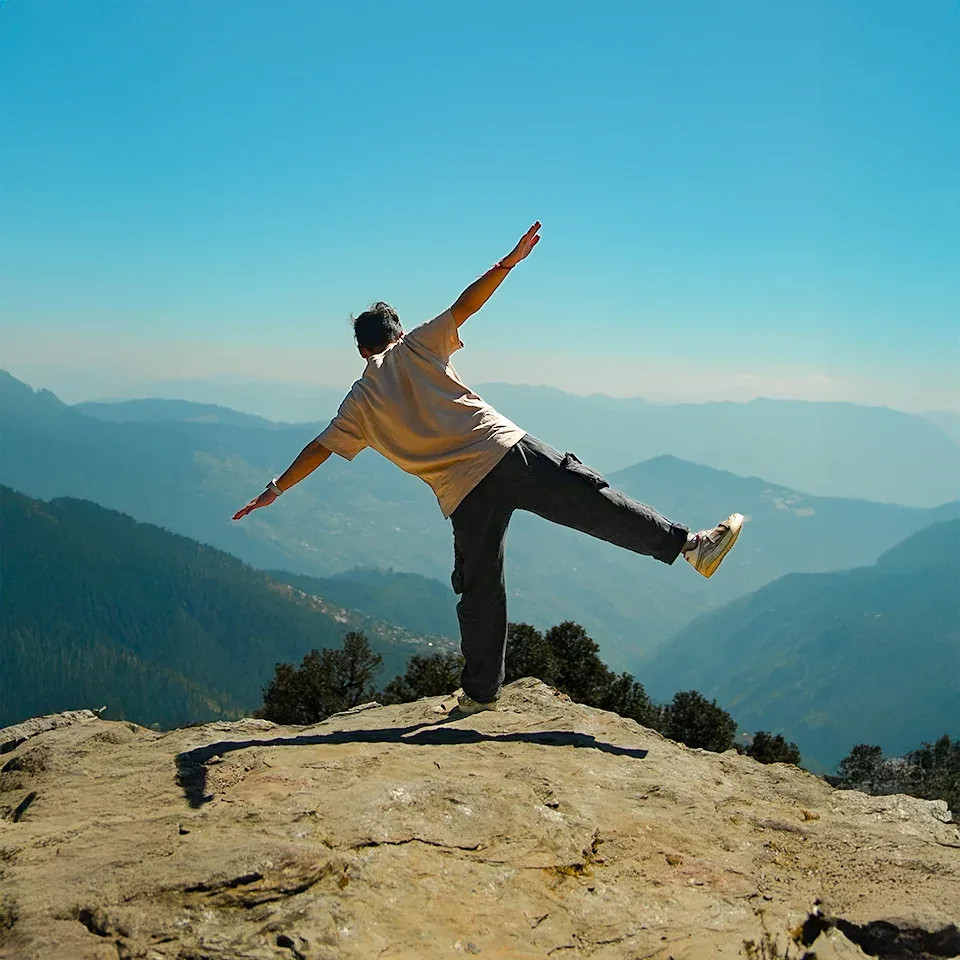
The best photos come from understanding light, timing, and place. We've shown you where to go and when. But your unique perspective, your eye for composition, your patience waiting for the right moment—that's what makes your images yours.
These spots deliver consistently because we've tested them in every season, every light condition, every weather pattern. The jibhi waterfall images you'll capture at dawn will look different from ours. Better, even. Because you'll see things we've stopped noticing.
Jibhi in 2026 will have more visitors than 2025. More people are discovering these spots. But early mornings still belong to those willing to wake up for them.
Remote trails still reward those willing to walk them. And mountain shots that require effort still stand out from quick phone snaps.
Why Travel Coffee Shows You These Spots
We live in these mountains. We've shot every location on this list in every season. We know which homestay owner will let you shoot from their balcony at sunrise. Which trail gets the best light in monsoon. Where to stand at Jalori Pass when winter storms roll in.
When you travel with us, you get this knowledge. You get wake-up calls for dawn shoots. You get taken to spots that aren't marked on maps. You get honest advice about which manali photography ideas actually work in Jibhi and which don't. That's what local expertise means.
Ready to capture these views yourself? Check out our curated Jibhi Tour Packages to explore these hidden photography spots with local experts.
Related topics
Frequently Asked Questions
Which is the most Instagrammable spot in Jibhi for first-time visitors?
Jibhi Waterfall is the most accessible and photogenic spot for first-timers. The forest trail, wooden bridges, and cascading water create perfect compositions. Visit at dawn for the best jibhi waterfall photos with dramatic lighting and fewer crowds.
Is Jibhi's Hidden Waterfall easy to reach for photos?
Yes, Jibhi Waterfall is easy to reach. It's a 10-15 minute walk from the main market on a clear forest trail. The path is well-marked and suitable for all fitness levels. Wooden footbridges make great foreground elements for your Jibhi waterfall images.
What is the best time of day to capture magical shots at Jibhi River?
Late afternoon between 4 PM and 5 PM offers the best light at Jibhi River. The sun angles from the side, creating beautiful reflections without harsh glare. Early morning (6-7 AM) works well too when mist hovers over the water, giving you those dreamy mountain shots.
Are drones allowed at popular photo spots in Jibhi?
Drone regulations in Himachal Pradesh are strict. Most areas around Jibhi fall under restricted zones or require permits. Great Himalayan National Park prohibits drones completely. Check current regulations and obtain necessary permissions before flying. Ground-level photography works beautifully here anyway.
Is Jalori Pass good for photography in winter?
Jalori Pass is excellent for winter photography if you can reach it. Snow-covered landscapes, clear skies, and dramatic mountain shots make the effort worthwhile. However, the road often closes due to heavy snow from December to February. Check road conditions before planning your trip.
Is it safe to visit and click photos at Serolsar Lake early in the morning?
Yes, Serolsar Lake is safe for early morning photography. The trail is well-marked and locals make this trek regularly. Start from Jalori Pass around 5:30 AM to reach the lake by 6 AM. Carry a headlamp, dress warmly, and trek with at least one companion for safety.
More about Jibhi
 Jibhi
JibhiJibhi in December 2026: Snowfall, Weather, Road Status and Winter Guide
Planning a trip to Jibhi in December 2026? Discover the latest updates on snowfall, weather, temperature, and road conditions. Find out when to expect snow, what to pack, and whether the roads to Jibhi are safe for a memorable winter getaway.
- Best Time to Visit
- Snow Travel
 Jibhi
JibhiJibhi in October 2026: Weather, Road Conditions, Places and Trip Plan
Planning a trip to Jibhi in October 2026? Expect cool autumn weather with temperatures between 8°C and 20°C, clear skies, colorful forests, and comfortable trekking conditions. Roads are generally in good condition after the monsoon, making it an excellent time to explore Jalori Pass, Serolsar Lake, Chehni Kothi, and Tirthan Valley. Discover the latest weather, road updates, travel tips, and a perfect 2–3 day itinerary for an unforgettable Jibhi getaway.
- Best Time to Visit
 Jibhi
JibhiJibhi in August 2026: Weather, Road Safety, Itinerary and Honest Advice
Planning a trip to Jibhi in August 2026? Discover the latest weather conditions, road safety tips, suggested itinerary, places to visit, and practical travel advice. This guide will help you decide whether August is the right time to experience Jibhi's lush monsoon beauty while traveling safely.
- Best Time to Visit
- Monsoon Travel