
Manikaran Sahib from Kasol 2026: Distance, Hot Springs, Timings & Tips
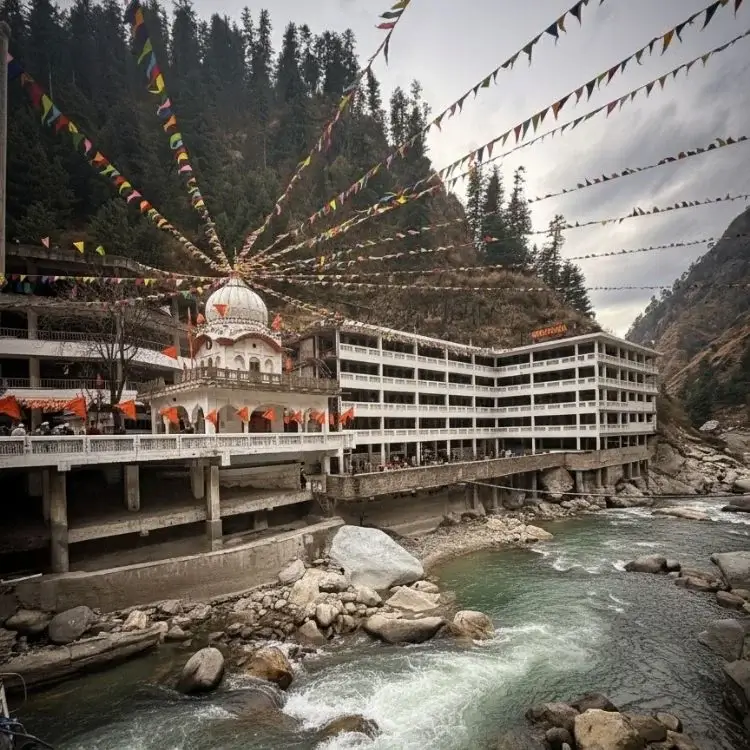
If you are in Kasol and wondering whether Manikaran Sahib is worth the short hop down the valley, the answer is yes, but not the way most blogs sell it.
It is close, it is free to enter, and the hot springs are real. But the road gets messy in peak season, and a lot of travellers waste their morning stuck near one narrow bridge.
We have sent hundreds of travellers from Kasol to Manikaran over the years, and the same small mistakes trip people up every season. Here is how to do it right in 2026.
Quick Answer
Manikaran Sahib is around 4 to 5 km from Kasol, so it is a short trip, not a day-long expedition.
By taxi or local vehicle it usually takes 10 to 15 minutes if the road is clear, and a little more by bus.
Gurudwara Manikaran Sahib entry is free and the Gurudwara is generally open 24 hours, so you can visit almost any time.
Hot spring bathing areas and temple timings can change, so always check the local signage when you reach.
One thing to know for 2026
Heavy vehicles and Volvos face time restrictions on the Bhuntar-Manikaran Road, which can affect traffic during the day.
Planning Kasol and Manikaran together? Our Kasol tour packages cover stays, transport, and a local driver who knows this road.
How Far Is Manikaran Sahib from Kasol?
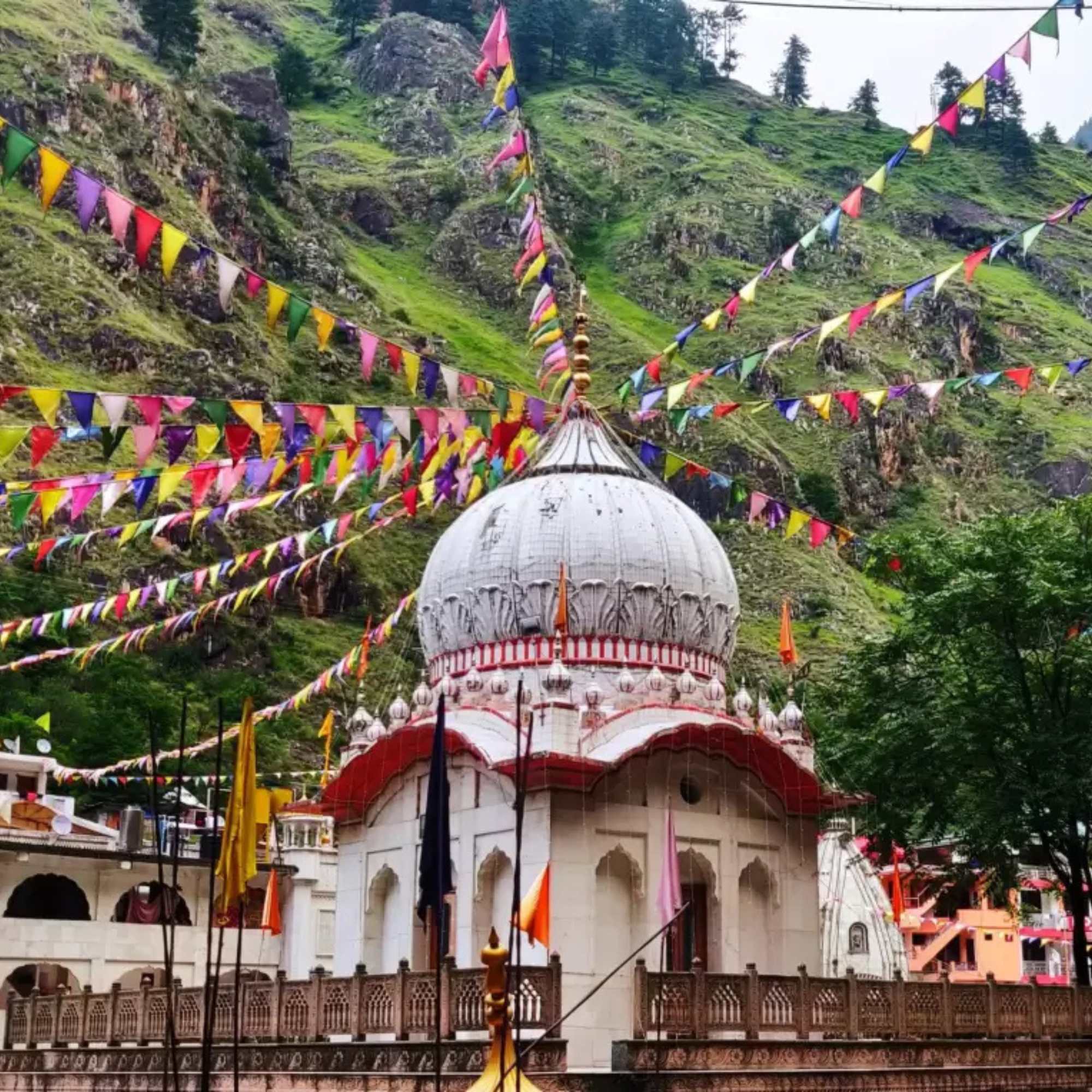
The practical distance is around 4 to 5 km. Some sources give 3.5 to 4.5 km depending on exactly where you start in Kasol.
On an empty road this is barely a ride. You will be there before your chai cools down.
But in May and June, or on busy weekends, the stretch near the narrow bridge gets jammed. Delays of 30 to 45 minutes are common here.
So do not plan this like a city commute. The kilometres are short, but the road decides the timing, not the distance.
In our experience, the people who get frustrated are the ones who assumed "4 km means 10 minutes, always." On a packed Saturday in June, that 10 minutes can easily become 45.
How to Reach Manikaran Sahib from Kasol?
You have four real options, and the right one depends on who you are travelling with and how much you mind a crowd.
By Local Bus
Local buses run from the Kasol market and main road toward Manikaran or Barshaini, so this is the cheapest way to go.
The user-reported fare is ₹20 and the ride takes 20 to 25 minutes, but treat that fare as a rough guide since it comes from a user-reported source.
Bus timings change with the season, so ask a local shopkeeper or your stay owner for the current schedule before you head to the stop.
By Taxi or Shared Cab
A taxi or shared cab is the easiest choice for families, elders, and anyone short on time.
We are not going to quote a fixed fare here because it shifts with season and demand, so confirm the price before you sit in the car.
When traffic is clear, the ride is around 10 to 15 minutes.
By Private Car or Bike
The road is short but narrow, so it rewards patience more than speed.
Parking is usually available on the main road before the bridge, so carry small cash just in case.
Reach early. Once the bridge area fills up, you spend more time looking for parking than actually visiting the Gurudwara.
Can You Walk from Kasol to Manikaran?
Walking is possible since the distance is short. People do it.
But the road is narrow and traffic-heavy, and you will be sharing it with buses and cabs squeezing past. It is not a quiet riverside stroll.
Skip the walk after dark, during rain, or with kids on busy days. The road has no real footpath for long stretches, and that is when it gets risky.
>>Need help planning Kasol and Manikaran? Talk to our team on WhatsApp.
What Are Manikaran Sahib Timings in 2026?
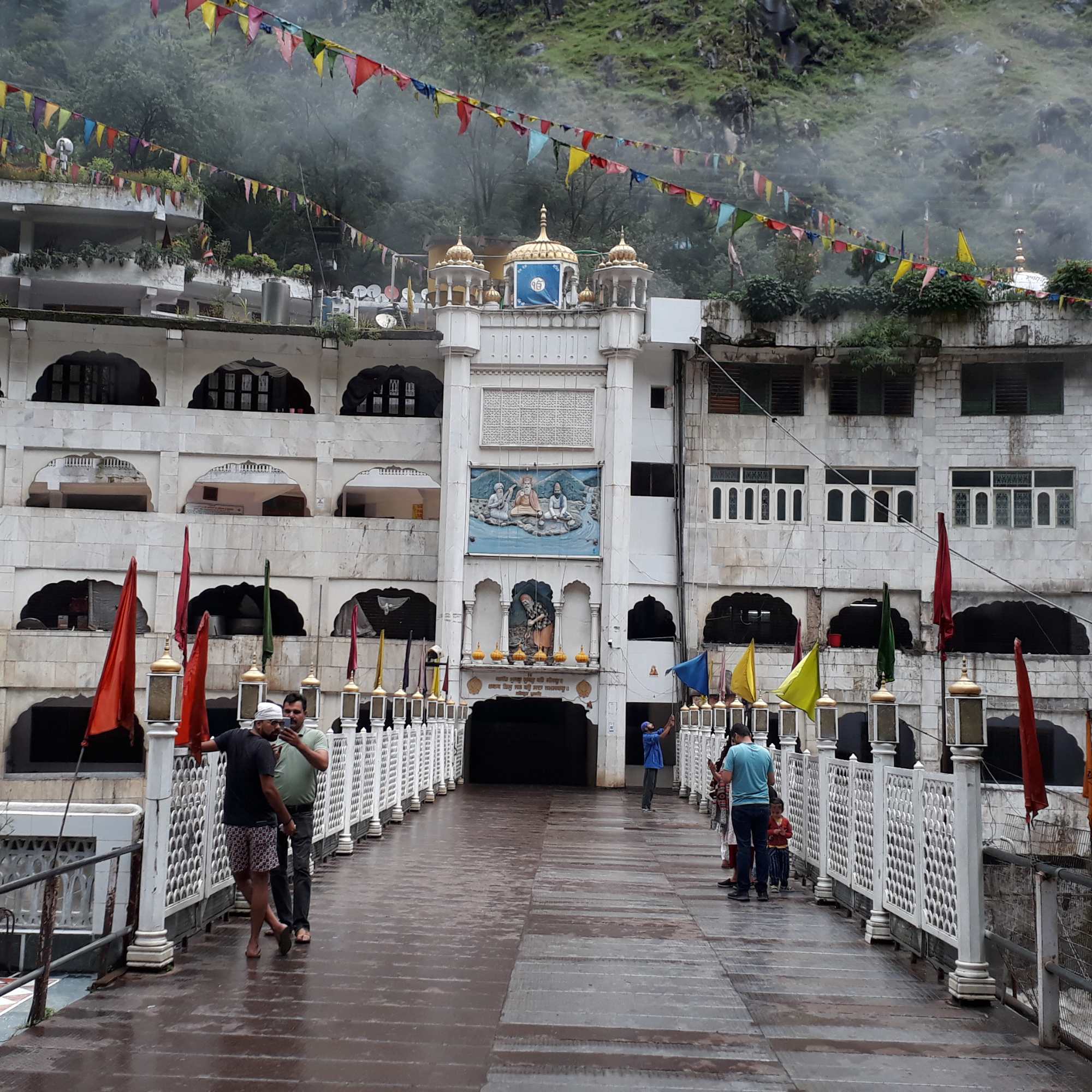
Gurudwara Manikaran Sahib is generally open 24 hours, so you can walk in early morning or late evening.
Now, here is where blogs confuse people. One source lists general Manikaran or temple-style timings as 5:00 AM to 12:00 PM and 4:00 PM to 9:00 PM.
Do not mix that up with the Gurudwara timing. That window points to temple-style hours, not the Gurudwara, which stays open round the clock.
Do your hot spring bathing only in the designated areas, never in random pools.
One source says bathing is allowed only during daylight hours, so check the local signage before you plan a late evening dip.
Is There Any Entry Fee for Manikaran Sahib?
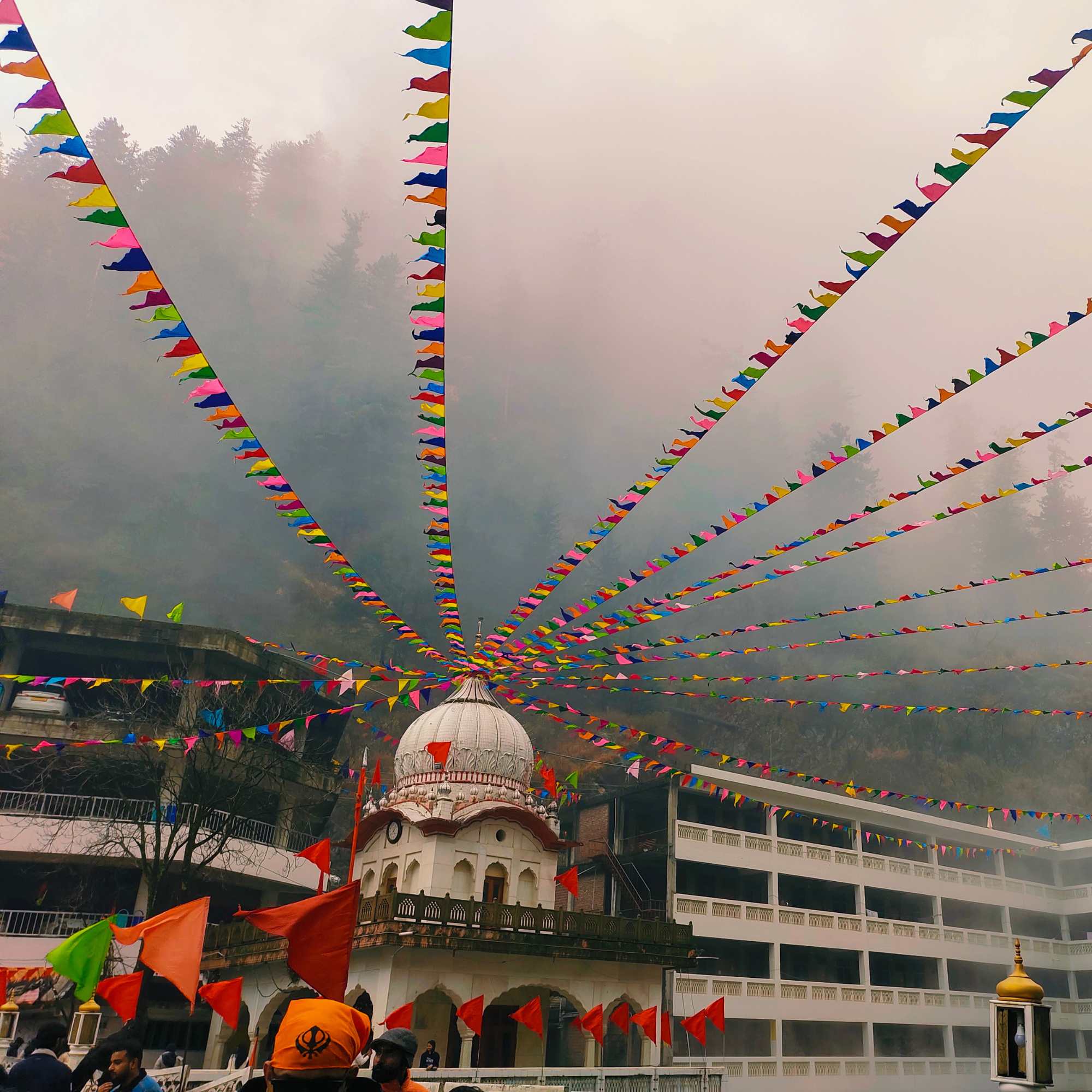
Entry to the Gurudwara Manikaran Sahib is free.
The langar is free too. You can eat a hot meal without paying a rupee.
Donations are optional. Give if you want, but no one will push you.
The hot spring bathing fee is where sources disagree. Public bathing pool charges may vary, so check on arrival rather than trusting any single figure online.
What Makes Manikaran Sahib Famous?
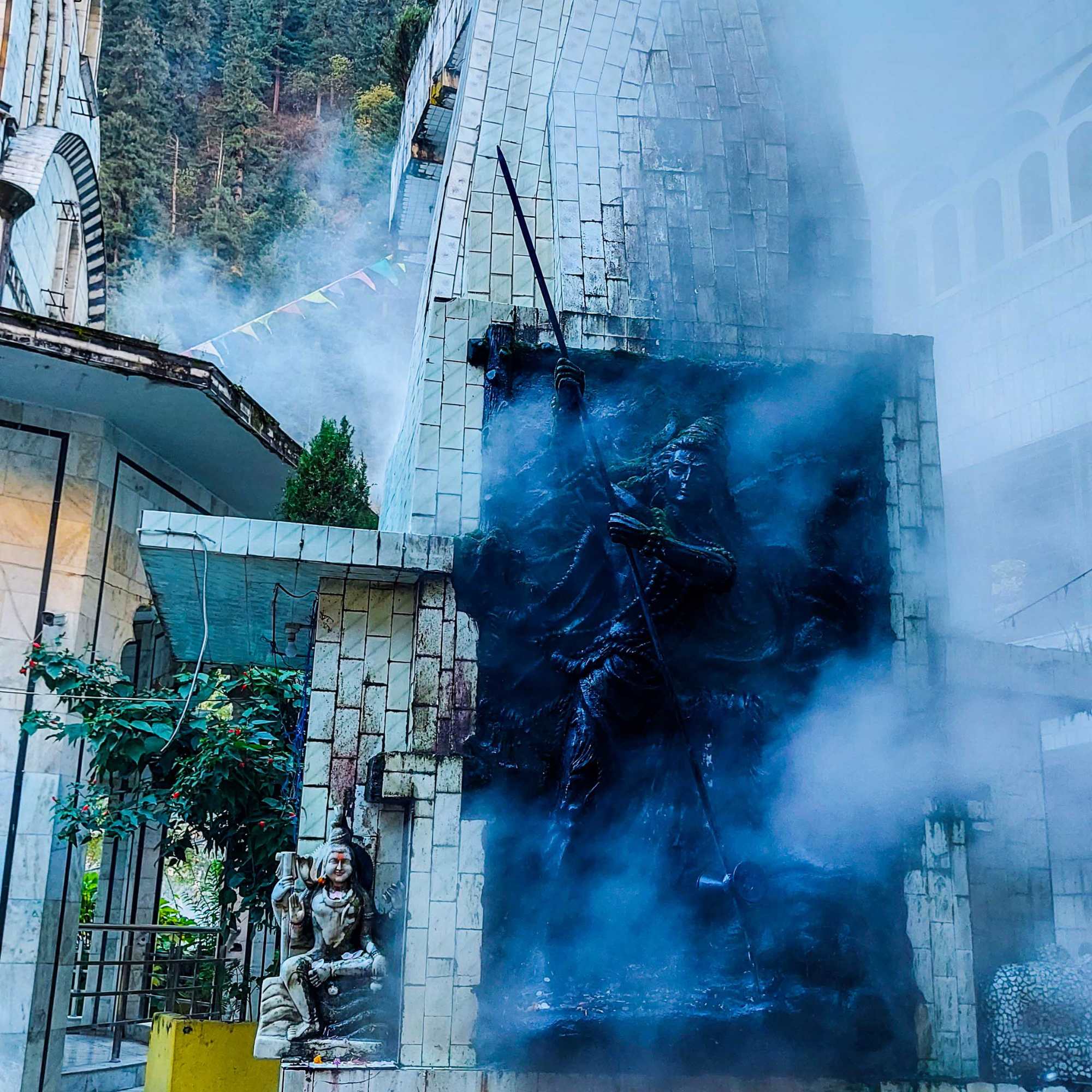
Manikaran sits beside the Parvati River and pulls in both Sikh and Hindu pilgrims, which makes it different from most spots in the valley.
The Gurudwara is the heart of it. People come for prayer, for the free langar, and for the calm you do not expect in such a busy little town.
Then there are the hot springs, bubbling out of the ground right next to a freezing river. That contrast is what makes the place stick in your memory.
In Sikh tradition, it is believed that Guru Nanak Dev Ji visited Manikaran along with Bhai Mardana. The Gurudwara carries deep meaning for Sikh devotees because of this.
Hindu legend connects Manikaran with Lord Shiva, Goddess Parvati, and a lost gem, the mani, said to have surfaced here. These are beliefs passed down over generations, told as faith rather than recorded history.
What we always tell first-timers is to treat Manikaran as a place of worship first and a tourist stop second. The travellers who walk in with that mindset have a far better time than the ones rushing for photos.
Pairing Manikaran with a wider Himachal trip? Our Manali tour packages work well as a base for exploring this whole region.
Manikaran Hot Springs: What Travellers Should Know Before Bathing
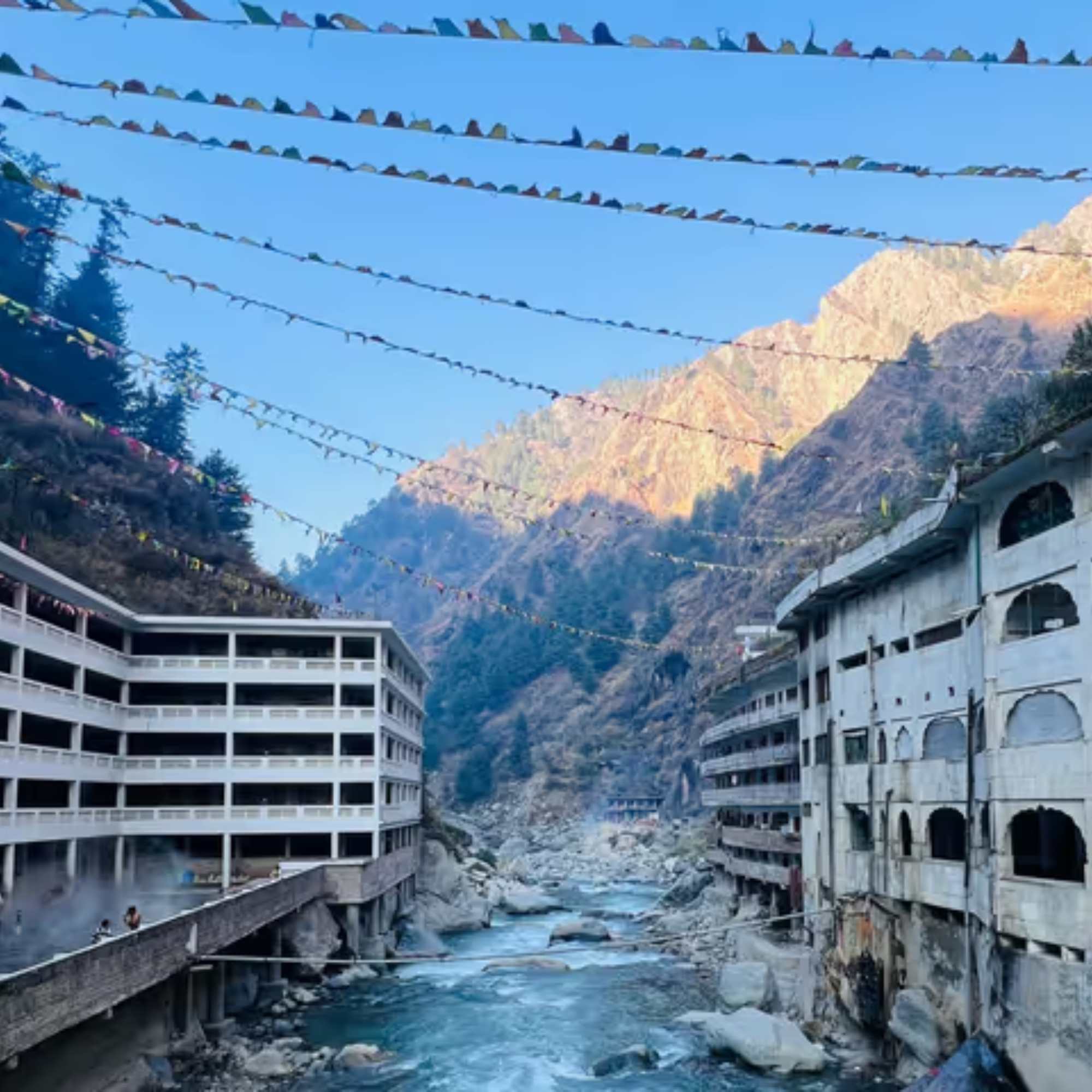
There are separate bathing areas and enclosures for men and women, so you do not have to worry about a shared open pool.
The spring water and the rocks around it can be extremely hot. We mean genuinely hot, not warm. Use only the designated bathing areas, because the open spots near the source can scald you.
Here is the fun part: food and rice are traditionally cooked using the heat of the hot spring itself. You will see rice bundles dunked into the boiling water near the Gurudwara kitchen.
People believe the water helps with joint pains or rheumatism. That is traditional belief, not medical advice. Do not treat a hot spring dip as a cure for anything.
Carry a towel, spare clothes, modest bathing clothes, and slippers. The floors get wet and slippery, and you will thank yourself for the slippers.
One hard rule: never step into the Parvati River. It is fast, freezing, and unsafe for swimming. Every season we hear stories of people who underestimated it. Stay out of it.
What to See Inside and Around Manikaran Sahib?
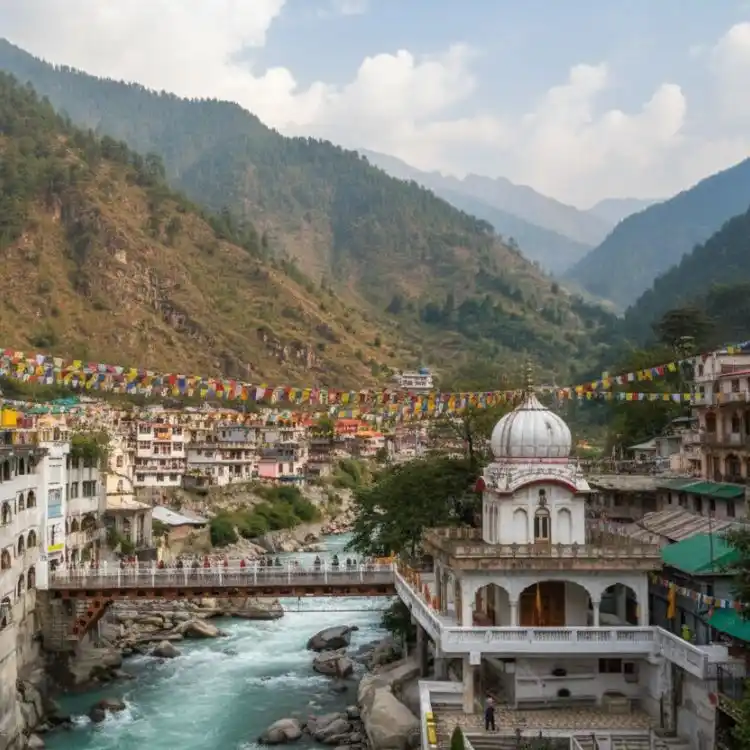
Gurudwara Manikaran Sahib
The prayer hall is the main draw, and the atmosphere inside is quiet and warm despite the crowds outside.
The langar runs through the day, serving simple hot food to everyone.
Basic etiquette matters here. Cover your head, remove your shoes, and dress modestly before you enter.
Hot Springs and Steam Areas
You will see steam rising from the ground and the traditional cooking spots where rice cooks in the spring water.
Keep a safe distance from any pool that is not a marked bathing area. The water near the source is extremely hot, and it does not look as dangerous as it is.
Ram Temple, Shiva Temple and Naina Bhagwati Temple
Manikaran is a shared pilgrimage place for both Sikhs and Hindus, which is why you find temples and the Gurudwara side by side.
Temple timings can vary locally, so we are not going to quote fixed hours that might be wrong on the day you visit. Check when you reach.
Parvati River Bridge and Viewpoints
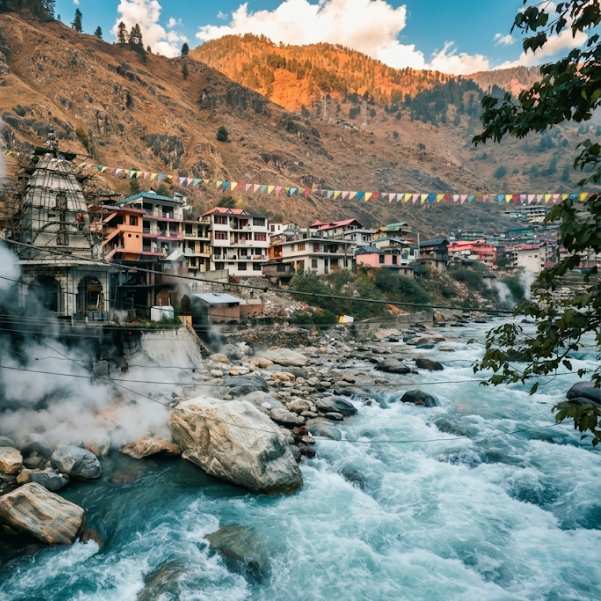
The bridge over the Parvati River gives you the classic Manikaran view, with the town clinging to the slope and the river roaring below.
Photos are fine in the outdoor areas, but photography may be restricted inside religious spaces, so ask before you click indoors.
And again, do not step into the river for that perfect shot. It is not worth it.
Best Time to Visit Manikaran Sahib from Kasol
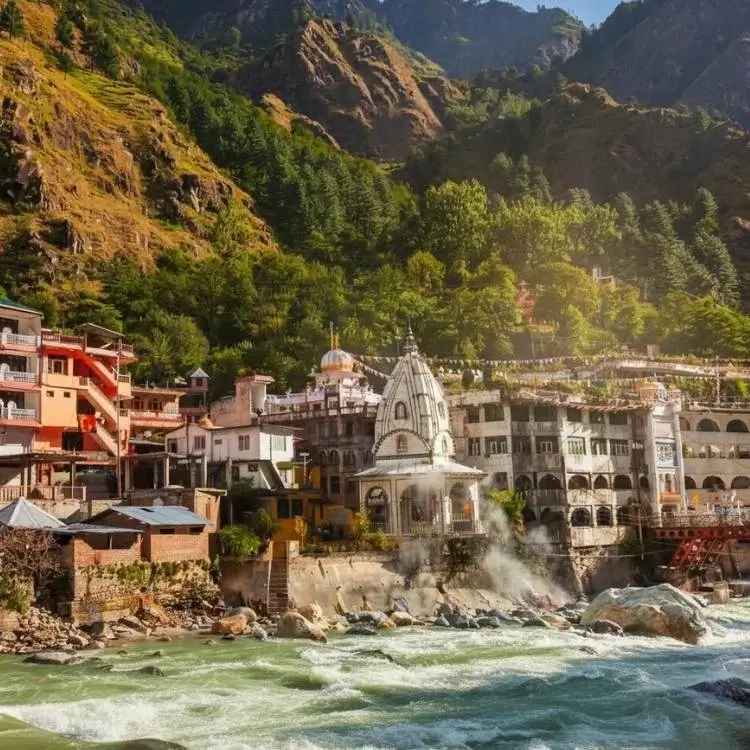
One source lists April to June and September to November as the good months. Another common recommendation is March to June and October to November.
March to June gives you pleasant weather, but also bigger crowds, especially around long weekends.
September to November is calmer and more balanced. Fewer people, comfortable days, and an easier road.
Monsoon months can bring landslides and delays in this valley, so build in extra time if you are travelling then.
Winter is possible but cold, and road conditions beyond Manikaran toward Barshaini and Tosh can change fast.
If you are torn between valleys before booking, we broke down the differences in our guide on Jibhi or Kasol, which is better.
2026 Road Status and Safety Tips for Kasol to Manikaran
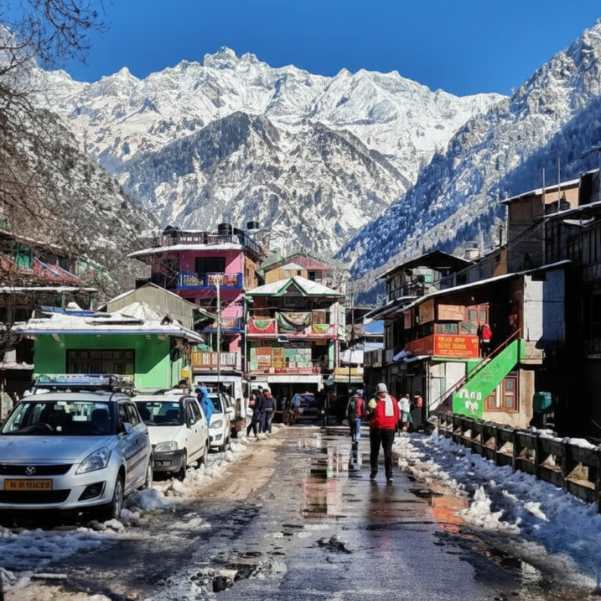
This is the part most blogs skip, and it actually affects your trip in 2026.
There is an official District Magistrate Kullu order regulating Volvo buses and heavy vehicles on the Bhuntar-Manikaran Road.
Under this order, heavy vehicles and Volvos are allowed only between 8:00 PM and 8:00 AM during the restriction period.
The dates are a little confusing across documents. The PDF says the order applies from 14 April 2026 till the end of tourist season, while the notice page lists 13 April 2026 to 31 August 2026. Either way, expect restrictions through the main season.
Regular passenger buses, emergency vehicles, fire tenders, ambulances, and school buses are exempt, so normal travel by bus or cab continues.
The reason behind it is straightforward: rising tourist numbers, a narrow road, landslide-affected sections, and traffic congestion.
Speaking of landslides, a 2026 Ghatigarh landslide on the Manikaran-Barshaini road blocked traffic and forced some tourists heading deeper into the valley to turn back toward Manikaran and Kasol.
So if you plan to push on to Barshaini, Tosh, or Kheerganga after Manikaran, check the local road updates first. The road past Manikaran is the one that springs surprises, not the short Kasol stretch.
>>Don't let road closures disrupt your trip. Talk to our team on WhatsApp.
Half-Day Itinerary: Kasol to Manikaran Sahib and Back
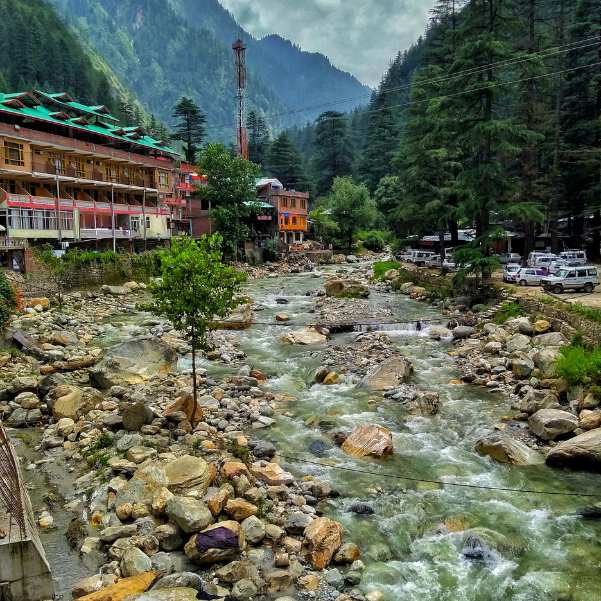
You do not need a full day for this. A relaxed half day does the job nicely.
Leave Kasol early in the morning, before the bridge traffic builds. The road is emptiest right after sunrise.
Head to the Gurudwara first while it is quiet. Spend around 1 to 2 hours soaking in the calm and visiting the prayer hall.
If your timing lines up, take langar. A hot meal here, free and simple, is one of the nicest parts of the visit.
Then see the hot springs and the nearby temples. Give the hot springs around 1 to 2 hours if you plan to bathe. A full Manikaran visit usually runs 2 to 3 hours end to end.
Head back to Kasol before evening, when the road and parking start filling up again.
Our team always recommends keeping buffer time. Mountain roads here do not follow city timing, and one slow bridge crossing can shift your whole afternoon.
Local Etiquette and Practical Tips
Cover your head and remove your shoes before entering the Gurudwara. Dress modestly throughout.
Keep your voice low inside the prayer hall, and do not rush through the langar hall. People are eating and praying, so move calmly.
Ask before taking photos in religious spaces. Outdoor shots are usually fine, but indoors can be restricted.
Carry cash. Small shops and parking spots often will not have a card or UPI setup ready.
Keep footwear easy to slip off, since you will be removing it often. Carry a small towel if you plan to touch the hot springs.
Stay away from the Parvati River, and always keep a time buffer for the road.
If you want a livelier add-on after a quiet Manikaran morning, see our list of adventure activities in Manali.
Should You Stay in Kasol or Manikaran?
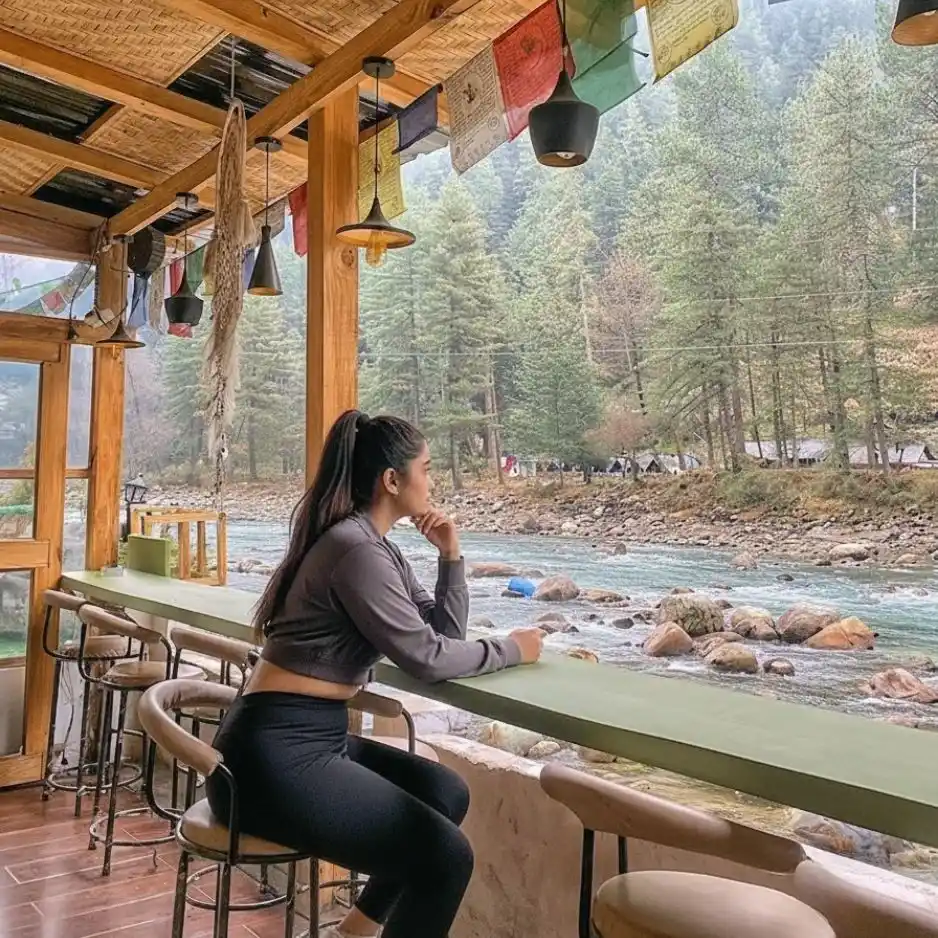
For most travellers, Kasol is the better base. It has the cafes, the stays, the riverside walks, and easy access to short trips around the valley.
Manikaran suits devotees who want to stay close to the Gurudwara and soak in the spiritual side without rushing.
First-time travellers and families usually prefer staying in Kasol and visiting Manikaran for a few hours. Honestly, that is what we recommend to most groups too. Kasol simply has more to fall back on at the end of the day.
Nearby Places to Combine with Manikaran Sahib
Manikaran sits in Parvati Valley, in Kullu district, beside the Parvati River, which makes it a natural stop on a wider valley trip.
Kasol is the obvious pairing, your base for food and rest. Chalal is a short, easy walk from Kasol for a quieter riverside feel.
Deeper in the valley you have Tosh, Barshaini, and the Kheerganga trek, plus the famously isolated village of Malana.
But road and trail conditions beyond Manikaran change quickly, especially in monsoon and winter. The Ghatigarh landslide in 2026 is a good reminder that the deeper valley road is not always reliable. Check before you commit to going further.
For context, Manikaran is around 35 to 36 km from Bhuntar airport. From Kullu the distance is listed as 40 to 45 km depending on the source.
Explore Our Curated Kasol Tour Packages
 4D/3N
4D/3NPerfect Manikaran Kasol Tosh Weekend Getaway
1D Delhi•2D Kasol+1
₹15,999₹19,999SAVE INR 4,000/ person 7D/6N
7D/6NManali Kasol Jibhi Valley Trip
1D Delhi•2D Manali+3
₹25,799₹32,999SAVE INR 7,200/ person 8D/7N
8D/7NManali Kasol Bir Himalayan Explorer
1D Delhi•2D Bir+3
₹21,999₹27,999SAVE INR 6,000/ person
Related topics
Frequently Asked Questions
How far is Manikaran Sahib from Kasol?
It is around 4 to 5 km, with some sources putting it at 3.5 to 4.5 km depending on your exact starting point in Kasol.
How much time does it take from Kasol to Manikaran?
By taxi or local vehicle it is about 10 to 15 minutes when the road is clear, and 20 to 25 minutes by local bus. Peak season bridge traffic can add 30 to 45 minutes.
Is Manikaran Sahib open 24 hours?
Yes, Gurudwara Manikaran Sahib is generally open 24 hours, so you can visit at almost any time.
Are Manikaran hot springs open all day?
One source says bathing is allowed only during daylight hours, so this is not guaranteed. Check the local signage when you arrive.
Is Manikaran Sahib free to visit?
Yes. Gurudwara entry is free, langar is free, and donations are entirely optional.
Is langar available at Manikaran Sahib?
Yes, free langar is served at the Gurudwara. It is simple, hot, and one of the best parts of the visit.
Can tourists take a bath in Manikaran hot springs?
Yes, but only in the designated bathing areas. The water and rocks near the source can be extremely hot, so never use random pools.
Are there separate bathing areas for women?
Yes, there are separate bathing areas and enclosures for men and women.
Can I walk from Kasol to Manikaran Sahib?
You can, since it is short, but the road is narrow and traffic-heavy. Avoid walking after dark, in rain, or with children on busy days.
Is the Kasol to Manikaran road safe in monsoon?
The short Kasol stretch is usually manageable, but monsoon brings landslides and delays in the valley. Check road updates before heading further toward Barshaini or Tosh.
What should I wear at Manikaran Sahib?
Dress modestly, cover your head, and remove your shoes before entering the Gurudwara. Carry modest bathing clothes if you plan to use the hot springs.
Is Manikaran worth visiting from Kasol?
Yes. It is close, free, and unlike anything else in the valley, with hot springs, a Gurudwara, and temples all in one spot. Just go early and keep a time buffer.
More about Kasol
 Kasol
KasolShimla Manali Kasol Itinerary 2026: 7, 8 and 9 Day Routes Without Rushing
Plan a relaxed Shimla Manali Kasol itinerary for 2026 with practical 7, 8 and 9 day routes covering Himachal’s key sights without rushing between destinations.
- Itinerary
- Places to Visit
 Kasol
KasolBest Offbeat Places Near Kasol Most Tourists Miss in 2026
Escape the crowds and discover the hidden side of Kasol in 2026. From peaceful villages and untouched valleys to scenic trails and secret viewpoints, these offbeat places near Kasol offer authentic Himalayan experiences that most tourists completely miss.
- Places to Visit
- Things to Do
 Kasol
KasolRasol Village Trek From Kasol 2026: Route, Distance & What to Expect
Planning the Rasol Village Trek from Kasol in 2026? Explore the complete trekking route, distance, difficulty level, stay options, and essential travel tips to experience one of Parvati Valley’s most peaceful and offbeat Himalayan villages.
- Things to Do