
Manali To Jispa Road Trip Guide 2026: Route, Distance, Stops, Permits And Tips
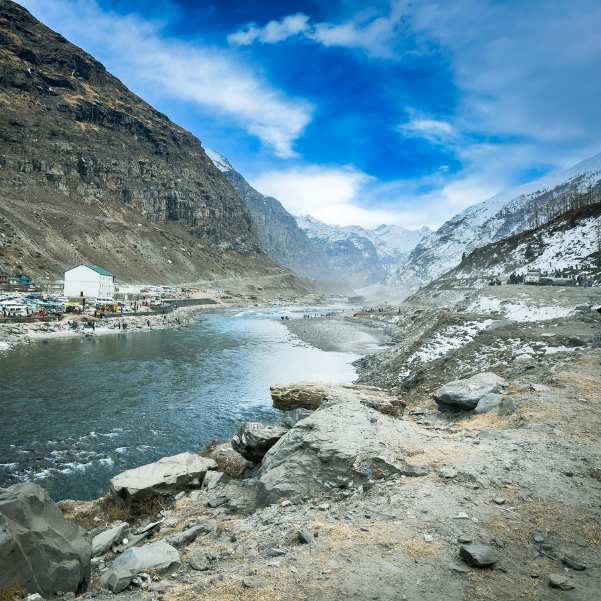
The Manali to Jispa road trip is one of those drives where the scenery changes completely the moment you come out of the Atal Tunnel.
One side is green Manali with crowds and traffic. The other side is bare brown mountains, a river running beside the road, and almost no one around.
We have sent a lot of travellers on this route over the years, and the feedback is always the same. They expect a long, hard drive and end up surprised by how quickly the landscape turns into proper Lahaul.
But the road still needs respect. Snow, roadwork, and sudden closures are part of the deal up here. Here is everything you actually need to plan it right.
Quick Answer: Is The Manali To Jispa Road Trip Worth It In 2026?
Yes, it is worth it, and it is easier now than it used to be.
The usual route runs Manali to Atal Tunnel to Sissu to Tandi to Keylong to Jispa. The distance is around 95 to 100 km via the Atal Tunnel.
Do not rush it. Keep half a day free with stops instead of trying to fly through. The drive itself is half the fun.
One thing first. Always check the live road status and e-Aagman updates before you leave Manali. Conditions here change overnight.
If you would rather not deal with the logistics yourself, our Manali tour packages come with a local driver who knows this road in every season.
What Is The Manali To Jispa Route In 2026?
There are two ways people talk about this drive. One is the route everyone actually uses now. The other is the old one that still shows up in older blogs.
Most tourists get confused here because they read an old article, plan for Rohtang, and then realise the tunnel route is faster and open longer. Let us clear that up.
Main route via Atal Tunnel
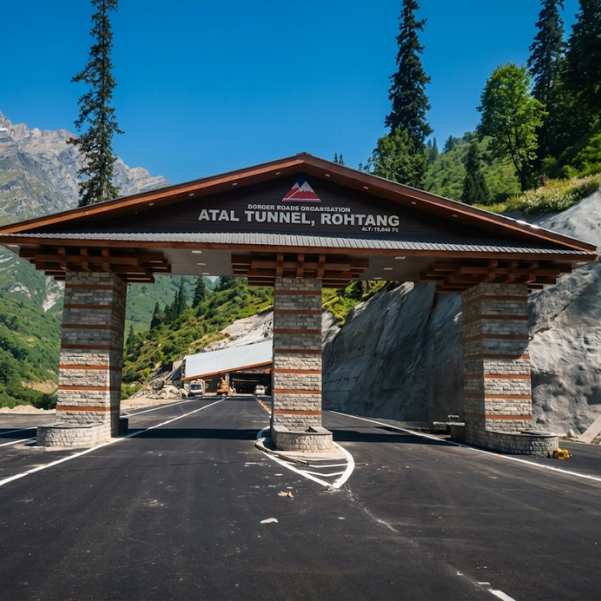
This is the practical route for almost everyone in 2026.
You start from Manali, head up the Solang or Palchan side, and enter the Atal Tunnel. You come out near Sissu in Lahaul.
From there it goes Sissu, Tandi, Keylong, Gemur, and finally Jispa. The whole thing follows the Manali-Leh highway once you cross into Lahaul.
This is the route our drivers use every season. It is faster, open for more months of the year, and skips the steep Rohtang climb completely.
Old route via Rohtang Pass
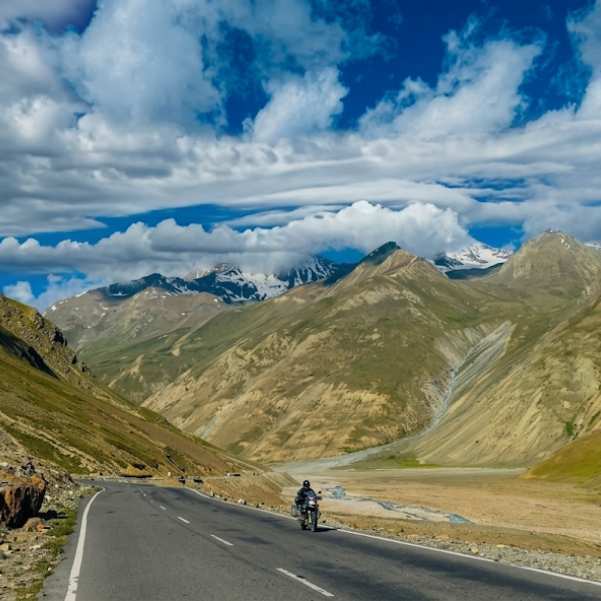
Older blogs still send you Manali, Rohtang, Koksar, Keylong, and Jispa. This was the only way before the tunnel opened.
Rohtang is now more of a sightseeing or snow-play spot than a main road to Jispa. It also has its own separate permit rules, which we cover further down.
If you want to add Rohtang for the snow and views, that is fine. Just know it is a detour now, not the main road. We broke down the conditions there in our guide on Rohtang Pass in May if you are travelling early season.
How Far Is Manali From Jispa And How Long Does It Take?
Here is where online results start fighting each other.
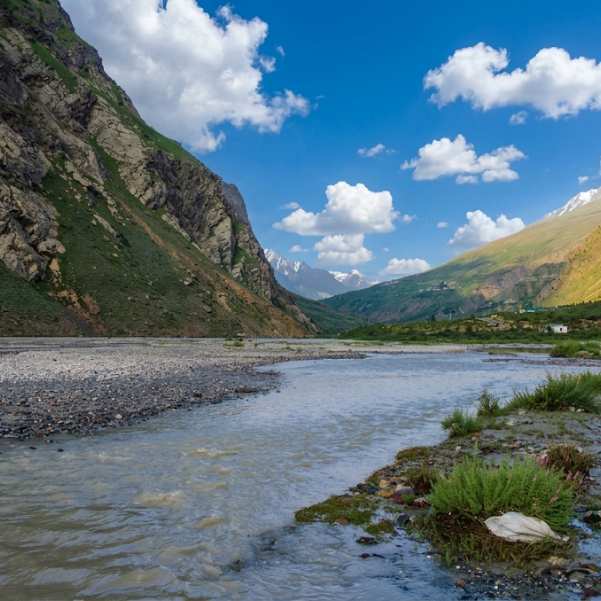
Search the Manali to Jispa distance and you will see different numbers everywhere. Via the Atal Tunnel it shows up as roughly 94 to 100 km. The older Rohtang route is longer, around 140 km.
We are not going to promise you a fixed travel time, because no honest local will. Too many things affect it.
Traffic builds up near Solang and at the Atal Tunnel entry in peak season. Add roadwork, leftover snow, black ice in the early mornings, and the fact that everyone stops for photos.
So plan it as a half day with stops and you will be relaxed instead of stressed. If the road is clean and you start early, you reach with plenty of daylight to spare.
This is the single biggest mistake people make. They look at 95 km, assume two hours like the plains, and then panic when the drive takes much longer. The kilometres are short. The mountain time is not.
What Are The Best Stops Between Manali And Jispa?
The stops are what make this drive. Here is what is worth your time and what each place actually gives you.
Atal Tunnel
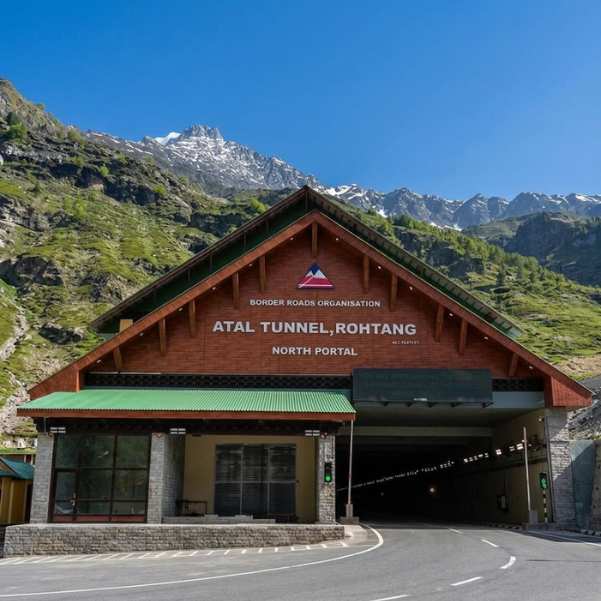
The Atal Tunnel is 9.02 km long and connects Manali with the Lahaul-Spiti Valley.
It changed everything for this region. It cuts the Manali-Leh road distance by 46 km and saves about 4 to 5 hours of travel time.
The South Portal sits 25 km from Manali. The North Portal comes out near Teling and Sissu in the Lahaul Valley.
A quick local tip: Do not stop inside or right at the tunnel mouth for photos. It is not allowed and the staff will move you on. Drive a little further into Lahaul where there is open space and far better backdrops anyway.
Sissu
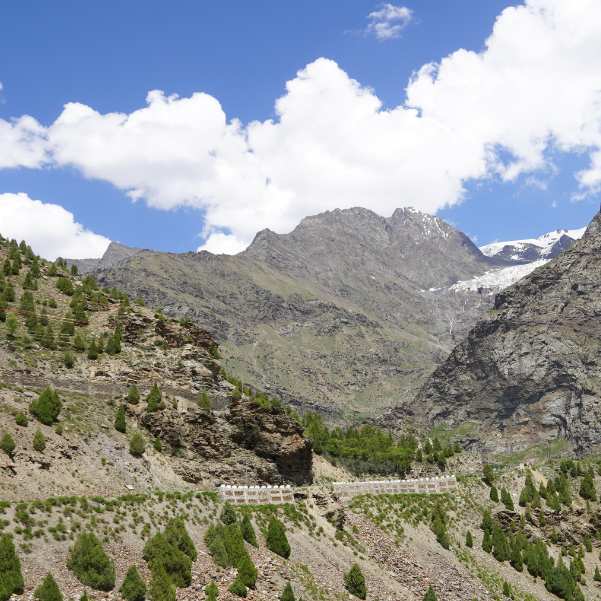
Sissu is your first proper Lahaul stop once you exit the tunnel.
It is good for photos, a look at the waterfall across the valley, and a short tea break before you push on. The open meadow and the river make it an easy place to stretch your legs.
If Sissu pulls you in and you want to stay longer, our Sissu tour packages can build it into your plan with a proper stay.
Tandi
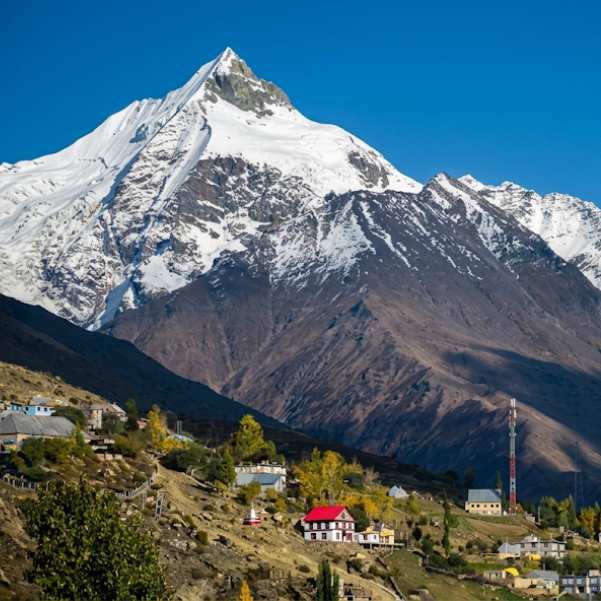
Tandi matters for one big reason. Fuel.
This is the important fuel stop before the long remote stretches toward Jispa, Darcha, Baralacha, Leh, and Zanskar. The nearest petrol pump to Jispa is around 35 km away at Tandi.
Fill your tank here. Always. Do not gamble on finding fuel further ahead, because you will not. This is the one stop you genuinely cannot skip.
Keylong
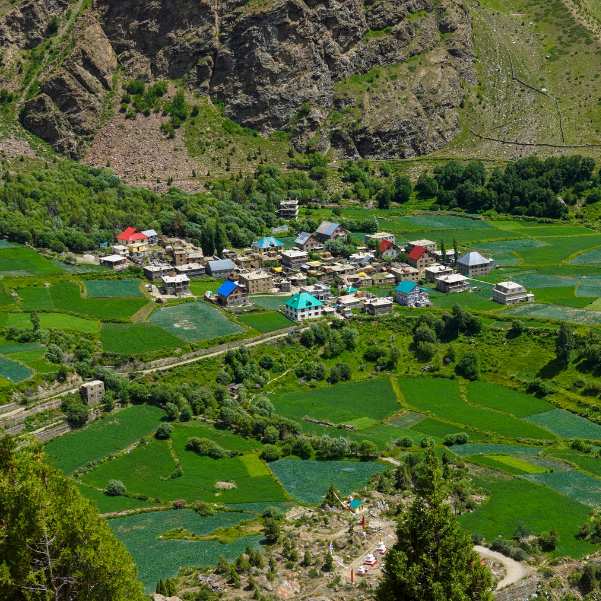
Keylong is the main market and administrative town before Jispa.
This is your place for food, medicines, an ATM run, and any last-minute essentials you forgot in Manali. Once you leave Keylong, shops get very basic.
We always tell our travellers to do their medicine and supply shopping in Keylong, not in tiny Jispa. The choice and stock are far better here.
Gemur and Jispa
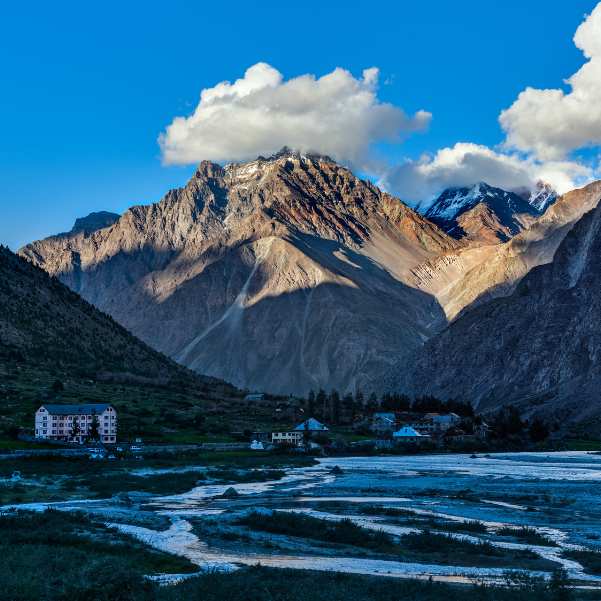
After Keylong you pass Gemur and reach Jispa.
Jispa sits along the Manali-Leh highway near the Bhaga River. It is around 20 km from Keylong and roughly 7 km from Darcha.
You will find camps, guesthouses, and quieter valley views here. It is a calm riverside spot, which is exactly why it works so well as a night halt on the way to Leh.
Honest warning though. Jispa is small. If you arrive expecting a buzzing hill-station vibe with cafes and shops, you will be let down. The whole point of Jispa is that there is nothing to do except slow down.
Is The Manali To Jispa Road Open In 2026?
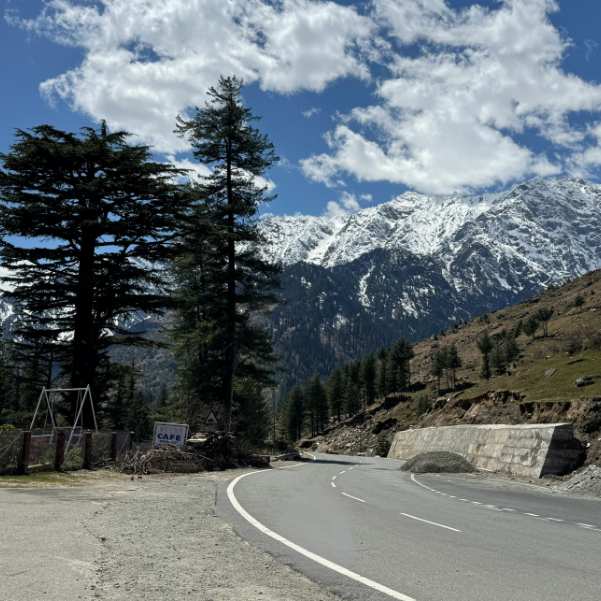
This is the question we get the most, so here are the real facts.
The current official Lahaul-Spiti road status page we checked during research shows Delhi to Manali open, Manali to Keylong open, Keylong to Leh open, and Keylong to Kaza closed.
That means the Jispa stretch falls on an open section right now. But you must recheck on your own travel date, because this changes fast.
A bit of background. BRO reopened the Manali-Leh highway in May 2026 after around five months of closure. Snow clearance started on March 27 and took 42 days.
The Darcha-Sarchu stretch over Baralacha La reopened for LMVs in May 2026. But heavy vehicle movement and any onward Baralacha plans depend on current traffic and weather, so check live before counting on it.
👉 WhatsApp us for real-time Manali to Jispa road updates.
Do You Need A Permit For Manali To Jispa?
This trips up a lot of travellers, so let us go slow.
First, the Rohtang Pass permit is for visiting or crossing Rohtang itself. It is not about the Atal Tunnel route. So if you are taking the tunnel, Rohtang permit rules do not automatically apply to you.
The official Rohtang portal has three permit options. The Rohtang Pass Permit, the Special Rohtang Pass Permit, and the Hamta Pass Permit.
Now the part that matters for the tunnel route. The official e-Aagman portal says vehicles entering Lahaul and Spiti must apply for an e-pass.
The categories depend on where you are going. An e-permit is required per vehicle for the Atal Tunnel Rohtang-Koksar-Chandertal circuit, and an e-ticket is required for other places.
So we will not tell you "no permit needed" as a blanket line, because that is not accurate. Check the e-Aagman portal and local police or administration updates before you drive. Rules shift season to season.
Best Time For Manali To Jispa Road Trip
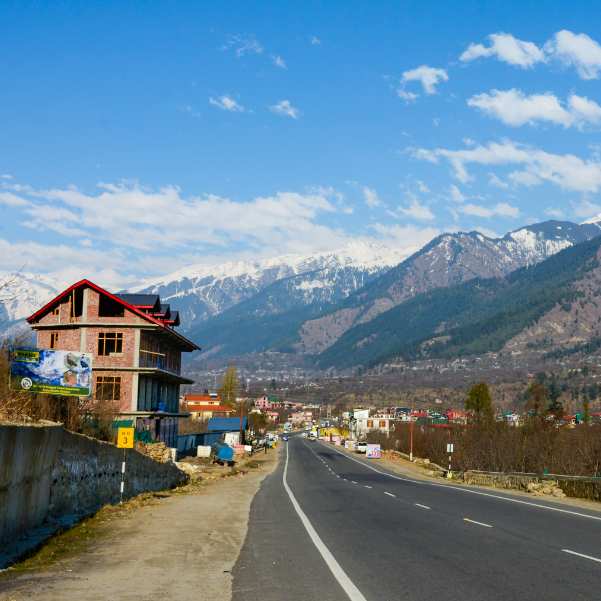
The road has a clear personality in each part of the season. Here is what to expect.
May to June
This is when the highway freshly opens and the snow walls are at their best for photos.
Early in this window you might still hit restrictions beyond Darcha and Baralacha. The highest sections take longer to clear. But Jispa itself is usually accessible and looks dramatic with snow still around.
July to September
This is the stable highway-season feel. The road settles, camps are running properly, and Jispa is at its busiest.
The catch is rain and landslide risk on the approach roads before Manali. You can also hit occasional slush or short delays. The Lahaul side stays drier than Manali, but the road getting there can act up.
October
Quieter roads, clearer skies, and fewer crowds. Many travellers quietly think this is the nicest time.
The trade-off is cold. Nights get seriously cold, and there is a real snowfall risk that can change plans fast. Watch the forecast.
November to April
The Atal Tunnel keeps Lahaul more accessible than it ever was in winter.
But the higher sections beyond Jispa and Darcha can close with snow. Only travel in these months after checking official advisories, and keep your plans loose.
Can You Do Manali To Jispa In One Day?
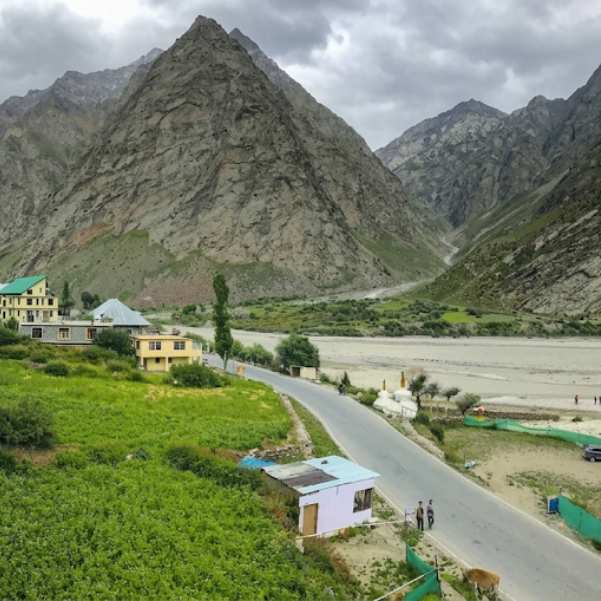
Yes, you can do it as a same-day drive if the roads are open and you start early.
But honestly, an overnight in Jispa is the better way to enjoy it. A relaxed road trip beats a rushed one here.
You have a few ways to plan it. A one-day return works if you just want the drive and the views. A one-night Jispa plan lets you actually relax by the river. An extended plan adds Baralacha and Deepak Tal for the more adventurous.
Mark Baralacha and Suraj Tal as weather and road-status dependent. They are not always open, even in season, so never lock them in as a guarantee.
Is Manali To Jispa Safe By Car Or Bike?
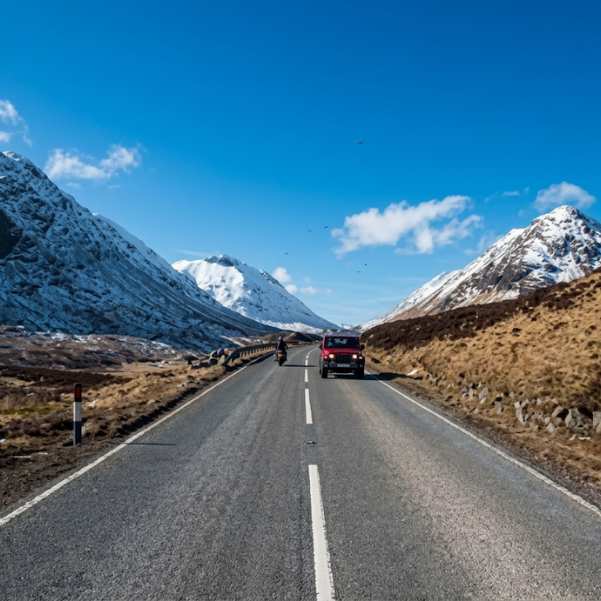
Yes, with the right vehicle and a bit of sense.
A normal car may manage in clear summer conditions. But a high-ground-clearance vehicle is better for rough patches, early-season snowmelt, black ice, or if you plan to push on to Baralacha or Shinkula.
For bikers, this is a popular and rewarding ride. Just be ready for cold, wind, and the odd bad patch. Layer up properly.
Here is the safety reality you should respect. Snow can suddenly disrupt the Atal Tunnel and the whole Lahaul route. As a cautionary example, more than 1,000 vehicles were stranded near the Atal Tunnel during heavy snow in March 2026.
So drive in daylight, keep your tank full from Tandi, and do not treat the open road after the tunnel as a racetrack. Plenty of accidents happen because people speed up once the tunnel clears.
Where To Stay In Jispa?
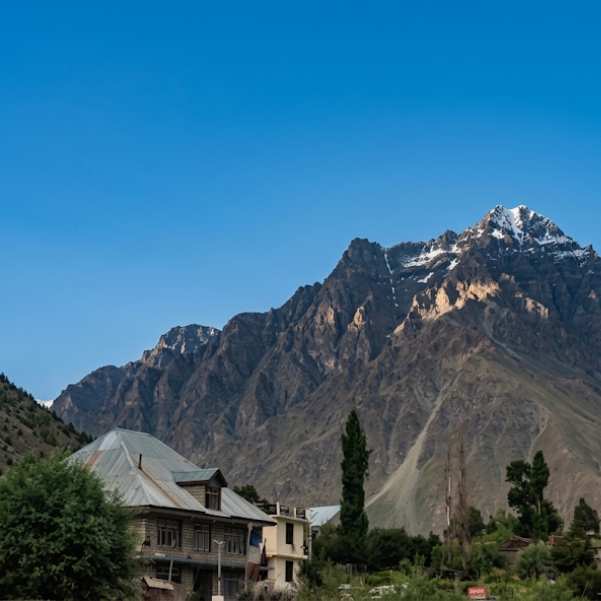
Your options are riverside camps, simple guesthouses, highway lodges, and homestays.
Use the price guide loosely, because rates move daily. Budget stays run around ₹2,000 to ₹3,500. Mid-range stays sit around ₹3,500 to ₹6,000. Luxury camps go ₹6,000 plus.
Online travel site prices change every single day, so what you see today may not hold next week.
Book ahead in May, June, and during the Ladakh bike season. Those are the months when Jispa fills up fast and last-minute rooms become a real problem. In our experience, travellers who wing it in peak season end up paying more for worse rooms.
Manali To Jispa Road Trip Cost In 2026
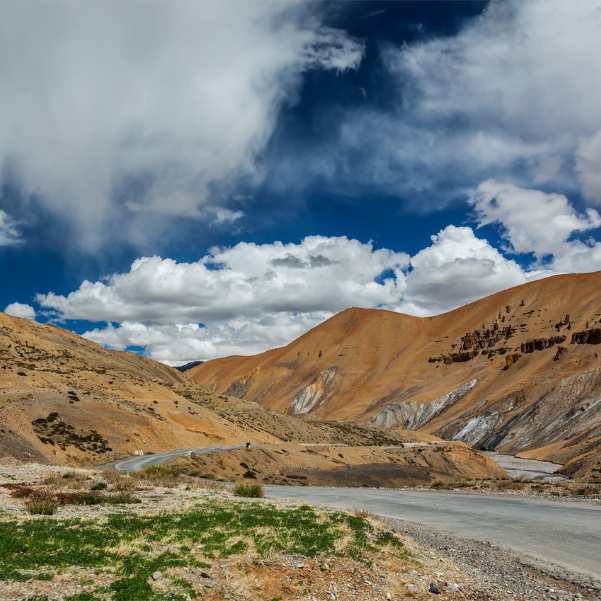
Your cost depends on how you travel. Let us break down the real pieces.
You will spend on fuel, taxi or vehicle, stay, meals, the e-pass or e-ticket, parking, and any package you book.
Taxi fares are all over the place online, so treat them only as a rough guide. Some aggregator examples show Manali to Jispa one-way fares around ₹3,100 for a sedan, ₹4,200 for an SUV and ₹5,200 for an Innova.
Full-day local taxi rates, Baralacha La trips, sightseeing detours, waiting time, permits, season demand and extended Jispa runs can cost much more, so always confirm the final fare, inclusions and pickup/drop rules before booking.
A money tip most agents will not volunteer. Decide your taxi price before you sit in the car, and confirm exactly what the rate includes. Drivers sometimes quote a low Manali-Jispa number and then charge extra for every small detour to viewpoints. Lock it all upfront.
👉 Talk to our team on WhatsApp before your Jispa trip.
Suggested Manali To Jispa Itineraries
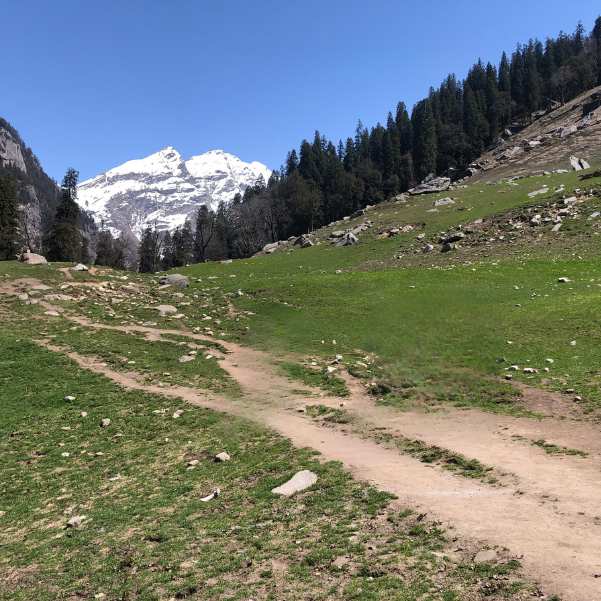
Here are three plans depending on how much time you have.
1-day scenic drive
Start very early. Drive Manali to Atal Tunnel to Sissu to Tandi to Keylong to Jispa, spend time at the river, and return.
Only do the same-day return if the road and your timing allow it. If you are running late or the weather looks off, stay the night instead. Do not push a return drive in fading light.
2-day relaxed trip
Day 1 is Manali to Jispa with slow stops along the way. Take your time at Sissu and Keylong.
Day 2 is a quiet morning walk by the Bhaga River in Jispa, then a return with stops at Keylong or Sissu before reaching Manali. This is the plan we recommend to most first-timers.
3-day Jispa plus Baralacha plan
Day 1 is Manali to Jispa. Day 2 is Jispa to Darcha, Deepak Tal, Baralacha, and Suraj Tal, but only if open. Day 3 is your return via Sissu.
This one is for travellers who want the high-altitude bonus. Just remember Baralacha and Suraj Tal can be shut even mid-season, so keep a backup plan.
If Jispa is your warm-up for a bigger Ladakh trip, our Ladakh tour packages cover the full route beyond Baralacha.
What To Pack For Manali To Jispa
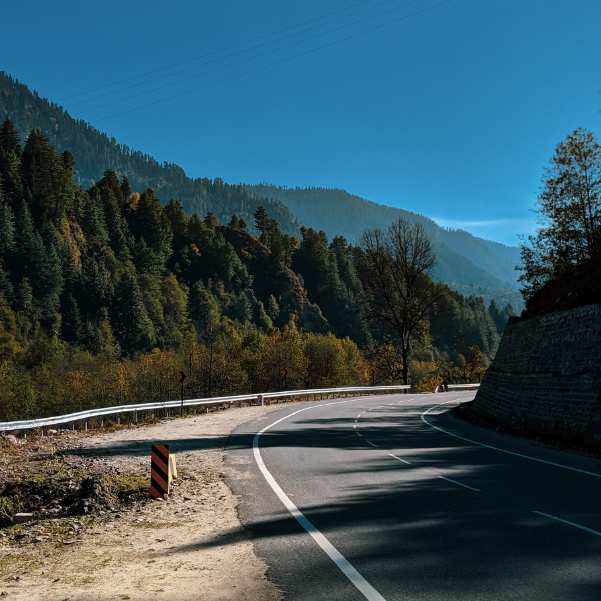
Pack for cold even in summer, because Jispa sits high and nights bite.
Carry warm layers like thermals, a fleece, and a windproof jacket. Add sunglasses and sunscreen, because the UV up here is strong even when it feels cool. Keep water and snacks within reach for the drive.
Bring your basic medicines, including anything for headaches and nausea since you are gaining altitude. Keep your vehicle papers handy, download offline maps before you lose signal, and carry enough cash because cards and UPI fail in remote stretches.
Throw in a power bank and a torch. And if you are self-driving, do a quick car or bike check before leaving Manali. Tyres, brakes, fuel, and spare. Two minutes of checking saves you a stranded afternoon.
Common Mistakes To Avoid
The biggest mistake is starting late. Leave Manali by early morning so you cross the busy Solang and tunnel stretch before the rush and reach Jispa with daylight.
The next is ignoring road status and skipping the e-Aagman checks. People assume the road is fine, then hit a closure they could have known about a day earlier.
Do not assume Baralacha is always open. It is one of the most weather-dependent points on the whole route, and it sits over 16,000 ft.
Other common slips. Depending on last-minute rooms in peak season, drinking alcohol at altitude when your body has not adjusted, driving fast right after the Atal Tunnel, and forgetting to refuel at Tandi.
Get those right and the trip runs smoothly. For more things to do around your base, see our guide on adventure activities in Manali. If you want to extend deeper into the region, check our Spiti Valley tour packages or reach out to us on WhatsApp.
👉 WhatsApp us for a smooth and stress-free Jispa trip plan.
Explore Our Curated Manali Tours
 6D/5N
6D/5NManali Solang Sissu Sethan Snow Adventure
1D Delhi•3D Manali+2
₹15,999₹21,999SAVE INR 6,000/ person 6D/5N
6D/5NManali Solang Sissu Sethan Snow Trip With Kasol
1D Delhi•3D Manali+2
₹25,999₹33,999SAVE INR 8,000/ person 7D/6N
7D/6NManali Kasol Jibhi Valley Trip
3D Manali•1D Kasol+2
₹25,799₹32,999SAVE INR 7,200/ person
If you would rather take the old road over the pass than run through the tunnel, that is a different day, a different route and a different permit. Our Rohtang Pass tour packages cover the Rohtang leg from Manali with the permit handled in the vehicle's registration number.
Related topics
Frequently Asked Questions
How far is Jispa from Manali?
It is around 94 to 100km via the Atal Tunnel. The older Rohtang route is longer at about 140 km.
How much time does Manali to Jispa take?
There is no fixed time. Plan it as a half day with stops, since traffic, roadwork, snow, and photo breaks all stretch it out.
Is Manali to Jispa road open now?
The official status we checked shows Manali to Keylong and Keylong to Leh open, which covers Jispa. But recheck on your travel date because it changes fast.
Do we need a permit for Manali to Jispa?
The e-Aagman portal says vehicles entering Lahaul and Spiti must apply for an e-pass, with e-permit or e-ticket depending on route. Check it before you drive.
Is Atal Tunnel permit required for Jispa?
Permit needs come under the e-Aagman system for Lahaul-Spiti entry. Check the current e-Aagman rules for your exact route rather than assuming.
Can we do Manali to Jispa in one day?
Yes, if roads are open and you start early. But staying overnight in Jispa makes for a far more relaxed trip.
What is the best time for Manali to Jispa road trip?
May to October works overall, with May to September as the main highway season. October is quiet and clear but cold.
Is Jispa worth visiting?
Yes, if you want a calm riverside halt with quiet valley views. No, if you expect cafes, shops, and lots to do. It is meant to be slow.
Which route is better, Atal Tunnel or Rohtang Pass?
The Atal Tunnel route is the main practical choice now. It is faster and open longer. Rohtang is more of a sightseeing detour with its own permit rules.
Is Manali to Jispa safe by sedan?
A sedan may manage in clear summer conditions. A high-clearance vehicle is safer for rough patches, snowmelt, or any push toward Baralacha.
Where should I stay, Keylong or Jispa?
Keylong has better shops, food, and ATMs. Jispa is quieter and more scenic by the river. Many travellers do supplies in Keylong and sleep in Jispa.
Can we visit Baralacha La from Jispa?
Yes, when it is open. But Baralacha sits over 16,000 ft and depends entirely on weather and road status, so confirm live before planning it.
More about Jispa
 Jispa
JispaJispa in November 2026: Weather, Snow, Road Status and Travel Guide
Planning a trip to Jispa in November 2026? Discover expected weather, snowfall chances, temperatures, road conditions, travel safety tips, and everything you need to know before visiting Jispa in early winter.
- Road Status
- Snow Travel
 Jispa
JispaDarcha 2026: The Base for Baralacha La and Shinkula Pass (Stay, Fuel & Route)
Planning to use Darcha as your base in 2026? This guide covers where to stay, fuel options, route details and how Darcha connects travellers to Baralacha La, Shinkula Pass and the road toward Zanskar.
- How to Reach
- Road Status
 Jispa
JispaJispa in December 2026: Snowfall, Temperature, Road Status and Travel Guide
Planning a trip to Jispa in December 2026? This guide covers expected snowfall, temperatures, road conditions, winter accessibility and practical travel tips to help you plan a safer visit.
- Road Status
- Snow Travel