
Malana Village from Kasol in 2026: Route, Rules, Safety & Travel Tips
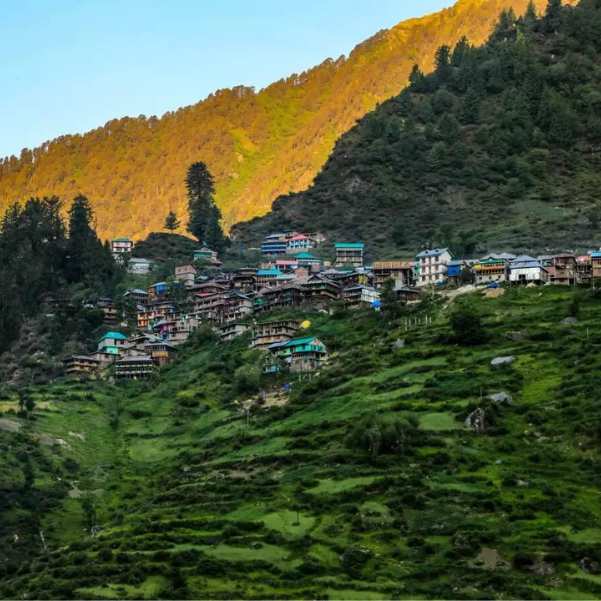
Most people show up to Malana thinking it is a quick, easy hop from Kasol where they can wander into the village, touch the old houses, and snap photos of everyone.
That is exactly how you end up paying a fine or getting cold-shouldered by locals within ten minutes.
Visiting Malana village from Kasol works only when you understand the route, respect the rules, and treat it as a cultural day trip rather than a party detour. This guide by Travel Coffee walks you through all of it.
Quick Answer: How Do You Visit Malana Village from Kasol?
You visit Malana as a day trip from Kasol, going via Jari.
The usual flow is Kasol to Jari, then Jari to the Malana roadhead or gate by taxi, then a final walk or short trek up to the village.
Overnight stays inside Malana are restricted and unreliable for tourists, so plan to return to Kasol or Jari before dark.
And the one rule you must remember from the start: do not touch the villagers, their houses, walls, temples, shops, or belongings.
If you would rather have the logistics handled, our Kasol tour packages come with a local driver who knows these routes and current road conditions.
Is Malana Village from Kasol Worth Visiting in 2026?
Yes, if you go for the right reasons.
Malana is worth it if you care about mountain culture, old village customs, quiet landscapes, and a short trek from the Parvati Valley side.
It is not a café-hopping spot. It is not a party village. If that is what you want, stay in Kasol.
The trip needs patience, an early start, and a clear head about the rules. Show up casual and careless, and you will have a bad time.
In our experience, Malana works best when you treat it as a respectful cultural day trip, not as a checklist stop. The people who enjoy it most are the ones who came to observe and learn, not to perform for Instagram.
Here is what most tourists get wrong
They treat Malana like any other Himachali village where you can walk into homes and chat with locals. Malana does not work that way, and ignoring that is what ruins the visit for everyone.
Where Is Malana Village and Why Is It Famous?
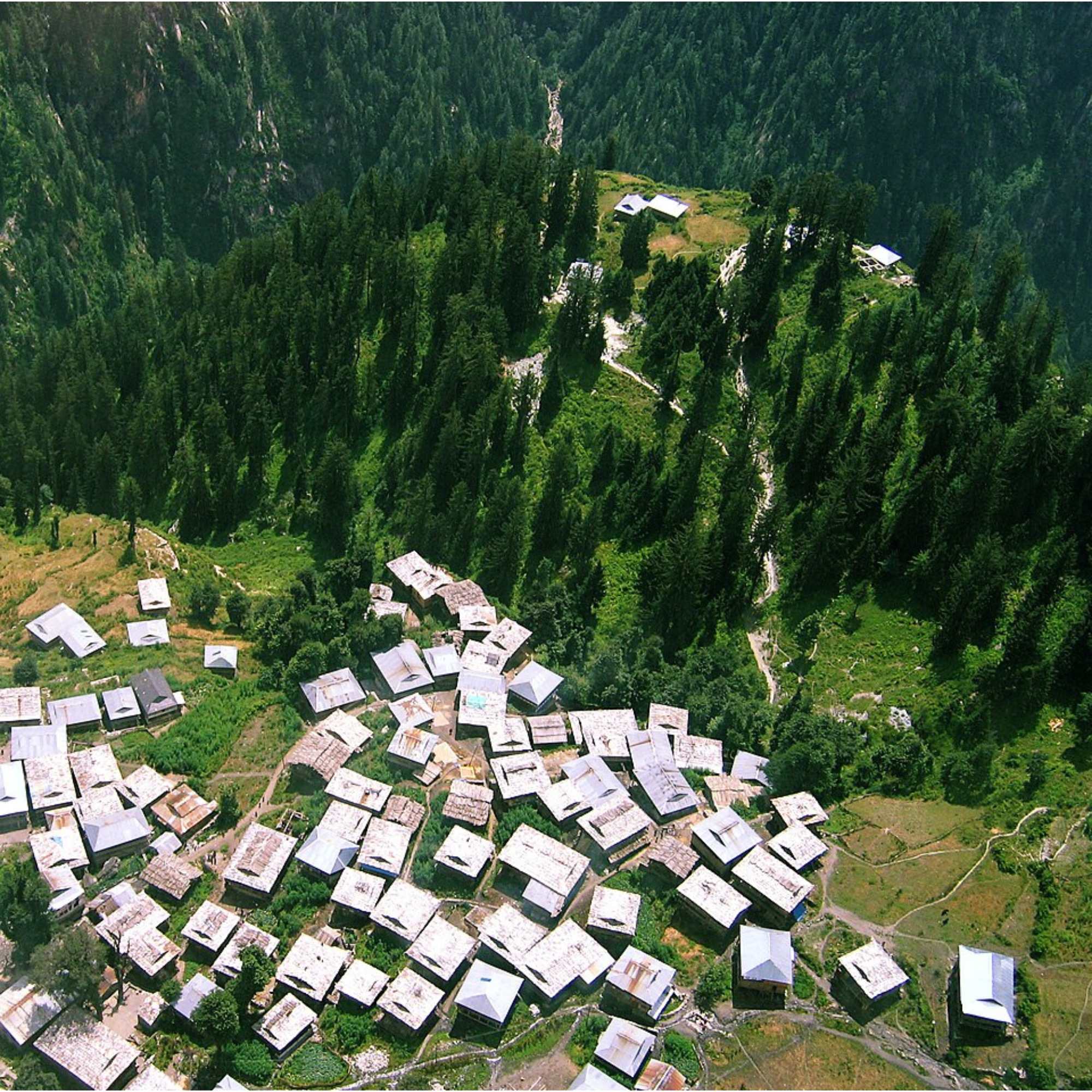
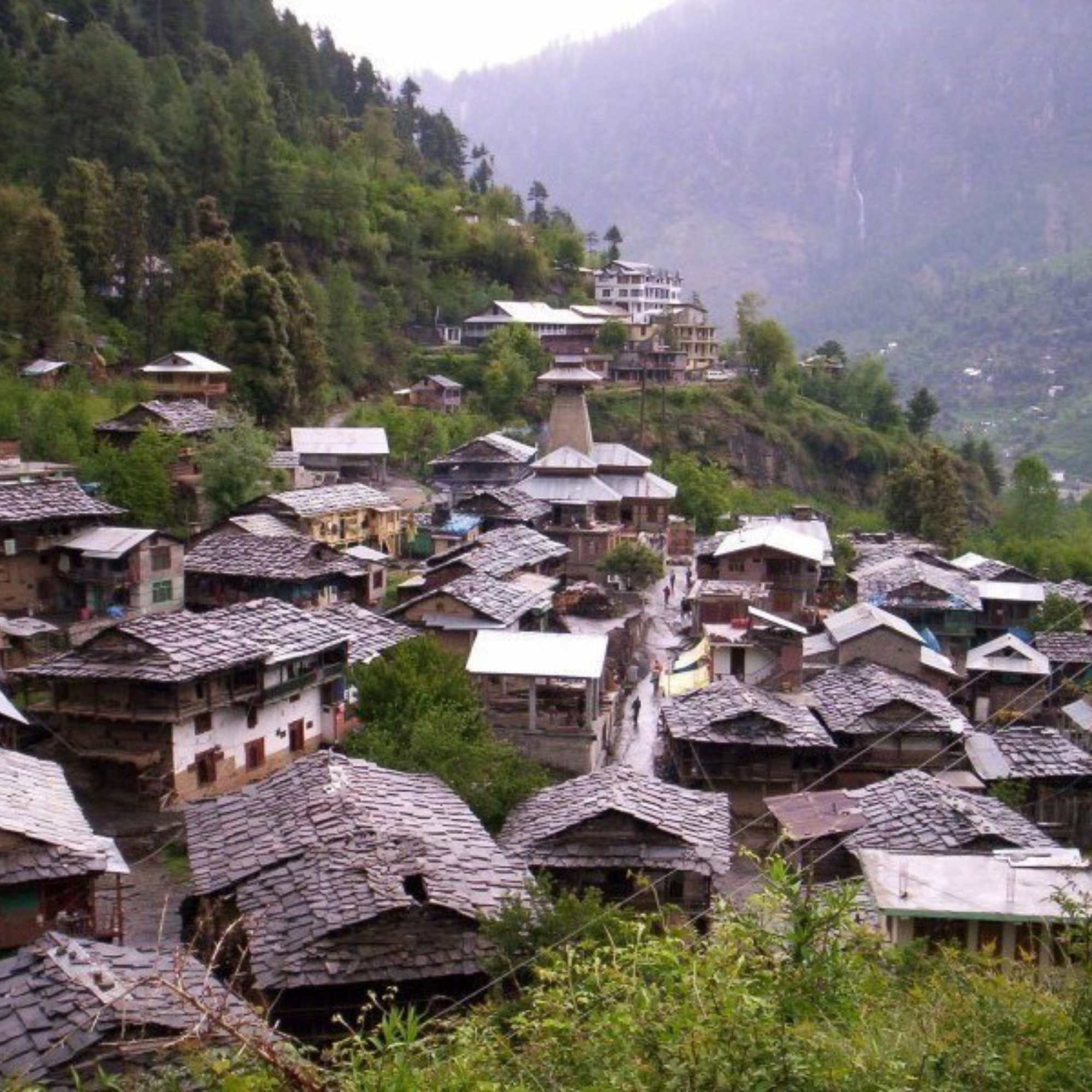
Malana sits in Kullu district, Himachal Pradesh, in the Malana Nala side valley near Parvati Valley.
The village is at around 2,652 m (8,701 ft), so it is high enough that the air feels thin if you rush the trek.
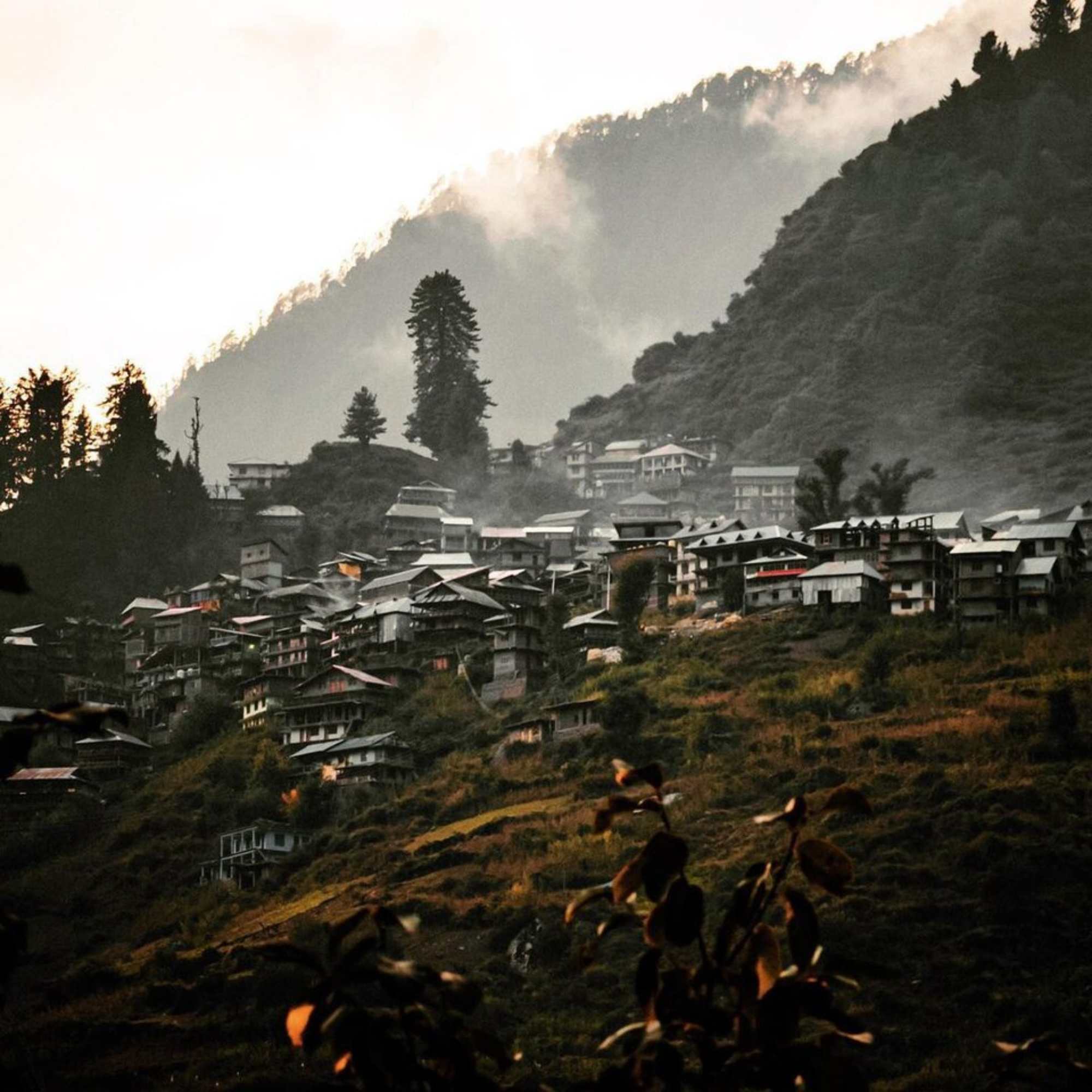
It is famous for its strict customs, its old self-governance traditions, the deity Jamlu Devta, the Kanashi language that the locals speak, and the old Himachali-style wooden houses.
The village is also known for Malana Cream, a form of hash. We are mentioning it only as context, not as something to seek out.
Possession, transport, buying, or consuming hash or charas is illegal under Indian narcotics law. Stay away from it completely. People do get caught, and a holiday is not worth a criminal case.
How to Reach Malana Village from Kasol?
Kasol to Jari
Jari is the main diversion point on the Bhuntar-Kasol route and the first stop on the way to Malana.
You can reach Jari from Kasol by local bus, shared vehicle, taxi, or self-drive. Local bus timings and fares can change, so check the latest option in Kasol before you leave.
Some older traveller accounts mention very cheap bus fares to Jari, but do not rely on old prices when planning your budget.
Taking the local bus to Jari instead of a private taxi for the first leg is the easiest way to save money on this trip, and most travel agents will not point it out because there is nothing in it for them.
Jari to Malana Gate or Roadhead
From Jari, most travellers take a local taxi towards Malana Gate or the trek starting point.
The distance is usually around 16 km from Jari, but some routes or measurement points may show a longer figure, so plan with a flexible 16 to 23 km range.
Older local estimates mention Jari to Malana roadhead taxi fares around ₹850 for a small car and higher for SUVs, while Kasol to Malana private taxis have often been quoted around ₹2,000 to ₹2,500.
For 2026 planning, treat these as rough starting estimates only. Taxi fares can change with season, local union rates, vehicle type, road condition and demand, so confirm the latest fare at Jari or Kasol before you start.
Here is a scam to watch for. Drivers at the roadhead sometimes quote inflated one-way rates to travellers who clearly have no return plan. Fix the price before you sit in the car, and save the driver's number for the return.
Final Trek to Malana Village
The final walking distance depends on where your taxi drops you and how far the road is open that season.
Sources vary a lot. Some say 1.5 to 2 km, some say 2 to 2.5 km, some say 3 to 4 km from the gate or road-end.
Safest expectation: roughly 1.5 to 4 km and 1 to 2 hours, depending on the drop point, route, weather, and your fitness.
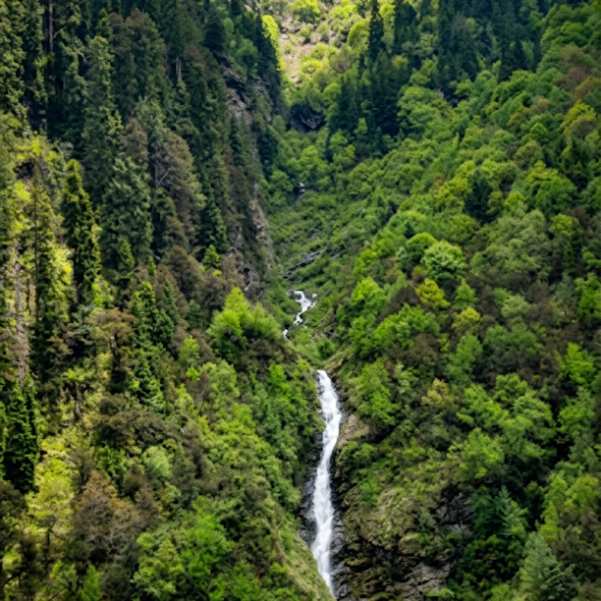
The terrain involves a descent and then an ascent, with steps in parts and a river and bridge section on some routes. In snow or rain, those sections get slippery and slow.
>>Planning Malana from Kasol? Talk to our team on WhatsApp.
Malana Village from Kasol Day Trip Itinerary
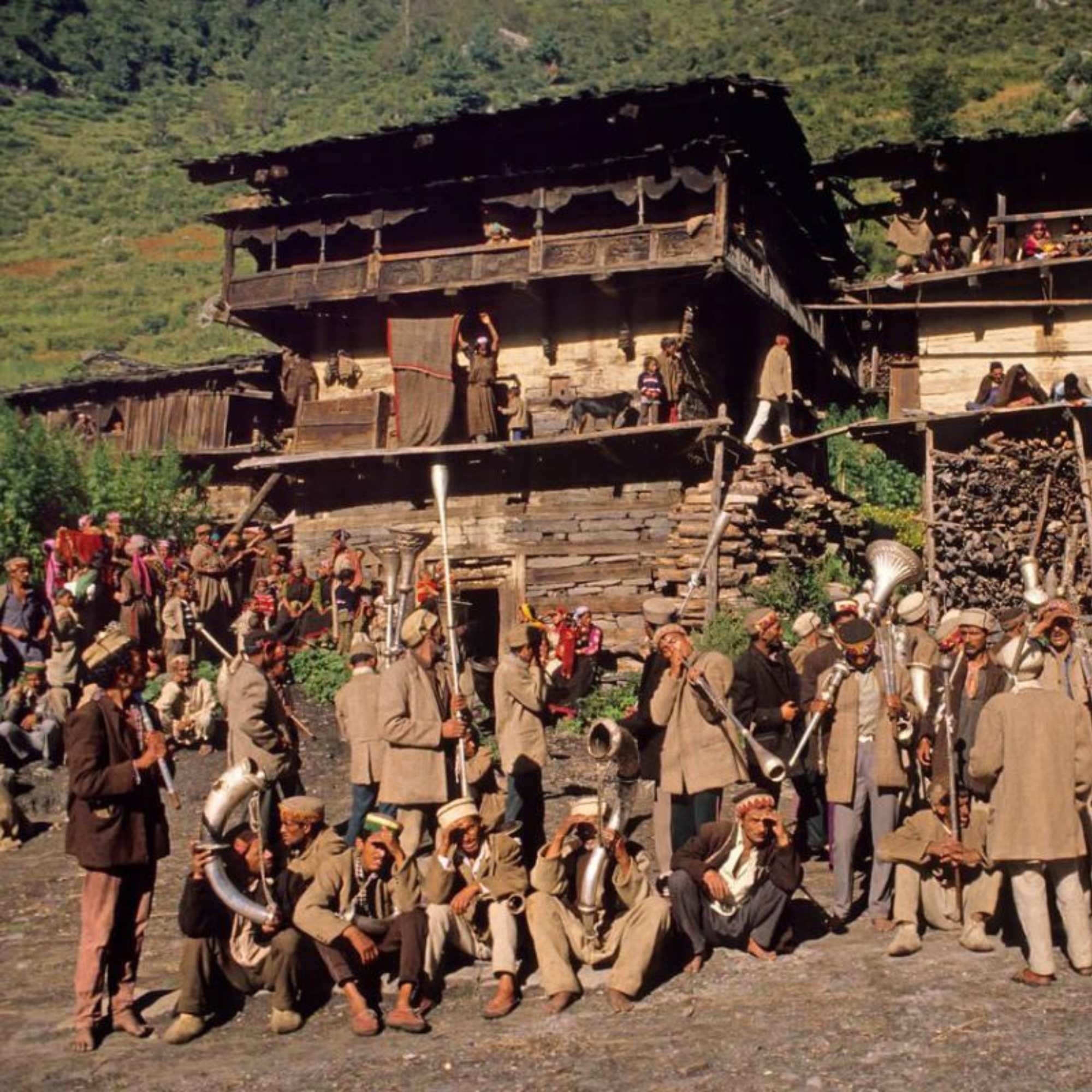
Early Morning Start from Kasol
Leave early, right after breakfast.
Starting early gives you a buffer against a late return, taxi shortages at the roadhead, and trekking in fading light.
Carry cash, your ID, water, snacks, a jacket, and an offline map before you leave Kasol. There is no reliable place to sort these out on the way.
Midday Village Visit
Spend around 2 to 3 hours around the village.
Walk slowly, keep your distance from houses and temples, and take landscape photos only where it feels appropriate.
Do not enter the Jamlu Devta temple or any other sacred space. Admire the structures from outside.
About food, do not expect a proper meal here. Carry your own snacks from Kasol. The few small shops in Malana may sell Maggi and chai, but they are basic and you will be asked to place money on a counter rather than hand it over.
Return Before Dark
Get back to the roadhead before dark. This is not optional advice.
Return cabs become hard to find in the late evening, and you do not want to be stuck up there.
There was a May 2026 report of a tourist found dead near the Waichin rivulet after going missing near the Malana and Waichin Valley area. We mention it only as a caution.
Do not wander alone, do not stand near rivulet edges, do not move late in the evening, and do not trek after drinking. The mountains here do not forgive carelessness.
What Are the Rules in Malana Village for Tourists?
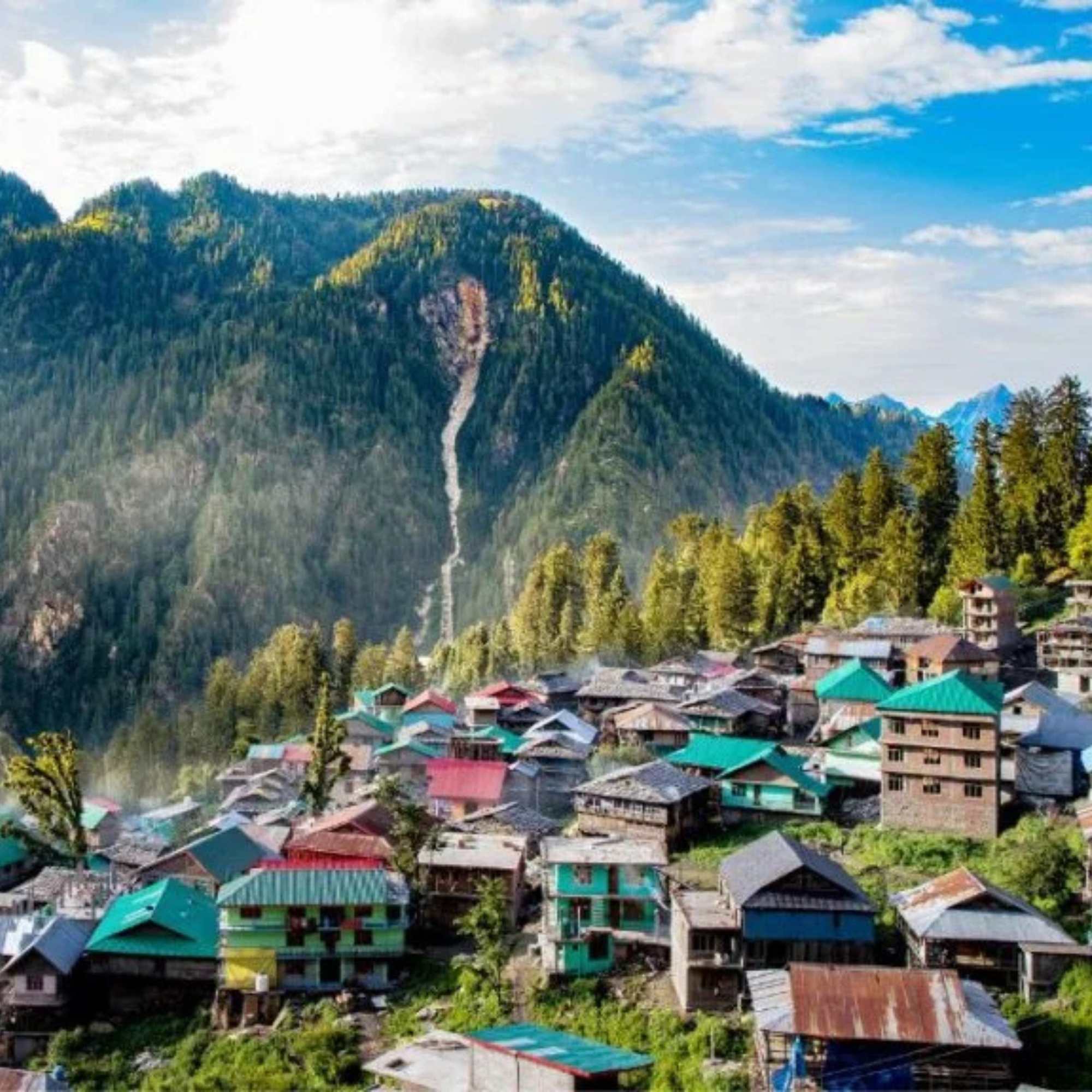
Do Not Touch People, Houses, Walls, Shops, or Temples
This is the rule that gets tourists in trouble.
The no-touch custom applies to villagers, their homes, walls, wood carvings, temple railings, shop items, and local belongings.
Breaking it carries a reported fine of around ₹2,500 to ₹3,500, though local penalties can change.
Practical tip: keep your hands close to your body in the narrow lanes, do not lean on walls, and do not touch anything unless someone clearly tells you it is allowed.
Do Not Enter Jamlu Devta Temple or Sacred Spaces
Outsiders admire the temple from outside only.
Do not cross barriers, climb platforms, touch walls, or follow locals into sacred areas. What looks like a casual open space to you may be off-limits.
Ask Before Photos or Videos
Ask before you photograph people, children, rituals, homes, or sacred areas.
Landscapes and distant village views are safer, but even then, do not be intrusive. A camera shoved in someone's face is rude anywhere, and here it can end your visit fast.
How to Pay at Shops
Some shops ask you to place money on a counter, plank, or surface instead of handing it over directly.
Do not take this personally. It is part of the local custom. Just follow the system calmly and move on.
Can You Stay Overnight in Malana Village?
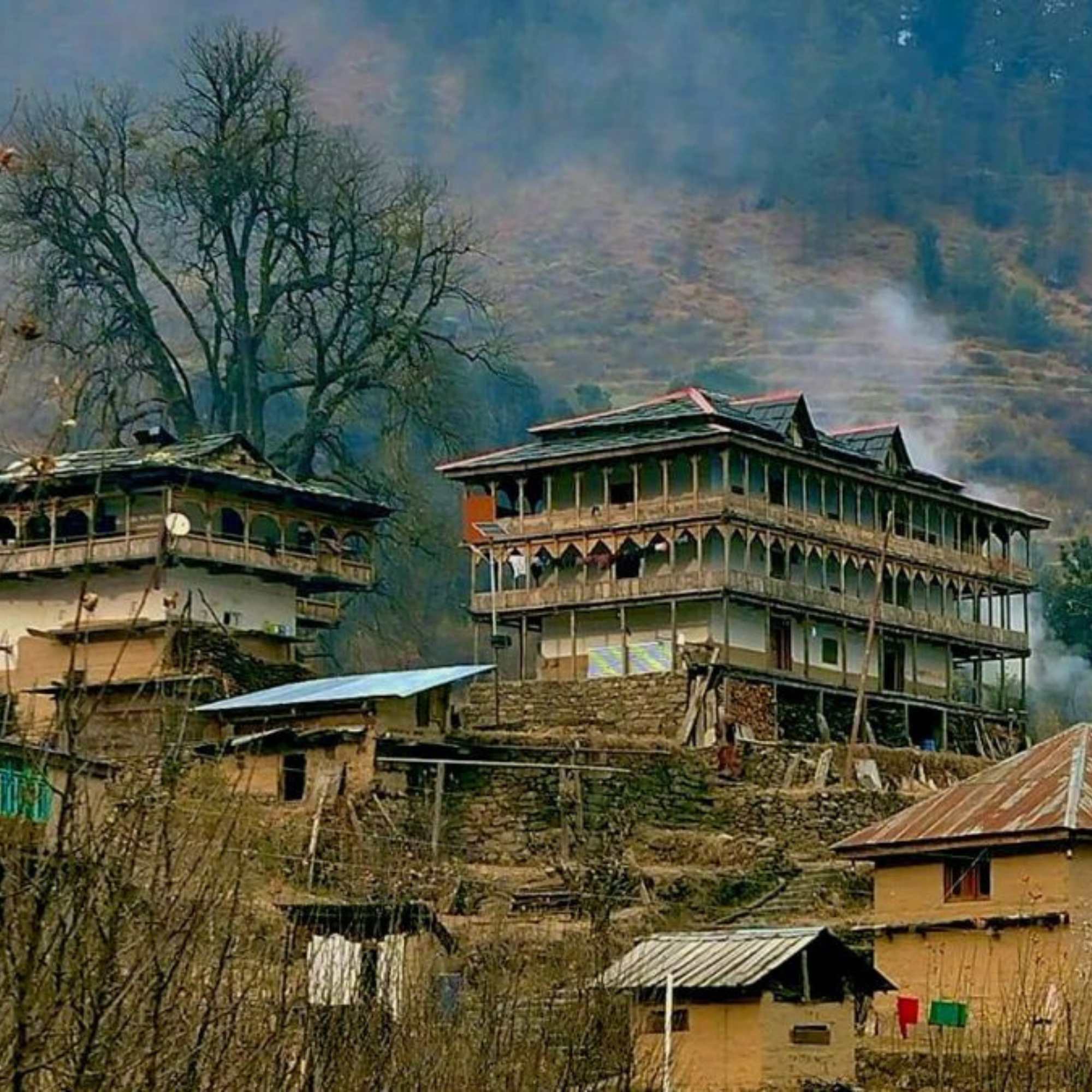
Multiple travel sources report that overnight tourist stays inside Malana are restricted or banned.
Some online hotel listings may still show places "inside Malana" or carry old information. Do not rely blindly on those listings.
The most practical plan is to stay in Kasol or Jari and do Malana as a day trip.
If you want a camp or stay outside the main village or in Waichin Valley, verify it directly before you arrive, and treat any stay price as.
Is Malana Safe for Tourists, Solo Travellers and Women?
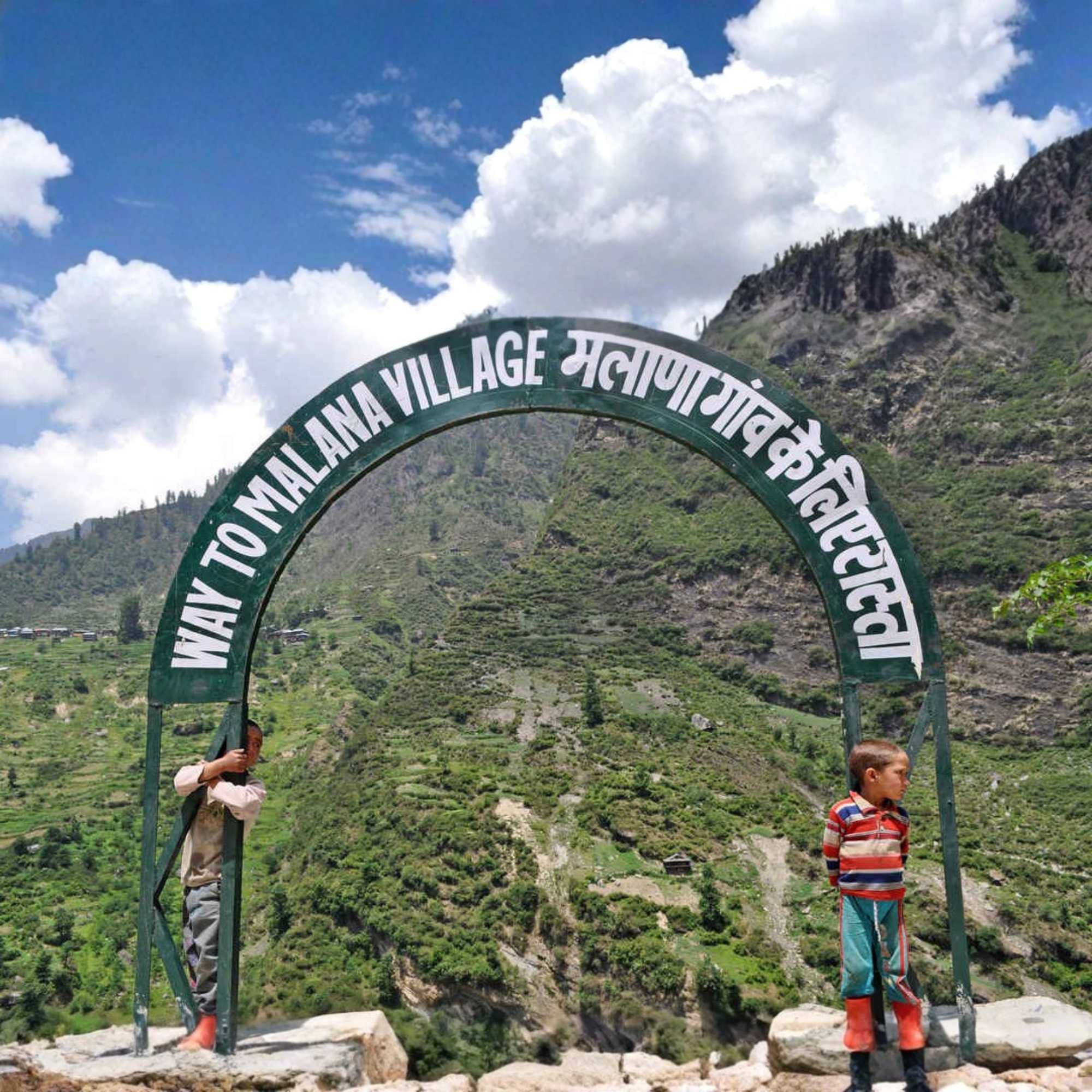
Malana is visited by plenty of solo backpackers and women, so it is not off-limits.
But safe travel here depends on daylight movement, weather, your company, staying sober, and respecting the rules. We will not make exaggerated promises about it.
The real risks are a slippery trail, weak mobile network, confusion around return transport, isolated paths, rivulets, snow or rain, and drug-related approaches from strangers.
What we tell our travellers is simple
Go in a small group, leave early, skip the alcohol and intoxication, save your driver's number, and return before dark. Do those five things and you remove most of the danger.
>>Need help planning a safe Parvati Valley trip? Talk to our team on WhatsApp.
What Is the Best Time to Visit Malana from Kasol?
May to July and September to November are the windows people usually recommend.
Summer gives you clearer access and easier trekking. Post-monsoon brings clearer mountain views and a fresher feel.
The monsoon months around July and August make the trail slippery and road conditions uncertain. We would not pick those weeks if you can avoid them.
Winter brings snow, cold, and difficult access. Only experienced travellers should attempt it then.
Still deciding between Parvati Valley bases? Our Jibhi or Kasol guide breaks down which suits your kind of trip.
How Much Does a Malana Day Trip from Kasol Cost?
Exact transport prices change with season, taxi union rules, vehicle type, road condition and your bargaining, so treat these as planning estimates.
For the Kasol to Jari stretch, local bus or shared transport is usually the cheapest option, but current fares should be checked in Kasol before you start. Older traveller accounts mention very low bus fares, but those numbers are not reliable enough for 2026 budgeting.
From Jari to the Malana roadhead, local taxi costs can vary depending on the vehicle and availability. Older estimates place small cars around ₹850 one way and SUVs higher, but you should confirm the current fare locally before booking.
For a direct Kasol to Malana private taxi, plan a rough budget of around ₹2,000 to ₹3,500 depending on vehicle type, season and demand. Some online cab listings show small car or sedan fares in this range, while SUVs can cost more.
If you are travelling solo, the cheapest plan is usually bus or shared transport to Jari and then a shared local taxi if available. If you are travelling as a group, a direct taxi from Kasol becomes more convenient and the per-person cost comes down.
Food and café costs are not verified, so we are not putting a number on them.
Confirm all rates in Kasol or Jari the evening before your trip. Prices quoted to you on the spot in the morning are usually worse.
What to Pack for Malana Village from Kasol?
Keep it light but smart.
Carry cash, your ID, water, light snacks, comfortable trekking shoes, a warm layer, a rain jacket, sunscreen, basic medicines, a power bank, an offline map, and a small trash bag for your own waste.
Mobile network can be unreliable in and around Malana village. Some travellers report patchy BSNL coverage, while Vodafone or Idea may work in certain spots, but coverage keeps changing.
Download maps offline, inform someone before you go, and do not depend on mobile data during the visit.
The nearest ATM is reported as Jari or Kasol, so draw cash before you head up. There is nothing to withdraw from on the trail.
Things Not to Do in Malana
Do not touch anything sacred or private. Do not enter temples. Do not argue with locals about their customs.
Do not photograph people without permission. Do not buy or carry hash or charas. Do not litter.
Do not trek drunk or high. Do not return after dark. Do not stand near river or rivulet edges for photos.
Kullu district has previously issued restrictions around rivers, streams, and rivulets during the winter tourism season because of safety risks. Treat that as general caution and check for any current orders before you travel.
Places to Visit Near Malana and Kasol
If you have more days, there is plenty around here.
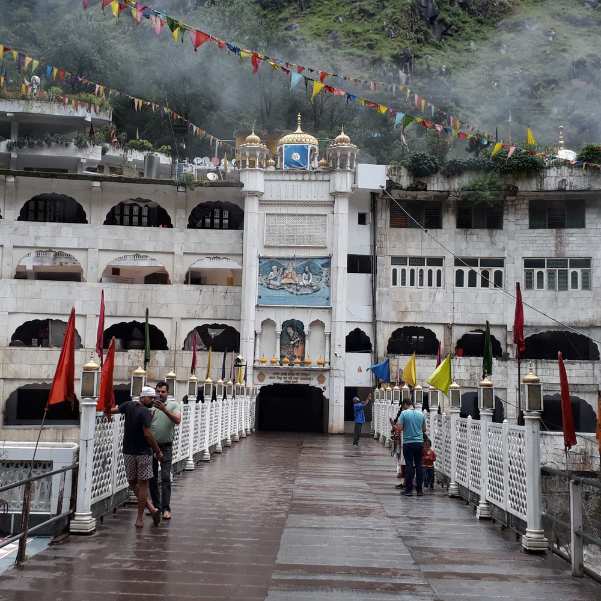
Kasol itself, Manikaran Sahib for the gurudwara and hot springs, Chalal for an easy riverside walk, Tosh and Grahan for slow mountain villages, and Kheerganga if you want a proper overnight trek.
Waichin Valley is close too, but approach it with caution given the recent safety report, and never wander it alone or late.
If your trip extends toward Manali, our Manali tour packages pair well with Parvati Valley, and you can line up some adventure activities in Manali on the same loop.
Explore Our Curated Kasol Tour Packages
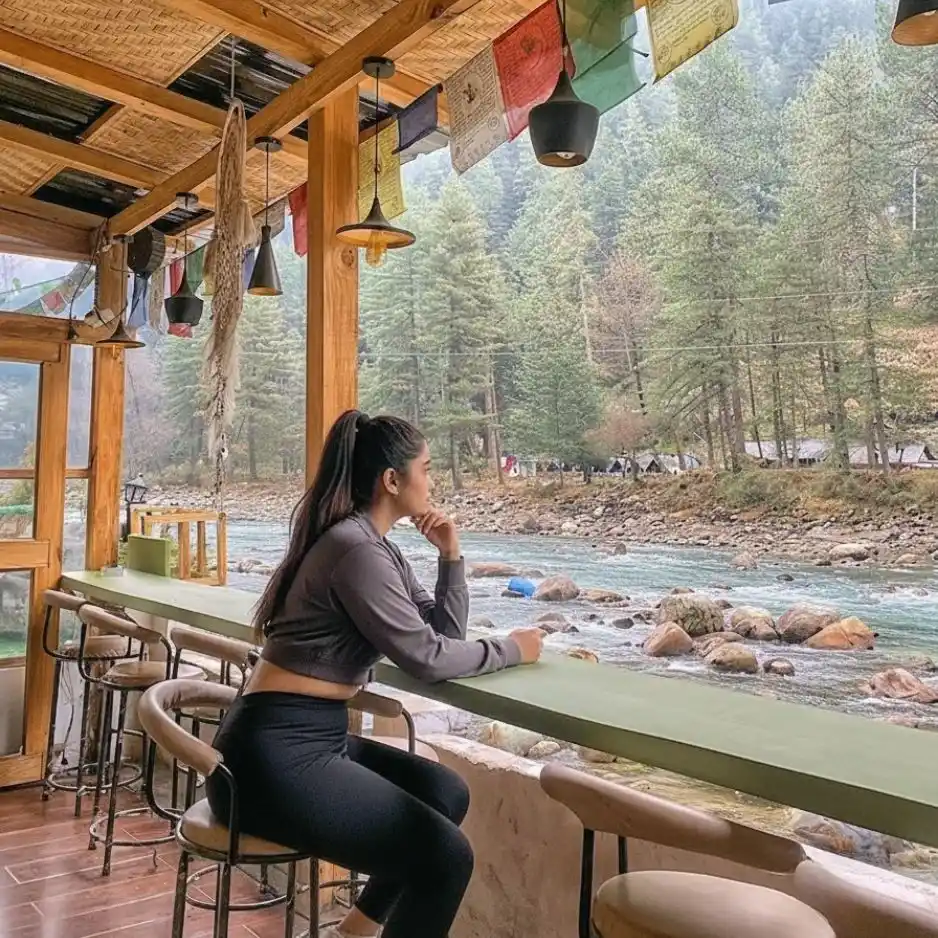 4D/3N
4D/3NPerfect Manikaran Kasol Tosh Weekend Getaway
1D Delhi•2D Kasol+1
₹15,999₹19,999SAVE INR 4,000/ person 8D/7N
8D/7NManali Kasol Bir Himalayan Explorer
1D Delhi•2D Bir+3
₹21,999₹27,999SAVE INR 6,000/ person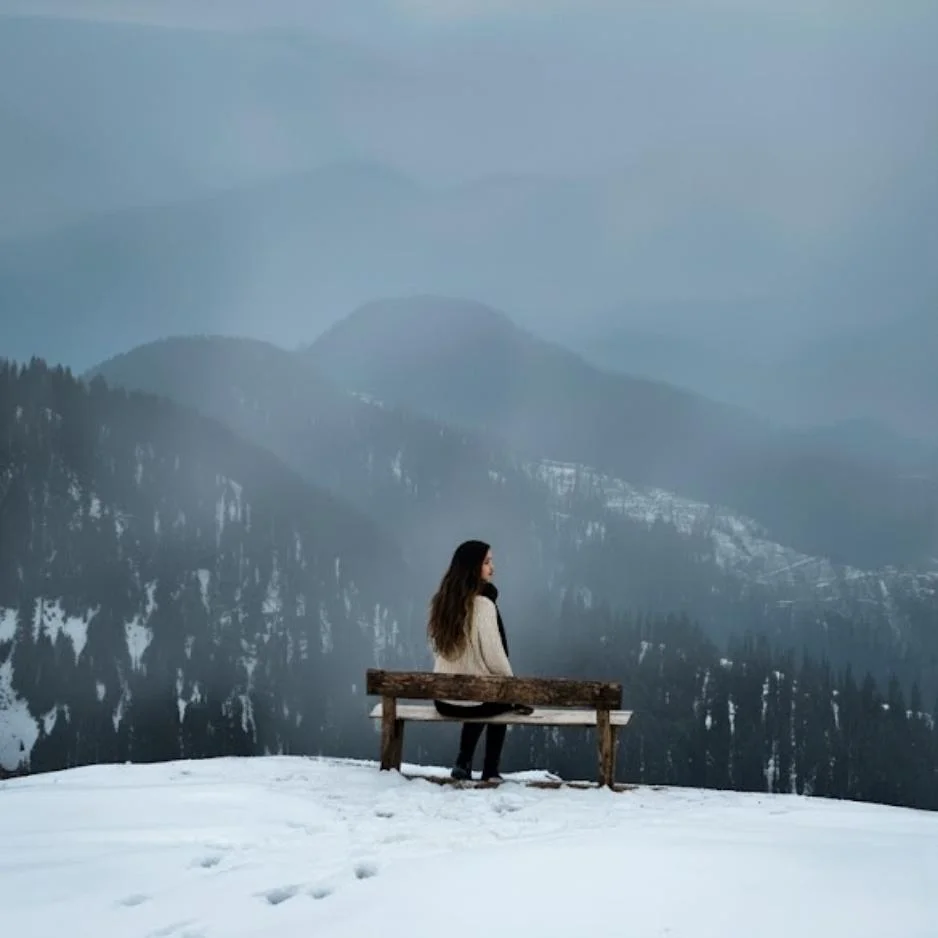 7D/6N
7D/6NManali Kasol Jibhi Valley Trip
1D Delhi•2D Manali+3
₹25,799₹32,999SAVE INR 7,200/ person
Related topics
Frequently Asked Questions
How do I reach Malana from Kasol?
You go from Kasol to Jari, then take a taxi from Jari to the Malana roadhead or gate, then walk or trek the final stretch up to the village.
How far is Malana from Kasol?
Sources vary between 21 km, 22 km, and 23 km, so expect around 21 to 23 km, depending on the route and where you measure from.
Is Malana open for tourists in 2026?
Day visits are still reported as allowed, but overnight stays inside the village are restricted, so plan a day trip and return by evening.
Can I stay overnight in Malana village?
No, overnight tourist stays inside Malana are reported as restricted or banned. Stay in Kasol or Jari instead, and verify any nearby camp before booking.
What are the rules in Malana?
Do not touch villagers, houses, walls, shops, or temples. Do not enter sacred spaces. Ask before photos. Pay by placing money on the counter when asked.
What happens if I touch someone or something in Malana?
You may face a fine reported at around ₹2,500 to ₹3,500, since the village follows a strict no-touch custom for outsiders.
How long is the Malana trek?
The final trek runs roughly 1.5 to 4 km and takes about 1 to 2 hours, depending on your taxi drop point, the route, and the weather.
Is Malana safe for solo female travellers?
Many women visit Malana, but safety depends on travelling in daylight, staying sober, keeping company, and respecting the rules. Avoid isolated paths and late-evening movement.
Do Indians need a permit for Malana?
One source reports no permit is required for Indians. Confirm locally before you go, since rules in this region can change.
Can foreigners visit Malana?
Yes, foreigners can visit Malana, but they should carry a valid passport, visa copy and ID proof. Local checking or registration may be required near the Malana Power House or entry route, so confirm the latest rule with a local operator, police checkpost or administration before visiting.
Is Malana Cream legal?
No. Possession, transport, purchase, or consumption of hash or charas is illegal under Indian narcotics law. Stay away from it entirely.
What is the best month to visit Malana?
May to July and September to November are the recommended windows. Avoid the slippery monsoon weeks of July and August, and skip winter unless you are experienced.
More about Kasol
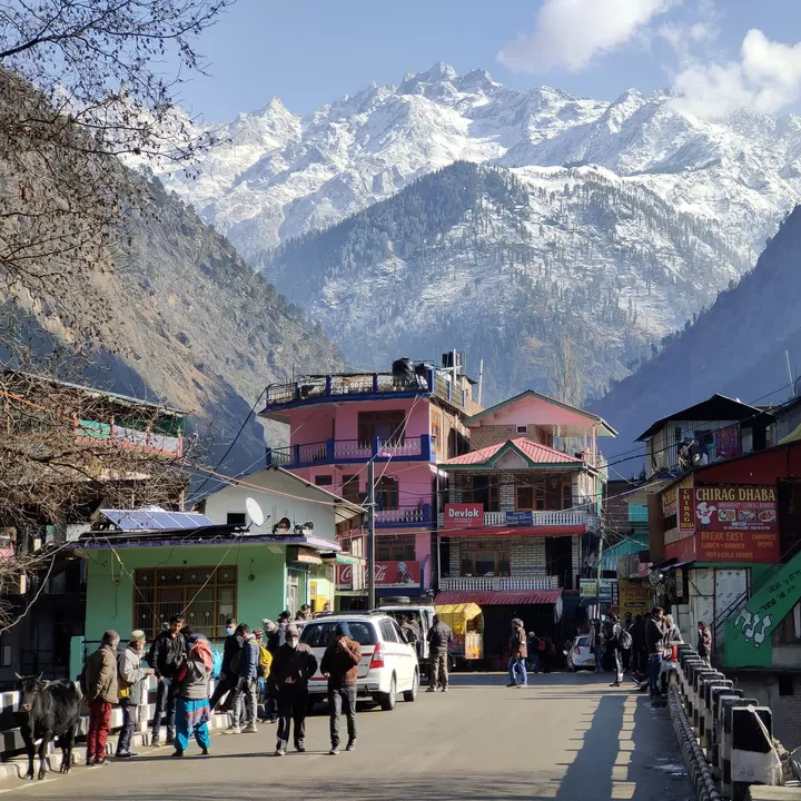 Kasol
KasolShimla Manali Kasol Itinerary 2026: 7, 8 and 9 Day Routes Without Rushing
Plan a relaxed Shimla Manali Kasol itinerary for 2026 with practical 7, 8 and 9 day routes covering Himachal’s key sights without rushing between destinations.
- Itinerary
- Places to Visit
 Kasol
KasolBest Offbeat Places Near Kasol Most Tourists Miss in 2026
Escape the crowds and discover the hidden side of Kasol in 2026. From peaceful villages and untouched valleys to scenic trails and secret viewpoints, these offbeat places near Kasol offer authentic Himalayan experiences that most tourists completely miss.
- Places to Visit
- Things to Do
 Kasol
KasolRasol Village Trek From Kasol 2026: Route, Distance & What to Expect
Planning the Rasol Village Trek from Kasol in 2026? Explore the complete trekking route, distance, difficulty level, stay options, and essential travel tips to experience one of Parvati Valley’s most peaceful and offbeat Himalayan villages.
- Things to Do