
Leh Ladakh in July 2026: Weather, Road Status, Itinerary and Travel Tips
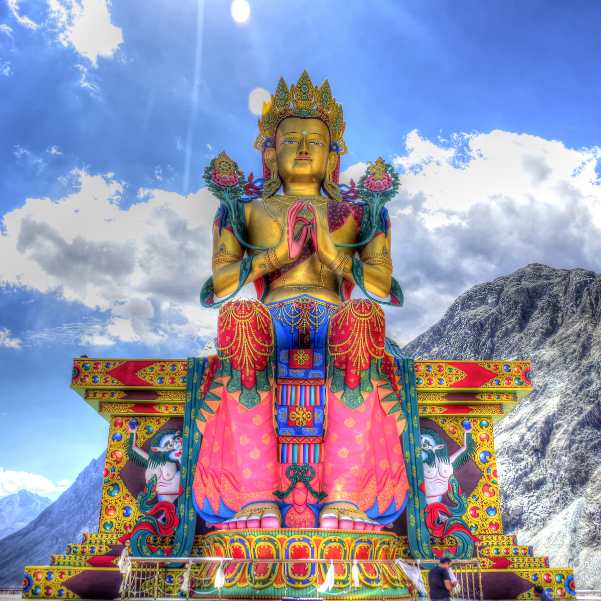
July is one of the best months to see Leh Ladakh. The main circuits are open, the days are warm, and the roads have had a few weeks to settle after the season's first clearance.
But it is also peak season and flights fill up fast, guesthouses get booked out, and the road to Pangong on a Saturday morning can feel like a slow-moving convoy.
Plan it right and July will give you the full Ladakh experience. Rush it or ignore the altitude, and the same trip can leave you with a splitting headache at 17,500 feet, wondering what went wrong.
Quick Answer
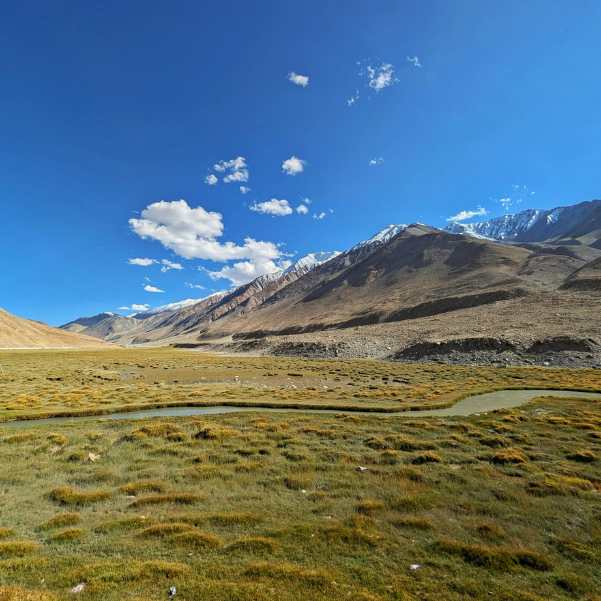
July is one of the best months to visit Leh Ladakh. Daytime temperatures are pleasant, all major circuits including Nubra Valley, Pangong Lake, and Tso Moriri are generally open, and the weather at Leh itself is comfortable.
The catch is that July is peak tourist season, so flights and stays cost more and crowds are at their highest. Acclimatization is non-negotiable regardless of which month you visit and July is no exception. Plan for at least 48 hours of rest in Leh before heading to any high-altitude sector.
Is July a Good Time to Visit Leh Ladakh?
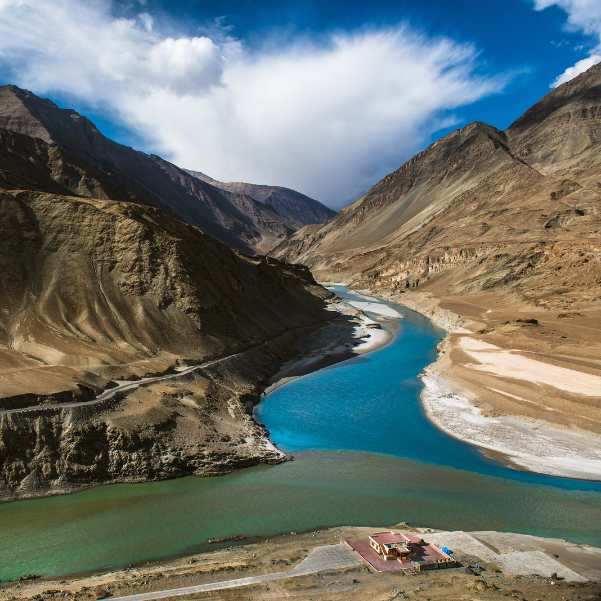
For first-timers, July is genuinely one of the most forgiving months. The circuits are open, you don't need heavy-duty winter gear, and the weather gives you long days with good light for sightseeing and photography.
What most first-timers get wrong is assuming that because the weather is pleasant, the altitude isn't a problem.
It absolutely is. 14,000 to 18,000 feet is still extreme altitude regardless of the season. We've had fit, young travellers completely floored by AMS in July simply because they landed in Leh and tried to do Khardung La the next morning.
The trade-offs for July are real: higher accommodation prices, more traffic on key routes, and the occasional route disruption if you're travelling by road. But for most people, July is a very smart choice.
What Is the Weather in Leh Ladakh in July?
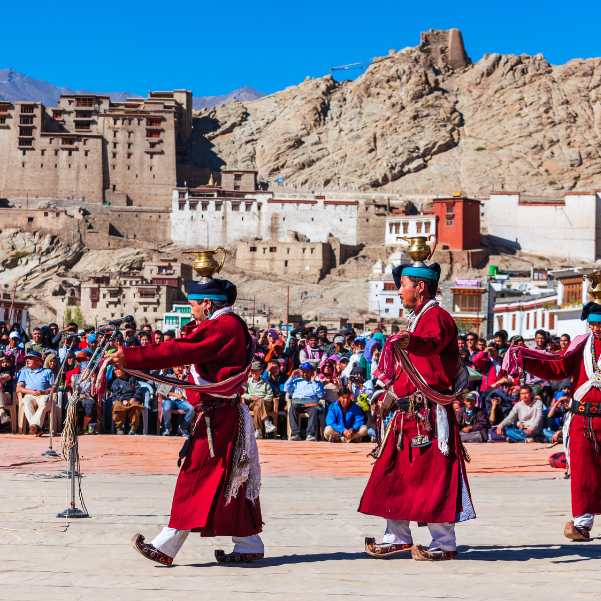
During the day, Leh hovers around 24 to 25°C. The sun is strong, the sky is that impossible shade of blue, and if you are out sightseeing at noon you will want just a light layer.
Nights drop to around 9 to 10°C in Leh. At Pangong Lake, which sits higher, it gets colder. At Tso Moriri, colder still. The golden rule in Ladakh is: pack for what the night will feel like, not what the afternoon felt like.
The UV at this altitude is intense. Even on a cloudy July day, you can burn faster than you would on a beach in summer. Sunscreen, sunglasses, and a hat are not optional here.
Does It Rain in Ladakh in July and Should You Worry About Monsoon?
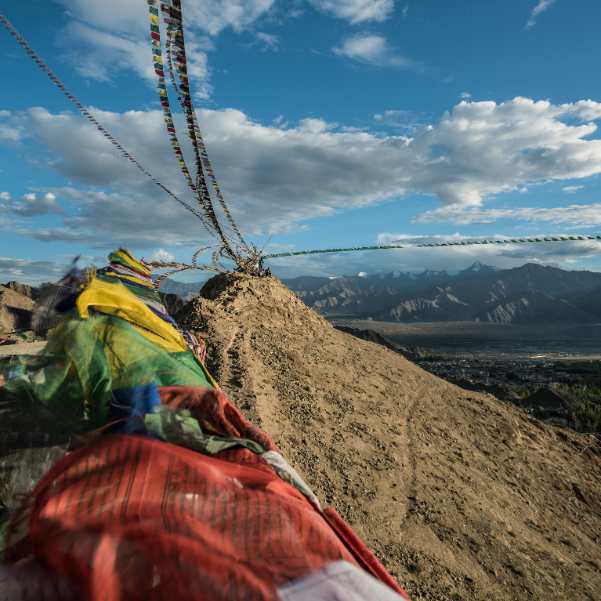
Ladakh is a cold desert. The Himalayan range blocks most of the monsoon moisture from reaching it, so Leh itself gets very little rain compared to Manali, Shimla, or Kashmir.
That said, the approach roads are a different story. If you are driving in from Manali, the stretch through Himachal can see heavy rain, landslides, and slush. The Srinagar-Leh highway through Kashmir can also be disrupted.
A major avalanche at Zoji La in March 2026 temporarily blocked the Srinagar-Leh road entirely, which is a reminder that these routes are always dynamic and you must check fresh road status before departure, not just once when you plan the trip.
Inside Ladakh, the occasional short shower is possible in July but unlikely to affect sightseeing in any significant way.
Are the Roads Open in July? Manali to Leh vs Srinagar to Leh
Both main roads into Ladakh are generally within their operating season by July.
Manali-Leh highway
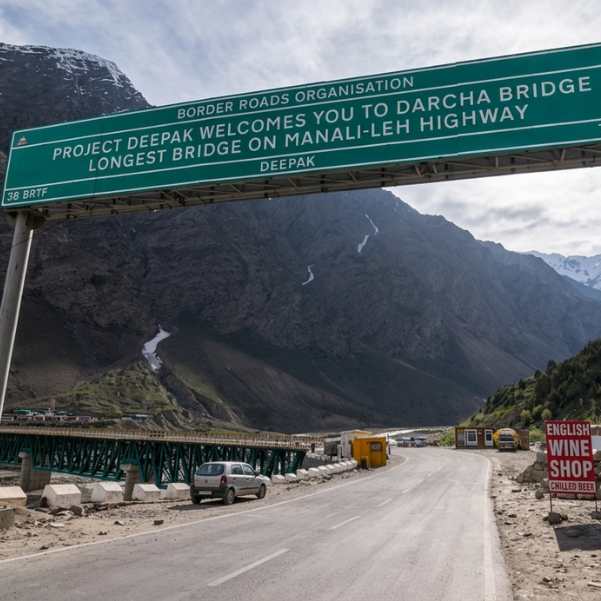
The Manali-Leh highway typically reopens by late May to early June (verify exact 2026 date closer to travel). It involves dramatic mountain scenery, Rohtang Pass and Baralacha La, and some genuinely rough stretches.
Water crossings near Patseo and Sarchu can be intense during peak snowmelt. It feels like an adventure because it is.
Srinagar-Leh highway
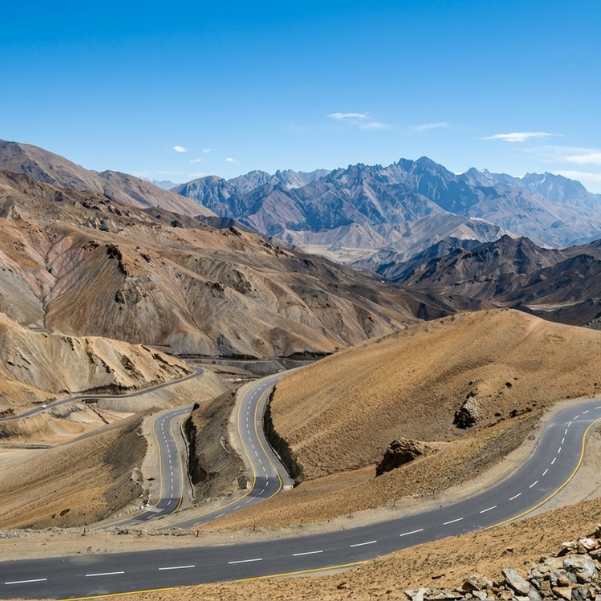
The Srinagar-Leh highway typically reopens by late March to mid-April (verify exact 2026 status). It gains altitude more gradually and is often easier on the body for acclimatization purposes. It passes through the Kashmir Valley, Sonmarg, and Zoji La before entering Ladakh.
Our honest take: if this is your first road trip to Ladakh, the Srinagar side gives your body more time to adjust to the altitude gain.
The Manali side is more adventurous but the altitude climb is sharper. Either way, check road status the day before you leave, not just when you book.
Why Acclimatization Is the Most Important Part of a July Ladakh Trip
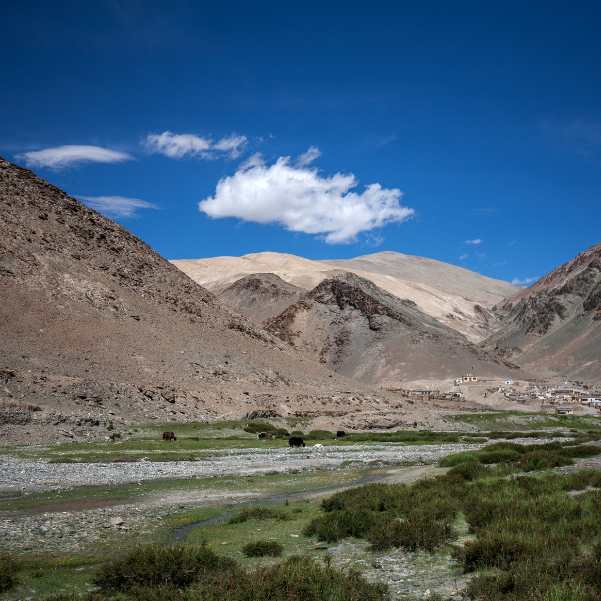
This is the thing we repeat to every traveller we send to Ladakh, and we will say it clearly here: all tourists arriving in Leh must rest for at least 48 hours before travelling to higher-altitude areas like Khardung La or Pangong Lake.
This is the official guidance from the Leh district administration and LAHDC, updated as recently as March 2026.
Road travel does not count as acclimatization. Arriving by road from Manali does not mean your body has adjusted.
The altitude gain still happens, and your body still needs time to adapt once you reach Leh at around 11,500 feet.
The official health advisory is clear: drink 2 to 3 litres of water per day, avoid alcohol and smoking, eat lightly on your first day, and avoid physically demanding activity in the first 48 hours.
That means no trekking, no aggressive sightseeing, and definitely no rushing straight to Pangong or Khardung La.
Symptoms of AMS include headache, nausea, dizziness, and breathlessness. If they appear, rest. If they worsen, go down to a lower altitude immediately. There is no badge of honour for pushing through altitude sickness.
Planning Ladakh in July? Connect with our team on WhatsApp for practical advice on altitude and safe travel.
👉 WhatsApp us for a safer, well-planned July Ladakh trip
Which Places Are Best to Visit in Leh Ladakh in July?
Leh Local Sightseeing
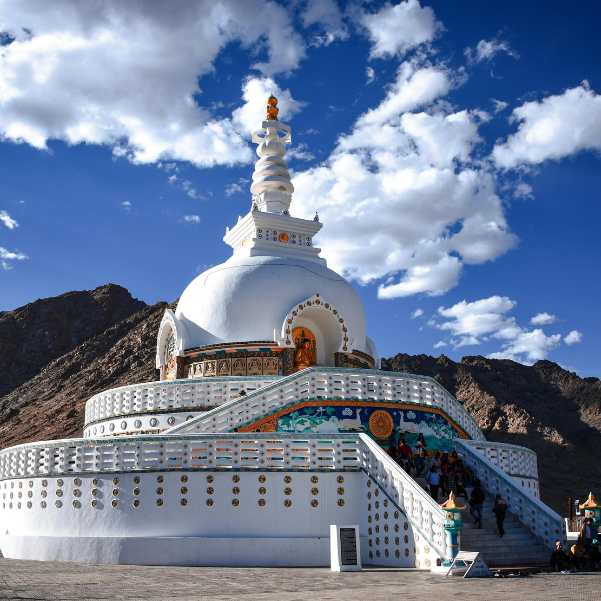
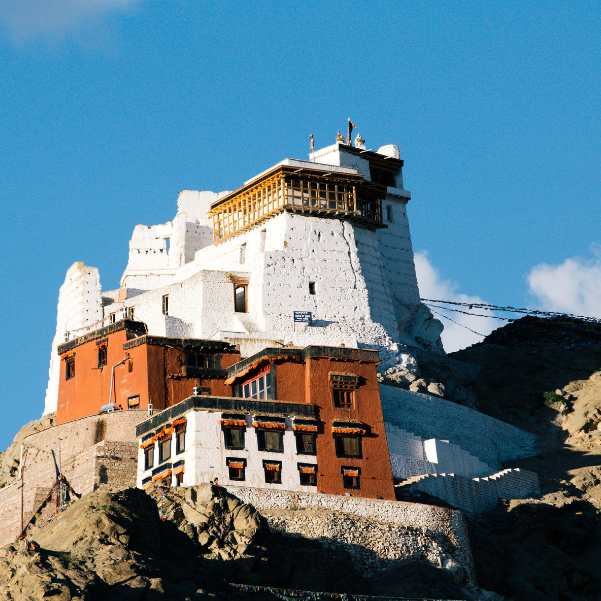
Your first two days in Leh should be slow. Walk to Leh Palace, visit Shanti Stupa at sunrise or sunset, and wander through the main market.
These are at a manageable altitude and gentle enough for your body to adjust while still giving you something to see.
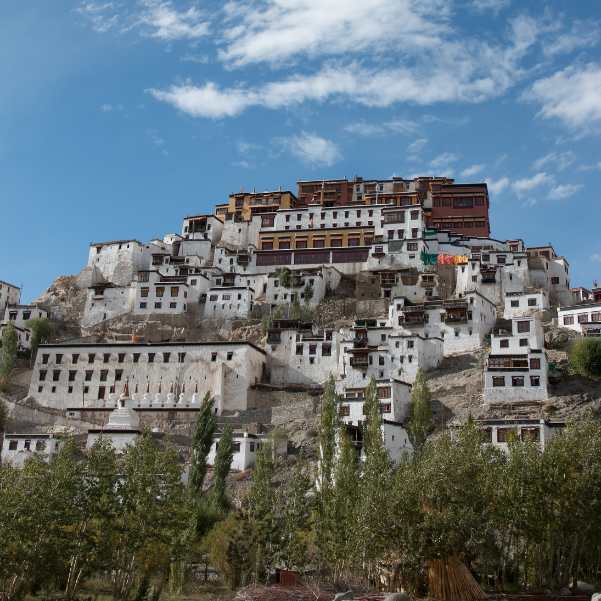
Hemis Monastery, Thiksey Monastery, and Shey Palace are all close to Leh and work well on an easy acclimatization day. Save the high passes for Day 3 and beyond.
A local insider tip we always share: the best momos in Leh are at a small place on Fort Road, roughly a five-minute walk from the main market.
The owner has been running it since we first started sending travellers here. It is always crowded after 12 noon, so go early.
Nubra Valley in July
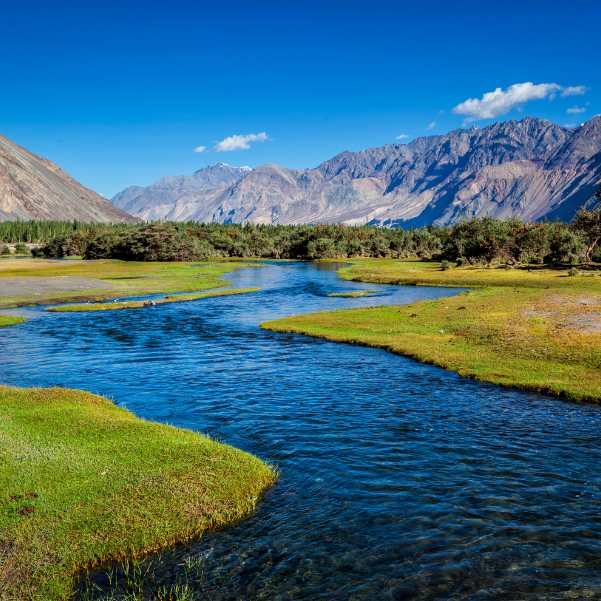
Nubra Valley is one of the easiest rewards of a Ladakh trip in July. You cross Khardung La, one of the highest motorable passes in the world at around 17,982 feet and descend into a wide valley with sand dunes, double-humped Bactrian camels, and a completely different feel from Leh.
You need an Inner Line Permit for Nubra. Get it through the official Leh district permit portal at lahdclehpermit.in more on permits in the section below.
July is great for Nubra because the road is clear, the sand dunes at Hunder are accessible, and the villages like Diskit and Panamik feel genuinely alive. Plan for at least one night in Nubra rather than rushing it as a day trip.
Pangong Lake in July
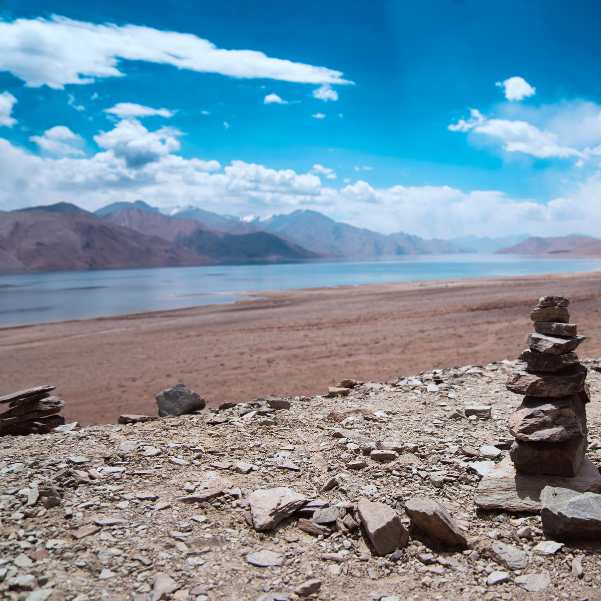
Pangong Lake in July looks exactly like the photos and then better in person. The blue shifts through multiple shades as the light changes across the day. Mountains sit hard against the water on both sides. There is almost nothing else around.
An overnight stay at Pangong gives you the morning light, which is sharper and quieter than the afternoon crowds.
Same-day returns from Leh mean you are driving back in the dark, which adds unnecessary risk. Stay the night.
You need an Inner Line Permit for Pangong, obtainable through lahdclehpermit.in.
What most guides miss: the east end of Pangong, beyond Spangmur, is significantly less crowded and offers a wilder view of the lake. If your permit allows, ask your driver to continue past the main camp cluster.
Tso Moriri in July
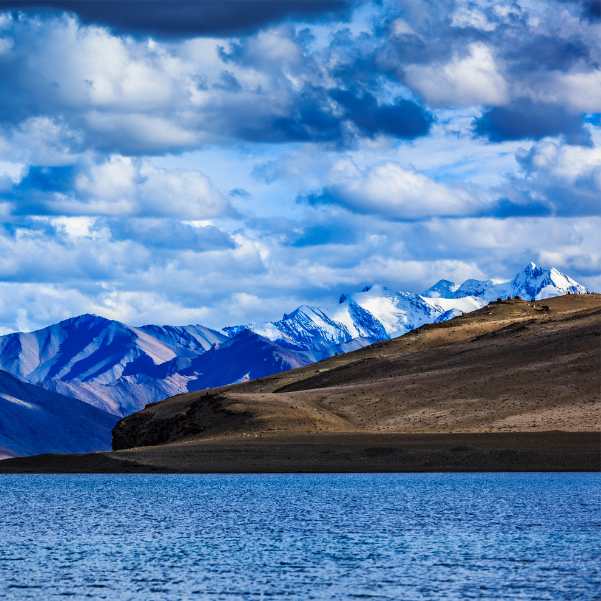
Tso Moriri is for travellers who have a bit more time and want something quieter. It sits even higher than Pangong, in the Changthang region, and the road there takes you through rolling plains and past nomadic settlements.
Do not rush Tso Moriri. It works best as a dedicated add-on to a 9 to 10 day trip, with a night at the lake before returning. Doing it as a long day trip from Leh defeats the purpose entirely.
Monasteries and July Festival Experiences
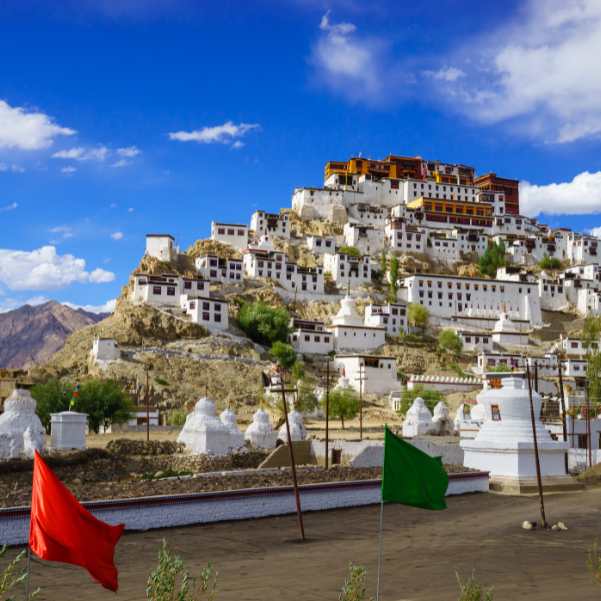
July is also genuinely good for cultural travel. Summer is when most monasteries host their annual festivals with monks in ceremonial dress, masked dances, and chanting that carries across the courtyard in ways that are hard to describe.
The Hemis Tsechu 2026 is scheduled for 24 to 25 June, which is just before the July travel window.
If you can time your trip to catch the tail end of it, or if you are already in Ladakh from late June, it is worth building around. Check the exact 2026 dates as you get closer to your travel since festival calendars can shift by a day.
Our Leh Ladakh tour packages at travelcoffee.in are built with festival dates in mind, so if you want the cultural experience folded into your itinerary, we can make that work.
How Many Days Are Enough for Leh Ladakh in July?
Five days is technically possible but you will spend two of those resting in Leh, leaving only three for actual sightseeing. You will have to choose between Nubra and Pangong. Neither will feel relaxed.
Seven days is the sweet spot for most travellers. You get proper acclimatization time, a night each at Nubra and Pangong, and enough buffer for the unexpected.
Nine days is what we recommend for anyone who wants to add Tso Moriri, do a road trip entry from Manali or Srinagar, or simply not feel rushed. Ladakh rewards slowness.
Suggested 7-Day Leh Ladakh Itinerary for July
Day 1
Day 1 is arrival in Leh and full rest. Land, check in, drink water, and do not do anything physically demanding. This is not wasted time, it is the most important day of the trip.
Day 2
Day 2 is easy local sightseeing. Walk to Shanti Stupa, visit Leh Palace, explore the market. Eat light, sleep early.
Day 3
Day 3 is the drive to Nubra Valley via Khardung La. Stop at the pass briefly for photos — the altitude hits hard if you linger. Reach Diskit or Hunder by afternoon and rest.
Day 4
Day 4 is Nubra at your own pace. Visit Diskit Monastery, walk the sand dunes at Hunder, or simply sit and watch the valley. If your permit and energy allow, push to Panamik for the hot springs.
Day 5
Day 5 is the drive to Pangong Lake. The route from Nubra via Shyok is a better road than the older route through Leh. Reach Pangong by afternoon and spend the evening at the lake.
Day 6
Day 6 is morning at Pangong, then drive back to Leh. Use the afternoon as a buffer or a second monastery visit.
Day 7
Day 7 is departure from Leh.
Keep every day flexible. Mountain roads in July can surprise you.
Suggested 9-Day Road Trip Plan for July
If you are entering from Manali, add at least one night at Jispa or Sarchu before reaching Leh. A night at Sissu before pushing higher also helps, you can read more about that stop in our Sissu travel guide.
From Srinagar, an overnight at Kargil gives your body a meaningful adjustment point before reaching Leh.
Days 1 and 2 in Leh are still rest days. Do not skip these just because you arrived by road. Add Days 3 through 7 as the Leh-Nubra-Pangong circuit above. Days 8 and 9 give you space for Tso Moriri or a more relaxed exit.
The buffer day logic is simple: a single landslide or road closure anywhere on these routes can hold you for 12 to 24 hours. One buffer day can mean the difference between missing a flight and not.
For travellers doing the Manali approach, our Manali tour packages often work as a good base to start the Leh road trip from, especially if you want a day or two in Manali before pushing north.
And if you are coming through Srinagar, our Kashmir packages can fold into the beginning of the trip naturally.
Do You Need a Permit for Leh Ladakh in July?
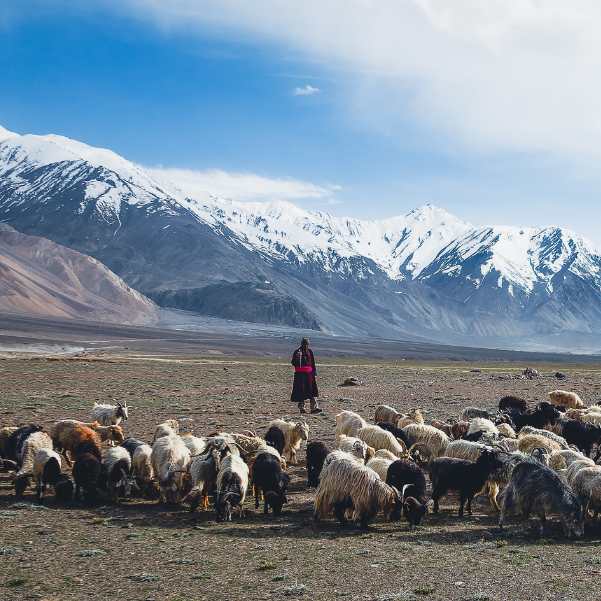
Yes, you do, for specific sectors. Leh town and its nearby monasteries are open without a permit. But Nubra Valley, Pangong Lake, Khardung La (as a destination), and Tso Moriri all require an Inner Line Permit.
The official portal is lahdclehpermit.in. Process it there before your trip. The portal is managed by LAHDC Leh and is the only official channel.
Fees at the time of writing include an environmental or green fee of ₹400 per person based on the official LAHDC notice. The portal also includes a Red Cross Fund fee and a wildlife fee. These are in addition to the permit processing.
Foreign nationals from certain countries require a Restricted Area Permit (RAP) or Protected Area Permit (PAP) for specific zones. Check the lahdclehpermit.in portal for the current list. Rules on this have shifted in recent years and the portal reflects the most current guidance.
Do not try to handle permits at checkpoints on the day. It slows you down and creates unnecessary stress. Get them done before you leave Leh.
What Should You Pack for Leh Ladakh in July?
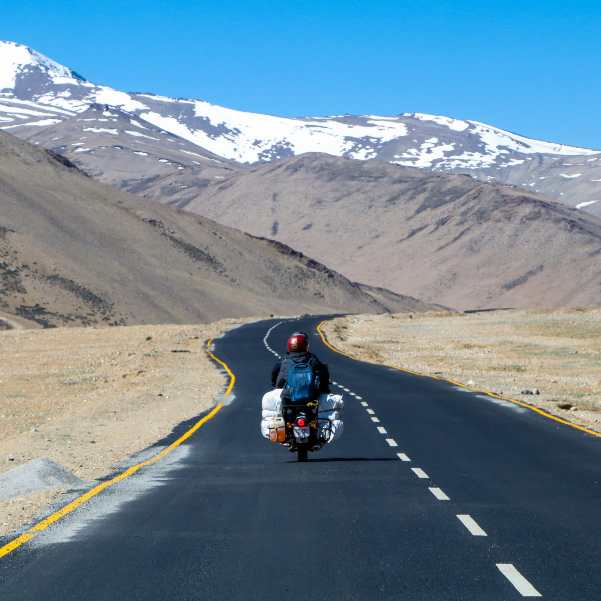
July in Ladakh is not summer in the plains. The days feel warm but the nights at Leh drop to around 9 to 10°C, and at Pangong or Tso Moriri it gets colder. Pack in layers.
Thermal inner layers are useful for nights even in July. A fleece mid-layer and a windproof outer jacket together handle everything from a sunny afternoon to a cold Pangong evening. Warm socks, gloves, and a beanie are not excessive, you will use all of them.
Sun protection is critical. High-SPF sunscreen, UV-blocking sunglasses, and lip balm with SPF. At this altitude the sun cuts through even on overcast days.
Carry a basic medicine kit with paracetamol, ORS, antacid, and any prescription medication. A fully charged power bank matters because many camps have limited or solar-only electricity. Carry cash in smaller denominations, ATMs in Leh work but they are not reliable across all sectors.
If you are arriving by road in July, a compact rain jacket is worth carrying for the Manali or Srinagar approach stretches.
Is Leh Ladakh in July Good for Families, Bikers, and Couples?
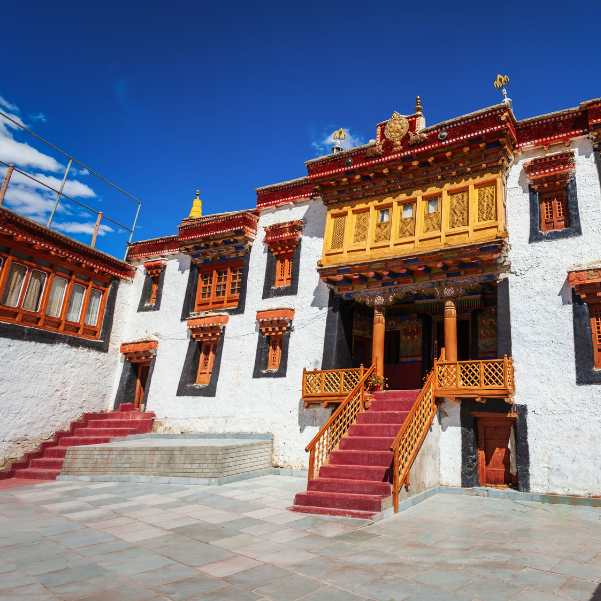
For families with children
July is one of the safer windows because the weather is the most forgiving. That said, children under about 8 years should be watched carefully for any altitude symptoms. A day trip to Pangong is safer for young kids than an overnight camp stay at the lake. Build rest into every day.
For elderly travellers
an honest warning: the altitude genuinely affects people differently and there is no way to predict it. If anyone in your group has heart or breathing conditions, speak to a doctor before the trip and consider a slower route with more acclimatization days.
For bikers
July offers open roads and good weather but also peak-season traffic on the main circuits. June and September are often preferred by experienced riders.
If you are planning a Ladakh bike trip in July, leave very early each day before the road traffic builds up and the Manali side can have rain patches.
For couples
July delivers on the scenery side completely. A night at Pangong, a morning at Tso Moriri, and an evening at Nubra's sand dunes are all genuinely special. Book stays early because the best spots sell out well before July.
Common Mistakes to Avoid in Ladakh in July
Skipping acclimatization is the biggest and most common one. We see it every season. Someone lands in Leh, feels fine, and pushes straight to Khardung La. By evening they have a headache that keeps them in bed for two days. The 48-hour rest is not optional.
Overloading the itinerary is the second most common mistake. When you see a map of Ladakh, all the places look close.
They are not. Every drive takes longer than Google Maps says, roads are rough, and altitude slows everyone down. Five sights in one day at sea level becomes two sights in one day at 13,000 feet.
Assuming network and payments always work. Some sectors have no mobile signal at all. Carry cash, download offline maps before you leave Leh, and do not count on live GPS in the more remote areas.
Underestimating cold nights. A light jacket is not enough for Pangong after dark in July. You will need actual warm layers.
Not keeping a buffer day. Things go wrong in Ladakh. Roads close, weather turns, bodies protest. A single buffer day built into your plan absorbs all of that without ruining the trip.
👉 WhatsApp us to check current Chandratal road conditions
July Travel Cost Factors You Should Expect
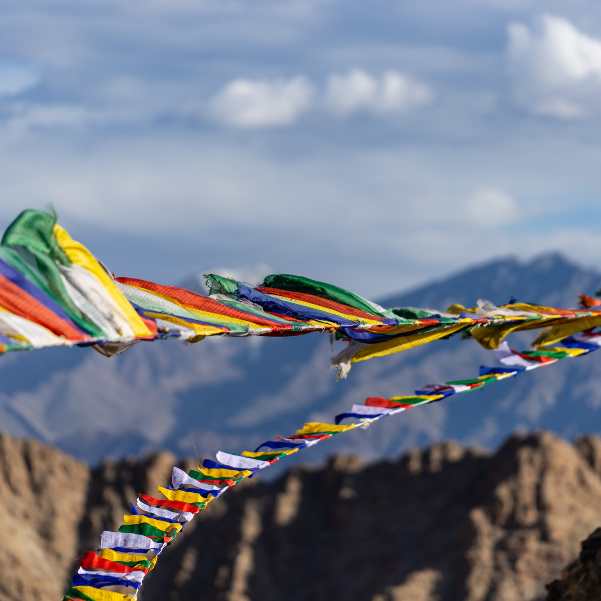
July is the peak season, and prices reflect that. Flights from Delhi to Leh book out weeks in advance and the fares are at their highest.
Guesthouses and camps at Pangong and Nubra that cost a fraction of that in June can be significantly more expensive in July.
Taxi rates for full Ladakh circuits also tend to be higher in July because of demand. Bike rentals in Leh follow the same pattern.
Our practical advice: book flights early, decide your stay category before you get there, and make sure you know exactly what is included in any package or rental quote. Meals, permits, and entrance fees often are not included in quoted prices unless confirmed in writing.
Final Verdict: Should You Visit Leh Ladakh in July?
Yes, if you respect the altitude, plan permits in time, and keep your itinerary realistic.
July gives you the full Ladakh experience. Open roads, all major circuits accessible, long days, good light, and the kind of landscape that makes every kilometre of the rough drive feel worthwhile.
What we always tell our first-time travellers is this: the people who love Ladakh the most are the ones who came prepared for it.
Rested their first two days. Drank their three litres of water. Kept a buffer day. And packed warmer than they thought they needed to.
Do those things, and July in Ladakh will be one of the best trips you have taken.
Explore our Leh Ladakh tour packages for a full circuit built around your dates, or reach out and we'll put something together that fits your group.
Explore Our Curated Leh Ladakh Tours
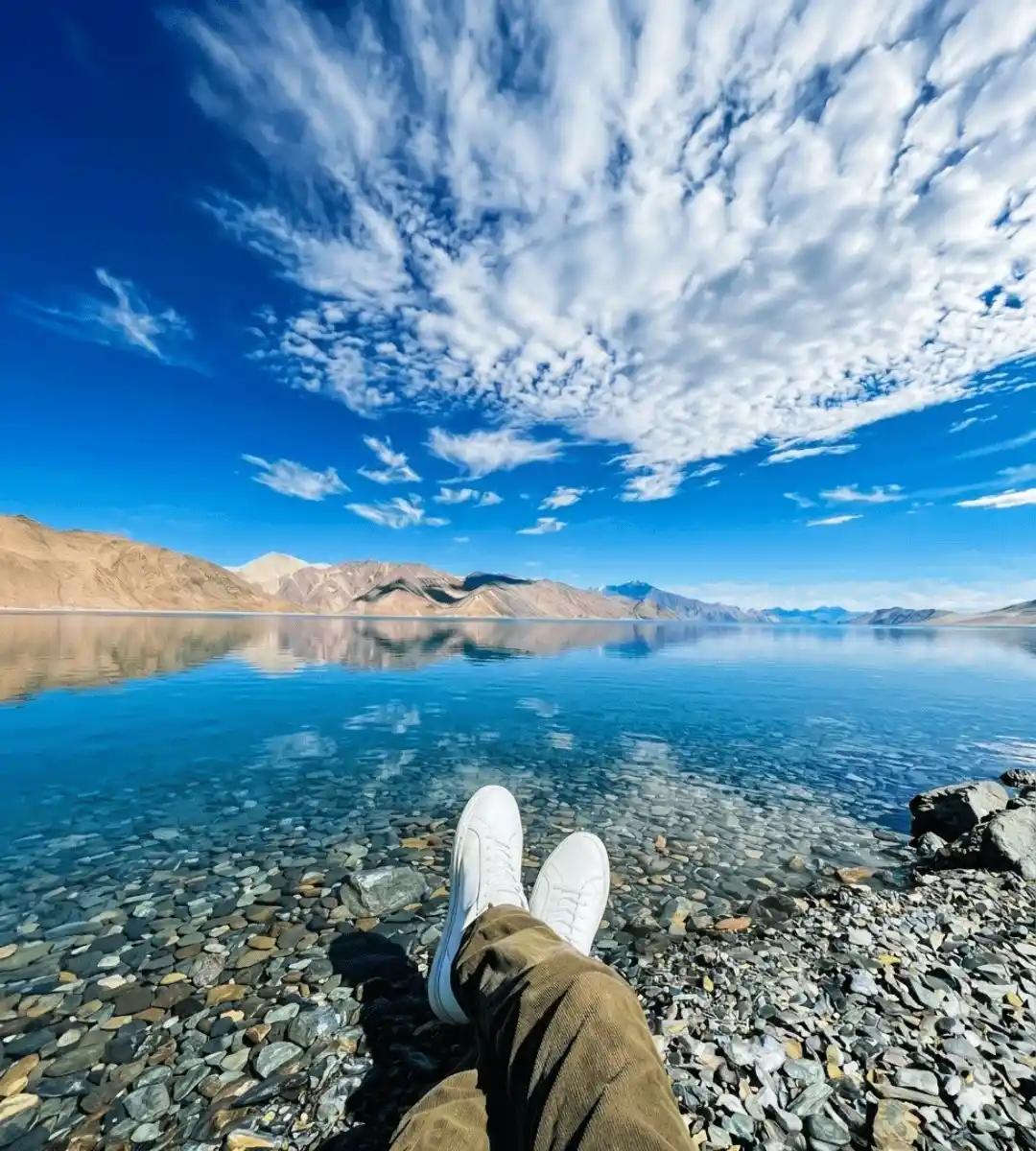 6D/5N
6D/5NUltimate Leh Ladakh Tour Package with Nubra Valley & Pangong Lake
2D Leh•1D Nubra Valley+1
₹28,999₹35,999SAVE INR 7,000/ person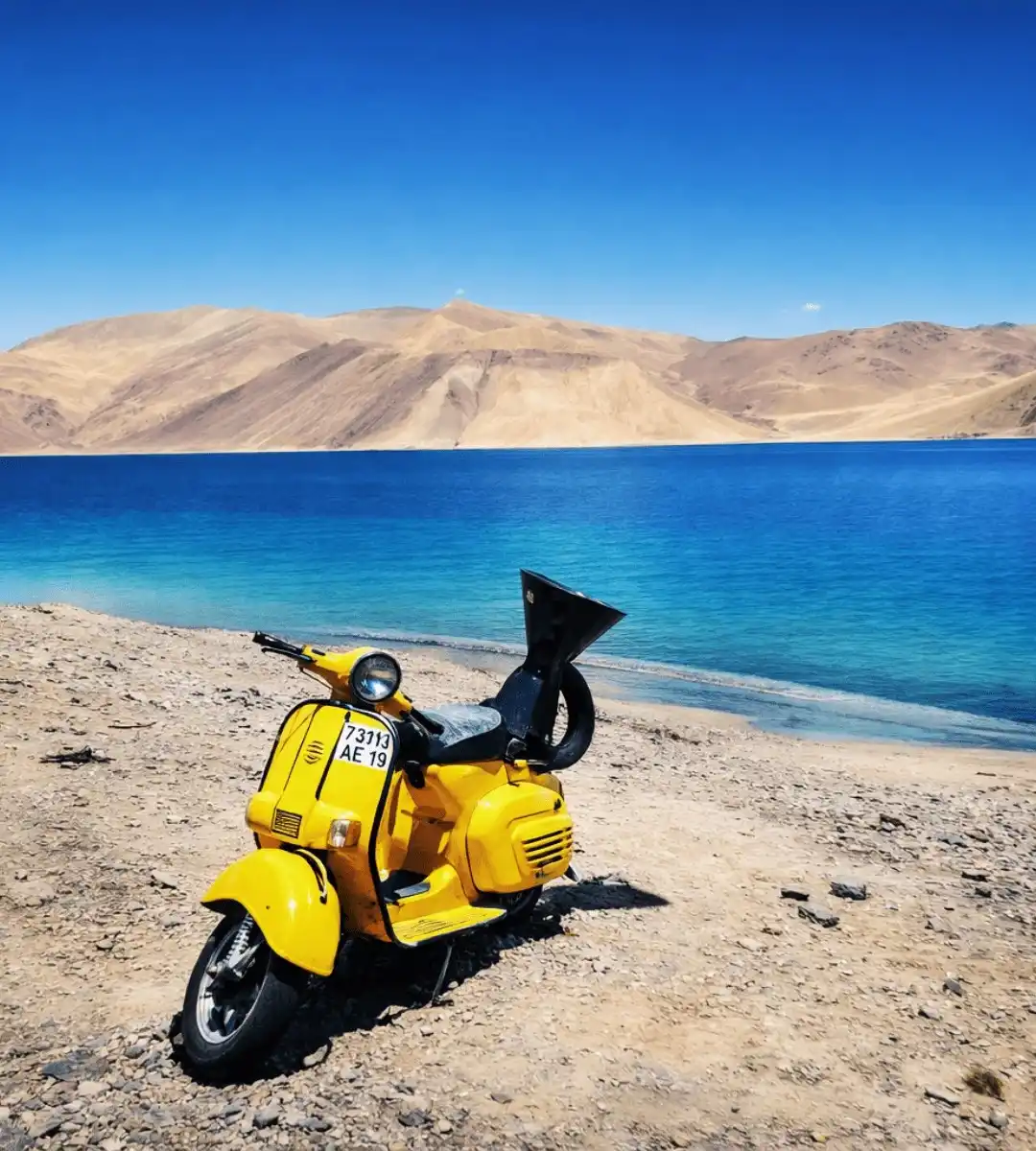 6D/5N
6D/5NBest Selling Leh Ladakh Tour With Nubra Valley and Pangong Lake
2D Leh•1D Nubra Valley+1
₹23,999₹28,599SAVE INR 4,600/ person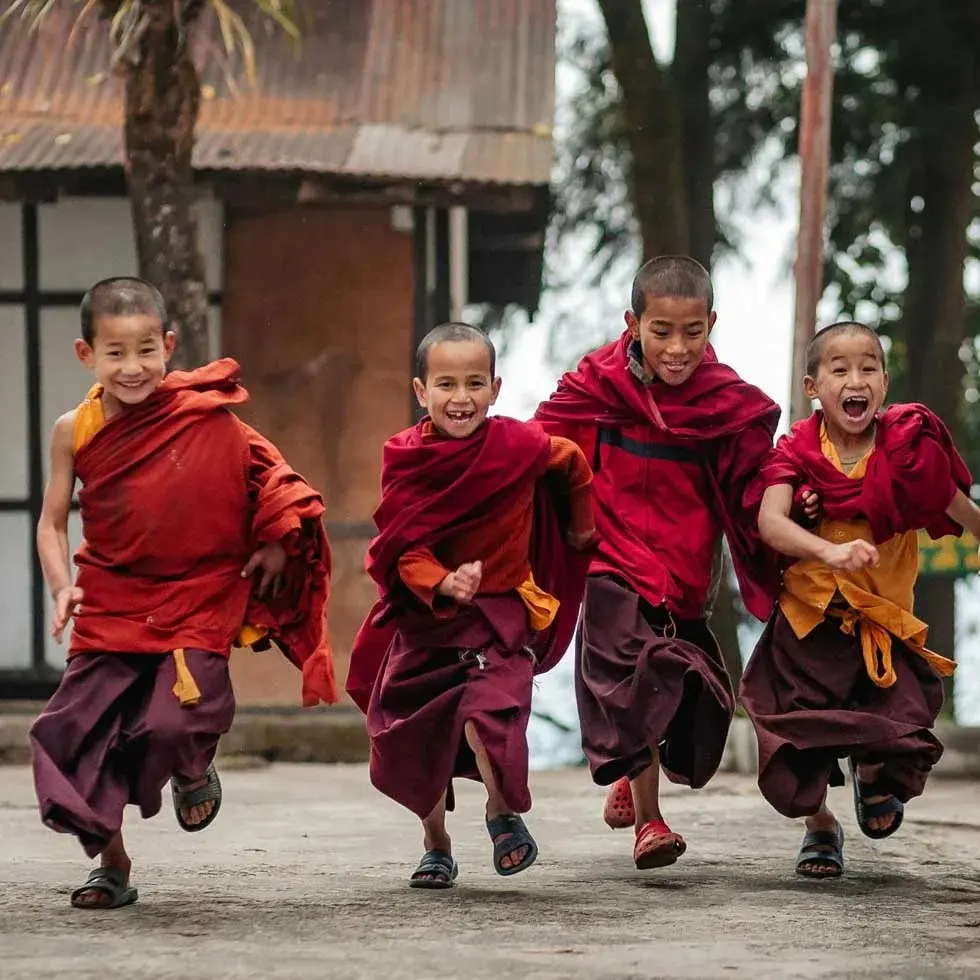 4D/3N
4D/3NLeh Ladakh Short Getaway
2D Leh•1D Pangong Lake
₹16,499₹19,999SAVE INR 3,500/ person
Related topics
Frequently Asked Questions
Is July a good time to visit Leh Ladakh?
Yes, July is one of the best months for most travellers. All major circuits are open, the weather is pleasant during the day, and the roads are in their best condition of the year.
Does it rain in Leh Ladakh in July?
Leh itself gets very little rain because it is in a cold desert. The approach roads through Manali or Kashmir can be affected by rain, landslides, and slush during the monsoon period, so check road status before you leave.
What is the temperature in Leh Ladakh in July?
Daytime temperatures in Leh are around 24 to 25°C. Nights drop to around 9 to 10°C in Leh and colder at higher sites like Pangong or Tso Moriri.
Are Manali-Leh and Srinagar-Leh roads open in July?
Both are generally open by July. The Manali-Leh highway typically reopens by late May to early June, and the Srinagar-Leh highway usually reopens by late March to mid-April. Always check fresh road status the day before departure.
Do I need a permit for Pangong and Nubra in July?
Yes. Both Pangong Lake and Nubra Valley require an Inner Line Permit. Get it through the official portal at lahdclehpermit.in before your trip.
How many days are enough for Leh Ladakh in July?
Seven days is the minimum we recommend for a comfortable trip covering Leh, Nubra, and Pangong. Nine days lets you add Tso Moriri and gives you proper buffer time.
Is July good for a bike trip to Ladakh?
Yes, but peak traffic on the main circuits can be frustrating. June and September are often preferred by experienced riders. If you go in July, start each day early before the traffic builds.
Can families visit Leh Ladakh in July?
Yes. July is actually the most family-friendly window in terms of weather and road conditions. Children under 8 should be watched carefully for altitude symptoms. Plan rest days generously and do not rush any sector.
What clothes should I pack for Ladakh in July?
Thermal base layers, a fleece mid-layer, a windproof outer jacket, warm socks, gloves, and a beanie. Also: high-SPF sunscreen, UV sunglasses, and lip balm. Pack for the night, not the afternoon.
How long should I acclimatize in Leh before going to Pangong or Nubra?
At least 48 hours in Leh at rest before going to higher-altitude sectors. This is the official guidance from LAHDC Leh. Road travel does not count as acclimatization.
Is July crowded in Ladakh?
Yes, July is peak season. Pangong Lake and Nubra Valley see their highest visitor numbers. Book stays well in advance and reach key spots early in the morning to beat the daily crowd buildup.
Is Tso Moriri worth adding in a July trip?
Absolutely, if you have 9 or more days. It is quieter than Pangong, sits at higher altitude, and the drive through Changthang feels unlike anything else in Ladakh. Do not try to rush it as a day trip.
More about Ladakh
- Ladakh
Manali to Leh Highway 2026: Every Pass, Stop and Distance
Plan your Manali to Leh Highway journey in 2026 with a complete guide to major mountain passes, overnight stops, route highlights, and distance. Discover key stops like Jispa, Sarchu, and Pang, along with famous passes including Baralacha La and Tanglang La.
- Road Trips
- How to Reach
 Ladakh
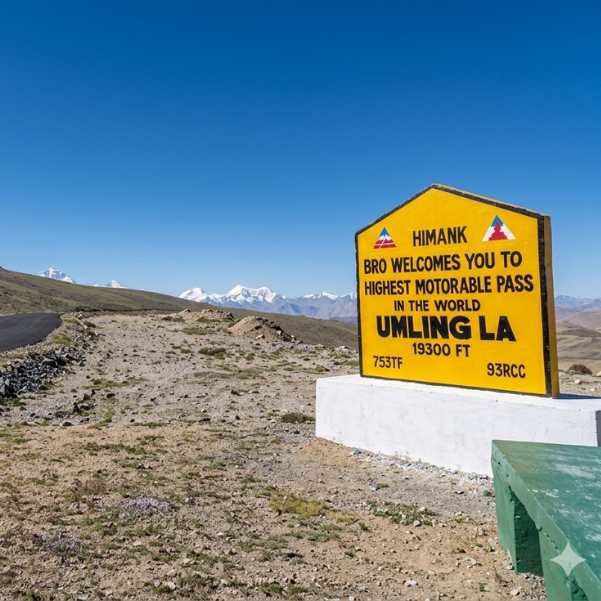
Umling La Ladakh Guide 2026: Route, Altitude, Permit, Safety & Reality Check
Planning to visit Umling La in 2026? This complete guide covers the route, altitude, permit requirements, road conditions, safety tips, and the realities of travelling to one of the world's highest motorable roads.
- Road Status
- Altitude & Health
 Ladakh
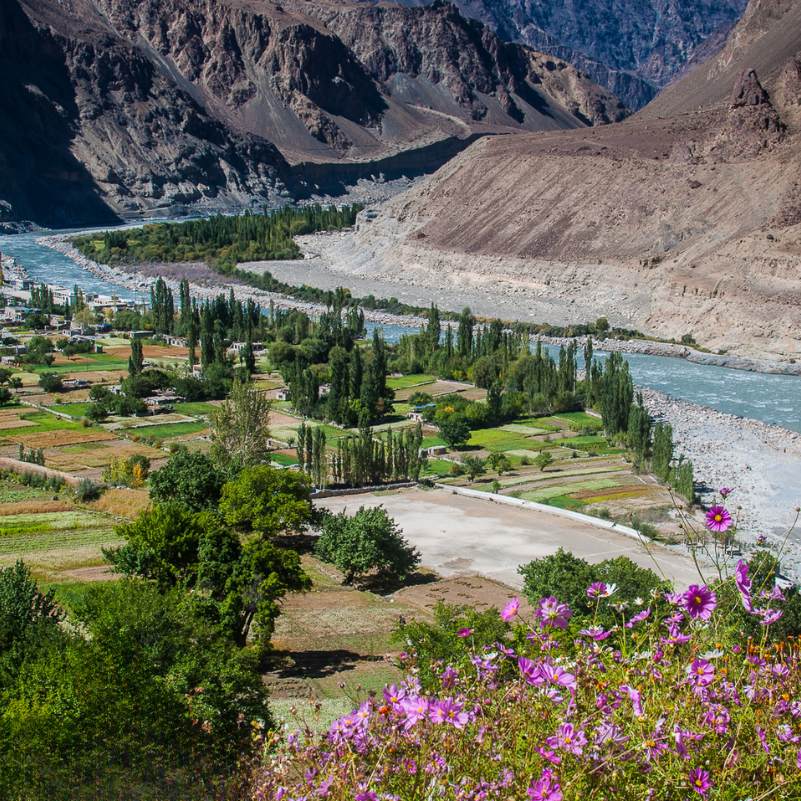
Turtuk Ladakh Travel Guide 2026: Balti Culture, Apricot Orchards and Why It Is Perfect for Families
Planning a trip to Turtuk? This 2026 travel guide explores the village's rich Balti culture, beautiful apricot orchards, top attractions, travel route, and why Turtuk is one of the best family-friendly destinations in Ladakh.
- Places to Visit
- Family Travel