
Leh Ladakh in August (2026): Weather, Road Conditions, Itinerary, Permits and Travel Tips
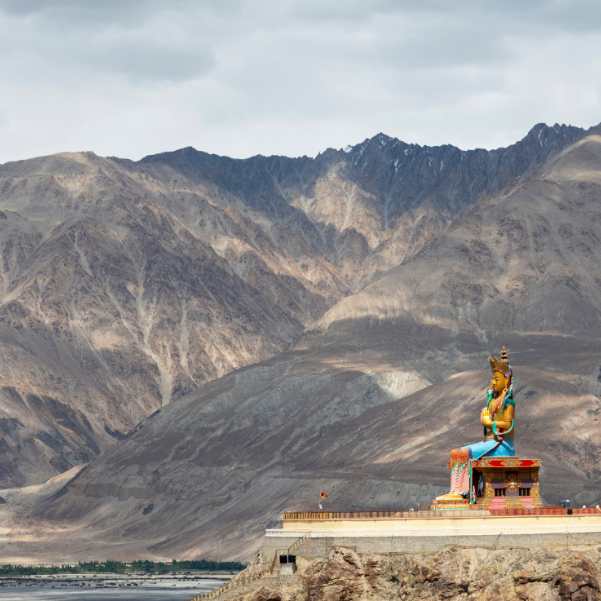
If you are planning a Leh Ladakh trip in August 2026, this is usually one of the best times to go because most routes are open, the landscapes look vibrant, and the weather is generally comfortable for sightseeing and road travel.
This guide by Travel Coffee walks you through the weather, road conditions, permits, itinerary ideas, and practical travel tips so you can plan your trip with more clarity and confidence.
Quick Answer
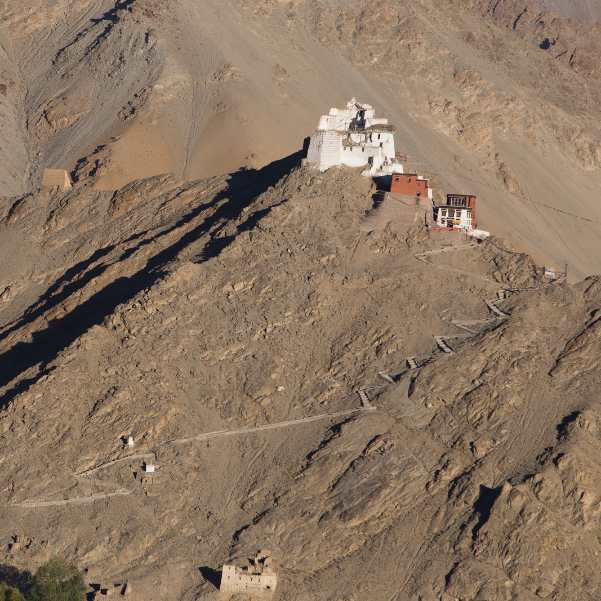
August is a solid month for Leh Ladakh. The main circuits, Nubra Valley, Pangong Lake, and Tso Moriri, are generally open, days are warm and sunny, and the sky is that clear blue Ladakh is famous for.
The catch is the approach roads. The Manali to Leh and Srinagar to Leh highways can face landslides, slippery stretches, and temporary closures during monsoon.
Leh city itself stays relatively dry because Ladakh sits in a rain shadow, but the roads getting there do not always cooperate.
For most travellers, especially first timers and families, flying into Leh in August is the smarter choice. Road trippers can still have a great time, they just need buffer days built in.
Is August a Good Time to Visit Leh Ladakh?
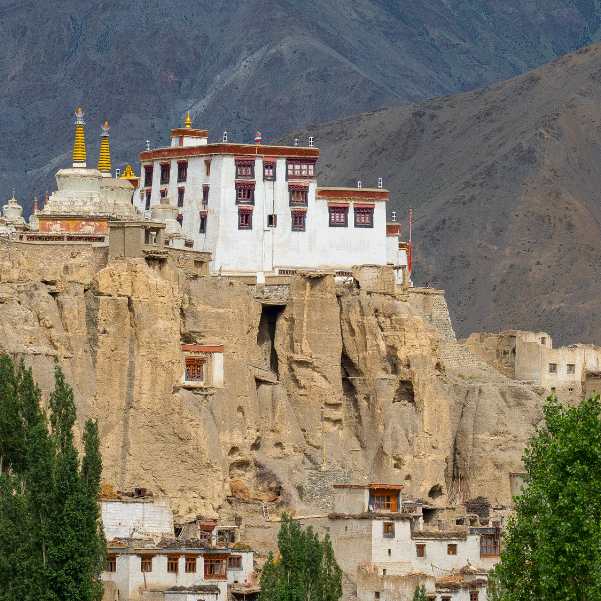
Yes, August works well for a large range of travellers. First timers flying in, couples, families with older kids, and anyone doing Pangong and Nubra as their main agenda, August suits all of them.
Compare it to July: July is slightly more unpredictable on roads but less crowded. Compare it to September: September has cleaner skies, crisper air, and thinner crowds. August sits in between, decent weather, fully operational circuits, busier on weekends near popular spots.
What most tourists get wrong about August is assuming Ladakh behaves like the rest of India in monsoon. It does not. Leh town gets very little rain. The frustrating weather is on the mountain roads coming in, not at the destination itself.
What Is the Weather Like in Leh Ladakh in August?
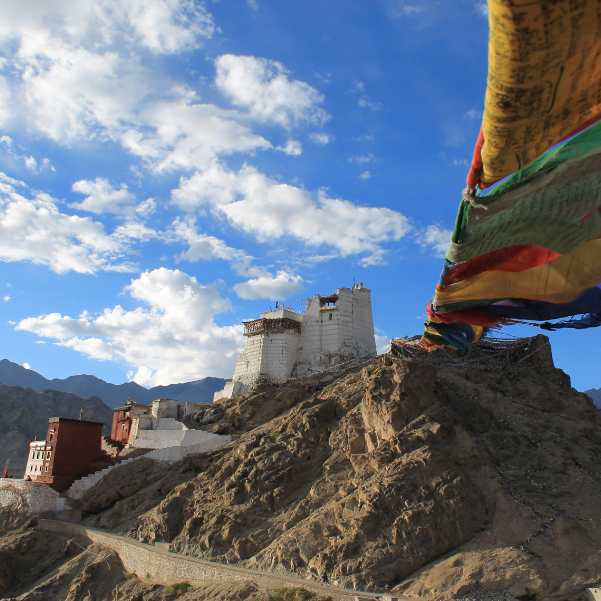
Daytime temperatures in Leh in August typically range from around 15°C to 25°C, depending on cloud cover and altitude.
It is warm enough for a T-shirt at noon in direct sun, but you will want a fleece the moment you step into shade.
Nights drop considerably. Expect 8°C to 12°C in Leh town and significantly colder at higher altitude camps near Pangong or Nubra.
If you are camping anywhere above 4,000 metres, pack for sub zero nights.
The UV is brutal at this altitude. The sun feels stronger than it looks on a weather app. Sunscreen and good sunglasses are not optional, they are daily essentials.
Are the Roads to Leh Ladakh Open in August?
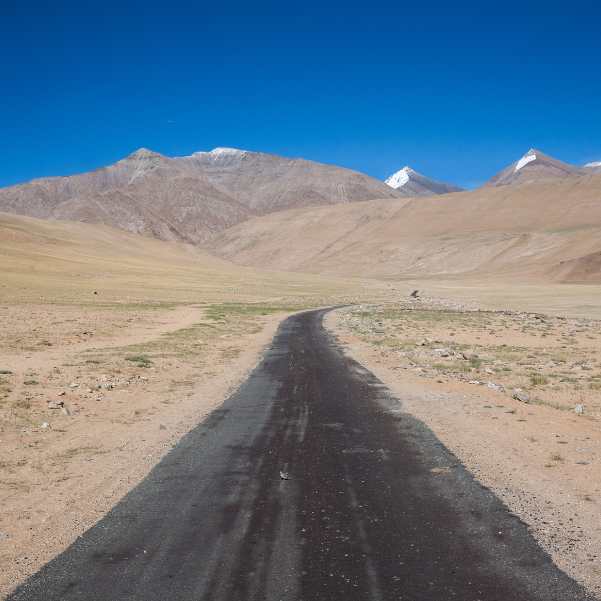
Flights to Leh run year round and August is no exception. Leh's Kushok Bakula Rimpochhe Airport at roughly 3,256 m / 10,682 ft handles regular flights from Delhi, Srinagar, Chandigarh, and Jammu. Flights are the most predictable option in August.
The Manali to Leh highway is generally open in August but this is one of the most monsoon affected mountain roads in northern India.
Water crossings, slippery patches near the passes, and occasional landslide clearances are normal. Our team always recommends at least one buffer day if you are entering via this route.
Check the live Himachal road status at hplahaulspiti.nic.in/road-status on the morning you leave.
The Srinagar to Leh highway runs through the Zoji La pass, which is another weather sensitive stretch. It was temporarily blocked by an avalanche in March 2026, a reminder that mountain roads can change fast regardless of season. Check leh.nic.in/weather-and-road-status before departure.
Is It Better to Fly to Leh or Go by Road in August?
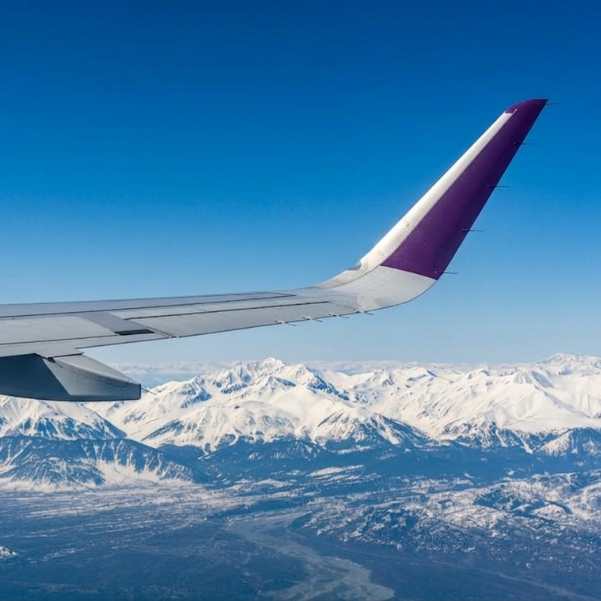
In our experience running Ladakh trips, flying into Leh works better for most August travellers. You land, you rest two days, you start exploring. No road delays, no uncertain timelines, no washed out mornings waiting for highway clearance.
Road trips are more rewarding as an experience. The Manali to Leh highway is one of the great drives in India.
But in August, you are betting on conditions that change overnight. If your leave is fixed and you cannot afford a delay, fly in.
One thing road trips do not fix: acclimatization. Whether you drive or fly, you still need at least 48 hours of rest in Leh before heading to Pangong or Nubra.
How Many Days Do You Need for Leh Ladakh in August?
6 to 8 days is the right range for most first time travellers. This gives you two days in Leh for acclimatization and local sightseeing, a night in Nubra, a night at Pangong, and time back in Leh before departure.
If you only have 5 nights, you can still cover the essentials, but every day is tight and there is no room for a road delay or an off day at altitude. Do this only if you have been to high altitude before.
7 days is the sweet spot. You can add Tso Moriri with 9 or 10 days, which turns the trip into something really complete.
Best 7 Day Leh Ladakh Itinerary for August
Day 1
Day 1 is non negotiable: arrive in Leh, check into your hotel, and do nothing strenuous. Eat light, drink water constantly, sleep early. Any headache you get today will be gone by morning if you rest properly.
Day 2
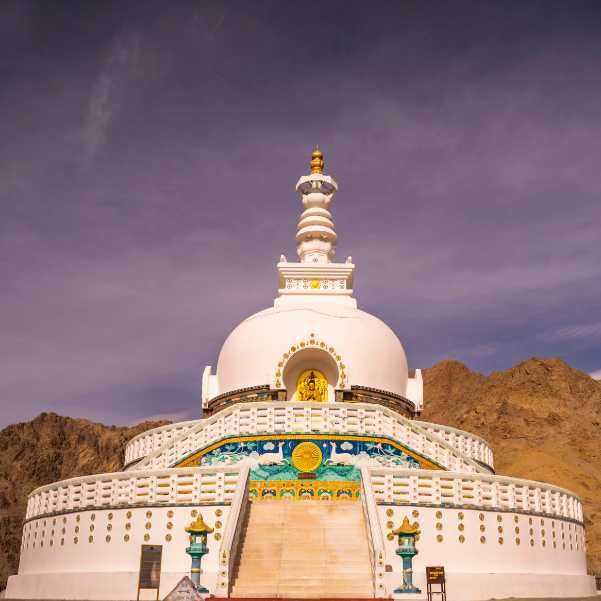
Day 2 is for Leh itself. Walk to Leh Palace in the morning when the light is softest and the tourists are few. Spend time at Shanti Stupa in the late afternoon. Visit the main market, try thukpa at one of the local spots near the main bazaar, and call it a day by 7 PM. Your body is still adjusting.
Day 3
Drive to Nubra Valley via Khardung La. The pass is high and the road after it is long, you will reach Hunder or Diskit by early afternoon. Stay overnight. The double humped Bactrian camel ride at the Hunder sand dunes is touristy but genuinely fun, and doing it in the evening light is worth it.
Day 4
Return from Nubra via Shyok and take the scenic route to Pangong Lake. This is a long driving day, factor in 6 to 7 hours on the road. Arrive, check into your camp, and sit by the lake for as long as you want. The colour of the water shifts through the afternoon into evening. Stay overnight.
Day 5
Wake up early. Reach the lake before 7 AM if you can. The light on the water at sunrise is completely different from anything you will see later in the day, and by 10 AM the first rush of day trippers arrives from Leh. Drive back to Leh by mid afternoon.
Day 6
Day 6 is your local sightseeing day. Visit Thiksey Monastery in the morning. The prayer hall above the main complex has a giant Maitreya statue that is genuinely impressive. Drive to Hemis in the afternoon.
These two monasteries are the most visited in Ladakh and worth the time. Stop at Sangam on the way back to watch the Indus and Zanskar rivers meet.
Day 7
Day 7 is departure day. Keep the morning slow, do a final walk through Leh market, and head to the airport.
If you want someone to handle the logistics for this itinerary, Talk to our team on WhatsApp. Our Ladakh tour packages come with transport sorted, stays handpicked, and a team that actually picks up the phone when something changes on the road.
>> WhatsApp us to handle the logistics for this itinerary
Best Places to Visit in Leh Ladakh in August
Leh Palace
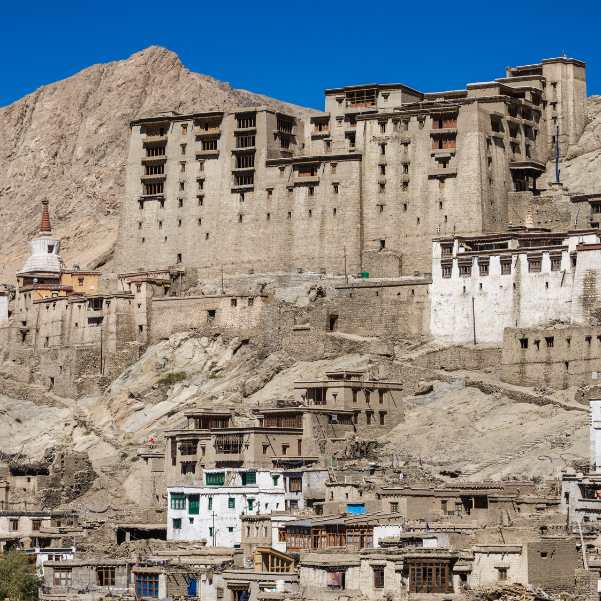
Leh Palace is worth a morning of your time. It sits above the old town and the view from the top covers the entire Indus Valley. Go before 9 AM to avoid the tour groups.
Shanti Stupa
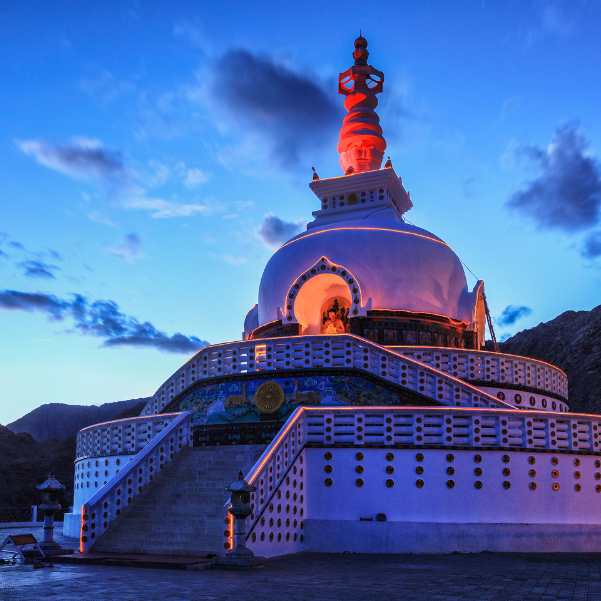
Shanti Stupa is overrated as a morning spot but genuinely beautiful at sunset. The climb up is short and the view across Leh is clear from the top.
Thiksey and Hemis
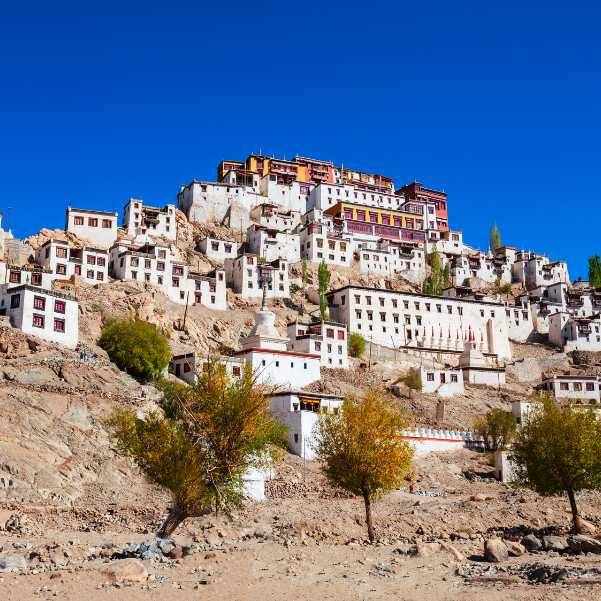
Thiksey and Hemis are the two monasteries first timers should not skip. Thiksey looks like a miniature Potala Palace and Hemis is the largest monastery in Ladakh. Both are within an easy drive from Leh and can be combined in one afternoon.
Nubra Valley
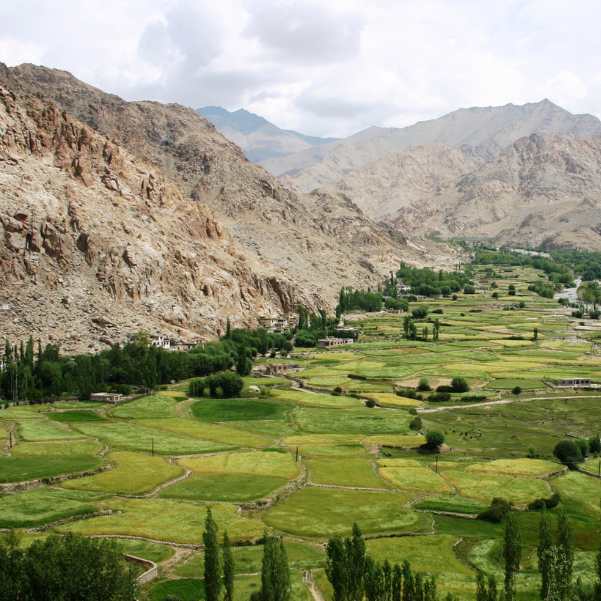
Nubra Valley is a landscape that makes no sense at first. Sand dunes, Bactrian camels, and a river valley ringed by snow peaks. It is one of those places where the oddness of the geography is the whole point.
Pangong Lake
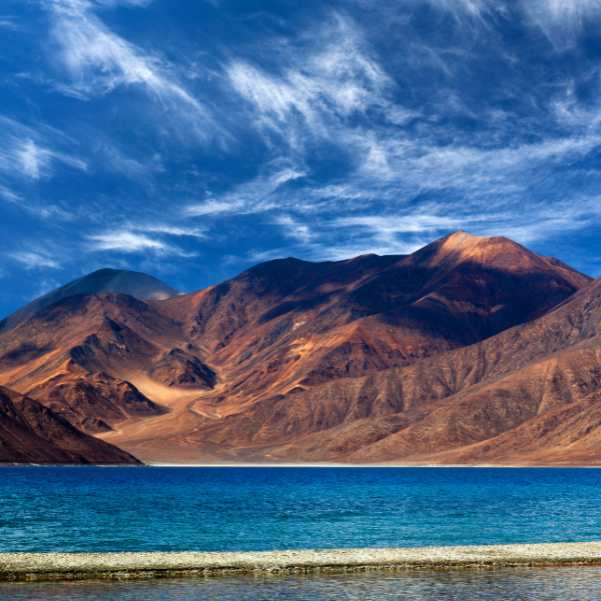
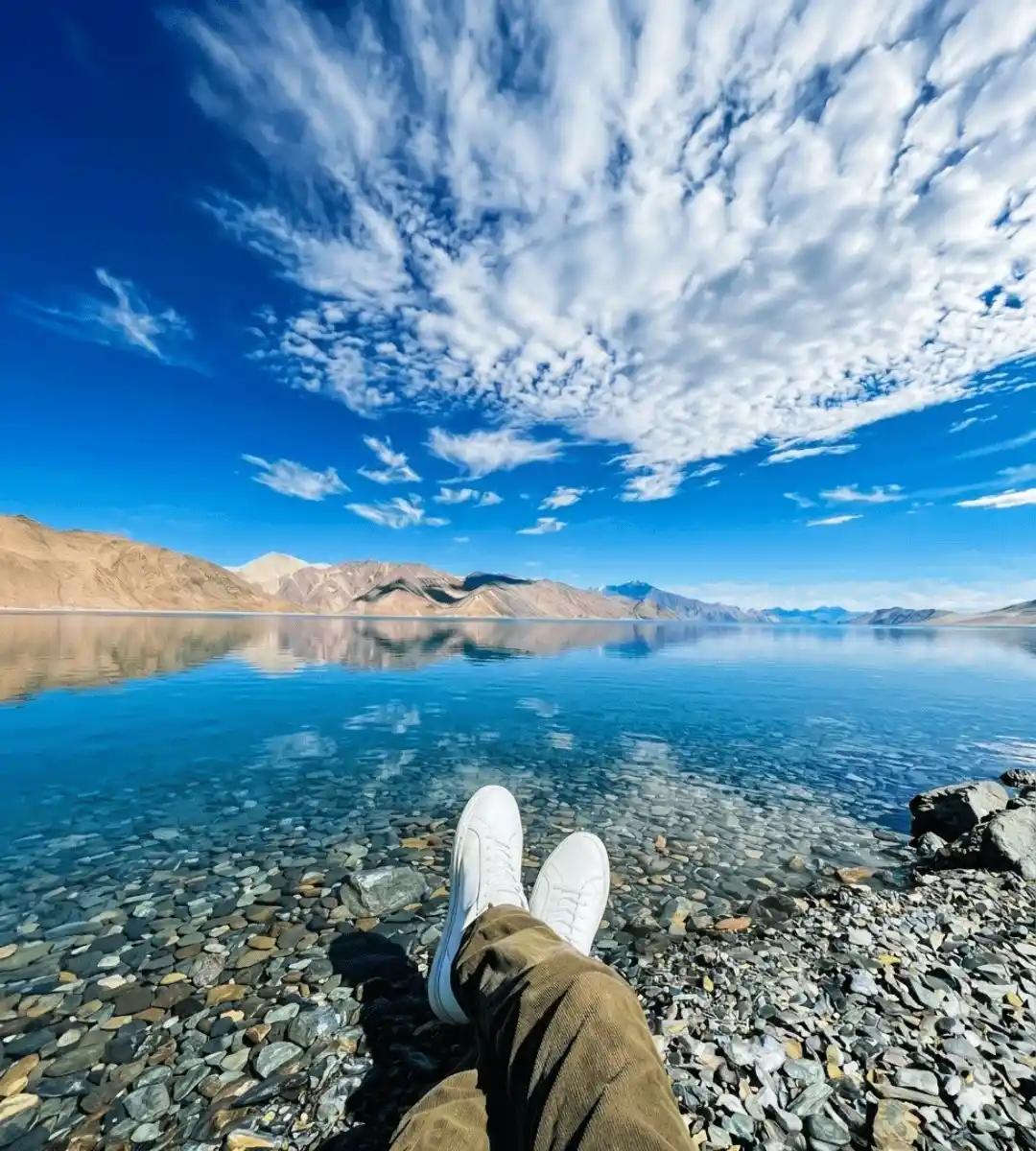
Pangong Lake is the place most people come to Ladakh for. No photograph fully captures how blue the water is or how still it sits against those brown mountains. At least one night at the lake is the right way to experience it.
Tso Moriri
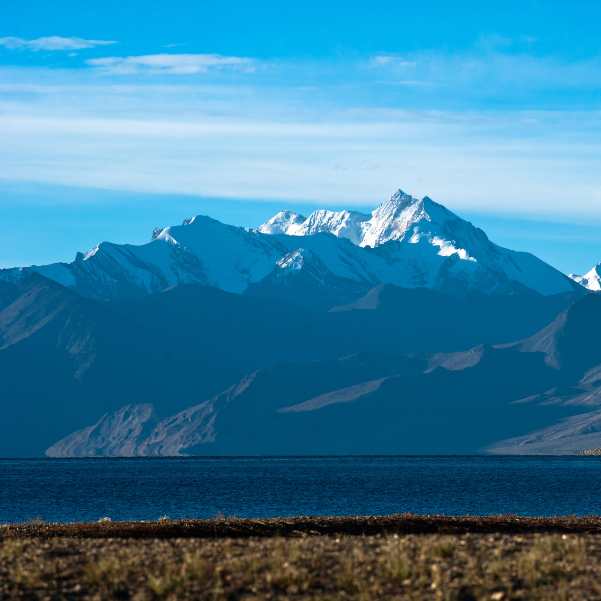
Tso Moriri needs more time. It is further from Leh and the road is tougher. But if you have 9 or 10 days, it rewards the effort with far fewer crowds and equally stunning colours.
Magnetic Hill
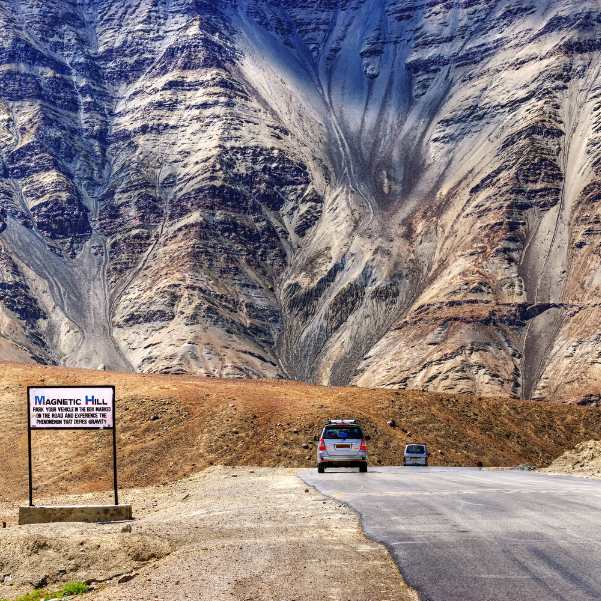
Magnetic Hill is the one skip this recommendation we always give. It charges an entry fee and the "magnetic effect" is a well known optical illusion that takes two minutes to understand. The time you save skipping it is better spent at the Sangam viewpoint nearby, which is free.
Nubra Valley in August
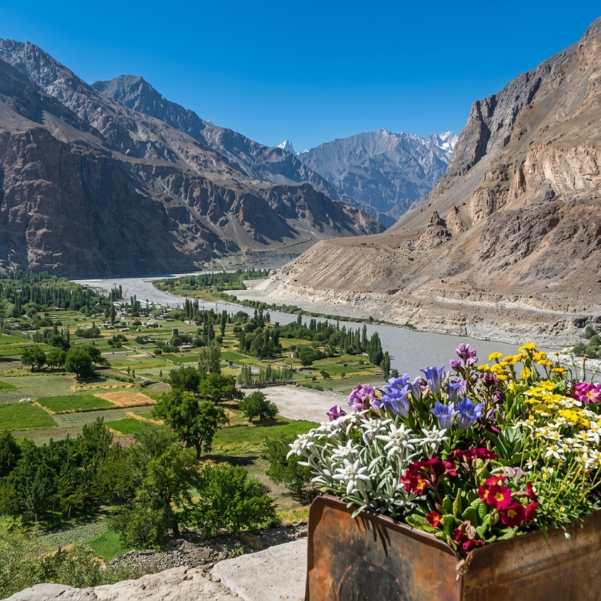
Nubra sits north of Leh across Khardung La, which used to be marketed as one of the world's highest motorable roads. The drive from Leh takes about 4 to 5 hours depending on conditions at the pass.
August is a good month for Nubra. The valley is accessible, the river is full, and the light in the late afternoon makes the sand dunes glow. Diskit Monastery on the ridge above town is worth a short visit. The giant Maitreya statue facing the valley is hard to miss.
Hunder village is where the camel rides happen. It is touristy, yes, but the experience of riding a camel through sand dunes with 6,000 metre peaks behind you is genuinely unusual. If you are going to do it, do it in the late afternoon.
Rushing Nubra as a day trip from Leh is a waste. Spend a night here. The drive back via the Shyok River route the next morning is scenic and much less traveled than the Khardung La road.
Pangong Lake in August
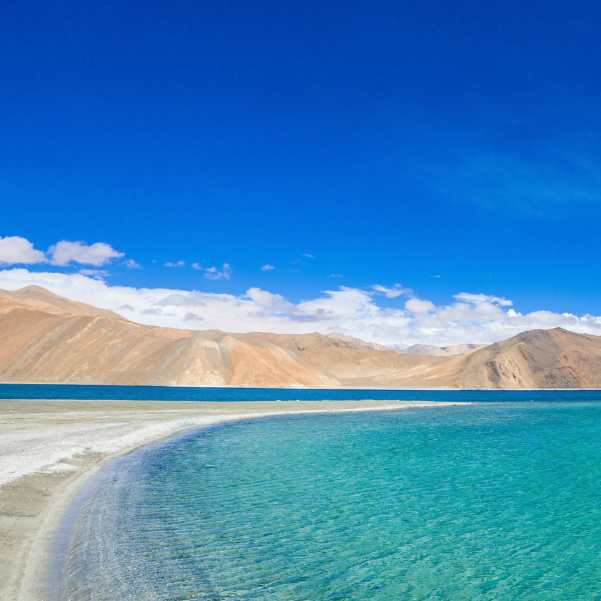
Pangong is about 160 km from Leh and takes 5 to 6 hours to drive via Chang La pass. That is a full morning on the road. Start by 7 AM at the latest to arrive with daylight to spare.
In August, the lake is fully accessible and the camps on the south bank are operational. The colour of the water varies through the day. Blue green in the morning, deep cobalt by afternoon, almost purple as the sun dips. It changes fast and it is worth staying to watch it.
Nights at Pangong are cold. Pack your warmest layer regardless of what the August daytime felt like in Leh. Wind comes off the lake sharp and fast once the sun goes down.
One honest negative: the camps near Pangong in peak August can feel crowded on weekends. If you hit it on a Saturday night in August, the "remote lake" feeling diminishes a bit. Midweek nights are significantly quieter.
Do You Need Permits for Leh Ladakh in 2026?
For domestic Indian travellers, the old Inner Line Permit system for standard Ladakh circuits has been replaced. You generally pay an environmental fee and carry the receipt as proof. (go through the official portal at lahdclehpermit.in before travel. Government rules on this can change).
Foreign nationals need a Protected Area Permit for restricted areas in Ladakh.
Honest advice: check the official portal directly before you travel, not a blog post from last year. Permit rules in Ladakh have changed more than once and what was accurate 12 months ago may not be accurate today.
Ladakh Environment Fee and Permit Cost in 2026
For domestic travellers, the current fee structure works like this. The environment fee is ₹400 per person, paid once. The wildlife fee is ₹20 per person per day for each day you spend in areas covered by the fee. There is also an optional Red Cross fee of ₹50 per person, paid once.
For a 7 day trip including the optional Red Cross fee, that adds up to ₹590 per person in total fees, a very manageable number.
Pay through the official portal at lahdclehpermit.in and carry your receipt on the trip. Some checkpoints ask for it. Verify the current rate on the portal before paying since government set fees can be revised without much notice.
What to Pack for Leh Ladakh in August
Pack in layers. A light T shirt and a heavy fleece can both be essential on the same day in Ladakh. The basics: thermal innerwear, a mid layer fleece, and a windproof outer jacket rated for cold evenings.
Waterproof gear matters if you are entering by road via Manali or Srinagar. The approach stretches can get rain and you do not want to arrive at a pass in a soaked jacket.
Sunscreen with SPF 50 or higher, UV blocking sunglasses, and SPF lip balm are daily essentials. The UV at 3,500+ metres is intense even on cloudy days. People who forget this come back with burns they did not expect.
For medicines, carry paracetamol, ORS sachets, Diamox if your doctor has recommended it, an antacid, and basic first aid. There are pharmacies in Leh but not at Pangong or Nubra.
Good trekking shoes with grip beat sneakers on monastery steps and uneven village paths. Carry a powerbank, electricity at Pangong camps is limited and unreliable.
Altitude Sickness and Acclimatization Tips
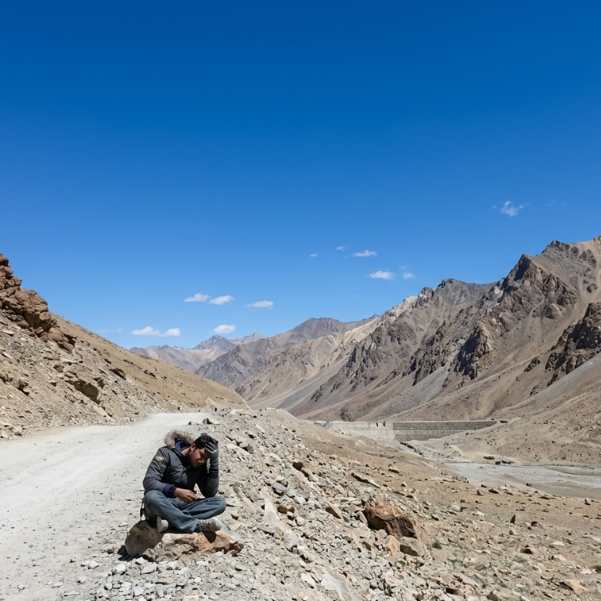
The official recommendation is at least 48 hours of acclimatization in Leh before heading to higher altitude areas like Pangong, Nubra, or Khardung La.
This is not optional advice. It is the single thing that separates a good trip from a miserable one.
On Day 1, do nothing. Drink water, eat light meals, avoid alcohol, and sleep. If you have a headache, that is normal. Rest and hydration clear it for most people by morning.
On Day 2, short walks in Leh are fine. Leh Palace or the main market is the right scale. Going straight from the airport to Pangong on Day 2 is something we tell every traveller not to do, and we have seen it go wrong too many times.
What we always tell first timers is to treat those first two days as part of the trip, not as wasted time. The views at Pangong hit differently when your head is clear and your lungs are working properly.
How Much Does a Leh Ladakh Trip in August Cost?
The permit and environment fee for a 7 day domestic trip works out to ₹590 per person as covered above.
For flights, prices vary significantly by departure city and how far in advance you book.
Hotel prices in Leh range from budget guesthouses to mid range hotels. The market is competitive in August because it is peak season.
Taxi rates for the standard Pangong day/overnight trip and Nubra circuit are fixed by the local taxi union.
Bike rentals in Leh are widely available if you want to ride the circuit yourself.
Food costs in Leh are reasonable. A full meal at a mid range restaurant runs around ₹300 to ₹800 per person, while dhabas and local eateries are much cheaper. On the road, the dhabas at Nubra and Pangong serve simple but warm meals.
August Travel Tips That Most Blogs Miss
Start every driving day early. "Early" in Ladakh means by 7 AM at the latest for long drives like Leh to Pangong. Mountain roads have afternoon weather patterns that you want to beat.
Do not jump from the airport to Pangong without acclimatization. We know everyone wants to get there fast. Do not do it.
The headache and nausea you get at 4,350 metres without acclimatization will ruin the experience of a lake you have been looking forward to for months.
Check live road status close to your departure, not days in advance. Conditions change fast. The leh.nic.in/weather-and-road-status page is the most reliable source for Leh district roads.
If you are entering by road via Manali, keep rain gear on you in the vehicle, not in your checked bag. You will need it suddenly and without warning on the approach passes.
Build one buffer day into any 7 day itinerary. Our team has handled enough August Ladakh trips to know that one unexpected delay, a blocked road, a weather hold, a vehicle issue, happens on roughly half of road entry trips. The buffer turns that delay into a story instead of a disaster.
Thinking about combining Ladakh with a Spiti Valley trip? Our Lahaul and Spiti Valley packages work well as an extension, and if Chandratal is on your radar, read our Chandratal opening guide before locking dates.
Browse our popular tours or get in touch if you want help building a Ladakh trip that actually fits your schedule.
Message our team on WhatsApp with your travel dates, and we’ll send you a personalized itinerary.
>> WhatsApp us and get an itinerary built for your schedule
Explore Our Curated Leh Ladakh Tours
 6D/5N
6D/5NUltimate Leh Ladakh Tour Package with Nubra Valley & Pangong Lake
2D Leh•1D Nubra Valley+1
₹28,999₹35,999SAVE INR 7,000/ person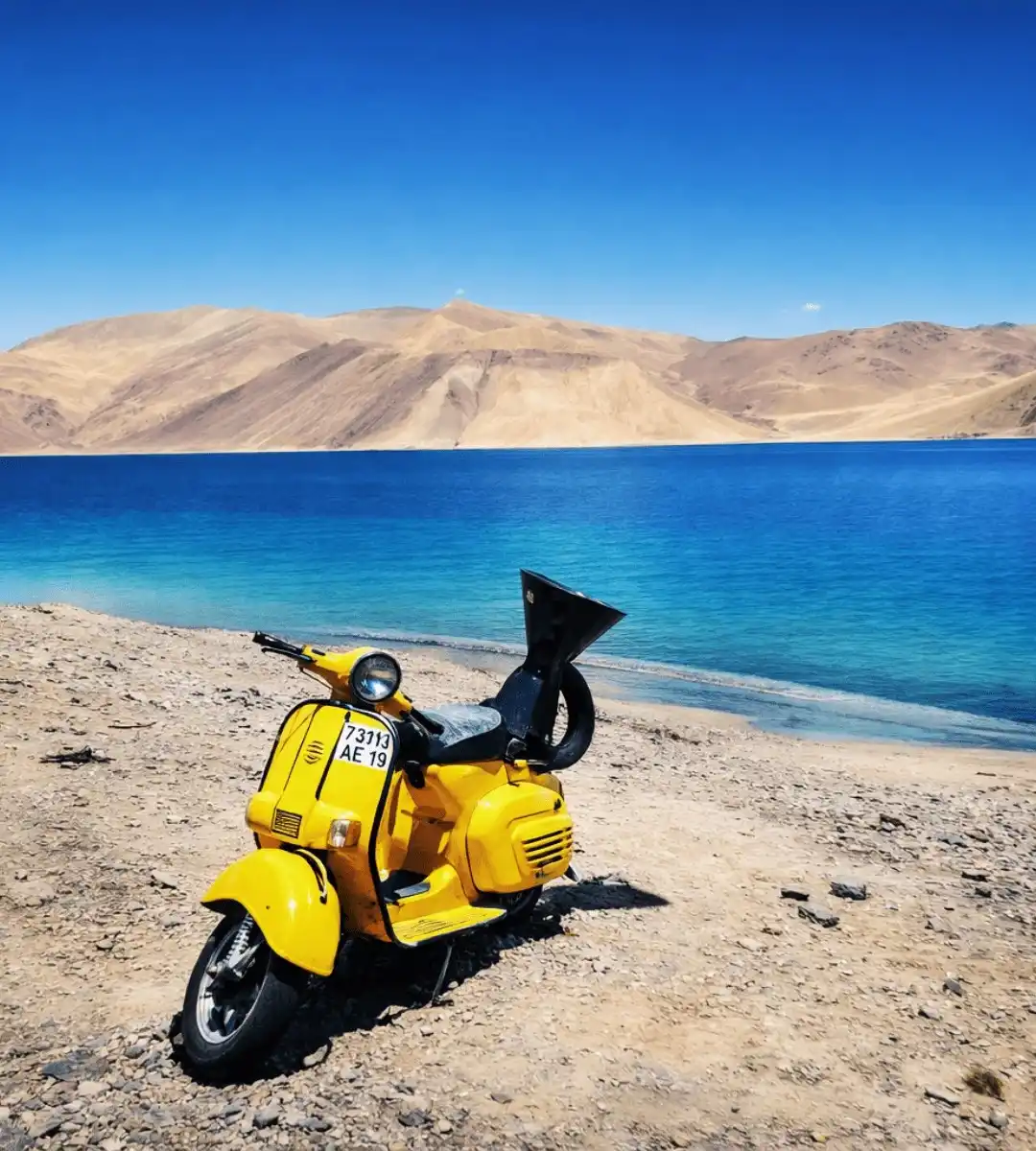 6D/5N
6D/5NBest Selling Leh Ladakh Tour With Nubra Valley and Pangong Lake
2D Leh•1D Nubra Valley+1
₹23,999₹28,599SAVE INR 4,600/ person 4D/3N
4D/3NLeh Ladakh Short Getaway
2D Leh•1D Pangong Lake
₹16,499₹19,999SAVE INR 3,500/ person
Related topics
Frequently Asked Questions
Is August a good time to visit Leh Ladakh?
Yes. The main sightseeing circuits are open, the weather in Leh city is pleasant, and all camps and guesthouses are fully operational. The only complication is the approach roads, which can face temporary delays due to monsoon conditions.
Is Ladakh open in August?
Ladakh is fully open in August. Nubra, Pangong, Tso Moriri, and all the major monasteries around Leh are accessible. Flights run normally. Road access is generally available but check live road status before you travel by highway.
What is the temperature in Leh Ladakh in August?
Daytime temperatures in Leh typically sit between 15°C and 25°C in August. Nights drop to around 8°C to 12°C in Leh town and colder at high altitude camps near Pangong and Nubra. Pack layers for both ends.
Is it safe to visit Leh Ladakh in August?
Yes, with the standard precautions. Acclimatize for 48 hours before heading to higher altitude areas. Check road conditions if entering by highway. Keep basic medicines handy. The destination is safe. The risks in August are altitude and road conditions, both manageable with preparation.
Should I fly to Leh or go by road in August?
Flying is more predictable and saves you from monsoon related highway uncertainty. Road trips are more adventurous but need buffer days in August. If your trip duration is fixed and tight, fly in.
Do I need an Inner Line Permit for Ladakh in 2026?
For Indian travellers, the old Inner Line Permit system has been replaced by an environment fee for most standard circuits. Pay the fee at the official portal lahdclehpermit.in and carry your receipt.
How many days are enough for Leh Ladakh in August?
Six to eight days works well for a first trip covering Leh, Nubra, and Pangong. Seven days is the sweet spot. Five nights is workable if you have been to altitude before and have no road delays to contend with.
What should I pack for Ladakh in August?
Thermal layers, a fleece, a windproof jacket, sunscreen with SPF 50+, UV sunglasses, SPF lip balm, good trekking shoes, a headlamp, a powerbank, ORS sachets, paracetamol, and Diamox if your doctor has recommended it.
Can I visit Pangong Lake in August?
Yes. Pangong is fully accessible in August. The drive from Leh takes 5 to 6 hours via Chang La. Stay at least one night to see the lake at both sunrise and sunset. The colour difference is striking.
Can families visit Ladakh in August?
Yes, with reasonable planning. Families with children above 8 to 10 years generally do well with a 7 day itinerary. Keep the first two days slow in Leh for acclimatization. Avoid rushing to high altitude areas on Day 1.
Is August better than September for Ladakh?
September has cleaner skies, fewer tourists, and crisper air. August has more predictable road openings and warmer days. Neither is wrong. September edges ahead for photographers and those who dislike crowds, while August suits families and first timers better.
Can I do a bike trip to Ladakh in August?
Yes, August is one of the popular months for bike trips on the Manali to Leh highway. Be prepared for wet and slippery road patches on the approach sections. Start early each day, build buffer time for delays, and carry rain gear. If this is your first Himalayan bike ride, the Srinagar to Leh route is less intimidating in August than the Manali side.
More about Ladakh
 Ladakh
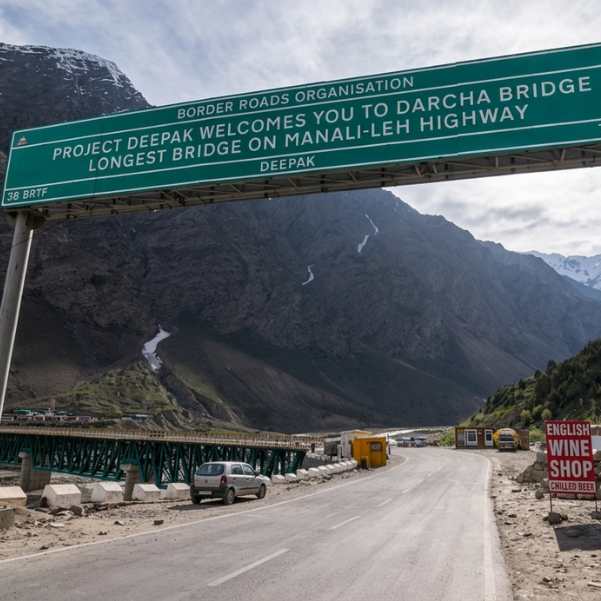
Manali to Leh Highway 2026: Every Pass, Stop and Distance
Plan your Manali to Leh Highway journey in 2026 with a complete guide to major mountain passes, overnight stops, route highlights, and distance. Discover key stops like Jispa, Sarchu, and Pang, along with famous passes including Baralacha La and Tanglang La.
- Road Trips
- How to Reach
 Ladakh
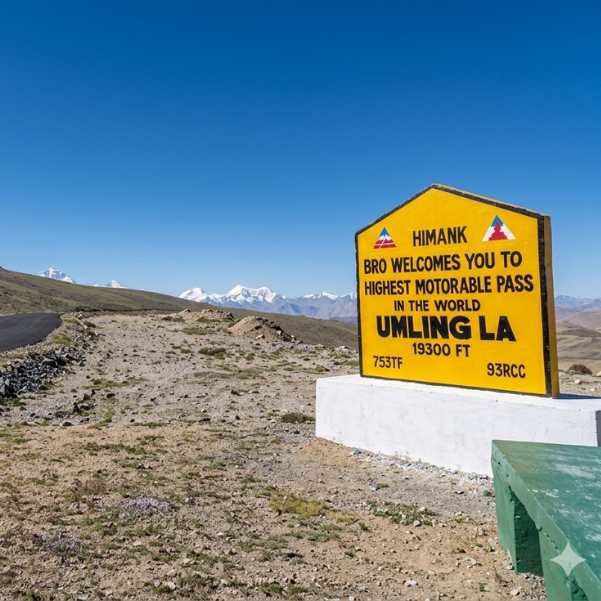
Umling La Ladakh Guide 2026: Route, Altitude, Permit, Safety & Reality Check
Planning to visit Umling La in 2026? This complete guide covers the route, altitude, permit requirements, road conditions, safety tips, and the realities of travelling to one of the world's highest motorable roads.
- Road Status
- Altitude & Health
 Ladakh
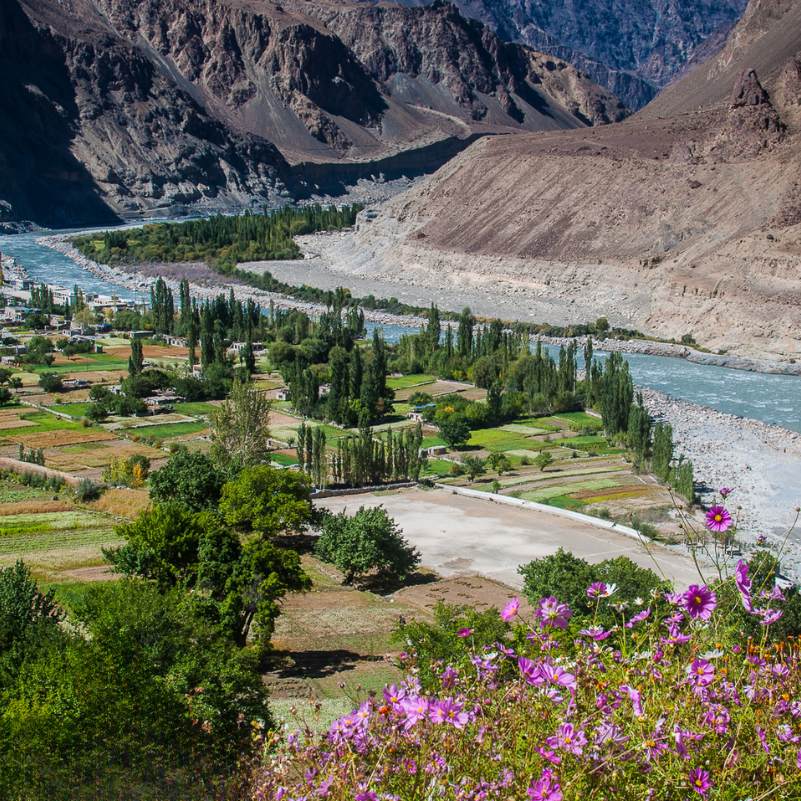
Turtuk Ladakh Travel Guide 2026: Balti Culture, Apricot Orchards and Why It Is Perfect for Families
Planning a trip to Turtuk? This 2026 travel guide explores the village's rich Balti culture, beautiful apricot orchards, top attractions, travel route, and why Turtuk is one of the best family-friendly destinations in Ladakh.
- Places to Visit
- Family Travel