
Khardung La Pass in June 2026: Weather, Snow, Road Status, Permit and Travel Tips

Most people who visit Khardung La in June spend two days in Leh, feel fine, and assume they are ready. Then they step out at the top and their head starts pounding within ten minutes.
June is actually one of the better months to cross Khardung La. The road is generally open, snow walls are still visible in early June, and the Leh to Nubra route is in full swing.
But the altitude does not care about your excitement level or your fitness. Getting this one thing right changes everything about the experience.
This guide by Travel Coffee covers the route, road conditions, permits, stay planning, and practical on ground tips so you can travel with a clearer idea of what to expect.
Quick Answer
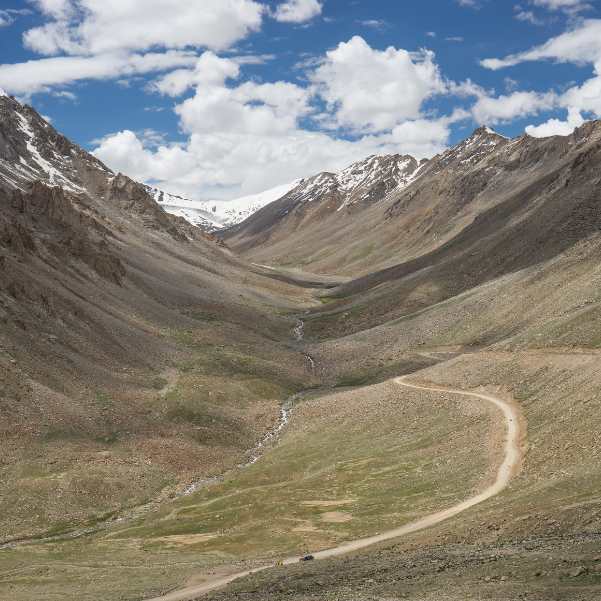
June is one of the most reliable months to visit Khardung La. Roads are generally open, both routes to Nubra are running, and you will likely still see snow at the top.
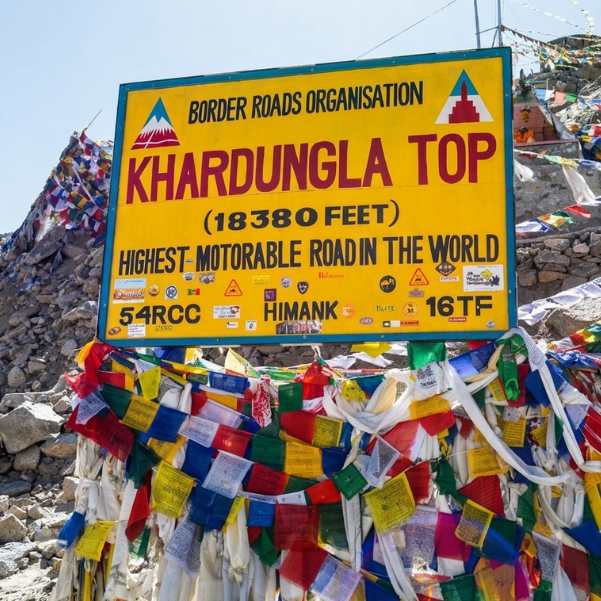
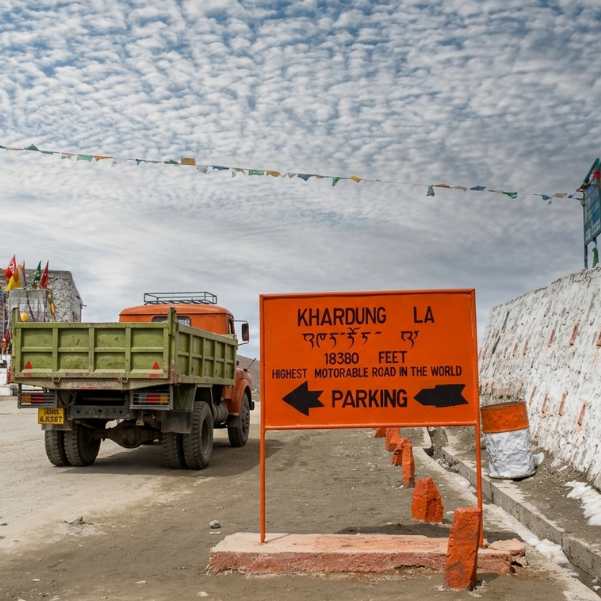
The pass sits at approximately 5,359 m / 17,582 ft (some signboards claim higher, more on that below), so breathlessness is normal even for fit travellers.
The one thing that matters more than anything else: spend at least 48 hours in Leh before going up. That one step prevents most of the problems we see travellers run into every season.
Is Khardung La Pass Open in June?
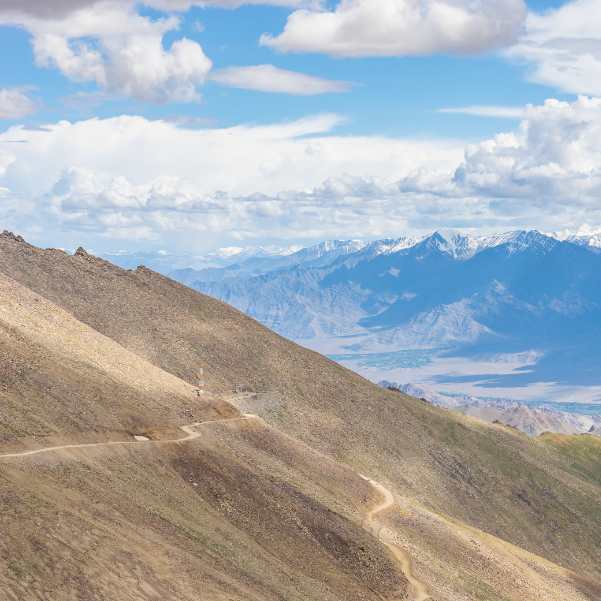
Yes, June falls squarely within the standard travel window for Khardung La. Both the Leh side and the Nubra side are generally passable by this time of year.
That said, temporary closures do happen. Snow, slush after a night snowfall, weather events, or local military traffic can all shut the road for a few hours without warning.
In our experience running Ladakh trips, the morning window is almost always the most reliable. If there is a closure, it usually happens midday or after heavy afternoon weather.
Always check road status locally on the morning you plan to go, not the night before, and definitely not from a travel blog post written two months ago.
What Is Khardung La Like in June?
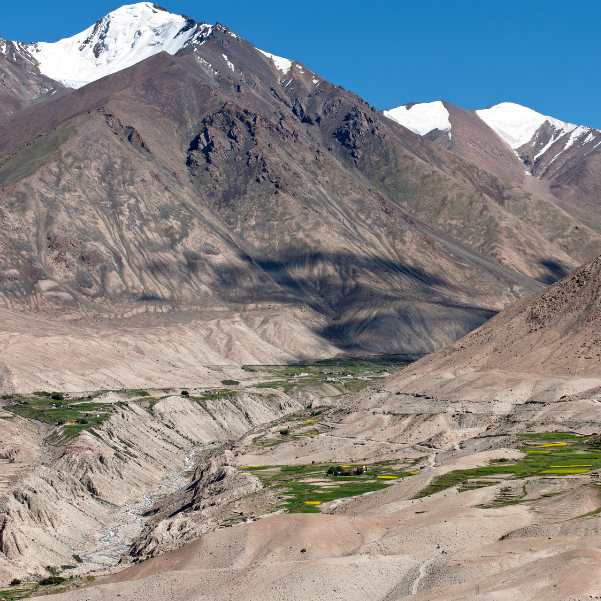
Leh in June is genuinely pleasant. Warm afternoons, clear skies, cool evenings. You can sit in a café in a light jacket and feel comfortable.
The pass is a different world entirely.
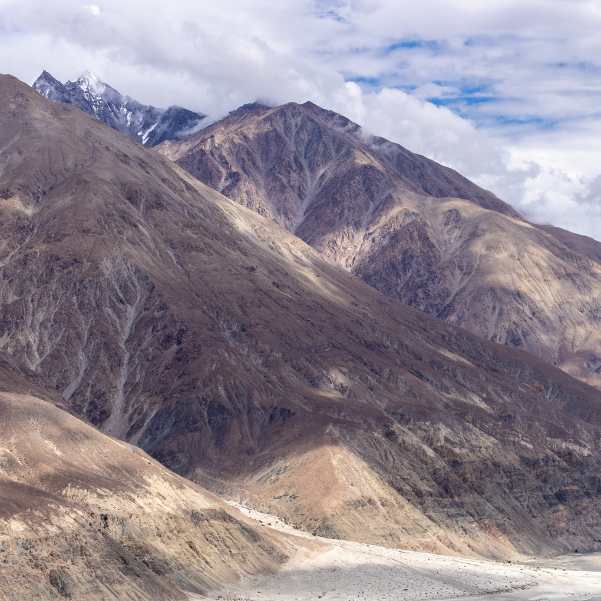
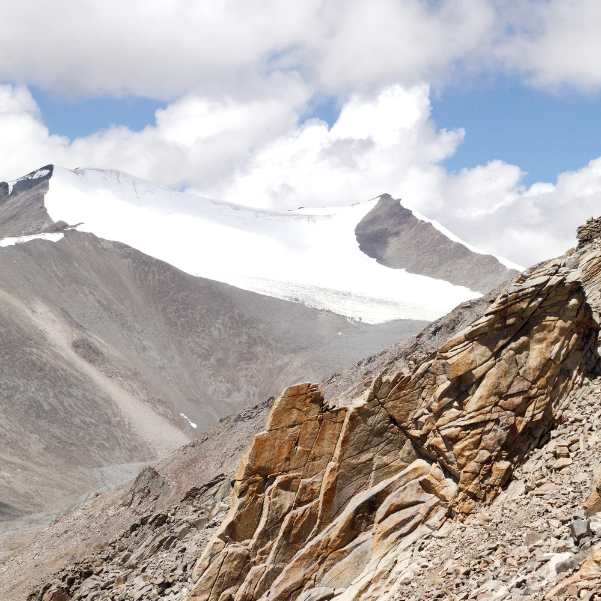
By the time you reach the top, the wind cuts through whatever you are wearing. Snow walls line the road in early June, sometimes three to four feet high on either side.
The sky is intensely blue at this altitude and the sun is sharp, but the moment a cloud passes over, the cold is immediate.
It is one of those places where summer and winter exist on the same day. Dress for both.
Will You See Snow at Khardung La in June?
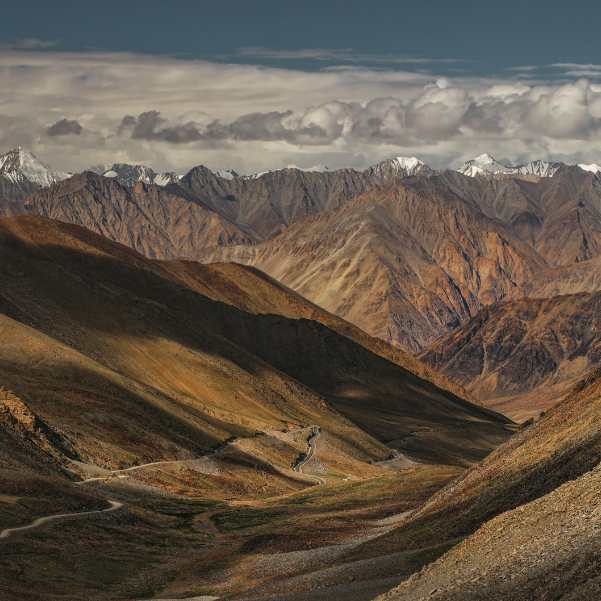
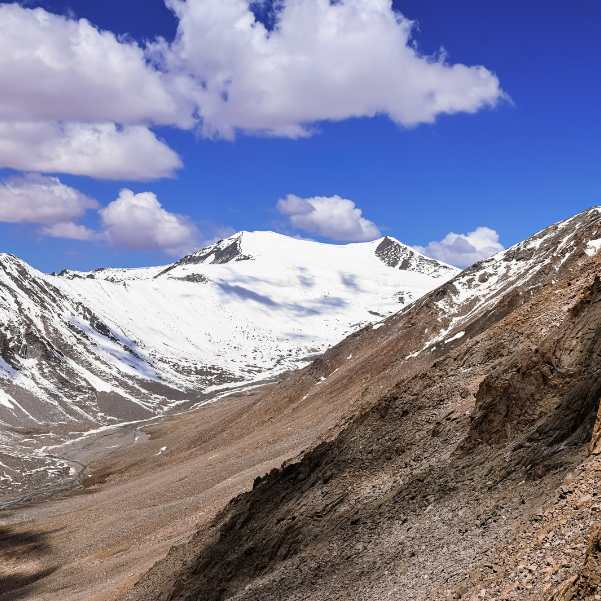
Almost certainly yes, at least in early June. Old compacted snow along the road edges is standard. The area around the summit still holds significant snowpack from winter.
In late June, the snow walls shrink and the road surface itself is usually clear, but patches of snow remain on the surrounding slopes and ridges.
Fresh snowfall in June is possible, though it is not the norm. We have seen brief snowfall even in July on unusual weather days.
Carry a windproof layer regardless of what the forecast says for Leh. The forecast at Leh tells you almost nothing about conditions at 5,300 metres.
What Is the Temperature at Khardung La in June?
Leh in June typically sits between 18°C and 25°C during the day, dropping to around 7°C at night, so the base feels comfortable by hill station standards.
At the pass, you are looking at something significantly colder. Wind chill at that altitude can make a 2°C or 3°C summit feel like minus 5°C on your face and hands.
Do not pack for Leh and assume you are covered. We always tell our travellers to carry a proper down jacket, gloves, and a warm cap regardless of what the weather looks like when they leave their hotel in the morning. The change in temperature between Leh and the summit happens fast.
Is Khardung La Safe in June?
The road risks in June are real but manageable. The altitude risk is what actually catches people.
Acute Mountain Sickness (AMS) does not discriminate. Young people, fit people, people who have been to high altitude before, all of them can feel its effects.
At around 5,300 metres, the oxygen level is roughly half of what you breathe at sea level. Your body needs time to adjust before you go higher.
Symptoms to watch for: headache that builds rather than fades, nausea, unusual fatigue, and difficulty sleeping. If someone in your group shows these signs, go lower, not higher.
Carrying a personal medical kit with paracetamol, ORS, and anti-nausea medicine is practical. Whether to use Diamox is a conversation to have with your doctor before the trip, not a decision to make at the pass.
How Many Days Should You Stay in Leh Before Visiting Khardung La?
The official advisory from the Leh permit system recommends at least 48 hours of acclimatization in Leh before going to high-altitude areas. They also specifically note that road travel does not count as acclimatization, only resting at altitude does.
From our side, 48 hours is the minimum. If your first day in Leh leaves you with a headache or breathlessness even on a short walk, push Khardung La to Day 4 instead of Day 3. One day's delay is worth nothing compared to a miserable summit experience.
Drink water constantly during those acclimatization days. More than you think you need. Avoid alcohol. Sleep early. These are boring pieces of advice, but they genuinely work.
>> WhatsApp us to check current Khardung La road conditions
Do You Need a Permit for Khardung La in June?
This is where a lot of travellers get confused, and the confusion is understandable because sources genuinely conflict on this.
Some Ladakh permit-related sources list Khardung La among areas that require permit access. The official permit system for Ladakh allows tourists to pay online and get their Inner Line Permit (ILP) without visiting the DC office in person. The fee structure includes an environmental fee, a Red Cross Fund contribution, and a wildlife fee.
Some travel guides say a permit may not be required if you only go to the top and return to Leh without crossing into Nubra Valley. We have heard this from travellers too, but we have never been able to confirm it reliably with local authorities.
Our recommendation: get the permit regardless. It is inexpensive, takes minutes online, and removes any uncertainty at checkpoints. If you are continuing to Nubra Valley, the permit is definitely required. Do not skip it.
Confirm the exact current requirements with local Leh contacts or the DC office before your trip. Permit rules in Ladakh can change between seasons.
Leh to Khardung La Distance, Travel Time and Route
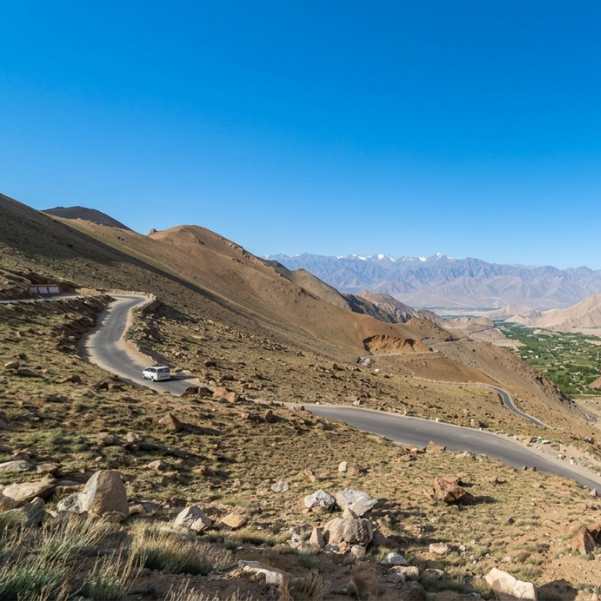
The distance from Leh to the Khardung La summit is about 39 to 40 km. On a normal day with reasonable road conditions, the drive takes about 1.5 to 2.5 hours one way.
That range is real. Early June roads with patches of ice and slush can push you toward the 2.5 hour end. A clear July morning on a well-cleared road might feel quicker.
The route climbs from Leh through South Pullu (where the checkpoint is), continues up through dramatic switchbacks, and reaches the top at the pass. From there, if you are continuing to Nubra Valley, you descend through North Pullu and push on to Diskit or Hunder.
Most travellers who do this route are not just doing a round trip to the top. The pass makes most sense as the crossing point on a Leh to Nubra journey, not as an isolated stop.
If you are looking at a structured itinerary that includes this crossing, our Leh Ladakh tour packages include this route with local drivers who know the road well.
Best Time of Day to Visit Khardung La in June
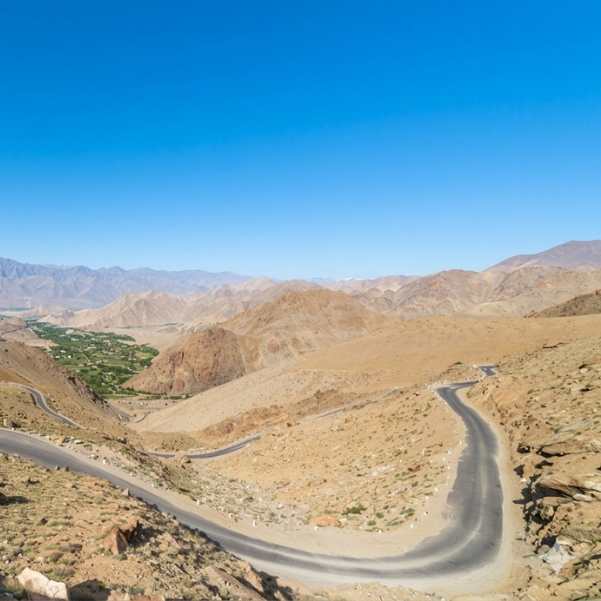
Leave Leh between 6 AM and 8 AM.
Morning conditions are usually clearer, the checkpoint queues are shorter, and you are more likely to catch the road before afternoon weather rolls in. At this altitude, weather changes fast. What is a clear summit at 8 AM can have cloud cover by noon.
Some travel sites cite official timings of 9 AM to 5 PM for Khardung La,but we could not verify a current official fixed schedule for tourists.
We would still recommend an early start even within that window, purely for better conditions and lighter traffic.
How Long Should You Stay at the Top of Khardung La?
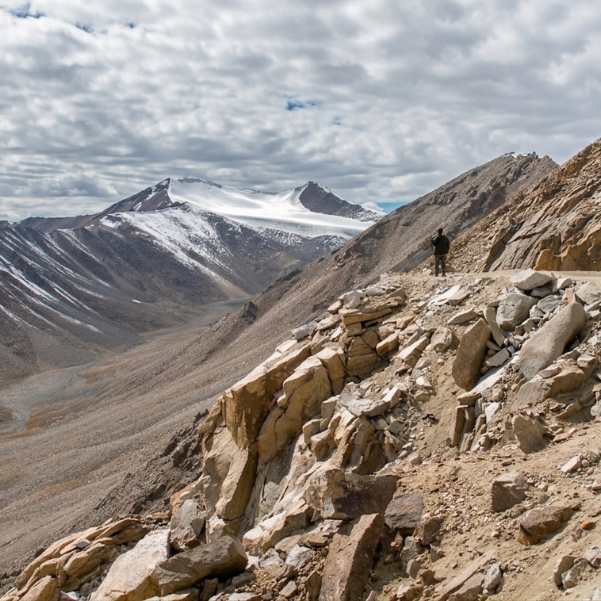
Keep it to 15 to 20 minutes. The altitude is not friendly for extended stops.
Take your photos, absorb the view, have a quick cup of the extremely overpriced chai at the top stall, and move on. At 5,300+ metres, your body is working harder than usual to do everything. Standing still in the cold wind is not restful.
One thing worth skipping: the paid viewing area that some operators near the summit charge extra for. The view from the standard stop area is the same. Save that money for an actual meal in Diskit.
Can You Do Khardung La as a Day Trip from Leh in June?
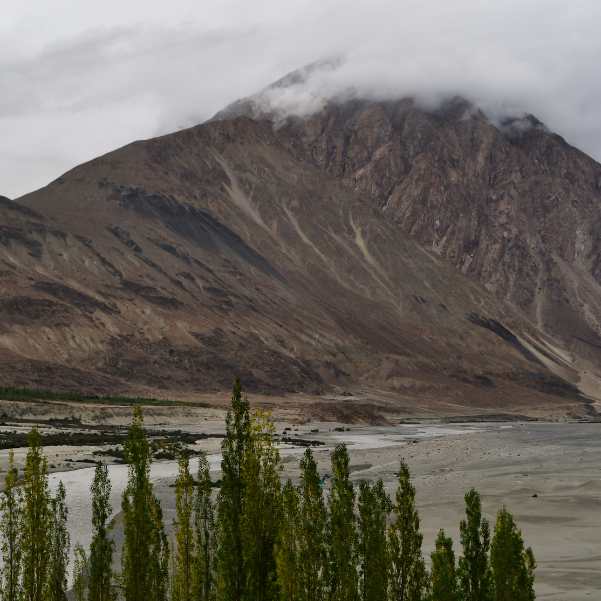
Yes, after proper acclimatization.
A typical day trip looks like this: leave Leh by 7 AM, reach the top by 9 AM, spend 15 to 20 minutes, and be back in Leh by early afternoon. It works logistically.
But it gives you only the pass itself. You miss Nubra Valley, which is genuinely the reason most people come this way.
The sand dunes at Hunder, the double-humped Bactrian camels, the old monastery at Diskit, the remote village stretch toward Turtuk, none of that happens on a day trip.
If you have the time, cross the pass and stay a night or two in Nubra. The extra day is not wasted.
Should You Visit Only Khardung La or Continue to Nubra Valley?
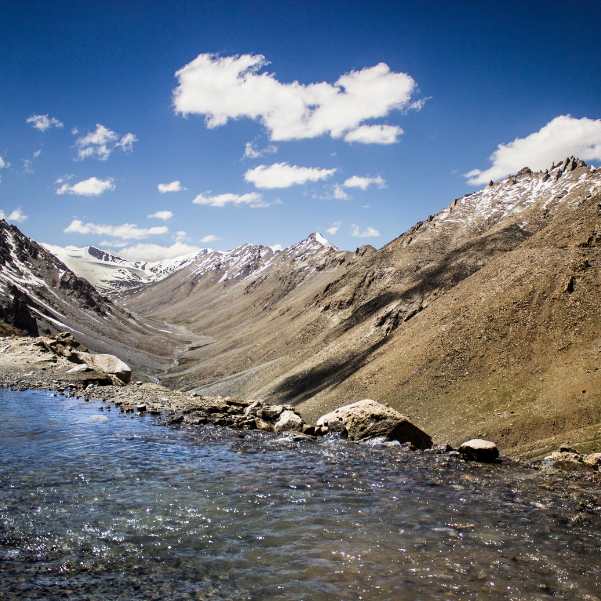
Nubra almost always gives more value.
Diskit has a large white Buddha statue and the old Diskit Monastery overlooking the valley. Hunder has the sand dunes and the Bactrian camels, a scene that genuinely surprises most visitors who did not expect desert in the middle of a mountain landscape.
Panamik has natural hot springs. And Turtuk, for travellers with an extra day, is one of the most remote and unchanged villages in the entire Ladakh region.
The pass itself is a crossing, not a destination. The destination is what you find on the other side.
What Should You Wear and Carry for Khardung La in June?
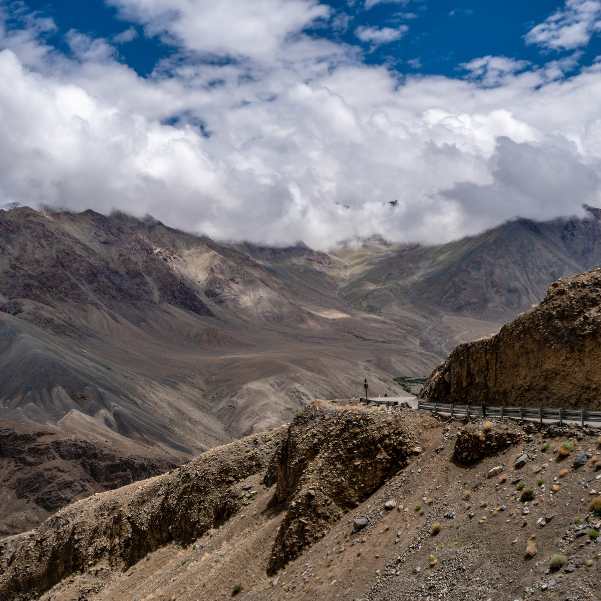
The core layers
Thermal base layer on top and bottom, a fleece mid-layer, and a windproof outer jacket. All three. At the summit, you will need all three even in June.
Warm gloves are not optional. Your hands will remind you why within five minutes of stepping outside at the top. A warm cap or balaclava. And sunglasses, the UV at this altitude is intense, especially with snow reflecting it back at you.
Sunscreen with high SPF. Lip balm. At least one litre of water per person for the summit visit, the altitude dehydrates you faster than you notice.
Basic medicines
Paracetamol, ORS, anti-nausea tablets. Nothing exotic, but having them means you are not making decisions under pressure at 5,300 metres.
For bikers specifically
Full riding gear, gloves, and a balaclava under your helmet. The wind at the top can be brutal on exposed skin. Carry a small toolkit and make sure your bike has been checked and fuelled in Leh before departure.
Khardung La in Early June vs Late June
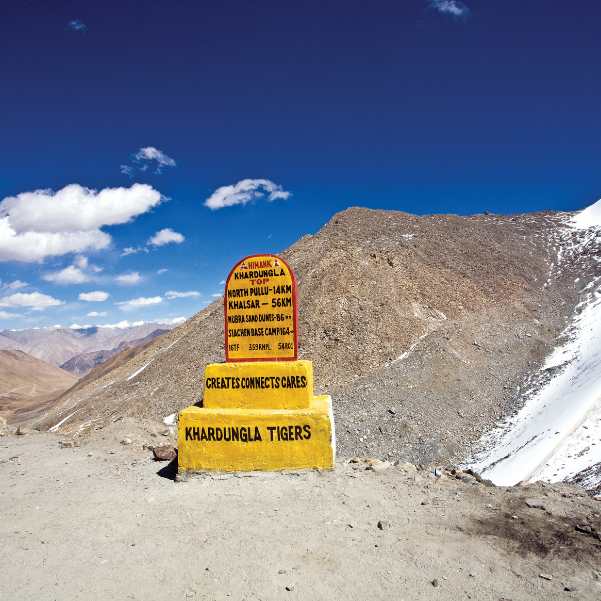
Early June (first two weeks) gives you the most dramatic snow walls, sometimes several feet high along both sides of the road. The landscape feels raw and winter-adjacent even though it is technically summer.
Crowd levels are lower. Roads may have more rough patches and slush from overnight freeze-melt cycles.
Late June is more settled. The snow walls have reduced, the road surface is generally cleaner, and the overall experience is smoother.
Crowd levels start rising as school holidays begin and more travellers hit Leh. The Nubra Valley camping and homestay scene is fully operational.
For photography, early June has the dramatic visual contrast of snow walls and open sky. For comfort and reliability, late June is the safer choice. Both are genuinely good. Pick based on what matters more to you.
Common Mistakes Travellers Make at Khardung La in June
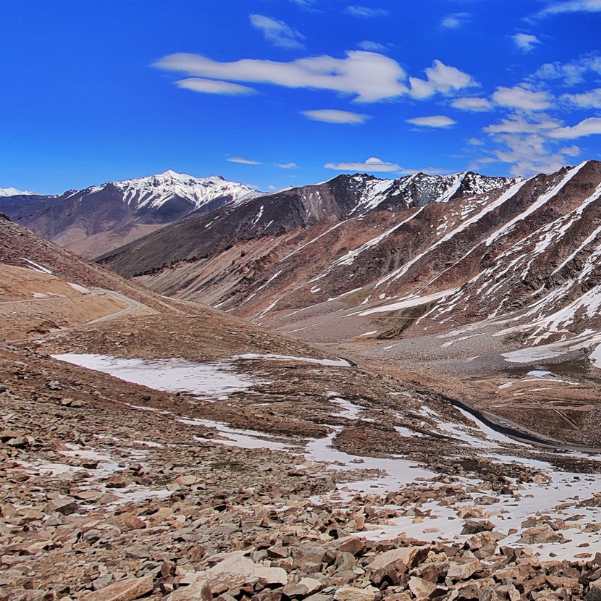
The biggest one
Arriving in Leh at night and going up to the pass the next morning. We see this every season. The traveller felt fine in Leh, assumed they were acclimatized, went up too early, and spent the summit time sitting in the car with a headache.
The second one
Staying too long at the top. Twenty minutes is enough. Thirty is pushing it. An hour is a bad idea for most people who are not already high-altitude adapted.
The third one
Dressing for Leh weather. A light jacket that feels fine in town at 9 AM will not protect you at the pass. The temperature drop between Leh and the summit is significant.
And the fourth
Not drinking enough water during acclimatization days. It sounds too simple to matter. It matters.
Our Recommended June Itinerary for Khardung La
Day 1
Arrive in Leh. Rest completely. Short evening walk around the market, nothing strenuous. Sleep early.
Day 2
Rest and acclimatize in Leh. If feeling good, a short visit to the Leh Palace or Shanti Stupa (no altitude gain, light walking). Drink water. Sleep early again.
Day 3
Early start from Leh by 6:30 AM. Drive to Khardung La, spend 15 to 20 minutes at the top, continue down to Nubra Valley. Reach Diskit or Hunder by afternoon. Stay overnight.
Day 4
Explore Hunder dunes, Diskit Monastery. Option to continue toward Turtuk or Panamik depending on interest. Stay overnight in Nubra.
Day 5
Return to Leh via Khardung La. Full day's drive back with time for a proper meal in Leh by evening.
This format gives you the pass, the valley, and enough buffer to not feel rushed at any point.
For a more structured version of this with handpicked stays and local drivers, take a look at our Leh Ladakh tour packages; we have built-in acclimatization days into every itinerary for exactly this reason.
Planning Khardung La? Send us your dates on WhatsApp and receive a ready-to-book itinerary.
>> WhatsApp us to plan your Khardung La trip properly
Final Verdict: Is Khardung La Worth Visiting in June?
Yes, without hesitation, if you give your body the time it needs.
June is one of the most rewarding months for this crossing. The snow is still present, the roads are generally reliable, the weather is better than most months, and the Nubra Valley scene is fully alive.
The pass itself will give you one of those mountain moments that stays with you — the complete silence at the top, the view down both sides, the cold that wakes you up in a way that nothing else does.
Just acclimatize properly, carry the right layers, keep your summit stop short, and continue into Nubra if you can spare the day.
If you are combining this with a wider Ladakh or high-altitude trip, we covered the planning realities for similar routes in our Chandratal opening dates 2026 guide; some of the altitude and acclimatization lessons apply directly here too.
Explore Our Curated Leh Ladakh Tours
 6D/5N
6D/5NBest Selling Leh Ladakh Tour With Nubra Valley and Pangong Lake
2D Leh•1D Nubra Valley+1
₹23,999₹28,599SAVE INR 4,600/ person 6D/5N
6D/5NUltimate Leh Ladakh Tour Package with Nubra Valley & Pangong Lake
2D Leh•1D Nubra Valley+1
₹28,999₹35,999SAVE INR 7,000/ person 4D/3N
4D/3NLeh Ladakh Short Getaway
2D Leh•1D Pangong Lake
₹16,499₹19,999SAVE INR 3,500/ person
Related topics
Frequently Asked Questions
Is Khardung La open every day in June?
Generally yes, but temporary closures happen without much notice due to snow, slush, weather events, or military convoys. Check road status locally on the morning of your visit.
Can kids visit Khardung La in June?
Older children (above 10 or 12 years) who are fit and have spent adequate time acclimatizing in Leh can usually manage the crossing. Younger children and the altitude are not a safe combination at 5,300 metres. A day trip that stays in Nubra Valley is a better choice for families with small kids.
Can senior citizens visit Khardung La?
Seniors without heart or respiratory conditions, who have properly acclimatized in Leh for two to three days, can usually visit comfortably if they keep the summit stop brief. Those with known health conditions should consult a doctor before planning any high-altitude travel.
Do I need oxygen at Khardung La?
Most travellers do not carry supplemental oxygen and manage fine with a short summit stop. Portable oxygen cans are available in Leh markets and some travellers carry them for reassurance. They are not a substitute for acclimatization but can help manage sudden discomfort.
Can I ride a bike to Khardung La in June?
Yes, and many riders do this exact route every June. The road is manageable on most motorcycles with the right tyres. Expect rough patches and possible ice on early morning runs in early June. Full riding gear including a windproof layer and warm gloves is essential.
How cold is Khardung La in June?
The summit feels significantly colder than Leh due to altitude and wind. Even on a warm June day in Leh, the pass can feel close to freezing. Wind chill makes it feel sharper. Pack a proper down jacket and gloves regardless of the Leh forecast.
Is June better than July for Khardung La?
Both are good. June has more dramatic snow walls and fewer crowds. July has more stable roads and warmer conditions. If this is your first time, late June or July is the safer window. If you want the snow visuals, early June is better.
Is there fresh snowfall in June?
Fresh snowfall in June is possible but not the norm. Old snow from winter is almost always visible, especially in early June. Come prepared for it as a possibility rather than a guarantee.
Can I go to Khardung La without continuing to Nubra Valley?
Yes, a day trip from Leh to the summit and back is possible after acclimatization. But the valley on the other side is the reason most people find the crossing genuinely worthwhile. If you have an extra day, crossing into Nubra makes the trip significantly more rewarding.
Which side of the road is rougher, Leh side or Nubra side?
The Nubra side (North Pullu downward) is generally rougher and takes longer to repair after winter. In early June especially, expect more broken sections on the descent into Nubra. The Leh side is more regularly maintained.
Do I need an ILP if I only go to the top and come back to Leh?
Some travel guides say no permit is needed for a summit-only visit without crossing into Nubra. This conflicts with other Ladakh sources that list Khardung La in restricted areas. Our recommendation is to get the permit regardless, it is inexpensive and removes any checkpoint uncertainty.
What is better, a Khardung La day trip or Nubra overnight?
Nubra overnight, every time. The pass is a crossing, not a destination. Hunder, Diskit, Panamik, and Turtuk are the actual rewards. If the day trip is all you can fit in, it is still worth doing, but one night in Nubra is a different and better experience.
More about Ladakh
 Ladakh
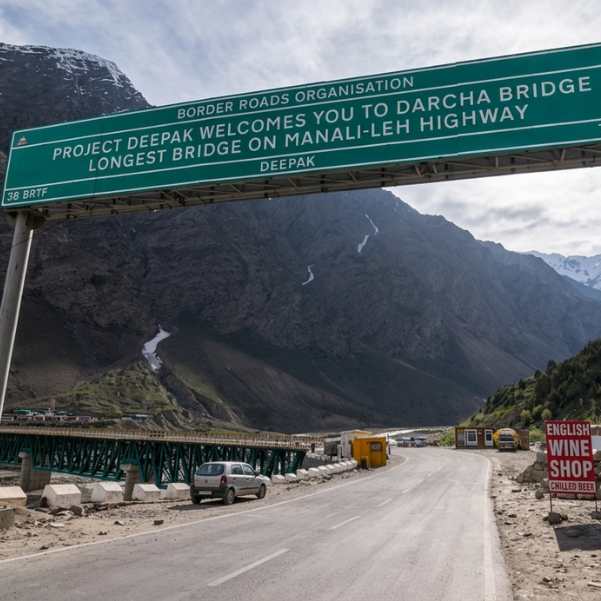
Manali to Leh Highway 2026: Every Pass, Stop and Distance
Plan your Manali to Leh Highway journey in 2026 with a complete guide to major mountain passes, overnight stops, route highlights, and distance. Discover key stops like Jispa, Sarchu, and Pang, along with famous passes including Baralacha La and Tanglang La.
- Road Trips
- How to Reach
 Ladakh
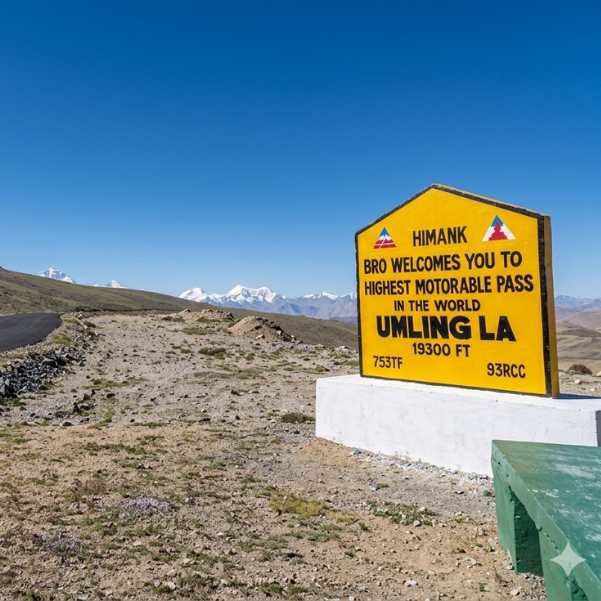
Umling La Ladakh Guide 2026: Route, Altitude, Permit, Safety & Reality Check
Planning to visit Umling La in 2026? This complete guide covers the route, altitude, permit requirements, road conditions, safety tips, and the realities of travelling to one of the world's highest motorable roads.
- Road Status
- Altitude & Health
 Ladakh
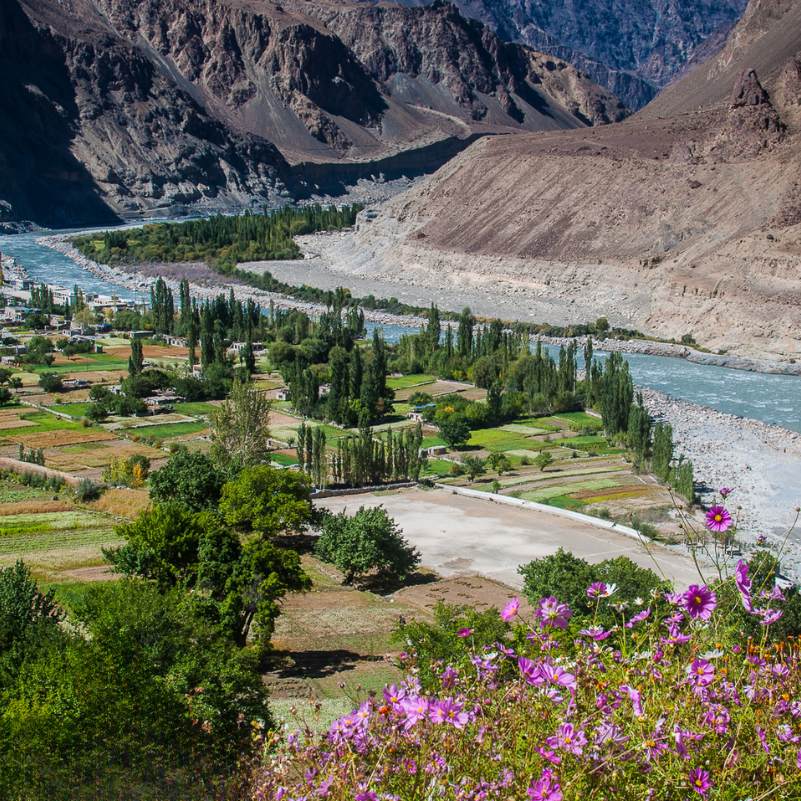
Turtuk Ladakh Travel Guide 2026: Balti Culture, Apricot Orchards and Why It Is Perfect for Families
Planning a trip to Turtuk? This 2026 travel guide explores the village's rich Balti culture, beautiful apricot orchards, top attractions, travel route, and why Turtuk is one of the best family-friendly destinations in Ladakh.
- Places to Visit
- Family Travel