
Kasol Trip Cost in 2026: Budget Breakdown for Couples, Groups & Solo Travellers
The Kasol trip cost confuses most people before they even pack a bag. One blog says ₹3,000, another says ₹20,000, and both feel made up.
Here is the truth from a team that sends travellers into Parvati Valley every season. Your cost depends almost entirely on three things: how you reach Kasol, where you sleep, and how many cafes you cannot resist.
We have helped plan hundreds of Parvati Valley trips, and the people who blow their budget always make the same mistakes. This guide by Travel Coffee breaks down every rupee so you know exactly what your trip will cost before you book anything.
Quick Answer: How Much Does a Kasol Trip Cost in 2026?
A budget Kasol trip from Delhi can start around ₹4,200 to ₹6,700 per person for 3 days if you use buses, dorms or budget stays, and simple food.
A mid range trip usually lands between ₹9,800 to ₹16,500 per person for the same 3 days. This is the comfort zone for most couples and travellers who want private rooms and better cafes.
Private packages, premium riverside rooms, and private cabs push the cost higher than this.
The biggest cost drivers are transport, stay, cafe meals, local taxis, and whether you add Tosh, Kheerganga, or other Parvati Valley villages to your plan.
>>Need a plan that fits your budget? Chat with our team on WhatsApp.
What Is Included in the Total Kasol Trip Cost?
When people ask about the Kasol trip cost, they usually only think about the bus ticket. That is where the budget math goes wrong.
Your total cost includes transport to Bhuntar or Kasol, the Bhuntar to Kasol transfer, your stay, food, cafe hopping, local sightseeing, treks, shopping, and an emergency buffer.
Skip any one of these in your planning and the trip will quietly cost more than you expected.
There are two ways to handle all of this. You go DIY, or you book a package.
DIY travellers pay for each item separately. You buy your own bus ticket, find your own room, book your own taxi, and pay for every meal as you go. It is cheaper but takes more effort.
Package travellers get stay, meals, transfers, and sightseeing bundled into one price. You pay more, but you do almost no planning and you always have someone to call when a road shuts down.
Kasol Trip Cost from Delhi for 3 Days
Most Kasol trips start from Delhi, so this is where the numbers matter most.
A 3 day budget trip from Delhi can cost ₹4,200 to ₹6,700 per person. A mid range 3 day trip can cost ₹9,800 to ₹16,500 per person.
The standard route is simple. You take an overnight bus from Delhi, get down at Bhuntar, then take a local bus, shared taxi, or private taxi for the last stretch to Kasol.
Delhi to Kasol is about 517 km. By road it takes around 11 to 13 hours with breaks.
Bus travel usually takes 10 to 14 hours depending on traffic, road conditions, and the type of bus you pick.
Here is what most tourists get wrong about this leg. They book the cheapest 6 PM bus, reach Bhuntar at 7 AM exhausted, then try to cram in cafes, Chalal, and Tosh on day one. By evening they are wrecked and the trip never recovers.
In our experience, the smart move is to treat day one as a slow settling in day. Reach, eat, walk by the river, and save the bigger plans for a fresh morning.
If you would rather not stitch all this together yourself, our Kasol tour packages come with stays, transfers, and a local team that actually picks up the phone.
Kasol Trip Cost for Solo Travellers
Solo travellers have the easiest time keeping costs low in Kasol. The whole valley is built for backpackers.
You keep the bill small by using ordinary or semi deluxe buses, sleeping in dorms, eating simple meals, and sticking to free walks like Chalal.
A dorm or shared stay runs around ₹400 to ₹800 per night. Budget food for 3 days lands around ₹1,200 to ₹1,800. Keep another ₹300 to ₹500 as a buffer for local transport and small entry costs.
There is one catch with going solo. You save big on stay, but you lose the chance to split a private taxi with anyone.
So your transport choices matter more than for any other traveller. Local buses and shared taxis become your best friends here.
Our team tells solo travellers the same thing every time. Hang around the Kasol bus stand or your hostel common room for an hour, find others heading to Tosh or Kheerganga, and split a cab. You will cut your taxi cost in half and probably make trip friends.
Kasol Trip Cost for Couples
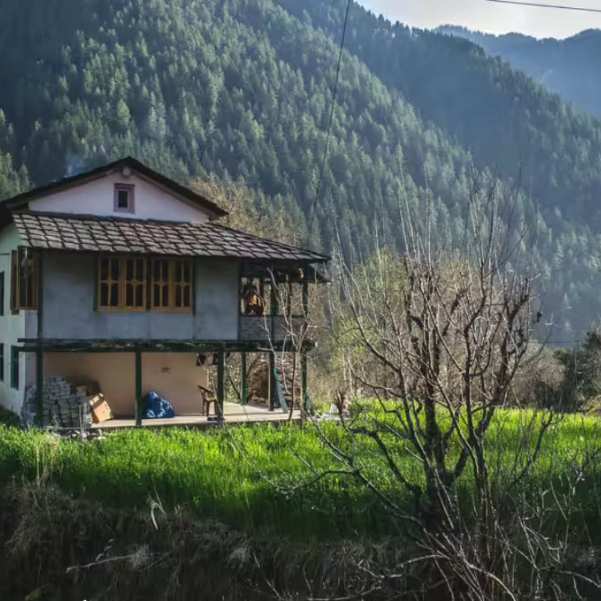
Couples almost always spend more than backpackers, and that is fine. You came to relax, not to fight over a dorm bunk.
Most couples land in the ₹9,800 to ₹16,500 per person range for 3 days. That is a realistic comfort budget with private rooms, better cafes, and easier transport.
The good news is you split the room and the taxi between two people, so per person costs drop on those items.
The trap is everything else. Cafe hopping, a riverside room, and weekend pricing can quietly push your total well past what you planned.
Here is one honest warning. Riverside stays in Kasol look dreamy in photos, but many of them charge a heavy premium for the view and the rooms themselves are basic. Decide if the river sound is worth the extra cash before you book.
>>Planning a romantic escape? Talk to our team here.
Kasol Trip Cost for Groups and Friends
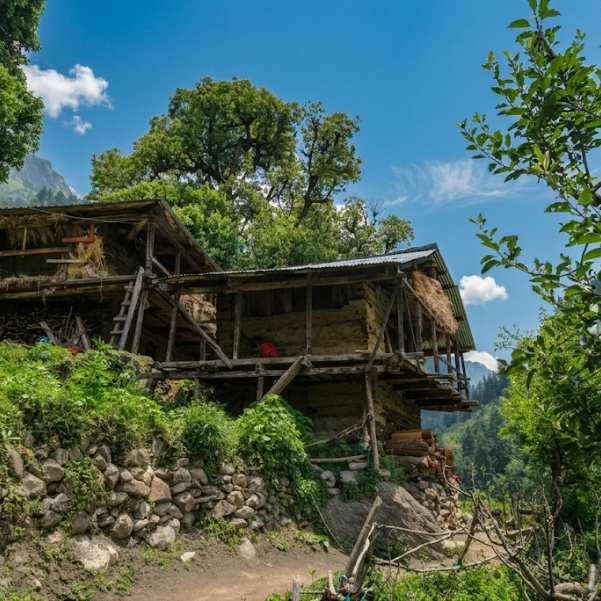
Groups get the best value in Kasol. There is no contest.
When 4 to 6 friends travel together, you share private rooms, taxis, and cabs. The per person cost of every transfer drops sharply the moment you split it.
A private Bhuntar to Kasol taxi that feels expensive for one person becomes cheap when six people share it.
Keep the group math general though. Rates shift with season and vehicle type, so confirm the actual cab fare before you all pile in.
One thing groups underestimate is the late night cost. Plans run long, people get tired, and you suddenly need a taxi at 10 PM that nobody budgeted for.
Always keep an extra buffer for peak weekends, traffic delays, and those unplanned late night taxi needs.
DIY Trip vs Kasol Tour Package: Which Is Cheaper?
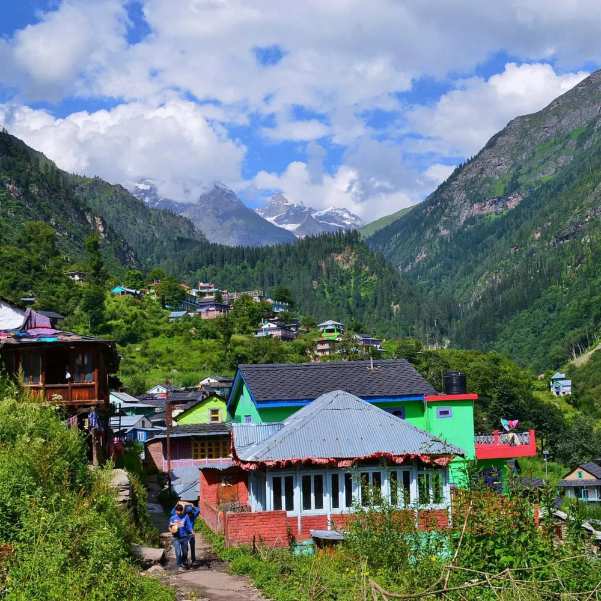
The honest answer is that DIY is usually cheaper for backpackers, while a Kasol tour package is better for travellers who want less stress.
If you are happy with buses, dorm stays, shared transport and figuring things out as you go, a DIY Kasol trip will almost always cost less. It gives you more control over where you stay, what you eat and how much you spend each day.
If you want fixed stays, sorted transport, planned sightseeing and fewer last-minute decisions, a package can be worth the extra cost. It may not always be the cheapest option, but it saves time and makes the trip easier to manage.
As a rough market benchmark, short Kasol packages usually start around ₹11,000 to ₹16,000 per person for 2 to 4 days on twin sharing, while longer 5 to 6 day packages can go around ₹21,000 to ₹22,000 per person or more depending on the hotel, transport type, season and inclusions.
Transport Cost to Reach Kasol
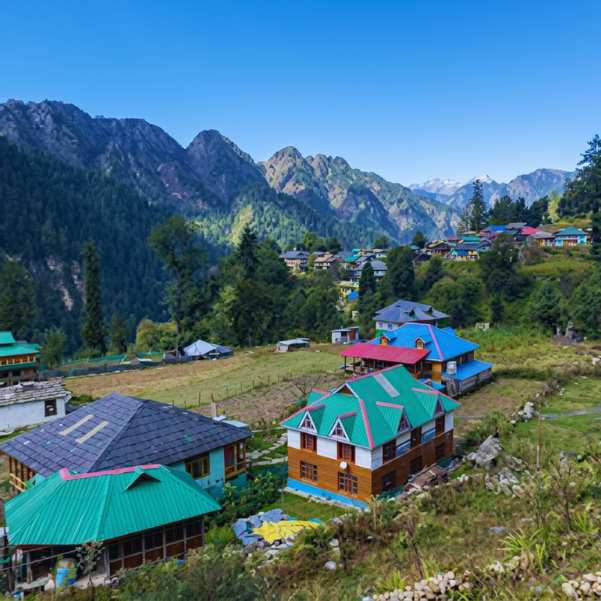
Transport is the single biggest variable in your Kasol trip cost. Get this part right and the rest is easy.
Delhi to Bhuntar by Bus
Your bus choice changes your budget more than anything else.
The HRTC ordinary fare from Delhi to Bhuntar runs around ₹750 to ₹950. Semi deluxe sits around ₹950 to ₹1,200.
The Himsuta Volvo AC bus costs around ₹1,500 to ₹2,000. Private Volvo operators charge anywhere from ₹2,000 to ₹4,000 depending on the season and how early you book.
One more thing to know. Another fare source shows HRTC Delhi to Bhuntar fares ranging from ₹770 to ₹1,545.
So always check live fares on the day you book, because these numbers move around with demand.
Bhuntar to Kasol Local Transfer
Bhuntar to Kasol is about 31 km, and this short stretch has a wide range of prices.
The local HRTC bus costs just ₹50 to ₹80. A shared taxi runs ₹100 to ₹250 per person. A full private taxi costs ₹800 to ₹1,200.
The drive takes 1 to 1.5 hours.
Do not let that distance fool you. This road is narrow, and in peak season traffic builds up badly. The 31 km can feel much longer than it looks on a map.
Chandigarh to Kasol and Manali to Kasol
Some travellers start from Chandigarh or Manali instead of Delhi. If you are coming from either of these towns, check current bus and taxi rates close to your travel date before you commit to anything.
Stay Cost in Kasol: Hostels, Homestays, Camps and Hotels
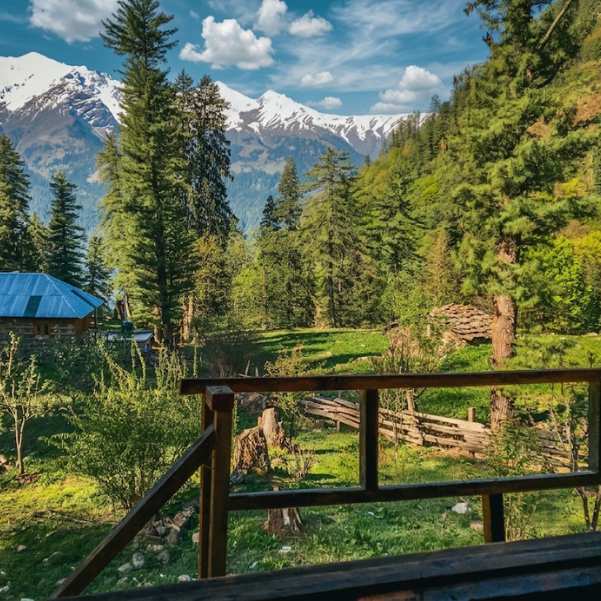
Where you sleep decides a big chunk of your Kasol trip cost.
A budget stay for 2 nights runs around ₹1,000 to ₹2,000. A mid range stay for 2 nights sits around ₹3,000 to ₹6,000.
Riverside camps or guesthouses can start around ₹800 to ₹1,500 per night, though this swings a lot with the season.
Weekend, summer, and long holiday pricing climbs fast. A room that costs ₹1,200 on a Tuesday can double on a Saturday in June.
Hostel prices can change by date, season, room type and availability, so always check the exact rate for your travel date before booking.
Here is a money saving tip most blogs skip. If you can shift your trip to a weekday, you often pay less for the same room than a weekend traveller in the next bed. Sunday night to Thursday is the sweet spot for cheaper stays.
Food and Cafe Cost in Kasol
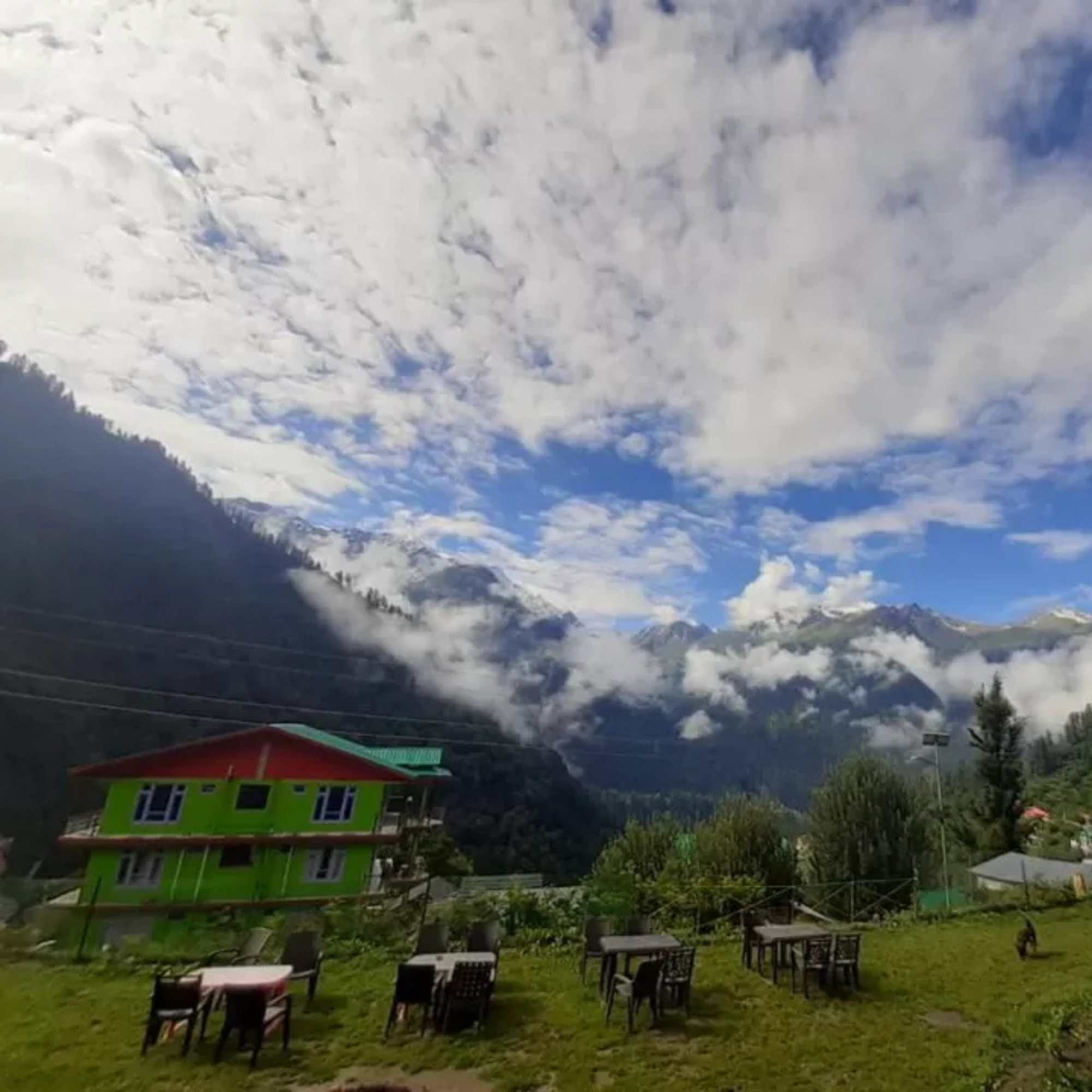
Kasol cafes are the reason people overspend without noticing. The food is good, the views are easy, and you keep ordering one more thing.
Budget food for 3 days runs around ₹1,200 to ₹1,800. Mid range food for 3 days lands around ₹2,500 to ₹4,000.
A single cafe meal in Kasol can cost around ₹200 to ₹400, depending on what you order. Since cafe menus and prices change often, check the latest menu before you plan your food budget.
There is one stop that is both spiritual and budget friendly. Manikaran Sahib runs a free langar, with donation optional.
It is a genuine experience worth doing for itself, not just a way to save money. Eat there because it means something, not only to skip a meal cost.
In our experience, the travellers who stay closest to budget are the ones who pick one cafe a day to splurge at and keep the other meals simple. Trying to eat at every famous cafe is what kills the food budget.
Local Sightseeing and Trek Cost
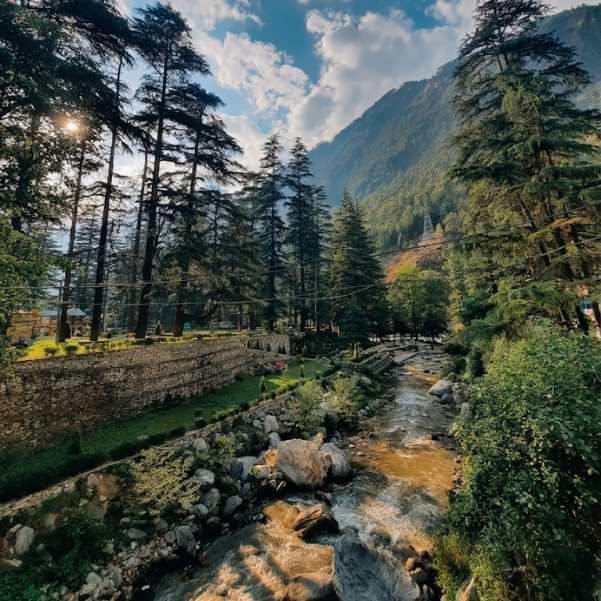
The best part of Kasol is that a lot of it is free or close to free.
Chalal is about a 30 minute walk from Kasol. You cross the river, walk through forest, and reach a quiet little village. It costs nothing and most first timers love it more than the paid stuff.
Manikaran is about 4 km from Kasol. Tosh is around 20 km away. Malana is around 21 km from Kasol.
Then there is the big one. The Kheerganga trek is often cited as around 12 km one way, taking about 5 to 6 hours, reaching an altitude of 3,050 m.
For paid options, package benchmarks show Kasol with Kheerganga camping around ₹2,500 per adult, Malana camping around ₹4,500 per adult, and a winter trek around ₹2,609 per adult.
These are package benchmarks, not fixed universal rates. Independent trekkers who carry their own gear and skip guides can do it for much less.
If you want a quieter valley with similar vibes and often better value, our guide to Jibhi and Tirthan Valley is worth a look before you lock Kasol.
3 Day Kasol Budget Itinerary with Cost
Here is how a real 3 day trip flows, tied to the verified ranges above.
Day 0
It is your overnight travel from Delhi to Bhuntar. Book the bus that suits your budget, from the ₹750 ordinary up to the ₹2,000 Volvo, and try to sleep.
Day 1
It is your arrival. Reach Bhuntar in the morning, take the local bus or a shared taxi to Kasol, and check in.
Spend the afternoon walking by the river, hitting a cafe or two, and doing the easy Chalal walk before sunset. Keep it slow because you barely slept on the bus.
Day 2
It is your choice day. Pick Manikaran, Tosh, or Kheerganga depending on your energy and budget.
Manikaran is the easy, cheap option just 4 km away. Tosh is a half day trip. Kheerganga is a full, demanding trek that needs real fitness.
Day 3
It is a slow morning. Grab a cafe breakfast, do your shopping, and start the return journey home.
Keep your spending inside the budget bracket of ₹4,200 to ₹6,700 per person if you stick to dorms, buses, and simple meals.
4 Day Kasol Budget Itinerary with Cost
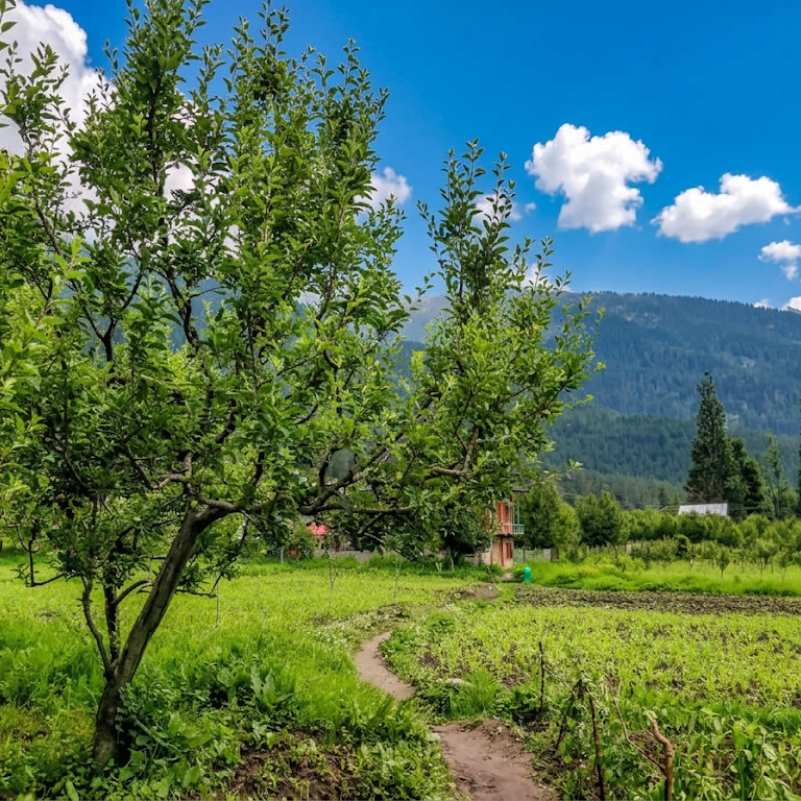
If you want Tosh or Kheerganga without rushing, give yourself 4 days. Three days is tight the moment you add a real trek.
A relaxed 4 day route looks like this. Settle into Kasol and do Chalal on day one.
Visit Manikaran on day two and head up to Tosh for a night, or come back to Kasol.
Keep day three for Kheerganga if your fitness and the weather allow it. Day four is your easy return.
This extra day is the difference between enjoying Kheerganga and limping through it.
Exact local taxi and guide costs for the 4 day version can vary depending on your group size, season and the operators you choose. Confirm these costs locally before finalising your plan.
Hidden Costs Most Kasol Blogs Miss
This is where budgets quietly break. The headline costs are easy, but the small stuff adds up.
Watch out for the weekend room surge, higher private taxi rates, parking charges, and cafe overspending. Shopping in the Kasol market also catches people off guard.
Last minute bus fares cost far more than advance bookings. Trek gear, extra snacks, and weather delays all eat into your buffer too.
Then there is cash. Carry enough of it, because small shops, local buses, and remote villages do not always handle digital payments smoothly.
ATM availability can be limited once you leave the main towns, so do not rely on finding cash easily deeper in the valley. Withdraw enough money before you start moving into remote areas.
Always keep an emergency buffer. A blocked road or an extra night you did not plan for can happen, and it always costs money.
Best Time to Visit Kasol for a Budget Trip
The season you pick changes both your cost and your experience.
March to June is popular and pleasant, but it is also crowded and pricier. Rooms cost more and cafes stay packed.
October to November is the sweet spot for a budget trip. You get clear skies, fewer crowds, and better control over your spending.
Monsoon from July to September brings landslide and delay risk on these roads. Cheaper, but you gamble with your schedule.
Winter from December to February gets cold, and upper villages or treks become much harder to reach.
If you want to pair Kasol with the bigger snow towns, our Manali tour packages work well as an add on.
2026 Road, Permit and Safety Updates for Kasol
A regular Kasol visit needs no permit. You can just show up.
For special treks or restricted routes, permit rules can differ, so check the latest requirements before you travel.
There is an important 2026 update from the Kullu District administration that affects this route directly.
From 14 April 2026 till the end of the tourist season, the movement of heavy vehicles and Volvo buses on the Bhuntar Manikaran Road is regulated.
The reason is the narrow road sections, landslide affected stretches, the expected tourist inflow, and congestion risk.
Under this rule, heavy vehicles and Volvo buses run only between 8 PM and 8 AM. Emergency vehicles, fire tenders, ambulances, school buses, passenger buses, and regular buses are exempt.
So if you are taking a big Volvo into the valley in peak season, plan around these timings.
One more thing we tell every traveller. Kasol has faced real waste management problems, with reports of garbage dumping near Grahan village.
Do not add to it. Carry your plastic back, avoid littering on the trails, and pick stays that handle their waste responsibly. The valley stays beautiful only if we treat it that way.
How to Reduce Your Kasol Trip Cost
Cutting your Kasol trip cost is mostly about a few smart choices made early.
Take overnight buses so you save a night of accommodation. Stay on weekdays when rooms are cheaper, and share rooms when you can.
Use local buses instead of private taxis, eat simple meals between cafe visits, and lean on free walks like Chalal instead of paid sightseeing.
Book your buses and stays early to dodge the last minute price jump, and avoid long weekends entirely if your dates are flexible.
The single biggest saver is people. Travel with 4 to 6 friends and split every private transfer. That one move can drop your transport cost more than anything else on this list.
Suggested Budgets by Traveller Type
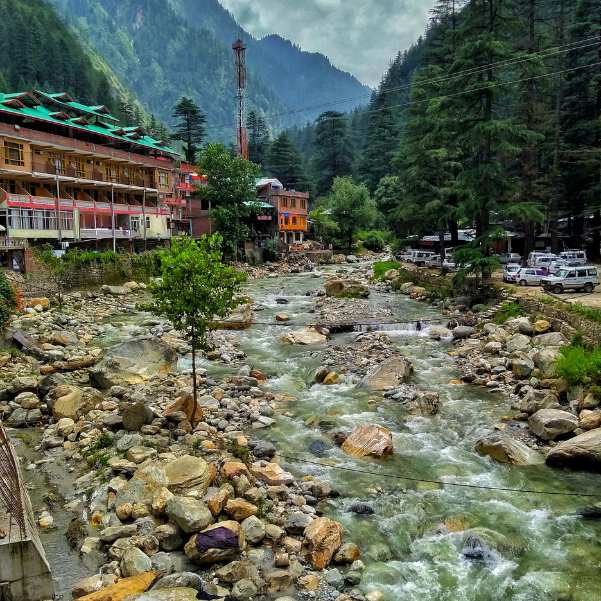
Here is how the numbers shake out for different travellers, using only the ranges already covered.
An ultra budget solo traveller who uses buses, dorms, and simple food can stay near the lower budget range of ₹4,200 to ₹6,700 per person for 3 days.
A comfortable solo traveller who wants a private room and a few good cafes moves into the mid range of ₹9,800 to ₹16,500 per person.
A couple should plan for that same mid range bracket, since private rooms and relaxed cafes are usually the goal.
A group keeps costs lowest by sharing rooms and transfers, so the per person figure often drops below what a solo or couple pays for the same comforts.
When Should You Book a Kasol Package Instead of DIY?
A package makes sense for couples, families, first timers, and groups who want safe stays, sorted transport, and local support.
If this is your first time in Parvati Valley and you do not want to spend the trip solving logistics, a package buys you peace of mind.
We can also customise Kasol with Manali, Jibhi, Tosh, Kheerganga, and other Himachal routes, so you are not stuck with a fixed cookie cutter plan.
You can start with our Kasol package page and we will shape it around your dates and budget.
Explore Our Curated Kasol Tour Packages
 4D/3N
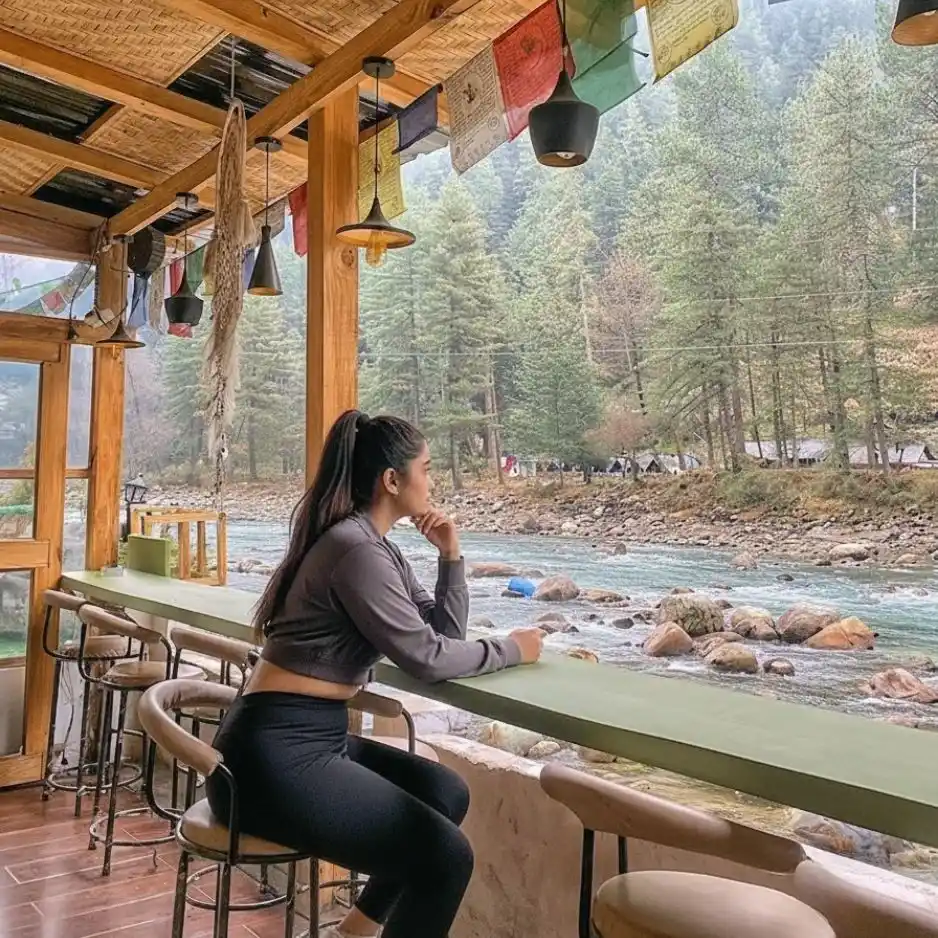
4D/3NPerfect Manikaran Kasol Tosh Weekend Getaway
1D Delhi•2D Kasol+1
₹15,999₹19,999SAVE INR 4,000/ person 7D/6N
7D/6NManali Kasol Jibhi Valley Trip
1D Delhi•2D Manali+3
₹25,799₹32,999SAVE INR 7,200/ person 8D/7N
8D/7NManali Kasol Bir Himalayan Explorer
1D Delhi•2D Bir+3
₹21,999₹27,999SAVE INR 6,000/ person
Related topics
Frequently Asked Questions
How much does a Kasol trip cost from Delhi?
A budget 3 day trip costs around ₹4,200 to ₹6,700 per person. A mid range trip costs around ₹9,800 to ₹16,500 per person.
Is ₹5,000 enough for a Kasol trip?
Yes, for a tight 3 day budget trip using buses, dorms, and simple food. It leaves little room for cafe splurges or private taxis.
How much does a 3 day Kasol trip cost?
Budget travellers spend ₹4,200 to ₹6,700 per person. Mid range travellers spend ₹9,800 to ₹16,500 per person for the same 3 days.
What is the Kasol trip cost for a couple?
Most couples spend in the mid range of ₹9,800 to ₹16,500 per person for 3 days, since they prefer private rooms and better cafes.
What is the Kasol solo trip budget?
A solo traveller can stay near ₹4,200 to ₹6,700 per person using dorms at ₹400 to ₹800 a night, budget food, and local buses.
Is Kasol expensive or budget friendly?
Kasol is one of the most budget friendly destinations in Himachal. Dorms, local buses, and free walks keep costs very low if you want.
How much is the Delhi to Bhuntar bus fare?
HRTC ordinary runs ₹750 to ₹950 and semi deluxe ₹950 to ₹1,200. Himsuta Volvo is ₹1,500 to ₹2,000, and private Volvo is ₹2,000 to ₹4,000.
How much does Bhuntar to Kasol transport cost?
The local bus costs ₹50 to ₹80, a shared taxi ₹100 to ₹250 per person, and a private taxi ₹800 to ₹1,200 for the 31 km.
How many days are enough for Kasol?
Three days work for a relaxed Kasol and Chalal trip. Take four days if you want Tosh or Kheerganga without rushing.
Do I need a permit for Kasol?
No permit is needed for a regular Kasol visit. Special treks or restricted routes may differ, so check before you travel.
Which is cheaper: Kasol package or DIY trip?
DIY is cheaper for backpackers comfortable with buses and dorms. Packages cost more but remove all the planning stress.
Is Kasol safe for solo travellers?
Kasol is a well travelled backpacker hub and generally fine for solo travellers. Use common sense, stick to known trails, and avoid risky substance situations.
More about Kasol
 Kasol
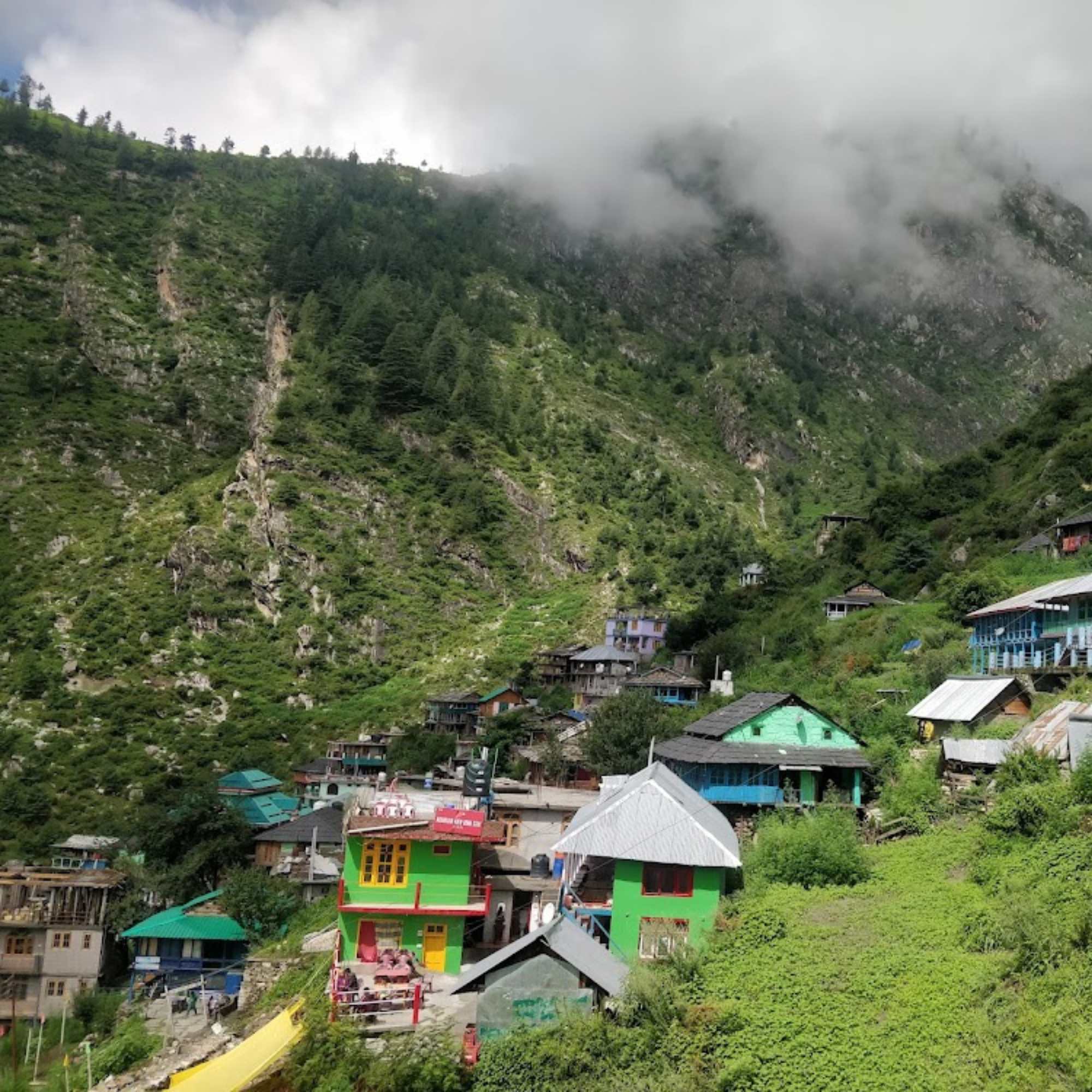
KasolBest Offbeat Places Near Kasol Most Tourists Miss in 2026
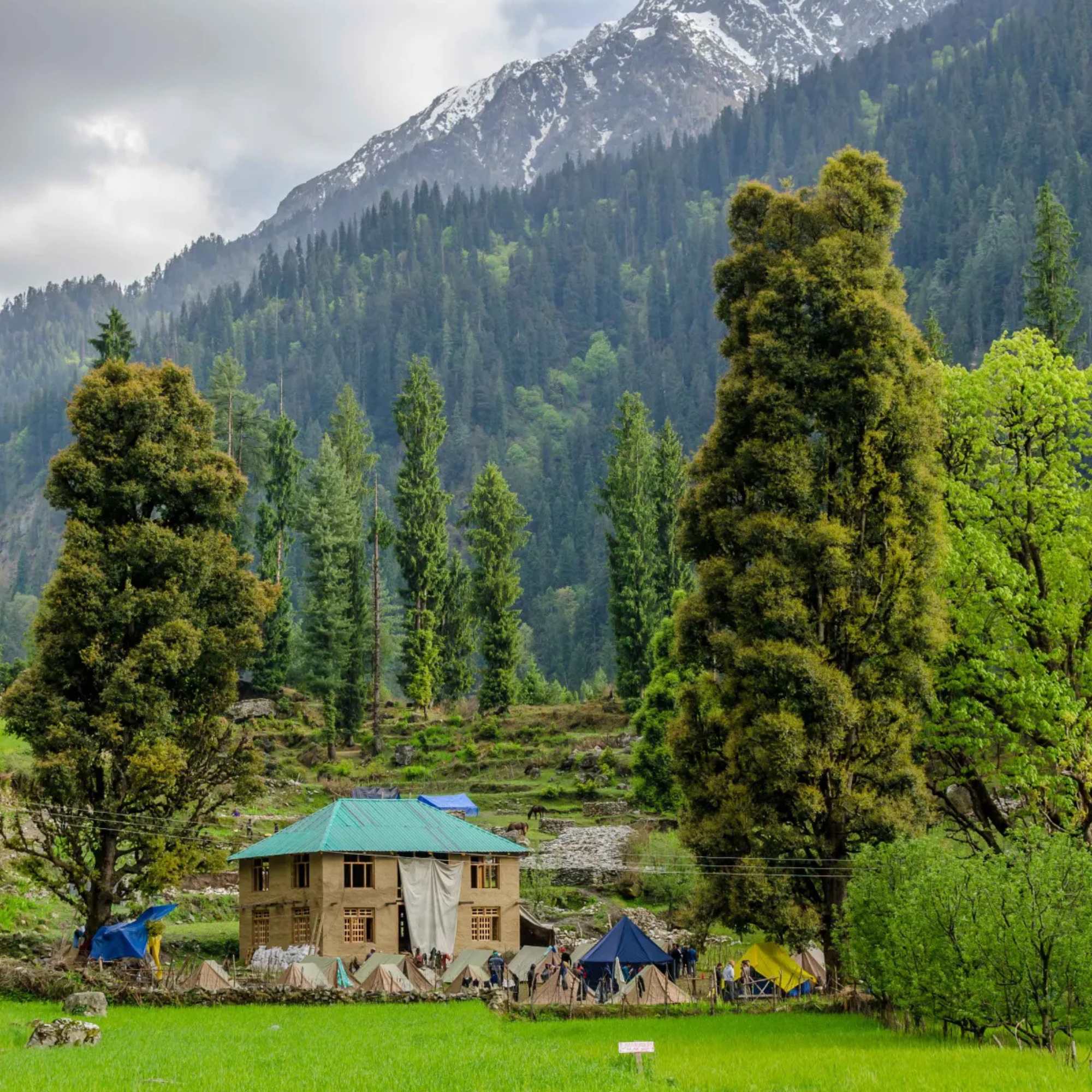
Escape the crowds and discover the hidden side of Kasol in 2026. From peaceful villages and untouched valleys to scenic trails and secret viewpoints, these offbeat places near Kasol offer authentic Himalayan experiences that most tourists completely miss.
- Places to Visit
- Things to Do
 Kasol
KasolRasol Village Trek From Kasol 2026: Route, Distance & What to Expect
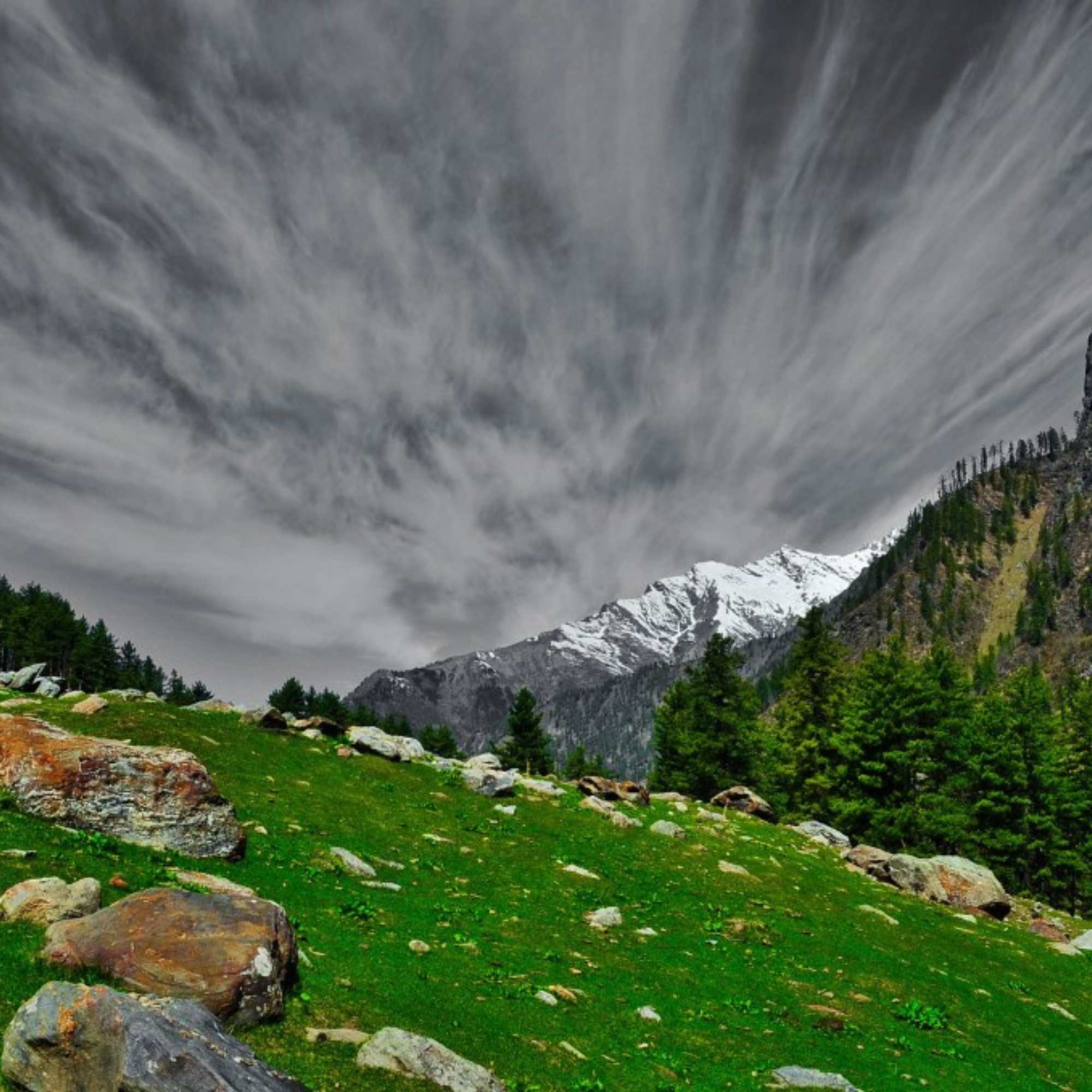
Planning the Rasol Village Trek from Kasol in 2026? Explore the complete trekking route, distance, difficulty level, stay options, and essential travel tips to experience one of Parvati Valley’s most peaceful and offbeat Himalayan villages.
- Things to Do
 Kasol
KasolKalga, Pulga & Tulga Villages in 2026: The Offbeat Side of Parvati Valley
A Himachal Pradesh travel expert or experienced Parvati Valley trek guide with firsthand knowledge of Kalga, Pulga, and Tulga. The content should provide practical insights on trekking routes, homestays, local culture, seasonal travel, and hidden attractions, helping readers plan an authentic offbeat Himalayan experience with confidence.
- Places to Visit