
Kasol Kheerganga Tosh Itinerary 2026: Complete 4N/5D Travel Plan
If you are trying to fit Kasol, Kheerganga and Tosh into one clean 4N/5D trip, the biggest confusion you will hit is not the route. It is whether you can sleep at Kheerganga at all in 2026.
That single question changes your whole plan. We will sort it out below, along with the exact day-by-day flow we use for travellers booking this Kasol Kheerganga Tosh itinerary every season.
Quick Answer: Best Kasol Kheerganga Tosh Itinerary for 4N/5D
The cleanest 4N/5D plan goes like this. Travel overnight from Delhi or Chandigarh to Kasol, spend a day on Kasol, Chalal and Manikaran, then trek from Barshaini to Kheerganga, shift to Tosh, and head back.
One trekking day, one stay decision, no rushing. That balance is what makes it work.
The catch is the Kheerganga overnight stay. Camping rules for 2026 are conflicting right now, and you must verify the current status before you book any tent at the top.
>>Need a live road and stay status check? Chat with our team on WhatsApp.
Is 4N/5D Enough for Kasol, Kheerganga and Tosh?
Yes, 4N/5D is enough, but only if you respect it. Keep one big trekking day, and do not try to stuff Malana, Jibhi or Manali into the same five days.
The moment you add a fourth zone, the plan breaks. You end up driving when you should be resting, and the trek day suffers.
What most tourists get wrong is treating this as a "see everything" trip. Parvati Valley does not reward speed. It rewards slowing down in two or three places instead of touching ten.
One more thing on the maths. Many operators count the overnight Volvo differently, so a "Delhi to Delhi" 4N/5D plan often means you actually reach back home the next morning after the listed days end.
If you would rather hand the logistics to someone local, our Kasol tour packages cover stays, transport and a team that picks up the phone when the road acts up.
Kasol Kheerganga Tosh Route Map and Trip Summary
The route is simple once you see it laid out. You go from Delhi or Chandigarh to Bhuntar or Kasol, then Kasol to Manikaran, Kasol to Barshaini, Barshaini up to Kheerganga, Barshaini across to Tosh, and finally Tosh back to Kasol or Bhuntar.
Barshaini is the key word here. It is the last motorable point for Kheerganga, so the car stops there and your legs take over.
For transport, you have a few options. Volvo and private taxis cover the long Delhi stretch, while local buses, shared cabs and trekking handle everything inside the valley.
In our experience, the smoothest version uses a Volvo for the long haul and a local taxi or shared cab once you are inside Parvati Valley. The valley roads are narrow, and a driver who knows them saves you real time.
A quick note on the entry point. Bhuntar is where the Parvati Valley road branches off the main highway, and it is also where the nearest airport sits. If you are flying in, the Kullu-Manali Airport at Bhuntar is around 31 km from Kasol.
The nearest railway station option people use is Joginder Nagar, though most travellers from Delhi and Chandigarh just take the road.
Day 1: Delhi to Kasol Overnight Journey
Day 1 is a travel day, nothing else. You board an evening Volvo or tempo traveller from Delhi and sleep through most of the drive.
Keep a small day bag separate from your main luggage. Pack warm layers, snacks, water, your ID, a charger and basic medicines in it, because digging through a big bag on a moving bus at 3 AM is no fun.
Exact bus timings change by operator and season, so confirm yours when you book. We do not want you planning around a departure time that has shifted.
Here is a real heads-up. Not every bus goes all the way to Kasol. Many drop you at Bhuntar, and you catch a local cab or bus from there for the last stretch, so plan for that handoff instead of expecting a door drop.
Sleep on the bus if you can. The trek day is your third day, and the better rested you are on Day 2, the easier the climb feels. A bad night on the Volvo has a way of catching up with you at altitude two days later.
Day 2: Arrive in Kasol, Chalal Walk and Manikaran Sahib
You reach Kasol in the morning, tired and a little cold. Check in, drop your bags, and rest for an hour before doing anything. The altitude is gentle here, but the overnight journey takes a toll.
Kasol sits in Kullu district inside Parvati Valley, at around 1,580 m. The market is small, the cafés are everywhere, and the Parvati River runs right alongside.
Once you have eaten and shaken off the bus, walk the Kasol market and sit by the river for a bit. The café food here leans Israeli and continental, and a slow breakfast by the water is the right way to start.
In the afternoon, do the short Chalal walk. It is a gentle 20 to 30 minute stroll across the river from Kasol, quieter than the main market, and a good leg-stretcher before the trek day.
Then head to Manikaran Sahib. It sits at 1,829 m and is about 40 km from Kullu, famous for its hot springs that steam up right next to the gurudwara.
Here is the money tip nobody puts in glossy blogs. The langar at Manikaran Sahib serves free hot food to everyone, cooked using the natural hot springs. A warm, free meal after a cold night is genuinely one of the nicest things on this trip, so go in with respect and cover your head.
If you later want to stretch this into a bigger loop, you can pair the valley with our Manali and Kasol add-on trips once you have the core days sorted.
Day 3: Kasol to Barshaini and Kheerganga Trek
This is your big day, so start early. We mean genuinely early, breakfast done and moving by 7 AM, because daylight is the one thing you cannot buy back on a mountain trail.
First you drive from Kasol to Barshaini. The distance here is genuinely conflicting across sources, falling somewhere between 16 and 22 km depending on your exact start point and which road junction you count from, so treat it as 16 to 22 km and budget extra time.
From Barshaini, the Kheerganga trek begins. It runs around 12 to 14 km one way, and most people take 4 to 7 hours to reach the top depending on the route they pick, the weather and their own fitness.
Kheerganga sits at around 2,960 m and is known for its hot springs and wide Himalayan views. The trek is rated easy to moderate, which is fair, but do not switch your brain off.
There are steep, slippery sections, especially after any rain. The trail is well-trodden but not flat, and a careless step on loose ground is the most common way people get hurt here.
Timing tip that changes everything. Cross the halfway forest patch before noon. If you start late and hit the steep final climb in fading afternoon light, the same easy trail turns stressful fast.
Food tip for the climb. There are small trail dhabas along the Barshaini to Kheerganga route, with the busiest cluster near the Rudranag waterfall point roughly a third of the way up.
Stop there for hot Maggi and chai, refill your water, and rest your legs before the steeper stretch above it. It is your last proper hot food until the top.
Here is what to skip. Some travellers try to do Kheerganga as a single rushed day, driving from Kasol, trekking up, and racing back down before dark. Skip that plan. You spend the whole day moving, get maybe 20 minutes at the top, and wreck your knees on a hurried descent.
If you want a sense of the kind of trails and effort Himachal throws at you, our notes on Himachal adventure ideas give you a feel before you commit.
Where Should You Stay After the Kheerganga Trek in 2026?
Now the part you must get right. The Kheerganga overnight stay is the single most confused topic for 2026, and getting it wrong can leave you stranded at the top with nowhere to sleep.
Some 2026 travel guides say overnight camping at Kheerganga has been banned since July 2024, and that only day visits are allowed, with early entry and an afternoon descent. A few of those guides quote an entry around before 10 AM and descent by 2 PM.
At the same time, HPTDC and some operators still mention camping or forest permits as if stays are possible. So you have two versions of the truth floating around, and neither is safe to assume.
This is why you verify before you book. Check directly with the Forest Department, the DFO Parvati office on 01902265041 or head-fordivpar-hp@hp.gov.in, or a local operator who saw the ground situation that week.
In our experience, this is the one part of the Kasol Kheerganga Tosh itinerary you should never leave to guesswork.
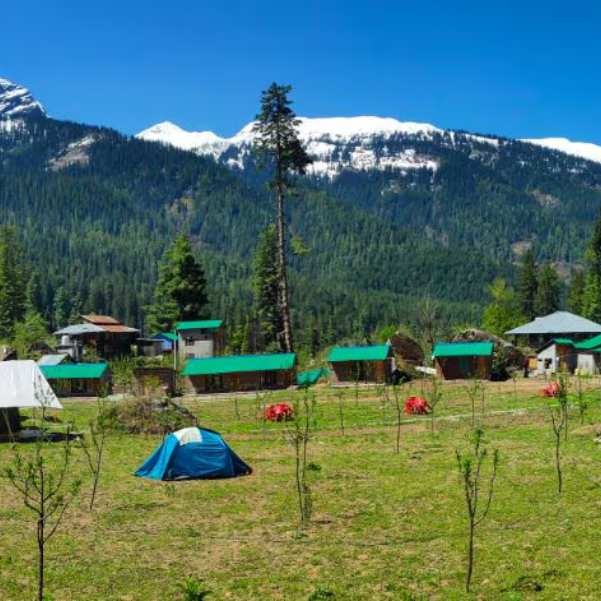
If camping is not allowed when you travel, you have solid fallback stays. Kalga, Barshaini, Nakthan and Tosh all have rooms and guesthouses, and any of them works as a clean base instead of a tent at the top.
One more verify-it note. One 2026 guide mentions an entry registration of ₹100 per head on the Nakthan route, so carry small cash just in case.
Day 4: Trek Down and Transfer to Tosh
Start your descent early again. Coming down feels faster, but it is harder on the knees than people expect, so take the steep bits slow and do not let momentum carry you.
You descend to Barshaini, where your vehicle waits. From there it is a short hop to Tosh, roughly 5 km, on a small road that climbs to the village.
If you are coming straight from Kasol on another day, note that Kasol to Tosh is around 20 km and takes about 1.5 to 2 hours by road, depending on traffic and how the road is holding up that week.
Tosh is where you finally exhale. Spend the evening slow. The cafés here have big valley views, the pace is unhurried, and after a hard trek that is exactly what your body wants.
If the weather and your energy allow, you can walk towards the Tosh waterfall side, but only if you have daylight and steady legs left. Do not force it after a long descent.
Still torn between valleys for a future trip? Our honest take in Jibhi or Kasol comparison helps you pick based on the kind of traveller you are.
Day 5: Tosh to Kasol/Bhuntar and Return
Take an unhurried breakfast in Tosh, then start the drive back to Kasol or Bhuntar. Build in buffer time, because the valley road can throw up a slow patch or a small block without warning.
If you have an hour spare in Kasol, grab a last café meal or pick up a small souvenir from the market. Then board your return Volvo or cab.
Remember the timing reality. If you take a night bus out, you reach Delhi the next morning, not the same night, so plan your work and onward travel around that extra half day.
>>Want a customized Kasol–Kheerganga–Tosh itinerary? Talk to our team on WhatsApp.
Best Time to Do the Kasol Kheerganga Tosh Itinerary
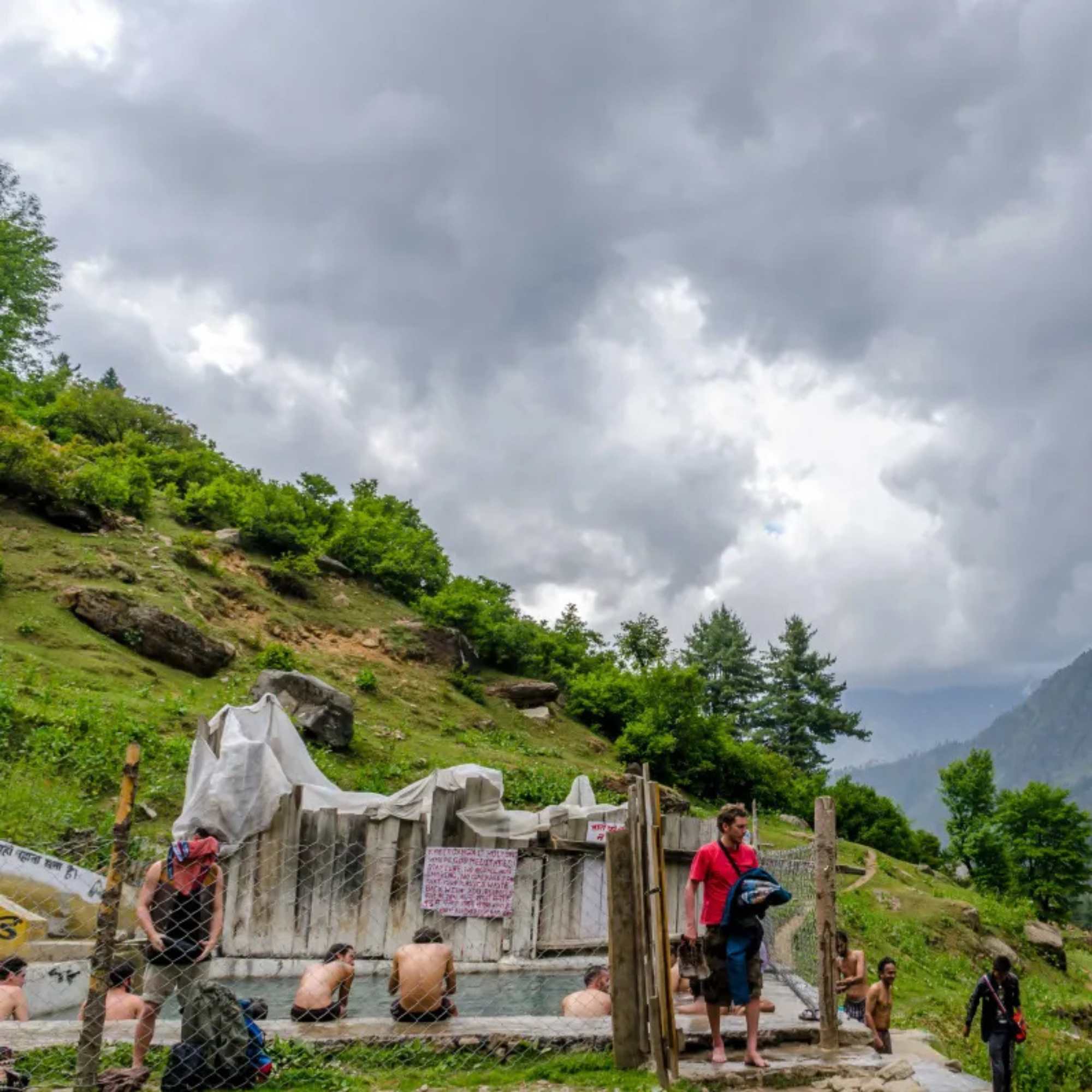
The good windows are March to June and September to November. In these months the trails stay manageable and the valley looks its best, green in spring and golden in autumn.
Skip the monsoon if you can. The trail to Kheerganga gets slippery and dangerous in heavy rain, and the valley roads see landslides that can block you for hours.
Winter is possible, but only with local confirmation. Snow and deep cold change everything, from whether the trek is safe to whether your stay even stays open, so check before you commit.
If you want our pick, late September into October is hard to beat. The monsoon has cleared, the trail dries out, the crowds thin, and the valley turns gold. May is the other strong shout if you want greener slopes and longer daylight for the trek.
Kasol Kheerganga Tosh Trip Budget
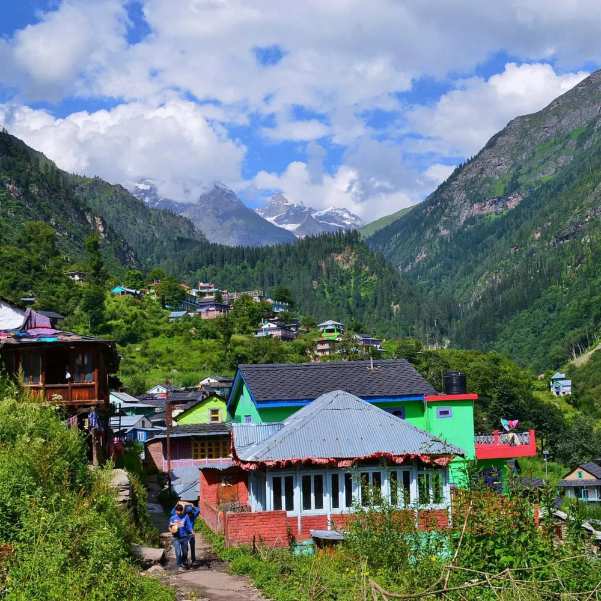
Let me give you real ranges to plan around, all marked where they need a final check on your dates.
A Delhi to Kasol bus runs roughly ₹800 to ₹1,500 depending on bus type and how early you book. Accommodation in Kasol and Tosh sits around ₹500 to ₹1,500 per night for the kind of clean basic rooms most travellers want.
Food is light on the wallet here, about ₹300 to ₹800 per day if you eat at cafés and dhabas rather than fancy spots. Put it together and a do-it-yourself trip lands near ₹4,500 to ₹7,500 per person for the core days.
Our own pricing depends on your dates, group size and stay choices, so confirm the current rate with us before you treat any number as final.
Is the Kheerganga Trek Difficult for Beginners?
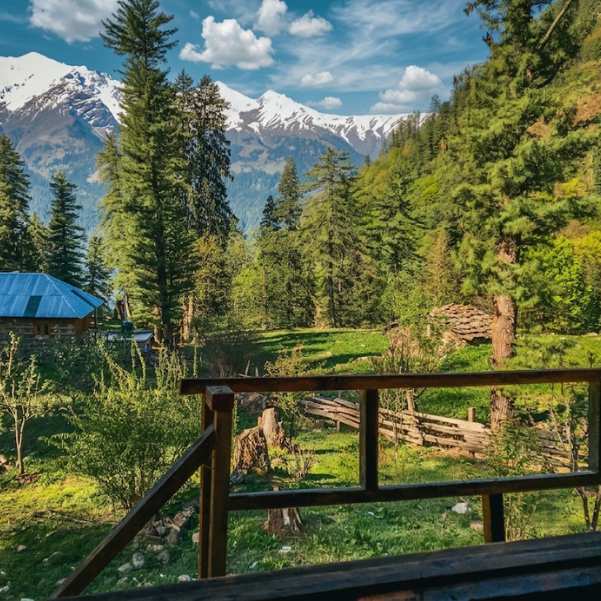
For a beginner with basic fitness, yes, the Kheerganga trek is doable. It is rated easy to moderate, and plenty of first-time trekkers finish it without drama.
What you need is simple. An early start, proper trekking shoes with grip, and enough daylight to walk at a comfortable pace instead of racing the sun.
The part beginners underestimate is the way down. The descent hammers your knees and feels longer than the climb, so do not rush it just because gravity is helping.
What to Pack for Kasol Kheerganga Tosh
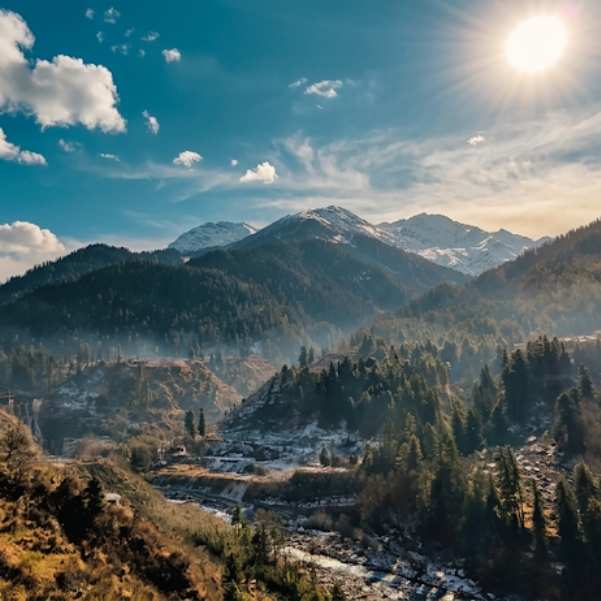
Pack light but smart. Carry trekking shoes with real grip, a warm jacket for cold nights, and a rain jacket or poncho even outside monsoon because mountain weather lies.
Add a torch or headlamp, a power bank, a reusable water bottle, your basic medicines, sunscreen and your ID proof. The sun at altitude burns faster than you expect, so the sunscreen is not optional.
Carry enough cash too. The last reliable ATMs are reported around Kasol and Manikaran, and once you head towards Barshaini and Tosh, you should assume cards and UPI will not save you.
Safety Tips for Kasol, Kheerganga and Tosh
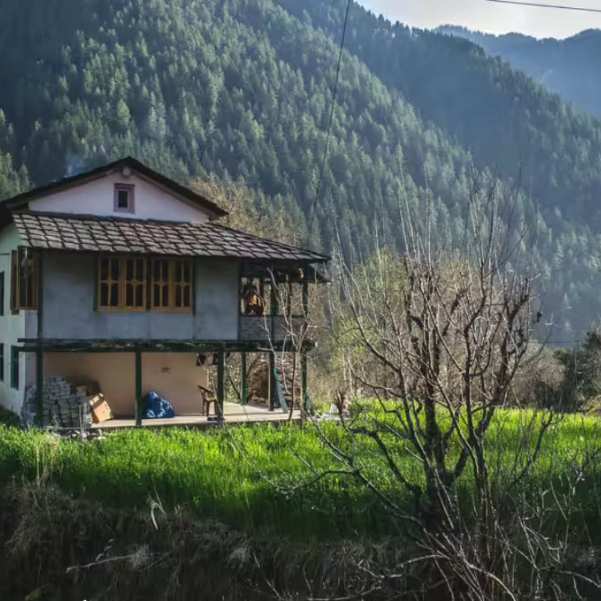
Roads first. The Manikaran to Barshaini stretch saw landslide disruption in early 2026, including a blockage around February and trouble on the Manikaran-Barshaini and Bhuntar-Manikaran stretch through March 2026.
So check the road status before you leave, especially if there is rain in the forecast. A clear morning in Kasol means nothing if a slide hit the Barshaini road overnight.
Keep the basics covered. Choose clean, well-reviewed stays, avoid isolated late-night walks, and keep your group together on the trek instead of letting fast and slow walkers split far apart.
For solo travellers and women especially, do not start the trek too late, stick to the main trail, and tell your stay host your plan for the day. These small habits matter more than any gadget.
Save these numbers before you go. The DFO Parvati office is on 01902265041, and the Kullu District Emergency Operation Center is on 01902-225630 and 01902-225631.
Should You Add Malana, Kalga, Pulga or Kutla?
Kalga and Pulga
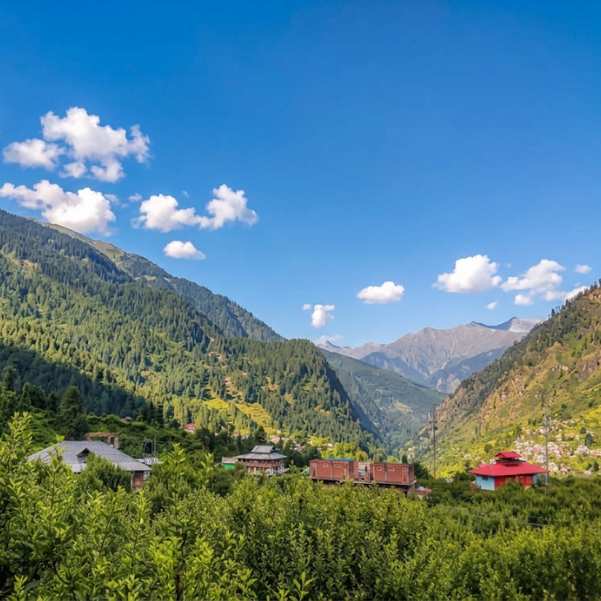
If you have a little flex, Kalga and Pulga are the easy wins. They sit near Barshaini, stay much quieter than Kasol, and make calm alternatives for a night without adding real driving.
Kutla
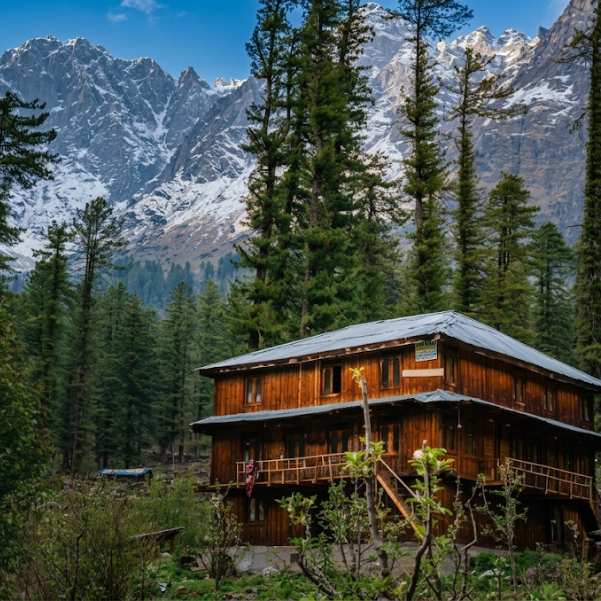
Kutla works as a short add-on from Tosh if your group still has energy and a half day to spare. It is a gentle extension, not a separate expedition.
Malana
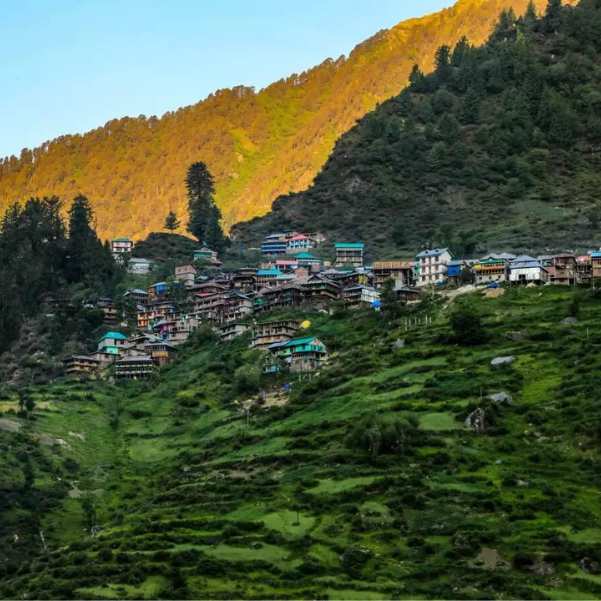
Malana is the one to be careful with. Do not force it into a tight 4N/5D plan. It deserves its own time and its own rules, and squeezing it in just leaves you rushed everywhere else. Add it only if you build a buffer day.
Final Recommendation: Best 4N/5D Plan for Most Travellers
After running travellers through this valley season after season, here is what we tell most groups. The cleanest plan is overnight travel in, a relaxed day on Kasol and Manikaran, the Kheerganga trek with a verified stay, a slow evening in Tosh, and a return with buffer time.
That version respects the altitude, the road and your own legs. It does not try to win at tourism. It just gives you a good trip.
The place a local team helps most is exactly where the internet fails you, the live road status, the real weather window, and the current Kheerganga camping rule. When those three are uncertain, a quick word with someone on the ground saves your whole plan.
>>Want this trip adjusted around your dates? Chat with our team on WhatsApp.
Related topics
Frequently Asked Questions
How many days are enough for Kasol Kheerganga Tosh?
Four nights and five days is the sweet spot. It gives you one full trek day plus relaxed time in Kasol and Tosh without rushing.
Is 4N/5D enough for Kasol, Kheerganga and Tosh?
Yes, as long as you do not also force Malana, Jibhi or Manali into the same five days. Keep the plan focused and it works well.
What is the best itinerary for Kasol Kheerganga Tosh from Delhi?
Overnight travel to Kasol, a day on Kasol, Chalal and Manikaran, the Barshaini to Kheerganga trek, a night near Tosh, and an overnight return. That flow keeps the pace sane.
Is Kheerganga trek difficult for beginners?
It is rated easy to moderate, so beginners with basic fitness can do it. Start early, wear proper shoes, and take the descent slow.
How long is the Kheerganga trek from Barshaini?
The trek from Barshaini runs around 12 to 14 km one way and usually takes 4 to 7 hours depending on route, weather and your fitness.
Is overnight camping allowed at Kheerganga in 2026?
This is genuinely conflicting for 2026. Some guides say overnight camping is banned and only day visits are allowed, while others still mention camping, so verify with the Forest Department or DFO Parvati before you book.
How far is Tosh from Kasol?
Kasol to Tosh is around 20 km and takes roughly 1.5 to 2 hours by road, depending on traffic and road condition.
How do I reach Kheerganga from Kasol?
Drive from Kasol to Barshaini, the last motorable point, then trek up to Kheerganga on foot. There is no road beyond Barshaini.
What is the best time to visit Kasol Kheerganga Tosh?
March to June and September to November are the best windows. Avoid monsoon for slippery trails and landslide-prone roads.
What is the budget for a Kasol Tosh Kheerganga trip?
A do-it-yourself trip lands around ₹4,500 to ₹7,500 per person for the core days, with buses, stays and food on top depending on your choices.
Is Kasol Kheerganga Tosh safe for girls or solo travellers?
Yes, with sensible habits. Pick clean stays, avoid isolated late-night walks, keep the group together on the trek, and never start the climb too late in the day.
Should I stay in Tosh, Kalga, Barshaini, or Kasol after Kheerganga?
If Kheerganga camping is not allowed, Kalga, Barshaini, Nakthan and Tosh all make good fallback stays. Tosh is the favourite for its views and slow evenings.
More about Kasol
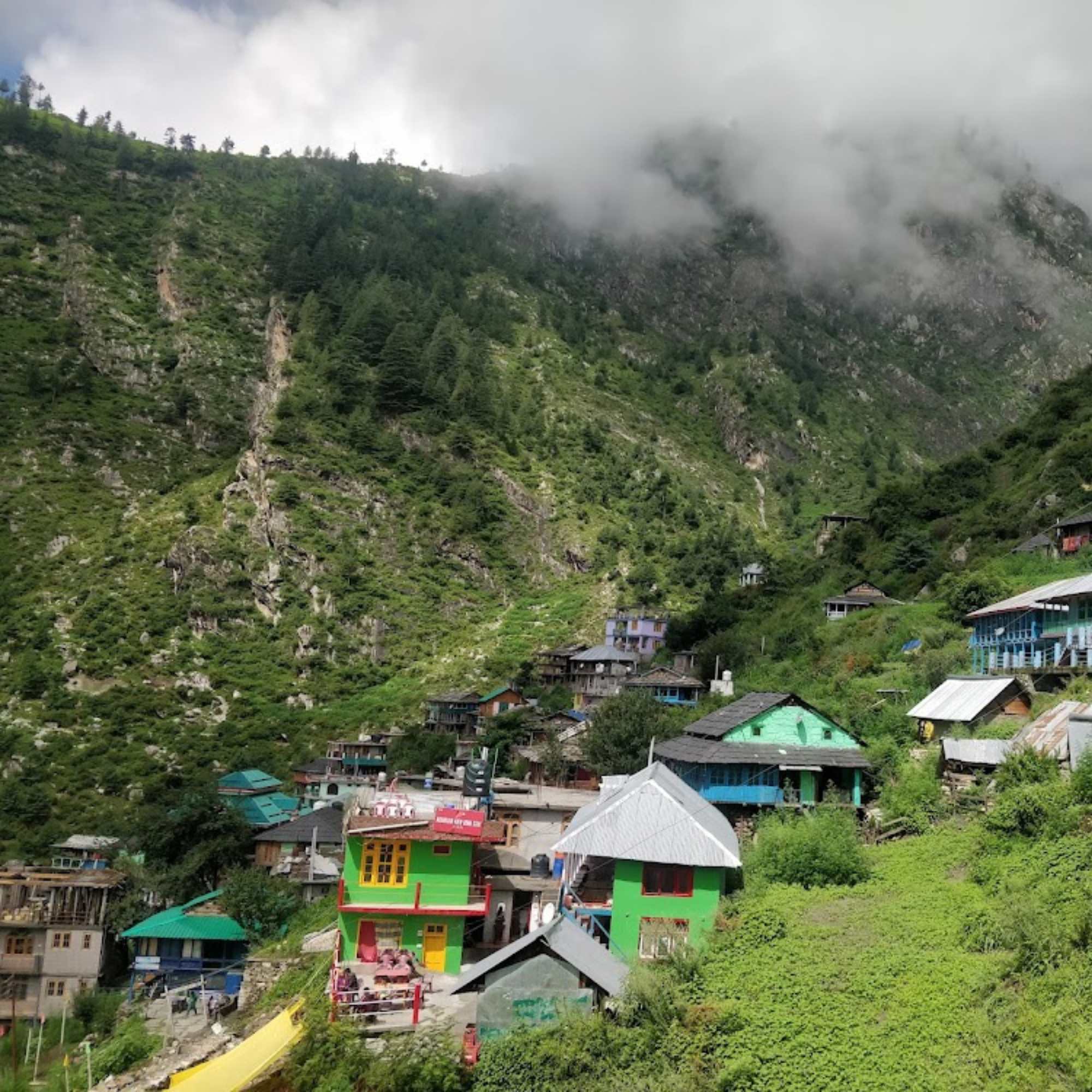 Kasol
KasolBest Offbeat Places Near Kasol Most Tourists Miss in 2026
Escape the crowds and discover the hidden side of Kasol in 2026. From peaceful villages and untouched valleys to scenic trails and secret viewpoints, these offbeat places near Kasol offer authentic Himalayan experiences that most tourists completely miss.
- Places to Visit
- Things to Do
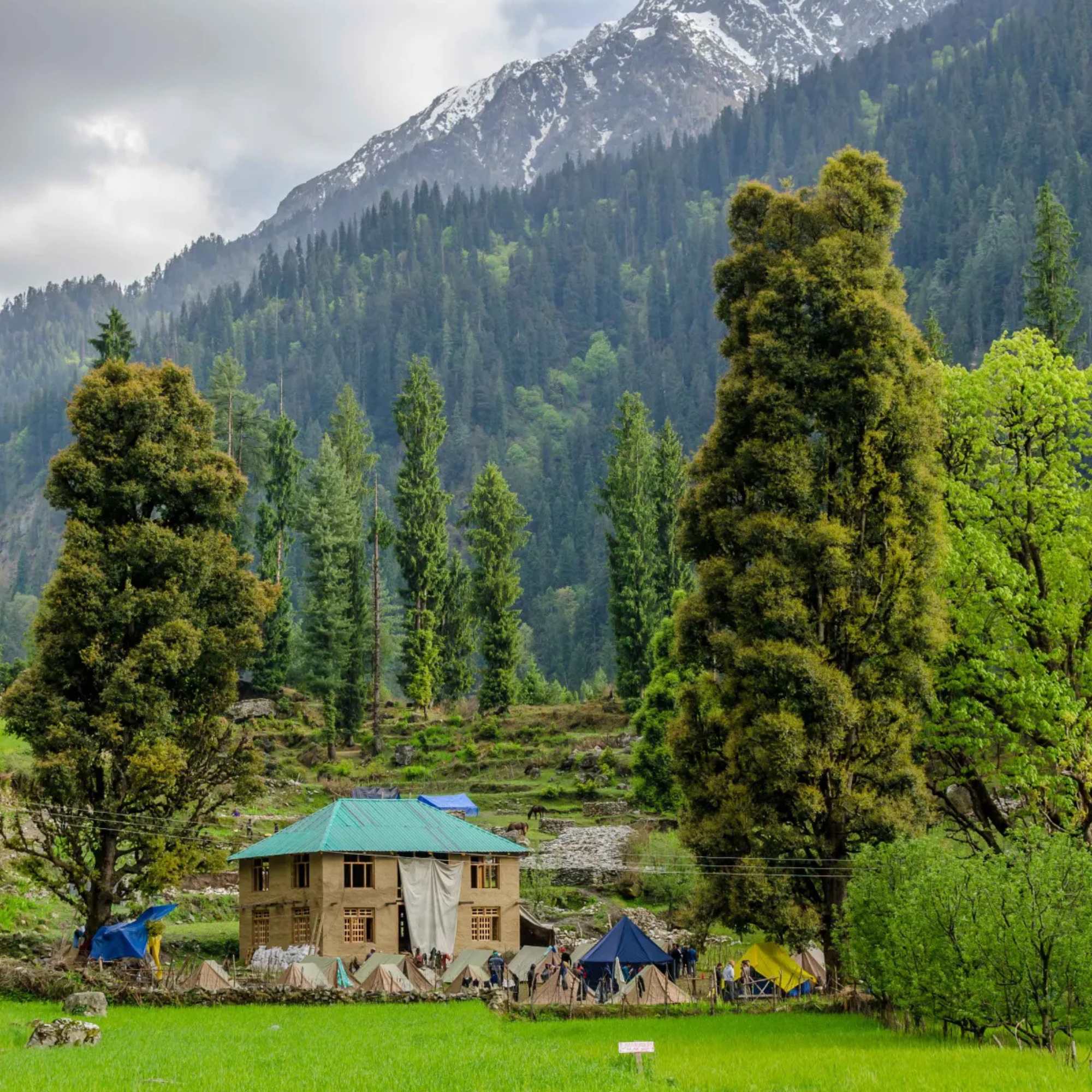 Kasol
KasolRasol Village Trek From Kasol 2026: Route, Distance & What to Expect
Planning the Rasol Village Trek from Kasol in 2026? Explore the complete trekking route, distance, difficulty level, stay options, and essential travel tips to experience one of Parvati Valley’s most peaceful and offbeat Himalayan villages.
- Things to Do
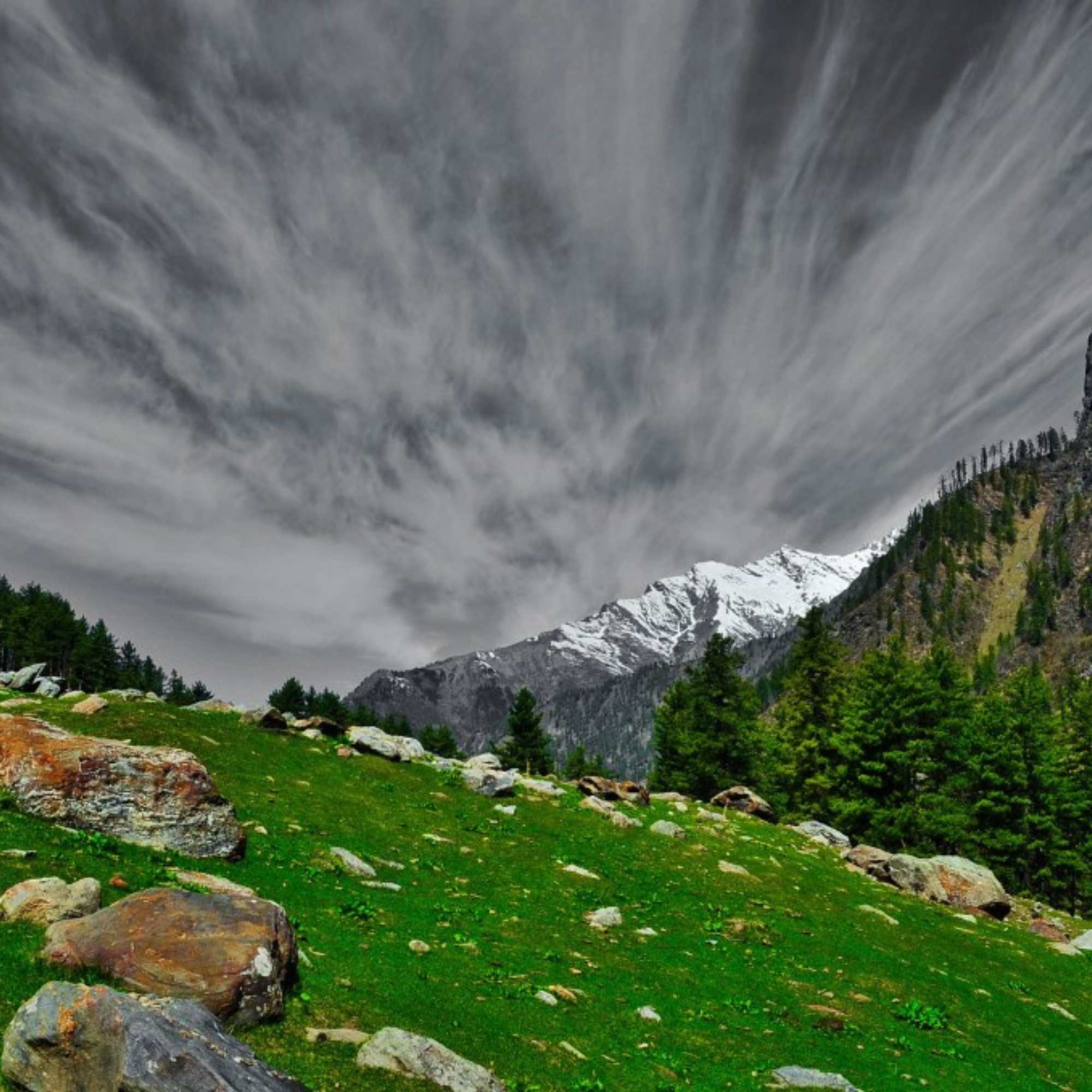 Kasol
KasolKalga, Pulga & Tulga Villages in 2026: The Offbeat Side of Parvati Valley
A Himachal Pradesh travel expert or experienced Parvati Valley trek guide with firsthand knowledge of Kalga, Pulga, and Tulga. The content should provide practical insights on trekking routes, homestays, local culture, seasonal travel, and hidden attractions, helping readers plan an authentic offbeat Himalayan experience with confidence.
- Places to Visit